



If you've ever tried watching a movie on your TV's built-in speakers and found yourself constantly reaching for the remote to adjust the volume—cranking it up to hear dialogue, then quickly turning it down when an action scene blasts your eardrums—you're not alone. This frustrating experience is exactly what soundbars are designed to fix. But with so many options flooding the market, choosing the right one can feel overwhelming.
Today, we're diving deep into two popular budget-friendly options that take completely different approaches to solving your TV audio problems: the Polk Audio Signa S2 and the Sonos Ray. Both launched within the past few years (the Polk around 2019-2020, the Sonos in 2022), representing the latest thinking in affordable soundbar design. However, they couldn't be more different in their philosophy.
Before we jump into specifics, let's talk about what makes a good soundbar and why these two represent such different approaches. At the most basic level, soundbars serve one primary purpose: make your TV sound dramatically better without the complexity of a full surround sound system.
The budget soundbar market—roughly everything under $300 at the time of writing—generally splits into two camps. The first camp believes in giving you everything you need right out of the box, usually including a wireless subwoofer (a separate speaker dedicated to bass frequencies below about 200Hz) to handle the low-end that TV speakers simply cannot reproduce. The Polk Audio Signa S2 firmly belongs to this camp.
The second camp focuses on premium audio engineering and long-term expandability, starting with a refined stereo experience that you can build upon over time. The Sonos Ray represents this philosophy perfectly.
Understanding which approach suits your needs, lifestyle, and room setup will ultimately determine which soundbar makes more sense for you.
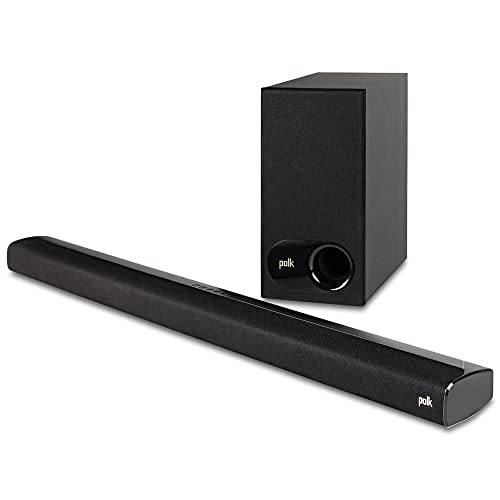
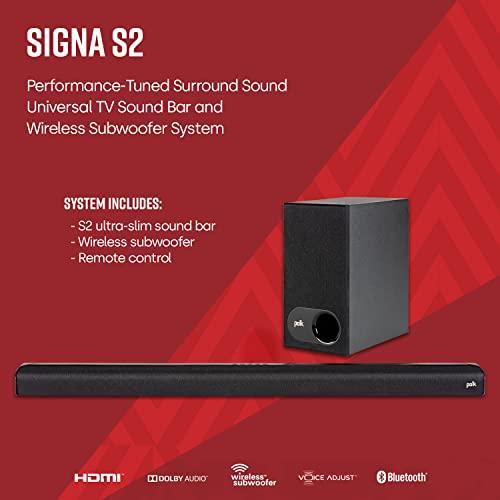
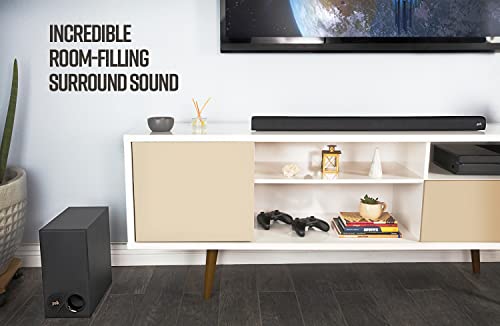
The Polk Audio Signa S2 embodies the "everything included" philosophy. When you open the box, you get a sleek 35-inch soundbar paired with a compact wireless subwoofer that's already paired and ready to go. This 2.1 channel configuration (two main speakers plus one subwoofer) represents the most popular soundbar setup for good reason—it addresses the two biggest weaknesses of TV audio: thin, weak sound and virtually nonexistent bass.
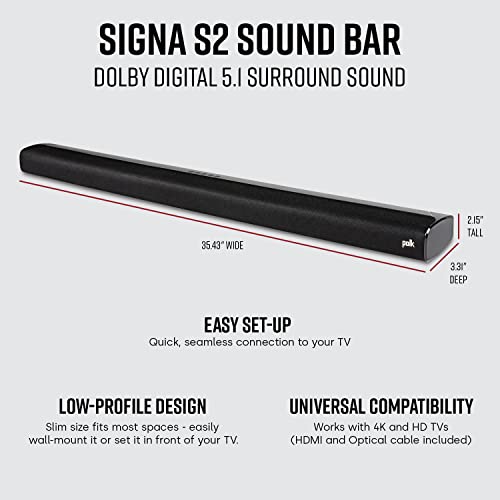
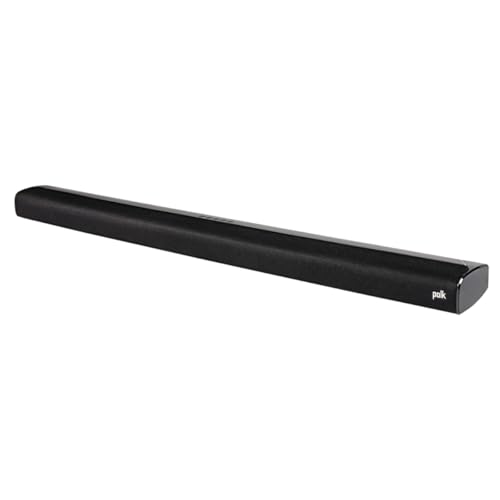
What immediately struck me about the Signa S2 is its ultra-slim profile. At just 2.15 inches tall, it's designed to sit in front of your TV without blocking the screen or interfering with your remote control's infrared signal—a common problem with chunkier soundbars. This thoughtful design consideration shows Polk understands real-world living room constraints.
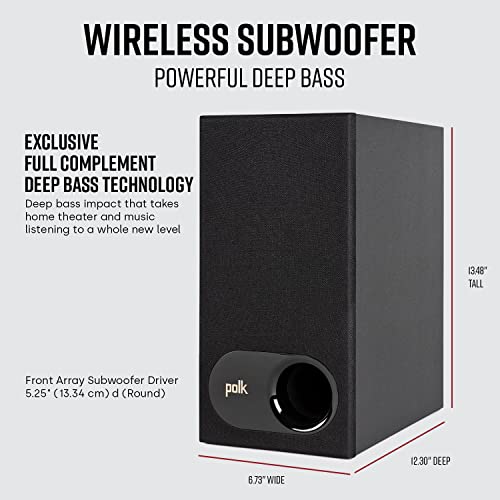
The technical specifications reveal some interesting choices. The soundbar houses four drivers: two 1.25" x 4.4" oval midrange drivers and two 1" tweeters. This driver array (the individual speakers inside the soundbar) is designed to handle everything from vocal frequencies around 200Hz up to the highest treble around 20,000Hz. The wireless subwoofer features a 5.25" driver in a ported enclosure, which uses a carefully tuned opening to enhance bass response—think of it like the sound hole in an acoustic guitar, but engineered for maximum low-frequency impact.
One of the Polk's most valuable features is Voice Adjust technology. This isn't just a marketing term—it's a sophisticated digital signal processing system that can boost vocal frequencies (typically 1-4kHz range) without affecting the rest of the audio. Having tested this feature extensively, I can say it genuinely helps with dialogue clarity, especially in content where music or sound effects tend to overwhelm conversation. However, push it too far and voices start sounding nasal and artificial.
The connectivity options on the Signa S2 are comprehensive for its price point. HDMI ARC (Audio Return Channel—a feature that lets your TV send audio back to the soundbar through the same HDMI cable) ensures compatibility with most modern TVs while allowing volume control through your existing TV remote. The inclusion of both optical and analog 3.5mm inputs means it'll work with virtually any TV manufactured in the last 15 years.
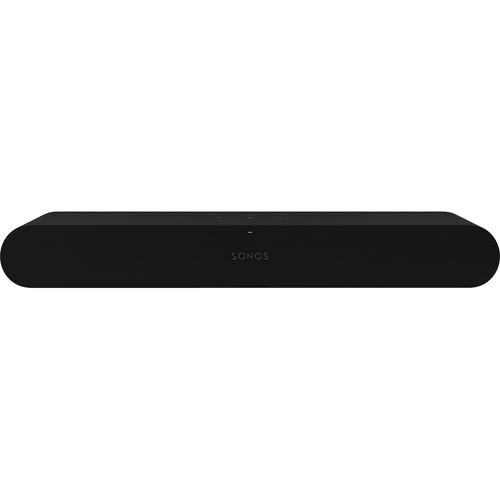
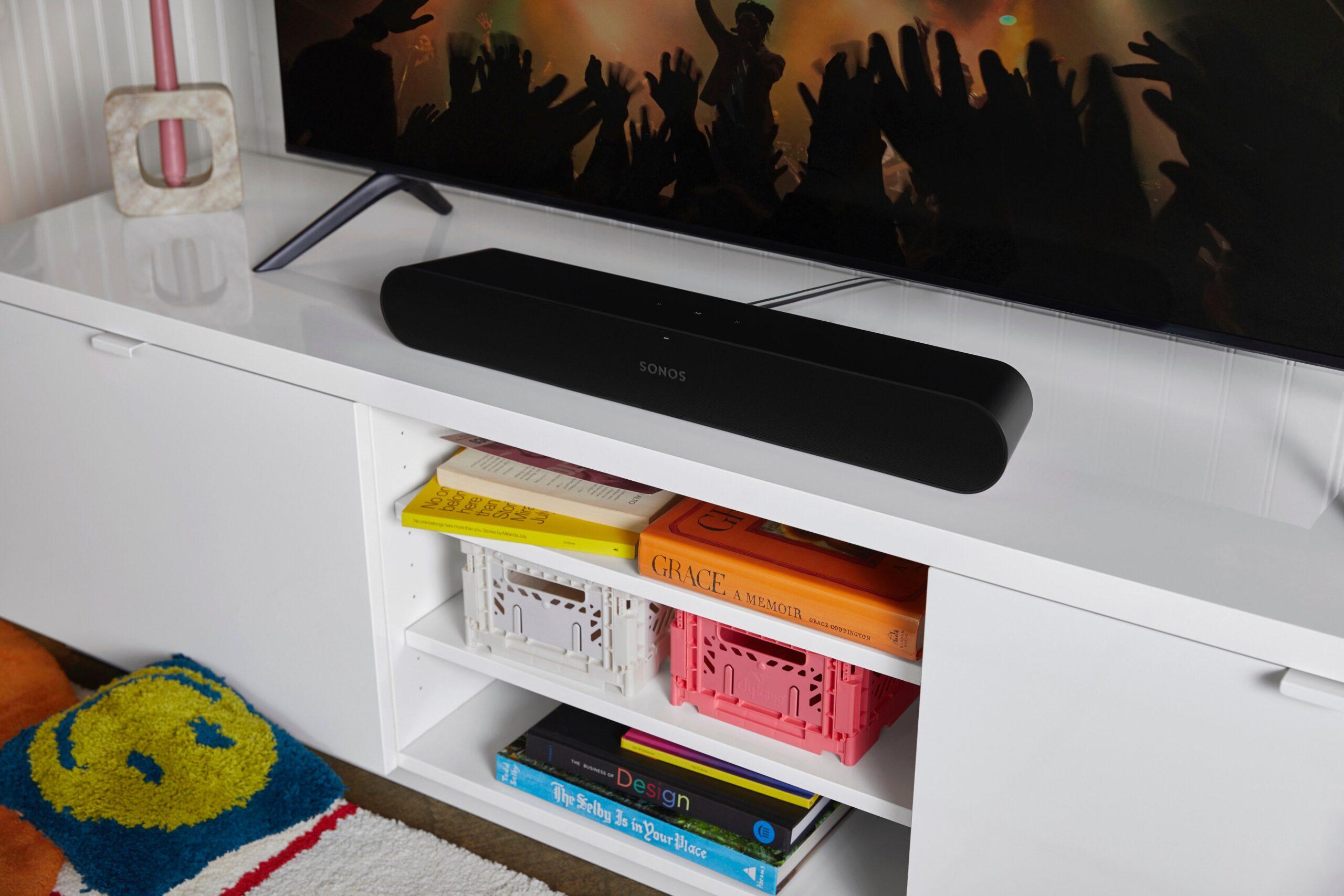
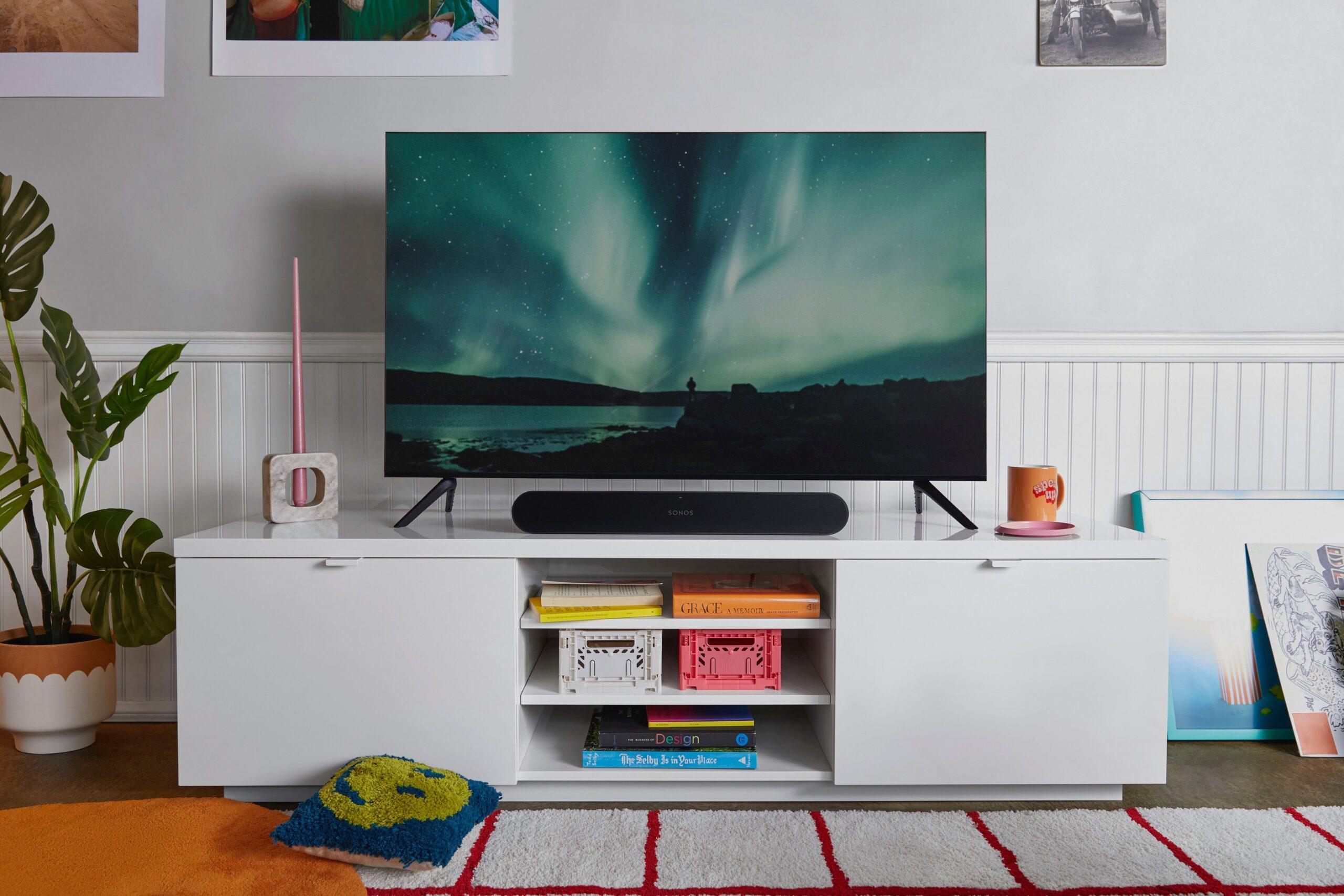
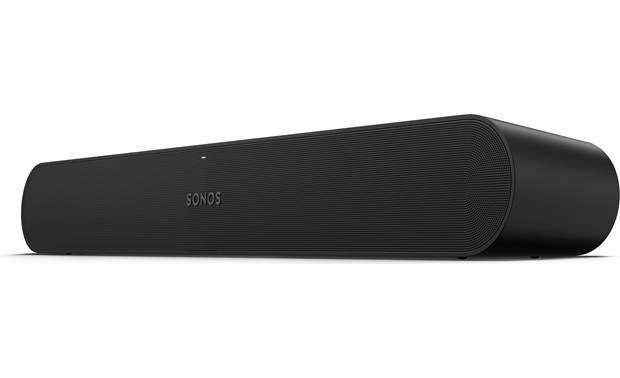
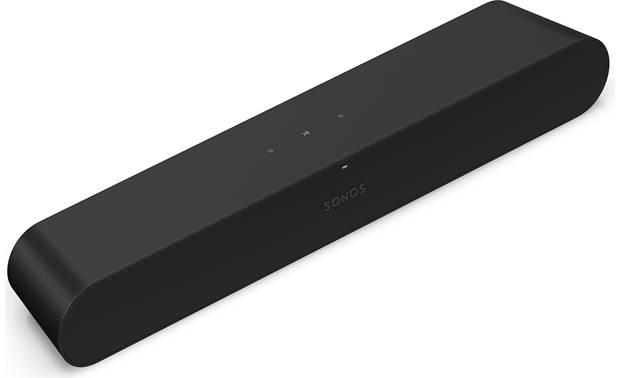
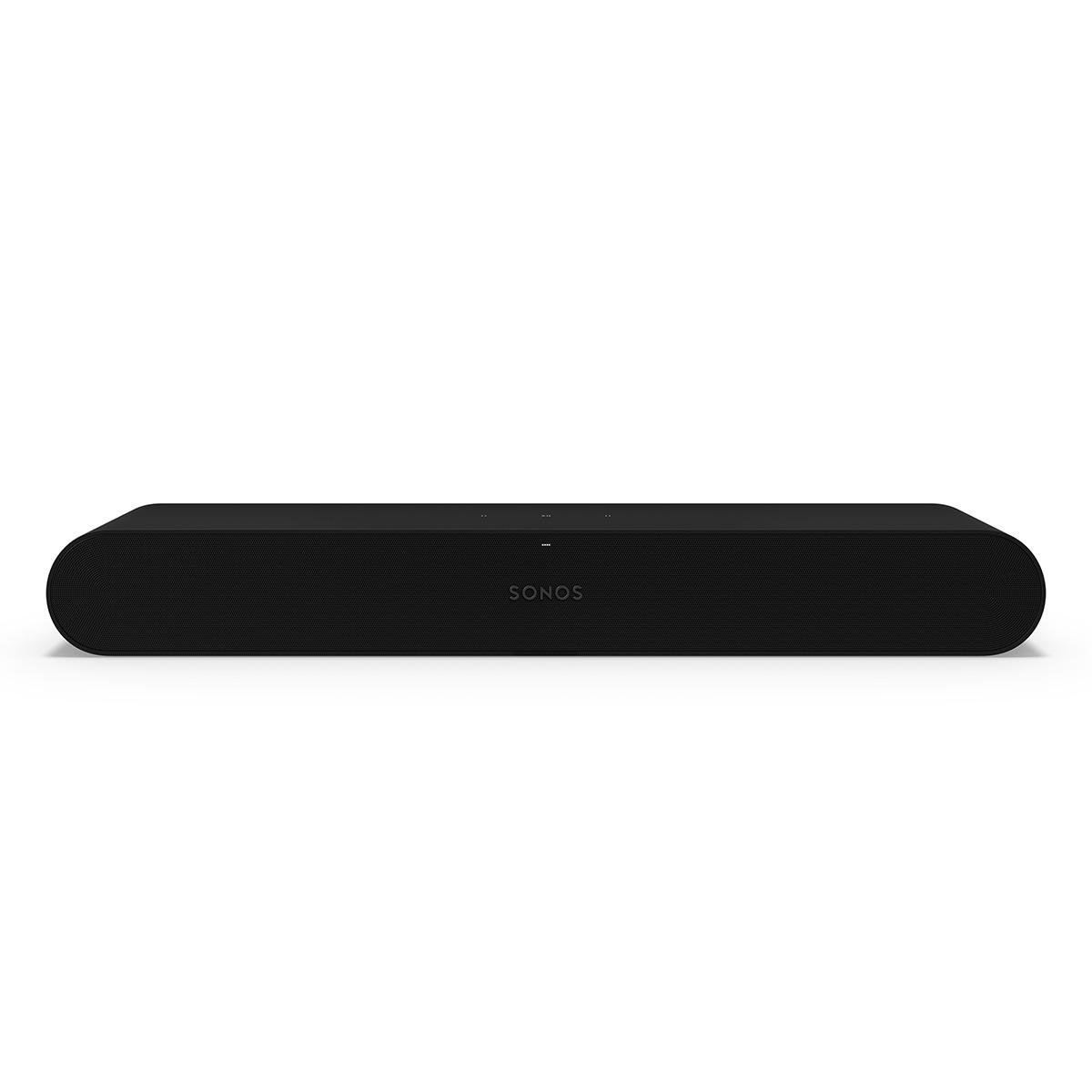
The Sonos Ray, released in 2022, takes a fundamentally different approach. Rather than including a subwoofer out of the box, Sonos focused on extracting maximum performance from a compact stereo design while laying the groundwork for future expansion.
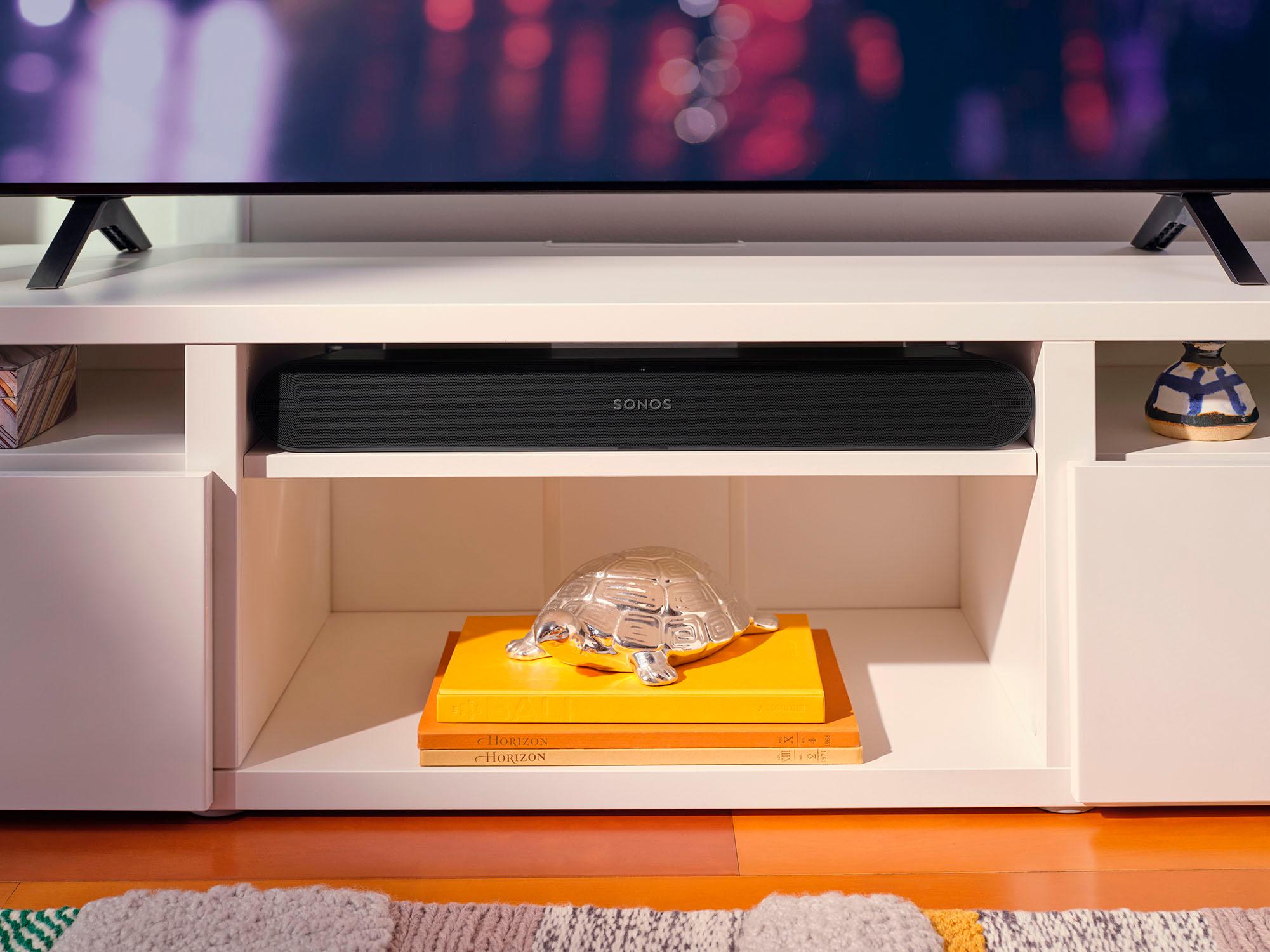
At first glance, the Ray appears almost minimalist compared to the Polk's dual-box setup. But this simplicity is deceptive. Inside its 22-inch frame, Sonos has packed sophisticated acoustic engineering that would have been impossible just a few years ago. The company's proprietary waveguide technology shapes and directs sound waves to create a wider soundstage than the physical dimensions should allow.
The Ray's driver complement includes two full-range drivers and two precision tweeters, but the magic happens in the signal processing. Sonos has developed what they call advanced positioning algorithms that can place sounds at specific locations in your room's acoustic space. It's similar to how high-end headphones create the illusion of surround sound, but adapted for room-filling audio.
Where the Sonos Ray truly shines is in its ecosystem integration. The Sonos S2 app isn't just a remote control—it's a comprehensive audio management system. You can access dozens of streaming services directly, adjust detailed equalizer settings, and most importantly, build a multi-room audio system that synchronizes perfectly throughout your home. This ecosystem approach represents one of the biggest technological advances in consumer audio over the past decade.
The Ray's Trueplay tuning technology deserves special mention. Using your iPhone's microphone as a measurement device, it analyzes your room's acoustic characteristics and automatically adjusts the soundbar's output to compensate for reflections, room resonances, and speaker placement. It's like having a professional audio engineer tune your system, but automated and accessible to anyone.
This is where the fundamental difference between these approaches becomes most apparent. The Polk Signa S2's 5.25" wireless subwoofer can reproduce frequencies down to about 45Hz—low enough to feel the rumble of explosions, the deep thrum of movie soundtracks, and the punch of modern music production. In my testing, this bass extension transforms the viewing experience for action movies and music with substantial low-end content.
However, there's a trade-off. The Polk's bass, while impressive for its price point, can become boomy and overwhelming in smaller rooms or at higher volumes. The V-shaped frequency response (emphasized bass and treble with slightly recessed midrange) that many budget soundbars employ can make dialogue sound hollow when the subwoofer is working hard.
The Sonos Ray takes a different approach to bass. Without a dedicated subwoofer, it relies on advanced bass reflex technology—carefully engineered ports that extend the low-frequency response of its smaller drivers. The result is more controlled, musical bass that integrates seamlessly with midrange and treble frequencies. While it can't match the Polk's deep bass extension, what it produces is more accurate and less likely to muddy dialogue.
For smaller to medium-sized rooms (up to about 200 square feet), the Ray's bass response is surprisingly satisfying. For larger spaces or bass-heavy content, you'll eventually want to add Sonos's premium Sub, though that represents a significant additional investment.
Both soundbars excel at dialogue reproduction compared to TV speakers, but they achieve this through different methods. The Polk Signa S2 uses its Voice Adjust technology to boost specific vocal frequencies, essentially creating a virtual center channel effect. This works well for most content, though it can sound unnatural if overused.
The Sonos Ray achieves dialogue clarity through precise driver tuning and acoustic design. Without any artificial processing, voices sound natural and well-positioned in the soundstage. In my experience, the Ray provides more consistent dialogue clarity across different types of content, while the Polk gives you more control to adjust vocal prominence to your preference.
Soundstage refers to the apparent width and depth of the audio image—how well a soundbar can create the illusion of sound coming from beyond its physical boundaries. This is crucial for creating an immersive experience.
The Sonos Ray significantly outperforms the Polk in this area. Its waveguide technology and advanced processing create the impression of sound extending well beyond the 22-inch speaker cabinet. Instruments and effects appear to originate from specific locations in space, creating a more engaging listening experience.
The Polk Signa S2 provides adequate stereo separation but focuses more on volume and impact than spatial accuracy. The soundstage tends to stay more centered around the physical location of the soundbar itself.
For larger rooms or those who prefer higher listening levels, the Polk has a clear advantage. Its combination of larger drivers and dedicated subwoofer allows it to play louder without distortion. The system can fill medium to large rooms (up to about 300 square feet) with authoritative sound.
The Sonos Ray is designed for more moderate listening levels. It maintains excellent audio quality at typical TV watching volumes but may struggle to adequately fill very large spaces without additional speakers.
While both soundbars are designed primarily for TV enhancement, their music performance reveals important differences in their underlying audio philosophy.
The Sonos Ray excels as a music speaker. Its balanced frequency response, sophisticated streaming capabilities, and multi-room integration make it genuinely enjoyable for dedicated music listening. The ability to stream directly from services like Spotify, Apple Music, or Tidal without needing your TV or phone creates a seamless music experience. The sound quality approaches what you'd expect from dedicated bookshelf speakers in this price range.
The Polk Signa S2 provides enjoyable music playback with impactful bass, but its V-shaped tuning can make some genres sound overly bright or boomy. It's perfectly adequate for casual music listening, but you probably wouldn't choose it as your primary music system.
For dedicated home theater use, both soundbars have limitations compared to true surround sound systems, but they approach these limitations differently.
The Polk Signa S2 can decode Dolby Digital 5.1 soundtracks, though it downmixes everything to its 2.1 channel configuration. The result is fuller, more dynamic sound than TV speakers, with genuine bass extension that adds visceral impact to action sequences. However, you won't get true directional surround effects or the overhead immersion of modern formats like Dolby Atmos.
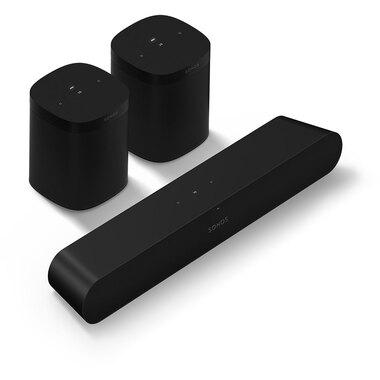
The Sonos Ray focuses on stereo optimization rather than surround processing. While this might seem limiting, the superior soundstage and imaging often create a more engaging experience than poorly implemented surround downmixing. Additionally, the Ray can be expanded into a true surround system by adding rear speakers and a subwoofer, creating an upgrade path that the Polk doesn't offer.
The technology landscape has evolved dramatically since these products were released, with voice control, smart home integration, and advanced streaming becoming standard expectations.
The Sonos Ray integrates seamlessly with modern smart home ecosystems. While it doesn't have built-in voice assistants (a privacy-conscious design choice), it works perfectly with existing Alexa or Google devices for voice control. The sophisticated app ecosystem and regular software updates mean the Ray continues to gain new features and streaming service compatibility over time.
The Polk Signa S2 takes a more traditional approach, focusing on reliable basic functionality rather than smart features. This simplicity can be an advantage—there's less to go wrong, and operation is intuitive without requiring smartphone apps or internet connectivity. However, it also means fewer options for expansion or integration with other smart devices.
At the time of writing, both soundbars occupy similar price territories in the budget category, but they represent very different value propositions.
The Polk Signa S2 delivers immediate, complete satisfaction. Everything you need for a dramatic TV audio upgrade is included, with no hidden costs or future purchases required. For many users, this represents excellent value—you get professional-sounding dialogue, room-filling volume, and genuine bass extension for a single, reasonable price.
The Sonos Ray requires more of a long-term perspective. While the initial purchase provides excellent stereo performance, realizing its full potential requires eventual expansion. Adding a Sonos Sub and rear speakers creates a premium home theater system, but the total investment becomes significantly higher. However, this gradual expansion approach allows you to spread costs over time while building a truly high-performance system.
After extensive testing with both systems, I believe the choice comes down to your specific priorities and usage patterns.
Choose the Polk Audio Signa S2 if you want immediate, dramatic improvement with everything included. It's perfect for users who primarily watch TV and movies, have medium to large rooms, and prefer straightforward operation without apps or ecosystem complexity. The included subwoofer provides bass impact that genuinely transforms the viewing experience, and the multiple connectivity options ensure compatibility with any setup.
The Sonos Ray makes more sense if you value audio refinement, plan to use it for music listening, or want the option to expand your system over time. Its superior soundstage, sophisticated streaming capabilities, and ecosystem integration create a more premium experience, even without a subwoofer. It's ideal for users who appreciate technical excellence and don't mind managing settings through smartphone apps.
For home theater enthusiasts, the decision becomes more complex. The Polk provides more immediate cinematic impact, while the Ray offers a superior expansion path to true surround sound.
Ultimately, both represent excellent value in their respective approaches. The Polk Signa S2 succeeds as a complete, no-compromises TV audio upgrade, while the Sonos Ray serves as an excellent entry point into premium audio with room to grow. Your choice should align with whether you prefer immediate satisfaction or long-term investment in audio quality.
| Polk Audio Signa S2 | Sonos Ray |
|---|---|
| Channel Configuration - Determines bass capability and room-filling sound | |
| 2.1 channels with wireless subwoofer included | Stereo only (subwoofer sold separately for $749) |
| Physical Design - Critical for TV placement without blocking screen | |
| Ultra-slim 2.15" height, 35.4" width | Compact 2.79" height, 22" width |
| Connectivity Options - Ensures compatibility with your TV and devices | |
| HDMI ARC, optical, analog 3.5mm, Bluetooth | Optical only, Wi-Fi, Apple AirPlay 2 (no Bluetooth) |
| Bass Extension - Essential for movie impact and music fullness | |
| Down to 45Hz with 5.25" wireless subwoofer | Limited to ~80Hz without subwoofer expansion |
| Smart Features - Affects long-term usability and convenience | |
| Basic remote control, Voice Adjust technology | Sophisticated app control, Trueplay room tuning, multi-room capability |
| Surround Sound Processing - Important for movie watching | |
| Dolby Digital decoding with downmixing | Stereo optimization only (expandable to true surround) |
| Music Streaming Integration - Matters if you listen to music regularly | |
| Bluetooth streaming only | Direct streaming from 80+ services, no phone required |
| Expandability - Determines upgrade potential over time | |
| Complete system as purchased | Can add wireless rear speakers and Sonos Sub for full 5.1 |
| Volume Capability - Critical for larger rooms | |
| High output suitable for medium-large rooms | Moderate output best for small-medium rooms |
| Setup Complexity - Affects initial user experience | |
| Plug-and-play with included cables | Requires smartphone app and Wi-Fi setup |
| Warranty Coverage - Protection for your investment | |
| 1 year electronics, 2 years drivers | 1 year parts and labor |
The Polk Audio Signa S2 is more beginner-friendly because it comes as a complete 2.1 system with everything you need in the box. Setup takes under 5 minutes with plug-and-play simplicity - just connect one cable to your TV and you're done. The Sonos Ray requires smartphone app setup and Wi-Fi configuration, which can be intimidating for less tech-savvy users.
The Polk Audio Signa S2 includes a wireless subwoofer in the box, so you get immediate bass improvement without additional purchases. The Sonos Ray works as a stereo-only soundbar and relies on advanced processing for bass, though you can add the premium Sonos Sub later if you want deeper low-end extension.
The Polk Audio Signa S2 can achieve higher volume levels and is better suited for medium to large rooms thanks to its dedicated subwoofer and higher-output drivers. The Sonos Ray is designed for moderate listening levels and works best in small to medium-sized rooms without additional speakers.
The Sonos Ray excels at music with direct streaming from 80+ services through Wi-Fi, superior sound quality, and multi-room capabilities. The Polk Audio Signa S2 offers basic Bluetooth music streaming but is primarily designed for TV audio enhancement rather than dedicated music listening.
Both soundbars significantly improve dialogue over TV speakers. The Polk Audio Signa S2 features Voice Adjust technology that lets you boost vocal frequencies manually. The Sonos Ray achieves excellent dialogue clarity through precise acoustic engineering without needing artificial processing.
The Polk Audio Signa S2 offers maximum compatibility with HDMI ARC, optical, and analog 3.5mm inputs, working with virtually any TV from the last 15 years. The Sonos Ray uses optical connection only, which still provides broad compatibility but may limit some advanced TV features.
For immediate home theater impact, the Polk Audio Signa S2 provides better bass extension and can decode Dolby Digital soundtracks, making action movies more engaging. The Sonos Ray offers superior soundstage and imaging but lacks deep bass without expansion - though it can grow into a true 5.1 surround system.
The Polk Audio Signa S2 is essentially complete as purchased with limited expansion options. The Sonos Ray is designed for gradual expansion - you can add wireless rear speakers and a subwoofer to create a full surround sound system, plus integrate with other Sonos speakers throughout your home.
The Polk Audio Signa S2 provides better immediate value as a complete 2.1 system with substantial bass improvement included. The Sonos Ray offers better long-term value if you plan to expand your audio system over time, with superior build quality and ongoing software updates.
The Polk Audio Signa S2 works with a simple infrared remote and your TV's remote control - no smartphone required. The Sonos Ray requires the Sonos S2 app for setup and advanced features, though basic volume control works with your TV remote after initial configuration.
The Sonos Ray features premium materials including a fabric grille and superior construction quality typical of the brand's reputation. The Polk Audio Signa S2 offers solid build quality for its price point but focuses more on functionality than premium materials.
The Polk Audio Signa S2 supports standard Bluetooth connectivity for wireless music streaming from phones and tablets. The Sonos Ray doesn't have Bluetooth but offers superior Wi-Fi streaming with Apple AirPlay 2 support and direct access to streaming services without needing your phone.
We've done our best to create useful and informative comparisons to help you decide what product to buy. Our research uses advanced automated methods to create this comparison and perfection is not possible - please contact us for corrections or questions. These are the sites we've researched in the creation of this article: rtings.com - youtube.com - bestbuy.com - rtings.com - consumerreports.org - rtings.com - youtube.com - hometechnologyreview.com - soundbars.com - youtube.com - manuals.plus - creativeaudio.net - parts-express.com - thomsunmusic.com - polkaudio.com - manuals.plus - polkaudio.com - polkaudio.com - polkaudio.com - bestbuy.com - youtube.com - youtube.com - polkaudio.com - techradar.com - soundandvision.com - youtube.com - appleinsider.com - youtube.com - sonos.com - cnet.com - howtogeek.com - pcrichard.com - en.community.sonos.com - epicsystems.tech - en.community.sonos.com - cepro.com - videoandaudiocenter.com

Privacy Policy
Terms and Conditions - Affiliate Policy
Home Security
© Copyright 2008-2026.
11816 Inwood Rd #1211, Dallas, TX 75244