

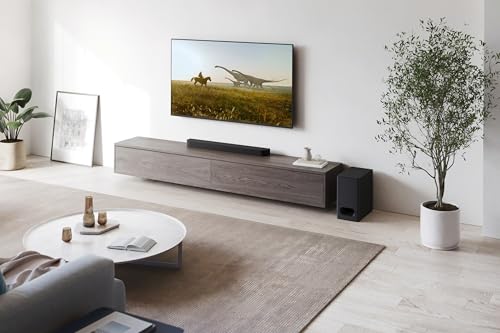
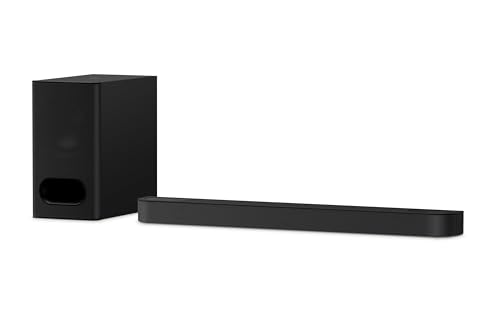
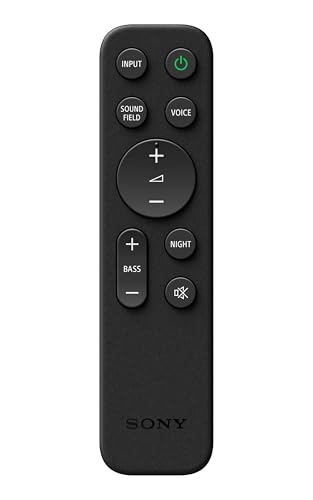





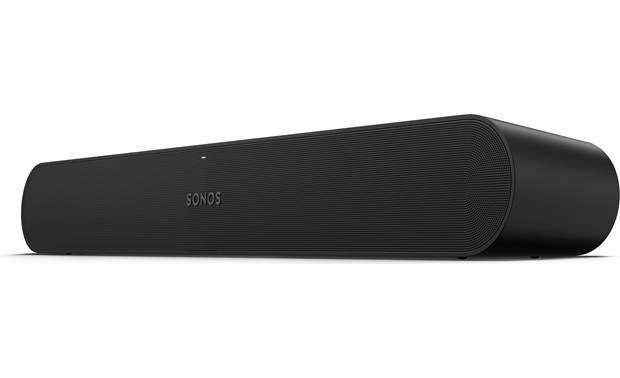
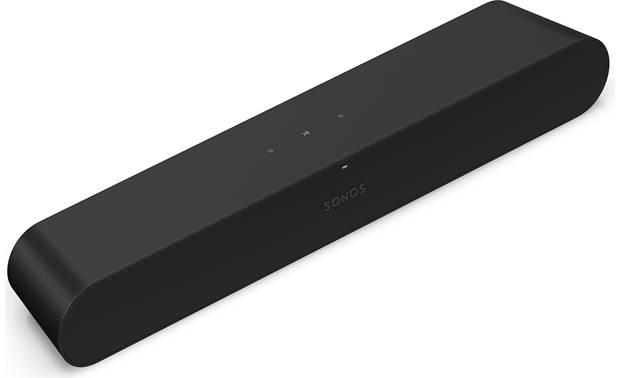
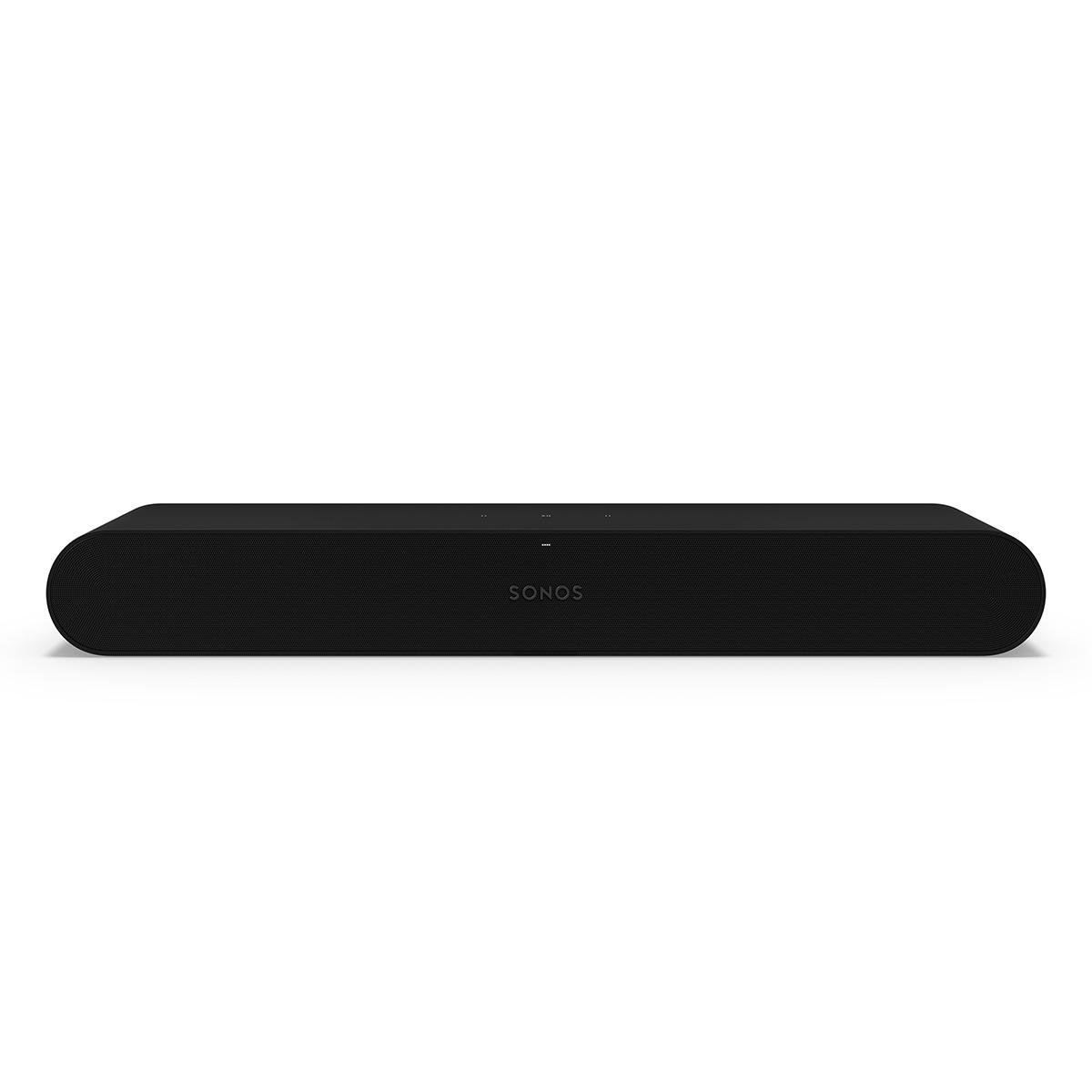
If you've been struggling to hear dialogue clearly on your TV or just want better sound for movies and music, you're probably considering a soundbar. These sleek devices have become the go-to solution for upgrading TV audio without the complexity of a full surround sound system. Today, we're comparing two very different approaches to soundbar design: the Sony BRAVIA Theater Bar 6 and the Sonos Ray.
Released in 2024, the Sony BRAVIA Theater Bar 6 represents Sony's push into more accessible home theater audio, while the Sonos Ray, which launched in 2022, marked Sonos's entry into the budget-friendly soundbar market. Both have evolved the soundbar category in interesting ways, but they take completely different approaches to the same problem.
Before diving into these specific models, let's talk about what makes a soundbar worth buying. The fundamental issue is that modern TVs, despite their incredible picture quality, have terrible speakers. Manufacturers have made TVs so thin that there's simply no room for decent drivers (the actual speakers that create sound). This leaves you with tinny, weak audio that makes dialogue hard to understand and completely fails to deliver the impact of movie soundtracks.
A good soundbar solves this by placing multiple speakers in a single cabinet positioned below or above your TV. The most important performance factors are dialogue clarity, overall sound quality, bass response, and how well it creates a sense of space and immersion. Value considerations include the price-to-performance ratio, how well it integrates with your existing setup, and whether you can expand the system later.
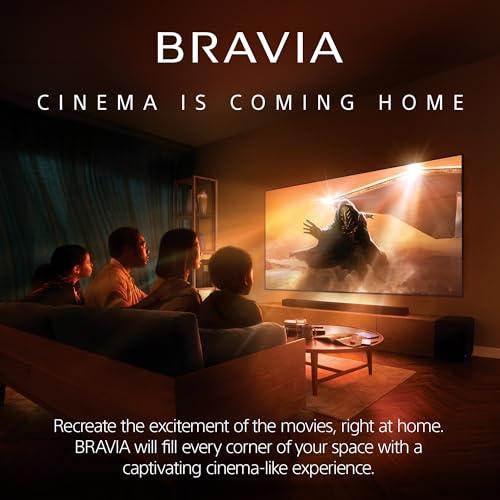
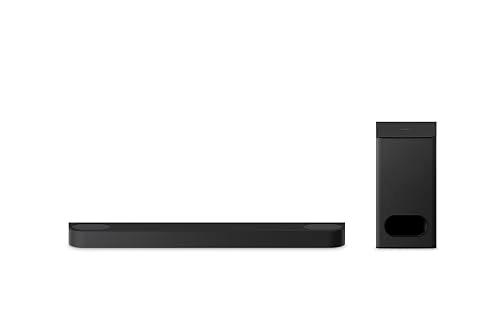
The Sony BRAVIA Theater Bar 6 and Sonos Ray represent fundamentally different philosophies in soundbar design. The Sony is what I'd call a "cinema-first" approach – it's designed primarily to give you an immersive movie experience with powerful bass and surround sound effects. At the time of writing, it sits in the mid-range price category but includes a wireless subwoofer and advanced audio processing.
The Sonos Ray, on the other hand, takes a "music-first" approach. It's positioned as an entry-level product in terms of price, but it's built by a company known for premium audio quality. Sonos prioritized streaming capabilities, ecosystem integration, and balanced sound over raw power and surround effects.
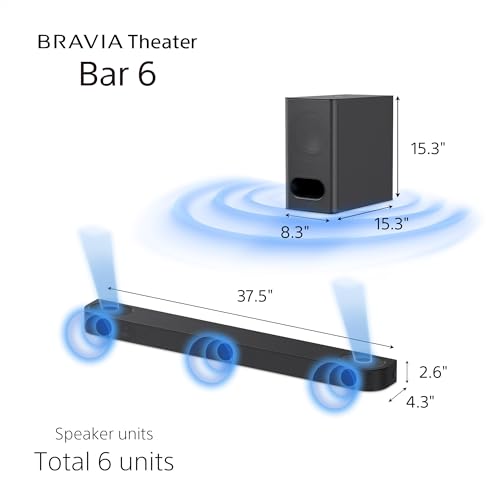
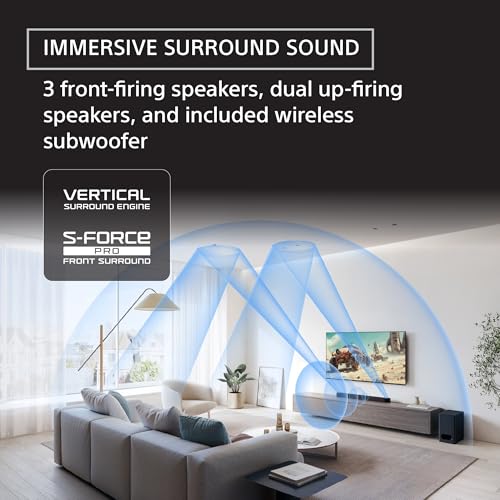
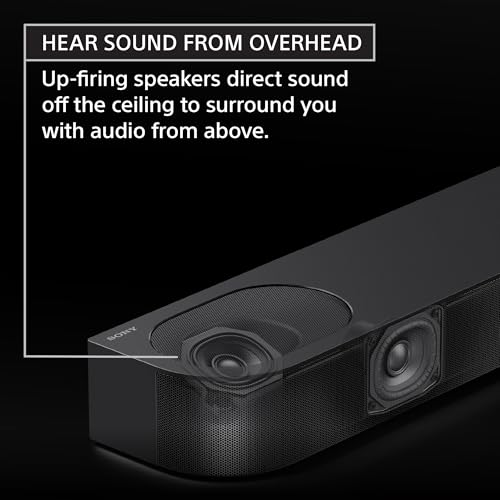
The Sony BRAVIA Theater Bar 6 is a 3.1.2-channel system, which might sound like alphabet soup if you're not familiar with audio terminology. Let me break this down: the "3" represents three main speakers (left, center, right), the "1" is a dedicated subwoofer for bass, and the "2" indicates two height speakers that fire sound upward toward your ceiling.
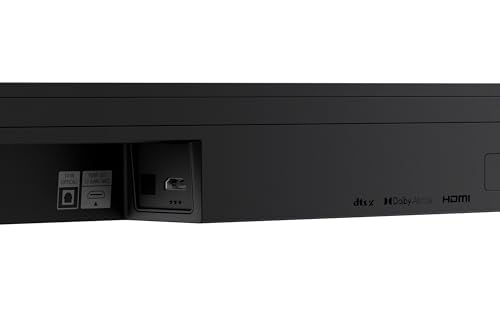
This configuration enables support for Dolby Atmos and DTS:X – advanced audio formats that can place sounds precisely in three-dimensional space around you. When a helicopter flies overhead in a movie, you'll actually hear it above you, not just from the left and right. The Sony achieves this through up-firing drivers that bounce sound off your ceiling, creating the illusion of overhead speakers without actually installing them there.
The system delivers 350 watts of total power, which is substantial for a soundbar. Sony uses their proprietary X-Balanced drivers, which are rectangular instead of the usual circular shape. This design increases the surface area of each speaker, theoretically allowing for more air movement and clearer, more powerful sound.
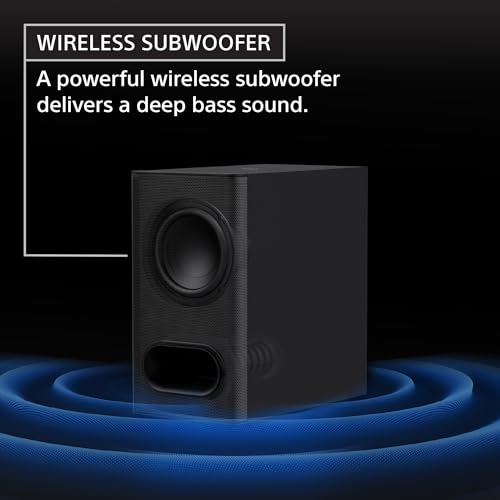
However, here's where things get interesting – and where my experience with the Sony BRAVIA Theater Bar 6 revealed both its strengths and weaknesses. The bass is genuinely impressive, sometimes overwhelmingly so. The wireless subwoofer can shake your room and deliver that physical impact you feel in movie theaters. But Sony has tuned this system to emphasize low-end frequencies to such a degree that it can muddy the midrange where most dialogue and musical instruments live.
During my testing, I found myself constantly adjusting the subwoofer level down from its default setting. The bass isn't just prominent – it's dominating. This makes action movies thrilling but can make dialogue sound woolly and music reproduction challenging. It's as if Sony designed this primarily for explosive movie scenes rather than the subtle moments in between.
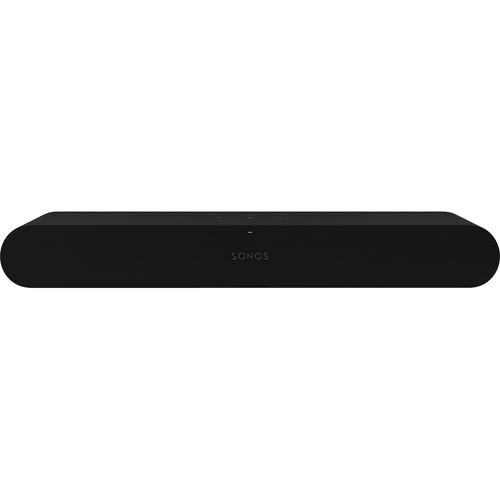
The Sonos Ray takes a completely different approach. It's a 2.0-channel system – just left and right speakers, no dedicated center channel or subwoofer. On paper, this sounds like a significant disadvantage, but Sonos has worked some interesting acoustic magic here.
Despite lacking a center channel (which is typically crucial for clear dialogue), the Sonos Ray delivers exceptional voice clarity. Sonos has engineered the stereo imaging and frequency response to ensure that dialogue appears to come from the center of the soundbar, even though there's no dedicated center speaker. This is achieved through careful crossover design and digital signal processing that creates what's called a "phantom center" – your brain perceives voices as coming from between the two speakers.
The Ray employs four drivers: two central full-range speakers and two precision-engineered tweeters (speakers designed for high frequencies). It also includes a bass reflex system with carefully tuned ports that enhance low-frequency response without requiring a separate subwoofer.
What struck me most about the Sonos Ray during testing was its restraint. Where the Sony wants to impress you immediately with powerful bass, the Sonos focuses on getting the fundamentals right. Dialogue is crisp and natural, music sounds balanced across the frequency spectrum, and nothing feels exaggerated or artificial.
However, this balanced approach comes with trade-offs. The Ray simply can't match the Sony's room-filling power or deep bass extension. During action-heavy scenes with lots of low-frequency effects, the Ray can sound strained, as if it's working at the limits of its capabilities.
This is where the philosophical differences between these soundbars become most apparent. The Sony BRAVIA Theater Bar 6 offers genuine surround sound capabilities through its Dolby Atmos support and up-firing speakers. When properly set up in a room with a flat, reflective ceiling, the height effects can be genuinely convincing. I've experienced moments watching movies where rain seemed to fill the entire ceiling space above me, or where a plane truly sounded like it was passing overhead.
Sony also includes S-Force PRO Front Surround, their proprietary technology for creating virtual surround effects from the front-facing speakers. While not as convincing as discrete surround speakers placed around your room, it does expand the soundstage beyond the physical width of the soundbar.
The Sonos Ray, by contrast, doesn't attempt true surround sound. It's focused on creating a wide, spacious stereo image that extends beyond the soundbar's physical boundaries. The Ray can make your TV's audio sound dramatically more open and expansive, but it's not trying to create the illusion of sounds coming from behind you or above.
For dedicated home theater use, the Sony's approach is clearly superior. If your primary goal is to recreate a cinema-like experience in your living room, the height effects and surround processing make a meaningful difference. However, if you're primarily watching TV shows, news, and casual content, the Sonos's approach may actually be preferable – it enhances everything without being overly dramatic.
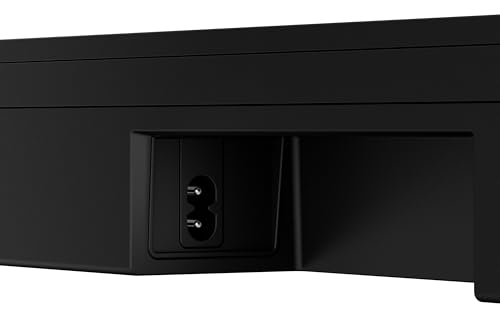
Here's where things get really interesting, and where the Sonos Ray shows its true colors. While the Sony BRAVIA Theater Bar 6 focuses on traditional TV audio connections – HDMI eARC for the highest quality digital audio from your TV, plus optical input as a backup – the Sonos takes a much more comprehensive approach to connectivity.
The Ray includes Wi-Fi connectivity and integrates fully into the Sonos ecosystem. This means you can stream music directly from dozens of services, control it through the excellent Sonos app, and even set up multi-room audio throughout your home. It supports Apple AirPlay 2, so iPhone users can easily stream audio directly to the soundbar.
The Sony BRAVIA Theater Bar 6, meanwhile, only offers Bluetooth for wireless audio, which is more limited in both quality and functionality. This reflects Sony's focus on TV audio rather than music streaming.
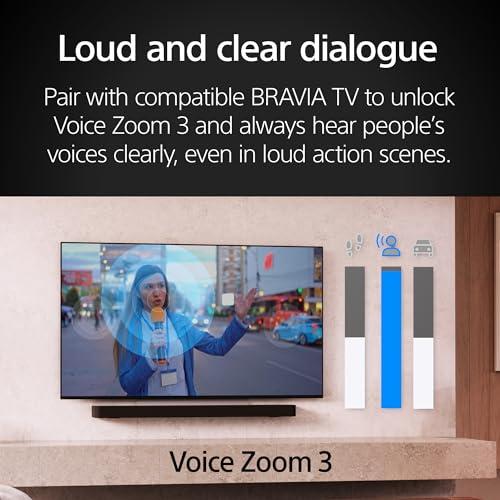
However, Sony excels in TV integration, especially if you own a Sony BRAVIA TV. The BRAVIA SYNC feature allows you to control the soundbar with your TV remote, and features like Voice Zoom 3.0 can actually use your TV's built-in speakers alongside the soundbar to further enhance dialogue clarity.
If you care about music playback, the Sonos Ray wins decisively. Sonos built their reputation on music streaming, and it shows. The Ray delivers balanced, natural sound across different musical genres. Jazz sounds smooth and detailed, rock music has proper punch without excessive bass, and acoustic tracks maintain their intimacy and clarity.
The Sony BRAVIA Theater Bar 6, with its bass-heavy tuning, struggles with music. The exaggerated low end overwhelms musical nuances, making everything sound somewhat muddy and boomy. This isn't necessarily a flaw – it's a design choice that prioritizes movie impact over musical accuracy. But if you plan to stream music regularly, the Sony's approach becomes problematic.
The Sony BRAVIA Theater Bar 6 works best in medium to large rooms where its powerful output can fill the space without overwhelming it. The wireless subwoofer gives you flexibility in placement, though you'll want to experiment with positioning to avoid bass buildup in corners or null zones where frequencies cancel out.
The height effects work best with flat, relatively low ceilings around 8-10 feet high. Vaulted or textured ceilings can scatter the upward-firing sound, reducing the effectiveness of the Dolby Atmos effects.
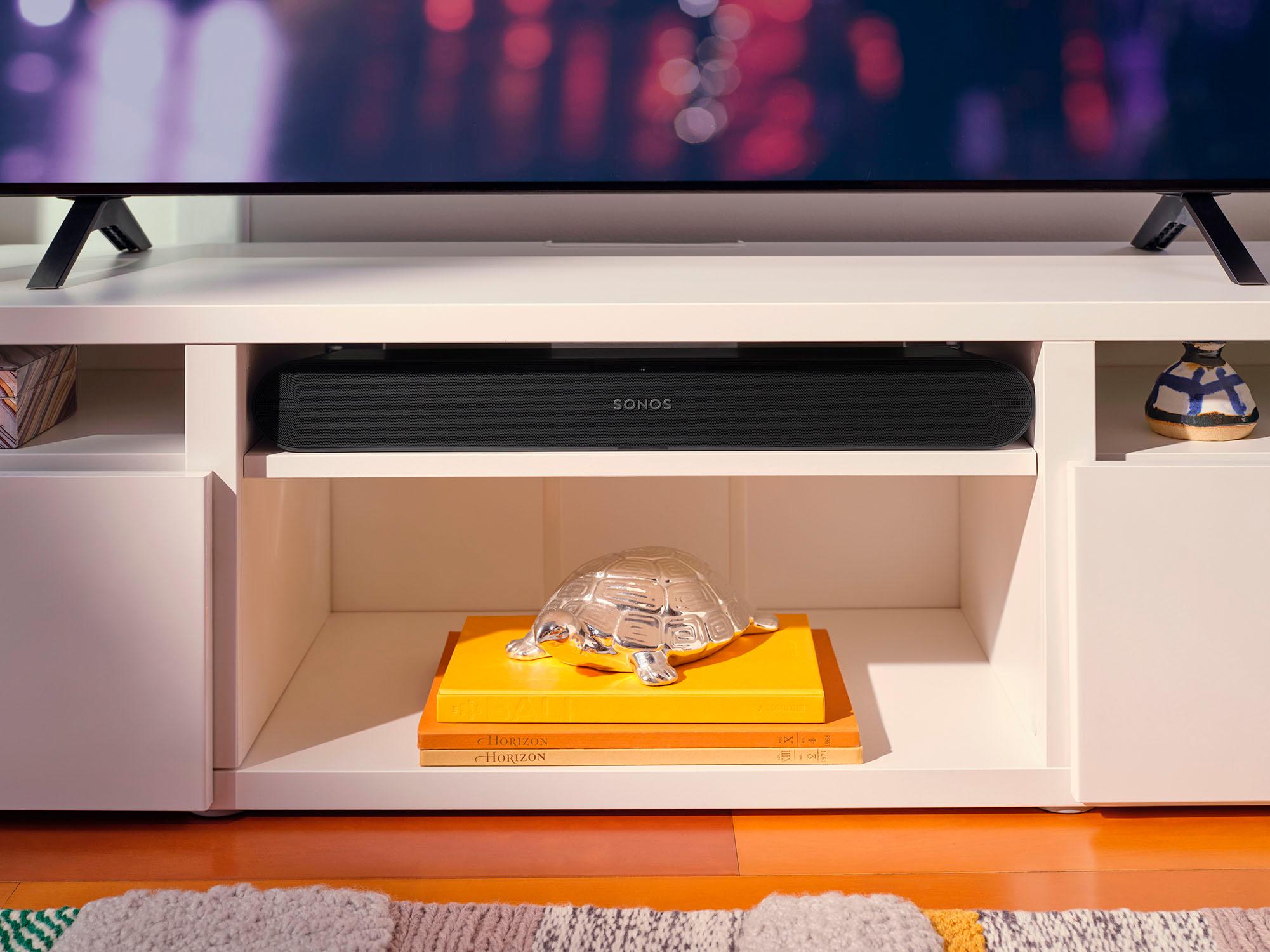
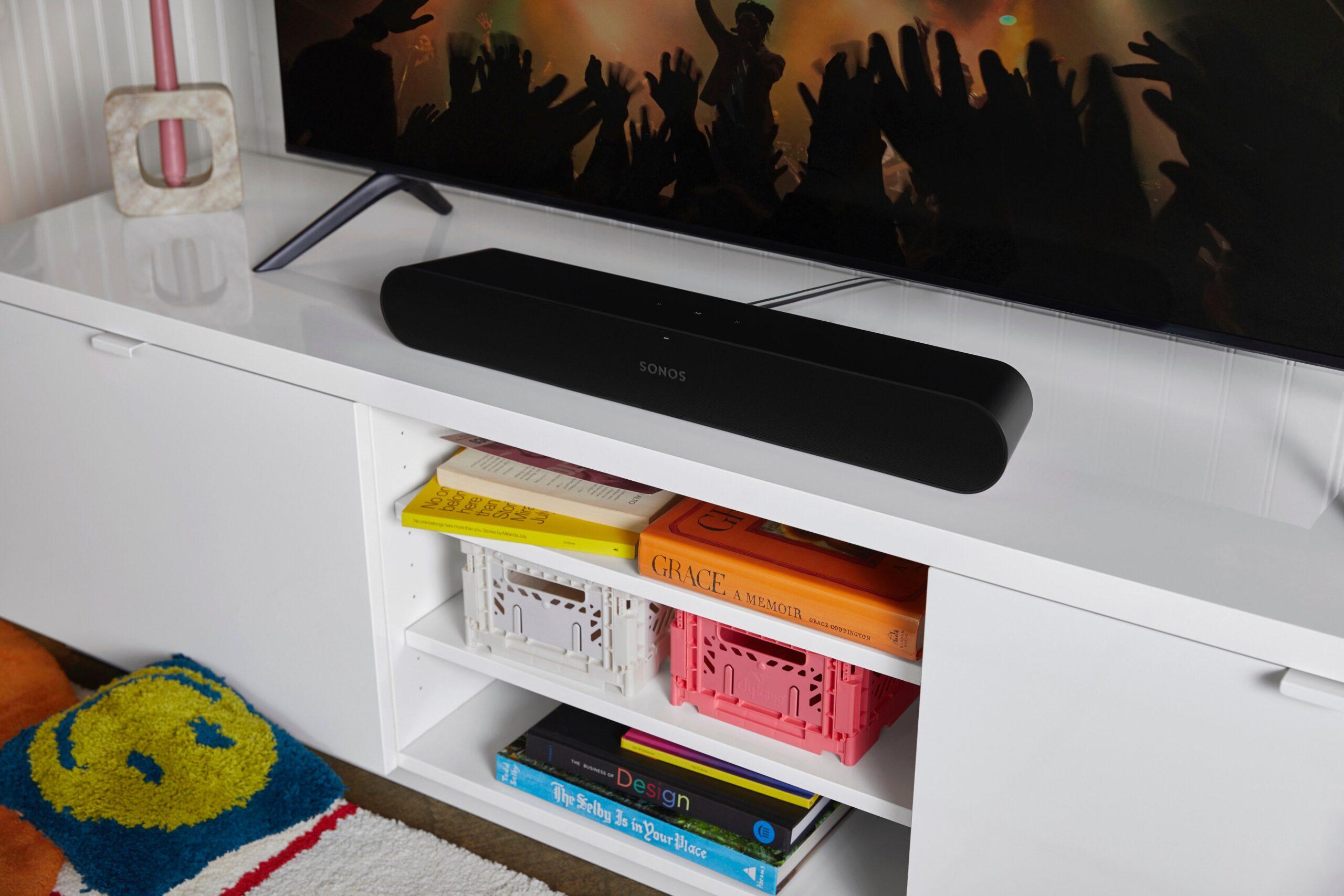
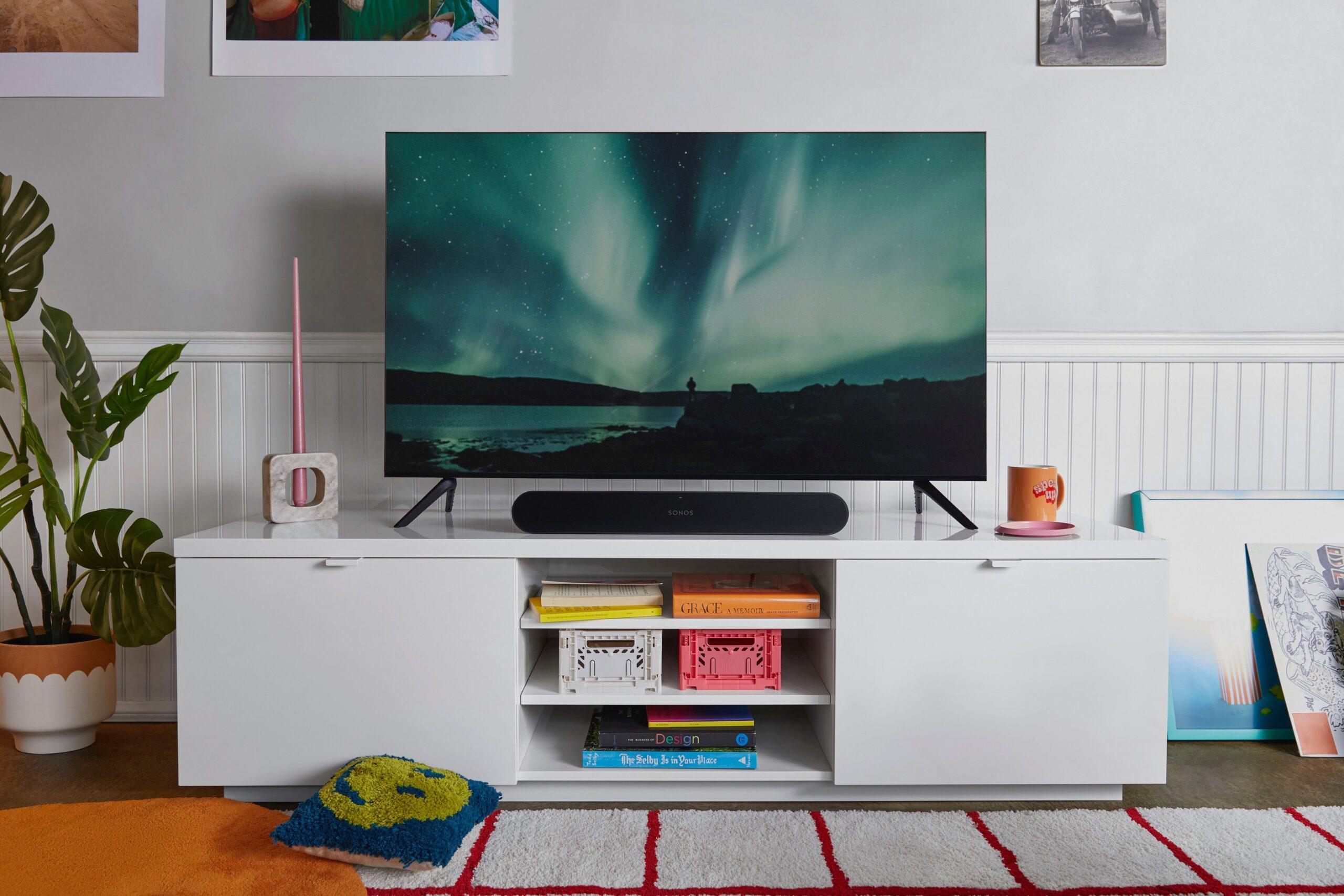
The Sonos Ray is more adaptable to different room sizes and shapes, partly because it doesn't rely on ceiling reflections. Its smaller size and more restrained output make it particularly well-suited to apartments, bedrooms, or smaller living spaces where the Sony might be overwhelming.
At the time of writing, the Sonos Ray represents exceptional value in the entry-level soundbar category. You're getting premium build quality, excellent sound engineering, and access to the Sonos ecosystem at a price point that's typically occupied by much less capable products.
The Sony BRAVIA Theater Bar 6 costs significantly more but includes the wireless subwoofer and more advanced audio processing. Whether this represents good value depends on your priorities and room size. For dedicated home theater use, the additional cost may be justified by the superior surround capabilities and room-filling power.
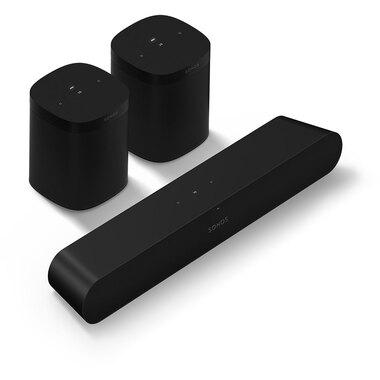
However, consider the upgrade path. The Sonos Ray can eventually be expanded with the Sonos Sub for deep bass and Sonos Era speakers for true surround sound, creating a modular system that grows with your needs and budget. The Sony is more of a fixed system – what you buy is what you get.
Choose the Sony BRAVIA Theater Bar 6 if:
The Sony excels in dedicated home theater environments where its surround capabilities and powerful output can shine. It's particularly compelling if you're already invested in Sony's ecosystem.
Choose the Sonos Ray if:
The Sonos is ideal for users who want premium audio quality without the complexity or cost of a full home theater system. It's particularly appealing if you value flexibility and long-term expandability.
These soundbars represent two valid but different approaches to improving your TV's audio. The Sony BRAVIA Theater Bar 6 is a dedicated home theater solution that prioritizes immersive movie experiences, while the Sonos Ray is a versatile audio upgrade that excels at the fundamentals while offering excellent streaming capabilities and room for growth.
In my experience, the choice comes down to your primary use case and room size. For movie enthusiasts with larger rooms who want an immediate, dramatic upgrade, the Sony delivers impressive surround effects and room-shaking bass. For users who want better TV audio that also handles music beautifully and can grow into a larger system over time, the Sonos offers superior value and flexibility.
Both products have evolved the soundbar category in meaningful ways – Sony by bringing accessible Dolby Atmos to the mid-range market, and Sonos by proving that entry-level doesn't have to mean compromised audio quality. Your choice should align with how you actually use your TV and what aspects of audio performance matter most to you.
| Sony BRAVIA Theater Bar 6 | Sonos Ray |
|---|---|
| Channel Configuration - Determines surround sound capabilities | |
| 3.1.2 channels (L/C/R + subwoofer + 2 height speakers) | 2.0 channels (stereo only, no dedicated center or height) |
| Dolby Atmos Support - Creates overhead sound effects for movies | |
| Yes, with up-firing speakers for height effects | No, limited to stereo presentation |
| Subwoofer Included - Essential for deep bass and movie impact | |
| Yes, wireless 6-inch subwoofer included | No, but compatible with optional Sonos Sub |
| Total Power Output - Affects room-filling capability and dynamics | |
| 350W (room-shaking power for medium-large spaces) | Lower output (ideal for smaller rooms, specific wattage not disclosed) |
| Dialogue Clarity - Most important for TV shows and movies | |
| Dedicated center channel with Voice Enhancement tech | Exceptional phantom center imaging despite no center speaker |
| Music Streaming Capabilities - Important for daily listening | |
| Bluetooth only (limited streaming options) | Full Wi-Fi streaming with Sonos ecosystem integration |
| TV Connectivity - Affects setup simplicity and audio quality | |
| HDMI eARC + optical (high-quality digital audio) | Optical only (simpler but more limited connections) |
| Ecosystem Integration - Determines expandability and multi-room potential | |
| Sony BRAVIA TV integration, limited expandability | Full Sonos ecosystem with extensive expansion options |
| Room Size Suitability - Matching soundbar to your space | |
| Medium to large rooms (powerful output can overwhelm small spaces) | Small to medium rooms (more restrained, adaptable output) |
| Primary Use Case - What each excels at | |
| Movies and TV with immersive surround effects | Balanced TV/music performance with streaming focus |
| Value Proposition - What you get for the investment | |
| Complete home theater system with subwoofer at mid-range price | Premium entry-level with exceptional expandability potential |
The Sony BRAVIA Theater Bar 6 is significantly better for movies due to its 3.1.2 channel configuration with Dolby Atmos support and dedicated center channel for dialogue. The included wireless subwoofer provides the deep bass essential for action scenes. The Sonos Ray is limited to stereo sound without surround effects, making it less immersive for cinematic content.
The Sony BRAVIA Theater Bar 6 includes a wireless subwoofer in the box, providing immediate deep bass performance. The Sonos Ray doesn't include a subwoofer but has built-in bass ports and can be paired with the optional Sonos Sub later if you want more low-end impact.
Both excel at dialogue clarity but through different approaches. The Sony BRAVIA Theater Bar 6 uses a dedicated center channel and Voice Enhancement technology. The Sonos Ray achieves exceptional dialogue clarity through precise stereo imaging that creates a "phantom center" effect, often praised as superior for everyday TV watching.
The Sonos Ray offers superior music streaming with Wi-Fi connectivity, full Sonos app integration, and Apple AirPlay 2 support. The Sony BRAVIA Theater Bar 6 only supports Bluetooth streaming, which is more limited in both quality and functionality for music playback.
The Sonos Ray is better suited for smaller spaces due to its more restrained power output and compact design. The Sony BRAVIA Theater Bar 6 is designed for medium to large rooms and may overwhelm smaller spaces with its powerful subwoofer and 350W output.
Yes, both work with any TV brand. The Sonos Ray connects via optical cable to virtually any TV. The Sony BRAVIA Theater Bar 6 offers broader connectivity with HDMI eARC and optical inputs, plus enhanced integration features if you own a Sony BRAVIA TV.
The Sonos Ray offers exceptional value in the entry-level category, providing premium audio quality and ecosystem access at a lower price point. The Sony BRAVIA Theater Bar 6 costs more but includes a wireless subwoofer and advanced surround sound features, representing good value for dedicated home theater use.
The Sonos Ray offers superior expandability within the Sonos ecosystem, allowing you to add rear speakers and a subwoofer over time. The Sony BRAVIA Theater Bar 6 can be expanded with optional wireless rear speakers but has more limited upgrade options.
The Sonos Ray offers simpler setup with just an optical connection and intuitive app control. The Sony BRAVIA Theater Bar 6 requires positioning both the soundbar and wireless subwoofer, plus room calibration for optimal Dolby Atmos performance, making it slightly more complex to set up properly.
Neither the Sony BRAVIA Theater Bar 6 nor the Sonos Ray has built-in voice assistants. However, the Sonos Ray can integrate with existing Alexa or Google devices in your Sonos system for voice control functionality.
The Sonos Ray is significantly better for music, offering balanced sound tuning and extensive streaming capabilities. The Sony BRAVIA Theater Bar 6 has bass-heavy tuning optimized for movies that can overwhelm musical content, making it less ideal for regular music listening.
The Sony BRAVIA Theater Bar 6 provides more immersive gaming audio with its surround sound capabilities and powerful bass, though it lacks HDMI passthrough. The Sonos Ray offers clear audio for gaming but without surround effects. Both have low enough latency for gaming when connected via HDMI eARC or optical.
We've done our best to create useful and informative comparisons to help you decide what product to buy. Our research uses advanced automated methods to create this comparison and perfection is not possible - please contact us for corrections or questions. These are the sites we've researched in the creation of this article: rtings.com - bestbuy.com - whathifi.com - youtube.com - youtube.com - sony.com - galaxus.at - helpguide.sony.net - audioadvice.com - electronics.sony.com - youtube.com - youtube.com - electronics.sony.com - helpguide.sony.net - whatgear.net - consumerreports.org - techradar.com - soundandvision.com - youtube.com - appleinsider.com - youtube.com - sonos.com - cnet.com - howtogeek.com - pcrichard.com - en.community.sonos.com - epicsystems.tech - en.community.sonos.com - cepro.com - videoandaudiocenter.com

Privacy Policy
Terms and Conditions - Affiliate Policy
Home Security
© Copyright 2008-2026.
11816 Inwood Rd #1211, Dallas, TX 75244