







If you've been struggling to hear dialogue clearly on your TV or find yourself constantly adjusting the volume between whisper-quiet conversations and booming action scenes, you're not alone. Most built-in TV speakers are frankly terrible, prioritizing thin designs over audio quality. That's where budget soundbars come in—they promise to transform your viewing experience without breaking the bank or requiring a complete home theater overhaul.
The budget soundbar category, typically ranging from $100 to $300 at the time of writing, represents the sweet spot for most people seeking better TV audio. These systems focus on delivering clear dialogue, improved stereo separation, and enough bass to make action scenes engaging, all while keeping setup simple enough for anyone to handle in an afternoon.
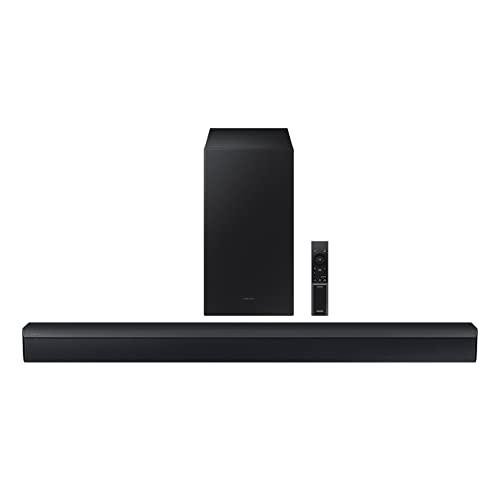
Today we're comparing two popular options that take completely different approaches: the Samsung HW-C450 with its included wireless subwoofer, and the Sonos Ray with its ultra-compact design. Both launched in 2022, but they target different priorities and room setups. Understanding these differences will help you choose the right soundbar for your specific needs and space.
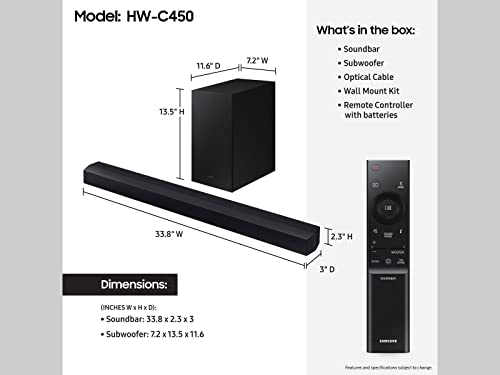
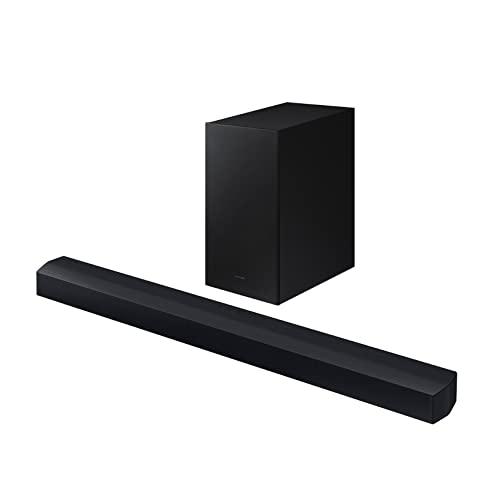
The Samsung HW-C450 represents the "more is more" philosophy in budget soundbars. It's a 2.1-channel system, meaning it has two main speakers in the soundbar for left and right audio channels, plus a separate subwoofer (the ".1") dedicated entirely to bass frequencies below about 120Hz. This separation allows each component to specialize—the main bar handles dialogue and effects, while the subwoofer creates the room-shaking rumbles that make explosions feel real.
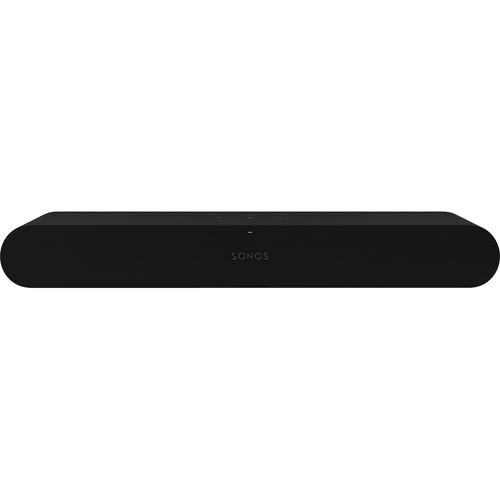
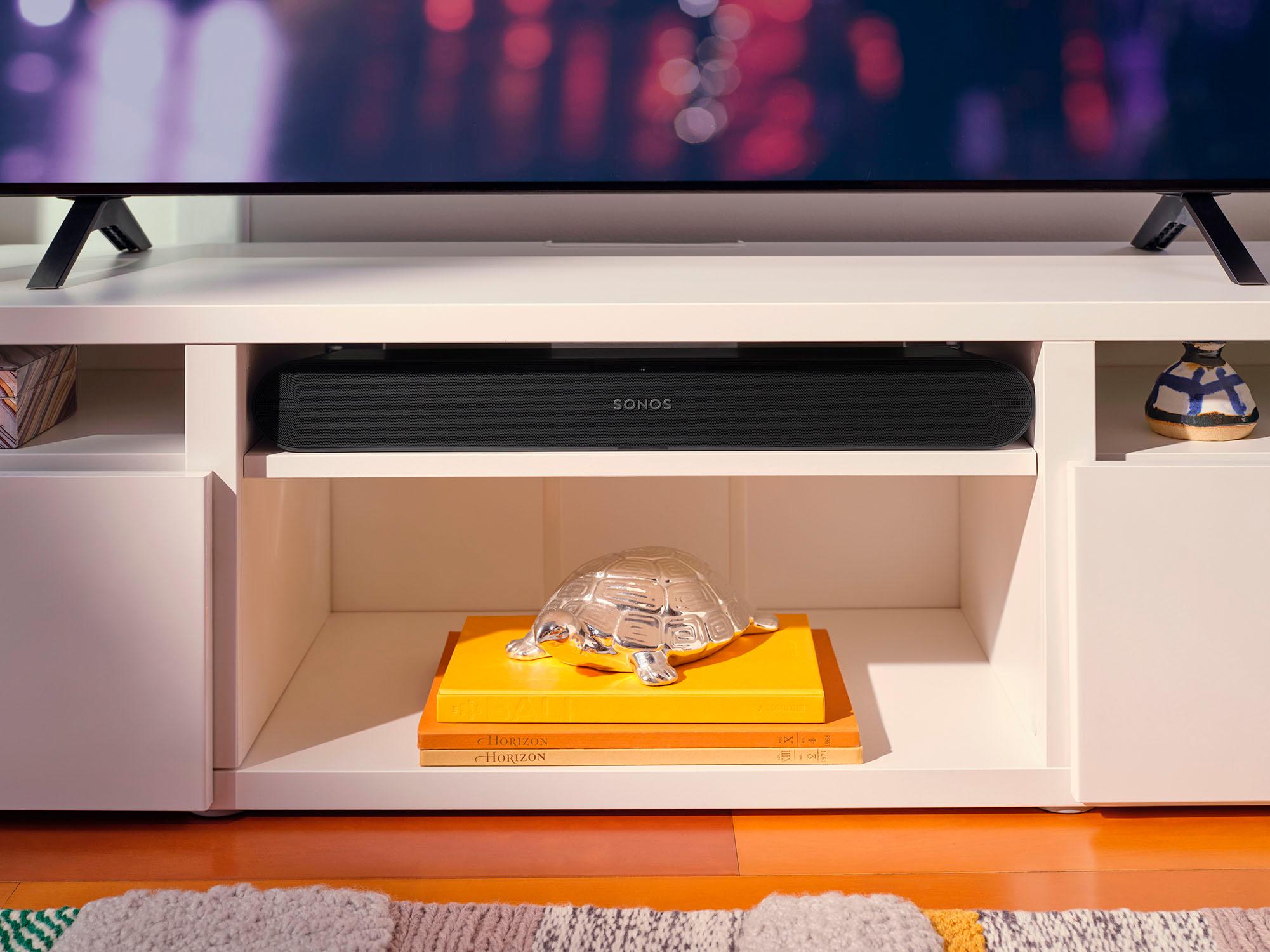
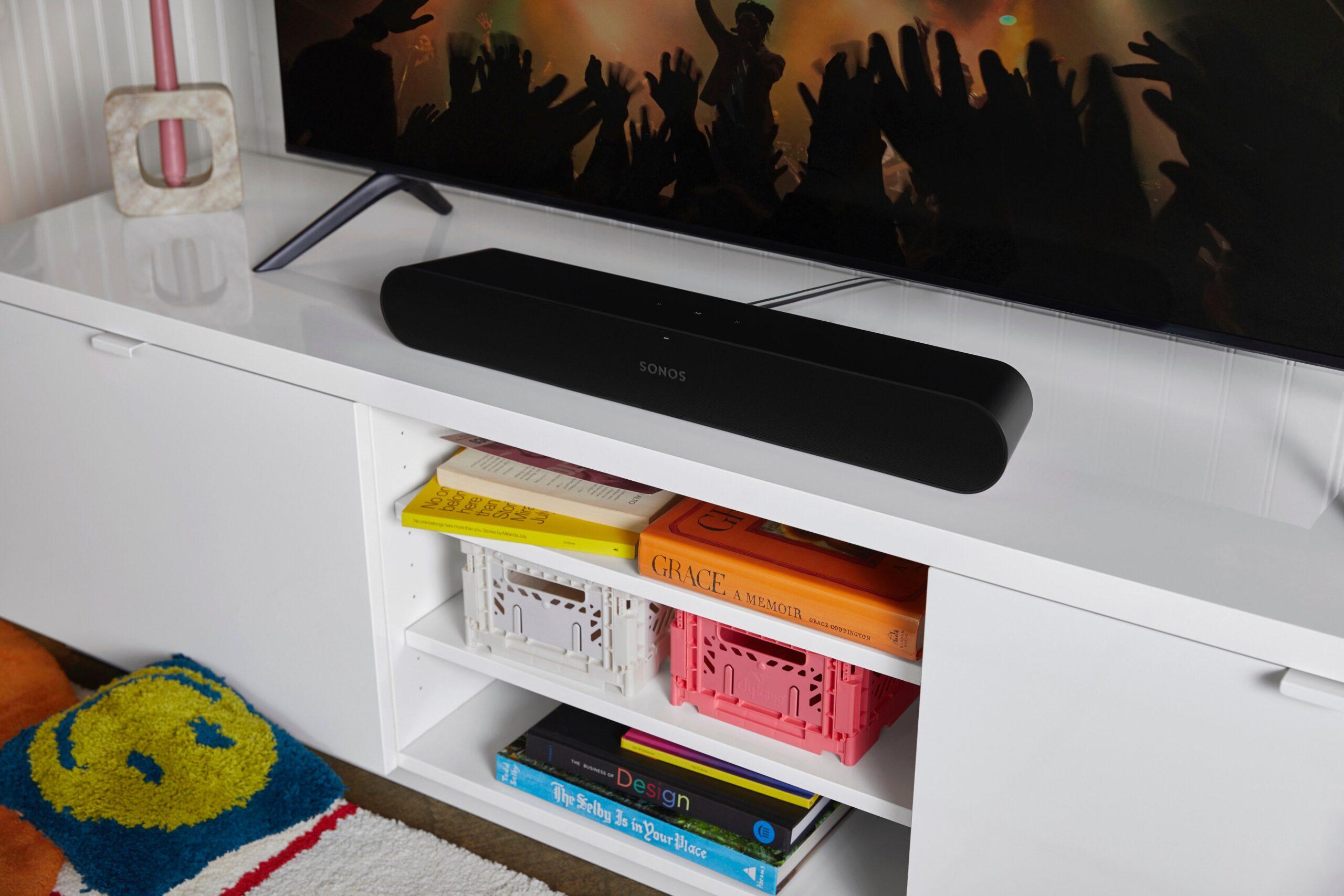
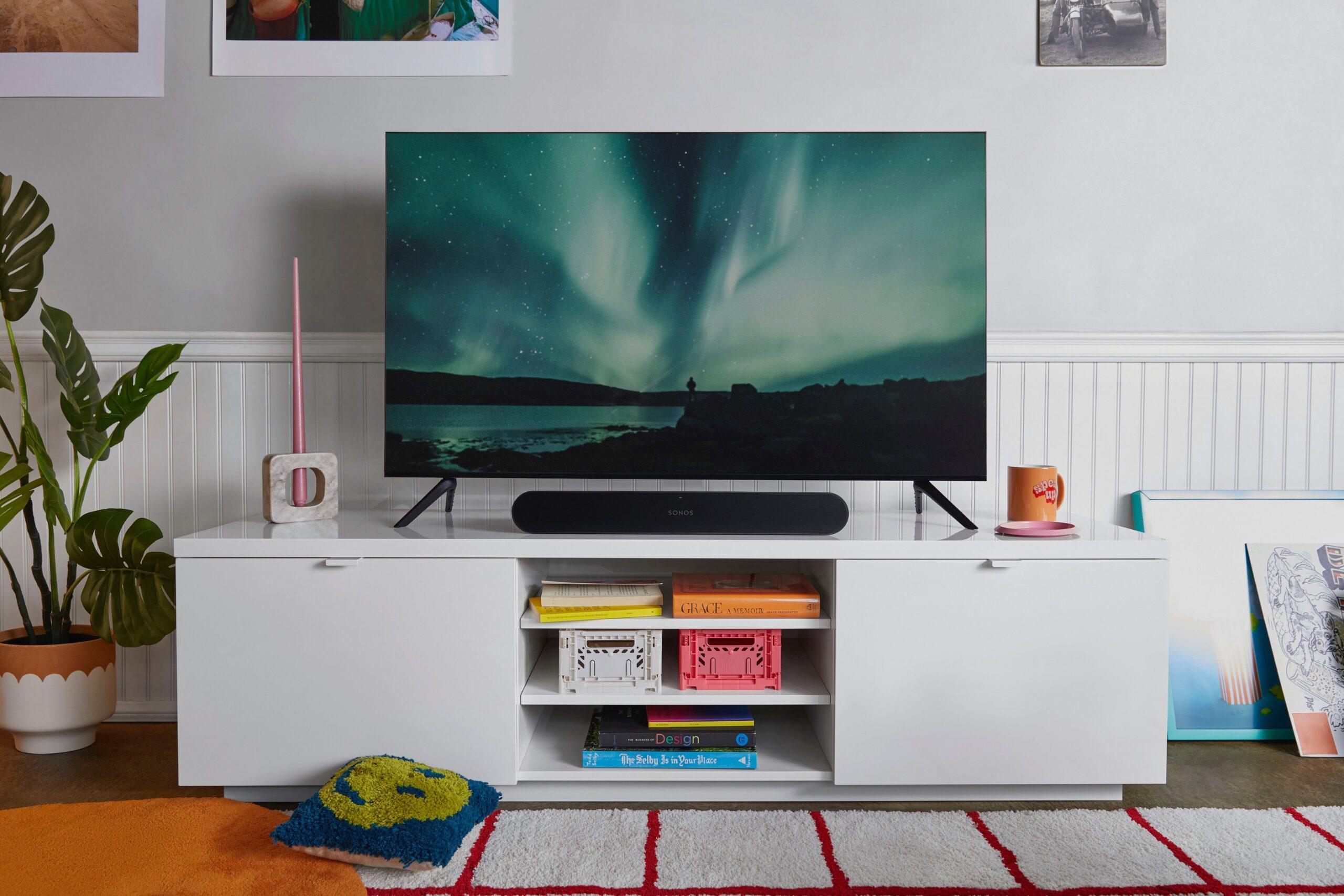
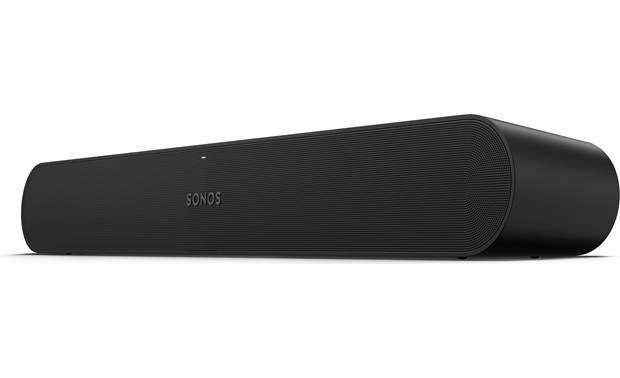
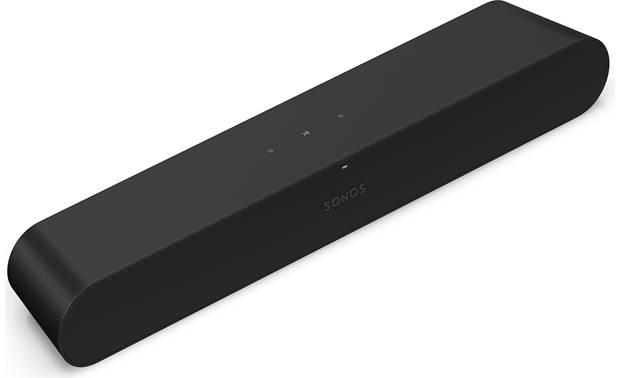
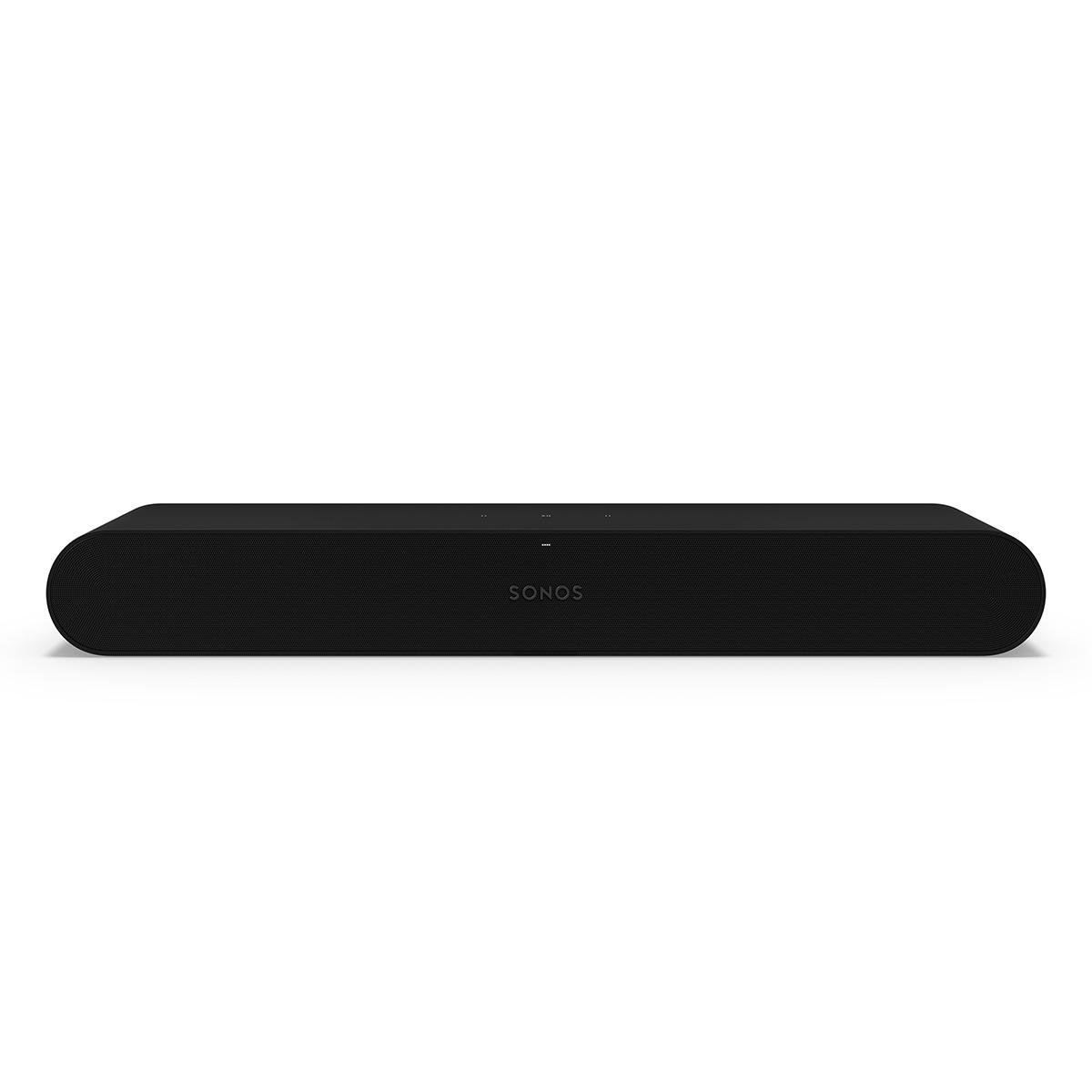
The Sonos Ray, by contrast, follows a minimalist 2.0-channel approach. It packs everything into a single compact unit measuring just 22 inches wide. There's no separate subwoofer—instead, it relies on carefully tuned drivers and acoustic engineering to create as much bass as physically possible from a small enclosure. This design prioritizes convenience and aesthetics over raw power.
This fundamental difference affects everything about how these soundbars perform and where they work best. The Samsung HW-C450 delivers more impactful bass and fills larger rooms better, while the Sonos Ray offers superior flexibility in placement and a more refined overall sound signature.
Bass performance represents the biggest difference between these systems. The Samsung HW-C450 includes a wireless subwoofer with a 7.2-inch driver that can move substantial air to create genuine low-frequency impact. When a T-Rex stomps across the screen or a helicopter flies overhead, you'll feel it in your chest. This physical sensation adds immersion that's impossible to achieve with small drivers alone.
The subwoofer connects wirelessly to the main bar, so you can place it wherever it sounds best in your room—typically in a corner or along a wall where boundary reinforcement (the acoustic boost from nearby surfaces) enhances its output. The Samsung HW-C450 also includes a Bass Boost mode that emphasizes low frequencies even further for content that benefits from extra punch.
Meanwhile, the Sonos Ray relies entirely on built-in drivers for bass, and physics limits what's possible. Small speakers simply cannot move enough air to create deep, powerful bass. What the Sonos Ray does deliver is surprisingly tight, controlled bass that doesn't overpower the rest of the frequency range. For dialogue-heavy content like dramas or news, this approach actually works better because the bass stays proportional and doesn't muddy up vocal clarity.
However, for action movies, sports, or music with prominent bass lines, the Samsung HW-C450 provides a significantly more engaging experience. The difference isn't subtle—it's the gap between feeling like you're watching TV and feeling like you're part of the action.
Both soundbars excel at dialogue clarity compared to TV speakers, but they achieve it through different methods. The Samsung HW-C450 includes dedicated voice enhancement processing that boosts the frequency ranges where human speech occurs (roughly 300Hz to 3000Hz). Its Adaptive Sound Lite feature automatically analyzes incoming audio and adjusts the sound profile based on content type—it recognizes when you're watching news versus an action movie and optimizes accordingly.
The Sonos Ray takes a more purist approach, relying on precise driver tuning and acoustic design rather than heavy digital processing. Our research into user experiences suggests that vocal reproduction sounds more natural on the Sonos Ray, with less of the artificial "processed" quality that can sometimes make voices sound slightly robotic on heavily-processed systems.
For most people, both systems represent a massive upgrade over TV speakers. The Samsung HW-C450 might give dialogue a slight artificial boost that some prefer for particularly difficult-to-hear content, while the Sonos Ray maintains more authentic tonality that sounds better for music and well-recorded content.
Soundstage refers to how wide and spacious audio feels—how well a soundbar creates the illusion that sound is coming from beyond its physical boundaries. The Samsung HW-C450 employs DTS Virtual:X processing, a technology that uses psychoacoustic tricks (basically, exploiting how your brain processes spatial audio cues) to create the impression of surround sound from just two front channels.
Virtual surround technologies have improved significantly since their early implementations, and DTS Virtual:X represents one of the better approaches. It analyzes incoming audio and applies delays, phase shifts, and frequency adjustments to create the illusion that sounds are coming from beside or behind you. The effectiveness varies by content—it works best with movies specifically mixed for surround sound and less well with stereo music.
The Sonos Ray doesn't attempt virtual surround processing. Instead, it focuses on creating an excellent stereo image with precise left-right separation and accurate positioning of instruments and effects across the soundstage. For stereo content like music, this approach often sounds more natural and engaging than processed virtual surround.
This is where the Sonos Ray clearly outperforms the Samsung HW-C450. Sonos built its reputation on music playback, and that expertise shows in the Sonos Ray's balanced frequency response and clean, detailed sound signature. Instruments sound distinct and properly separated, vocals sit naturally in the mix, and the overall tonality feels authentic rather than artificially enhanced.
The Samsung HW-C450 can certainly play music, but its tuning prioritizes impact over accuracy. The subwoofer sometimes overwhelms subtle details in acoustic tracks, and the virtual surround processing can make stereo music sound unnatural. For casual background music, it's perfectly adequate, but dedicated listening reveals its limitations compared to the Sonos Ray's more refined approach.
Here's where these soundbars diverge dramatically. The Samsung HW-C450 relies primarily on Bluetooth connectivity, which means simple pairing with phones, tablets, and many modern TVs that support Bluetooth audio output. This approach minimizes cables and setup complexity—you just pair and play.
However, Bluetooth has limitations. Audio quality depends on the codec support of both devices, latency (delay) can occasionally cause lip-sync issues with video content, and the connection can be less reliable than wired alternatives. For many users, these trade-offs are acceptable given the convenience.
The Sonos Ray offers significantly more connectivity options: optical digital audio (the most common soundbar connection), Ethernet for wired network access, Wi-Fi for wireless streaming, and Apple AirPlay 2 for high-quality wireless audio from iOS devices. This flexibility means the Sonos Ray can integrate with virtually any TV and audio source, often with better quality than Bluetooth.
The Samsung HW-C450 includes several intelligent audio modes that automatically optimize sound based on what you're doing. Game Mode reduces audio latency and emphasizes spatial cues to help gamers locate enemies or environmental sounds more precisely. Night Mode compresses the dynamic range, reducing loud explosions while boosting quiet dialogue—perfect for late-night viewing when you don't want to disturb others.
Adaptive Sound Lite continuously analyzes incoming audio and adjusts the sound profile automatically. Watching the news? It emphasizes vocal clarity. Streaming an action movie? It boosts dynamic range and bass impact. These features work surprisingly well and reduce the need to manually adjust settings throughout the day.
The Sonos Ray includes Trueplay room correction, which uses your iPhone's microphone to measure your room's acoustics and automatically adjust the soundbar's output to compensate for acoustic challenges like hard surfaces or unusual room shapes. However, this feature only works with iOS devices, frustrating Android users.
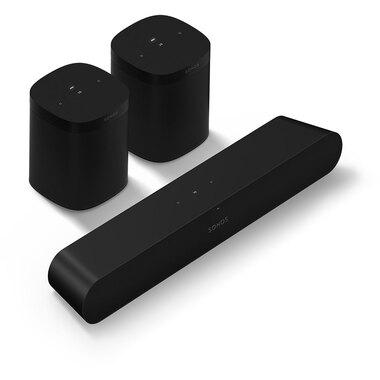
The Sonos Ray integrates into Sonos's multi-room ecosystem, allowing you to add other Sonos speakers throughout your home and control them all through a single app. You can group rooms for synchronized playback, create different zones for different music, and even add Sonos surround speakers later to create a true 5.1 system.
The Samsung HW-C450 operates as a standalone system with no ecosystem integration. While this simplicity appeals to some users, it limits future expansion options.
The Sonos Ray's compact 22-inch width makes it ideal for smaller TVs, bedrooms, or apartments where space is limited. Its understated design with fabric grille blends seamlessly into most decor styles. You can place it on a TV stand, mount it on the wall, or even tuck it inside a media cabinet without overwhelming the space.
The Samsung HW-C450 measures 33.8 inches wide and requires additional space for the wireless subwoofer. The subwoofer offers placement flexibility—you can position it anywhere within about 30 feet of the soundbar—but you still need to account for its footprint and find an appropriate location where it won't interfere with room traffic or furniture arrangement.
Setting up the Samsung HW-C450 is straightforward: plug in both units, and the subwoofer automatically pairs with the soundbar wirelessly. Bluetooth pairing with source devices follows standard procedures. The included remote provides basic controls, and many Samsung TVs can control the soundbar directly through their own remotes.
The Sonos Ray requires initial setup through the Sonos app, which walks you through network connection and room configuration. While slightly more involved initially, this setup process enables advanced features like multi-room audio and automatic updates. The Sonos Ray also responds to your TV remote's volume commands through optical connection, maintaining the simple single-remote experience most people prefer.
At the time of writing, the Samsung HW-C450 typically sells for significantly less than the Sonos Ray, making the value comparison complex. The Samsung HW-C450 delivers more raw audio performance per dollar, especially in bass output and dynamic range. For budget-conscious buyers prioritizing maximum impact, it represents exceptional value.
However, the Sonos Ray justifies its premium through superior build quality, advanced connectivity, ecosystem integration, and more refined audio tuning. If you value long-term flexibility and plan to expand your audio system over time, the higher initial investment may pay dividends.
The value equation also depends on your content preferences. If you primarily watch action movies, play games, or listen to bass-heavy music, the Samsung HW-C450's subwoofer provides irreplaceable value. If you prioritize dialogue clarity, music listening, and subtle details over raw impact, the Sonos Ray's refinement justifies its cost.
Neither soundbar offers true home theater features like Dolby Atmos processing or multiple HDMI inputs, which isn't surprising at their price points. However, they approach home theater integration differently.
The Samsung HW-C450 creates a more cinematic experience through its physical bass impact and virtual surround processing. Movie explosions feel more visceral, and the soundstage extends beyond the soundbar's physical boundaries. For casual home theater use, it delivers much of the impact people associate with "surround sound" without the complexity.
The Sonos Ray focuses on clarity and accuracy rather than theatrical impact. It excels at reproducing exactly what filmmakers intended without artificial enhancement. For dialogue-heavy content like dramas or documentaries, this approach often sounds more professional and less fatiguing during extended viewing sessions.
You're budget-conscious but want maximum audio impact for your money. The included subwoofer provides bass performance that costs significantly more to achieve with other brands. You primarily watch action movies, play games, or enjoy music with prominent bass lines. Your room can accommodate both the soundbar and subwoofer without crowding, and simple Bluetooth connectivity meets your needs.
The Samsung HW-C450 also suits people who want immediate gratification—plug it in, pair it, and enjoy dramatically better audio without complex setup or configuration.
Space constraints make a compact solution essential. You value audio refinement and accuracy over raw impact. Music listening represents a significant portion of your usage, and you prefer natural-sounding reproduction. Advanced connectivity options matter for your setup, or you already own Sonos products and want ecosystem integration.
The Sonos Ray particularly appeals to people planning long-term audio system evolution—you can start with the soundbar and gradually add other Sonos components to create a sophisticated multi-room audio system.
Both soundbars represent solid choices within their respective approaches to budget audio. The Samsung HW-C450 maximizes impact per dollar through its included subwoofer and smart processing features. It transforms movie watching and gaming experiences while maintaining simple operation that anyone can master.
The Sonos Ray prioritizes refinement, flexibility, and long-term value through superior connectivity, ecosystem integration, and more accurate sound reproduction. It excels at the fundamentals—dialogue clarity and music playback—while offering growth potential for future system expansion.
Your choice ultimately depends on whether you prioritize immediate impact (Samsung) or long-term flexibility and refinement (Sonos). Neither approach is inherently better, but one will likely align better with your specific needs, space constraints, and audio priorities. Consider how you actually use your TV and what improvements matter most to your daily viewing experience.
| Samsung HW-C450 2.1ch Soundbar | Sonos Ray Soundbar |
|---|---|
| Channel Configuration - Determines bass performance and audio separation | |
| 2.1-channel with wireless subwoofer | 2.0-channel stereo (no subwoofer) |
| Physical Size - Affects placement flexibility and room compatibility | |
| 33.8" × 3" × 2.3" plus separate subwoofer | 22" × 3.74" × 2.79" compact single unit |
| Bass Performance - Critical for action movies and immersive audio | |
| Dedicated 7.2" wireless subwoofer for deep, impactful bass | Built-in drivers only, limited low-end extension |
| Primary Connectivity - Determines compatibility and audio quality | |
| Bluetooth only (simple but limited) | Optical, Wi-Fi, Ethernet, AirPlay 2 (versatile) |
| Audio Processing - Enhances different content types automatically | |
| DTS Virtual:X, Adaptive Sound Lite, Game Mode, Bass Boost | Trueplay room correction (iOS only) |
| Music Playback Quality - Important if you stream music regularly | |
| Adequate but bass-heavy tuning can overwhelm details | Excellent balanced sound with natural tonality |
| Ecosystem Integration - Matters for future expansion plans | |
| Standalone system, no multi-room capability | Full Sonos ecosystem integration and expansion |
| Setup Complexity - Affects initial user experience | |
| Simple Bluetooth pairing, automatic subwoofer connection | App-based setup with network configuration required |
| Dialogue Clarity - Essential for TV shows and movies | |
| Very good with voice enhancement processing | Excellent with natural, unprocessed vocal reproduction |
| Virtual Surround Sound - Creates wider soundstage for movies | |
| DTS Virtual:X processing for spatial audio effects | Focused stereo imaging without surround processing |
| Smart Features - Convenience and optimization capabilities | |
| Night Mode, Game Mode, Adaptive Sound Lite | Multi-room audio, AirPlay 2, automatic room tuning |
| Best Use Cases - Primary scenarios where each excels | |
| Action movies, gaming, bass-heavy music, larger rooms | Compact spaces, music listening, dialogue-focused content |
The Sonos Ray is ideal for small rooms and apartments due to its compact 22-inch design that fits easily on smaller TV stands or shelves. The Samsung HW-C450 requires more space for both the soundbar and separate subwoofer, making it better suited for larger living rooms where you have flexibility in speaker placement.
The Samsung HW-C450 delivers significantly better bass performance with its dedicated 7.2-inch wireless subwoofer that provides deep, room-filling low frequencies. The Sonos Ray relies only on built-in drivers, which limits bass extension and impact. For action movies and bass-heavy music, the Samsung HW-C450 is the clear winner.
The Samsung HW-C450 offers simpler setup with straightforward Bluetooth pairing and automatic wireless subwoofer connection. The Sonos Ray requires app-based setup through your Wi-Fi network, which takes more time initially but enables advanced features like multi-room audio and automatic room tuning.
The Sonos Ray integrates fully with the Sonos ecosystem, allowing you to add other Sonos speakers for multi-room audio or create a surround sound system. The Samsung HW-C450 operates as a standalone system with no expansion options, so what you buy is what you get long-term.
The Sonos Ray excels at music playback with balanced, natural-sounding reproduction that doesn't artificially enhance frequencies. The Samsung HW-C450 can overwhelm musical details with its bass-heavy tuning, though it's perfectly adequate for casual listening. Serious music lovers will prefer the Sonos Ray.
Yes, both the Samsung HW-C450 and Sonos Ray dramatically improve dialogue clarity compared to built-in TV speakers. The Samsung HW-C450 uses voice enhancement processing to boost speech frequencies, while the Sonos Ray achieves clarity through precise acoustic tuning without artificial processing.
The Samsung HW-C450 includes a dedicated Game Mode that reduces latency and enhances spatial audio cues, plus its subwoofer adds impactful bass for explosions and effects. While the Sonos Ray can handle gaming audio, it lacks specialized gaming features and the bass impact that makes action games more immersive.
The Samsung HW-C450 primarily relies on Bluetooth connectivity, which is simple but limits audio quality and source compatibility. The Sonos Ray offers optical digital input, Wi-Fi, Ethernet, and Apple AirPlay 2, providing much more flexibility for different devices and typically better audio quality than Bluetooth.
The Samsung HW-C450 typically offers better price-to-performance ratio, delivering substantial bass impact through its included subwoofer at a lower cost. The Sonos Ray costs more but justifies the premium with superior build quality, advanced connectivity, and ecosystem integration for long-term value.
Both soundbars work well for casual home theater use, but neither supports advanced formats like Dolby Atmos. The Samsung HW-C450 creates a more cinematic experience with its subwoofer and virtual surround processing, while the Sonos Ray focuses on accurate dialogue reproduction for drama and documentary content.
The Sonos Ray offers broader TV compatibility through its optical input and can work with any TV that has digital audio output. The Samsung HW-C450 works best with TVs that support Bluetooth audio output, though it may have enhanced integration features with Samsung TVs specifically.
The Sonos Ray includes Trueplay room correction that automatically adjusts sound based on your room's acoustics, though this feature only works with iOS devices. The Samsung HW-C450 doesn't offer room correction, but its wireless subwoofer can be positioned optimally within your room for the best bass response.
We've done our best to create useful and informative comparisons to help you decide what product to buy. Our research uses advanced automated methods to create this comparison and perfection is not possible - please contact us for corrections or questions. These are the sites we've researched in the creation of this article: e-catalog.com - alibaba.com - smart.dhgate.com - greentoe.com - requiremints.com - versus.com - bhphotovideo.com - rtings.com - soundmachine.com.mt - samsung.com - samsung.com - youtube.com - bhphotovideo.com - newegg.com - images.samsung.com - bestbuy.com - samsung.com - youtube.com - jsappliance.com - gadgetsleo.com - youtube.com - saraappliance.com - walmart.com - techradar.com - soundandvision.com - youtube.com - appleinsider.com - youtube.com - sonos.com - cnet.com - howtogeek.com - pcrichard.com - en.community.sonos.com - epicsystems.tech - en.community.sonos.com - cepro.com - videoandaudiocenter.com

Privacy Policy
Terms and Conditions - Affiliate Policy
Home Security
© Copyright 2008-2026.
11816 Inwood Rd #1211, Dallas, TX 75244