



Soundbars have revolutionized home audio by solving a fundamental problem: modern TVs sound terrible. As manufacturers make screens thinner, there's simply no room for decent speakers. That's where soundbars come in, promising better audio without the complexity of traditional surround sound systems with multiple speakers and receivers scattered around your room.
But here's where it gets tricky – the soundbar market ranges from simple stereo upgrades to full-blown home theater systems. The Samsung Q990F and Sonos Ray represent opposite ends of this spectrum, and understanding their differences is crucial for making the right choice.
When shopping for soundbars, you'll encounter terms like "2.1," "5.1," or "11.1.4" channels. These numbers aren't just marketing jargon – they describe how many speakers are working to create your audio experience. The first number indicates main speakers (left, center, right, etc.), the second is subwoofers (the ".1"), and the third represents height channels for overhead effects (like helicopters flying above you in movies).
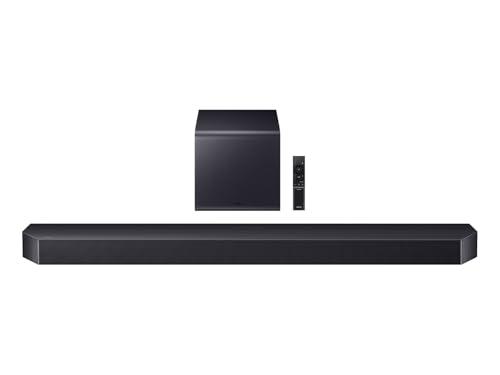
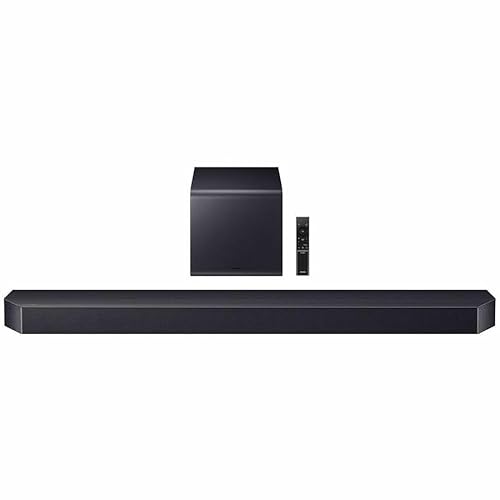
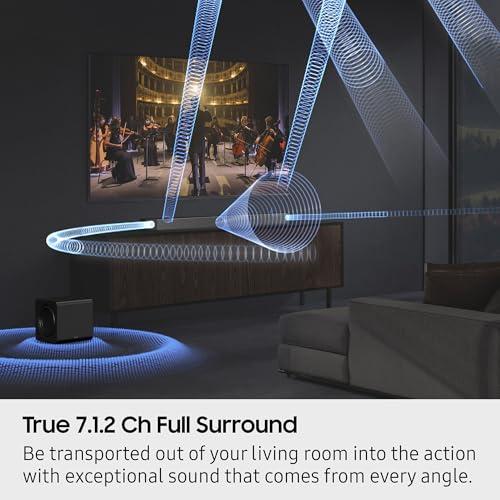
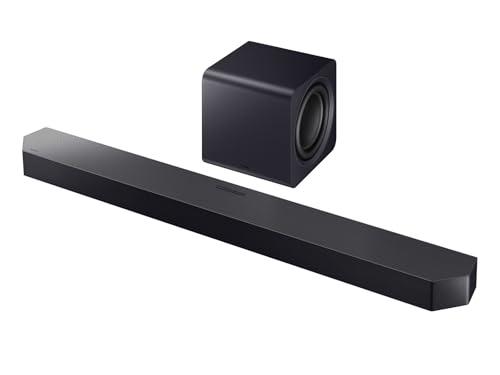
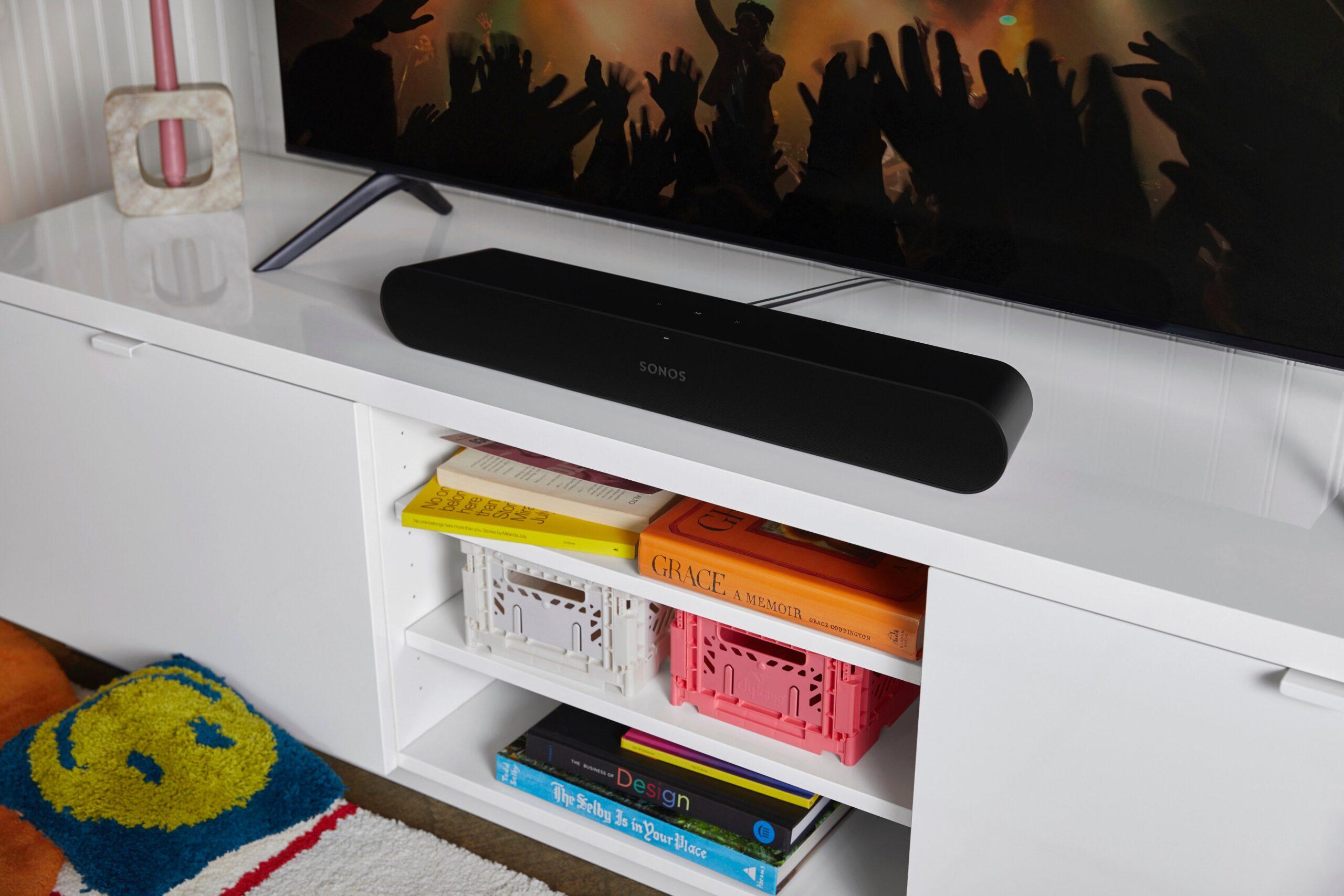
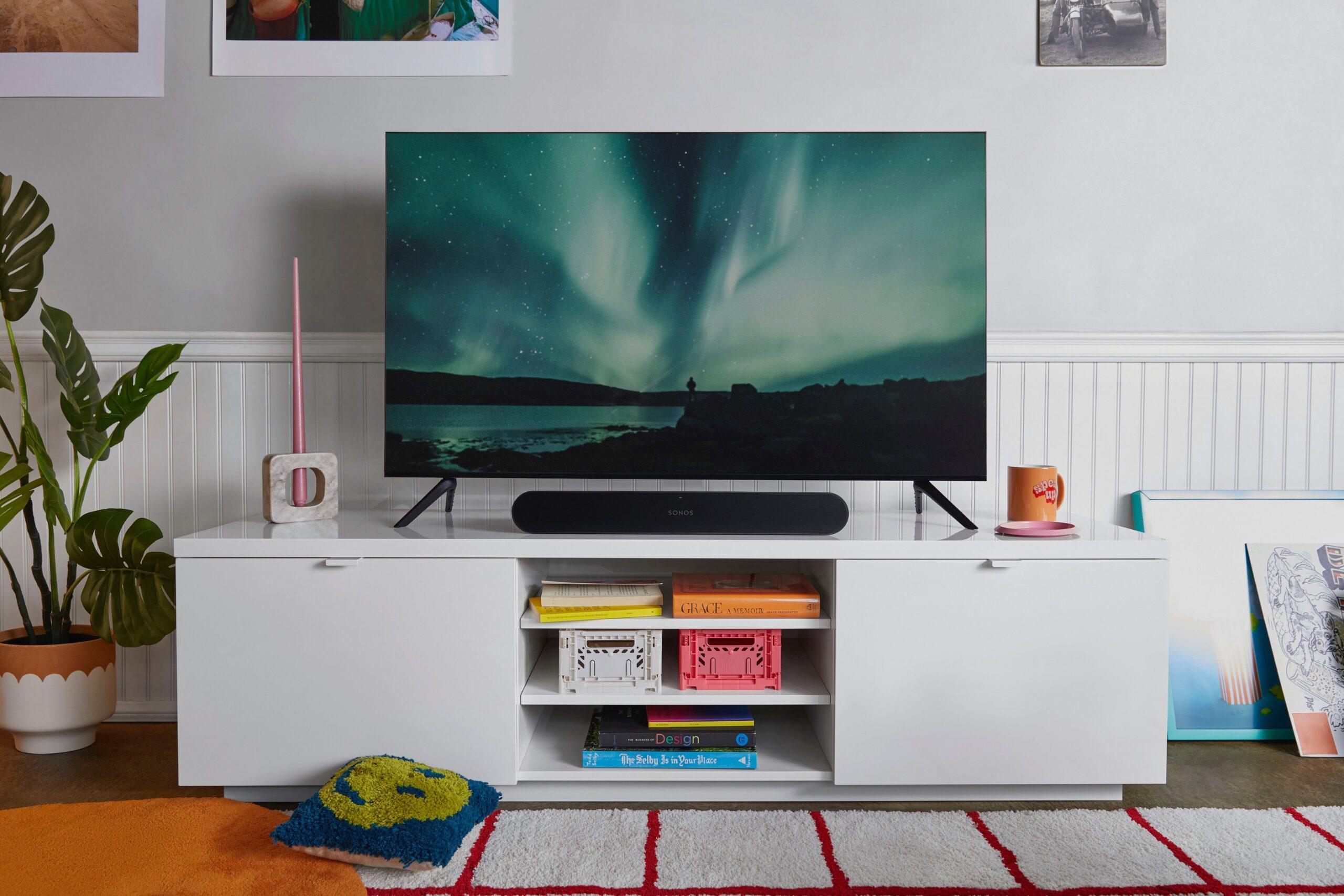
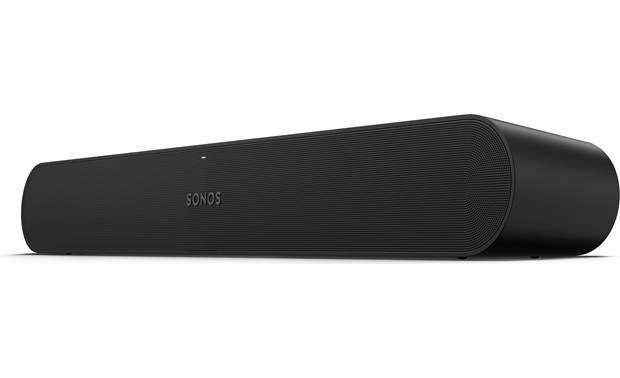
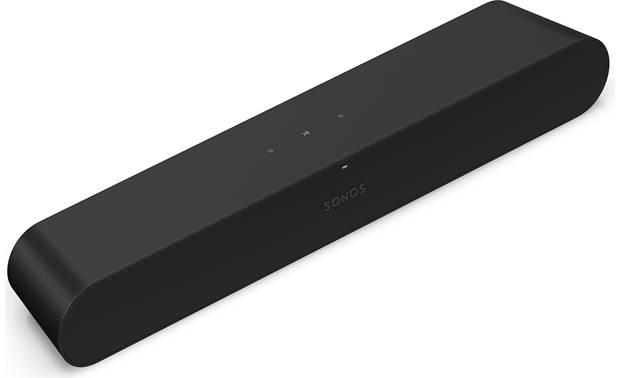
The Samsung Q990F, released in 2025, boasts an impressive 11.1.4 configuration with 23 total speakers across multiple components. This includes the main soundbar, a wireless subwoofer, and wireless rear speakers. In contrast, the Sonos Ray, introduced in 2022, is a simple stereo soundbar – just left and right channels in one compact unit.
This difference fundamentally shapes everything about these products: their price points (at the time of writing, the Samsung costs roughly four times more), their capabilities, and who should consider them.
The most significant performance difference lies in spatial audio – how sound moves around your room. The Samsung Q990F creates what audio enthusiasts call a "bubble of sound." When watching a movie, you'll hear rain falling from above thanks to upward-firing speakers, dialogue anchored in the center, and sound effects seamlessly moving from front to back through the wireless rear speakers.
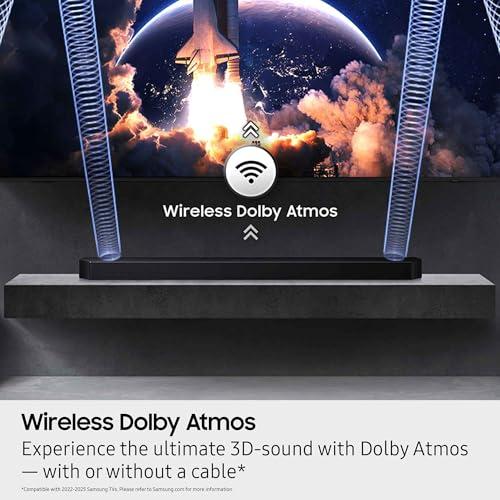
This system supports Dolby Atmos, a technology that treats individual sounds as "objects" that can be precisely placed anywhere in three-dimensional space. Imagine watching a scene where a helicopter approaches from behind, flies overhead, and exits to your right – the Samsung Q990F can recreate that movement convincingly.
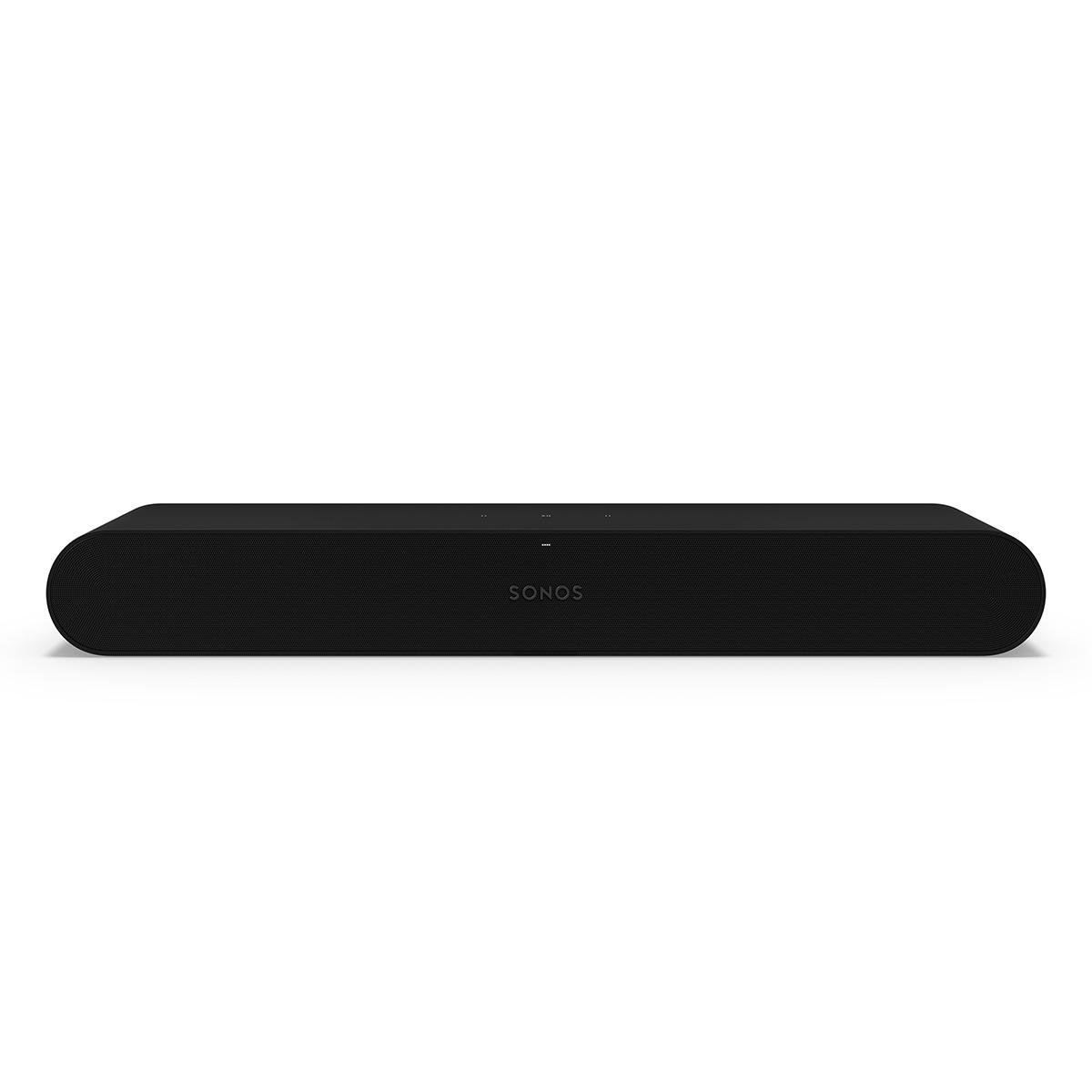
The Sonos Ray takes a completely different approach. Without rear speakers or height channels, it relies on clever audio processing to create a wider stereo image than your TV speakers. While this sounds more spacious than built-in TV audio, it cannot create true surround effects or overhead sounds. You're essentially getting enhanced stereo, not surround sound.
For home theater enthusiasts, this difference is enormous. If you regularly watch action movies, nature documentaries, or any content mixed in Dolby Atmos, the Samsung Q990F delivers an immersive experience that the Sonos Ray simply cannot match.
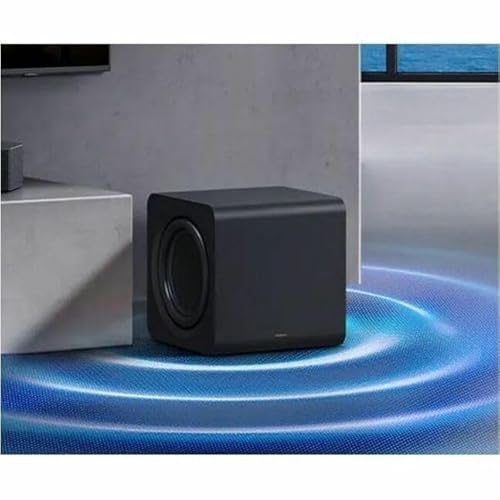
Bass performance reveals another stark contrast. The Samsung Q990F includes a dedicated wireless subwoofer with dual 8-inch drivers that can reproduce frequencies down to 32Hz – deep enough to feel the rumble of explosions or the growl of movie monsters. Samsung's AI Dynamic Bass Control technology analyzes the audio signal in real-time, preventing distortion and eliminating the rattling that plagues many subwoofers.
The Sonos Ray relies entirely on its built-in drivers and bass ports for low-end response. While reviewers consistently praise it for producing surprisingly robust bass for its size, physics ultimately wins. Without a dedicated subwoofer, it cannot match the depth and power of the Samsung system. User reviews note that during bass-heavy scenes, the Ray can sound "mushy" as its small drivers struggle with demanding content.
This matters most for movie watching and bass-heavy music genres. If you primarily watch dialogue-driven shows or listen to acoustic music, the Ray's bass limitations become less critical.
Surprisingly, both soundbars excel at dialogue reproduction, though they achieve this differently. The Samsung Q990F employs a dedicated center channel – a speaker specifically designed for voice reproduction. Combined with Samsung's Active Voice Amplifier Pro technology, which analyzes background noise and automatically boosts dialogue frequencies, conversations remain crystal clear even during complex action sequences.
The Sonos Ray achieves impressive dialogue clarity without a center channel, using digital signal processing to enhance voice frequencies. Reviews consistently highlight the Ray's ability to make dialogue "pop" from the mix, significantly improving comprehension over TV speakers.
Both systems include night modes that compress dynamic range, preventing loud explosions from waking family members while keeping dialogue audible. For most users, either soundbar will dramatically improve their ability to follow movie conversations without constantly adjusting volume.
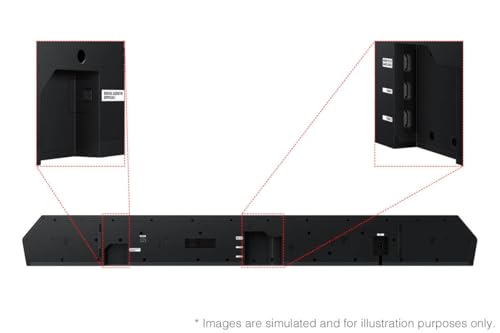
The Samsung Q990F embraces a kitchen-sink approach to connectivity and features. It includes two HDMI 2.1 inputs plus one eARC output, supporting 4K video passthrough at 120Hz with HDR10+ – crucial for next-generation gaming consoles like PlayStation 5 and Xbox Series X. This means you can connect multiple devices directly to the soundbar, then send video to your TV while keeping pristine audio quality.
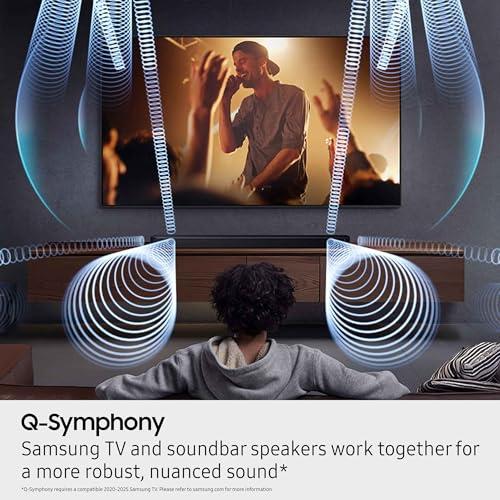
Samsung's Q-Symphony technology, available since 2022 but refined in newer models, allows compatible Samsung TVs to work in harmony with the soundbar. Instead of disabling TV speakers when you connect a soundbar, Q-Symphony uses them as additional channels, creating an even fuller sound experience.
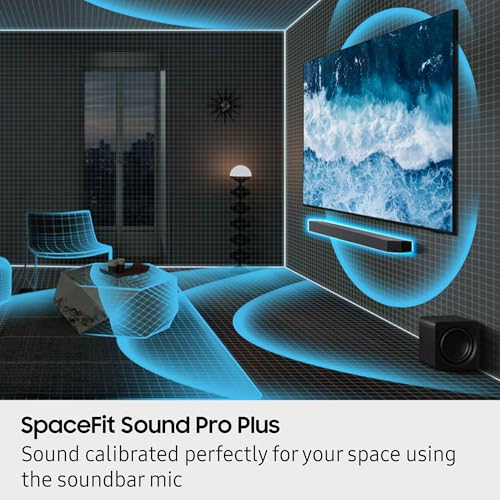
The SpaceFit Sound Pro technology automatically calibrates the system to your room's acoustics using built-in microphones. This room correction feature, increasingly common in premium soundbars since 2023, ensures optimal performance whether your soundbar sits in a small apartment or large living room.
The Sonos Ray prioritizes wireless streaming and ecosystem integration over connectivity variety. While it only includes optical audio input – limiting connections to your TV – it shines in wireless capabilities. As part of the Sonos ecosystem, it seamlessly integrates with other Sonos speakers for whole-home audio that stays perfectly synchronized.
The Sonos app, refined over years of development, provides intuitive control and access to dozens of streaming services. Apple AirPlay 2 support makes it effortless to stream music from iPhones and iPads. Trueplay room tuning (available only on iOS devices) uses your phone's microphone to optimize sound for your specific space.
This streaming-first approach reflects Sonos' philosophy: they assume you'll primarily connect via optical from your TV, then use the soundbar for both TV audio and music streaming throughout the day.
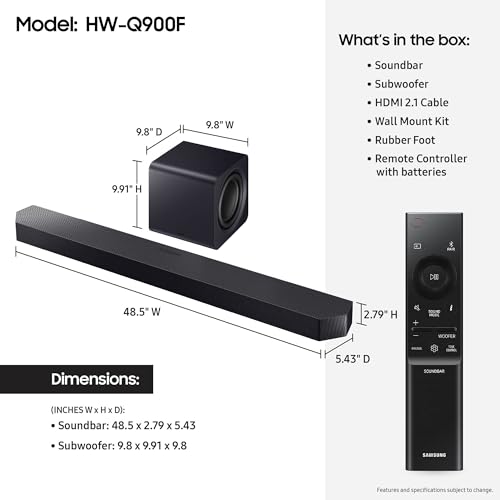
Both manufacturers take different approaches to industrial design. The Samsung Q990F makes a statement – it's a substantial system that announces its premium status. The main soundbar spans nearly four feet, while the subwoofer and rear speakers require strategic placement around your room. This system is designed for dedicated home theaters or large living rooms where its size becomes an asset rather than a limitation.
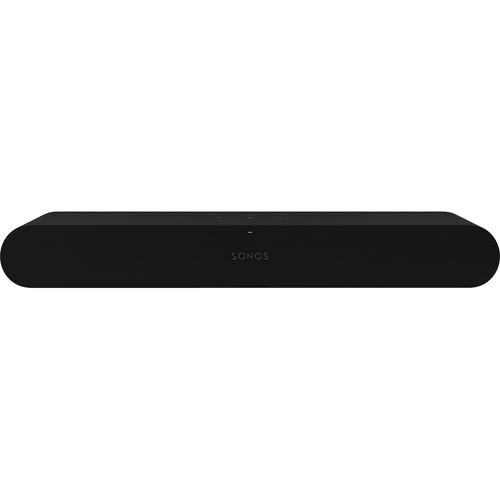
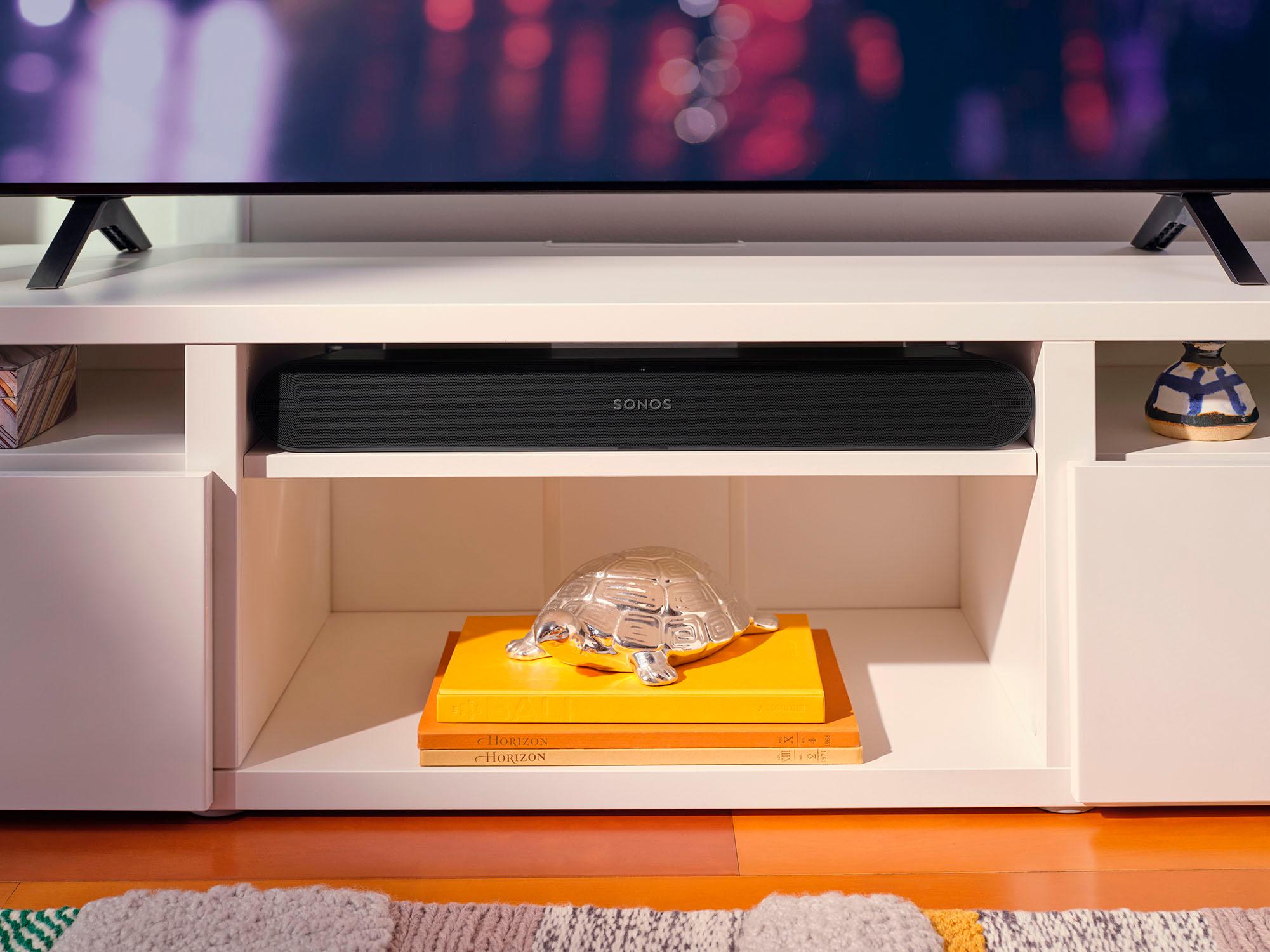
The Sonos Ray prioritizes discretion. At just 22 inches wide, it fits under most TVs without overwhelming smaller spaces. Its fabric covering and minimalist design help it disappear visually, appealing to users who want better audio without audio equipment dominating their décor.
Both systems offer wall-mounting options, though the Samsung requires more planning due to its multiple wireless components that need power outlets and optimal positioning.
At the time of writing, these soundbars occupy completely different price tiers, making direct value comparisons challenging. The Samsung Q990F represents a premium investment, comparable to mid-range AV receiver and speaker systems. You're paying for flagship audio processing, multiple wireless components, comprehensive connectivity, and cutting-edge features like Dolby Atmos and room correction.
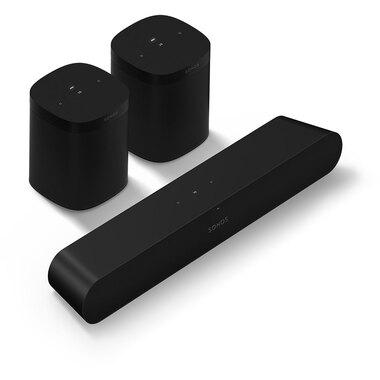
The Sonos Ray offers entry-level pricing into a premium ecosystem. While it lacks surround sound and extensive connectivity, it provides the renowned Sonos streaming experience and build quality at an accessible price point. The value proposition includes future expandability – you can later add a Sonos Sub for deeper bass or rear speakers for surround sound, spreading costs over time.
Consider the total cost of ownership. The Samsung arrives complete but offers limited expansion options. The Sonos system can grow with your needs and budget, but building a full surround system with Sub and rear speakers eventually costs more than the Samsung's initial investment.
If you've invested in a large TV and regularly watch movies, the Samsung Q990F transforms your viewing experience. The system truly shines with Dolby Atmos content from streaming services like Netflix, Disney+, and Apple TV+, or 4K Blu-ray discs. Gaming becomes more immersive with precise directional audio cues and room-shaking bass during action sequences.
The comprehensive connectivity handles multiple sources elegantly. Connect your gaming console and streaming device directly to the soundbar, then let it route video to your TV while processing audio internally. This setup reduces cable clutter and ensures optimal audio quality.
For users primarily wanting better dialogue clarity and occasional music streaming, the Sonos Ray provides exactly what's needed without overcomplicating the setup. It connects to any TV with optical output and immediately improves voice intelligibility. The Sonos ecosystem integration means seamless music streaming throughout your home if you later add more Sonos speakers to other rooms.
This approach particularly suits apartment dwellers or those with space constraints. The Ray provides meaningful audio improvement without requiring multiple components or dedicated placement for rear speakers.
The Samsung Q990F includes several future-oriented technologies. HDMI 2.1 support ensures compatibility with current and next-generation gaming consoles. The system's processing power handles current Dolby Atmos content while remaining capable of supporting future audio format developments.
Samsung regularly updates their soundbars' firmware, adding features and improving performance post-purchase. Recent updates have enhanced room correction algorithms and added support for new streaming services.
The Sonos Ray benefits from Sonos' long-term software support philosophy. Sonos continues updating speakers released years ago, adding new streaming services and features. However, its optical-only connectivity limits future expansion options compared to HDMI-based systems.
Choose the Samsung Q990F if you want the most immersive home audio experience possible from a soundbar system. This makes sense for movie enthusiasts with medium to large rooms, those who game regularly, and users who appreciate having all connectivity options available. The system works best when you can properly position all components and have content that takes advantage of its surround sound capabilities.
Select the Sonos Ray if you prioritize simplicity, streaming integration, and gradual system building. This soundbar suits smaller spaces, budget-conscious buyers who still want quality audio, and users more interested in music streaming than home theater immersion. The Sonos ecosystem's expandability lets you start small and build a more comprehensive system over time.
Neither choice is wrong – they serve fundamentally different needs and preferences. The Samsung delivers maximum performance upfront, while the Sonos provides a thoughtful entry point into premium audio with room to grow. Your room size, primary usage patterns, and long-term audio goals should guide your decision more than specifications alone.
Consider your viewing habits honestly. If you primarily watch dialogue-heavy shows and occasionally stream music, the Sonos Ray provides excellent value and room for future expansion. If you're building a dedicated entertainment space and want cinema-quality audio for movies and gaming, the Samsung Q990F justifies its premium pricing through uncompromising performance.
| Samsung Q-Series HW-Q990F Soundbar | Sonos Ray Soundbar |
|---|---|
| Channel Configuration - Determines immersion level and surround sound capability | |
| 11.1.4 channels with 23 total speakers (true surround with height effects) | Stereo only (enhanced left/right audio, no surround sound) |
| Components Included - What you get in the box affects setup complexity and performance | |
| Main soundbar + wireless subwoofer + wireless rear speakers (complete system) | Single soundbar unit only (expandable later with separate purchases) |
| Dolby Atmos Support - Essential for overhead audio effects in modern movies | |
| Full Dolby Atmos and DTS:X with dedicated height channels | No object-based audio support (stereo processing only) |
| Bass Performance - Impacts movie explosions, music depth, and overall dynamics | |
| Dual 8" wireless subwoofer with AI bass control (deep, clean bass to 32Hz) | Built-in drivers with bass ports (limited low-end extension) |
| HDMI Connectivity - Determines device compatibility and video passthrough | |
| 2 HDMI 2.1 inputs + 1 eARC output (4K/120Hz gaming support) | No HDMI inputs (optical audio connection only) |
| Room Calibration - Automatically optimizes sound for your space | |
| SpaceFit Sound Pro Plus with built-in microphones | Trueplay tuning (requires iPhone for setup) |
| Smart Features - Voice control and home automation integration | |
| Built-in Bixby and Alexa, Samsung SmartThings compatibility | No built-in voice assistants (works with external devices) |
| Streaming Services - Wireless music playback options | |
| Spotify Connect, TIDAL Connect, AirPlay 2, Google Cast, Roon Ready | AirPlay 2, Sonos ecosystem integration with 80+ services |
| Dialogue Enhancement - Critical for following movie conversations | |
| Dedicated center channel with Active Voice Amplifier Pro | Speech Enhancement mode without dedicated center speaker |
| Expandability - Future upgrade options within the ecosystem | |
| Complete system with limited expansion options | Highly expandable with Sonos Ray Sub, rear speakers, and multi-room audio |
| Ideal Room Size - Where each system performs best | |
| Medium to large rooms (benefits from rear speaker placement) | Small to medium rooms or apartments (compact single-unit design) |
| Primary Use Case - What each system excels at delivering | |
| Premium home theater with gaming and comprehensive connectivity | TV audio upgrade with excellent music streaming integration |
The Samsung Q-Series HW-Q990F Soundbar is significantly better for movies and TV shows due to its 11.1.4-channel surround sound system with wireless rear speakers and subwoofer. It supports Dolby Atmos for overhead audio effects and creates true surround sound immersion. The Sonos Ray Soundbar only provides stereo audio enhancement, though it does excel at dialogue clarity for TV watching.
The primary difference is that the Samsung Q-Series HW-Q990F Soundbar is a complete home theater system with multiple wireless components, while the Sonos Ray Soundbar is a single-unit stereo soundbar focused on streaming music and basic TV audio improvement. The Samsung offers true surround sound, while the Sonos provides enhanced stereo audio.
The Samsung Q-Series HW-Q990F Soundbar has dramatically better bass performance with its dedicated wireless subwoofer featuring dual 8-inch drivers. The Sonos Ray Soundbar relies on built-in drivers and bass ports, which provide decent bass for its size but cannot match the depth and power of a dedicated subwoofer system.
Only the Samsung Q-Series HW-Q990F Soundbar supports Dolby Atmos with dedicated upward-firing speakers for overhead audio effects. The Sonos Ray Soundbar does not support Dolby Atmos or any object-based audio formats, limiting it to enhanced stereo processing.
The Sonos Ray Soundbar is better suited for small apartments due to its compact 22-inch width and single-unit design that doesn't require multiple wireless components or rear speaker placement. The Samsung Q-Series HW-Q990F Soundbar needs more space for optimal performance with its subwoofer and rear speakers.
The Samsung Q-Series HW-Q990F Soundbar offers extensive connectivity with two HDMI 2.1 inputs, one HDMI eARC output, and optical input, supporting 4K/120Hz passthrough for gaming. The Sonos Ray Soundbar only provides optical audio input, requiring connection through your TV for all sources.
Both excel at music streaming but in different ways. The Sonos Ray Soundbar integrates seamlessly with the renowned Sonos ecosystem for whole-home audio and supports over 80 streaming services. The Samsung Q-Series HW-Q990F Soundbar offers high-resolution audio support and more detailed sound reproduction but lacks the multi-room integration of Sonos.
The Sonos Ray Soundbar is highly expandable within the Sonos ecosystem - you can add a Sonos Sub for bass, rear speakers for surround sound, and additional Sonos speakers throughout your home. The Samsung Q-Series HW-Q990F Soundbar comes complete as a system with limited expansion options since it already includes all major components.
Value depends on your needs. The Sonos Ray Soundbar offers excellent value for users wanting better TV dialogue and music streaming at an entry-level investment. The Samsung Q-Series HW-Q990F Soundbar provides premium home theater value for those wanting the most immersive audio experience possible from a soundbar system.
The Samsung Q-Series HW-Q990F Soundbar is excellent for gaming with HDMI 2.1 inputs supporting 4K/120Hz passthrough, low latency modes, and immersive surround sound for directional audio cues. The Sonos Ray Soundbar can improve gaming audio over TV speakers but lacks direct gaming console connectivity and surround sound positioning.
Both soundbars excel at dialogue clarity but achieve it differently. The Samsung Q-Series HW-Q990F Soundbar uses a dedicated center channel and Active Voice Amplifier Pro technology. The Sonos Ray Soundbar uses advanced processing to enhance voice frequencies without a center channel, and reviews consistently praise its dialogue reproduction despite the simpler design.
The Samsung Q-Series HW-Q990F Soundbar includes SpaceFit Sound Pro Plus with built-in microphones for automatic room acoustic calibration. The Sonos Ray Soundbar offers Trueplay room tuning, but this feature requires an iPhone for the calibration process and uses your phone's microphone to optimize sound for your specific space.
We've done our best to create useful and informative comparisons to help you decide what product to buy. Our research uses advanced automated methods to create this comparison and perfection is not possible - please contact us for corrections or questions. These are the sites we've researched in the creation of this article: rtings.com - crutchfield.com - sound-advice.online - samsung.com - soundandvision.com - samsung.com - whathifi.com - youtube.com - youtube.com - bestbuy.com - avsforum.com - content.syndigo.com - samsung.com - businessinsider.com - dolby.com - youtube.com - abcwarehouse.com - techradar.com - soundandvision.com - youtube.com - appleinsider.com - youtube.com - sonos.com - cnet.com - howtogeek.com - pcrichard.com - en.community.sonos.com - epicsystems.tech - en.community.sonos.com - cepro.com - videoandaudiocenter.com

Privacy Policy
Terms and Conditions - Affiliate Policy
Home Security
© Copyright 2008-2026.
11816 Inwood Rd #1211, Dallas, TX 75244