

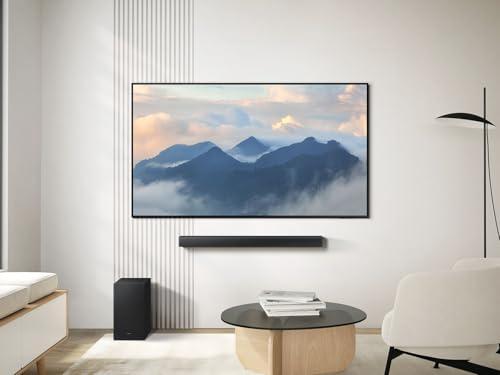


If you're tired of constantly turning up the volume to understand dialogue or missing the bass drops in action movies, you're probably ready to upgrade from your TV's built-in speakers. The good news? Even a modest soundbar investment can transform your viewing experience. The challenge? Choosing between two very different approaches to better TV audio.
The Samsung HW-B630F and Sonos Ray both promise to solve your TV audio problems, but they take fundamentally different paths to get there. Released in 2022 and 2023 respectively, these soundbars represent two distinct philosophies: Samsung focuses on traditional home theater performance with multichannel processing, while Sonos prioritizes smart streaming features and ecosystem integration.
Before diving into specifics, it's helpful to understand what we're really comparing. Modern soundbars fall into several categories, each designed for different priorities and budgets.
Traditional soundbars like the Samsung HW-B630F follow the classic home theater approach: multiple channels, dedicated drivers for different frequency ranges, and separate subwoofers for bass. These systems prioritize audio performance metrics like dialogue clarity, dynamic range (the difference between quiet and loud sounds), and soundstage width (how spread out the audio feels).
Smart soundbars like the Sonos Ray emphasize connectivity and streaming features. They're designed to work as both TV audio enhancers and wireless music speakers, often sacrificing some pure audio performance for convenience and smart home integration.
The key consideration is how you'll actually use the device. If you're primarily watching movies and shows, traditional metrics like bass response and channel separation matter most. If you stream music as often as you watch TV, features like Wi-Fi connectivity and app control become more valuable.
The most significant difference between these soundbars lies in their fundamental audio architecture – basically, how they're designed to create sound.
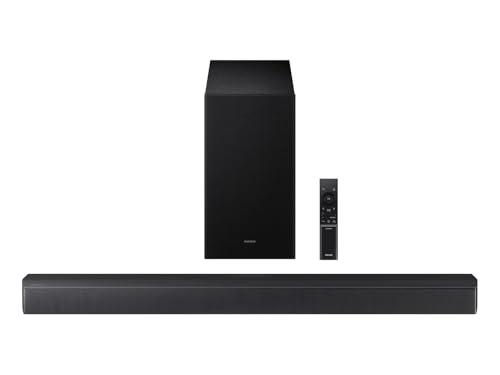
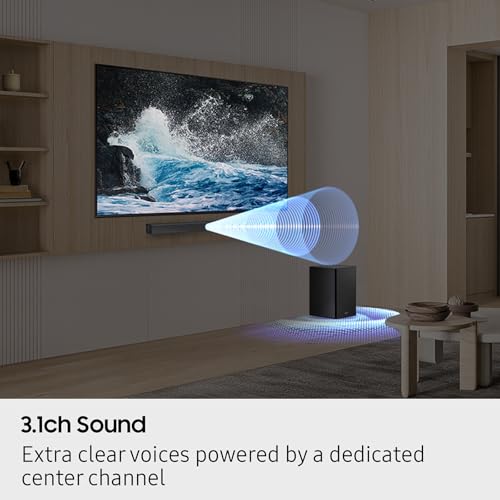
The Samsung HW-B630F uses a true 3.1-channel configuration. This means it has three front-facing speakers (left, right, and center) built into the soundbar, plus one subwoofer channel handled by the separate wireless subwoofer. The ".1" refers to that subwoofer, which handles low-frequency effects (LFE) – the rumbles, explosions, and bass lines that add impact to movies and music.
The dedicated center channel is crucial for dialogue clarity. In movies and TV shows, most speech comes through the center channel, while music and effects spread across the left and right channels. When you have a physical center speaker positioned directly below your TV screen, voices appear to come from the characters' mouths rather than floating somewhere between the left and right speakers.
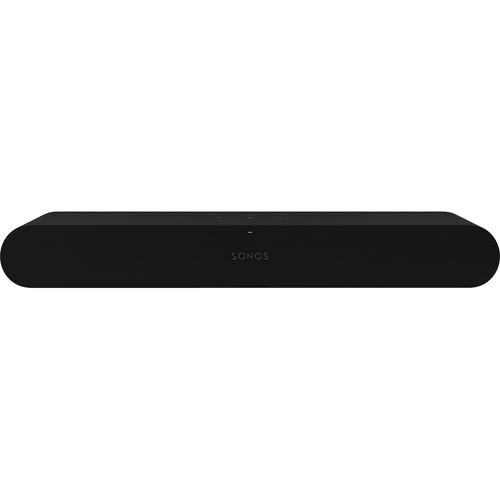
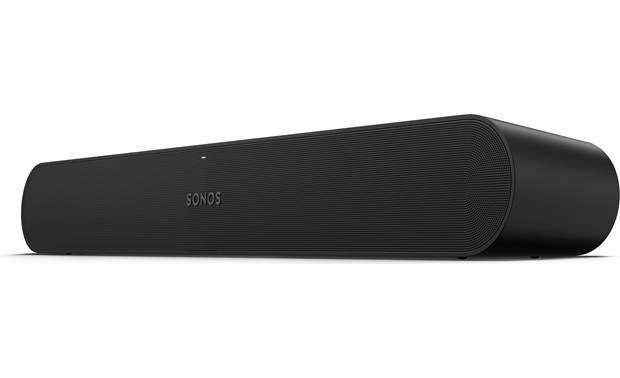
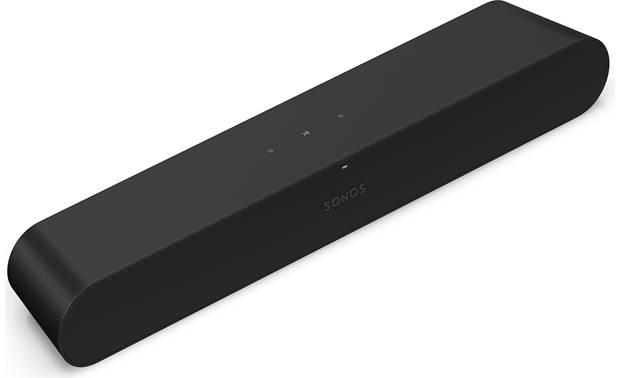
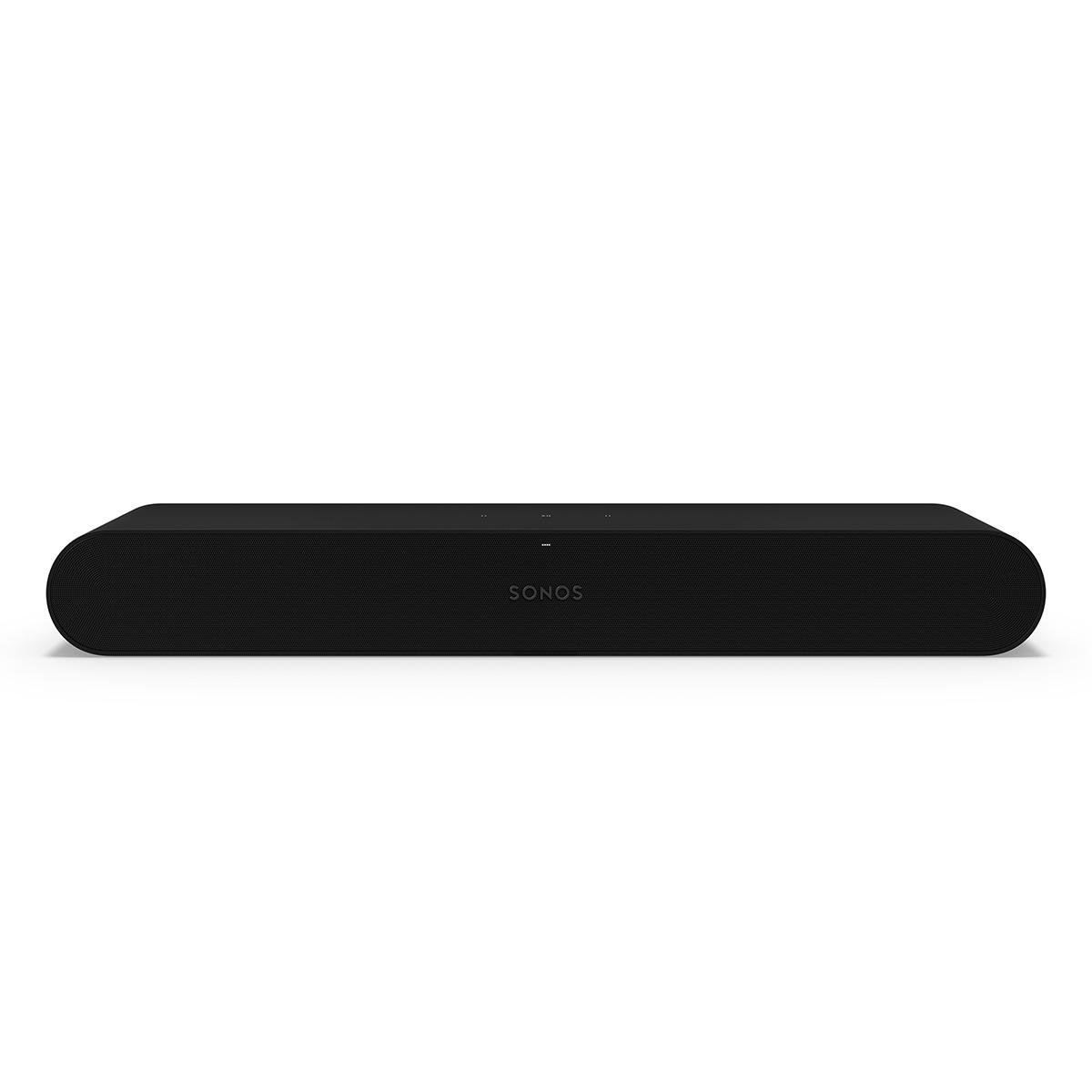
The Sonos Ray, by contrast, uses a 2.0 stereo configuration. It has five drivers (individual speakers) packed into one enclosure: two tweeters for high frequencies and three mid-woofers for everything else. There's no dedicated center channel and no physical subwoofer. Instead, the Ray uses digital signal processing (DSP) to simulate a center channel and maximize bass output from its smaller drivers.
This brings us to perhaps the most noticeable difference: bass response. The Samsung HW-B630F includes a 6-inch wireless subwoofer that connects automatically to the main soundbar. This dedicated bass driver can move much more air than the small drivers in a compact soundbar, creating the low-frequency impact that makes explosions feel powerful and music sound full.
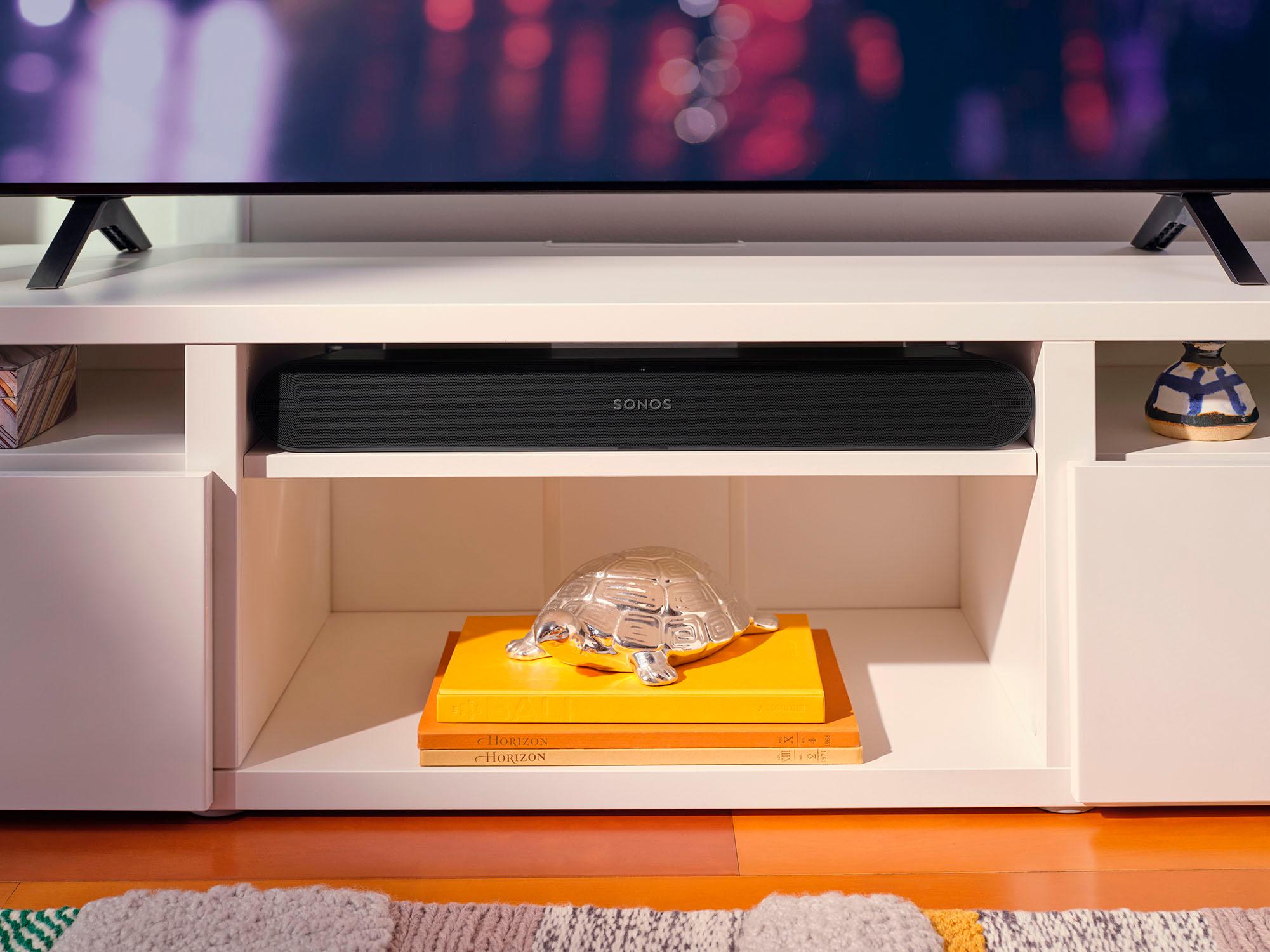
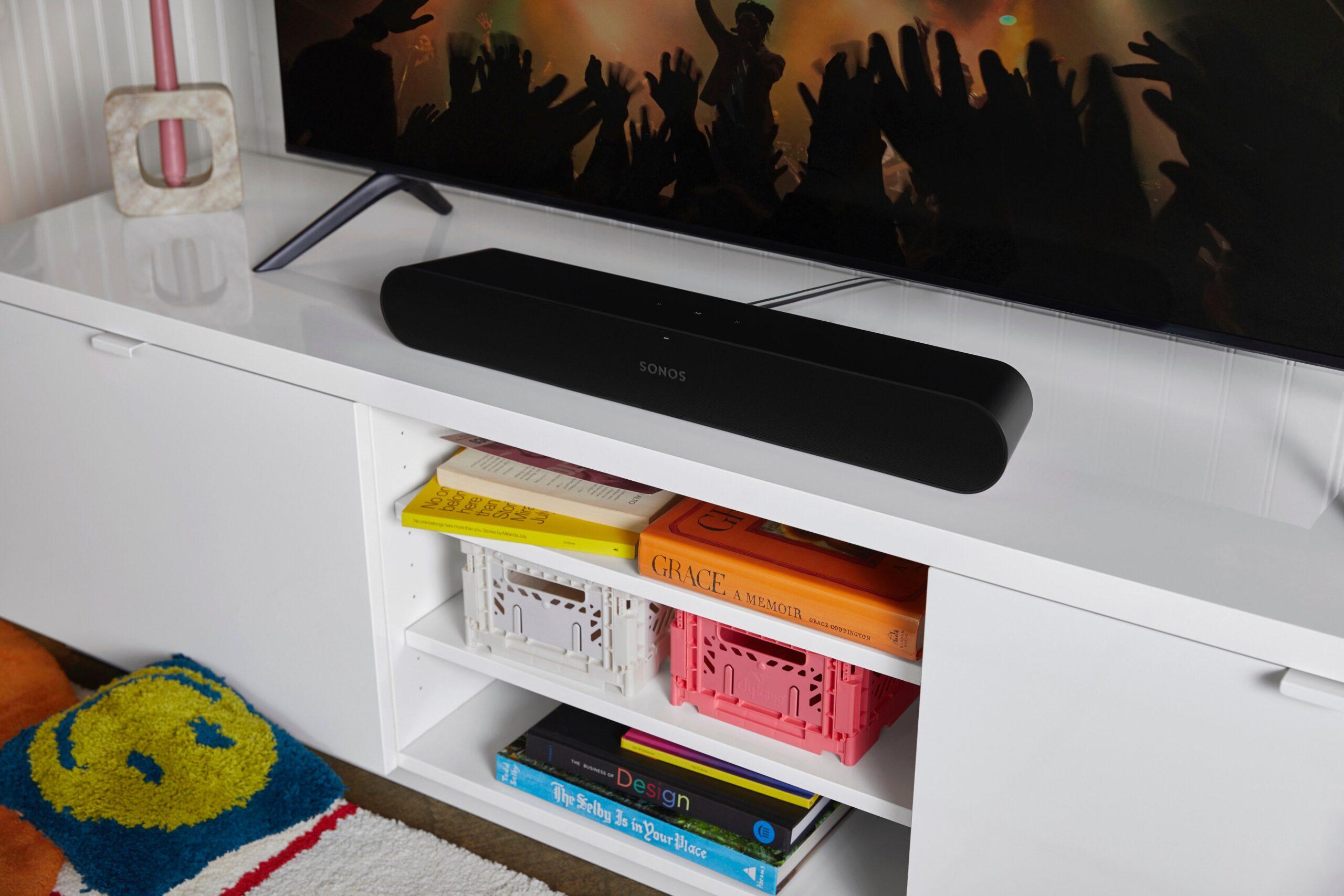
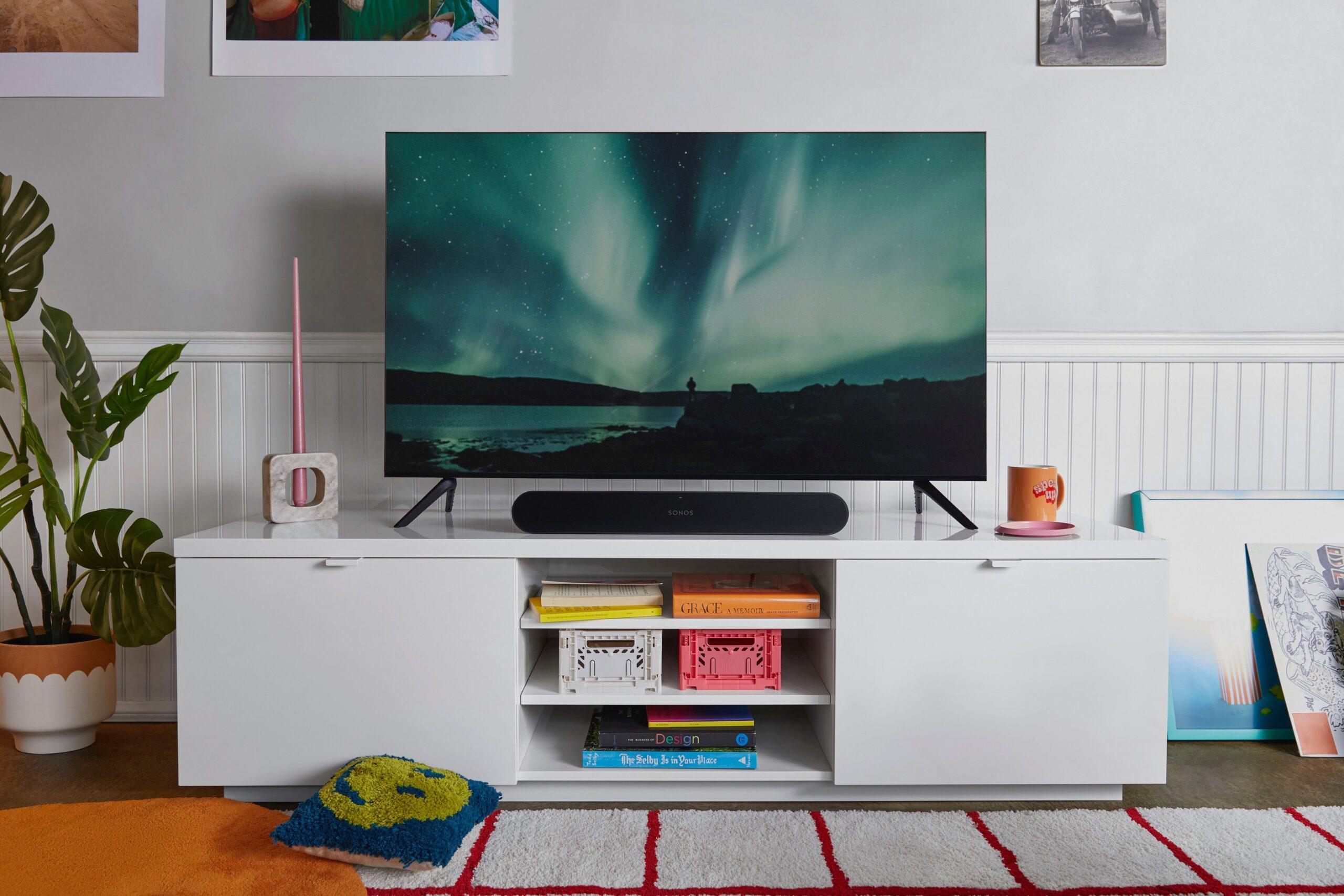
The Sonos Ray relies on its internal drivers and bass ports (openings that help boost low frequencies) to create bass. While Sonos has engineered impressive performance from this compact design, physics ultimately limits how much bass a small speaker can produce. The trade-off is a much smaller footprint – no separate subwoofer to place and no additional cables to manage.
Our research into user reviews consistently shows that viewers notice the bass difference immediately. The Samsung system delivers the kind of low-end impact that makes action movies more engaging, while the Sonos Ray provides respectable bass for its size but can't match the physical presence of a dedicated subwoofer.
For most people, dialogue clarity is the primary reason to buy a soundbar. TV speakers often bury speech in the mix, forcing you to constantly adjust volume or use subtitles. Both soundbars address this issue, but through different methods.
The Samsung HW-B630F's dedicated center channel provides a significant advantage here. Professional reviews and user feedback consistently highlight how much clearer dialogue becomes with a physical center speaker. The Voice Enhance mode further boosts speech frequencies, making whispered conversations and accented dialogue easier to understand.
The Sonos Ray takes a different approach, using digital processing to lift dialogue from the stereo mix. While this works reasonably well, it can't completely replicate the precision of a dedicated center channel. However, Sonos includes Speech Enhancement processing that specifically targets voice frequencies, helping dialogue cut through background music and effects.
Based on our analysis of user reviews, the Samsung system provides noticeably clearer dialogue, especially in complex audio scenes where multiple sound elements compete for attention.
Soundstage refers to how wide and enveloping the audio feels – basically, whether sound seems to come from a narrow point or fills the room around you. This is where the technical specifications start to matter in practical ways.
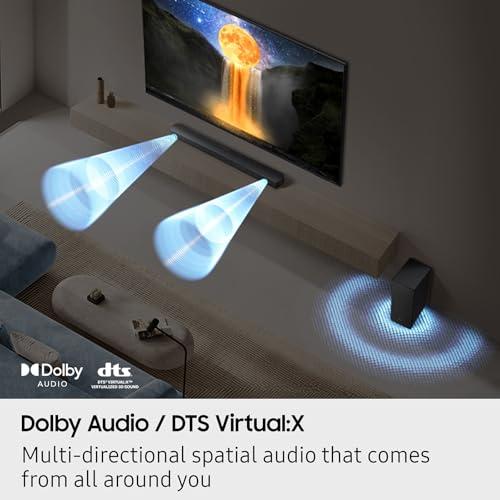
The Samsung HW-B630F includes DTS Virtual:X processing, which uses psychoacoustic algorithms (fancy math that tricks your brain) to create the impression of height and surround effects from its front-facing speakers. Combined with its wider physical separation of left, center, and right channels, this creates a more expansive soundstage than most compact soundbars can achieve.
The Sonos Ray relies on its custom-designed waveguides – shaped enclosures that direct sound waves – to project audio across a wider area. While impressive for its size, the narrow physical footprint limits how much spatial separation it can create.
For movie watching, the Samsung system provides a more immersive experience, with effects that seem to extend beyond the soundbar itself. The Sonos Ray sounds bigger than its compact size suggests but can't match the spatial performance of a larger system with separated channels.
While Samsung focuses on audio performance, Sonos has built its reputation on smart features and ecosystem integration. This difference becomes apparent as soon as you set up either system.
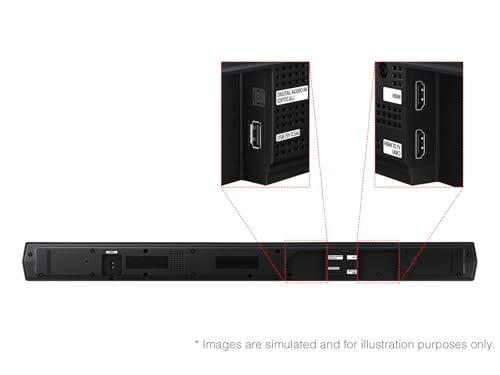
The Samsung HW-B630F takes a traditional approach to connectivity. It includes HDMI ARC (Audio Return Channel), which allows your TV to send audio back to the soundbar through the same HDMI cable that carries video signals. This simplifies setup and supports higher-quality audio formats than older optical connections. There's also Bluetooth 5.0 with multipoint support, meaning you can connect two phones simultaneously and switch between them without re-pairing.
The Sonos Ray embraces wireless connectivity completely. It connects to your home network via Wi-Fi or Ethernet, giving it access to over 100 streaming music services directly. Apple AirPlay 2 support means iPhone and iPad users can stream audio instantly, while Spotify Connect lets you control playback directly from the Spotify app.
Here's where usage patterns matter significantly. If you primarily watch TV and occasionally stream music via Bluetooth, the Samsung approach covers your needs simply. If you regularly stream music from multiple services and want the convenience of app-based control, the Sonos system provides a much richer experience.
The Sonos Ray requires the Sonos app for setup and provides its most advanced features through smartphone control. The app interface is intuitive and gives you access to EQ settings, grouping with other Sonos speakers, and direct access to streaming services. However, this means you need your phone nearby for anything beyond basic volume control.
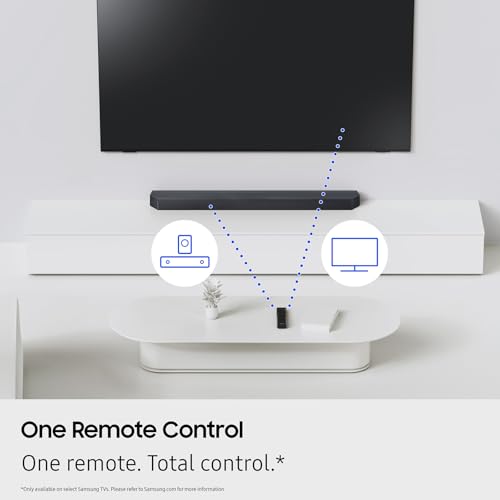
The Samsung HW-B630F includes a traditional remote and integrates with Samsung TV remotes through One Remote Control technology. Setup is more straightforward for less tech-savvy users – connect the cables, and it works. Advanced features like sound mode selection and EQ adjustment are available but require navigating through the soundbar's basic display or Samsung TV menus.
This is where the fundamental philosophies of these products become most apparent.
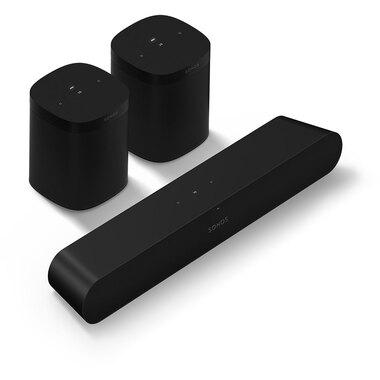
The Sonos Ray is designed as an entry point into Sonos's ecosystem. You can group it with other Sonos speakers throughout your home for synchronized music playback, add a Sonos Sub Mini for more bass, or pair it with other Sonos speakers for true surround sound. The modular approach lets you build exactly the system you want over time.
The Samsung HW-B630F can be expanded with Samsung's Wireless Rear Speaker Kit to create a 5.1 surround system, but it doesn't offer the same multi-room flexibility. It's designed primarily as a complete TV audio solution rather than part of a larger audio ecosystem.
If you're interested in eventually having synchronized music throughout your home, the Sonos system provides a clear upgrade path. If you just want better TV audio in one room, the Samsung approach gives you everything you need upfront.
Physical space significantly impacts soundbar performance, and these two products are optimized for different environments.
In bedrooms, offices, or small living spaces up to about 200 square feet, the Sonos Ray performs admirably. Its compact 22-inch width fits naturally under smaller TVs, and the lack of a separate subwoofer reduces clutter. The sound quality is surprisingly full for such a small package, though bass-heavy content will reveal its limitations.
The Samsung HW-B630F works well in these spaces too, but the wireless subwoofer requires additional placement consideration. However, even in smaller rooms, the dedicated sub provides noticeably more impact for action movies and music.
In medium to large rooms over 200 square feet, the differences become more pronounced. The Samsung system's higher power output and dedicated subwoofer maintain clarity and impact even at higher volumes needed to fill larger spaces. The 3.1 configuration ensures dialogue remains clear from various seating positions.
The Sonos Ray can struggle in larger rooms, particularly with action movies or bass-heavy music. While it sounds good at moderate volumes in the sweet spot directly in front of the TV, it lacks the power and low-frequency extension to create an engaging experience in spacious environments.
At the time of writing, both soundbars occupy similar price ranges, but they deliver value in different ways.
The Samsung HW-B630F provides exceptional immediate value because it includes both the soundbar and wireless subwoofer as a complete package. When you consider that most competing systems charge extra for subwoofers, or require you to buy them separately, the Samsung system delivers substantial audio improvement for a reasonable investment.
The Sonos Ray delivers solid performance at its price point, but achieving comparable bass response requires purchasing the optional Sonos Sub Mini, significantly increasing the total system cost. However, you're also getting superior smart features, build quality, and ecosystem integration that aren't readily available elsewhere at this price level.
From a long-term perspective, the Sonos Ray offers more flexibility. As your needs change or your budget allows, you can expand the system incrementally. The software receives regular updates that add new features and streaming service support.
The Samsung HW-B630F represents more of a complete solution purchase. While it supports some expansion, you're essentially buying a finished product that will serve you well for years without requiring additional investment.
If you're building a dedicated home theater or prioritize cinematic audio above all else, several factors become particularly important.
The Samsung HW-B630F supports Dolby Digital 5.1 and DTS formats commonly found in movies and TV shows. The DTS Virtual:X processing creates height effects that enhance the cinematic experience, making helicopters seem to fly overhead and rain sound like it's falling from above.
The Sonos Ray is limited to basic stereo formats. While it processes this audio intelligently, it can't decode or take advantage of the multichannel soundtracks that make movies more immersive.
For console gaming, the Samsung system provides advantages in both audio quality and connectivity. The HDMI ARC connection supports higher-quality audio formats from gaming systems, while the dedicated center channel improves dialogue clarity in story-driven games. The bass response adds impact to explosions and environmental effects.
The Sonos Ray works for gaming but offers fewer advantages over TV speakers in this context, particularly for action games where bass response and spatial audio cues matter most.
After analyzing performance characteristics, user feedback, and practical considerations, clear usage patterns emerge for each product.
Prioritize immediate audio improvement for TV and movies. The 3.1 configuration with dedicated subwoofer provides the most significant upgrade over TV speakers, particularly for dialogue clarity and bass impact.
Want a complete solution without additional purchases. Everything you need comes in the box, and setup is straightforward even for less tech-savvy users.
Have a medium to large living room. The system has enough power and bass extension to fill larger spaces effectively.
Prefer traditional remote control. Physical remotes and simple setup appeal to users who want their audio to "just work" without smartphone apps.
Focus primarily on TV watching rather than music streaming. The system excels at its primary purpose without requiring investment in features you won't use.
Stream music as much as you watch TV. The Wi-Fi connectivity and streaming service integration provide a superior music experience that most traditional soundbars can't match.
Want to build a multi-room audio system over time. The modular approach lets you expand gradually while maintaining compatibility across products.
Have limited space or prefer minimalist aesthetics. The compact design fits naturally in smaller rooms or entertainment centers where a separate subwoofer would be intrusive.
Value smart home integration. AirPlay 2, voice assistant compatibility, and app-based control integrate seamlessly with modern smart home setups.
Don't mind app-based control and setup. If you're comfortable with smartphone apps and enjoy having detailed control over your audio system, the Sonos approach offers more flexibility.
Both soundbars successfully solve the fundamental problem of poor TV audio, but they're optimized for different lifestyles and priorities. The Samsung HW-B630F delivers superior audio performance for TV and movie watching at an excellent value, while the Sonos Ray provides smart features and ecosystem integration that extend far beyond basic TV audio improvement.
Consider how you actually use your entertainment system. If movie night is a regular occurrence and you want dialogue you can understand without constantly adjusting volume, the Samsung system's dedicated center channel and subwoofer provide tangible benefits you'll notice every time you watch TV.
If you find yourself streaming music from your phone as often as watching Netflix, and you're attracted to the idea of eventually having synchronized audio throughout your home, the Sonos Ray's smart features and expandability justify the trade-offs in pure audio performance.
Either choice represents a significant upgrade over TV speakers, but understanding these fundamental differences ensures you'll choose the soundbar that best matches how you actually live with and use your audio system.
| Samsung HW-B630F B-Series 3.1ch Soundbar System | Sonos Ray Soundbar |
|---|---|
| Channel Configuration - Determines dialogue clarity and bass impact | |
| 3.1 channels with dedicated center channel plus wireless subwoofer | 2.0 stereo channels with virtual center processing |
| Subwoofer - Critical for movie impact and music fullness | |
| 6-inch wireless subwoofer included | No subwoofer (optional Sonos Sub Mini sold separately) |
| Audio Format Support - Affects movie and streaming audio quality | |
| Dolby Digital 5.1, DTS 5.1, DTS Virtual:X height processing | Standard stereo formats only, no surround decoding |
| HDMI Connectivity - Simplifies setup and enables better audio formats | |
| HDMI ARC input/output plus optical backup | No HDMI (optical cable sold separately) |
| Smart Streaming Features - For music playback beyond TV audio | |
| Bluetooth 5.0 with multipoint connection only | Wi-Fi, 100+ streaming services, Apple AirPlay 2, Spotify Connect |
| Physical Dimensions - Space requirements and room compatibility | |
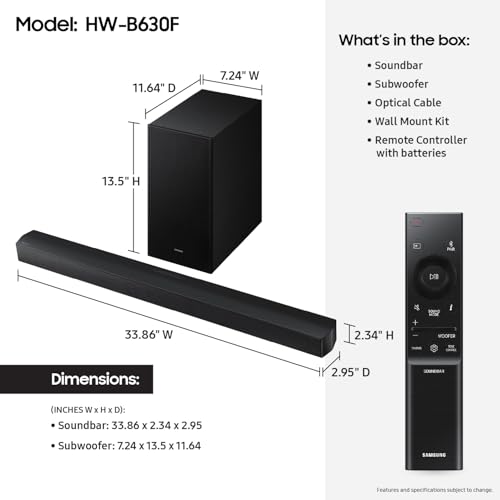
| 33.9" soundbar + separate 7.2" subwoofer placement needed | Compact 22" single unit, no additional components |
| Multi-Room Audio - Building whole-home sound systems | |
| Limited to Samsung ecosystem expansion | Full Sonos ecosystem integration and grouping |
| Remote Control - Daily usability and convenience | |
| Physical remote included, integrates with Samsung TV remotes | App-based control required, responds to TV remote volume |
| Room Size Suitability - Performance in different spaces | |
| Medium to large rooms (200+ sq ft) with dedicated sub power | Small to medium rooms (under 200 sq ft) optimal |
| Expandability Options - Future upgrade possibilities | |
| Samsung Wireless Rear Speaker Kit for 5.1 surround | Any Sonos speakers for surround, multiple subwoofer options |
The Samsung HW-B630F provides superior dialogue clarity thanks to its dedicated center channel speaker. This physical center speaker is specifically designed to handle speech, making voices sound like they're coming directly from the TV screen. The Sonos Ray uses digital processing to simulate a center channel, which works well but can't match the precision of a dedicated speaker for dialogue reproduction.
The Samsung HW-B630F includes a wireless subwoofer in the package, providing immediate bass impact for movies and music. The Sonos Ray doesn't include a subwoofer and relies on its internal drivers for bass. While the Sonos Ray produces impressive bass for its compact size, you'll need to purchase a separate Sonos Sub Mini if you want bass levels comparable to the Samsung system.
The Samsung HW-B630F offers simpler setup with HDMI ARC connection to your TV and automatic wireless pairing of the subwoofer. The Sonos Ray requires the Sonos app for setup and connects via optical cable (sold separately) or Wi-Fi streaming. If you prefer plug-and-play simplicity, the Samsung soundbar is more straightforward.
Both soundbars support music streaming but through different methods. The Samsung HW-B630F uses Bluetooth 5.0 with multipoint connection, allowing two devices to stay paired simultaneously. The Sonos Ray offers more advanced streaming with Wi-Fi connectivity, Apple AirPlay 2, Spotify Connect, and access to over 100 music services directly through the soundbar.
The Samsung HW-B630F performs better in medium to large rooms due to its dedicated subwoofer and higher power output. The separate bass driver can fill larger spaces with impactful low frequencies. The Sonos Ray excels in smaller rooms but may sound underwhelming in spaces over 200 square feet, particularly for action movies or bass-heavy content.
Neither soundbar supports true Dolby Atmos, but the Samsung HW-B630F includes DTS Virtual:X processing that creates simulated height effects for a more immersive experience. The Sonos Ray doesn't support any advanced surround sound formats and is limited to stereo processing, though it does this very well within its capabilities.
The Samsung HW-B630F integrates seamlessly with Samsung TV remotes through One Remote Control technology and supports HDMI CEC for basic control with most TV brands. The Sonos Ray responds to TV remote volume commands via infrared but requires the Sonos app for most other functions and settings adjustments.
The Samsung HW-B630F offers advantages for gaming with HDMI ARC connectivity that supports higher-quality audio formats from consoles, plus dedicated bass response that adds impact to explosions and effects. The Sonos Ray works for gaming but doesn't provide the same level of audio enhancement, particularly for action games where bass and spatial audio matter most.
Both soundbars offer expansion options but through different approaches. The Samsung HW-B630F can be expanded with Samsung's Wireless Rear Speaker Kit for true 5.1 surround sound. The Sonos Ray can be paired with any other Sonos speakers for rear channels and offers more flexible expansion options within the Sonos ecosystem, though at higher total cost.
Both soundbars feature solid construction, but they emphasize different aspects. The Samsung HW-B630F focuses on delivering robust audio hardware with its multi-driver array and substantial wireless subwoofer. The Sonos Ray emphasizes premium materials and compact engineering, with a sleek design that integrates well into modern living spaces.
The Sonos Ray offers superior smart home integration with Apple AirPlay 2 support and compatibility with various voice assistants through the Sonos ecosystem. The Samsung HW-B630F provides basic connectivity through Bluetooth but lacks advanced smart home features, focusing instead on traditional TV audio enhancement and Samsung device integration.
The Samsung HW-B630F typically provides better immediate value by including both soundbar and subwoofer as a complete package, delivering significant audio improvement over TV speakers. The Sonos Ray offers excellent value for users who prioritize streaming features and ecosystem integration, but achieving comparable bass response requires additional purchases. Your choice depends on whether you value immediate audio performance or long-term smart features and expandability.
We've done our best to create useful and informative comparisons to help you decide what product to buy. Our research uses advanced automated methods to create this comparison and perfection is not possible - please contact us for corrections or questions. These are the sites we've researched in the creation of this article: samsung.com - bhphotovideo.com - crutchfield.com - youtube.com - bestproducts.com - videoandaudiocenter.com - pcrichard.com - bhphotovideo.com - samsung.com - youtube.com - requiremints.com - karlsonline.com - crutchfield.com - youtube.com - donstv.com - samsung.com - bhphotovideo.com - youtube.com - youtube.com - crutchfield.com - costco.ca - rtings.com - crutchfield.com - accio.com - bhphotovideo.com - manuals.plus - samsung.com - saraappliance.com - techradar.com - soundandvision.com - youtube.com - appleinsider.com - youtube.com - sonos.com - cnet.com - howtogeek.com - pcrichard.com - en.community.sonos.com - epicsystems.tech - en.community.sonos.com - cepro.com - videoandaudiocenter.com

Privacy Policy
Terms and Conditions - Affiliate Policy
Home Security
© Copyright 2008-2026.
11816 Inwood Rd #1211, Dallas, TX 75244