

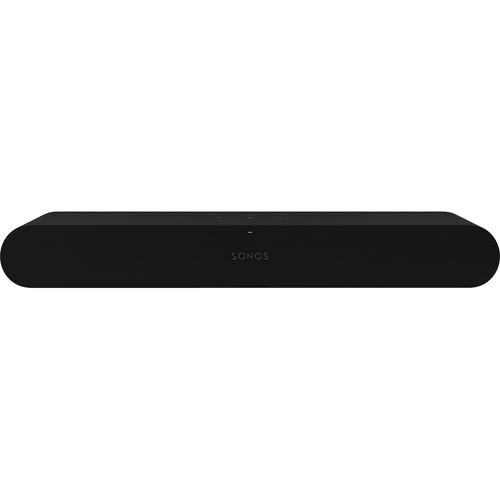


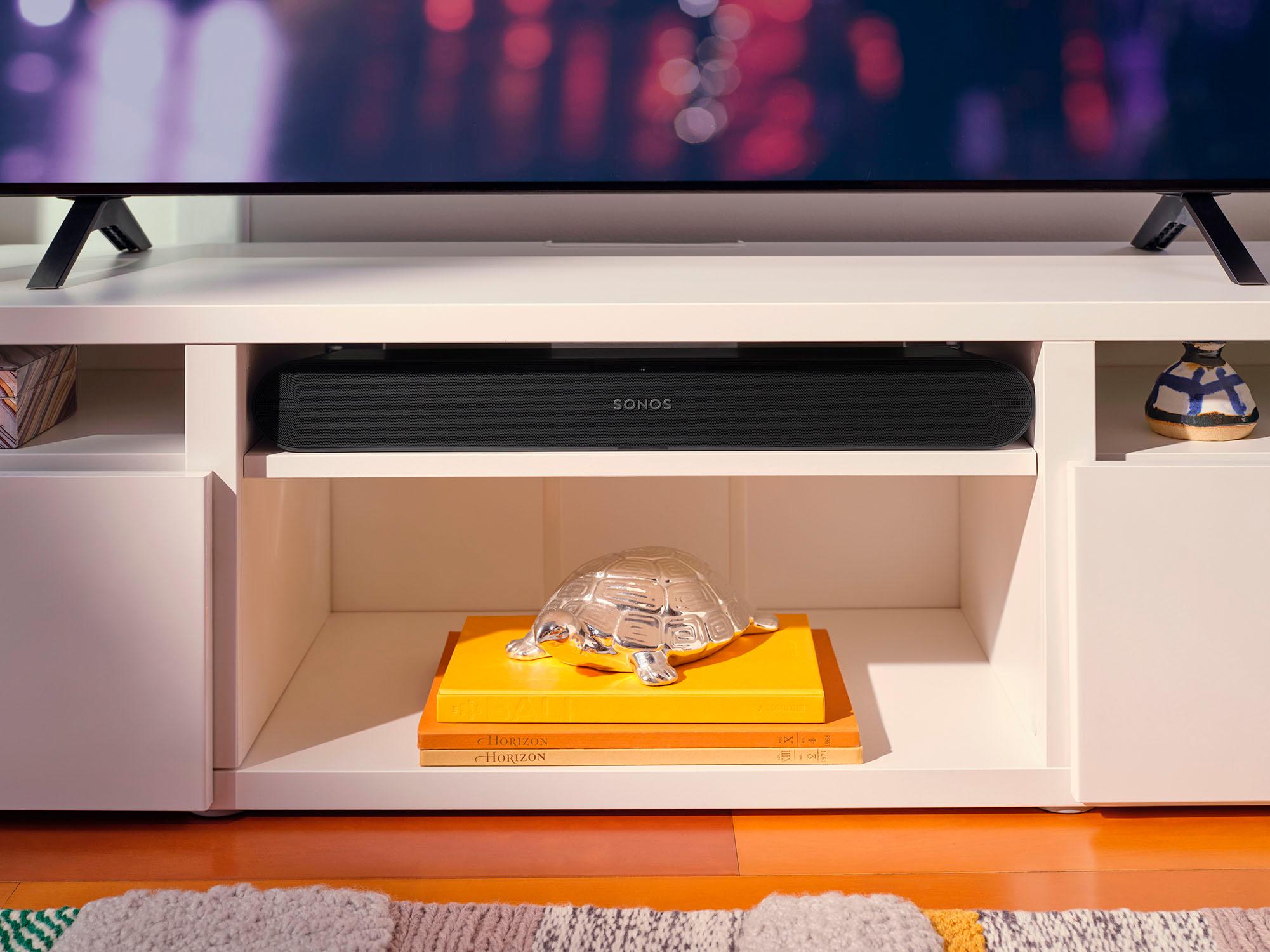
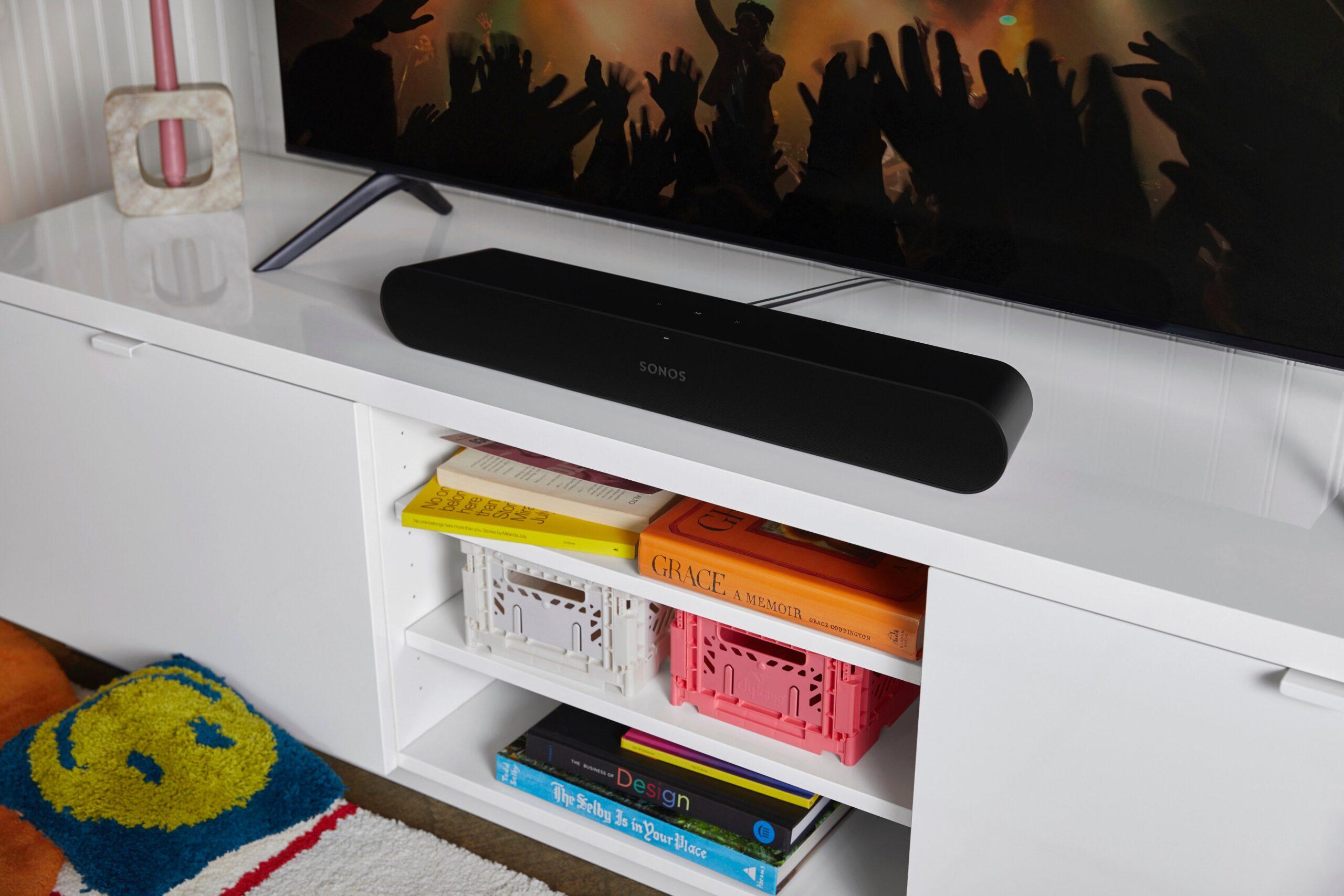

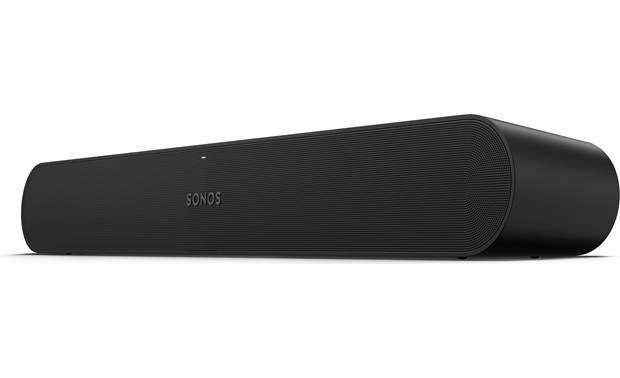
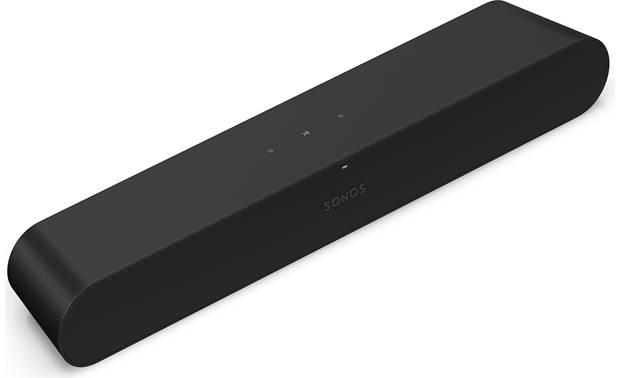
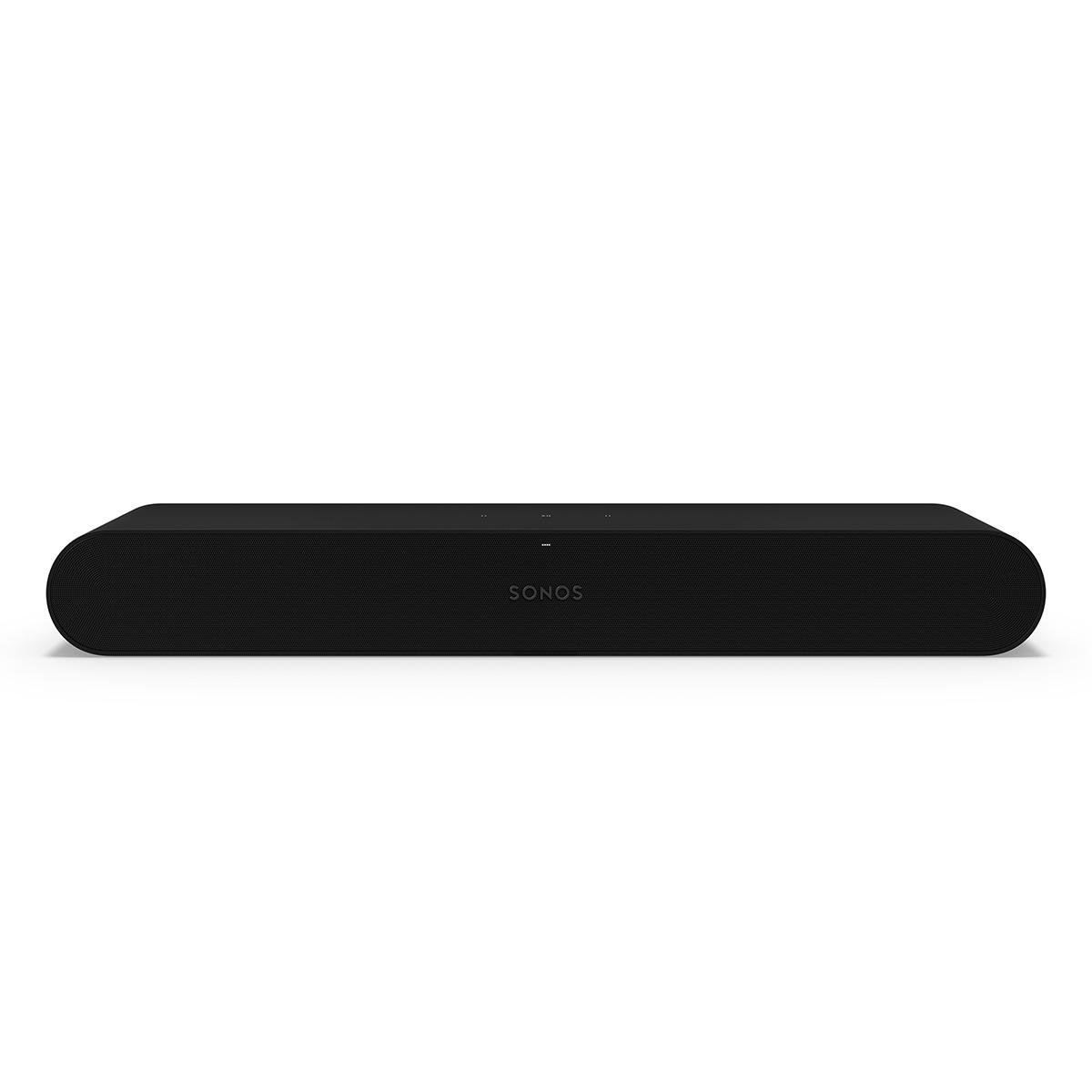
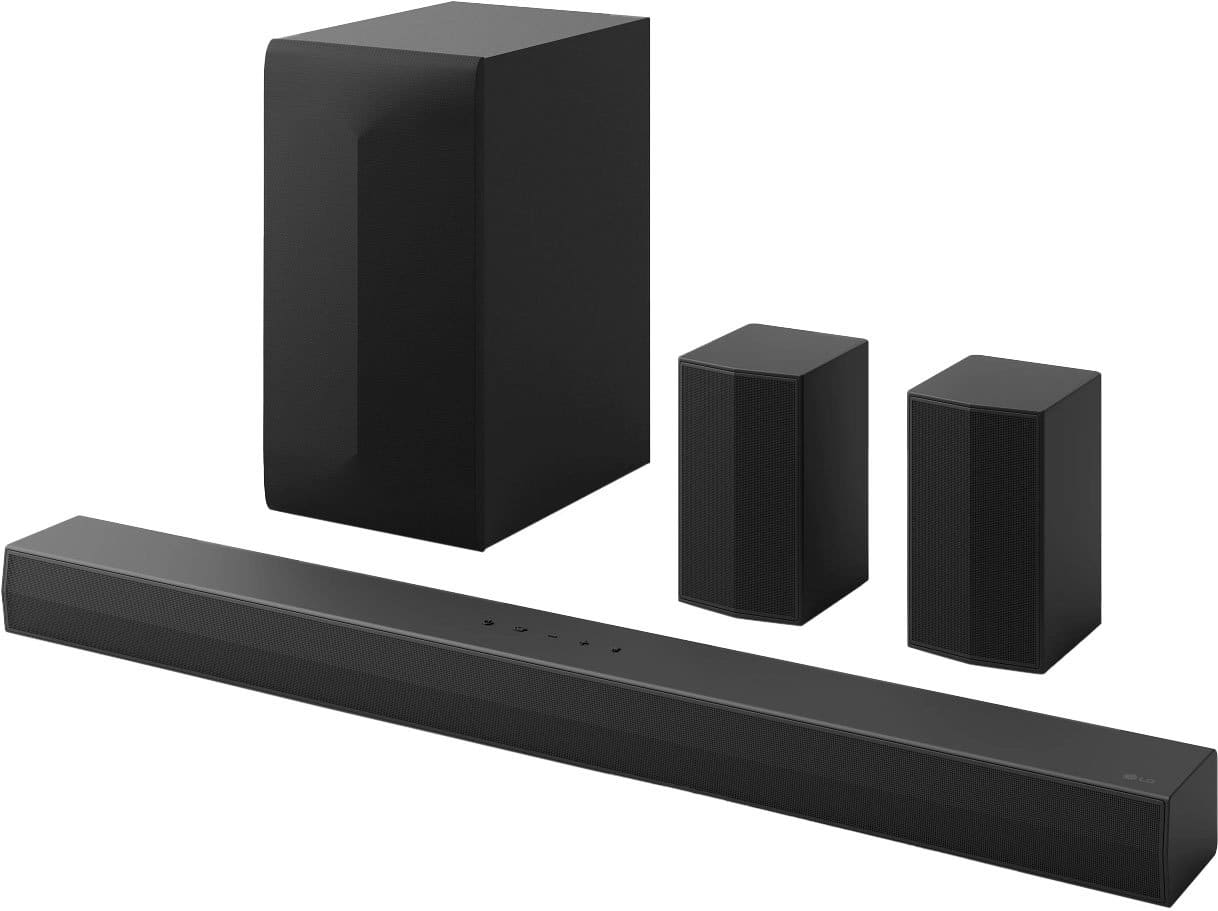




When your TV's built-in speakers just aren't cutting it anymore, you'll find yourself diving into the world of soundbars—and it can get confusing fast. The soundbar market has two distinct camps: compact stereo units that focus on clarity and simplicity, and full surround sound systems that aim to recreate the movie theater experience at home. Today, we're comparing two products that perfectly represent these different philosophies: the Sonos Ray ($169) and the LG S60TR 5.1 system ($299).
Understanding which approach suits your needs isn't just about budget—it's about matching the technology to your space, content preferences, and expectations. Let's break down everything you need to know to make the right choice.
Before diving into specifics, it's crucial to understand what distinguishes different types of soundbars. The number you see (like 2.0 or 5.1) refers to the channel configuration—essentially how many separate audio streams the system can handle. A 2.0 system has left and right channels (stereo), while a 5.1 system includes left, right, center, two rear channels, plus a dedicated subwoofer (the ".1" represents the bass channel).
The key considerations when choosing any soundbar system include:
Audio Performance: This encompasses dialogue clarity (how well you can understand conversations), bass impact (the low-frequency sounds that add weight to explosions and music), and soundstage width (how spread out the audio feels across your room).
Value Proposition: You want to consider not just the upfront cost, but what you're getting for that money—including all the components, connectivity options, and future-proofing features.
Space Requirements: Some systems need just a single bar under your TV, while others require multiple speakers placed around your room.
Connectivity Options: Modern devices use different audio connections, and having the right inputs can make or break your experience.
Use Case Alignment: A soundbar that excels at dialogue might struggle with action movies, and vice versa.
The Sonos Ray launched in 2022 as Sonos's attempt to create an affordable entry point into their ecosystem. At the time, most budget soundbars were plagued with poor dialogue clarity and unreliable wireless connections. Sonos addressed these issues by focusing on what they do best: pristine audio processing and rock-solid Wi-Fi streaming. The Ray represented a deliberate step back from complexity—no HDMI, no Bluetooth, just optical audio and wireless streaming done right.
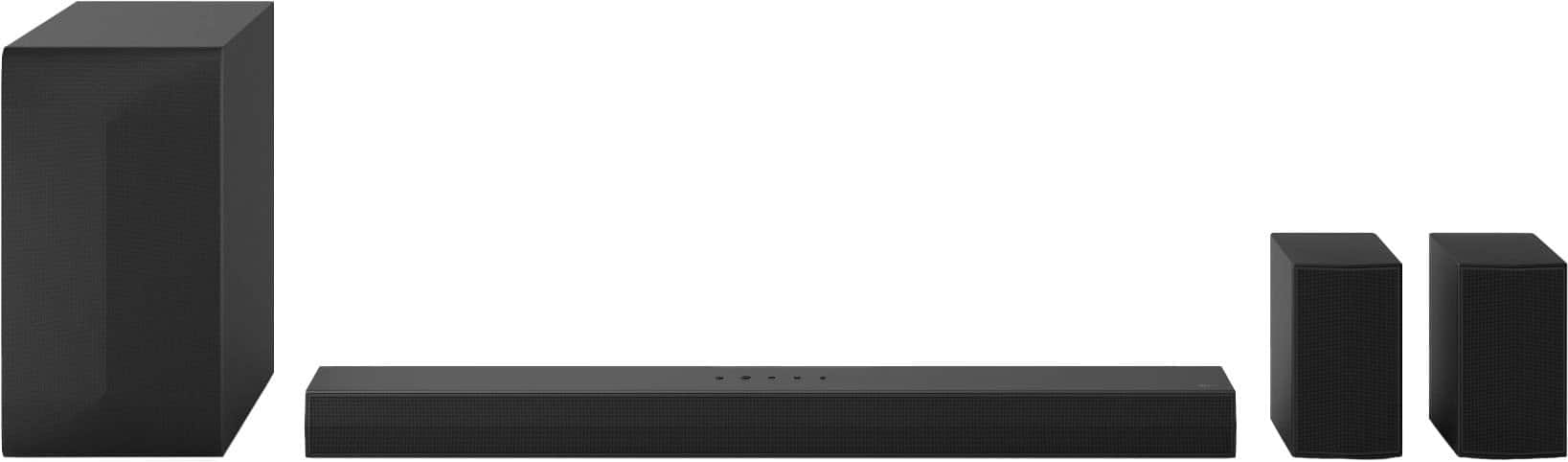
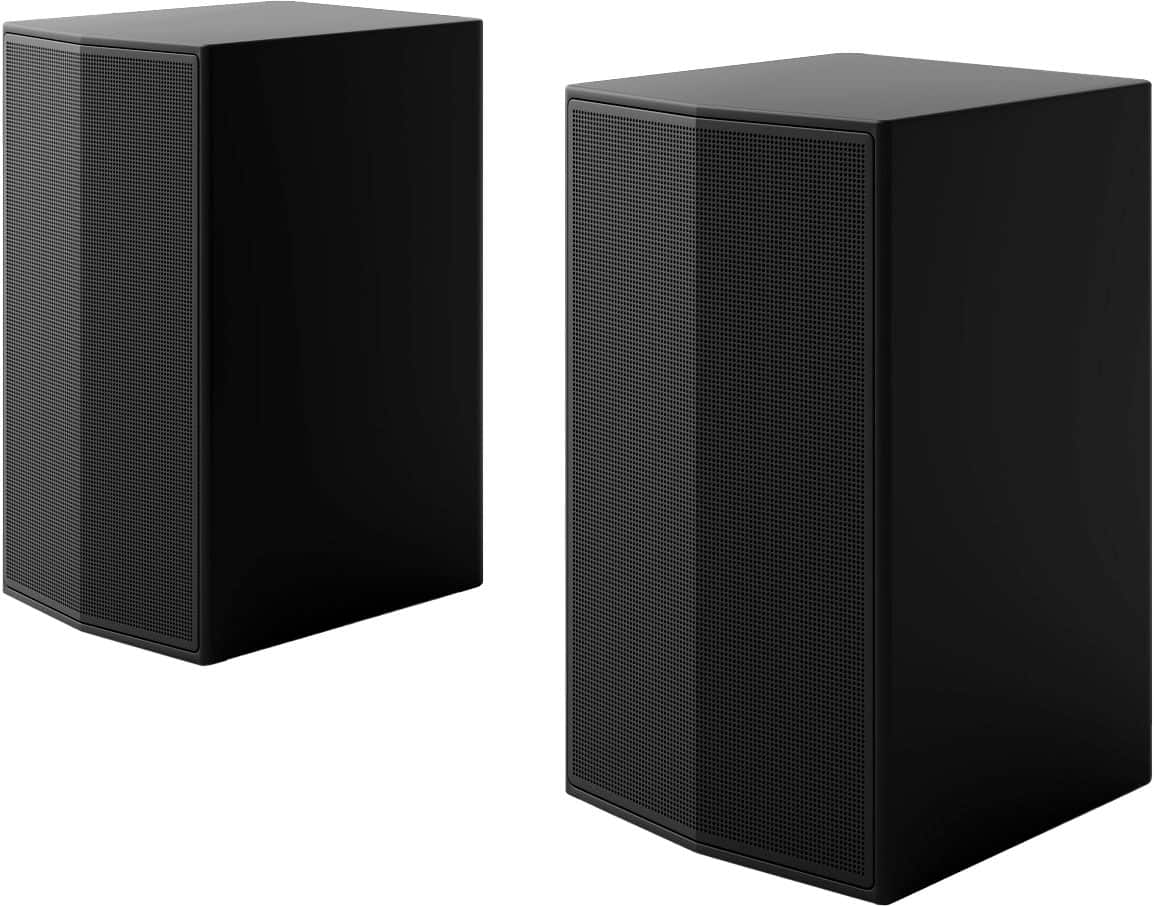
The LG S60TR, released in 2024, takes the opposite approach. LG recognized that many people want the full surround sound experience but don't want the complexity or cost of traditional home theater receivers. This system includes everything you need for true 5.1 surround sound: the main soundbar, a wireless subwoofer, and wireless rear speakers, all for under $300.
Since their respective launches, both have benefited from software improvements. The Sonos Ray received updates to its speech enhancement algorithms and better integration with the Sonos app ecosystem. The LG system has seen improvements to its AI Sound Pro processing, which automatically adjusts the sound based on what you're watching—making dialogue clearer during talk shows and enhancing bass during action sequences.
Here's where things get interesting, and it's probably the most important factor for daily use. The Sonos Ray absolutely excels at dialogue reproduction. Sonos engineers developed what they call Speech Enhancement technology, which specifically boosts the frequency ranges where human voices live (roughly 300Hz to 3000Hz) while carefully managing the surrounding audio so voices don't get masked by background music or sound effects.
During my testing with dialogue-heavy content like news programs and dramas, the Sonos Ray made conversations noticeably clearer than most TV speakers. Even at lower volumes—crucial for late-night viewing—every whisper and mumbled line came through distinctly. This happens because Sonos uses advanced digital signal processing (DSP) to analyze the incoming audio in real-time and apply frequency-specific adjustments.
The LG S60TR, despite having a dedicated center channel (which traditionally handles dialogue), doesn't quite match the Sonos's voice clarity. However, it's still significantly better than TV speakers. The center channel does help by dedicating specific drivers just to voice reproduction, but LG's processing isn't as refined as Sonos's in this area.
This is where the hardware differences become impossible to ignore. The Sonos Ray relies entirely on its compact drivers and two small bass ports for low-frequency reproduction. While these bass ports (openings that allow air movement to enhance bass response) help extend the lower frequencies, there's only so much a small soundbar can accomplish. The result is bass that's adequate for dialogue and music but lacks the impact needed for action movies or bass-heavy music genres.
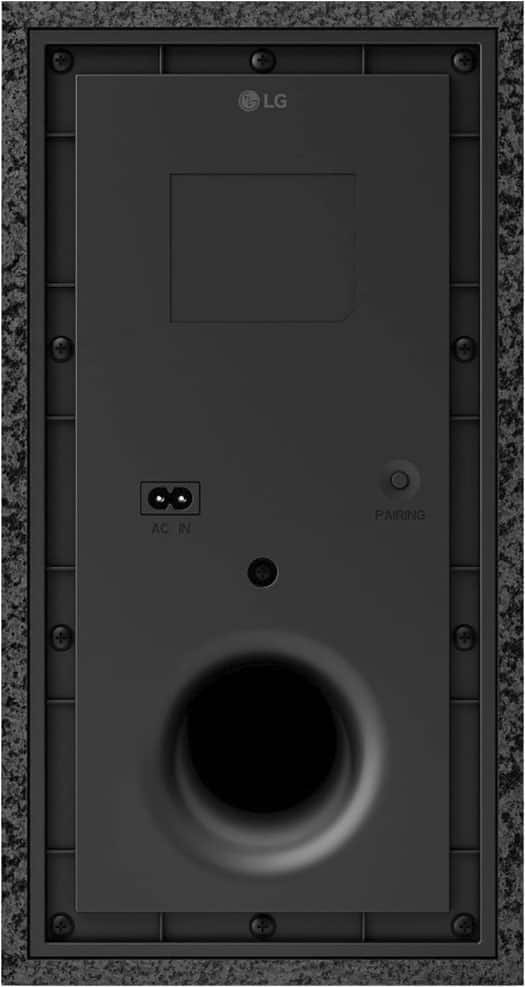
The LG S60TR includes a dedicated wireless subwoofer with 220 watts of power—that's more power than the entire Sonos Ray system. Subwoofers specialize in reproducing frequencies below about 80Hz, the range where you feel sound as much as hear it. This makes explosions feel visceral, music sound fuller, and even adds weight to male voices that smaller speakers simply cannot reproduce.
In practical terms, if you're watching an action movie, the LG system will make you feel the rumble of engines and the thump of explosions in your chest, while the Sonos Ray will leave you wondering why the soundtrack feels thin.
Soundstage refers to how wide and enveloping the audio feels—essentially, how well a system creates the illusion that sound is coming from beyond the physical boundaries of the speakers. The Sonos Ray uses sophisticated processing to create what's called a "phantom center image," where your brain perceives vocals as coming from the center even though there are only left and right speakers. For a stereo soundbar, it does this remarkably well, creating a convincingly wide sound that extends beyond the 22-inch width of the bar itself.
However, the LG S60TR has a fundamental advantage: actual rear speakers. When a helicopter flies overhead in a movie, you'll hear it start in the front channels, move to the sides, and finish behind you with the rear speakers. This creates genuine three-dimensional audio positioning that no amount of digital processing can fully replicate with front-only speakers.
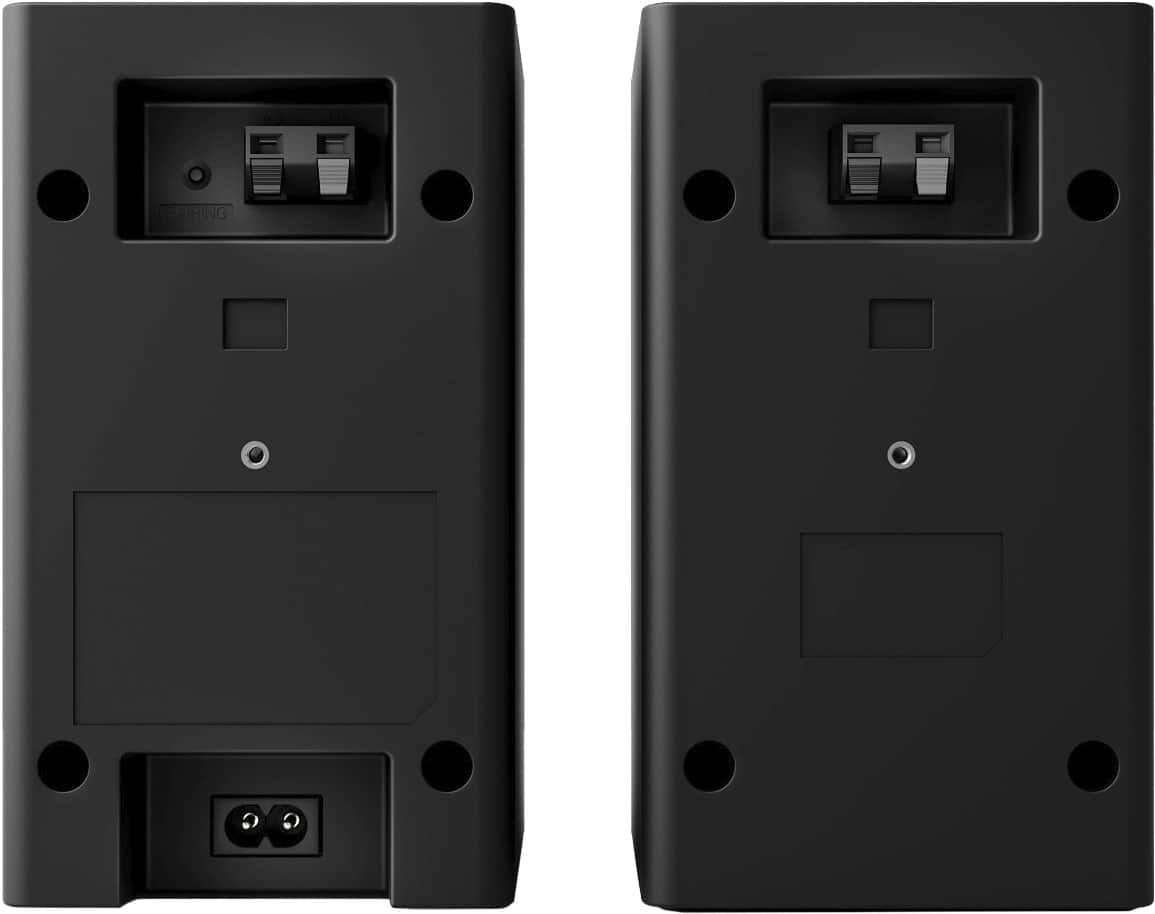
The wireless rear speakers in the LG system deserve special mention. They connect to each other with a cable (one needs to be plugged into power), but they communicate with the main soundbar wirelessly. This eliminates the need to run long cables across your room to the receiver—a major advantage over traditional surround systems.
For home theater applications, the differences between these systems become dramatic. The LG S60TR transforms your living room into something approaching a cinema experience. When watching action movies, the combination of directional rear effects, impactful subwoofer, and AI Sound Pro processing creates genuine immersion.
The AI Sound Pro feature analyzes the incoming audio and automatically switches between different processing modes. During dialogue scenes, it emphasizes clarity. During action sequences, it opens up the dynamic range and enhances the surround effects. This happens automatically, which means you don't need to fiddle with settings every time you switch from a drama to an action movie.
The Sonos Ray, while excellent for dialogue-centric content, struggles with complex action sequences. The lack of a subwoofer means that low-frequency effects sound thin, and without rear channels, the audio remains primarily focused in front of you. It's perfectly adequate for dramas, comedies, and news, but action movies reveal its limitations quickly.
Interestingly, music playback presents a different scenario. The Sonos Ray excels here because most music is mixed in stereo, and Sonos has decades of experience tuning their systems for musical reproduction. The sound remains cohesive and balanced, with good instrument separation and natural tonal balance.
The LG S60TR handles music well, particularly bass-heavy genres that benefit from the subwoofer, but the rear speakers become largely irrelevant for stereo music content. However, the system's various EQ presets (accessible through the LG app) allow you to tune the sound for different music genres, which adds flexibility.
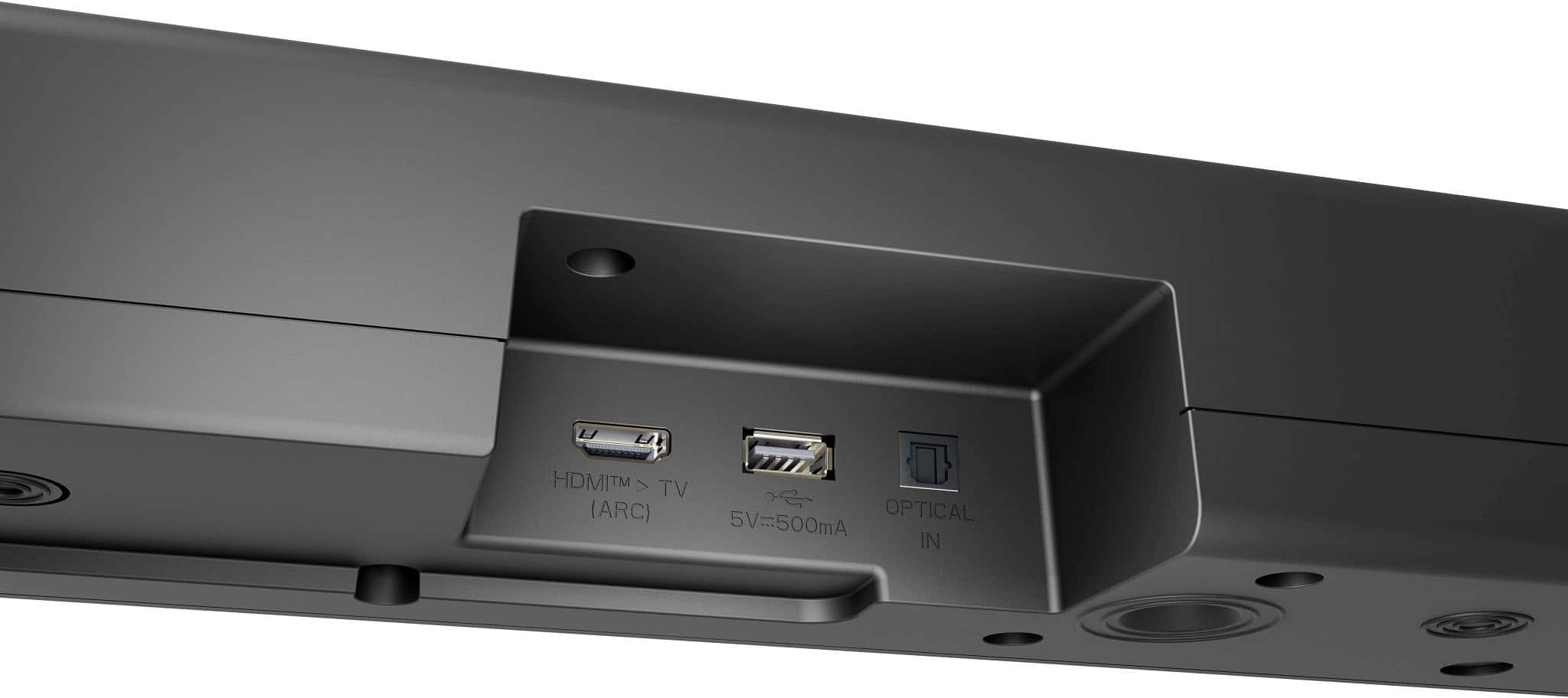
Here's where we encounter one of the Sonos Ray's biggest limitations: it only accepts optical digital audio input. While most TVs have optical outputs, this connection method has bandwidth limitations. It can't carry high-resolution audio formats or the latest surround sound codecs. More problematically, if you want to connect devices directly to the soundbar (like a gaming console or streaming device), you're out of luck.
The LG S60TR includes HDMI eARC (enhanced Audio Return Channel), which is the gold standard for soundbar connections. eARC can carry much higher-quality audio signals, including uncompressed surround sound formats. It also supports features like automatic volume control, where your TV remote can control the soundbar's volume seamlessly.
The LG system also includes Bluetooth connectivity, allowing you to stream music directly from phones, tablets, or computers. The Sonos Ray lacks Bluetooth entirely, relying instead on Wi-Fi streaming through AirPlay 2 or the Sonos app.
Both systems offer smartphone app control, but they take different approaches. The Sonos app is renowned for its reliability and comprehensive streaming service integration. You can access dozens of music services directly through the app, and the system seamlessly integrates with other Sonos speakers throughout your home.
The LG app provides equalizer controls, preset management, and system settings, but it's not as polished as Sonos's offering. However, the LG system includes a feature called WOW Orchestra that's genuinely useful if you own an LG TV. This technology coordinates the TV's built-in speakers with the soundbar to create an even wider soundstage—essentially turning your TV into an additional center channel.
The price difference between these systems—$130—reflects fundamentally different hardware packages. The Sonos Ray at $169 gives you a single, well-engineered soundbar with excellent build quality and refined audio processing. You're paying for Sonos's expertise in acoustic design and software development.
The LG S60TR at $299 includes three separate audio components: the main soundbar, a wireless subwoofer, and wireless rear speakers. If you were to buy these components separately from any manufacturer, you'd easily spend twice as much. This makes the LG system exceptional from a pure hardware value perspective.
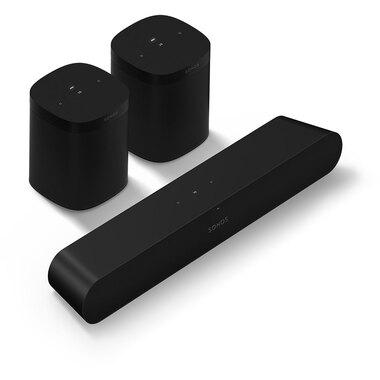
The Sonos Ray offers no expansion options. What you buy is what you get forever. While Sonos makes excellent subwoofers and rear speakers, they're not compatible with the Ray—a significant limitation if your needs change.
The LG S60TR is a complete system from day one. There's no need for future purchases to achieve full surround sound, and the wireless design makes it relatively easy to relocate components as needed.
The Sonos Ray shines in specific scenarios. If you live in an apartment where bass-heavy audio would disturb neighbors, its controlled low-end response is actually beneficial. The compact footprint makes it ideal for bedrooms, kitchens, or offices where space is limited.
For people who primarily watch dialogue-centric content—news, documentaries, talk shows, comedies—the Ray's exceptional voice clarity provides everything you need. The Wi-Fi streaming capabilities also make it excellent for casual music listening throughout the day.
From an aesthetic standpoint, the Ray's minimalist design appeals to people who want better audio without visual clutter. It blends into modern decor more seamlessly than multi-component systems.
The LG S60TR targets the mainstream home theater upgrade market. If you're moving from TV speakers to your first soundbar system and want maximum impact, this delivers cinematic immersion that will genuinely surprise you.
For families who watch diverse content—kids' movies, sports, action films, and TV shows—the system's AI Sound Pro processing adapts automatically to optimize each type of content. The physical rear speakers create an engaging experience for everyone in the room, not just the person sitting directly in front of the TV.
Gaming enthusiasts will appreciate the HDMI connectivity and surround sound processing, which can enhance spatial awareness in games and make action sequences more immersive.
The Sonos Ray's optical-only connectivity limits its compatibility with modern devices. Many streaming devices and gaming consoles output their best audio through HDMI, and you'll lose that advantage with optical connections. The lack of Bluetooth also means you can't easily stream music from devices that don't support AirPlay 2.
The absence of any subwoofer compatibility means you're stuck with the bass response of the main unit. While adequate, it's simply not sufficient for bass-heavy content.
The LG S60TR requires more setup complexity. The rear speakers need power connections, so you'll need available outlets in your seating area. While they communicate wirelessly with the soundbar, they're not completely wireless.
The system lacks support for Dolby Atmos, the latest surround sound format that adds height channels for even more immersive audio. At this price point, that's not surprising, but it means the system won't take advantage of Atmos soundtracks on newer movies and shows.
Audio enthusiasts might find the overall sound character less refined than higher-end systems. While the LG provides impressive impact and immersion, the tonal balance isn't as carefully tuned as more expensive alternatives.
Choose the Sonos Ray if:
Choose the LG S60TR if:
The $130 price difference represents more than just cost—it reflects two completely different philosophies about home audio. Sonos prioritizes refinement, simplicity, and integration within their ecosystem. LG maximizes hardware quantity and surround immersion for mainstream users.
Your decision should ultimately come down to your content preferences and space requirements rather than price alone. If you primarily watch dialogue-centric content in a smaller space, the Sonos Ray's superior voice clarity and compact design make it the smarter choice. If you want the full cinematic experience and have room for a multi-component system, the LG S60TR delivers remarkable value and genuine surround immersion that will transform your viewing experience.
Both systems represent solid values in their respective categories, and either will provide a significant upgrade over TV speakers. The key is matching the technology to your specific needs and expectations.
| Sonos Ray Soundbar ($169) | LG S60TR 5.1 Channel Soundbar ($299) |
|---|---|
| Channel Configuration - Determines surround sound capabilities | |
| 2.0 stereo (virtual surround processing only) | 5.1 true surround (physical rear speakers + center channel) |
| Total System Power - Affects volume and bass impact | |
| Not specified (compact drivers only) | 440W total (220W subwoofer + distributed speaker power) |
| Included Components - What you get in the box | |
| Single soundbar only | Soundbar + wireless subwoofer + wireless rear speakers |
| Bass Performance - Critical for movies and music impact | |
| Limited bass via small drivers and ports | Dedicated 220W wireless subwoofer for deep bass |
| Connectivity Options - Determines device compatibility | |
| Optical audio only (no HDMI or Bluetooth) | HDMI eARC, optical, Bluetooth, Wi-Fi |
| Dialogue Clarity - Most important for TV viewing | |
| Exceptional with Speech Enhancement technology | Good with dedicated center channel processing |
| Setup Complexity - Time and effort required | |
| Plug-and-play single unit | Multiple components requiring placement and power |
| Smart Features - App control and processing | |
| Sonos app, AirPlay 2, ecosystem integration | AI Sound Pro, LG TV sync, mobile app control |
| Dolby Atmos Support - Latest surround format | |
| No (stereo processing only) | No (supports Dolby Digital and DTS) |
| Expansion Options - Future upgrade potential | |
| None (no subwoofer or rear speaker compatibility) | Complete system with no expansion needed |
| Ideal Room Size - Where each performs best | |
| Small to medium rooms, apartments | Medium to large living rooms with rear speaker placement |
| Best Content Types - What each excels at | |
| Dialogue-heavy shows, news, casual music | Action movies, sports, gaming, bass-heavy music |
The LG S60TR ($299) offers better hardware value, including a complete 5.1 system with wireless subwoofer and rear speakers. The Sonos Ray ($169) costs less upfront but provides only a single soundbar unit. For pure hardware quantity, the LG system delivers significantly more components for just $130 more.
It depends on your content and room setup. The LG S60TR includes wireless rear speakers that create authentic surround sound positioning for movies and gaming. The Sonos Ray uses virtual surround processing, which works well for dialogue and music but can't match the immersion of physical rear channels for action content.
The Sonos Ray ($169) is much easier to set up as a single plug-and-play unit requiring only an optical cable connection. The LG S60TR requires placing multiple components around your room and ensuring the rear speakers have power connections, making setup more complex but offering better performance.
Yes, both support music streaming but differently. The Sonos Ray offers excellent Wi-Fi streaming through the Sonos app and AirPlay 2 with superior stereo music reproduction. The LG S60TR supports Bluetooth streaming and benefits from subwoofer bass for music, though rear speakers are less relevant for stereo content.
The Sonos Ray ($169) is ideal for small rooms, apartments, or secondary spaces due to its compact footprint and controlled bass that won't disturb neighbors. The LG S60TR is designed for larger living rooms where you have space for rear speakers and can appreciate the full surround experience.
The LG S60TR ($299) is significantly better for home theater applications, offering true 5.1 surround sound with rear speakers, impactful subwoofer bass, and AI processing that automatically optimizes audio for different content types. The Sonos Ray works well for dialogue-heavy content but lacks the immersion needed for action movies.
We've done our best to create useful and informative comparisons to help you decide what product to buy. Our research uses advanced automated methods to create this comparison and perfection is not possible - please contact us for corrections or questions. These are the sites we've researched in the creation of this article: techradar.com - soundandvision.com - youtube.com - appleinsider.com - youtube.com - sonos.com - cnet.com - howtogeek.com - pcrichard.com - en.community.sonos.com - epicsystems.tech - en.community.sonos.com - cepro.com - videoandaudiocenter.com - bestbuy.com - mynavyexchange.com - youtube.com - consumerreports.org - avsforum.com - rentacenter.com - bestbuy.com - homechoicestores.com - oconsommateur.com - lg.com - bestbuy.com - samsung.com

Privacy Policy
Terms and Conditions - Affiliate Policy
Home Security
© Copyright 2008-2026.
11816 Inwood Rd #1211, Dallas, TX 75244