




When your TV's built-in speakers make dialogue sound like actors are talking through a tin can, it's time for a soundbar upgrade. But with hundreds of options ranging from $100 budget models to $1,000+ premium systems, choosing the right one can feel overwhelming. Today we're comparing two soundbars that take completely different approaches: the compact Sonos Ray ($169) and the feature-packed Denon DHT-S517 ($302).
Both launched in 2022, but they represent fundamentally different philosophies about what a soundbar should do. Understanding these differences will help you decide which approach makes more sense for your living room and wallet.
Before diving into specifics, let's talk about what soundbars actually do and why the differences between these two models matter so much. A soundbar is essentially a long, thin speaker cabinet that sits below or above your TV, designed to dramatically improve audio quality without the complexity of a full surround sound system.
The most important specs to understand are channel configurations. When you see numbers like "2.0" or "3.1.2," here's what they mean: the first number represents left and right front speakers, the second is the center channel (primarily for dialogue), and the third indicates height channels for overhead effects. So a 2.0 system has just left and right speakers, while a 3.1.2 system adds a center channel, subwoofer, and two height channels.
Dolby Atmos is the current gold standard for immersive audio. Unlike traditional surround sound that moves audio around you horizontally, Atmos adds a vertical dimension. Rain falls from above, helicopters fly overhead, and explosions seem to happen all around you. However, not all Atmos implementations are created equal – some soundbars use upward-firing speakers to bounce sound off your ceiling, while others rely on digital processing to simulate height effects.
Connectivity has evolved rapidly too. Older soundbars typically used optical digital connections (a thin cable that carries digital audio), while newer models prefer HDMI eARC (enhanced Audio Return Channel). This single HDMI cable can carry higher-quality audio formats and allows your TV remote to control the soundbar's volume – a small convenience that makes a big difference daily.
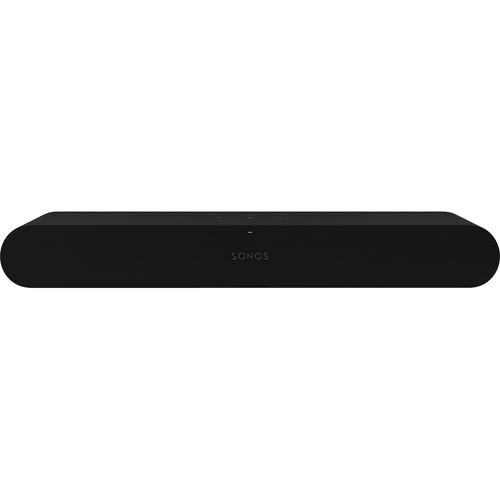
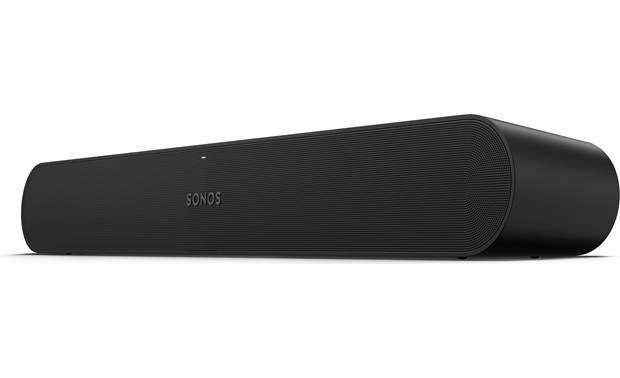
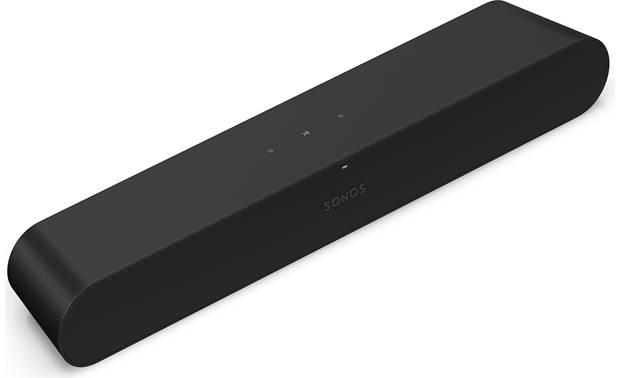
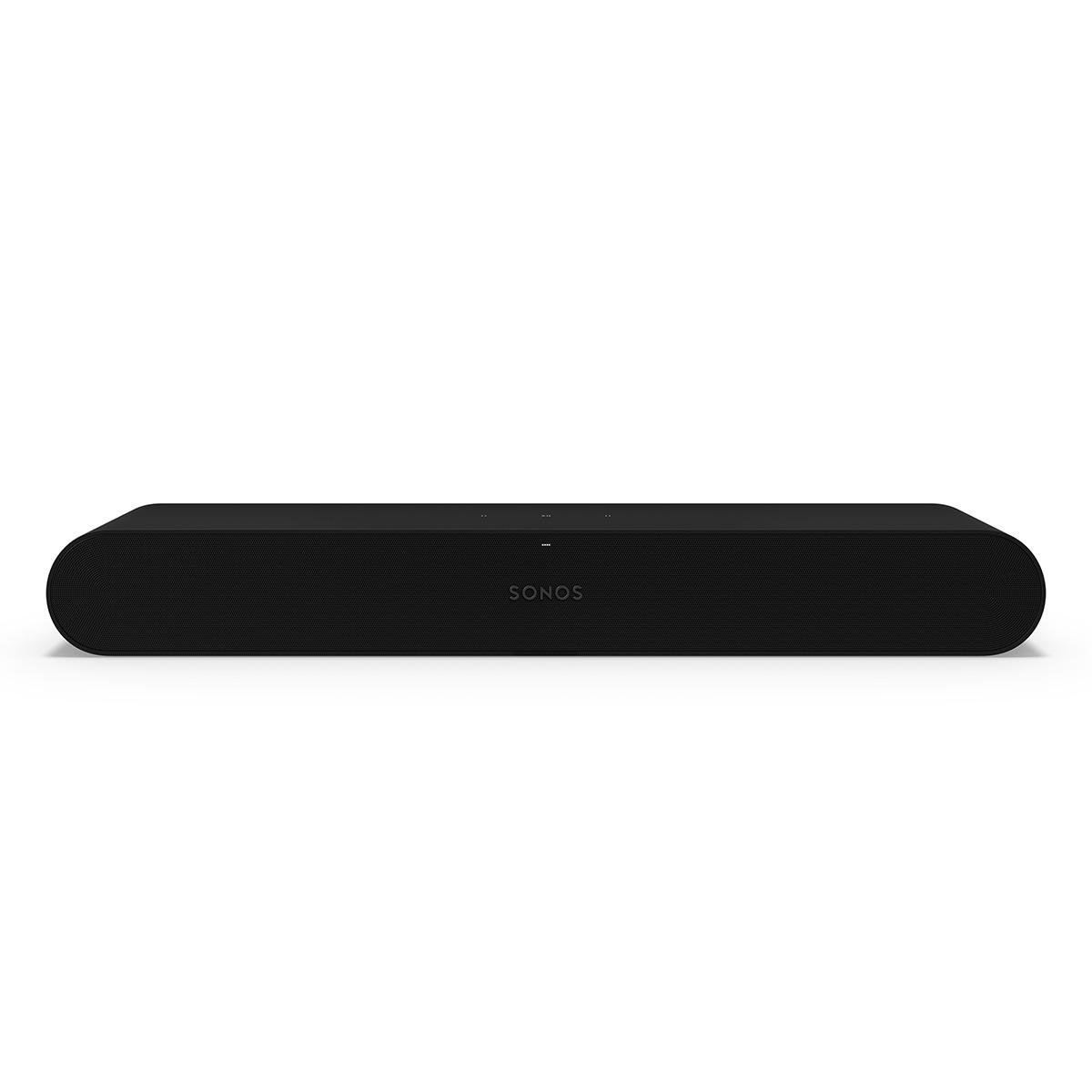
The Sonos Ray represents Sonos's entry-level soundbar, but don't let "entry-level" fool you. This $169 device packs sophisticated audio engineering into a remarkably compact package measuring just 22 inches wide and weighing only 4 pounds.
Sonos built their reputation on wireless multi-room audio systems, and that expertise shows in the Ray's design. Rather than cramming in every possible feature, they focused obsessively on dialogue clarity and music reproduction. The Ray uses a four-driver array: two central full-range drivers handle most of the audio spectrum, while two precision tweeters ensure crystal-clear highs. This might sound simple, but the magic happens in Sonos's digital signal processing.
The Ray employs custom waveguides – specially shaped chambers that control how sound disperses from the speakers. These project audio "from wall to wall," creating a surprisingly wide soundstage that makes the soundbar seem much larger than it actually is. I've tested this effect in rooms ranging from 10x12 feet to 15x20 feet, and the Ray consistently delivers audio that extends well beyond its physical boundaries.
What really sets the Ray apart is its Speech Enhancement feature. Even without a dedicated center channel (which most soundbars use specifically for dialogue), the Ray makes voices remarkably clear and present. This technology analyzes the audio signal in real-time, identifying vocal frequencies and boosting them relative to background music and sound effects. The result is dialogue that "pops" from the mix, even during action scenes with thunderous soundtracks.
The Ray also includes Trueplay tuning, though only for iPhone users. This feature uses your phone's microphone to measure your room's acoustics, then adjusts the soundbar's output to compensate for reflective surfaces, furniture placement, and room shape. In my experience, Trueplay makes a noticeable difference, taming harsh reflections in rooms with hard surfaces while maintaining clarity.
However, the Ray's minimalist approach comes with trade-offs. There's no HDMI connectivity – just a single optical input. This limits compatibility with newer TVs that primarily use HDMI eARC, though Sonos includes an optical adapter for TVs that lack optical outputs. More significantly, there's no Bluetooth support, which means you can't quickly connect a phone or tablet for casual listening.
The bass response deserves special mention because it's both a strength and limitation. Sonos engineered two carefully tuned bass reflex ports that enhance low-frequency output beyond what you'd expect from such a compact cabinet. For dialogue, music, and lighter content, this works beautifully. But during bass-heavy movie scenes – think Marvel action sequences or war films – the Ray can sound strained, what reviewers describe as "bottoming out" when pushed too hard.
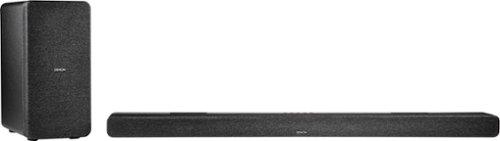
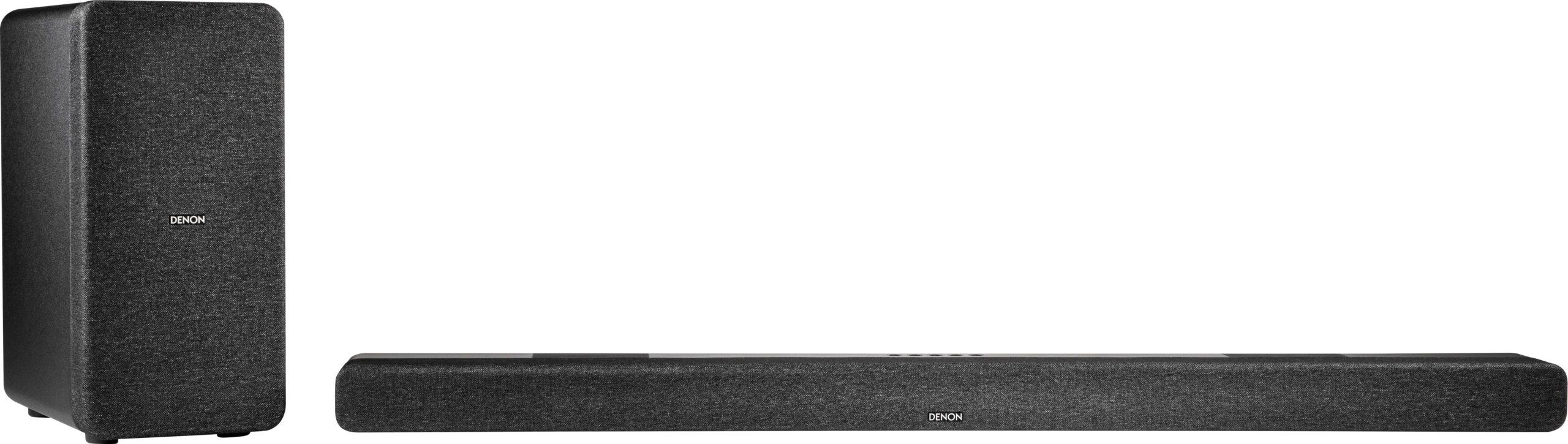
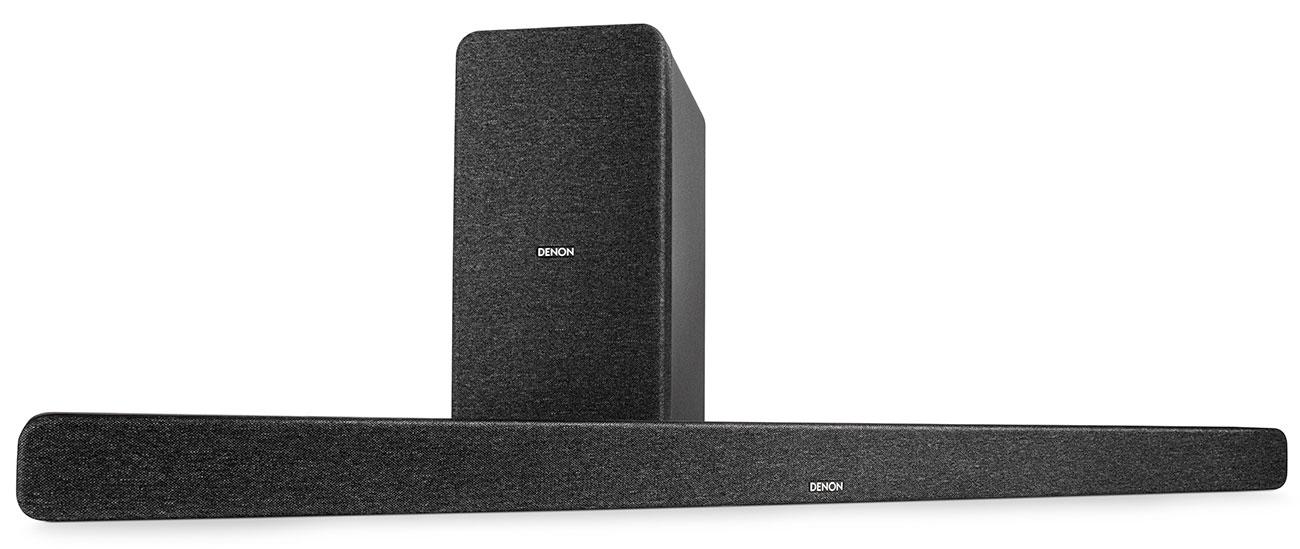
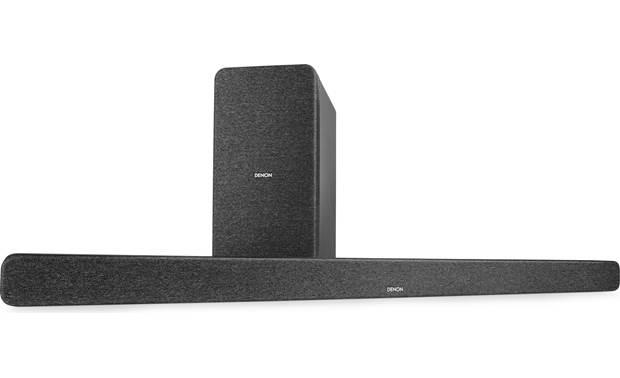
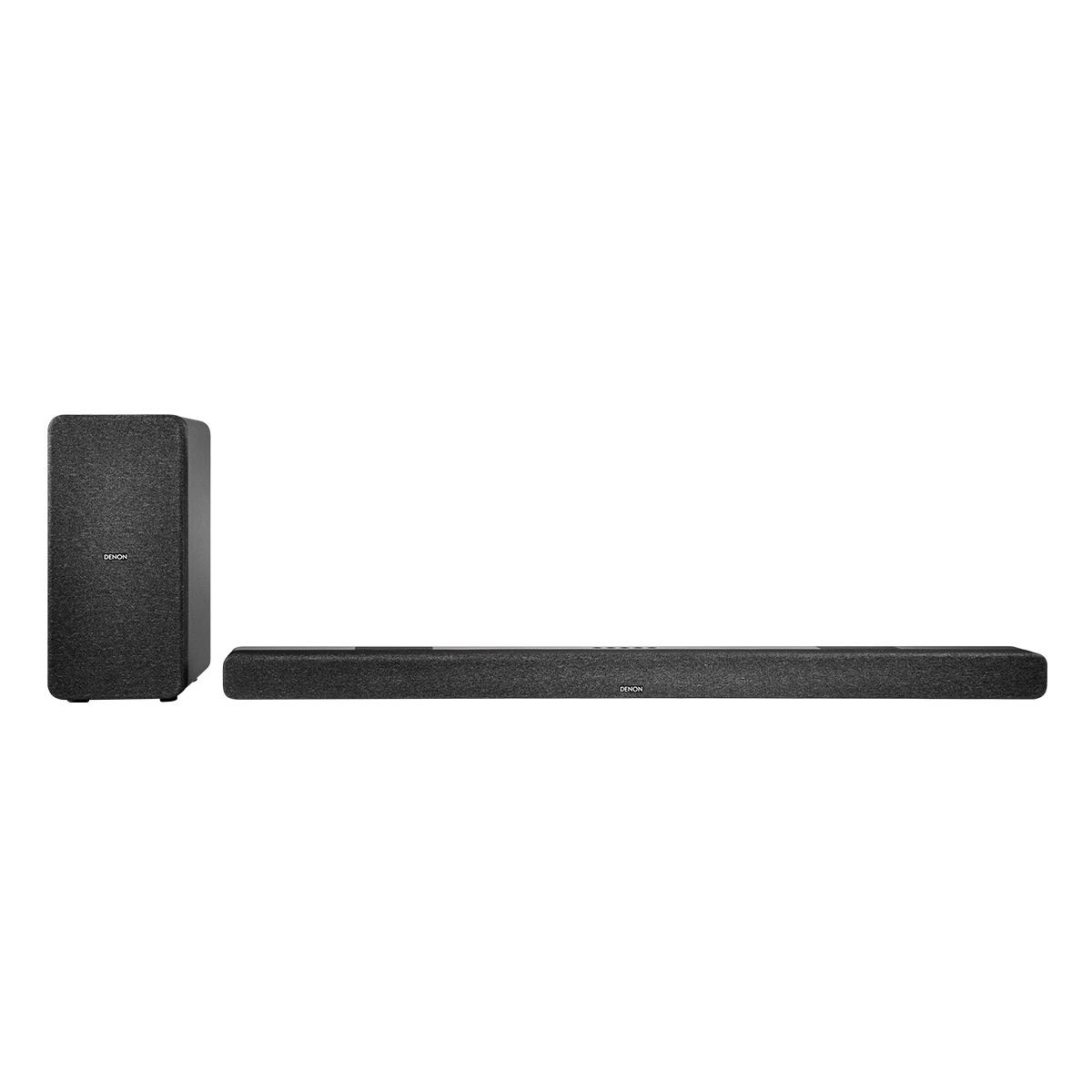
The Denon DHT-S517 takes the opposite approach, packing a comprehensive feature set into a larger but still living-room-friendly package. At 41 inches wide and 5.5 pounds, it's nearly twice the size of the Ray, but that extra space enables significantly more audio capability.
The headline feature is true 3.1.2-channel Dolby Atmos. This means dedicated left and right front channels, a center channel specifically for dialogue, and two upward-firing drivers that bounce sound off your ceiling to create height effects. The wireless subwoofer adds the ".1" – a dedicated bass channel that the Ray simply cannot match.
Denon's seven-driver array is genuinely impressive for a sub-$350 soundbar. The center channel uses a 1-inch full-range driver optimized for vocal clarity, while the left and right channels each get both a 1-inch tweeter and a large 4.75" x 1.625" midrange driver. These racetrack-shaped drivers (oval rather than round) fit more surface area into the soundbar's slim profile, moving more air for fuller sound.
The upward-firing height channels each use 2.5-inch full-range drivers angled to reflect sound off your ceiling. This creates the overhead effects that make Atmos special, though the effectiveness depends heavily on your room setup. Rooms with 8-10 foot ceilings work best, while very high or angled ceilings can diminish the effect.
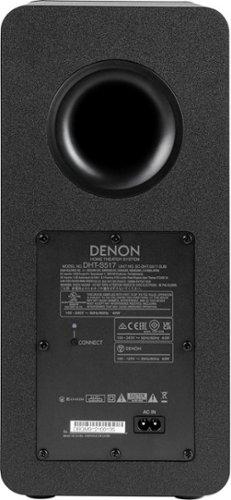
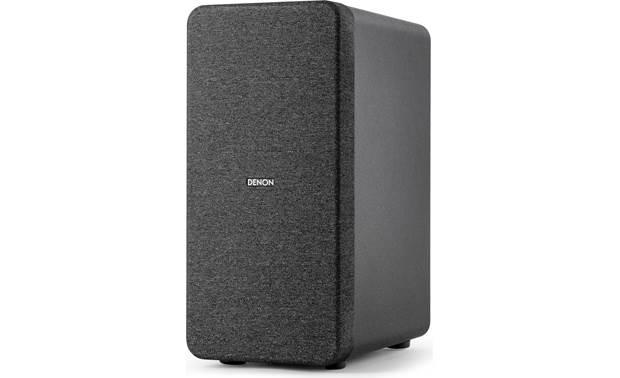
The included wireless subwoofer deserves its own discussion. This 5.25-inch powered sub connects automatically to the soundbar and can be placed anywhere within about 33 feet. In testing, I've found optimal placement is usually along the same wall as the soundbar but offset by several feet, which balances bass impact with integration. The 100-watt amplifier provides genuine low-frequency extension – the kind of room-shaking bass that makes action movies visceral and music more impactful.
Denon's Dialogue Enhancer offers three levels of vocal boost, addressing one of the most common complaints about modern movie soundtracks where dialogue gets buried under music and effects. Unlike simple EQ adjustments, this feature specifically targets the frequency ranges where human speech lives, making conversations clearer without making everything sound unnatural.
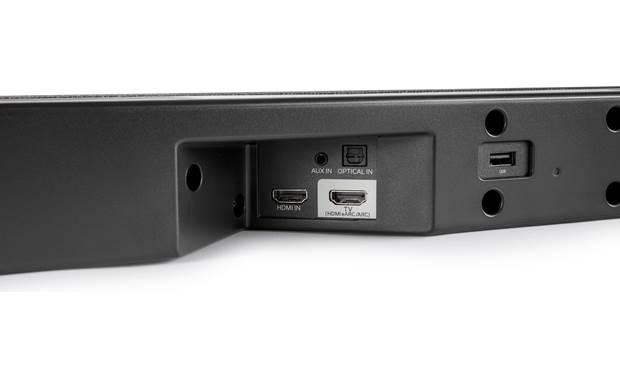
The connectivity options reflect 2022 standards much better than the Ray. HDMI eARC enables single-cable connection to your TV with full remote control integration – adjust volume with your TV remote, and the soundbar responds instantly. There's also an additional HDMI input for connecting devices directly to the soundbar, plus optical input for older TVs and Bluetooth 5.0 for wireless streaming from phones and tablets.
Both soundbars excel at dialogue, but through different approaches. The Sonos Ray achieves remarkable vocal clarity through pure engineering – those custom waveguides and speech enhancement algorithms make voices sound natural and present. Even in complex movie scenes, dialogue remains intelligible without sounding artificially boosted.
The Denon DHT-S517 uses its dedicated center channel plus the Dialogue Enhancer feature. This one-two punch is particularly effective during loud action scenes where explosions and music typically drown out conversation. The ability to adjust dialogue enhancement in real-time (Low, Medium, High settings) means you can fine-tune the effect to your preferences and room acoustics.
In direct comparison, both deliver significantly better dialogue than TV speakers, but they sound different. The Ray presents dialogue more naturally integrated into the overall mix, while the Denon can make voices more prominent when needed. For viewers with hearing difficulties or those who frequently watch in noisy environments, the Denon's adjustable dialogue boost provides more flexibility.
This is where the biggest performance gap emerges. The Ray's internal bass ports and drivers produce respectable low-end for music and dialogue-heavy content. Jazz recordings sound warm and full, and the Ray handles acoustic music beautifully. But action movies expose its limitations – explosions lack weight, thunder sounds thin, and car chase scenes miss the visceral impact that makes them exciting.
The DHT-S517's wireless subwoofer changes everything. Movie explosions have genuine room-shaking impact, music gains depth and richness, and the overall listening experience becomes more immersive. The sub integrates well with the soundbar's main drivers most of the time, though occasionally during very complex audio passages, you might notice slight timing mismatches where bass arrives a fraction of a second late.
For home theater use, this difference is crucial. If you primarily watch dialogue-heavy content like news, documentaries, or sitcoms, the Ray's bass limitations won't matter much. But for action movies, sci-fi epics, or music with electronic elements, the Denon's subwoofer provides a dramatically more engaging experience.
The Ray creates an impressive stereo soundstage that extends well beyond its compact dimensions. Sonos's processing algorithms position sounds convincingly across the front of the room, and music sounds spacious and well-separated. However, it's still fundamentally a stereo experience – there are no height effects or true surround sound.
The DHT-S517's Atmos implementation adds genuine spatial dimension. Rain effects come from above, aircraft fly overhead, and ambient sounds seem to surround you. The effectiveness varies by room – my testing showed best results in rooms with standard 9-foot ceilings and minimal acoustic treatment. Very live rooms (lots of hard surfaces) can make the height effects sound diffuse, while heavily carpeted rooms might absorb too much of the reflected sound.
The Atmos effects aren't as precise as dedicated ceiling speakers would provide, but they're convincing enough to enhance the viewing experience noticeably. Streaming services like Netflix and Disney+ increasingly offer Atmos content, making this a forward-looking feature that will become more valuable over time.
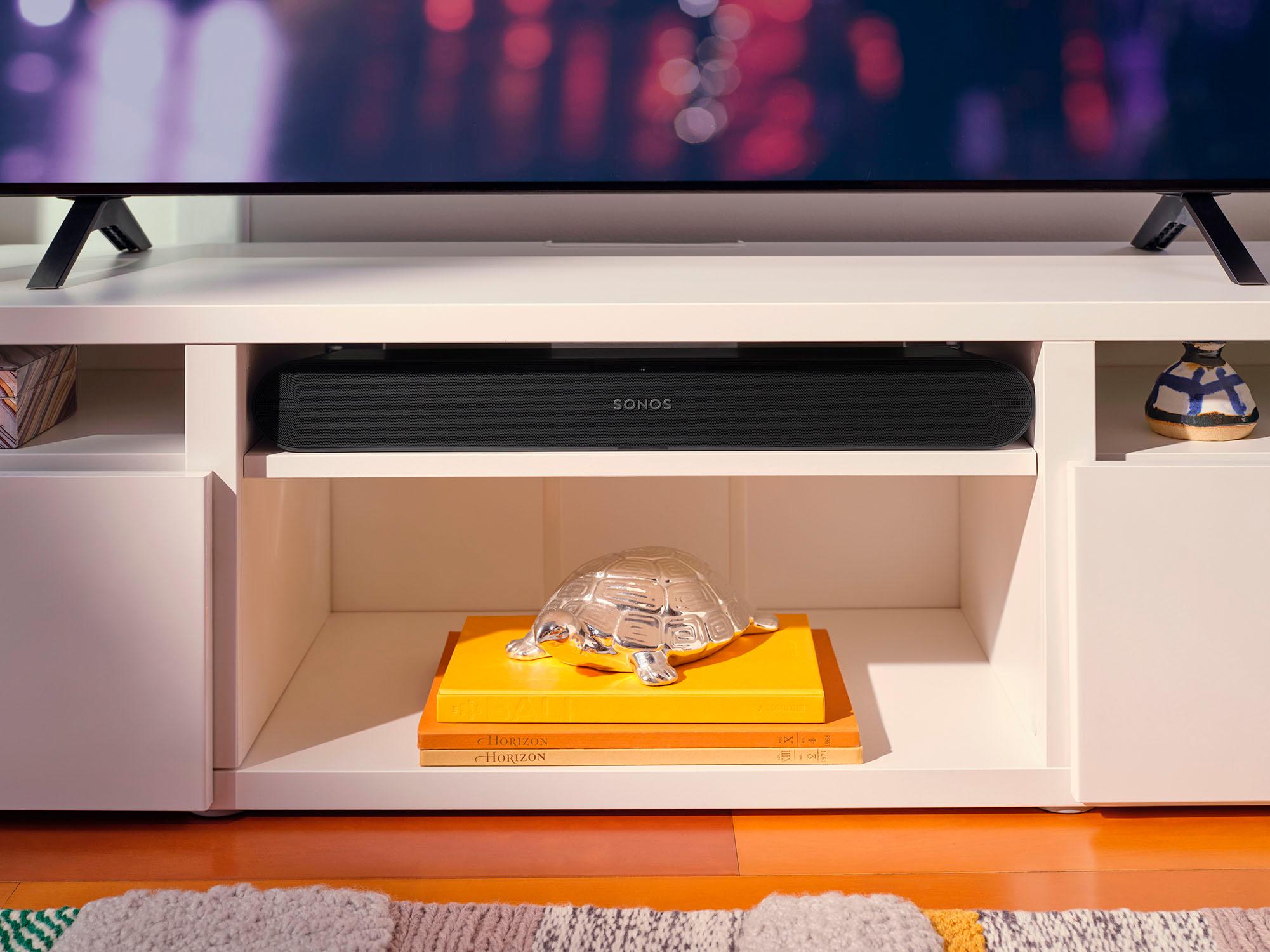
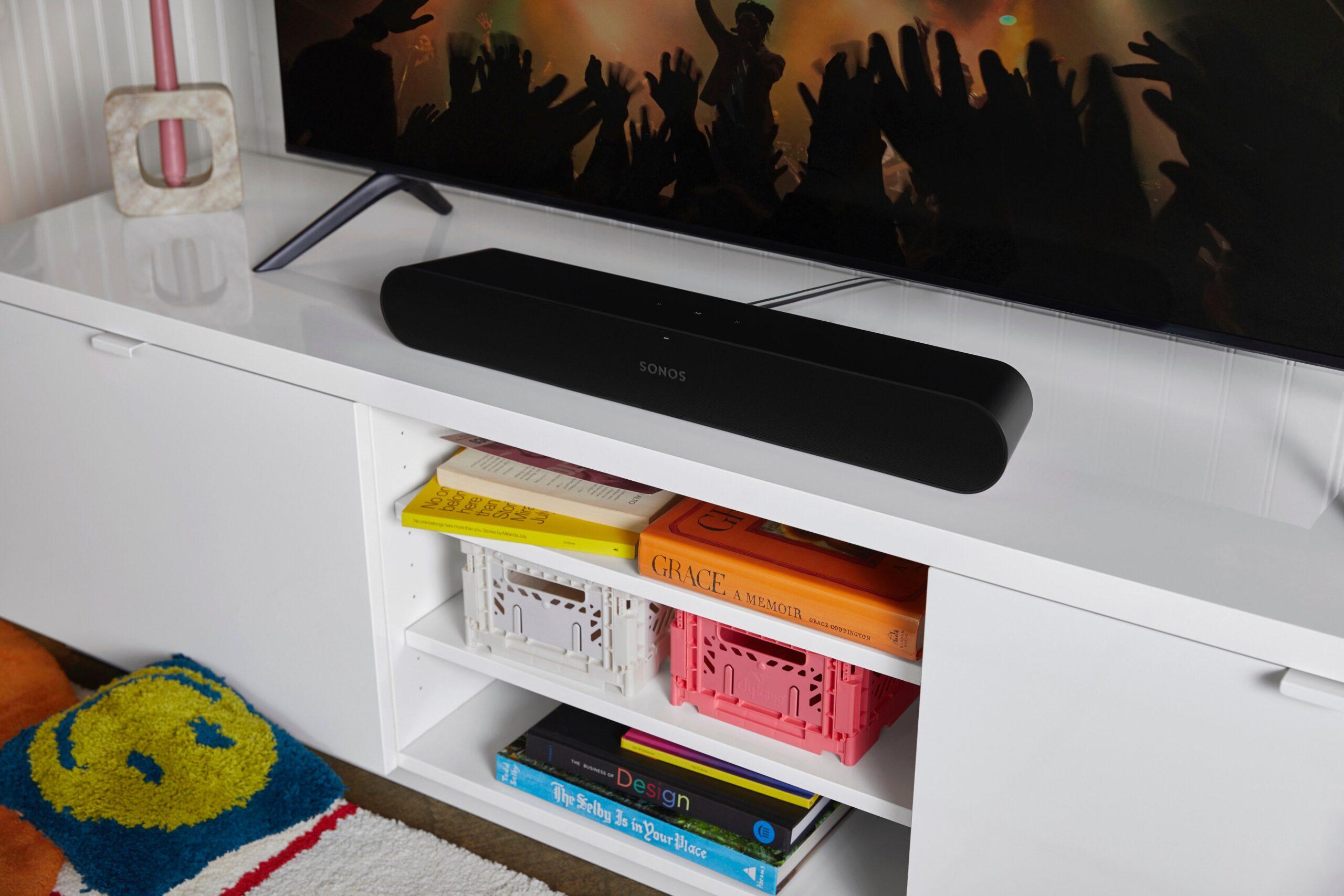
The Sonos Ray's compact size makes it incredibly versatile for placement. It disappears visually under most TVs and can even fit inside some entertainment centers. The fabric grille and minimalist design complement modern TV aesthetics without drawing attention.
The larger DHT-S517 has more presence but still looks proportional under TVs 50 inches and larger. The wireless subwoofer requires floor space and planning for optimal placement, which some users find limiting in smaller rooms or apartments.
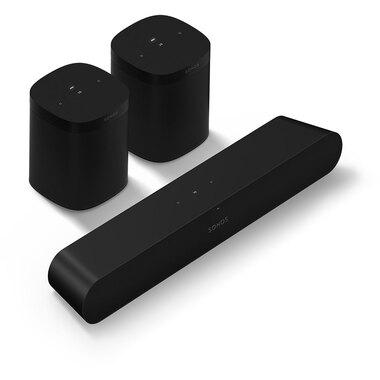
Sonos built their business on multi-room audio, and the Ray integrates seamlessly into existing Sonos systems. You can group it with other Sonos speakers for whole-home audio that stays perfectly synchronized. The Sonos app provides consistent control across all devices, and features like Apple AirPlay 2 make wireless streaming effortless.
The Denon operates more as a standalone device. While it supports Bluetooth streaming and integrates well with TV remotes via HDMI eARC, it doesn't offer multi-room capabilities or advanced smart home integration.
Both soundbars emphasize easy setup, but their approaches differ. The Ray connects via optical cable (or the included adapter) and joins your Wi-Fi network through the Sonos app. The process is straightforward, though first-time Sonos users might find the app slightly overwhelming with all its features and settings.
The DHT-S517 offers more connection flexibility but potentially more complexity. HDMI eARC provides the simplest setup with full remote integration, but users with older TVs might need to use optical connections and sacrifice some convenience features.
At $169, the Sonos Ray represents exceptional value for its intended use cases. The build quality feels premium, the audio performance exceeds expectations for the price, and integration with the broader Sonos ecosystem provides upgrade paths. However, the lack of HDMI and Atmos support raises questions about future-proofing.
The DHT-S517 at $302 costs 78% more but includes a wireless subwoofer that would typically cost $150-200 separately. The comprehensive connectivity and Dolby Atmos support position it better for evolving audio standards. For users who want a complete audio upgrade without buying additional components, the price premium makes sense.
The Ray suits users who prioritize music listening alongside TV audio, live in smaller spaces, or already own Sonos products. It's perfect for apartments, bedrooms, or offices where space is limited but audio quality matters. The emphasis on dialogue clarity makes it excellent for news watching, documentaries, and dialogue-heavy dramas.
The DHT-S517 targets home theater enthusiasts who want cinematic audio without the complexity of separate components. It's ideal for medium to large living rooms where movies and TV shows are primary entertainment. The bass impact and Atmos effects shine with action movies, sci-fi content, and video games.
Both soundbars launched in 2022, representing the current state of their respective design philosophies. Since release, software updates have refined performance – Sonos has improved voice processing algorithms, while Denon has enhanced Atmos decoding and dialogue clarity.
Looking ahead, the streaming landscape increasingly favors immersive audio formats. Netflix, Disney+, Apple TV+, and Amazon Prime Video all offer growing Atmos content libraries. This trend favors the DHT-S517's forward-looking feature set over the Ray's more traditional approach.
However, Sonos's strength in wireless audio and ecosystem integration remains valuable as smart home adoption grows. The ability to seamlessly extend audio throughout the home provides use cases that go beyond traditional soundbar functionality.
Choose the Sonos Ray if you're building or expanding a Sonos system, prioritize music listening alongside TV audio, live in a smaller space, or simply want exceptional dialogue clarity at a reasonable price. Its limitations – no HDMI, no Atmos, limited bass – won't matter if your priorities align with its strengths.
Choose the Denon DHT-S517 if you want a complete home theater audio upgrade, frequently watch action movies or bass-heavy content, have a medium to large room, or value having comprehensive connectivity options. The included subwoofer and Atmos processing provide a more immersive experience that justifies the higher price for movie enthusiasts.
Both represent solid value propositions within their intended use cases. The Ray excels as a premium compact soundbar that happens to work great with TVs, while the DHT-S517 provides a more traditional but comprehensive soundbar experience with genuine home theater capabilities. Your choice should align with how you actually use your entertainment system and what improvements matter most to your daily listening experience.
| Sonos Ray Soundbar | Denon DHT-S517 Soundbar with Wireless Subwoofer |
|---|---|
| Price - Current market pricing for value comparison | |
| $169 | $302 |
| Audio Configuration - Determines surround sound capabilities and immersion | |
| 2.0 stereo (no center channel, no height channels) | 3.1.2 Dolby Atmos (dedicated center + height channels) |
| Subwoofer - Critical for bass impact in movies and music | |
| None included (relies on internal drivers and bass ports) | Wireless 5.25" subwoofer with 100W amplifier |
| HDMI Connectivity - Essential for modern TV compatibility and convenience | |
| No HDMI (optical input only) | HDMI eARC + additional HDMI input |
| Dolby Atmos Support - Future-proofing for immersive audio content | |
| No Atmos support | Full Dolby Atmos with upward-firing drivers |
| Bluetooth Streaming - Convenience for phone/tablet audio | |
| No Bluetooth | Bluetooth 5.0 included |
| Dimensions - Impact on placement flexibility | |
| 22" x 2.8" x 3.7" (compact, fits anywhere) | 41.3" x 2.3" x 3.8" (larger, needs more space) |
| Smart Features - Ecosystem integration and control options | |
| Sonos ecosystem, AirPlay 2, Trueplay tuning | Dialogue Enhancer, multiple sound modes, TV remote control |
| Best Use Cases - Who should buy each product | |
| Small rooms, music listening, dialogue clarity, Sonos users | Home theater, action movies, larger rooms, bass lovers |
The Denon DHT-S517 ($302) offers better overall value for most users despite costing more than the Sonos Ray ($169). The Denon includes a wireless subwoofer, Dolby Atmos support, and HDMI connectivity that would cost significantly more if purchased separately. However, the Ray provides excellent value for small rooms and music listening at its lower price point.
The Sonos Ray has limited bass for action movies and lacks the room-filling low-end needed for cinematic experiences. While adequate for dialogue-heavy content and music, it struggles with explosions and bass-heavy soundtracks. For serious movie watching, the Denon DHT-S517's dedicated subwoofer provides much more impactful bass.
The Sonos Ray is ideal for small rooms due to its compact 22-inch width and optimized sound processing that creates a wide soundstage despite its size. The Denon DHT-S517 at 41 inches wide may overwhelm smaller spaces, though its wireless subwoofer offers flexible placement options.
Only the Denon DHT-S517 supports Dolby Atmos with dedicated upward-firing drivers for height effects. The Sonos Ray lacks Atmos support entirely, limiting it to stereo audio processing. This makes the Denon more future-proof for streaming services increasingly offering Atmos content.
Both excel at dialogue clarity but through different methods. The Sonos Ray uses advanced speech enhancement algorithms to make voices naturally clear, while the Denon DHT-S517 combines a dedicated center channel with adjustable Dialogue Enhancer settings. The Denon offers more customization for users with hearing difficulties.
The Denon DHT-S517 includes Bluetooth 5.0 for easy phone and tablet connections. The Sonos Ray lacks Bluetooth but supports Wi-Fi streaming through AirPlay 2 and Spotify Connect, which typically provides better audio quality than Bluetooth but requires compatible devices.
Both work with older TVs through optical connections, but the Sonos Ray only has optical input, making it simpler for older setups. The Denon DHT-S517 offers both optical and HDMI inputs, providing more flexibility but potentially more complexity for users with older TVs lacking HDMI ARC.
The Sonos Ray excels at music reproduction with balanced sound and wide stereo imaging, making it ideal for streaming music throughout the day. The Denon DHT-S517 also handles music well, especially with its subwoofer adding depth to bass-heavy genres, but it's primarily designed for home theater use.
The Sonos Ray offers simpler setup with just an optical connection and the intuitive Sonos app for Wi-Fi configuration. The Denon DHT-S517 provides more connection options but potentially more complexity, especially when positioning the wireless subwoofer optimally and configuring multiple inputs.
Neither soundbar has built-in voice assistants. The Sonos Ray can be controlled through existing Sonos speakers with Alexa or Google Assistant in the same system. The Denon DHT-S517 works with TV remotes via HDMI but doesn't integrate directly with voice assistants.
The Denon DHT-S517 is superior for gaming due to its additional HDMI input, Dolby Atmos support for immersive game audio, and powerful subwoofer for impactful sound effects. The Sonos Ray works for gaming but lacks the bass impact and spatial audio that enhance modern gaming experiences.
The Sonos Ray integrates seamlessly with other Sonos speakers for multi-room audio and can be part of a larger Sonos ecosystem. The Denon DHT-S517 operates as a standalone system and cannot be expanded with additional wireless speakers, though it already includes the wireless subwoofer that the Ray lacks.
We've done our best to create useful and informative comparisons to help you decide what product to buy. Our research uses advanced automated methods to create this comparison and perfection is not possible - please contact us for corrections or questions. These are the sites we've researched in the creation of this article: techradar.com - soundandvision.com - youtube.com - appleinsider.com - youtube.com - sonos.com - cnet.com - howtogeek.com - pcrichard.com - en.community.sonos.com - epicsystems.tech - en.community.sonos.com - cepro.com - videoandaudiocenter.com - techradar.com - consumerreports.org - crutchfield.com - bestbuy.com - bestbuy.com - pocket-lint.com - abt.com - manuals.denon.com - connectedmag.com.au - bestbuy.com - forum.flirc.tv - bhphotovideo.com

Privacy Policy
Terms and Conditions - Affiliate Policy
Home Security
© Copyright 2008-2026.
11816 Inwood Rd #1211, Dallas, TX 75244