






Choosing the right soundbar can transform your living room from "did they just mumble that important plot point?" to a genuinely immersive entertainment experience. But with so many different approaches to better TV audio, picking the right one isn't always straightforward. Today we're diving deep into two soundbars that represent completely different philosophies: the Amazon Fire TV Soundbar Plus 5.1 and the Sonos Ray.
These aren't just different products – they're different answers to the same question of how to make your TV sound amazing. One goes big with a full surround sound system, while the other focuses on doing stereo exceptionally well. Understanding which approach fits your needs will save you from buyer's remorse and ensure you get the audio upgrade you're actually looking for.
Before we pit these two against each other, let's establish what makes a soundbar worth buying in the first place. Modern TV speakers are terrible – there's no sugar-coating it. Manufacturers prioritize thin designs over sound quality, cramming tiny speakers into spaces that simply can't produce decent audio. The result? Dialogue that disappears into the background, explosions that sound like pop rocks, and music that lacks any real impact.
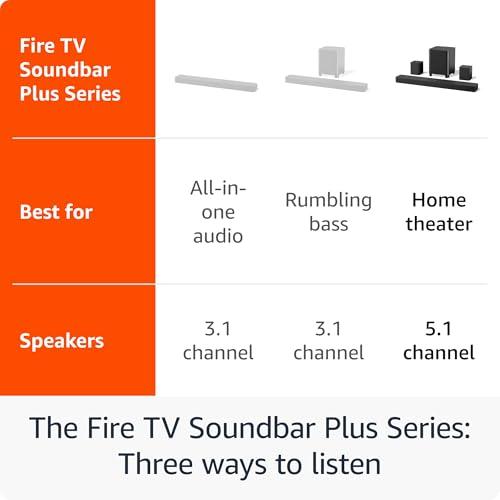
Soundbars solve this by dedicating proper space and engineering to audio reproduction. But they do it in different ways. Channel configuration (like 2.1, 3.1, or 5.1) tells you how many discrete audio channels the system can handle – more channels generally mean more immersive sound, with 5.1 being the sweet spot for home theater. Connectivity options determine what devices you can plug in and what audio formats you can enjoy. Room compatibility matters because a soundbar that works great in a cozy apartment might get lost in a large living room.
The most important consideration, though, is ecosystem integration. A soundbar isn't just a speaker – it's often the hub of your entertainment setup, and how well it plays with your TV, streaming devices, and other smart home gear can make or break the daily experience.
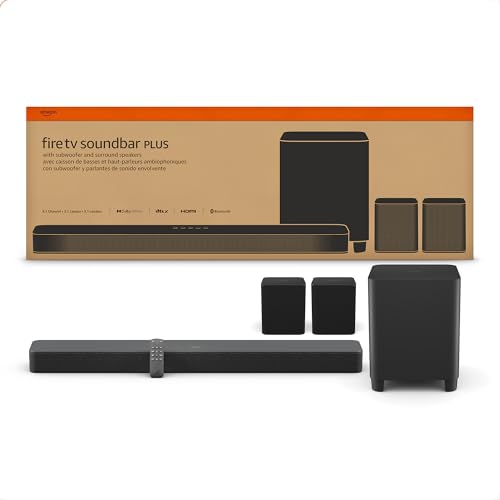
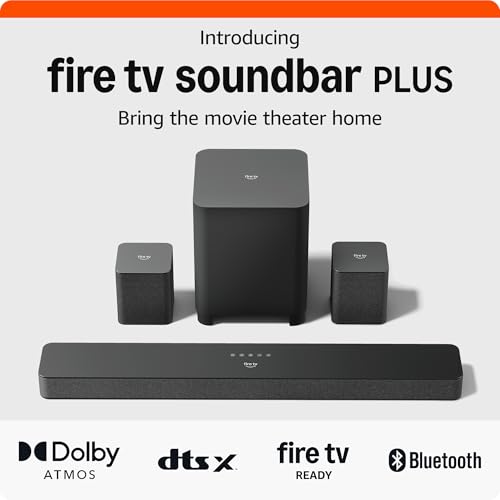
The Amazon Fire TV Soundbar Plus 5.1, released in 2024, represents the traditional home theater approach. It's Amazon's answer to the question "how can we give people a complete surround sound system without breaking the bank?" The system includes a main soundbar, wireless subwoofer, and two rear satellite speakers – everything you need for genuine 5.1-channel surround sound.
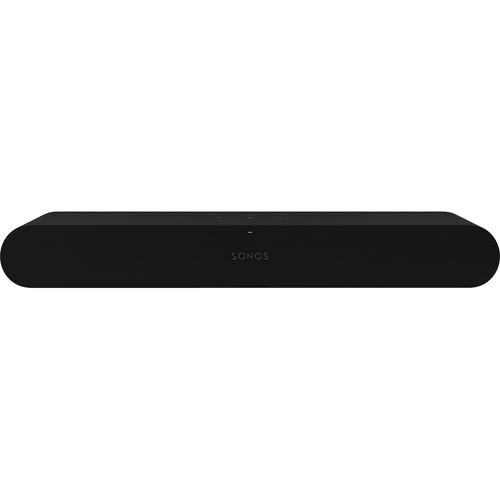
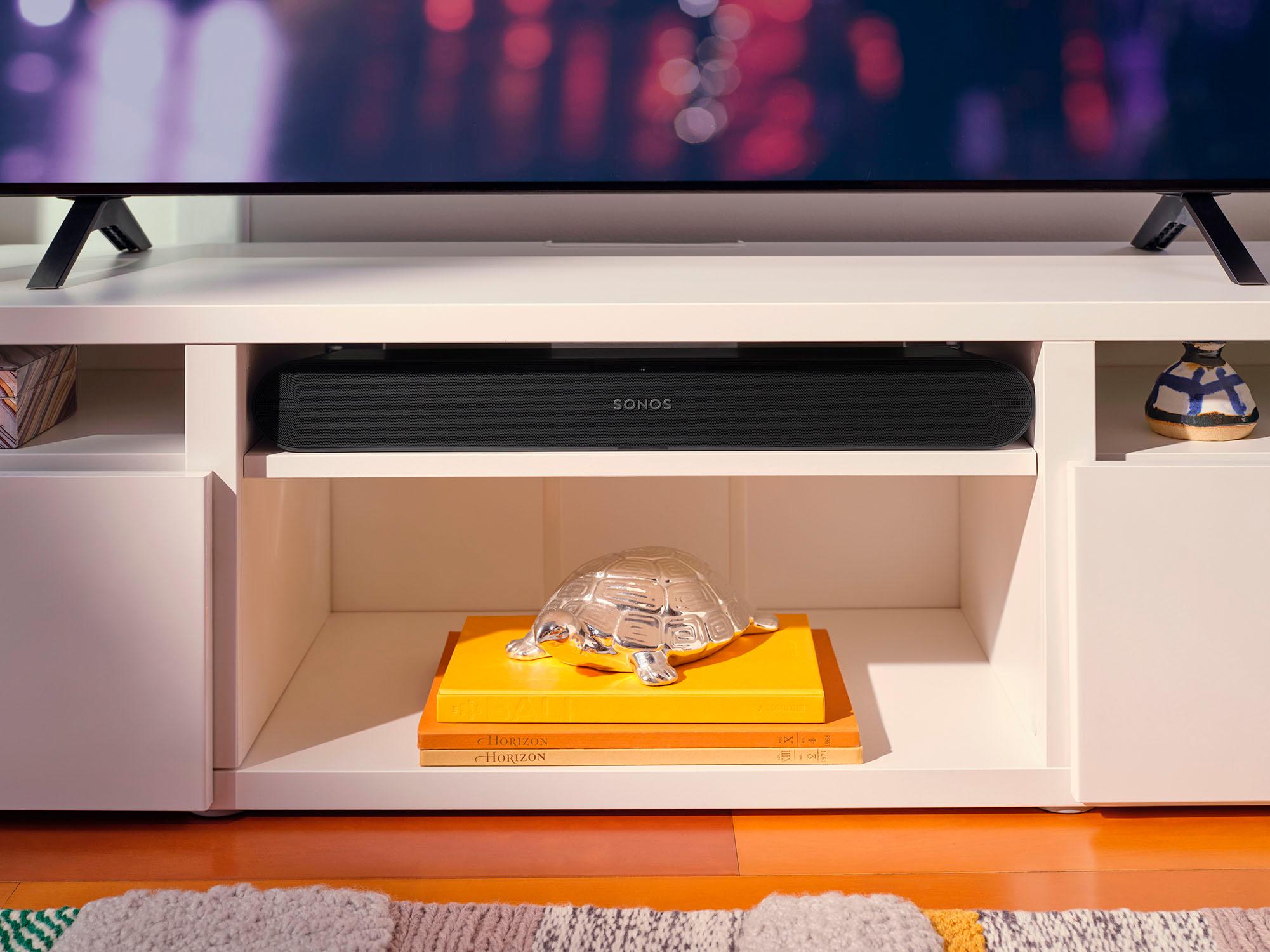
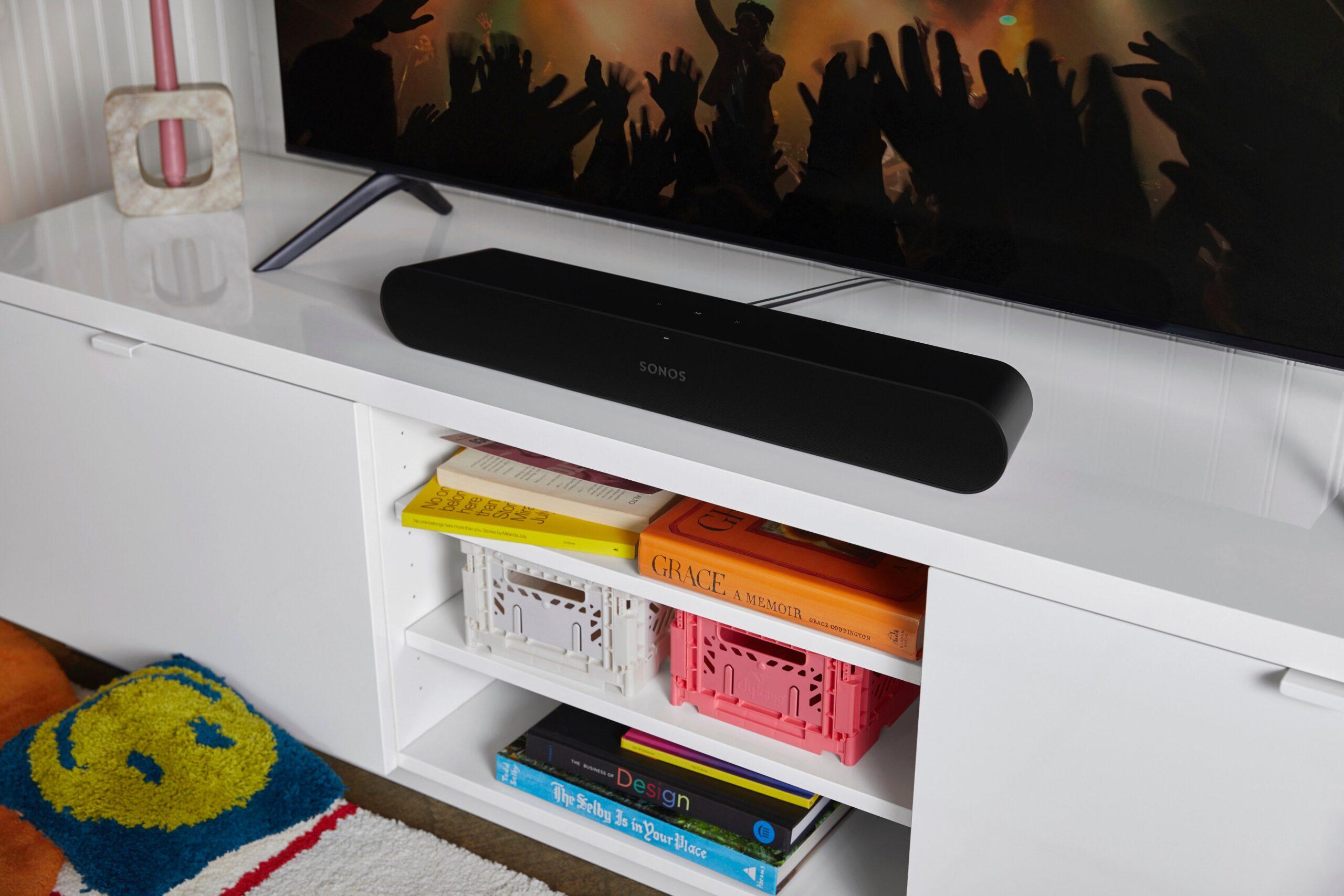
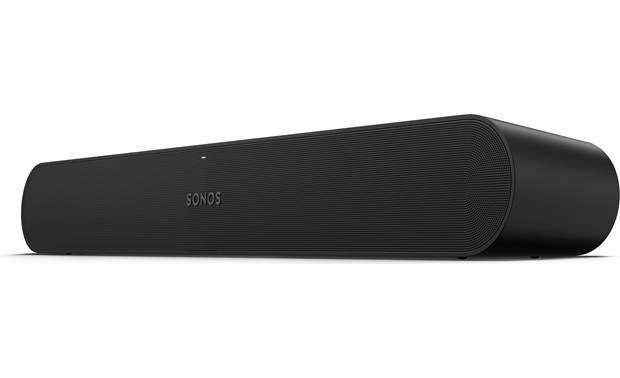
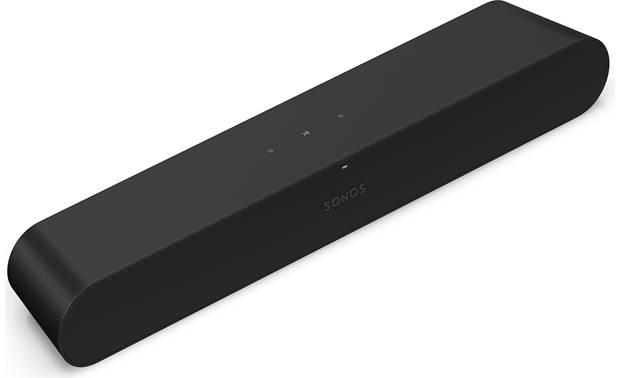
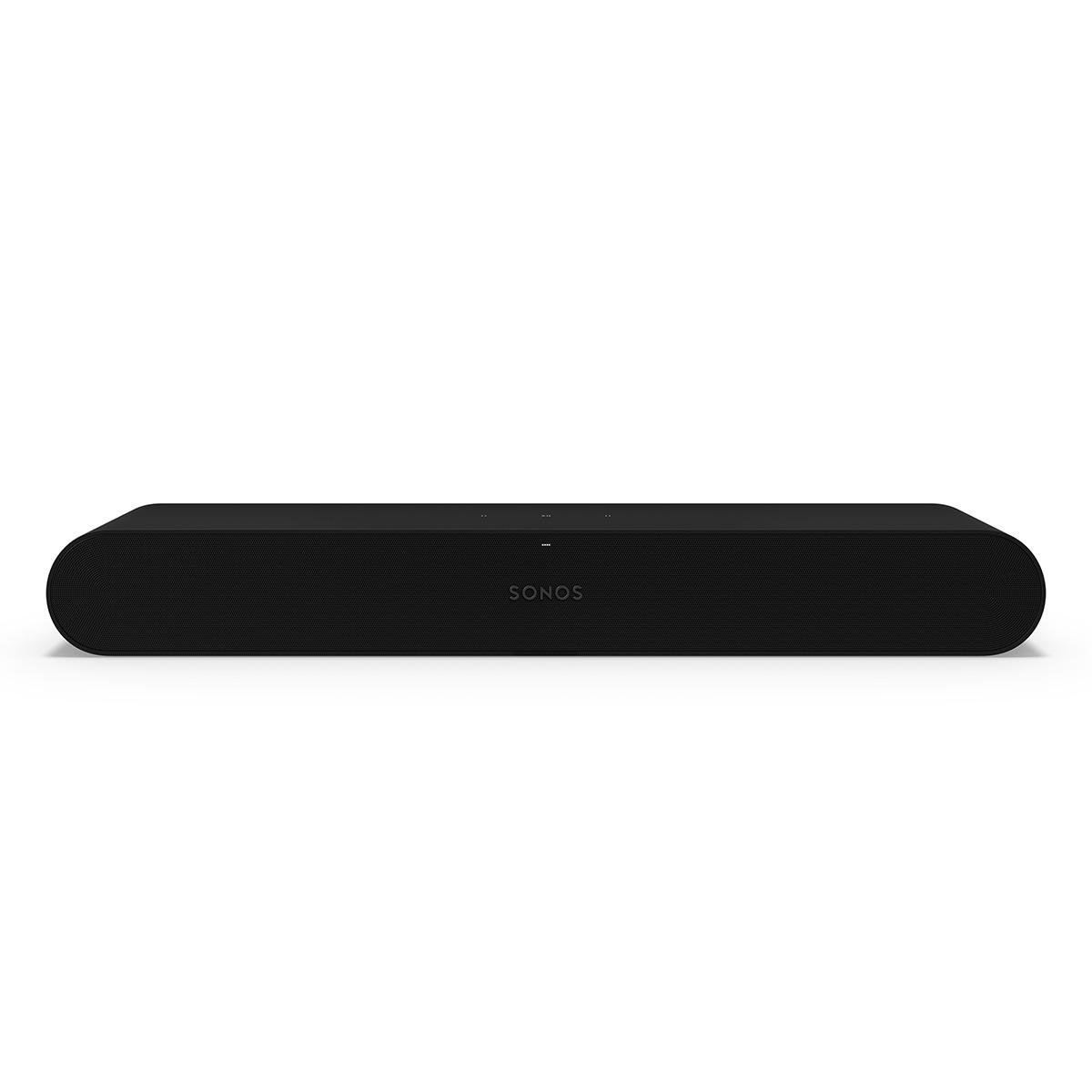
The Sonos Ray, launched in 2022, takes the opposite approach. Sonos looked at the soundbar market and said "what if we just made stereo sound absolutely perfect?" It's compact, elegant, and focuses entirely on delivering exceptional two-channel audio while serving as your gateway into Sonos's acclaimed whole-home audio ecosystem.
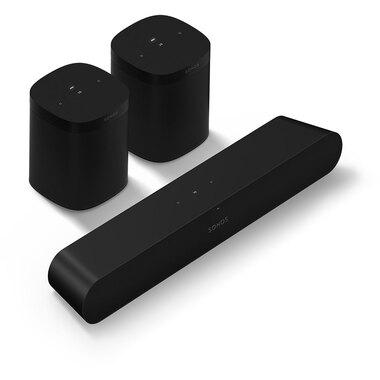
These different philosophies matter because they determine not just what you're buying today, but what your upgrade path looks like tomorrow. The Amazon system gives you everything upfront, while the Sonos lets you build gradually.
Here's where things get interesting. You'd expect the Amazon Fire TV Soundbar Plus to win dialogue clarity hands-down – after all, it has a dedicated center channel specifically designed for speech reproduction. In a traditional surround sound setup, the center channel handles most dialogue, keeping voices anchored to the screen while other sounds swirl around you.
But our research into user and expert reviews reveals a surprising truth: the Sonos Ray actually delivers superior dialogue clarity despite having no center channel at all. How does a stereo soundbar outperform a system with dedicated dialogue hardware? It comes down to engineering and digital signal processing (DSP).
Sonos has spent years perfecting how their speakers handle voice frequencies. The Ray uses advanced algorithms to identify and enhance dialogue in the stereo mix, while carefully designed waveguides project sound precisely across your room. Users consistently report that "dialogue just pops" from the Sonos, with whispered conversations coming through clearly without drowning out during loud action sequences.
The Amazon system isn't bad at dialogue – it's actually quite good – but reviews suggest it can sound "lightweight" or even "shrill" at higher volumes. The center channel does its job, but the overall tuning prioritizes excitement over refinement.
Winner: Sonos Ray – Sometimes less really is more when it's expertly executed.
This is where the Amazon Fire TV Soundbar Plus 5.1 should dominate, and largely does. The included wireless subwoofer delivers the kind of room-shaking bass that makes action movies visceral and dramatic. When that T-Rex stomps across the screen or a spaceship rumbles past, you'll feel it in your chest. The system gets impressively loud for medium to large rooms and provides the kind of bass impact that most people associate with "good sound."
The Sonos Ray takes a more sophisticated approach. Despite its compact size, it incorporates a clever bass reflex system with custom-designed ports that deliver surprisingly deep bass for a stereo soundbar. Reviews consistently praise how much bass comes from such a small package. However, when soundtracks get really bass-heavy – think Marvel movie finale or intense gaming – the Ray can hit its limits and start to sound "mushy" rather than punchy.
Here's the key distinction: the Amazon system gives you more bass quantity, while the Sonos delivers better bass quality within its limits. For most TV viewing, the Sonos provides perfectly adequate low-end response. But if you want to rattle the windows during explosion scenes, the Amazon is your friend.
Winner: Amazon Fire TV Soundbar Plus – When you want bass impact, dedicated hardware wins.
Soundstage refers to how wide and spacious music or movie audio sounds – imagine the difference between listening to a band in a phone booth versus a concert hall. Imaging is how precisely you can locate specific sounds in that space.
The Amazon Fire TV Soundbar Plus 5.1 should excel here with its true surround sound configuration. Those rear satellite speakers create genuine directionality – sounds actually come from behind you, not just from the front soundbar trying to trick your brain. When a helicopter flies overhead in a movie, you hear it travel from front to back across your room.
However, reviews reveal some limitations. The soundstage, while wide, has noticeable gaps between the left, center, and right channels. Users report that sounds can seem to "jump" between speakers rather than smoothly panning across the room. The rear speakers help with immersion, but the overall effect can feel somewhat artificial compared to higher-end systems.
The Sonos Ray creates its soundstage through pure acoustic engineering and digital processing. Custom waveguides project sound "from wall to wall," and the advanced DSP accurately positions audio elements throughout your room. While you won't get genuine surround effects, the stereo imaging is remarkably precise. Instruments and voices occupy specific locations in the soundfield, creating an engaging listening experience even for complex music.
Winner: Context-dependent – The Amazon wins for movie immersion, the Sonos excels for music and precise stereo content.
This isn't even close. The Sonos Ray was designed from the ground up as both a TV speaker and a serious music streaming device. It supports high-quality wireless streaming protocols, connects to your Wi-Fi network, and integrates seamlessly with streaming services through the Sonos app. The sound signature is carefully tuned for musical accuracy, with clear highs, natural midrange, and well-controlled bass.
The Amazon Fire TV Soundbar Plus 5.1 can play music – it has Bluetooth connectivity – but it's clearly optimized for movie and TV audio. The excited sound signature that makes explosions thrilling can make music fatiguing during longer listening sessions. There's no Wi-Fi connectivity, no dedicated music streaming features, and no way to integrate it into a multi-room audio system.
Winner: Sonos Ray – It's not even a fair fight for music lovers.
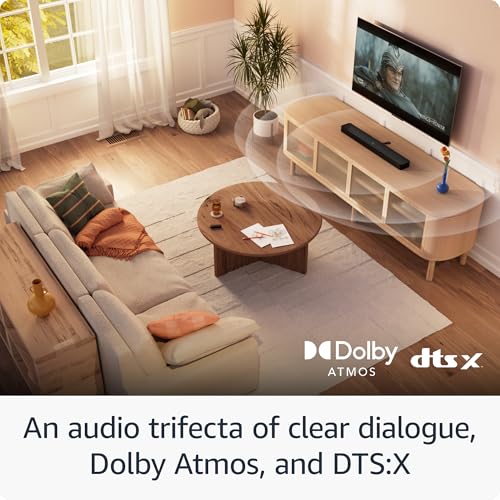
Both soundbars support modern audio formats, but with different implementations. The Amazon Fire TV Soundbar Plus 5.1 handles Dolby Atmos and DTS:X – advanced surround sound formats that create three-dimensional audio experiences. However, the implementation is "virtualized," meaning there are no upward-firing speakers to create true height effects. Instead, digital processing tries to simulate overhead sounds through the existing speakers.
Dolby Atmos is an object-based audio format that places sounds in a three-dimensional space around you, including overhead. DTS:X is a competing format that does similar things. Without dedicated height speakers, you're getting the surround effects but missing the vertical dimension that makes these formats special.
The Sonos Ray doesn't support these advanced formats, sticking with traditional stereo, Dolby Digital, and DTS. But what it does support, it handles exceptionally well. The Trueplay tuning technology (available for iPhone users) actually listens to your room and adjusts the sound accordingly – something the Amazon system can't do.
The Amazon Fire TV Soundbar Plus 5.1 offers HDMI eARC (Enhanced Audio Return Channel), which allows high-bandwidth audio transmission between your TV and soundbar, plus enables control with your TV remote. It also includes optical digital input, USB-A for media playback, and Bluetooth for wireless connectivity.
The Sonos Ray takes a more minimalist approach with just optical digital connection for TV audio. However, it connects to your Wi-Fi network, enabling streaming from dozens of music services, Apple AirPlay 2 support, and integration with the broader Sonos ecosystem.
This represents a fundamental difference in philosophy: the Amazon focuses on traditional home theater connectivity, while the Sonos prioritizes wireless streaming and smart features.
At the time of writing, the Amazon Fire TV Soundbar Plus 5.1 system typically costs significantly more than the Sonos Ray when purchased as a complete 5.1 package, but provides everything you need for surround sound. You're getting a soundbar, subwoofer, two satellite speakers, and all necessary cables for one price.
The Sonos Ray starts at a lower entry price, but building an equivalent 5.1 system requires adding a Sonos Sub and rear speakers, which can cost several times more than the complete Amazon system.
However, value isn't just about immediate cost – it's about what you're actually getting. The Amazon gives you a complete theater experience right away but limited upgrade paths. The Sonos provides superior sound quality and tremendous flexibility to build your ideal system over time.
You're a movie enthusiast who wants the full surround sound experience without spending premium prices. The system excels at action movies, complex TV soundtracks, and gaming where directional audio matters. If you have a medium to large room and primarily use Fire TV devices, the integration benefits make daily use more convenient.
This is also the right choice if you want everything to work perfectly out of the box. There's no planning upgrade paths or gradual system building – you get complete 5.1 surround immediately.
You value audio quality over quantity of features. If you split time between TV viewing and music listening, the Ray's superior streaming capabilities and refined sound signature provide better overall value. It's perfect for apartment dwellers who want great sound without overwhelming bass, or for anyone planning to build a multi-room audio system gradually.
The Sonos is also the smart choice if you're particular about dialogue clarity – despite having fewer speakers, it simply handles voices better than most competitors.
After extensive research into user experiences and expert reviews, neither soundbar is definitively "better" – they're optimized for different goals.
The Amazon Fire TV Soundbar Plus 5.1 wins for traditional home theater enthusiasts who want immediate surround sound gratification. It provides genuine 5.1-channel immersion, strong bass impact, and excellent value for a complete system. However, it lacks the refinement and flexibility that some users crave.
The Sonos Ray wins for users who prioritize sound quality, music streaming, and system flexibility. It delivers exceptional dialogue clarity, seamless wireless streaming, and serves as a foundation for building your ideal audio system over time. The trade-off is higher long-term costs and no surround sound capability on its own.
My recommendation? If you're primarily a movie watcher with a dedicated TV room, the Amazon Fire TV Soundbar Plus 5.1 delivers more entertainment value for your dollar. If you're building a smart home with great audio throughout, or if music listening is equally important as TV viewing, the Sonos Ray provides a better foundation for long-term satisfaction.
The best soundbar is the one that matches your actual usage patterns – not just your wishful thinking about how you'll use it. Consider your space, your content preferences, and your future plans carefully, and either of these soundbars can significantly upgrade your audio experience.
| Amazon Fire TV Soundbar Plus 5.1 | Sonos Ray Soundbar |
|---|---|
| Channel Configuration - Determines immersion level and surround sound capability | |
| True 5.1 channels with discrete rear speakers | Stereo (2.0) with advanced processing |
| Audio Format Support - Affects compatibility with modern streaming content | |
| Dolby Atmos, DTS:X, Dolby Digital 5.1 (virtualized height) | Dolby Digital, DTS, Linear PCM (no Atmos) |
| What's Included - Complete system vs starter setup | |
| Soundbar + wireless subwoofer + 2 rear speakers | Soundbar only (expandable with separate purchases) |
| Primary Connectivity - How you connect to your TV | |
| HDMI eARC + Optical + USB-A + Bluetooth | Optical only for TV (no HDMI) |
| Smart Features - Streaming and app control capabilities | |
| Fire TV integration, no Wi-Fi or app control | Wi-Fi connectivity, Sonos app, AirPlay 2 |
| Room Tuning - Automatic sound optimization for your space | |
| Manual EQ presets only | Trueplay room correction (iPhone required) |
| Music Streaming - Wireless audio quality and service integration | |
| Basic Bluetooth only | Full Wi-Fi streaming with 60+ music services |
| Expandability - Future upgrade options | |
| Complete system (no expansion possible) | Can add Sonos Sub, rear speakers, multi-room audio |
| Remote Control - Daily usage convenience | |
| Dedicated remote with EQ controls | Touch controls + Sonos app + TV remote compatibility |
| Size & Placement - How it fits in your space | |
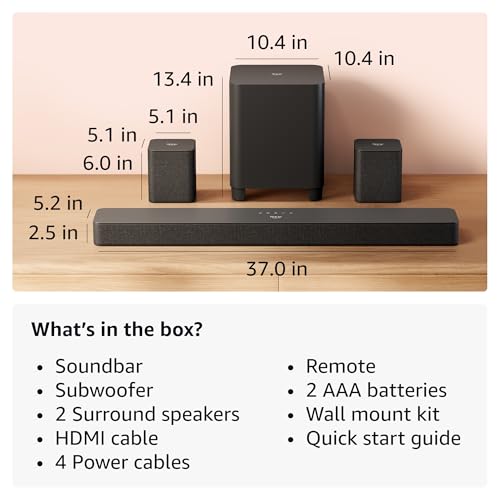
| Large soundbar (37" wide) + separate subwoofer + rear speakers | Compact 22" soundbar, no additional components required |
| Best For - Primary use case recommendation | |
| Movie/TV watching with full surround immersion | Music streaming + TV with exceptional dialogue clarity |
The Amazon Fire TV Soundbar Plus 5.1 is better for movies and TV shows due to its true 5.1 surround sound system with discrete rear speakers and a dedicated subwoofer. This creates genuine directional audio effects and deeper bass impact that enhances action scenes and dramatic moments. The Sonos Ray excels at dialogue clarity but lacks the immersive surround sound experience that makes movies more engaging.
The Amazon Fire TV Soundbar Plus 5.1 includes a wireless subwoofer as part of the complete system, providing strong bass right out of the box. The Sonos Ray doesn't include a subwoofer but delivers surprisingly good bass for its compact size. You can add the Sonos Sub later if you want deeper bass response with the Sonos Ray.
Both soundbars are relatively easy to set up, but in different ways. The Amazon Fire TV Soundbar Plus 5.1 comes with all components pre-paired and includes an HDMI cable, making physical setup straightforward. The Sonos Ray has fewer physical components but requires the Sonos app for initial configuration and connects via optical cable only.
The Sonos Ray offers extensive expandability - you can add a Sonos Sub for deeper bass, rear speakers for surround sound, and integrate with other Sonos speakers for whole-home audio. The Amazon Fire TV Soundbar Plus 5.1 is a complete system that cannot be expanded with additional components.
The Sonos Ray is significantly better for music listening. It connects to Wi-Fi for high-quality streaming from over 60 music services, has superior sound tuning for musical content, and integrates with the Sonos ecosystem. The Amazon Fire TV Soundbar Plus 5.1 only offers basic Bluetooth music playback and is optimized for TV and movie audio rather than music.
Yes, both soundbars work with virtually any TV. The Amazon Fire TV Soundbar Plus 5.1 connects via HDMI eARC or optical cable and offers the best integration with Fire TV devices. The Sonos Ray connects via optical cable and works with any TV that has an optical output, which includes nearly all modern TVs.
The Sonos Ray is better suited for small rooms due to its compact 22-inch design and precisely tuned sound that won't overwhelm smaller spaces. The Amazon Fire TV Soundbar Plus 5.1 is larger and designed for medium to large rooms, with multiple components that may be too much for compact living spaces.
The Amazon Fire TV Soundbar Plus 5.1 can be controlled with your TV remote when connected via HDMI eARC, and offers seamless integration with Fire TV remotes. The Sonos Ray responds to TV remote volume commands and can be controlled through the Sonos app, but doesn't offer the same level of TV remote integration.
Surprisingly, the Sonos Ray delivers superior dialogue clarity despite having no dedicated center channel. Its advanced processing and precise tuning make voices exceptionally clear and natural. While the Amazon Fire TV Soundbar Plus 5.1 has a dedicated center channel for dialogue, user reports suggest the Sonos Ray handles speech reproduction more effectively.
The Amazon Fire TV Soundbar Plus 5.1 supports Dolby Atmos, but only in virtualized form since it lacks upward-firing speakers for true height effects. The Sonos Ray does not support Dolby Atmos, focusing instead on exceptional stereo and traditional surround sound formats like Dolby Digital.
Value depends on your needs. The Amazon Fire TV Soundbar Plus 5.1 offers better immediate value if you want a complete surround sound system, including all necessary components. The Sonos Ray provides better long-term value if you prioritize sound quality, music streaming, and the flexibility to build a more comprehensive audio system over time.
Both work for gaming, but the Amazon Fire TV Soundbar Plus 5.1 is better suited for gaming due to its surround sound capabilities that enhance directional audio cues and immersive sound effects. The Sonos Ray works fine for gaming but may have slightly higher audio latency due to its wireless processing, and lacks the surround sound positioning that benefits competitive gaming.
We've done our best to create useful and informative comparisons to help you decide what product to buy. Our research uses advanced automated methods to create this comparison and perfection is not possible - please contact us for corrections or questions. These are the sites we've researched in the creation of this article: rtings.com - cordbusters.co.uk - techradar.com - developer.amazon.com - t3.com - hometechnologyreview.com - youtube.com - hometechnologyreview.com - whathifi.com - hometechnologyreview.com - hometechnologyreview.com - youm.design - hometechnologyreview.com - dolby.com - techradar.com - soundandvision.com - youtube.com - appleinsider.com - youtube.com - sonos.com - cnet.com - howtogeek.com - pcrichard.com - en.community.sonos.com - epicsystems.tech - en.community.sonos.com - cepro.com - videoandaudiocenter.com

Privacy Policy
Terms and Conditions - Affiliate Policy
Home Security
© Copyright 2008-2026.
11816 Inwood Rd #1211, Dallas, TX 75244