





When you're tired of constantly asking "What did they just say?" while watching TV, it's time to upgrade from those tinny built-in speakers. But with hundreds of soundbars on the market, finding the right one can feel overwhelming. Today we're comparing two popular budget options that take completely different approaches: the Sonos Ray Soundbar ($169) and the LG S40T 2.1 Channel Soundbar ($156).
Both launched in 2022, but they couldn't be more different in philosophy. Think of it like choosing between a precision tool and a power tool – both get the job done, but in very different ways.
Before diving into specifics, let's talk about what you're actually buying. A soundbar is essentially multiple speakers crammed into a single enclosure, designed to sit below or above your TV. The magic happens in how these speakers are arranged and what technology processes the audio signal.
The numbers you see – like 2.0, 2.1, or 5.1 – tell you about the speaker configuration. The first number represents main channels (left, right, center), while the second indicates whether there's a dedicated subwoofer for bass. So a 2.1 system has left and right speakers plus a separate subwoofer, while a 2.0 system handles everything in the main unit.
Your room size, content preferences, and budget all play crucial roles in determining which approach works best. Smaller rooms might not need earth-shaking bass, while larger spaces can swallow up sound from compact units. Movie buffs often crave that rumbling low-end for explosions and soundtrack impact, whereas music lovers might prefer balanced, detailed sound across all frequencies.
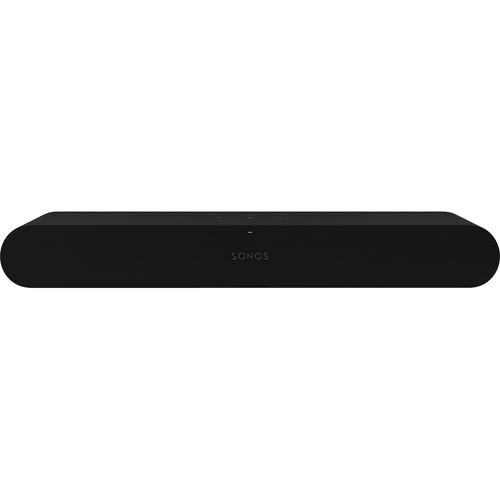
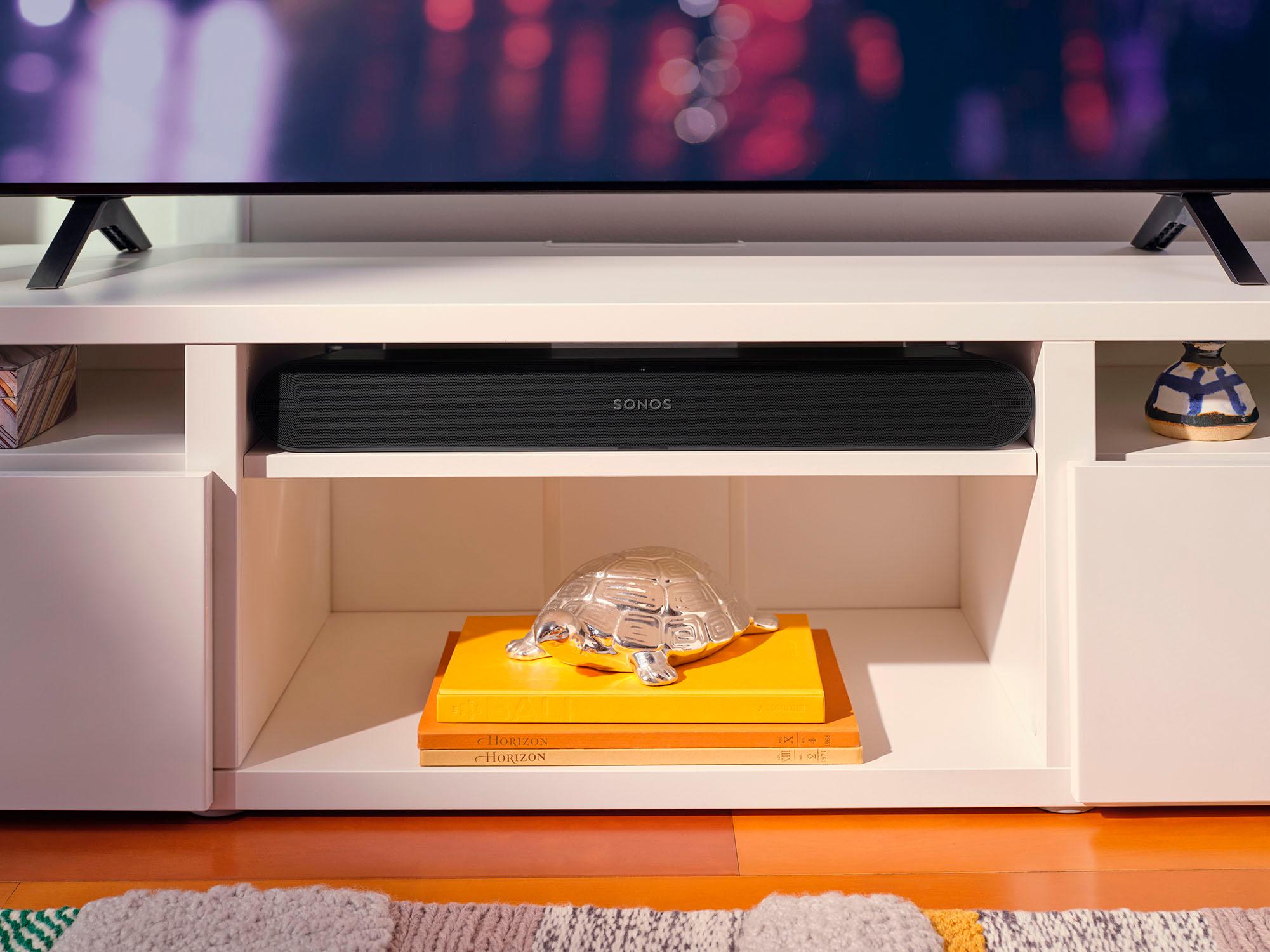
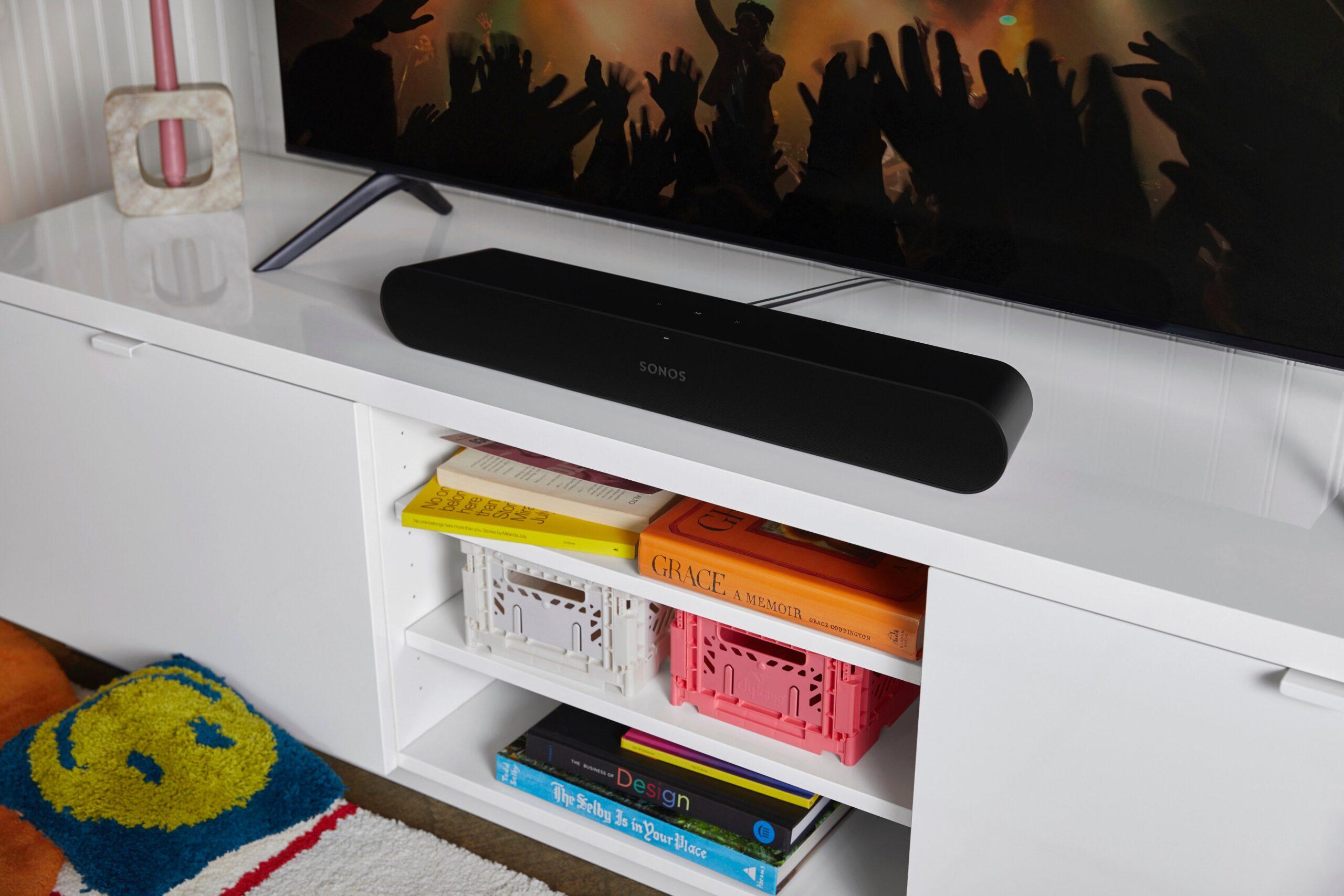
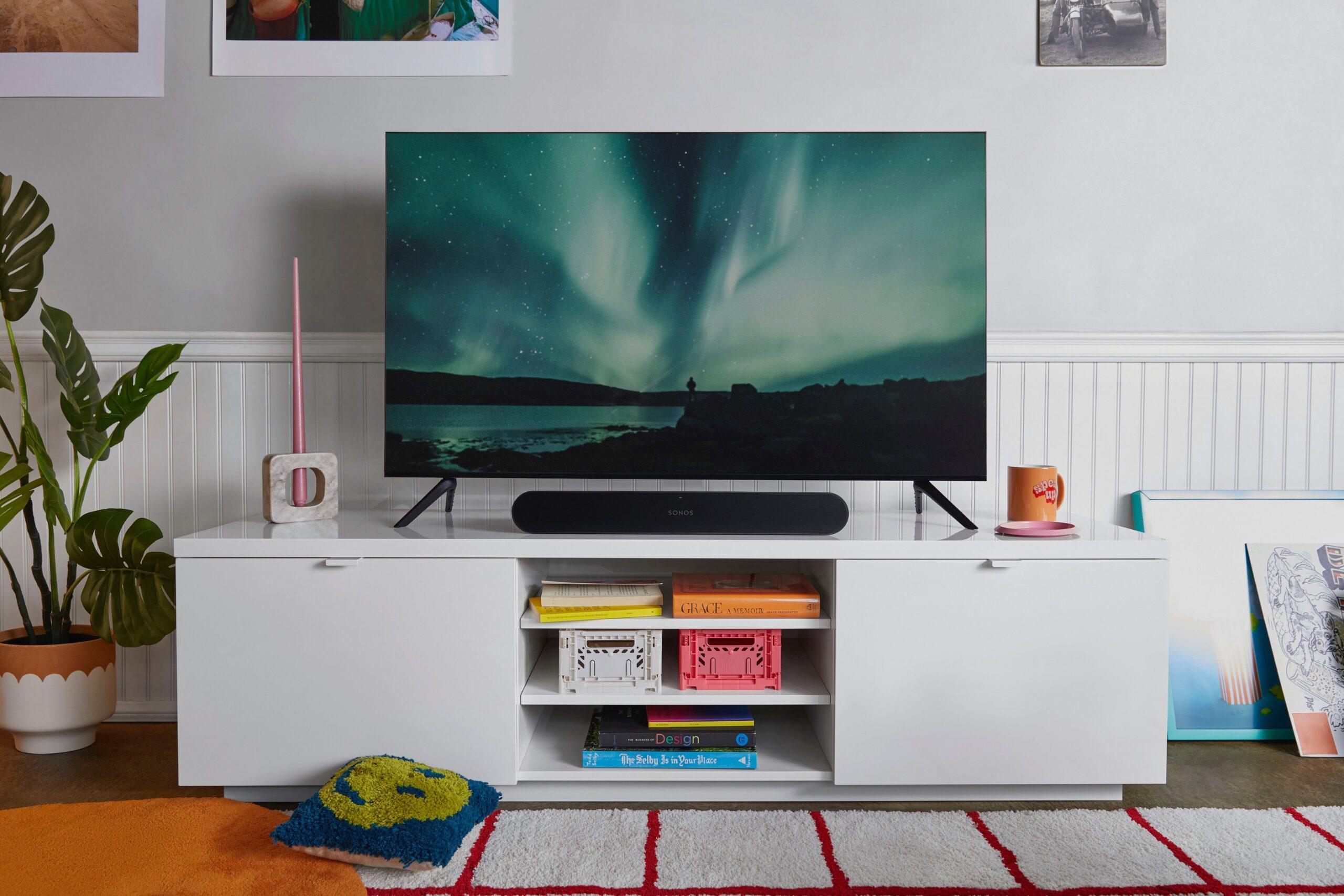
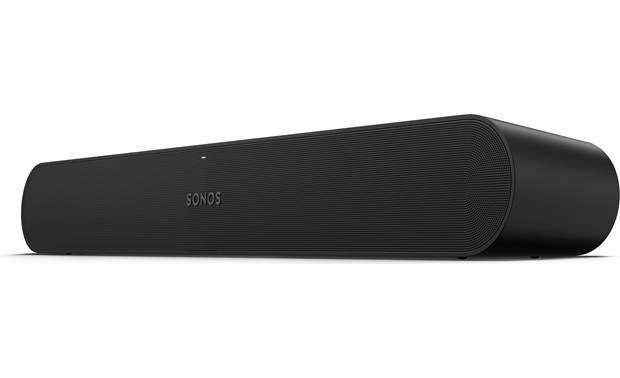
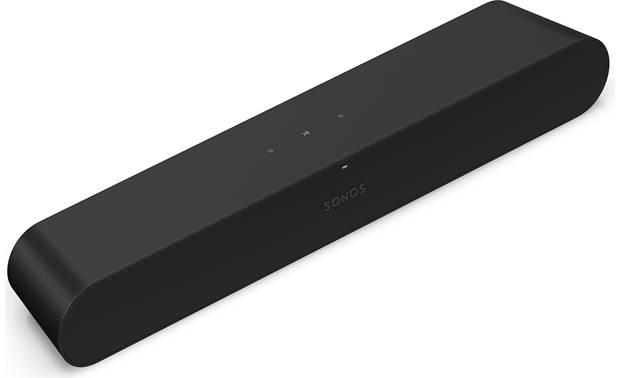
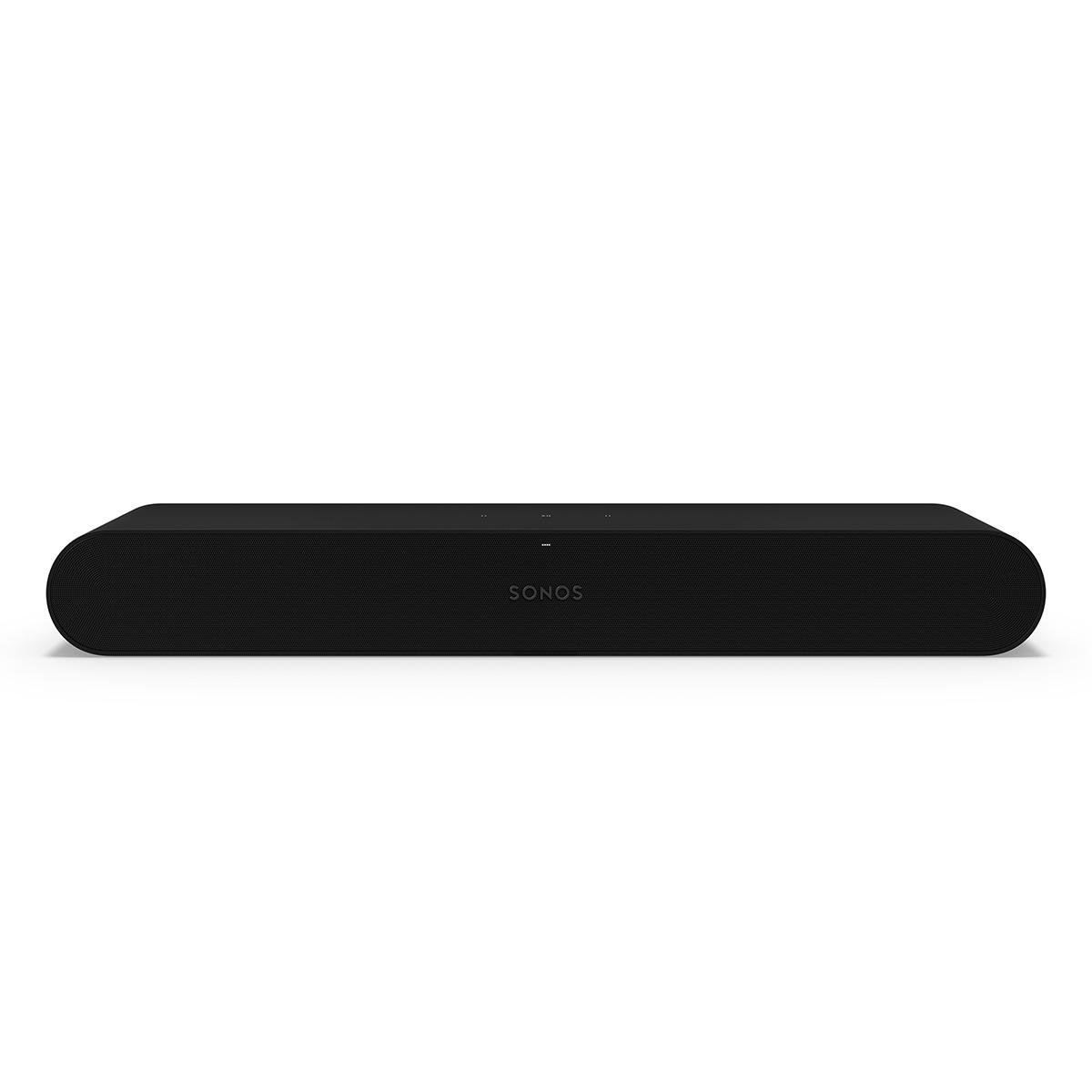
The Sonos Ray ($169) represents Sonos's first truly affordable soundbar, launching in June 2022 as their answer to budget-conscious customers who still wanted that signature Sonos quality. At just 22 inches wide and weighing only 4 pounds, it's remarkably compact – small enough to fit inside many TV stands or credenzas.
Sonos built their reputation on whole-home audio systems, and the Ray serves as an entry point into that ecosystem. Unlike traditional soundbars that focus primarily on TV enhancement, the Ray doubles as a capable music speaker with Wi-Fi streaming capabilities. It's a 2.0-channel system, meaning all the audio comes from the main unit without a separate subwoofer.
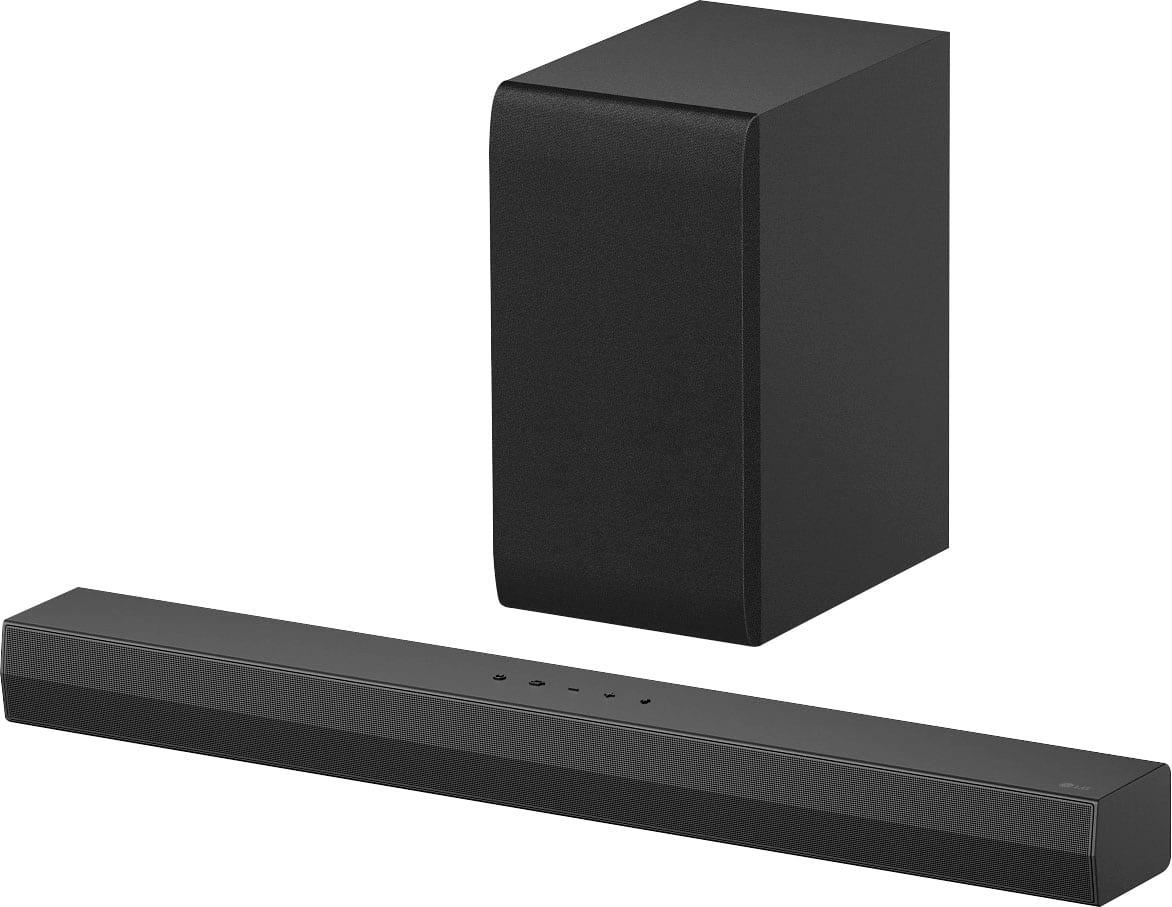
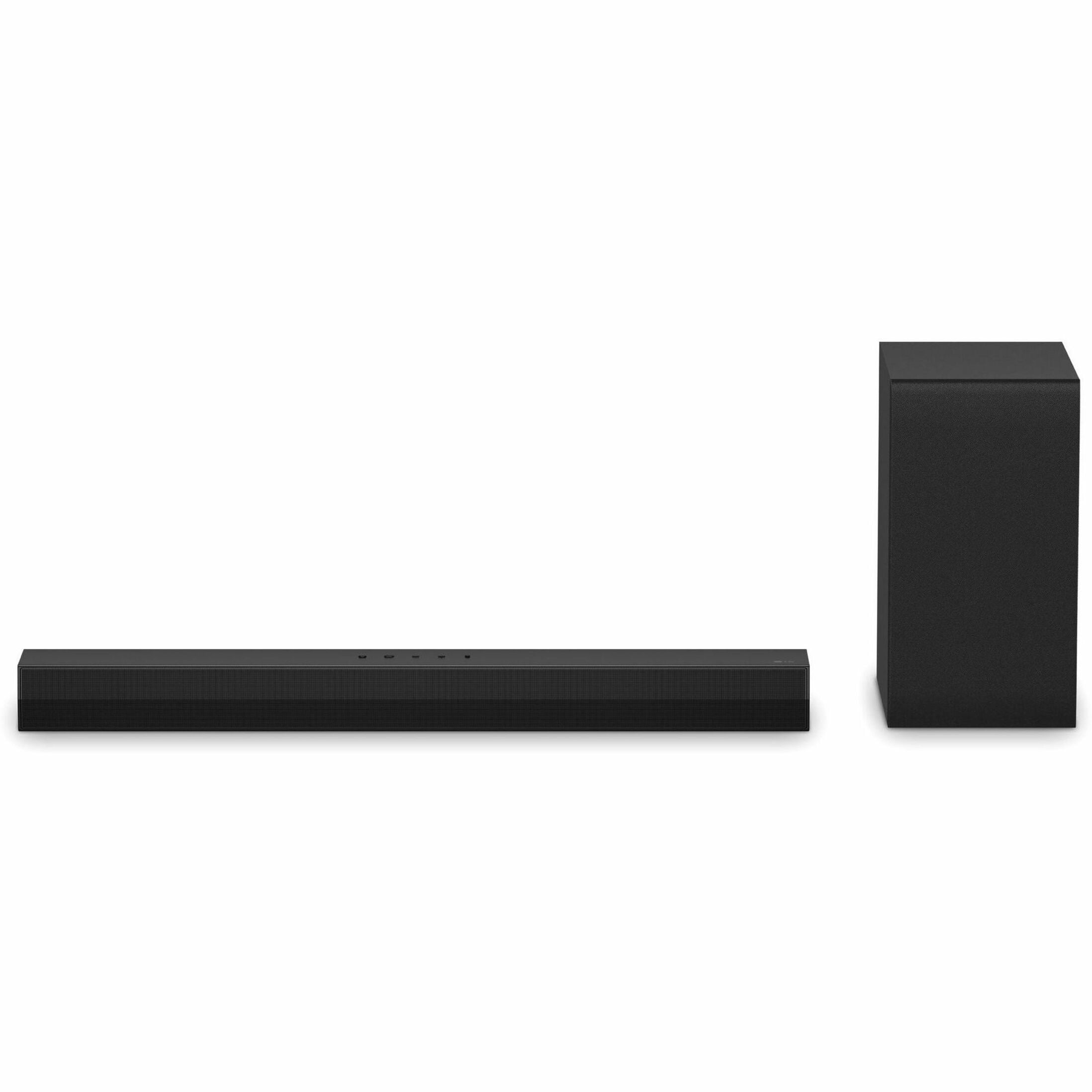
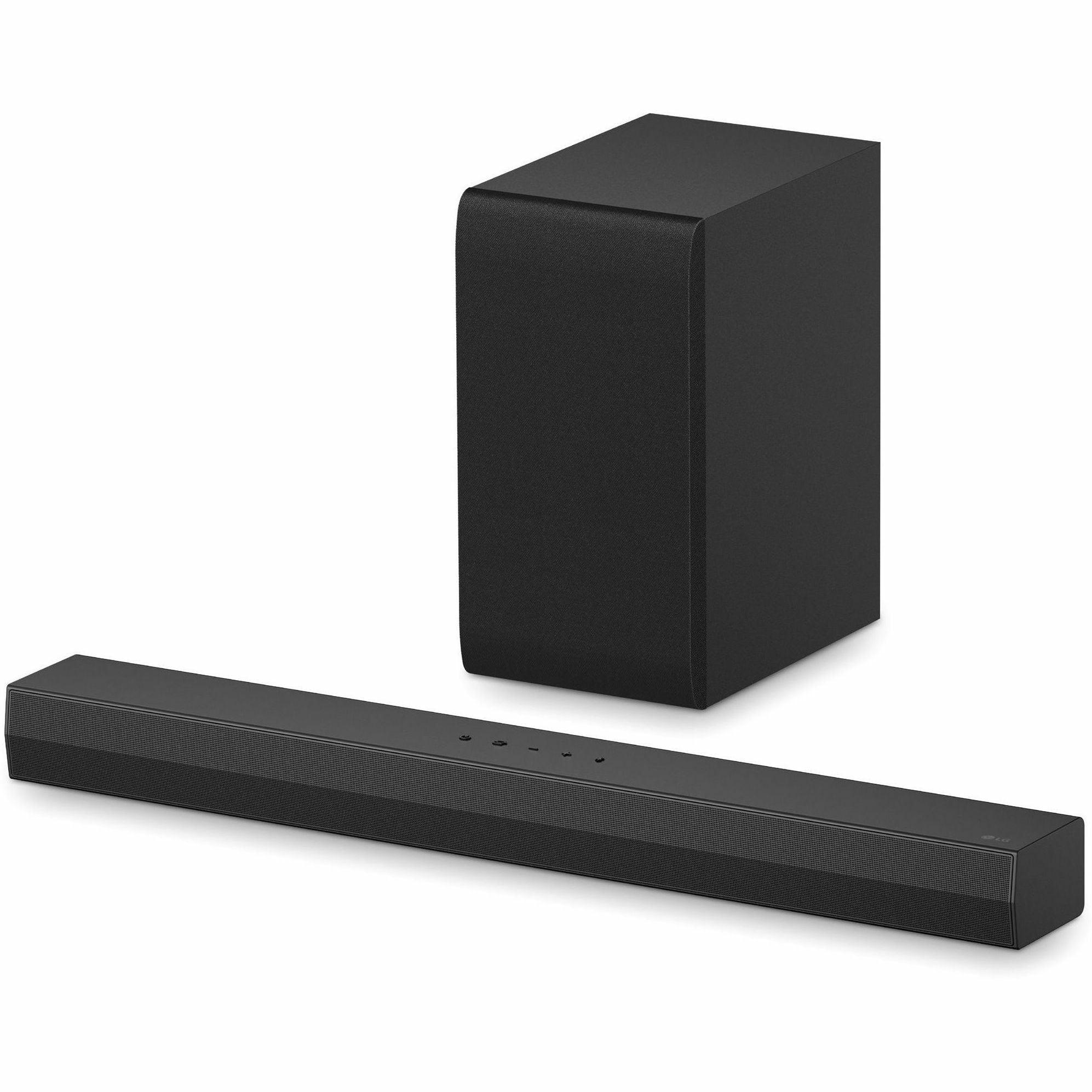
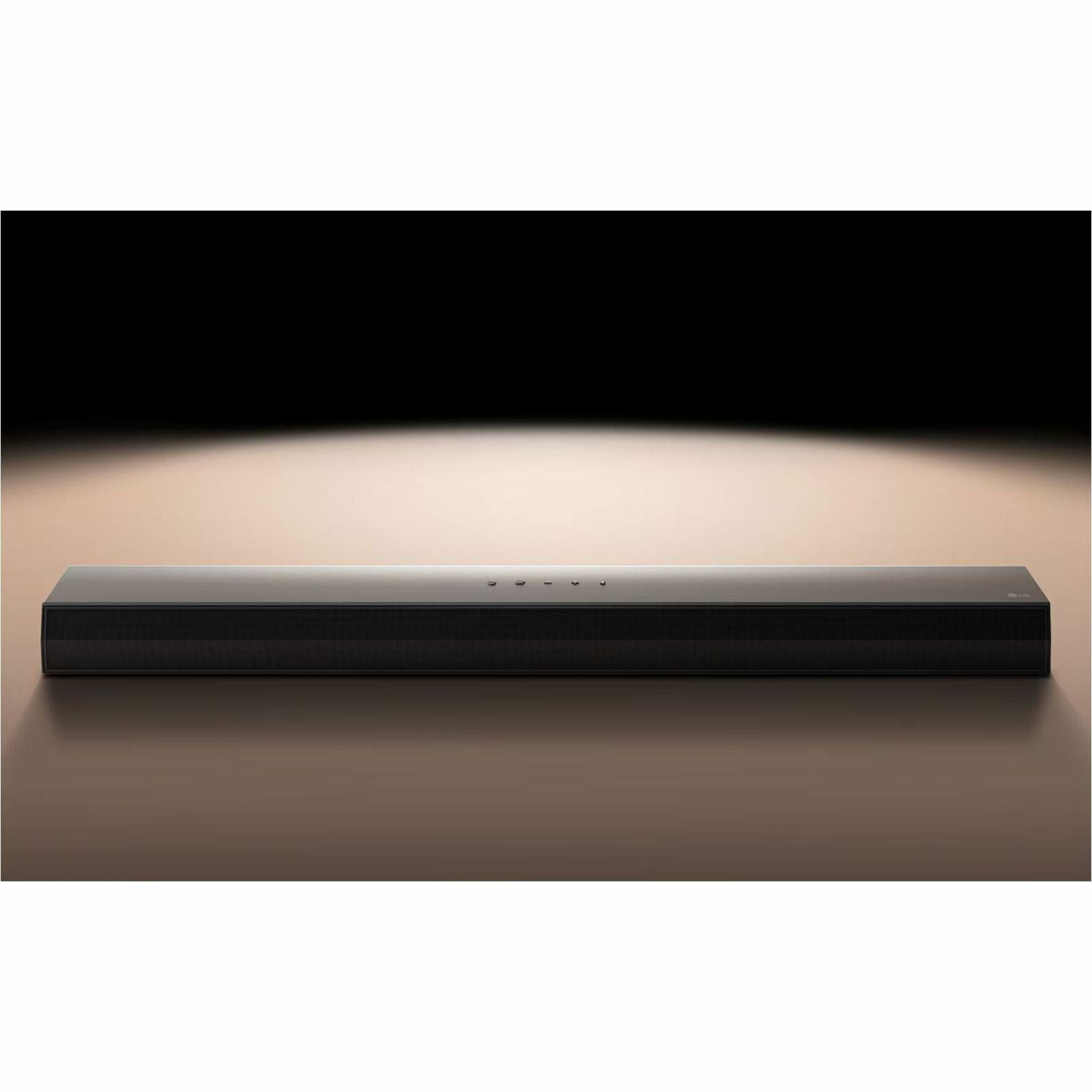
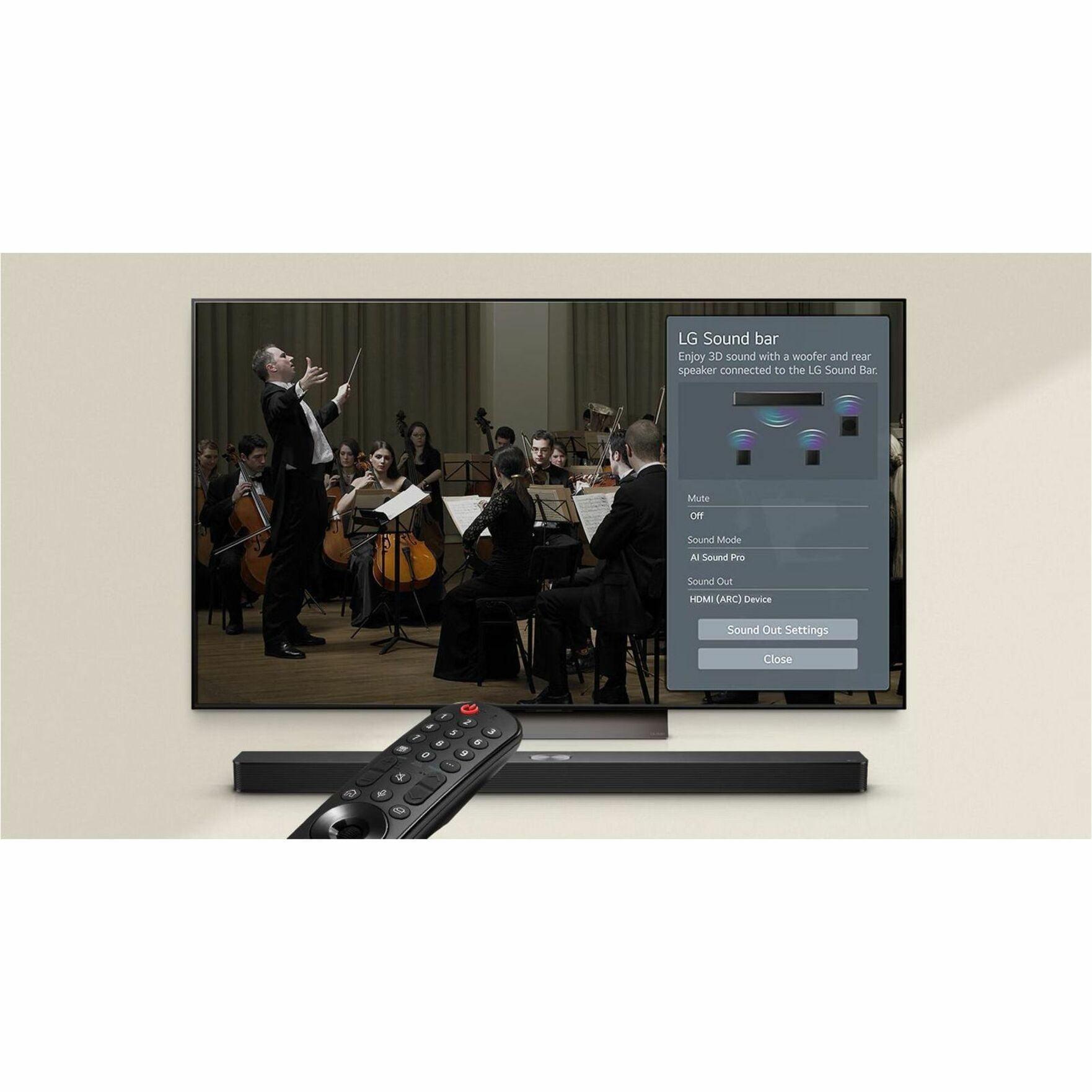
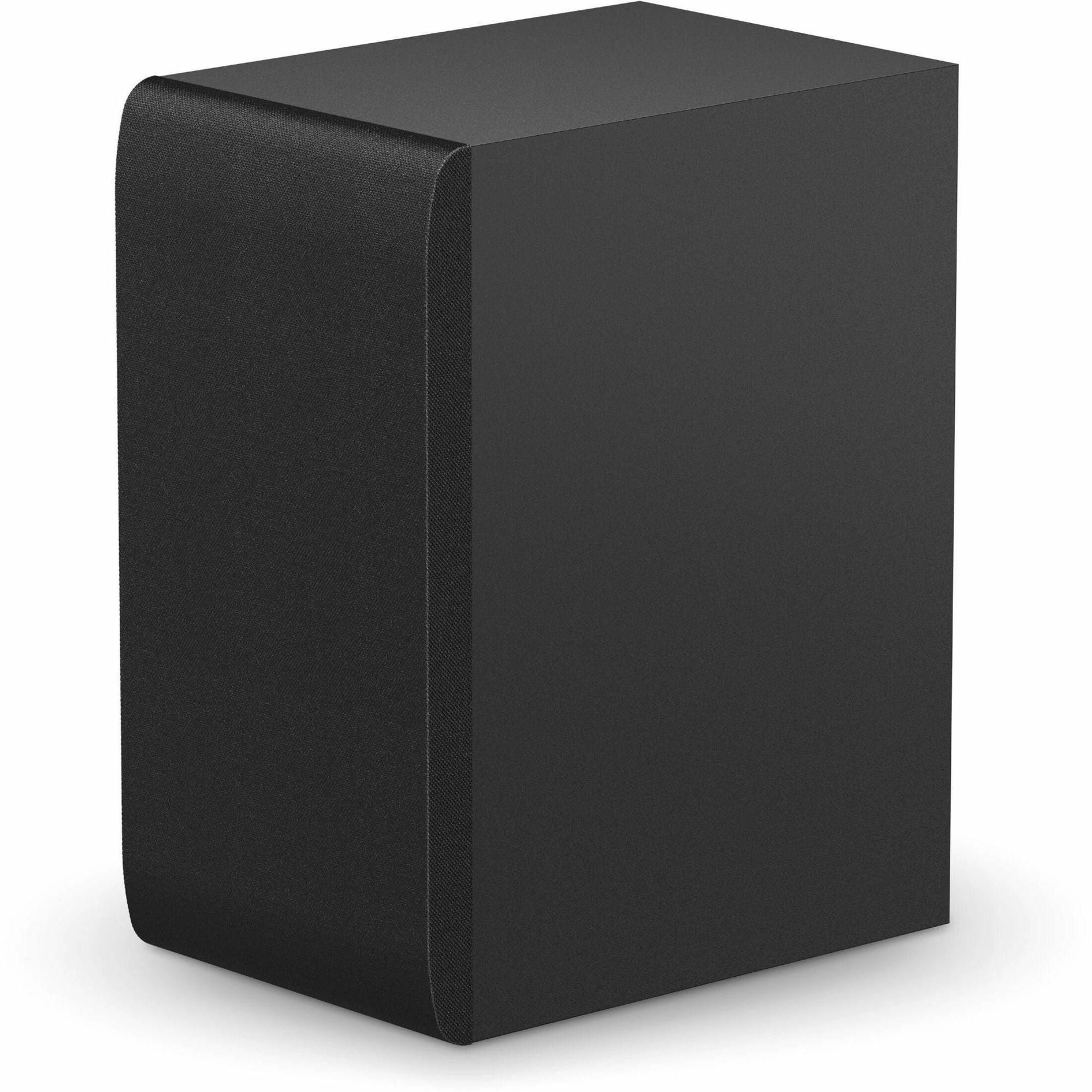
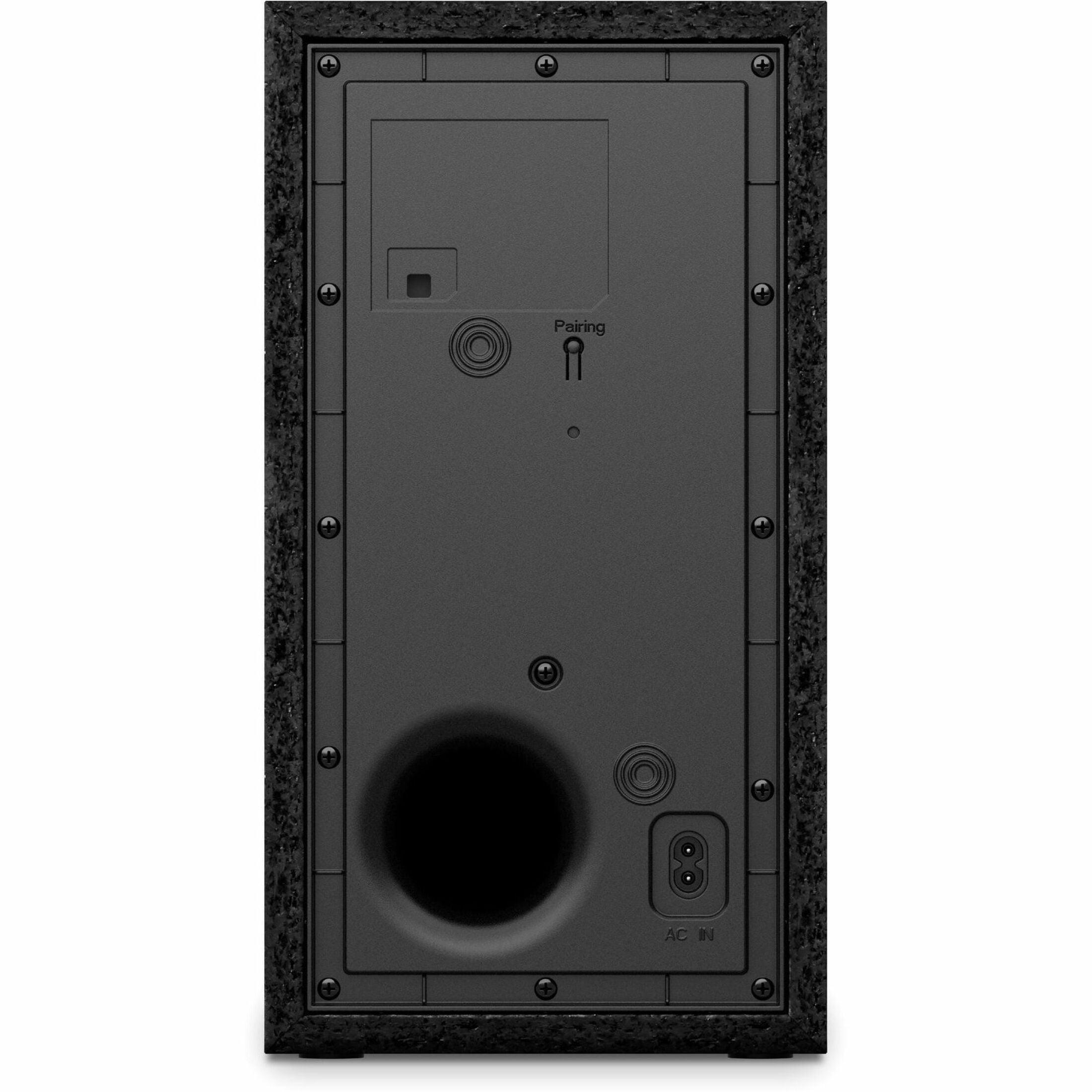
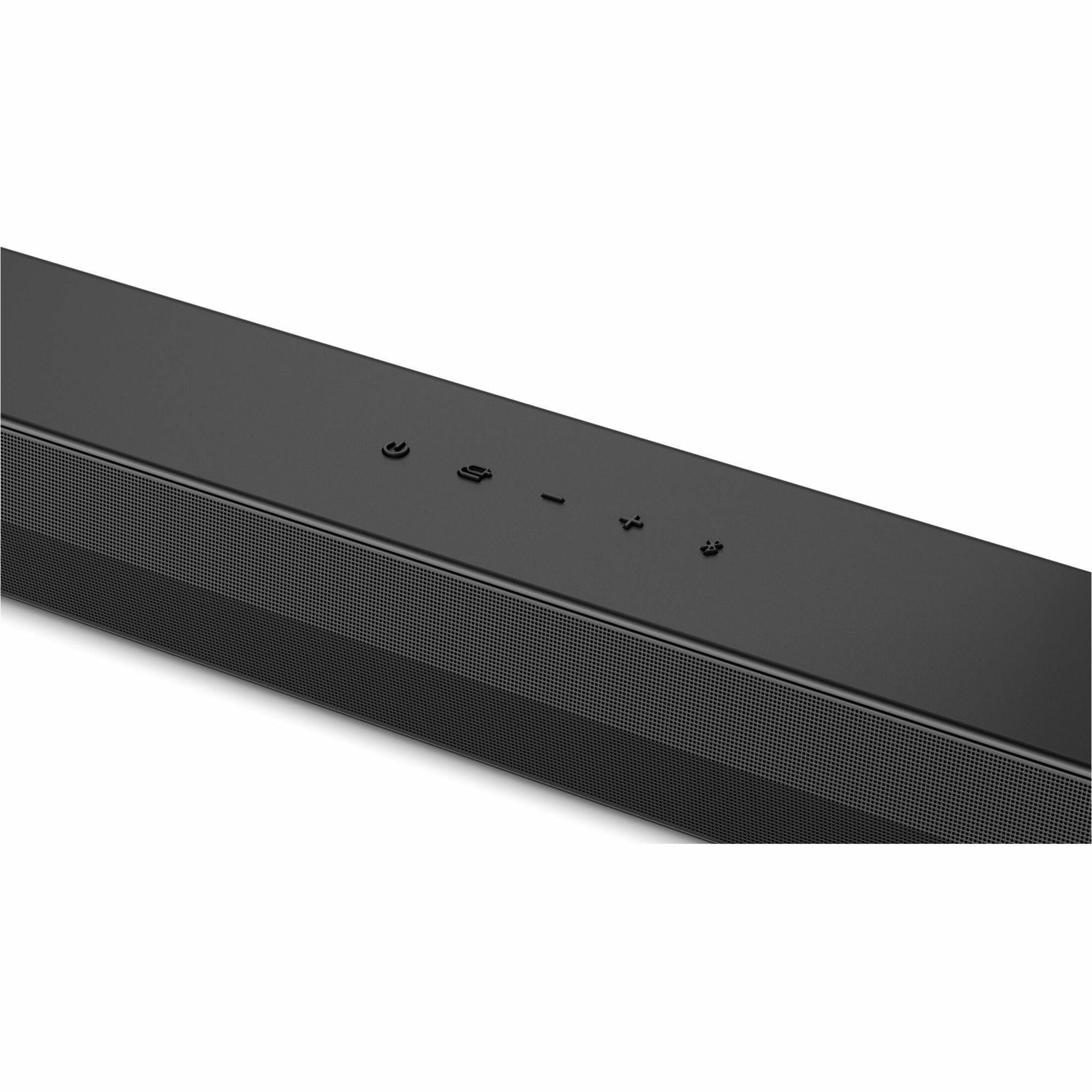
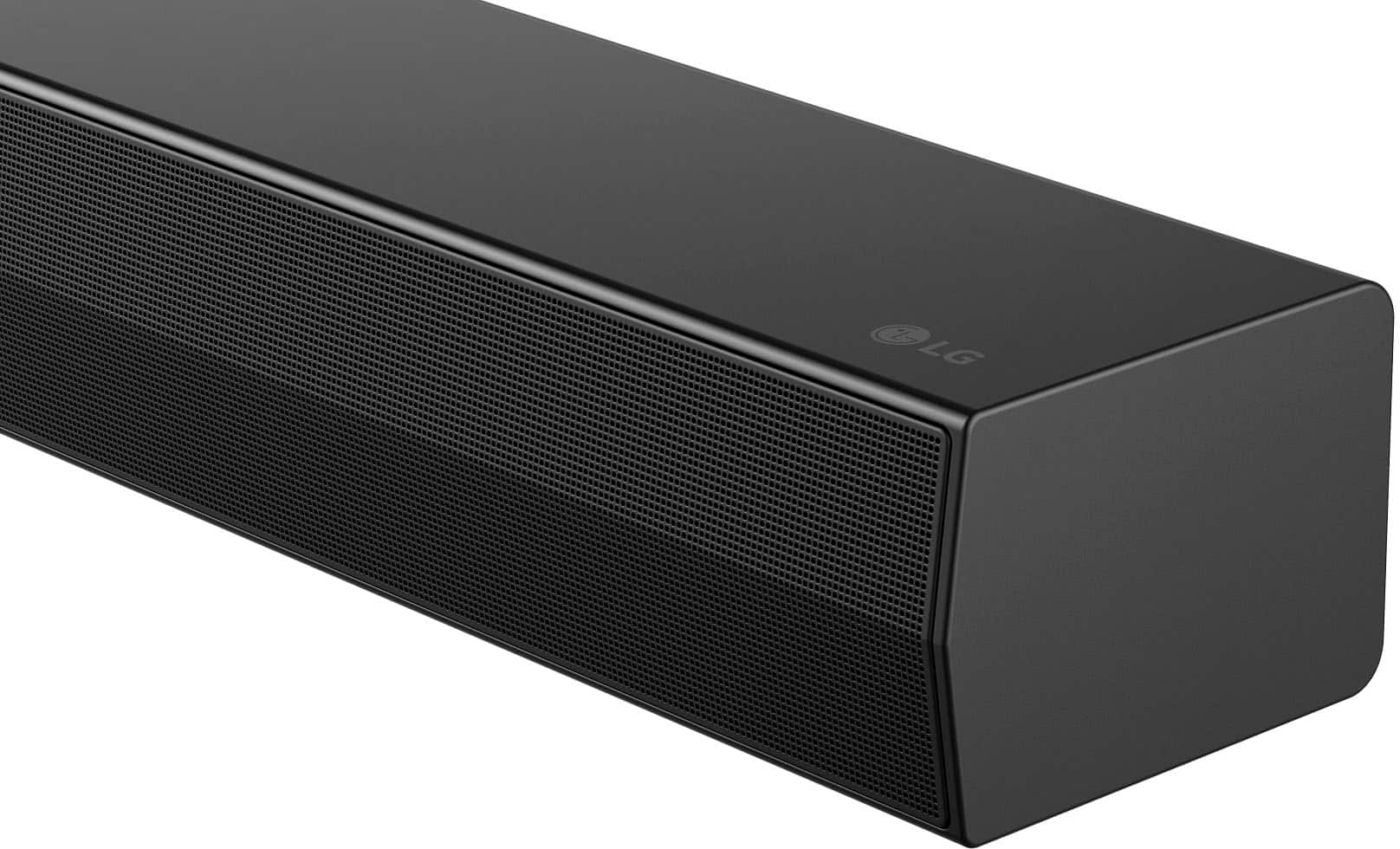
The LG S40T 2.1 Channel Soundbar ($156) takes the conventional route with a main soundbar paired with a wireless subwoofer. Released around the same time in 2022, it represents LG's effort to pack maximum impact into a budget-friendly package. The main unit measures 28.4 inches wide, while the 6.7-inch subwoofer can be placed anywhere within wireless range.
LG designed this system specifically for TV enhancement, with AI-powered processing that automatically adjusts sound based on what you're watching. It's the more traditional approach – when most people think "soundbar," this is what they picture.
This is where the fundamental difference between these systems becomes crystal clear. Bass frequencies – roughly everything below 100Hz – provide the foundation for movie soundtracks, the punch in electronic music, and that visceral rumble during action sequences.
The LG S40T delivers bass through a dedicated 6.5-inch wireless subwoofer that can produce those deep, room-filling frequencies that smaller drivers simply can't manage. When watching something like "Top Gun: Maverick," you'll feel those jet engines in your chest. The subwoofer connects wirelessly to the main bar, so you can position it wherever it sounds best in your room – often in a corner where bass naturally amplifies.
However, not all bass is created equal. Some users report that the S40T's bass can be somewhat "boomy" – meaning it emphasizes certain frequencies over others, creating impact but potentially masking subtle details. It's the difference between a sledgehammer and a scalpel.
The Sonos Ray, working without a dedicated subwoofer, employs what Sonos calls a "bass reflex system." This involves carefully tuned internal ports that help the smaller drivers produce more low-end than you'd expect from such a compact unit. Think of it like a well-designed guitar amplifier – even small speakers can produce surprising bass when properly engineered.
While the Ray can't match the S40T's raw low-frequency output, many users find its bass more controlled and musical. It won't rattle your windows during explosion scenes, but it provides enough foundation to make music sound full and movies engaging.
Here's where the Sonos Ray truly shines. Sonos engineered this soundbar with what they call "Speech Enhancement" – a feature that specifically boosts the frequency range where human voices live (roughly 300Hz to 3kHz) while reducing competing sounds that can mask dialogue.
The Ray uses custom-designed waveguides – essentially sculpted pathways that direct sound waves – to project voices clearly throughout the room. In practice, this means you'll catch every whispered line in "The Bear" or understand rapid-fire dialogue in British crime dramas without constantly reaching for the volume remote.
The LG S40T takes a different approach with its AI Sound Pro technology. This system analyzes incoming audio in real-time and automatically adjusts the sound profile based on content type. Watching a drama? It emphasizes dialogue. Action movie? It boosts dynamic range. Sports broadcast? It enhances crowd noise and commentary.
While clever in theory, AI processing can sometimes overshoot the mark. The system might decide to boost bass during a quiet conversation scene, or it might not recognize content types accurately. It's generally effective, but less predictable than the Ray's focused approach to voice clarity.
This is where the philosophical differences really matter. The Sonos Ray was designed from the ground up as both a TV speaker and a music streaming device. Its balanced frequency response means acoustic guitars sound natural, vocals have proper weight, and high frequencies sparkle without being harsh.
The Ray supports high-quality Wi-Fi streaming from services like Spotify, Apple Music, and Tidal – no Bluetooth compression involved. When you stream music, you're getting the full resolution audio file, not a compressed version. Plus, Sonos's Trueplay room correction (available for iPhone users) actually measures your room's acoustics and adjusts the sound accordingly. It's like having a professional audio engineer tune your system.
The LG S40T can certainly play music via Bluetooth, but it's optimized for the bass-heavy profile that works well for movies. Music can sound somewhat unbalanced, with drums and bass lines overpowering mid-range instruments like guitars and keyboards. The EQ controls in LG's app help somewhat, but you're fighting against the system's fundamental tuning.
The Ray connects to your TV via optical cable (with an HDMI adapter included) and relies on Wi-Fi for its smart features. This might seem limiting at first – no Bluetooth means you can't quickly connect your phone like a regular speaker. But Wi-Fi connectivity opens up possibilities that Bluetooth simply can't match.
You can stream music directly from dozens of services without touching your phone. Group the Ray with other Sonos speakers throughout your home for synchronized whole-house audio. Use Apple AirPlay 2 to send audio from any iOS device. The trade-off is complexity – setup requires the Sonos app and a Wi-Fi connection, which some users find intimidating.
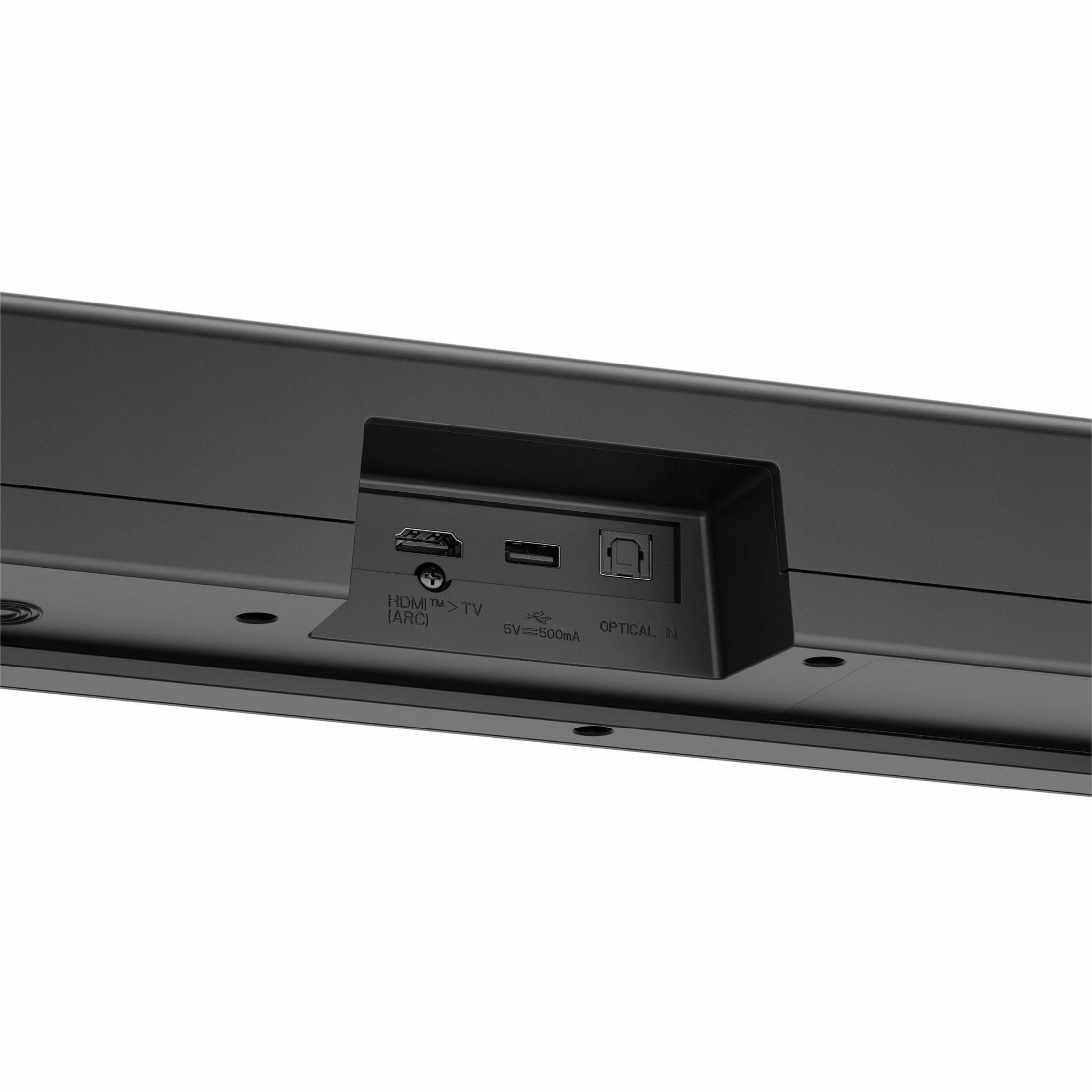
The S40T offers more immediate gratification with Bluetooth 5.3, HDMI ARC, optical, and USB connections. Want to play music from your phone? Just pair it via Bluetooth and you're good to go. The HDMI ARC connection (Audio Return Channel) lets your TV remote control the soundbar's volume, and the system automatically powers on when you start your TV.
If you own an LG TV, the integration gets even smoother with LG Sound Sync, which creates a more seamless connection between TV and soundbar. However, this traditional approach means you're limited to whatever devices you physically connect – there's no built-in streaming like the Sonos system offers.
The S40T's standout feature is its AI Sound Pro processing, which continuously analyzes your audio and makes real-time adjustments. The system recognizes different content types – news, sports, movies, music – and applies appropriate sound profiles automatically.
For instance, when watching the news, it might boost vocal frequencies and reduce background noise. Switch to an action movie, and it expands dynamic range to handle whisper-to-explosion transitions. While not perfect, it works well enough that most users can set it and forget it.
The system also includes preset sound modes (Standard, Bass Boost, News, Cinema) if you prefer manual control. The LG app lets you adjust EQ settings and switch between modes, though the interface feels basic compared to more sophisticated systems.
Sonos has built their reputation on software that improves over time. Since 2022, the Ray has received multiple updates adding features, improving performance, and expanding compatibility. This is the advantage of a Wi-Fi-connected system – it's essentially a computer that can learn new tricks.
The Sonos app might feel overwhelming initially, but it offers granular control over every aspect of your system. You can adjust EQ settings, group speakers, set sleep timers, and even configure how the system responds to your TV remote. The Speech Enhancement and Night Sound features can be toggled on or off depending on your current needs.
In smaller spaces like bedrooms, apartments, or cozy living rooms, the Sonos Ray often proves more appropriate. Its compact size means it won't overwhelm the space physically or acoustically. The bass reflex system provides enough low-end foundation without the boomy resonances that can occur when a subwoofer interacts with small room dimensions.
I've found that in my 150 square foot home office, the Ray provides perfectly adequate bass while keeping dialogue crystal clear during video calls and streaming content. The lack of a separate subwoofer also eliminates concerns about disturbing neighbors in apartment settings.
Bigger rooms present different challenges. Sound has more space to dissipate, and you need more acoustic energy to fill the environment properly. This is where the LG S40T's dedicated subwoofer becomes a significant advantage.
That wireless subwoofer can be positioned for optimal bass response – often in a corner where room boundaries naturally amplify low frequencies. The result is more impactful sound that can fill larger spaces without strain. During movie nights with family or friends, the S40T provides that theatrical presence that makes everyone stop scrolling their phones and actually watch.
Both systems work as home theater components, but with different strengths. The S40T fits the traditional model of what most people expect from a home theater soundbar – impactful effects, wide soundstage, and that subwoofer rumble during action sequences.
The Ray takes a more refined approach that some find preferable for dialog-heavy content. Watching prestige television series or documentaries, the exceptional voice clarity can be more valuable than earth-shaking bass. It's the difference between "impressive" and "intelligible."
Neither system supports advanced surround formats like Dolby Atmos, which creates three-dimensional sound with height channels. Both handle standard Dolby Digital 5.1 content well, creating a convincing stereo soundstage that's dramatically better than TV speakers.
At $156 and $169 respectively, these systems are closely matched on price, but the value calculation involves much more than the initial purchase.
The LG S40T represents complete immediate value – everything you need for significantly better TV audio comes in the box. Setup takes minutes, and you're immediately enjoying improved sound. If you want to upgrade later, you'll likely replace the entire system.
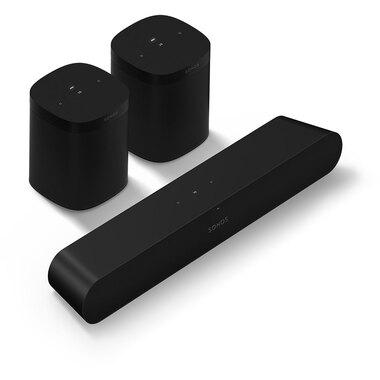
The Sonos Ray is an investment in a expandable ecosystem. While more expensive to grow (a Sonos Sub costs $749), the upgrade path is seamless. Your Ray becomes part of a larger whole-home audio system rather than an island. For many users, this expandability justifies the slightly higher entry price and more complex setup.
Both systems have evolved since their 2022 debuts, primarily through software updates. Sonos has added new streaming service integrations, improved the auto-EQ functionality, and enhanced compatibility with various TV brands. The company's commitment to long-term software support means your Ray will likely gain features over time.
LG has pushed updates to improve the AI Sound Pro algorithms and add new preset modes. However, traditional soundbar manufacturers typically provide fewer software updates compared to companies like Sonos that built their business model around connected devices.
Choose the LG S40T 2.1 Channel Soundbar ($156) if you want immediate, dramatic improvement in your TV's audio with minimal fuss. It's ideal for movie lovers who want to feel those action sequences, gamers who crave impactful sound effects, and anyone with a larger room that needs more acoustic power. The simple setup and traditional connectivity options make it approachable for users who want better sound without complexity.
Go with the Sonos Ray Soundbar ($169) if dialogue clarity is your top priority, if you frequently stream music, or if you're interested in building a whole-home audio system over time. It's perfect for smaller spaces, apartment living, and users who value refined sound over raw impact. The Wi-Fi connectivity and ecosystem integration make it a smart long-term investment despite the higher learning curve.
Both represent excellent value in the budget soundbar category, but they serve different needs and preferences. The S40T delivers immediate gratification with powerful bass and simple operation. The Ray offers superior dialogue clarity and future expandability in a more refined package. Your choice ultimately depends on whether you prioritize impact or intelligence in your home audio setup.
| Sonos Ray Soundbar ($169) | LG S40T 2.1 Channel Soundbar ($156) |
|---|---|
| Channel Configuration - Determines bass impact and spatial sound | |
| 2.0 channel (no separate subwoofer) | 2.1 channel with wireless subwoofer |
| Dimensions - Space requirements and room compatibility | |
| 22" x 2.8" x 3.7" (compact, fits most spaces) | Main: 28.4" x 2.5" x 3.4" + separate subwoofer |
| Total Weight - Installation ease and build quality indicator | |
| 4 lbs (lightweight, premium materials) | 12.7 lbs total (5.9 lbs main + 6.8 lbs subwoofer) |
| Connectivity Options - How you connect devices and control the system | |
| Wi-Fi, Optical, HDMI adapter (no Bluetooth) | HDMI ARC, Optical, Bluetooth 5.3, USB |
| Smart Features - Streaming and ecosystem integration | |
| Built-in streaming services, Apple AirPlay 2, Sonos ecosystem | AI Sound Pro processing, LG Sound Sync, basic app control |
| Bass Performance - Critical for movies and music impact | |
| Built-in bass reflex system (limited low-end) | Dedicated 6.5" wireless subwoofer (powerful bass) |
| Dialogue Clarity - Most important for TV watching | |
| Speech Enhancement technology (exceptional voice clarity) | AI Sound Pro with content-based optimization (good but variable) |
| Room Correction - Optimizes sound for your specific space | |
| Trueplay tuning (iPhone only, very effective) | Manual EQ adjustment via app (basic customization) |
| Expandability - Future upgrade potential | |
| Full Sonos ecosystem (Sub $749, surrounds $199+) | Standalone system (no upgrade path) |
| Music Streaming Quality - Important for daily listening | |
| Wi-Fi streaming (uncompressed audio, multiple services) | Bluetooth only (compressed audio, device-dependent) |
| Setup Complexity - Time and technical skill required | |
| Requires Wi-Fi setup and app configuration | Plug-and-play with automatic subwoofer pairing |
| Software Updates - Long-term feature additions | |
| Regular updates with new features and improvements | Occasional updates for AI processing refinements |
| Best Room Size - Optimal performance environment | |
| Small to medium rooms (under 200 sq ft) | Medium to large rooms (150+ sq ft) |
The LG S40T 2.1 Channel Soundbar ($156) is better for movies due to its dedicated wireless subwoofer that delivers impactful bass for action scenes, explosions, and dramatic soundtracks. The Sonos Ray Soundbar ($169) excels at dialogue clarity but lacks the low-frequency impact that makes movie watching more cinematic.
It depends on your priorities and room size. The LG S40T includes a wireless subwoofer that significantly enhances bass for movies and music, making it ideal for larger rooms. The Sonos Ray uses built-in bass reflex technology that works well in smaller spaces but can't match the deep bass impact of a dedicated subwoofer.
The LG S40T 2.1 Channel Soundbar ($156) is much easier to set up with plug-and-play installation and automatic subwoofer pairing. The Sonos Ray Soundbar ($169) requires Wi-Fi setup through the Sonos app and room calibration, making it more complex but enabling advanced streaming features.
The Sonos Ray Soundbar ($169) has exceptional dialogue clarity thanks to its Speech Enhancement technology and custom waveguides that project voices clearly throughout the room. While the LG S40T 2.1 Channel Soundbar ($156) has AI Sound Pro that helps with dialogue, it's not as consistently effective as the Ray's dedicated voice optimization.
The LG S40T ($156) costs $13 less than the Sonos Ray ($169). The LG offers better immediate value with its included subwoofer and complete 2.1 system, while the Sonos provides better long-term value through its expandable ecosystem and superior build quality.
The Sonos Ray Soundbar ($169) can be expanded into a full surround system by adding Sonos Sub ($749) and rear speakers, plus it integrates with other Sonos speakers for whole-home audio. The LG S40T 2.1 Channel Soundbar ($156) is a complete standalone system with no official expansion options.
The Sonos Ray Soundbar ($169) is better for apartments because it doesn't have a separate subwoofer that could disturb neighbors, offers Night Sound mode to reduce loud effects, and provides excellent dialogue clarity at lower volumes. The LG S40T 2.1 Channel Soundbar ($156) with its wireless subwoofer may be too powerful for close living quarters.
The LG S40T offers more immediate connectivity with HDMI ARC, optical, Bluetooth 5.3, and USB inputs, making it compatible with almost any device. The Sonos Ray uses optical connection for TV audio and Wi-Fi for streaming, but lacks Bluetooth connectivity, requiring the Sonos app or AirPlay for wireless audio from mobile devices.
We've done our best to create useful and informative comparisons to help you decide what product to buy. Our research uses advanced automated methods to create this comparison and perfection is not possible - please contact us for corrections or questions. These are the sites we've researched in the creation of this article: techradar.com - soundandvision.com - youtube.com - appleinsider.com - youtube.com - sonos.com - cnet.com - howtogeek.com - pcrichard.com - en.community.sonos.com - epicsystems.tech - en.community.sonos.com - cepro.com - videoandaudiocenter.com - bestbuy.com - bestbuy.com - rtings.com - pcrichard.com - lg.com - lg.com - lg.com - lg.com - microcenter.com - flanners.com - bestbuy.com - microcenter.com

Privacy Policy
Terms and Conditions - Affiliate Policy
Home Security
© Copyright 2008-2026.
11816 Inwood Rd #1211, Dallas, TX 75244