


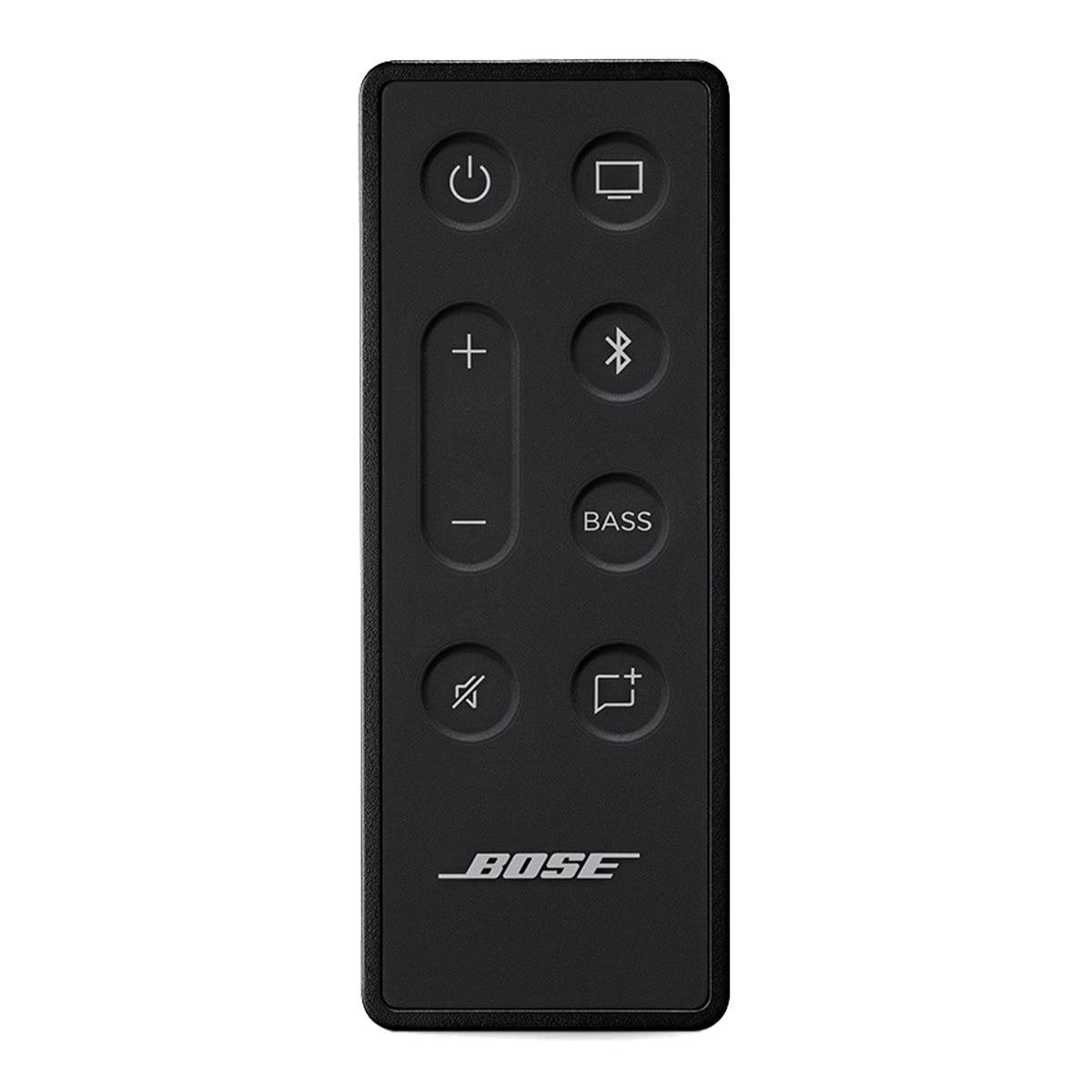
When your TV's built-in speakers just aren't cutting it anymore, you're faced with a choice that can dramatically shape your entertainment experience. Do you go all-in with a complete surround sound system, or keep things simple with a focused audio upgrade? This decision becomes crystal clear when comparing the Hisense AX5140Q against the Bose TV Speaker – two soundbars that represent completely different philosophies in home audio.
The soundbar market has exploded over the past decade, evolving from simple TV speaker replacements into sophisticated audio systems that can rival traditional home theaters. But not all soundbars are created equal, and understanding the fundamental differences will save you from buyer's remorse.
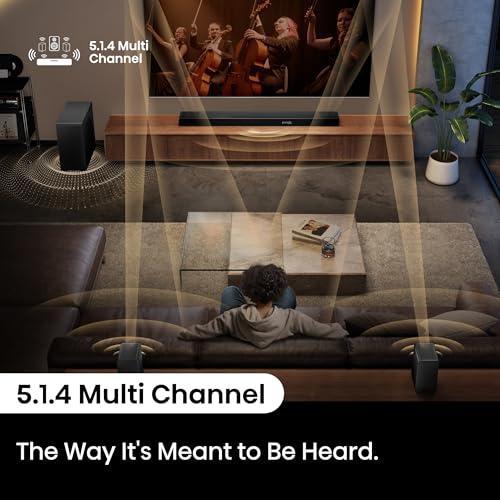
Channel configuration is the most important spec to understand. When you see numbers like "5.1.4," you're looking at a code that tells the whole story. The first number represents main channels (left, center, right, and surround speakers), the ".1" indicates a dedicated subwoofer for bass, and the final ".4" means up-firing speakers that bounce sound off your ceiling to create overhead effects. Think of it like building layers of sound around you – more channels generally mean more immersive audio, but they also mean more complexity and higher costs.
Room compatibility matters more than most people realize. A massive surround system in a small apartment can overwhelm the space and actually sound worse than a simpler setup. Conversely, a basic soundbar in a large living room might get lost and fail to fill the space effectively.
The setup complexity versus performance trade-off defines your daily experience. Some systems require multiple wireless speakers positioned around your room, while others work with a single connection to your TV. Neither approach is inherently better – it depends entirely on your priorities and living situation.
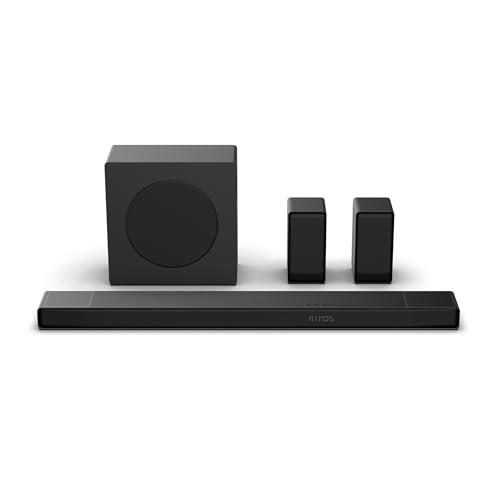
Released in 2023, the Hisense AX5140Q represents the current generation of accessible home theater systems. At the time of writing, it typically costs significantly less than comparable systems from Samsung or Sony, yet delivers true 5.1.4 surround sound that was previously reserved for much more expensive setups.
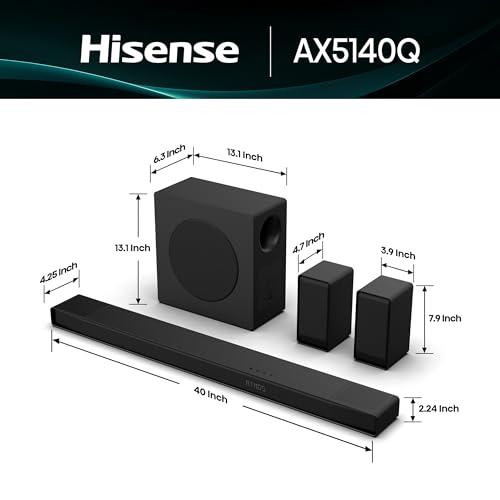
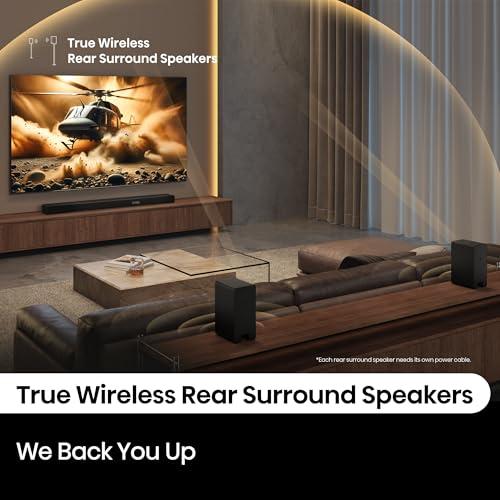
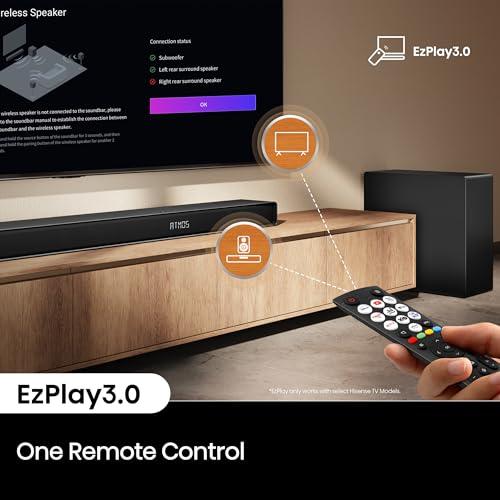
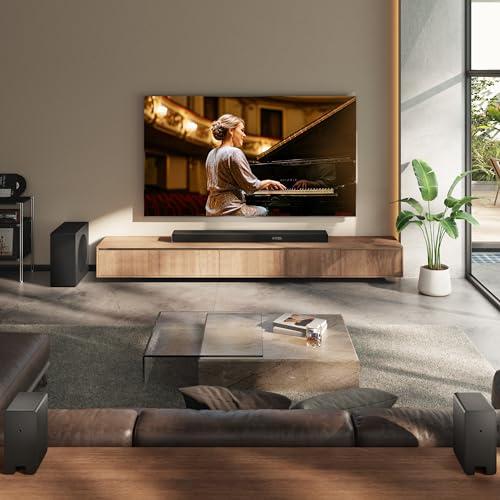
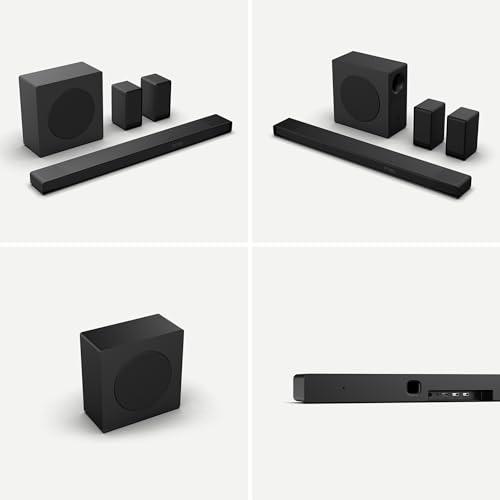
This isn't just a soundbar – it's a complete audio ecosystem. The system includes a main soundbar with built-in up-firing speakers, a wireless subwoofer, and two separate wireless rear speakers that also contain their own up-firing drivers. When Hisense says "5.1.4," they mean it literally – you get nine discrete speakers plus a subwoofer working together to create a bubble of sound around your seating area.
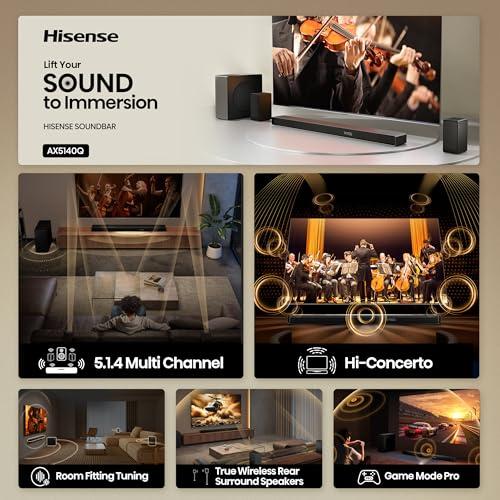
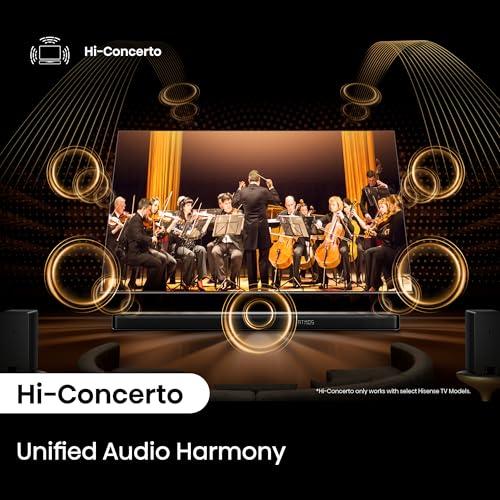
The standout feature is Hisense's Hi-Concerto technology, which allows compatible Hisense TVs to work seamlessly with the soundbar as a unified system. This integration goes beyond simple volume control – the TV and soundbar coordinate their processing to create more coherent soundstaging and better dialogue placement. It's similar to how Apple devices work better together, but for your entertainment system.
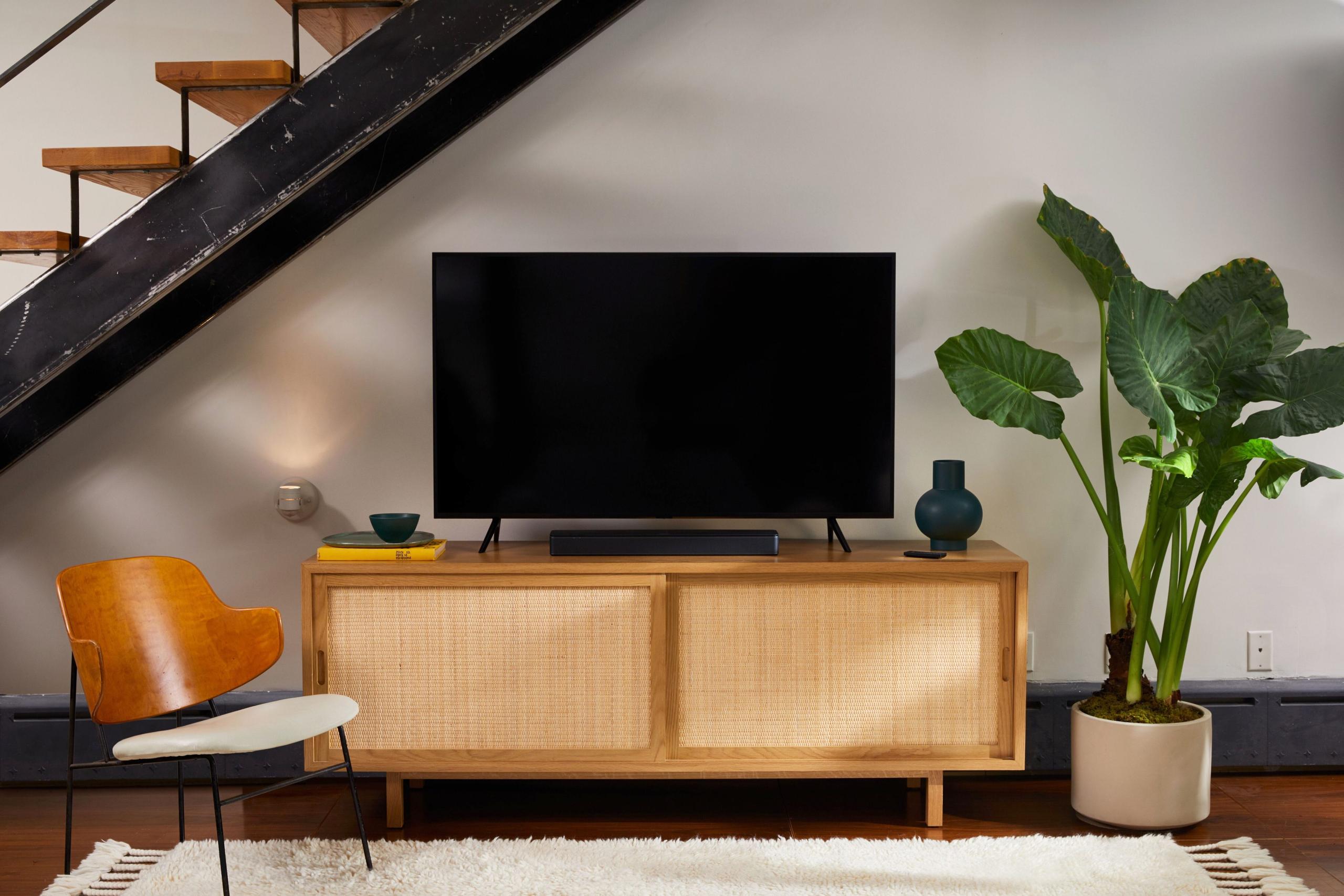
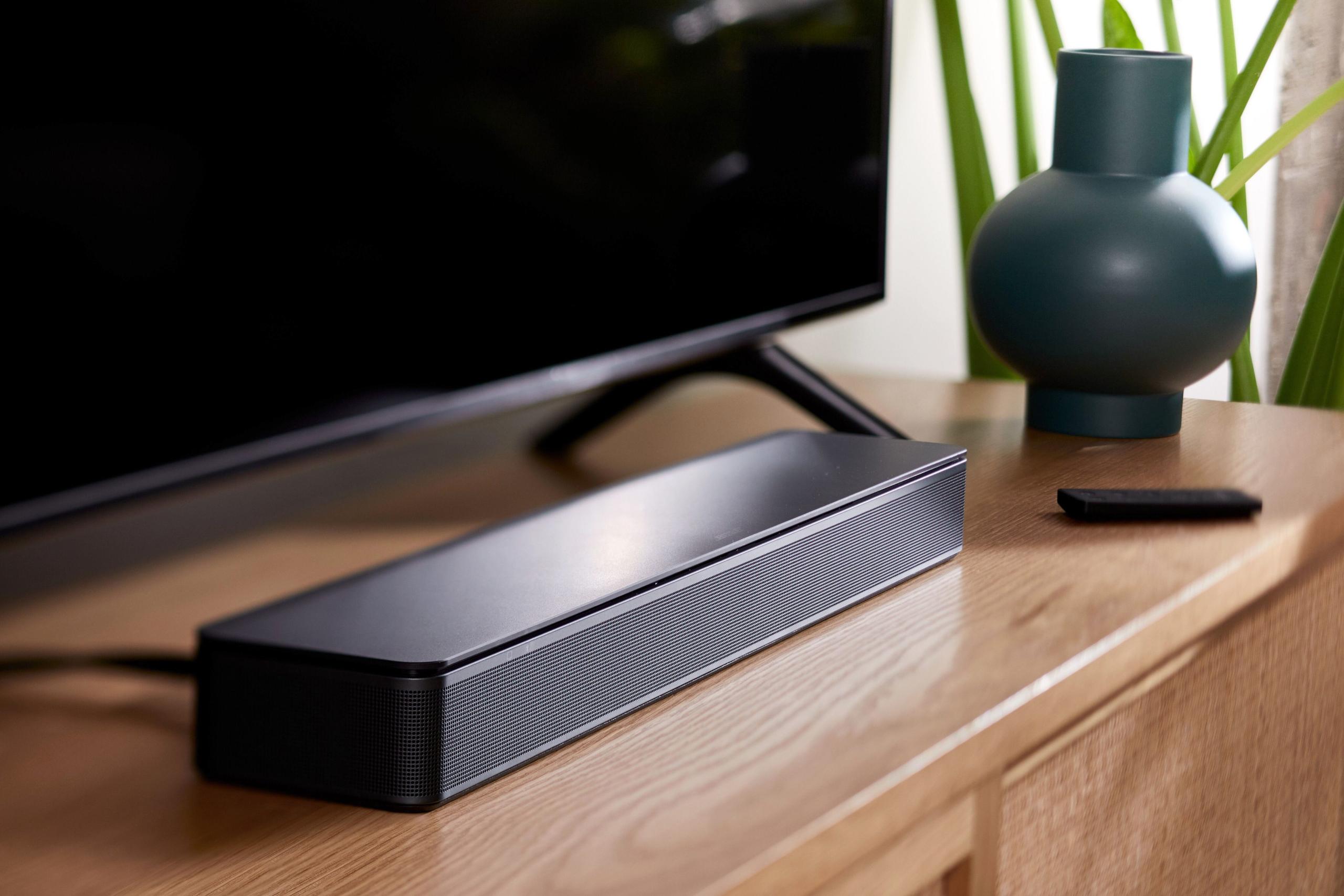
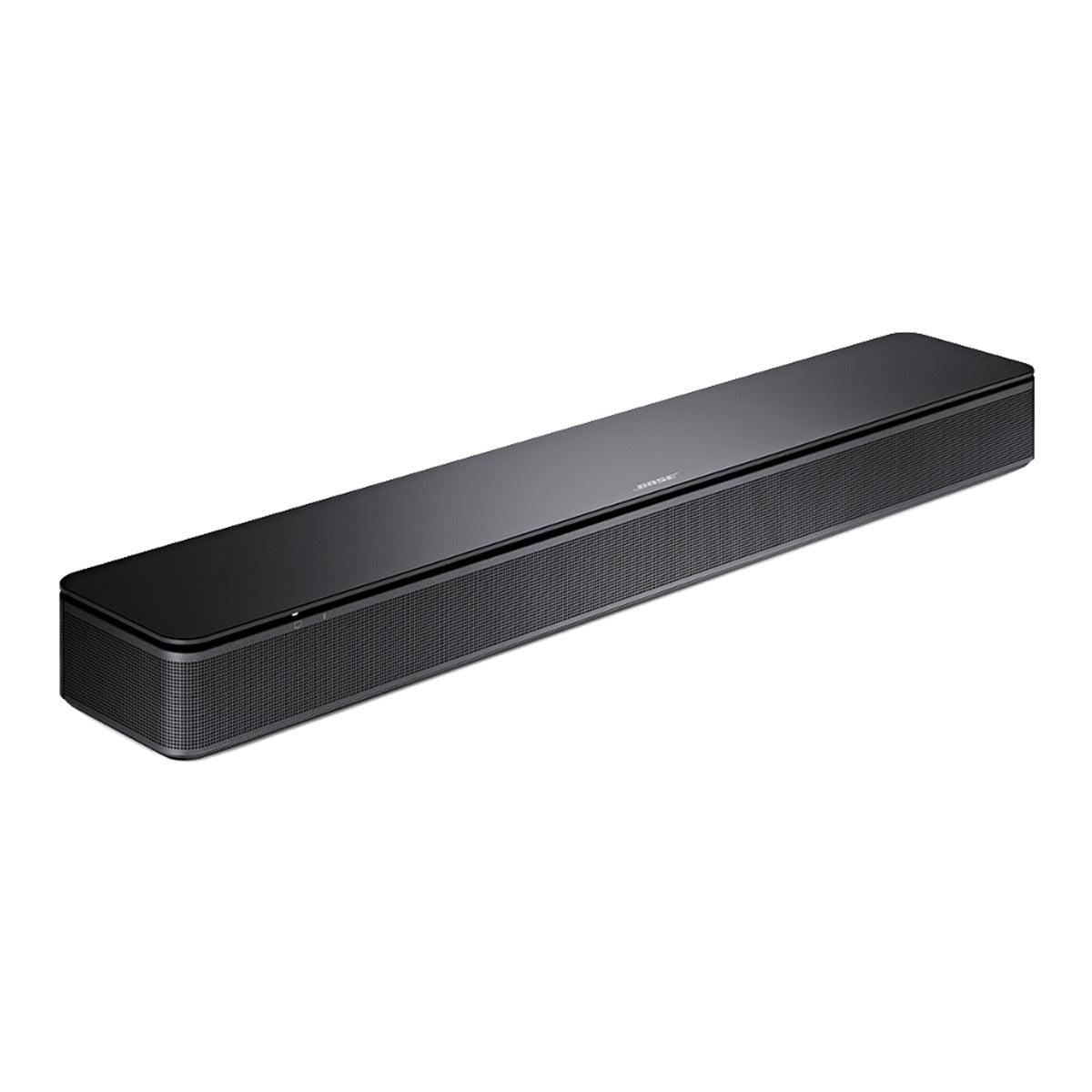
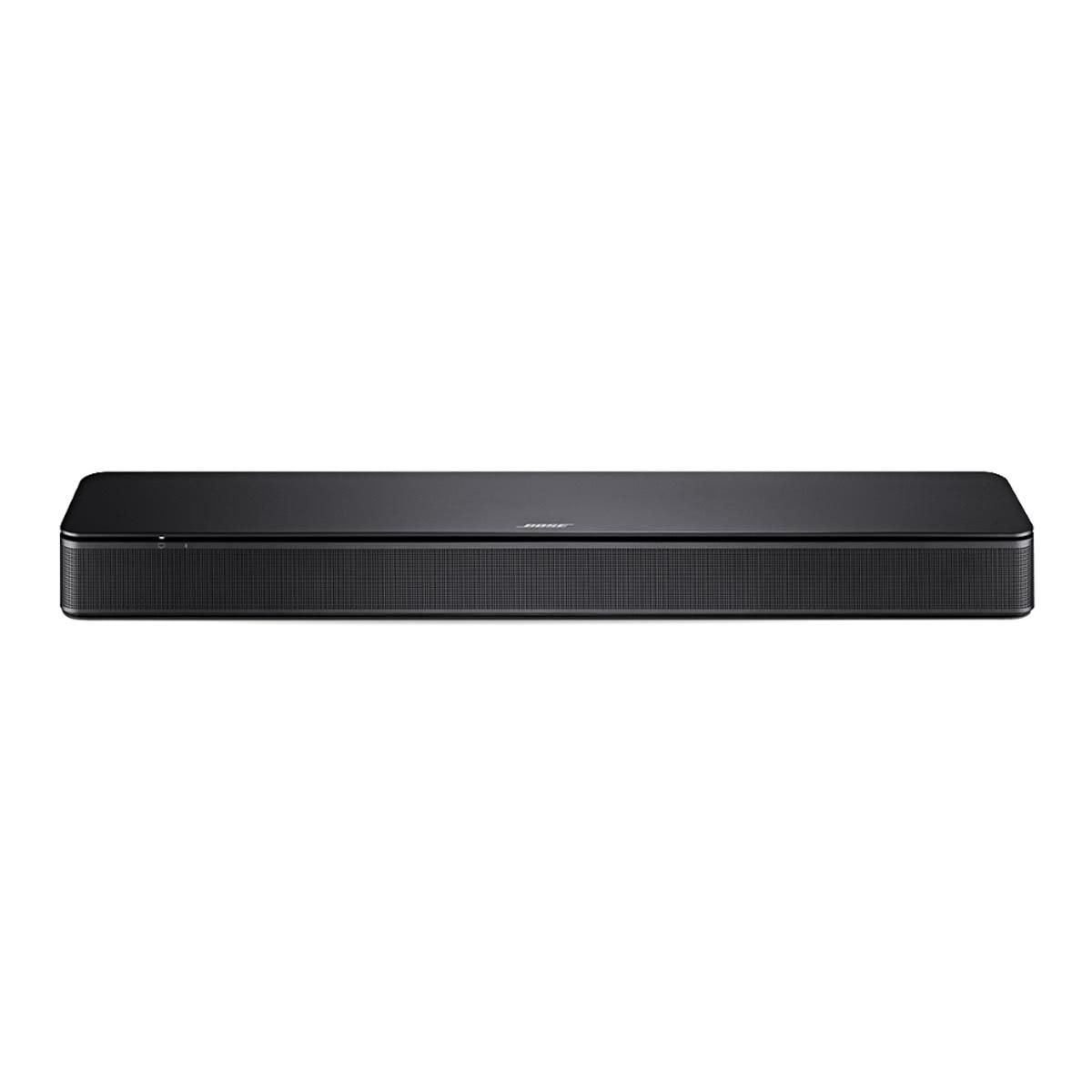
Launched in 2020, the Bose TV Speaker takes the opposite approach. While other manufacturers were racing to add more channels and features, Bose focused on perfecting the fundamentals of TV audio enhancement. This soundbar prioritizes dialogue clarity and ease of use above all else.
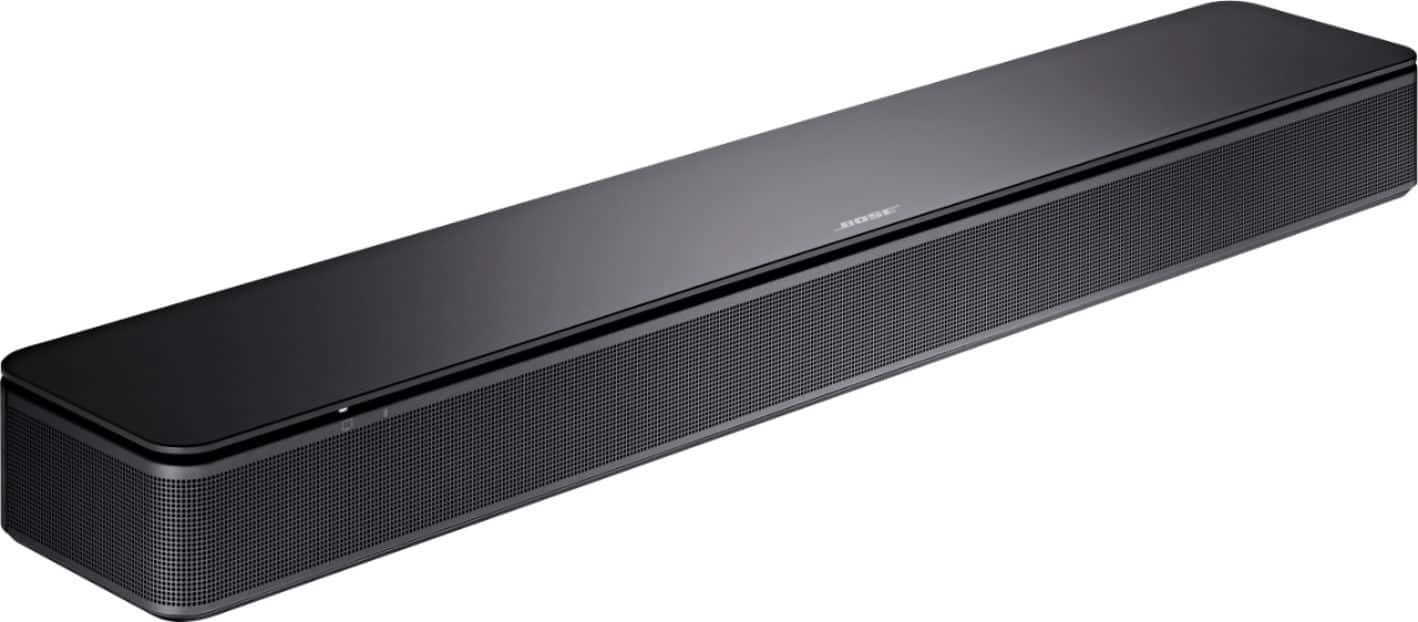
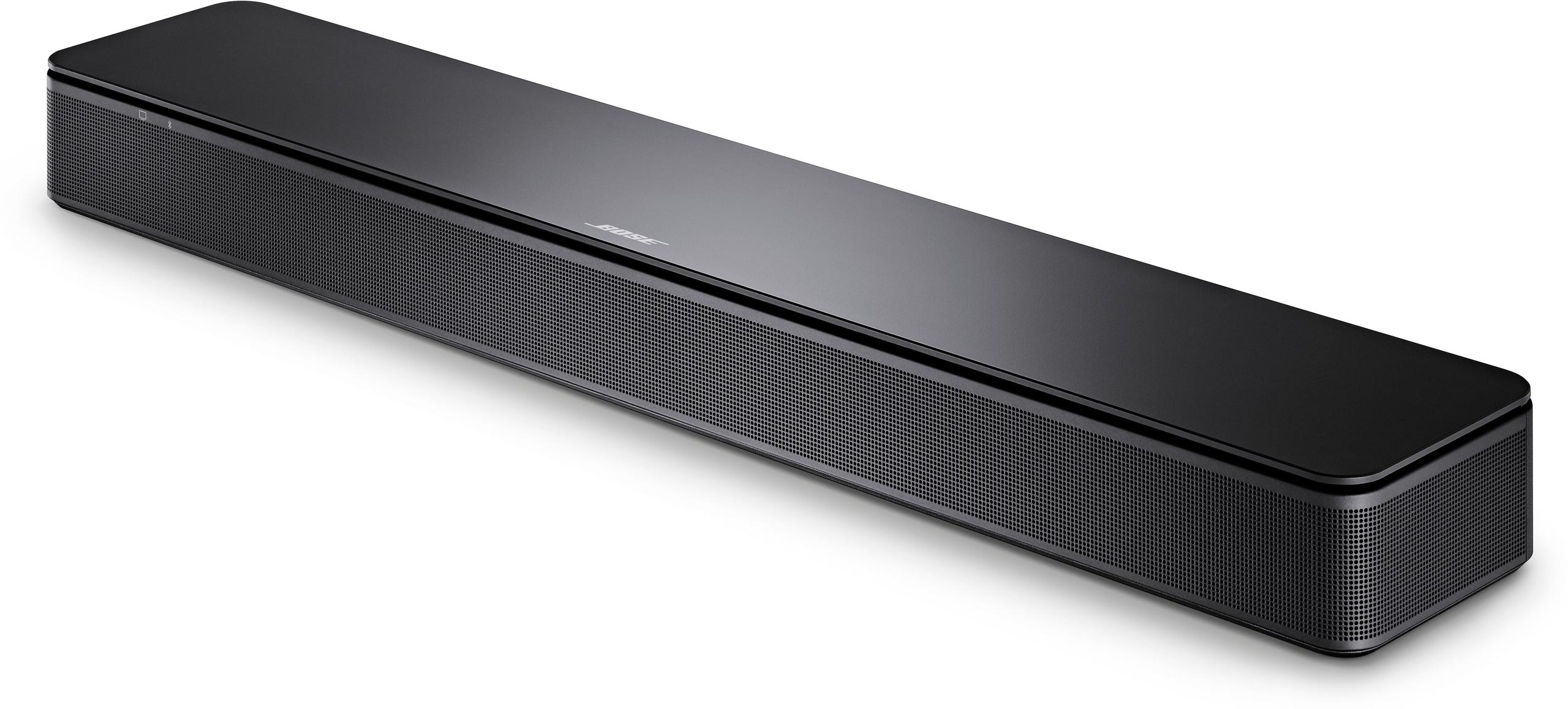
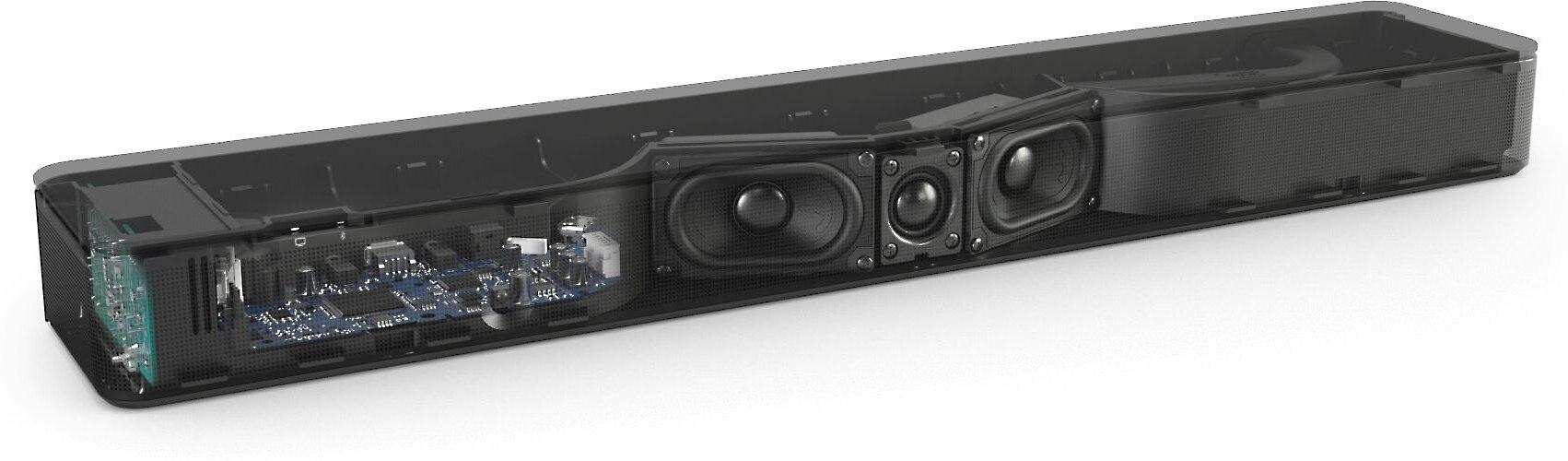
The engineering here is deceptively sophisticated. Inside the compact enclosure, two full-range drivers are angled to create wider sound dispersion, while a dedicated center tweeter focuses specifically on vocal reproduction. Bose's Dialogue Mode actually analyzes the content you're watching in real-time, automatically adjusting the sound to make speech more intelligible without overwhelming you with technical adjustments.
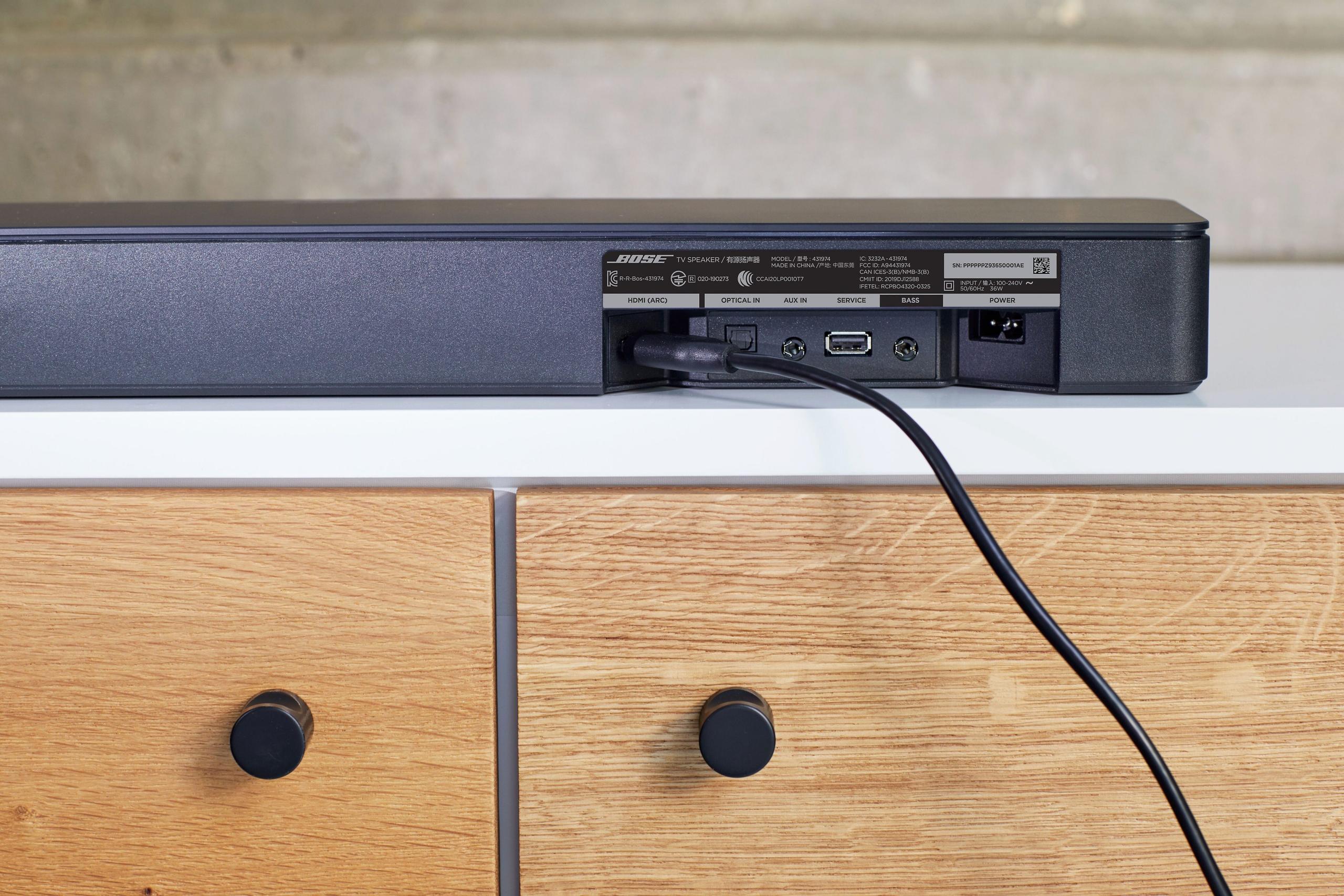
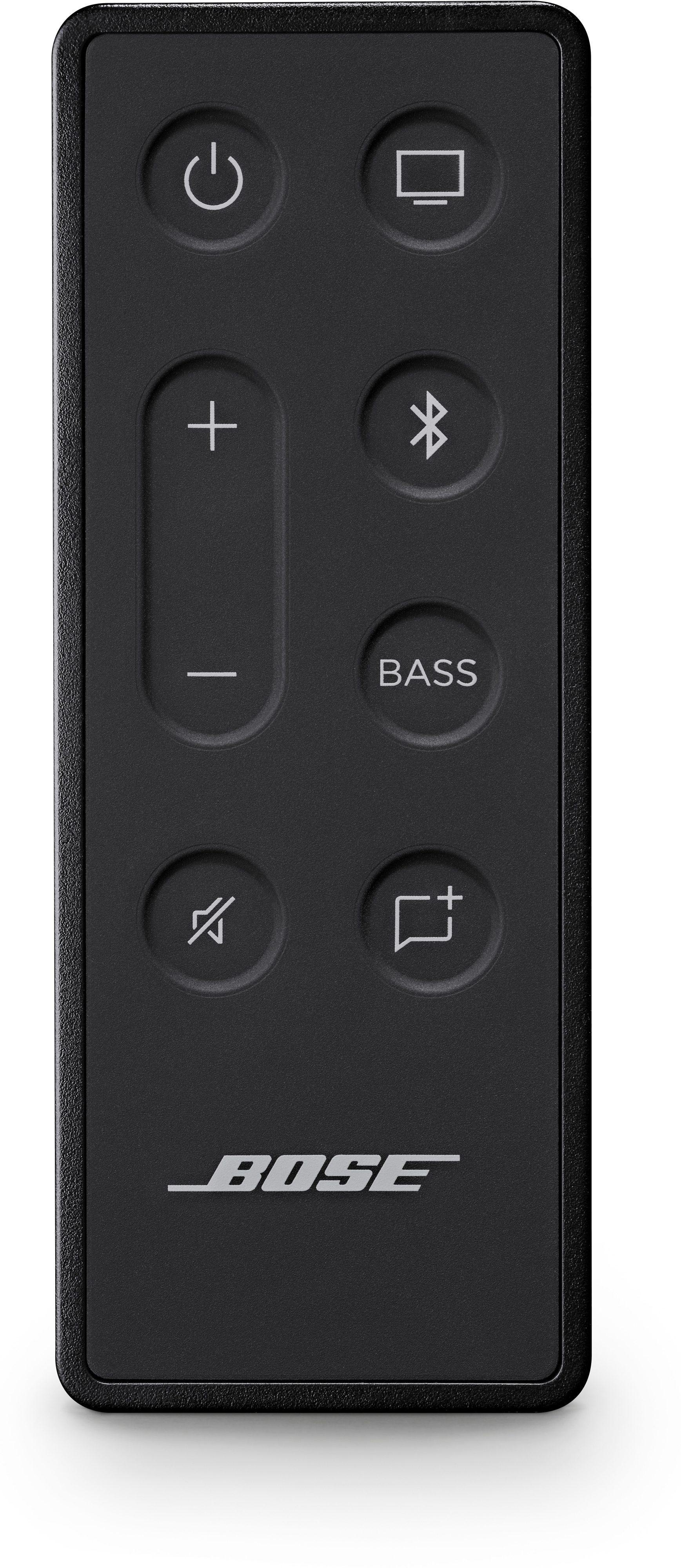
What sets the Bose TV Speaker apart is its commitment to simplicity. One cable connection, automatic TV integration through HDMI-CEC (which lets your TV remote control the soundbar), and you're done. There are no separate speakers to position, no wireless pairing procedures, and no complex setup menus.
This is where the Hisense AX5140Q and Bose TV Speaker live in completely different worlds. The Hisense creates what audio engineers call a "true surround soundfield" – sounds actually move around and above you because there are physical speakers in multiple locations.
When watching an action movie, helicopters genuinely sound like they're flying overhead thanks to the four up-firing speakers bouncing sound off your ceiling. Gunshots and explosions come from behind you through the wireless rear speakers, while ambient sounds like rain or crowd noise create an enveloping atmosphere that makes you feel like you're in the scene rather than watching it.
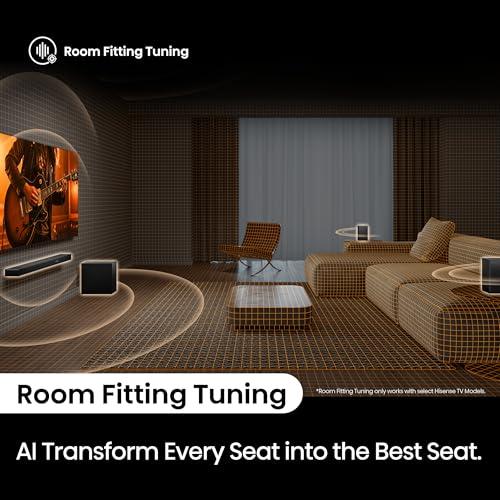
Our research into user experiences consistently shows that people are genuinely surprised by how convincing the Hisense AX5140Q's surround effects can be. The wireless rear speakers eliminate the usual cable-running challenges that keep many people from trying surround sound, while the system's AI room calibration helps optimize the setup for your specific space.
The Bose TV Speaker, by contrast, creates what's called "phantom surround" – using psychoacoustic tricks to make stereo sound seem wider than it actually is. While this can enhance the listening experience compared to TV speakers, it cannot and does not attempt to create true surround sound. You're getting enhanced stereo that sounds bigger and more spacious than basic TV audio, but effects won't move around you or create overhead sensations.
For movie enthusiasts and gamers, this difference is fundamental. If you've ever wondered why movie theaters sound so much more exciting than watching at home, it's largely because of true multichannel audio placing different sounds in specific locations around the theater.
Here's where things get interesting – the Bose TV Speaker's laser focus on speech reproduction makes it exceptionally competitive, even against much more complex systems.
Bose's engineering team spent considerable effort analyzing how human speech interacts with different content types. Their Dialogue Mode isn't just an EQ adjustment; it's intelligent processing that recognizes when someone is speaking and dynamically enhances those frequencies while managing background sounds. If you primarily watch news, talk shows, or dialogue-heavy dramas, this focused approach often produces clearer speech than more complex systems.
The Hisense AX5140Q handles dialogue well through its dedicated center channel – a physical speaker designed specifically for vocal reproduction. However, its strength lies in balancing dialogue with surround effects rather than maximizing speech clarity above all else. The system includes various sound modes (News, Voice, AI) that can enhance dialogue, but the Bose TV Speaker's single-minded focus on this aspect gives it a slight edge for conversation-heavy content.
Based on our analysis of user feedback, people with hearing difficulties or those who frequently watch content with challenging audio mixing (like British productions with thick accents) often prefer the Bose approach.
The bass comparison reveals the fundamental difference between these systems' approaches. The Hisense AX5140Q includes a dedicated 6.5-inch wireless subwoofer that can reproduce frequencies down to 40Hz – low enough to handle the rumble of movie explosions, the kick of EDM music, or the atmospheric tension-building sounds that modern filmmakers rely on.
This isn't just about volume; it's about the physical sensation that makes action sequences feel impactful. When a spaceship engine fires up or a T-Rex stomps across the screen, you feel it in your chest as much as you hear it. The Hisense AX5140Q's 600 watts of total system power provides enough headroom that bass remains clean and controlled even at higher volumes.
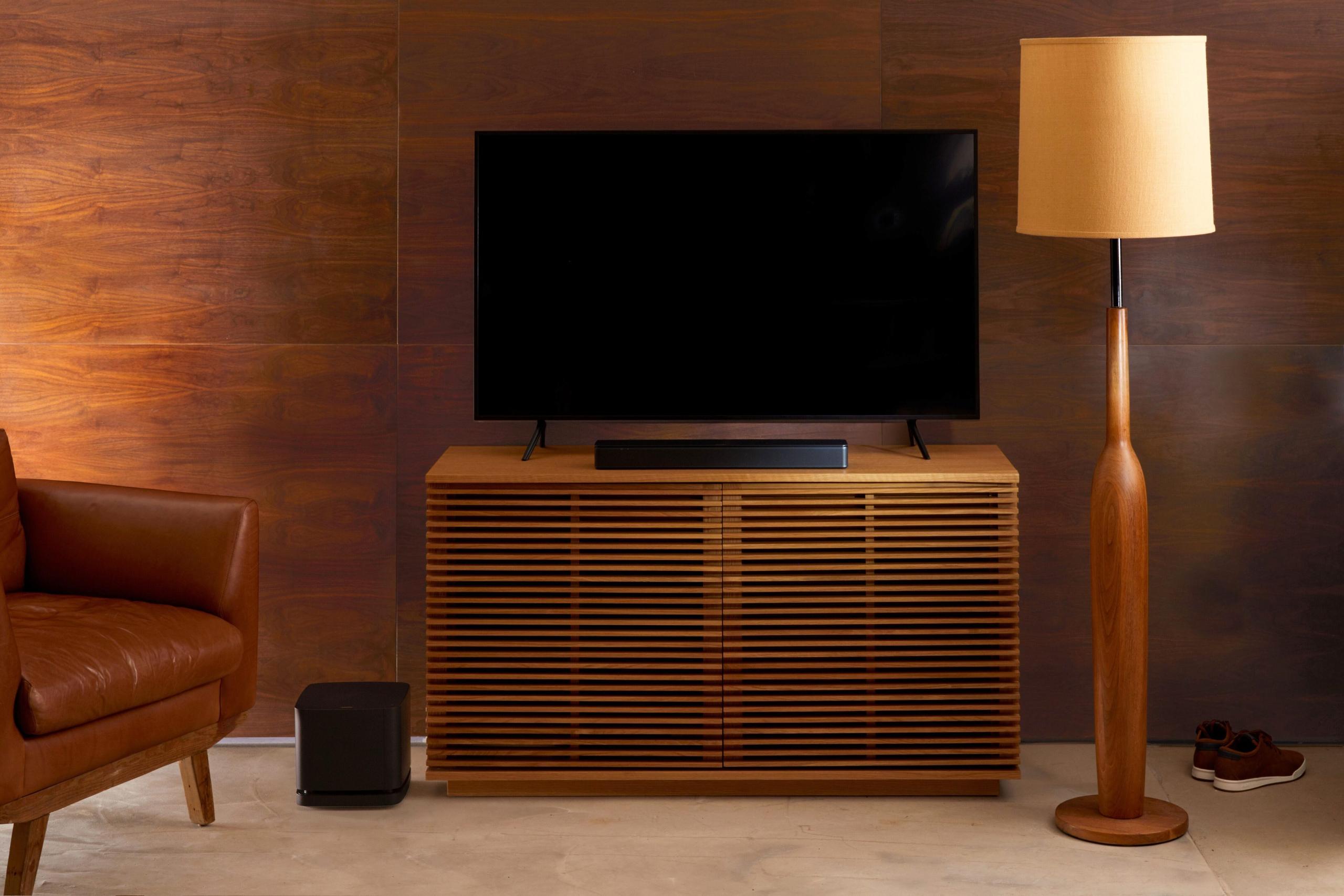
The Bose TV Speaker takes a different approach entirely. Without a dedicated subwoofer, it relies on clever driver design and signal processing to extract surprising amounts of bass from its compact enclosure. Bose has always been skilled at making small speakers sound bigger than they should, and the TV Speaker continues this tradition.
However, physics ultimately wins – a small soundbar simply cannot move enough air to create the deep, room-filling bass that larger drivers provide. The Bose TV Speaker offers a bass boost mode and compatibility with optional Bose subwoofers, but these require additional purchases and wired connections that somewhat defeat the system's simplicity advantage.
For gaming enthusiasts, the technical differences between these systems become critically important. The Hisense AX5140Q supports modern gaming features like HDMI eARC with 4K 60Hz passthrough, meaning you can connect a PlayStation 5 or Xbox Series X directly to the soundbar without sacrificing video quality.
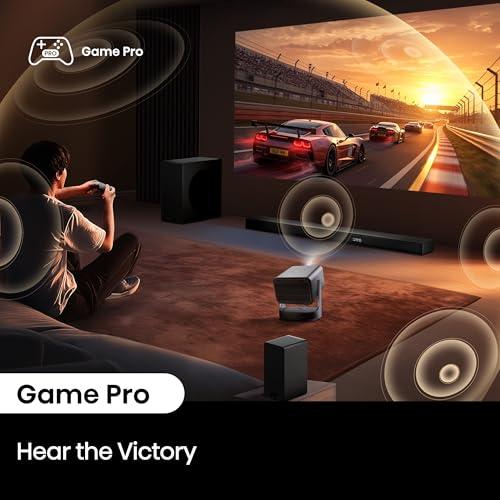
More importantly, the system's Game Pro mode optimizes audio processing for interactive content, emphasizing positional cues that help you locate enemies or environmental sounds in competitive games. The true surround sound capabilities mean you can actually hear opponents approaching from behind or above – a significant advantage in multiplayer gaming.
The Bose TV Speaker's simpler connectivity and processing make it less suited for serious gaming, though it handles casual gaming adequately. The lack of surround sound means you're missing positional audio information that modern games are designed to provide.
At the time of writing, these systems typically fall into different price categories that reflect their different approaches. The Hisense AX5140Q generally costs roughly 50-70% more than the Bose TV Speaker, but this comparison misses the point – you're buying fundamentally different products.
The Hisense AX5140Q's value proposition becomes clear when you compare it to other true 5.1.4 systems from established brands like Samsung or Sony, which often cost 70-100% more while offering similar or sometimes fewer features. The inclusion of wireless rear speakers, room calibration, and advanced TV integration at this price point represents exceptional value for anyone wanting a complete home theater experience.
The Bose TV Speaker commands a premium for what it is – a simple TV audio enhancement – but that premium reflects genuine engineering sophistication and build quality. When you're paying for Bose, you're getting decades of acoustic research focused on making dialogue clearer and creating bigger sound from smaller enclosures.
The value equation ultimately depends on your needs. If you want the most audio improvement per dollar for general TV watching, the Bose TV Speaker delivers meaningful enhancement with zero complexity. If you want true home theater capabilities at an accessible price, the Hisense AX5140Q offers remarkable performance for the investment.
Your living space plays a crucial role in determining which system will work better. The Hisense AX5140Q needs room to breathe – both literally and acoustically. The wireless rear speakers require placement behind your seating area with access to power outlets, and the up-firing speakers need reasonable ceiling height (8-10 feet is ideal) for proper sound reflection.
In a properly configured medium to large living room, the Hisense AX5140Q creates an audio experience that genuinely rivals dedicated home theater systems costing thousands more. The room calibration feature helps optimize performance for your specific space, automatically adjusting timing and levels to account for room acoustics.
The Bose TV Speaker works well in smaller spaces where the Hisense AX5140Q might overwhelm the room. Apartments, bedrooms, or compact living areas often benefit more from the Bose's focused enhancement approach than from a full surround system that might create acoustic chaos in a confined space.
After extensive research into user experiences and expert opinions, the choice between these systems comes down to understanding what you actually want from your audio upgrade.
Choose the Hisense AX5140Q if you're committed to creating a true home theater experience. This system is for movie enthusiasts who want to feel immersed in their content, gamers who benefit from positional audio, and anyone with a suitable room who values the excitement that surround sound brings to entertainment. The learning curve is minimal, but you'll need to invest time in proper speaker placement and setup.
The Bose TV Speaker is the clear choice for anyone who primarily wants better TV audio without complexity or commitment. If your main complaint about your current setup is that you can't understand dialogue or that voices sound muffled, this soundbar will solve those problems immediately and elegantly.
Neither system is objectively better – they're optimized for different priorities and lifestyles. The Hisense AX5140Q transforms your living room into a small-scale theater, while the Bose TV Speaker makes your TV sound like it should have from the beginning.
Your choice should align with how you actually use your entertainment system, not how you think you should use it. If you're honest about wanting simplicity and better dialogue, the Bose TV Speaker will serve you better than a complex system you'll never fully utilize. But if you're excited about the prospect of true surround sound and have the space to implement it properly, the Hisense AX5140Q offers remarkable value in the home theater category.
The soundbar market continues evolving rapidly, with new models and features launching regularly. However, these two systems represent mature approaches to their respective philosophies – focused enhancement versus comprehensive immersion – making either a solid foundation for years of improved entertainment audio.
| Hisense AX5140Q 5.1.4Ch Dolby Atmos DTS:X Sound Bar | Bose TV Speaker Soundbar |
|---|---|
| Channel Configuration - Determines surround sound capability and immersion level | |
| True 5.1.4 system with discrete rear speakers and 4 up-firing drivers | 2-channel stereo with angled drivers for wider soundstage |
| Audio Formats - Support for modern movie and streaming content | |
| Dolby Atmos, DTS:X, Dolby TrueHD, DTS-HD Master Audio, Multichannel PCM | Dolby Digital only, no Atmos or DTS support |
| System Components - What's included and setup complexity | |
| Main soundbar + wireless subwoofer + 2 wireless rear speakers (4 components total) | Single compact soundbar only |
| Bass Performance - Impact for movies, music, and gaming | |
| Dedicated 6.5" wireless subwoofer with 40Hz-20kHz frequency response | No subwoofer; relies on soundbar drivers with optional wired bass module |
| Total System Power - Headroom for larger rooms and higher volumes | |
| 600W maximum output across all components | Not specified, estimated ~100W based on size |
| Connectivity Options - Flexibility for different devices and setups | |
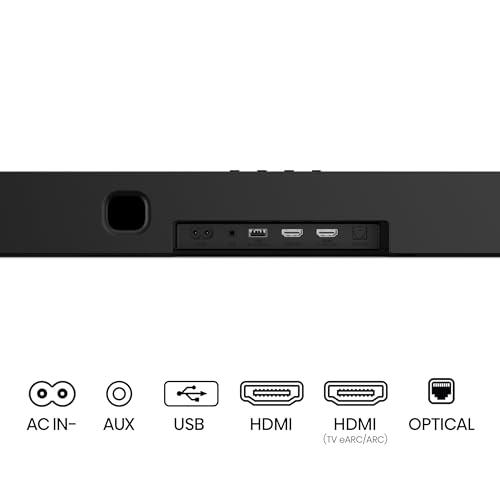
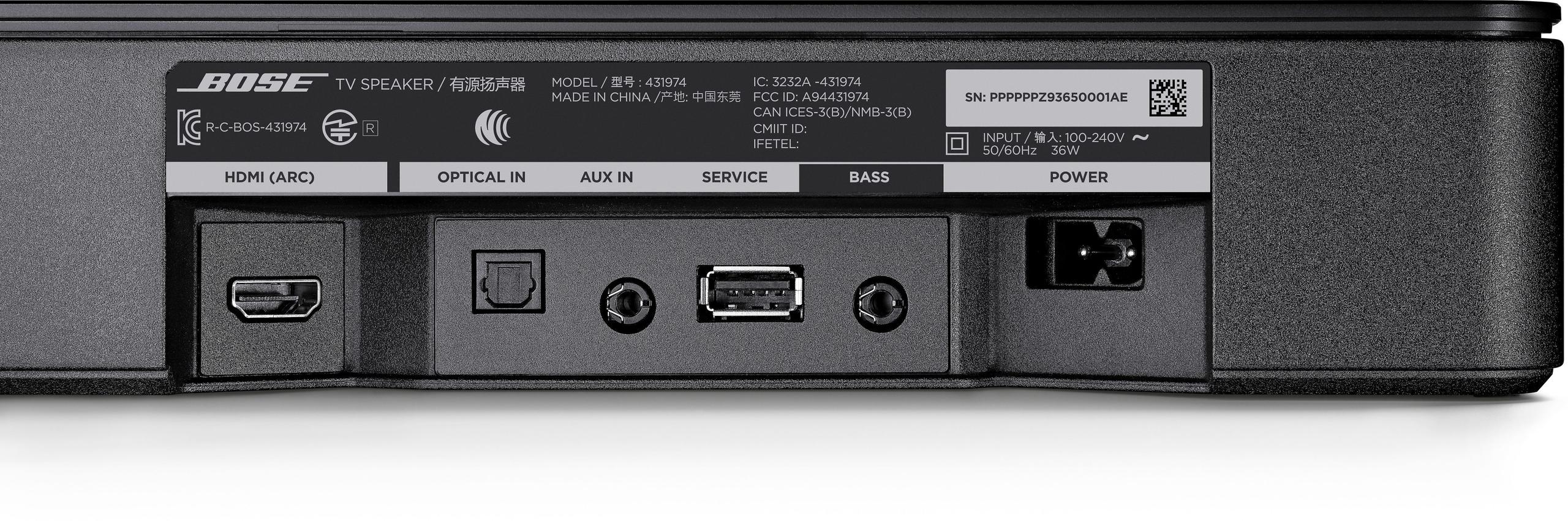
| HDMI eARC, HDMI input with 4K 60Hz passthrough, Optical, AUX, USB, Bluetooth 5.3 | HDMI ARC, Optical, 3.5mm input, Bluetooth 4.2 |
| Smart Features - Advanced processing and room optimization | |
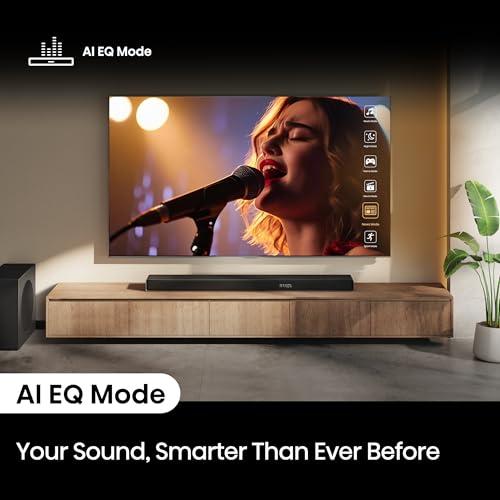
| AI EQ Mode, Room Calibration, Hi-Concerto TV integration, Game Pro mode | Dialogue Mode with content analysis, HDMI-CEC control |
| Setup Requirements - Installation complexity and space needs | |
| Requires rear speaker placement and multiple power outlets | Single connection to TV, fits almost anywhere |
| Best For - Target user and primary use cases | |
| Home theater enthusiasts wanting true surround sound in medium-large rooms | Users prioritizing dialogue clarity and simple TV audio upgrade |
| Release Generation - Technology currency | |
| 2023 model with latest wireless and processing tech | 2020 model focused on proven, reliable audio enhancement |
The Hisense AX5140Q is a complete 5.1.4 surround sound system with wireless rear speakers and a subwoofer, designed for true home theater experiences. The Bose TV Speaker is a simple 2-channel soundbar focused on enhancing TV dialogue and basic audio improvement without the complexity of multiple speakers.
The Bose TV Speaker is ideal for small spaces because it's compact, requires no additional speakers, and won't overwhelm smaller rooms. The Hisense AX5140Q needs space for rear speakers and works best in medium to large living rooms where its surround sound capabilities can shine.
Only the Hisense AX5140Q supports true Dolby Atmos and DTS:X with four up-firing speakers that create overhead sound effects. The Bose TV Speaker does not support Atmos and focuses on enhanced stereo sound instead.
The Bose TV Speaker wins for simplicity with its single-cable connection and automatic TV integration. The Hisense AX5140Q requires positioning wireless rear speakers and running room calibration, though setup is still straightforward for most users.
Both excel at dialogue but differently. The Bose TV Speaker specializes in speech clarity with its dedicated Dialogue Mode and center tweeter design. The Hisense AX5140Q also provides excellent dialogue through its center channel while balancing it with surround effects.
The Hisense AX5140Q includes a dedicated 6.5" wireless subwoofer that delivers deep, impactful bass for movies and music. The Bose TV Speaker produces surprising bass for its size but cannot match a dedicated subwoofer's performance without purchasing an optional bass module.
The Hisense AX5140Q is excellent for gaming with its Game Pro mode, true surround sound for positional audio, and HDMI passthrough for consoles. The Bose TV Speaker works fine for casual gaming but lacks the surround effects that enhance competitive gaming experiences.
The Bose TV Speaker is universally compatible and Roku TV Ready certified. The Hisense AX5140Q works with all TVs via HDMI or optical but offers special Hi-Concerto integration features when paired with compatible Hisense TVs.
The Bose TV Speaker needs minimal space and sits under most TVs. The Hisense AX5140Q requires rear speaker placement behind seating areas with access to power outlets, plus space for a wireless subwoofer, making it better suited for dedicated living rooms.
Value depends on your needs. The Hisense AX5140Q offers exceptional value for true home theater performance compared to other 5.1.4 systems. The Bose TV Speaker provides good value for simple TV audio enhancement with premium build quality and dialogue focus.
The Hisense AX5140Q is a complete system with no expansion options needed. The Bose TV Speaker can be expanded with optional Bose bass modules, though this requires wired connections and additional purchases.
Choose the Hisense AX5140Q if you want a cinematic experience with surround sound, overhead effects, and powerful bass for action movies. Pick the Bose TV Speaker if you primarily watch dialogue-heavy content like news and dramas and prefer simple setup over surround sound immersion.
We've done our best to create useful and informative comparisons to help you decide what product to buy. Our research uses advanced automated methods to create this comparison and perfection is not possible - please contact us for corrections or questions. These are the sites we've researched in the creation of this article: shop.hisense-usa.com - manuals.plus - dolby.com - youtube.com - gzhls.at - rtings.com - youtube.com - bestbuy.com - manuals.plus - bestbuy.com - hisense-usa.com - youtube.com - device.report - manuals.plus - youtube.com - device.report - manuals.plus - youtube.com - bestbuy.com - projectorscreen.com - forums.audioholics.com - digitaltrends.com - abt.com - crutchfield.com - staples.com - bestbuy.com - pcrichard.com - visions.ca - bose.com - assets.bose.com

Privacy Policy
Terms and Conditions - Affiliate Policy
Home Security
© Copyright 2008-2026.
11816 Inwood Rd #1211, Dallas, TX 75244