





When your TV's built-in speakers just aren't cutting it anymore, soundbars offer the most practical path to better audio without rewiring your living room. But the soundbar market has evolved dramatically over the past few years, creating two distinct philosophies: complete multi-component systems that give you everything upfront, and premium single-unit solutions that prioritize sophistication over immediate completeness.
The Hisense AX5140Q and Bose Smart Ultra represent these opposing approaches perfectly. Released in 2023, both arrived during a period when Dolby Atmos—the spatial audio technology that creates overhead sound effects—became standard rather than premium. Yet they tackle this immersive audio challenge in fundamentally different ways, making your choice less about which is "better" and more about which philosophy matches your priorities and living situation.
Today's soundbar market splits into several camps, but the most important distinction lies between what I call "complete systems" and "premium starters." Complete systems bundle everything needed for full surround sound in one purchase—main bar, subwoofer, and rear speakers. Premium starters focus on sophisticated single-unit performance with optional expansion components sold separately.
This distinction matters more than channel counts or brand names because it fundamentally shapes your experience and total investment. A complete system delivers immediate gratification: unbox it, set it up, and you have true surround sound. Premium starters offer flexibility but often require additional purchases to reach their full potential, sometimes doubling or tripling your initial investment.
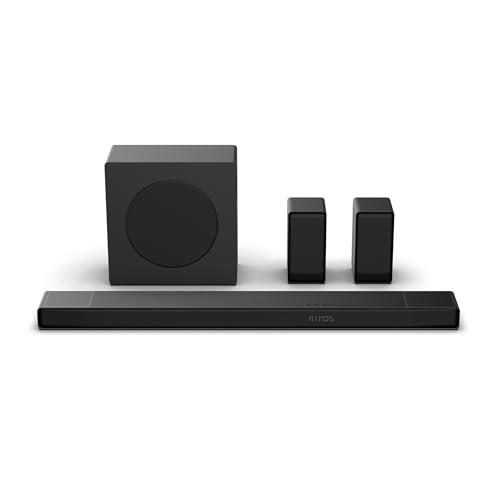
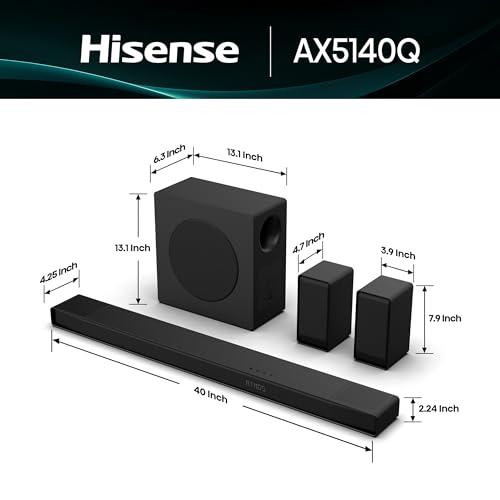
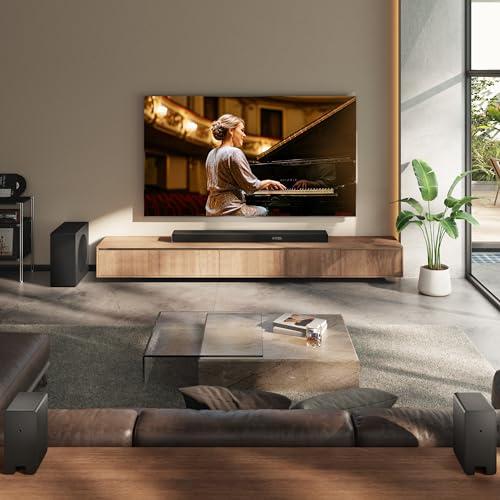
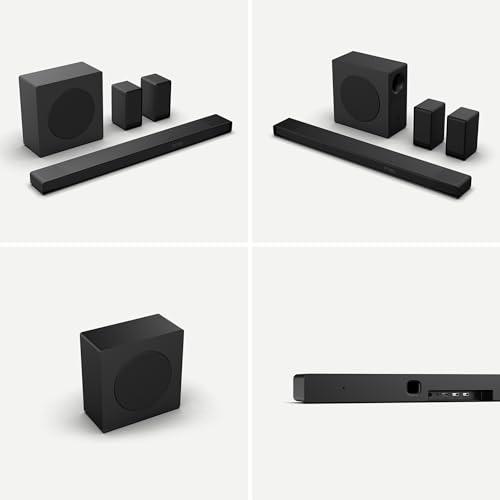
The Hisense AX5140Q exemplifies the complete system approach with its 5.1.4 configuration—that's five main channels (left, center, right, and two surrounds), one subwoofer channel, and four height channels for overhead effects. Everything comes in the box, and at the time of writing, it represents remarkable value for a true multi-channel system.
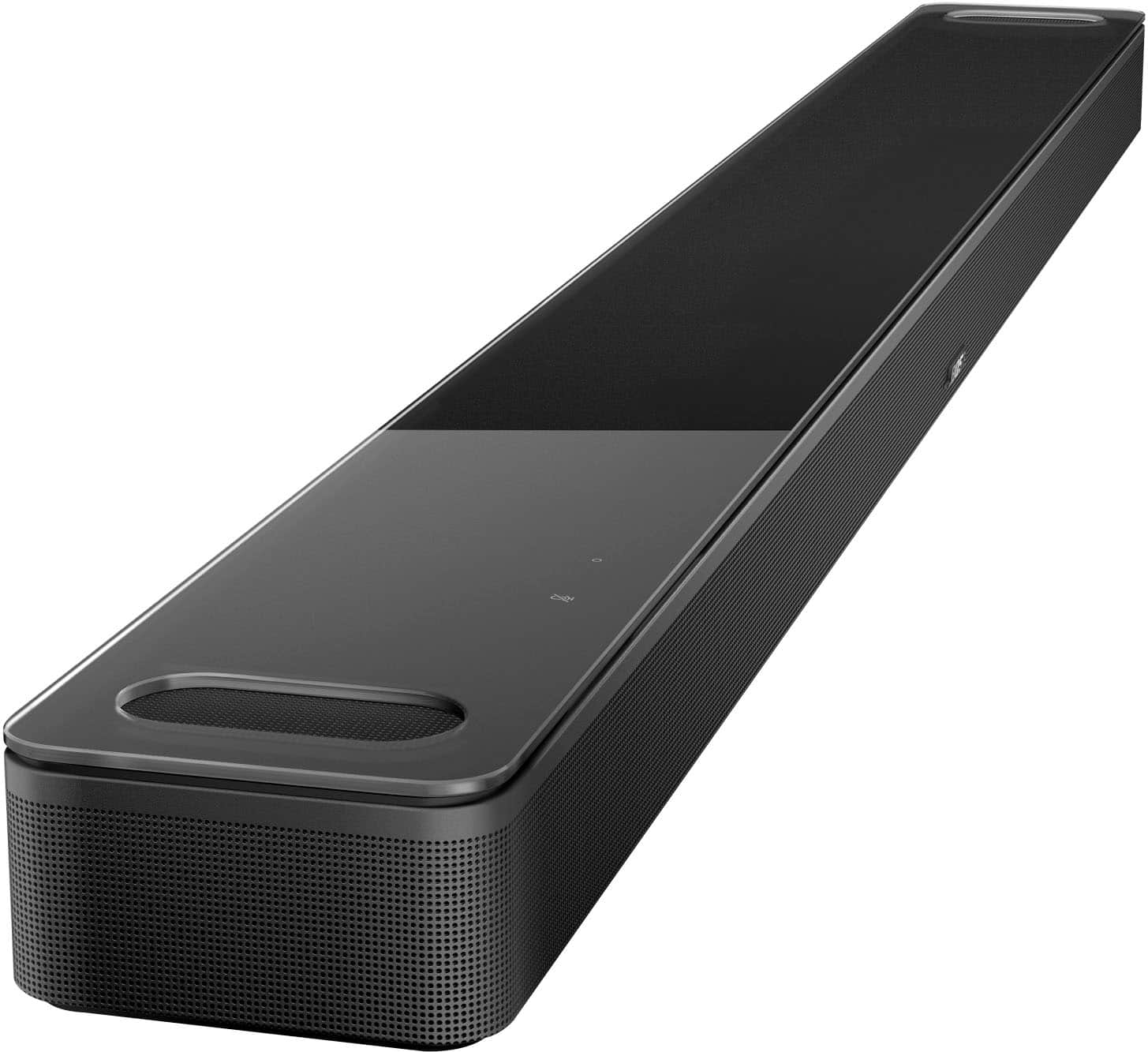
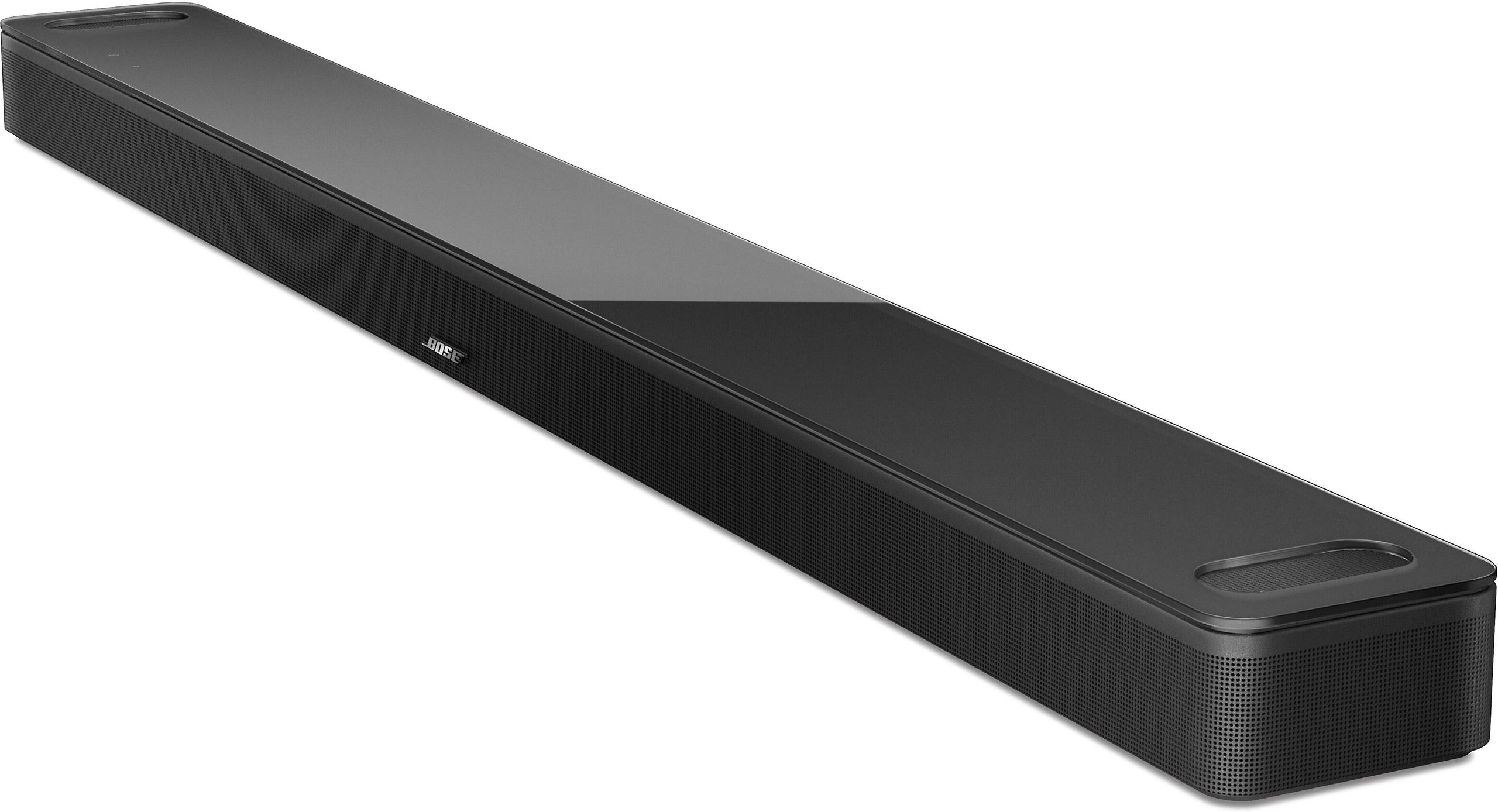
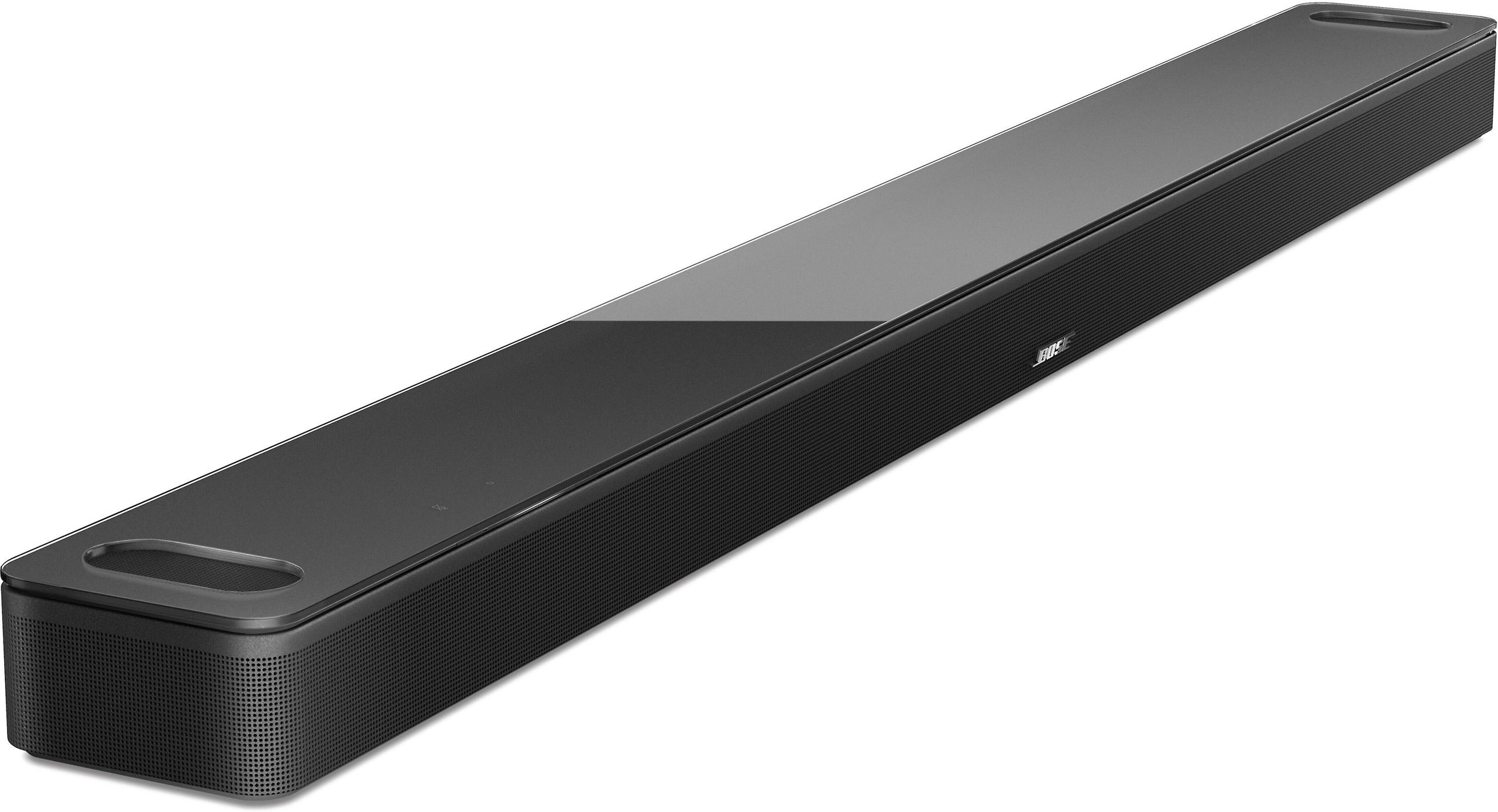
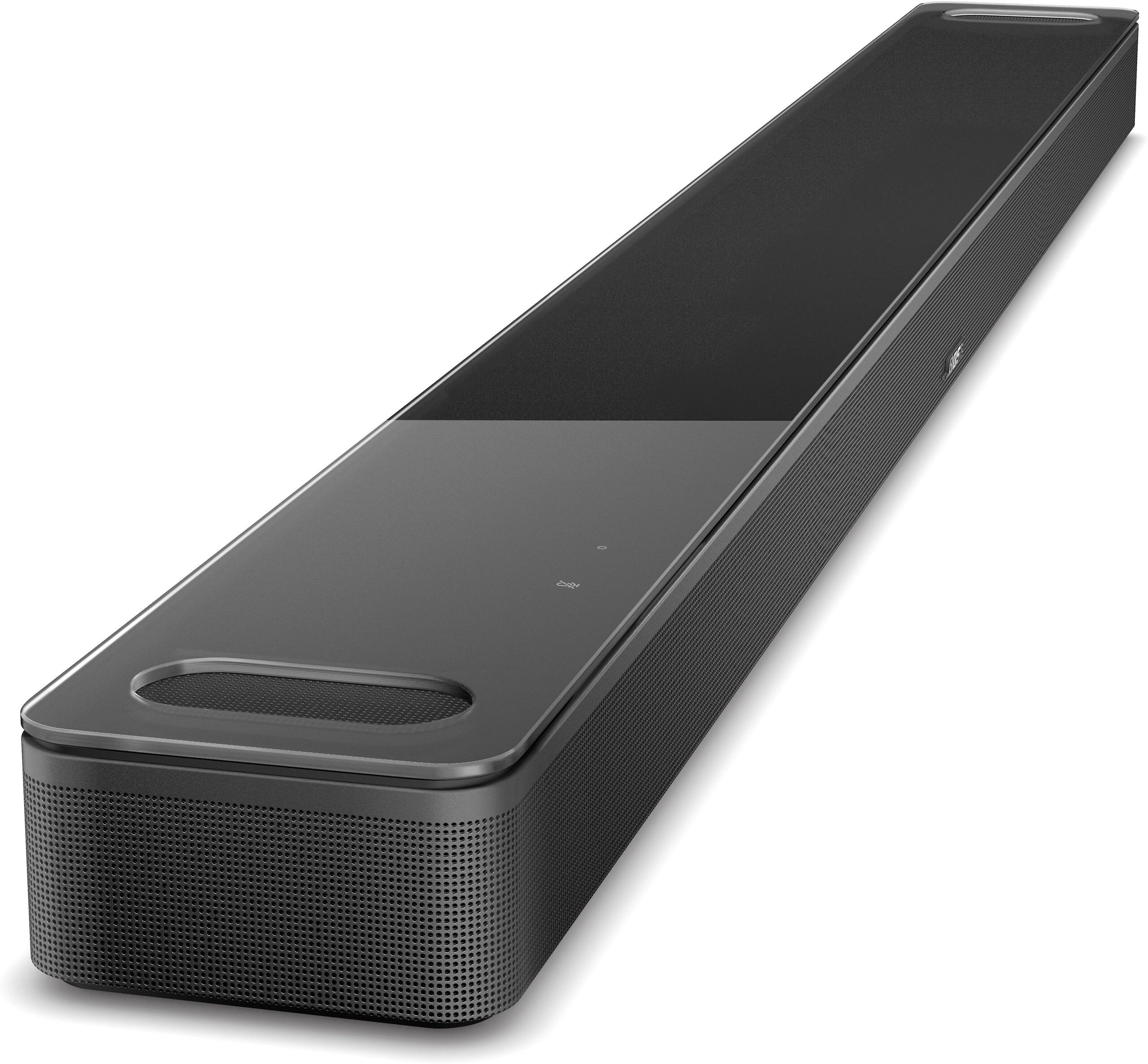
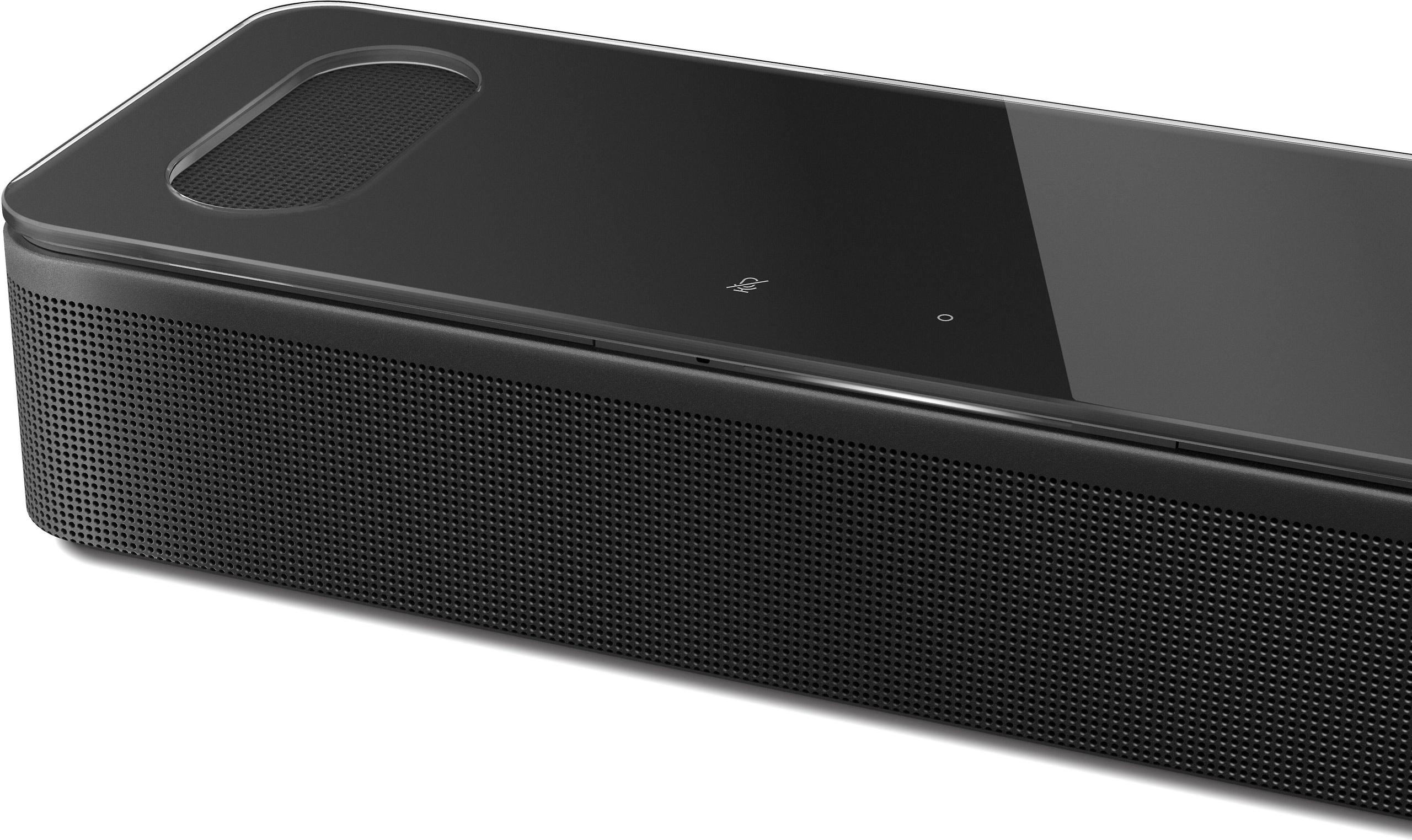
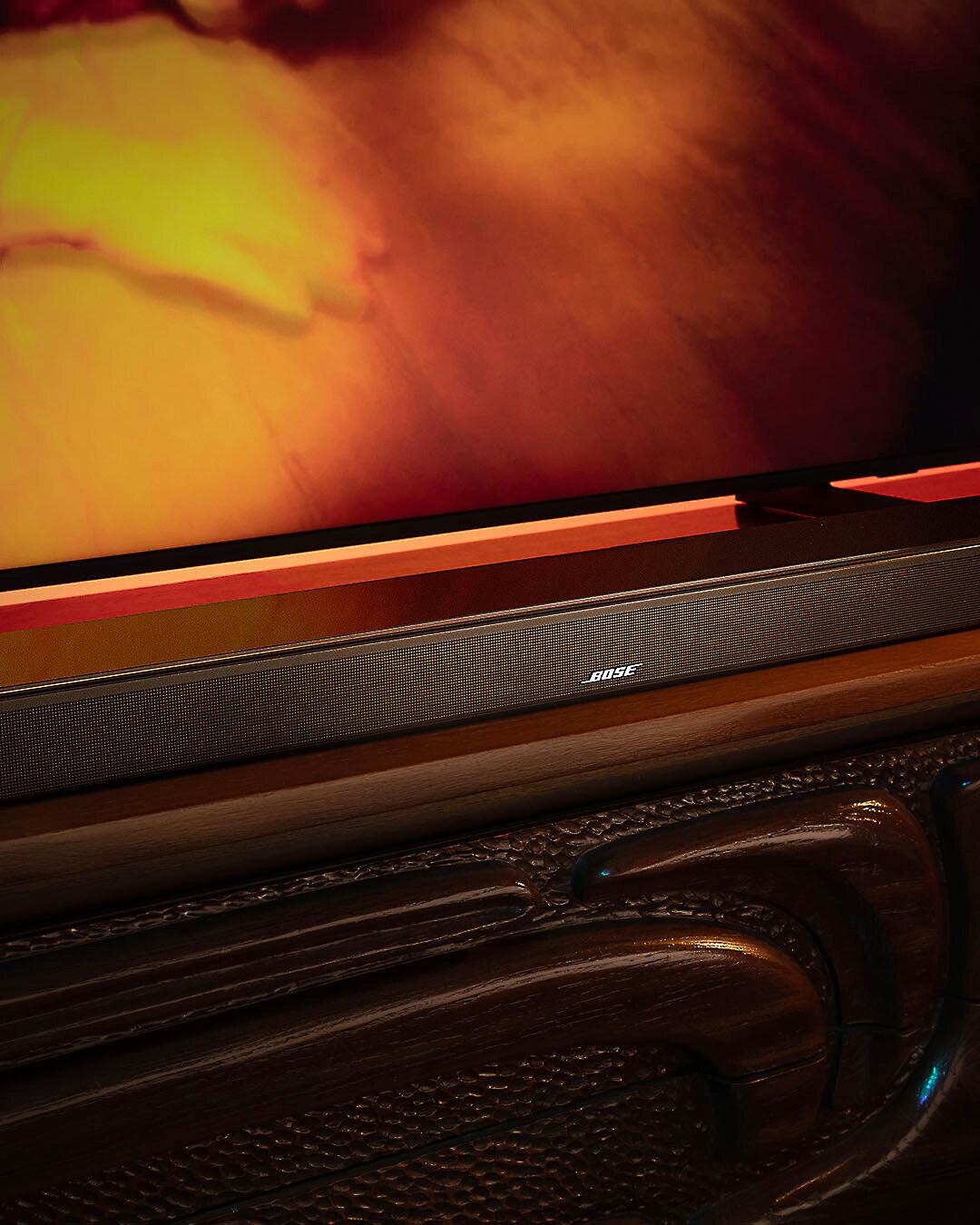
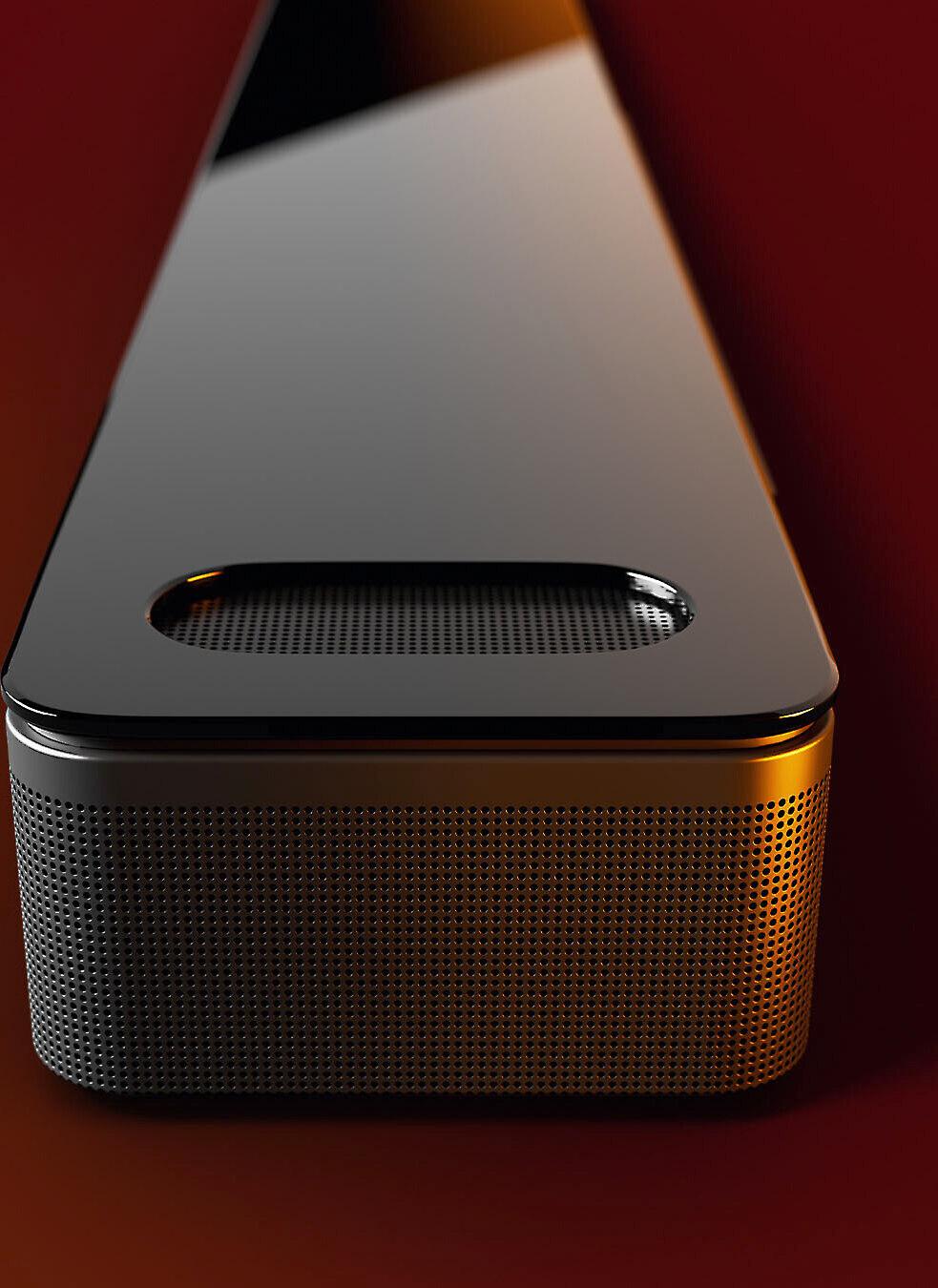
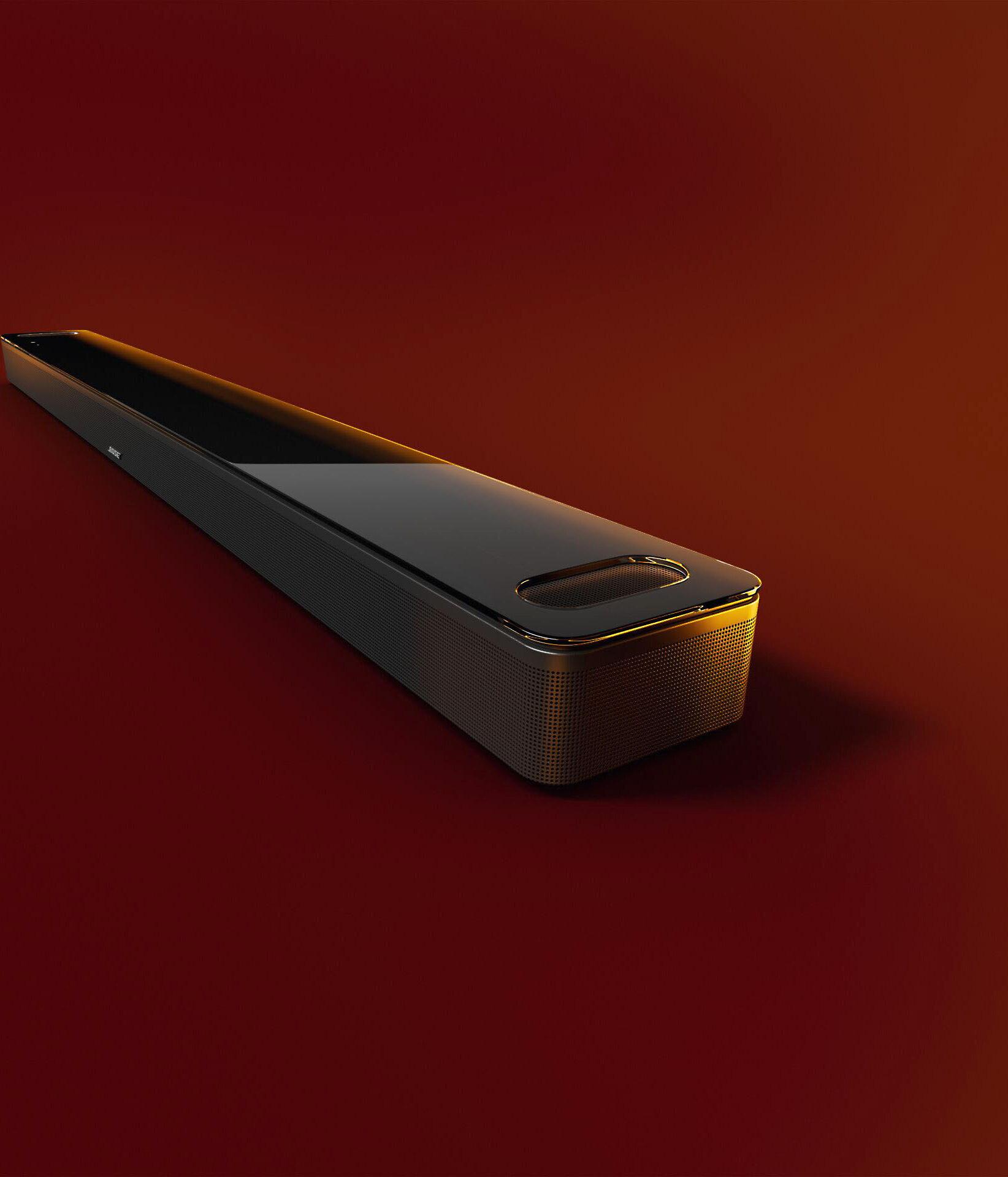
The Bose Smart Ultra takes the premium starter route with 5.1.2 processing—five main channels, one subwoofer channel (though no physical sub included), and two height channels. It's engineered for sophisticated single-unit performance but leaves room for expansion through separate component purchases.
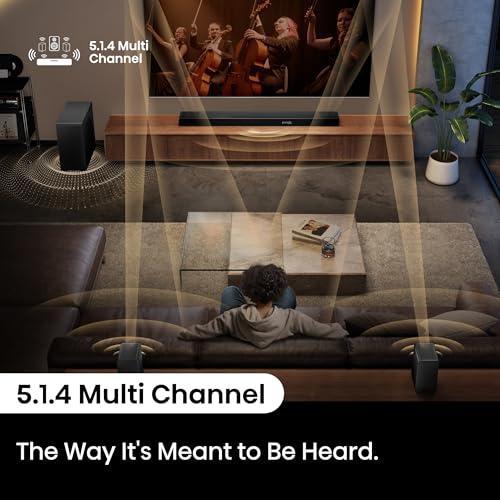
Channel numbers like 5.1.4 versus 5.1.2 sound technical, but they translate to real-world differences you'll notice immediately. The Hisense AX5140Q's 5.1.4 setup includes four dedicated upfiring speakers—two in the main soundbar pointing toward your ceiling, and two more in the wireless rear speakers. These upfiring drivers bounce sound off your ceiling to create the illusion of speakers mounted above your head.
More height channels mean more precise placement of overhead effects. When a helicopter flies across the screen in an action movie, or rain begins falling in a dramatic scene, the Hisense can position these sounds more accurately in three-dimensional space. The difference becomes particularly noticeable in content specifically mixed for Dolby Atmos, where sound engineers place individual audio objects in specific spatial locations.
The Bose Smart Ultra's 5.1.2 configuration uses two upfiring speakers and relies more heavily on advanced processing to create spatial effects. Bose's TrueSpace technology analyzes audio signals and creates phantom speaker effects—making sounds appear to come from locations where no speakers physically exist. This processing sophistication can be impressive, but it cannot fully replicate the precision of discrete physical speakers positioned around your room.
However, channel count isn't everything. The Bose compensates for fewer physical channels through decades of audio engineering expertise. Its drivers are custom-designed for their specific roles, and the signal processing incorporates psychoacoustic principles—how your brain interprets sound—to maximize the perception of spaciousness and immersion.
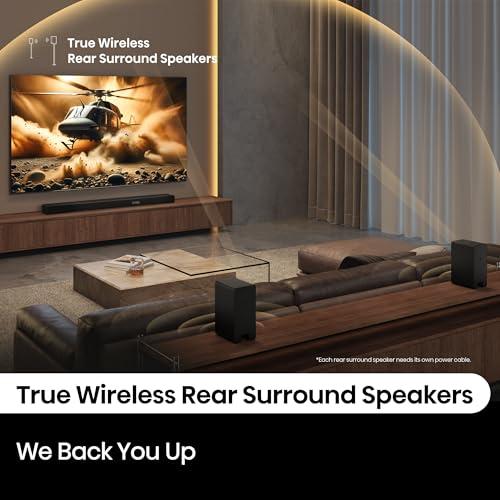
The Hisense AX5140Q delivers authentic surround sound through brute-force physics: discrete speakers positioned around your room create genuine multi-directional audio. The wireless rear speakers eliminate the front-heavy sound signature that plagues most single-bar solutions. When properly positioned behind your seating area, these rears create convincing surround envelopment that single soundbars struggle to match.
This advantage becomes most apparent in content with complex spatial audio mixing. Modern action films, nature documentaries, and premium streaming series increasingly use Dolby Atmos to place sounds throughout the room. The Hisense can render these effects more accurately because it has physical speakers where the mix intends sounds to appear.
The Bose Smart Ultra takes a different approach, using sophisticated signal processing to create spatial illusions. Its PhaseGuide technology manipulates how sound waves interact with your room's acoustics, creating phantom speaker effects that extend beyond the physical soundbar. While impressive, this approach works best in ideal acoustic environments with reflective walls and proper positioning.
Based on our research into user experiences and professional reviews, the Hisense consistently delivers more convincing surround effects, particularly for users upgrading from basic TV speakers or entry-level soundbars. The physical presence of rear speakers creates an immediacy and authenticity that processing alone cannot fully replicate.
Bass reproduction reveals another fundamental difference between these systems. The Hisense AX5140Q includes a dedicated 6.5-inch wireless subwoofer that handles all low-frequency content below approximately 80-120 Hz. This dedicated bass driver can move the air volume necessary for room-filling impact during movie explosions, thunder effects, or bass-heavy music.
Subwoofers work by moving large amounts of air at low frequencies, which requires physical driver size and enclosure volume. The Hisense subwoofer, while not enormous, provides substantially more bass extension and impact than any all-in-one soundbar can achieve. This advantage becomes particularly noticeable in larger rooms or when you want to feel the low-frequency effects, not just hear them.
The Bose Smart Ultra relies on internal bass drivers within the soundbar enclosure. While Bose's engineering extracts impressive low-end performance from this compact space, physics ultimately limits what's possible. The soundbar can produce clean, tight bass for dialogue and music, but it cannot match the room-shaking impact of a dedicated subwoofer during action sequences.
This difference matters most for home theater applications where low-frequency effects contribute significantly to immersion. However, the Bose approach offers advantages in space-constrained situations or minimalist setups where a separate subwoofer isn't practical.
The Bose Smart Ultra introduces a genuinely innovative feature: AI Dialogue Mode. This technology continuously analyzes audio content using machine learning algorithms trained on millions of content samples. When dialogue occurs, the system automatically adjusts tonal balance, compression, and spatial processing to enhance vocal clarity without sacrificing surround effects or musical elements.
This addresses a persistent frustration in modern home entertainment: mumbled or buried dialogue in films and television. Contemporary content often prioritizes immersive sound effects and musical scores, sometimes at the expense of dialogue intelligibility. The Bose's AI processing dynamically compensates for these mixing choices, making conversations easier to follow without manual adjustment.
The Hisense AX5140Q handles dialogue through traditional means: a dedicated center channel driver optimized for vocal frequencies, plus manual sound modes including specific dialogue enhancement presets. While effective, this approach requires user intervention to optimize settings for different content types.
Professional reviews and user feedback consistently praise the Bose's AI Dialogue Mode as a game-changing feature for users who struggle with modern film dialogue. However, the Hisense's larger center channel driver in a dedicated enclosure provides robust vocal reproduction that many users find perfectly adequate without AI enhancement.
Both systems handle music competently, but with different strengths. The Bose Smart Ultra excels with stereo music content, offering refined frequency balance and wide soundstaging that showcases Bose's decades of audio engineering experience. Its multiple wireless connectivity options—including AirPlay, Spotify Connect, and high-quality Bluetooth—make music streaming effortless and versatile.
The Hisense AX5140Q approaches music as a multi-speaker system, engaging the subwoofer and multiple channels even for stereo content. This can create an more enveloping musical experience, particularly for electronic music, rock, or other genres that benefit from substantial low-frequency extension. However, some audiophile listeners might prefer the Bose's more neutral tonal balance for acoustic music or classical content.
The Bose Smart Ultra positions itself as a comprehensive smart home audio hub. Built-in Amazon Alexa voice control allows hands-free operation, while extensive wireless protocol support enables integration with existing smart home ecosystems. Its multi-room audio capabilities work seamlessly with other Bose speakers throughout your home.
The system's ADAPTiQ room calibration represents professional-grade acoustic optimization typically found in much more expensive systems. Using an included microphone headset, the system measures your room's acoustic characteristics and automatically adjusts frequency response, timing, and level settings to optimize performance for your specific space.
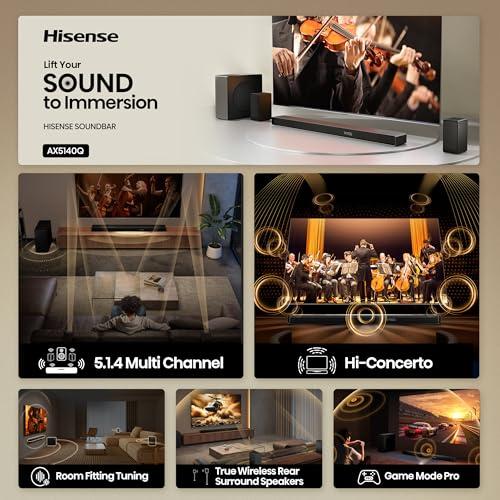
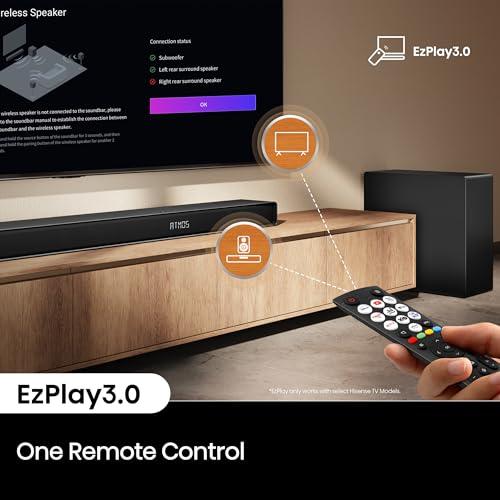
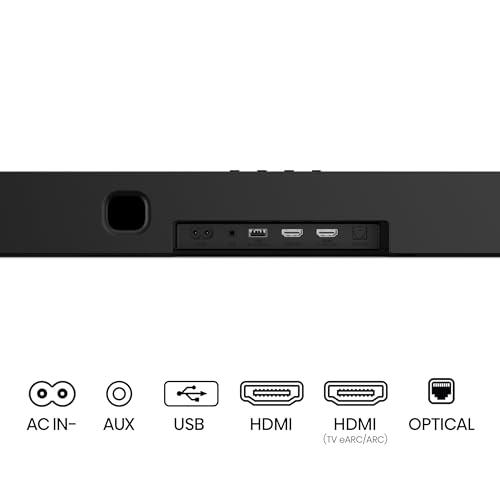
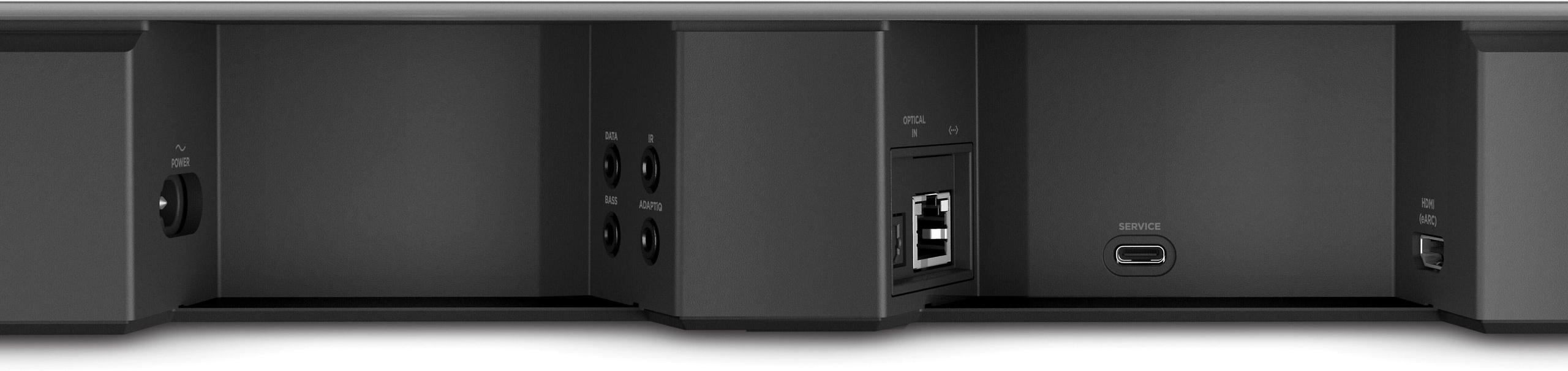
The Hisense AX5140Q focuses on essential smart features without premium ecosystem complexity. It includes Bluetooth connectivity, HDMI eARC support for seamless TV integration, and Hisense's Hi-Concerto technology for enhanced compatibility with Hisense televisions. These features cover most users' needs without requiring deep smart home integration.
At the time of writing, the Hisense AX5140Q represents exceptional value by including everything needed for complete 5.1.4 surround sound in a single purchase. Competing systems with equivalent channel counts often require separate component purchases that can double or triple the initial investment.
The Bose Smart Ultra positions itself as a premium starter system. While the initial cost is higher than the Hisense, achieving comparable surround sound capability requires additional purchases: Bose's separate subwoofer and rear speaker set. This modular approach offers flexibility—you can start with the soundbar and expand later—but the total investment for complete surround sound becomes substantial.
This value equation shifts depending on your priorities and timeline. If you want immediate surround sound improvement without future investments, the Hisense provides more capability per dollar spent. If you prefer gradual system building with premium components, or if single-unit operation is paramount, the Bose modular approach offers advantages despite higher total cost.
The Hisense AX5140Q requires positioning four separate components: the main soundbar, wireless subwoofer, and two wireless rear speakers. While this sounds complex, the wireless audio connections simplify installation—each component only needs a power outlet. Most users complete setup within an hour, though optimal performance requires thoughtful component placement.
The wireless rear speakers need positioning behind your primary seating area, which isn't always practical in every room layout. Open-concept living spaces or rooms where furniture cannot accommodate rear speakers limit the Hisense's effectiveness. However, when properly positioned, the discrete speakers create surround envelopment that justifies the setup complexity.
The Bose Smart Ultra simplifies installation to single soundbar placement, making it ideal for wall-mounting scenarios, small rooms, or situations where multiple components aren't practical. Its sophisticated room calibration process guides you through acoustic optimization, ensuring optimal performance regardless of placement constraints.
Gaming represents an increasingly important use case for modern soundbars, particularly as console graphics reach cinematic quality levels. The Hisense AX5140Q's discrete rear speakers provide superior gaming immersion with clear directional audio cues crucial for competitive gaming. Its dedicated Game Pro mode optimizes processing for gaming scenarios, enhancing positional audio that helps you locate opponents or environmental threats.
The Bose Smart Ultra's PhaseGuide technology creates convincing spatial effects for gaming, though the experience remains primarily front-focused without physical rear speakers. For casual gaming, this limitation matters less, but competitive gamers or those seeking maximum immersion benefit from the Hisense's true surround capability.
Choose the Hisense AX5140Q if you prioritize immediate value and authentic surround sound. This system delivers exceptional performance per dollar by including everything needed for true multi-channel audio without additional investments. It's ideal for movie enthusiasts, gamers, and anyone who wants convincing surround effects in medium to large rooms.
The Hisense works best when your room can accommodate rear speaker placement and you appreciate format flexibility—it supports both Dolby Atmos and DTS:X spatial audio standards. If you're upgrading from basic TV speakers or an entry-level soundbar, the performance improvement will be dramatic and immediately noticeable.
Choose the Bose Smart Ultra if you prefer premium engineering, smart home integration, and modular flexibility. This system excels for users prioritizing dialogue clarity, sophisticated processing, and elegant single-unit operation. It's particularly compelling for those planning gradual system expansion or dealing with space constraints that prevent multi-component installations.
The Bose appeals to tech-forward users who value AI-enhanced features, comprehensive wireless connectivity, and professional-grade room calibration. If you primarily watch dialogue-heavy content and struggle with modern film audio mixing, the AI Dialogue Mode alone might justify the premium.
The choice between these systems ultimately reflects your priorities: immediate completeness versus premium sophistication. The Hisense AX5140Q provides more immersive audio per dollar spent, delivering authentic surround sound that would cost significantly more from premium brands. The Bose Smart Ultra offers refined engineering and smart features that justify its premium for users prioritizing processing sophistication over channel count.
For most users seeking dramatic TV audio improvement, the Hisense provides exceptional value and immediate satisfaction. The Bose serves buyers who value premium aesthetics, smart home integration, and are willing to invest more for sophisticated features like AI dialogue enhancement.
Both systems represent the current state of soundbar evolution in 2024—more sophisticated, more capable, and more user-friendly than previous generations. Your choice depends on whether you prioritize the physics of discrete speakers or the sophistication of advanced signal processing.
| Hisense AX5140Q | Bose Smart Ultra |
|---|---|
| Channel Configuration - Determines how many discrete speakers handle your audio | |
| 5.1.4 true surround (includes rear speakers and 4 height channels) | 5.1.2 single-unit design (2 height channels, no included rears) |
| What's Included - Complete system vs. premium starter | |
| Complete system: soundbar, wireless subwoofer, wireless rear speakers | Soundbar only (subwoofer and rears sold separately) |
| Height Channels - Creates overhead Dolby Atmos effects | |
| 4 dedicated upfiring speakers (2 in bar, 2 in rear speakers) | 2 upfiring dipole speakers in main unit |
| Bass Performance - Impact for movies and music | |
| Dedicated 6.5" wireless subwoofer included | Internal bass drivers only (separate sub available) |
| Audio Format Support - Content compatibility | |
| Dolby Atmos + DTS:X (broader format support) | Dolby Atmos only (no DTS:X) |
| Smart Features - Voice control and connectivity | |
| Basic: Bluetooth, HDMI eARC, Hisense TV integration | Advanced: Built-in Alexa, AirPlay, Spotify Connect, multi-room |
| Room Calibration - Optimizes sound for your space | |
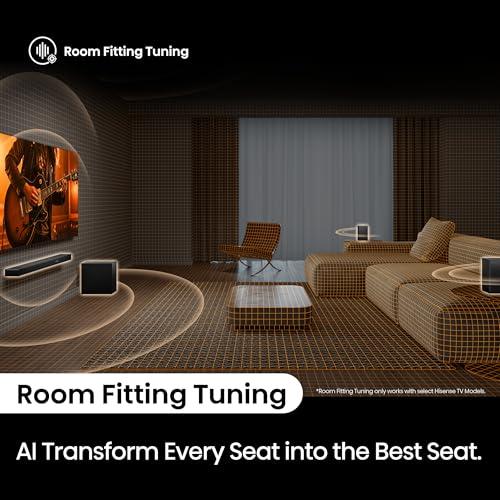
| Basic room tuning available | ADAPTiQ professional-grade calibration with headset |
| AI Processing - Automatic audio enhancement | |
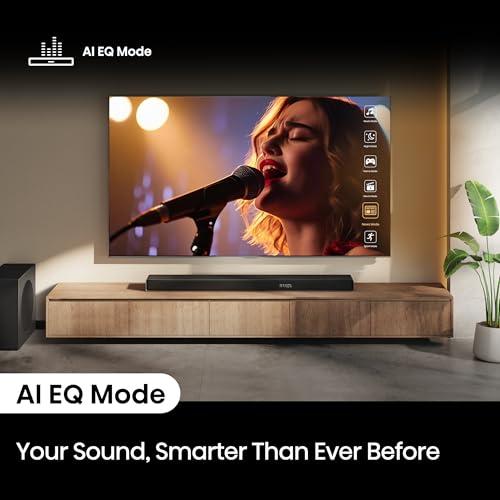
| Standard preset modes (Movie, Game, Music, etc.) | AI Dialogue Mode automatically enhances speech clarity |
| Setup Complexity - Installation requirements | |
| 4 components to position (all wireless audio, power cords needed) | Single soundbar placement only |
| Upgrade Path - Future expansion options | |
| Complete system out of box, no upgrades needed | Modular: can add Bose sub and rears later |
| Best Value Scenario - Who gets the most for their money | |
| Immediate complete surround sound at entry-level pricing | Premium processing and smart features for single-unit preference |
The Hisense AX5140Q is a complete 5.1.4 surround sound system that includes a main soundbar, wireless subwoofer, and wireless rear speakers with upfiring drivers. The Bose Smart Ultra is a premium single-unit 5.1.2 soundbar with advanced AI processing and smart features, but requires separate purchases for subwoofer and rear speakers to achieve full surround sound.
The Hisense AX5140Q offers exceptional value for home theater by including everything needed for true 5.1.4 surround sound in one purchase. The Bose Smart Ultra costs more initially and requires additional component purchases to match the channel count, making the Hisense significantly more cost-effective for complete surround sound.
Yes, both the Hisense AX5140Q and Bose Smart Ultra support Dolby Atmos. However, the Hisense provides four dedicated upfiring speakers (including two in the rear speakers) for more precise overhead effects, while the Bose uses two upfiring speakers with advanced processing to create spatial audio.
The Bose Smart Ultra excels in dialogue clarity with its innovative AI Dialogue Mode that automatically enhances speech without manual adjustment. The Hisense AX5140Q offers good dialogue performance through its dedicated center channel and preset modes, but requires manual mode selection for optimization.
The Hisense AX5140Q includes four separate components: the main soundbar, wireless subwoofer, and two wireless rear speakers for complete 5.1.4 surround sound. The Bose Smart Ultra is a single soundbar unit, with optional subwoofer and rear speakers available as separate purchases.
The Hisense AX5140Q delivers superior bass with its included 6.5-inch wireless subwoofer that provides room-filling low-frequency impact. The Bose Smart Ultra relies on internal bass drivers, which sound good for its size but cannot match the depth and impact of a dedicated subwoofer.
The Bose Smart Ultra offers simpler installation as a single unit with professional ADAPTiQ room calibration. The Hisense AX5140Q requires positioning four components but uses wireless connections, making setup straightforward despite the multiple pieces. Both systems can typically be installed within an hour.
The Hisense AX5140Q provides better gaming immersion with discrete rear speakers for authentic directional audio and a dedicated Game Pro mode. The Bose Smart Ultra offers good gaming performance through processing, but lacks the physical rear speakers that enhance competitive gaming and spatial awareness.
The Bose Smart Ultra offers more advanced smart features including built-in Alexa, AirPlay, Spotify Connect, and multi-room audio capabilities. The Hisense AX5140Q provides essential wireless features like Bluetooth and HDMI eARC, plus integration with Hisense TVs through Hi-Concerto technology.
The Bose Smart Ultra works well in small to medium rooms where its single-unit design and processing can create effective spatial audio. The Hisense AX5140Q excels in medium to large rooms where its discrete rear speakers and subwoofer can be properly positioned for authentic surround sound.
The Hisense AX5140Q comes complete and doesn't require expansion, though it supports additional Hisense components. The Bose Smart Ultra follows a modular approach, allowing you to add Bose subwoofer and rear speakers later, but at significant additional cost.
Choose the Hisense AX5140Q if you want immediate, complete surround sound with authentic rear effects and powerful bass for movies and gaming. Choose the Bose Smart Ultra if you prioritize premium single-unit convenience, AI dialogue enhancement, and smart home integration, understanding that full surround sound requires additional purchases.
We've done our best to create useful and informative comparisons to help you decide what product to buy. Our research uses advanced automated methods to create this comparison and perfection is not possible - please contact us for corrections or questions. These are the sites we've researched in the creation of this article: shop.hisense-usa.com - manuals.plus - dolby.com - youtube.com - gzhls.at - rtings.com - youtube.com - bestbuy.com - manuals.plus - bestbuy.com - hisense-usa.com - youtube.com - device.report - manuals.plus - youtube.com - device.report - manuals.plus - youtube.com - techradar.com - bose.com - bestbuy.com - tomsguide.com - pcrichard.com - rtings.com - bose.com - boselatam.com - avsforum.com - bose.com

Privacy Policy
Terms and Conditions - Affiliate Policy
Home Security
© Copyright 2008-2026.
11816 Inwood Rd #1211, Dallas, TX 75244