


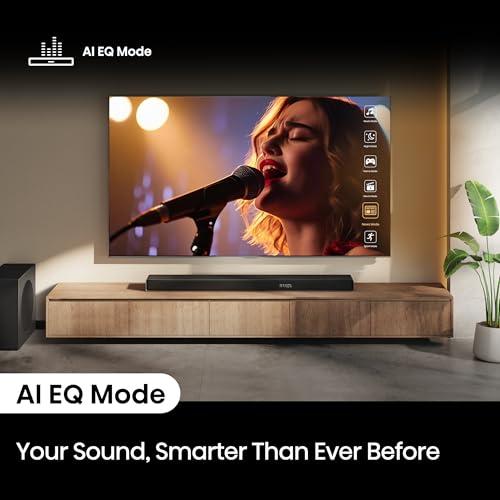
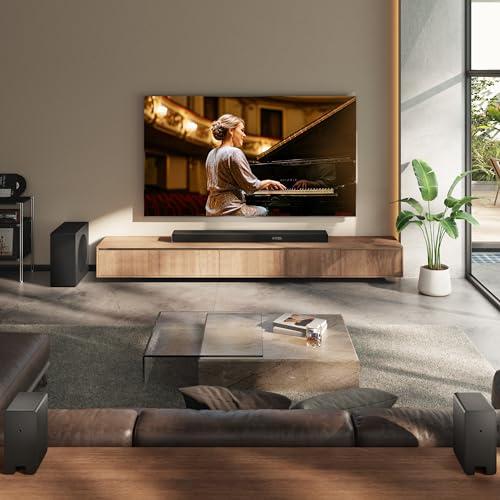
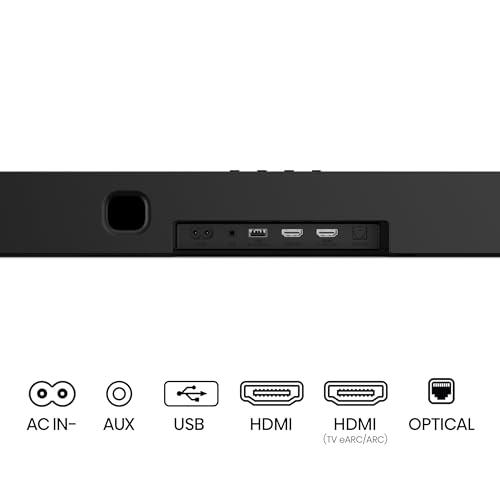
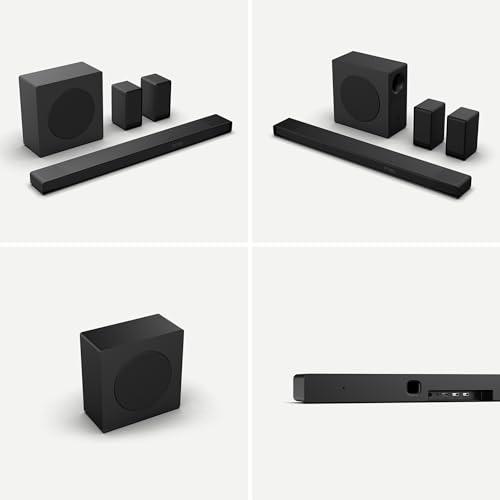
If you've been wrestling with your TV's built-in speakers and decided it's time for a real audio upgrade, you've probably discovered that the soundbar world can be pretty overwhelming. The good news? We're living through a golden age of home audio where you can get legitimate surround sound without rewiring your entire living room or spending thousands on a traditional receiver setup.
Today we're diving deep into two compelling options that represent different philosophies in the premium soundbar space: the Hisense AX5140Q and the LG S80TR. Both systems deliver true surround sound with wireless rear speakers and support for Dolby Atmos—that fancy audio technology that bounces sound off your ceiling to create overhead effects. But they take distinctly different approaches to getting there.
Before we get into the nitty-gritty comparisons, let's talk about what sets these apart from your typical soundbar. Most basic soundbars are essentially fancy stereo speakers that use digital processing tricks to simulate surround sound. These premium systems include physical rear speakers that you place behind your seating area, plus dedicated "upfiring" speakers—drivers that literally point toward the ceiling to create height effects for movies and games.
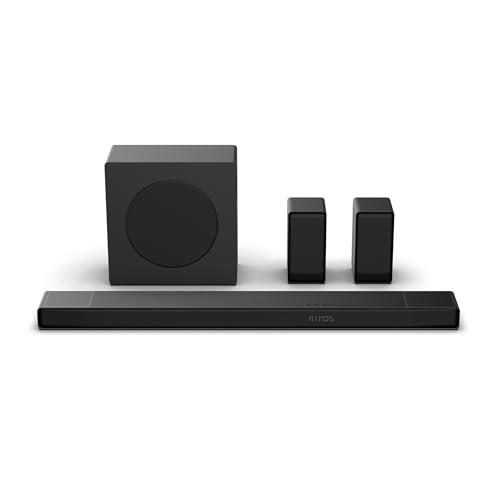
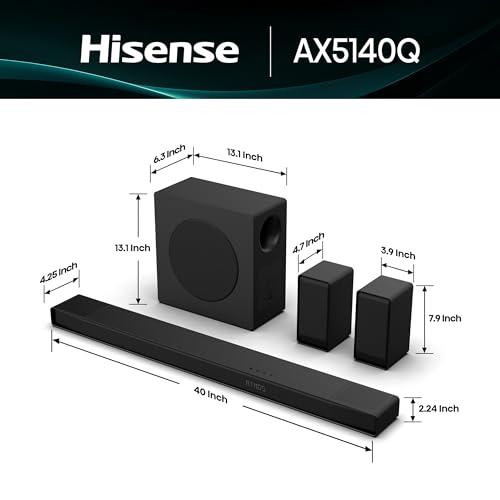
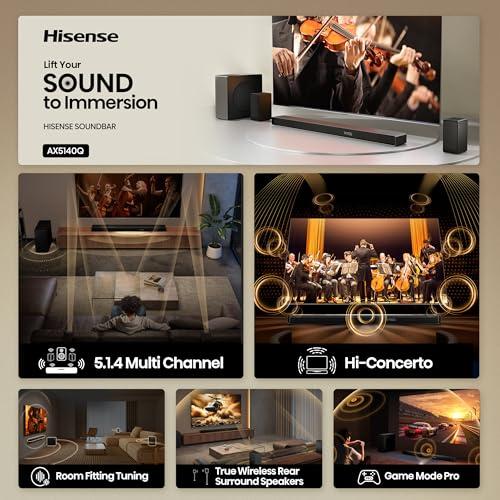
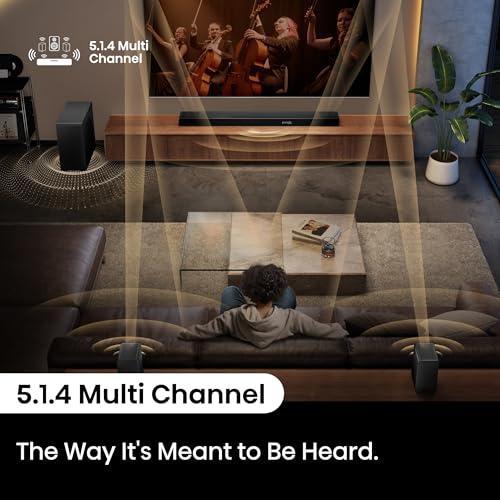
The Hisense AX5140Q, released in 2024, represents an aggressive value play in this space. It packs a 5.1.4 channel configuration, meaning five main speakers (left, right, center, and two surrounds), one subwoofer for bass, and four dedicated height speakers for Dolby Atmos effects. That's more height channels than many systems costing significantly more.
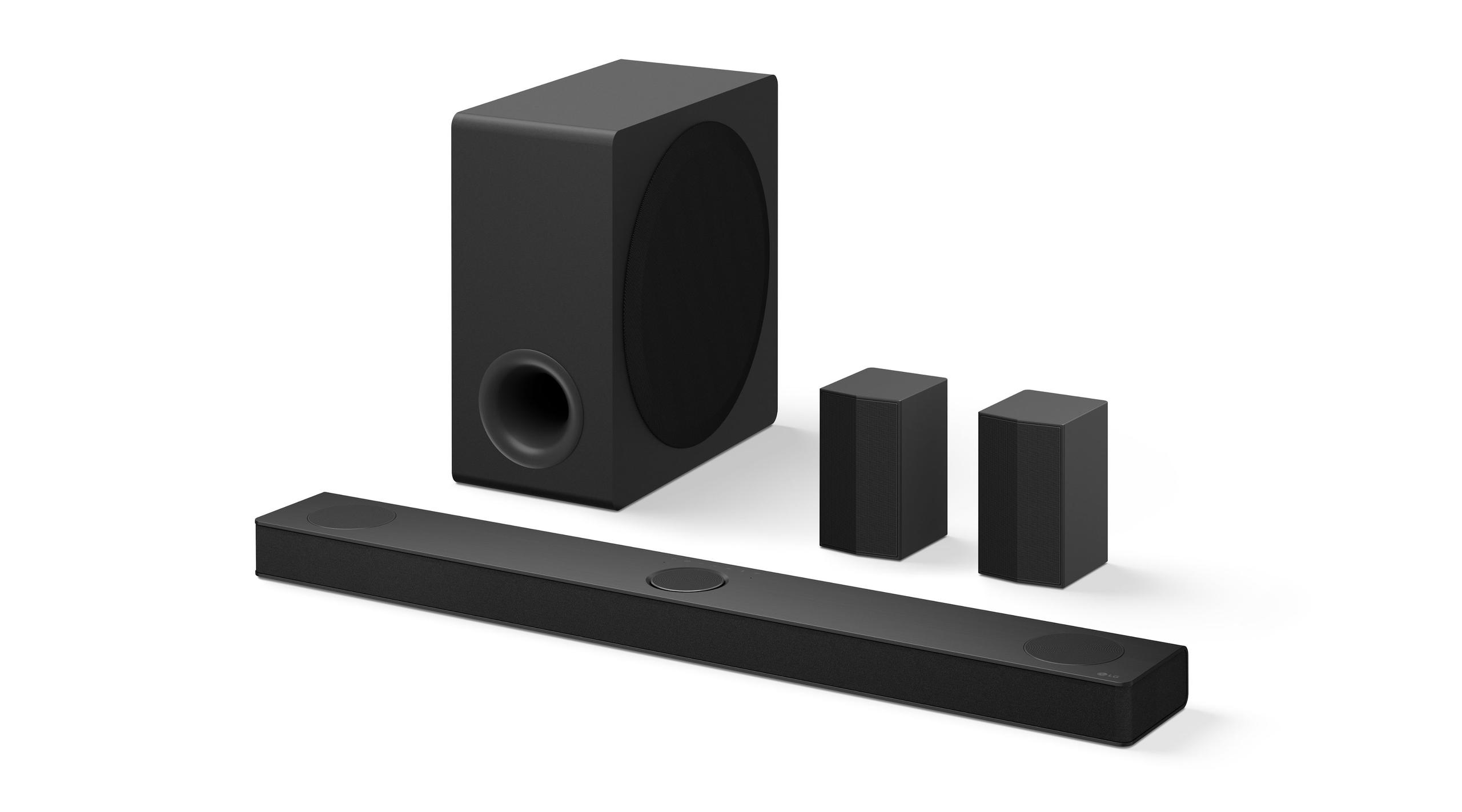
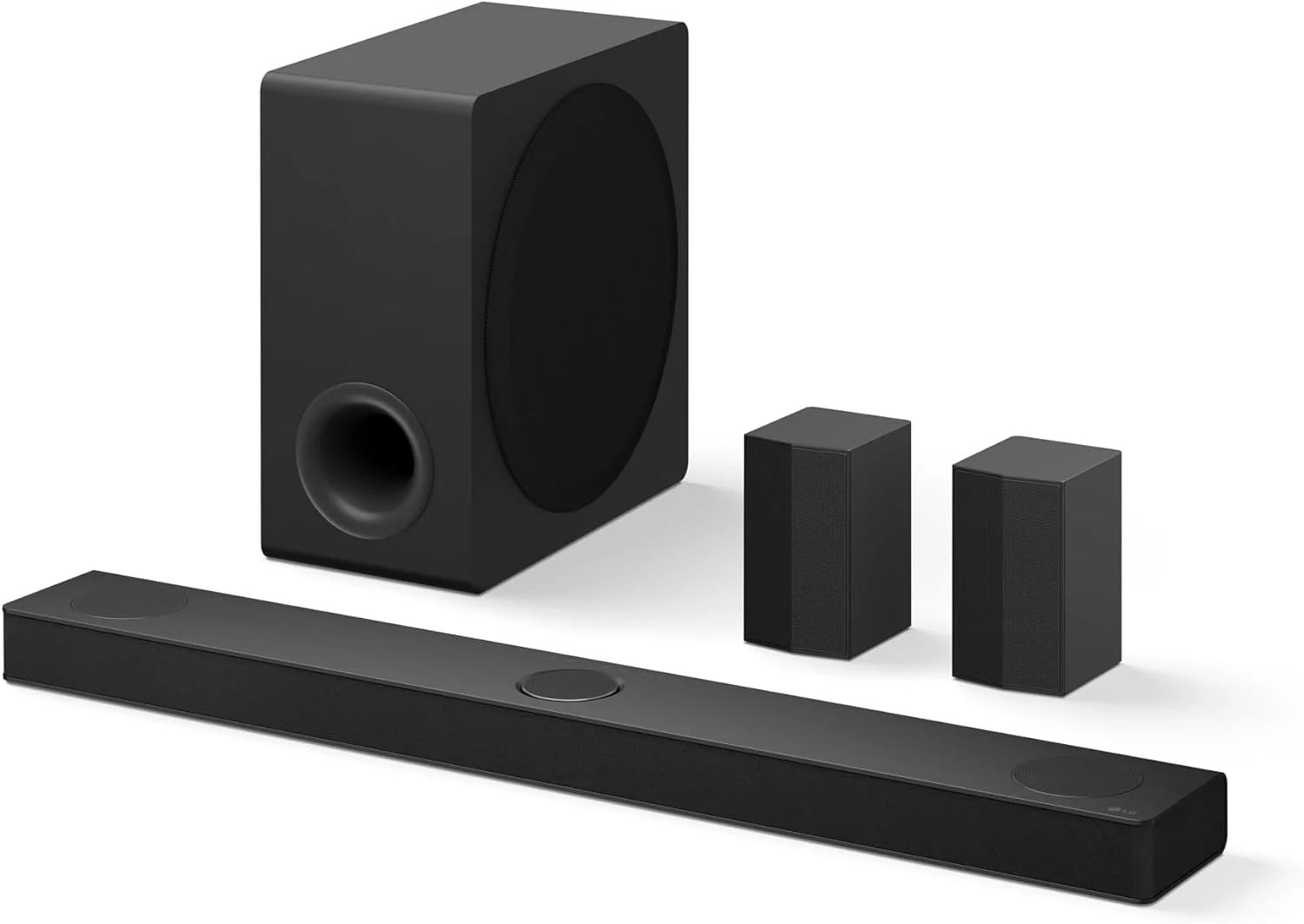
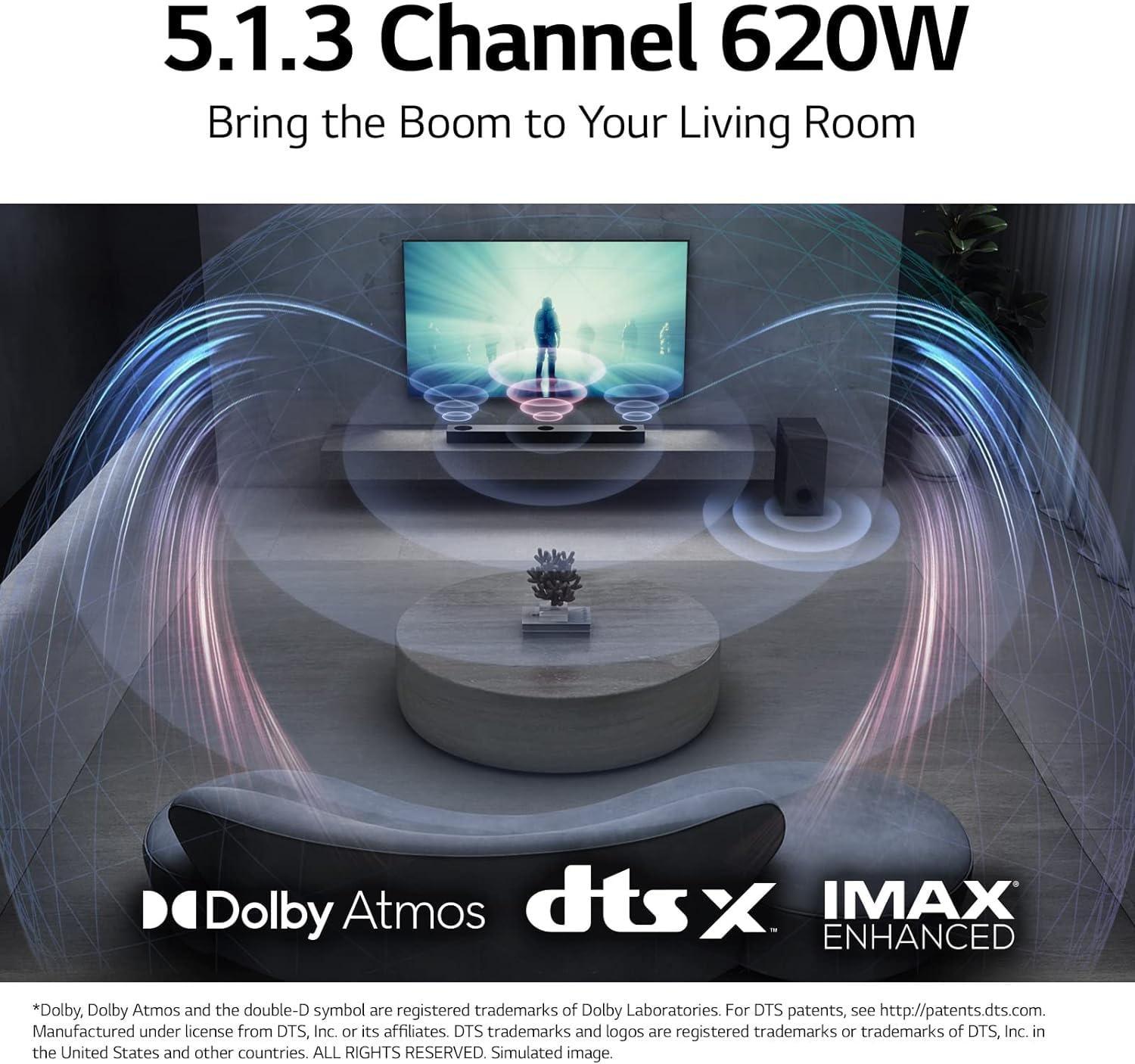
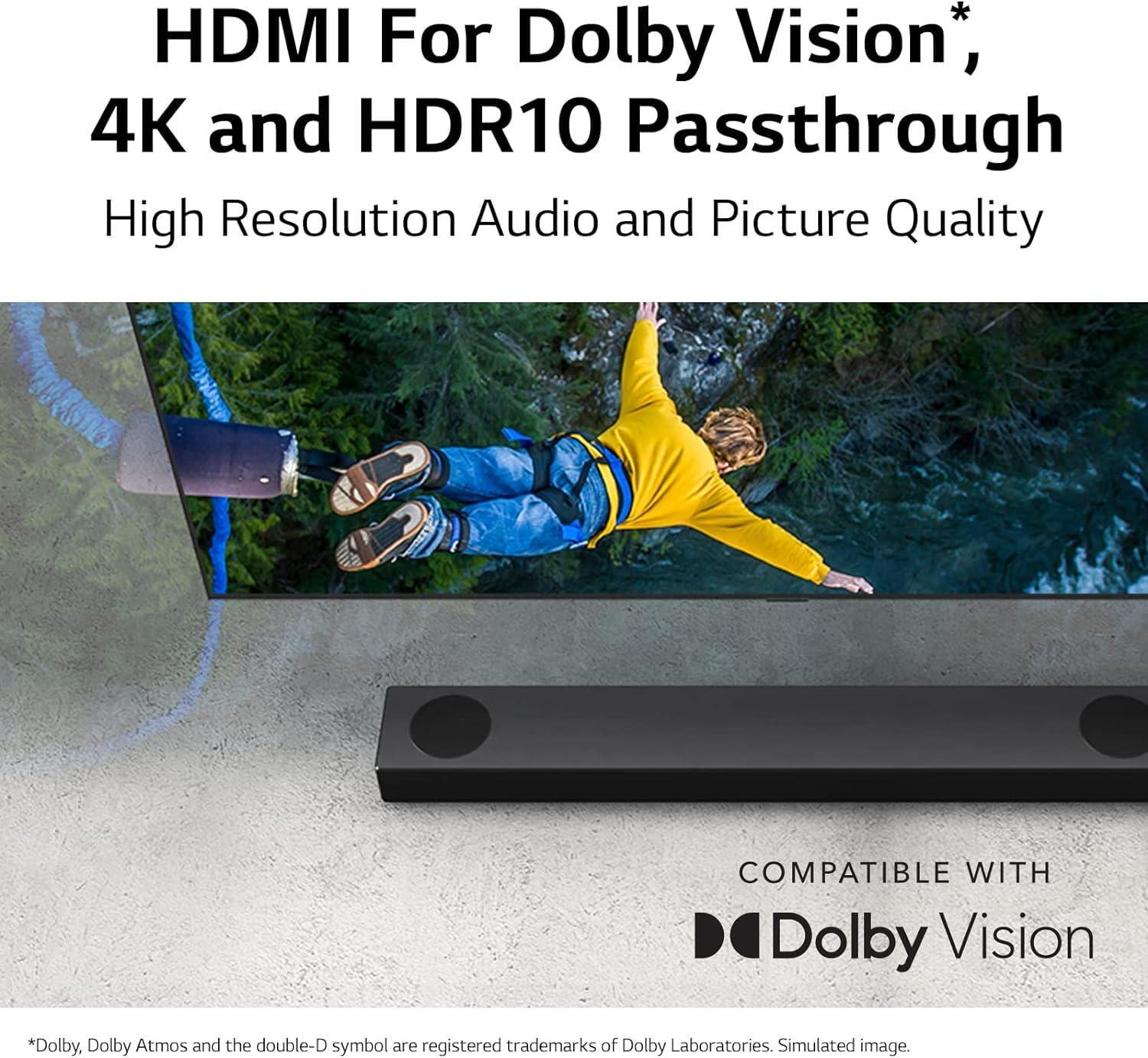
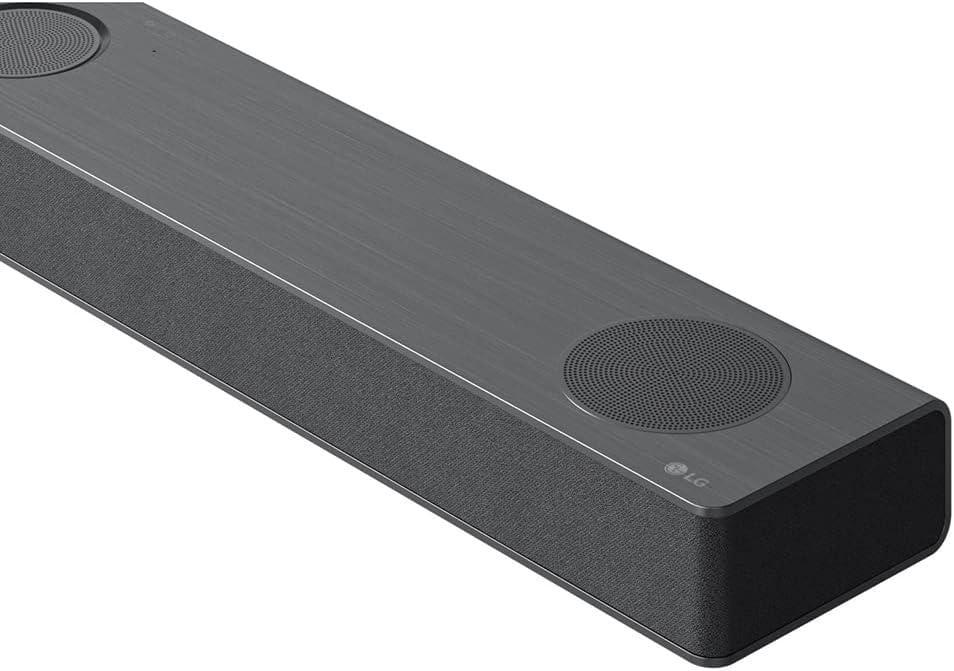
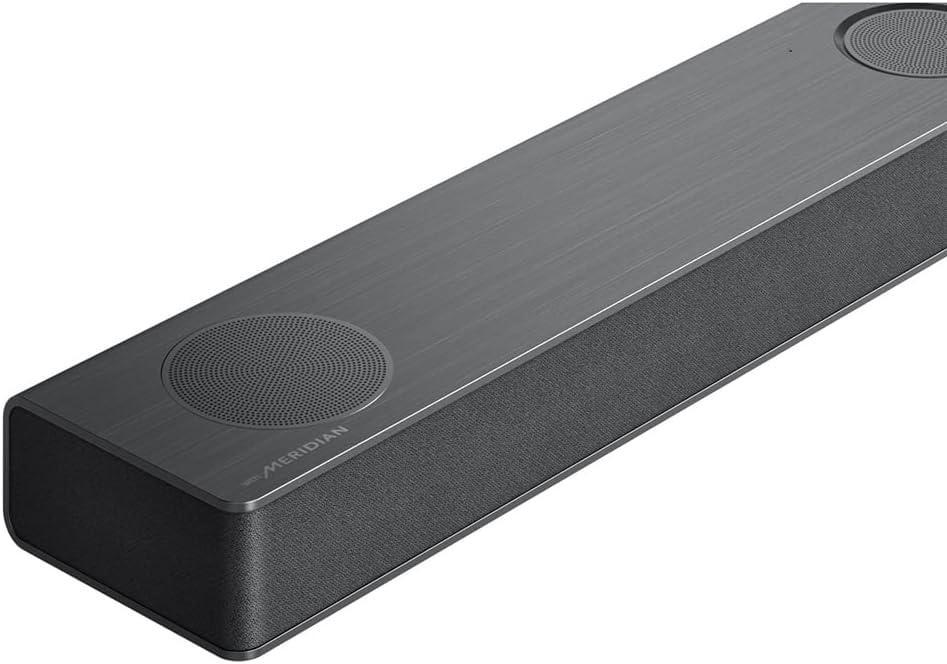
The LG S80TR, also from 2024, takes a more refined approach with a 5.1.3 configuration—one fewer height channel than the Hisense, but with more sophisticated processing and premium gaming features. At the time of writing, it commands a notable price premium over the Hisense, but that extra cost brings some compelling advantages.
The Hisense AX5140Q is tuned for immediate impact. When you fire up an action movie, this system wants to grab you by the collar and pull you into the experience. Its 600-watt power rating and aggressive sound signature emphasize the kind of visceral, bass-heavy presentation that makes explosions feel like they're happening in your living room.
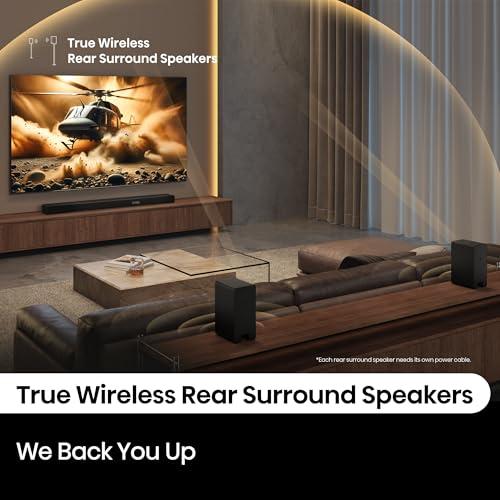
The system's four upfiring speakers—two in the main soundbar and two more in the wireless rear speakers—create what reviewers consistently describe as a convincing "dome" of sound overhead. In Dolby Atmos scenes with helicopters, rain, or other overhead effects, the Hisense delivers that "wow factor" that makes the upgrade from TV speakers immediately obvious.
The included wireless subwoofer uses a 6.5-inch driver that, according to user feedback, punches well above its size class. Users upgrading from basic soundbars frequently mention being surprised by the bass depth and room-filling presence. However, this aggressive tuning philosophy means the system favors impact over subtlety—it's optimized for the kind of content that benefits from emphasized dynamics and low-frequency effects.
The LG S80TR takes a markedly different approach, prioritizing balance and versatility over pure impact. Where the Hisense wants to impress you immediately, the LG aims to sound correct across all types of content—movies, TV shows, music, and games.
This shows up most clearly in dialogue performance. The LG's center channel processing and overall tuning deliver what reviewers consistently describe as exceptional voice clarity and centering. In practice, this means you can actually understand what characters are saying during complex action scenes without constantly adjusting the volume or reaching for the remote.
The LG's three-speaker height array may be one channel fewer than the Hisense's four, but the implementation is described as more precise and controlled. Rather than creating maximum overhead presence, the LG focuses on accurate object placement—helicopter flyovers sound like they're actually passing overhead rather than simply coming from above.
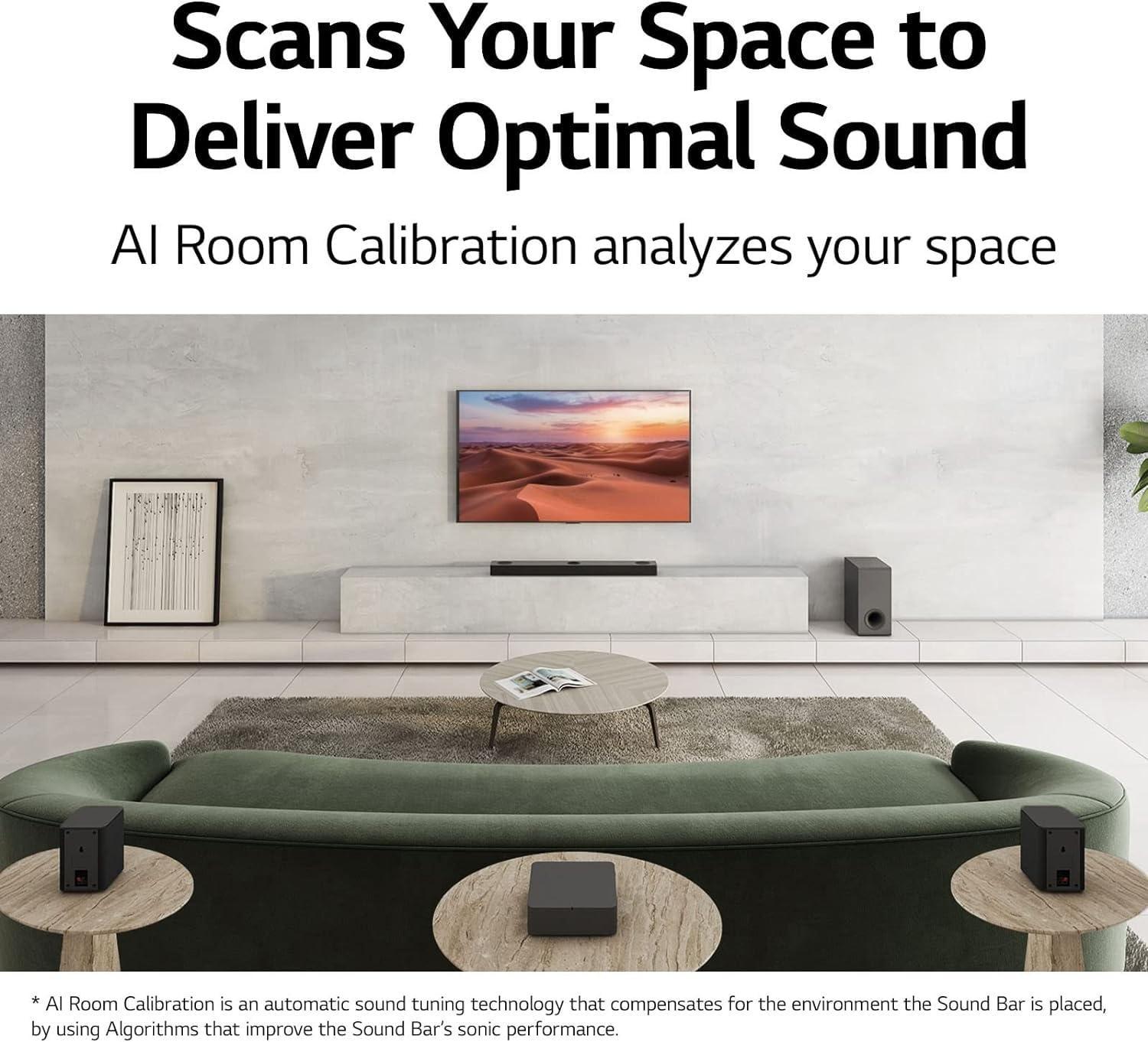
The system's AI Room Calibration represents a significant technological advantage. Using a built-in microphone, it plays test tones throughout your room and analyzes the acoustic reflections to automatically optimize speaker levels, timing, and frequency response. This isn't just marketing fluff—users report noticeable improvements in sound cohesion and bass integration after running the calibration routine.
If gaming is important to your entertainment setup, the performance gap between these systems becomes much more significant. The LG S80TR includes full HDMI 2.1 support with Variable Refresh Rate (VRR), Auto Low Latency Mode (ALLM), and 4K@120Hz passthrough. These features, while technical-sounding, solve real problems that gamers face.
VRR eliminates screen tearing by allowing your TV and console to synchronize their refresh rates dynamically. ALLM automatically switches your TV to its lowest-latency mode when gaming content is detected. The 4K@120Hz passthrough means you can connect next-generation consoles directly to the soundbar while maintaining support for high-refresh-rate gaming.
Perhaps most importantly, the LG achieves approximately 13 milliseconds of audio latency—essentially imperceptible during gameplay. This matters tremendously for competitive gaming where audio cues need to align perfectly with visual information.
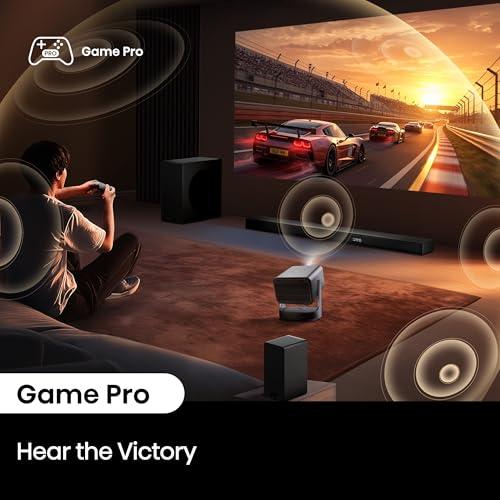
The Hisense AX5140Q includes a Game Pro mode that optimizes audio processing for gaming, but it lacks the advanced HDMI 2.1 feature set. For casual gaming, this isn't necessarily a dealbreaker—you can always connect consoles directly to your TV and use eARC (Enhanced Audio Return Channel) to send audio back to the soundbar. But for serious gamers, especially those with Xbox Series X, PlayStation 5, or high-end PC setups, the LG's advantages are substantial.
Both systems are designed to be dramatically easier to set up than traditional receiver-based surround sound, but they accomplish this in different ways. The Hisense AX5140Q focuses on simplicity—the wireless subwoofer and rear speakers typically pair automatically out of the box, and most users report going from unboxing to full surround sound in under an hour.
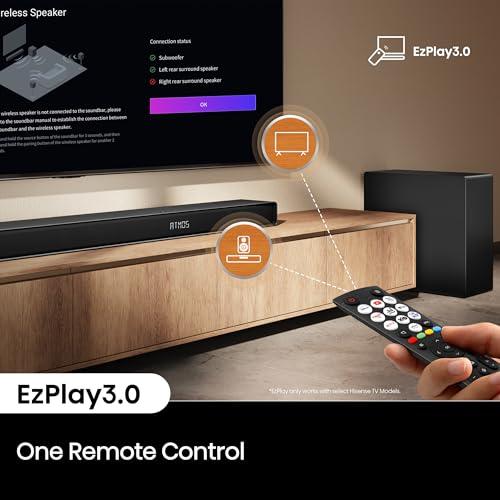
The Hisense includes Hi-Concerto technology, which creates deeper integration with compatible Hisense TVs. When paired properly, the TV's speakers can actually work in coordination with the soundbar system to create an even more enveloping sound field. The system can also display wireless speaker status and audio mode information on compatible TV screens, reducing the guesswork around whether everything is connected and working properly.
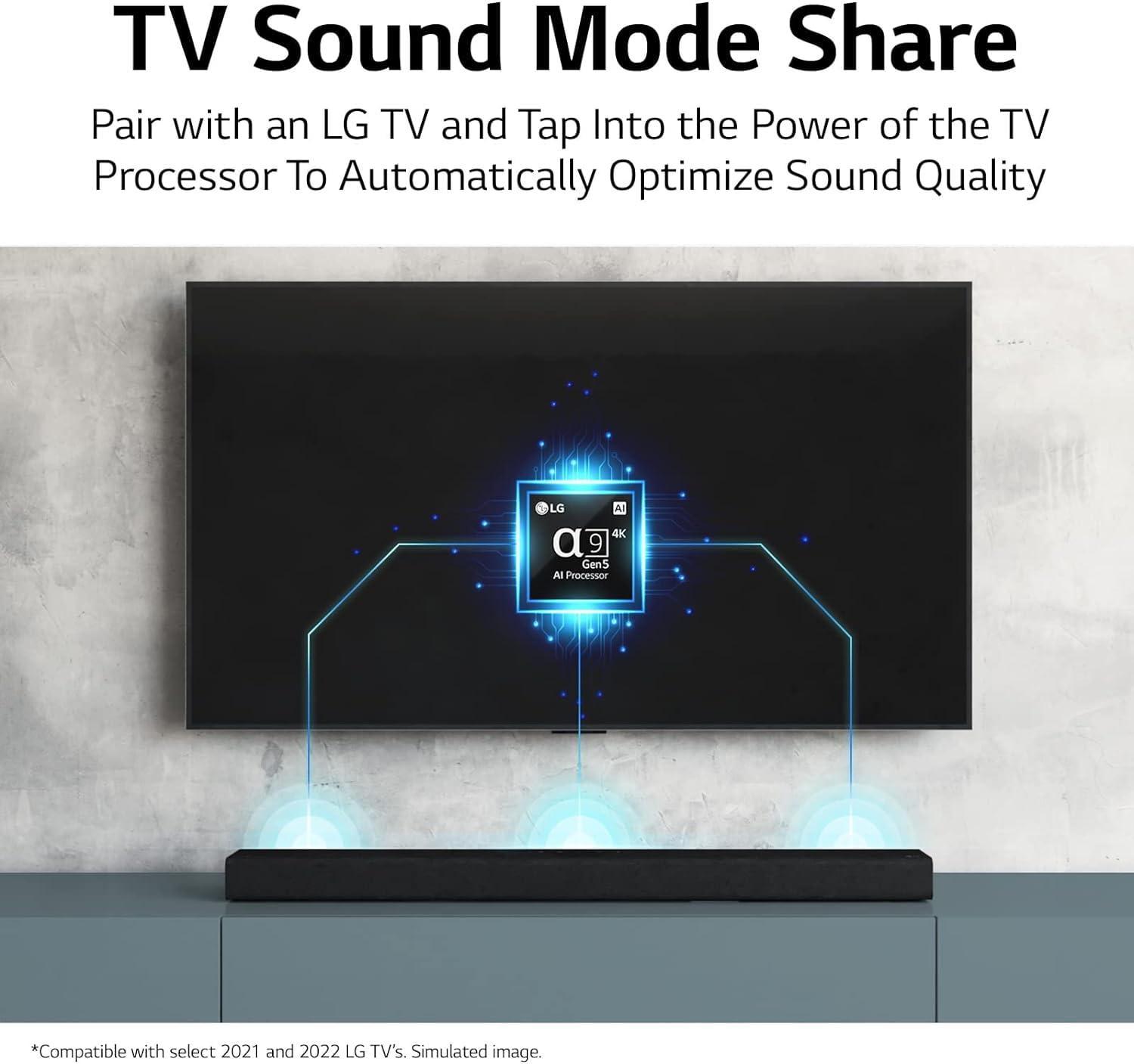
The LG S80TR brings more sophisticated room adaptation capabilities. Beyond the AI Room Calibration mentioned earlier, the system includes WOW Orchestra technology that coordinates with compatible LG TVs to use both the TV's speakers and the soundbar system simultaneously. This creates what LG describes as a more spacious and immersive sound field, though the effectiveness depends heavily on TV placement and room acoustics.
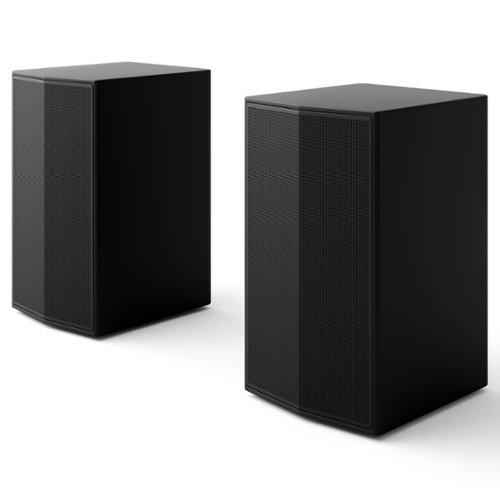
One unique advantage of the LG is that its wireless rear speakers include built-in batteries, eliminating the need for power cables entirely. This seemingly small detail can be huge for room aesthetics and speaker placement flexibility—you can position them anywhere within wireless range without worrying about access to electrical outlets.
The connectivity and feature differences between these systems reflect their different target audiences and design philosophies. The Hisense AX5140Q covers the essential bases with HDMI eARC, optical input, USB connectivity, and Bluetooth 5.3 for wireless music streaming. It supports all the major audio codecs including Dolby Atmos, DTS:X, Dolby TrueHD, and multichannel PCM.
The LG S80TR goes significantly further with its connectivity options. Beyond the standard inputs, it includes built-in Wi-Fi with support for Apple AirPlay 2, Google Chromecast, and Spotify Connect. This means you can stream music directly from your phone, use voice assistants, or integrate the system into a broader smart home ecosystem without additional devices.
The LG also includes more comprehensive sound customization through its dedicated smartphone app. While both systems offer multiple sound modes (the Hisense has seven presets including Movie, Music, Game Pro, and AI modes; the LG offers ten including Bass Blast, Clear Voice Pro, and AI Sound Pro), the LG's app provides detailed EQ controls and the ability to save custom profiles for different content types or room configurations.
At the time of writing, these systems occupy different price tiers that reflect their distinct approaches. The Hisense AX5140Q delivers remarkable value by focusing on the fundamentals that matter most for home theater immersion: true surround sound with physical rear speakers, legitimate Dolby Atmos processing with four upfiring drivers, and powerful bass from a wireless subwoofer.
For many users, especially those primarily interested in movies and casual gaming, the Hisense provides the core premium soundbar experience without paying for features they won't use. The system's aggressive tuning actually works in its favor for action-heavy content, delivering the kind of immediate impact that makes the upgrade from TV speakers undeniably worthwhile.
The LG S80TR commands its price premium through meaningful technological advantages rather than just brand positioning. The advanced room calibration, comprehensive gaming features, refined audio processing, and superior connectivity represent real functional improvements that directly impact the user experience.
However, the value calculation depends heavily on your priorities and use cases. If you're building a gaming-focused setup or want a system that excels equally at movies, TV, music, and games, the LG's additional capabilities justify their cost. If you're primarily focused on movie watching and want maximum immersion per dollar, the Hisense's extra height channel and aggressive tuning may actually provide a more satisfying experience.
Based on our research and analysis of user feedback across multiple review platforms, clear patterns emerge around who benefits most from each approach.
The Hisense AX5140Q makes the most sense for movie enthusiasts who want to maximize their entertainment budget. Its four-height-channel configuration and impact-focused tuning deliver convincing Dolby Atmos effects and room-filling surround sound at a price point that makes the premium soundbar experience accessible to more buyers. It's particularly appealing for users who own Hisense TVs and can take advantage of the Hi-Concerto integration features.
The system also works well for casual gamers who don't need the absolute latest HDMI standards but want engaging audio for their PlayStation or Xbox sessions. The Game Pro mode provides noticeable improvements in positional audio and impact without requiring the premium gaming features that many users will never utilize.
The LG S80TR is the clear choice for users who need versatility and premium features. Serious gamers will find the HDMI 2.1 support and ultra-low latency essential for modern console gaming and PC setups. The system's balanced tuning and superior dialogue clarity also make it ideal for households that consume diverse content—everything from Netflix shows to vinyl records sounds appropriately rendered rather than colored by aggressive movie-focused processing.
The LG also makes more sense for users who value long-term flexibility and future-proofing. Its comprehensive streaming integration, advanced calibration capabilities, and support for evolving gaming standards provide better protection against technological obsolescence.
After extensive research into user experiences, professional reviews, and technical specifications, both systems succeed at their intended purposes. The Hisense AX5140Q democratizes the premium surround sound experience, delivering legitimate home theater immersion at a price point that makes the upgrade accessible to more buyers.
The LG S80TR represents a more sophisticated approach that prioritizes long-term satisfaction over immediate impact. Its balanced tuning, advanced features, and premium build quality create a system that grows with your needs rather than potentially feeling limiting as your setup evolves.
Your choice ultimately depends on whether you prioritize immediate value and maximum impact (Hisense) or long-term versatility and refinement (LG). Both represent significant upgrades over basic soundbars and TV speakers, but they'll satisfy different types of users in different ways.
The good news is that either choice represents a legitimate step into premium home audio that will transform your entertainment experience. The era of compromising between simplicity and sound quality is largely over—these systems prove you can have both.
| Hisense AX5140Q | LG S80TR |
|---|---|
| Channel Configuration - More height channels create better overhead effects | |
| 5.1.4 channels (4 upfiring Atmos speakers) | 5.1.3 channels (3 upfiring Atmos speakers) |
| Audio Processing Philosophy - Determines overall sound character | |
| Aggressive, bass-forward tuning for maximum impact | Balanced, refined tuning for all content types |
| Gaming Features - Critical for console and PC gaming | |
| Game Pro mode, basic HDMI passthrough | HDMI 2.1 with VRR/ALLM/120Hz, 13ms latency |
| Room Calibration - Optimizes sound for your specific space | |
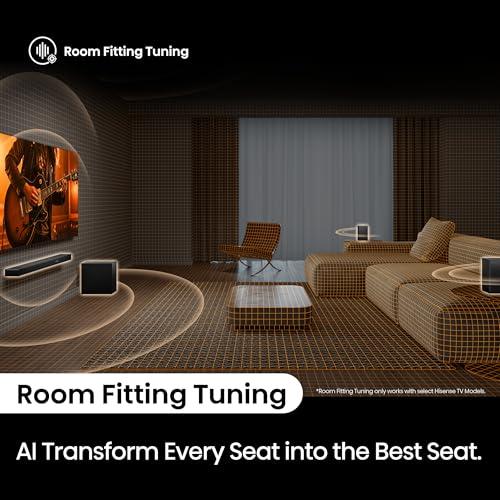
| Smart Room Fitting Tuning (automatic) | AI Room Calibration with microphone analysis |
| Dialogue Performance - Essential for TV shows and movies | |
| Good clarity, impact-focused processing | Exceptional center channel clarity and voice centering |
| Bass Performance - Affects movie immersion and music enjoyment | |
| 6.5" wireless sub, aggressive low-end emphasis | Wireless sub with controlled, precise bass integration |
| Wireless Speaker Design - Affects placement flexibility | |
| Wireless rear speakers (require power outlets) | Battery-powered wireless rears (no power cables needed) |
| Smart Features - Streaming and voice control capabilities | |
| Bluetooth 5.3, basic connectivity options | Wi-Fi, AirPlay 2, Chromecast, Spotify Connect built-in |
| TV Integration - Seamless operation with compatible TVs | |
| Hi-Concerto with Hisense TVs, EzPlay 3.0 | WOW Orchestra with LG TVs, enhanced coordination |
| Sound Customization - Ability to tailor audio to preferences | |
| 7 preset modes, basic remote control | 10 modes plus smartphone app with detailed EQ controls |
| Target User - Who benefits most from each approach | |
| Movie enthusiasts wanting maximum immersion per dollar | Versatile users needing gaming, streaming, and balanced performance |
The Hisense AX5140Q delivers more height channels with its 5.1.4 configuration compared to the LG S80TR's 5.1.3 setup. This means the Hisense has four upfiring speakers versus three on the LG, potentially creating more enveloping overhead effects. However, the LG S80TR focuses on precision and accuracy in its Atmos implementation, making it better for users who want precise object placement over maximum impact.
The Hisense AX5140Q uses an aggressive, bass-forward tuning designed for maximum movie impact, while the LG S80TR employs balanced, refined processing that excels across all content types. The Hisense emphasizes visceral effects and room-filling presence, whereas the LG prioritizes dialogue clarity and accurate sound reproduction for movies, TV, music, and gaming.
The LG S80TR significantly outperforms for gaming with full HDMI 2.1 support including VRR, ALLM, 4K@120Hz passthrough, and ultra-low 13ms audio latency. The Hisense AX5140Q offers a Game Pro mode but lacks advanced gaming features. Serious gamers should choose the LG S80TR for competitive gaming and next-gen console compatibility.
Yes, both the Hisense AX5140Q and LG S80TR include wireless rear speakers for true surround sound. However, the LG S80TR has a unique advantage—its rear speakers include built-in batteries, eliminating the need for power cables entirely. The Hisense AX5140Q rear speakers still require power outlets but offer excellent wireless audio transmission.
The Hisense AX5140Q features a 6.5-inch wireless subwoofer with aggressive bass tuning that emphasizes impact and room-filling presence, making it ideal for action movies. The LG S80TR uses a more controlled, precise bass approach that integrates seamlessly with the main speakers. Choose the Hisense for maximum bass impact or the LG for accurate, balanced low-frequency response.
The LG S80TR includes advanced AI Room Calibration that uses a built-in microphone to analyze your room's acoustics and automatically optimize all speaker settings. The Hisense AX5140Q offers Smart Room Fitting Tuning for automatic acoustic adjustment. The LG's calibration system is more sophisticated, providing better adaptation to different room configurations and seating positions.
The LG S80TR excels in dialogue performance with exceptional center channel processing and voice centering capabilities. Its balanced tuning ensures clear speech even during complex action scenes. While the Hisense AX5140Q provides good dialogue clarity, its impact-focused processing may sometimes emphasize effects over voice reproduction. For TV shows and dialogue-heavy content, the LG S80TR is the clear winner.
The Hisense AX5140Q offers HDMI eARC, optical input, USB, and Bluetooth 5.3 connectivity covering essential needs. The LG S80TR provides comprehensive connectivity including HDMI 2.1, Wi-Fi, Apple AirPlay 2, Google Chromecast, and Spotify Connect built-in. The LG offers significantly more streaming and smart home integration options than the Hisense.
The Hisense AX5140Q includes seven sound modes: Movie, Music, News, Night, Sport, Game Pro, and AI. The LG S80TR offers ten modes including Standard, Bass Blast, AI Sound Pro, Cinema, Sports, Game, Clear Voice, Night, Auto Volume, and Music. Additionally, the LG provides smartphone app control with detailed EQ customization, while the Hisense uses basic remote control.
The Hisense AX5140Q delivers exceptional value by providing true 5.1.4 surround sound with wireless speakers at an aggressive price point, making premium home theater accessible to more buyers. The LG S80TR justifies its higher cost through advanced gaming features, superior room calibration, and comprehensive connectivity. Choose the Hisense for maximum immersion per dollar or the LG for long-term versatility and premium features.
Yes, both offer enhanced TV integration. The Hisense AX5140Q features Hi-Concerto technology and EzPlay 3.0 for seamless operation with compatible Hisense TVs, including on-screen status displays and unified remote control. The LG S80TR includes WOW Orchestra technology that coordinates with LG TVs to use both TV speakers and the soundbar simultaneously for expanded soundstage coverage.
For movie-focused home theater, the Hisense AX5140Q excels with its four upfiring Atmos speakers and aggressive tuning that maximizes cinematic impact. For versatile home theater that handles movies, TV, gaming, and music equally well, the LG S80TR provides superior balance and refinement. Choose the Hisense for dedicated movie watching or the LG S80TR for multi-purpose entertainment spaces.
We've done our best to create useful and informative comparisons to help you decide what product to buy. Our research uses advanced automated methods to create this comparison and perfection is not possible - please contact us for corrections or questions. These are the sites we've researched in the creation of this article: shop.hisense-usa.com - manuals.plus - dolby.com - youtube.com - gzhls.at - rtings.com - youtube.com - bestbuy.com - manuals.plus - bestbuy.com - hisense-usa.com - youtube.com - device.report - manuals.plus - youtube.com - device.report - manuals.plus - youtube.com - bestbuy.com - billsmith.com - brandsmartusa.com - avsforum.com - youtube.com - lg.com - buydig.com - louisdoehomecenter.com - lg.com - videoandaudiocenter.com - mynavyexchange.com - walts.com - bestbuy.com

Privacy Policy
Terms and Conditions - Affiliate Policy
Home Security
© Copyright 2008-2026.
11816 Inwood Rd #1211, Dallas, TX 75244