

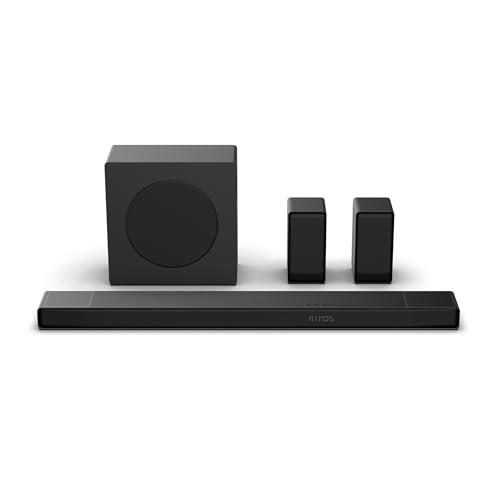
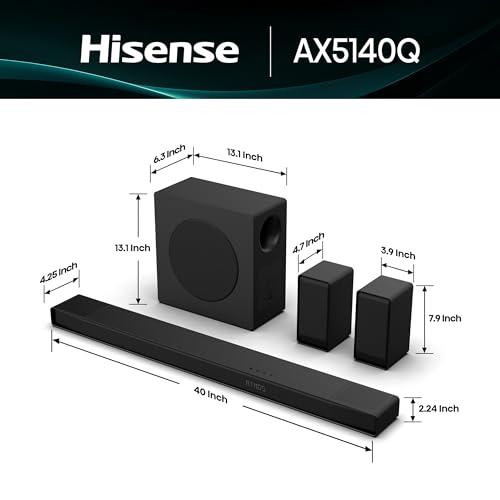




The soundbar market has exploded over the past few years, evolving from basic TV audio upgrades to sophisticated home theater systems that can rival traditional receiver-and-speaker setups. Two products that showcase this evolution are the Hisense AX5140Q—a feature-packed 5.1.4 channel system—and the Sony BRAVIA Theater Bar 6—a premium 3.1.2 bar focused on smart integration and dialogue clarity.
Both were released in 2024, representing the latest thinking in soundbar design. The Hisense AX5140Q embodies the "more is better" approach with discrete wireless rear speakers and four physical upfiring drivers, while the Sony BRAVIA Theater Bar 6 focuses on sophisticated processing and seamless TV integration. At the time of writing, there's about a $150 price difference between them, making this an interesting value comparison between different philosophies.
Before diving into specifics, it's worth understanding what separates today's soundbars from the basic models of five years ago. The biggest advancement is object-based audio support—specifically Dolby Atmos and DTS:X. These formats don't just send audio to specific speakers; instead, they treat sounds as objects that can be placed anywhere in 3D space. Think of it like the difference between painting by numbers and having complete creative freedom with a brush.
Traditional surround sound uses channels—discrete audio feeds for specific speaker locations like "front left" or "rear right." Object-based audio is more like having a GPS system for sound, where a helicopter can move smoothly from front-left to overhead-right, following its path on screen. This is why height channels (upfiring speakers that bounce sound off your ceiling) have become so important.
The challenge for soundbar manufacturers is delivering this experience without requiring customers to run speaker wires throughout their rooms or mount speakers on their ceilings. This has led to two main approaches: systems like the Hisense AX5140Q that include multiple discrete speakers, and bars like the Sony BRAVIA Theater Bar 6 that use advanced processing to create virtual surround effects.
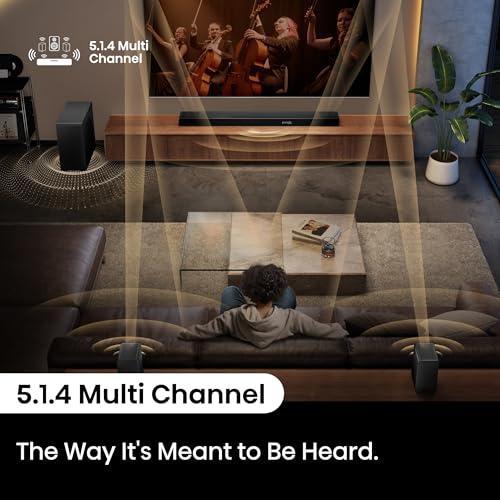
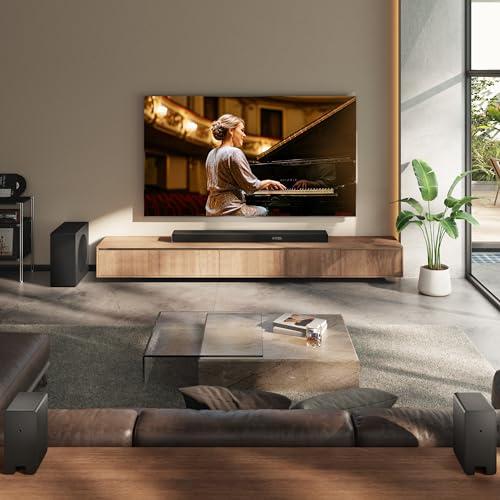
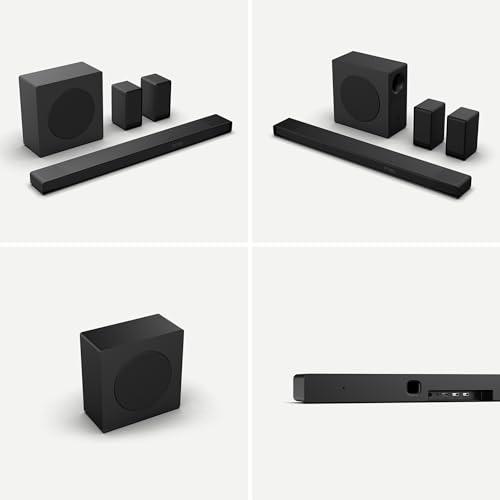
The Hisense AX5140Q represents what I'd call the "maximalist" approach to soundbar design. With 5.1.4 channels, it includes more discrete speakers than many people have in their traditional home theater setups. The "5.1.4" designation breaks down as five main speakers (front left, center, front right, plus two rear surrounds), one subwoofer (.1), and four height channels.
What makes this system special is that those four height channels are actual physical drivers—two upfiring speakers built into the main soundbar and two more in the wireless rear speakers. Most competitors at this price point either skip height channels entirely or include just two upfiring drivers in the main bar. Having four means the system can create what audio engineers call a "dome" of sound above your head, where effects can move not just from front to back overhead, but also side to side.
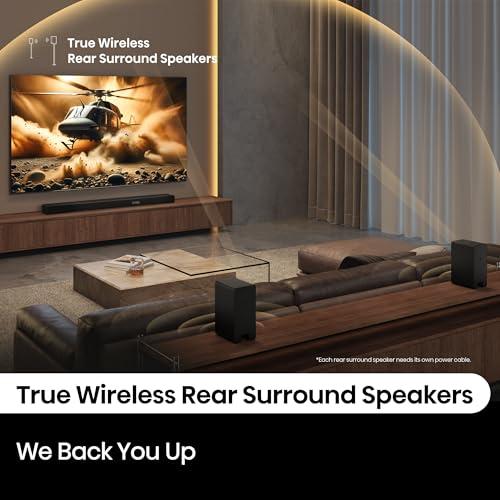
The wireless rear speakers are perhaps the Hisense's biggest advantage. While many soundbars claim "surround sound," they're actually using psychoacoustic tricks to make you think sounds are coming from behind you. The AX5140Q has actual speakers back there, which makes an enormous difference for action movies and gaming. When a car chase moves from screen left to behind your right shoulder, you hear it from an actual speaker in that location rather than a processed approximation.
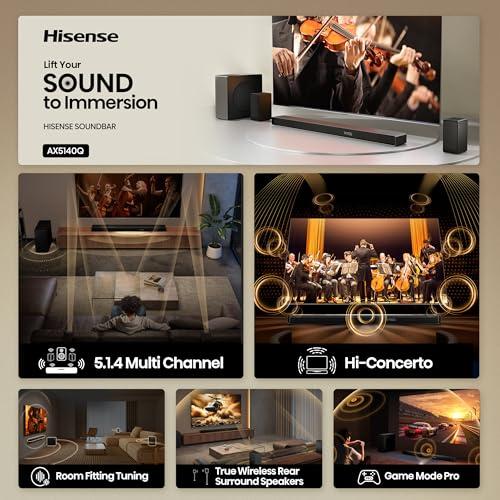
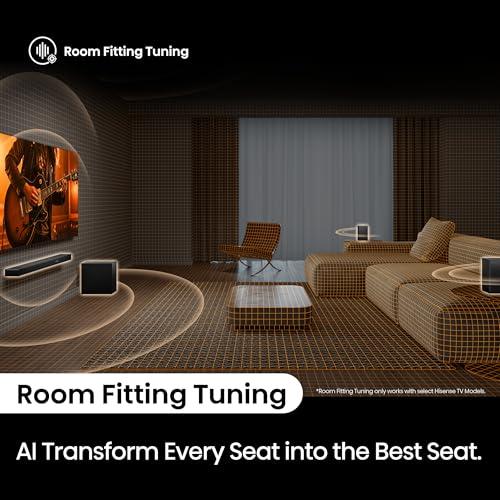
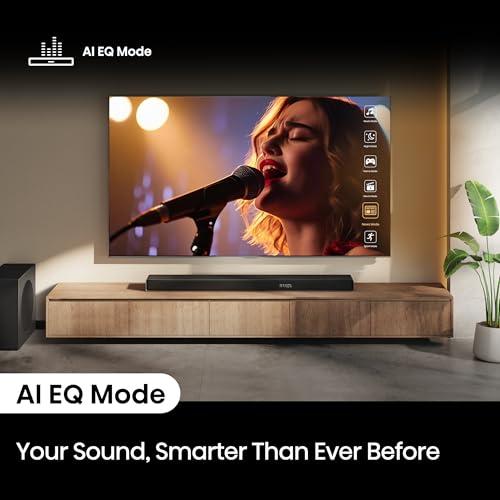
Hisense has also packed the system with smart features that were uncommon at this price point until recently. The AI EQ Mode continuously analyzes what you're watching and adjusts the sound signature—boosting dialogue frequencies during talky scenes, enhancing bass during action sequences, and optimizing dynamics for different content types. Room Fitting Tuning is essentially an automated room correction system that uses test tones and processing to adapt the sound to your specific space.
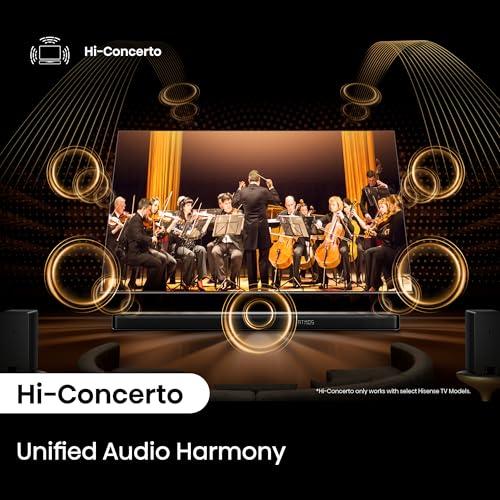
The Hi-Concerto feature is particularly clever if you own a compatible Hisense TV. Instead of just sending audio from the TV to the soundbar, Hi-Concerto coordinates both devices to work as a unified audio system. The TV's built-in speakers don't shut off; instead, they work together with the soundbar to create an even wider soundstage and more precise imaging. It's like having additional front-wide speakers without buying them separately.
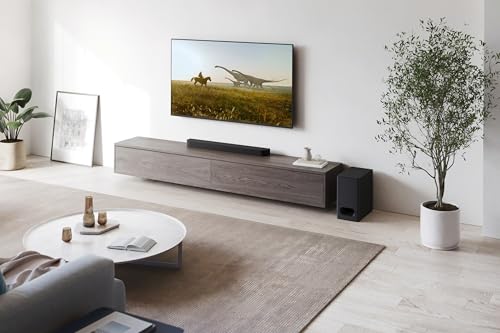
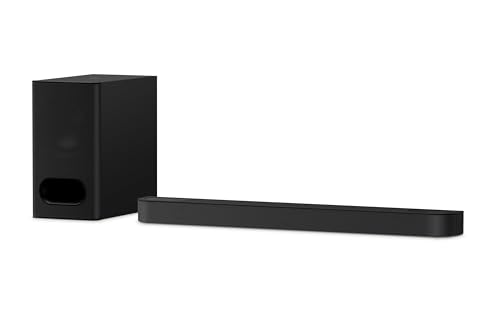
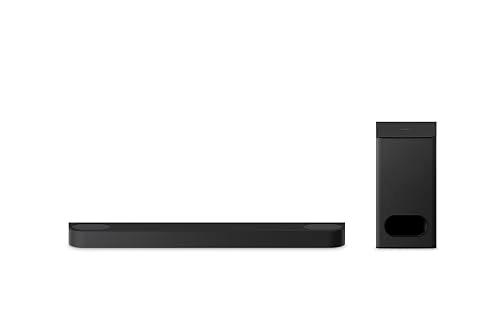
The Sony BRAVIA Theater Bar 6 takes a fundamentally different approach. Rather than maximizing speaker count, Sony focused on optimizing what a 3.1.2 system can achieve through sophisticated processing and premium components.
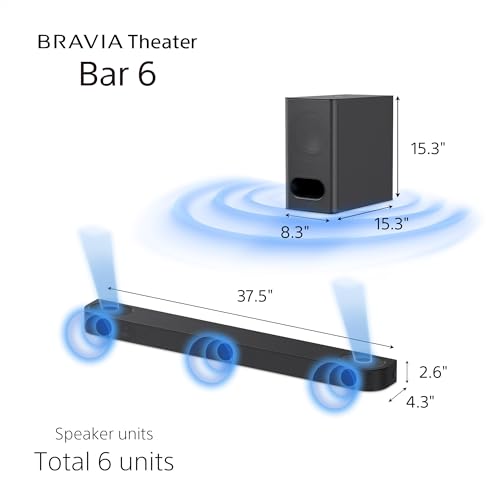
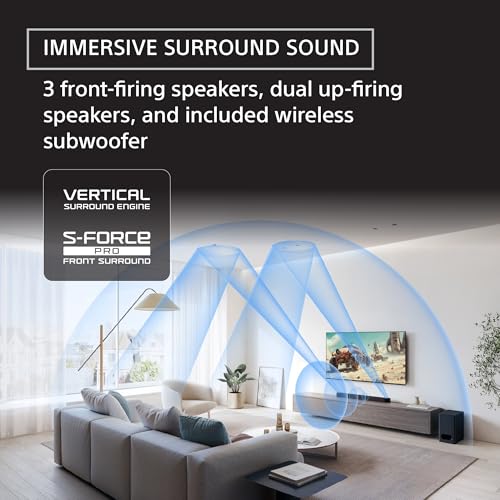
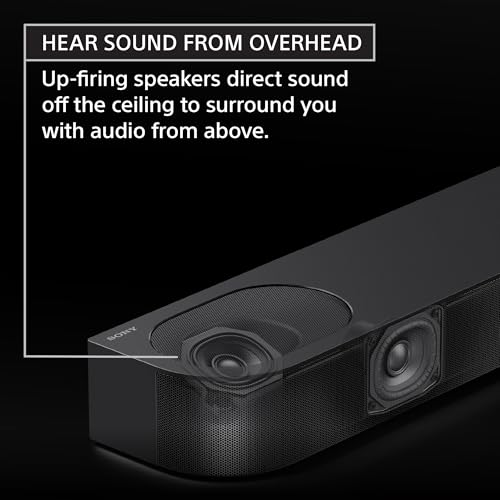
The 3.1.2 configuration includes three front-firing speakers (left, center, right), one subwoofer, and two upfiring speakers for height effects. What Sony lacks in raw channel count, it attempts to make up for with processing power and integration features.
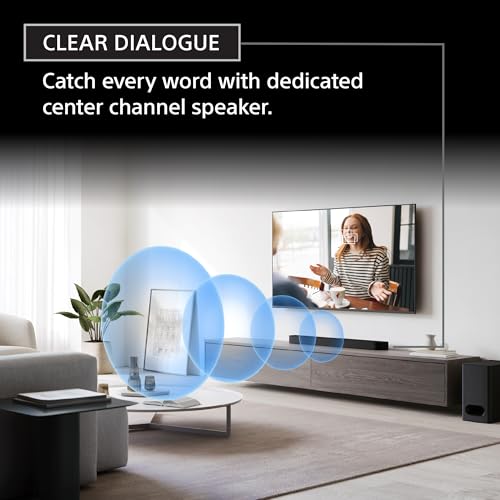
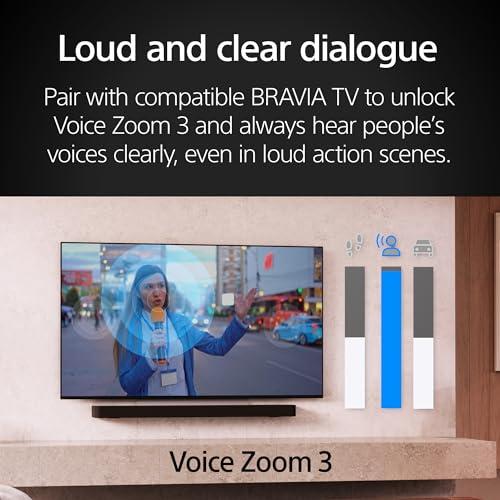
The centerpiece of Sony's approach is dialogue enhancement. The dedicated center channel uses what Sony calls Clear Voice algorithms to isolate and emphasize speech frequencies, making it easier to understand what characters are saying even during complex scenes. When paired with compatible BRAVIA TVs, Voice Zoom 3.0 takes this further by using the TV's built-in acoustic surface speakers (if available) to create an even more focused center image.
Sony's X-Balanced drivers represent another interesting engineering choice. Instead of traditional circular drivers, these are rectangular, which increases the surface area that moves air. In theory, this allows each driver to be more efficient and produce cleaner sound at higher volumes. The difference isn't night-and-day obvious, but it does contribute to the BRAVIA Theater Bar 6's notably clean midrange reproduction.
The S-Force PRO Front Surround processing is Sony's attempt to create convincing surround effects without rear speakers. Using carefully calibrated delays, phase shifts, and frequency adjustments, the system bounces sound off your room's walls to create the illusion that audio is coming from beside and behind you. It's quite effective for creating width and spaciousness, though it can't fully replicate the impact of having actual rear speakers.
This is where the fundamental difference between these systems becomes most apparent. The Hisense AX5140Q simply has more tools to work with—more speakers positioned in more locations. When watching Dolby Atmos content, the difference is immediately noticeable.
In our research of expert and user reviews, the consensus is clear: the Hisense creates a more convincing 3D audio environment. The four upfiring speakers can create smooth overhead pans that start at the front of the room and sweep all the way to the rear. The discrete rear speakers mean that when something explodes behind the main character, you hear it from behind you rather than from the front speakers using processing tricks.
The Sony BRAVIA Theater Bar 6, despite its sophisticated processing, is limited by physics. It can create an impressively wide soundstage and some convincing height effects, but surround sounds are always approximations rather than the real thing. For casual viewing, this might not matter much. For movie enthusiasts and gamers who want maximum immersion, it's a significant limitation.
However, the Sony does have advantages in terms of consistency. Because all the main speakers are in one unit, there are no potential sync issues between wireless speakers. The Hisense, while generally reliable, occasionally experiences brief dropouts or sync problems with its wireless components, according to some user reports.
This is where the Sony BRAVIA Theater Bar 6 fights back effectively. The combination of a dedicated center channel, Clear Voice processing, and Voice Zoom 3.0 (with compatible TVs) creates exceptional dialogue reproduction. Speech sounds natural and focused, cutting through complex soundtracks without the artificial harshness that some voice enhancement systems produce.
The Hisense AX5140Q also has a center channel and voice enhancement features, but they're not quite as sophisticated. The AI EQ Mode does help by automatically adjusting the frequency response based on content, but it's more of a broad optimization rather than the focused voice processing that Sony provides.
For people who watch a lot of TV dramas, news, or dialogue-heavy content, this difference matters significantly. The Sony makes it easier to follow conversations without constantly adjusting volume or enabling subtitles.
Both systems include wireless subwoofers, but they're tuned quite differently. The Hisense AX5140Q uses a 6.5-inch driver that can reach down to 40 Hz—low enough to reproduce the fundamental frequencies in most movie soundtracks and music. With 600W of total system power, it has plenty of headroom for dynamic peaks during action scenes.
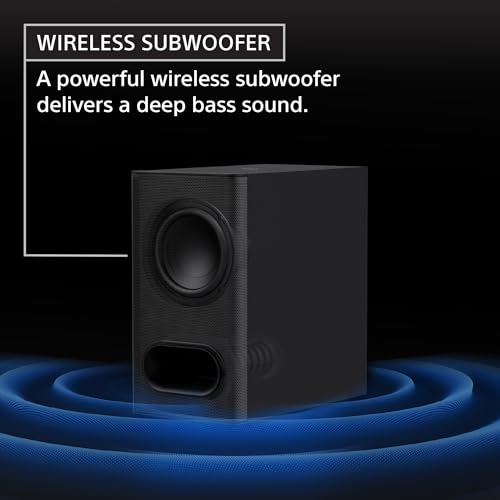
The Sony's subwoofer is more compact but uses a front-ported design that allows for more flexible placement. The bass is tighter and more controlled, though it doesn't reach quite as deep or hit quite as hard as the Hisense. For music listening, the Sony's approach might actually be preferable, as it's less likely to overwhelm the midrange frequencies.
Both systems allow you to adjust subwoofer levels, which is crucial because room acoustics dramatically affect bass performance. A setting that sounds perfect in one room might be boomy and excessive in another.
Gaming has become an increasingly important use case for soundbars, especially with the rise of spatial audio in modern games. The Hisense AX5140Q includes a dedicated Game Pro mode that optimizes the system for gaming audio, emphasizing positional cues and reducing processing delays.
The discrete rear speakers make a huge difference for competitive gaming. In first-person shooters, being able to accurately locate footsteps or gunfire can be the difference between winning and losing. The Hisense's four height channels also excel at reproducing the overhead audio cues that modern games use extensively.
The Sony BRAVIA Theater Bar 6 can certainly handle gaming audio well, but without rear speakers, it can't provide the same level of positional accuracy. For casual gaming, this might not matter, but serious gamers will notice the difference.
Both systems were designed in an era where soundbars are expected to be smart devices that integrate seamlessly with modern TVs and home automation systems. However, they take different approaches to achieving this integration.
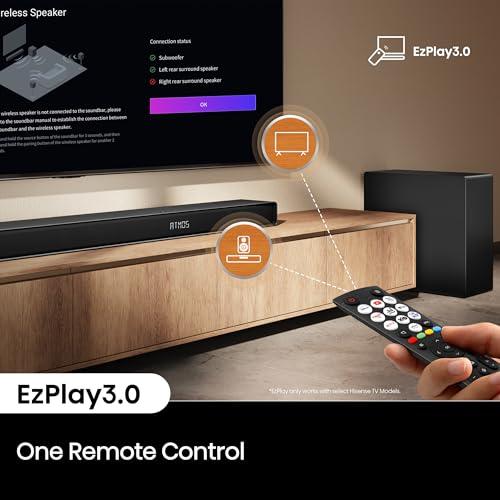
The Hisense AX5140Q centers around the Hi-Concerto platform and EzPlay 3.0. These work best when paired with Hisense TVs, creating what the company calls a "unified audio ecosystem." The Room Fitting Tuning is genuinely helpful, using AI to optimize the sound for your specific room layout and acoustics. The ConnectLife app provides comprehensive control over all settings, though some users report that it can be somewhat slow and occasionally loses connection to the soundbar.
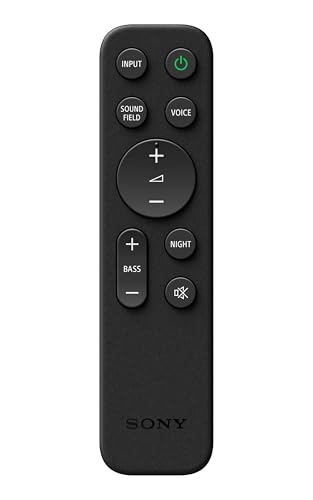
Sony's approach revolves around BRAVIA SYNC and the BRAVIA Connect app. The integration is exceptionally smooth if you own a compatible Sony TV—the soundbar appears in the TV's settings menu, and you can control everything with the TV remote. The Voice Zoom 3.0 feature, which combines the TV's speakers with the soundbar for enhanced dialogue, is genuinely useful for compatible models.
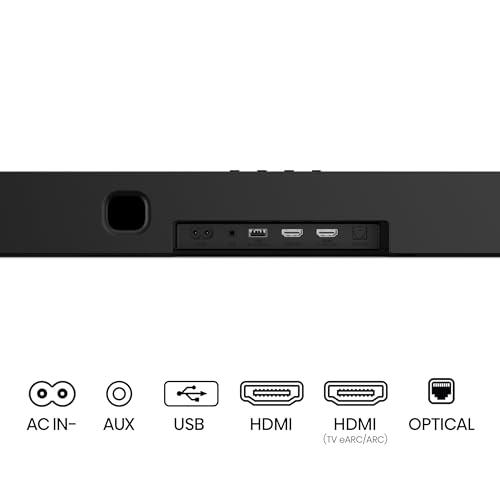
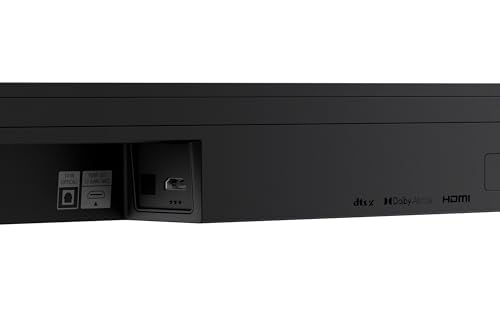
Both systems support HDMI eARC for high-quality audio return and include the connectivity options you'd expect from modern soundbars. The Hisense includes an additional HDMI input for passthrough, while the Sony focuses on eARC connectivity only.
At the time of writing, the price difference between these systems reflects their different approaches rather than a clear hierarchy. The Hisense AX5140Q offers more speakers and channels for less money, while the Sony BRAVIA Theater Bar 6 commands a premium for its build quality, processing sophistication, and brand reputation.
From a pure price-to-performance perspective, the Hisense is hard to beat. You're getting a complete 5.1.4 system with discrete rear speakers and a wireless subwoofer—components that would cost significantly more if purchased separately from traditional audio brands. The AI features and room correction capabilities are genuinely useful and typically found only in much more expensive systems.
The Sony justifies its higher price through refinement and integration. The build quality feels more premium, the dialogue enhancement is genuinely superior, and if you're invested in the Sony ecosystem, the seamless integration adds real value to daily use.
These two soundbars represent fundamentally different approaches to home theater audio, and your choice should depend on your priorities and usage patterns.
Choose the Hisense AX5140Q if you want maximum immersion and don't mind a more complex setup. It's ideal for movie enthusiasts, gamers, and anyone who wants to experience the full potential of Dolby Atmos and DTS:X content. The discrete rear speakers and four height channels create a genuinely impressive surround experience that rivals much more expensive systems. The AI features and room correction make it surprisingly easy to optimize despite the complexity.
You'll need space behind your seating area for the wireless rear speakers, and while setup is generally straightforward, you're dealing with more components that need to be positioned correctly. If you own a Hisense TV, the Hi-Concerto features add significant value.
Choose the Sony BRAVIA Theater Bar 6 if you prioritize dialogue clarity, prefer a clean single-bar aesthetic, and value seamless integration over maximum channel count. It's perfect for people who watch a lot of TV shows, news, and dialogue-heavy content. The sophisticated voice processing genuinely makes speech easier to understand, and the compact design works well in smaller spaces or minimalist setups.
The trade-off is that you're giving up true surround sound for convenience. The virtual surround processing is good, but it can't replicate the immersion of having actual rear speakers. If you own a Sony BRAVIA TV, especially one with Acoustic Surface Audio technology, the integration features add substantial value.
For most people building a home theater on a budget, the Hisense AX5140Q offers better long-term satisfaction. The immersive experience it provides is hard to replicate with processing alone, and the price-to-performance ratio is exceptional. However, if you primarily watch TV rather than movies, prefer simplicity over features, or are deeply invested in the Sony ecosystem, the BRAVIA Theater Bar 6 provides a more refined experience that justifies its premium.
The soundbar market continues evolving rapidly, but both of these 2024 models represent the current state of the art in their respective approaches. Whether you choose maximum immersion or refined integration, either system will provide a dramatic upgrade over basic TV speakers and deliver genuinely enjoyable home theater audio.
| Hisense AX5140Q | Sony BRAVIA Theater Bar 6 |
|---|---|
| Channel Configuration - More channels mean better surround immersion | |
| 5.1.4 channels with discrete rear speakers | 3.1.2 channels with virtualized surround |
| Total Power Output - Higher wattage provides better dynamics and room-filling sound | |
| 600W total system power | 350W total system power |
| Height Channel Implementation - Physical upfiring speakers create more convincing overhead effects | |
| 4 physical upfiring speakers (2 in bar, 2 in rears) | 2 upfiring speakers in main bar only |
| Rear Surround Speakers - Discrete rear speakers provide authentic surround vs virtualized effects | |
| Wireless rear speakers with built-in height channels | No rear speakers - uses virtual surround processing |
| Subwoofer Design - Larger drivers typically provide deeper bass extension | |
| 6.5" wireless subwoofer, reaches 40 Hz | 6" front-ported wireless subwoofer |
| Smart TV Integration - Seamless control and enhanced features with matching brand TVs | |
| Hi-Concerto with Hisense TVs, EzPlay 3.0 | BRAVIA SYNC with Sony TVs, Voice Zoom 3.0 |
| Room Calibration - Automatic tuning optimizes sound for your specific space | |
| AI-powered Room Fitting Tuning with automatic optimization | Manual room setup via app with distance input |
| Dialogue Enhancement - Critical for clear speech in movies and TV | |
| AI EQ Mode with adaptive voice processing | Dedicated Clear Voice algorithms and Voice Mode |
| Gaming Features - Specialized modes enhance competitive gaming audio | |
| Game Pro mode with low-latency wireless and positional audio | Standard gaming support with Bluetooth connectivity |
| Physical Setup Complexity - Consider your room layout and aesthetic preferences | |
| Multiple wireless components requiring rear placement | Single bar design with compact wireless subwoofer |
| Dolby Atmos Implementation - True vs processed height effects make a significant difference | |
| Native Atmos with 4 discrete height channels | Virtualized Atmos using Sony's processing |
| Connectivity Options - More inputs provide greater flexibility for multiple sources | |
| HDMI eARC, HDMI input with 4K passthrough, optical, USB | HDMI eARC, optical input, USB for updates only |
The Hisense AX5140Q is better for home theater due to its true 5.1.4 channel configuration with discrete wireless rear speakers and four physical upfiring drivers. This creates more authentic surround sound and overhead effects compared to the Sony BRAVIA Theater Bar 6's 3.1.2 virtualized system. For movie enthusiasts wanting maximum immersion, the Hisense AX5140Q delivers superior spatial audio.
The Hisense AX5140Q offers 5.1.4 channels (5 main speakers, 1 subwoofer, 4 height speakers) with actual rear speakers, while the Sony BRAVIA Theater Bar 6 has 3.1.2 channels (3 front speakers, 1 subwoofer, 2 height speakers) using virtual surround processing. More channels generally mean better surround sound immersion.
The Hisense AX5140Q typically provides deeper, more powerful bass with its 6.5-inch subwoofer and 600W total power output. The Sony BRAVIA Theater Bar 6 offers tighter, more controlled bass with its 6-inch front-ported subwoofer and 350W power, making it better for music but less impactful for movies.
While not absolutely necessary, rear speakers make a significant difference. The Hisense AX5140Q includes wireless rear speakers that provide authentic surround effects, while the Sony BRAVIA Theater Bar 6 uses processing to simulate rear sounds. Real rear speakers like those in the Hisense create more convincing surround immersion.
The Sony BRAVIA Theater Bar 6 excels at dialogue with its dedicated center channel, Clear Voice algorithms, and Voice Zoom 3.0 technology with compatible Sony TVs. While the Hisense AX5140Q also has good dialogue performance with AI EQ Mode, the Sony specializes in speech clarity.
The Hisense AX5140Q is better for gaming with its Game Pro mode, discrete rear speakers for positional audio, and four height channels. The Sony BRAVIA Theater Bar 6 can handle gaming but lacks the spatial accuracy that serious gamers prefer. For competitive gaming, the Hisense provides better directional audio cues.
The Sony BRAVIA Theater Bar 6 is easier to set up with its single-bar design requiring only subwoofer placement. The Hisense AX5140Q requires positioning wireless rear speakers behind seating, making setup more complex but offering better surround sound once properly configured.
Both work with any TV via HDMI eARC or optical connection. However, the Hisense AX5140Q offers enhanced Hi-Concerto features with Hisense TVs, while the Sony BRAVIA Theater Bar 6 provides superior integration with Sony BRAVIA TVs including Voice Zoom 3.0 and unified control.
The Hisense AX5140Q typically offers better value with more channels, discrete rear speakers, and advanced AI features at a lower price point. The Sony BRAVIA Theater Bar 6 costs more but justifies the premium through superior dialogue processing, build quality, and Sony ecosystem integration.
The Hisense AX5140Q works well in medium to large rooms thanks to its 600W power and discrete speakers, but requires space for rear speaker placement. The Sony BRAVIA Theater Bar 6 is ideal for small to medium rooms and tight spaces where rear speakers aren't practical.
Both the Hisense AX5140Q and Sony BRAVIA Theater Bar 6 support Dolby Atmos and DTS:X. However, the Hisense delivers more authentic object-based audio through its physical height and surround speakers, while the Sony relies more on virtualization processing.
The Sony BRAVIA Theater Bar 6 offers optional wireless rear speakers for future expansion. The Hisense AX5140Q comes complete with all components included and has limited official expansion options, but provides a full surround system from day one without additional purchases needed.
We've done our best to create useful and informative comparisons to help you decide what product to buy. Our research uses advanced automated methods to create this comparison and perfection is not possible - please contact us for corrections or questions. These are the sites we've researched in the creation of this article: shop.hisense-usa.com - manuals.plus - dolby.com - youtube.com - gzhls.at - rtings.com - youtube.com - bestbuy.com - manuals.plus - bestbuy.com - hisense-usa.com - youtube.com - device.report - manuals.plus - youtube.com - device.report - manuals.plus - youtube.com - rtings.com - bestbuy.com - whathifi.com - youtube.com - youtube.com - sony.com - galaxus.at - helpguide.sony.net - audioadvice.com - electronics.sony.com - youtube.com - youtube.com - electronics.sony.com - helpguide.sony.net - whatgear.net - consumerreports.org

Privacy Policy
Terms and Conditions - Affiliate Policy
Home Security
© Copyright 2008-2026.
11816 Inwood Rd #1211, Dallas, TX 75244