






Shopping for a soundbar in 2024 means navigating a crowded market where "Dolby Atmos" gets slapped on everything from $200 budget bars to $2,000 flagship systems. The reality is that not all Atmos implementations are created equal, and understanding the difference between true height channels and virtual processing can save you hundreds of dollars or help you avoid buyer's remorse.
The Hisense AX5140Q and JBL Bar 700 represent two fundamentally different philosophies in the mid-range soundbar market. Released in 2023 and 2022 respectively, both systems promise immersive Dolby Atmos experiences, but their approaches couldn't be more different. At the time of writing, the Hisense costs roughly 40% less than the JBL, yet delivers what many consider superior 3D audio processing through dedicated hardware rather than software tricks.
Before diving into specifics, it's worth understanding what separates today's soundbars from the simple 2.1 systems of a few years ago. The push toward immersive audio has fundamentally changed how we think about home theater sound, moving beyond the traditional left-center-right setup to create a "sphere" of audio around listeners.
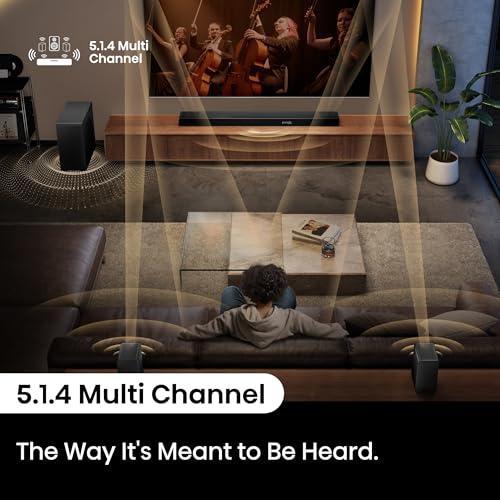
Channel configuration tells you how many discrete audio streams a system can handle. The numbers work like this: 5.1.4 means five main channels (front left, center, front right, rear left, rear right), one subwoofer channel, and four height channels that create overhead effects. This is different from older surround formats that only worked horizontally around you.
Dolby Atmos is an object-based audio format that treats sounds as individual objects in 3D space rather than assigning them to specific channels. Rain, helicopters, or musical instruments can move seamlessly through your room, creating a more realistic soundscape. However, this only works properly when you have enough physical speakers positioned correctly—or when software can convincingly simulate those positions.
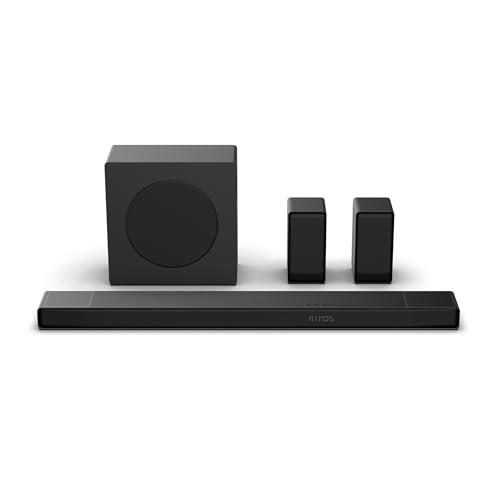
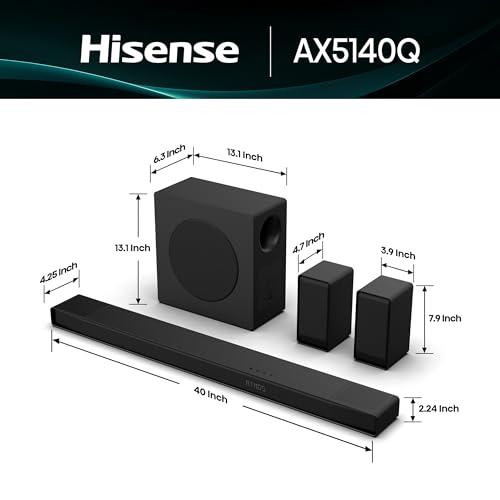
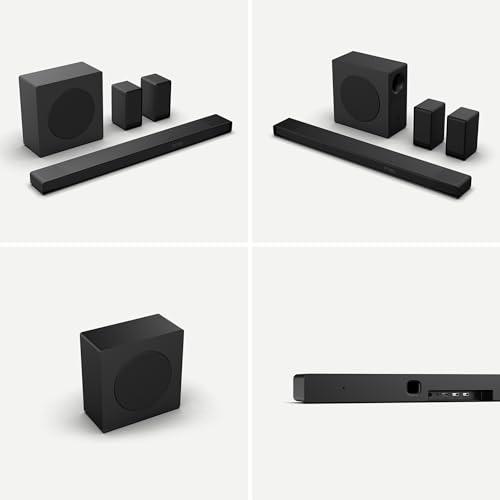
The core difference between these systems lies in how they handle height information. The Hisense AX5140Q takes the hardware approach with four dedicated upfiring drivers—physical speakers that point toward your ceiling to bounce sound down and create overhead effects. Two live in the main soundbar, and two more are built into the wireless rear speakers, giving you genuine 5.1.4 channel processing.
Upfiring drivers work by reflecting sound off your ceiling, which then reaches your ears from above. This isn't just a marketing gimmick—when implemented properly with adequate ceiling height and reflective surfaces, the effect is remarkably convincing. Explosions seem to happen overhead, rain appears to fall from above, and aircraft genuinely sound like they're flying over your room.
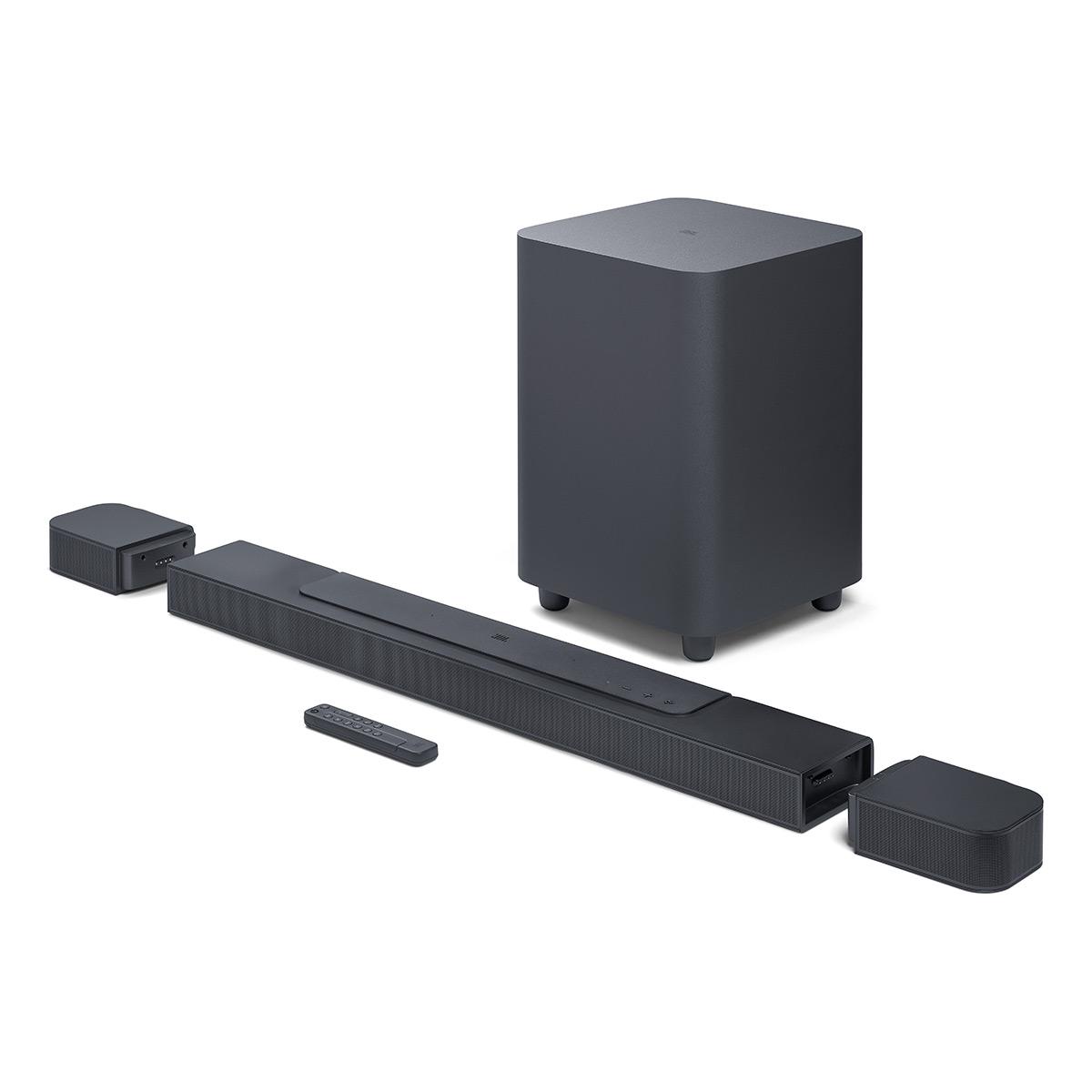
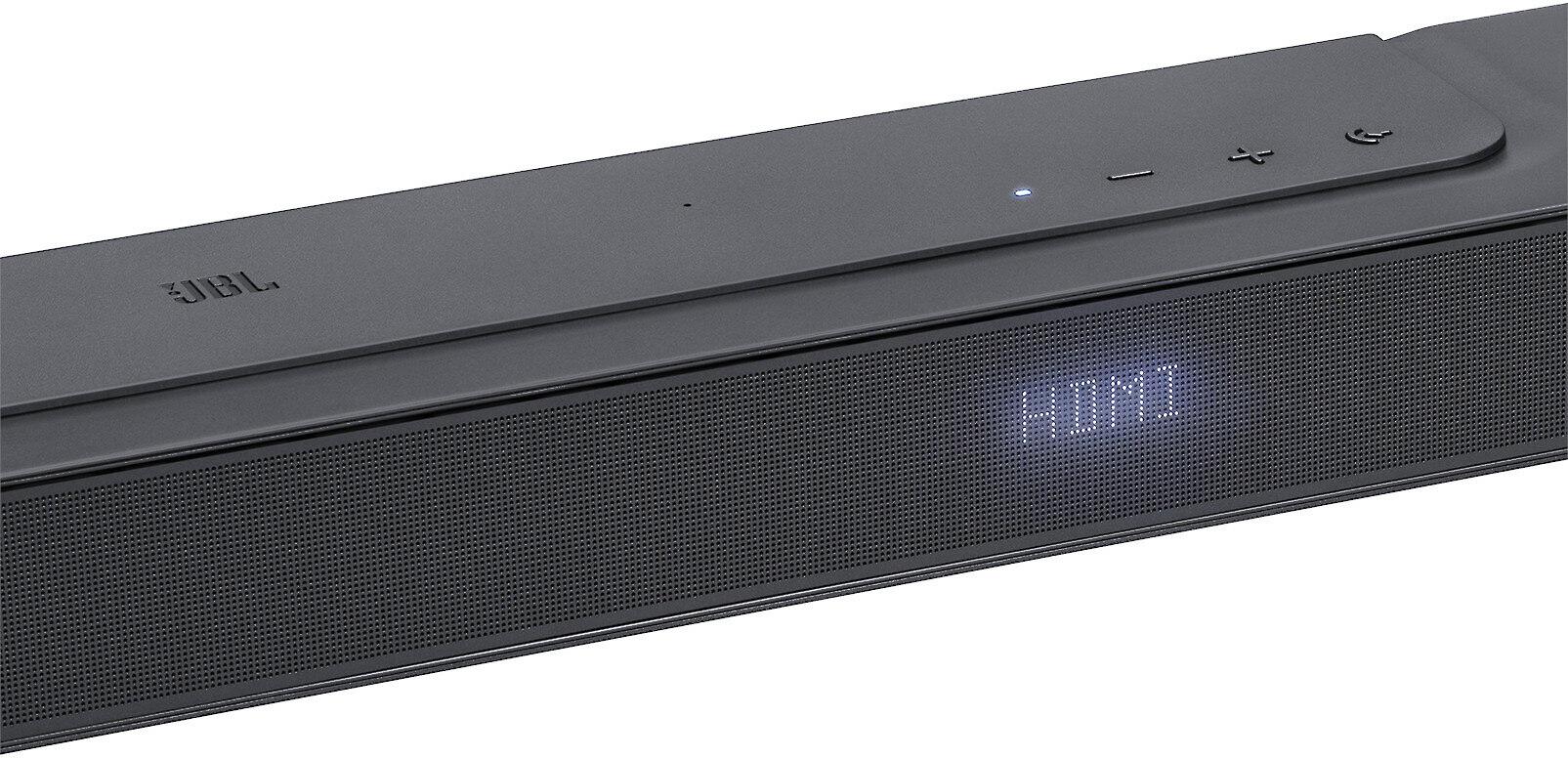
The JBL Bar 700, conversely, relies on MultiBeam technology—sophisticated signal processing that uses psychoacoustic principles to trick your brain into perceiving height effects. Instead of dedicated upfiring speakers, it uses carefully timed audio delays, phase manipulation, and frequency filtering to create the illusion that sound is coming from above and around you.
Both approaches have merit, but they deliver fundamentally different experiences. From our research into expert and user consensus, true height channels provide more accurate object placement and a more convincing "dome" of sound, especially in complex movie scenes with lots of overhead activity. Virtual processing works better than you might expect but struggles with precise localization and can sound more like enhanced stereo than genuine 3D audio.
The subwoofer comparison reveals another philosophical divide. The JBL Bar 700 includes a substantial 10-inch wireless subwoofer pumping out 300 watts, while the Hisense AX5140Q uses a more modest 6.5-inch driver. On paper, bigger always seems better, but the reality is more nuanced.
That 10-inch JBL sub can absolutely shake a room. User reviews consistently mention its ability to deliver deep, rumbling bass that you feel in your chest during action scenes. It excels with explosion-heavy blockbusters and bass-driven music genres. However, several reviews note that this power comes with a trade-off—the bass can sound "boomy" or slow to respond during rapid-fire sequences, and integration with the main speakers isn't always seamless.
The Hisense's 6.5-inch subwoofer takes a different approach, prioritizing accuracy and integration over sheer output. While it won't rattle windows like the JBL, user feedback suggests it delivers tighter, more controlled bass that blends better with the surround channels. This matters more than you might think—poorly integrated bass can muddy dialogue and mask subtle surround effects, defeating the purpose of having all those channels in the first place.
For most living rooms, the Hisense's bass output proves adequate, especially when you consider that its wireless rear speakers help distribute low-frequency effects around the room. The JBL makes more sense if you have a large space to fill or if earth-shaking explosions are a priority.
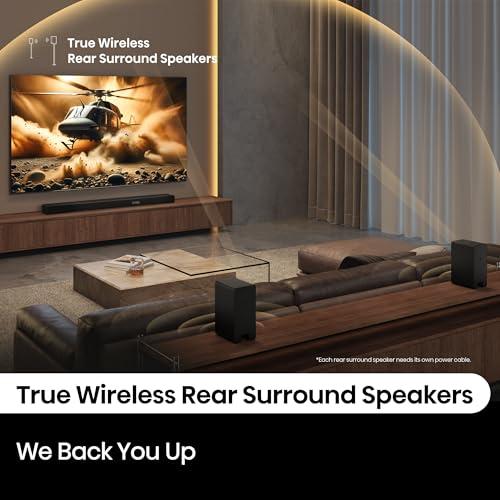
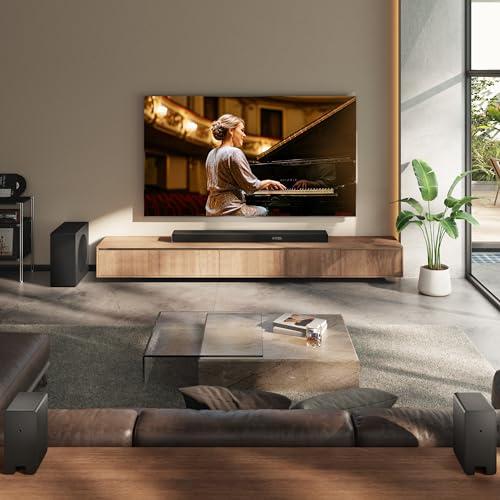
Perhaps the most significant practical difference lies in how these systems handle surround channels. The Hisense AX5140Q includes discrete wireless rear speakers that must be positioned behind your seating area. These aren't just simple drivers—each rear speaker includes its own upfiring driver for height effects, creating a more symmetrical and enveloping sound field.
This approach delivers genuine rear-channel separation. Sounds that should come from behind you actually do, creating convincing front-to-back audio movement that's essential for proper surround immersion. The wireless connectivity eliminates the cable runs that traditionally made rear speakers impractical for many living rooms.
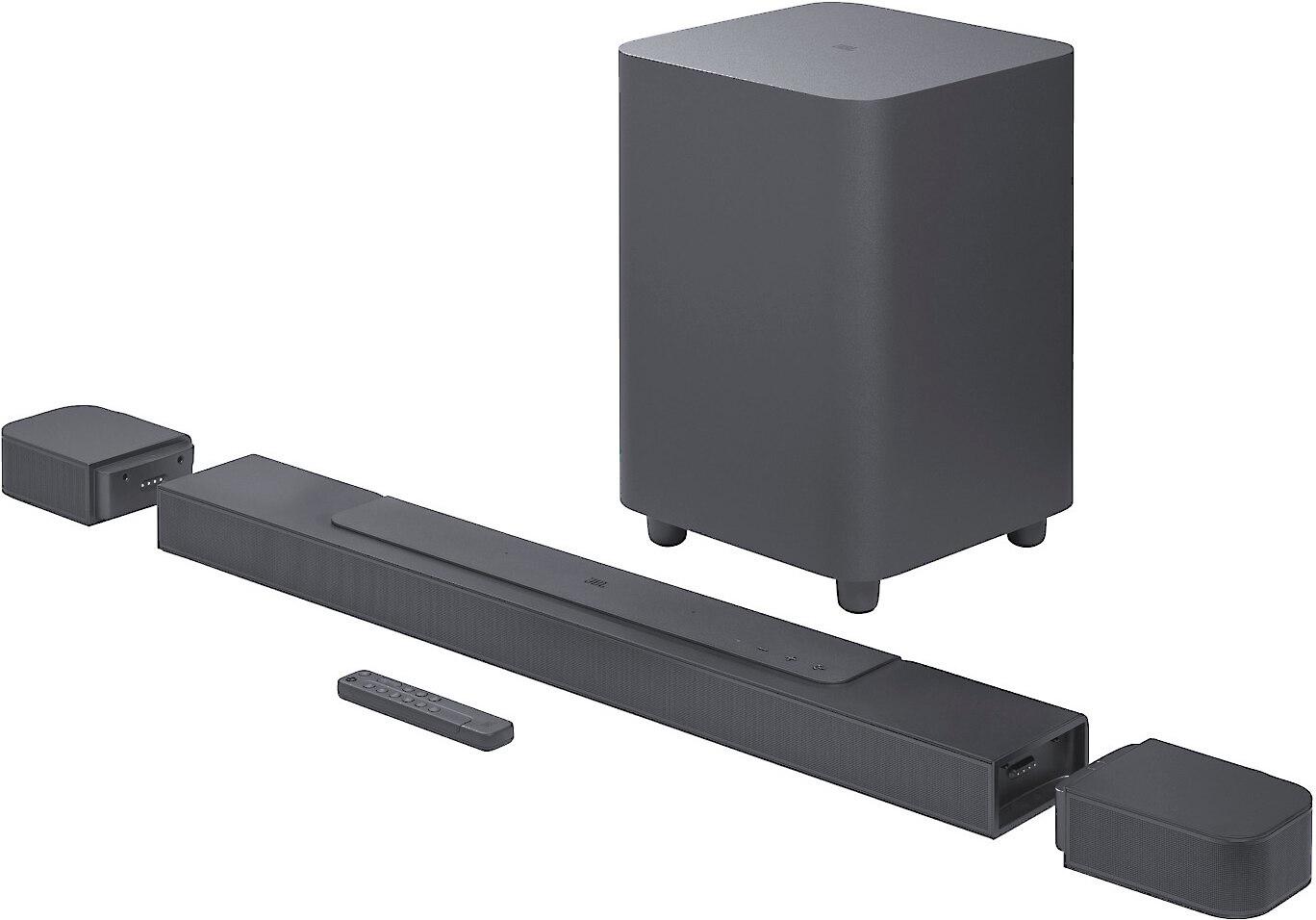
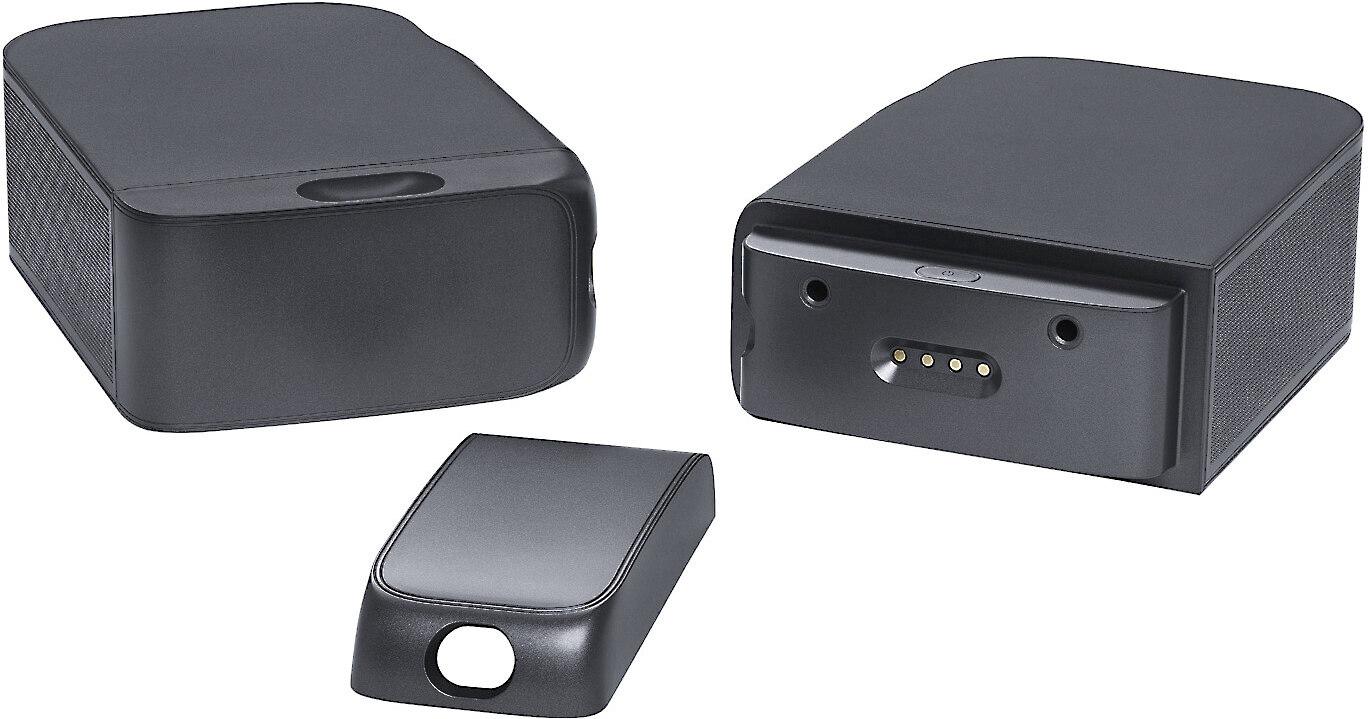
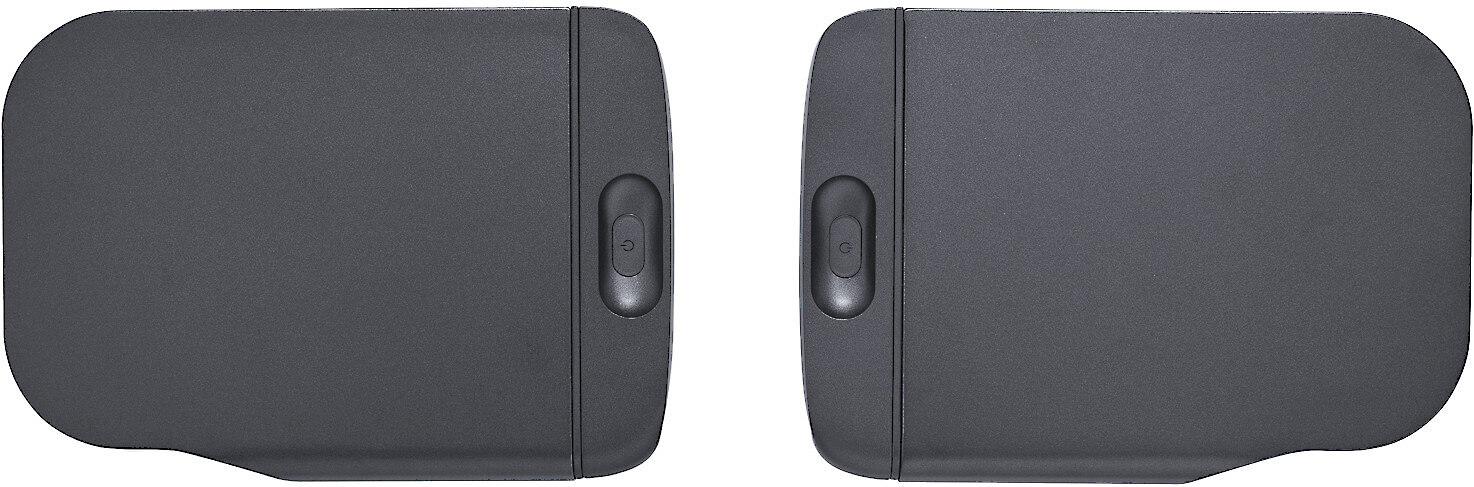
The JBL Bar 700 takes a more flexible approach with detachable, battery-powered surround modules. These speakers can operate independently for up to 10 hours, giving you unprecedented placement flexibility. Need rear surrounds for movie night but don't want permanent speakers behind your couch? Detach them from the soundbar, place them wherever makes sense, and they'll maintain their wireless connection.
However, these detachable speakers don't include upfiring drivers, and their positioning as part of the main soundbar when "docked" means they can't provide true rear-channel effects in that configuration. It's a trade-off between convenience and acoustic performance that appeals to different users depending on their priorities and room constraints.
Modern soundbars increasingly function as smart home hubs, and here the JBL Bar 700 clearly takes the lead. Built-in Chromecast, AirPlay support, and Alexa Multi-Room Music compatibility make it a natural fit for homes already invested in these ecosystems. You can stream music directly from your phone, integrate it with other Alexa devices for whole-home audio, or use voice commands for basic control.
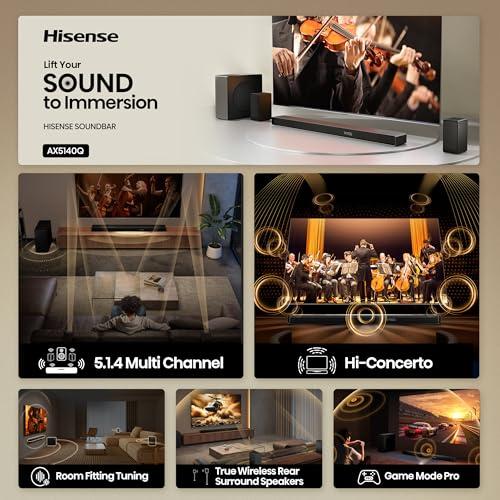
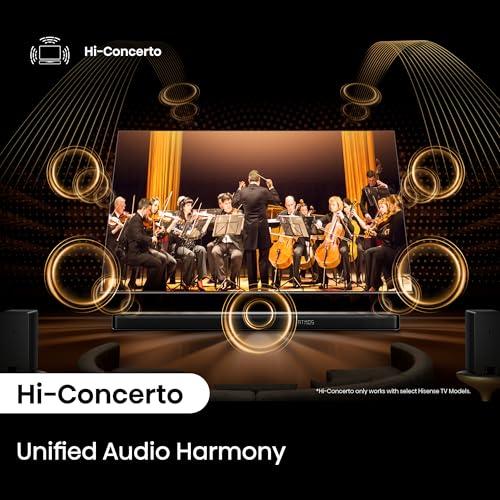
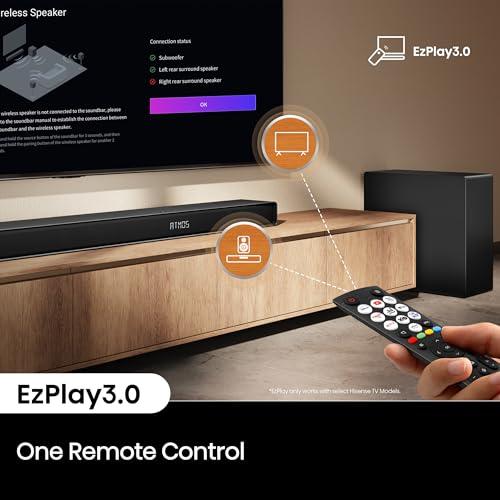
The Hisense AX5140Q takes a more focused approach with its Hi-Concerto platform, designed specifically for integration with Hisense televisions. When paired with a compatible Hisense TV, the system can coordinate between the TV's built-in speakers and the soundbar to enhance dialogue clarity and create a more cohesive soundstage. It's a neat feature if you own the right TV, but it doesn't offer the broad compatibility of the JBL's wireless streaming options.
This difference reflects each manufacturer's target audience. JBL assumes you want your soundbar to be part of a broader smart home ecosystem, while Hisense focuses on optimizing the core TV-watching experience.
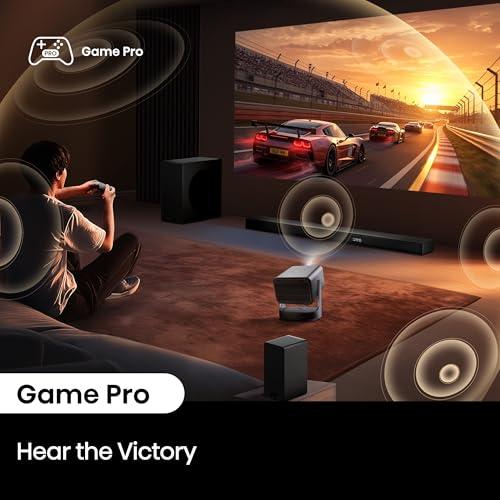
Both systems support gaming through HDMI eARC with 4K passthrough, but their different strengths become apparent depending on your gaming preferences. The Hisense AX5140Q includes a dedicated Game Pro mode that emphasizes positional audio cues—crucial for competitive gaming where hearing enemy footsteps or gunfire direction provides tactical advantages.
The genuine surround and height channels make games with spatial audio support significantly more immersive. Racing games benefit from realistic environment audio, while action titles deliver more convincing explosions and environmental effects overhead. The system's lower latency and precise channel separation help with audio positioning that can provide competitive advantages.
The JBL Bar 700 counters with raw power that enhances the visceral impact of gaming. That 10-inch subwoofer makes explosion-heavy games feel more dynamic, and the system's overall 620-watt output provides plenty of headroom for gaming at higher volumes without distortion.
One area where the Hisense AX5140Q consistently receives praise is setup simplicity. Multiple user reviews mention that the wireless subwoofer and rear speakers pair automatically without configuration—you literally just plug everything in and it works. This plug-and-play experience eliminates the frustration that often accompanies multi-speaker wireless systems.
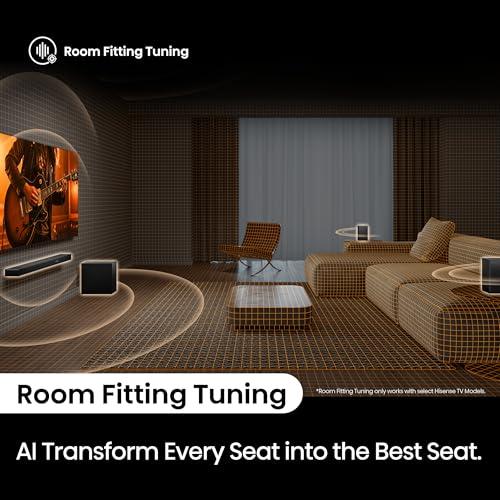
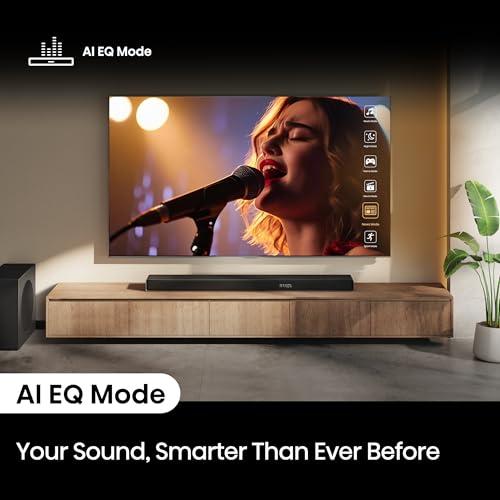
The system includes room calibration features that use test tones to adapt the sound to your specific space. While not as sophisticated as the auto-calibration systems in premium receivers, it provides a noticeable improvement in sound balance and can help optimize the height effects for your particular ceiling height and room dimensions.
The JBL Bar 700 requires more manual setup but offers more customization through the JBL One app. The detachable speakers need to be charged and paired, and optimizing their placement for best surround effects requires some experimentation. However, once configured, the wireless ecosystem provides more flexibility for different listening scenarios.
At the time of writing, the price difference between these systems is substantial—the Hisense typically costs significantly less than the JBL, yet delivers what many consider superior core audio performance. This represents one of the best value propositions in the current soundbar market.
The Hisense AX5140Q achieves something remarkable: true 5.1.4 Dolby Atmos processing at a price point where most competitors offer 3.1.2 systems with virtual height processing. It's the rare budget product that doesn't significantly compromise on its core function. The money saved compared to the JBL could fund a streaming device, better HDMI cables, or simply stay in your pocket.
The JBL Bar 700 justifies its premium through convenience features and ecosystem integration rather than superior audio processing. For users who prioritize smart home connectivity, wireless flexibility, and powerful bass over authentic surround positioning, the extra cost may be worthwhile.
The decision between these systems largely depends on what you value most in your home entertainment setup. If your primary goal is creating the most convincing home theater experience possible—where you want to feel transported into movies with genuine 3D audio—the Hisense AX5140Q delivers superior technology at a lower price point.
Choose the Hisense if you're primarily focused on movies and TV shows, have a room where you can position rear speakers effectively, own or plan to buy a Hisense TV, or simply want the best possible Dolby Atmos experience for your budget. Its true height channels and discrete surround speakers create a more authentic cinematic experience than virtual processing can match.
The JBL Bar 700 makes more sense if you need maximum bass output for a large room, frequently stream music and want multiroom audio capabilities, prefer the convenience of detachable speakers over optimal acoustic placement, or already have significant investments in Chromecast/AirPlay ecosystems. It's also the better choice if you prioritize modern connectivity and smart features over pure audio performance.
For most home theater enthusiasts, the Hisense AX5140Q represents exceptional value—delivering premium audio technology at a decidedly non-premium price. The JBL Bar 700 serves users who want their soundbar to do more than just improve TV audio, functioning as a complete wireless audio hub for modern smart homes.
Both systems will dramatically improve your TV's audio compared to built-in speakers, but they'll do it in fundamentally different ways that appeal to different priorities and budgets.
| Hisense AX5140Q 5.1.4Ch Dolby Atmos DTS:X Sound Bar | JBL Bar 700 Dolby Atmos 5.1 Soundbar with Subwoofer |
|---|---|
| Channel Configuration - Determines surround sound authenticity and immersion quality | |
| True 5.1.4 with four dedicated upfiring drivers | 5.1 with virtual Dolby Atmos processing |
| Height Channel Implementation - Critical for authentic overhead effects in movies | |
| Four physical upfiring speakers (2 in bar, 2 in rears) | MultiBeam virtual height processing, no upfiring drivers |
| Total System Power - Affects maximum volume and dynamic range | |
| 600W maximum output | 620W maximum output |
| Subwoofer Size - Impacts bass depth and room-filling capability | |
| 6.5" wireless subwoofer (tight, accurate bass) | 10" wireless subwoofer (deep, powerful bass) |
| Rear Speaker Design - Determines true surround vs convenience | |
| Discrete wireless speakers with individual upfiring drivers | Detachable battery-powered speakers (10-hour runtime) |
| Audio Format Support - Compatibility with premium streaming and disc content | |
| Dolby Atmos, DTS:X, Dolby TrueHD, DTS-HD Master Audio | Dolby Atmos (virtual), standard surround formats |
| Smart Features - Streaming and voice control capabilities | |
| Hi-Concerto TV integration, basic Bluetooth 5.3 | Chromecast built-in, AirPlay, Alexa Multi-Room Music |
| Connectivity Options - Input flexibility for various devices | |
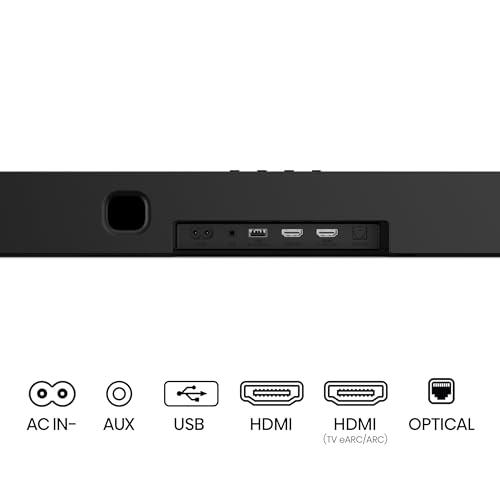
| HDMI eARC, optical, AUX, USB, 4K 60Hz passthrough | HDMI eARC, optical, Bluetooth, 4K HDR passthrough |
| Room Calibration - Automatic sound optimization for your space | |
| AI EQ mode and room fitting tuning | Easy sound calibration with embedded microphone |
| Gaming Features - Performance optimization for console gaming | |
| Game Pro mode with enhanced positional audio | Low-latency HDMI eARC, powerful bass for impact |
| Physical Dimensions - Important for TV compatibility and placement | |
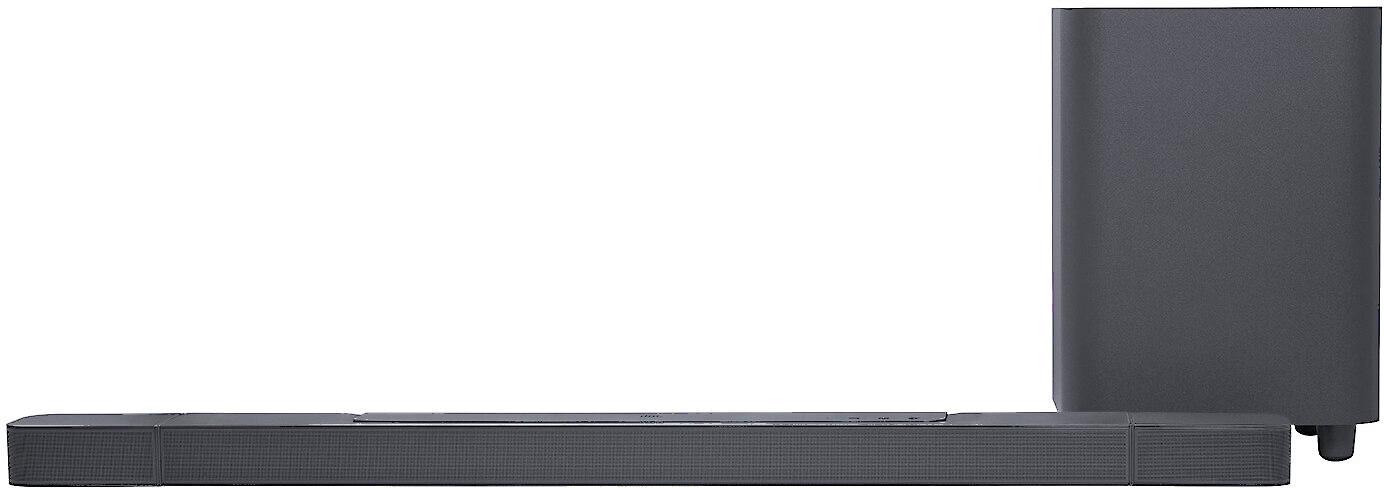
| Main bar: 40" wide, relatively heavy for mounting | Main bar: 46.2" wide, modern minimal design |
| Setup Complexity - Ease of installation and configuration | |
| Automatic wireless pairing, minimal configuration needed | Standard wireless setup, app-based customization |
| Best Use Cases - Who should choose each system | |
| Movie enthusiasts wanting true Atmos, Hisense TV owners, budget-conscious buyers seeking premium audio | Smart home users, large rooms needing powerful bass, music streaming priority |
The Hisense AX5140Q delivers superior Dolby Atmos performance with four dedicated upfiring speakers that create genuine overhead sound effects. The JBL Bar 700 uses virtual Dolby Atmos processing through MultiBeam technology, which simulates height effects but cannot match the accuracy of physical upfiring drivers. For authentic 3D movie experiences, the Hisense AX5140Q provides true 5.1.4 channel processing versus the JBL's 5.1 virtual system.
The Hisense AX5140Q features 5.1.4 channels, meaning it has five main speakers, one subwoofer, and four dedicated height channels for overhead effects. The JBL Bar 700 offers 5.1 channels with virtual height processing instead of physical height speakers. This means the Hisense can create more precise overhead sound placement for movies, while the JBL relies on software to simulate height effects.
The JBL Bar 700 features a larger 10-inch wireless subwoofer that delivers deeper, more powerful bass compared to the Hisense AX5140Q's 6.5-inch subwoofer. However, the Hisense provides tighter, more accurate bass that integrates better with its surround channels. Choose the JBL for room-shaking bass in large spaces, or the Hisense for balanced, precise low-frequency performance.
Yes, both systems include wireless rear speakers, but they work differently. The Hisense AX5140Q has discrete wireless rear speakers with built-in upfiring drivers that must be positioned behind your seating area. The JBL Bar 700 features detachable, battery-powered surround speakers that can operate independently for up to 10 hours, offering more placement flexibility but without dedicated height channels.
The Hisense AX5140Q excels for gaming with its Game Pro mode and genuine surround sound that enhances positional audio cues crucial for competitive gaming. The JBL Bar 700 offers powerful bass impact and low-latency HDMI eARC for gaming. For competitive gaming where audio positioning matters, choose the Hisense. For action games where bass impact is priority, the JBL delivers more visceral sound.
The JBL Bar 700 provides extensive smart home integration with Chromecast built-in, AirPlay, and Alexa Multi-Room Music support for streaming and voice control. The Hisense AX5140Q focuses on TV integration with Hi-Concerto technology for enhanced compatibility with Hisense TVs, plus basic Bluetooth connectivity. Choose the JBL for comprehensive smart home features or the Hisense for streamlined TV-focused functionality.
The Hisense AX5140Q offers exceptional setup simplicity with automatic wireless pairing between the soundbar, subwoofer, and rear speakers requiring minimal configuration. The JBL Bar 700 requires more manual setup for its detachable speakers and app-based customization. For plug-and-play installation, the Hisense provides a more straightforward experience, while the JBL offers more customization options through its mobile app.
The Hisense AX5140Q delivers superior 3D audio immersion with its true 5.1.4 configuration and physical upfiring drivers, creating more accurate sound placement for movies. The JBL Bar 700 provides excellent overall sound quality with more powerful bass but relies on virtual processing for height effects. For cinematic sound quality, the Hisense offers better spatial audio, while the JBL excels in bass performance and overall power.
The Hisense AX5140Q provides exceptional value by delivering true 5.1.4 Dolby Atmos processing at a significantly lower price point than the JBL Bar 700. The JBL justifies its higher cost through smart home features and more powerful bass rather than superior audio processing. For pure audio performance per dollar, the Hisense represents one of the best values in the soundbar market.
Both soundbars work with any TV through HDMI eARC, optical, or Bluetooth connections. However, the Hisense AX5140Q offers enhanced integration with Hisense TVs through Hi-Concerto technology for optimized performance. The JBL Bar 700 provides universal compatibility without brand-specific features. While both work with all TV brands, the Hisense delivers additional benefits when paired with Hisense televisions.
The Hisense AX5140Q excels for movies and TV shows with its authentic 5.1.4 Dolby Atmos processing, creating genuine overhead effects and surround immersion. The JBL Bar 700 provides good movie performance with powerful bass but cannot match the spatial accuracy of the Hisense's physical height channels. For the most cinematic home theater experience, the Hisense delivers superior 3D audio that makes movies more immersive.
The Hisense AX5140Q has limited smart features compared to competitors and requires proper rear speaker placement for optimal performance. Some users report occasional Hi-Concerto sync issues with certain TV models. The JBL Bar 700 lacks true height channels, relying on virtual processing, and its powerful bass can sometimes sound boomy. The JBL also costs significantly more while delivering less authentic surround sound than the Hisense.
We've done our best to create useful and informative comparisons to help you decide what product to buy. Our research uses advanced automated methods to create this comparison and perfection is not possible - please contact us for corrections or questions. These are the sites we've researched in the creation of this article: shop.hisense-usa.com - manuals.plus - dolby.com - youtube.com - gzhls.at - rtings.com - youtube.com - bestbuy.com - manuals.plus - bestbuy.com - hisense-usa.com - youtube.com - device.report - manuals.plus - youtube.com - device.report - manuals.plus - youtube.com - crutchfield.com - harmanaudio.com - target.com - jbl.com - walmart.com - dell.com - jbl.com

Privacy Policy
Terms and Conditions - Affiliate Policy
Home Security
© Copyright 2008-2026.
11816 Inwood Rd #1211, Dallas, TX 75244