



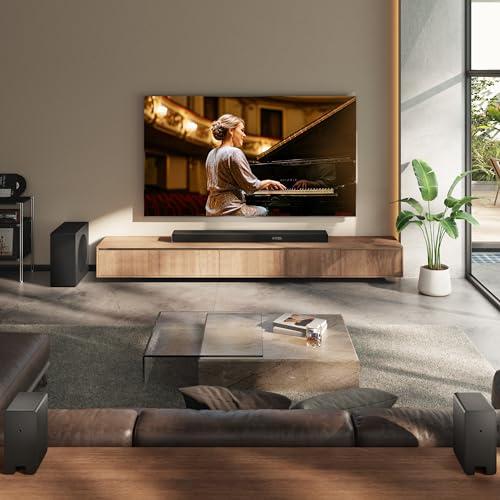


If you've ever watched an action movie and wondered why the explosions sound like they're coming from your kitchen instead of the screen, you're not alone. Modern TVs have gotten incredibly thin, which is great for wall mounting but terrible for sound quality. The speakers are either firing downward into your TV stand or backward into the wall—neither approach does justice to the audio mix that sound engineers spent months perfecting.
This is where soundbars come in. These long, horizontal speakers sit below or mount under your TV, dramatically improving dialogue clarity and adding the bass response that tiny TV speakers simply can't deliver. But not all soundbars are created equal, and understanding the different approaches can save you from buyer's remorse.
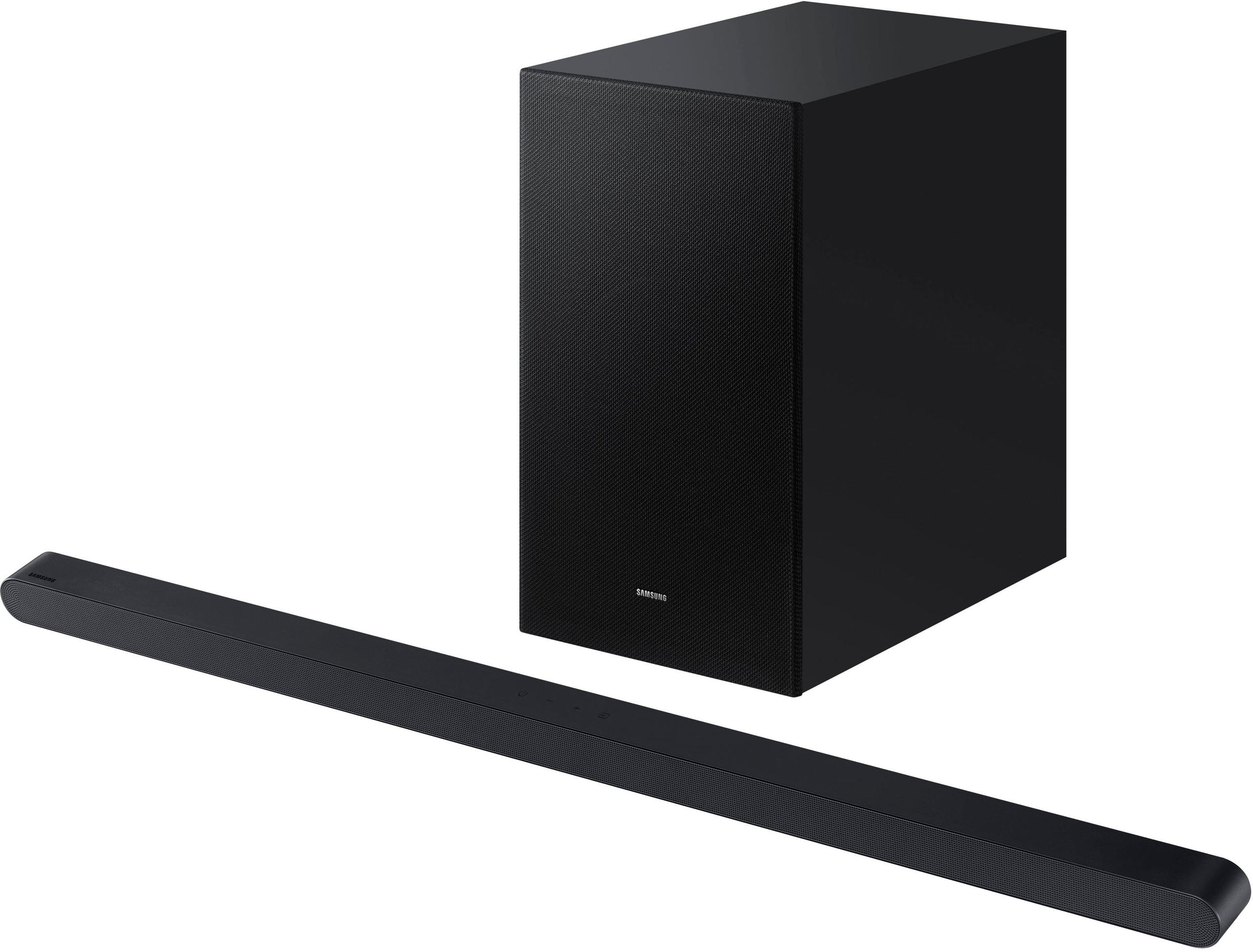
Today we're comparing two soundbars that represent fundamentally different philosophies: the Hisense AX5140Q, which takes a "give you everything" approach with true surround sound, and the Samsung HW-S700D, which focuses on delivering premium audio enhancement in the slimmest possible package.
Before diving into specifics, it helps to understand how soundbar channel configurations work. When you see numbers like "3.1" or "5.1.4," they're describing how many speakers and what types the system includes. The first number represents main channels (left, center, right, etc.), the second is dedicated subwoofers for bass, and the third (when present) indicates height channels for overhead effects.
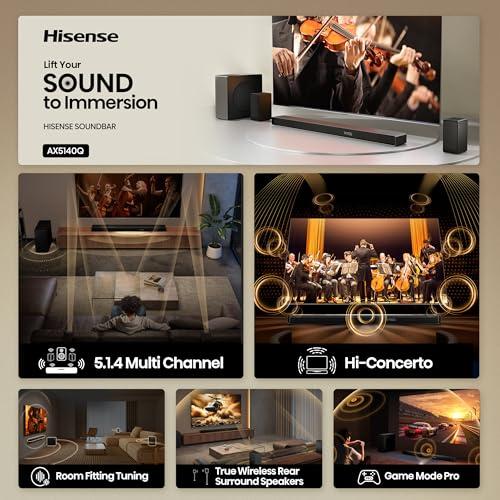
A traditional 5.1 surround sound system has five main speakers plus a subwoofer. The ".4" in the Hisense AX5140Q's 5.1.4 configuration means it adds four height channels—speakers that fire sound upward to bounce off your ceiling, creating the illusion that helicopters or rain are actually above you. This is what Dolby Atmos (an object-based audio format) was designed to take advantage of.
The most important performance characteristics for any soundbar are dialogue clarity, bass extension, soundstage width, and dynamic range. Dialogue clarity determines whether you'll need subtitles during action scenes. Bass extension affects how impactful explosions and music feel. Soundstage width creates the sense that sound is coming from beyond the physical speakers. Dynamic range is the difference between the quietest whispers and loudest explosions—good soundbars preserve this contrast without making you constantly adjust volume.
Released in 2023, the Hisense AX5140Q arrived during a period when manufacturers were finally delivering on the promise of affordable true surround sound. Previous budget Atmos soundbars mostly faked height effects through digital processing, but Hisense included actual upfiring speakers in both the main bar and rear units.
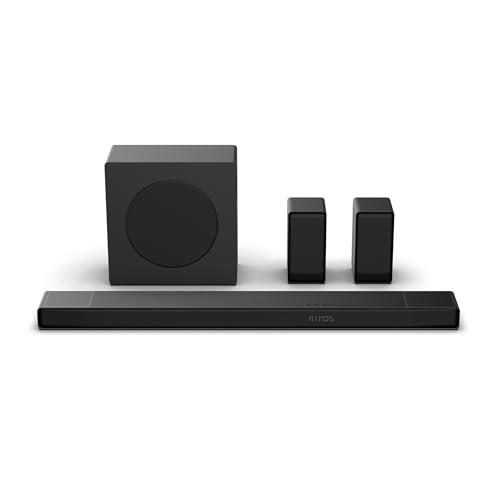
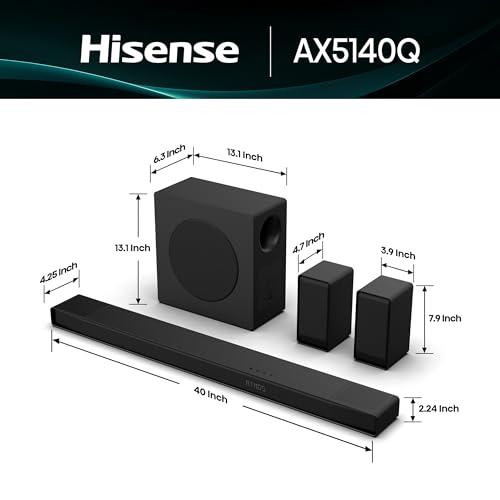
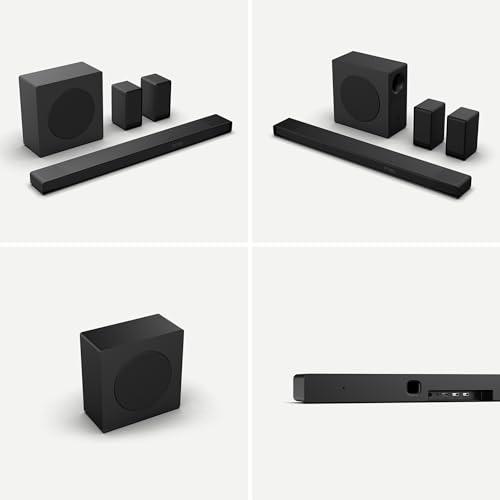
The system's physical setup immediately telegraphs its intentions. You get four separate components: a 40-inch main soundbar, a wireless subwoofer, and two wireless rear speakers. This isn't a system that disappears into your décor—it announces that serious audio is happening here.
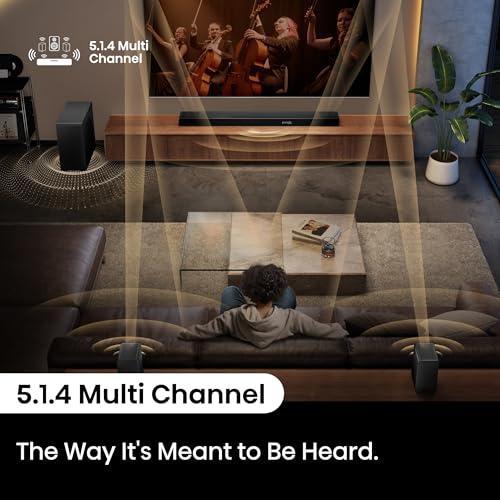
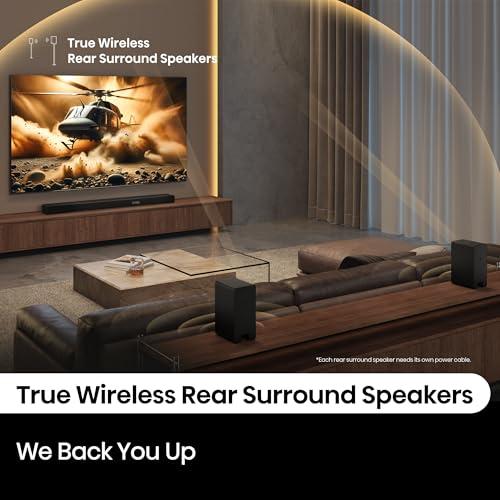
What makes the AX5140Q special is its commitment to authentic surround sound. Those rear speakers aren't just for show; they're positioned where surround channels should actually be for proper imaging. When a car chase pans from front to back, you hear it move through your room rather than just shifting slightly left or right on the front soundstage.
The four height channels deserve particular attention. Two upfiring drivers in the main bar handle front height effects, while two more in the rear speakers create overhead ambience throughout your seating area. In properly mixed Atmos content, this creates what audio engineers call a "sound dome"—the sense that audio exists in three-dimensional space around you.
Our research into user experiences reveals consistently positive reactions to this immersion level. Multiple reviewers describe genuine surprise during Atmos demo scenes, particularly those with rain or aircraft overhead. The effect works because sound actually originates from four different ceiling reflection points rather than being simulated by processing.
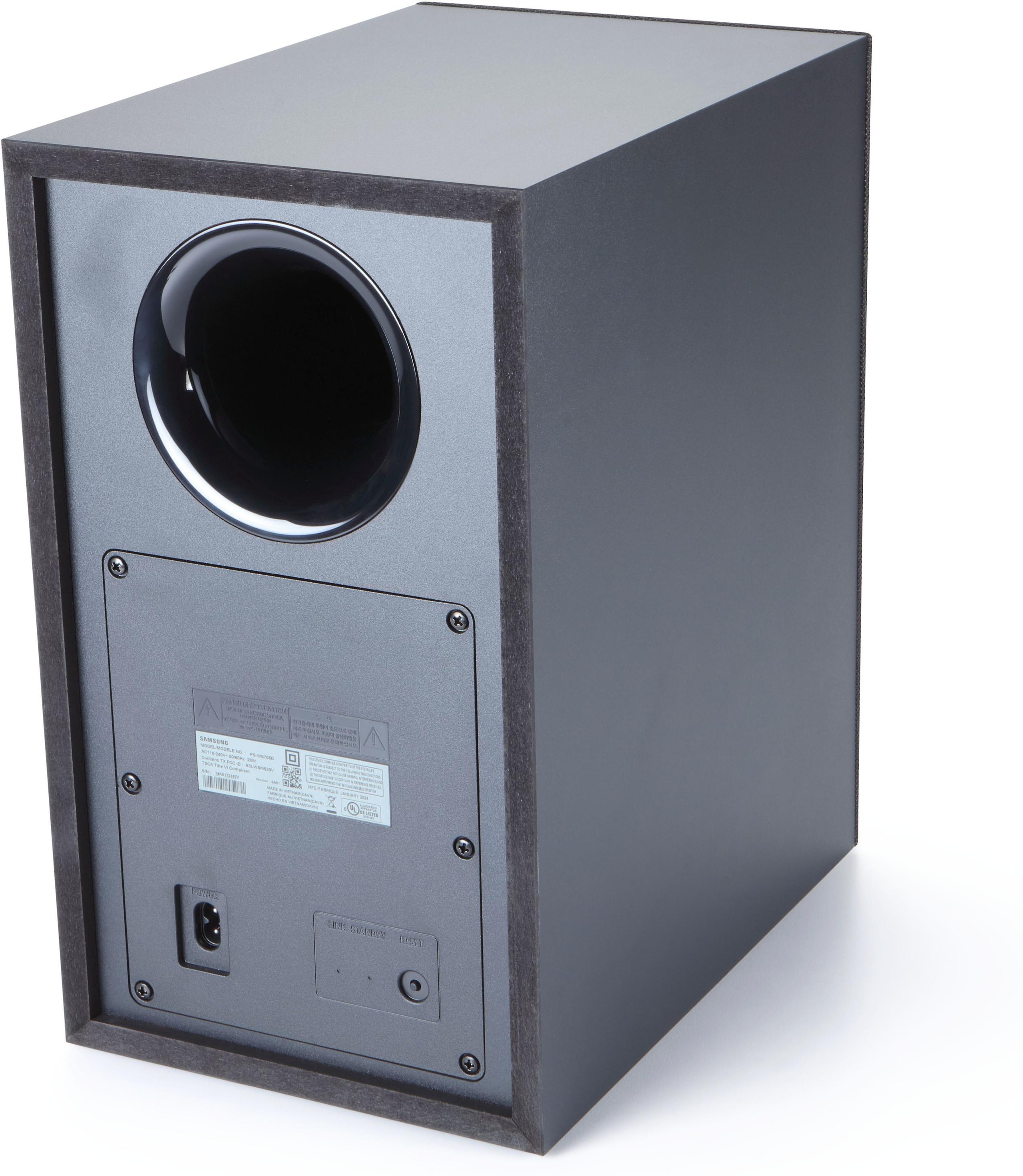
The AX5140Q's bass response comes from a dedicated 6.5-inch wireless subwoofer. While not enormous by home theater standards, this driver extends down to 40 Hz—low enough to reproduce most movie effects and music fundamentals convincingly. The subwoofer's wireless connection eliminates cable runs across your room, though you'll still need to find appropriate placement for clean bass response.
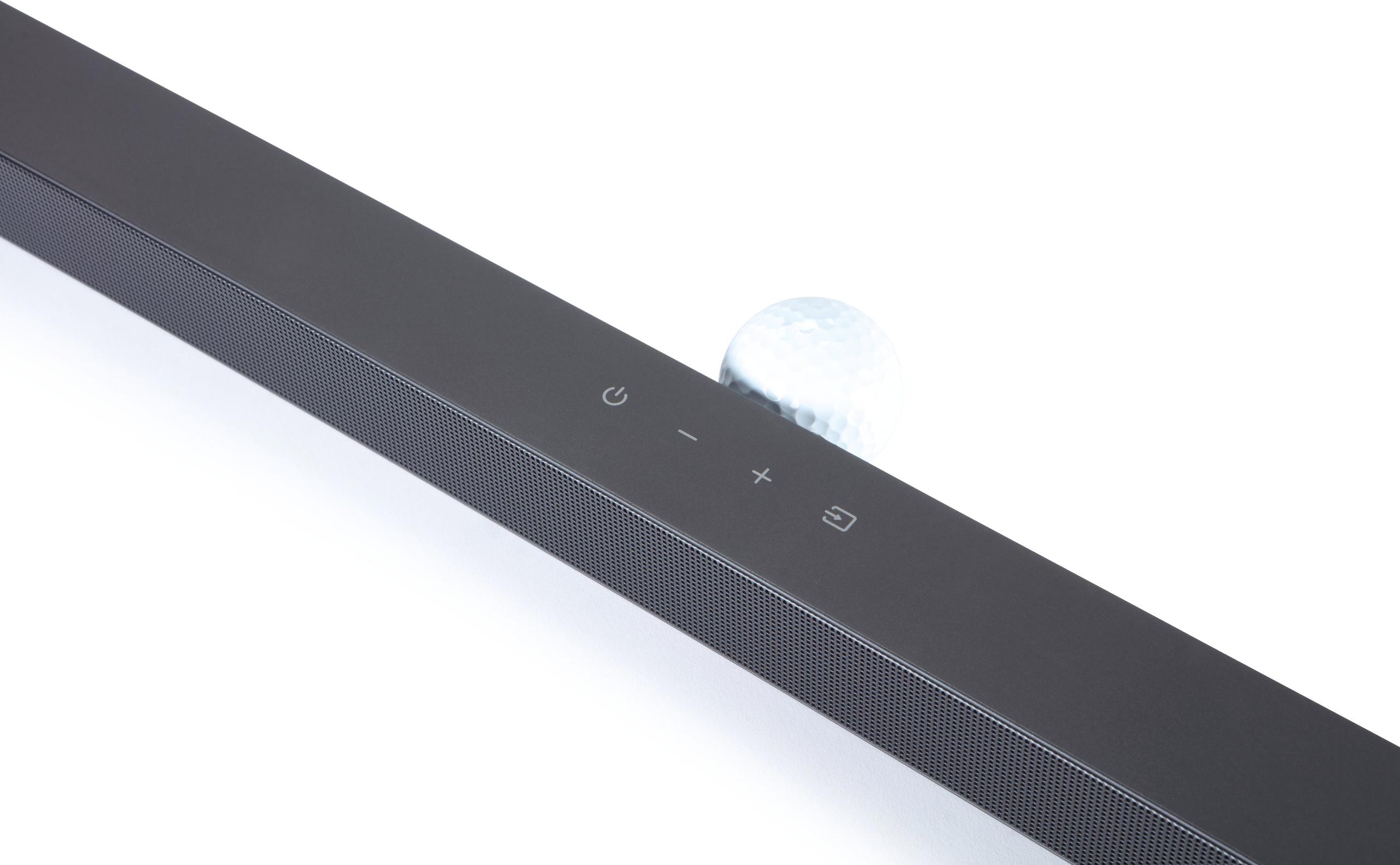
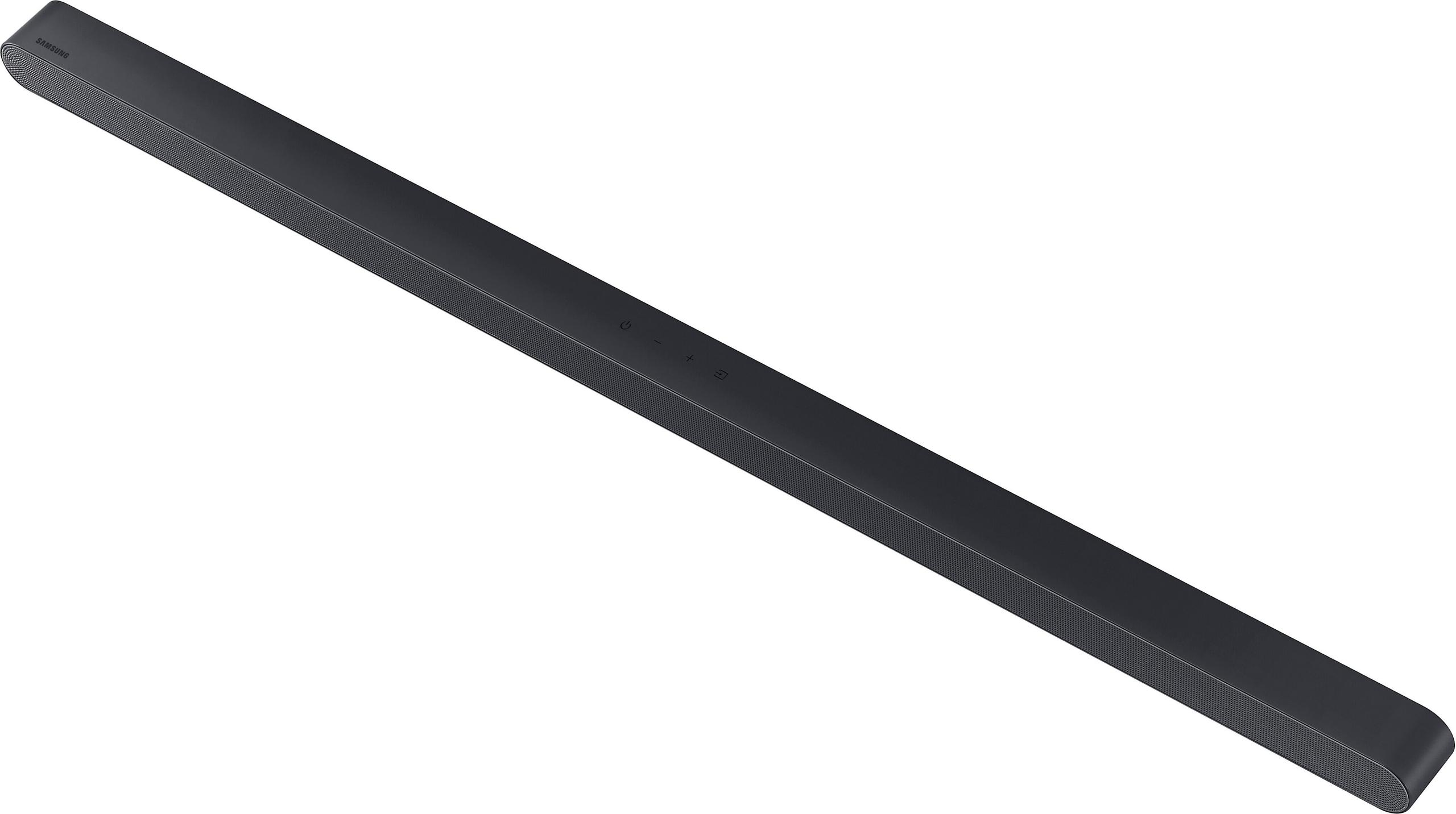
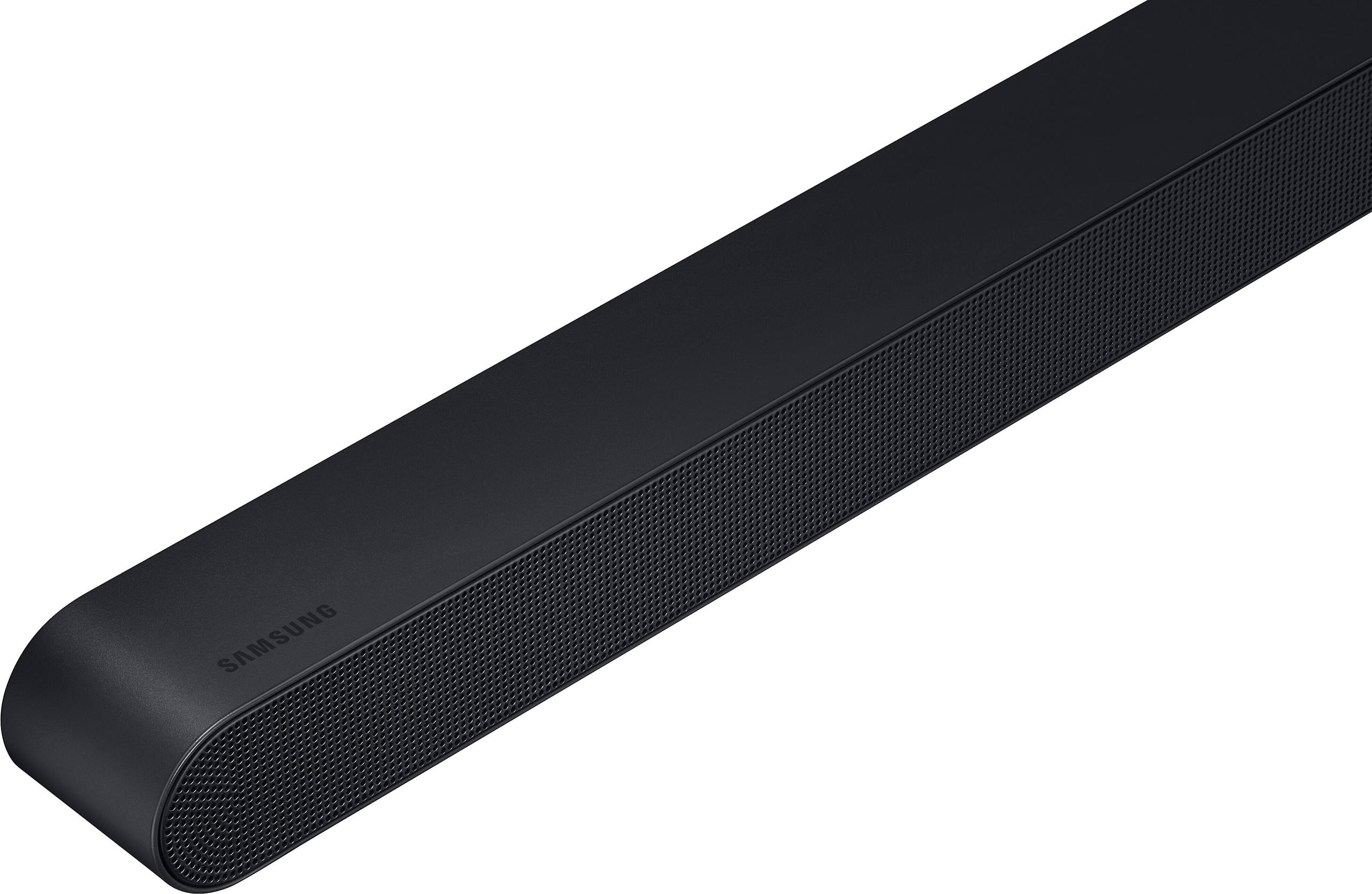
Samsung released the HW-S700D in early 2024 as part of their continued push toward soundbars that blend invisibly with modern living spaces. The timing coincided with increasingly thin TV designs that made traditional soundbar proportions look clunky by comparison.
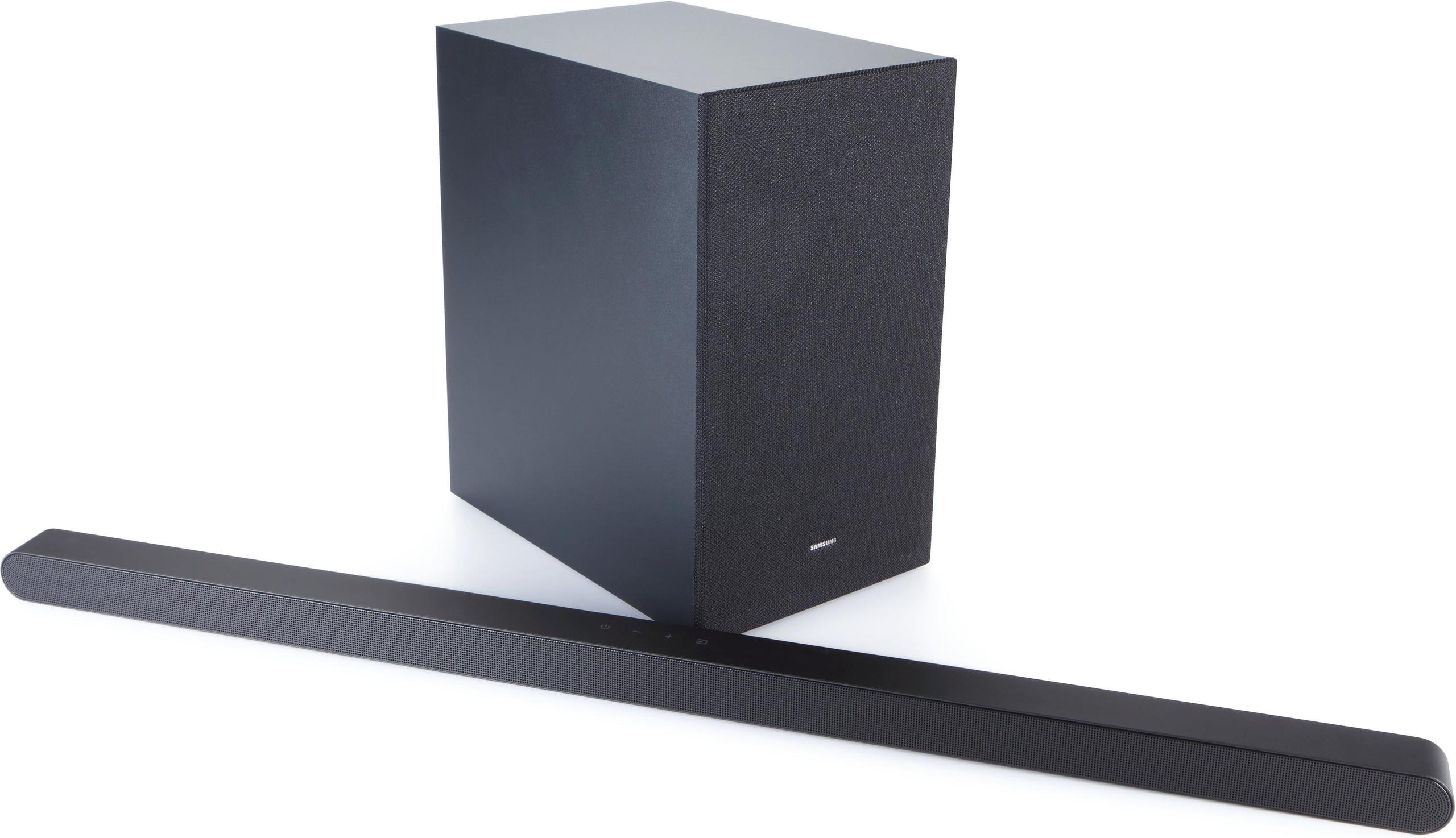
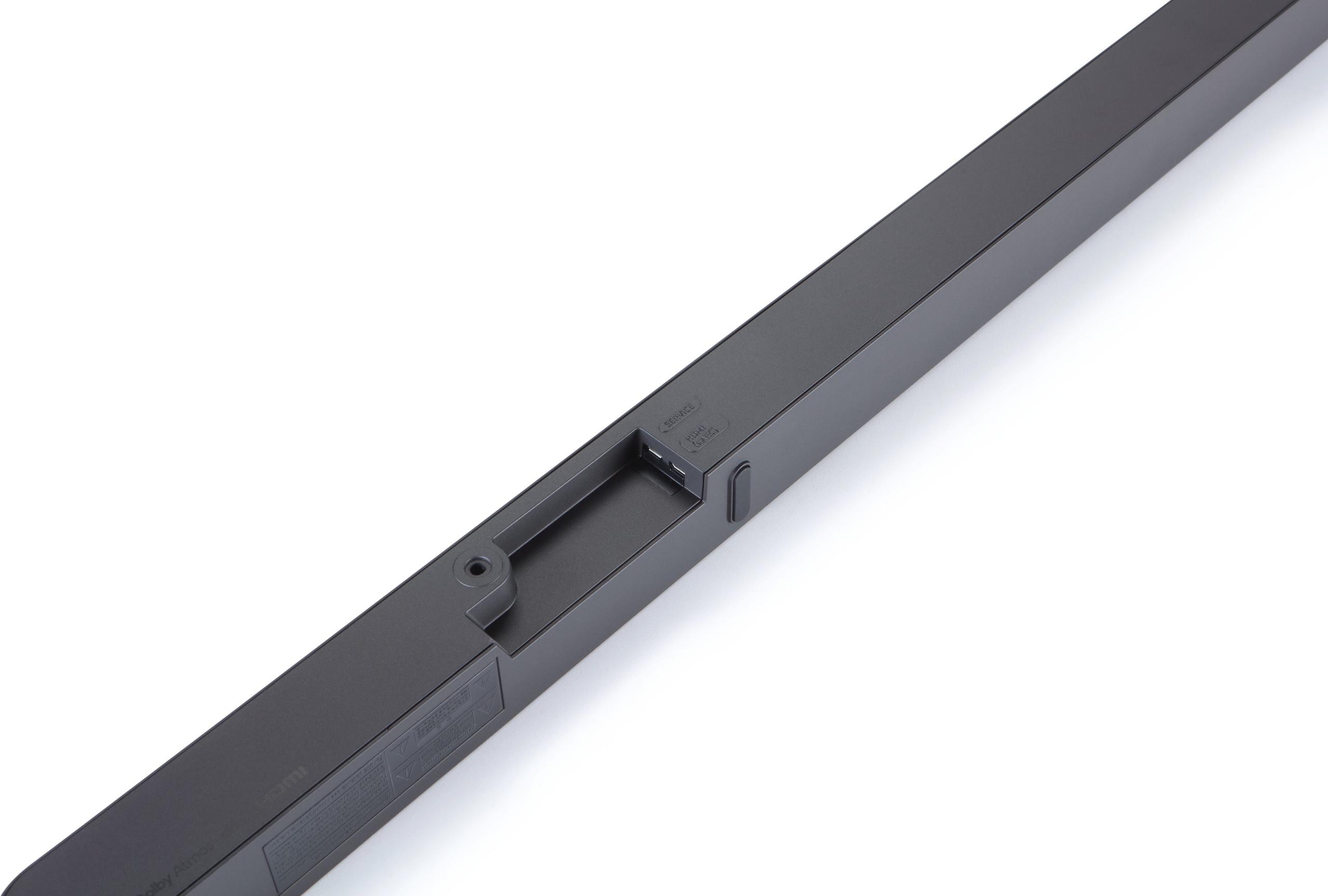
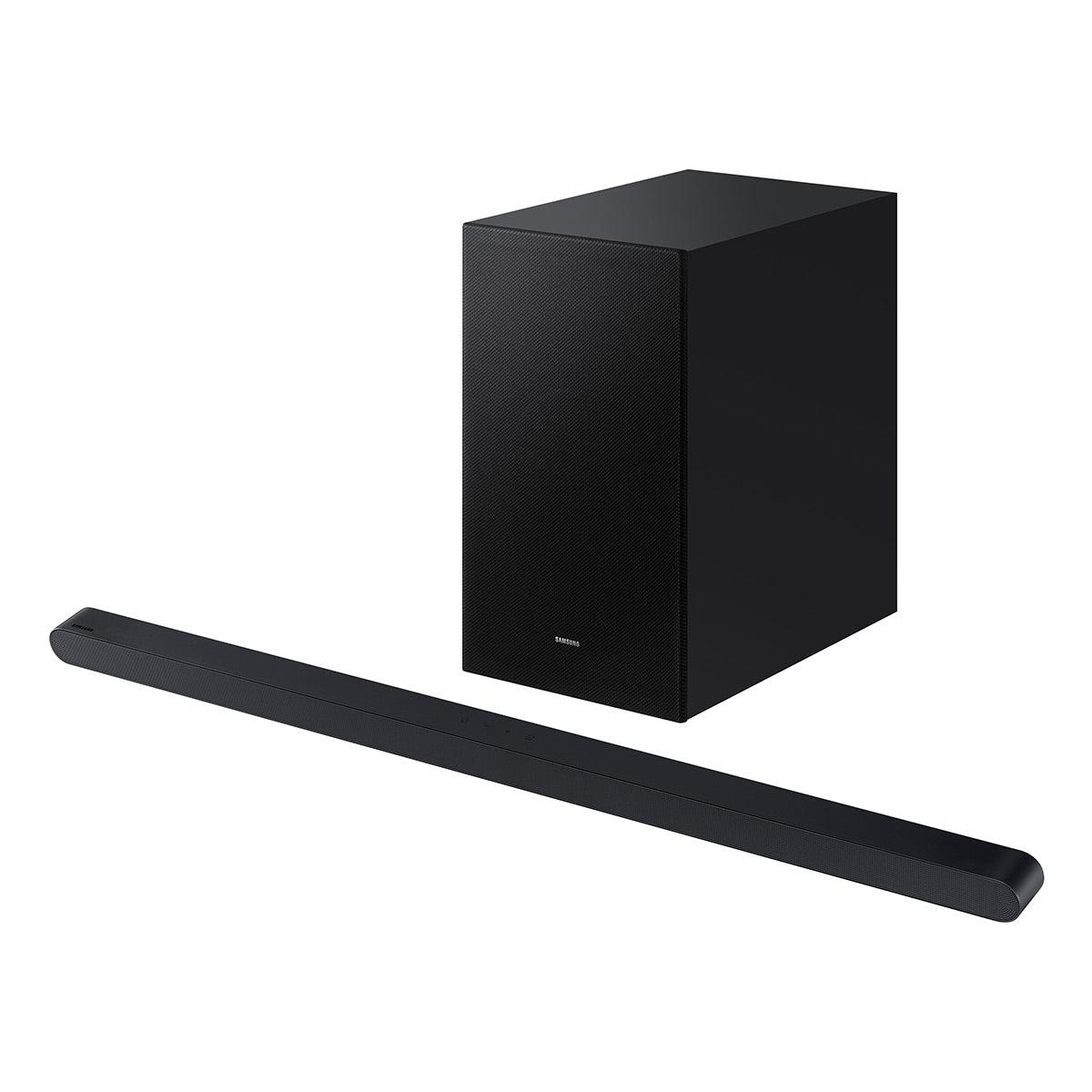
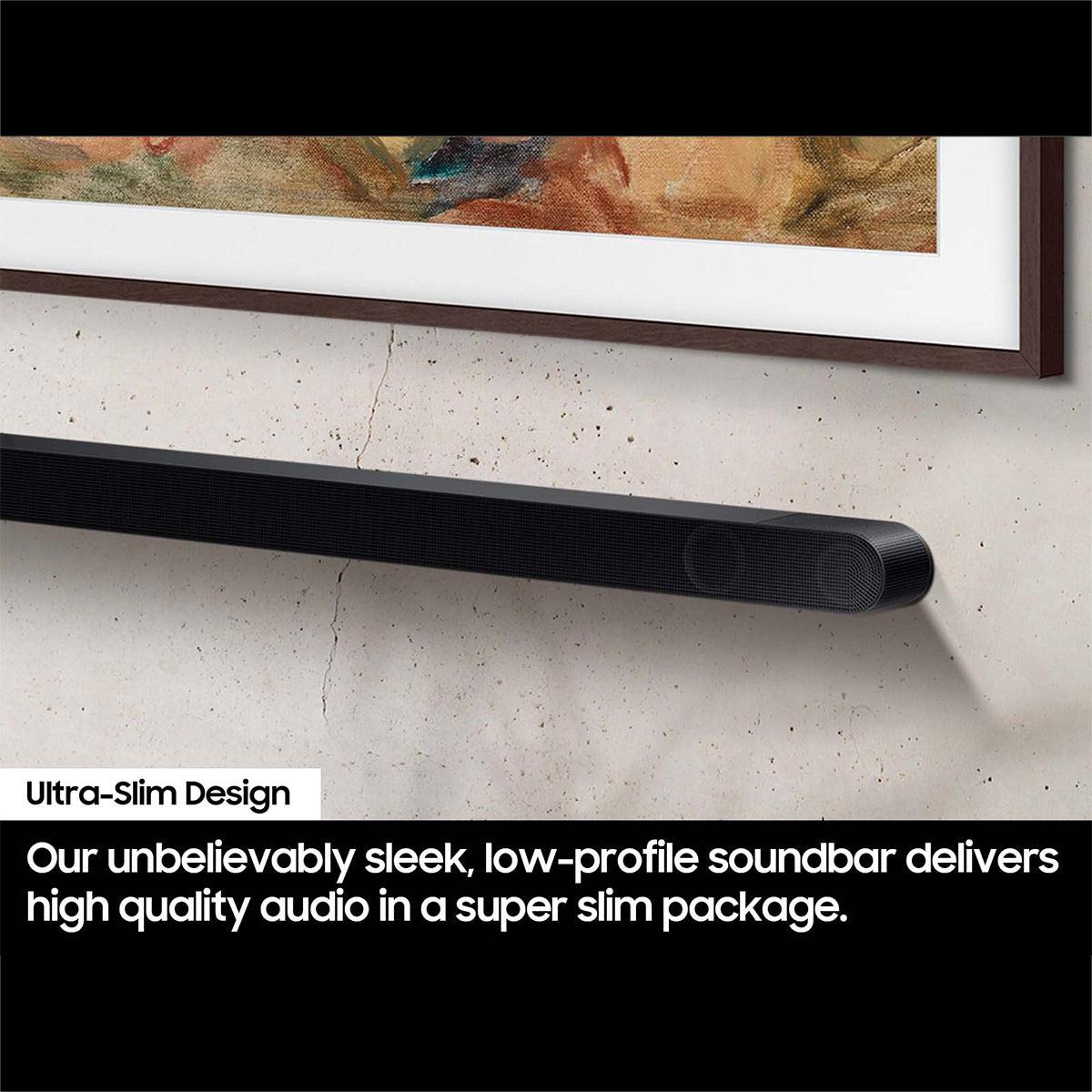
The S700D's defining characteristic is its ultra-slim profile. At just 1.5 inches tall, it genuinely disappears when wall-mounted below most TVs. This isn't just aesthetic—many users mount their TVs at precisely the height where a traditional soundbar would block the bottom of the screen when viewed from bed or lower seating.
Despite its compact dimensions, Samsung packed seven speakers into the S700D: left, center, and right channels plus four additional drivers for enhanced width and virtual height effects. The dedicated center channel is particularly important for dialogue clarity, as it anchors voices to the screen rather than letting them wander between left and right speakers.
The Samsung HW-S700D compensates for its lack of rear speakers through Q-Symphony technology. When connected to compatible Samsung TVs (particularly QLED models from recent years), Q-Symphony allows the TV's built-in speakers to work alongside the soundbar rather than being disabled. This creates a wider front soundstage and can add some rear ambience, though it can't replicate true surround positioning.
User feedback on Q-Symphony is mixed but generally positive when it works properly. The best results come from newer Samsung TVs with more capable built-in speakers. However, some users report synchronization issues where TV and soundbar audio briefly drift apart, creating an echo effect that requires manual correction.
The S700D's 6-inch wireless subwoofer prioritizes tight, controlled bass over sheer output. This tuning makes sense for its target market—apartment dwellers and those prioritizing neighbor-friendly volume levels. The bass extends cleanly without the boomy resonance that can plague budget subwoofers.
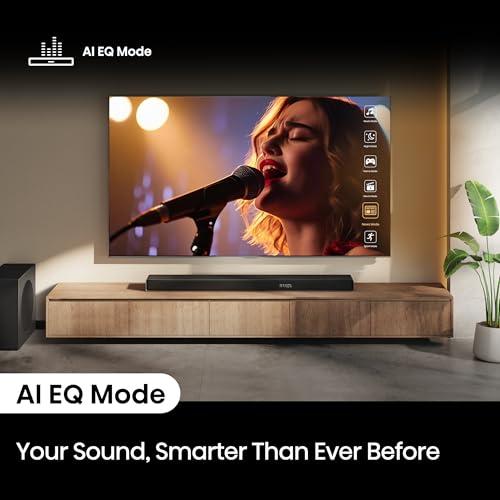
Both systems excel at dialogue clarity through different approaches. The Hisense AX5140Q uses a traditional center channel approach with AI-powered voice enhancement that can boost dialogue during complex scenes. Multiple reviewers specifically praise the system's ability to maintain voice intelligibility even during action sequences.
The Samsung HW-S700D employs Active Voice Amplifier (AVA) technology, which analyzes incoming audio to identify and emphasize dialogue frequencies. This adaptive approach works well with varied content, from news broadcasts to movie dialogue. Samsung's advantage is that AVA adjusts automatically rather than requiring manual voice boost activation.
The Hisense AX5140Q generates substantially more bass impact due to its larger subwoofer and higher power handling. User reports consistently describe satisfying performance in larger rooms where the Samsung might struggle to fill the space. The 600-watt power rating (compared to Samsung's 250 watts) provides headroom for dynamic movie soundtracks without compression.
The Samsung HW-S700D's more modest bass output suits smaller spaces and volume-conscious situations. The tuning emphasizes clarity over raw impact, making it better suited for late-night viewing or apartments with shared walls.
This is where the philosophical differences become most apparent. The Hisense AX5140Q delivers genuine surround sound with discrete rear channels and four actual height speakers. In properly mixed Atmos content, effects truly move around and above the listening position.
The Samsung HW-S700D relies on digital processing to simulate surround effects. While Samsung's algorithms are sophisticated, they can't overcome the physical limitation of having all speakers at the front of the room. The Q-Symphony feature helps when paired with compatible TVs, but it's still fundamentally a front-focused soundstage.
Both soundbars offer dedicated gaming modes, but they optimize for different priorities. The Hisense AX5140Q's Game Pro mode leverages true surround speakers for competitive advantage in first-person shooters and enhanced immersion in adventure games. The discrete rear channels provide genuine positional audio that can help identify enemy locations.
The Samsung HW-S700D's Game Mode Pro focuses on low latency and directional audio tracking. While it can't match true surround positioning, its processing is optimized for fast response times crucial in competitive gaming.
The Hisense AX5140Q requires more thought during setup. You'll need to position rear speakers appropriately—typically 6-10 feet from your main seating and slightly behind it. The wireless connectivity eliminates cable runs, but you'll still need power outlets for each component. Initial pairing is generally automatic, though some users report occasional re-pairing requirements.
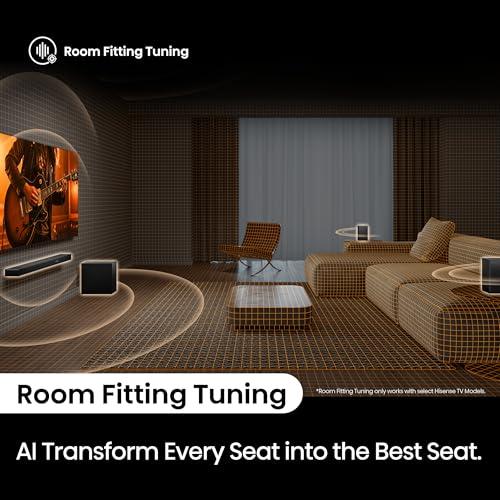
Room calibration through compatible Hisense TVs can optimize the system for your specific space, adjusting timing and levels across all speakers. This feature works well when it functions properly, though some users report synchronization issues with certain TV models.
The Samsung HW-S700D offers a fundamentally simpler experience. Wall mounting takes minutes with the included kit, and HDMI eARC connection provides both audio and control integration. Samsung TV owners get the smoothest experience, with single remote control and automatic audio optimization through SpaceFit Sound.
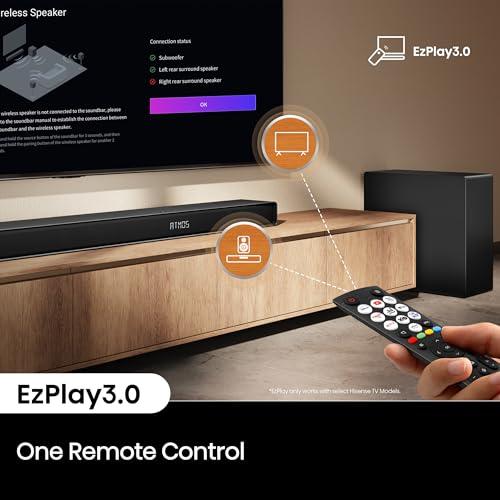
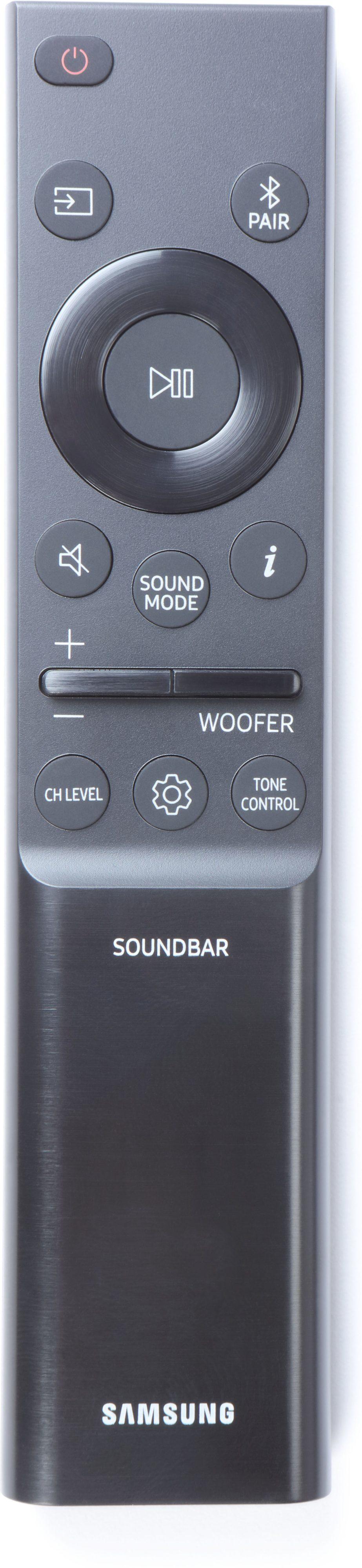
Daily operation favors the Samsung for simplicity. Everything works through your TV remote, and the system powers on/off automatically. The Hisense may require separate remote use until TV integration is properly configured.
At the time of writing, both systems occupy similar price points in the premium budget category, though the Hisense typically costs less while including more components. This represents exceptional value for true surround sound—comparable systems from major brands often cost significantly more.
The Samsung HW-S700D commands a modest premium for its Samsung brand cachet, premium build quality, and sophisticated processing. However, reaching true surround sound requires purchasing additional wireless rear speakers, effectively doubling the system cost.
For home theater applications, the Hisense AX5140Q provides immediate satisfaction with movie content. The true surround positioning and height effects create genuine immersion that validates the home theater experience. Users upgrading from TV speakers consistently report dramatic improvement in movie enjoyment.
The Samsung HW-S700D serves better as a sophisticated TV audio upgrade. It excels with daily TV viewing, music streaming, and content where surround immersion isn't the primary goal.
Choose the Hisense AX5140Q if you prioritize maximum audio performance for your budget. This system makes sense for dedicated home theater setups, larger rooms, and households that regularly watch movies or play immersive games. The authentic surround sound justifies the more complex setup and larger physical footprint.
The system particularly appeals to audio enthusiasts who understand that true surround positioning provides benefits that digital processing cannot replicate. If you've experienced proper surround sound before, the AX5140Q delivers similar satisfaction at a fraction of traditional component system costs.
Choose the Samsung HW-S700D if you own or plan to purchase a Samsung TV and prioritize aesthetic integration over maximum channel count. This system excels in smaller spaces, apartments, and situations where visual minimalism matters. The sophisticated processing and Samsung ecosystem integration provide premium features in an unobtrusive package.
The Samsung also makes sense for users who prefer gradual audio upgrades. Starting with the slim bar and adding wireless rears later allows spreading the investment while maintaining clean aesthetics throughout.
These soundbars represent different solutions to the same problem: how to dramatically improve TV audio without the complexity of traditional home theater systems. The Hisense AX5140Q prioritizes maximum performance and immersion, delivering true surround sound at an exceptional price point. The Samsung HW-S700D emphasizes aesthetic integration and sophisticated processing in the slimmest possible package.
Both systems succeed at their intended purposes. The Hisense transforms movie and gaming experiences through authentic surround positioning and substantial bass output. The Samsung provides premium TV audio enhancement without visual impact or complexity.
Your choice depends on whether you value maximum immersion and performance (Hisense) or premium integration and aesthetics (Samsung). Neither approach is inherently superior—they're optimized for different priorities and living situations. Understanding these differences ensures you'll choose the system that best matches your specific needs and space.
| Hisense AX5140Q | Samsung HW-S700D |
|---|---|
| Channel Configuration - Determines how immersive your surround sound experience will be | |
| 5.1.4 channels with discrete rear speakers and 4 upfiring drivers | 3.1 channels with virtual surround processing |
| Complete System Components - What you get out of the box | |
| Soundbar + wireless subwoofer + 2 wireless rear speakers included | Soundbar + wireless subwoofer (rear speakers sold separately) |
| Physical Footprint - How much space the system occupies in your room | |
| 40" soundbar + rear speaker placement required | Ultra-slim 35" bar that virtually disappears when wall-mounted |
| Height Effects - How overhead audio like helicopters and rain sound | |
| 4 real upfiring speakers create authentic overhead effects | Virtual height processing with optional TV speaker integration |
| Power Output - Affects volume capability and dynamic range | |
| 600W total system power for larger rooms | 250W optimized for small-medium spaces and apartments |
| Audio Codec Support - Which high-quality formats the system can decode | |
| Dolby Atmos, DTS:X, DTS-HD Master Audio, Dolby TrueHD | Dolby Atmos, DTS Virtual:X, DTS 5.1, Dolby Digital Plus |
| TV Brand Integration - How well it works with your specific TV | |
| Hi-Concerto ecosystem optimized for Hisense TVs | Q-Symphony technology designed specifically for Samsung TVs |
| Setup Complexity - How involved the installation process is | |
| Moderate: requires rear speaker positioning and room calibration | Simple: wall-mount or stand placement with automatic optimization |
| Gaming Features - Specialized audio modes for console gaming | |
| Game Pro mode with true surround positioning for competitive advantage | Game Mode Pro with low-latency directional audio tracking |
| Subwoofer Size - Impacts bass depth and room-filling capability | |
| 6.5" wireless subwoofer extends to 40Hz | 6" wireless subwoofer optimized for controlled, apartment-friendly bass |
| Smart Features - Voice control and streaming capabilities | |
| ConnectLife app support, basic wireless streaming | Built-in Alexa/Google Assistant, AirPlay 2, Chromecast, SmartThings app |
| Target Room Size - Optimal space for best performance | |
| Medium to large rooms (55"+ TV recommended) | Small to medium rooms (works with 43"+ TVs) |
The Hisense AX5140Q is significantly better for home theater use due to its true 5.1.4 surround sound system with discrete rear speakers and four upfiring drivers. This creates authentic overhead effects and surround positioning that make action movies and Atmos content genuinely immersive. The Samsung HW-S700D is better suited for daily TV watching and smaller spaces where aesthetics matter more than maximum surround immersion.
The Hisense AX5140Q's 5.1.4 configuration includes five main channels, one subwoofer, and four height channels with actual rear speakers for true surround sound. The Samsung HW-S700D's 3.1 setup has left, center, right channels plus a subwoofer, relying on digital processing to simulate surround effects. The Hisense provides genuine surround positioning while Samsung focuses on enhanced front-stage audio.
Yes, both the Hisense AX5140Q and Samsung HW-S700D support Dolby Atmos, but they handle it differently. The Hisense uses four physical upfiring speakers to create real overhead effects, while the Samsung uses virtual processing to simulate height channels. The Hisense delivers more authentic Atmos immersion, especially in larger rooms.
The Samsung HW-S700D is much easier to set up and use, requiring only wall mounting and a single HDMI connection. It integrates seamlessly with Samsung TVs for one-remote control. The Hisense AX5140Q requires positioning rear speakers around your room and may need multiple remotes until TV integration is configured, but the wireless design eliminates cable runs.
The Hisense AX5140Q includes everything for complete surround sound: the main soundbar, wireless subwoofer, two wireless rear speakers, and all necessary cables. The Samsung HW-S700D includes the slim soundbar, wireless subwoofer, wall mount kit, and HDMI cable, but rear speakers must be purchased separately for true surround sound.
Both offer gaming modes, but the Hisense AX5140Q provides better immersion for single-player games due to its true surround positioning and overhead effects. The Samsung HW-S700D may be better for competitive gaming with its Game Mode Pro focusing on low latency and precise directional cues, especially when paired with Samsung TVs.
The Samsung HW-S700D has minimal space requirements with its ultra-slim design that virtually disappears when wall-mounted. The Hisense AX5140Q needs more room planning since you'll need to position wireless rear speakers behind your seating area, though the wireless design eliminates cable management across the room.
The Hisense AX5140Q delivers more powerful bass with its 6.5-inch subwoofer and 600W total power, making it better for large rooms and impactful movie effects. The Samsung HW-S700D has a smaller 6-inch subwoofer with 250W power that's optimized for controlled, apartment-friendly bass that won't disturb neighbors.
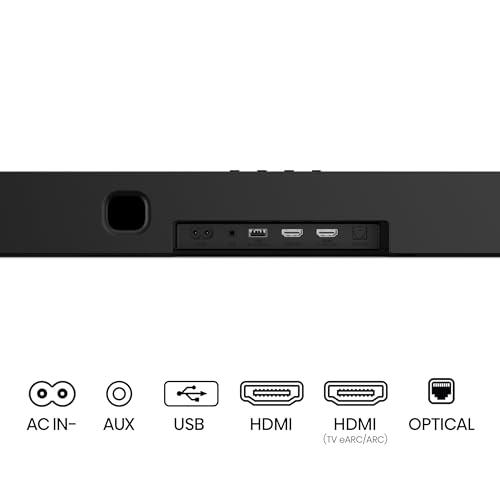
Both the Hisense AX5140Q and Samsung HW-S700D work with any TV that has HDMI ARC/eARC or optical audio output. However, you'll get the best integration with matching TV brands - the Samsung works seamlessly with Samsung TVs through Q-Symphony, while the Hisense offers enhanced features with Hisense TVs through Hi-Concerto.
The Samsung HW-S700D is ideal for apartments due to its slim profile, controlled bass output, and simple setup without rear speakers. Its Night Mode compresses dynamic range to avoid disturbing neighbors. The Hisense AX5140Q might be too powerful for small spaces and could cause noise complaints due to its higher output and room-filling surround effects.
Yes, Samsung sells compatible wireless rear speakers that can be added to the Samsung HW-S700D to create a surround sound system. However, this requires an additional purchase and increases the total cost significantly. The Hisense AX5140Q includes rear speakers from day one, providing complete surround sound immediately at a lower overall cost.
The Hisense AX5140Q offers exceptional value by including a complete 5.1.4 surround sound system with all components at a lower price point than comparable systems from major brands. The Samsung HW-S700D provides premium build quality and sophisticated features but requires additional purchases for full surround sound, making the Hisense the better choice for maximum performance per dollar.
We've done our best to create useful and informative comparisons to help you decide what product to buy. Our research uses advanced automated methods to create this comparison and perfection is not possible - please contact us for corrections or questions. These are the sites we've researched in the creation of this article: shop.hisense-usa.com - manuals.plus - dolby.com - youtube.com - gzhls.at - rtings.com - youtube.com - bestbuy.com - manuals.plus - bestbuy.com - hisense-usa.com - youtube.com - device.report - manuals.plus - youtube.com - device.report - manuals.plus - youtube.com - crutchfield.com - samsung.com - bestbuy.com - avsforum.com - walts.com - samsung.com - samsung.com - videoandaudiocenter.com - samsung.com - samsung.com - samsung.com - pcrichard.com

Privacy Policy
Terms and Conditions - Affiliate Policy
Home Security
© Copyright 2008-2026.
11816 Inwood Rd #1211, Dallas, TX 75244