





When your TV's built-in speakers sound like they're coming from a tin can, it's time for an upgrade. But the soundbar market can be overwhelming, with dozens of options ranging from basic stereo bars to complex multi-speaker systems. Two standout models that take completely different approaches are the Hisense AX5140Q and the Sony HT-A3000—and understanding their philosophies will help you make the right choice for your setup.
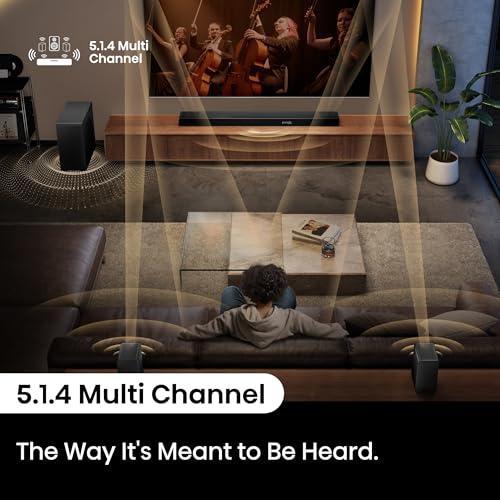
Before diving into these specific models, let's clarify what separates good soundbars from great ones. The most important factor is channel configuration—this tells you how many discrete audio streams the system can handle. A 5.1 system has five main channels (left, center, right, left surround, right surround) plus one subwoofer channel for bass. The newer 5.1.4 format adds four height channels that fire sound upward to bounce off your ceiling, creating overhead effects for movies with Dolby Atmos soundtracks.
Physical versus virtual surround represents the biggest philosophical divide in soundbar design. True surround sound requires speakers positioned around your listening area, while virtual surround uses psychoacoustic tricks to fool your brain into hearing directional effects from front-facing speakers alone. Both approaches have merit, but they deliver fundamentally different experiences.
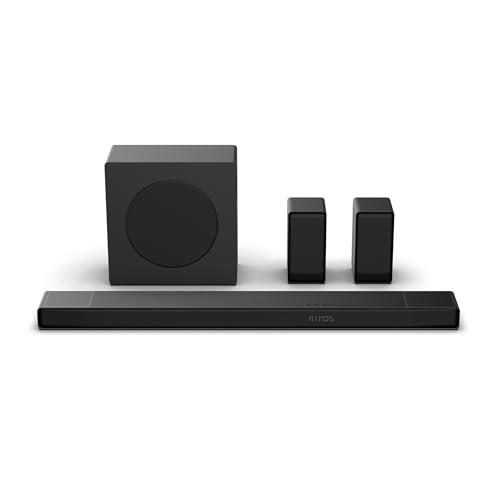
The Hisense AX5140Q exemplifies the "complete system" philosophy—everything you need for true surround sound comes in the box. Released in 2024, it represents Hisense's push into premium audio with their Hi-Concerto integration platform. Meanwhile, the Sony HT-A3000, launched in 2022, showcases Sony's traditional approach of starting with exceptional single-bar performance and allowing gradual expansion through optional components.
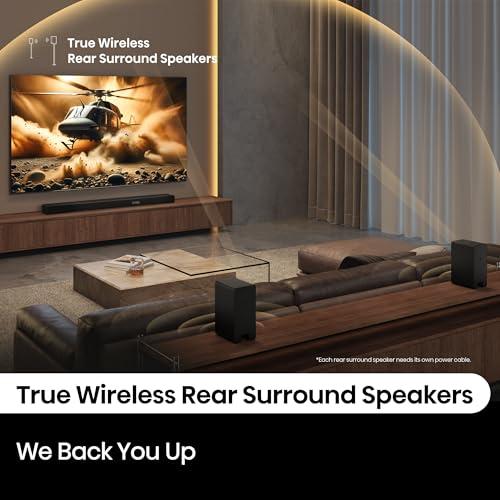
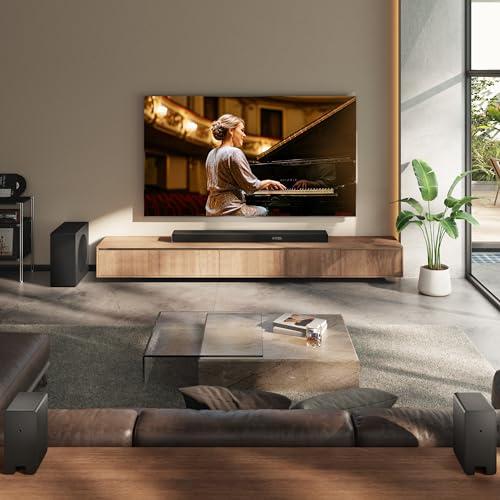
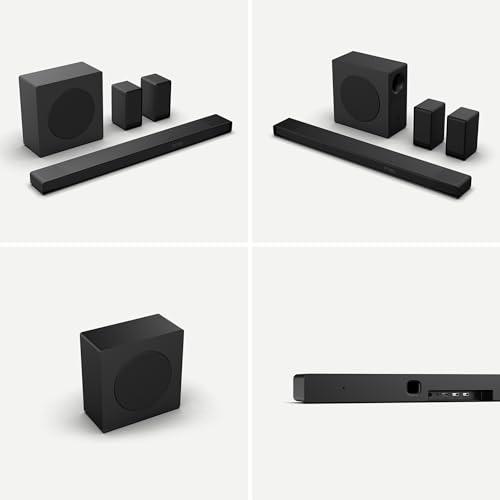
The most dramatic difference between these systems lies in their approach to surround sound. The Hisense AX5140Q ships with wireless rear speakers that contain their own upfiring drivers, creating a true 5.1.4 setup with nine discrete speaker positions around your room. When a helicopter flies overhead in a movie, you'll hear it move from the front soundbar, across to the rear speakers, and up through the height channels—exactly as the filmmakers intended.
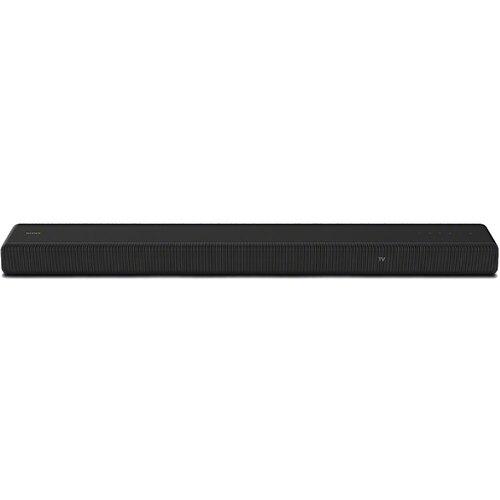
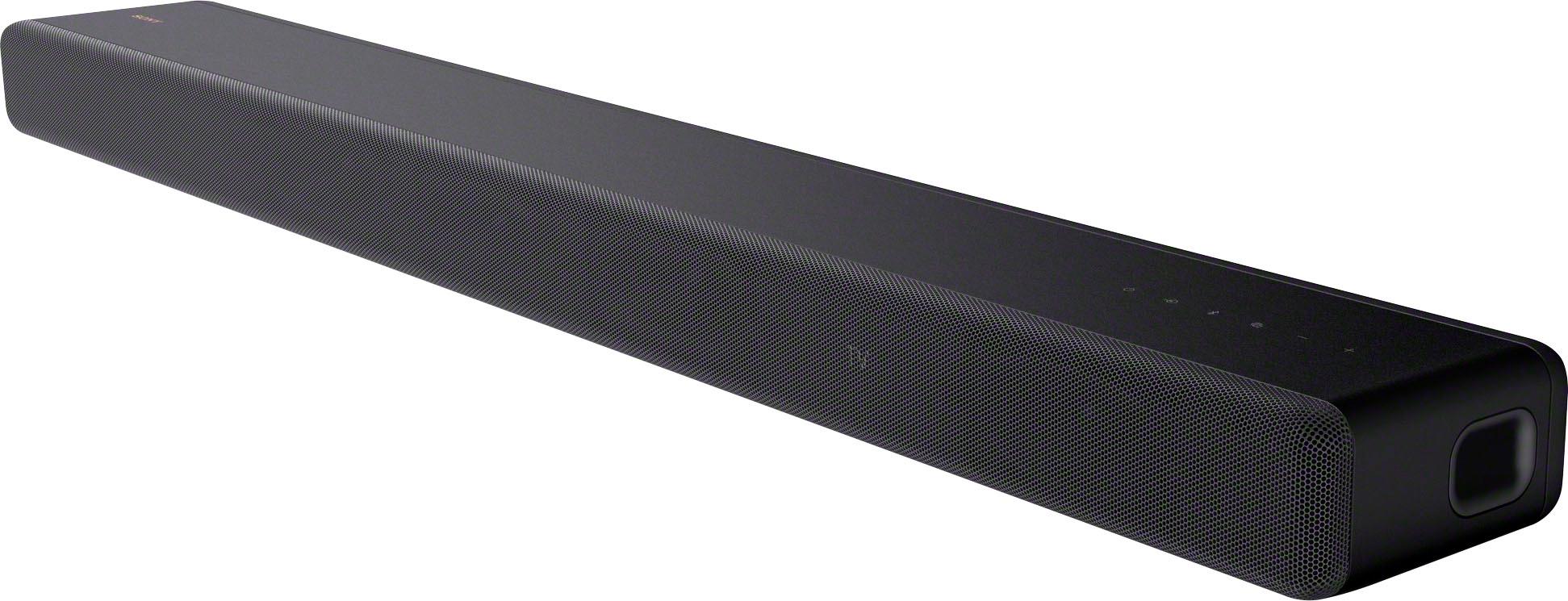
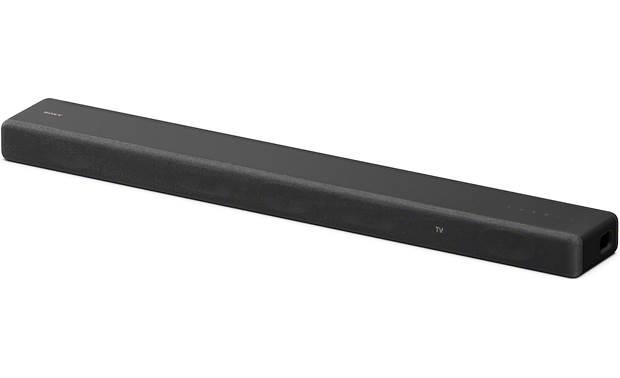
The Sony HT-A3000 takes a more sophisticated but fundamentally different approach. Sony's Vertical Surround Engine and S-Force PRO Front Surround use advanced digital signal processing (DSP) to create the illusion of surround sound from just the front soundbar. This isn't simple stereo widening—it's complex psychoacoustic manipulation that can be genuinely impressive in the right conditions.
Based on our research into user experiences and professional reviews, the Hisense delivers more convincing surround effects in medium to large rooms. The physical placement of rear speakers creates an authentic soundstage that virtual processing simply cannot match. However, the Sony excels in smaller spaces where rear speakers might be impractical or visually intrusive. The virtualization works particularly well in rooms with good wall reflection properties.
Clear dialogue separates good soundbars from mediocre ones, and this is where the Sony HT-A3000 demonstrates its premium engineering. Despite lacking dedicated tweeters (the small drivers responsible for high frequencies), the Sony consistently receives praise from reviewers for exceptional speech intelligibility. Sony's decades of audio engineering expertise show here—their midrange tuning and dialogue enhancement algorithms are simply superior.
The Hisense AX5140Q offers solid dialogue performance with its dedicated center channel and AI EQ modes that automatically optimize speech clarity. It's perfectly adequate for most users, but doesn't reach the refined level of the Sony. Where the Hisense compensates is with its multiple voice-focused modes (News, Voice) that can be manually selected for different content types.
This difference matters more than you might expect. Poor dialogue clarity leads to constant volume adjustments and frustrated family members asking "what did they say?" The Sony's superior vocal performance makes it the better choice for dialogue-heavy content like dramas and news.
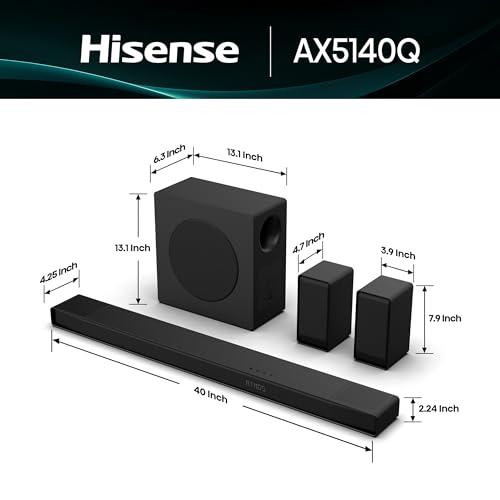
Here's where the Hisense AX5140Q pulls significantly ahead. Its included 6.5-inch wireless subwoofer delivers the kind of room-shaking bass that built-in drivers simply cannot match. The dedicated subwoofer can be positioned anywhere in your room for optimal bass distribution—usually near a wall or corner where boundary reinforcement amplifies low frequencies.
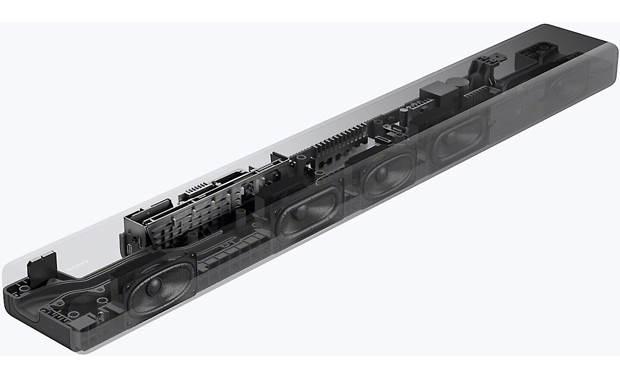
The Sony HT-A3000 includes dual built-in subwoofers measuring roughly 4.4 inches by 1.8 inches each. While these provide adequate bass for most content, they lack the depth and impact needed for action movies and music with significant low-frequency content. The Sony's bass is clean and controlled but won't rattle your windows during explosion scenes.
This difference becomes crucial for home theater use. Movies mixed for theaters assume a dedicated subwoofer capable of reproducing frequencies below 40Hz—the range where you feel bass rather than just hearing it. The Hisense's dedicated sub handles this content properly, while the Sony's built-in drivers roll off significantly in this critical range.
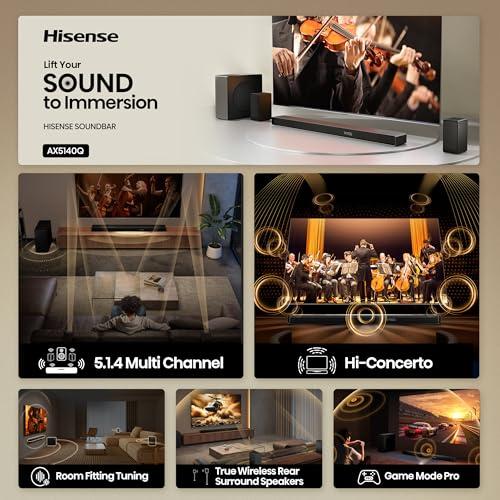
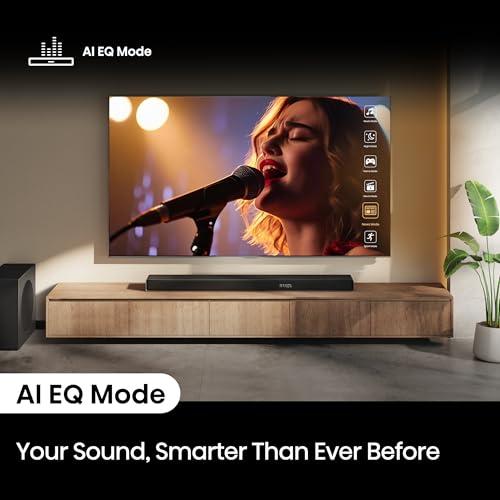
Both systems include sophisticated audio processing, but with different priorities. The Hisense AX5140Q features AI EQ mode that analyzes content type and automatically adjusts frequency response and dynamics. This works particularly well with their Hi-Concerto platform—when connected to a compatible Hisense TV, the system can identify whether you're watching sports, movies, or news and optimize accordingly.
The Sony HT-A3000 takes a more traditional but refined approach. Features like DSEE Extreme upscale compressed audio files by analyzing musical elements and restoring lost detail. Sound Field Optimization uses built-in microphones to measure your room and adjust output accordingly—a feature typically found in much more expensive systems.
Based on user feedback, the Hisense's AI features work well when they work properly, but some users report sync issues with certain Hisense TVs where the soundbar and TV audio become misaligned. The Sony's processing is more consistent but requires more manual adjustment to achieve optimal results.
The streaming audio landscape has evolved dramatically since these products launched, and connectivity options reflect different priorities. The Sony HT-A3000 clearly targets the modern streaming household with support for AirPlay 2, Chromecast Built-in, Spotify Connect, and Bluetooth with LDAC codec support.
LDAC deserves special attention—it's Sony's high-resolution Bluetooth codec that can transmit nearly three times more data than standard Bluetooth. If you own compatible Sony headphones or other LDAC devices, this creates a superior wireless audio experience with noticeably better detail and dynamics than standard Bluetooth compression.
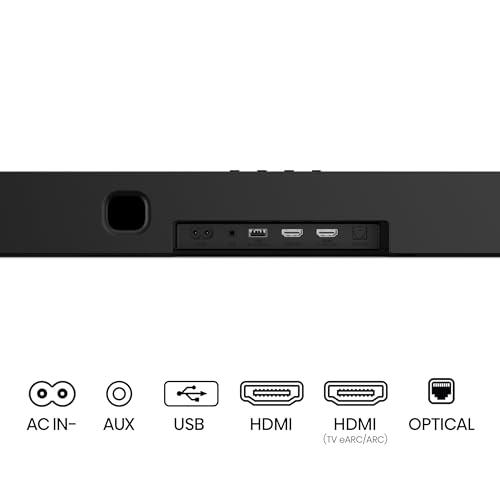
The Hisense AX5140Q focuses more on traditional connectivity with HDMI eARC, an additional HDMI input for 4K60 passthrough, optical, and standard Bluetooth 5.3. While less exotic than Sony's offerings, these connections handle the vast majority of real-world use cases effectively.
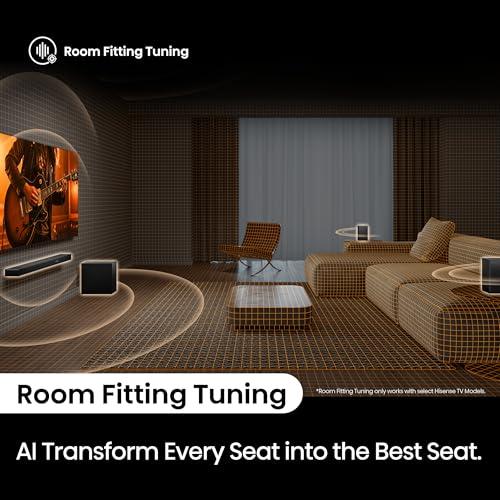
Modern soundbars need to adapt to widely varying room conditions, and both systems approach this challenge differently. The Hisense includes Room Fitting tuning that uses test tones to adapt output to your specific room acoustics. This addresses a major weakness of many surround systems—poor integration between components that weren't designed for your particular space.
The Sony incorporates Sound Field Optimization with built-in microphones that measure speaker positioning both vertically and horizontally. This is particularly important for virtual surround processing, which depends heavily on precise timing and level relationships between drivers.
Our research suggests both systems benefit significantly from running their respective room optimization routines, though the Sony's more sophisticated measurement system generally produces more consistent results across different room types.
At the time of writing, these systems represent fundamentally different value propositions despite similar initial pricing. The Hisense AX5140Q delivers everything needed for 5.1.4 surround sound in one purchase—soundbar, wireless subwoofer, and rear speakers. This represents exceptional value for users wanting immediate immersive audio without future investments.
The Sony HT-A3000 costs slightly more initially but provides only the main soundbar. Adding Sony's optional wireless subwoofer and rear speakers to match the Hisense's channel count would cost approximately triple the Hisense's total price—a significant investment for equivalent speaker positioning.
However, value calculations aren't purely about speaker count. The Sony's superior dialogue clarity, advanced streaming capabilities, and refined audio processing justify its premium for users prioritizing audio quality over raw immersion. The modular approach also allows starting with excellent 3.1 performance and upgrading incrementally as budget allows.
For dedicated movie watching, the Hisense AX5140Q provides a more convincing cinema-like experience. The combination of true rear surround, overhead effects from four upfiring drivers, and meaningful bass extension creates the kind of enveloping soundfield that makes action movies genuinely exciting. The Game Pro mode specifically optimizes for positional audio cues crucial in gaming scenarios.
The Sony HT-A3000 works better for mixed-use scenarios where dialogue clarity matters more than raw excitement. Its sophisticated virtualization can create impressive spatial effects for movies while excelling at music reproduction and streaming audio quality.
Room size and layout significantly impact which system works better. The Hisense requires positioning four separate components plus managing wireless connections between them. While setup is generally straightforward according to user reports, the 40-inch soundbar may overwhelm smaller TVs, and rear speaker placement requires suitable room layout.
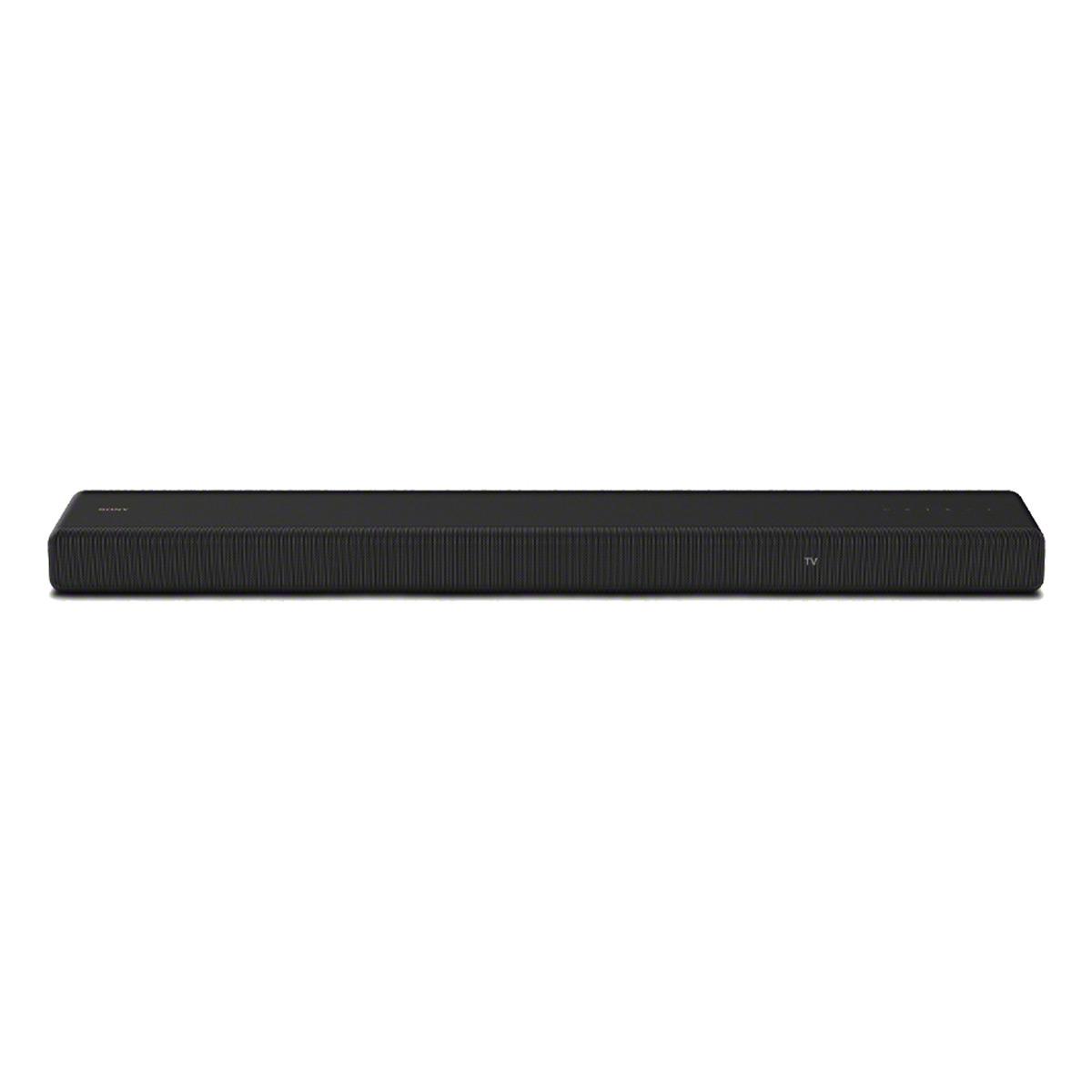
The Sony offers a cleaner, more minimalist installation with its single 37.4-inch soundbar. This makes it ideal for smaller rooms, wall-mounted TVs, or aesthetically sensitive installations where multiple speakers would be intrusive.
Smart home integration increasingly influences purchasing decisions, and the Sony clearly leads here. Its support for multiple streaming protocols and voice assistants makes it more versatile in mixed-technology households. The high-resolution audio support also appeals to music enthusiasts with compatible source devices.
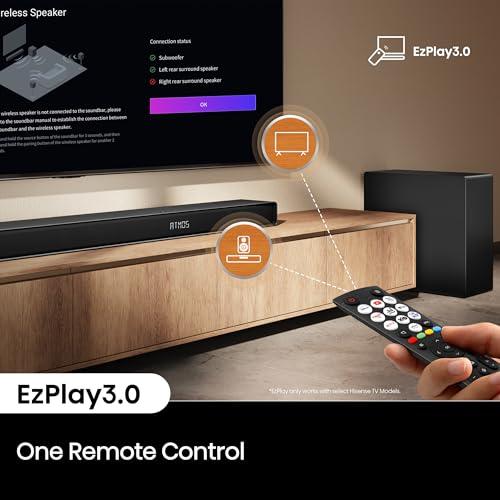
The Hisense works best within Hisense's ecosystem, where Hi-Concerto integration can provide genuinely useful features like automatic content optimization and unified control. Outside this ecosystem, it functions well but loses some of its unique advantages.
The decision between these systems ultimately comes down to your priorities and room situation. The Hisense AX5140Q represents the best value for users wanting true surround sound immersion immediately. Its complete system approach eliminates guesswork and future purchases while delivering genuinely impressive spatial effects for movies and games.
The Sony HT-A3000 makes more sense for users prioritizing audio refinement, smart features, and gradual system building. Its superior dialogue clarity and streaming capabilities justify the higher cost per channel for users who value these qualities over raw surround immersion.
For most home theater setups with medium to large rooms, the Hisense provides better overall value and more convincing surround effects. For smaller spaces, music-focused listening, or households requiring extensive smart home integration, the Sony's premium approach delivers superior results despite the higher investment required for full surround capability.
Neither system represents a bad choice—they simply serve different philosophies and use cases. Understanding which approach aligns with your priorities will lead to years of satisfying audio experiences, whether you choose the complete immersion of discrete surround speakers or the refined simplicity of advanced virtualization technology.
| Hisense AX5140Q | Sony HT-A3000 |
|---|---|
| Channel Configuration - Determines surround sound immersion level | |
| 5.1.4 channels with physical speakers | 3.1 channels with virtualization |
| Included Components - What you get in the box | |
| Complete system: soundbar + wireless subwoofer + 2 wireless rear speakers | Soundbar only (expandable with optional Sony components) |
| Physical Surround Sound - True vs virtual rear effects | |
| Discrete wireless rear speakers with upfiring drivers | Virtual surround via S-Force PRO Front Surround technology |
| Subwoofer Type - Impact on bass performance | |
| Dedicated 6.5" wireless subwoofer (40Hz-20kHz response) | Dual built-in 4.375" x 1.8125" subwoofers |
| Height Channels - Overhead Dolby Atmos effects | |
| 4 physical upfiring drivers (2 in bar, 2 in rear speakers) | Virtual height via Vertical Surround Engine |
| Total System Power - Volume and dynamics capability | |
| 600W maximum audio power | 250W total power output |
| Dialogue Enhancement - Speech clarity technology | |
| AI EQ mode with Voice/News presets | Advanced midrange tuning without dedicated tweeters |
| Room Calibration - Acoustic optimization features | |
| Room Fitting tuning + Hi-Concerto AI optimization | Sound Field Optimization with built-in microphones |
| Streaming Connectivity - Wireless audio options | |
| Bluetooth 5.3 | Bluetooth 5.0 with LDAC + AirPlay 2 + Chromecast Built-in |
| HDMI Features - Video passthrough and audio return | |
| HDMI eARC + 1 HDMI input with 4K60 passthrough | HDMI eARC only (single connection) |
| Smart Integration - TV and ecosystem compatibility | |
| Hi-Concerto with Hisense TVs, EzPlay 3.0, Roku TV Ready | Works with any TV, extensive smart home integration |
| Expandability - Future upgrade options | |
| Complete system (no upgrade path needed or available) | Modular: add Sony subwoofer (~$400) and rears (~$250) later |
| Setup Complexity - Installation requirements | |
| 4 wireless components to position, automatic pairing | Single 37.4" soundbar, simple TV connection |
| Best Use Cases - Ideal scenarios for each system | |
| Medium-large rooms, movie/gaming focus, immediate surround sound | Small-medium rooms, dialogue priority, gradual expansion |
The Hisense AX5140Q is a complete 5.1.4 surround sound system that includes wireless rear speakers and a subwoofer in the box, while the Sony HT-A3000 is a premium 3.1 soundbar that relies on virtual surround technology. The Hisense gives you true physical surround sound immediately, whereas the Sony focuses on refined audio quality from a single bar with optional expansion later.
For home theater use, the Hisense AX5140Q provides a more immersive cinematic experience with its physical rear speakers and dedicated subwoofer. The 5.1.4 configuration with four upfiring speakers creates genuine overhead effects for Dolby Atmos movies. However, the Sony HT-A3000 excels at dialogue clarity, which is crucial for following movie plots and conversations.
No additional purchases are needed with the Hisense AX5140Q - it's a complete surround sound system out of the box. The Sony HT-A3000 works well on its own but requires optional Sony rear speakers and subwoofer to match the Hisense's surround capabilities, which significantly increases the total cost.
The Hisense AX5140Q has superior bass thanks to its dedicated 6.5-inch wireless subwoofer that can be positioned anywhere in your room. The Sony HT-A3000 uses built-in dual subwoofers that provide adequate bass but can't match the depth and impact of a dedicated subwoofer for action movies and music.
The Sony HT-A3000 is better suited for small spaces due to its single-bar design and sophisticated virtual surround processing. The Hisense AX5140Q requires positioning multiple wireless speakers around the room, which may be impractical in tight spaces or shared living situations where rear speaker placement is difficult.
The Sony HT-A3000 excels at dialogue clarity despite lacking dedicated tweeters, consistently receiving praise for speech intelligibility. The Hisense AX5140Q offers good dialogue performance with AI EQ modes and dedicated voice enhancement settings, but doesn't quite reach Sony's level of vocal refinement.
The Sony HT-A3000 is simpler to install as a single 37.4-inch soundbar that connects to your TV via HDMI. The Hisense AX5140Q requires positioning four separate wireless components (soundbar, subwoofer, and two rear speakers), though users report the wireless pairing process is typically automatic and straightforward.
Yes, both the Hisense AX5140Q and Sony HT-A3000 support Dolby Atmos and DTS:X formats. However, the Hisense uses physical upfiring speakers to create height effects, while the Sony relies on virtual processing to simulate overhead sound from the front-facing drivers.
The Hisense AX5140Q offers exceptional value by including everything needed for 5.1.4 surround sound in one purchase. The Sony HT-A3000 costs more initially and requires expensive optional components to match the Hisense's surround capabilities, but provides superior audio refinement and smart features for users who prioritize quality over quantity.
The Sony HT-A3000 has more advanced streaming capabilities with AirPlay 2, Chromecast Built-in, Spotify Connect, and high-resolution LDAC Bluetooth. The Hisense AX5140Q offers solid connectivity with HDMI eARC, additional HDMI input, optical, and standard Bluetooth, plus special integration features with Hisense TVs.
The Hisense AX5140Q provides better gaming performance with its Game Pro mode and physical surround speakers that deliver precise positional audio cues. The rear speakers help with directional awareness in competitive games, while the dedicated subwoofer adds impact to explosions and effects. The Sony HT-A3000 works adequately for casual gaming but lacks the spatial precision of discrete surround speakers.
The Hisense AX5140Q is a complete system with no official expansion options - you get all nine speakers immediately. The Sony HT-A3000 is designed for modular expansion, allowing you to add Sony's optional wireless subwoofer and rear speakers over time to create a full surround system, though this requires significant additional investment.
We've done our best to create useful and informative comparisons to help you decide what product to buy. Our research uses advanced automated methods to create this comparison and perfection is not possible - please contact us for corrections or questions. These are the sites we've researched in the creation of this article: shop.hisense-usa.com - manuals.plus - dolby.com - youtube.com - gzhls.at - rtings.com - youtube.com - bestbuy.com - manuals.plus - bestbuy.com - hisense-usa.com - youtube.com - device.report - manuals.plus - youtube.com - device.report - manuals.plus - youtube.com - rtings.com - electronics.sony.com - crutchfield.com - store.sony.com.au - digitaltrends.com - videoandaudiocenter.com - abt.com - sony.com - merlinstv.com - crutchfield.com - youtube.com

Privacy Policy
Terms and Conditions - Affiliate Policy
Home Security
© Copyright 2008-2026.
11816 Inwood Rd #1211, Dallas, TX 75244