



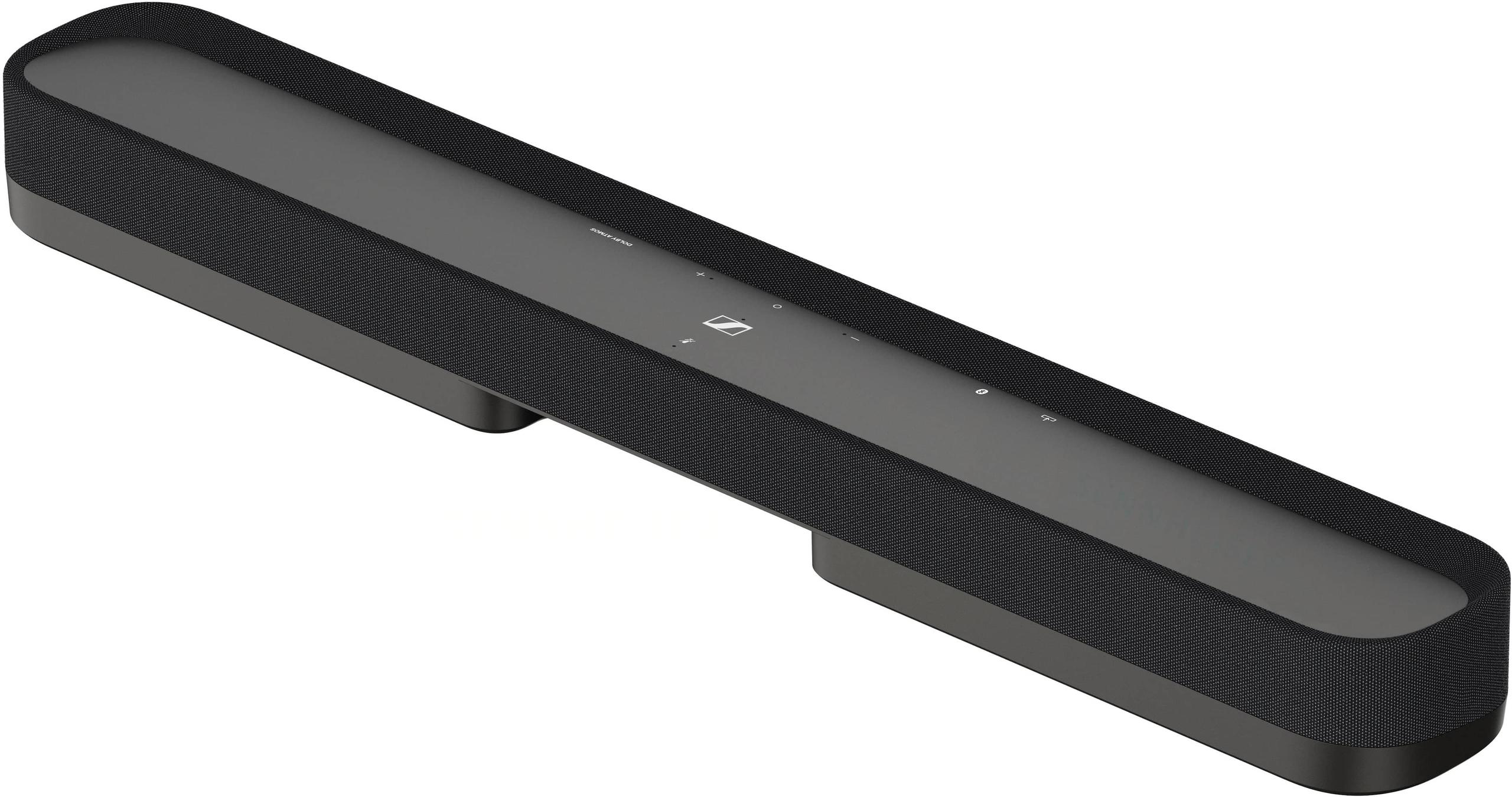

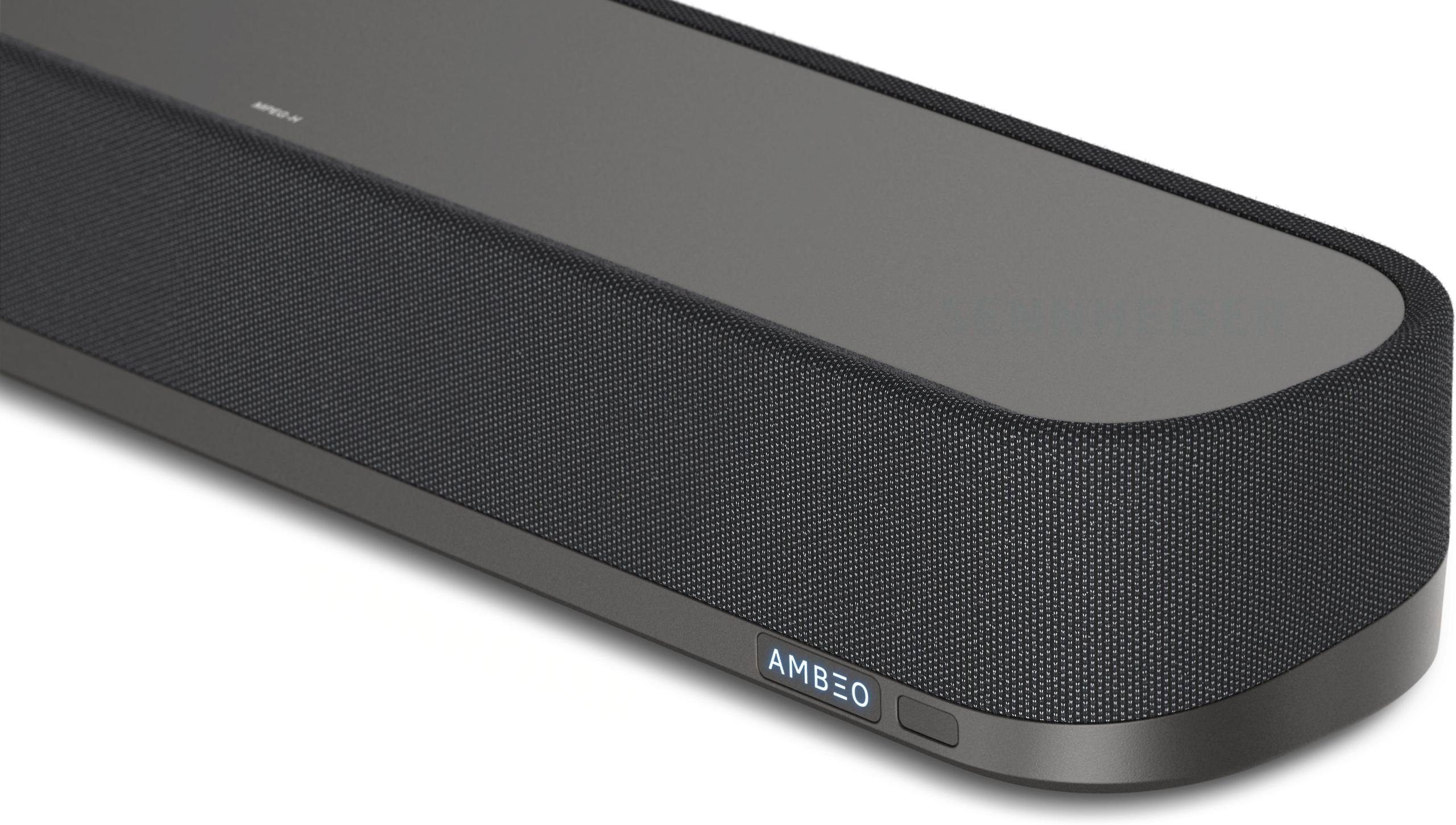

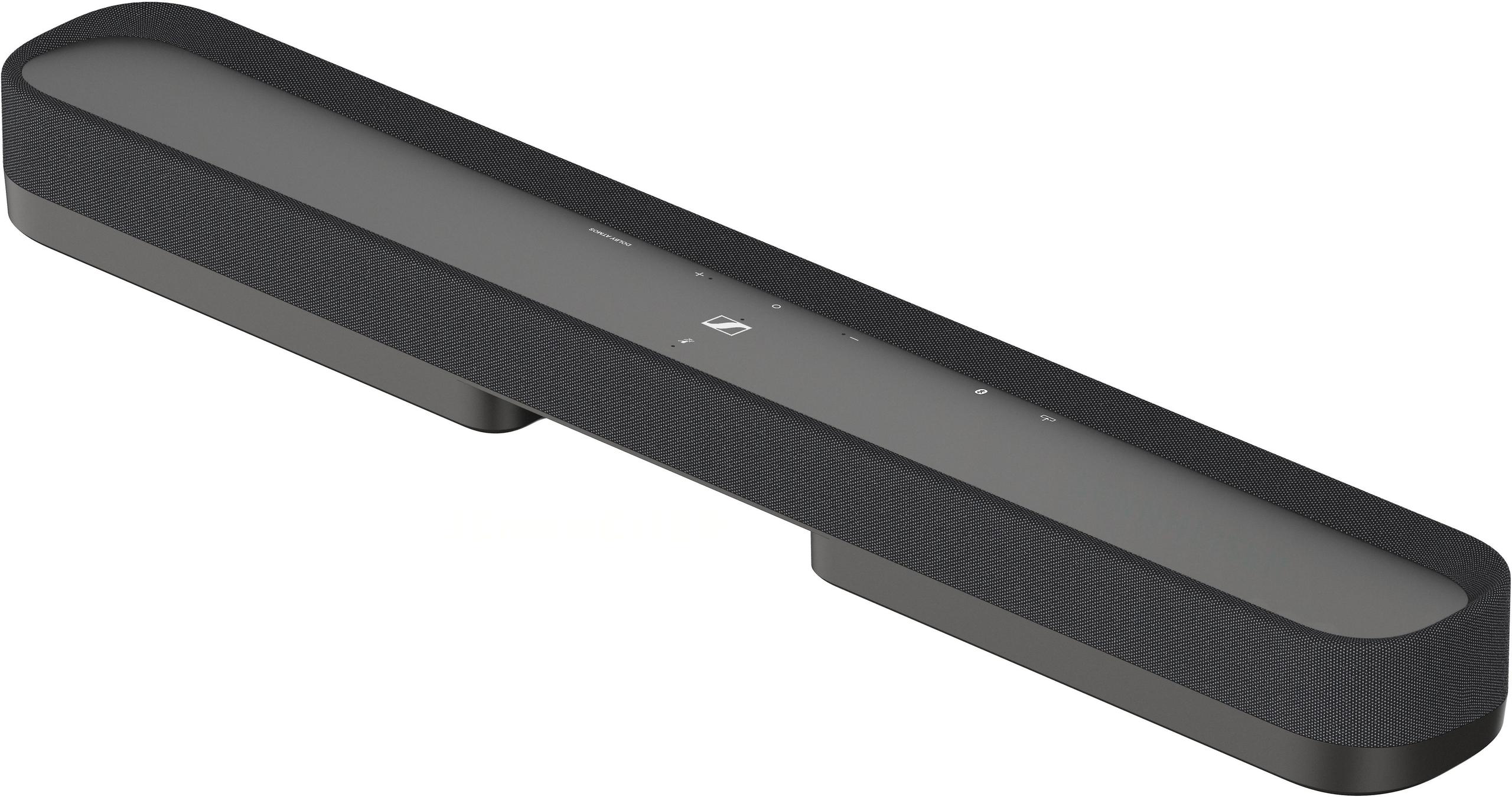


When you're tired of straining to hear dialogue over your TV's tinny speakers, a good soundbar can transform your viewing experience. But with dozens of options available, choosing between different approaches to surround sound can feel overwhelming. Today we're comparing two soundbars that represent fundamentally different philosophies: the Hisense AX5140Q, a true 5.1.4-channel system with separate wireless speakers, and the Sennheiser AMBEO Mini, a premium single-unit soundbar that uses advanced virtualization technology.
Understanding these different approaches—and their trade-offs—is crucial for making the right choice for your space and listening preferences.
Modern soundbars fall into two main camps: those that use multiple physical speakers placed around your room, and those that rely on sophisticated processing to create virtual surround sound from a single unit. Each approach has distinct advantages depending on your priorities.
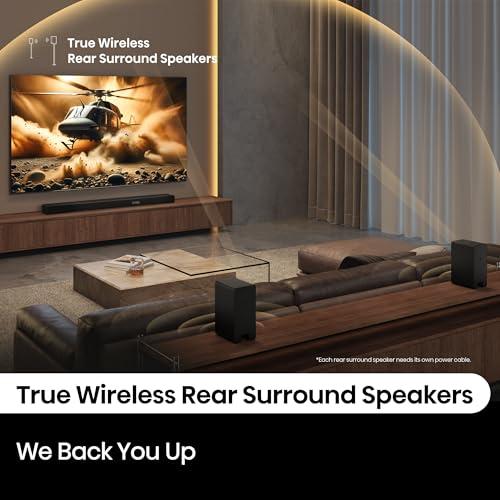
Multi-component systems like the Hisense AX5140Q include separate subwoofers and rear speakers that you place behind your seating area. This creates genuine surround sound—when a helicopter flies overhead in a movie, the sound literally moves from speakers in front of you to speakers behind you. The trade-off is complexity: you need space for multiple speakers and must manage wireless connections between components.
Single-unit virtualization systems like the Sennheiser AMBEO Mini use advanced digital signal processing (DSP) to trick your brain into hearing sounds from directions where no speakers exist. High-quality virtualization can be remarkably convincing, especially for height effects that seem to come from above your head. The benefit is simplicity—one sleek unit handles everything.
The most important performance characteristics to evaluate are dialogue clarity (can you understand conversations without turning up the volume?), bass response (does it have enough low-frequency punch for movie effects?), surround immersion (do effects convincingly move around you?), and dynamic range (can it handle both whisper-quiet dialogue and explosive action sequences?).
Released in 2023, both soundbars represent the current state of the art in their respective categories, though they've taken completely different paths to achieve immersive audio.
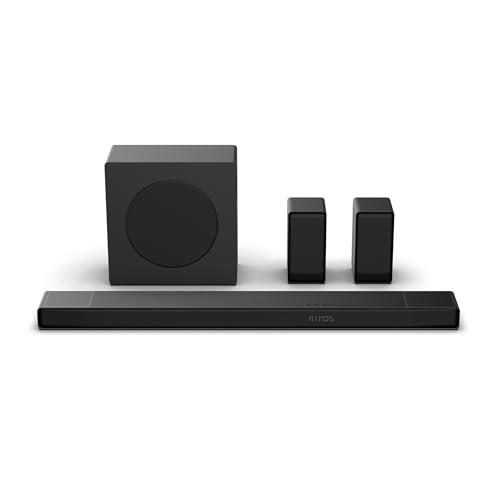
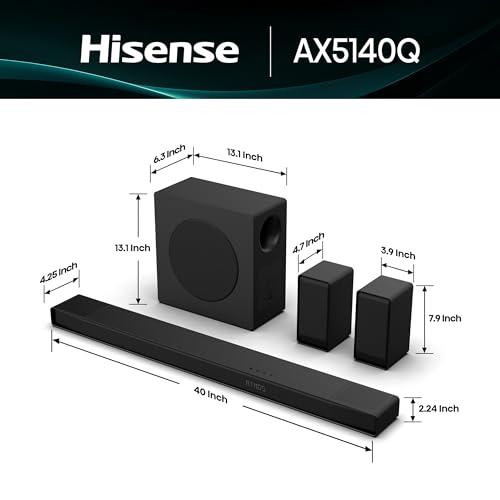
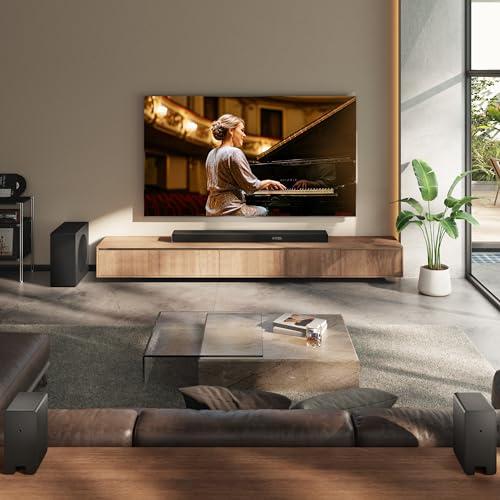
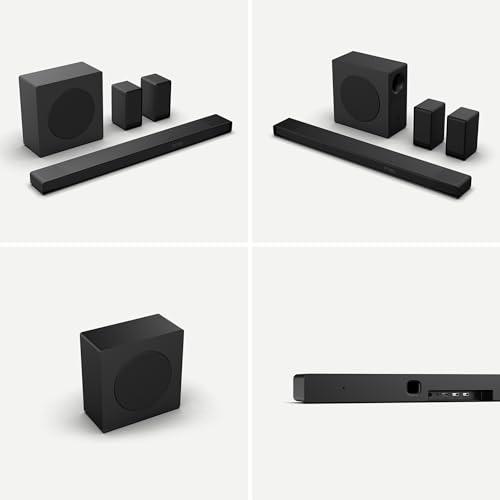
The Hisense AX5140Q follows the traditional home theater approach: more speakers equal better surround sound. This 5.1.4-channel system includes a main soundbar, a wireless 6.5-inch subwoofer, and two wireless rear speakers. Each rear speaker contains both standard drivers and upward-firing speakers for height effects. The "5.1.4" designation means five main channels (left, center, right, left surround, right surround), one subwoofer channel, and four height channels for Dolby Atmos overhead effects.
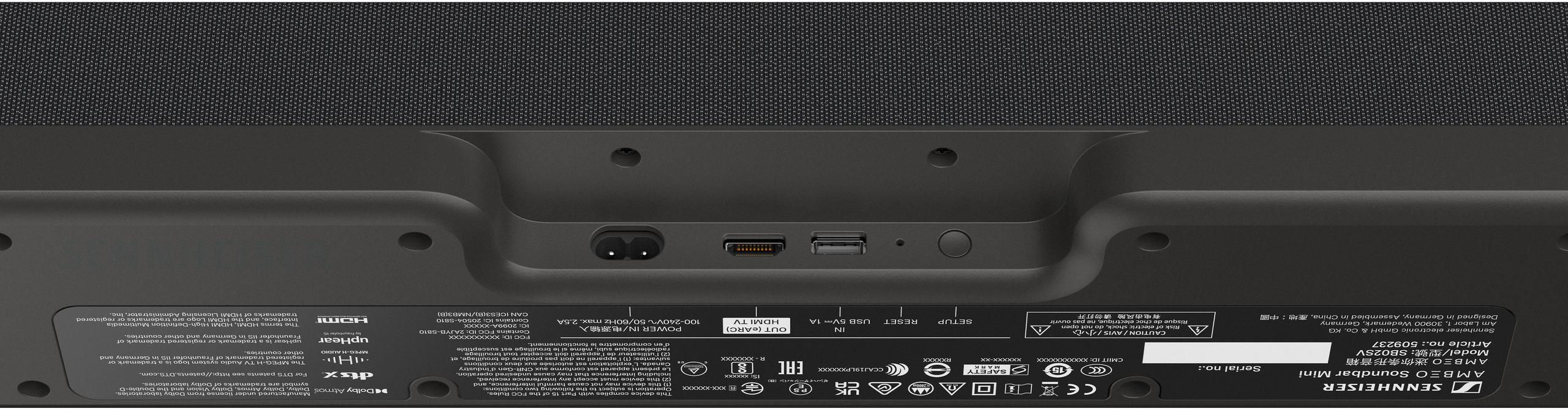
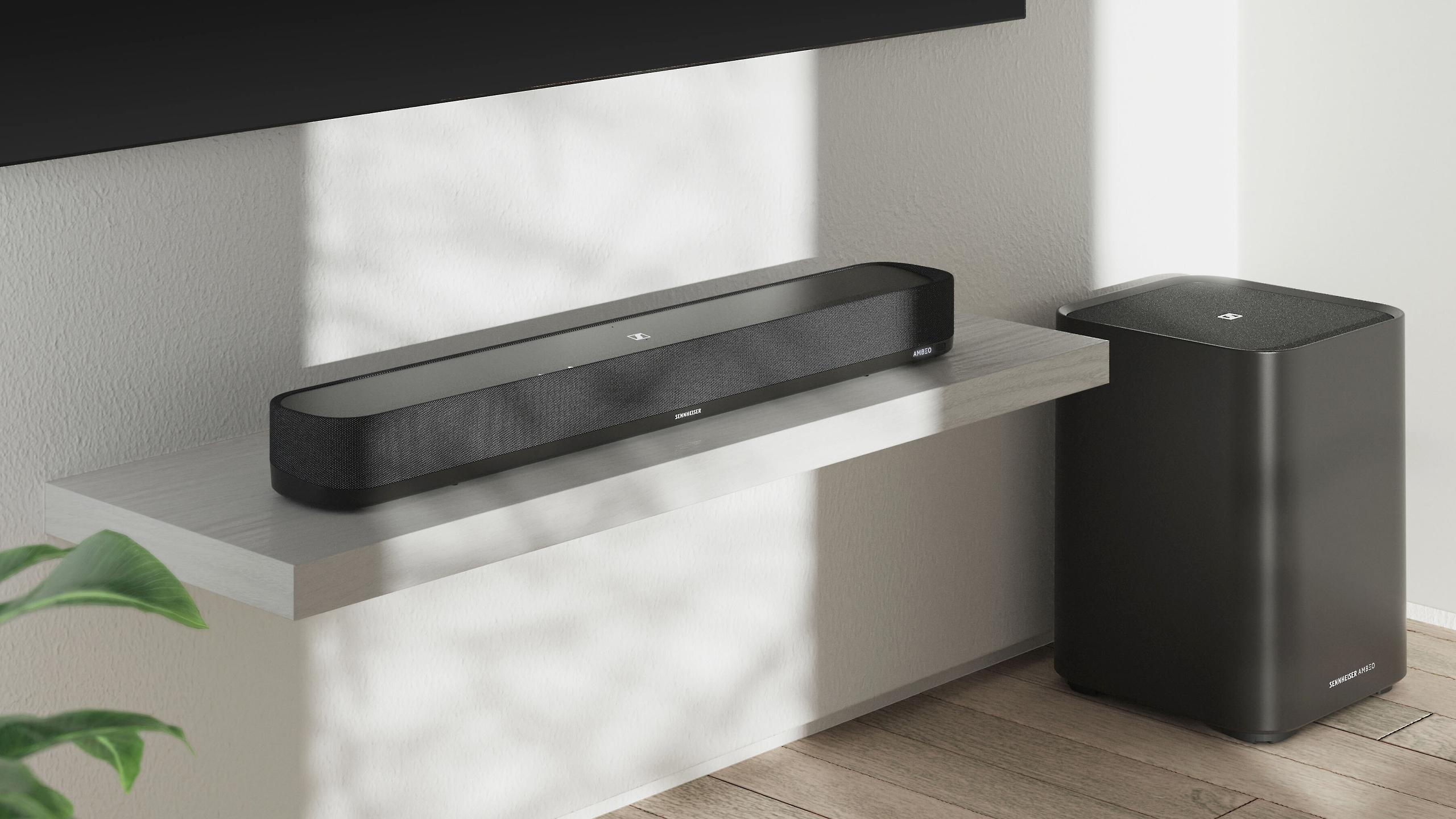
The Sennheiser AMBEO Mini takes the opposite approach, cramming everything into one sleek 27.6-inch unit. Despite its compact size, it creates virtual 7.1.4-channel surround sound through AMBEO virtualization technology, developed with Germany's Fraunhofer research institute. This processing analyzes audio content and uses psychoacoustic principles—basically, how your brain interprets sound—to place virtual speakers around your room.
Since 2023, both companies have refined their approaches through firmware updates. The Hisense AX5140Q has benefited from improved wireless connectivity and better room calibration algorithms, while the Sennheiser AMBEO Mini has enhanced its virtualization processing and added more streaming service integrations.
When it comes to pure audio quality, these soundbars showcase completely different engineering philosophies, and the differences are immediately apparent.
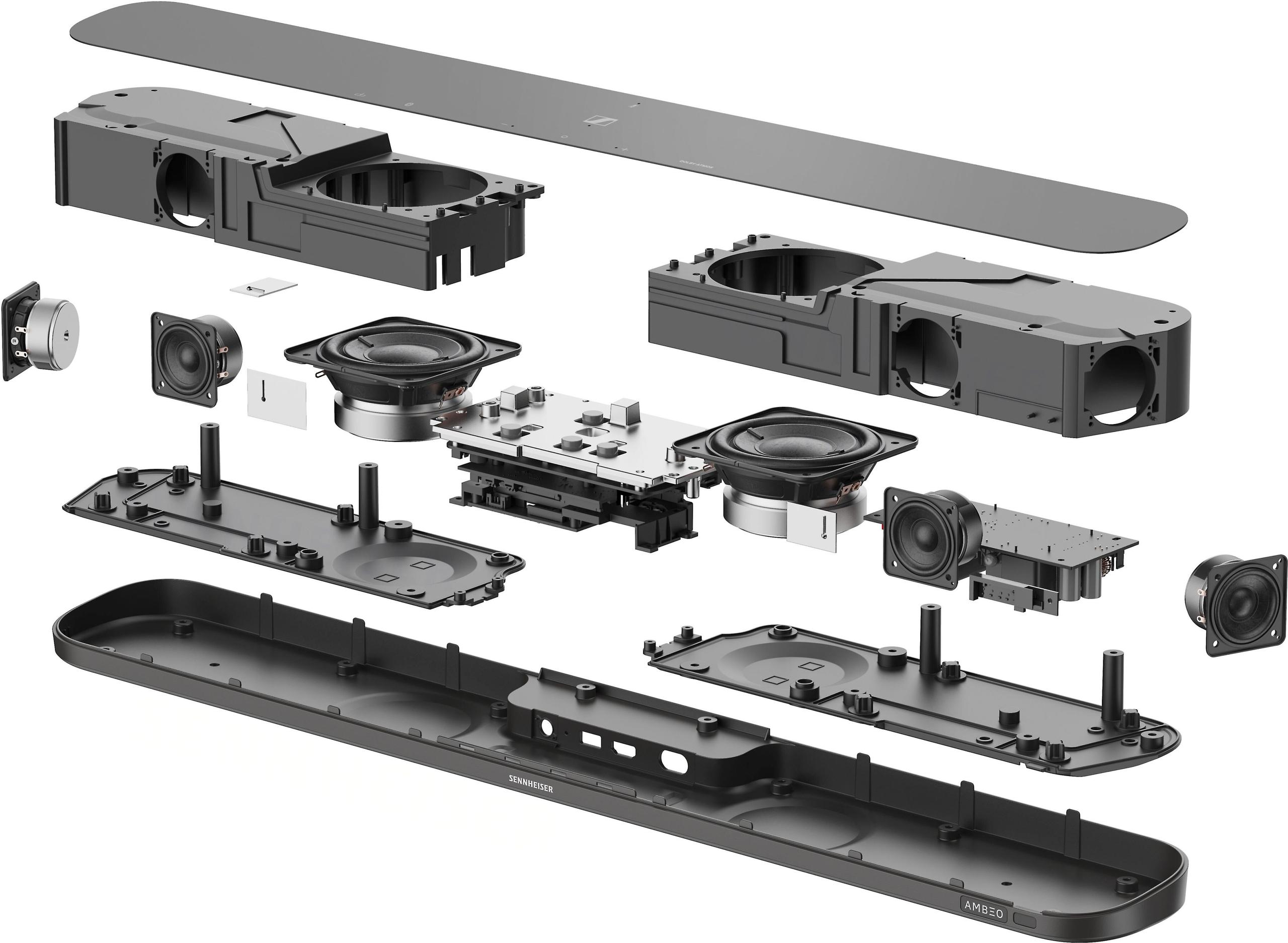
The Sennheiser AMBEO Mini demonstrates why the company has spent decades building high-end headphones and studio monitors. Its six carefully tuned drivers—two front-firing, two side-firing, and two upward-firing 4-inch woofers—produce remarkably clean, detailed sound. Dialogue has exceptional clarity without sounding harsh, and music reproduction is genuinely impressive for a soundbar. The 43Hz-20kHz frequency response means it handles everything from deep bass notes to the highest treble frequencies that humans can hear.
However, physics imposes limits. Despite impressive engineering, the Sennheiser AMBEO Mini's 250 watts of power and compact drivers can only move so much air. In larger rooms or when you want truly thunderous bass, you'll notice these constraints.
The Hisense AX5140Q takes a brute-force approach that often works brilliantly. Its 600 watts of total power provides significantly more headroom for dynamic content, while the dedicated 6.5-inch subwoofer moves substantially more air than the Sennheiser's built-in woofers. When that T-Rex roars in Jurassic Park, you'll feel it in your chest with the Hisense system.
The trade-off is refinement. While the Hisense AX5140Q produces more impactful sound, it doesn't match the Sennheiser's precision and tonal accuracy. For critical music listening, the difference becomes apparent—the Sennheiser sounds more like high-quality bookshelf speakers, while the Hisense sounds like a very good soundbar.
This is where the fundamental difference between these systems becomes most apparent, and honestly, where your room layout will largely dictate the better choice.
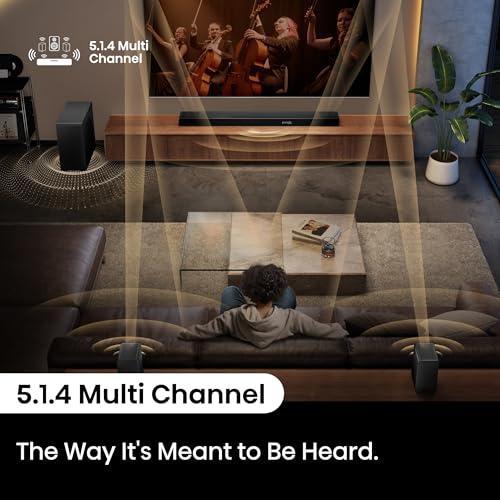
The Hisense AX5140Q's approach is straightforward: place real speakers around your room for real surround sound. When properly positioned, the experience is genuinely immersive. During action sequences, you'll hear bullets whizzing past your ears, helicopters circling overhead, and ambient sounds that make you forget you're in your living room rather than inside the movie.
The system's four upward-firing drivers (two in the main bar, two in the rear speakers) create height effects by bouncing sound off your ceiling. This works best with flat, reflective ceilings at normal height—roughly 8-10 feet. Vaulted or heavily textured ceilings reduce effectiveness, though the experience remains convincing with discrete rear speakers handling surround duties.
The Sennheiser AMBEO Mini achieves something that seems almost magical: convincing surround sound from a single unit sitting under your TV. AMBEO virtualization analyzes incoming audio and uses complex processing to create phantom imaging—sounds that appear to come from locations where no speakers exist. For height effects, it's often more convincing than ceiling-bounce systems, creating precise overhead localization that works regardless of ceiling type.
However, virtualization has limitations. Side and rear effects, while impressive, never quite match the realism of actual speakers in those positions. The soundstage—the perceived width and depth of sound—extends well beyond the physical soundbar, but it doesn't create the complete bubble of sound that discrete rear speakers provide.
Bass reproduction highlights each system's design priorities and physical constraints.
The Hisense AX5140Q's wireless 6.5-inch subwoofer delivers the kind of low-frequency impact that makes action movies visceral experiences. Explosions have weight, music has foundation, and you can feel effects as much as hear them. The separate enclosure allows the subwoofer to move large amounts of air without interfering with the main soundbar's clarity.
Placement flexibility is another advantage—you can position the subwoofer where it sounds best in your room, often in a corner or along a wall where boundary reinforcement boosts output. The wireless connection means you're not limited by cable length.
The Sennheiser AMBEO Mini's dual 4-inch built-in subwoofers achieve remarkable performance given their constraints. Reaching down to 43Hz means they reproduce most movie content effectively, and the integration with the full-range drivers is seamless—you never hear obvious transitions between the woofers and other drivers.
But physics is unforgiving. Smaller drivers in a smaller enclosure simply can't match a dedicated subwoofer's output or extension. In smaller rooms, the difference is less noticeable. In larger spaces or when you want truly chest-thumping bass, the Hisense AX5140Q wins decisively.
Your room layout and aesthetic preferences often determine which soundbar will work better, regardless of other performance considerations.
The Hisense AX5140Q requires accommodation. The rear speakers need placement behind or beside your seating area, with clear line-of-sight to the main soundbar for wireless communication. The 40-inch main unit is substantial, while the subwoofer, despite being wireless, needs appropriate placement for optimal bass response.
In return for this complexity, you get true surround sound that scales well with room size. The discrete speakers create immersion that works from multiple seating positions, making it ideal for family movie nights or entertaining guests.
The Sennheiser AMBEO Mini fits into spaces where the Hisense system simply wouldn't work. At just over 27 inches wide, it complements smaller TVs perfectly while still delivering sophisticated audio processing. There's no wrestling with rear speaker placement or finding space for a subwoofer—just plug in one sleek unit and enjoy.
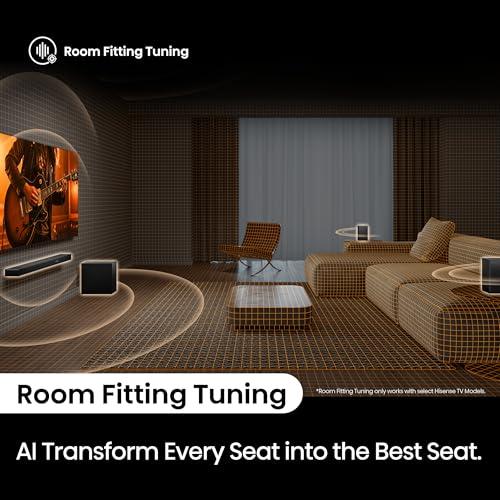
The built-in room calibration system adapts the virtualization processing to your specific space, using four precision microphones to analyze your room's acoustics and adjust accordingly. This automatic optimization means the system sounds its best without requiring acoustic expertise or extensive manual adjustment.
At the time of writing, both soundbars occupy similar price ranges in the mid-tier market, but they offer different types of value.
The Hisense AX5140Q provides exceptional value for true multichannel audio. Getting discrete rear speakers, a wireless subwoofer, and 5.1.4-channel processing at this price point would have been unthinkable just a few years ago. If you have space for the components and want maximum immersion per dollar, it's hard to find better value.
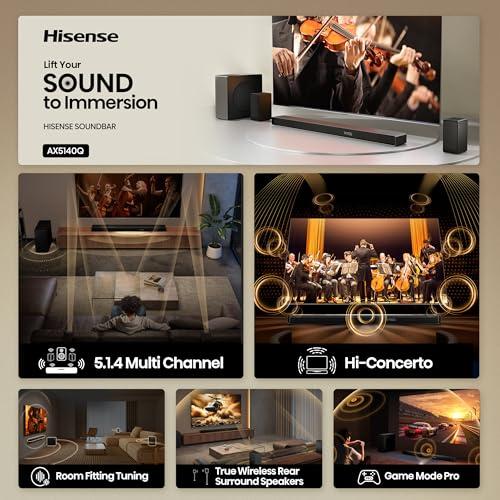
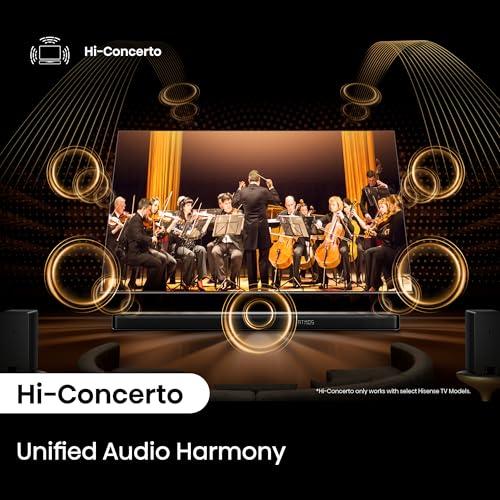
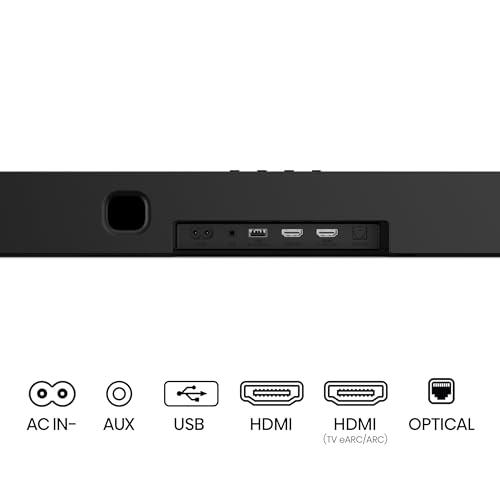
The system includes thoughtful features like Hi-Concerto integration with Hisense TVs (which coordinates the TV and soundbar for improved performance), multiple sound modes optimized for different content types, and comprehensive connectivity options including HDMI eARC, optical, and Bluetooth 5.3.
The Sennheiser AMBEO Mini costs more per component but justifies its premium through superior build quality, advanced processing, and audiophile-grade engineering. The virtualization technology alone represents significant research and development investment, while the driver quality and amplification exceed what you'd typically find at this price point.
Premium features include automatic room calibration, extensive streaming service integration (AirPlay 2, Chromecast, Spotify Connect), and sophisticated sound processing that adapts to content type. For users prioritizing quality over quantity, the value proposition is compelling.
The setup experience reflects each system's design philosophy and reveals important practical considerations.
Installing the Hisense AX5140Q requires more thought and effort. You'll need to position four separate components, run room calibration, and ensure stable wireless connections between all elements. The process isn't difficult, but it takes time and planning. Once configured properly, though, the system largely manages itself, with automatic power management and input switching through HDMI eARC.
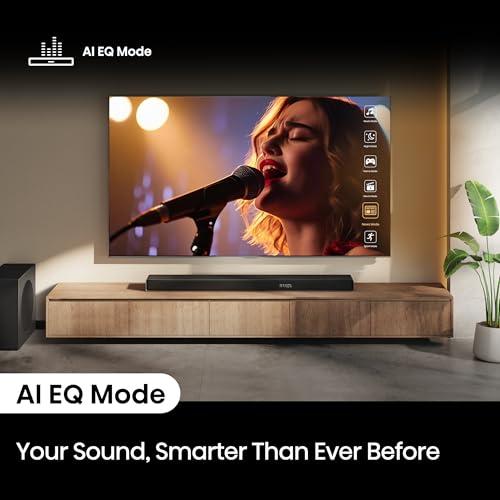
The multiple sound modes—including Game Pro for enhanced directional audio in gaming—require some experimentation to find preferences for different content types. The learning curve is modest, but you'll get better results by understanding when to use Movie mode versus Music mode versus AI mode, which automatically adapts processing based on content analysis.
The Sennheiser AMBEO Mini prioritizes simplicity without sacrificing sophistication. Setup involves plugging in one unit, running automatic calibration, and enjoying results. The room calibration process is genuinely impressive—the built-in microphones analyze your space and adjust virtualization parameters automatically.
Daily operation is similarly streamlined. The system intelligently switches between processing modes based on content type, while features like voice enhancement (which boosts dialogue clarity) and night mode (which reduces dynamic range for apartment-friendly listening) activate automatically or with simple remote commands.
Both soundbars excel with movies and TV, but they serve gaming and music differently.
The Hisense AX5140Q shines with gaming content. Its Game Pro mode enhances positional audio cues that competitive gamers rely on—footsteps, gunfire direction, and environmental sounds become more precise and easier to locate. The discrete rear speakers create convincing directional effects that actually help gameplay, while the powerful subwoofer makes explosive action sequences visceral.
For music, the system performs well but clearly prioritizes impact over accuracy. It's better suited for genres that benefit from powerful bass and wide soundstaging—electronic music, rock, and pop sound engaging, while acoustic and classical music reveal the system's emphasis on excitement over precision.
The Sennheiser AMBEO Mini approaches gaming differently. While it lacks discrete rear speakers for true directional audio, its precise imaging and excellent detail retrieval help with environmental awareness. The superior dialogue clarity aids story-heavy games, while the balanced frequency response prevents fatigue during long gaming sessions.
Music reproduction is where the Sennheiser truly distinguishes itself. The careful driver tuning and sophisticated processing create surprisingly accurate stereo imaging and tonal balance. It won't replace dedicated hi-fi speakers, but it's genuinely enjoyable for critical music listening—something rare among soundbars.
Both soundbars integrate well with modern TVs, but they emphasize different aspects of the smart home experience.
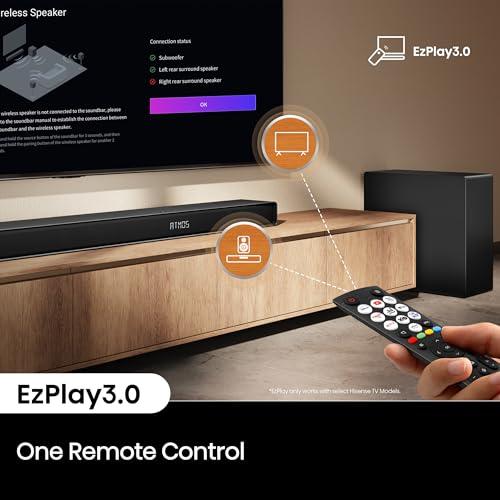
The Hisense AX5140Q works with any TV through HDMI eARC but provides enhanced features with Hisense TVs through Hi-Concerto integration. This ecosystem approach coordinates TV and soundbar processing for optimized performance, unified control through the TV remote, and on-screen status displays for wireless speaker connections.
The system supports 4K 60Hz passthrough for gaming consoles and streaming devices, though it lacks support for higher refresh rates that newest gaming systems offer. For most users, this limitation won't matter, but competitive gamers might prefer connecting consoles directly to the TV.
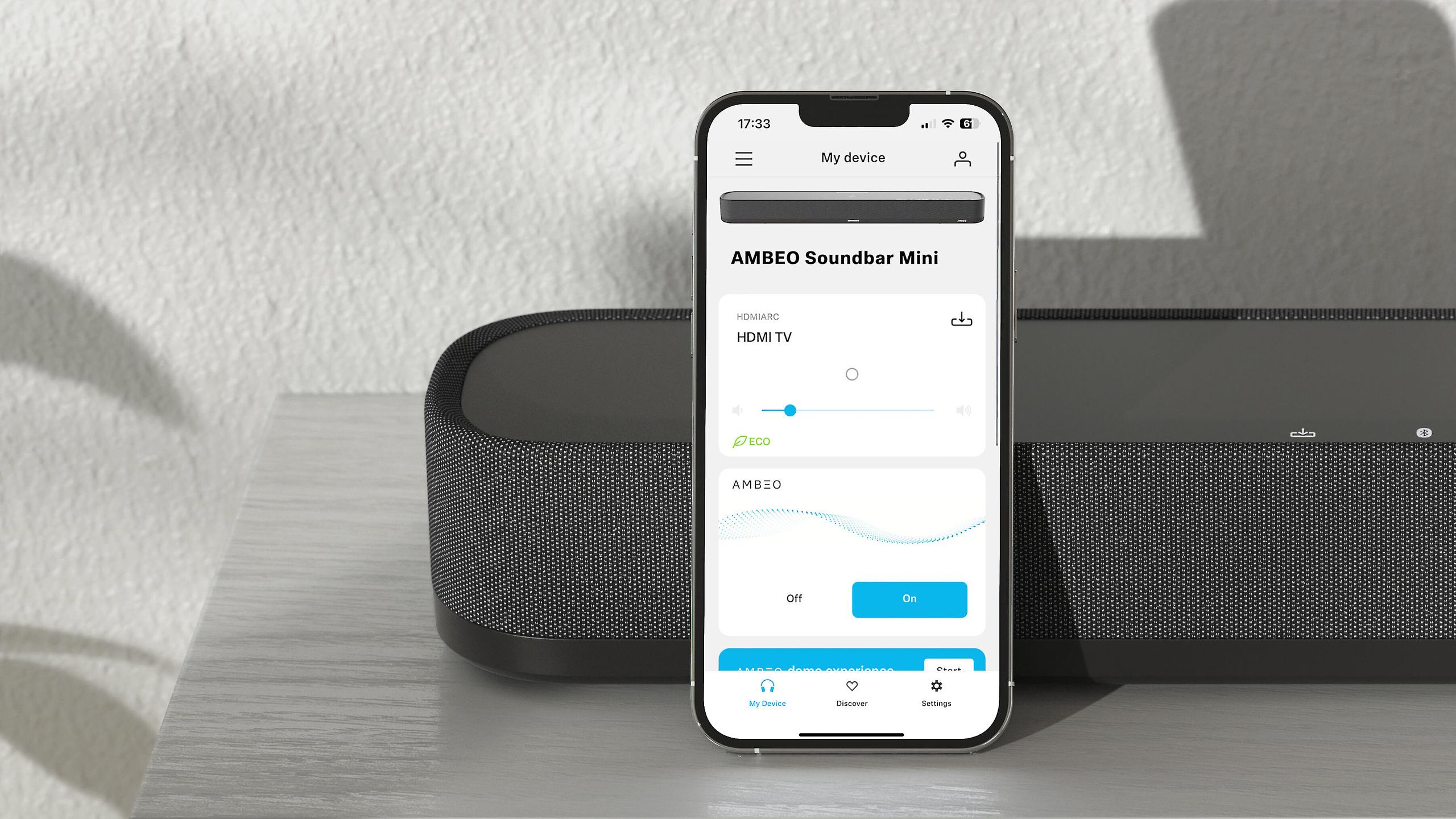
The Sennheiser AMBEO Mini takes a platform-agnostic approach with extensive streaming service support. Built-in Wi-Fi enables direct connection to Spotify, Tidal, and other services without requiring a TV or separate streaming device. AirPlay 2 and Chromecast support make wireless streaming from phones and tablets effortless.
The AMBEO|OS platform continues evolving through firmware updates, adding new streaming services and processing improvements. This forward-thinking approach suggests the soundbar will maintain relevance longer than products that rely solely on hardware capabilities.
After extensive research and evaluation of user feedback, both soundbars succeed in their intended roles, but they serve different priorities and constraints.
Choose the Hisense AX5140Q if you want maximum immersion and have space for multiple components. It's ideal for dedicated home theater setups, larger rooms, and users who prioritize impactful surround sound over absolute refinement. Gamers will appreciate the directional audio advantages, while movie enthusiasts will love the genuine surround experience.
The system also makes sense for value-conscious buyers who want true multichannel audio without the complexity and cost of traditional receiver-based systems. If you can accommodate the wireless speakers and don't mind slightly more involved setup, you'll get exceptional performance for the investment.
Choose the Sennheiser AMBEO Mini if you value premium build quality, sophisticated processing, and space efficiency. It's perfect for apartments, smaller rooms, or situations where discrete speakers aren't practical. Audiophiles will appreciate the attention to sound quality, while minimalists will love the clean aesthetic and simple operation.
The system particularly suits users who listen to music frequently alongside movies and TV. Its balanced performance across content types, combined with extensive streaming options, makes it an excellent all-in-one audio solution for modern entertainment consumption.
Ultimately, both soundbars represent significant upgrades over TV speakers and deliver genuine value in their respective categories. Your choice depends on whether you prioritize maximum immersion (favoring the Hisense AX5140Q) or premium quality with convenience (favoring the Sennheiser AMBEO Mini). Either way, you'll transform your viewing experience while gaining appreciation for what modern soundbar technology can achieve.
| Hisense AX5140Q 5.1.4Ch Dolby Atmos DTS:X Sound Bar | Sennheiser AMBEO Soundbar Mini |
|---|---|
| Channel Configuration - Determines surround sound authenticity | |
| True 5.1.4 channels with discrete wireless rear speakers | Virtual 7.1.4 channels from single unit with advanced processing |
| Total System Power - Affects volume and dynamic range | |
| 600W total system power (more headroom for large rooms) | 250W from compact design (sufficient for most spaces) |
| Components Included - Impacts setup complexity and performance | |
| Soundbar + wireless subwoofer + 2 wireless rear speakers | Single soundbar unit only |
| Subwoofer - Critical for movie bass and music foundation | |
| Dedicated 6.5" wireless subwoofer (deeper, more impactful bass) | Dual built-in 4" subwoofers (impressive for size, limited output) |
| Physical Dimensions - Determines TV compatibility and room fit | |
| 40" wide soundbar (matches 55"+ TVs well) | 27.6" wide (perfect for smaller TVs and tight spaces) |
| Surround Technology - How immersive effects are created | |
| Four real upfiring drivers + physical rear placement | AMBEO virtualization with psychoacoustic processing |
| Room Calibration - Optimizes sound for your specific space | |
| AI EQ and room fitting tuning available | Automatic calibration with 4 built-in precision microphones |
| Connectivity Options - Affects device compatibility and streaming | |
| HDMI eARC, optical, AUX, USB, Bluetooth 5.3 | HDMI eARC, Wi-Fi, Bluetooth 5.0, AirPlay 2, Chromecast |
| Setup Complexity - Time and effort required for installation | |
| Multiple wireless components require thoughtful placement | Single unit with automatic calibration (plug and play) |
| Gaming Features - Enhanced audio for interactive entertainment | |
| Dedicated Game Pro mode with enhanced directional cues | Precise imaging good for environmental awareness |
| Music Performance - Sound quality for non-movie content | |
| Impactful but less refined (better for bass-heavy genres) | Audiophile-tuned drivers with accurate reproduction |
| Brand Integration - Special features with matching TVs | |
| Hi-Concerto ecosystem with Hisense TVs | Universal compatibility with platform-agnostic approach |
The Sennheiser AMBEO Mini is better for small rooms due to its compact 27.6-inch width and single-unit design. It uses advanced virtualization technology to create immersive surround sound without requiring rear speakers or a separate subwoofer. The Hisense AX5140Q needs space for wireless rear speakers and a subwoofer, making it less suitable for tight spaces.
Not necessarily. The Hisense AX5140Q includes wireless rear speakers for true surround sound, while the Sennheiser AMBEO Mini uses sophisticated processing to create virtual surround effects from a single unit. Real rear speakers provide more authentic directional effects, but high-quality virtualization can be very convincing in smaller rooms.
The Hisense AX5140Q has stronger bass thanks to its dedicated 6.5-inch wireless subwoofer that can be positioned anywhere in your room. The Sennheiser AMBEO Mini has impressive built-in bass from dual 4-inch subwoofers, but it can't match the depth and impact of a separate subwoofer for movie explosions and music.
The Hisense AX5140Q offers true 5.1.4 channels with physical speakers, while the Sennheiser AMBEO Mini creates virtual 7.1.4 channels through processing. The Hisense has 5 main channels, 1 subwoofer, and 4 height speakers. The Sennheiser simulates 7 main channels, 1 subwoofer, and 4 height channels from its single unit.
The Sennheiser AMBEO Mini is much easier to set up - just plug in one unit and run automatic calibration. The Hisense AX5140Q requires positioning a main soundbar, wireless subwoofer, and two rear speakers, plus running room calibration. While not difficult, the Hisense takes more time and planning.
Yes, both the Hisense AX5140Q and Sennheiser AMBEO Mini work with any TV through HDMI eARC or optical connections. The Hisense offers special integration features with Hisense TVs, while the Sennheiser works equally well with all TV brands and includes extensive streaming service support.
The Hisense AX5140Q is better for gaming due to its Game Pro mode and discrete rear speakers that provide accurate directional audio cues. This helps with hearing footsteps and gunfire direction in competitive games. The Sennheiser AMBEO Mini offers good gaming audio with precise imaging but lacks true rear positioning effects.
Yes, both the Hisense AX5140Q and Sennheiser AMBEO Mini support Dolby Atmos and DTS:X. The Hisense uses four physical upfiring speakers to bounce sound off your ceiling, while the Sennheiser creates virtual height effects through advanced processing that can be more consistent regardless of ceiling type.
The Sennheiser AMBEO Mini is better for music due to its audiophile-grade drivers and precise tuning. It offers more accurate sound reproduction and better tonal balance. The Hisense AX5140Q emphasizes impact over accuracy, making it better for bass-heavy genres but less refined for critical music listening.
The Sennheiser AMBEO Mini only needs space under your TV at 27.6 inches wide. The Hisense AX5140Q requires a 40-inch space under your TV plus room behind your seating for rear speakers and floor space for the subwoofer. The wireless design reduces cable clutter but you still need strategic placement.
The Hisense AX5140Q offers exceptional value by including a complete 5.1.4 system with soundbar, subwoofer, and rear speakers at a competitive price. The Sennheiser AMBEO Mini costs more but provides premium build quality, sophisticated processing, and convenience. Value depends on whether you prioritize channel count or quality per component.
The Hisense AX5140Q is a complete system that doesn't support additional speakers. The Sennheiser AMBEO Mini also doesn't support expansion, but you could potentially add a separate subwoofer if needed. Both systems are designed as all-in-one solutions rather than modular setups that grow over time.
We've done our best to create useful and informative comparisons to help you decide what product to buy. Our research uses advanced automated methods to create this comparison and perfection is not possible - please contact us for corrections or questions. These are the sites we've researched in the creation of this article: shop.hisense-usa.com - manuals.plus - dolby.com - youtube.com - gzhls.at - rtings.com - youtube.com - bestbuy.com - manuals.plus - bestbuy.com - hisense-usa.com - youtube.com - device.report - manuals.plus - youtube.com - device.report - manuals.plus - youtube.com - techradar.com - sennheiser-hearing.com - stereonet.com - rtings.com - youtube.com - youtube.com - newsroom.sennheiser.com - whathifi.com - baybloorradio.com - sennheiser-hearing.com - files.bbystatic.com

Privacy Policy
Terms and Conditions - Affiliate Policy
Home Security
© Copyright 2008-2026.
11816 Inwood Rd #1211, Dallas, TX 75244