




When you're shopping for a soundbar in 2024, you're entering a market that's dramatically different from even five years ago. What used to be simple two-channel sound enhancers have evolved into sophisticated home theater systems capable of creating immersive, three-dimensional audio experiences that rival dedicated speaker setups costing thousands more.
The soundbar category has essentially split into two philosophies: streamlined systems that prioritize simplicity and value, versus more complex multi-component setups that chase maximum performance. Today, we're comparing two excellent examples of each approach—the Polk Audio Signa S4 representing the elegant simplicity camp, and the Hisense AX5140Q showcasing what's possible when manufacturers pack premium features into an accessible price point.
Before diving into specifics, it's worth understanding what makes today's soundbars so much more capable than their predecessors. The game-changer has been object-based audio formats like Dolby Atmos and DTS:X. Unlike traditional surround sound that sends specific audio to predetermined speakers, object-based audio treats sounds as individual "objects" that can be precisely positioned anywhere in a three-dimensional space around you.
This technology requires upfiring drivers—speakers that bounce sound off your ceiling to create the illusion of overhead effects. When a helicopter flies across the screen, instead of just hearing it move left to right, you actually hear it pass overhead. The number after the decimal point in channel configurations (like 3.1.2 or 5.1.4) tells you how many of these height channels a system has.
The Polk Audio Signa S4, released in 2021, was one of the first soundbars to deliver genuine Dolby Atmos performance under $400. The Hisense AX5140Q, arriving more recently, represents how much manufacturers have learned about balancing performance and affordability in the years since Dolby Atmos became mainstream.
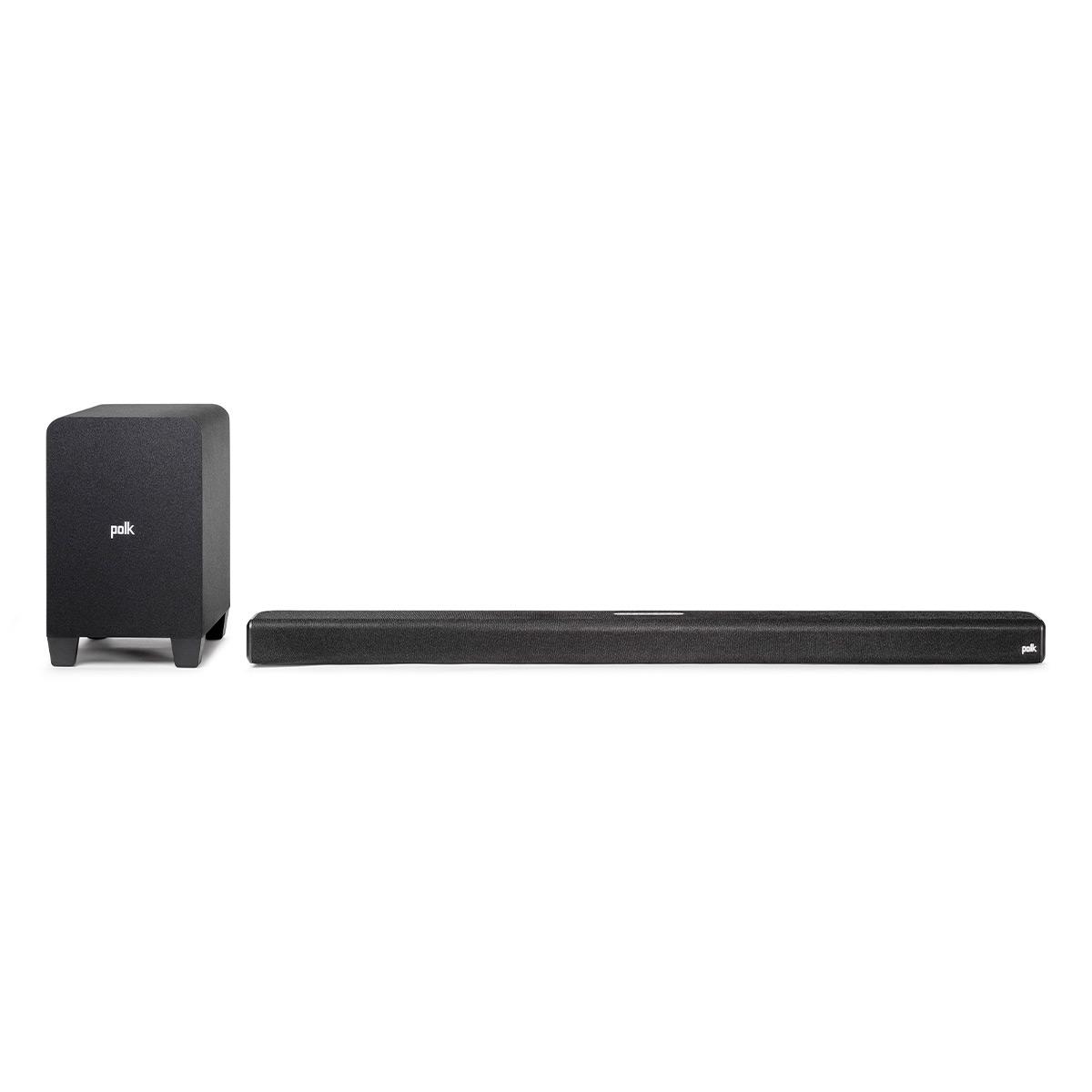
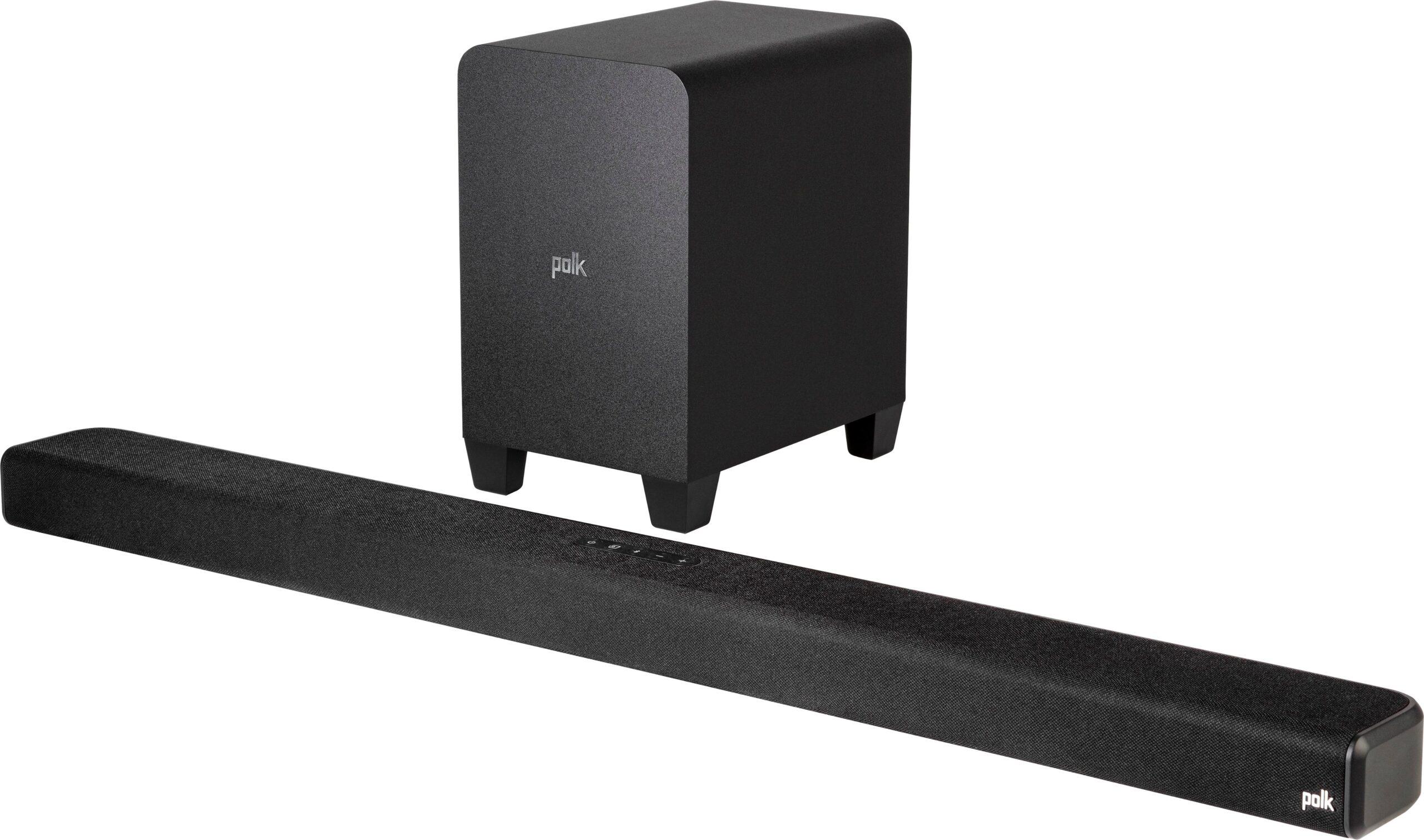
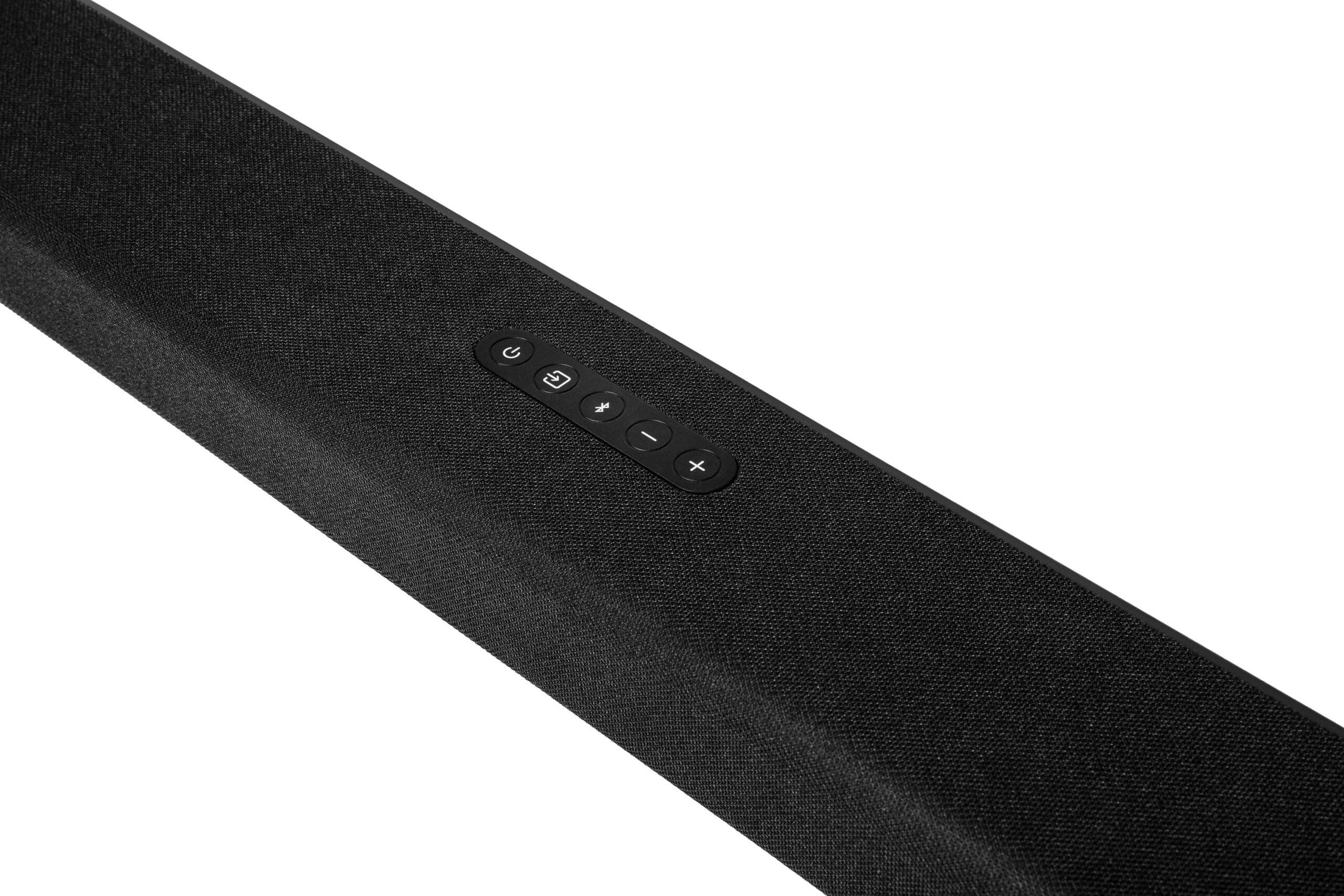
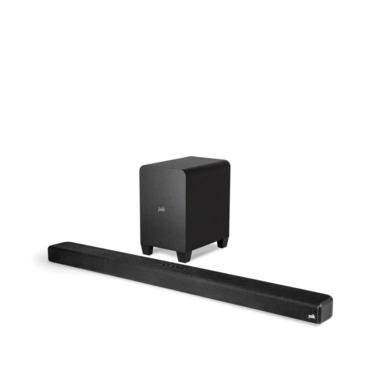
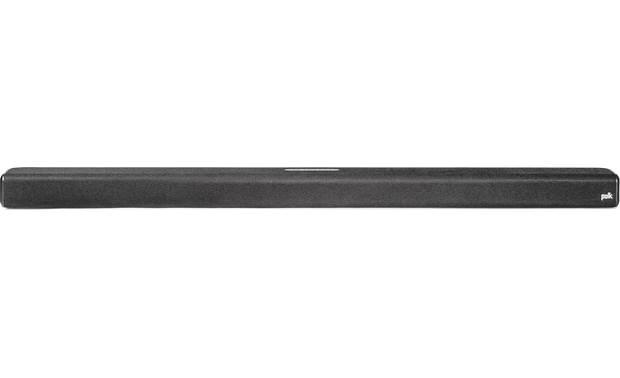
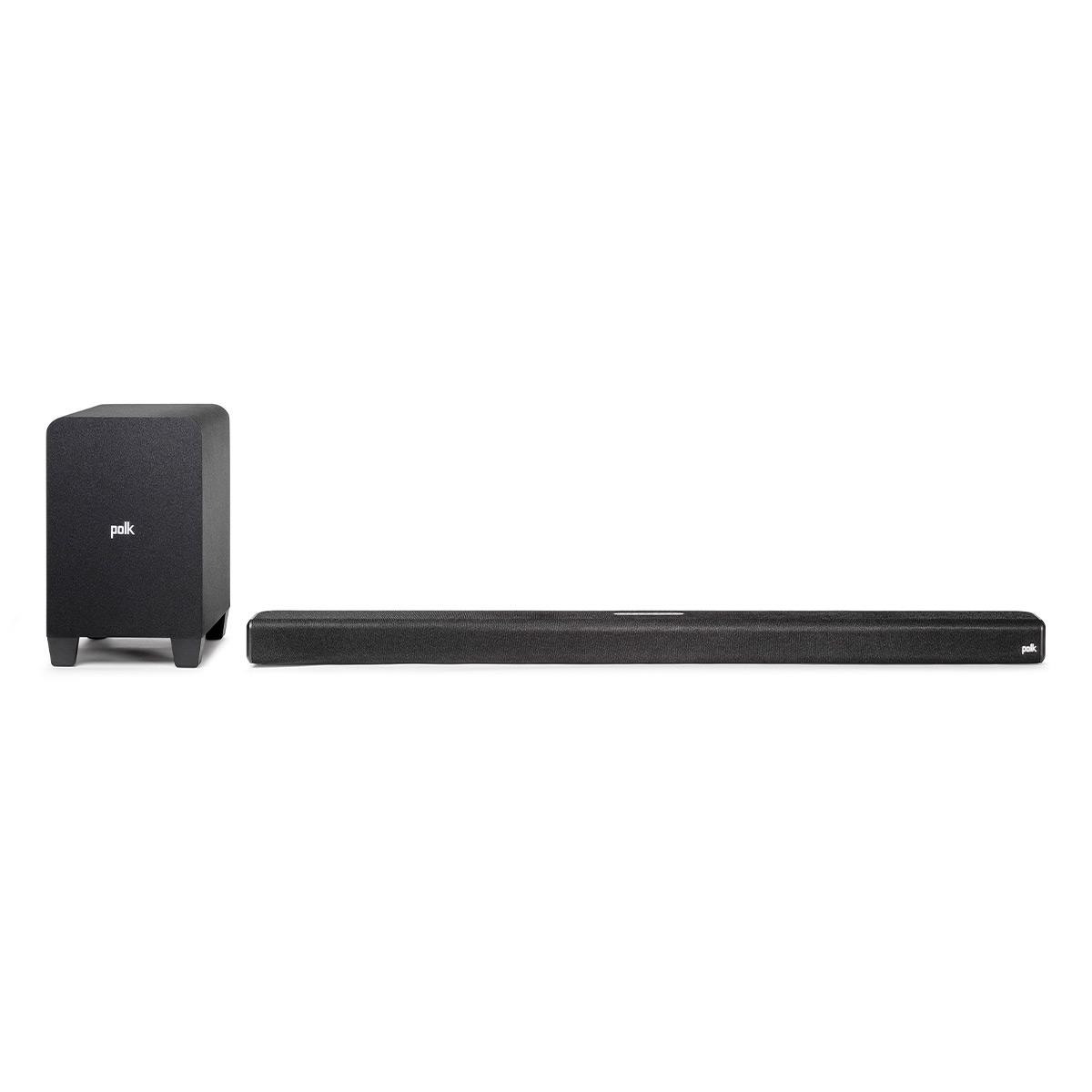
The Signa S4 embodies the "less is more" philosophy. Its 3.1.2 configuration means you get three front channels (left, center, right), one subwoofer channel, and two height channels. This translates to seven physical drivers in the main soundbar plus a separate wireless subwoofer. At just over two inches tall, it's designed to slip unobtrusively under wall-mounted TVs without blocking infrared sensors—a surprisingly common problem with chunkier soundbars.
What's clever about Polk's approach is how they've maximized impact while minimizing complexity. The wireless subwoofer pairs automatically when you power everything on, and there are no rear speakers to position or connect. For most living rooms, this creates a convincing surround experience without the headache of figuring out where to put additional speakers.
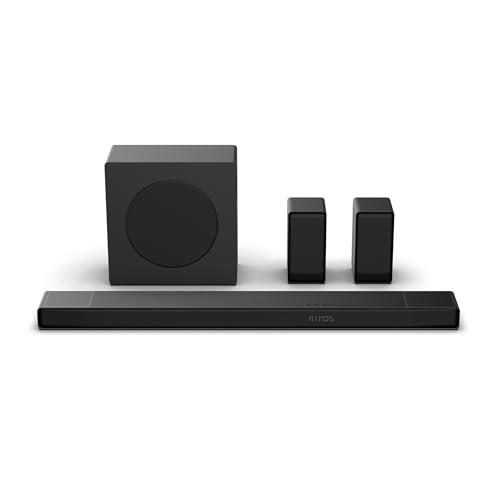
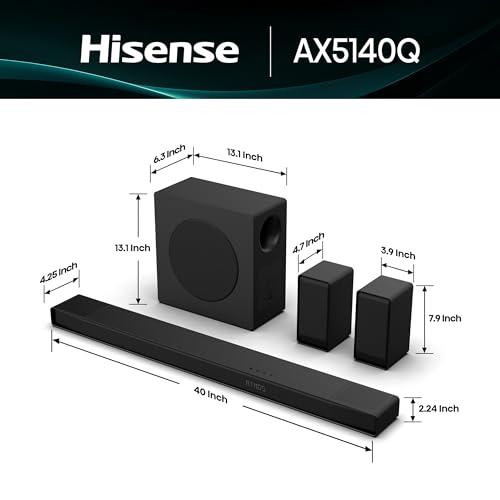
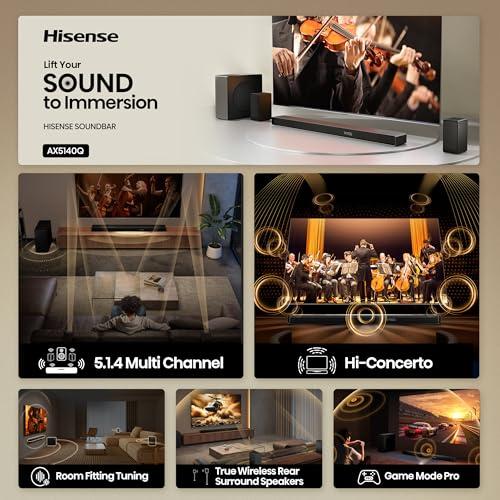
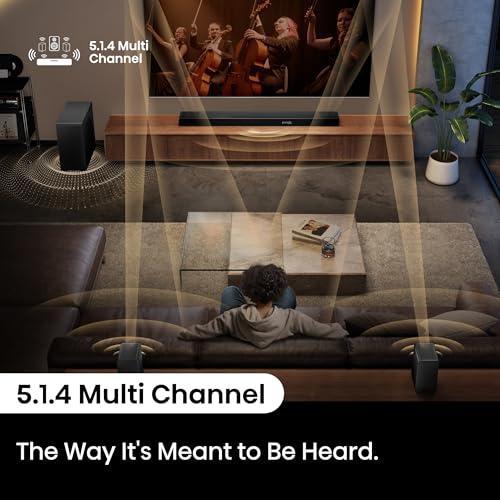
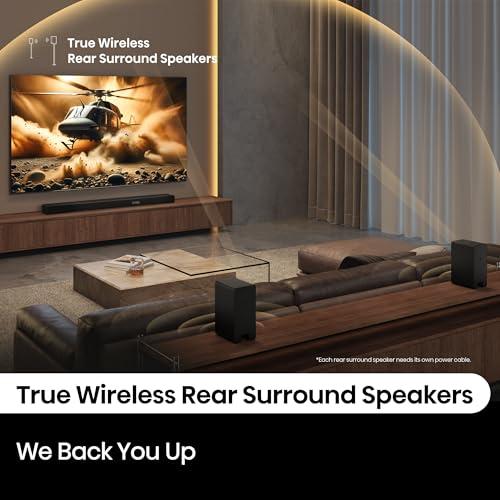
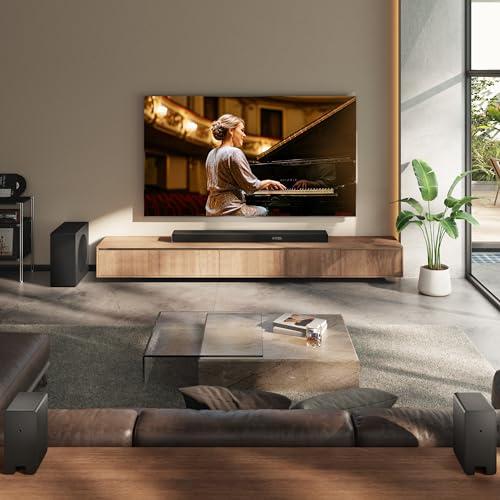
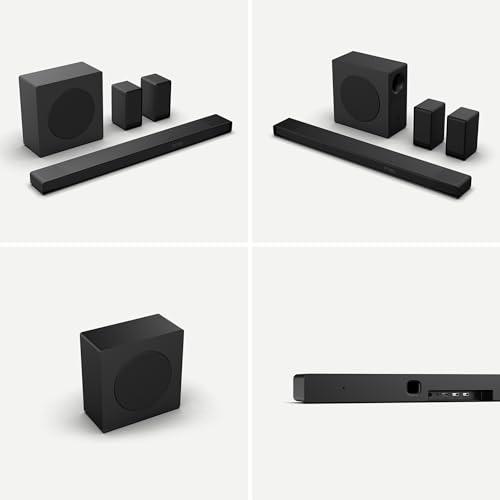
The AX5140Q takes the opposite approach: if you're going to create immersive audio, why not go all the way? Its 5.1.4 configuration delivers eleven discrete audio channels through four separate components: the main soundbar, a wireless subwoofer, and two wireless rear speakers. Each rear speaker includes its own upfiring driver, creating four total height channels versus the Polk's two.
This architecture represents what audio engineers call "true surround sound"—every channel has dedicated physical drivers rather than relying on psychoacoustic tricks to fool your brain. When a sound is supposed to come from behind and above you, it actually does, because there are real speakers positioned there.
This is where the fundamental difference between these systems becomes most apparent. The Signa S4 creates what I'd call "enhanced stereo plus"—significantly more engaging than standard TV audio or basic soundbars, with genuine height effects that add atmosphere to movies and shows. In our research across user reviews and professional testing, it consistently delivers that "wow" moment when people first experience Dolby Atmos content.
However, the AX5140Q operates in a different league entirely. With four upfiring drivers and discrete rear channels, it creates what reviewers describe as a genuine "bubble" of sound. Expert analysis suggests this configuration can position audio objects with remarkable precision—something particularly noticeable in action movies where helicopters, jets, or debris actually seem to move through the space around you rather than just hinting at movement.
The rear speakers make an enormous difference for surround immersion. While the Polk does an admirable job of creating a wide front soundstage, effects that should come from behind you are still coming from in front of you. The Hisense eliminates this compromise entirely, with wireless rear speakers that handle ambient effects, crowd noise, and directional audio cues the way they were intended to be heard.
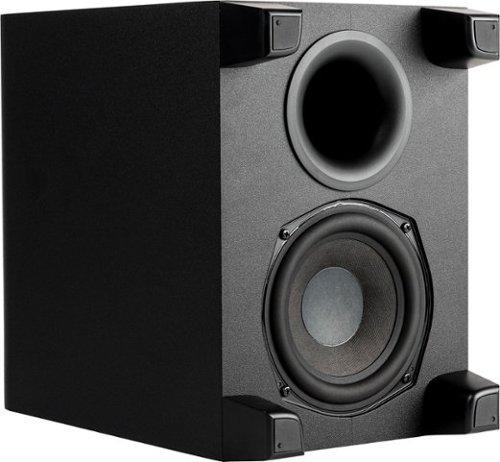
Both systems include wireless subwoofers, but they serve different purposes in their respective architectures. The Signa S4 uses a 5.9-inch driver that focuses on punch and articulation rather than earth-shaking depth. Its BassAdjust technology lets you fine-tune the sub's output to match your room and preferences, and in typical living rooms, it provides satisfying impact for movie effects and music.
The AX5140Q steps up to a 6.5-inch subwoofer backed by 600 watts of total system power. The larger driver and additional power headroom become noticeable during demanding content—think the opening sequence of "Blade Runner 2049" or the bass drops in modern hip-hop tracks. More importantly, the additional power ensures the system maintains its composure during loud, complex passages where multiple effects compete for attention.
This might be the most important performance metric for many users, since unclear dialogue is often what drives people to buy soundbars in the first place. Both systems excel here, but through different approaches.
The Polk includes their VoiceAdjust technology, which offers three levels of dialogue enhancement. This isn't just a simple treble boost—it's sophisticated processing that analyzes the frequency spectrum to enhance vocals while leaving music and effects largely untouched. Users consistently praise how it makes whispered conversations in shows like "House of the Dragon" clearly audible without making explosions uncomfortably loud.
The Hisense takes a more computational approach with AI EQ processing. This system analyzes content in real-time, automatically adjusting frequency response and dynamic range to maintain dialogue clarity across different types of programming. While less hands-on than Polk's approach, it tends to produce more consistent results across varied content.
Modern gaming has become increasingly cinematic, and both soundbars recognize this trend. The Signa S4 provides solid gaming audio with minimal latency through its HDMI eARC connection. Directional cues in games like "Call of Duty" or "Apex Legends" come through clearly, though they're primarily limited to left-right positioning rather than full 360-degree awareness.
The AX5140Q shines in gaming scenarios thanks to its Game Pro mode and true surround architecture. The combination of discrete rear channels and low-latency processing creates genuine positional audio. In competitive gaming, this translates to actually hearing footsteps behind you or accurately pinpointing gunfire direction. The 4K 60Hz HDMI passthrough ensures compatibility with current gaming consoles without signal degradation.
At the time of writing, these products occupy different value segments despite being relatively close in price. The Polk Signa S4 represents exceptional value for buyers wanting to experience Dolby Atmos without major complexity or investment. For under $300, you're getting a complete system that delivers genuinely immersive audio—something that would have cost well over $1000 just a few years ago.
The Hisense AX5140Q, while commanding a premium over the Polk, offers remarkable value scaling. For roughly 15-20% more money, you're getting nearly double the channel count, true surround sound, and significantly more sophisticated processing. This represents better performance-per-dollar than most premium soundbar categories.
The Signa S4 wins decisively on simplicity. Two components, minimal wiring, and straightforward placement make it ideal for apartments, smaller rooms, or anyone who wants better audio without rearranging their living space. The ultra-slim profile ensures it won't interfere with wall-mounted TV aesthetics, and the automatic subwoofer pairing eliminates technical headaches.
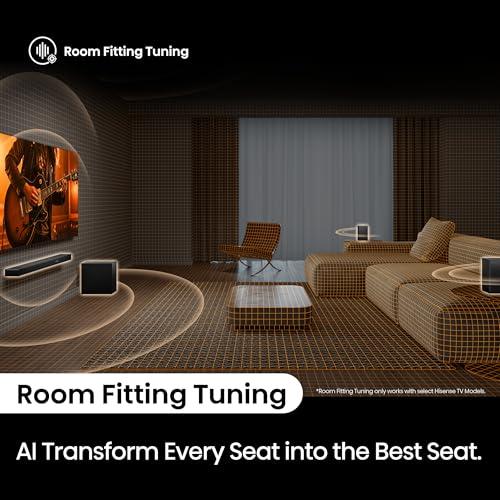
The AX5140Q requires more thoughtful integration. While all connections are wireless (each component just needs power), you'll need suitable placement locations for the rear speakers. The included room calibration helps optimize performance for your specific space, but this does add complexity to the initial setup process.
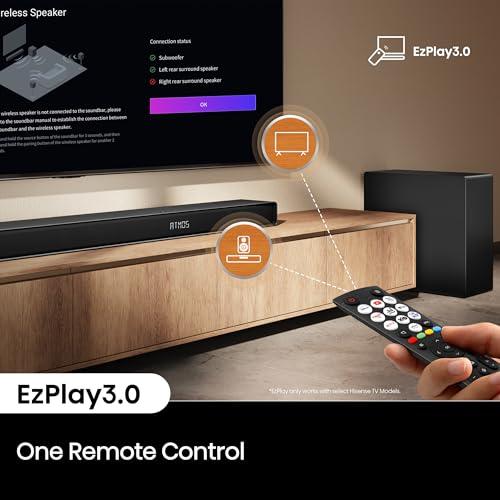
Since the Polk launched in 2021, we've seen significant advances in wireless connectivity, processing power, and room optimization algorithms. The Hisense, arriving more recently, benefits from these improvements through features like Hi-Concerto TV integration, advanced AI processing, and more robust wireless protocols for multi-component systems.
Both systems support current audio formats and connectivity standards, but the Hisense includes DTS:X support alongside Dolby Atmos, providing broader compatibility with various content sources. This becomes increasingly relevant as streaming services and gaming platforms adopt different audio standards.
In a dedicated home theater setup, the differences between these systems become more pronounced. The Signa S4 works beautifully in smaller media rooms or as an upgrade for bedroom TVs, providing immersive audio without overwhelming the space. Its Night Mode compression keeps dialogue audible during late-evening viewing sessions without disturbing others.
For larger home theaters or main living areas, the AX5140Q better fills the space with sound. The discrete rear channels create proper surround envelopment that scales with room size, while the more powerful subwoofer maintains impact at greater distances from the listening position.
Your choice between these systems ultimately depends on your priorities and constraints. Choose the Polk Signa S4 if you value simplicity, have space limitations, or are primarily interested in upgrading from basic TV speakers without major complexity. It's perfect for casual viewers, apartment dwellers, or anyone who wants quality Dolby Atmos without overthinking placement and setup.
Opt for the Hisense AX5140Q if you're serious about audio performance, have flexible room layouts, or want a system that won't feel limiting as your expectations grow. It's ideal for movie enthusiasts, gamers, or anyone who understands that the incremental cost delivers disproportionate performance benefits.
The $50-100 difference between these systems at typical retail prices represents one of the best performance upgrade opportunities in consumer electronics. While the Polk delivers excellent value for its category, the Hisense provides substantially more immersive audio for a relatively modest premium.
From our analysis of user feedback and expert reviews, the AX5140Q tends to satisfy users longer term, particularly those who initially considered "entry-level" Dolby Atmos but later wished they'd invested in true surround capabilities. The Signa S4 excels at meeting immediate needs efficiently, while the Hisense anticipates future desires for better performance.
Both represent smart choices in their respective categories, but understanding these fundamental differences will help ensure your selection aligns with both your current needs and future satisfaction.
| Hisense AX5140Q 5.1.4Ch Dolby Atmos DTS:X Sound Bar | Polk Audio Signa S4 Dolby Atmos Soundbar with Wireless Subwoofer |
|---|---|
| Channel Configuration - Determines surround sound immersion level | |
| 5.1.4 (11 discrete channels with true surround) | 3.1.2 (6 channels with front-focused audio) |
| Physical Components - Affects setup complexity and performance | |
| 4 components: soundbar + wireless sub + 2 wireless rear speakers | 2 components: soundbar + wireless subwoofer |
| Height Channels - Creates overhead Dolby Atmos effects | |
| 4 upfiring drivers (2 front, 2 rear) for genuine dome of sound | 2 upfiring drivers (front only) for basic height effects |
| Audio Format Support - Compatibility with different content sources | |
| Dolby Atmos + DTS:X (broader format support) | Dolby Atmos only |
| Total System Power - Impacts maximum volume and dynamics | |
| 600W total system power (higher headroom) | Not specified (likely lower wattage) |
| Subwoofer Driver Size - Affects bass depth and impact | |
| 6.5" wireless subwoofer driver | 5.9" wireless subwoofer driver |
| Frequency Response - Range of audible frequencies reproduced | |
| 40Hz - 20kHz (deeper bass extension) | Not specified |
| Smart Features - Advanced processing and integration | |
| AI EQ, room calibration, Hi-Concerto TV integration | VoiceAdjust technology with 3 levels, BassAdjust |
| Gaming Features - Optimized for console and PC gaming | |
| Game Pro mode with 4K 60Hz HDMI passthrough | Basic gaming support via HDMI eARC |
| Connectivity Options - Input versatility for different devices | |
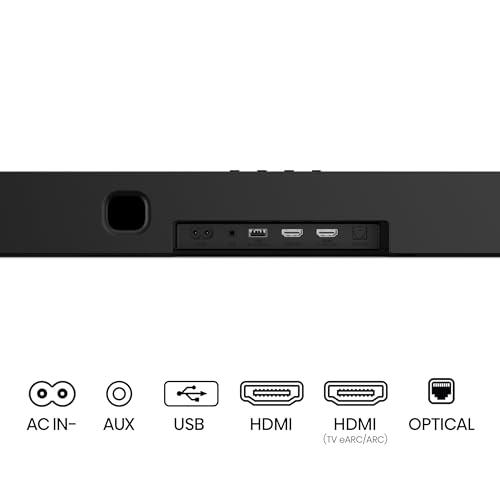
| HDMI eARC, HDMI input, optical, USB, AUX, Bluetooth 5.3 | HDMI eARC, optical, 3.5mm AUX, Bluetooth 4.2 |
| Soundbar Dimensions - Physical footprint considerations | |
| 40" x 2.24" x 4.25" (wider and taller profile) | 41.2" x 3.7" x 2.4" (ultra-slim 2" height) |
| Setup Complexity - Installation and optimization requirements | |
| Moderate (4 wireless components + room calibration) | Simple (2 components, plug-and-play setup) |
| Best For - Target user scenarios | |
| Home theater enthusiasts, gamers, larger rooms | Budget-conscious buyers, smaller spaces, simplicity seekers |
The Hisense AX5140Q delivers superior surround sound with its true 5.1.4 configuration and dedicated wireless rear speakers. Unlike the Polk Audio Signa S4 which creates virtual surround from the front, the Hisense AX5140Q provides genuine 360-degree audio with physical speakers positioned around your listening area for more immersive movie and gaming experiences.
The Hisense AX5140Q offers 5.1.4 channels (11 total audio channels) with five main speakers, one subwoofer, and four height channels. The Polk Signa S4 provides 3.1.2 channels (6 total channels) with three front speakers, one subwoofer, and two height channels. More channels generally mean better sound positioning and immersion, making the Hisense more suitable for larger rooms and serious home theater setups.
The Polk Audio Signa S4 is significantly easier to set up with just two components: the main soundbar and wireless subwoofer. The Hisense AX5140Q requires positioning four separate wireless components including rear speakers, making it more complex but offering better performance once properly configured.
Yes, both the Hisense AX5140Q and Polk Signa S4 support Dolby Atmos for overhead sound effects. However, the Hisense also supports DTS:X format and uses four upfiring drivers compared to the Polk's two, creating more convincing height effects.
The Hisense AX5140Q is superior for gaming with its dedicated Game Pro mode, true positional audio from rear speakers, and 4K 60Hz HDMI passthrough. The Polk Signa S4 provides decent gaming audio but lacks the precise directional cues that competitive gamers benefit from with the Hisense's surround speaker configuration.
The Hisense AX5140Q features a larger 6.5-inch wireless subwoofer with 600W total system power, providing deeper bass extension down to 40Hz. The Polk Signa S4 includes a 5.9-inch subwoofer with BassAdjust technology for customizable bass levels. The Hisense delivers more powerful bass for larger rooms and action movies.
The Polk Audio Signa S4 is ideal for apartments with its ultra-slim 2-inch profile, simple two-component setup, and no need for rear speaker placement. The Hisense AX5140Q requires more space and strategic positioning of four components, making the Polk more practical for smaller living spaces.
Neither the Polk Signa S4 nor the Hisense AX5140Q can be expanded with additional speakers after purchase. The Hisense comes as a complete 5.1.4 system out of the box, while the Polk is designed as a fixed 3.1.2 configuration.
Both soundbars excel at dialogue clarity but use different approaches. The Polk Signa S4 features VoiceAdjust technology with three customizable levels for vocal enhancement. The Hisense AX5140Q uses AI EQ processing that automatically optimizes dialogue clarity. The Polk's manual control offers more precise customization for speech.
The Hisense AX5140Q provides more connectivity with HDMI eARC, additional HDMI input, optical, USB, AUX, and Bluetooth 5.3. The Polk Signa S4 offers HDMI eARC, optical, 3.5mm AUX, and Bluetooth 4.2. The Hisense supports more devices and newer Bluetooth technology.
The Polk Audio Signa S4 offers excellent value for budget-conscious buyers seeking quality Dolby Atmos under $400. The Hisense AX5140Q provides exceptional value for performance enthusiasts, delivering nearly double the audio channels for a modest price increase over the Polk.
The Hisense AX5140Q is excellent for dedicated home theaters with its true 5.1.4 surround sound, room calibration features, and powerful bass that fills larger spaces. The Polk Signa S4 works well in smaller media rooms or as a TV upgrade but may feel limited in larger home theater environments where the Hisense's surround capabilities truly shine.
We've done our best to create useful and informative comparisons to help you decide what product to buy. Our research uses advanced automated methods to create this comparison and perfection is not possible - please contact us for corrections or questions. These are the sites we've researched in the creation of this article: shop.hisense-usa.com - manuals.plus - dolby.com - youtube.com - gzhls.at - rtings.com - youtube.com - bestbuy.com - manuals.plus - bestbuy.com - hisense-usa.com - youtube.com - device.report - manuals.plus - youtube.com - device.report - manuals.plus - youtube.com - soundandvision.com - audioholics.com - crutchfield.com - cnet.com - richersounds.com - crutchfield.com - rtings.com - polkaudio.com - walmart.com - polkaudio.com - crutchfield.com - youtube.com - profx.com

Privacy Policy
Terms and Conditions - Affiliate Policy
Home Security
© Copyright 2008-2026.
11816 Inwood Rd #1211, Dallas, TX 75244