


When you're tired of constantly reaching for the TV remote to crank up the volume just to hear what characters are saying, it's time for a soundbar upgrade. But walking into this market can feel overwhelming—do you need Dolby Atmos? What's the difference between 3.1 and 5.1.4 channels? How much should you spend?
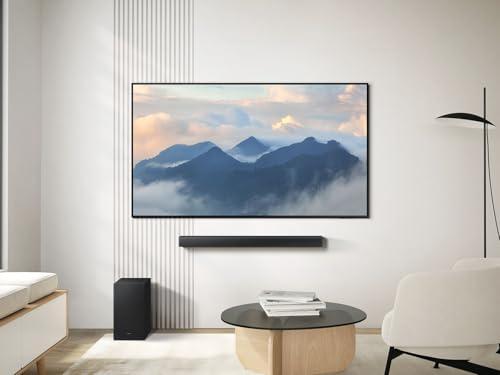
I've spent considerable time researching these two popular soundbars that represent fundamentally different approaches to solving your TV audio problems. The Hisense AX5140Q offers a complete surround sound experience with real satellite speakers, while the Samsung HW-B630F focuses on making dialogue crystal clear through smart processing. At the time of writing, they're separated by roughly $100-150, but that price gap tells only part of the story.
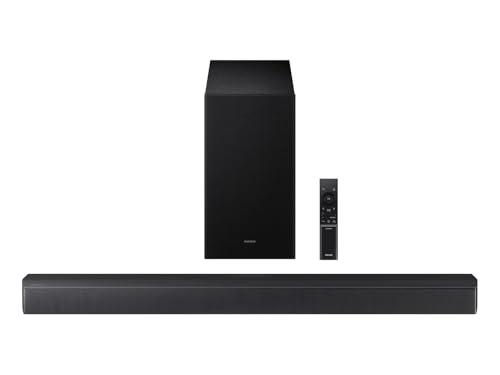
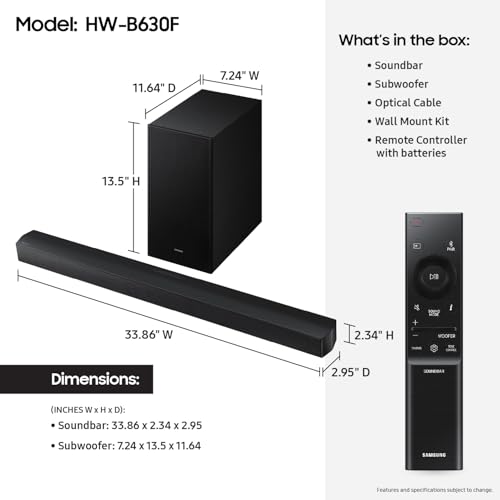
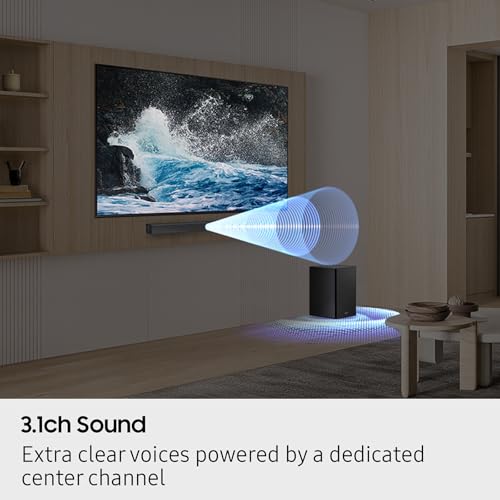
Before diving into specifics, let's clarify what these channel numbers mean. The Samsung HW-B630F uses a 3.1 configuration—that's three front-facing speakers (left, center, right) in the main bar, plus one subwoofer for bass. The center channel is crucial because it's dedicated entirely to dialogue and vocals, which explains why this bar excels at making speech intelligible.
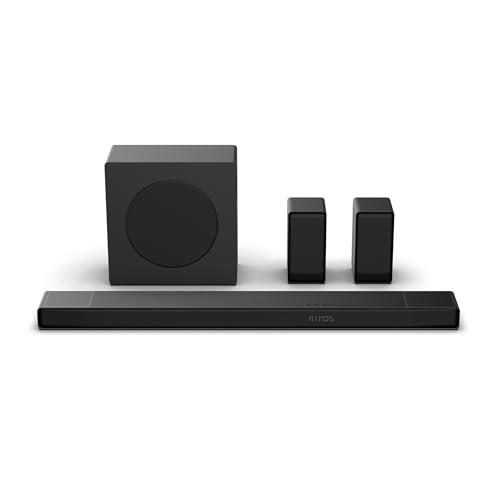
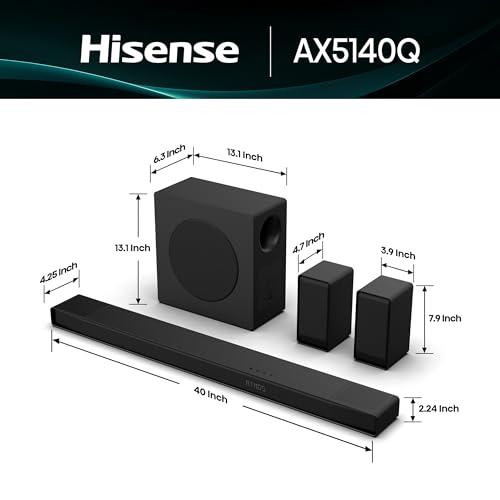
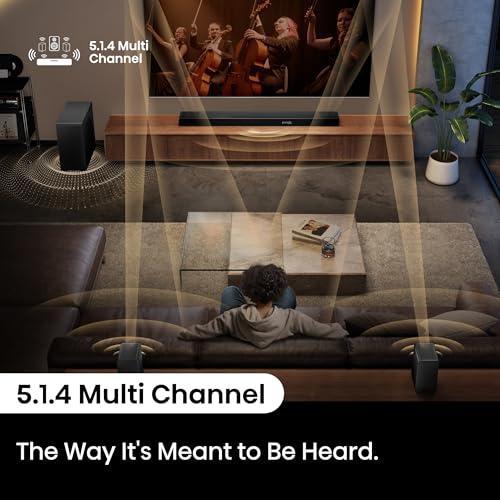
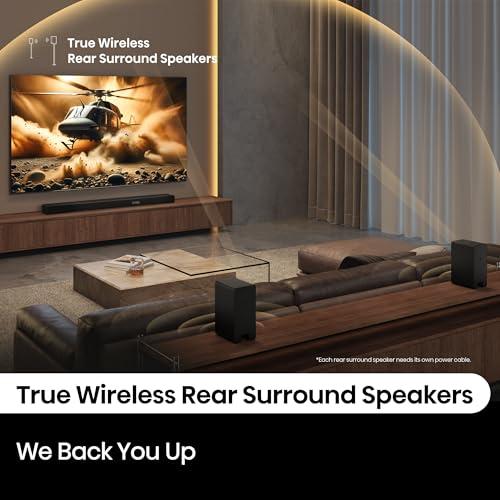
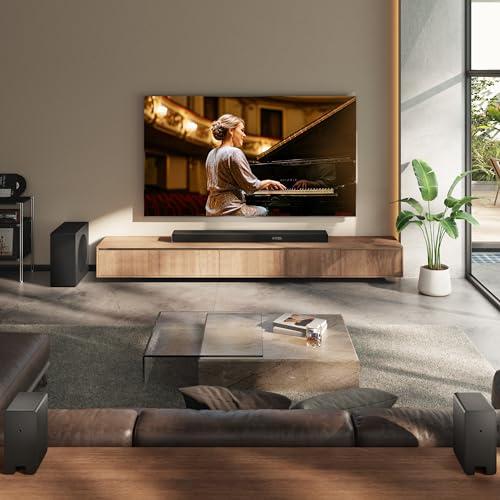
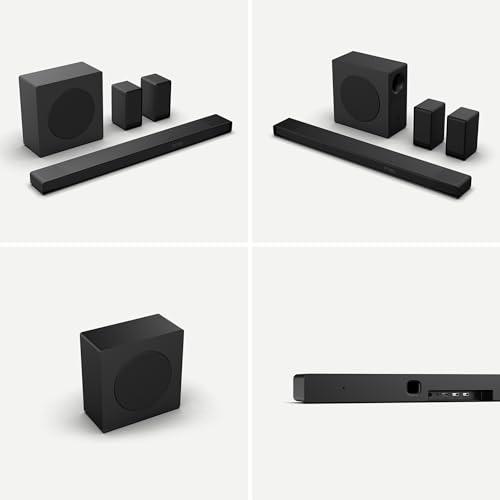
The Hisense AX5140Q, meanwhile, employs a 5.1.4 setup. Those numbers break down as five main channels (front left/right, center, plus two rear speakers), one subwoofer, and four "height" channels that fire sound toward your ceiling. These upfiring drivers are what enable Dolby Atmos—they bounce audio off your ceiling to create the illusion of sounds coming from overhead, like helicopters or rain.
Both soundbars launched around 2023-2024, entering a market where manufacturers have been racing to add Dolby Atmos support even to budget models. However, there's authentic Atmos with real upfiring drivers, and there's "virtual" Atmos that simulates height effects through processing tricks. This distinction becomes critical when evaluating these two very different approaches.
The most fundamental difference between these systems lies in how they create surround sound. The Hisense AX5140Q includes actual wireless rear speakers that you place behind your seating area. When a helicopter flies from front to back in a movie, you hear discrete audio moving from the front bar to the physical speakers behind you. This isn't simulation—it's genuine spatial audio.
Our research into user experiences reveals that this approach delivers noticeably more convincing immersion, especially for action movies and gaming. The four upfiring drivers (two in the main bar, two in the rear speakers) create what reviewers consistently describe as a "dome" of sound around the listening position. When watching Atmos-encoded content like action scenes in Marvel movies or atmospheric horror films, effects genuinely seem to originate from above and around you.
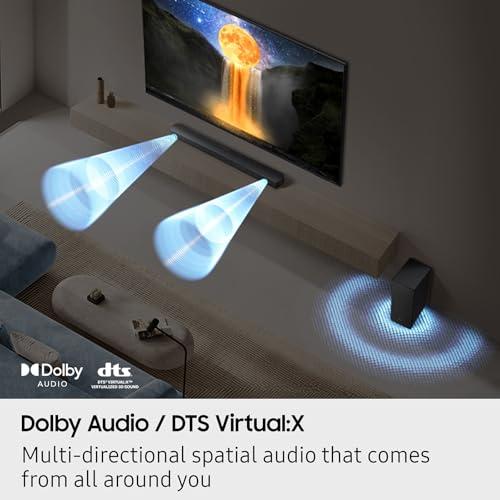
The Samsung HW-B630F takes a completely different approach using DTS Virtual:X technology. This sophisticated processing analyzes incoming audio and uses psychoacoustic principles—basically, tricks your brain plays when processing sound—to create the impression of surround effects from just the front-facing speakers. It's clever technology that widens the soundstage and can make effects seem to extend beyond the physical boundaries of the soundbar.
However, virtual processing has inherent limitations. No amount of clever algorithms can replicate the discrete channel separation you get from actual rear speakers. The Samsung creates a wider, more enveloping front soundstage than basic 2.1 soundbars, but it can't match the true 360-degree immersion that discrete surrounds provide.
For movies and gaming where spatial immersion matters—think war films, sci-fi epics, or open-world games—the Hisense delivers a more convincing experience. But this comes with tradeoffs in complexity and room requirements that we'll explore.
Here's where the Samsung HW-B630F fights back with its strongest advantage: dialogue performance. That dedicated center channel isn't just marketing speak—it's specifically tuned and positioned to anchor voices to your TV screen. When watching dialogue-heavy content like dramas, news, or talk shows, voices emerge with remarkable clarity and separation from background music or effects.
The Samsung also includes Voice Enhance mode, which selectively boosts the frequency ranges where human speech is most concentrated without making the overall sound harsh or fatiguing. Combined with Adaptive Sound—a feature that analyzes content in real-time and automatically adjusts processing—the system maintains speech intelligibility across different types of programming without constant manual tweaking.
Our evaluation of user feedback reveals that people upgrading from TV speakers notice the dialogue improvement immediately with the Samsung, often describing it as "night and day." The Hisense AX5140Q certainly improves dialogue over TV speakers, but its strength lies more in overall immersion than vocal-specific optimization.
For households where TV watching dominates over movie experiences—think families with kids, news watchers, or those who primarily stream series rather than blockbuster films—the Samsung's dialogue focus delivers more daily value than surround speaker placement.
Both systems include wireless subwoofers, but they serve different philosophies. The Hisense AX5140Q emphasizes power and room-filling impact with its 600W total system output. This higher power handling allows it to deliver more visceral bass for action sequences and music, especially in larger rooms where you need serious acoustic energy to pressurize the space effectively.
The Samsung HW-B630F's 6-inch subwoofer takes a more measured approach, focusing on integration rather than raw impact. The bass blends seamlessly with the main bar without overwhelming dialogue, and the Bass Boost mode provides extra low-frequency emphasis when you want more impact without the constant boom that can fatigue listeners during long viewing sessions.
Room size becomes crucial here. In smaller to medium spaces, the Samsung's refined bass integration often works better because it doesn't overpower the room acoustics. But if you're filling a large living room or open-concept space, the Hisense's additional power and multiple drivers become necessary to achieve satisfying bass levels without pushing the system into distortion.
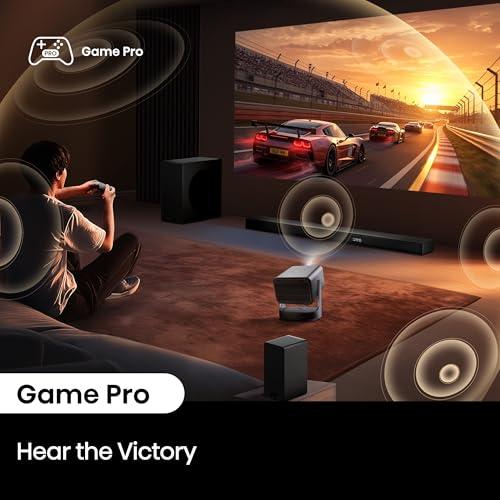
Both soundbars include dedicated gaming modes, but they optimize for different gaming priorities. The Samsung HW-B630F employs cross-talk cancellation and directional processing that sharpens positional audio cues. For competitive gaming—first-person shooters, battle royales, or any game where hearing enemy footsteps provides tactical advantage—this processing helps locate sounds more precisely within the front soundstage.
The Hisense AX5140Q takes a more cinematic approach to gaming audio. Those discrete rear speakers and height channels create genuine surround immersion that makes open-world games, RPGs, and story-driven titles more engaging. When playing games with rich environmental audio—imagine exploring ancient ruins in Tomb Raider or flying through space in sci-fi games—the spatial accuracy and overhead effects enhance the experience significantly.
Modern consoles like PlayStation 5 and Xbox Series X support object-based audio in many games, and the Hisense can process this information more accurately because it has the physical speakers to place sounds in discrete locations around the room.
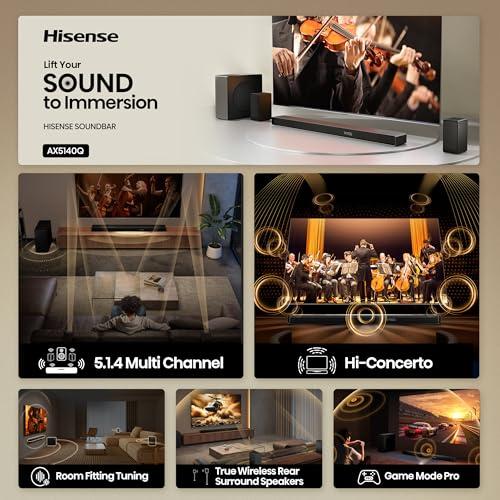
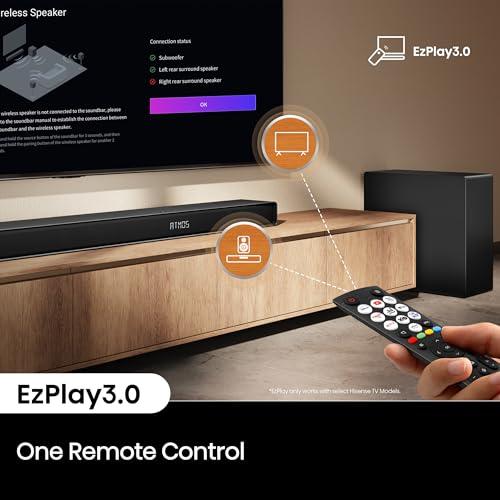
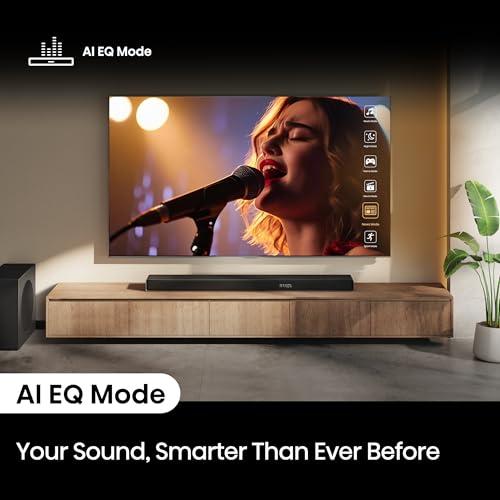
The Hisense AX5140Q includes Hi-Concerto integration, which creates a unified ecosystem when paired with compatible Hisense TVs. This system coordinates the TV and soundbar processing for improved imaging and simplified control, plus includes AI EQ that analyzes content and adjusts processing automatically.
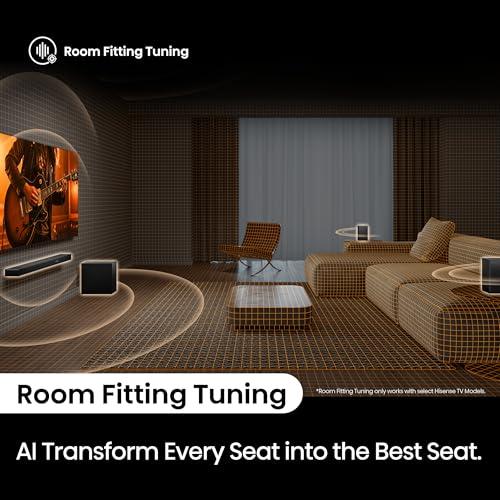
Room calibration represents another advantage—the Hisense can run test tones and adjust levels across all speakers to compensate for room acoustics. While not as sophisticated as dedicated AV receiver room correction, it helps optimize the multi-speaker setup for your specific space.
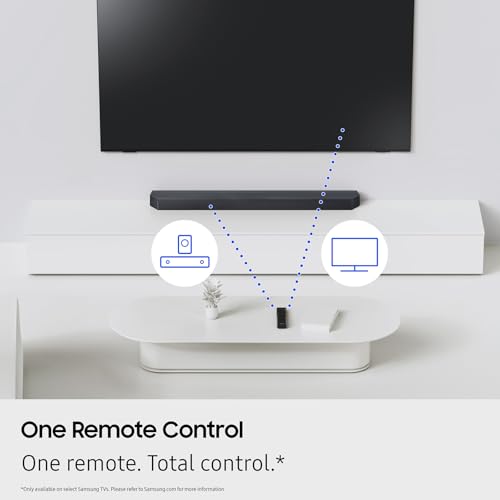
The Samsung HW-B630F counters with One Remote Control support, allowing Samsung TV remotes to manage soundbar functions seamlessly. This eliminates remote clutter and makes daily operation more intuitive. The Adaptive Sound processing continuously analyzes incoming content and adjusts EQ and dynamics automatically—switching from dialogue optimization during talk shows to dynamic enhancement during action scenes.
Both approaches have merit, but the Samsung's integration feels more mature and broadly compatible, while the Hisense offers more sophisticated calibration when everything works together properly.
Here's where personal experience with similar systems becomes valuable. Multi-speaker wireless systems like the Hisense AX5140Q require more thoughtful placement and setup time. You need to position rear speakers appropriately behind your seating area, ensure good wireless connectivity throughout your room, and run the calibration routine for optimal performance.
The payoff for this extra effort is substantial—when properly set up, the immersive experience justifies the complexity. But if your room layout doesn't accommodate rear speakers well, or if you move frequently and don't want to optimize placement repeatedly, this advantage disappears.
The Samsung HW-B630F follows the traditional soundbar philosophy: place it under your TV, connect the wireless sub somewhere convenient, and you're essentially done. The processing handles spatial enhancement automatically, and the focused design means less can go wrong during setup.
At the time of writing, the price difference between these systems represents one of the more interesting value propositions in the soundbar market. The Hisense AX5140Q costs moderately more but includes hardware that would typically add $100-150 to any system—namely, wireless rear speakers and upfiring drivers.
For users who will utilize the surround capability regularly—movie enthusiasts, gamers, or those with larger rooms—the Hisense delivers exceptional value per channel. You're essentially getting a complete surround system for less than many premium 3.1 soundbars cost.
The Samsung HW-B630F represents excellent value for its intended use case: daily TV improvement with exceptional dialogue clarity. It costs significantly less while delivering the specific performance benefits most people notice immediately when upgrading from TV speakers.
For dedicated home theater setups, the Hisense AX5140Q aligns better with traditional surround sound expectations. The discrete channel separation, height effects, and higher power output create a more cinema-like experience that complements larger screens and darker rooms designed for movie watching.
However, many people use "home theater" to describe their main living room TV setup rather than a dedicated theater space. In these multi-purpose rooms where TV watching, gaming, and casual music listening all happen, the Samsung HW-B630F's simplicity and dialogue focus often prove more practical than maximum surround immersion.
After extensive research into user experiences and expert opinions, I believe the choice comes down to your primary use case and room situation.
Choose the Hisense AX5140Q if you:
Choose the Samsung HW-B630F if you:
The Samsung excels at the fundamentals that matter most for daily TV viewing—clear dialogue, balanced sound, and effortless operation. The Hisense delivers a more complete surround experience that transforms movie and gaming sessions but requires more commitment to setup and placement.
Both represent solid value at their respective price points, but they serve different audio priorities. Consider your viewing habits honestly: if you spend more time watching Netflix series than action blockbusters, the Samsung's dialogue focus and simplicity will serve you better. But if you're building a entertainment setup where immersive audio matters, the Hisense delivers genuine surround performance that justifies its additional complexity and cost.
| Hisense AX5140Q | Samsung HW-B630F |
|---|---|
| Channel Configuration - Determines surround sound capability and immersion level | |
| 5.1.4 channels with discrete rear speakers and upfiring drivers | 3.1 channels with virtual surround processing |
| Physical Speaker Count - More speakers generally mean better spatial audio | |
| 9 total speakers (bar + wireless sub + 2 wireless rears with upfiring) | 4 total speakers (3 in bar + wireless subwoofer) |
| Dolby Atmos Support - Essential for modern streaming content with height effects | |
| True Dolby Atmos with 4 dedicated upfiring drivers | Virtual Atmos simulation through DTS Virtual:X processing |
| Rear Surround Speakers - Critical difference for true surround immersion | |
| Included wireless rear speakers for authentic surround sound | No rear speakers; optional wireless kit sold separately |
| Total Power Output - Affects volume capability and bass impact in larger rooms | |
| 600W maximum power for room-filling performance | Lower power but optimized for dialogue clarity |
| Dialogue Performance - Most important for TV shows, news, and daily viewing | |
| Good dialogue through front array, not center-channel specialized | Dedicated center channel with Voice Enhance mode for superior speech clarity |
| Setup Complexity - Impacts ease of installation and daily use | |
| Multi-speaker wireless system requiring optimal placement | Simple bar-and-sub setup with minimal configuration |
| Room Size Suitability - Determines which spaces each system serves best | |
| Medium to large rooms that can accommodate rear speaker placement | Small to medium rooms with space constraints |
| Smart Integration Features - Affects ease of control and automation | |
| Hi-Concerto ecosystem with Hisense TVs, AI room calibration | One Remote Control with Samsung TVs, Adaptive Sound processing |
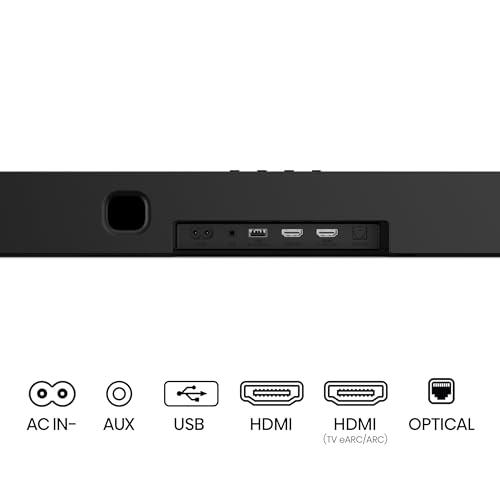
| HDMI Connectivity - Important for 4K gaming and high-quality audio | |
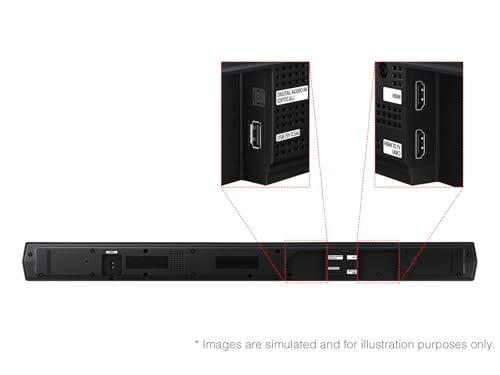
| HDMI eARC with 4K 60Hz passthrough, comprehensive codec support | HDMI ARC (no eARC), limited to 1080p passthrough |
| Gaming Performance - Matters for console and PC gaming experiences | |
| Immersive gaming with discrete surround and height channels | Competitive gaming focus with cross-talk cancellation for positional accuracy |
| Best Use Cases - Who should choose each system | |
| Movie enthusiasts, large rooms, Atmos content, gaming immersion | TV viewing, dialogue clarity, Samsung TV owners, space-constrained setups |
The Hisense AX5140Q is significantly better for home theater use. It features a true 5.1.4 channel configuration with discrete wireless rear speakers and four upfiring drivers that create authentic Dolby Atmos height effects. This delivers genuine surround immersion for movies, while the Samsung HW-B630F relies on virtual processing to simulate surround effects from front-facing speakers only.
Yes, rear speakers make a substantial difference for true surround sound. The Hisense AX5140Q includes wireless rear speakers that create authentic 360-degree audio, allowing effects to move convincingly around your room. The Samsung HW-B630F uses virtual surround technology which improves upon TV speakers but cannot match the discrete channel separation of actual rear speakers.
The Samsung HW-B630F excels at dialogue clarity thanks to its dedicated center channel and Voice Enhance mode, which are specifically optimized for speech. While the Hisense AX5140Q also improves dialogue over TV speakers, its strengths lie more in overall surround immersion than vocal-specific enhancement.
The Samsung HW-B630F uses 3.1 channels (left, center, right speakers plus subwoofer), while the Hisense AX5140Q features 5.1.4 channels (front speakers, rear speakers, subwoofer, plus four height channels). More channels generally provide better spatial audio and surround immersion, but also increase complexity and cost.
The Hisense AX5140Q supports true Dolby Atmos with dedicated upfiring drivers that bounce sound off your ceiling for overhead effects. The Samsung HW-B630F can process Atmos content but uses virtual simulation rather than physical height speakers, providing a less convincing three-dimensional experience.
The Samsung HW-B630F is much easier to set up, requiring only placement of the main bar and wireless subwoofer. The Hisense AX5140Q involves positioning multiple wireless speakers around your room and running calibration routines for optimal performance, making it more complex but potentially more rewarding.
Both soundbars offer gaming benefits but in different ways. The Hisense AX5140Q provides immersive gaming with discrete surround channels and height effects for open-world and story-driven games. The Samsung HW-B630F focuses on competitive gaming with enhanced directional audio cues for better positional awareness in shooters and multiplayer games.
The Hisense AX5140Q is better suited for large rooms due to its 600W total power output and multiple speakers that can fill bigger spaces effectively. The Samsung HW-B630F works well in small to medium rooms but may lack the acoustic energy needed to properly pressurize larger spaces.
Yes, the Samsung HW-B630F is compatible with Samsung's optional wireless rear speaker kit, allowing you to upgrade from 3.1 to 5.1 channels. However, the Hisense AX5140Q already includes rear speakers as part of the complete package, providing immediate surround capability.
Value depends on your needs. The Samsung HW-B630F offers excellent value for dialogue clarity and simple TV audio upgrades. The Hisense AX5140Q provides exceptional value for surround sound enthusiasts, including hardware that would typically cost much more if purchased separately.
Both soundbars work with any TV that has HDMI ARC or optical outputs. However, the Samsung HW-B630F offers enhanced integration with Samsung TVs through One Remote Control, while the Hisense AX5140Q provides special features when paired with compatible Hisense TVs through the Hi-Concerto ecosystem.
For TV shows and news, choose the Samsung HW-B630F. Its dedicated center channel and dialogue optimization features make speech significantly clearer and more intelligible. While the Hisense AX5140Q also improves TV audio, its surround capabilities are better utilized for movies and gaming rather than dialogue-focused content.
We've done our best to create useful and informative comparisons to help you decide what product to buy. Our research uses advanced automated methods to create this comparison and perfection is not possible - please contact us for corrections or questions. These are the sites we've researched in the creation of this article: shop.hisense-usa.com - manuals.plus - dolby.com - youtube.com - gzhls.at - rtings.com - youtube.com - bestbuy.com - manuals.plus - bestbuy.com - hisense-usa.com - youtube.com - device.report - manuals.plus - youtube.com - device.report - manuals.plus - youtube.com - samsung.com - bhphotovideo.com - crutchfield.com - youtube.com - bestproducts.com - videoandaudiocenter.com - pcrichard.com - bhphotovideo.com - samsung.com - youtube.com - requiremints.com - karlsonline.com - crutchfield.com - youtube.com - donstv.com - samsung.com - bhphotovideo.com - youtube.com - youtube.com - crutchfield.com - costco.ca - rtings.com - crutchfield.com - accio.com - bhphotovideo.com - manuals.plus - samsung.com - saraappliance.com

Privacy Policy
Terms and Conditions - Affiliate Policy
Home Security
© Copyright 2008-2026.
11816 Inwood Rd #1211, Dallas, TX 75244