

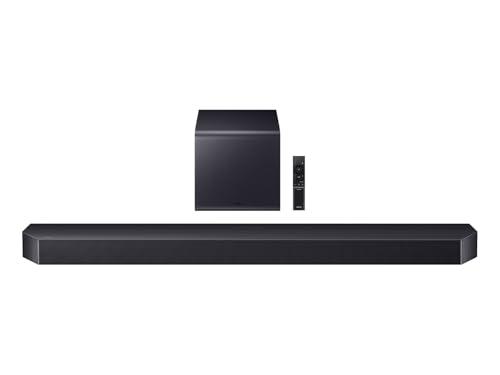
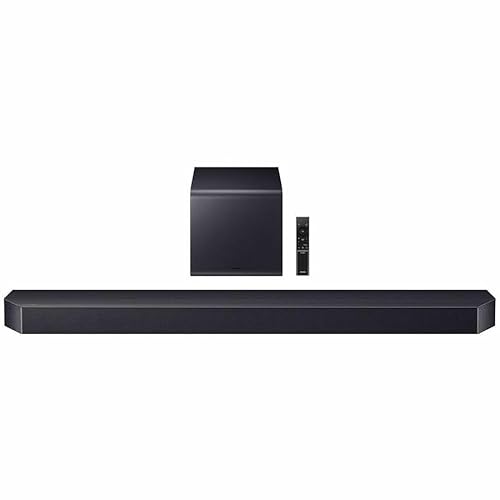




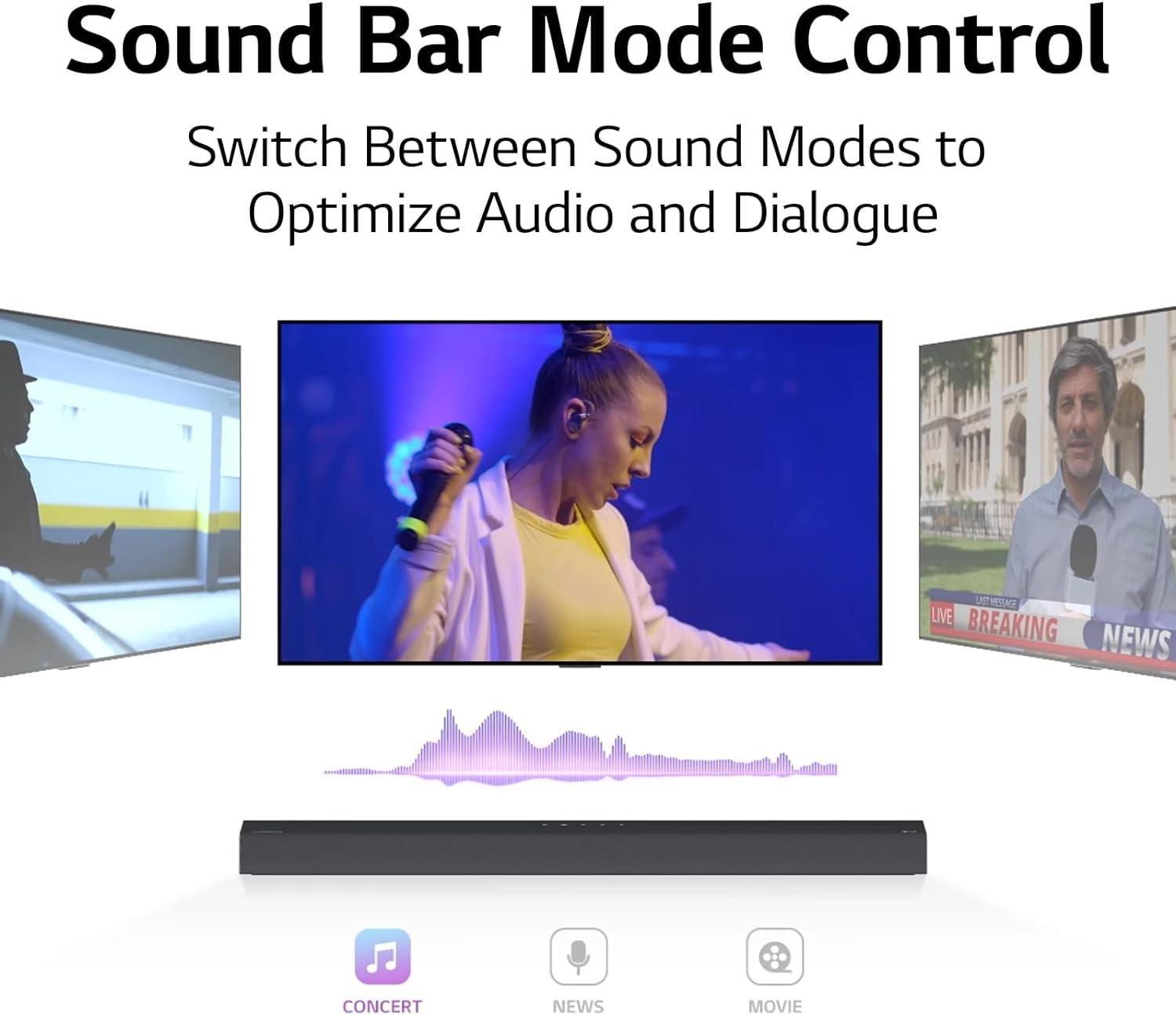

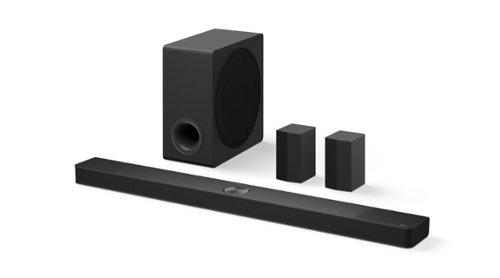
Premium soundbars have revolutionized home audio by packing the immersion of a full surround sound system into a much simpler package. Gone are the days when you needed multiple speakers mounted around your room, complicated wiring, and a separate AV receiver just to enjoy movies the way directors intended. Today's flagship soundbars like the Samsung HW-Q990F and LG S90TR promise to deliver that same cinematic experience with just a few wireless components and minimal setup.
But here's the thing about premium soundbars: not all are created equal. The difference between a good soundbar and a great one often comes down to how many discrete audio channels they can produce, how well they fill your specific room, and whether their smart features actually enhance your daily viewing experience. These two models represent different philosophies in achieving premium sound—Samsung going all-out with an 11.1.4 channel configuration, while LG focuses on balanced performance at a more accessible price point.
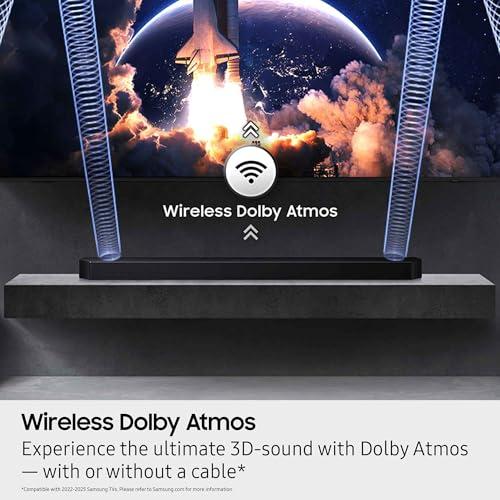
When we talk about premium soundbars in 2024 and 2025, we're essentially discussing systems that can properly decode and reproduce Dolby Atmos and DTS:X audio formats. These object-based audio technologies don't just send sound to specific speaker channels—they place individual sound effects in three-dimensional space around you. Think of the difference between watching a helicopter fly overhead in a regular movie versus feeling like it's actually passing above your head.
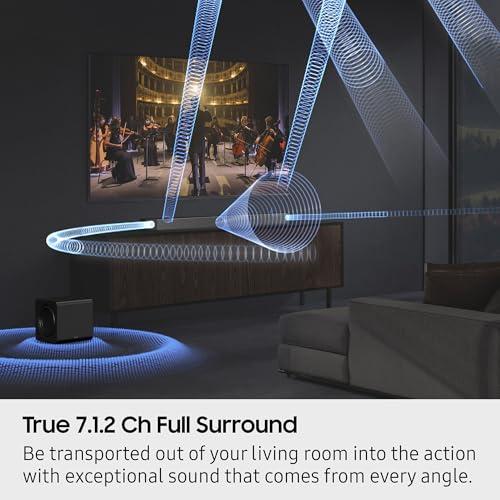
The key specifications that matter most are channel configuration (those numbers like 7.1.3 or 11.1.4), total driver count, and how the system handles room acoustics. The first number represents main channels around you, the second is dedicated subwoofer channels, and the third indicates height channels that fire sound upward to bounce off your ceiling. More channels generally mean more precise sound placement, but only if your room can support it and the processing is sophisticated enough to make it worthwhile.
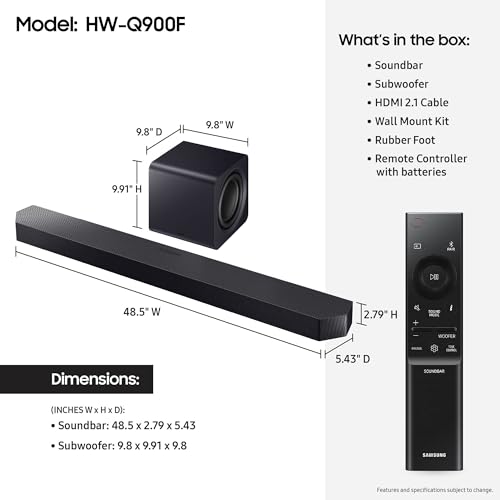
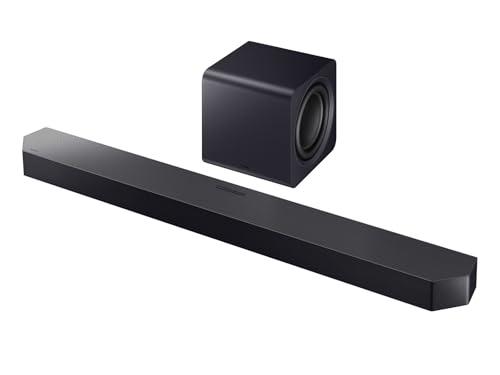
The Samsung HW-Q990F, released in 2024, represents Samsung's flagship approach to soundbar design. This system packs an impressive 11.1.4 channel configuration with 22 individual drivers across the main bar, wireless subwoofer, and rear speakers. It's Samsung's answer to the question: "What if we could fit a full home theater system's capability into a soundbar package?"
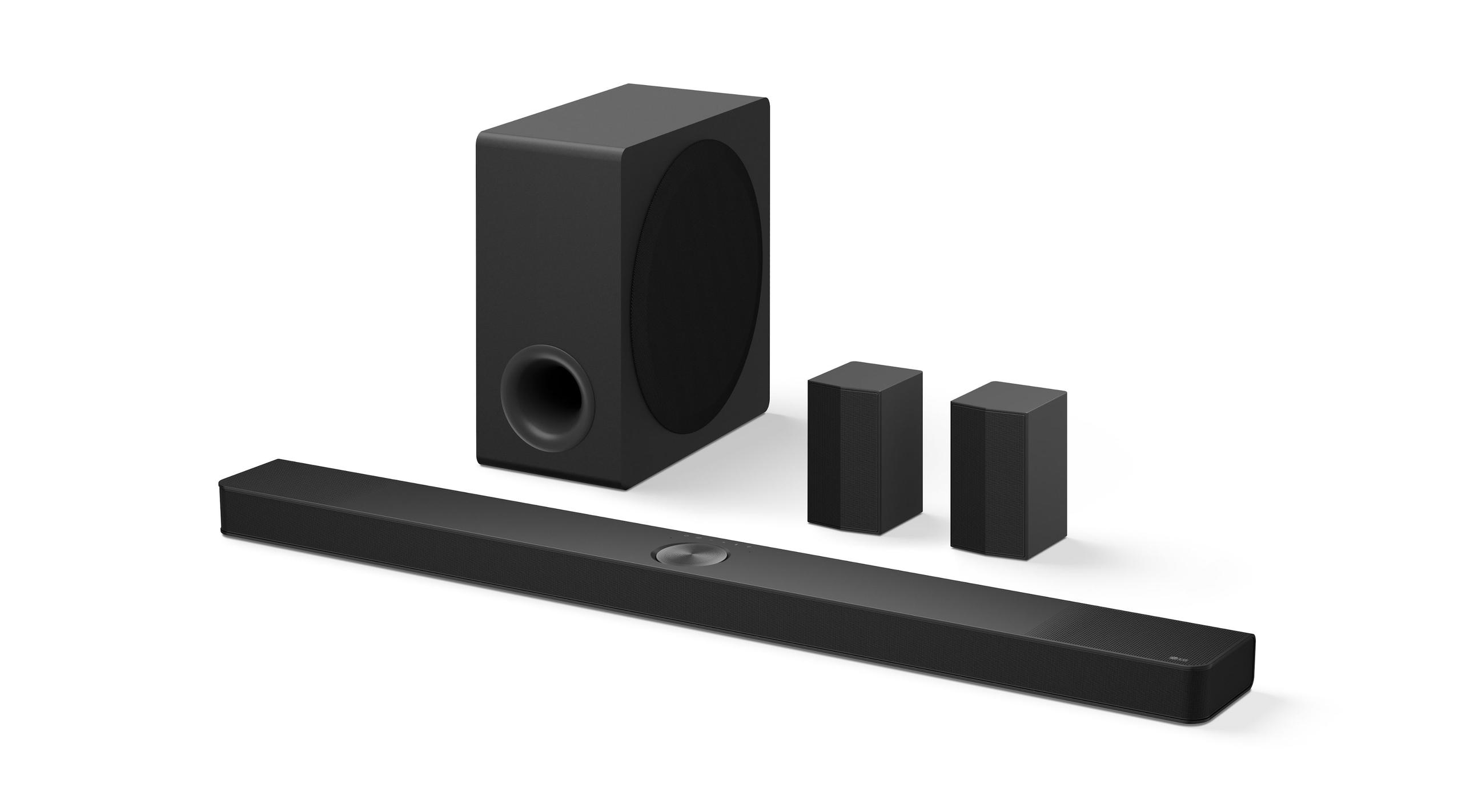
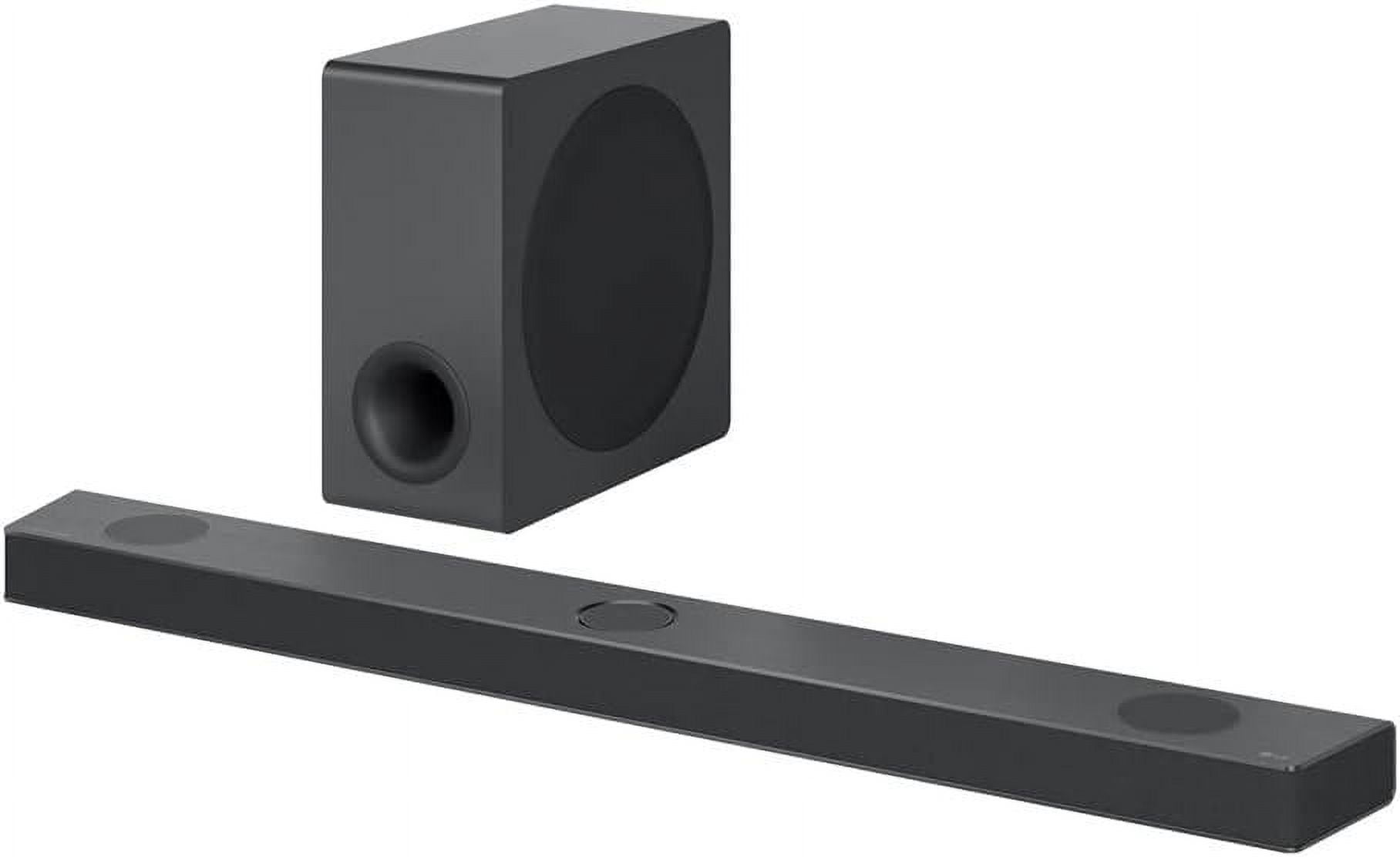
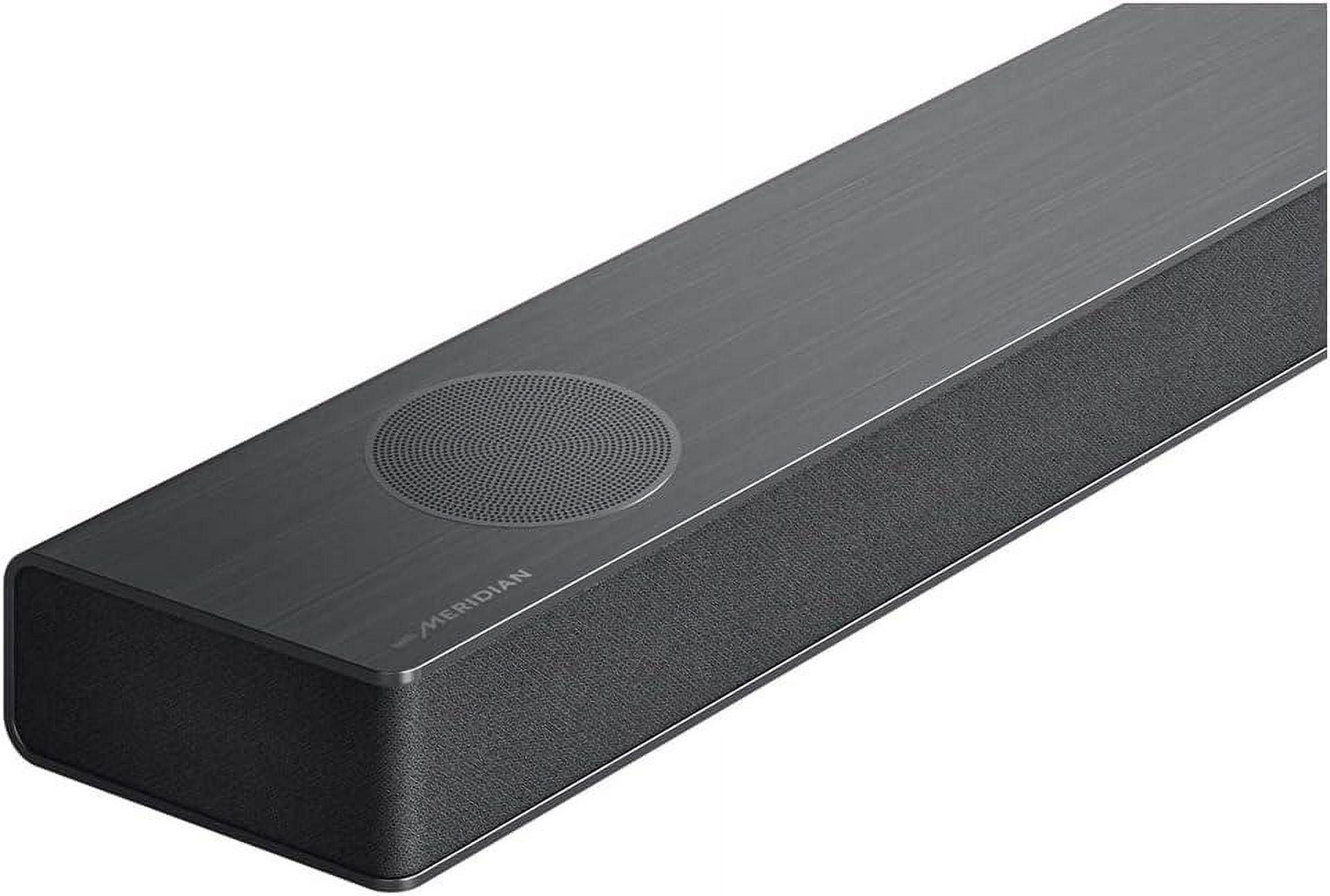
The LG S90TR, also from 2024, takes a more focused approach with its 7.1.3 channel setup and 13 total drivers. LG's philosophy here seems to be about delivering solid Dolby Atmos performance without overwhelming users with excessive complexity or pricing them out of the premium market.
Both systems were designed to address the growing demand for immersive home audio that doesn't require professional installation or extensive room modifications. The timing of their 2024 releases also means they incorporate the latest HDMI 2.1 standards and improved wireless technologies that weren't available in earlier generations.
Based on our research into professional reviews and user experiences, the channel count difference between these systems translates into genuinely different listening experiences. The Samsung HW-Q990F's 11.1.4 configuration isn't just marketing fluff—those additional channels create what reviewers consistently describe as a more complete "sphere of sound" around the listener.
Here's what makes this difference tangible: imagine watching a scene in an action movie where explosions happen behind you while helicopters fly overhead and dialogue continues from the center. The Samsung's additional side-firing drivers and more sophisticated processing create distinct audio zones where you can actually pinpoint where specific effects are coming from. Multiple professional reviews note that sounds genuinely seem to originate from specific points in three-dimensional space rather than just generally "around" you.
The LG S90TR creates a convincing surround sound experience, but the effect is more about creating an immersive soundstage than precise effects placement. In practical terms, you'll hear helicopters overhead and explosions behind you, but they won't have quite the same pinpoint accuracy that the Samsung achieves.
This difference becomes most noticeable in larger rooms. If you're sitting more than 10-12 feet from your TV, or if your room is particularly wide, the Samsung's additional channels help fill that space more effectively. The LG performs admirably in typical living room setups but may leave some dead spots in larger home theater configurations.
For movie watching, both systems excel at what matters most: dialogue clarity and dynamic range. However, they achieve this through different approaches that reveal their design philosophies.
The Samsung HW-Q990F features Active Voice Amplifier Pro, which uses AI to analyze background noise in your room and automatically adjusts dialogue frequencies to cut through. This isn't just a simple volume boost—it's actively monitoring your environment and compensating for things like air conditioning, traffic outside, or family conversations happening nearby. Based on user reports, this feature works particularly well during complex action sequences where dialogue can easily get lost in the mix.
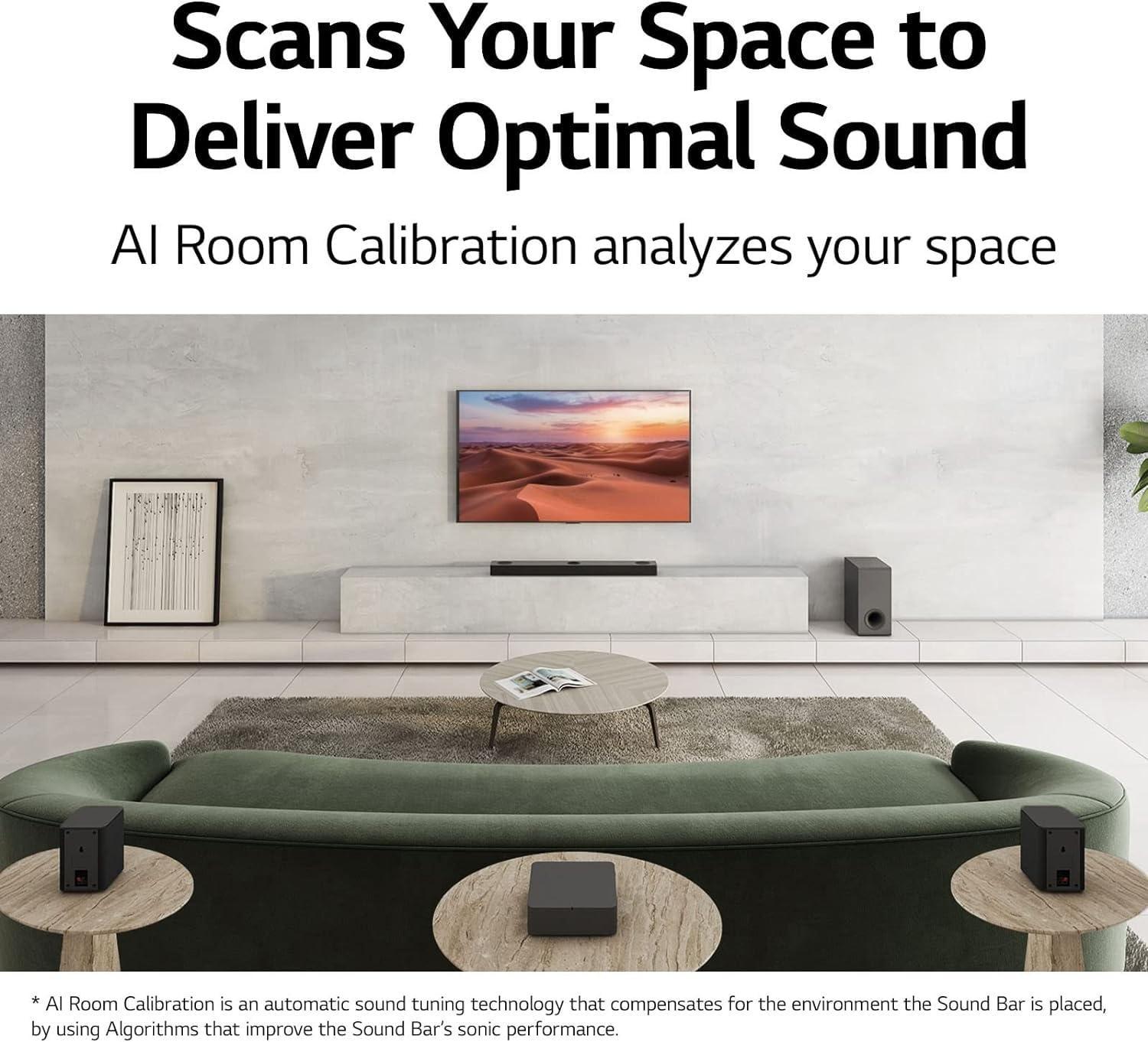
The LG S90TR takes a more straightforward approach with excellent dialogue reproduction through its dedicated center channel and balanced frequency response. Users consistently praise its dialogue clarity, particularly for TV shows and drama films where clear speech is paramount. The system's AI Room Calibration feature analyzes your room's acoustics and adjusts the frequency response accordingly, though this process requires manual activation unlike Samsung's automated approach.
Both systems handle the dynamic range challenges of modern movies well—those dramatic differences between whisper-quiet dialogue and explosive action sequences. Night Mode on both units compresses this range for late-night viewing, ensuring you can hear conversations without waking the neighbors during battle scenes.
This is where the two systems diverge significantly, and it's worth paying attention to if you plan to stream music through your soundbar regularly.
The Samsung HW-Q990F produces what reviewers describe as clean, balanced audio for music playback. In standard mode, it maintains natural stereo imaging while subtly distributing the sound across all channels without creating artificial spatial effects. The bass remains tight and controlled, never overwhelming the midrange frequencies where vocals and most instruments live. The seven-band equalizer and individual channel level controls allow for significant customization based on your musical preferences.
The LG S90TR presents more mixed results for music. While its Standard and Music modes provide faithful reproduction of stereo content, the AI Sound Pro mode creates problems that multiple reviewers have noted. When enabled for music, this AI processing creates what's described as hollow, echo-like effects that make vocals sound unnatural and instruments seem disconnected from their original spatial positions. Even in dedicated music modes, some users report that the bass can feel bloated compared to the Samsung's more controlled low-end response.
Gaming has become a crucial consideration for premium soundbars, especially with the PlayStation 5 and Xbox Series X supporting advanced audio formats and requiring high-bandwidth video connections.
The Samsung HW-Q990F clearly targets gaming enthusiasts with two HDMI 2.1 inputs that support 4K resolution at 120Hz refresh rates, Variable Refresh Rate (VRR), and Auto Low Latency Mode (ALLM). This means you can connect multiple gaming consoles directly to the soundbar, which then passes video to your TV while processing the audio. The Game Pro mode is specifically tuned to enhance spatial audio cues that are crucial in competitive gaming—hearing enemy footsteps approaching from specific directions, for example.
The LG S90TR offers basic gaming support but with only one HDMI input, making it less suitable if you own multiple consoles or want to connect additional devices like streaming boxes or Blu-ray players. The audio quality for gaming is solid, but it lacks the specialized processing and connectivity options that serious gamers increasingly expect.
Both systems embrace the modern expectation that premium audio equipment should integrate seamlessly with smart home ecosystems, but they take different approaches to achieving this integration.
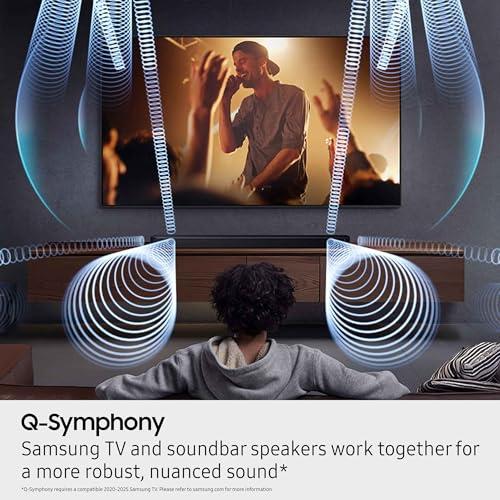
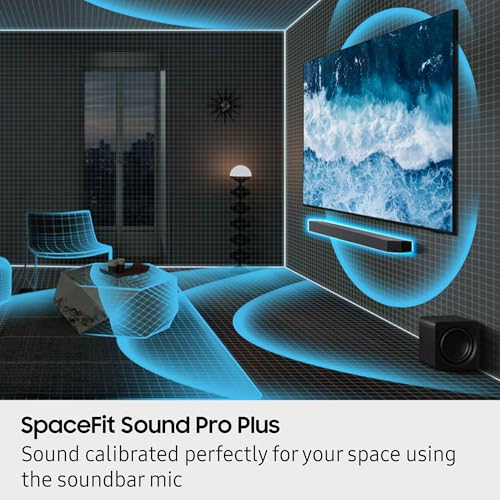
The Samsung HW-Q990F offers comprehensive connectivity including Apple AirPlay 2, Google Cast, Spotify Connect, and even Roon Ready certification for high-resolution audio streaming. The SpaceFit Sound Pro feature automatically calibrates the system using built-in microphones, analyzing your room's acoustic properties and adjusting the sound accordingly—all without any user intervention. The Q-Symphony feature synchronizes with compatible Samsung TVs, using both the TV's speakers and the soundbar simultaneously for an even fuller soundstage.
The LG S90TR provides solid smart features including Wi-Fi connectivity, Bluetooth 5.1, and integration with LG's WOW Orchestra system for compatible TVs. However, it lacks some of the audiophile-focused features like Roon support, and the AI Room Calibration process requires manual activation through the app rather than running automatically.
The design differences between these systems extend beyond aesthetics to impact daily usability in ways that might not be immediately obvious.
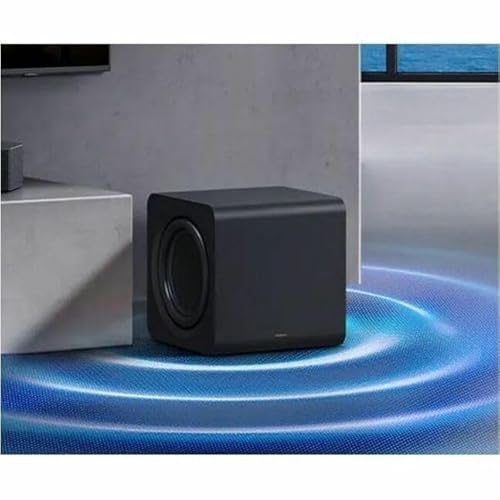
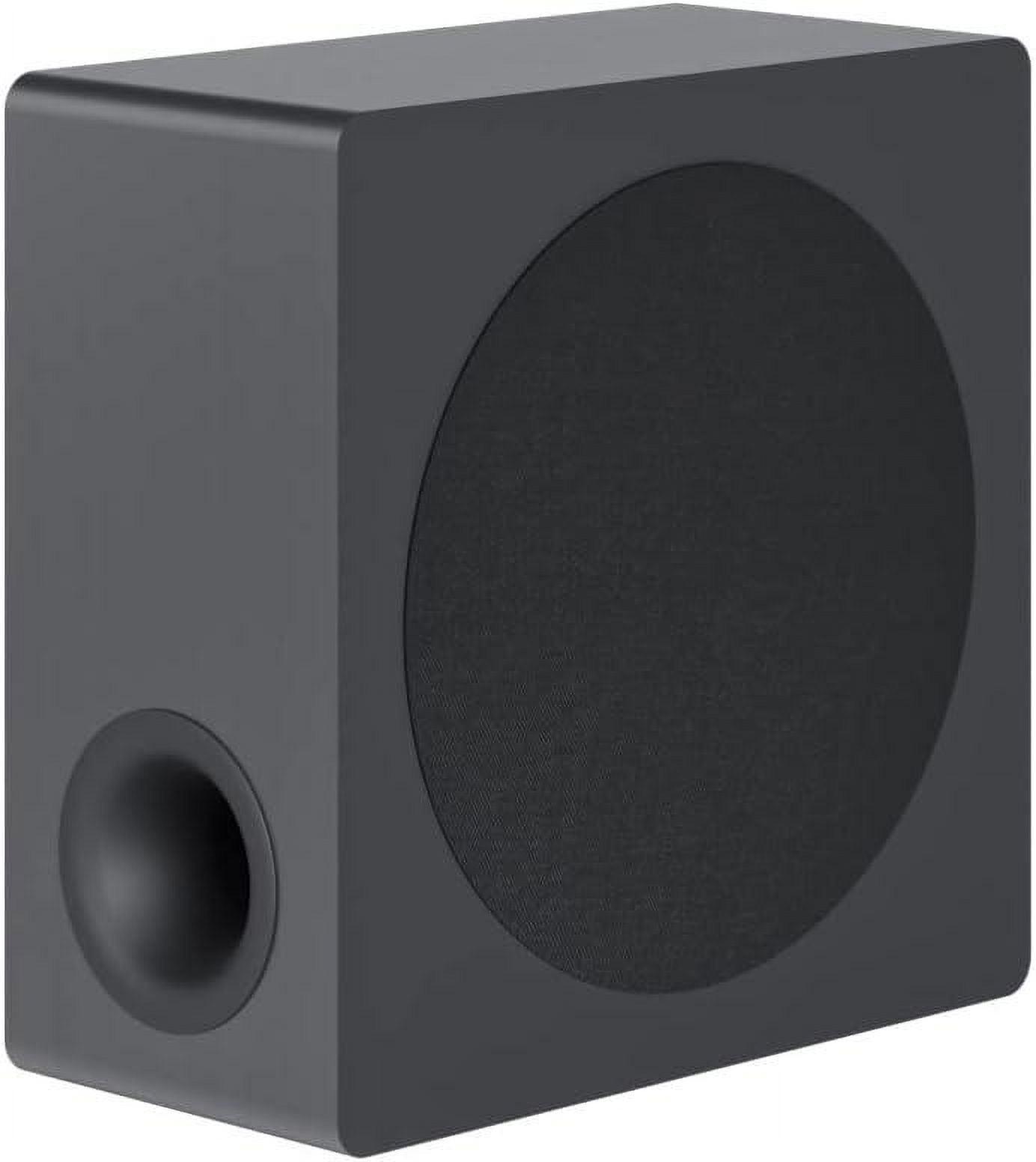
The Samsung HW-Q990F features a functional dot matrix display that shows current inputs, sound modes, and volume levels—a surprisingly useful feature for daily operation. The power cables for the rear speakers are longer than average, providing more flexibility in speaker placement around your room. The redesigned subwoofer is more compact than previous Samsung generations, making it easier to integrate into living spaces without dominating the room visually.
The LG S90TR opts for a more minimalist approach but makes what many consider a puzzling design choice: no front display. Instead, users must decipher colored LED indicators or use the smartphone app to check settings like input selection or sound modes. While this creates a cleaner aesthetic, it reduces the convenience factor for daily use. Additionally, the shorter power cables for the surround speakers can create placement challenges in larger rooms.
At the time of writing, the price difference between these systems is relatively modest—roughly $100 separating them in most markets. This small gap makes the decision more about matching features to your specific needs rather than simply choosing the cheaper option.
The Samsung HW-Q990F commands its premium through genuinely advanced features: more audio channels, superior connectivity options, automated room calibration, and better gaming integration. For enthusiasts who want the most comprehensive soundbar experience available and plan to use these advanced features regularly, the additional cost represents reasonable value.
The LG S90TR offers excellent value for users who want solid Dolby Atmos performance without paying for features they may not use. The core audio experience is impressive, and the system excels at its primary job of enhancing TV and movie watching in typical home environments.
Based on extensive research into professional reviews and user experiences, the decision between these systems should align with your specific use cases and room requirements.
Choose the Samsung HW-Q990F if you have a larger room (over 200 square feet), plan to use the system for music listening regularly, own multiple gaming consoles, or simply want the most immersive soundbar experience currently available. The system's automated calibration and comprehensive connectivity make it particularly appealing for users who want a "set it and forget it" premium experience. It's also the better choice if you're building a dedicated home theater space where the additional audio channels can properly shine.
The LG S90TR makes more sense for users with smaller to medium-sized rooms, those who primarily watch TV shows and movies rather than gaming extensively, or budget-conscious buyers who still want legitimate Dolby Atmos performance. The system's particular strength in dialogue clarity makes it excellent for users who watch a lot of dialogue-heavy content like dramas, documentaries, or foreign films with subtitles.
After evaluating both systems against real-world usage scenarios and considering the consensus of professional reviews and user experiences, the Samsung HW-Q990F emerges as the more capable and versatile system overall. Its superior channel count, advanced room calibration, comprehensive connectivity, and better music performance justify its premium positioning for users who want the best possible soundbar experience.
However, the LG S90TR shouldn't be dismissed as a consolation prize. It delivers genuinely impressive Dolby Atmos performance and excels at dialogue clarity—arguably the most important aspect of daily TV watching. For many users, its core strengths will be more than sufficient, and the savings can be meaningful.
The choice ultimately depends on whether you value having the most advanced features available or prefer getting excellent performance at a more accessible price point. Both represent the current state-of-the-art in soundbar technology, just targeted at different segments of the premium audio market.
| Samsung HW-Q990F | LG S90TR |
|---|---|
| Channel Configuration - More channels create better surround immersion | |
| 11.1.4 channels (22 total drivers) | 7.1.3 channels (13 total drivers) |
| Audio Power Output - Higher wattage fills larger rooms better | |
| 756W RMS total system power | 770W total system power |
| Dolby Atmos & DTS:X Support - Essential for modern movie soundtracks | |
| Full support with precise object placement | Full support with solid spatial audio |
| HDMI Connectivity - Critical for gaming and 4K devices | |
| 3 HDMI 2.1 ports (2 in, 1 eARC out) | 1 HDMI in, 1 HDMI eARC out |
| 4K Gaming Features - Matters for PS5/Xbox Series X owners | |
| 4K/120Hz, VRR, ALLM support | Basic 4K passthrough only |
| Room Calibration - Automatically optimizes sound for your space | |
| SpaceFit Sound Pro Plus (fully automated) | AI Room Calibration (manual activation required) |
| Wireless Streaming Options - Affects music and podcast convenience | |
| AirPlay 2, Google Cast, Spotify Connect, Roon Ready | AirPlay 2, Bluetooth, basic streaming (no Roon) |
| Voice Assistant Integration - Hands-free control capability | |
| Built-in Bixby + Alexa, Google Assistant compatible | No built-in assistants, works with external devices |
| Display Type - Shows current settings without using phone | |
| Dot matrix LED display with full information | Colored LED indicators only (no text display) |
| Subwoofer Design - Impacts bass quality and room placement | |
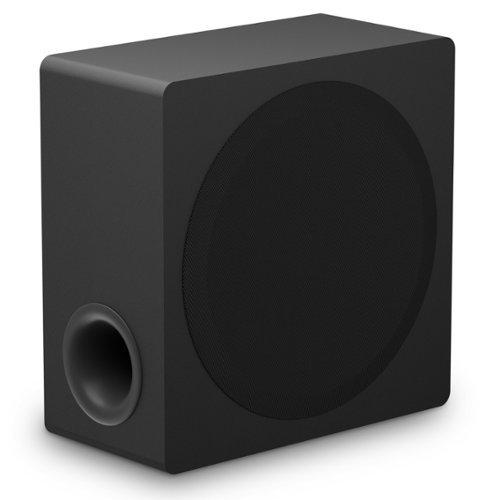
| Dual 8" force-canceling woofers, compact design | Single subwoofer with adaptive bass control |
| Rear Speaker Power - Affects surround speaker placement flexibility | |
| AC-powered with long cables for flexible placement | AC-powered with shorter cables (placement limitations) |
| TV Brand Integration - Enhanced features with matching TV brand | |
| Q-Symphony with Samsung TVs (combines TV + soundbar speakers) | WOW Orchestra with LG TVs (synchronized audio) |
| Music Playback Quality - Important if you stream music regularly | |
| Balanced sound with 7-band EQ, natural stereo imaging | Good in Music mode, but AI processing can create hollow effects |
| Release Year - Newer models have latest tech and connectivity | |
| 2024 (latest generation with updated subwoofer design) | 2024 (current model with modern HDMI standards) |
The Samsung HW-Q990F is better for dedicated home theater setups due to its 11.1.4 channel configuration versus the LG S90TR's 7.1.3 channels. The Samsung creates more precise sound placement and fills larger rooms more effectively, making it ideal for movie watching experiences.
The Samsung HW-Q990F delivers superior surround sound immersion with 22 total drivers creating what reviewers call a "sphere of sound" effect. The LG S90TR provides solid Dolby Atmos performance with 13 drivers, but with less precise effects placement than the Samsung system.
Both soundbars excel at dialogue clarity, but they achieve it differently. The Samsung HW-Q990F uses Active Voice Amplifier Pro with AI noise compensation, while the LG S90TR relies on excellent center channel performance and balanced frequency response. Both are highly rated for speech intelligibility.
Yes, both the Samsung HW-Q990F and LG S90TR fully support Dolby Atmos and DTS:X object-based audio formats. Both can decode high-resolution audio up to 24-bit/96kHz and handle all modern streaming audio codecs.
The Samsung HW-Q990F is significantly better for gaming, offering two HDMI 2.1 inputs with 4K/120Hz, VRR, and ALLM support. The LG S90TR only has one HDMI input and lacks advanced gaming features, making it less suitable for multiple console setups.
The Samsung HW-Q990F offers more comprehensive wireless options including AirPlay 2, Google Cast, Spotify Connect, and Roon Ready certification. The LG S90TR provides basic wireless streaming with AirPlay 2 and Bluetooth but lacks some audiophile-focused features like Roon support.
The Samsung HW-Q990F is better for music playback, offering balanced sound with natural stereo imaging and a 7-band equalizer. The LG S90TR can sound good for music in Standard mode, but its AI Sound Pro mode creates hollow, unnatural effects that many users find problematic.
The Samsung HW-Q990F features fully automated SpaceFit Sound Pro Plus calibration that runs without user intervention. The LG S90TR includes AI Room Calibration, but this feature requires manual activation through the mobile app rather than running automatically.
The LG S90TR has a simpler initial setup process, while the Samsung HW-Q990F offers more convenience features like a dot matrix display showing current settings. However, the Samsung's automated calibration makes it more "set and forget" once installed.
The Samsung HW-Q990F features dual 8-inch force-canceling woofers in a compact, redesigned enclosure with AI-powered dynamic bass control. The LG S90TR uses a traditional single subwoofer design with adaptive bass processing. Both deliver powerful, clean bass performance.
The LG S90TR typically offers better value for buyers focused on core TV and movie watching, delivering solid Dolby Atmos performance at a lower price point. The Samsung HW-Q990F provides better value for enthusiasts who want the most advanced features and superior performance across all use cases.
The Samsung HW-Q990F excels in larger rooms over 200 square feet due to its additional channels and drivers. The LG S90TR performs excellently in small to medium-sized living rooms but may leave some coverage gaps in very large home theater spaces.
We've done our best to create useful and informative comparisons to help you decide what product to buy. Our research uses advanced automated methods to create this comparison and perfection is not possible - please contact us for corrections or questions. These are the sites we've researched in the creation of this article: rtings.com - crutchfield.com - sound-advice.online - samsung.com - soundandvision.com - samsung.com - whathifi.com - youtube.com - youtube.com - bestbuy.com - avsforum.com - content.syndigo.com - samsung.com - businessinsider.com - dolby.com - youtube.com - abcwarehouse.com - rtings.com - abt.com - youtube.com - bestbuy.com - microcenter.com - buydig.com - bestbuy.com - videoandaudiocenter.com - oceanstateappliance.com - youtube.com - avsforum.com - lg.com

Privacy Policy
Terms and Conditions - Affiliate Policy
Home Security
© Copyright 2008-2026.
11816 Inwood Rd #1211, Dallas, TX 75244