

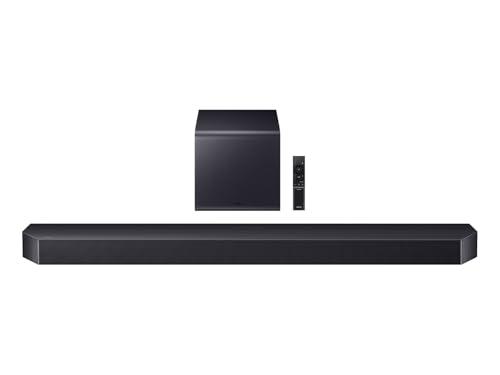


If you've ever tried watching a movie with your TV's built-in speakers and found yourself constantly adjusting the volume—cranking it up for whispered dialogue, then scrambling for the remote when explosions blow out your eardrums—you understand why soundbars have become the most popular home audio upgrade. But choosing the right one can feel overwhelming, especially when comparing products that seem designed for completely different purposes.
The Samsung HW-Q990F and Samsung HW-S700D represent two fundamentally different approaches to solving your TV audio problems. Released in 2025 and 2024 respectively, these soundbars showcase how the technology has evolved to serve distinct user needs. At the time of writing, the price difference between them is substantial—roughly three times more for the flagship model—but that gap tells a story about performance capabilities that goes far deeper than just marketing positioning.
Before diving into specifics, it's worth understanding what we're dealing with. Soundbars have evolved dramatically over the past decade. Early models were essentially wide speakers that sat beneath your TV, offering modest improvements over built-in audio. Today's advanced soundbars can create genuine surround sound experiences that rival traditional home theater systems costing thousands more.
The key technology driving this evolution is something called "channel configuration." When you see numbers like "3.1" or "11.1.4," these describe how many distinct audio channels the system can reproduce. The first number represents main channels (left, center, right, plus additional surround positions), the second represents subwoofers (the ".1"), and the third represents height channels (overhead effects). More channels generally mean more precise sound placement and greater immersion, but they also require more speakers, more processing power, and more physical space.
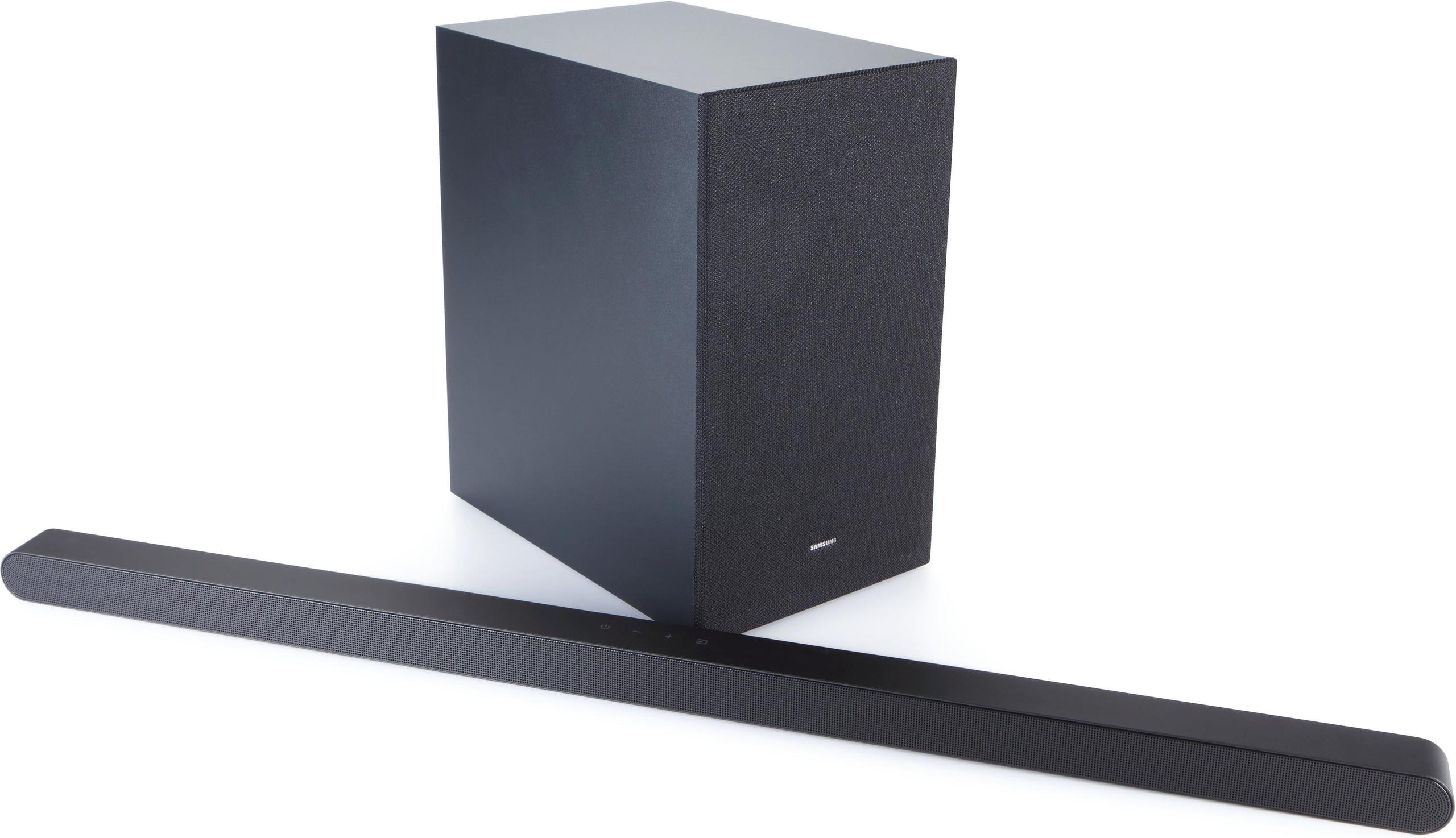
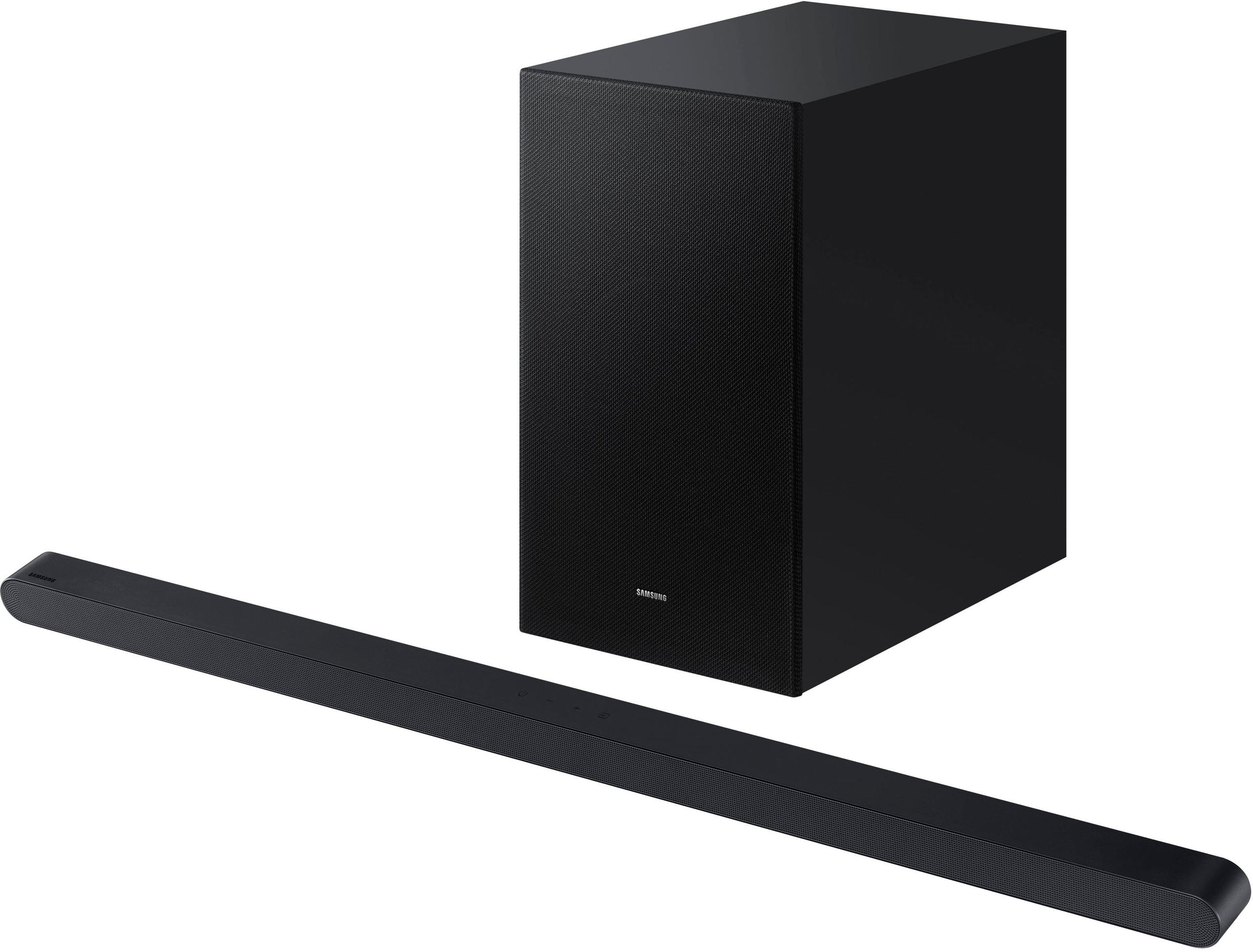
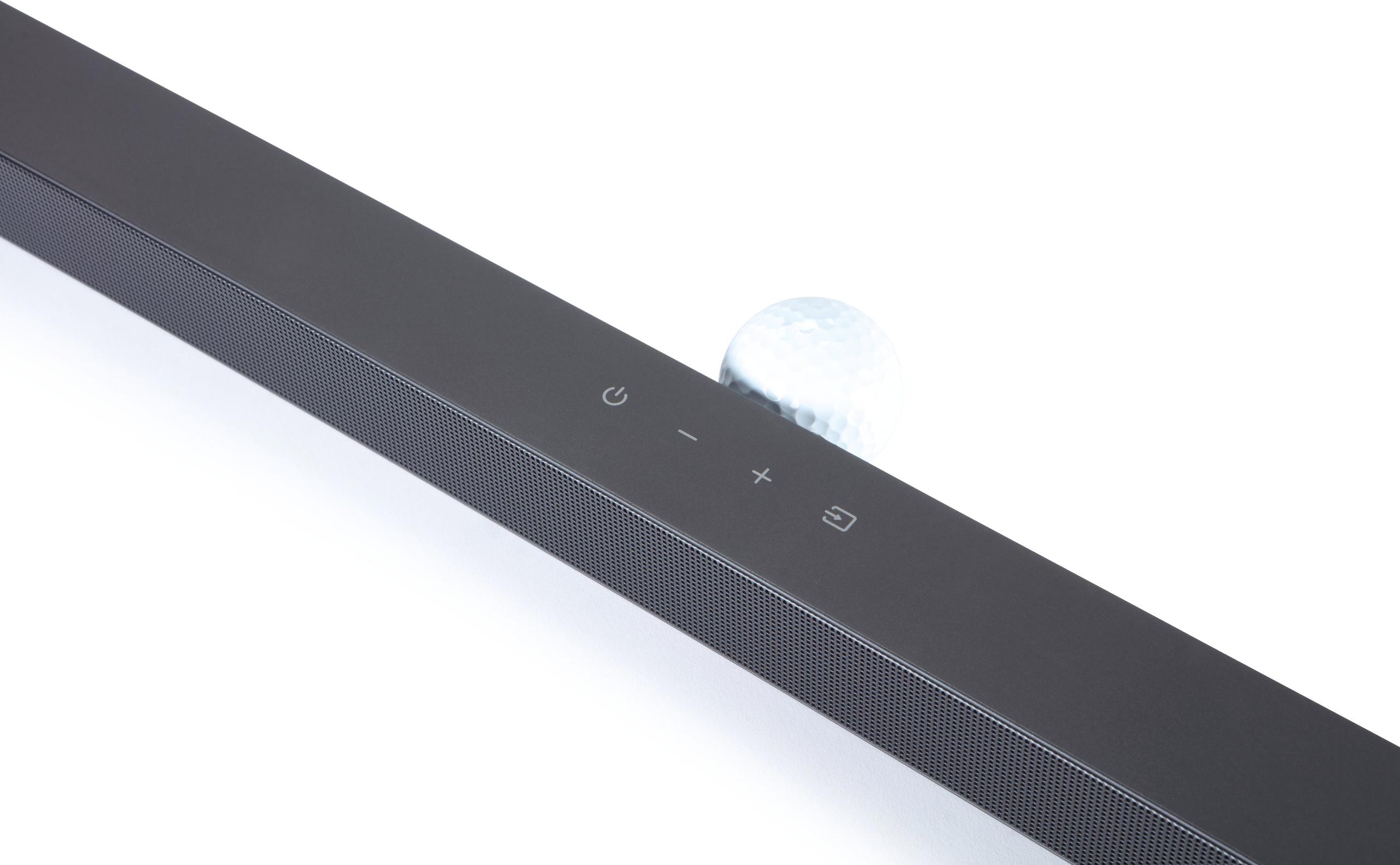
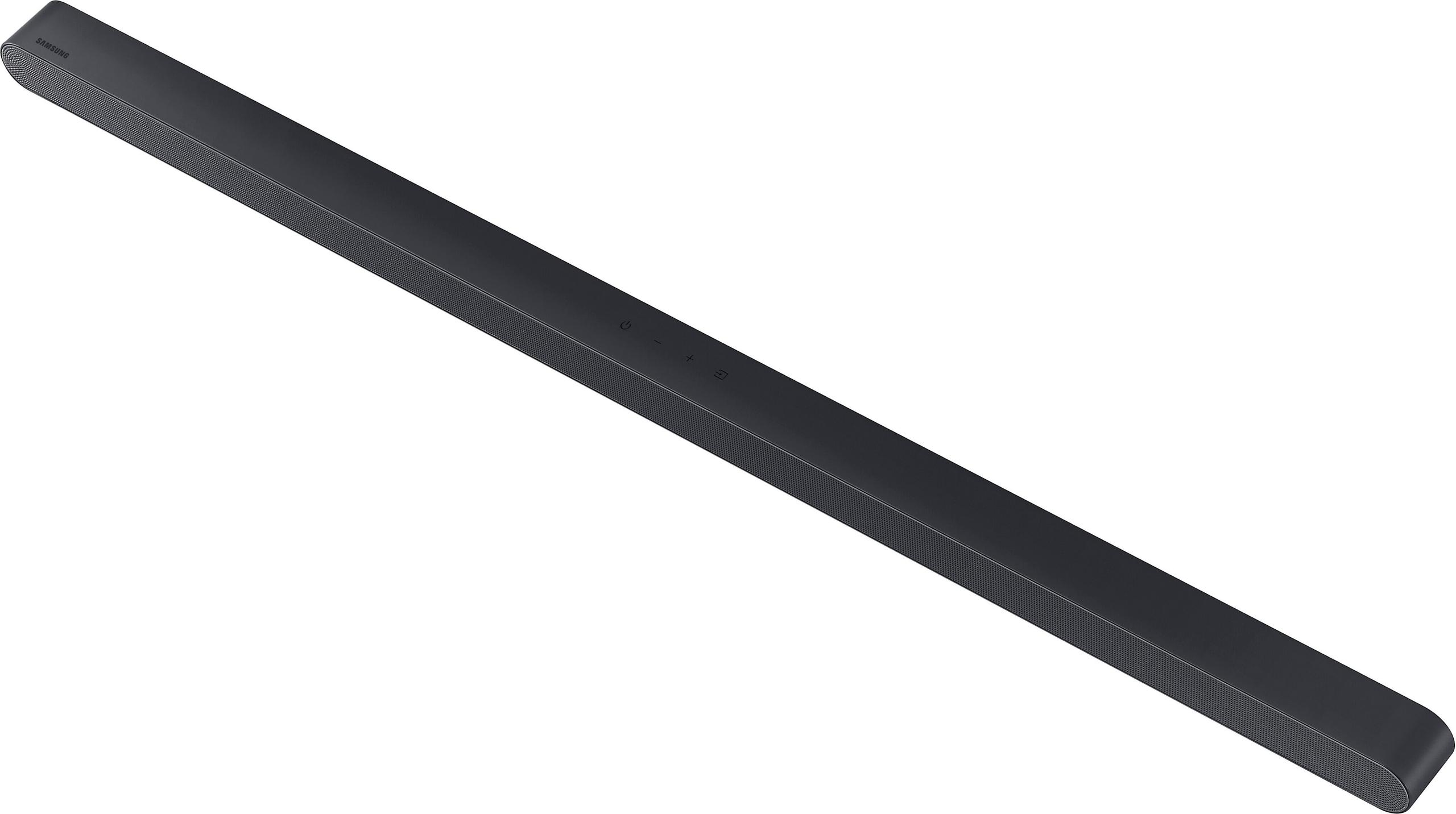
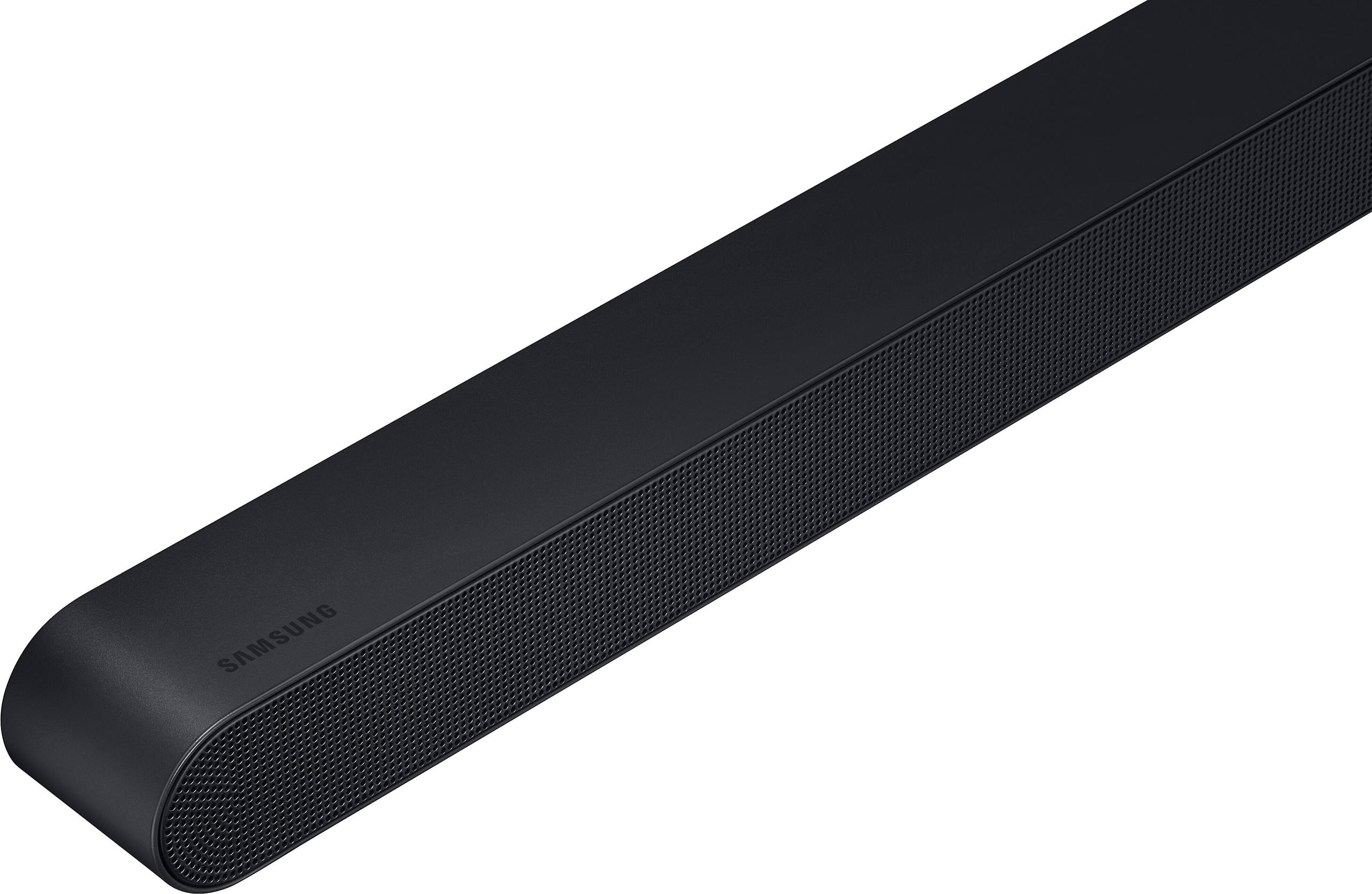
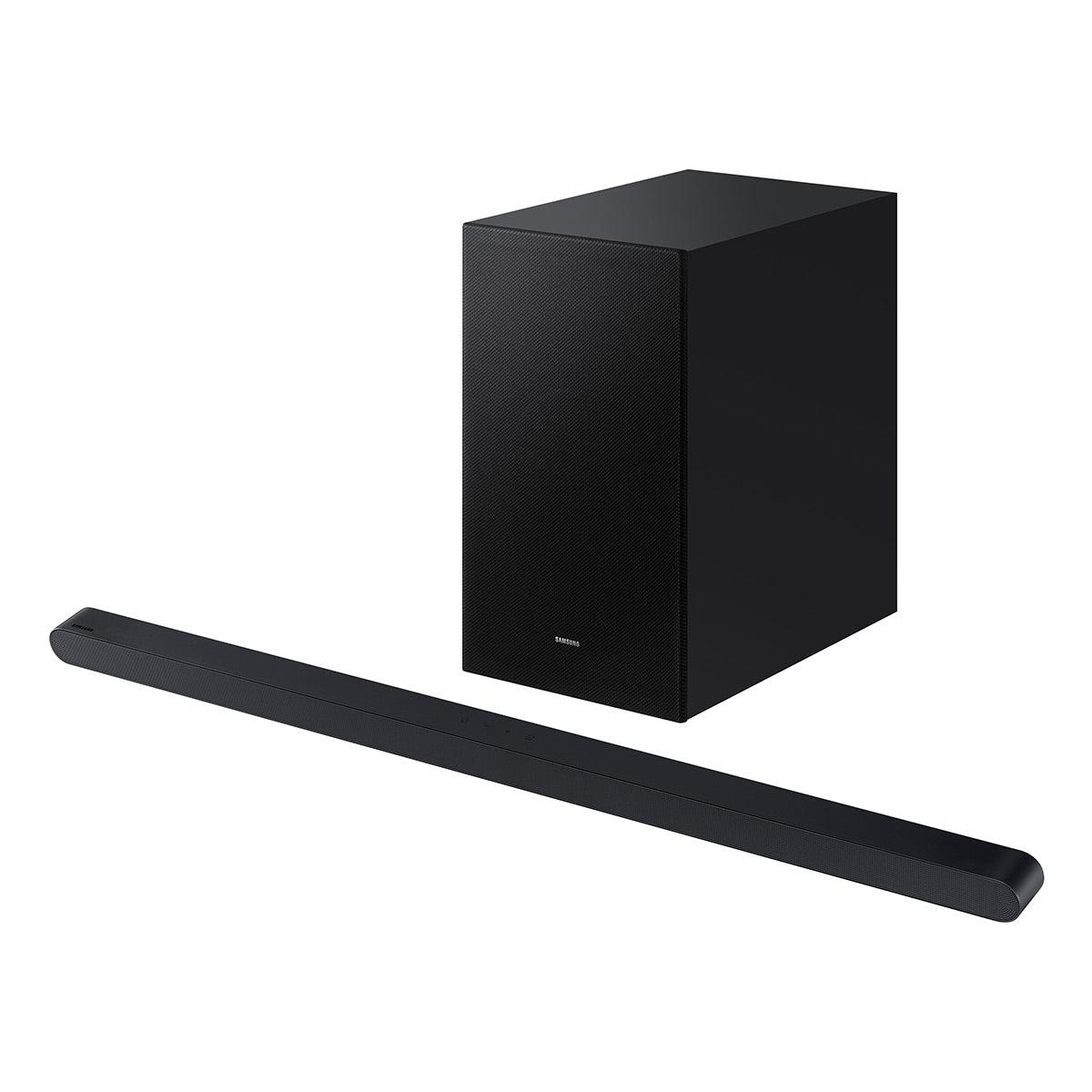
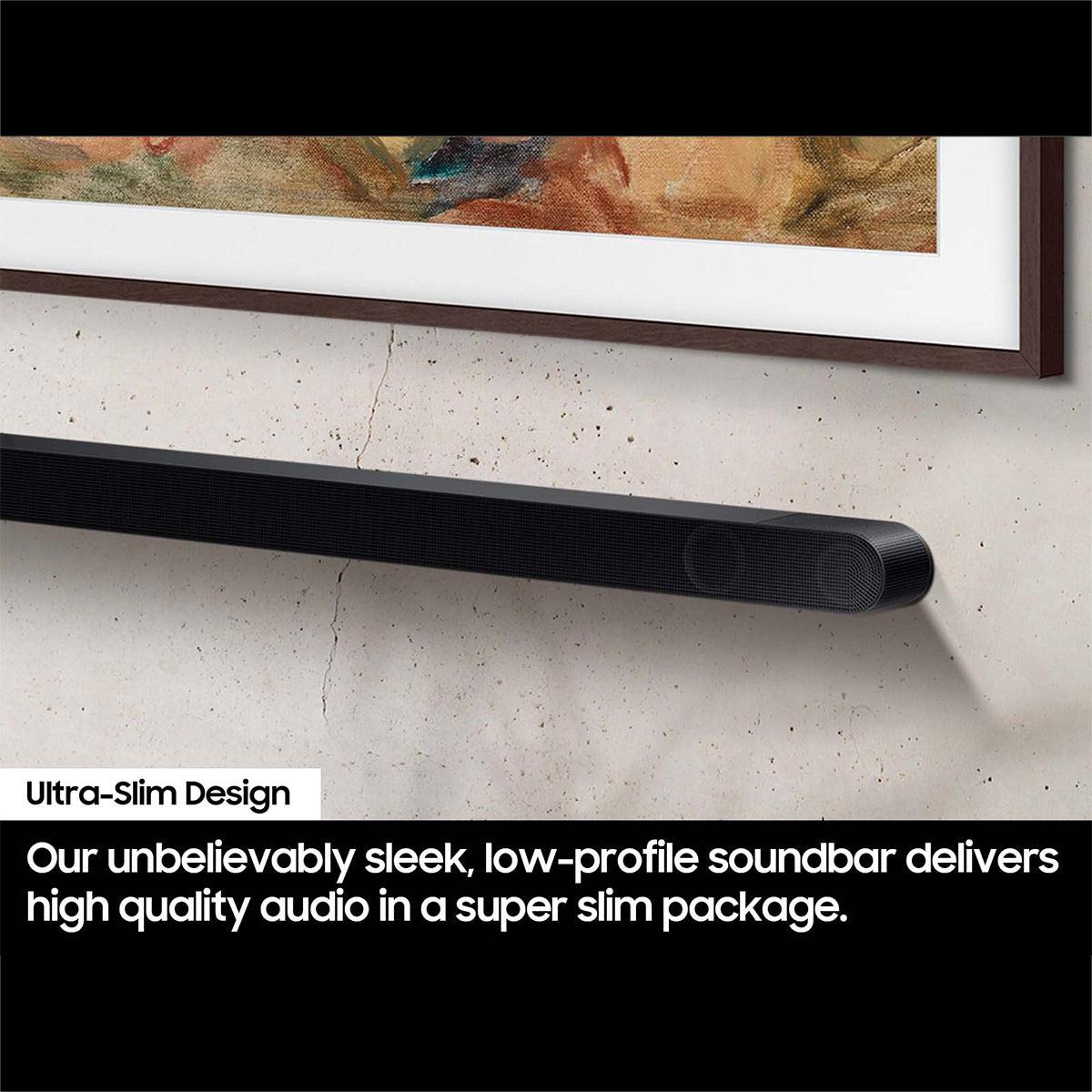
The Samsung HW-S700D embodies the "slim and sophisticated" approach to soundbar design. At just 1.4 inches tall, it's designed to virtually disappear beneath wall-mounted TVs while delivering what Samsung calls "big audio from a small package." This 3.1-channel system includes a discrete center channel for dialogue clarity and a wireless subwoofer for bass, targeting users who want better audio without visual compromise.
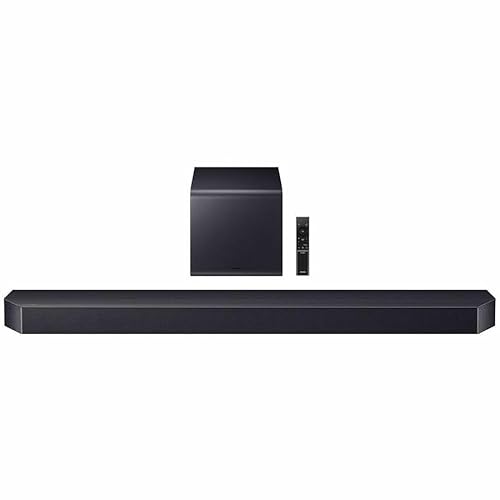
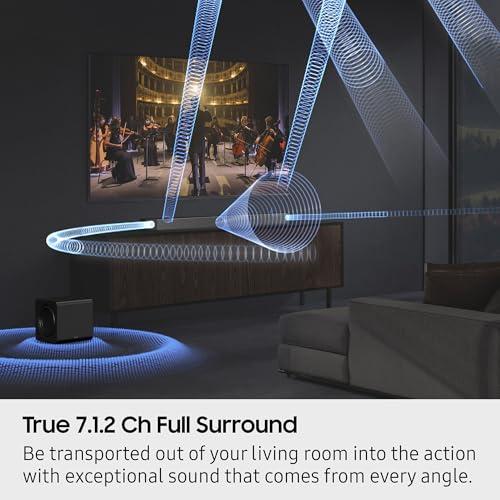
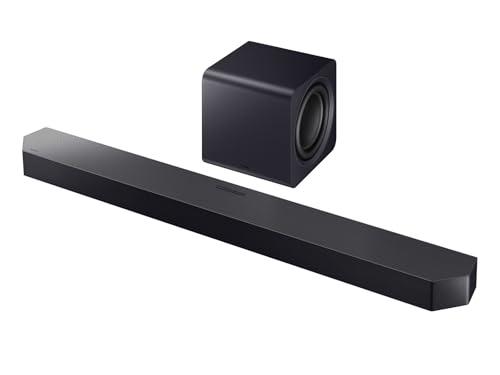
In the opposite corner, the Samsung HW-Q990F represents Samsung's "no compromise" flagship philosophy. This 11.1.4-channel behemoth includes not just the main soundbar and subwoofer, but also wireless rear speakers with up-firing drivers. It's designed for those who want to transform their living room into a genuine home theater experience, complete with overhead sound effects and true surround immersion.
The release timing is telling. The HW-S700D arrived in 2024 as Samsung refined their ultra-slim technology, perfecting the balance between size constraints and audio performance. The HW-Q990F launched in 2025 with enhanced AI processing, improved subwoofer design, and better integration with Samsung's latest TV lineup, representing the cutting edge of what's possible in soundbar technology.
The most fundamental difference between these systems lies in their speaker configuration, and the numbers are staggering. The Samsung HW-Q990F employs 23 individual speakers strategically positioned across four separate components. The main soundbar houses 15 speakers facing forward, sideways, and upward. Two wireless rear speakers add six more drivers, including up-firing units that bounce sound off your ceiling. The subwoofer contributes dual 8-inch woofers arranged in an opposing configuration to cancel vibrations.
This isn't just about quantity—it's about physics. True surround sound requires physically separate sources positioned around your listening area. When sound engineers create Dolby Atmos content, they place audio objects in three-dimensional space. The HW-Q990F can reproduce these placements accurately because it has speakers in the right physical locations.
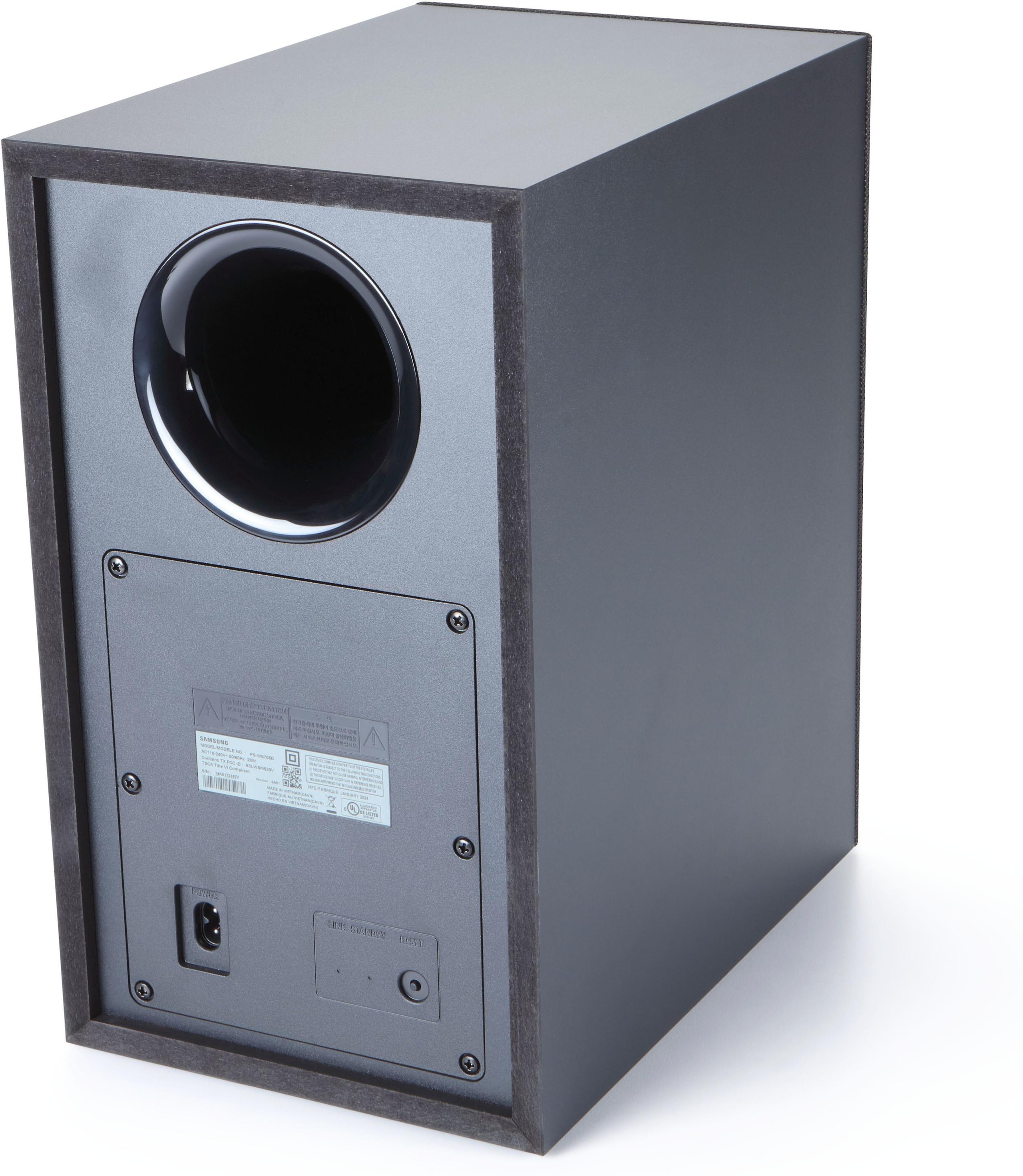
The Samsung HW-S700D, by contrast, uses seven speakers total: six in the main bar arranged as left, center, and right channels, plus a single 6-inch subwoofer. Without rear speakers or up-firing drivers, it relies entirely on digital signal processing to create virtual surround effects. This psychoacoustic approach can be surprisingly effective—human hearing has exploitable quirks that clever processing can manipulate—but it cannot replicate the genuine surround experience of multiple physical sources.
Both soundbars support Dolby Atmos, the object-based audio format that places sounds in three-dimensional space rather than traditional channels. However, their implementations couldn't be more different, and understanding this distinction is crucial for setting realistic expectations.
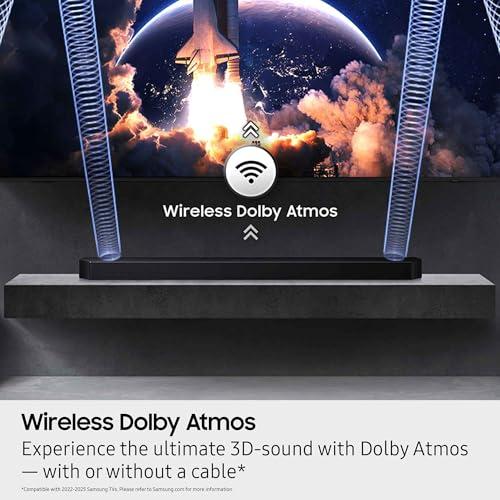
The HW-Q990F delivers what audio engineers call "true" Dolby Atmos through dedicated up-firing speakers. These drivers fire sound upward at calculated angles, using your ceiling as a reflective surface to create overhead effects. When a helicopter flies across the screen, you hear it move above your head with convincing directionality. The rear speakers contribute additional height channels, creating what reviewers consistently describe as a "dome of sound" that envelops the listener.
The HW-S700D achieves Dolby Atmos through Samsung's "Wireless Dolby Atmos" technology, which works only when paired with compatible Samsung TVs. Without physical up-firing drivers, the system uses sophisticated signal processing to simulate height effects. This virtual approach can create a sense of expanded soundstage and some overhead perception, particularly with well-mastered content, but it's fundamentally limited by the laws of physics.
Based on extensive research into user and expert reviews, the consensus is clear: virtual Atmos works best in specific room configurations with reflective surfaces and careful positioning. True physical Atmos delivers more consistent results across varying environments and listening positions.
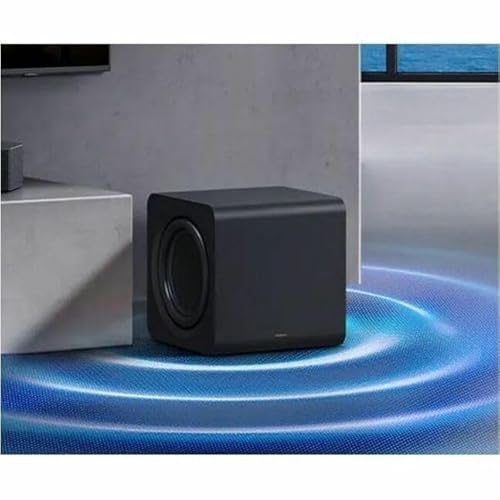
The subwoofer comparison reveals another significant performance gap. The Samsung HW-Q990F employs dual 8-inch woofers in what Samsung calls a "force-canceling" configuration. These drivers operate in opposition, with one pushing while the other pulls, theoretically eliminating cabinet vibration while doubling the air displacement. Combined with AI-powered dynamic bass control, this system can reproduce frequencies down to approximately 28Hz with minimal distortion—approaching the performance of dedicated home theater subwoofers.
User reviews consistently praise this subwoofer's ability to deliver impactful bass without becoming boomy or overwhelming dialogue. The AI processing analyzes incoming signals in real-time, adjusting output to prevent distortion and maintain clarity even at high volumes.
The HW-S700D takes a more conservative approach with its single 6-inch driver. While adequate for most content and certainly superior to TV speakers, it cannot match the depth or impact of its larger sibling. Several user reviews mention this limitation, particularly for action movies and music with deep bass content. However, many users in apartments or smaller spaces actually prefer this more restrained bass response, finding the HW-Q990F overwhelming in close quarters.
Modern soundbars increasingly rely on artificial intelligence to optimize performance, and both Samsung models include room calibration features—but with important differences in sophistication.
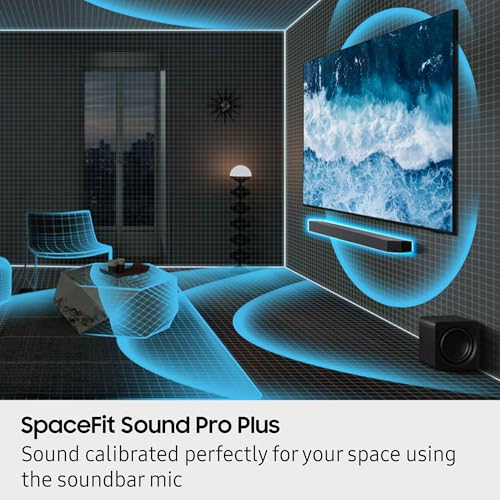
The Samsung HW-Q990F features "SpaceFit Sound Pro," an advanced system using built-in microphones to analyze your room's acoustic properties. This happens automatically during setup, measuring reverberation times, frequency response, and acoustic reflections to create a custom EQ profile. The "Pro" designation indicates this system can operate independently, requiring no additional hardware or TV integration.
The HW-S700D includes the standard "SpaceFit Sound" technology, which requires a compatible Samsung TV to perform room analysis. The TV's processing power handles the acoustic measurements, then sends optimization parameters to the soundbar. While effective, this approach limits compatibility and requires users to own specific Samsung TV models to access full functionality.
Both systems include Active Voice Amplifier technology, but again with different capabilities. The Pro version in the HW-Q990F actively monitors background noise levels and dynamically adjusts dialogue frequencies in real-time. If your air conditioner kicks on or someone starts talking, the system automatically compensates to maintain speech clarity. The standard version in the HW-S700D provides voice enhancement but lacks this adaptive functionality.
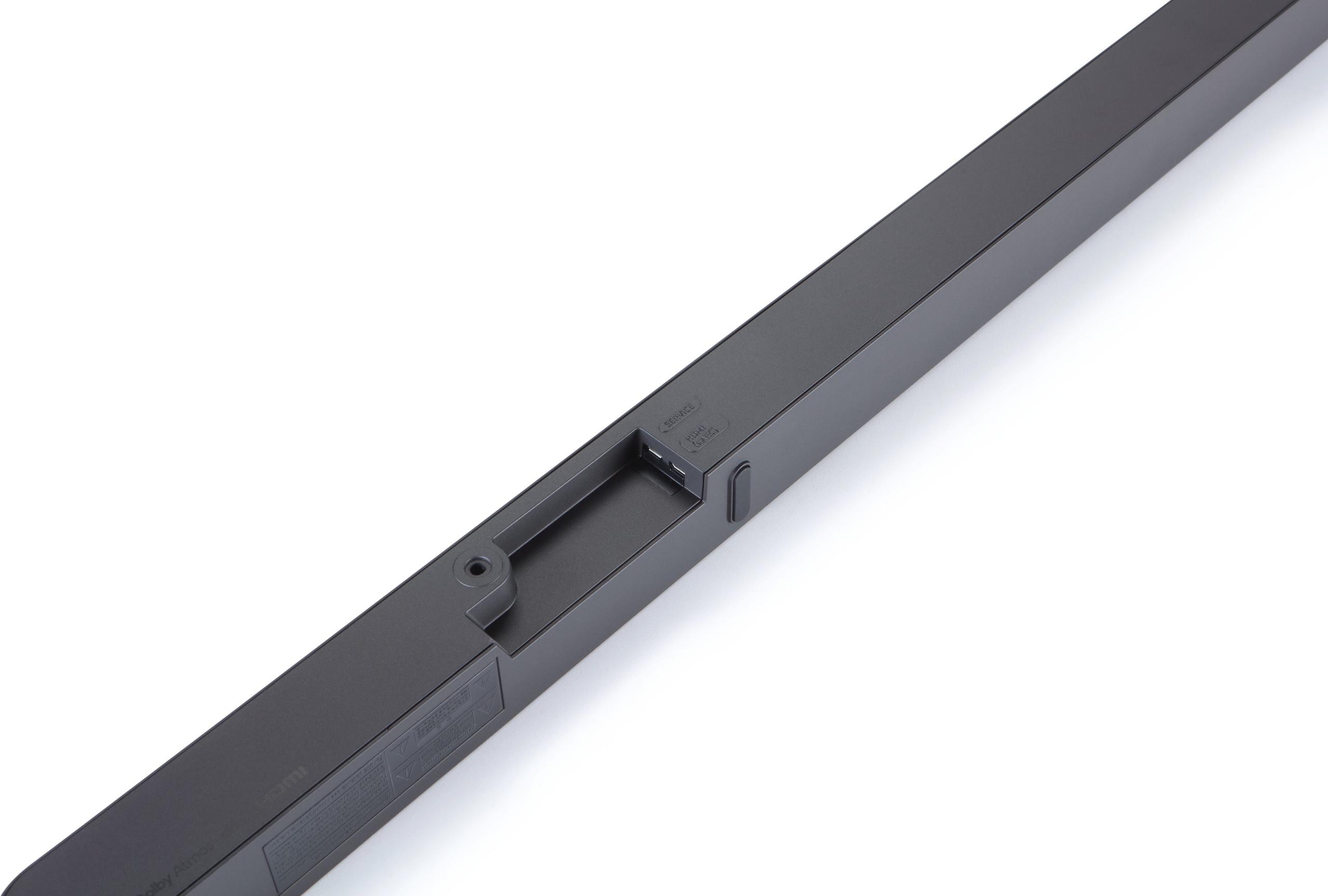
The connectivity differences between these soundbars reflect their target audiences and price points. The Samsung HW-Q990F includes two HDMI 2.1 inputs plus one HDMI output with eARC (enhanced Audio Return Channel). This configuration supports 4K video passthrough at 120Hz with HDR10+ color enhancement—essential for next-generation gaming consoles like PlayStation 5 and Xbox Series X.
This connectivity flexibility proves invaluable in real-world use. Gaming enthusiasts can connect consoles directly to the soundbar for zero-latency audio while maintaining full video quality to the TV. Home theater fans can connect multiple sources—Blu-ray players, streaming devices, gaming systems—without constantly swapping cables or losing features.
The HW-S700D takes a radically different approach: no HDMI inputs at all, just a single HDMI output with eARC. This design forces all devices to connect directly to your TV, with audio returning to the soundbar through the ARC connection. While this simplifies setup and reduces cable management, it eliminates flexibility for users with multiple high-quality sources or those who want to bypass their TV's processing entirely.
For gaming enthusiasts, the differences become even more pronounced. The HW-Q990F includes a dedicated Game Mode Pro that optimizes processing for interactive content, reducing audio latency while enhancing directional cues crucial for competitive gaming. The HDMI 2.1 connectivity ensures no compromise between audio quality and video performance.
The HW-S700D offers basic game mode functionality but relies entirely on your TV's gaming features and processing. While modern Samsung TVs handle this well, it adds an extra processing step that can introduce latency—potentially problematic for serious gamers.
While designed primarily for TV and movie enhancement, both soundbars handle music reproduction differently. The Samsung HW-Q990F creates an impressive stereo image with its multiple drivers, offering genuine instrument separation and soundstage width. The multiple channels can be configured for stereo music playback, creating an enveloping experience without the artificial processing that sometimes degrades music quality.
User reviews consistently praise the HW-Q990F for music reproduction, noting its balanced frequency response and dynamic range. The seven-band equalizer and individual channel level controls allow fine-tuning for different music genres and personal preferences.
The HW-S700D delivers respectable music performance within its limitations. The stereo presentation is clean and well-balanced, though it cannot match the spaciousness and impact of its larger sibling. For casual music listening, it provides significant improvement over TV speakers without overwhelming smaller spaces.
The aesthetic differences between these soundbars reflect their philosophical approaches. The HW-S700D measures just 1.4 inches tall and weighs only 2.2 pounds, designed to mount flush beneath wall-mounted TVs without blocking screens or disrupting sight lines. The ultra-slim profile appeals to users prioritizing visual minimalism—it essentially disappears once installed.
The complete HW-S700D system weighs approximately 15 pounds including the subwoofer, making installation straightforward for most users. The wireless subwoofer provides placement flexibility, though finding optimal positioning in smaller rooms can be challenging.
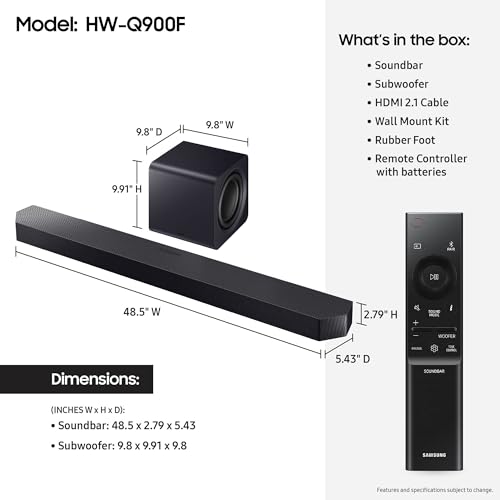
The Samsung HW-Q990F makes no attempt to hide its capabilities. The complete system weighs over 50 pounds and requires careful consideration of placement for optimal performance. The rear speakers need positioning behind or beside the listening area, and the larger subwoofer demands adequate floor space. This isn't a system that disappears—it announces its presence and delivers performance to match.
At the time of writing, the price difference between these soundbars is substantial—roughly three times more for the flagship model. This gap raises important questions about value and appropriate use cases.
The Samsung HW-S700D delivers exceptional value for its intended purpose: providing significantly better audio than TV speakers while maintaining aesthetic minimalism. For apartment dwellers, bedroom installations, or users with strict space constraints, it offers genuine benefits without compromise. The included subwoofer and Samsung integration features provide capabilities typically found in more expensive systems.
The HW-Q990F justifies its premium pricing through included components that competitors often sell separately. Many flagship soundbars require additional purchases for rear speakers, making the complete system price competitive when calculating total cost. The performance gap is substantial—this isn't just a more expensive version of the same thing, but a fundamentally different audio experience.
After researching extensive user and expert feedback, clear usage patterns emerge. The Samsung HW-S700D excels for users who prioritize aesthetics, have space constraints, or primarily consume dialogue-heavy content like TV shows and news. It works particularly well in bedrooms, apartments, or secondary viewing areas where visual integration matters more than maximum performance.
The HW-Q990F targets users building dedicated home theater spaces or those who want maximum immersion from their primary entertainment system. It's ideal for movie enthusiasts, serious gamers, or anyone who wants to experience content as creators intended. The system rewards proper setup and room treatment but delivers unprecedented soundbar performance in return.
These Samsung soundbars represent two valid but incompatible philosophies. The HW-S700D proves that significant audio improvements don't require visual compromise or complex setup. It solves the TV audio problem elegantly within strict constraints.
The HW-Q990F demonstrates what becomes possible when those constraints are removed. It delivers genuine home theater performance in a soundbar package, with all the complexity and rewards that entails.
Your choice shouldn't be based solely on budget, though that's obviously important. Consider your space, your priorities, and your expectations. If you want better TV audio that doesn't change your room's aesthetics, the HW-S700D excels at that mission. If you want to transform your entertainment experience entirely, the HW-Q990F provides the tools to do so.
The technology gap between these products reflects broader trends in consumer electronics: the increasing polarization between convenience-focused and performance-focused solutions. Both have their place, but understanding which category matches your needs will determine your satisfaction with either choice.
| Samsung Q-Series HW-Q990F Soundbar | Samsung HW-S700D 3.1 Channel Slim Soundbar |
|---|---|
| Channel Configuration - Determines surround sound capability and immersion level | |
| 11.1.4 channels with 23 total speakers | 3.1 channels with 7 total speakers |
| Physical Dolby Atmos - Whether you get true overhead effects or virtual simulation | |
| True physical Atmos with dedicated up-firing drivers in soundbar and rear speakers | Virtual Atmos processing only (no up-firing drivers) |
| Included Components - What you get in the box affects total system cost | |
| Soundbar + wireless subwoofer + wireless rear speakers | Soundbar + wireless subwoofer (no rear speakers available) |
| Subwoofer Power - Impacts bass depth and room-filling capability | |
| Dual 8" force-canceling woofers, ~28Hz frequency response | Single 6" driver, limited low-end extension |
| HDMI Connectivity - Affects gaming and multi-device flexibility | |
| 2 HDMI 2.1 inputs + 1 output with eARC, 4K/120Hz passthrough | No HDMI inputs, only 1 HDMI output with eARC |
| Room Calibration - How well the system adapts to your space | |
| SpaceFit Sound Pro (autonomous calibration with built-in mics) | SpaceFit Sound (requires compatible Samsung TV for analysis) |
| Physical Dimensions - Critical for placement and aesthetic integration | |
| Standard soundbar height, 50+ lb total system weight | Ultra-slim 1.4" tall profile, 15 lb total system weight |
| Voice Enhancement - Dialogue clarity in complex audio mixes | |
| Active Voice Amplifier Pro with real-time background noise analysis | Active Voice Amplifier (basic version) |
| Gaming Features - Performance for console and PC gaming | |
| Game Mode Pro, zero-latency HDMI 2.1, directional audio optimization | Basic game mode through TV processing only |
| Price Positioning - Value relative to performance and included components | |
| Premium flagship with all components included | Budget-friendly with ultra-slim design focus |
The Samsung HW-S700D is specifically designed for smaller spaces with its ultra-slim 1.4-inch profile and controlled bass output. Its single 6-inch subwoofer won't overwhelm neighbors, while the Samsung HW-Q990F delivers much more powerful bass that may be excessive in close quarters.
Yes, but very differently. The Samsung HW-Q990F provides true physical Dolby Atmos through dedicated up-firing speakers that bounce sound off your ceiling. The Samsung HW-S700D uses virtual Dolby Atmos processing to simulate overhead effects without physical height speakers.
The Samsung HW-S700D is much simpler to install due to its lightweight design (15 lbs total) and minimal components. The Samsung HW-Q990F requires positioning multiple components including rear speakers and weighs over 50 pounds total, making installation more complex.
Only the Samsung HW-Q990F accepts direct gaming connections with its two HDMI 2.1 inputs supporting 4K/120Hz passthrough. The Samsung HW-S700D has no HDMI inputs, so all devices must connect to your TV with audio sent back through eARC.
The Samsung HW-Q990F offers superior dialogue clarity with its dedicated center channel and Active Voice Amplifier Pro that adapts to background noise in real-time. The Samsung HW-S700D includes a center speaker and basic voice enhancement but lacks the advanced processing.
For true surround sound, yes. The Samsung HW-Q990F includes wireless rear speakers that create genuine surround effects. The Samsung HW-S700D relies entirely on virtual processing since no rear speakers are available, even as add-ons.
The Samsung HW-Q990F excels at music reproduction with its multiple drivers creating wide stereo imaging and instrument separation. The Samsung HW-S700D provides clean stereo sound but cannot match the spaciousness and dynamic range of its larger sibling.
The Samsung HW-Q990F features SpaceFit Sound Pro that automatically calibrates using built-in microphones without requiring additional hardware. The Samsung HW-S700D uses standard SpaceFit Sound that requires a compatible Samsung TV to perform room analysis.
This depends on your needs. The Samsung HW-S700D offers excellent value for basic audio improvement and ultra-slim design. The Samsung HW-Q990F provides better value for serious home theater use since it includes all components that competitors often sell separately.
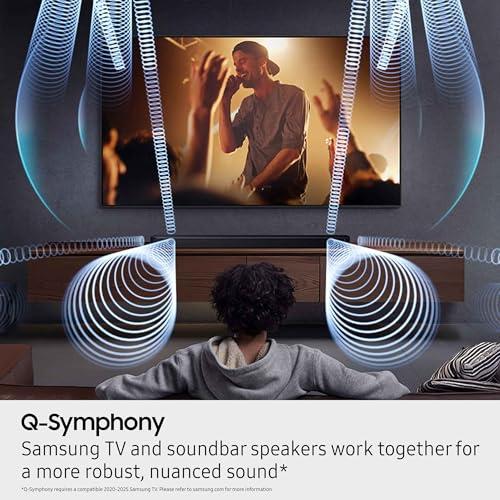
Yes, both the Samsung HW-Q990F and Samsung HW-S700D work with any TV that has HDMI ARC/eARC. However, some features like Q-Symphony and advanced room calibration require Samsung TVs for full functionality.
The Samsung HW-Q990F is specifically designed for home theater use with its 11.1.4-channel configuration, true Dolby Atmos, included rear speakers, and powerful dual-subwoofer system. The Samsung HW-S700D is better suited for casual TV watching in space-constrained environments.
The Samsung HW-S700D requires minimal space with its ultra-slim design that mounts flush under wall-mounted TVs. The Samsung HW-Q990F needs significantly more space for optimal performance, including placement areas for the larger subwoofer and rear speakers behind or beside your seating area.
We've done our best to create useful and informative comparisons to help you decide what product to buy. Our research uses advanced automated methods to create this comparison and perfection is not possible - please contact us for corrections or questions. These are the sites we've researched in the creation of this article: rtings.com - crutchfield.com - sound-advice.online - samsung.com - soundandvision.com - samsung.com - whathifi.com - youtube.com - youtube.com - bestbuy.com - avsforum.com - content.syndigo.com - samsung.com - businessinsider.com - dolby.com - youtube.com - abcwarehouse.com - crutchfield.com - samsung.com - bestbuy.com - avsforum.com - walts.com - samsung.com - samsung.com - videoandaudiocenter.com - samsung.com - samsung.com - samsung.com - pcrichard.com

Privacy Policy
Terms and Conditions - Affiliate Policy
Home Security
© Copyright 2008-2026.
11816 Inwood Rd #1211, Dallas, TX 75244