




When your TV's built-in speakers just aren't cutting it anymore, a soundbar becomes one of the most practical upgrades you can make. But with options ranging from basic stereo bars to complex multi-channel systems, choosing the right one means understanding what you actually need versus what sounds impressive on paper.
At the time of writing, two soundbars represent opposite ends of this spectrum: Samsung's flagship HW-Q990F and LG's budget-friendly S60TR. The Samsung costs roughly four times more than the LG, but that price gap tells a story about fundamentally different approaches to home audio.
Before diving into these specific models, it helps to understand what separates a good soundbar from a great one. The most important factor is channel configuration—essentially how many speakers and directions sound comes from. Traditional surround sound uses a 5.1 setup: front left, center, and right speakers, two rear speakers, and one subwoofer (the ".1" represents the subwoofer's dedicated bass channel).
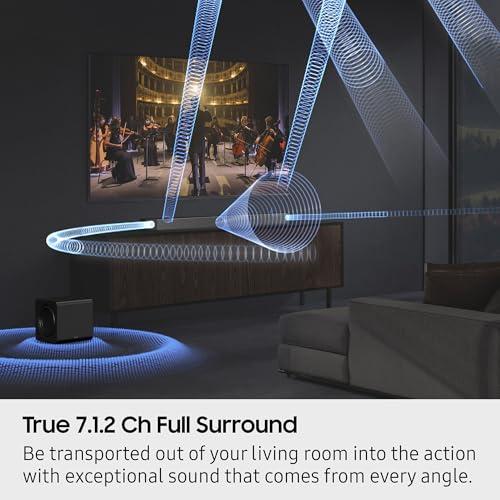
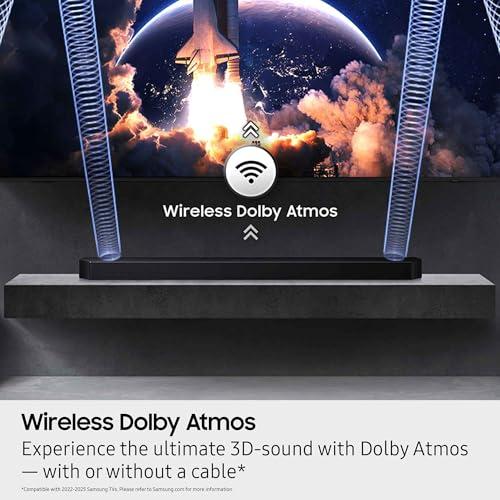
Modern premium soundbars have added height channels that bounce sound off your ceiling to create overhead effects. This enables Dolby Atmos and DTS:X formats, which place sounds in three-dimensional space rather than just around you horizontally. Imagine hearing a helicopter not just moving left to right, but actually flying overhead—that's the difference height channels make.
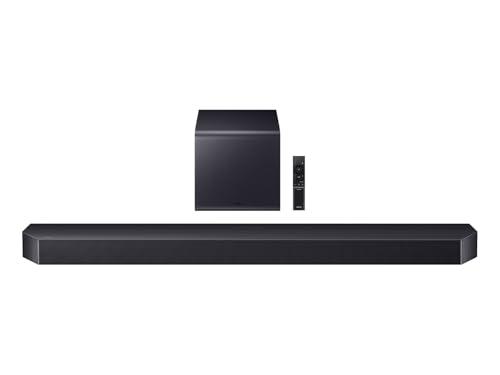
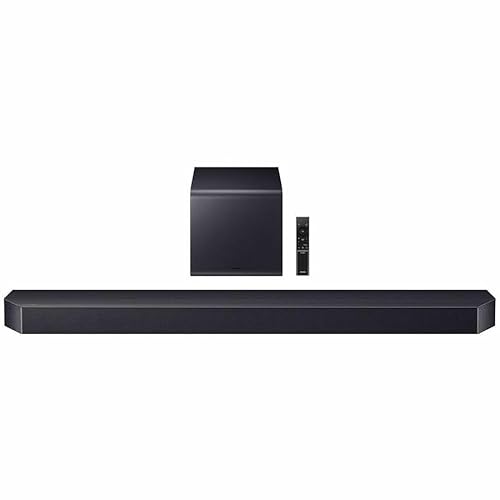
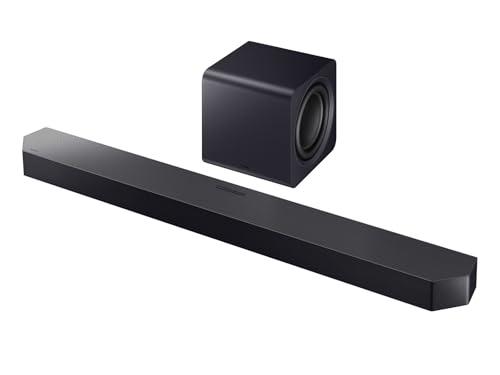
The Samsung HW-Q990F launched in 2025 as Samsung's most advanced soundbar, featuring an 11.1.4 channel configuration. Those numbers break down to 11 horizontal channels (including multiple front and side positions), 1 subwoofer channel, and 4 height channels that create overhead effects. It's a legitimate home theater system disguised as a soundbar.
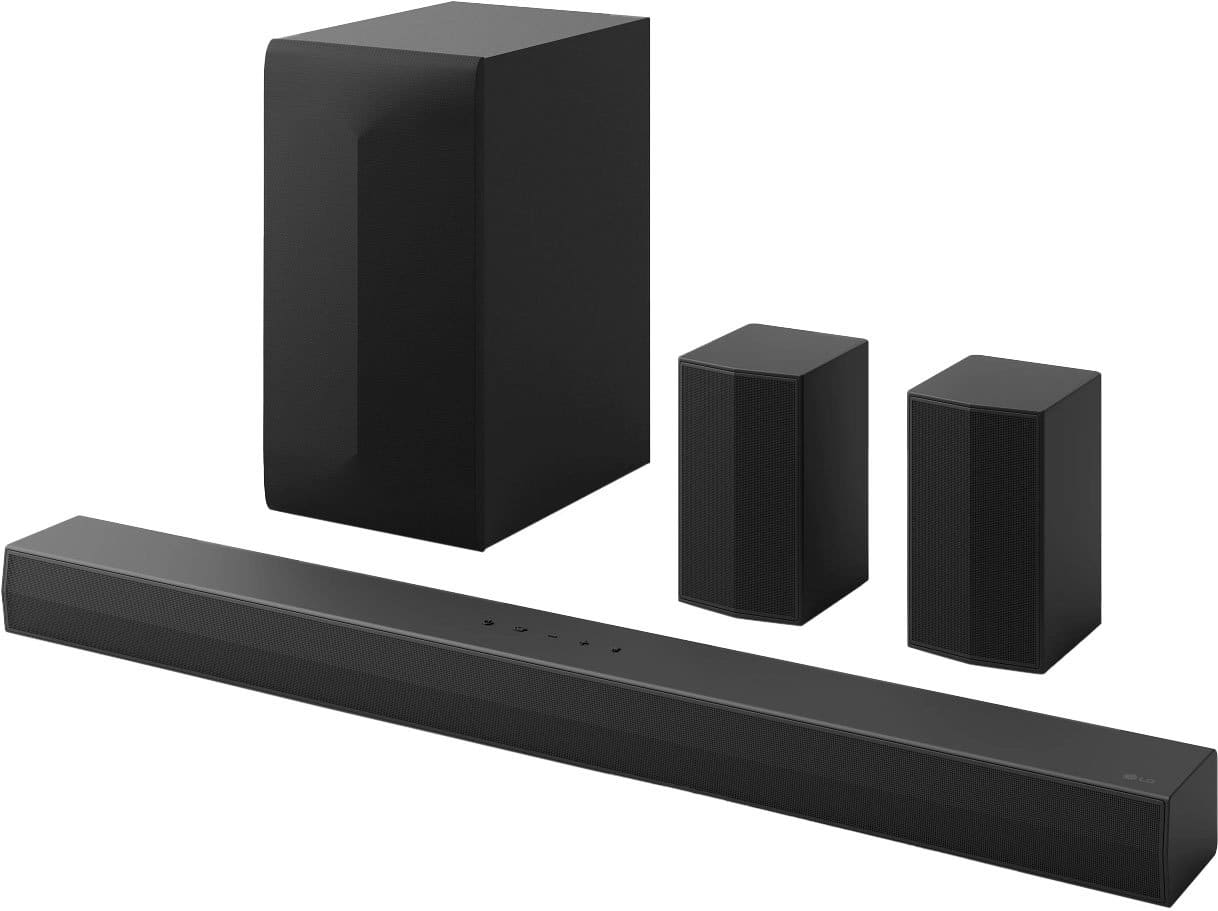
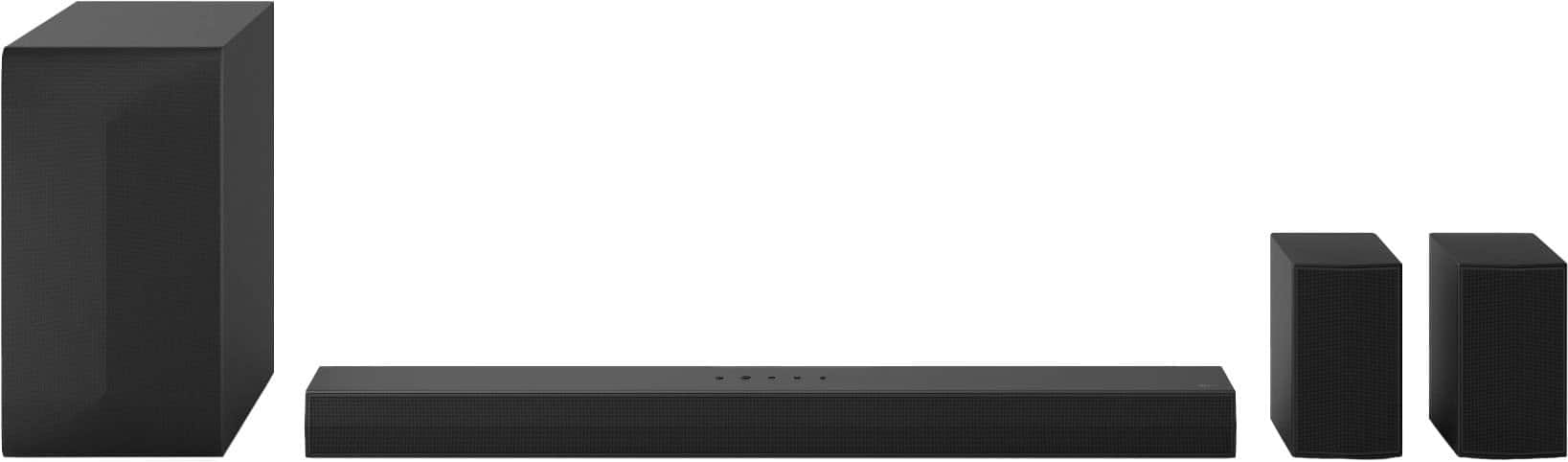
The LG S60TR arrived in 2024 as an entry-level option with a traditional 5.1 setup—no height channels, no Dolby Atmos, just solid surround sound at an accessible price point. Both approaches have merit, but they serve very different needs.
The most dramatic difference between these systems is their ability to create immersive audio. The Samsung HW-Q990F uses 23 individual speakers spread across its main soundbar, wireless subwoofer, and rear speakers. Those up-firing drivers in both the main bar and rear speakers bounce sound off your ceiling to create authentic overhead effects.
When you're watching a Marvel movie and Iron Man flies overhead, you actually hear him above you, not just in front. During a thunderstorm scene, rain seems to fall from the ceiling. This isn't a gimmick—it's how movies are mixed in professional theaters, and the Samsung can reproduce that experience at home.
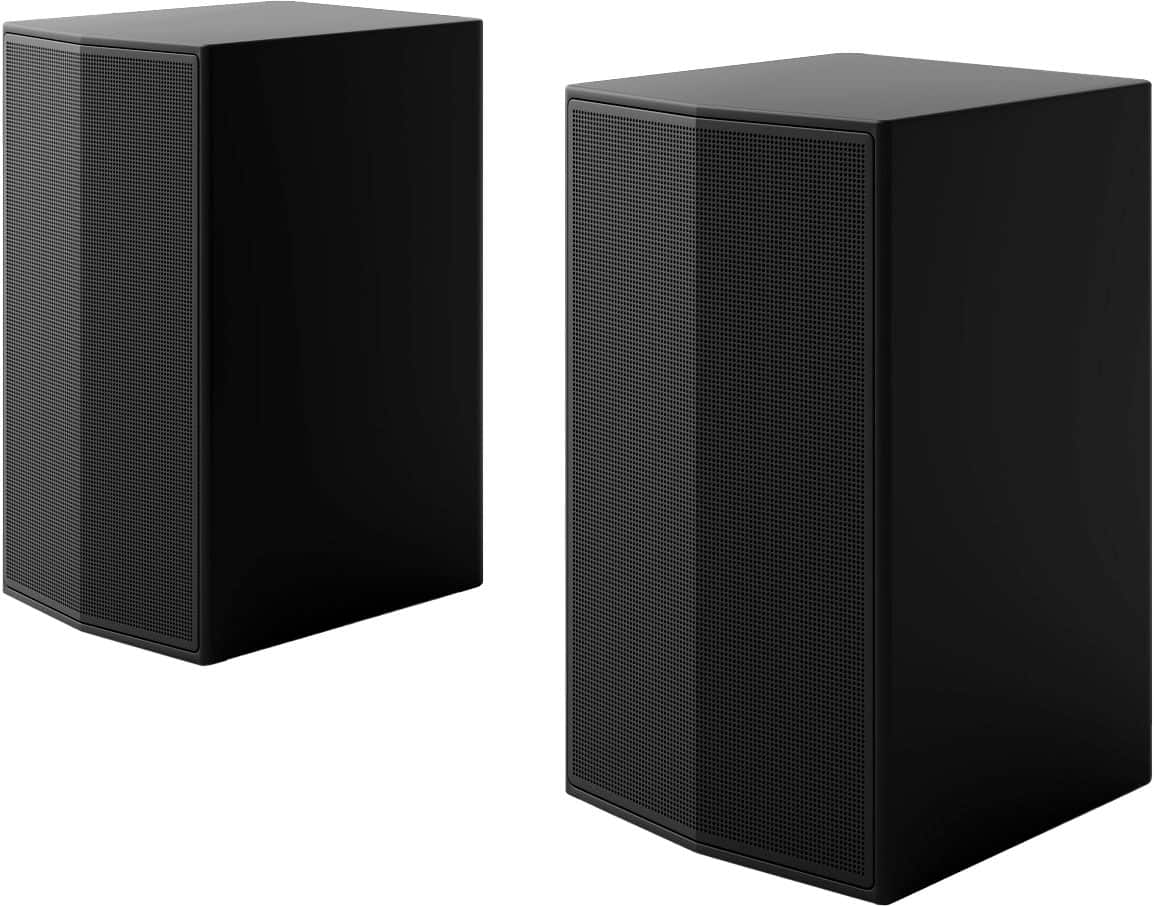
The LG S60TR, meanwhile, sticks to horizontal surround sound. It does this well, with dedicated rear speakers that create legitimate surround effects. Explosions come from behind you, dialogue stays centered, and the soundstage feels wider than TV speakers. But there's no height dimension—Dolby Atmos content gets "downmixed" to regular 5.1, losing all the overhead information.
Based on user feedback and professional reviews, this difference is immediately noticeable when switching between systems. The Samsung creates what many describe as a "bubble of sound" that envelops you completely. The LG provides solid surround effects but remains fundamentally limited to a flat soundstage.
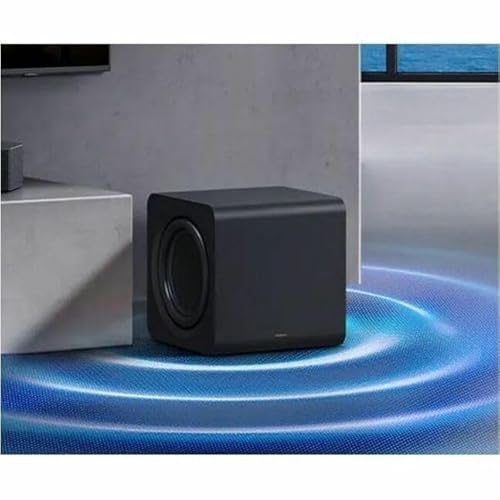
Both systems include wireless subwoofers, but they're built for different purposes. The Samsung HW-Q990F features dual 8-inch drivers in an opposing configuration—meaning they face each other inside the subwoofer cabinet. This design cancels out vibrations that could rattle your floor while delivering deeper, more controlled bass.
Samsung's Dynamic Bass Control uses artificial intelligence to analyze the bass content in real-time, preventing distortion even when you crank the volume. During intense action sequences with deep rumbles and explosive effects, the Samsung maintains clean, powerful bass that you feel as much as hear.
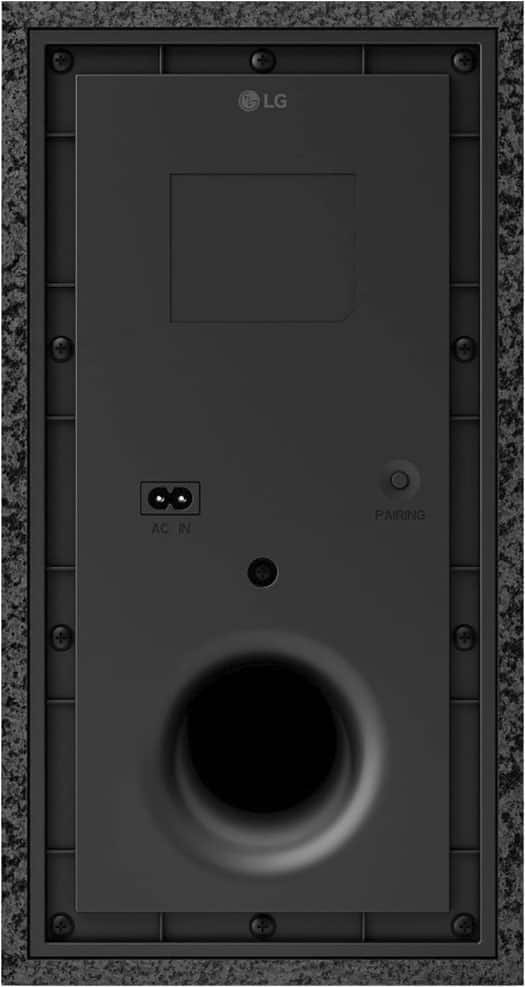
The LG S60TR uses a more conventional single-driver approach in its 220-watt subwoofer. For casual viewing, it provides satisfying bass that's miles better than TV speakers. However, push it hard during action movies and it can become "boomy"—that hollow, one-note bass that overwhelms rather than enhances the experience.
User reviews consistently note this difference. The Samsung's bass stays tight and musical even during the most demanding content, while the LG works well at moderate volumes but shows its limitations when you want to feel every explosion.
Nothing ruins a movie night faster than constantly reaching for the remote to adjust volume because you can't understand what characters are saying. Both soundbars address this with dedicated center channels, but their approaches differ significantly.
The Samsung HW-Q990F includes Active Voice Amplifier Pro, which uses built-in microphones to monitor your room's ambient noise. If your air conditioner kicks on or someone's making popcorn, the system automatically boosts dialogue frequencies to keep speech intelligible. It's smart enough to distinguish between background noise and intentional audio effects.
The LG S60TR relies on more basic processing called AI Sound Pro. This analyzes the type of content you're watching—sports, movies, music—and applies preset adjustments. While effective for standard viewing, it can't adapt to changing conditions in your room.
Professional reviews consistently praise the Samsung's dialogue clarity across all volume levels and content types. The LG handles most situations well but may require manual volume adjustments during complex scenes or when environmental factors interfere.
If you own a PlayStation 5, Xbox Series X, or plan to upgrade your gaming setup, connectivity becomes crucial. The Samsung HW-Q990F includes two HDMI 2.1 inputs plus an eARC output, supporting 4K at 120Hz passthrough—the full resolution and frame rate these consoles can deliver.
More importantly, it supports Variable Refresh Rate (VRR) and Auto Low Latency Mode (ALLM)—features that eliminate screen tearing and reduce input lag for competitive gaming. The dedicated Game Pro mode optimizes surround processing for spatial awareness, helping you hear enemy footsteps or gunfire direction more precisely.
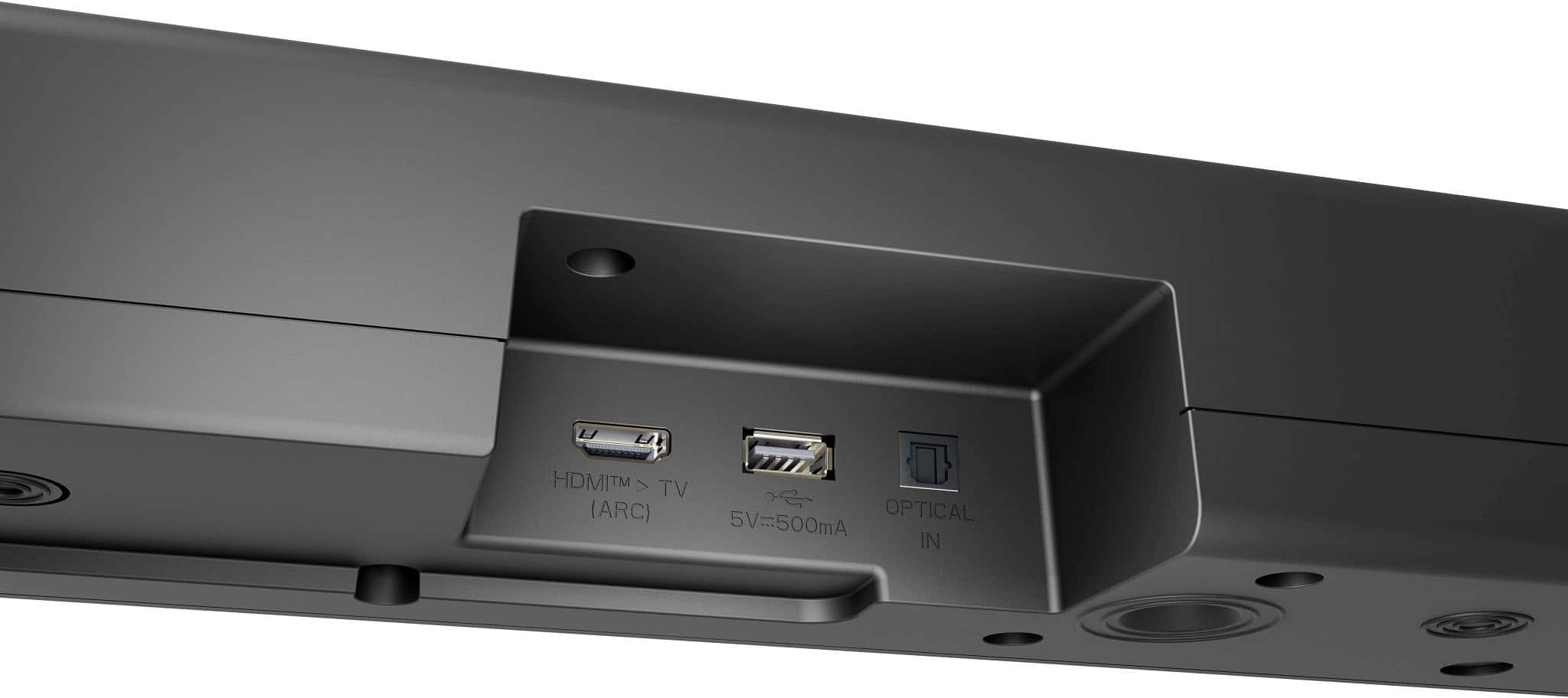
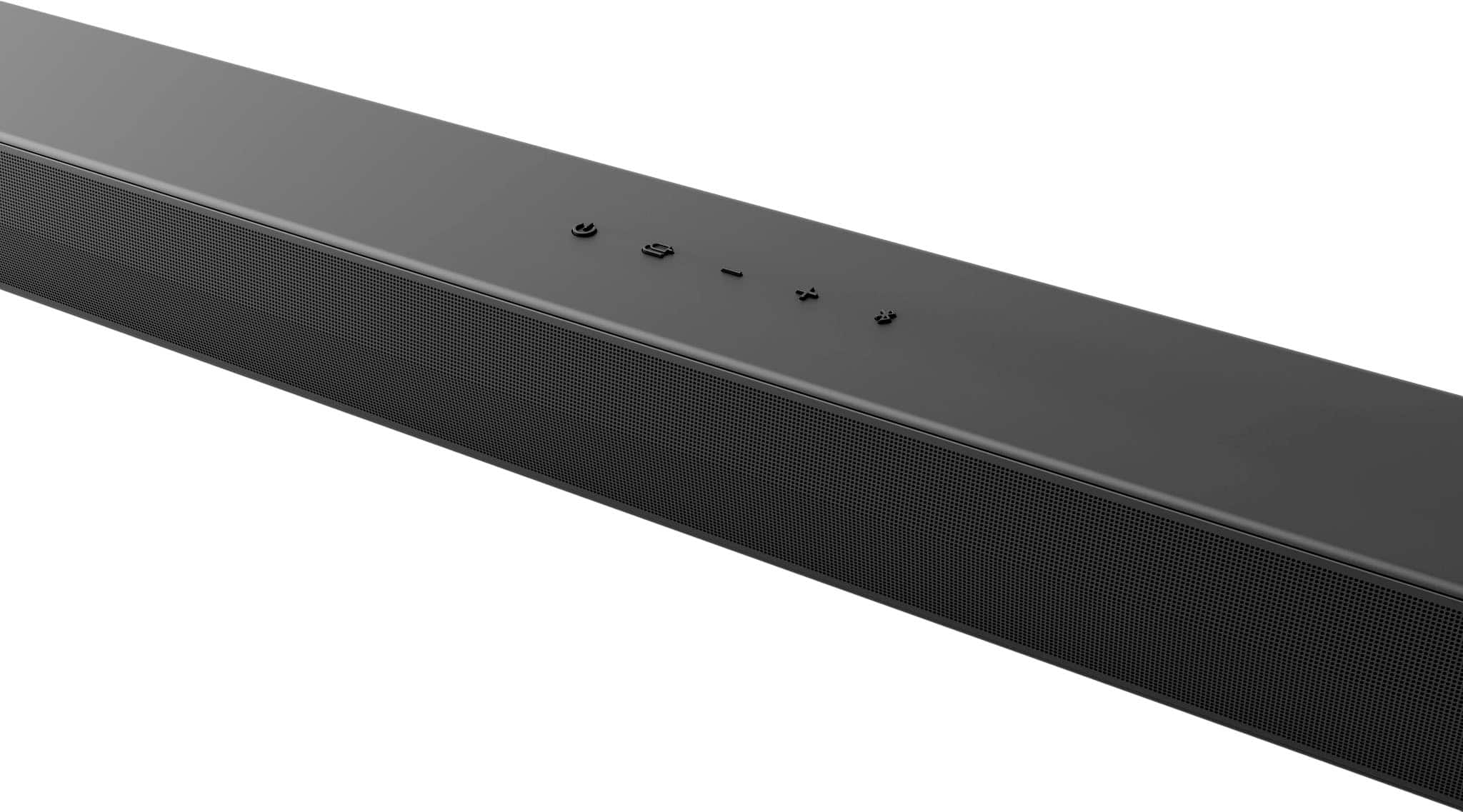
The LG S60TR offers only basic HDMI ARC connectivity with no inputs. Your gaming consoles must connect directly to your TV, which then sends audio back to the soundbar. This setup works fine but limits next-gen consoles to 60Hz on many TVs and eliminates gaming-specific audio processing.
User feedback from gaming communities shows a clear preference for the Samsung's approach. Direct HDMI connections maintain full gaming performance while providing enhanced spatial audio that can genuinely improve competitive play.
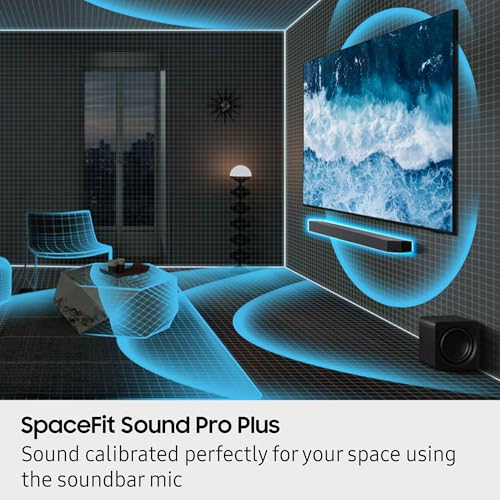
Modern soundbars increasingly act as smart home hubs, and the feature gap here is substantial. The Samsung HW-Q990F includes SpaceFit Sound Pro, which continuously uses built-in microphones to analyze your room's acoustics. It automatically adjusts speaker output to compensate for hard walls, soft furniture, or room shape—essentially providing a custom tune-up for your specific space.
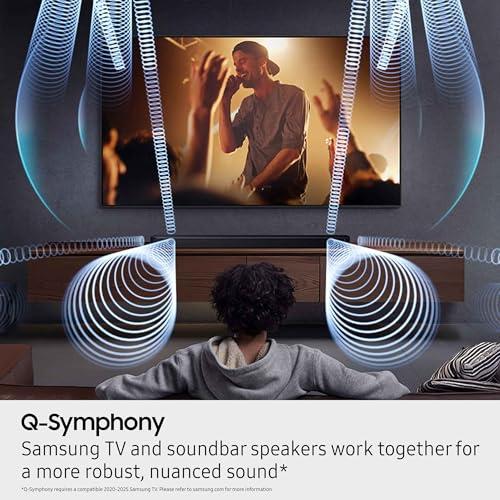
Q-Symphony technology works with Samsung TVs to use their speakers as additional channels rather than disabling them. This creates an even wider soundstage without requiring extra equipment. Built-in voice assistants (Alexa, Bixby, Google Assistant) enable voice control, while Wi-Fi connectivity supports AirPlay 2, Chromecast, and direct streaming from Spotify and TIDAL.
The LG S60TR keeps things simple with basic content detection and preset modes. The WOW interface works with LG TVs for single-remote control, but there's no room calibration, no voice assistants, and no Wi-Fi connectivity beyond Bluetooth streaming.
Based on user experiences, the Samsung's automatic calibration delivers noticeably better sound in challenging rooms—those with high ceilings, lots of hard surfaces, or unusual shapes. The LG requires careful placement and manual adjustments but can sound quite good when positioned optimally.
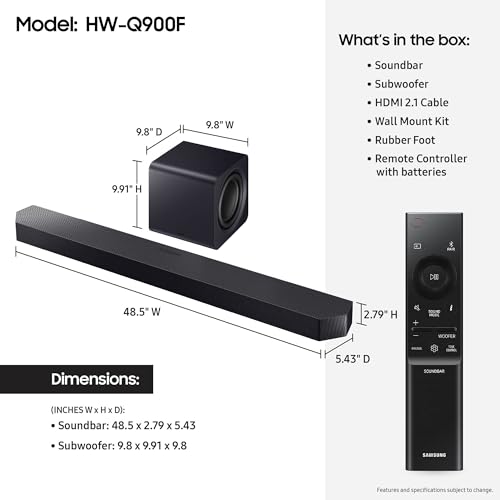
The Samsung HW-Q990F doesn't hide its ambitions. At over 50 inches wide, it's designed for 55-inch or larger TVs and rooms that can accommodate its full surround speaker setup. The rear speakers need strategic placement to maximize height effects, and the substantial subwoofer requires floor space.
Total system weight exceeds 50 pounds, reflecting premium construction with metal grilles and robust internal components. This isn't a soundbar you'll frequently move or adjust—it's meant for permanent installation in a dedicated entertainment space.
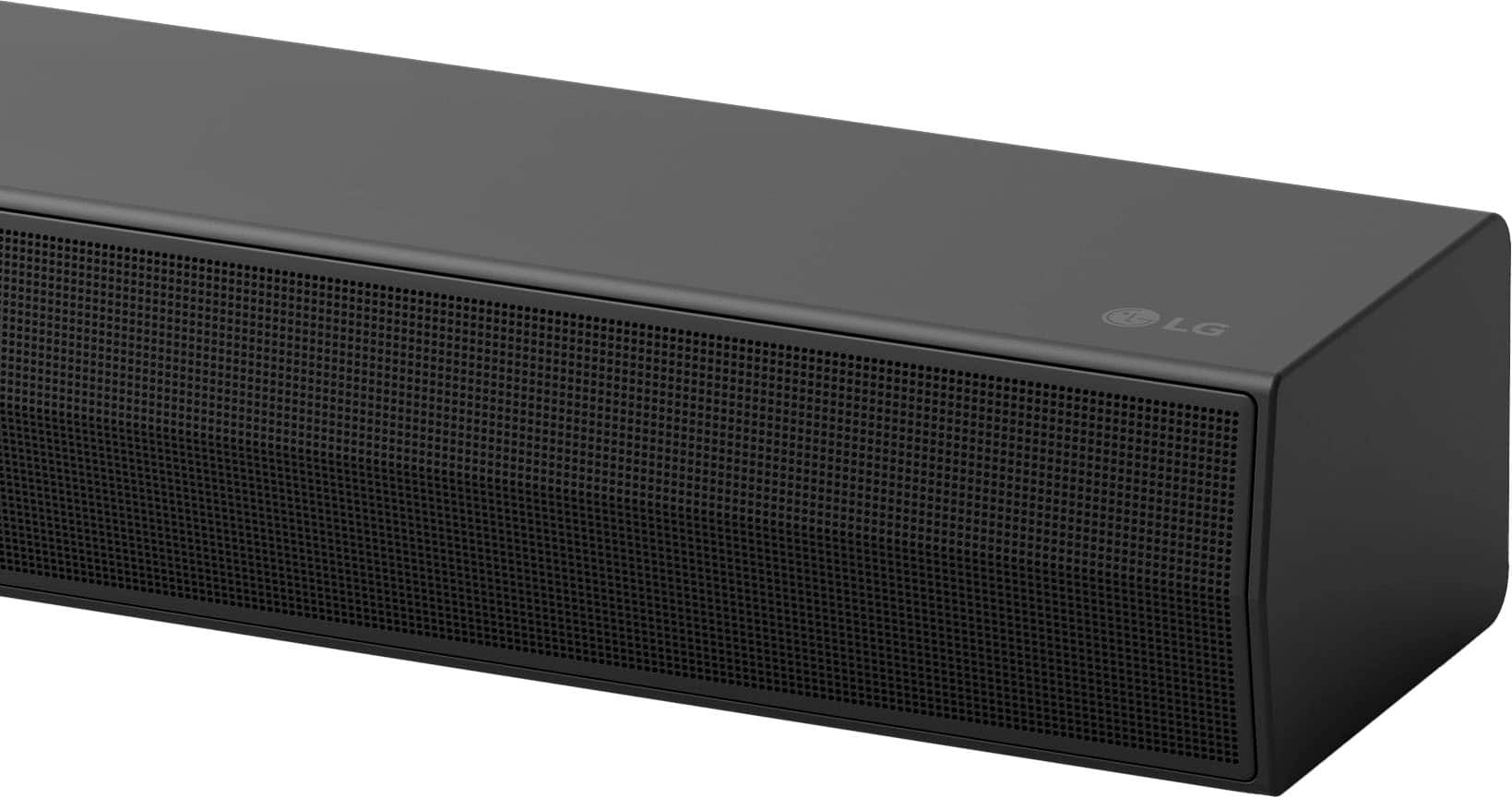
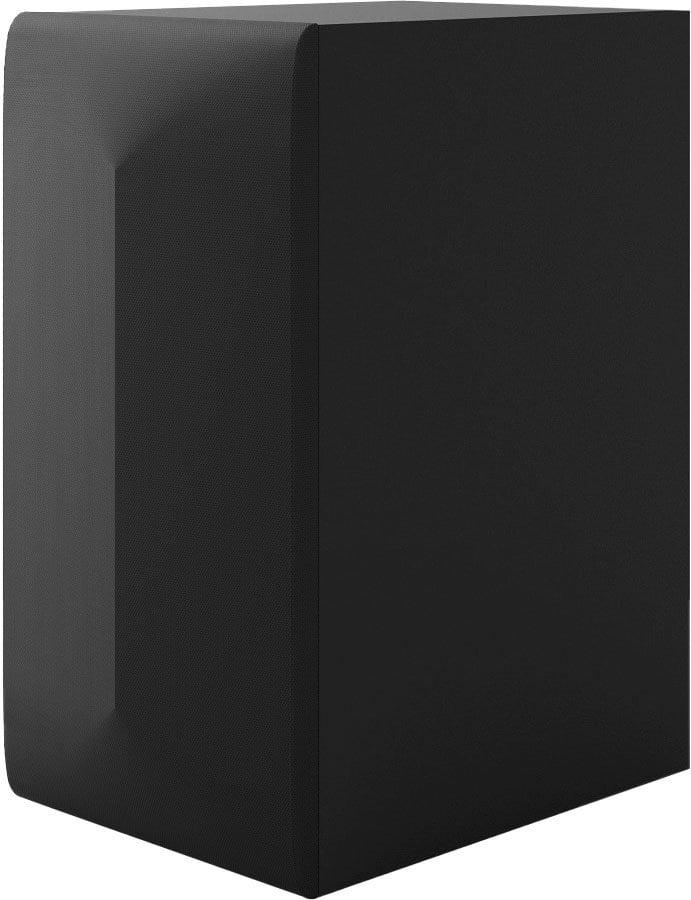
The LG S60TR takes a more accommodating approach. Its 33.5-inch main bar works with smaller TVs and modest rooms. The lightweight construction (under 6 pounds for the main bar) makes installation straightforward, while the compact rear speakers won't dominate smaller spaces.
User reviews suggest the Samsung truly shines in larger rooms where its multiple speakers can create proper separation and immersion. In smaller spaces, the LG often provides more balanced sound without overwhelming the environment.
Both systems promise wireless rear speakers, but implementation differs. The Samsung HW-Q990F achieves truly wireless operation—each rear speaker connects automatically to the main system without any physical connections between them.
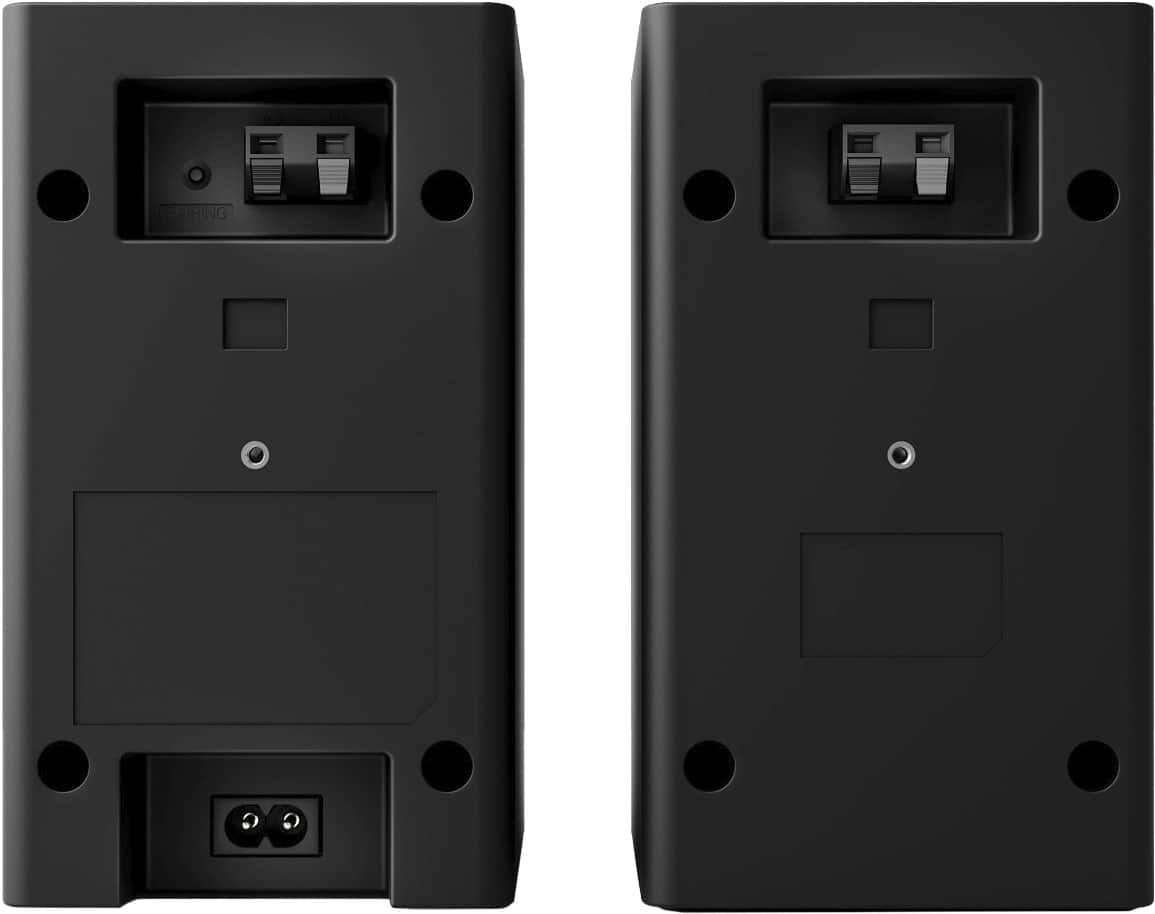
The LG S60TR uses a hybrid approach where one rear speaker connects wirelessly to the soundbar while linking to its partner via a physical cable. This reduces wireless complexity but means you'll have one wire to manage between rear speakers.
Professional reviews and user feedback indicate both approaches work reliably once set up, though the Samsung's fully wireless design provides more placement flexibility.
At the time of writing, the price difference between these systems represents one of the most significant gaps in the soundbar market. The Samsung HW-Q990F commands premium pricing that puts it in competition with traditional component-based home theater systems rather than typical soundbars.
For that investment, you get genuine cinema-quality immersion, advanced gaming features, comprehensive smart integration, and automatic room optimization. Professional reviews consistently rank it among the best soundbars ever made, with performance approaching dedicated speakers costing significantly more.
The LG S60TR operates in budget territory but delivers legitimate surround sound with physical rear speakers—something many competing products in this price range simulate rather than provide. User reviews repeatedly emphasize the dramatic improvement over TV speakers and the satisfaction of getting "real" surround sound at an accessible price.
The technology landscape matters when considering long-term value. Dolby Atmos content continues expanding across streaming services, Ultra HD Blu-rays, and gaming. The Samsung HW-Q990F positions you to take full advantage of this trend with comprehensive format support and over-the-air firmware updates.
The LG S60TR represents current-generation technology that handles today's content well but may feel limiting as immersive audio becomes standard. However, at its price point, many users consider it perfectly acceptable to upgrade again in a few years rather than making a larger initial investment.
You want transformative audio that approaches cinema quality at home. The height channels create genuine immersion that changes how you experience movies and games. If you own next-gen gaming consoles, the advanced connectivity ensures you're getting full performance. Larger rooms (250+ square feet) benefit most from the multiple speaker configuration.
The automatic room calibration and smart features provide convenience that justifies the premium for tech-oriented users. You're willing to invest significantly for audio that remains cutting-edge for years.
You need dramatic improvement over TV speakers without premium pricing. The physical rear speakers deliver authentic surround effects that simulate surround soundbars can't match. Smaller rooms and moderate volume levels play to its strengths.
Simple setup and operation appeal more than advanced features. You watch primarily broadcast TV, older content, or basic streaming services where Dolby Atmos isn't prevalent. The budget allows for future upgrades as your needs and technology evolve.
These soundbars represent different philosophies: flagship performance versus practical improvement. The Samsung HW-Q990F delivers reference-quality audio that transforms your entertainment experience, while the LG S60TR provides solid surround sound at exceptional value.
Your room size, content preferences, gaming requirements, and audio priorities determine which approach serves you better. Both accomplish their missions effectively—the Samsung creates immersive experiences that rival expensive component systems, while the LG offers legitimate surround sound accessibility that makes better audio available to everyone.
The choice ultimately comes down to whether you want good sound or great sound, and how much that difference is worth to your particular situation.
| Samsung HW-Q990F | LG S60TR |
|---|---|
| Channel Configuration - Determines surround sound capability and immersion level | |
| 11.1.4 channels with 23 total speakers | 5.1 channels with traditional setup |
| Dolby Atmos Support - Essential for modern movies and streaming content | |
| Full Dolby Atmos and DTS:X with height channels | No Dolby Atmos support (downmixes to 5.1) |
| Subwoofer Design - Controls bass quality and room-filling capability | |
| Dual 8" opposing woofers with AI bass control | Single driver 220W wireless subwoofer |
| HDMI Gaming Features - Critical for next-gen console owners | |
| Two HDMI 2.1 inputs, 4K/120Hz, VRR, ALLM support | HDMI ARC only, no inputs, 60Hz limitation |
| Room Calibration - Automatically optimizes sound for your space | |
| SpaceFit Sound Pro with continuous microphone analysis | Basic content-based presets, no room analysis |
| Smart Features - Voice control and streaming integration | |
| Built-in Alexa/Bixby, Wi-Fi, AirPlay 2, Chromecast | Bluetooth only, no voice assistants or Wi-Fi |
| Physical Size - Impacts TV compatibility and room requirements | |
| 51.5" wide soundbar, designed for 55"+ TVs | 33.5" wide soundbar, works with smaller TVs |
| Rear Speaker Design - Affects surround sound placement and effects | |
| Fully wireless with up-firing drivers for height effects | Semi-wireless (cable between speakers), no height channels |
| Target Room Size - Optimal performance based on space | |
| 250+ square feet for full immersion potential | Under 200 square feet, moderate volume levels |
| Price Positioning - Value proposition and long-term investment | |
| Premium flagship with cinema-quality performance | Budget-friendly entry point to surround sound |
The primary difference is immersive audio capability. The Samsung HW-Q990F features 11.1.4 channels with height speakers that create overhead sound effects for Dolby Atmos movies and games. The LG S60TR provides traditional 5.1 surround sound without height channels, so it can't reproduce Dolby Atmos content - instead downmixing it to standard surround sound.
The Samsung HW-Q990F is significantly better for gaming, offering two HDMI 2.1 inputs that support 4K at 120Hz, Variable Refresh Rate, and Auto Low Latency Mode for PlayStation 5 and Xbox Series X. It also includes a dedicated Game Pro mode. The LG S60TR only has HDMI ARC output with no inputs, limiting gaming consoles to TV connectivity and 60Hz performance.
No - only the Samsung HW-Q990F supports true Dolby Atmos with dedicated height channels that bounce sound off your ceiling. The LG S60TR does not support Dolby Atmos at all, despite some retailer listings incorrectly suggesting it does. When you play Atmos content on the LG, it automatically converts to regular 5.1 surround sound.
This depends on your needs and budget. The LG S60TR offers exceptional value as an entry-level system, providing legitimate 5.1 surround sound with physical rear speakers at a very accessible price. The Samsung HW-Q990F costs significantly more but delivers premium cinema-quality audio with advanced features that justify the investment for serious home theater enthusiasts.
The Samsung HW-Q990F features dual 8-inch opposing woofers with AI-powered bass control that delivers deeper, cleaner bass even at high volumes. The LG S60TR uses a conventional 220-watt single-driver subwoofer that provides good bass for casual viewing but can become boomy during intense action scenes or at higher volume levels.
The LG S60TR is simpler to set up with basic plug-and-play operation and fewer features to configure. The Samsung HW-Q990F includes automatic room calibration through SpaceFit Sound Pro, which actually makes it easier to optimize but offers more advanced settings that some users might find overwhelming initially.
The Samsung HW-Q990F performs best in larger rooms (250+ square feet) where its multiple speakers can create proper separation and immersive effects. The LG S60TR is ideal for smaller to medium rooms under 200 square feet, where it won't overwhelm the space and can deliver balanced sound at moderate volumes.
Yes, both systems include wireless rear speakers. The Samsung HW-Q990F features fully wireless rear speakers with up-firing drivers for height effects. The LG S60TR includes rear speakers that are semi-wireless - one connects wirelessly to the main bar while linking to its partner via a cable between the two rear speakers.
The Samsung HW-Q990F offers comprehensive smart features including built-in Alexa and Bixby, Wi-Fi connectivity, AirPlay 2, Chromecast, and automatic room calibration. The LG S60TR has minimal smart features with only Bluetooth connectivity and basic content-based audio presets - no voice assistants or Wi-Fi streaming capabilities.
Both provide clear dialogue, but the Samsung HW-Q990F includes Active Voice Amplifier Pro that uses microphones to detect room noise and automatically boost speech frequencies. The LG S60TR relies on basic AI Sound Pro presets that work well for standard viewing but can't adapt to changing environmental conditions in your room.
For modern streaming content and Blu-ray movies with Dolby Atmos, the Samsung HW-Q990F provides a dramatically more immersive experience with genuine overhead effects and cinema-quality sound. For older content, broadcast TV, and casual viewing, the LG S60TR delivers solid surround sound that's perfectly adequate and represents a major upgrade over TV speakers.
Choose the Samsung HW-Q990F if you want premium home theater performance, own next-gen gaming consoles, have a larger room, and prioritize immersive audio with Dolby Atmos. Choose the LG S60TR if you need good surround sound at an affordable price, have a smaller room, prefer simple operation, and primarily watch standard TV content without requiring advanced features.
We've done our best to create useful and informative comparisons to help you decide what product to buy. Our research uses advanced automated methods to create this comparison and perfection is not possible - please contact us for corrections or questions. These are the sites we've researched in the creation of this article: rtings.com - crutchfield.com - sound-advice.online - samsung.com - soundandvision.com - samsung.com - whathifi.com - youtube.com - youtube.com - bestbuy.com - avsforum.com - content.syndigo.com - samsung.com - businessinsider.com - dolby.com - youtube.com - abcwarehouse.com - bestbuy.com - mynavyexchange.com - youtube.com - consumerreports.org - avsforum.com - rentacenter.com - bestbuy.com - homechoicestores.com - oconsommateur.com - lg.com - bestbuy.com - samsung.com

Privacy Policy
Terms and Conditions - Affiliate Policy
Home Security
© Copyright 2008-2026.
11816 Inwood Rd #1211, Dallas, TX 75244