

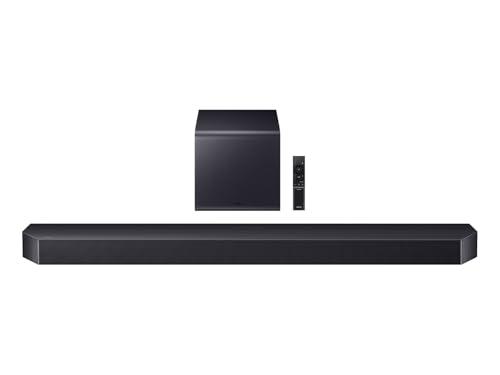
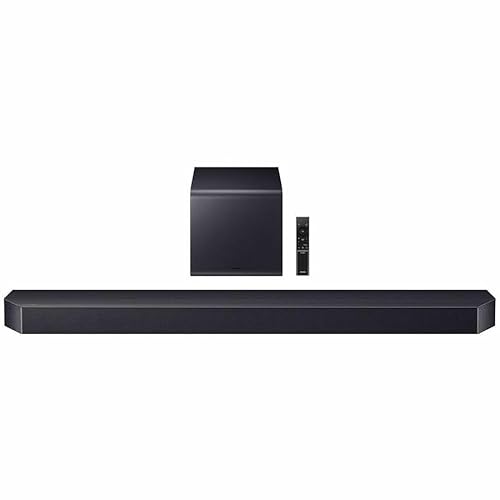





If you've ever watched a movie on your TV's built-in speakers and wondered why the explosions sound like popping bubble wrap, you're not alone. The jump from basic TV audio to a premium soundbar is transformative, but with so many options available, choosing the right one can feel overwhelming. Today we're comparing two standout models that represent different approaches to premium home theater audio: the flagship Samsung HW-Q990F and the more accessible JBL Bar 700.
The soundbar market has exploded in recent years as manufacturers have figured out how to pack impressive audio technology into sleek, TV-friendly packages. Premium soundbars now deliver experiences that rival traditional surround sound systems while eliminating the complexity of running speaker wires throughout your room. But "premium" can mean different things – some focus on maximum channel counts and cutting-edge features, while others prioritize practical performance and smart design solutions.
Before diving into specifics, it's worth understanding what separates premium soundbars from their budget counterparts. The key differences typically involve channel configuration (how many separate audio streams the system can handle), support for advanced audio formats like Dolby Atmos, build quality, and smart features.
Channel configuration is probably the most important spec to understand. When you see "5.1" or "11.1.4," those numbers tell you how the system divides sound. The first number represents main channels (left, center, right, plus additional surround channels), the second is dedicated subwoofer channels, and the third (when present) indicates height channels for overhead effects. More channels generally mean more precise sound placement and better immersion, though there's a point of diminishing returns depending on your room size.
The Samsung HW-Q990F, released in 2025, represents Samsung's flagship approach with an ambitious 11.1.4 configuration. The JBL Bar 700, also from recent years, takes a more focused 5.1 approach but adds some clever practical features. At the time of writing, these systems sit in different price tiers – the Samsung commanding flagship pricing around $1,300, while the JBL offers premium features at a more accessible point closer to $600.
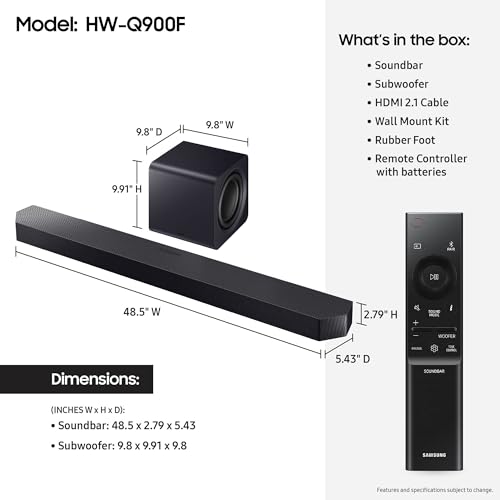
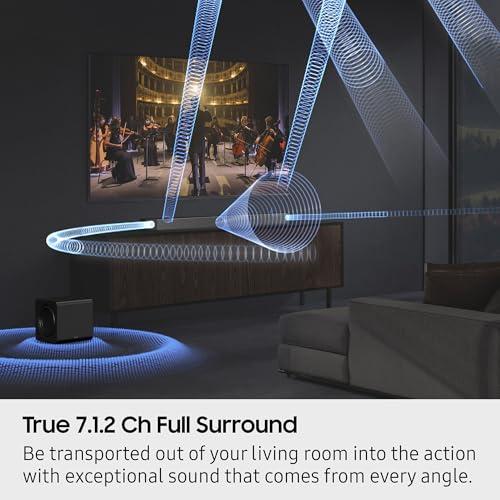
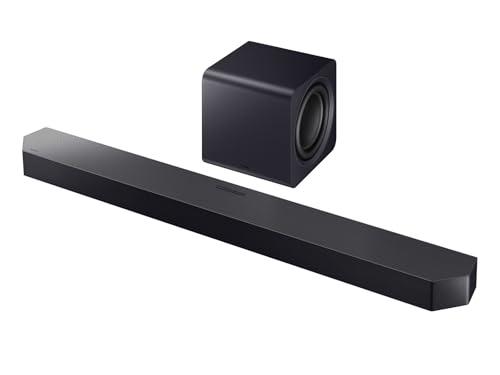
The Samsung HW-Q990F is Samsung's statement piece – a system designed to push soundbar technology to its limits. With 23 total speakers spread across the main bar, wireless subwoofer, and rear speakers, it creates what Samsung calls a "dome of sound" that envelops your listening position.
What makes this system special is its true 11.1.4 configuration. Unlike many soundbars that simulate surround effects through digital processing, the HW-Q990F includes dedicated wireless rear speakers, each containing three separate drivers – one firing forward, one to the side, and one angled upward. This means sounds can literally move around and above you as intended by movie sound designers.
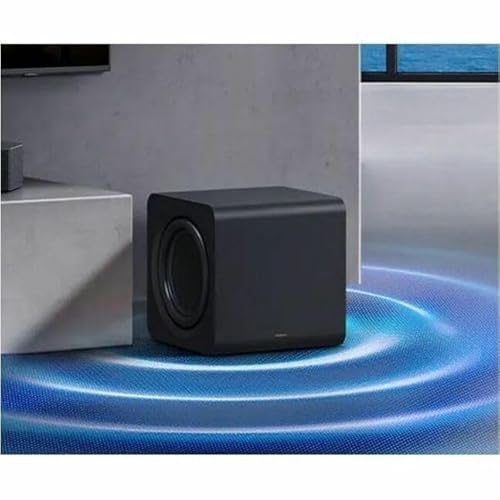
The subwoofer represents a significant upgrade for 2025, featuring dual opposing 8-inch drivers in a sealed enclosure. This force-canceling design is important because it eliminates the vibrations that can rattle furniture or annoy neighbors. The AI-based distortion control is more than marketing speak – it continuously analyzes the bass signal and adjusts output to maintain clean, tight low-end response down to 32Hz. For context, that's deep enough to reproduce the rumble of a T-Rex footstep or the low-end foundation of a pipe organ.
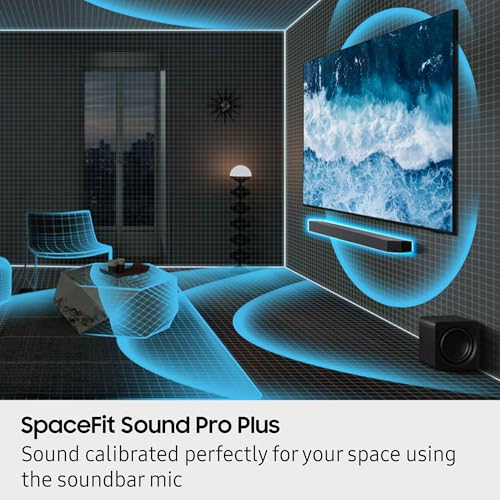
One of the most impressive technical achievements is the SpaceFit Sound Pro Plus calibration system. Using built-in microphones, it analyzes your room's acoustics and automatically adjusts the sound signature. This isn't just basic EQ – the system measures sound reflections, identifies problematic frequencies, and optimizes the timing between different speakers to create the best possible soundstage for your specific space.
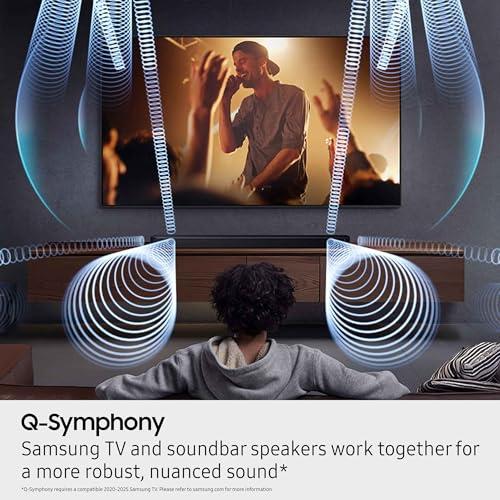
The Q-Symphony feature deserves special mention for Samsung TV owners. Instead of muting your TV's speakers when the soundbar is active (standard practice), Q-Symphony uses both the TV and soundbar speakers simultaneously. This creates a wider, more enveloping soundstage and can significantly improve dialogue clarity by reinforcing the center channel.
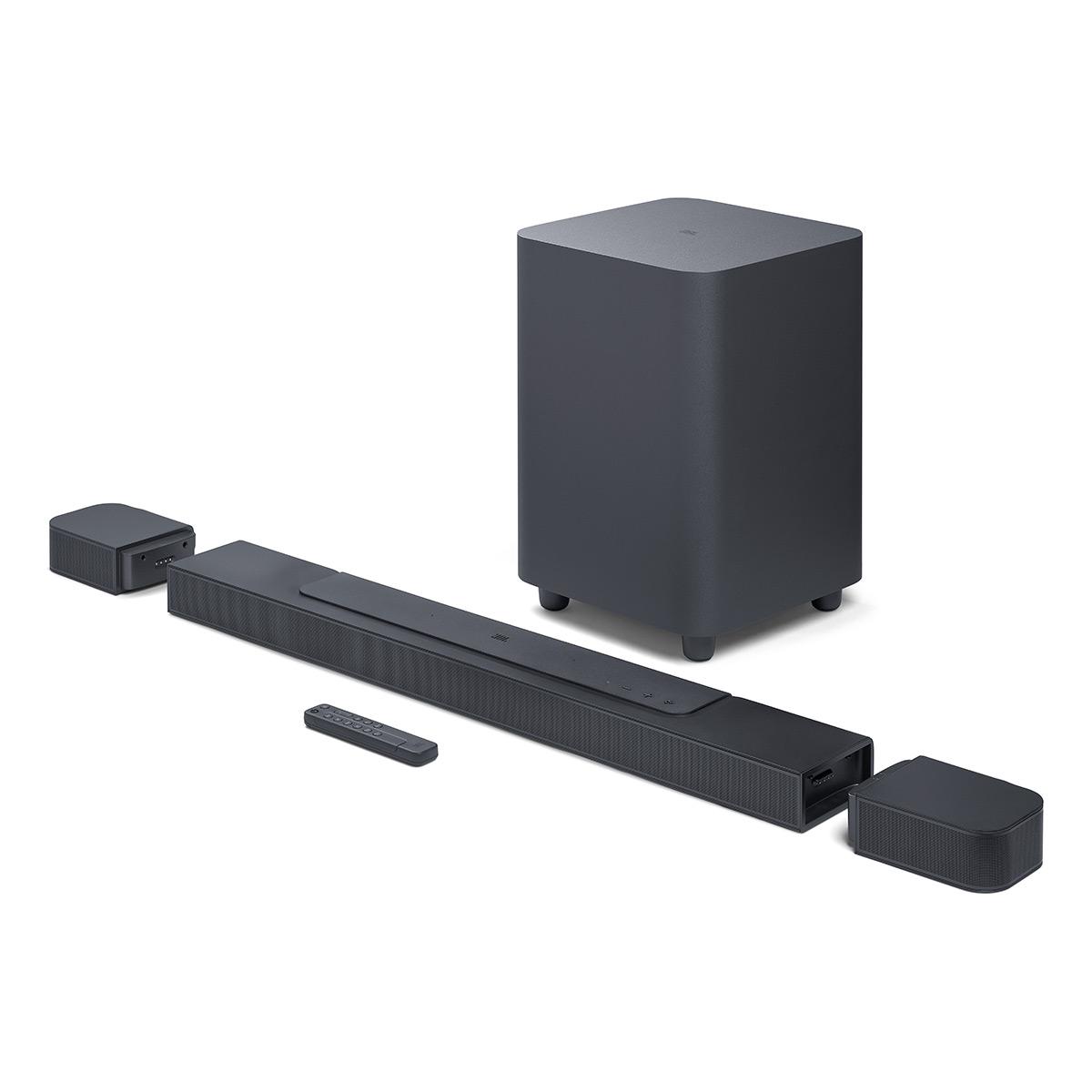
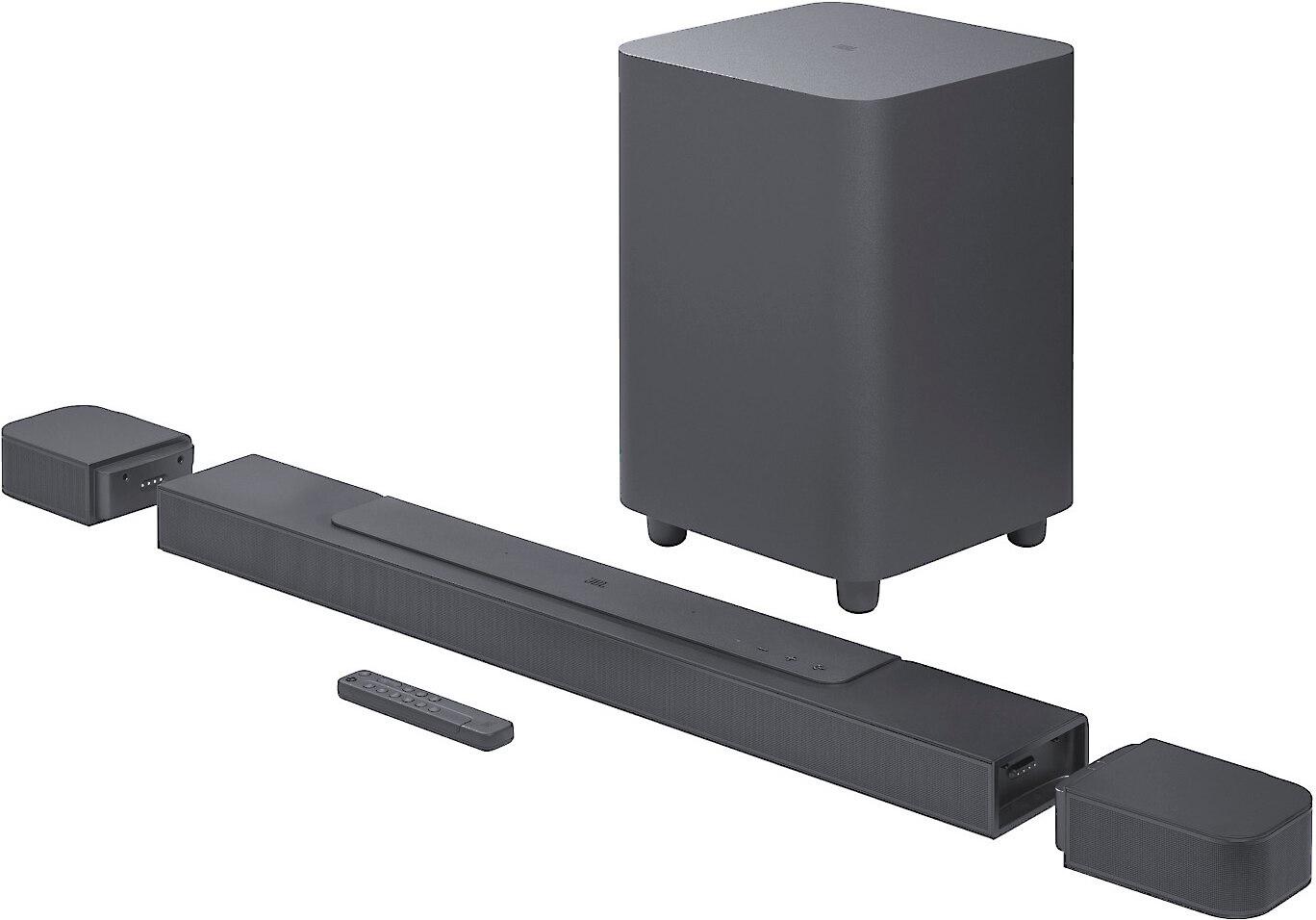
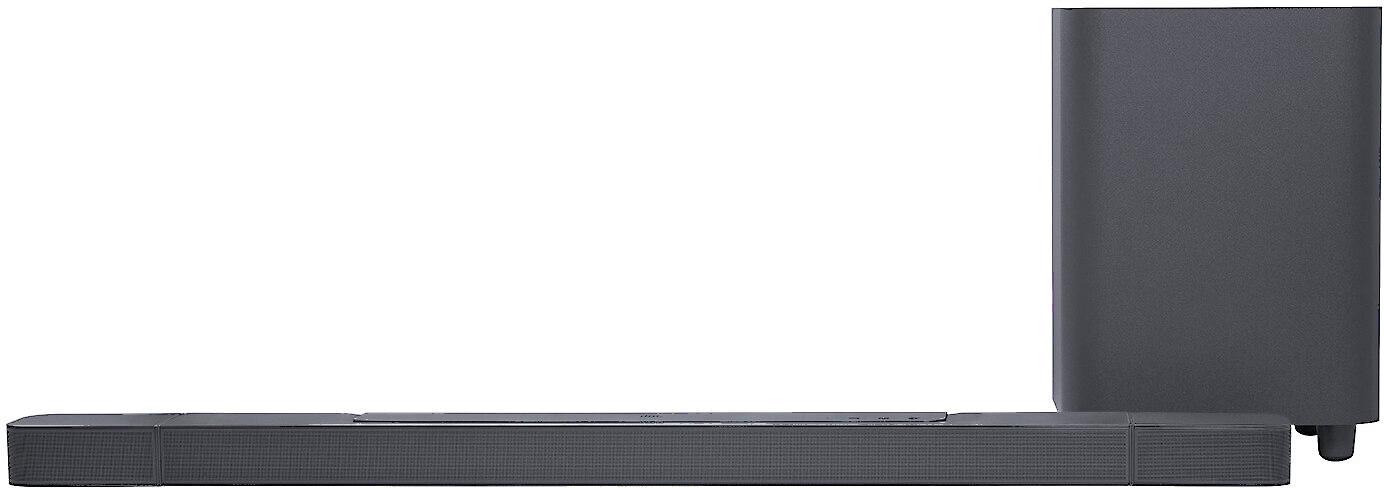
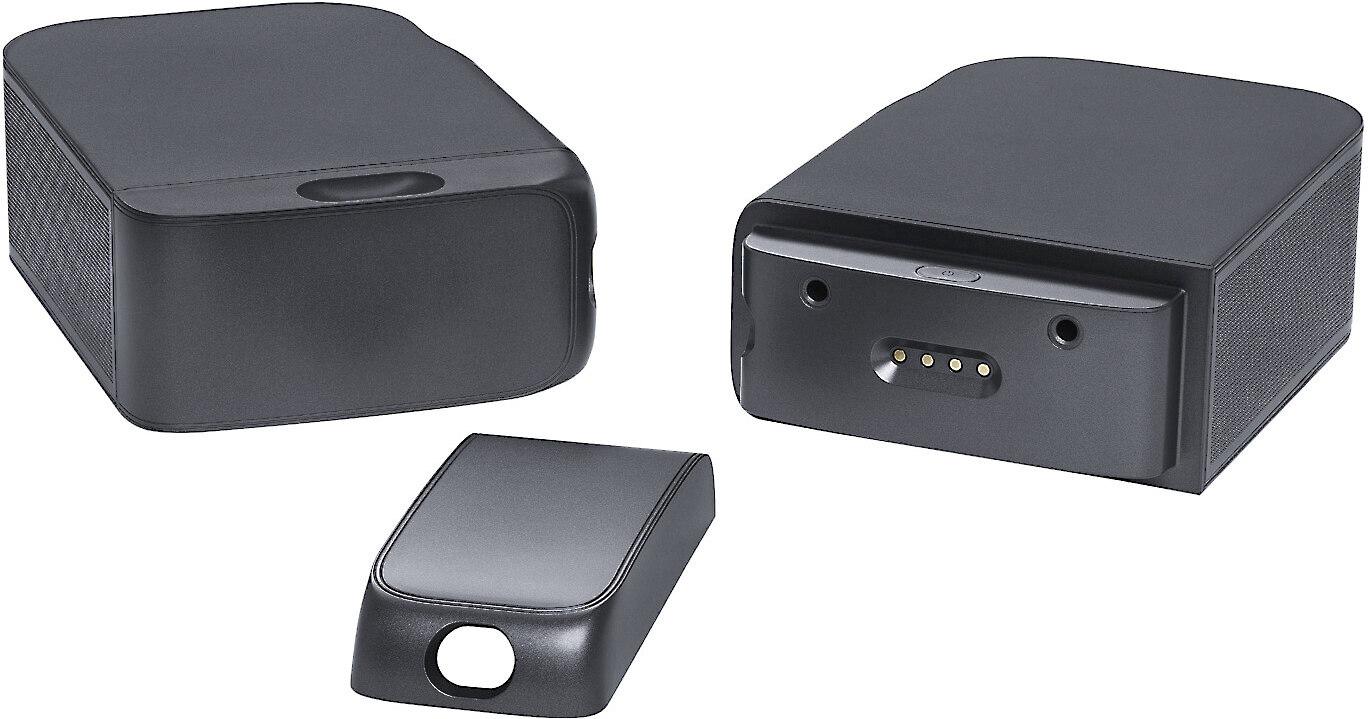
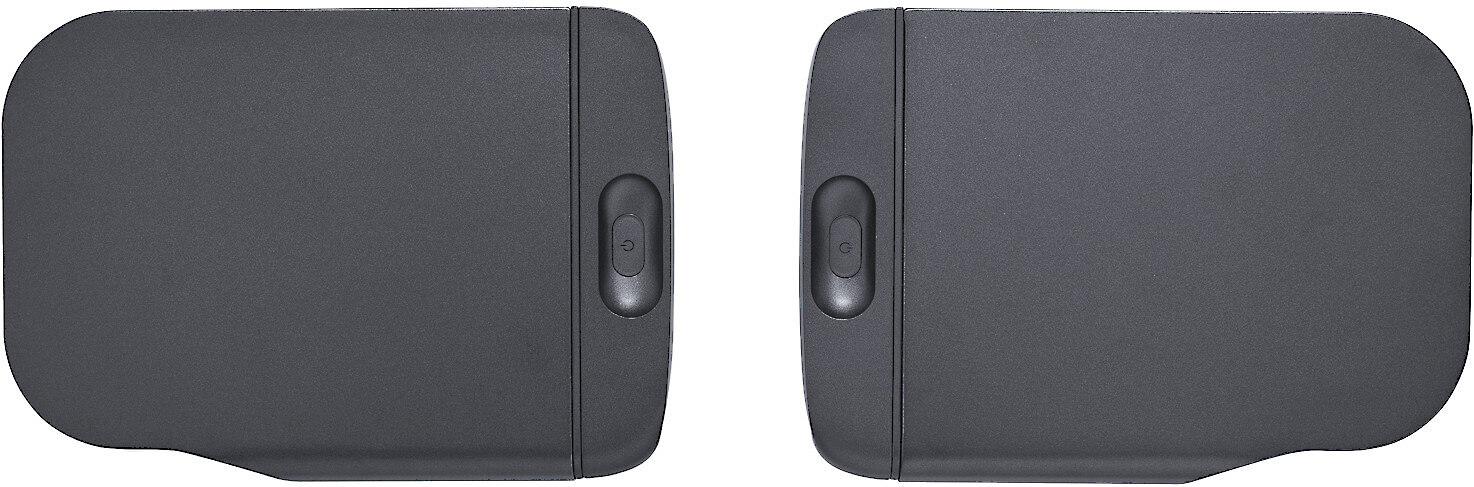
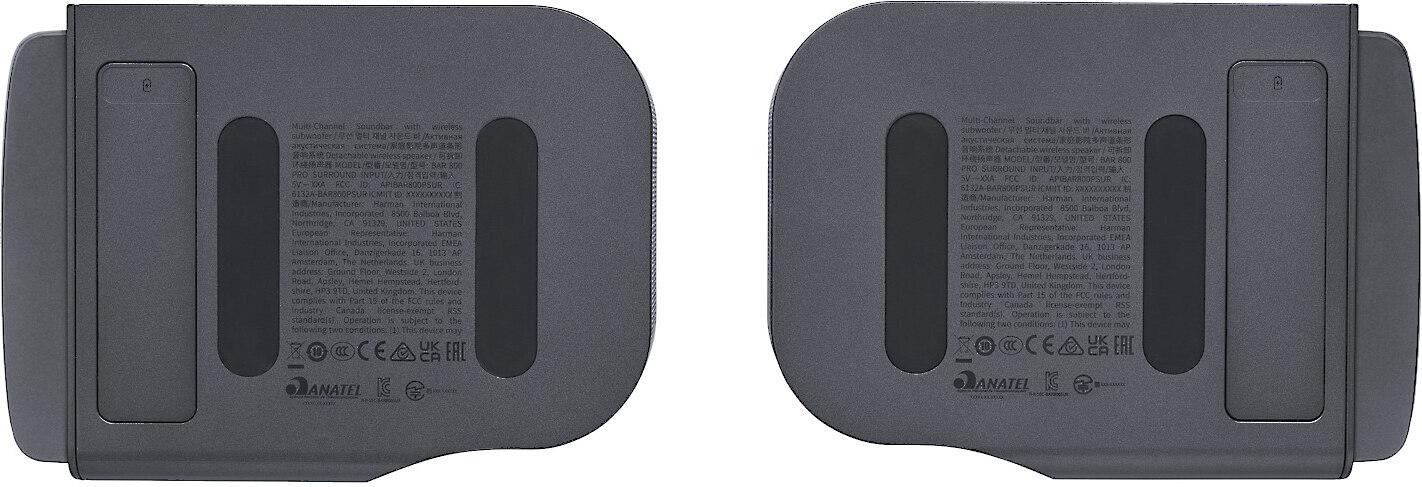
The JBL Bar 700 takes a different approach, focusing on solving real-world problems that plague traditional surround sound setups. The standout feature is the detachable battery-powered surround speakers. These aren't just wireless – they're completely cordless, running on built-in batteries for up to 10 hours per charge.
This might seem like a small detail, but it's transformative for many living situations. No longer do you need power outlets behind your seating area or unsightly extension cords running across the floor. The rear speakers charge when attached to the main soundbar, then detach for movie night. For apartment dwellers or anyone who can't easily modify their space, this flexibility is invaluable.
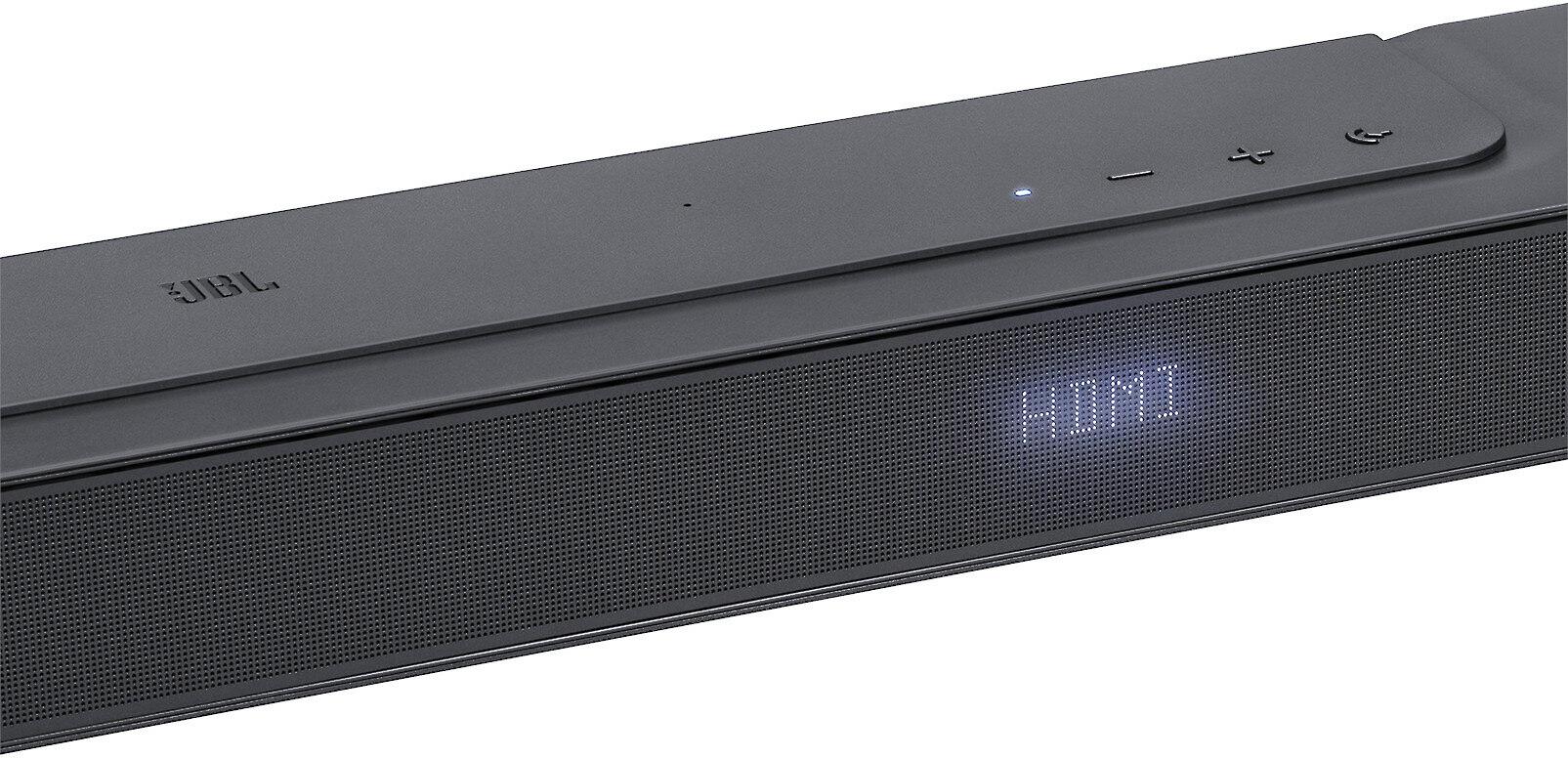
The main soundbar houses six drivers – three racetrack-shaped woofers and three tweeters arranged in a left-center-right configuration. Racetrack drivers are an interesting design choice that allows for larger surface area in a thinner profile, potentially moving more air than traditional round drivers of similar size.
JBL's PureVoice technology addresses one of the most common complaints about modern movie audio – muddy or buried dialogue. The system uses sophisticated processing to identify and enhance speech frequencies, even when explosions or music are competing for attention. This is particularly valuable given how many movies now mix dialogue quite low in favor of dramatic sound effects.
The 10-inch wireless subwoofer takes a more traditional ported approach compared to Samsung's sealed design. This typically means more bass impact and output, though potentially at the cost of some precision. For action movies and bass-heavy music, many users prefer this punchier character.
The difference in channel count between these systems translates to noticeably different experiences. The Samsung HW-Q990F creates what can only be described as a bubble of sound. Effects move seamlessly around and above you – a helicopter panning overhead in a war movie or rain falling from all directions feels genuinely three-dimensional.
Our research into professional and user reviews consistently highlights the HW-Q990F's ability to create convincing height effects without ceiling-mounted speakers. The up-firing drivers in both the main bar and rear speakers bounce sound off your ceiling, and when properly calibrated, the brain interprets these reflections as coming from above. This works best in rooms with standard 8-10 foot ceilings and appropriate ceiling materials.
The JBL Bar 700 can't match this level of immersion – it's working with roughly half the channels – but it delivers something arguably more important: genuine surround sound. Many soundbars rely entirely on digital processing to create virtual surround effects, which can work but never quite feels authentic. With real rear speakers positioned behind your seating area, the Bar 700 creates proper surround sound that works regardless of room acoustics.
For smaller to medium-sized rooms, the JBL Bar 700 often provides a more coherent, focused soundstage. The Samsung system can sometimes feel overwhelming in compact spaces, where the numerous channels compete rather than complement each other.
Both systems include substantial subwoofers, but their approaches differ significantly. The Samsung HW-Q990F's dual 8-inch sealed design prioritizes accuracy and control. Bass notes start and stop precisely, with minimal overhang or boom. This makes it exceptional for music listening, where tight, controlled bass reveals more detail in recordings.
The JBL Bar 700's single 10-inch ported subwoofer emphasizes impact and extension. Explosions feel more visceral, and electronic music with deep synthesized bass hits harder. However, this comes with trade-offs in precision – bass notes can occasionally sound slightly loose or overwhelming.
For most home theater applications, both approaches work well, but your preference might depend on content. Classical music and well-recorded acoustic performances benefit from the Samsung's precision, while action movies and pop music often sound more exciting with the JBL's punch.
Clear dialogue is arguably the most important aspect of home theater audio – if you can't understand what characters are saying, even the most impressive surround effects become meaningless. Both systems excel here but use different approaches.
The Samsung HW-Q990F includes a dedicated center channel with multiple drivers specifically for dialogue reproduction. The Active Voice Amplifier Pro continuously monitors ambient noise levels and adjusts dialogue frequencies accordingly. If your air conditioner kicks on or someone's cooking in the kitchen, the system automatically boosts speech frequencies to maintain clarity.
The Q-Symphony integration with Samsung TVs adds another dimension. By using both TV and soundbar speakers for dialogue, it creates a wider, more present center image that can make conversations feel more natural and easier to follow.
The JBL Bar 700's PureVoice technology takes a different approach, using algorithmic processing to separate and enhance dialogue within the existing mix. This works across all content types and is particularly effective during complex action scenes where dialogue competes with sound effects.
In practice, both systems deliver excellent dialogue clarity, but the Samsung's hardware-based approach provides more headroom and flexibility, while the JBL's processing-based solution works consistently across different content types and sources.
Premium soundbars now function as smart audio hubs, and both systems reflect this evolution. The Samsung HW-Q990F supports virtually every streaming protocol you might want: AirPlay 2, Chromecast, Spotify Connect, TIDAL Connect, and it's Roon Ready for audiophile streaming applications. This comprehensive support means seamless music streaming from virtually any source.
HDMI connectivity deserves special attention for gamers and home theater enthusiasts. The Samsung system includes HDMI 2.1 support with 4K/120Hz passthrough, essential for next-generation gaming consoles like the PlayStation 5 and Xbox Series X. It also supports HDR10+ for enhanced video quality.
The JBL Bar 700 covers the essential smart features – AirPlay, Chromecast, and Alexa Multi-Room Music – while keeping the interface simpler and more straightforward. Its HDMI eARC support handles 4K Dolby Vision, which is sufficient for most home theater setups, though it lacks the gaming-focused features of the Samsung.
Your room significantly impacts soundbar performance, and these systems handle different spaces better. The Samsung HW-Q990F needs room to breathe – literally. With 11.1.4 channels and sophisticated room correction, it performs best in medium to large rooms where the multiple channels can work together without overwhelming the space.
The system's SpaceFit Sound Pro Plus calibration helps optimize performance, but you'll need appropriate ceiling height and materials for the up-firing speakers to work effectively. Vaulted ceilings, heavily textured surfaces, or very low ceilings can compromise the height effects.
The JBL Bar 700 adapts more easily to different spaces. The battery-powered rear speakers eliminate placement constraints, and the simpler channel structure works well in smaller rooms. The automatic calibration is less sophisticated but also less dependent on specific room characteristics.
Installation complexity differs significantly. The Samsung system requires careful placement of multiple wireless components and benefits from proper room treatment. The JBL system prioritizes simplicity – place the main bar and subwoofer, position the rear speakers wherever works best, and enjoy.
At the time of writing, the price difference between these systems is substantial – the Samsung HW-Q990F commands flagship pricing, while the JBL Bar 700 sits in the upper mid-range category. This price gap reflects different value propositions.
The Samsung system justifies its premium pricing through cutting-edge technology, maximum channel count, and future-proof connectivity. If you're building a long-term home theater setup and want the best possible performance, the additional investment makes sense. The HDMI 2.1 support alone adds years of relevance as content and source devices evolve.
The JBL Bar 700 represents exceptional value by delivering genuine surround sound performance with practical innovations at roughly half the cost. For most users, it provides 80% of the premium soundbar experience at a much more accessible price point.
Long-term ownership considerations favor both systems in different ways. The Samsung system's complexity might mean more potential failure points, but its premium build quality and comprehensive features suggest longer relevance. The JBL system's simpler design could prove more reliable, though battery replacement in the rear speakers will eventually become necessary.
For large home theaters (over 300 square feet), the Samsung HW-Q990F is the clear choice. Its 11.1.4 configuration provides the power and dispersion needed to fill big spaces effectively. The sophisticated room correction helps optimize performance regardless of specific acoustic challenges.
Medium-sized living rooms present the most difficult choice. Both systems work well, but your priorities matter. Choose the Samsung if maximum immersion and future-proofing justify the higher cost. Choose the JBL if practical surround sound with easy installation is more important than ultimate performance.
For smaller rooms, apartments, or bedrooms, the JBL Bar 700 often makes more sense. Its simpler channel structure won't overwhelm compact spaces, and the battery-powered rear speakers adapt to placement constraints common in smaller living situations.
Gamers should seriously consider the Samsung HW-Q990F for its HDMI 2.1 support and 4K/120Hz passthrough. These features ensure compatibility with next-generation gaming features and provide the headroom for future console capabilities.
Music-focused users will appreciate the Samsung system's high-resolution streaming support, extensive customization options, and controlled bass response. The JBL system sounds excellent with music but offers fewer audiophile-oriented features.
Both the Samsung HW-Q990F and JBL Bar 700 represent excellent approaches to premium soundbar design, but they serve different needs and priorities.
The Samsung HW-Q990F is the choice for enthusiasts who want maximum performance and don't mind paying for cutting-edge technology. Its 11.1.4 configuration creates unmatched immersion for soundbars, and features like Q-Symphony integration and comprehensive smart connectivity future-proof the investment. However, it demands a higher budget and works best in appropriate rooms with careful setup.
The JBL Bar 700 excels by solving practical problems while delivering genuine surround sound performance. The battery-powered rear speakers eliminate common installation challenges, and the focus on core functionality over feature maximization results in a system that works well for most users at a more accessible price point.
Your choice ultimately depends on whether you prioritize maximum performance or practical excellence. Both systems will dramatically improve your home entertainment experience over TV speakers, but they represent different philosophies in achieving that goal. The Samsung pushes technological boundaries, while the JBL focuses on making premium surround sound accessible and easy to live with.
At the time of writing, both represent strong values in their respective price categories, offering performance that would have required much more complex and expensive systems just a few years ago. The rapid advancement in soundbar technology means you can't really go wrong with either choice – you're just choosing between different flavors of audio excellence.
| Samsung HW-Q990F | JBL Bar 700 |
|---|---|
| Channel Configuration - Determines surround sound immersion level | |
| 11.1.4 channels with 23 total speakers | 5.1 channels with detachable rear speakers |
| Subwoofer Design - Affects bass quality and neighbor-friendliness | |
| Dual 8" force-canceling woofers, sealed design | Single 10" wireless subwoofer, ported design |
| Rear Speakers - Key for authentic surround sound | |
| Wireless AC-powered with 3 drivers each (front, side, up-firing) | Battery-powered detachable speakers (up to 10 hours) |
| Dolby Atmos Implementation - Creates overhead sound effects | |
| True height channels with dedicated up-firing drivers | Virtual height processing with up-firing elements |
| Room Calibration - Optimizes sound for your specific space | |
| SpaceFit Sound Pro Plus with advanced room analysis | Easy Sound Calibration with embedded microphone |
| HDMI Connectivity - Important for gaming and 4K content | |
| HDMI 2.1 with 4K/120Hz passthrough (3 ports total) | HDMI eARC with 4K Dolby Vision (1 input/output) |
| Smart Features - Streaming and voice control capabilities | |
| AirPlay 2, Chromecast, Spotify Connect, TIDAL Connect, built-in Bixby/Alexa | AirPlay, Chromecast, Alexa Multi-Room Music support |
| TV Integration - Works best with specific TV brands | |
| Q-Symphony with Samsung TVs, One Remote control | Universal compatibility with any TV brand |
| Setup Complexity - Time and effort required for installation | |
| Multiple wireless components, requires optimal room conditions | Simple setup, battery rear speakers eliminate outlet needs |
| Total Power Output - Determines maximum volume and dynamics | |
| 656W total system power | 620W total system power |
| Release Year - Indicates latest technology and features | |
| 2025 flagship model with newest Samsung innovations | Recent release focusing on practical improvements |
| Best Room Size - Where each system performs optimally | |
| Large rooms (300+ sq ft) with standard ceilings | Small to medium rooms, apartments, flexible spaces |
The Samsung HW-Q990F is better suited for large rooms due to its 11.1.4 channel configuration and 23 total speakers. The system provides better sound dispersion and power needed to fill spacious areas effectively. The JBL Bar 700 works well in medium rooms but may struggle to provide adequate coverage in very large spaces.
No, the Samsung HW-Q990F works with any TV brand through HDMI or optical connections. However, you'll get additional features like Q-Symphony and One Remote control when paired with compatible Samsung TVs. The JBL Bar 700 offers universal compatibility without brand-specific bonuses.
Both offer excellent but different bass experiences. The Samsung HW-Q990F provides tighter, more controlled bass with its dual 8-inch sealed subwoofer design, ideal for music and precise sound. The JBL Bar 700 delivers more impactful, punchy bass with its 10-inch ported subwoofer, which many prefer for action movies.
Yes, the JBL Bar 700 rear speakers are truly wireless with built-in batteries lasting up to 10 hours. They charge when attached to the main soundbar and can be placed anywhere without power outlets. The Samsung HW-Q990F rear speakers are wireless but require AC power connections.
The JBL Bar 700 is generally easier to set up due to its battery-powered rear speakers that eliminate the need for power outlets behind seating areas. The Samsung HW-Q990F requires more careful placement of multiple components and benefits from proper room optimization for best performance.
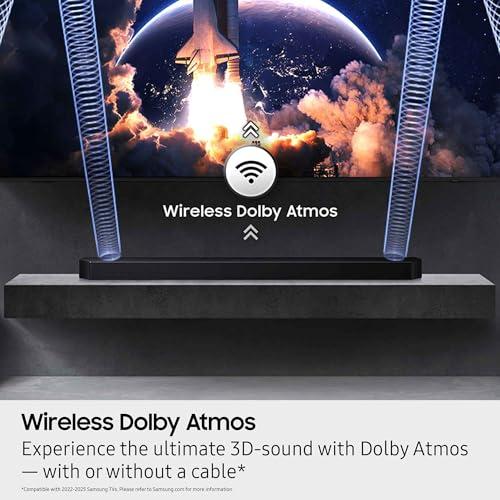
Yes, both the Samsung HW-Q990F and JBL Bar 700 support Dolby Atmos. However, the Samsung system offers true height channels with dedicated up-firing speakers for more authentic overhead effects, while the JBL uses virtual processing to simulate height effects.
The JBL Bar 700 typically offers better value for most buyers, providing genuine 5.1 surround sound with practical features at a lower price point. The Samsung HW-Q990F justifies its premium pricing with flagship features and maximum channel count for users wanting the absolute best performance.
Both soundbars excel at music playback. The Samsung HW-Q990F offers more customization with 7-band EQ, high-resolution streaming support, and multiple sound modes. The JBL Bar 700 provides JBL's signature balanced sound tuning that works well across different music genres without extensive tweaking.
The Samsung HW-Q990F is better for gaming due to its HDMI 2.1 support with 4K/120Hz passthrough, essential for next-generation consoles like PlayStation 5 and Xbox Series X. The JBL Bar 700 handles gaming well but lacks the advanced HDMI features serious gamers need.
The channel count difference is significant for immersion. The Samsung HW-Q990F's 11.1.4 configuration creates a complete "dome of sound" with precise positioning, while the JBL Bar 700's 5.1 setup provides excellent surround sound that's more than adequate for most users and room sizes.
The JBL Bar 700 is often better for apartments due to its flexible rear speaker placement, controlled bass response, and simpler setup that doesn't require permanent modifications. The Samsung HW-Q990F can work in apartments but may be overwhelming in smaller spaces and could disturb neighbors with its powerful output.
Both systems should remain relevant for years, but the Samsung HW-Q990F has better future-proofing with HDMI 2.1, advanced codec support, and comprehensive smart features. The JBL Bar 700's simpler design may prove more reliable long-term, though the rear speaker batteries will eventually need replacement.
We've done our best to create useful and informative comparisons to help you decide what product to buy. Our research uses advanced automated methods to create this comparison and perfection is not possible - please contact us for corrections or questions. These are the sites we've researched in the creation of this article: rtings.com - crutchfield.com - sound-advice.online - samsung.com - soundandvision.com - samsung.com - whathifi.com - youtube.com - youtube.com - bestbuy.com - avsforum.com - content.syndigo.com - samsung.com - businessinsider.com - dolby.com - youtube.com - abcwarehouse.com - crutchfield.com - harmanaudio.com - target.com - jbl.com - walmart.com - dell.com - jbl.com

Privacy Policy
Terms and Conditions - Affiliate Policy
Home Security
© Copyright 2008-2026.
11816 Inwood Rd #1211, Dallas, TX 75244