

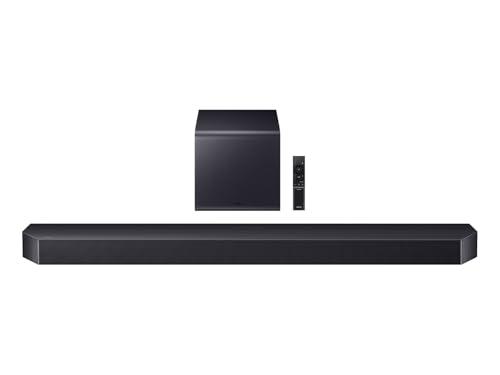
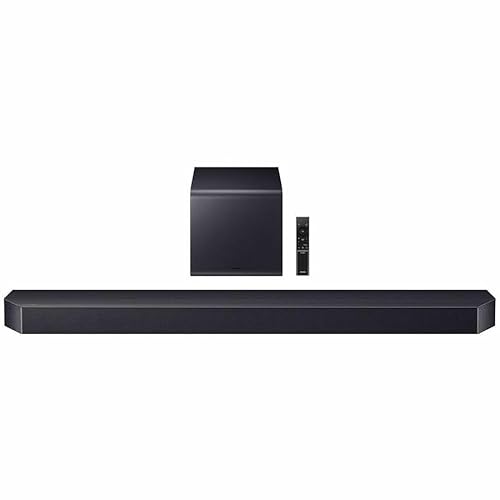

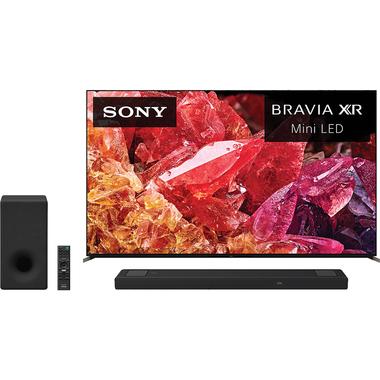
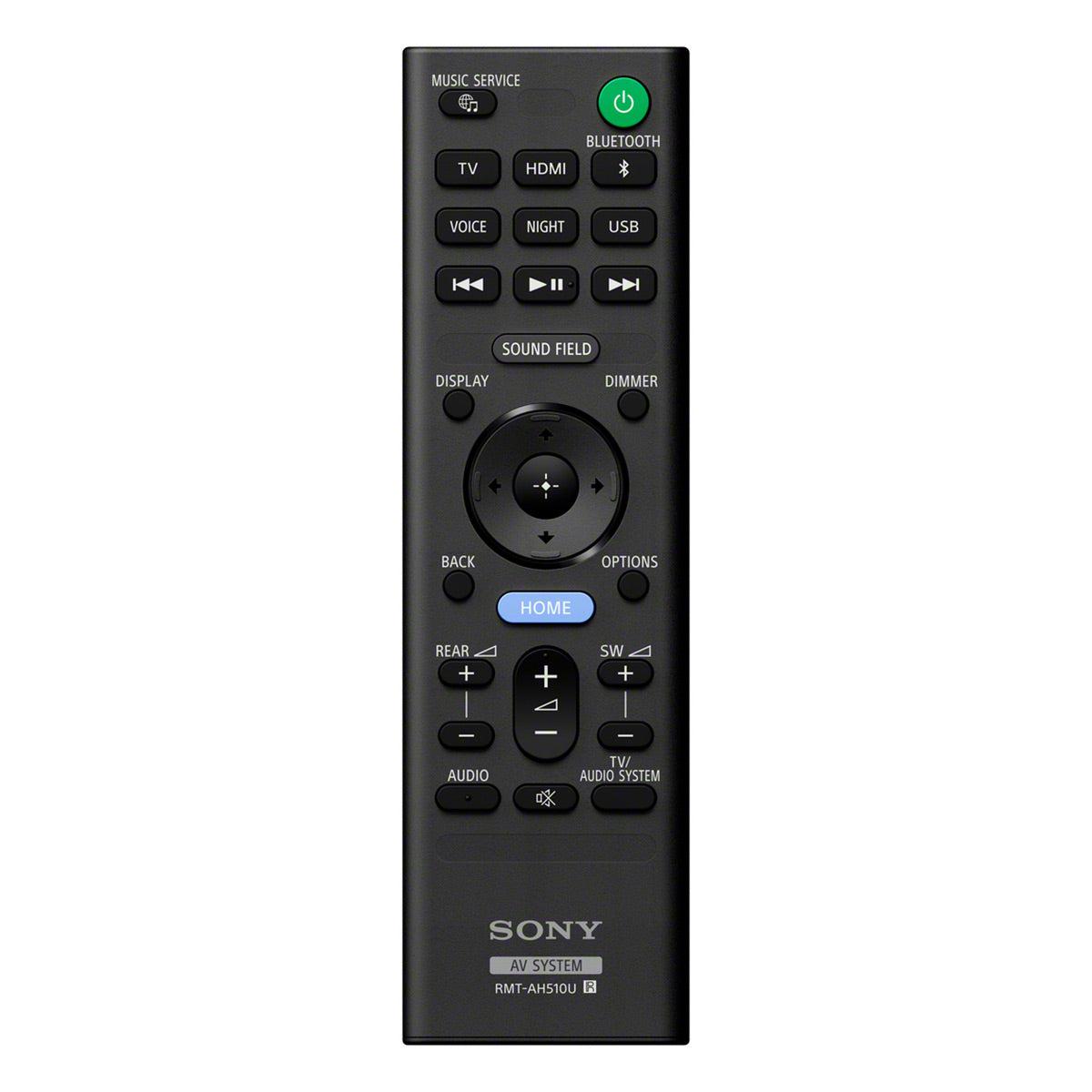
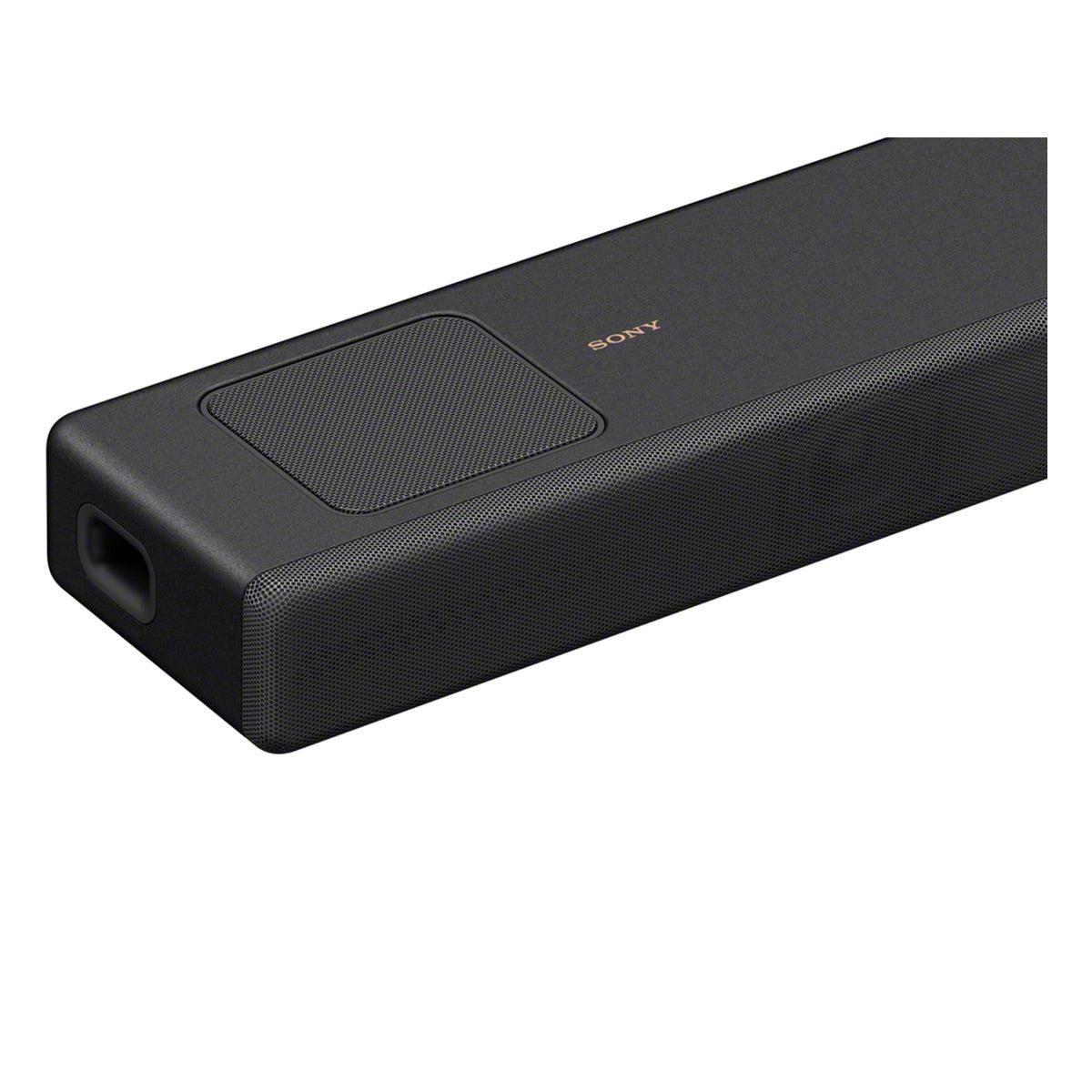
When you're ready to upgrade from your TV's built-in speakers, premium soundbars offer the promise of cinematic audio without the complexity of traditional surround sound systems. But not all premium soundbars take the same approach. Some give you everything upfront, while others let you build your system piece by piece. The Samsung HW-Q990F and Sony HT-A5000 represent these two philosophies perfectly, and choosing between them depends on understanding what each approach offers.
Released in 2025, the Samsung HW-Q990F represents the latest evolution in complete soundbar systems, while the Sony HT-A5000, which launched in 2022, has become a proven platform that's received numerous firmware updates to improve performance. At the time of writing, the Samsung costs roughly twice as much as the Sony, but that price difference reflects a fundamental distinction in what you're actually buying.
The soundbar market has evolved into two distinct philosophies: complete systems versus modular builds. Think of it like buying a car versus buying a motorcycle with the option to add a sidecar later. Both approaches have merit, but they serve different needs and preferences.
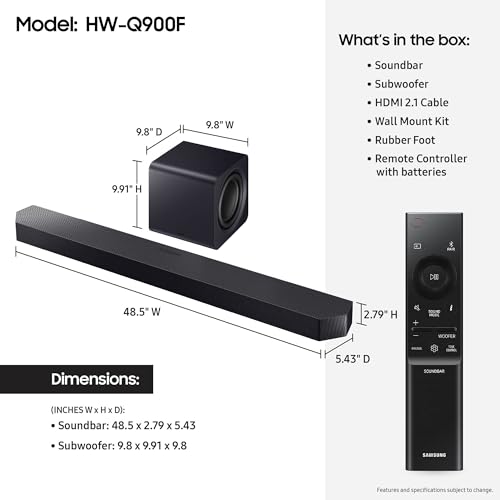
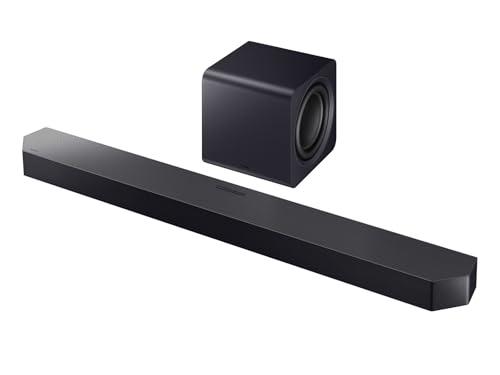
Complete systems like the Samsung HW-Q990F include everything needed for premium surround sound right out of the box. You get the main soundbar, a wireless subwoofer, and rear speakers all designed to work together seamlessly. The advantage is immediate satisfaction—you unbox everything, position the components, and you're experiencing true surround sound within an hour.
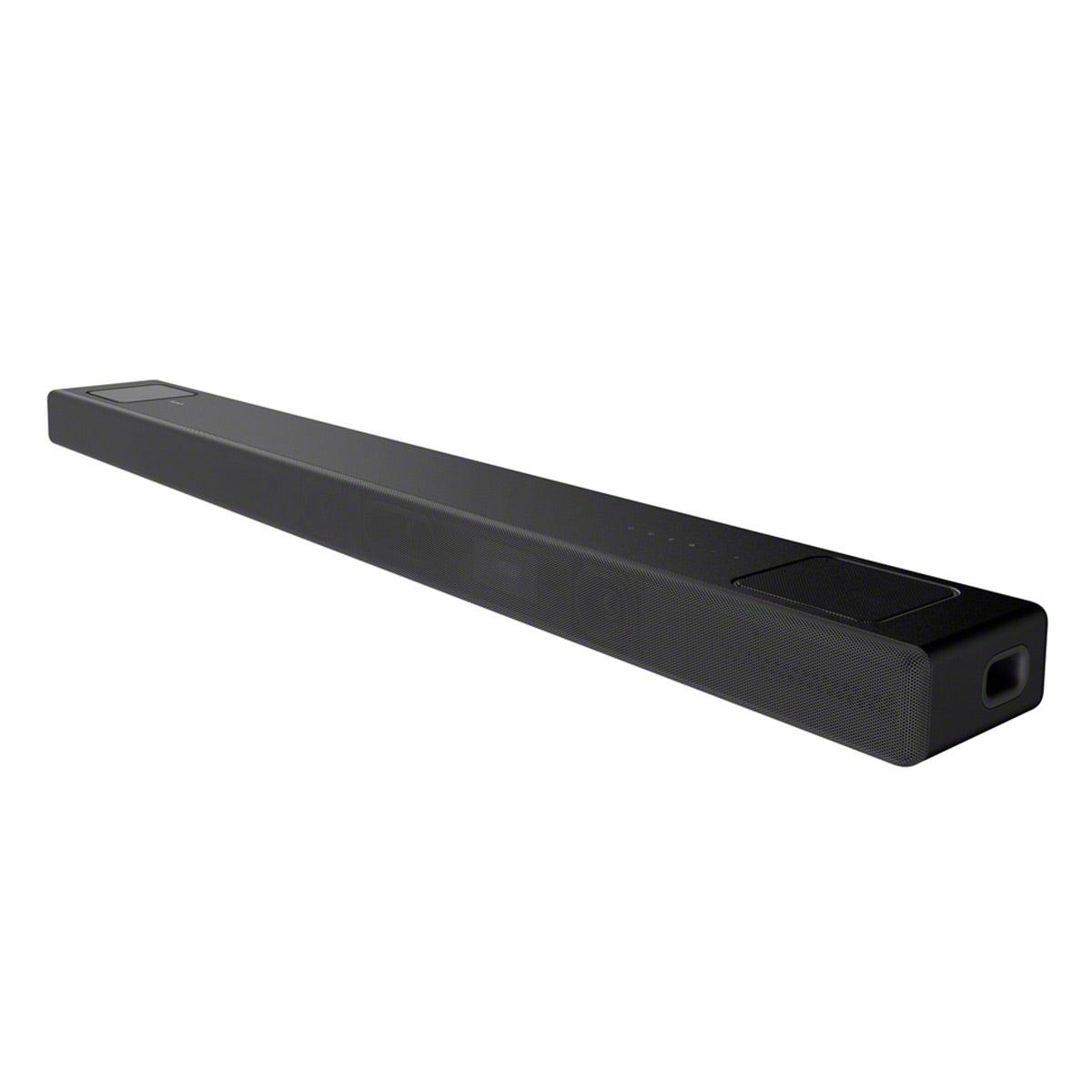
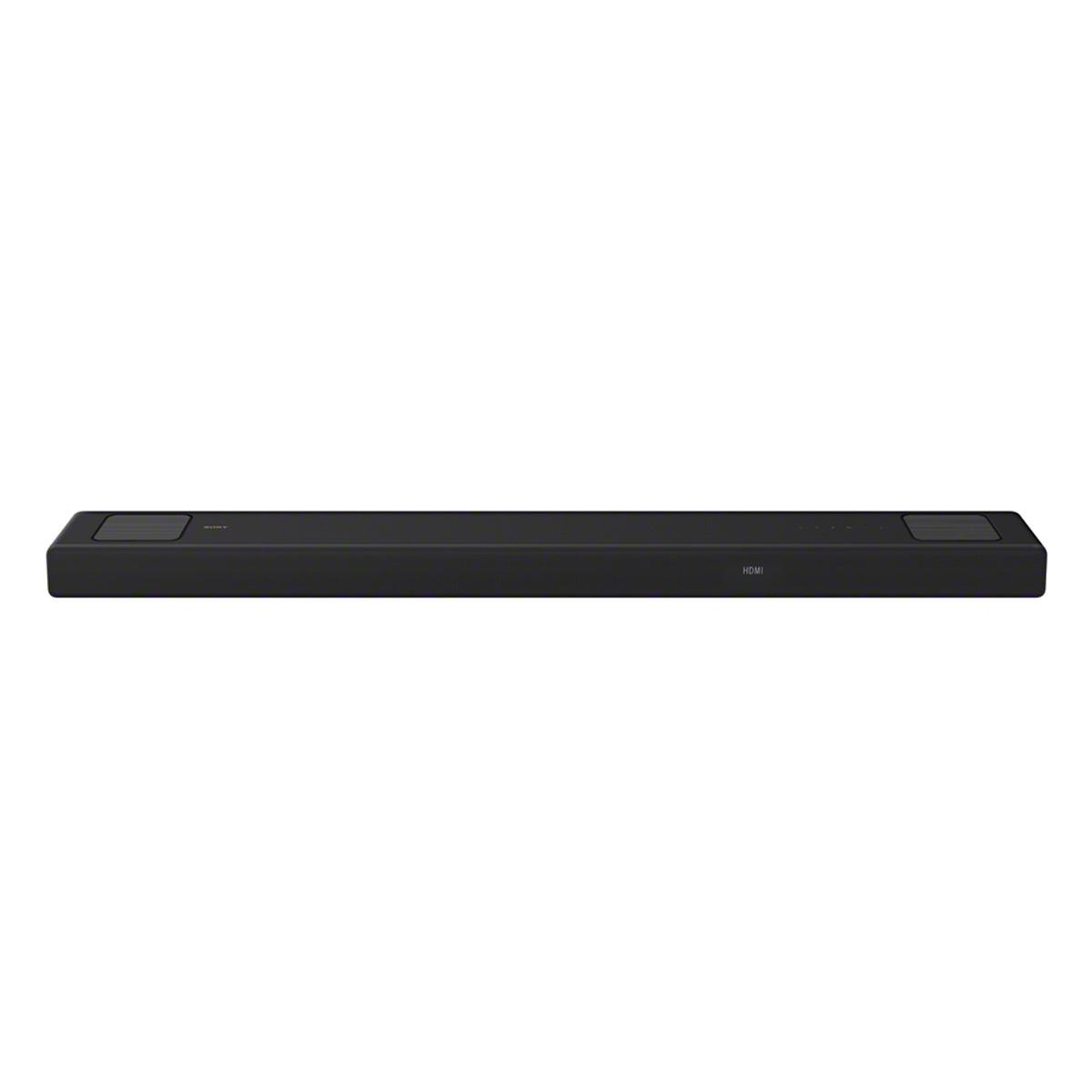
Modular systems like the Sony HT-A5000 start with a sophisticated standalone soundbar that can later be expanded with additional components. This approach appeals to people who want to spread costs over time, have space constraints, or simply prefer starting with a simpler setup. The trade-off is that you're initially getting virtual surround sound rather than the real thing, though modern virtual processing has become surprisingly convincing.
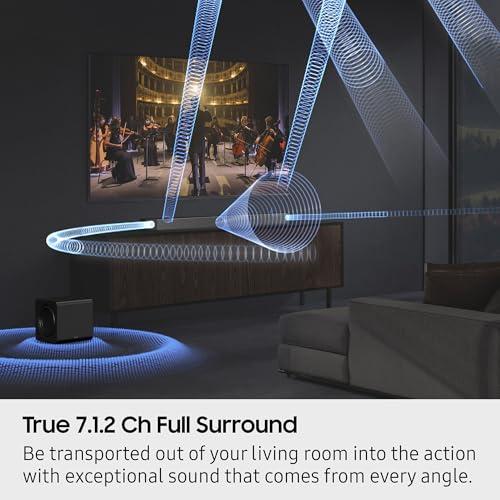
Here's where the fundamental difference becomes clear. The Samsung HW-Q990F delivers what Samsung calls an 11.1.4 channel system. This technical specification means eleven main channels (left, center, right, side surrounds, rear surrounds, etc.), one dedicated subwoofer channel, and four height channels for overhead effects. All of this comes from 23 individual drivers spread across four separate components that arrive together.
The main soundbar houses 15 of these drivers, including specialized elliptical midrange drivers, forward-firing tweeters, side-firing speakers for width, and up-firing units that bounce sound off your ceiling to create height effects. Each rear speaker contains three drivers—one firing forward, one to the side, and one angled upward. This physical arrangement means sounds can genuinely come from all around you, not just from the front of the room.
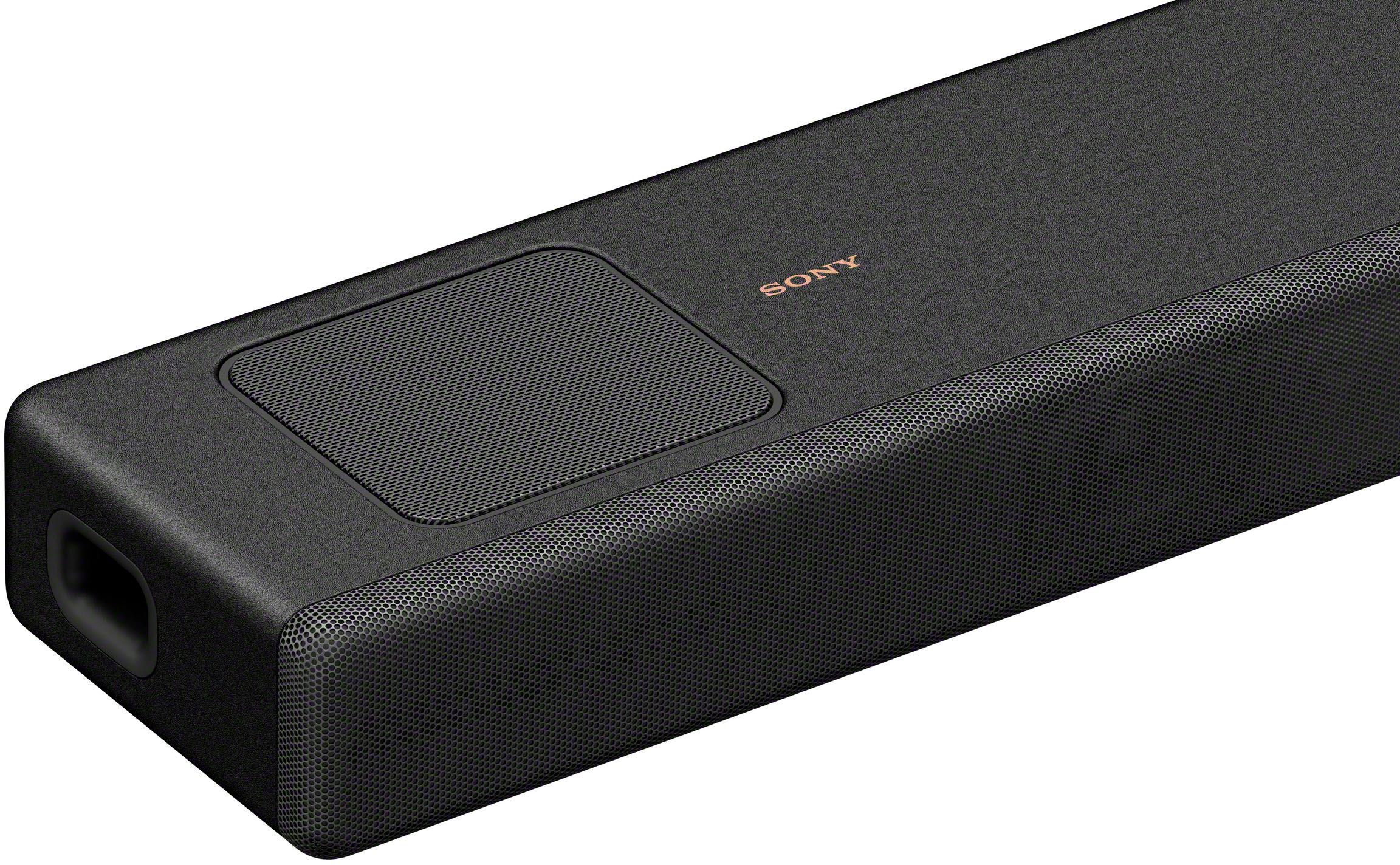
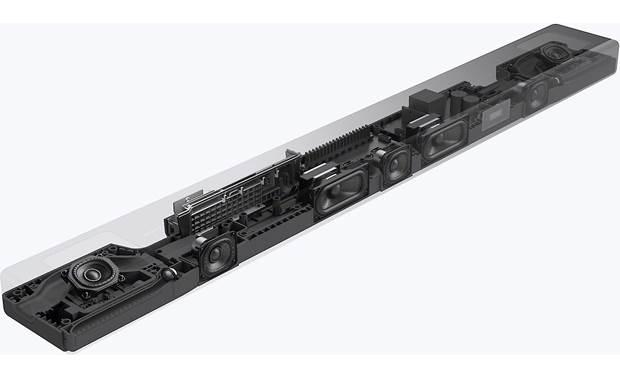
The Sony HT-A5000 takes a different approach with its 5.1.2 configuration. The "5.1" refers to five main channels plus a subwoofer, while the ".2" indicates two height channels. But here's the key difference: all of this comes from a single soundbar unit with built-in subwoofers. Sony uses sophisticated processing called Vertical Surround Engine and 360 Spatial Sound Mapping to create the illusion of surround sound from speakers that are all positioned in front of you.
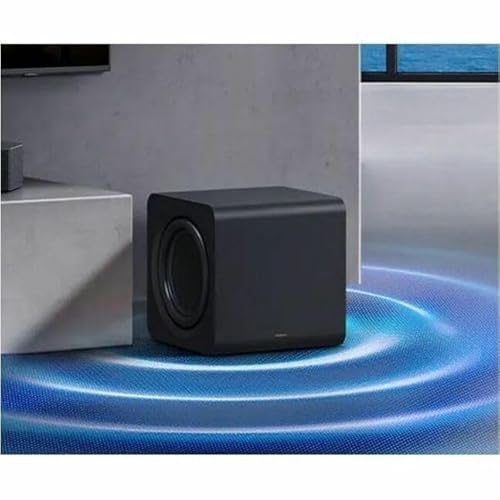
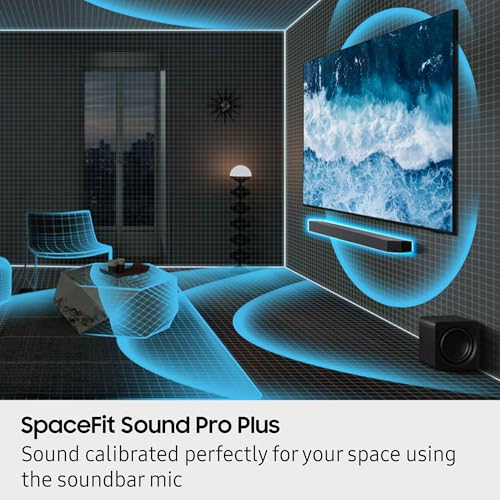
Bass reproduction reveals another crucial difference between these systems. The Samsung HW-Q990F includes a redesigned subwoofer with dual 8-inch drivers arranged in what's called a force-canceling configuration. This means the two drivers face each other and move in opposite directions, which reduces vibration and allows for cleaner, more powerful bass without the cabinet rattling that can plague lesser subwoofers.
This dedicated subwoofer can reproduce frequencies down to around 32Hz, which is where you feel bass rather than just hear it. When a T-Rex stomps across the screen or an explosion rocks a building, that physical impact you feel in your chest comes from these extended low frequencies. The Samsung's subwoofer delivers this visceral experience that makes action movies and music genuinely exciting.
The Sony HT-A5000, by contrast, relies on built-in subwoofers within the main soundbar chassis. While Sony's X-Balanced Driver design maximizes the diaphragm area for better bass response, physics limits what you can achieve from drivers mounted in a relatively small soundbar cabinet. The result is bass that's adequate for TV dialogue and moderate music listening, but lacks the room-shaking impact that makes movies feel cinematic.
This isn't necessarily a dealbreaker. If your primary use is watching TV shows, news, or lighter entertainment, the Sony's bass may be perfectly sufficient. But if you're someone who loves action movies, plays bass-heavy video games, or listens to electronic music, the difference becomes immediately apparent.
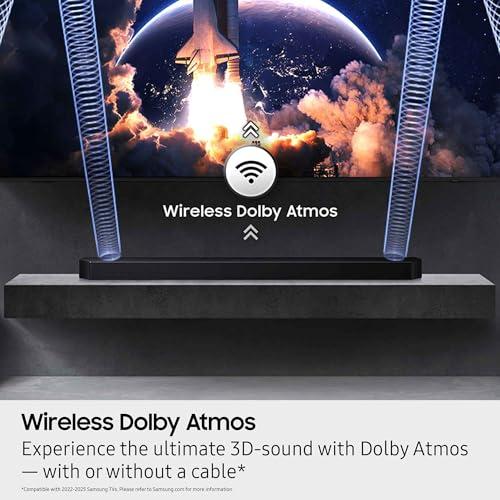
The surround sound experience represents perhaps the biggest performance gap between these systems. The Samsung HW-Q990F creates what audio engineers call "true surround sound" because it uses physical speakers positioned around your listening area. When you're watching a Dolby Atmos movie and a helicopter flies overhead, the sound actually comes from speakers positioned above and behind you. Your brain doesn't have to work to create the illusion—the sound genuinely moves through three-dimensional space.
The rear speakers in Samsung's system are particularly sophisticated. Each contains three drivers that fire in different directions, creating what's essentially a surround sound system within each small speaker cabinet. This means effects don't just come from behind you—they can move smoothly from beside you to behind you to above you, creating the seamless "bubble of sound" that makes the best surround systems so engaging.
The Sony HT-A5000 accomplishes surround sound through psychoacoustic processing—essentially tricking your brain into perceiving sounds coming from directions where no speakers exist. Sony's Vertical Surround Engine analyzes the audio signal and adjusts timing, phase, and frequency response to create phantom speakers that seem to exist throughout your room.
This virtual processing has become impressively sophisticated. For TV viewing and dialogue-heavy content, many people find Sony's virtual surround convincing enough that they don't miss physical rear speakers. The technology works particularly well in smaller rooms where reflections from walls and furniture help reinforce the illusion.
However, virtual processing has inherent limitations. Complex movie soundtracks with multiple simultaneous effects can overwhelm the processing, causing the surround illusion to collapse back to the front soundbar. Fast-moving effects don't track as smoothly across the virtual sound field, and overhead effects, while present, lack the convincing height that physical up-firing speakers provide.
Gaming represents an area where the Samsung HW-Q990F pulls significantly ahead. Samsung includes what they call Game Mode Pro, which optimizes the audio processing for competitive gaming. This mode reduces audio latency (the delay between when something happens on screen and when you hear it) and enhances directional audio cues that help you locate enemies in first-person shooters.
The system's physical rear speakers provide genuine positional advantages in gaming. When an opponent is sneaking up behind you, the sound comes from the actual direction of the threat, giving you faster and more accurate spatial awareness than virtual processing can provide. For competitive gamers, this can translate into measurable performance advantages.
The Sony HT-A5000 handles gaming audio competently but without specialized optimizations. It supports the standard gaming audio formats and provides good overall sound quality, but lacks the advanced directional processing that gives competitive advantages. For casual gaming, this difference may not matter, but serious gamers will appreciate Samsung's focused approach.
Here's where the Sony HT-A5000 shows its strengths. Sony has optimized their system specifically for television viewing, and dialogue clarity represents a major focus. The soundbar includes dedicated center channel processing and what Sony calls DSEE Extreme technology, which analyzes compressed audio (like streaming TV shows) and reconstructs high-frequency detail that was lost during compression.
The result is exceptionally clear and natural-sounding dialogue. Voices cut through complex soundtracks without being artificially boosted, and you can understand whispered conversations without needing subtitles. This makes the Sony particularly appealing for people who watch a lot of television, news, or dialogue-heavy dramas.
The Samsung HW-Q990F also delivers excellent dialogue clarity, but with a different character. Its approach creates more of a "theater-like" presentation where voices have more presence and weight. This works beautifully for movies but can sometimes feel slightly overwhelming for casual TV viewing. The Samsung also includes Active Voice Amplifier Pro, which automatically adjusts dialogue levels based on ambient room noise, ensuring voices remain clear even in noisy environments.
For music reproduction, these systems reveal different philosophies that appeal to different listening preferences. The Samsung HW-Q990F delivers what could be described as a "big" sound—powerful, room-filling, and dynamic. It excels with rock, electronic music, and orchestral pieces that benefit from wide soundstages and impactful presentation. The dedicated subwoofer adds genuine weight to bass lines, making drums and bass guitars feel substantial and present.
The Sony HT-A5000 takes a more precision-focused approach. Its X-Balanced drivers and sophisticated processing prioritize detail retrieval and tonal accuracy over raw impact. This makes it particularly appealing for acoustic music, jazz, and vocal-focused genres where subtle details matter more than overwhelming power. The Sony also supports high-resolution audio formats like DSD and FLAC, appealing to listeners who care about audio file quality.
Neither approach is inherently better—they serve different preferences. If you listen to music at higher volumes and prefer feeling the energy and impact, the Samsung's approach will likely appeal more. If you listen at moderate volumes and focus on subtle details and accuracy, the Sony's precision-focused tuning may be preferable.
Room compatibility represents a crucial practical consideration. The Samsung HW-Q990F is designed for medium to large rooms, roughly 200 to 400 square feet. The system's 756 watts of total power and multiple components need space to breathe and perform optimally. In smaller rooms, the system can actually sound overwhelming, with bass that's too prominent and surround effects that feel artificial due to early reflections from nearby walls.
The four-component design also requires thoughtful placement. You need positions for the rear speakers that provide good surround imaging without being obtrusive, and the subwoofer needs placement that doesn't create standing wave issues (where bass either cancels out or becomes boomy in certain seating positions).
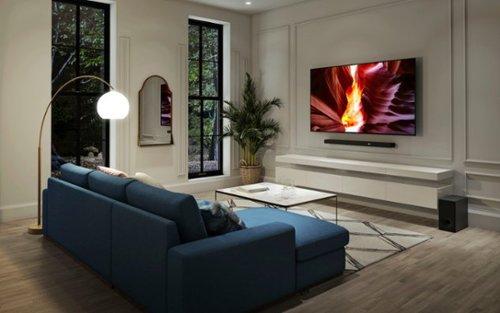
The Sony HT-A5000 works better in smaller to medium-sized spaces, roughly 100 to 250 square feet. Its virtual processing actually benefits from closer wall proximity, using reflections to enhance the surround illusion. The single-unit design eliminates placement complexity—you position one soundbar below your TV and you're done.
This size consideration often proves decisive. If you live in an apartment, condo, or have a smaller family room, the Sony's approach may simply be more practical regardless of ultimate performance differences.
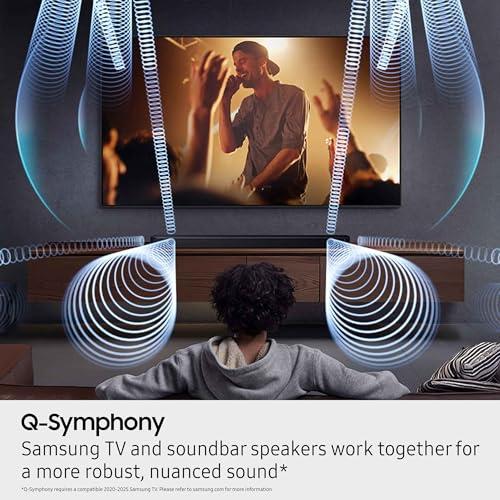
Both systems offer comprehensive smart features, but with different focuses. The Samsung HW-Q990F includes Q-Symphony technology, which allows compatible Samsung TVs to work in conjunction with the soundbar, using both the TV's speakers and the soundbar simultaneously for an even wider soundstage. This ecosystem integration can be genuinely beneficial if you own or plan to own Samsung televisions.
Samsung also includes comprehensive streaming support: Bluetooth 5.3, Wi-Fi, Chromecast, AirPlay 2, and direct integration with Spotify Connect and TIDAL Connect. The system supports voice control through built-in Bixby and Amazon Alexa, with Google Assistant compatibility through external devices.
The Sony HT-A5000 focuses on universal compatibility rather than ecosystem integration. It supports the same major streaming protocols but doesn't require brand loyalty for optimal performance. Sony's approach appeals to people who prefer choosing components based on individual merit rather than ecosystem benefits.
At the time of writing, the price difference between these systems reflects their different approaches rather than simple quality gaps. The Samsung HW-Q990F costs roughly twice as much as the Sony HT-A5000, but you're getting four premium components versus one.
If you were to purchase Sony's optional rear speakers and dedicated subwoofer to match Samsung's configuration, the total cost would actually exceed Samsung's complete system price. This makes Samsung's approach represent better value if you definitely want full surround sound capabilities.
However, Sony's modular approach offers flexibility that has real value for many users. You can start with the excellent standalone soundbar and add components as budget allows or needs change. This gradual upgrade path can be appealing for people who aren't certain about their long-term audio needs or who prefer spreading major purchases over time.
The Samsung HW-Q990F makes the most sense for dedicated home theater enthusiasts who want the best possible surround sound experience from a soundbar system. If your primary use cases involve movies, gaming, or immersive entertainment, and you have the room size and budget to accommodate the complete system, Samsung's approach delivers superior performance.
It's also the clear choice for people who prefer "complete solution" purchases. If you'd rather make one buying decision and get everything you need for premium audio, rather than researching and purchasing components over time, the Samsung eliminates future upgrade decisions.
The Sony HT-A5000 appeals more to people whose primary focus is television viewing with exceptional dialogue clarity. If you watch a lot of TV shows, news, sports, or dialogue-heavy content, Sony's precision-focused approach may actually provide a better day-to-day experience than Samsung's more theatrical presentation.
Sony also makes more sense for space-constrained environments, budget-conscious buyers, or people who prefer gradual upgrades. The standalone performance is genuinely excellent for its price point, and the future expandability provides a clear upgrade path without obsoleting your initial investment.
Both the Samsung HW-Q990F and Sony HT-A5000 represent excellent examples of their respective approaches to premium soundbar audio. Samsung delivers the most immersive surround sound experience available in a soundbar package, with genuine 360-degree audio and impactful bass that makes movies and games genuinely exciting. Sony provides exceptional clarity and precision in a flexible package that excels for television viewing and offers room to grow.
The choice ultimately depends on your priorities, room size, and approach to purchasing decisions. If you want the best possible surround sound performance and prefer complete solutions, the Samsung justifies its premium price through superior immersion and included components. If you prioritize dialogue clarity, have space constraints, or prefer gradual upgrades, the Sony offers excellent performance with appealing flexibility.
Either choice will provide a dramatic upgrade over TV speakers, but understanding these fundamental differences ensures you'll choose the system that best matches your specific needs and preferences.
| Samsung HW-Q990F | Sony HT-A5000 |
|---|---|
| What's Included - Determines your out-of-box experience | |
| Complete 4-piece system: soundbar, subwoofer, 2 rear speakers | Single soundbar only (rear speakers and subwoofer sold separately) |
| Channel Configuration - More channels = better surround immersion | |
| 11.1.4 channels with 23 total drivers across all components | 5.1.2 channels with built-in drivers in main unit only |
| Total Power Output - Higher power fills larger rooms better | |
| 756W RMS across distributed components | 450W from main soundbar unit |
| Subwoofer Type - Dedicated subs deliver much deeper, more impactful bass | |
| Wireless dedicated subwoofer with dual 8" opposing drivers | Built-in dual subwoofers within main soundbar |
| Surround Sound Method - Physical speakers create more convincing immersion | |
| True surround with physical rear speakers positioned around room | Virtual surround using advanced processing from front-facing speakers |
| Height Effects - Critical for Dolby Atmos overhead sound placement | |
| 4 dedicated height channels with up-firing speakers in bar and rears | 2 height channels with up-firing speakers in main bar only |
| Room Size Optimization - Matching power to your space prevents overwhelming/underwhelming sound | |
| Best for medium-large rooms (200-400+ sq ft) | Optimized for small-medium rooms (100-250 sq ft) |
| Gaming Features - Specialized modes give competitive advantages | |
| Game Mode Pro with enhanced directional audio and low latency | Standard gaming audio without specialized optimizations |
| Dialogue Clarity Focus - Important for TV viewing and movies with complex soundtracks | |
| Active Voice Amplifier Pro with theater-like vocal presence | DSEE Extreme technology with precision-focused vocal reproduction |
| Smart TV Integration - Brand-specific features require matching TV | |
| Q-Symphony works with Samsung TVs for combined soundbar+TV audio | Universal compatibility without brand-specific requirements |
| Expansion Options - Future upgrade flexibility | |
| Complete system included, no upgrades needed | Modular design allows adding rear speakers and subwoofer later |
| HDMI Connectivity - Essential for high-quality gaming and 4K content | |
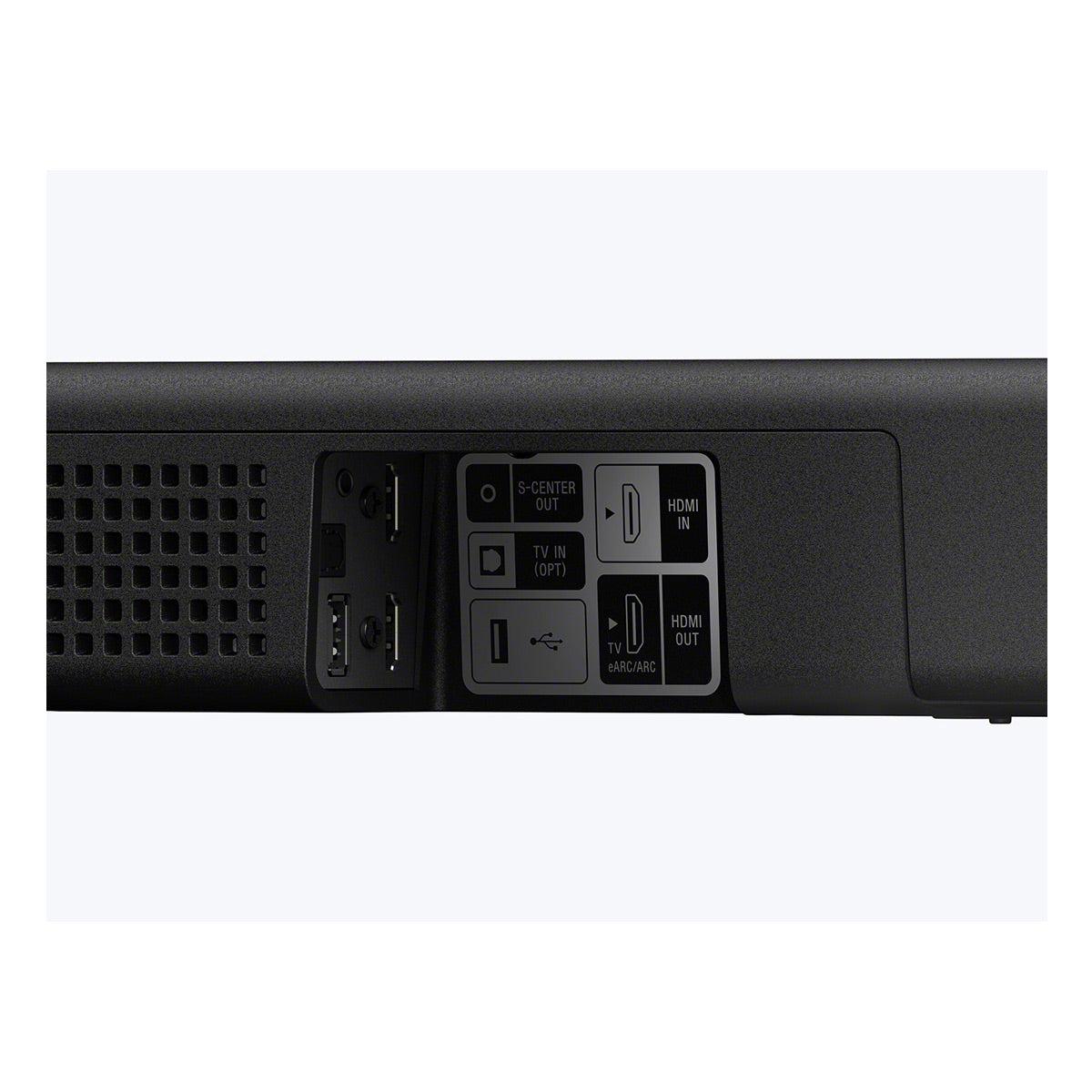
| HDMI 2.1 with eARC, supports 4K/120Hz, VRR, HDR10+ | HDMI 2.1 with eARC, supports 4K/120Hz passthrough |
| High-Resolution Audio Support - Matters for audiophile music listening | |
| Supports major formats via streaming services | Extensive support including DSD, FLAC, ALAC for local files |
The Samsung HW-Q990F is significantly better for movies and home theater use. It includes physical rear speakers and a dedicated subwoofer that create true 360-degree surround sound, making action scenes and Dolby Atmos content much more immersive. The Sony HT-A5000 uses virtual surround processing from a single soundbar, which works well for TV viewing but can't match the cinematic experience of actual surround speakers positioned around your room.
The biggest difference is what you get in the box. The Samsung HW-Q990F is a complete 4-piece system including the main soundbar, wireless subwoofer, and two rear speakers. The Sony HT-A5000 is just a single soundbar unit with built-in subwoofers, though you can add rear speakers and a subwoofer later as optional purchases.
The Samsung HW-Q990F has much better bass performance thanks to its dedicated wireless subwoofer with dual 8-inch drivers. This creates room-shaking low-end that you can feel during action movies and music. The Sony HT-A5000 relies on built-in subwoofers within the main soundbar, which provide adequate bass for TV viewing but lack the impact needed for cinematic experiences.
While not absolutely necessary, physical rear speakers make a huge difference for true surround sound immersion. The Samsung HW-Q990F includes rear speakers that create genuine 360-degree audio where sounds actually come from behind and above you. The Sony HT-A5000 uses sophisticated virtual processing to simulate surround sound from the front, which works well but can't fully replicate the experience of physical surround speakers.
The Sony HT-A5000 works better in smaller rooms under 250 square feet. Its single-unit design is less overwhelming in compact spaces, and the virtual surround processing actually benefits from closer wall reflections. The Samsung HW-Q990F is designed for larger rooms and can sound too powerful or bass-heavy in smaller spaces.
The Sony HT-A5000 has a slight edge for dialogue clarity, especially for TV viewing. Sony's DSEE Extreme technology and precision-focused tuning make voices exceptionally clear and natural. The Samsung HW-Q990F also delivers excellent dialogue but with a more theater-like presentation that's better suited for movies than casual TV watching.
The Sony HT-A5000 is designed for expansion - you can add Sony's wireless rear speakers and subwoofer as your budget allows. The Samsung HW-Q990F comes as a complete system with everything included, so no expansion is needed or possible. Sony's modular approach lets you spread costs over time, while Samsung gives you everything upfront.
The Samsung HW-Q990F is better for gaming, especially competitive gaming. It includes Game Mode Pro with enhanced directional audio that helps you locate enemies and reduced latency for faster response times. The physical rear speakers also provide genuine positional advantages. The Sony HT-A5000 handles gaming audio well but lacks specialized gaming optimizations.
This depends on your needs. The Sony HT-A5000 offers better upfront value if you're satisfied with a high-quality single soundbar. However, if you want the full surround experience, adding Sony's rear speakers and subwoofer later costs more than buying the complete Samsung HW-Q990F system initially. Samsung provides better value for those wanting immediate full surround sound.
Yes, both the Samsung HW-Q990F and Sony HT-A5000 work with any TV brand through HDMI or optical connections. However, the Samsung offers additional Q-Symphony features when paired with Samsung TVs, allowing the soundbar and TV speakers to work together for an even wider soundstage.
Both excel at music but in different ways. The Samsung HW-Q990F delivers powerful, room-filling sound that's great for rock, electronic, and orchestral music. The Sony HT-A5000 focuses on precision and detail, making it better for acoustic music, jazz, and vocals. The Sony also supports more high-resolution audio formats for audiophile listening.
The Sony HT-A5000 requires minimal space - just room for a single soundbar below your TV. The Samsung HW-Q990F needs more planning since you'll position four separate components: the main soundbar, subwoofer, and two rear speakers around your room. Consider your room layout and whether you can accommodate multiple wireless components before choosing the Samsung system.
We've done our best to create useful and informative comparisons to help you decide what product to buy. Our research uses advanced automated methods to create this comparison and perfection is not possible - please contact us for corrections or questions. These are the sites we've researched in the creation of this article: rtings.com - crutchfield.com - sound-advice.online - samsung.com - soundandvision.com - samsung.com - whathifi.com - youtube.com - youtube.com - bestbuy.com - avsforum.com - content.syndigo.com - samsung.com - businessinsider.com - dolby.com - youtube.com - abcwarehouse.com - whathifi.com - electronics.sony.com - costco.com - sony.com - expertreviews.co.uk - crutchfield.com - audioadvice.com - sony.com - sony.com - bestbuy.com - videoandaudiocenter.com - community.sony.co.uk

Privacy Policy
Terms and Conditions - Affiliate Policy
Home Security
© Copyright 2008-2026.
11816 Inwood Rd #1211, Dallas, TX 75244