




When your TV's built-in speakers sound like they're trapped in a tin can, it's time to consider a soundbar upgrade. But the soundbar market can be overwhelming, spanning from simple stereo units under $200 to sophisticated multi-speaker systems costing over $1,000. Today we're comparing two soundbars that represent completely different philosophies: the flagship Samsung HW-Q990F and the budget-friendly Yamaha SR-B30A.
These products couldn't be more different in their approach. The Samsung HW-Q990F, released in 2025 as Samsung's premium flagship, costs roughly six times more than the Yamaha SR-B30A at the time of writing. That massive price gap reflects fundamental differences in design complexity, audio capabilities, and target audience.
Before diving into specifics, let's establish what separates basic soundbars from premium systems. The most important factor is channel configuration—essentially, how many separate audio streams the system can handle simultaneously. A 2.1 system has left and right stereo channels plus a subwoofer channel (the ".1" refers to the bass-only subwoofer). Moving up to 5.1 adds rear left and right channels plus a center channel for dialogue.
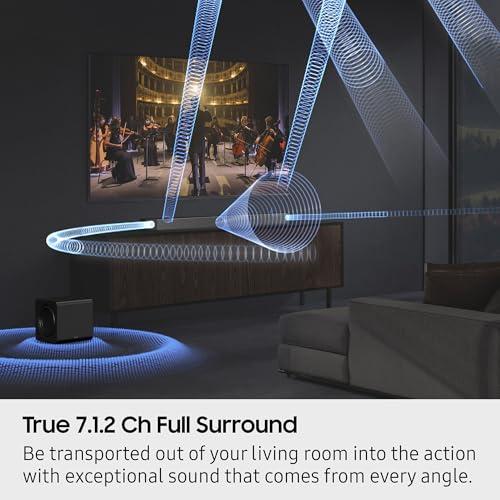
Modern premium soundbars like the Samsung HW-Q990F feature configurations like 11.1.4, which means 11 main audio channels, one subwoofer channel, and four height channels that fire sound upward to bounce off your ceiling. This creates what's called "object-based audio"—where sounds can be precisely placed anywhere in three-dimensional space around you, including overhead.
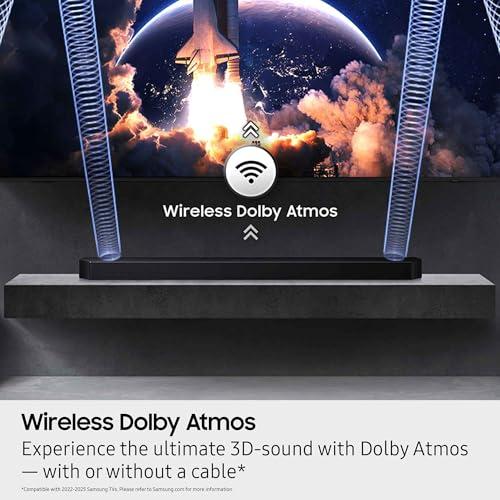
The second major differentiator is whether a soundbar supports true Dolby Atmos or just virtual surround processing. True Dolby Atmos requires physical speakers firing in multiple directions, while virtual processing uses digital tricks to simulate spatial effects from fewer drivers.
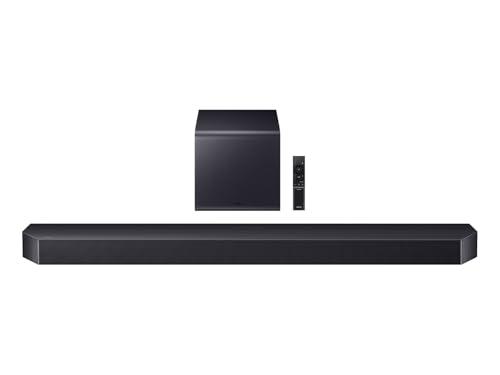
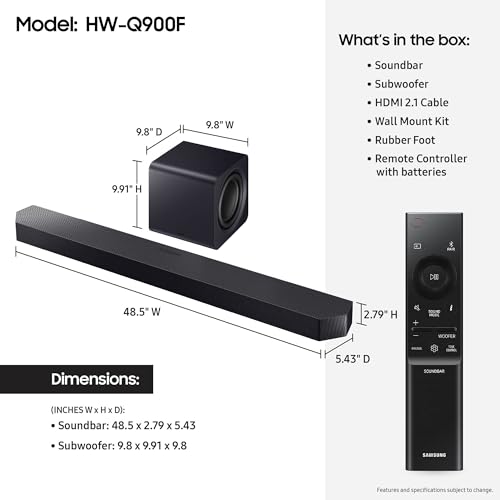
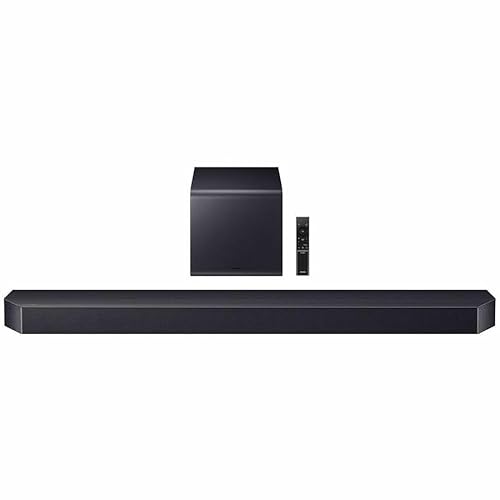
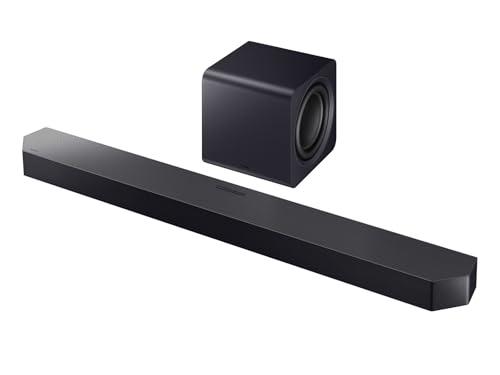
The Samsung HW-Q990F takes the "kitchen sink" approach—it's a complete home theater system disguised as a soundbar package. You get a massive main soundbar with 15 built-in speakers, a wireless subwoofer with dual 8-inch woofers, and two wireless rear speakers that each contain three separate drivers. That's 23 total speakers working together to create an 11.1.4 channel surround sound experience.
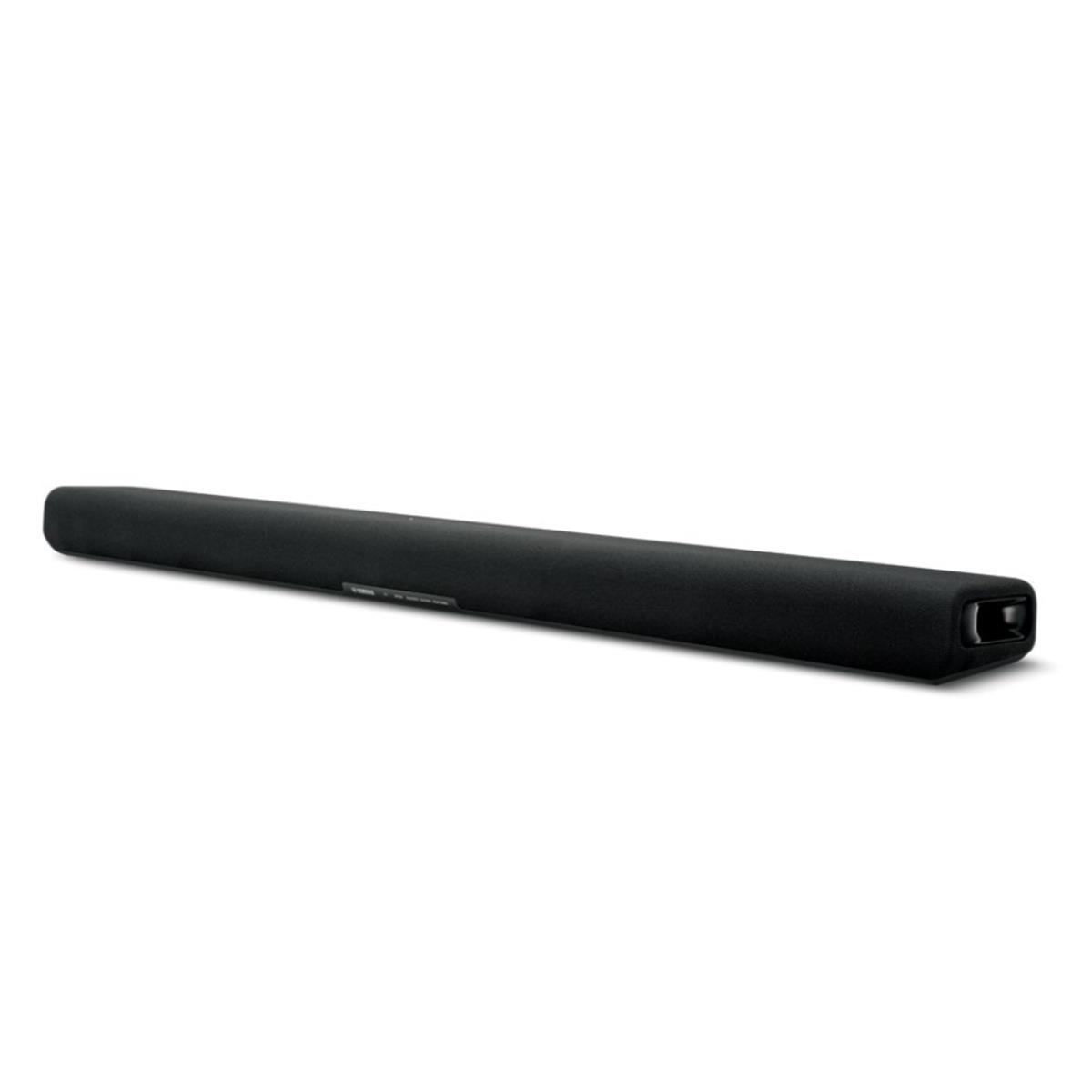
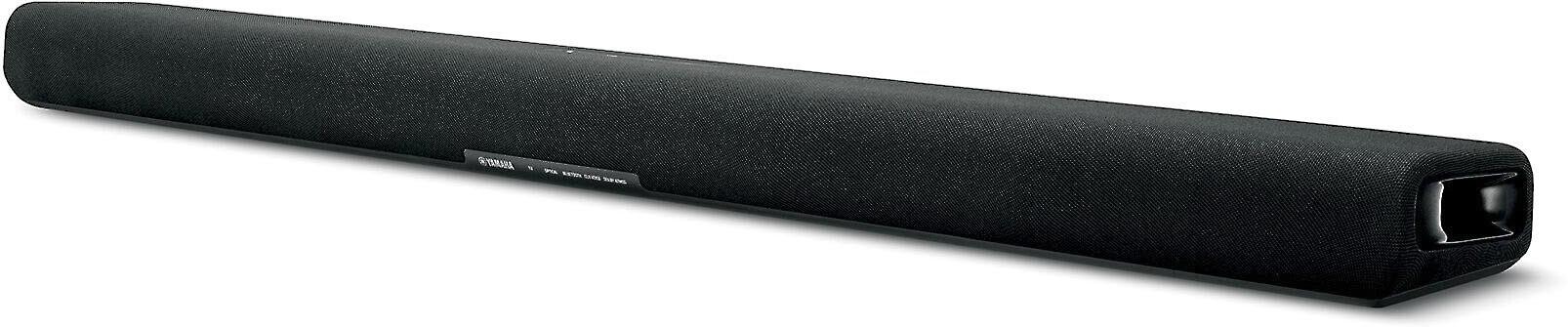
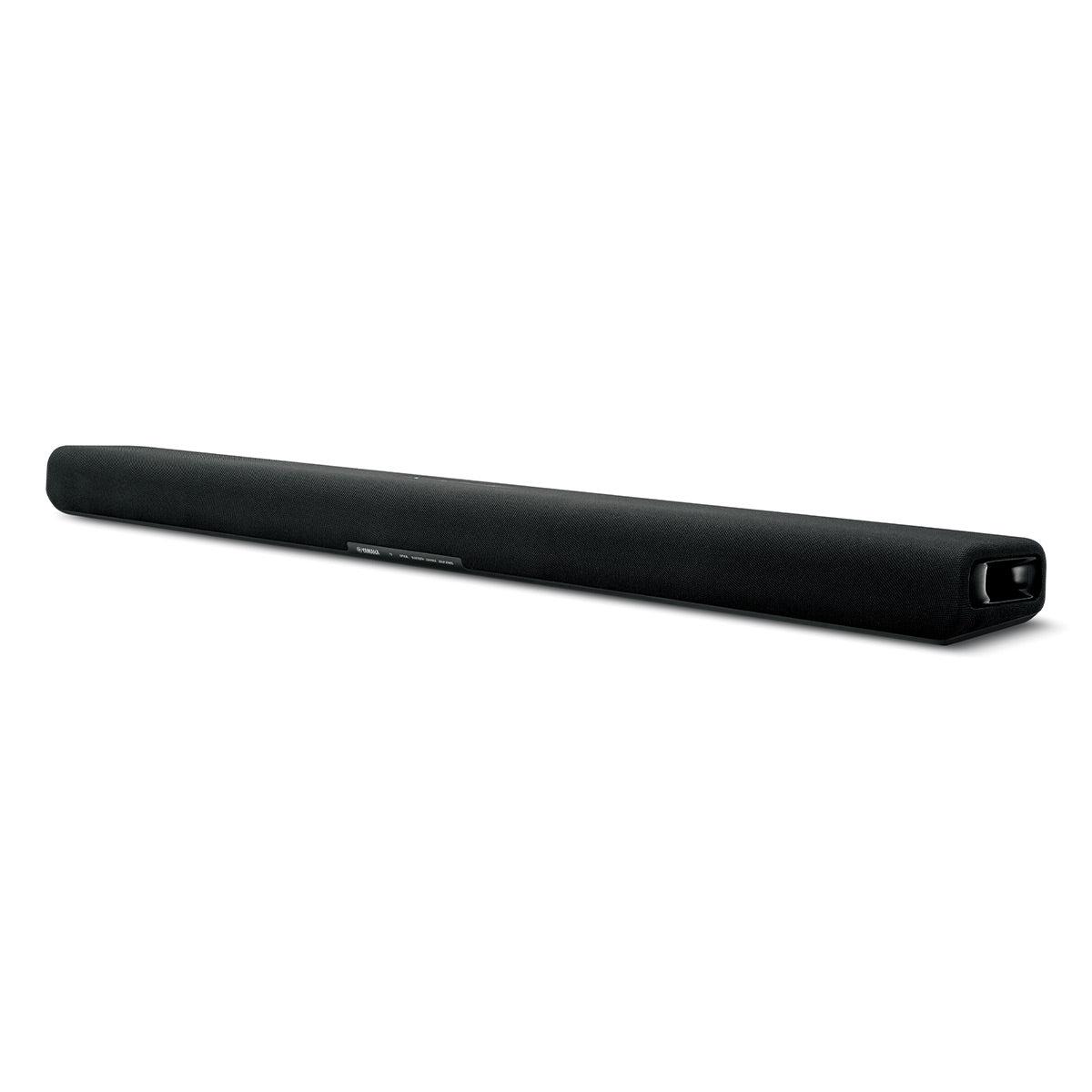
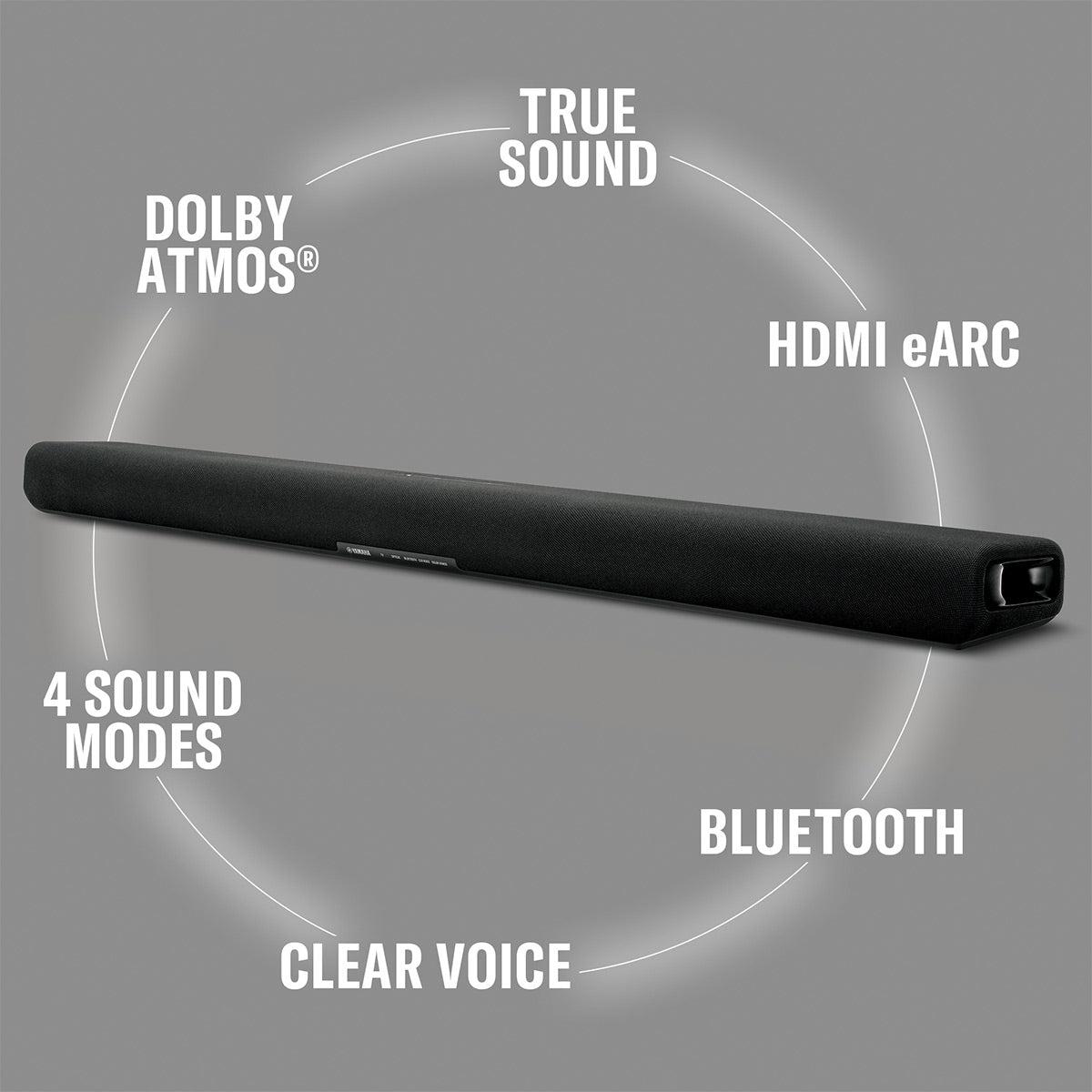
The Yamaha SR-B30A represents the opposite philosophy: simplicity above all else. Everything fits into one sleek unit that measures just under 36 inches wide. Inside are basic left and right speakers plus two built-in subwoofer drivers. It's essentially a 2.1 system that aims to dramatically improve your TV's audio without requiring multiple components or complex setup.
When evaluating soundbars, audio performance breaks down into several key areas: dialogue clarity, bass depth, surround sound immersion, and overall tonal balance.
Both systems tackle dialogue differently, but both succeed in their own ways. The Samsung HW-Q990F features a dedicated center channel—a speaker positioned specifically for dialogue reproduction. This discrete center channel, combined with Samsung's Active Voice Amplifier Pro technology, dynamically adjusts dialogue volume based on background noise in your room. If your dishwasher starts running during a movie, the system automatically boosts voice frequencies to maintain clarity.
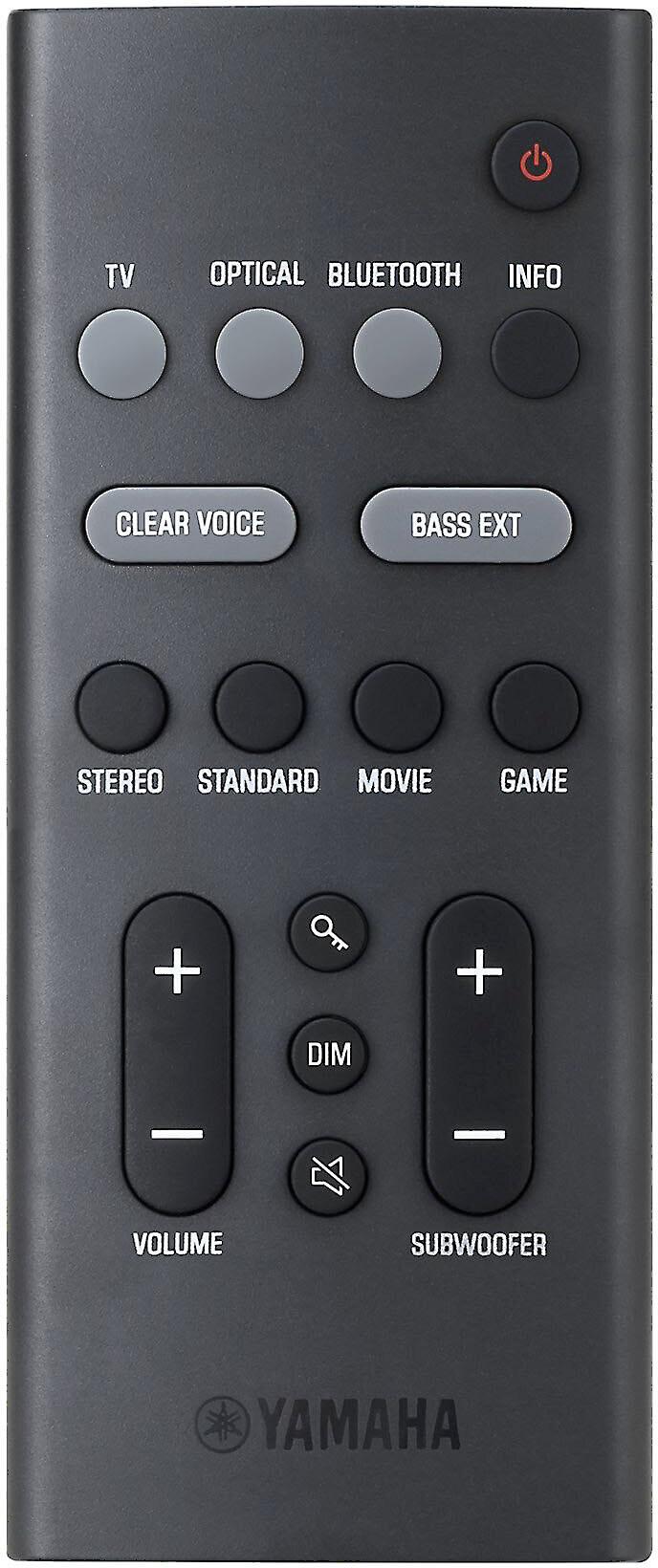
The Yamaha SR-B30A uses what Yamaha calls Clear Voice technology. Rather than a separate center channel, this digital processing enhances dialogue frequencies within the stereo mix. While not as sophisticated as the Samsung's approach, our research shows it effectively makes voices more prominent and intelligible compared to TV speakers. For daily news watching or sitcoms, this simpler approach works surprisingly well.
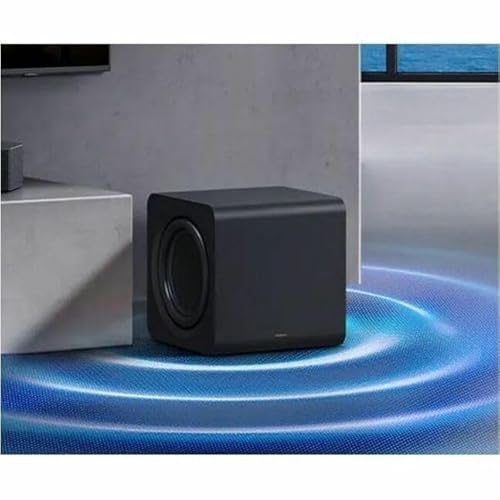
Here's where the fundamental design differences become most apparent. The Samsung HW-Q990F includes a completely separate subwoofer housing two 8-inch woofers in an opposing configuration. This "force-canceling" design minimizes cabinet vibration while maximizing air movement. The subwoofer can reach frequencies as low as 27-32 Hz—deep enough to reproduce the lowest organ notes and movie sound effects that you feel as much as hear.
The subwoofer also features what Samsung calls AI-powered nonlinear control, which analyzes the incoming audio signal and adjusts the woofer movement to minimize distortion. In practical terms, this means cleaner bass that doesn't become muddy or boomy even at high volumes.
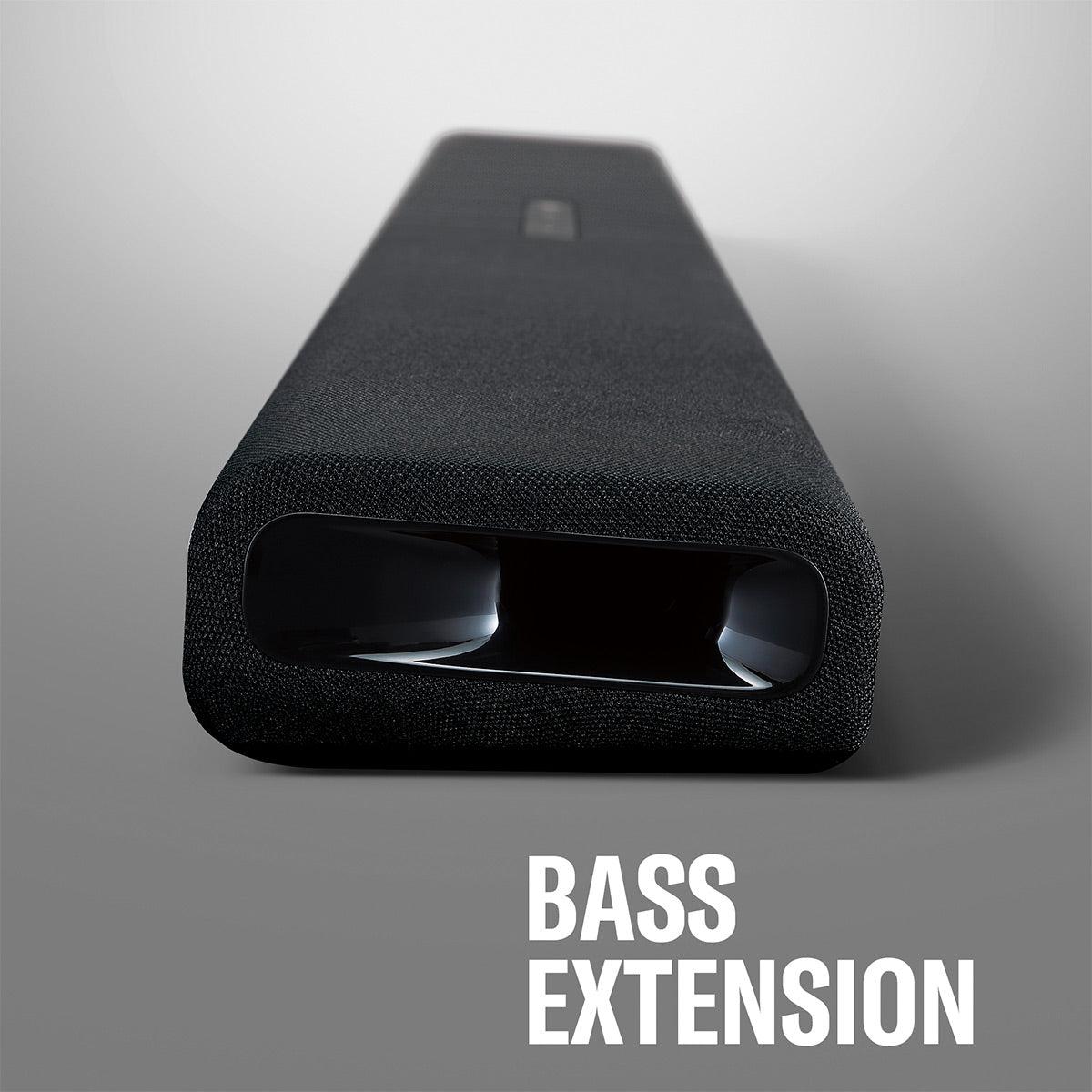
The Yamaha SR-B30A takes a completely different approach with dual 3-inch drivers built directly into the main unit. These drivers handle bass duties alongside the main stereo speakers. While this design can't achieve the depth or power of a dedicated subwoofer, it does provide significantly more bass impact than TV speakers. Yamaha includes a Bass Extension feature that broadens the low-frequency response, though it can't overcome the physical limitations of smaller drivers in a compact enclosure.
The surround sound capabilities represent perhaps the biggest performance gap between these systems. The Samsung HW-Q990F creates true surround sound through physical speaker placement. The main soundbar fires sound forward and upward, while the wireless rear speakers positioned behind your seating area provide genuine rear channel effects and additional height channels.
When watching movies with Dolby Atmos soundtracks, sounds move seamlessly around the room. A helicopter flying overhead actually sounds like it's above you, moving from front to back. Rain seems to fall from the ceiling. These effects work because you have actual speakers above and behind your listening position creating discrete audio channels.
The Yamaha SR-B30A relies on virtual surround processing, sometimes called psychoacoustic processing. This technology analyzes stereo audio and uses phase shifts, delays, and frequency filtering to trick your brain into perceiving width and depth that aren't physically there. While this can create a wider soundstage than basic stereo reproduction, it cannot replicate the precision and immersion of physical surround speakers.
Both systems handle music differently, reflecting their design priorities. The Samsung HW-Q990F offers extensive customization through a seven-band graphic equalizer and independent level controls for center, rear, height, and subwoofer channels. This flexibility allows fine-tuning for different music genres and personal preferences.
Our research indicates the Samsung tends toward a slightly bright presentation that emphasizes detail and clarity, particularly effective for dialogue-heavy content and action movies. The extensive speaker array creates an impressively wide stereo image for music, with excellent instrument separation and precise vocal placement.
The Yamaha SR-B30A takes a more straightforward approach with basic tone controls available through Yamaha's mobile app. Consumer Reports testing found the system provides "acceptable overall sound quality" with reasonably even tonal balance, though they noted some midrange haziness and slightly prominent bass. For casual music listening and TV content, this simpler tuning works well without requiring extensive adjustment.
Gaming has become a crucial soundbar consideration with the rise of PlayStation 5 and Xbox Series X consoles that support advanced audio formats and high refresh rate gaming.
The Samsung HW-Q990F specifically targets serious gamers with two HDMI 2.1 inputs supporting 4K resolution at 120Hz refresh rates—crucial for competitive gaming where every millisecond matters. The Game Mode Pro setting optimizes audio processing for gaming, reducing latency while enhancing directional audio cues that help locate enemies in first-person shooters.
The system also supports Variable Refresh Rate (VRR) and Auto Low Latency Mode (ALLM), ensuring smooth gameplay without audio-video synchronization issues. For gamers who've invested in next-generation consoles, these features justify the premium price.
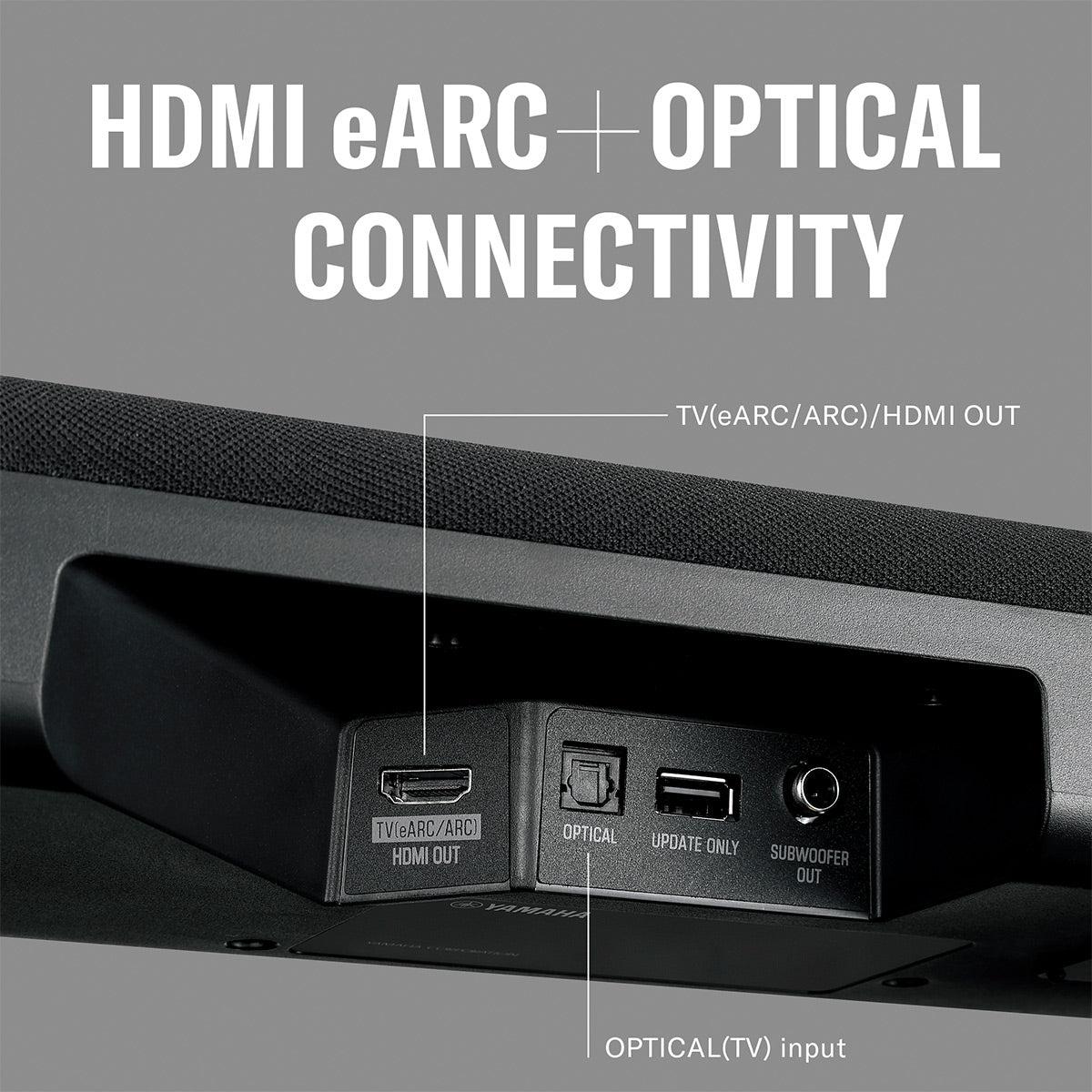
The Yamaha SR-B30A offers basic gaming support through its single HDMI eARC connection and a simple game mode. While adequate for casual gaming, it lacks the advanced features that serious gamers expect from modern systems.
Smart features and connectivity options have become increasingly important as streaming services dominate entertainment consumption. The Samsung HW-Q990F includes comprehensive wireless streaming support: Wi-Fi for direct internet connection, Bluetooth 5.3 for mobile devices, Apple AirPlay 2 for iPhone users, Google Chromecast for Android integration, and direct support for Spotify Connect and Tidal Connect.
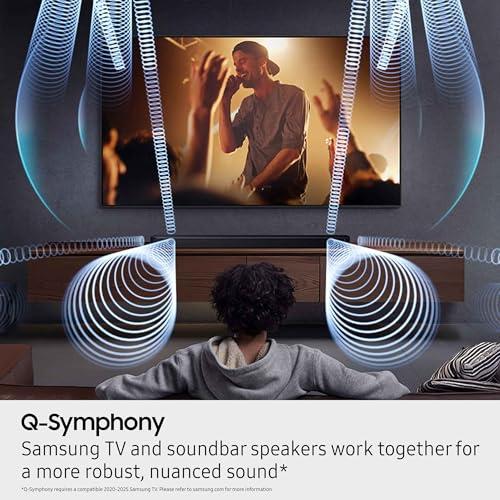
The system also features built-in voice assistants including Samsung's Bixby and Amazon Alexa, allowing voice control of volume, input switching, and basic settings. For Samsung TV owners, the Q-Symphony feature represents a unique advantage—it synchronizes the soundbar with compatible TV speakers to create an even more expansive soundstage using both systems simultaneously.
The Yamaha SR-B30A keeps connectivity simple with Bluetooth 5.1 for wireless streaming and basic app control through Yamaha's Sound Bar Remote app. While this covers most users' needs, it lacks the extensive streaming ecosystem and voice control features of premium systems.
Setup complexity differs dramatically between these approaches. The Samsung HW-Q990F requires strategic placement of three separate components throughout your room. The main soundbar needs positioning below or in front of your TV, the subwoofer requires floor placement with some distance from walls for optimal bass response, and the rear speakers need positioning behind your seating area with access to power outlets.
While all connections are wireless except for AC power, this multi-component setup demands more planning and potentially affects room aesthetics. However, the wireless design does provide placement flexibility—you can position each component for optimal acoustic performance rather than being constrained by cable lengths.
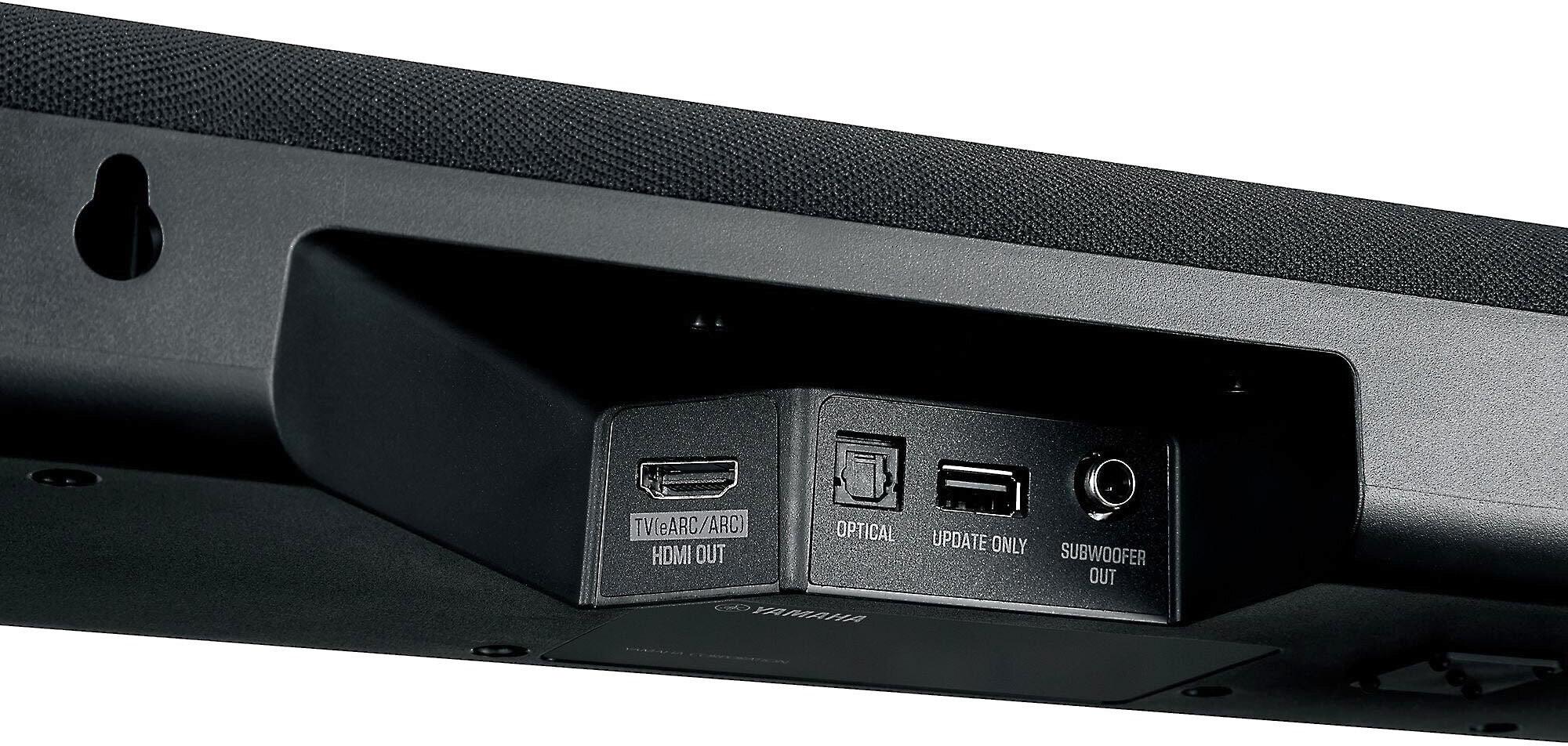
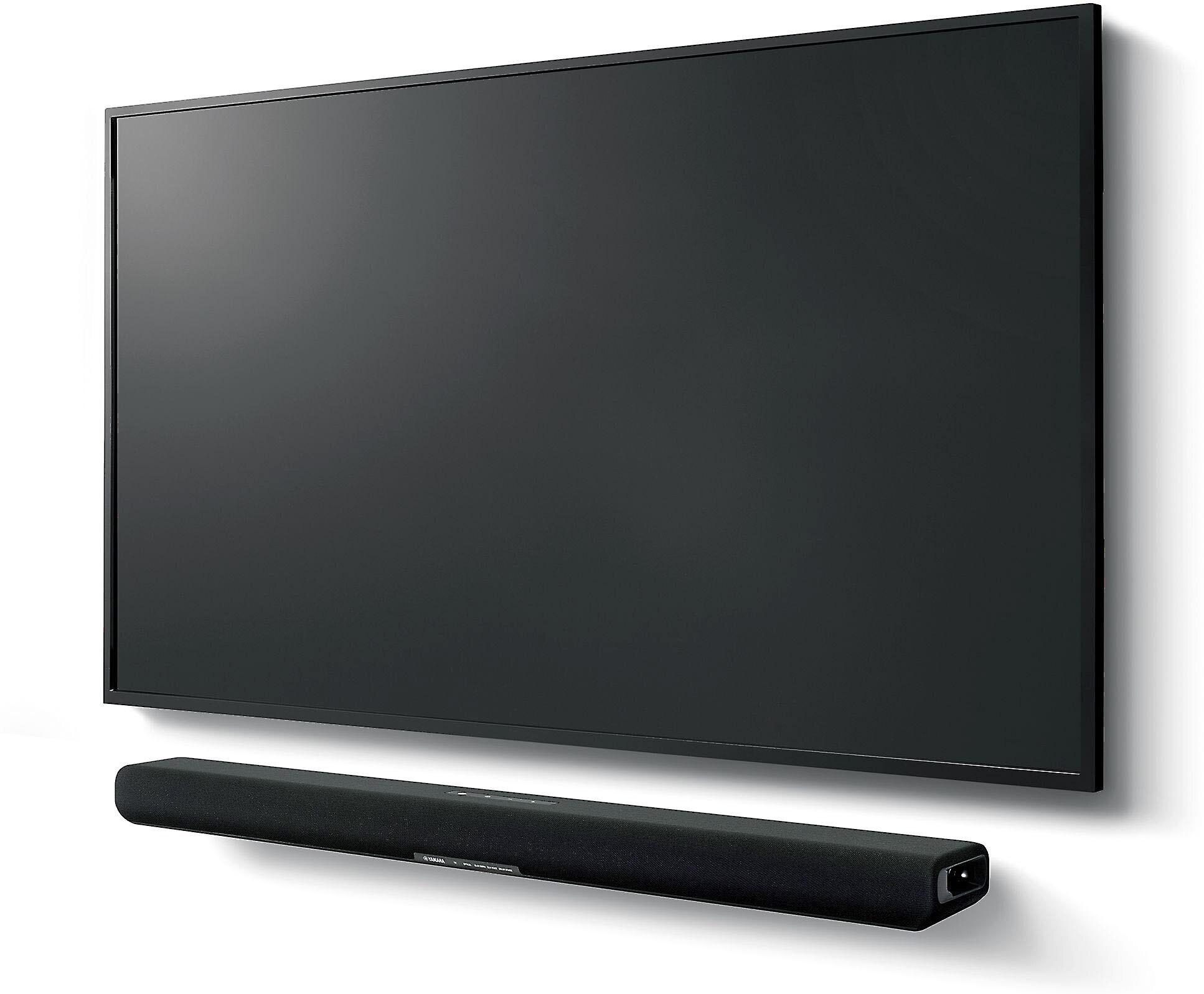
The Yamaha SR-B30A epitomizes plug-and-play simplicity. One unit, one power cable, one connection to your TV. The 35.8-inch width fits perfectly with 43-65 inch TVs, and built-in keyhole mounting makes wall installation straightforward. For apartment dwellers or anyone who prioritizes simplicity, this approach eliminates the complexity of multi-component systems.
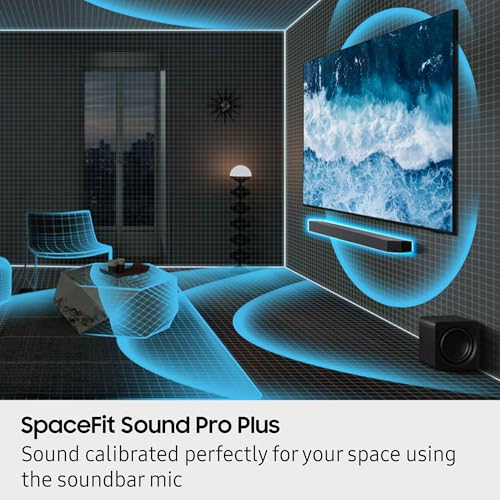
Room size significantly impacts soundbar performance, particularly for surround sound systems. The Samsung HW-Q990F truly shines in medium to large rooms where you can achieve proper speaker separation. With seating distances of 10-15 feet or more, the rear speakers can create convincing surround effects. The system includes SpaceFit Sound Pro Plus, which uses built-in microphones to analyze your room's acoustics and automatically optimize sound delivery.
Smaller rooms actually work against complex surround systems—if your rear speakers are only a few feet behind your head, the surround effect becomes less convincing and potentially distracting. The Yamaha SR-B30A works better in these intimate spaces, providing enhanced stereo sound without overwhelming a small room with multiple audio sources.
At the time of writing, the price difference between these systems is substantial—the Samsung HW-Q990F costs roughly six times more than the Yamaha SR-B30A. This dramatic price gap raises important value questions.
The Samsung's premium reflects genuine technical sophistication: 23 individual speakers, advanced digital signal processing, wireless surround capability, extensive connectivity options, and future-proof gaming features. For home theater enthusiasts who regularly watch movies with Dolby Atmos soundtracks and own compatible gaming consoles, these features justify the investment.
The Yamaha represents exceptional value for casual users. At its price point, it delivers meaningful audio improvement over TV speakers while maintaining simplicity. The cost-per-benefit ratio is compelling for anyone who primarily watches news, sitcoms, or standard broadcast content without demanding immersive surround effects.
For dedicated home theater use, the differences become even more pronounced. The Samsung HW-Q990F can genuinely replace a traditional AV receiver and speaker system for many users. The discrete surround channels, height effects, and powerful subwoofer create a convincing cinema experience that works with the latest Dolby Atmos content from Netflix, Disney+, and other streaming services.
However, this system requires compatible content to show its capabilities. Standard broadcast TV, older movies, and basic cable programming won't showcase the advanced surround processing. If your viewing habits center on premium streaming services and recent movies, the investment makes sense.
The Yamaha SR-B30A serves as a stepping stone from TV speakers toward better audio without the complexity of true home theater systems. It's perfect for bedrooms, smaller living spaces, or situations where you want better sound without the commitment to surround sound setup.
Both companies have continued refining their soundbar technologies since these models' release. Samsung has focused on improving their room calibration algorithms and wireless connectivity stability, while Yamaha has enhanced their virtual surround processing and dialogue enhancement features.
The Samsung HW-Q990F benefits from Samsung's broader ecosystem integration—if you own or plan to purchase Samsung TVs, smartphones, or other smart home devices, the synergy becomes more valuable over time. The system's HDMI 2.1 inputs also provide future-proofing for next-generation gaming consoles and streaming devices.
Choose the Samsung HW-Q990F if you're a serious audio enthusiast with a dedicated media room, regularly consume premium streaming content, own next-generation gaming consoles, and have the budget for a complete home theater upgrade. The system particularly makes sense for Samsung TV owners who can leverage Q-Symphony integration.
The Yamaha SR-B30A serves users who want meaningful audio improvement without complexity or major investment. It's ideal for apartments, bedrooms, secondary viewing areas, or anyone who prioritizes simplicity over ultimate performance. If your primary concern is making dialogue clearer and adding some bass impact to TV viewing, this system delivers excellent value.
The fundamental question isn't whether the Samsung sounds better—it absolutely does. The question is whether the six-fold price difference provides six times the value for your specific needs and usage patterns. For many users, the Yamaha's practical improvements over TV speakers represent better value than the Samsung's ultimate capabilities they may never fully utilize.
Consider your room size, viewing habits, content sources, and long-term audio priorities. Both systems succeed in their intended roles, but they target completely different user needs and expectations. The right choice depends on whether you want basic enhancement or complete transformation of your audio experience.
| Samsung Q-Series HW-Q990F Soundbar | Yamaha SR-B30A Sound Bar with Built-In Subwoofers |
|---|---|
| Channel Configuration - Determines surround sound capability and immersion level | |
| 11.1.4 channels with true Dolby Atmos (23 total speakers across 3 components) | 2.1 channels with virtual Dolby Atmos (single unit with built-in subwoofers) |
| Physical Design - Impacts room requirements and setup complexity | |
| Multi-component system: 48.5" soundbar + wireless subwoofer + wireless rear speakers | All-in-one 35.8" unit with everything built-in |
| Total Power Output - Affects volume capability and dynamic range | |
| 756W RMS across all channels | 120W total (30W x 2 front channels + 60W subwoofer) |
| Subwoofer Configuration - Critical for bass depth and room-filling low frequencies | |
| Wireless dual 8" opposing woofers, reaches 27-32 Hz, 300W dedicated power | Built-in dual 3" drivers, limited low-end extension, 60W power |
| HDMI Connectivity - Important for gaming and 4K content passthrough | |
| 3 HDMI 2.1 ports (2 in, 1 eARC out) with 4K/120Hz support | 1 HDMI eARC port only |
| Room Calibration - Optimizes sound for your specific space | |
| SpaceFit Sound Pro Plus with automatic acoustic analysis | Manual tone controls only via app |
| Wireless Streaming - Determines music and content playback options | |
| Wi-Fi, Bluetooth 5.3, AirPlay 2, Chromecast, Spotify Connect, Tidal Connect | Bluetooth 5.1 only |
| Voice Control - Hands-free operation convenience | |
| Built-in Bixby and Amazon Alexa | None (app control only) |
| Gaming Features - Specialized modes for console gaming | |
| Game Mode Pro, VRR support, Auto Low Latency Mode | Basic game mode only |
| TV Integration - Enhanced functionality with compatible TVs | |
| Q-Symphony with Samsung TVs (uses TV + soundbar speakers simultaneously) | Standard HDMI-CEC control |
| Expandability - Future upgrade potential | |
| Complete system as-is, integrates with Samsung ecosystem | No expansion options, standalone unit |
| Ideal Room Size - Where each system performs best | |
| Medium to large rooms (15+ feet viewing distance) | Small to medium rooms, apartments, bedrooms |
The Yamaha SR-B30A is better suited for small rooms and apartments. Its compact 35.8-inch all-in-one design provides enhanced TV audio without overwhelming smaller spaces. The Samsung HW-Q990F requires multiple components and performs best in medium to large rooms where you can properly position the wireless rear speakers for surround sound effects.
The Samsung HW-Q990F delivers true Dolby Atmos with dedicated upward-firing speakers that physically bounce sound off your ceiling for overhead effects. The Yamaha SR-B30A uses virtual Dolby Atmos, which digitally processes audio to simulate height effects without additional drivers. True Atmos provides more convincing three-dimensional sound placement.
The Samsung HW-Q990F includes a powerful wireless subwoofer with dual 8-inch woofers that delivers deep, room-filling bass. The Yamaha SR-B30A has built-in subwoofers that provide adequate bass for its price range, but you cannot add an external subwoofer later if you want more powerful low-end response.
The Yamaha SR-B30A is much simpler to install - it's a single unit that connects to your TV with one cable. The Samsung HW-Q990F requires positioning three separate wireless components (soundbar, subwoofer, and rear speakers) throughout your room, making setup more complex but ultimately more rewarding for surround sound performance.
The Samsung HW-Q990F excels for gaming with two HDMI 2.1 inputs supporting 4K/120Hz for PlayStation 5 and Xbox Series X, plus Game Mode Pro for optimized audio. The Yamaha SR-B30A has basic gaming support through its single HDMI eARC connection and simple game mode, suitable for casual gaming.
Both support wireless music streaming, but the Samsung HW-Q990F offers more options including Wi-Fi, Bluetooth 5.3, Apple AirPlay 2, Spotify Connect, and Google Cast. The Yamaha SR-B30A provides basic Bluetooth 5.1 streaming, which covers most users' music needs at its price point.
The Samsung HW-Q990F contains 23 total speakers across all components: 15 in the main soundbar, 4 in the subwoofer, and 6 in the rear speakers (3 per speaker). The Yamaha SR-B30A has a simpler configuration with front left/right speakers, tweeters, and built-in subwoofer drivers in a single unit.
Both excel at dialogue but use different approaches. The Samsung HW-Q990F has a dedicated center channel speaker and Active Voice Amplifier Pro that automatically adjusts dialogue based on room noise. The Yamaha SR-B30A uses Clear Voice technology to enhance speech frequencies, making voices more prominent than standard TV speakers.
Yes, both support HDMI-CEC control through your TV remote for basic functions. The Samsung HW-Q990F offers additional control through Samsung's app, built-in voice assistants (Bixby and Alexa), and enhanced integration with Samsung TVs. The Yamaha SR-B30A provides app control through Yamaha's Sound Bar Remote app.
The Yamaha SR-B30A offers exceptional value for users wanting significant improvement over TV speakers without complexity or high cost. The Samsung HW-Q990F justifies its premium price with genuine surround sound, extensive features, and home theater-quality performance for serious audio enthusiasts.
The Samsung HW-Q990F is specifically designed for home theater applications with true 11.1.4 surround sound, Dolby Atmos height effects, and powerful bass that can replace traditional speaker systems. The Yamaha SR-B30A enhances TV audio significantly but is better suited for casual viewing rather than dedicated home theater setups.
For first-time soundbar buyers, the Yamaha SR-B30A provides an excellent introduction with dramatic improvement over TV audio, simple setup, and affordable pricing. The Samsung HW-Q990F is better suited for users who want the ultimate soundbar experience and have the room space and budget for a complete audio transformation.
We've done our best to create useful and informative comparisons to help you decide what product to buy. Our research uses advanced automated methods to create this comparison and perfection is not possible - please contact us for corrections or questions. These are the sites we've researched in the creation of this article: rtings.com - crutchfield.com - sound-advice.online - samsung.com - soundandvision.com - samsung.com - whathifi.com - youtube.com - youtube.com - bestbuy.com - avsforum.com - content.syndigo.com - samsung.com - businessinsider.com - dolby.com - youtube.com - abcwarehouse.com - usa.yamaha.com - worldwidestereo.com - audiolab.com - shop.sg.yamaha.com - consumerreports.org - usa.yamaha.com - vinylsound.ca - bestbuy.com - modernappliancewoodward.com - bluestardist.com - target.com - my.yamaha.com

Privacy Policy
Terms and Conditions - Affiliate Policy
Home Security
© Copyright 2008-2026.
11816 Inwood Rd #1211, Dallas, TX 75244