





If you've been suffering through your TV's tiny built-in speakers, you're not alone. Most TVs today prioritize thin designs over audio quality, leaving viewers with muddy dialogue and zero bass impact. This is where soundbars come to the rescue—they're the sweet spot between terrible TV audio and the complexity of a full surround sound system with separate receivers and multiple speakers.
The soundbar market has exploded over the past decade, but not all systems are created equal. When evaluating any soundbar, there are several key factors that separate the winners from the disappointments.
Channel configuration is probably the most important spec to understand. Those numbers you see—like 5.1 or 11.1.4—tell you exactly how many speakers and what kind of surround experience you'll get. The first number represents your main channels (front left, center, front right, plus surround speakers), the second is your subwoofer count, and if there's a third number, those are your height channels that bounce sound off your ceiling for overhead effects.
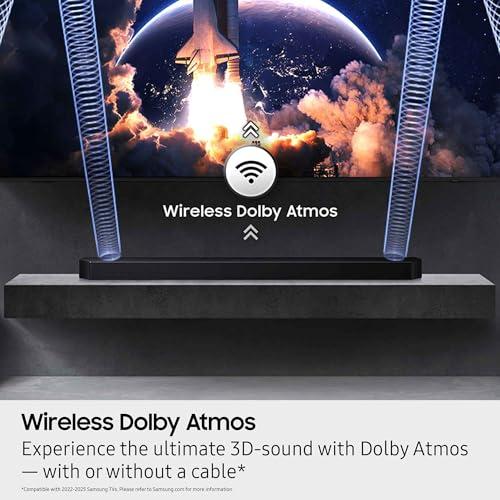
Audio format support determines whether you can actually experience modern movie soundtracks as intended. Dolby Atmos and DTS:X are object-based formats that place sounds in three-dimensional space around you—imagine hearing a helicopter fly overhead, or rain falling from above. Without these formats, you're missing a huge part of what makes modern movies so immersive.
Connectivity options matter more than you might think. HDMI eARC (enhanced Audio Return Channel) is the gold standard because it can handle the highest quality audio formats without compression. Older optical connections create bottlenecks that limit audio quality.
Finally, there's room calibration—some systems automatically measure your room's acoustics and adjust their output accordingly, while others require you to manually tweak settings through an app.
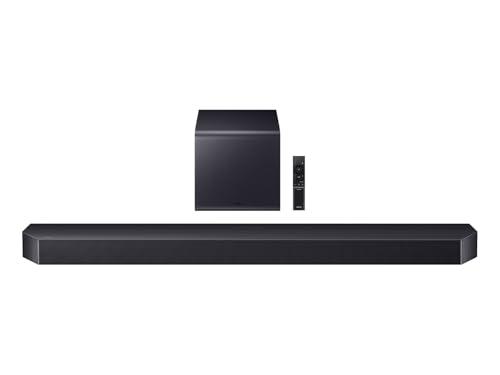
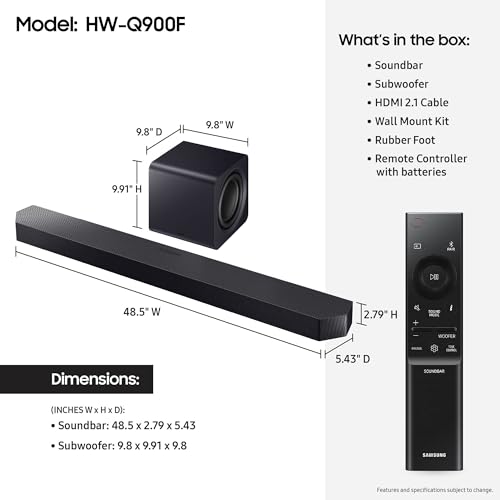
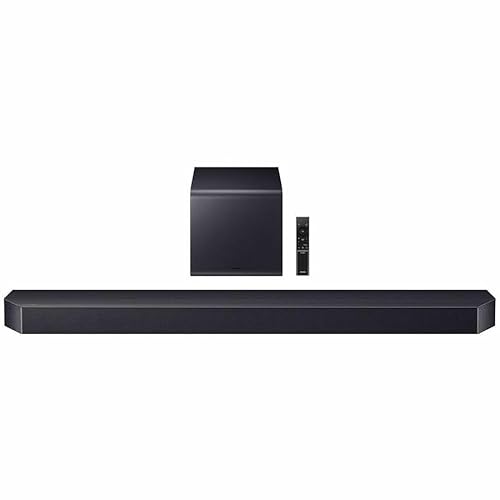
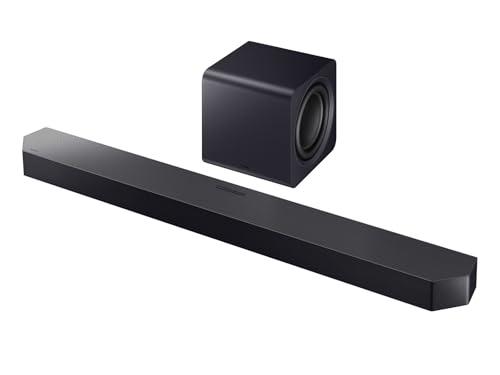
The Samsung HW-Q990F launched in 2025 as Samsung's latest flagship, representing the cutting edge of soundbar technology. At the time of writing, it commands a premium price that puts it in the same category as high-end AV receivers and speaker packages—we're talking about a significant investment that could easily exceed $1,200.
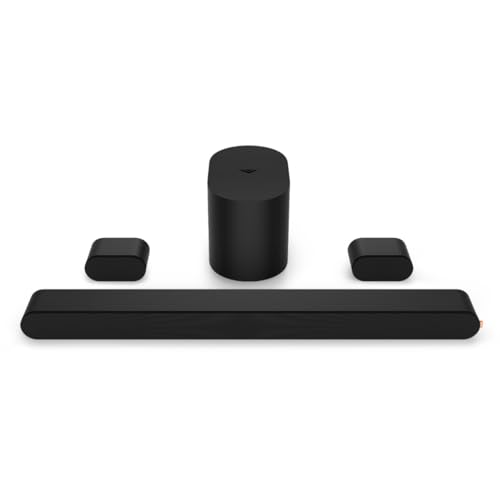
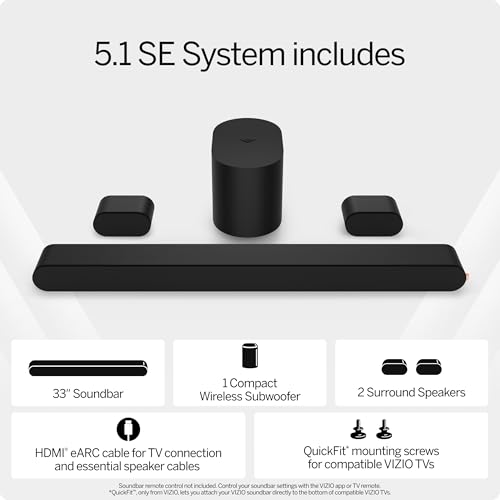
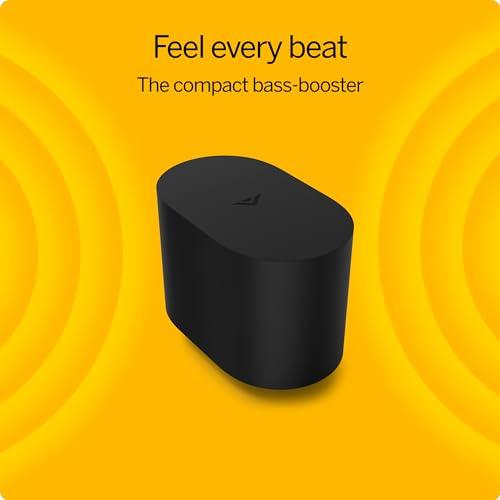
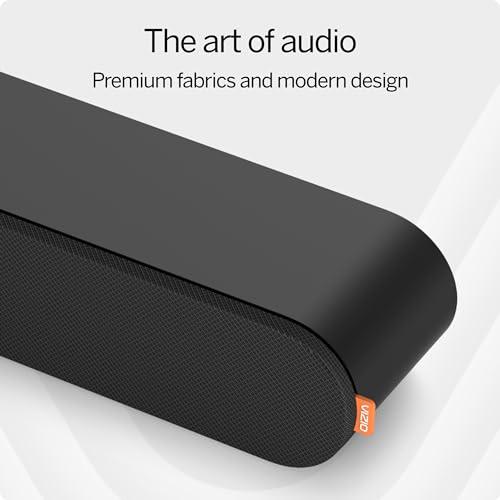
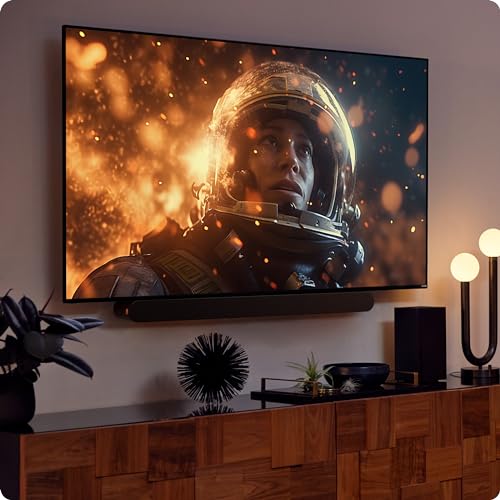
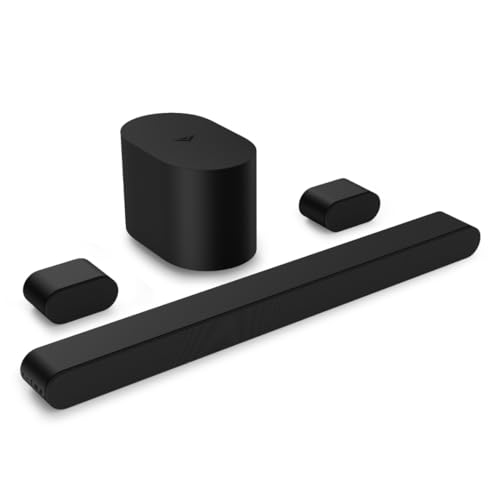
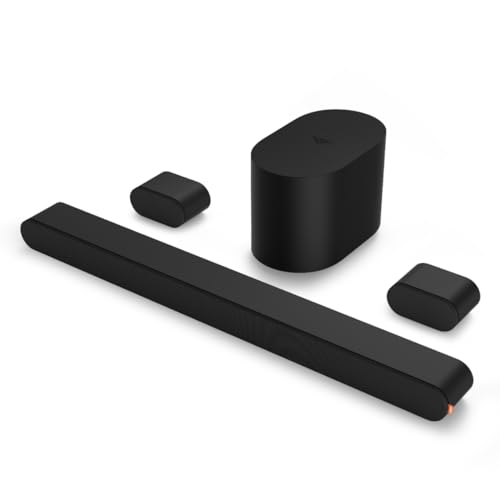
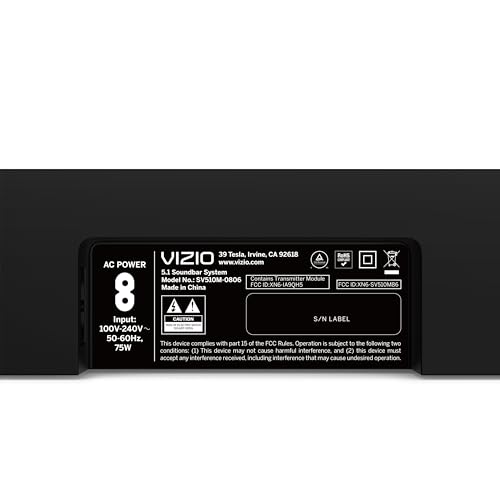
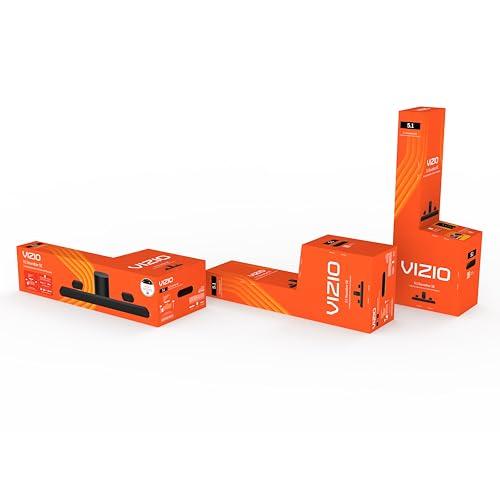
The VIZIO 5.1 Soundbar SE, meanwhile, takes a completely different approach. This system brings Dolby Atmos to the masses with an innovative design featuring physically rotating speakers, all while maintaining a price point that makes it accessible to budget-conscious buyers—typically under $250 at the time of writing.
The price difference between these systems is substantial—the Samsung costs roughly six times more than the VIZIO. But does that translate to six times better performance? That's what we'll dig into.
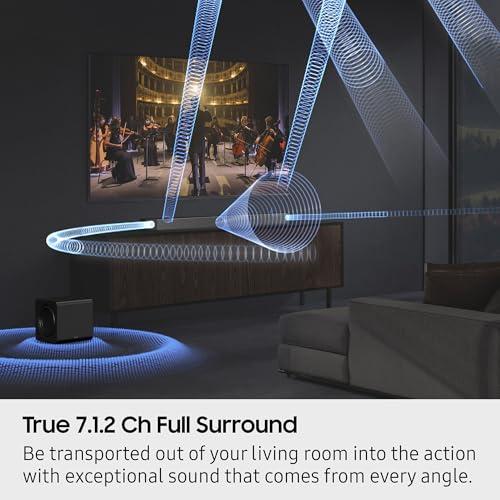
The Samsung HW-Q990F doesn't mess around when it comes to surround sound. Its 11.1.4 configuration includes a staggering 23 individual speakers spread across the main soundbar, wireless subwoofer, and wireless rear speakers. This isn't just marketing fluff—those extra channels create what audio engineers call a "seamless soundfield."
What makes this system special is how those rear speakers are designed. Each one contains three separate drivers: one pointing forward, one to the side, and one angled upward. This tri-directional approach means that when a sound effect moves from your front speakers to the rear, there's no gap or discontinuity—it flows smoothly around the room like it would in a real movie theater.
The height channels deserve special attention because they're what make Dolby Atmos work. Instead of just having sound come from speakers at ear level, the Samsung bounces audio off your ceiling to create the illusion of sounds coming from above. Based on expert reviews, this system excels at creating convincing overhead effects—whether it's a spaceship flying overhead or subtle atmospheric sounds like wind in the trees.
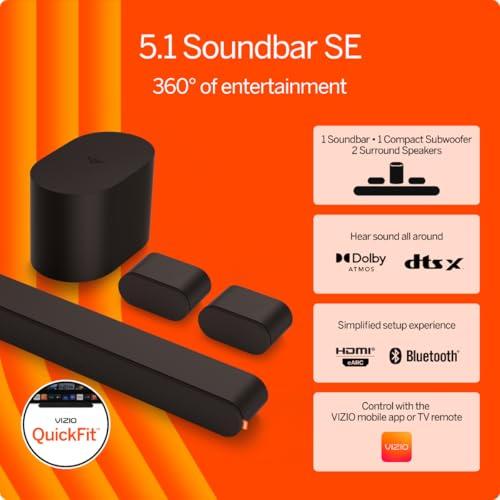
The VIZIO 5.1 Soundbar SE takes a fundamentally different approach with its 5.1.2 setup, but it includes one of the coolest mechanical features we've seen in a soundbar. When the system detects Dolby Atmos content, speakers literally rotate upward from the main bar—you can actually watch them move. It's not just a gimmick; this physical repositioning helps direct sound toward your ceiling more effectively than fixed up-firing speakers.
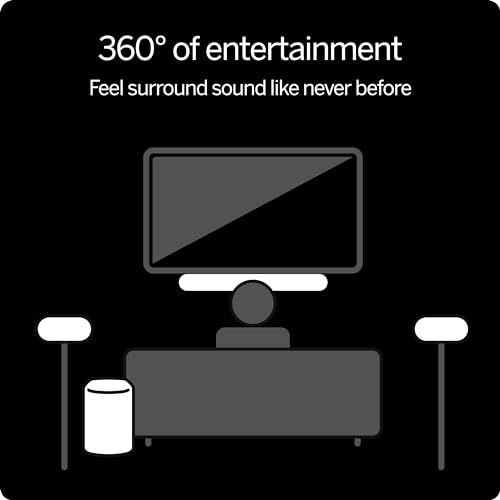
However, the reality of physics means this system has limitations. With only 5.1 base channels plus 2 height channels, the VIZIO can't create the same level of surround envelopment as the Samsung's 11.1.4 setup. The rear speakers connect via wires to the subwoofer rather than wirelessly to the main bar, which can limit your placement options.
Based on user feedback, the Atmos effect is noticeable but not as dramatic as what you'd experience with more expensive systems. The height sensation tends to feel like it's coming from above the soundbar rather than truly overhead, which makes sense given the acoustic limitations of bouncing sound off ceilings in different room configurations.
Nothing ruins a movie experience like unclear dialogue, and this is where the channel count really shows its importance. The Samsung HW-Q990F features a dedicated center channel that's specifically engineered for speech reproduction, combined with Samsung's Active Voice Amplifier Pro technology that analyzes background noise and dynamically boosts dialogue frequencies when needed.
This isn't just theoretical—expert reviews consistently praise the Samsung's dialogue performance, noting that conversations remain clear even during complex action sequences with lots of competing sound effects. The system also includes multiple voice enhancement modes that you can adjust based on your content and room acoustics.
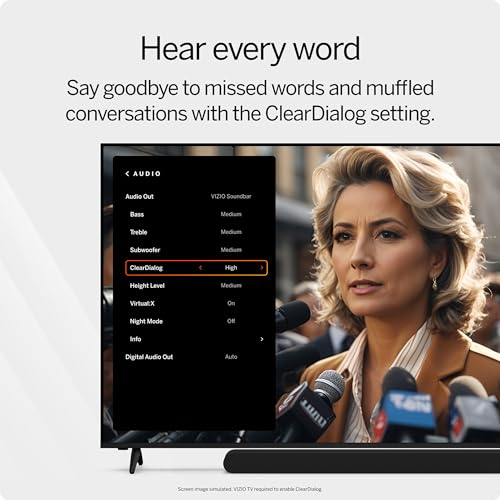
The VIZIO 5.1 SE also includes a center channel, but it's less sophisticated. While dialogue comes through clearly enough for most content, it doesn't have the same level of refinement or the advanced processing that Samsung offers. For casual viewing, this difference might not be noticeable, but it becomes apparent during demanding content with dense soundtracks.
Dynamic range refers to the difference between the quietest and loudest sounds a system can reproduce, and it's crucial for maintaining the emotional impact of movies and music. The Samsung delivers 756 watts of total power across its 23 speakers, with sophisticated processing that prevents compression (audio getting "squashed" during loud scenes) at normal listening levels.
Based on technical measurements from audio experts, the Samsung maintains its composure even when pushed hard, though some reviews note slight compression in the bass frequencies at maximum volume due to its sealed subwoofer design—a trade-off Samsung made to reduce cabinet rattling.
The VIZIO produces a maximum of 96 decibels, which is plenty loud for most rooms but shows its limitations in larger spaces or when you want truly thunderous bass impact. The dynamic range is adequate for the price point, but you'll notice the difference during explosion scenes or musical passages with wide dynamic swings.
The Samsung HW-Q990F represents a fully modern approach to connectivity. Its HDMI 2.1 inputs support 4K video at 120Hz with HDR10+, making it ideal for next-generation gaming consoles like the PlayStation 5 and Xbox Series X. This means you can connect your gaming console directly to the soundbar and still get the full visual and audio experience when gaming.
The smart features are equally impressive. Built-in voice assistants (both Bixby and Alexa) mean you can control the system hands-free, while support for Spotify Connect, Apple AirPlay 2, and Google Cast covers virtually every streaming scenario. The system is even Roon Ready, which is significant for serious music listeners who want to stream high-resolution audio files without quality loss.
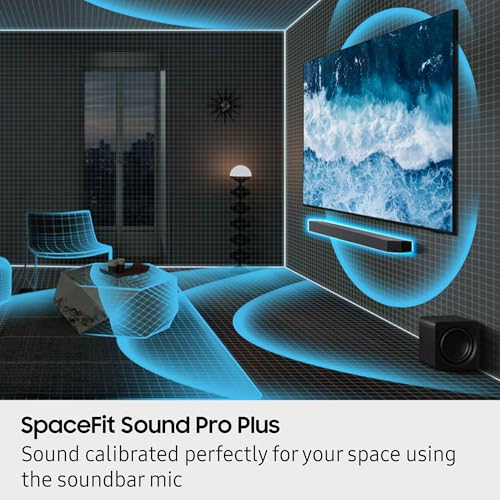
Perhaps most importantly, the SpaceFit Sound Pro Plus technology uses built-in microphones to analyze your room's acoustics and automatically adjusts the sound accordingly. This eliminates hours of manual tweaking that would be required with traditional AV receiver setups.
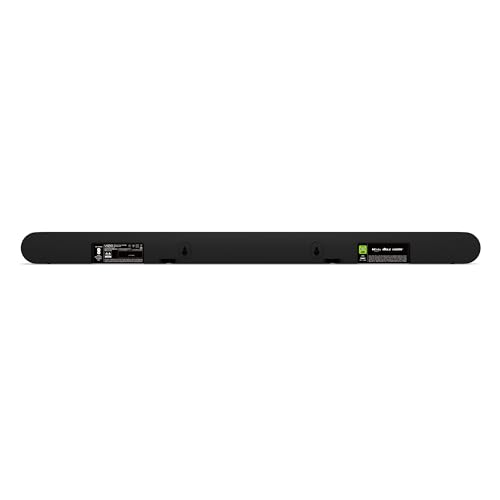
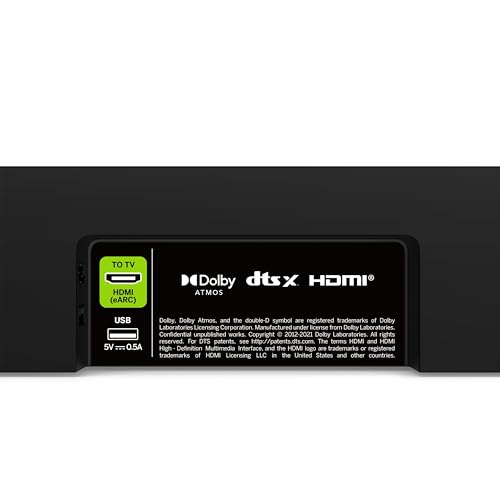
The VIZIO 5.1 SE covers the basics with HDMI eARC and Bluetooth connectivity, plus Wi-Fi for app control. However, it lacks the advanced gaming features and comprehensive streaming options of the Samsung. Voice assistant support requires external devices rather than being built-in.
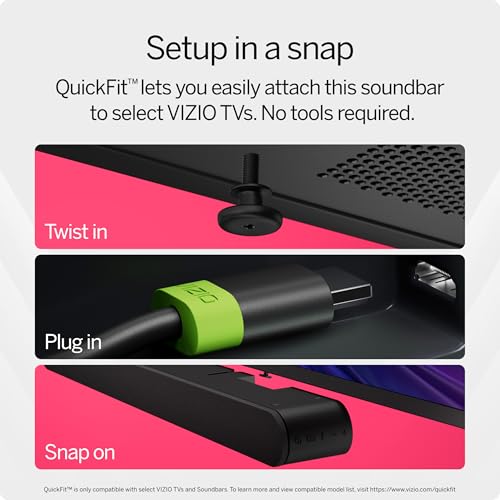
One unique feature is VIZIO's QuickFit mounting system, which allows tool-free attachment to compatible VIZIO TVs. While this creates a clean aesthetic, it limits your flexibility if you don't own a VIZIO display.
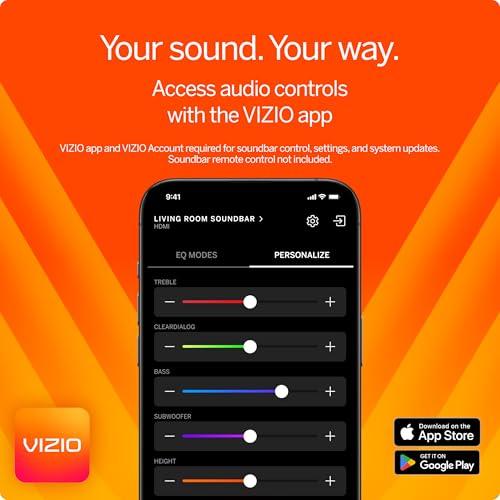
The mobile app provides EQ control and various presets, but unlike the Samsung's automatic room correction, you'll need to manually adjust settings to optimize performance for your space. This isn't necessarily bad—some audio enthusiasts prefer having granular control—but it does require more effort and technical knowledge.
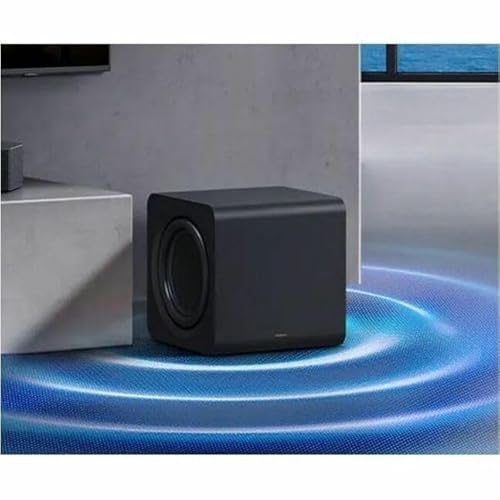
The subwoofer often makes or breaks a home theater system, and these two approaches couldn't be more different. The Samsung's wireless subwoofer features dual 8-inch force-canceling woofers in a sealed enclosure. The "force-canceling" design means the two drivers work in opposition to eliminate cabinet vibration, resulting in cleaner bass that won't rattle your furniture.
Samsung's AI-powered Dynamic Bass Control continuously monitors and adjusts the low-frequency output to prevent distortion, maintaining clean bass even during the most demanding content. However, expert measurements reveal that the sealed design, while eliminating rattle, does introduce some compression during extremely loud passages—the trade-off of prioritizing clean output over maximum impact.
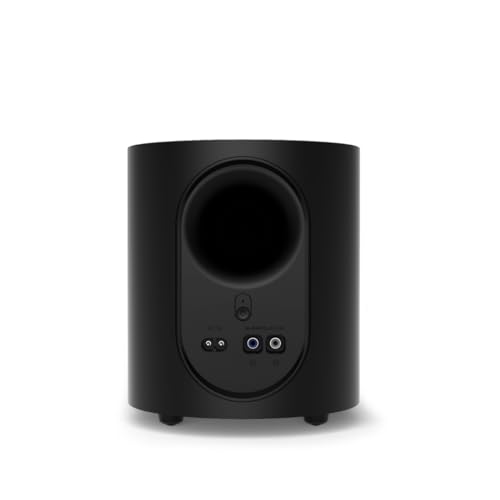
The VIZIO's compact wireless subwoofer uses a single driver in a ported enclosure, which typically provides more output than sealed designs but can be less controlled. At its price point, the bass performance is impressive, but it lacks the sophistication and room-filling capability of the Samsung's dual-driver approach.
Your room plays a huge role in soundbar performance, especially for Dolby Atmos effects that rely on ceiling reflections. The Samsung HW-Q990F handles challenging rooms better thanks to its automatic calibration and multiple up-firing drivers in both the main bar and rear speakers. The wireless rear speakers also give you maximum flexibility in placement—you can position them optimally for your seating arrangement without worrying about wire runs.
The VIZIO 5.1 SE is more sensitive to room acoustics. The rotating speakers work best with flat, reflective ceilings at appropriate heights. Vaulted, textured, or very high ceilings can diminish the Atmos effect. Additionally, since the rear speakers must connect via wires to the subwoofer, your room layout needs to accommodate cable routing.
For smaller to medium rooms with standard ceilings, the VIZIO can deliver satisfying results with proper setup. But in challenging acoustic environments or larger spaces, the Samsung's superior speaker count and automatic optimization provide significant advantages.
You're serious about home theater performance and willing to invest in flagship-level audio quality. This system shines in medium to large rooms where its power and sophisticated processing can really demonstrate their capabilities. If you frequently watch demanding content—think Marvel movies, nature documentaries, or play immersive video games—the Samsung delivers an experience that rivals dedicated theater installations.
The automatic room calibration makes it ideal for users who want premium performance without spending hours tweaking settings. If you own Samsung TVs and want seamless integration, or if you're an audiophile who streams high-resolution music, the comprehensive connectivity and advanced features justify the premium price.
Your priority is getting meaningful audio improvement without breaking the bank. Despite its limitations, the VIZIO delivers a genuine surround sound experience with Dolby Atmos capability at a fraction of flagship pricing. The unique rotating speakers add visual appeal and functional benefit that you won't find elsewhere.
This system works best in smaller to medium rooms with standard ceiling heights and layouts that accommodate wired rear speaker connections. If you're comfortable using mobile apps for audio adjustments and don't need extensive streaming features, the VIZIO provides excellent value for casual to moderate home theater use.
The choice between these systems ultimately comes down to your priorities and budget. The Samsung HW-Q990F represents the pinnacle of soundbar technology with performance that justifies its premium positioning—if audio quality is your primary concern and budget allows, it's genuinely impressive how close it comes to dedicated multi-component systems.
The VIZIO 5.1 Soundbar SE proves that good surround sound doesn't require massive investment. While it can't match the Samsung's refinement or room-filling capability, it delivers 80% of the experience at roughly 15% of the cost. For many users moving up from TV speakers, that represents outstanding value.
Both systems will dramatically improve your audio experience compared to TV speakers, but they serve different audiences and use cases. Choose based on your room size, budget, and how critical audio quality is to your enjoyment of movies, music, and games.
| Samsung Q-Series HW-Q990F Soundbar | VIZIO 5.1 Soundbar SE Dolby Atmos Surround System |
|---|---|
| Channel Configuration - Determines surround sound immersion level | |
| 11.1.4 channels with 23 total speakers | 5.1.2 channels with rotating height speakers |
| Audio Formats - Support for modern 3D movie soundtracks | |
| Dolby Atmos, DTS:X, DTS-HD Master Audio, Dolby TrueHD, Eclipsa Audio | Dolby Atmos, DTS:X |
| Speaker Setup - How many components you need to place | |
| Main soundbar + wireless subwoofer + wireless rear speakers | Main soundbar + wireless subwoofer + wired rear speakers |
| Total Power Output - Volume and dynamic range capability | |
| 756W RMS (room-filling for large spaces) | 96dB max output (suitable for medium rooms) |
| Room Calibration - Automatic vs manual audio optimization | |
| SpaceFit Sound Pro Plus (automatic microphone-based tuning) | Manual EQ adjustment via mobile app required |
| HDMI Connectivity - Gaming and high-quality audio support | |
| 3x HDMI 2.1 ports with 4K/120Hz passthrough | 1x HDMI eARC only |
| Voice Assistants - Built-in smart control options | |
| Built-in Bixby and Alexa | External device required for voice control |
| Streaming Services - Wireless music playback options | |
| Spotify Connect, Apple AirPlay 2, Google Cast, Roon Ready, TIDAL Connect | Bluetooth streaming, basic Wi-Fi |
| Unique Technology - Standout features that differentiate each system | |
| Q-Symphony TV integration, AI Dynamic Bass Control | Physically rotating speakers for Atmos height effects |
| Rear Speaker Connectivity - Placement flexibility considerations | |
| Wireless connection allows optimal positioning | Wired to subwoofer limits placement options |
| Target Room Size - Acoustic performance recommendations | |
| Medium to large rooms with challenging acoustics | Small to medium rooms with standard ceilings |
| Setup Complexity - Technical knowledge required | |
| Plug-and-play with automatic optimization | Manual tuning needed for optimal performance |
The Samsung Q-Series HW-Q990F Soundbar delivers superior surround sound with its 11.1.4 channel configuration and 23 total speakers, creating a seamless 360-degree audio experience. The VIZIO 5.1 Soundbar SE Dolby Atmos Surround System offers good surround sound for its price range with 5.1.2 channels, but can't match the immersion level of the Samsung's extensive speaker array.
Yes, both the Samsung Q-Series HW-Q990F and VIZIO 5.1 Soundbar SE support Dolby Atmos for overhead audio effects. The Samsung uses multiple up-firing drivers in both the main bar and rear speakers, while the VIZIO features unique physically rotating speakers that pivot upward when Atmos content is detected.
The Samsung Q-Series HW-Q990F Soundbar is significantly better for large rooms with its 756W total power output and room-filling 23-speaker configuration. The VIZIO 5.1 Soundbar SE works well in small to medium rooms but may struggle to adequately fill larger spaces due to its lower power output.
The Samsung Q-Series HW-Q990F offers extensive connectivity with three HDMI 2.1 ports, 4K/120Hz gaming support, built-in voice assistants, and multiple streaming services like Spotify Connect and Apple AirPlay 2. The VIZIO 5.1 Soundbar SE provides basic connectivity with HDMI eARC, Bluetooth, and app control, but lacks the advanced gaming features and comprehensive streaming options.
The Samsung Q-Series HW-Q990F Soundbar includes truly wireless rear speakers that connect directly to the main soundbar, offering maximum placement flexibility. The VIZIO 5.1 Soundbar SE has rear speakers that must be wired to the subwoofer, which can limit your placement options depending on your room layout.
The Samsung Q-Series HW-Q990F features SpaceFit Sound Pro Plus technology that automatically calibrates audio based on your room's acoustics using built-in microphones. The VIZIO 5.1 Soundbar SE requires manual adjustment through its mobile app, giving you control but requiring more setup effort.
The VIZIO 5.1 Soundbar SE provides exceptional value for budget-conscious buyers, delivering genuine Dolby Atmos and surround sound at a fraction of premium pricing. The Samsung Q-Series HW-Q990F offers flagship performance that justifies its premium cost for users prioritizing audio quality and advanced features.
The Samsung Q-Series HW-Q990F Soundbar excels for gaming with HDMI 2.1 support, 4K/120Hz passthrough, and a dedicated Game Pro mode for directional audio cues. The VIZIO 5.1 Soundbar SE can handle gaming audio but lacks the advanced gaming-specific features and low-latency processing of the Samsung.
The Samsung Q-Series HW-Q990F delivers superior bass with dual 8-inch force-canceling woofers and AI Dynamic Bass Control that prevents distortion. The VIZIO 5.1 Soundbar SE includes a compact wireless subwoofer that provides adequate bass for its price range but can't match the depth and control of the Samsung's premium subwoofer design.
The Samsung Q-Series HW-Q990F offers a plug-and-play experience with automatic room calibration and wireless components. The VIZIO 5.1 Soundbar SE requires more hands-on setup including running wires for rear speakers and manual EQ adjustment through the mobile app to achieve optimal performance.
The Samsung Q-Series HW-Q990F Soundbar is superior for music streaming with support for high-resolution formats, Roon Ready certification, and multiple streaming services including Spotify Connect and TIDAL Connect. The VIZIO 5.1 Soundbar SE handles basic Bluetooth music streaming adequately but lacks the advanced audio processing and streaming options for serious music listening.
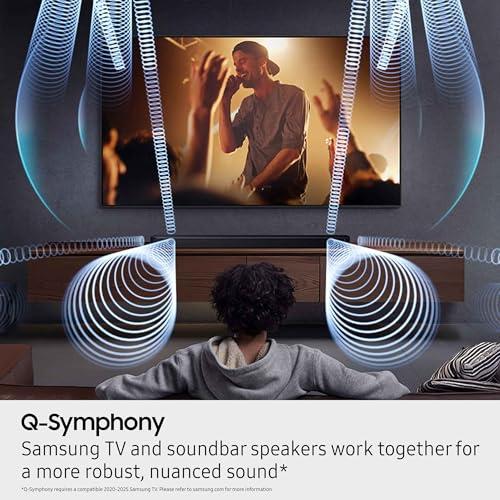
The Samsung Q-Series HW-Q990F stands out with its comprehensive 23-speaker setup, automatic room calibration, and Q-Symphony integration with Samsung TVs for expanded audio. The VIZIO 5.1 Soundbar SE features innovative mechanically rotating speakers that physically move for Atmos effects, offering a unique visual and functional element not found in other soundbars at this price point.
We've done our best to create useful and informative comparisons to help you decide what product to buy. Our research uses advanced automated methods to create this comparison and perfection is not possible - please contact us for corrections or questions. These are the sites we've researched in the creation of this article: rtings.com - crutchfield.com - sound-advice.online - samsung.com - soundandvision.com - samsung.com - whathifi.com - youtube.com - youtube.com - bestbuy.com - avsforum.com - content.syndigo.com - samsung.com - businessinsider.com - dolby.com - youtube.com - abcwarehouse.com - bestbuy.com - vizio.com - rtings.com - vizio.com - vizio.com - vizio.com - youtube.com - vizio.com - vizio.com - cnet.com - samsclub.com - walmart.com - nfm.com - finelinesdesignstudio.com - dugoutnorthbrook.com - bestbuy.com

Privacy Policy
Terms and Conditions - Affiliate Policy
Home Security
© Copyright 2008-2026.
11816 Inwood Rd #1211, Dallas, TX 75244