

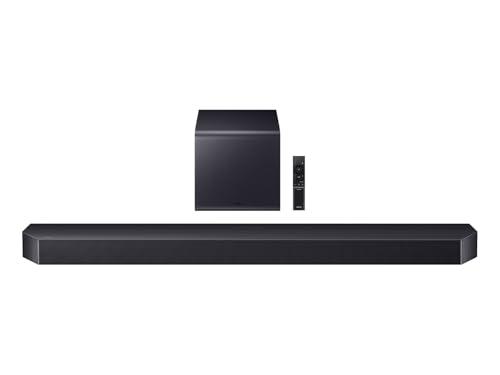
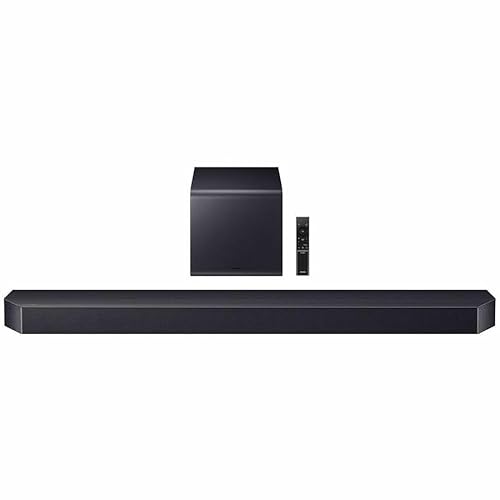

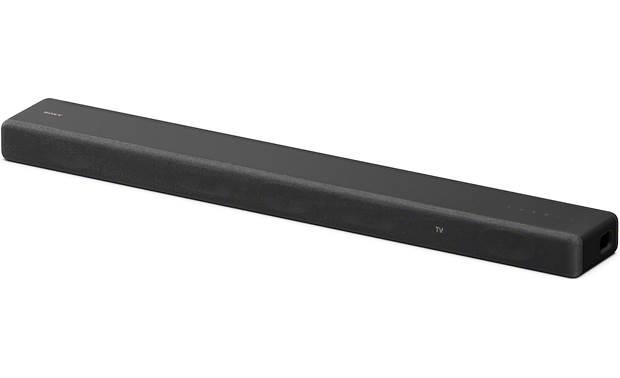

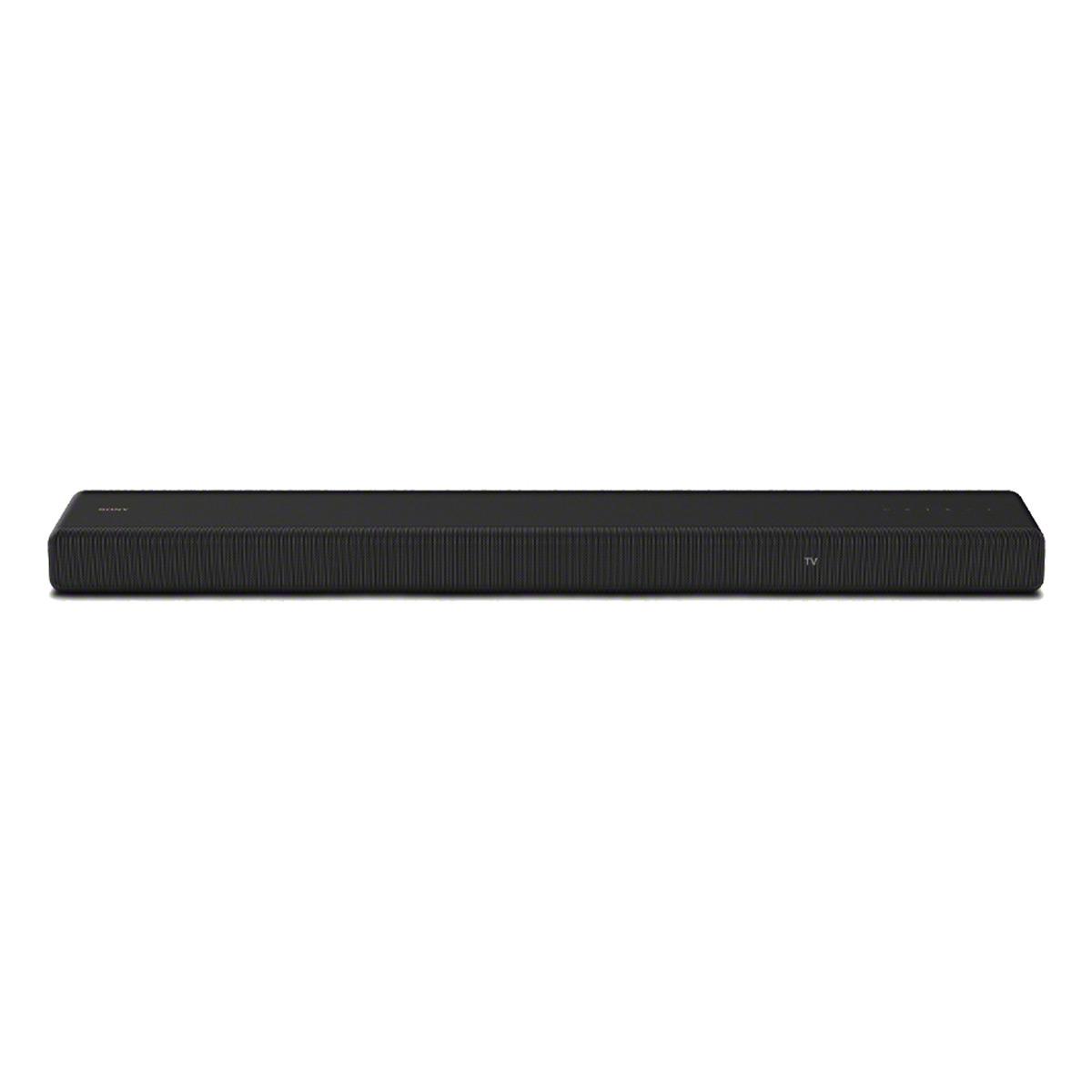
When your TV's built-in speakers just aren't cutting it anymore, you're faced with a choice that can feel overwhelming. The soundbar market has exploded with options ranging from budget-friendly strips to full home theater replacements. Today, we're comparing two very different approaches to better audio: Samsung's flagship HW-Q990F system and Sony's entry-level HT-A3000 soundbar.
These products represent opposite ends of the soundbar spectrum, and understanding their differences will help you make the right choice for your space, budget, and listening habits.
Before diving into specifics, let's establish what separates good soundbars from great ones. The most important factor is channel configuration – those numbers like 3.1 or 11.1.4 that manufacturers love to throw around. The first number represents main speakers (left, right, center), the second is dedicated subwoofers, and the third (when present) indicates height channels for Dolby Atmos.
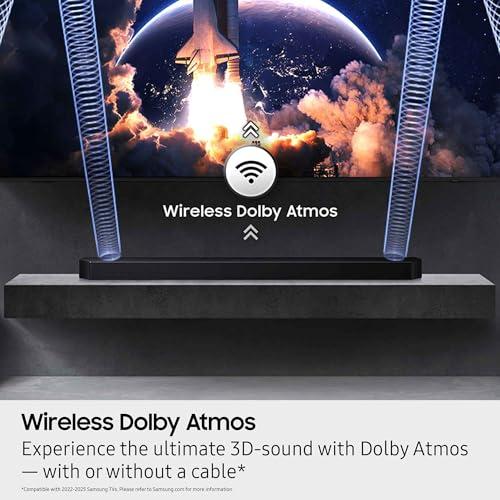
Dolby Atmos deserves special attention because it's become the gold standard for immersive audio. Traditional surround sound moves audio left and right around you. Atmos adds a vertical dimension, placing sounds above your head – imagine hearing a helicopter fly overhead or rain falling from the ceiling. The key question is whether a soundbar creates these effects virtually through digital processing or physically using upward-firing speakers.
Room size compatibility matters enormously but gets overlooked. A soundbar that sounds incredible in a small bedroom might feel thin and weak in a large living room. Power output, measured in watts, gives you a rough idea of how much room a system can fill, but driver size and placement matter more than raw numbers.
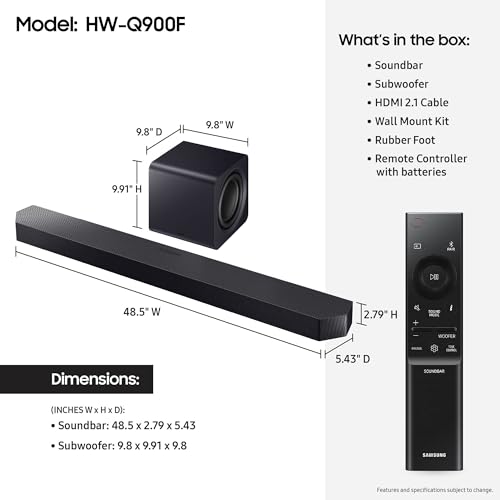
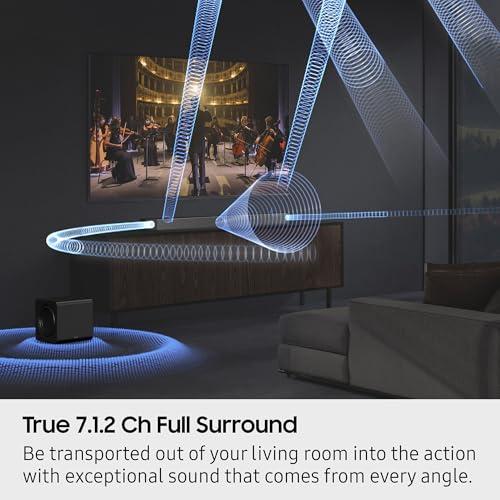
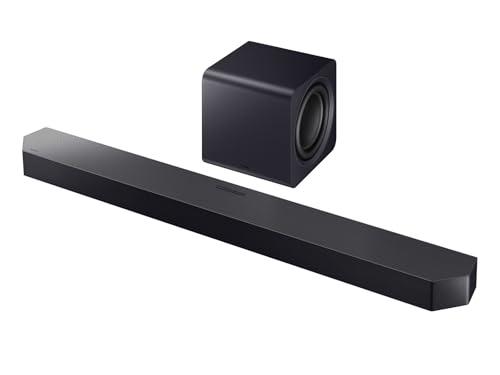
The Samsung HW-Q990F, released in 2024 as Samsung's latest flagship, takes the "everything included" approach with an 11.1.4 setup. That means 11 main channels, 1 subwoofer channel, and 4 height channels spread across 23 individual speakers. The Sony HT-A3000, launched in 2022, represents the "smart value" philosophy with a 3.1 configuration that relies on advanced processing to simulate surround effects.
This comparison really comes down to two fundamentally different philosophies for creating surround sound.
The Samsung HW-Q990F uses what I consider the "brute force" method – it physically places speakers around your room. The main soundbar houses 15 speakers, including dedicated upward-firing drivers that bounce sound off your ceiling. The wireless subwoofer packs dual 8-inch woofers (those are the speakers that handle deep bass), and two wireless rear speakers each contain three drivers pointing in different directions.
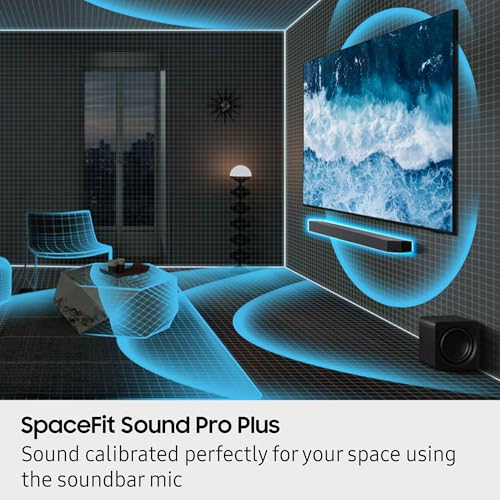
When you watch a scene where a spaceship flies from behind you to overhead and forward, the Samsung actually moves that sound between physical speakers. It's authentic because the audio is genuinely coming from those locations. The SpaceFit Sound Pro Plus feature uses built-in microphones to analyze your room's acoustics and automatically adjusts the sound to work with your specific space – think of it as having a professional audio engineer tune your system.
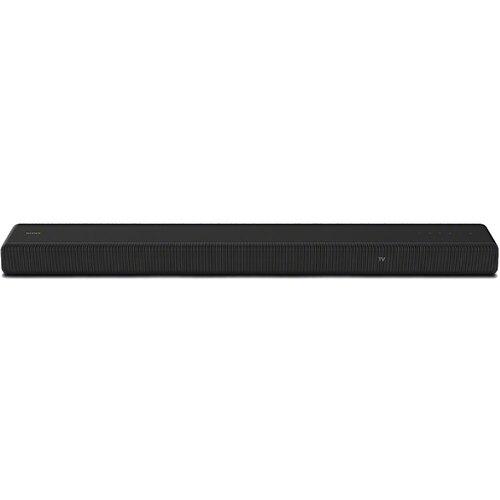
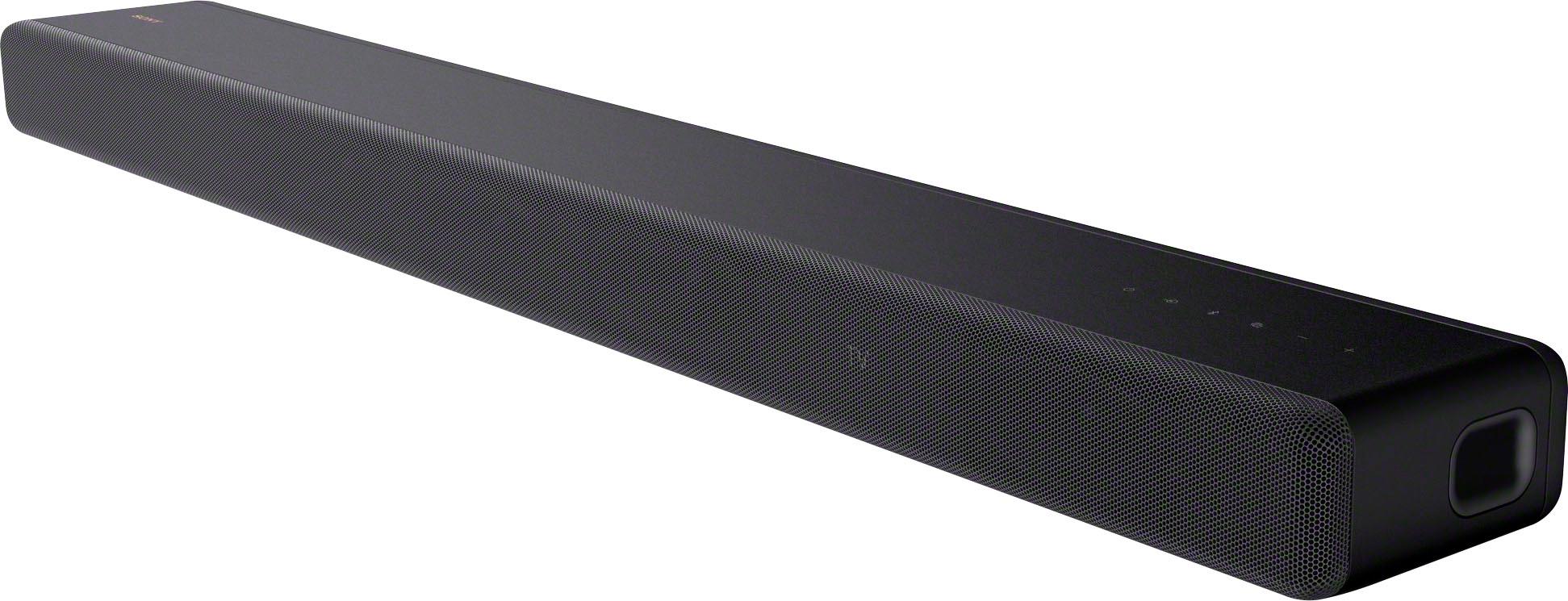
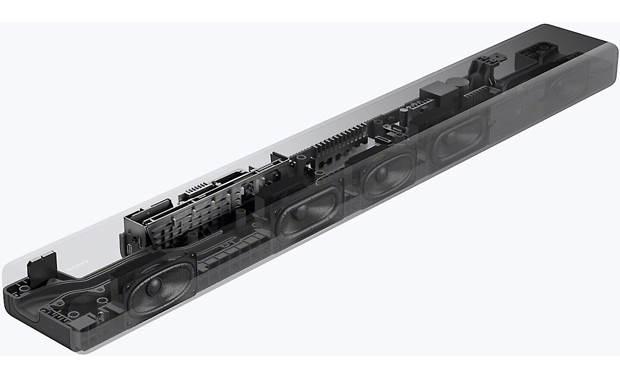
The Sony HT-A3000 takes the "smart processing" approach. All the speakers live in one compact unit, but Sony's Vertical Surround Engine and S-Force PRO technology use digital algorithms to trick your brain into hearing sounds from locations where no speakers exist. It's like audio sleight of hand – the soundbar analyzes incoming audio and processes it to create the illusion of sounds coming from beside and above you.
Both methods work, but they excel in different situations. Virtual processing works remarkably well when you're sitting in the "sweet spot" directly in front of the soundbar in a smaller room. Move around or step back too far, and the illusion breaks down. Physical surround speakers maintain their effectiveness regardless of where you sit, making them better for larger rooms or when multiple people are watching.
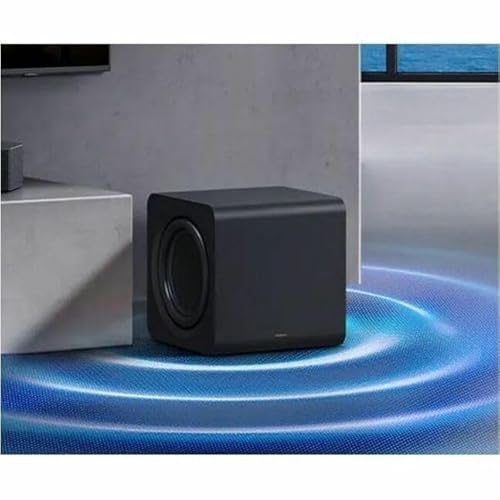
This is where the biggest performance gap appears. The Samsung HW-Q990F's dedicated wireless subwoofer features dual 8-inch force-canceling woofers in a ported enclosure. In plain English, that means two large speakers specifically designed to produce deep bass, housed in a cabinet that's engineered to extend low-frequency response even further.
The Dynamic Bass Control system uses artificial intelligence to analyze the audio signal in real-time and prevent distortion – you get clean, powerful bass even at high volumes. During action movie scenes, you'll feel explosions in your chest rather than just hearing them. The subwoofer can reproduce frequencies down to around 30Hz, which covers the deep rumbles that make movie soundtracks truly immersive.
The Sony HT-A3000 handles bass through dual built-in 4.375-inch subwoofers. While Sony's X-Balanced Speaker technology maximizes the diaphragm area for better performance than traditional round drivers, physics still applies – smaller speakers simply can't move as much air or reach as deep into bass frequencies.
For dialogue-heavy content like TV shows or news, the Sony's bass performance is perfectly adequate. For action movies, video games, or music with significant low-end content, the Samsung delivers a substantially more impactful experience.
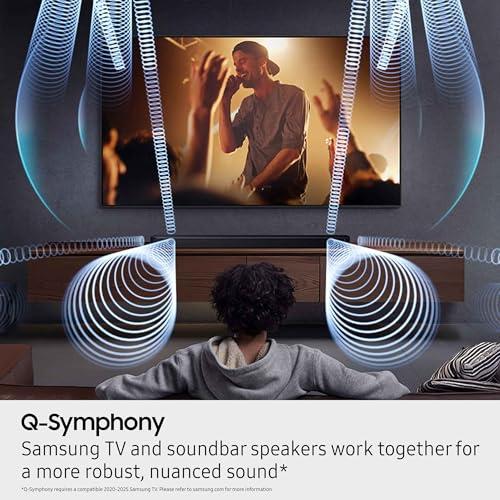
Both systems excel here, but through different approaches. The Samsung HW-Q990F includes Active Voice Amplifier Pro, which continuously analyzes the audio mix and dynamically boosts dialogue frequencies when it detects background noise or competing sounds. The Q-Symphony feature, when paired with compatible Samsung TVs, allows the TV's speakers to handle dialogue while the soundbar manages effects and music – essentially giving you an even more focused center channel.
The Sony HT-A3000 achieves excellent dialogue clarity through its dedicated center channel and DSEE Extreme processing. This technology upscales compressed audio files (like streaming content) in real-time, restoring high-frequency detail that gets lost during compression. Sony's approach focuses on making the most of the source material rather than adding artificial enhancement.
From our research into user and expert reviews, both systems consistently receive praise for speech intelligibility, but the Sony seems to have a slight edge in natural-sounding dialogue reproduction, while the Samsung offers more flexibility in challenging listening situations.
Modern gaming demands low latency and support for advanced video features. The Samsung HW-Q990F includes multiple HDMI 2.1 ports supporting 4K video at 120Hz refresh rates, Variable Refresh Rate (VRR), and Auto Low Latency Mode (ALLM). These features ensure smooth gaming with next-generation consoles like the PlayStation 5 or Xbox Series X.
The Game Pro Mode optimizes directional audio cues – crucial for competitive gaming where hearing enemy footsteps or gunfire direction can mean the difference between winning and losing. The physical rear speakers provide genuine positional audio that helps with spatial awareness in games.
The Sony HT-A3000 offers basic gaming support through its single HDMI eARC port but lacks advanced gaming features. You'll sacrifice one of your TV's HDMI inputs, and there's no specialized low-latency processing for gaming.
Music reproduction reveals interesting differences between these systems. The Samsung HW-Q990F creates a wide, spacious soundstage with excellent instrument separation. The seven-band graphic equalizer allows extensive customization – you can boost treble for classical music or add warmth for jazz recordings. The system supports high-resolution audio formats through multiple wireless protocols including Wi-Fi streaming, Apple AirPlay 2, and Google Cast.
The Sony HT-A3000 produces a more intimate but focused music experience. The LDAC Bluetooth codec support (for Android devices) allows near-lossless wireless streaming, and the overall sound signature tends toward clarity and detail rather than warmth. The soundstage feels narrower than the Samsung's, but instrument placement within that space is precise.
For critical music listening, both systems perform well, but the Samsung's wider presentation and extensive customization options give it an edge for audiophiles.
This might be the most practical consideration for many buyers. The Samsung HW-Q990F requires significant space and careful placement. You need to position the main soundbar near your TV, find an appropriate location for the wireless subwoofer (preferably away from walls), and place the rear speakers behind your seating area. While all connections are wireless except for AC power, you're still dealing with four separate components.
The system performs best in medium to large rooms – roughly 250 square feet or larger. In smaller spaces, the powerful subwoofer can overwhelm the room, and the rear speakers might be too close to your seating position for optimal effect.
The Sony HT-A3000 shines in smaller to medium-sized rooms up to about 200 square feet. Its 250W power output and compact drivers provide excellent performance in apartments, bedrooms, or smaller living rooms. The single-unit design means minimal visual impact and straightforward placement.
At the time of writing, the pricing difference between these systems is substantial – the Samsung HW-Q990F costs roughly three times more than the Sony HT-A3000. However, value calculations become more complex when you consider upgrade paths.
The Sony HT-A3000 at its current price point offers exceptional value for immediate TV audio improvement. However, if you later decide you want "real" surround sound, adding Sony's optional rear speakers and separate subwoofer can bring your total investment close to the Samsung's initial price – for arguably inferior performance.
The Samsung HW-Q990F represents a "buy once" philosophy. The higher upfront cost includes everything needed for a complete home theater audio system. You won't face future upgrade decisions or additional expenses.
From a performance-per-dollar perspective at current pricing, the Sony offers better value for basic needs, while the Samsung provides better long-term value for serious home theater enthusiasts.
Both manufacturers have invested heavily in smart features, but with different focuses. The Samsung HW-Q990F includes SmartThings integration for smart home control, built-in voice assistants (Bixby and Amazon Alexa), and One Remote functionality with Samsung TVs that lets you control the soundbar through your TV remote.
The room calibration technology deserves special mention – SpaceFit Sound Pro Plus uses multiple microphones to measure your room's acoustic characteristics and automatically adjusts the system's output. It's like having a professional installer optimize your setup.
The Sony HT-A3000 focuses on streaming and connectivity with Chromecast Built-in, Apple AirPlay 2, Spotify Connect, and voice control through external Alexa or Google devices. Sony's 360 Reality Audio support provides enhanced spatial audio for compatible streaming content.
Since the Sony HT-A3000 launched in 2022, virtual surround processing has improved significantly, but it still can't match physical speakers for authenticity. Sony has refined their algorithms and added features like 360 Spatial Sound Mapping (when used with optional rear speakers), but the fundamental limitations remain.
The Samsung HW-Q990F, being more recent, incorporates the latest HDMI 2.1 specifications, advanced AI processing, and improved wireless connectivity. Samsung's Q-Symphony technology has evolved to better integrate soundbar and TV speakers, creating a more cohesive audio experience.
Looking forward, both systems should remain relevant for several years, but the Samsung's more comprehensive feature set and physical speaker configuration provide better future-proofing for evolving audio standards.
The Sony HT-A3000 makes sense for specific situations and users. If you live in an apartment or smaller home where space is at a premium, need immediate audio improvement on a modest budget, primarily watch dialogue-driven content, or prefer minimal setup complexity, the Sony delivers exceptional value. It's also ideal if you're uncertain about your long-term audio needs and want an affordable entry point into better TV sound.
The Samsung HW-Q990F targets different priorities and use cases. Choose it if you have a medium to large room, regularly watch action movies or play immersive games, want the most authentic surround sound experience possible from a soundbar system, can invest in premium home theater equipment upfront, or prioritize advanced gaming features for next-generation consoles.
These soundbars serve different markets and excel in their intended roles. The Sony HT-A3000 is the smart choice for budget-conscious buyers who want significant audio improvement without complexity. Its dialogue clarity and compact design make it particularly appealing for everyday TV watching.
The Samsung HW-Q990F is for those who want a true home theater experience from a soundbar system. Its authentic surround sound, powerful bass, and comprehensive features justify the higher price for serious movie and gaming enthusiasts.
The decision ultimately depends on your room, budget, and priorities. Both systems will dramatically improve your TV's audio, but they'll do it in very different ways. Choose based on your specific needs rather than trying to future-proof for uncertain requirements – both companies will have newer models by the time you're ready to upgrade anyway.
| Samsung Q-Series HW-Q990F Soundbar | Sony HT-A3000 3.1ch Dolby Atmos Soundbar |
|---|---|
| Channel Configuration - Determines surround sound authenticity and immersion | |
| 11.1.4 channels with 23 physical speakers | 3.1 channels with virtual surround processing |
| What's Included - Affects total system cost and immediate capabilities | |
| Complete system: soundbar, wireless subwoofer, wireless rear speakers | Soundbar only (rear speakers and subwoofer sold separately) |
| Dolby Atmos Implementation - Critical for overhead sound effects | |
| Physical up-firing drivers for authentic height channels | Virtual processing simulates overhead effects |
| Total Power Output - Impacts room-filling capability and dynamic range | |
| 756W RMS across all components | 250W from main soundbar unit |
| Subwoofer Configuration - Determines bass impact and low-frequency extension | |
| Dedicated wireless subwoofer with dual 8" force-canceling woofers | Built-in dual 4.375" subwoofers |
| Room Size Performance - Maximum effective coverage area | |
| Optimized for 250+ square feet | Best for rooms under 200 square feet |
| HDMI Connectivity - Gaming and video passthrough capabilities | |
| 3 HDMI 2.1 ports with 4K/120Hz, VRR, ALLM support | 1 HDMI eARC port, no passthrough features |
| Room Calibration - Automatic optimization for your space | |
| SpaceFit Sound Pro Plus with AI-powered acoustic analysis | Basic Sound Field Optimization |
| Gaming Features - Enhanced audio for console gaming | |
| Game Pro Mode with directional audio optimization | Standard audio processing, no gaming-specific modes |
| Wireless Streaming - Music and content connectivity options | |
| Wi-Fi, Bluetooth 5.3, AirPlay 2, Chromecast, Spotify Connect | Bluetooth 5.0 with LDAC, AirPlay 2, Chromecast Built-in |
| Voice Control - Built-in smart assistant support | |
| Built-in Bixby and Amazon Alexa | External Alexa/Google Assistant compatibility only |
| Setup Complexity - Installation and placement requirements | |
| Four separate components require strategic room placement | Single soundbar with simple wall-mount option |
| Upgrade Path - Future expansion possibilities and costs | |
| Complete system with no additional purchases needed | Expensive optional components required for full surround |
The Sony HT-A3000 is better suited for small rooms under 200 square feet. Its compact single-unit design and 250W power output provide excellent performance without overwhelming smaller spaces. The Samsung HW-Q990F is designed for larger rooms and may produce too much bass in confined areas.
The Samsung HW-Q990F includes wireless rear speakers that create authentic surround sound with genuine directional audio. The Sony HT-A3000 uses virtual processing to simulate surround effects, which works well when sitting directly in front of the soundbar but isn't as convincing as physical rear speakers.
The Samsung HW-Q990F delivers significantly better bass with its dedicated wireless subwoofer featuring dual 8-inch woofers. The Sony HT-A3000 has built-in subwoofers that handle dialogue and music well but can't match the deep, room-shaking bass of a dedicated subwoofer.
The Sony HT-A3000 offers simpler setup with just one soundbar unit to position and connect. The Samsung HW-Q990F requires placing four components around your room: the main soundbar, wireless subwoofer, and two wireless rear speakers, though all connections are wireless except for power.
The Samsung HW-Q990F is superior for gaming with multiple HDMI 2.1 ports supporting 4K/120Hz, Variable Refresh Rate, and Game Pro Mode for directional audio cues. The Sony HT-A3000 has basic gaming support but lacks advanced features and uses your TV's HDMI port.
Both excel at dialogue clarity but differently. The Samsung HW-Q990F uses Active Voice Amplifier Pro that adapts to background noise, while the Sony HT-A3000 relies on excellent center channel performance and DSEE Extreme processing for natural speech reproduction.
The Sony HT-A3000 provides excellent value for basic TV audio improvement at its price point. However, the Samsung HW-Q990F offers better long-term value as a complete system, since expanding the Sony with rear speakers and subwoofer approaches the Samsung's total cost.
Yes, both the Samsung HW-Q990F and Sony HT-A3000 work with any TV brand through HDMI or optical connections. However, the Samsung offers enhanced integration features when paired with Samsung TVs, including Q-Symphony and One Remote control.
The Samsung HW-Q990F creates a wider soundstage with better instrument separation and includes a 7-band equalizer for customization. The Sony HT-A3000 offers focused, detailed music reproduction with LDAC Bluetooth support but has a narrower soundstage.
Dolby Atmos makes a significant difference in movie immersion. The Samsung HW-Q990F delivers authentic Atmos with physical up-firing speakers, while the Sony HT-A3000 uses virtual processing to simulate overhead effects. The Samsung provides more convincing height channel performance.
The Sony HT-A3000 has minimal space requirements with its single soundbar design that can wall-mount or sit on a TV stand. The Samsung HW-Q990F needs space for positioning the subwoofer and rear speakers throughout your room for optimal performance.
Both soundbars support modern streaming. The Samsung HW-Q990F includes Wi-Fi, Bluetooth 5.3, AirPlay 2, Chromecast, and Spotify Connect with built-in voice assistants. The Sony HT-A3000 offers Bluetooth with LDAC, AirPlay 2, and Chromecast Built-in but requires external devices for voice control.
We've done our best to create useful and informative comparisons to help you decide what product to buy. Our research uses advanced automated methods to create this comparison and perfection is not possible - please contact us for corrections or questions. These are the sites we've researched in the creation of this article: rtings.com - crutchfield.com - sound-advice.online - samsung.com - soundandvision.com - samsung.com - whathifi.com - youtube.com - youtube.com - bestbuy.com - avsforum.com - content.syndigo.com - samsung.com - businessinsider.com - dolby.com - youtube.com - abcwarehouse.com - rtings.com - electronics.sony.com - crutchfield.com - store.sony.com.au - digitaltrends.com - videoandaudiocenter.com - abt.com - sony.com - merlinstv.com - crutchfield.com - youtube.com

Privacy Policy
Terms and Conditions - Affiliate Policy
Home Security
© Copyright 2008-2026.
11816 Inwood Rd #1211, Dallas, TX 75244