

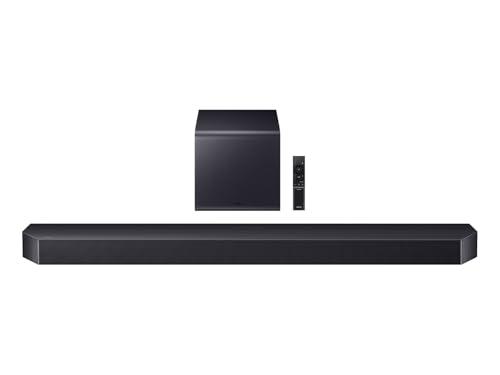
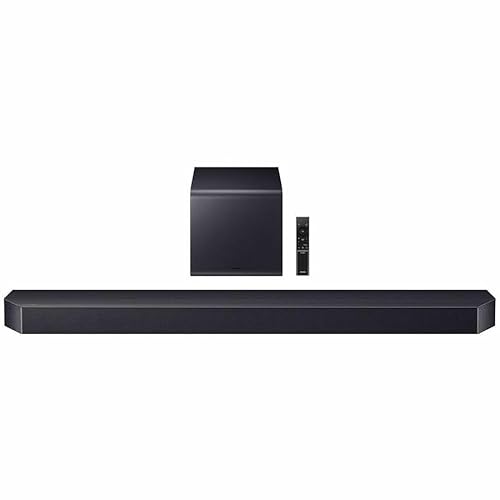






Premium soundbars have revolutionized home theater audio, offering an elegant solution to a complex problem: how do you get cinema-quality sound without turning your living room into a maze of speakers and wires? At the time of writing, two flagship models stand out in the premium tier—the Samsung HW-Q990F representing the "everything included" approach, and the Sony BRAVIA Theater Bar 9 championing the "start simple, expand later" philosophy.
Both arrived in 2024 with advanced features that were unimaginable just a few years ago. The Samsung HW-Q990F builds on Samsung's reputation for comprehensive surround systems, while the Sony BRAVIA Theater Bar 9 represents Sony's push toward more sophisticated single-bar solutions. Understanding which approach fits your needs requires diving into what makes each system tick.
Before we compare specific models, it's worth understanding what separates premium soundbars from their budget cousins. These systems target the sweet spot between simplicity and performance—delivering theater-quality audio without the complexity of traditional AV receivers and separate speakers.
The key considerations in this category revolve around immersion level, physical design, and expansion philosophy. Some manufacturers believe authentic surround sound requires physical speakers placed around the room, while others argue that advanced signal processing can create convincing surround effects from a single bar. Both approaches have merit, but they serve different users and room situations.
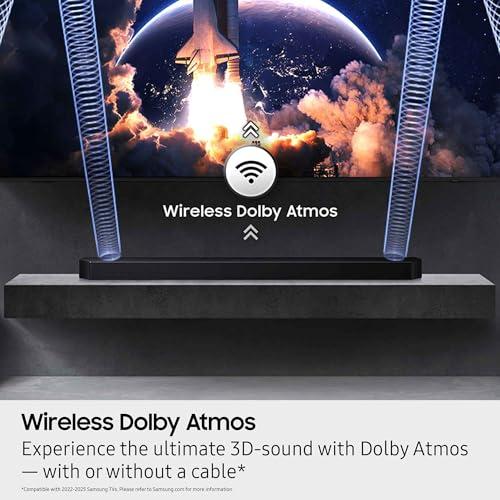
At the premium level, you're also paying for advanced features like room calibration (where the system analyzes your space and adjusts sound accordingly), object-based audio formats like Dolby Atmos (which places sound effects in 3D space rather than just left and right), and seamless integration with modern TVs and streaming services.
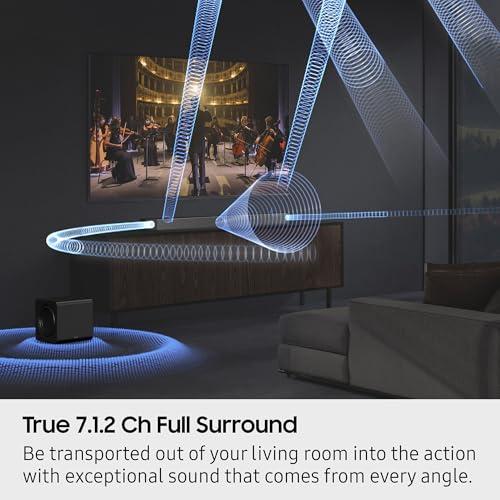
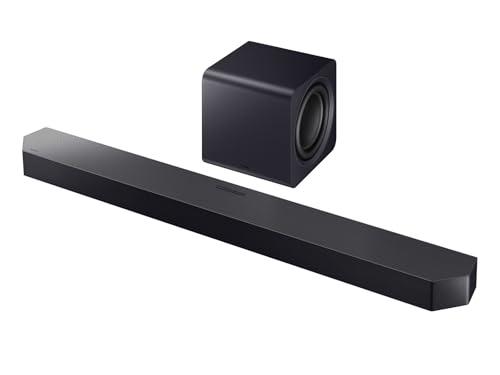
The Samsung HW-Q990F represents what happens when a manufacturer decides to include everything in the box. This 11.1.4-channel system—meaning 11 main speakers, 1 subwoofer channel, and 4 height channels for overhead effects—comes with a main soundbar, wireless subwoofer, and two wireless rear speakers totaling 23 individual drivers. At the time of writing, it commands a premium price but delivers a complete theater experience without additional purchases.
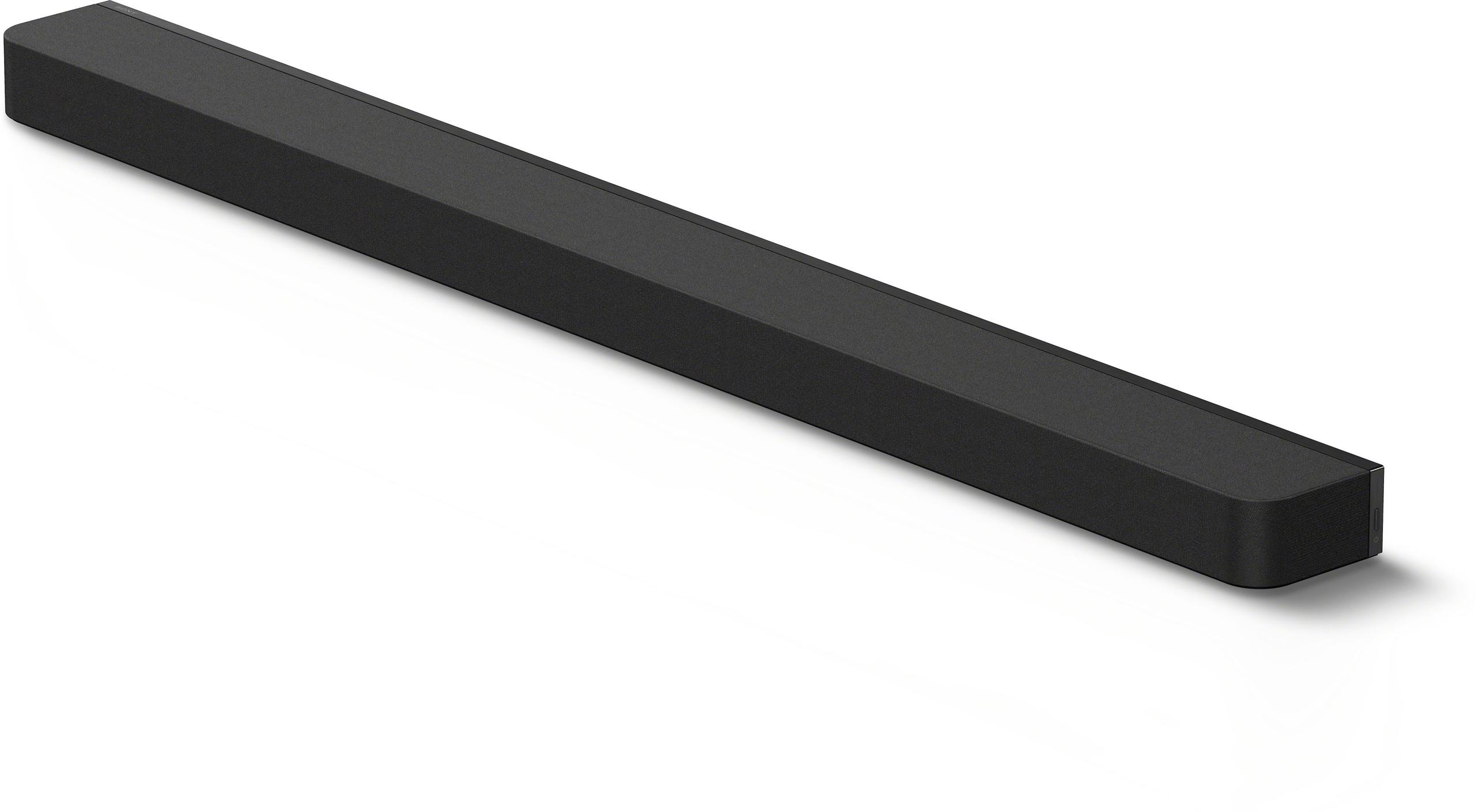
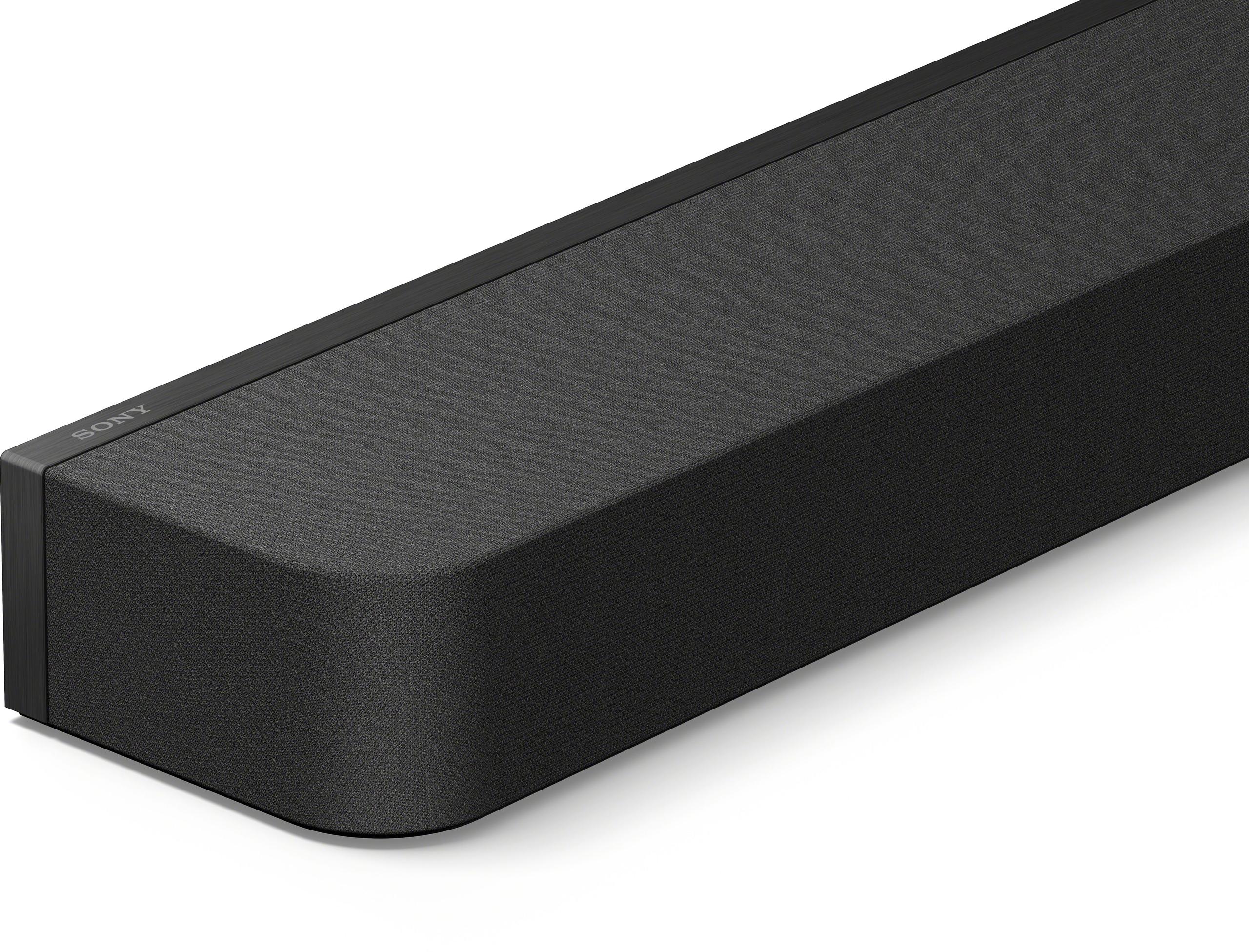
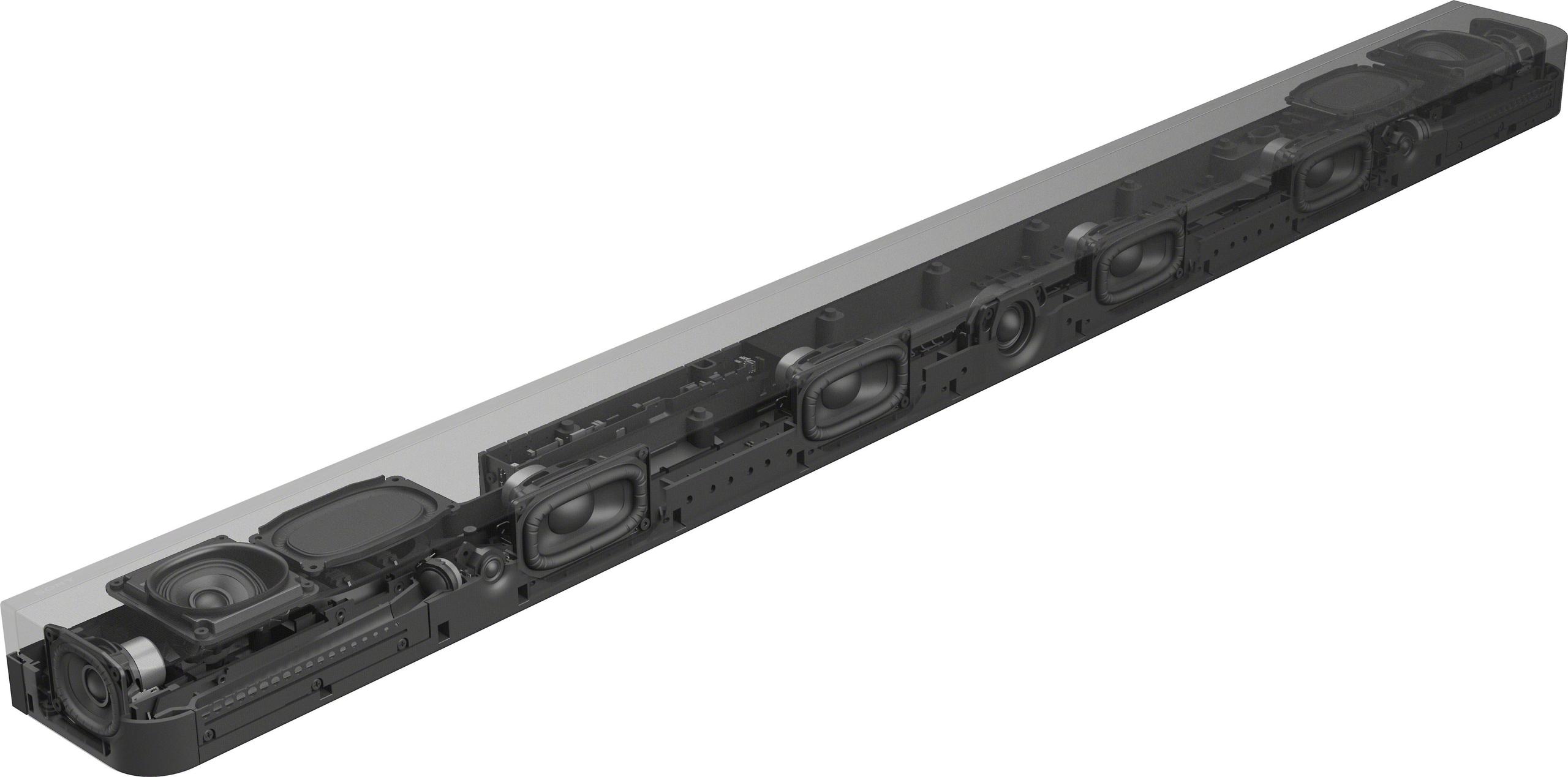
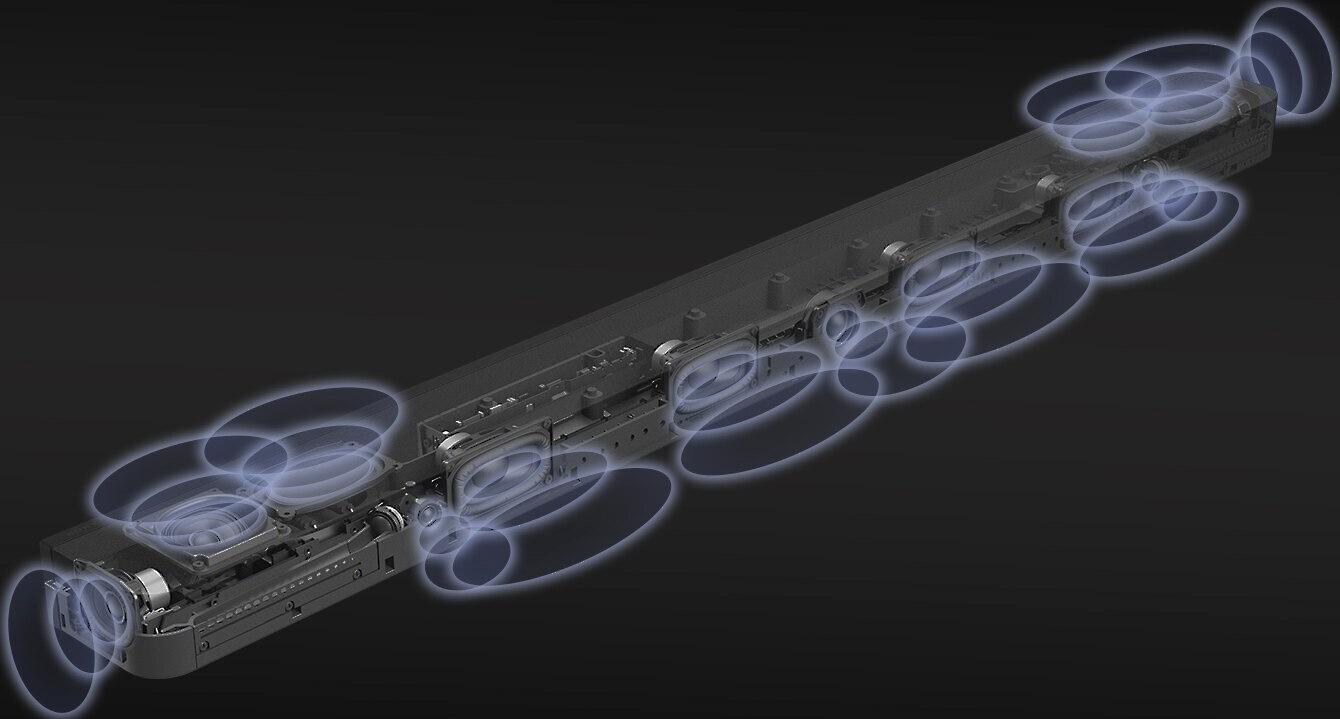
The Sony BRAVIA Theater Bar 9 takes a different approach. This sleek single-bar solution relies on Sony's 360 Spatial Sound Mapping technology to create virtual surround effects from 13 carefully positioned drivers within the main unit. Sony offers optional rear speakers and a subwoofer sold separately, allowing users to start simple and expand over time. The base model costs significantly less than the Samsung HW-Q990F, though achieving similar component coverage requires additional investments.
For home theater enthusiasts, immersion is everything. The difference between good and great surround sound often comes down to how convincingly effects move around and above you. Our research into user experiences and expert reviews reveals a clear performance gap here.
The Samsung HW-Q990F creates what reviewers consistently describe as a "3D sound bubble." When you're watching intense action sequences—think the sandworm attacks in Dune or the spinner chase in Blade Runner 2049—effects move naturally from the front soundbar to the physical rear speakers positioned behind your seating area. This isn't just left-to-right panning; it's true 360-degree placement where helicopters circle overhead, bullets whiz past your ear, and ambient sounds envelope you from every direction.
The physical rear speakers make all the difference. Each contains multiple drivers including upward-firing units that reflect sound off your ceiling, creating height effects that complement the main bar's up-firing drivers. When done right, this creates seamless movement where you lose track of individual speakers and experience the soundscape as one cohesive environment.
The Sony BRAVIA Theater Bar 9 impresses with its virtual surround capabilities, but physics ultimately limits what any single-bar system can achieve. Sony's 360 Spatial Sound Mapping uses advanced signal processing to create "phantom speakers"—virtual sound sources that your brain interprets as coming from specific locations even when they're generated by drivers pointing in different directions.
The results are surprisingly convincing, especially for dialogue and front-stage effects. The virtual height channels stretch impressively tall, and stereo imaging remains precise. However, without rear drivers, effects that should wrap around you instead stay focused in the front half of the room. You'll notice this limitation immediately with movies that rely heavily on rear-channel information for atmospheric immersion.
Bass isn't just about volume—it's about reproducing the full emotional impact of movie soundtracks and music. This is where the component philosophy differences become most apparent.
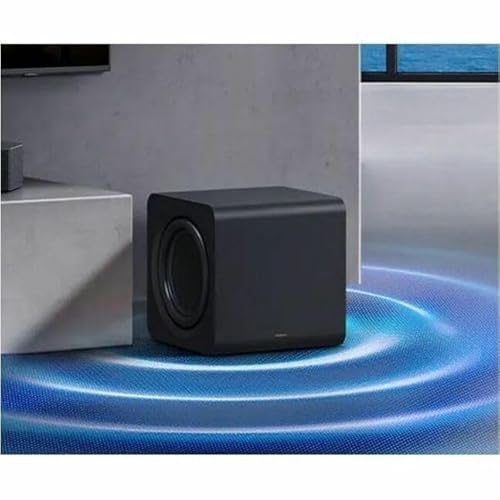
The Samsung HW-Q990F includes a redesigned wireless subwoofer featuring dual 8-inch woofers in a force-canceling configuration. This means the two drivers work in opposition to minimize vibration while maximizing clean bass output. Samsung specs the system's low-frequency response down to 32Hz, which covers most of the bass content in movies and music.
More importantly, the 2024 redesign incorporated AI-based nonlinear control technology. This system monitors the subwoofer's output in real-time and applies corrections to minimize distortion, ensuring that bass stays tight and controlled even at high volumes. User reports consistently praise the bass as "impactful without being boomy"—it adds weight to explosions and drum hits without muddying dialogue or mid-range details.
The Sony BRAVIA Theater Bar 9 ships without any dedicated bass drivers, relying on the smaller woofers built into the main bar. This creates an immediate and noticeable limitation. While the bar handles mid-bass reasonably well, it cannot reproduce the deep, room-shaking effects that make action movies visceral experiences.
Users who purchase the optional SA-SW5 subwoofer report significant improvement, but this represents an additional investment that brings the total system cost well above the Samsung HW-Q990F's price point. For users considering the Sony, budget planning should include the subwoofer as essentially mandatory for serious home theater use.
While both systems excel at movies, their musical personalities differ significantly. This matters because many users spend as much time streaming music as watching films.
The Sony BRAVIA Theater Bar 9 reveals its strength with music playback. The system produces what audiophile reviewers describe as "cleaner tonality" with more accurate stereo imaging. When streaming jazz recordings or acoustic performances, instruments maintain their natural timbre without the subtle colorations that movie-optimized systems sometimes introduce.
This accuracy stems from Sony's approach to signal processing. Rather than emphasizing the wide, enveloping soundstage that benefits movie soundtracks, the Sony BRAVIA Theater Bar 9 focuses on precise placement and detail retrieval. Vocals sit exactly where they should in the mix, and the system excels at revealing the subtle details that make high-quality recordings special.
The Samsung HW-Q990F handles music with what users report as "surprising finesse" for a system designed primarily for movies. The larger driver complement and dedicated subwoofer add weight and energy to rhythm sections, while the sophisticated processing maintains good instrument separation even in complex mixes.
However, the system retains a subtle cinematic coloration—a slightly enhanced soundstage width and presence that favors the dramatic presentations that make movies exciting. This isn't necessarily a weakness, as many users prefer this more engaging presentation with popular music genres. But users seeking studio monitor-level accuracy for critical listening might find the Sony BRAVIA Theater Bar 9 more to their liking.
The physical design differences between these systems extend far beyond aesthetics—they represent fundamentally different approaches to solving the home theater challenge.
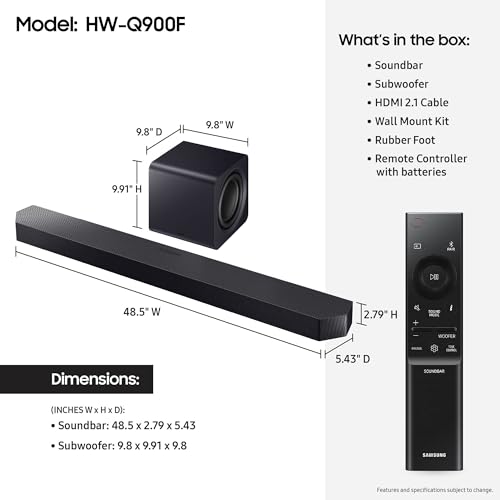
The Samsung HW-Q990F requires commitment to its vision. The main soundbar measures over four feet wide and nearly three inches tall, demanding a substantial TV stand or wall mount. Add the wireless subwoofer (which can be positioned anywhere in the room thanks to wireless connectivity) and two rear speakers, and you're looking at a system that definitively transforms your living space into a home theater.
This complexity pays dividends in performance flexibility. The rear speakers can be positioned optimally for your seating arrangement rather than relying on wall reflections. The subwoofer can be placed where it performs best acoustically rather than where it looks best aesthetically. Each component serves a specific acoustic purpose that contributes to the overall immersive experience.
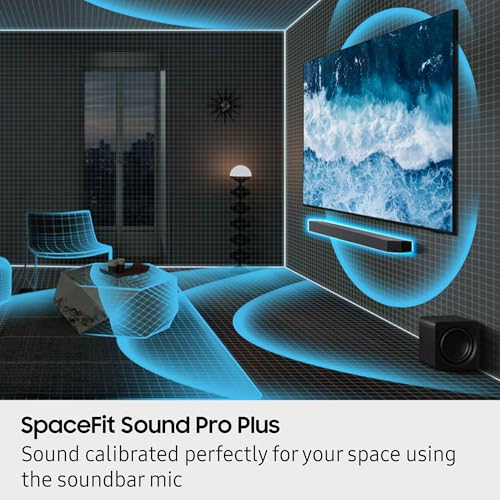
The system's SpaceFit Sound Pro Plus feature uses built-in microphones to analyze your room's acoustic characteristics and automatically calibrate the output for optimal performance. This room correction technology can compensate for challenging room layouts, hard surfaces, and irregular seating arrangements.
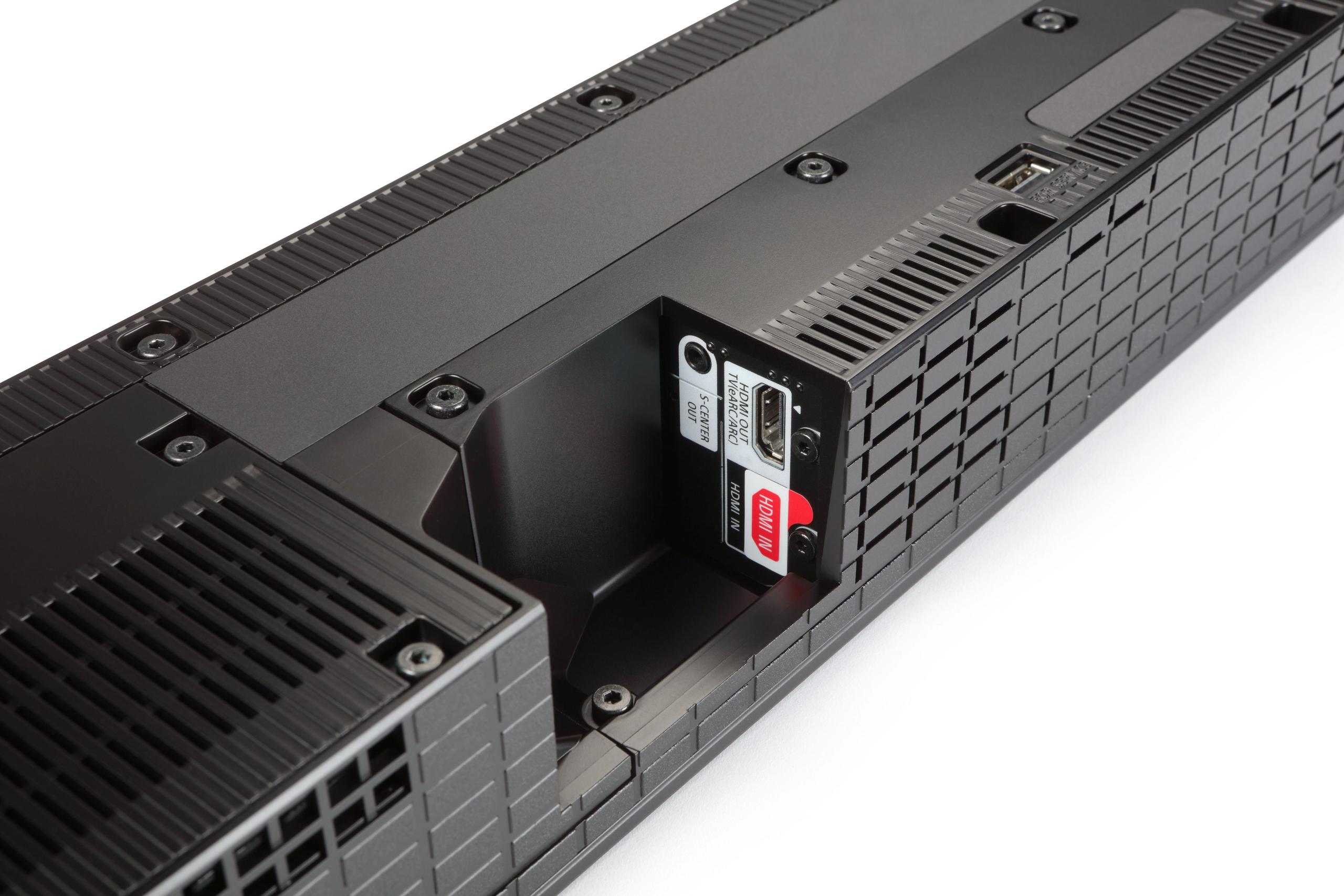
The Sony BRAVIA Theater Bar 9 prioritizes what many users value most: simplicity. The single sleek bar sits unobtrusively under any TV, requires just one power connection and one HDMI cable, and delivers immediately satisfying performance without any setup complexity.
This design philosophy particularly appeals to apartment dwellers, renters who can't modify their spaces extensively, or anyone who values clean aesthetics over maximum performance. The bar's understated design won't dominate your living room or require explaining to skeptical family members who prefer minimal technology intrusion.
Sony's expansion philosophy allows users to grow the system over time. Start with the bar for improved dialogue and basic surround effects, add the subwoofer when budget allows for better bass impact, then complete the system with rear speakers for full surround immersion. This modular approach spreads the investment over time and lets users determine their actual needs through experience.
Modern premium soundbars must integrate seamlessly with today's complex entertainment ecosystems, and both systems approach this challenge differently.
The Samsung HW-Q990F offers extensive connectivity options that accommodate multiple source devices. Two HDMI inputs allow direct connection of gaming consoles and media players, while the HDMI eARC output maintains full compatibility with your TV's streaming apps and built-in tuner.
The system supports 4K/120Hz pass-through with HDR10+, crucial for gaming with PlayStation 5 or Xbox Series X consoles where high frame rates and low latency matter. Samsung's SmartThings app provides comprehensive control over room calibration, EQ adjustments, and smart home integration features.
Streaming support covers all major platforms including Spotify Connect, Apple AirPlay 2, Google Chromecast, and Tidal Connect. The built-in Alexa voice assistant allows hands-free control, though integration quality varies depending on your existing smart home ecosystem.
The Sony BRAVIA Theater Bar 9 takes a more focused approach with single HDMI input, limiting direct source connections but simplifying setup for users who primarily rely on their TV's smart features for content. The system excels at gaming integration with support for 4K/120Hz, Variable Refresh Rate (VRR), and Auto Low Latency Mode (ALLM).
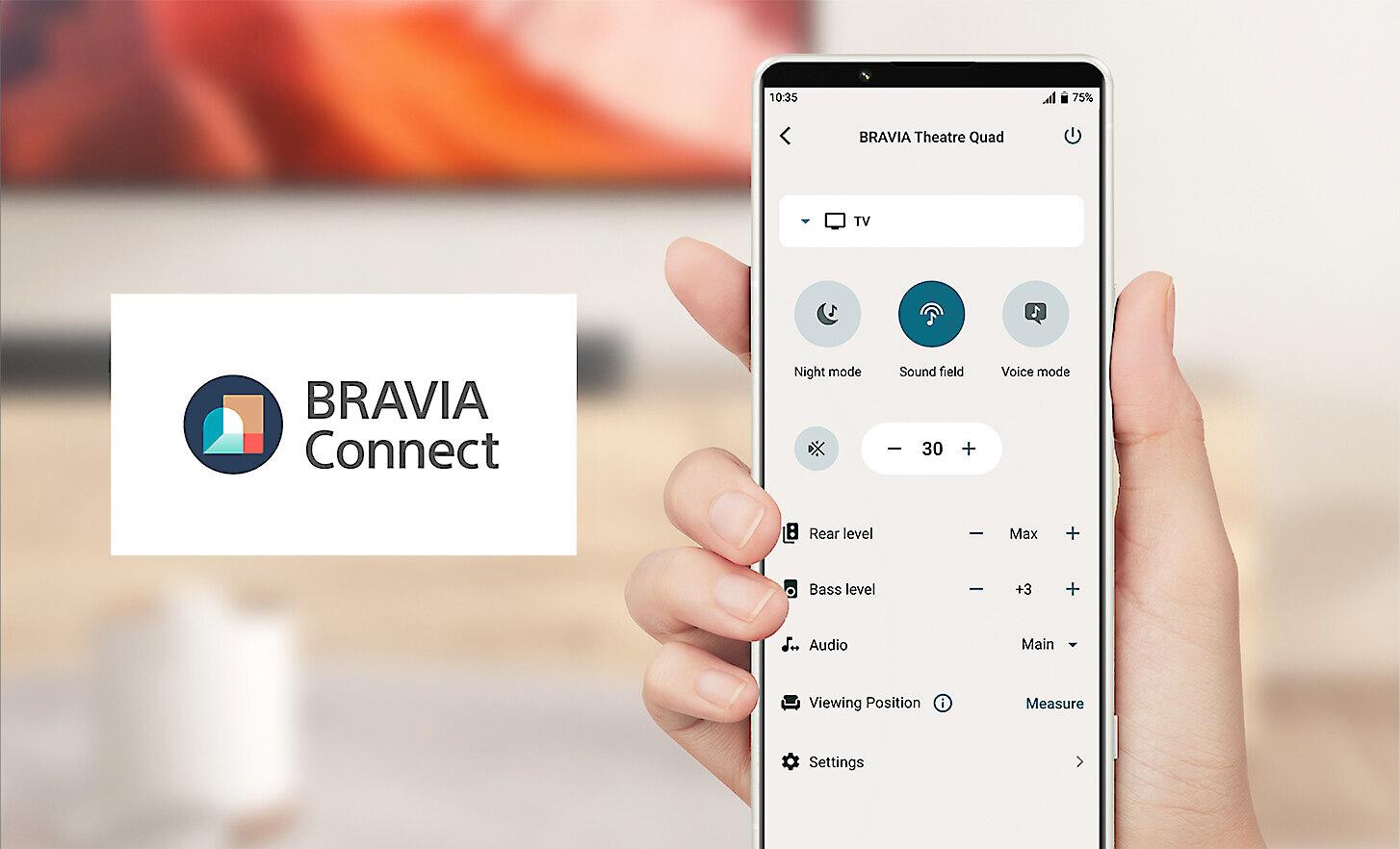
The BRAVIA Connect app provides polished setup guidance and basic sound adjustments, though it offers less granular control than Samsung's more complex interface. Sony's approach prioritizes ease of use over comprehensive customization options.
Streaming support covers the essential services but lacks Tidal Connect and some advanced features that audiophile users might expect at this price point. The integration with Sony's BRAVIA TVs provides seamless operation, including the ability to use the TV as an additional center channel through Acoustic Center Sync technology.
Understanding the value equation requires looking beyond initial purchase prices to total system costs and long-term satisfaction.
At the time of writing, the Samsung HW-Q990F commands a premium price but delivers a complete 11.1.4 surround system with no additional purchases required. This represents significant value for users seeking maximum performance immediately, especially when compared to the total cost of achieving equivalent functionality with modular systems.
The system targets power users who want the best possible performance without the complexity of traditional AV receivers and separate speakers. For movie enthusiasts and serious gamers, the performance advantage justifies the higher initial investment, particularly in larger rooms where the system's power and discrete speaker placement provide clear benefits.
The Sony BRAVIA Theater Bar 9 offers an attractive entry price that makes premium soundbar technology accessible to a broader range of users. However, achieving performance parity with complete systems requires additional investments in the subwoofer and rear speakers.
This modular approach provides financial flexibility for budget-conscious buyers while offering an upgrade path for users who discover they want more performance over time. The system particularly appeals to users who prioritize music over movies, as the single bar excels at stereo reproduction without requiring additional components.
Understanding the underlying technologies helps explain why these systems sound different and serve different users.
The Samsung HW-Q990F's 23-speaker configuration includes dedicated drivers for each channel in the 11.1.4 layout. This means discrete audio channels get dedicated physical drivers rather than being virtualized through processing. The result is more accurate spatial placement and better channel separation, especially important for Dolby Atmos content where sound objects move dynamically through 3D space.
The system's AI-enhanced room calibration goes beyond simple EQ adjustment. It analyzes reflective surfaces, room dimensions, and listening position to optimize not just frequency response but also timing and phase relationships between speakers. This creates more coherent surround effects and better integration between the various components.
The Sony BRAVIA Theater Bar 9's 360 Spatial Sound Mapping represents sophisticated signal processing that creates virtual speakers through careful manipulation of audio phases and timing. The system analyzes incoming surround sound signals and redistributes them to create the illusion of sounds coming from locations where no physical speakers exist.
This technology works particularly well with Sony's BRAVIA TVs through features like Acoustic Center Sync, which uses the TV's speakers as an additional center channel. The integration creates a more cohesive front soundstage where dialogue appears to come directly from the screen rather than from below it.
Prioritize maximum immersion: The physical rear speakers and dedicated subwoofer create authentic surround sound that virtual processing cannot match. Movie enthusiasts and gamers will appreciate the spatial accuracy and impact.
Have adequate room space: The three-component system requires thoughtful placement but rewards users with optimal acoustic performance. Larger rooms particularly benefit from the discrete components and higher power output.
Want everything included: The complete system approach means no surprise additional purchases or upgrade decisions. You get maximum performance immediately without ongoing investment considerations.
Value comprehensive connectivity: Multiple HDMI inputs, extensive streaming support, and advanced room calibration serve users with complex entertainment setups and particular preferences.
Prioritize clean design: The single-bar approach suits minimalist aesthetics and smaller spaces where multiple components aren't practical or welcome.
Focus on music listening: The system's cleaner tonality and accurate stereo imaging make it superior for critical music reproduction, especially acoustic and jazz genres.
Prefer gradual investment: The modular expansion approach allows starting basic and adding components as budget permits or needs develop.
Live in apartments or smaller spaces: The single-bar design works better in constrained spaces, and the expansion components can be added only if space permits.
Want simpler operation: Fewer components mean fewer variables and less complex setup, appealing to users who want good performance without extensive tweaking.
Both the Samsung HW-Q990F and Sony BRAVIA Theater Bar 9 represent excellent approaches to premium home theater audio, but they serve fundamentally different user types and room situations.
The Samsung HW-Q990F delivers superior home theater immersion through its complete component approach. For movie enthusiasts with adequate room space, it provides authentic surround sound that justifies its premium positioning. The system excels in larger rooms where the discrete components can be positioned optimally, creating the kind of enveloping experience that makes action movies truly thrilling.
The Sony BRAVIA Theater Bar 9 offers a more refined approach that prioritizes music reproduction and clean design. It serves users who want immediate improvement over TV speakers without committing to a complex multi-component system. The expansion options provide future flexibility while maintaining present-day simplicity.
Consider your primary use case, room constraints, and aesthetic preferences. If you're building a dedicated home theater experience and want maximum immersion from day one, the Samsung HW-Q990F delivers superior value despite its higher price. If you value flexibility, clean design, and superior music performance with the option to expand later, the Sony BRAVIA Theater Bar 9 provides a more thoughtful approach to gradual system building.
Both systems represent the current state of soundbar technology, but they solve the home theater challenge in fundamentally different ways. Your choice should align with your space, priorities, and long-term vision for your entertainment setup.
| Samsung Q-Series HW-Q990F | Sony BRAVIA Theater Bar 9 |
|---|---|
| Channel Configuration - Determines surround sound authenticity | |
| True 11.1.4 channels with physical speakers | Virtual surround from single bar |
| Total Speaker Count - More drivers generally mean better sound separation | |
| 23 speakers across all components | 13 speakers in main bar only |
| Included Components - What you get in the box affects total value | |
| Soundbar + wireless subwoofer + rear speakers | Soundbar only (subwoofer/rears sold separately) |
| Subwoofer Power - Critical for movie impact and music fullness | |
| 300W dual 8" woofers included | No subwoofer (optional SA-SW5 available) |
| Low Frequency Response - How deep the bass extends | |
| 32Hz with included subwoofer | Limited without separate subwoofer purchase |
| HDMI Inputs - More inputs reduce need for external switching | |
| 2 HDMI inputs plus eARC output | 1 HDMI input plus eARC output |
| Room Calibration Technology - Optimizes sound for your space | |
| SpaceFit Sound Pro Plus with microphone analysis | Sound Field Optimization with acoustic mapping |
| Streaming Platform Support - Affects music listening convenience | |
| Includes Tidal Connect, Spotify, AirPlay 2, Chromecast | Spotify Connect, AirPlay 2 (no Tidal Connect) |
| Voice Assistant Integration - Hands-free control capability | |
| Built-in Alexa, works with Google Assistant | Compatible with Alexa/Google (via external device) |
| Ideal Room Size - Performance scales with space | |
| Medium to large rooms (discrete components shine) | Small to medium rooms (virtual surround limitations) |
| Setup Complexity - Time and effort required | |
| Multiple component placement and calibration | Single bar setup in minutes |
| Music vs Movie Strength - Different tuning philosophies | |
| Movie-optimized with good music performance | Music-focused with solid movie capability |
| Expansion Options - Future upgrade flexibility | |
| Complete system (no upgrades needed/available) | Modular (add subwoofer and rears as desired) |
The Samsung HW-Q990F is significantly better for movies due to its true 11.1.4-channel setup with physical rear speakers and a dedicated subwoofer. This creates authentic surround sound where effects move naturally around and above you. The Sony BRAVIA Theater Bar 9 relies on virtual surround technology from a single bar, which can't match the immersive experience of discrete rear channels for action movies and dramatic soundtracks.
The Samsung HW-Q990F includes everything needed for complete surround sound - the main bar, wireless subwoofer, and rear speakers come in the box. The Sony BRAVIA Theater Bar 9 ships as just the soundbar, requiring separate purchases of the SA-SW5 subwoofer and SA-RS5 rear speakers to achieve comparable performance, which significantly increases the total system cost.
The Samsung HW-Q990F has superior bass performance with its included wireless subwoofer featuring dual 8-inch woofers that reach down to 32Hz. The Sony BRAVIA Theater Bar 9 lacks a dedicated subwoofer and relies on smaller drivers in the main bar, resulting in limited low-frequency impact that requires purchasing Sony's separate subwoofer for adequate bass response.
The Sony BRAVIA Theater Bar 9 offers much simpler setup as a single bar requiring only power and one HDMI connection. The Samsung HW-Q990F requires positioning three separate wireless components (soundbar, subwoofer, and rear speakers) around your room, though the wireless connectivity eliminates cable runs. Setup complexity is higher but delivers authentic surround sound placement.
The Sony BRAVIA Theater Bar 9 excels at music reproduction with cleaner tonality and more accurate stereo imaging, making it superior for critical listening of jazz, acoustic, and audiophile content. The Samsung HW-Q990F handles music well but retains a slight cinematic coloration that favors the wider, more dramatic presentations that enhance movie soundtracks.
The Samsung HW-Q990F provides 2 HDMI inputs plus eARC output, allowing direct connection of multiple devices like gaming consoles and Blu-ray players. The Sony BRAVIA Theater Bar 9 offers only 1 HDMI input plus eARC output, which limits direct source connections and may require users to rely more heavily on their TV's built-in smart features.
The Sony BRAVIA Theater Bar 9 is ideal for smaller spaces with its single-bar design that doesn't require rear speaker placement or multiple power outlets. The Samsung HW-Q990F needs adequate room space to position all three components optimally and works best in medium to large rooms where the discrete speakers can be placed for proper surround effects.
Yes, both the Samsung HW-Q990F and Sony BRAVIA Theater Bar 9 support Dolby Atmos and DTS:X object-based audio formats. However, the Samsung HW-Q990F delivers more authentic Atmos effects through its physical height speakers and rear channels, while the Sony BRAVIA Theater Bar 9 creates virtual height and surround effects through advanced signal processing.
The Samsung HW-Q990F provides better value when considering the complete system cost, as it includes all components needed for full surround sound. While the Sony BRAVIA Theater Bar 9 has a lower initial price, achieving similar performance requires purchasing additional components that bring the total cost above the Samsung system.
Yes, the Sony BRAVIA Theater Bar 9 offers modular expansion - you can start with just the soundbar and add the SA-SW5 subwoofer and SA-RS5 rear speakers over time as budget allows. The Samsung HW-Q990F comes complete with no upgrade path needed or available, delivering maximum performance immediately.
The Samsung HW-Q990F offers more comprehensive streaming support including Tidal Connect, Spotify Connect, AirPlay 2, and Chromecast, plus built-in Alexa voice control. The Sony BRAVIA Theater Bar 9 supports Spotify Connect and AirPlay 2 but lacks Tidal Connect and requires external devices for voice assistant functionality.
The Samsung HW-Q990F features SpaceFit Sound Pro Plus that uses built-in microphones to analyze your room's acoustics and automatically optimize the sound for your space. The Sony BRAVIA Theater Bar 9 includes Sound Field Optimization that maps your room's characteristics and adjusts the virtual surround processing accordingly, though it's primarily designed for single-bar optimization.
We've done our best to create useful and informative comparisons to help you decide what product to buy. Our research uses advanced automated methods to create this comparison and perfection is not possible - please contact us for corrections or questions. These are the sites we've researched in the creation of this article: rtings.com - crutchfield.com - sound-advice.online - samsung.com - soundandvision.com - samsung.com - whathifi.com - youtube.com - youtube.com - bestbuy.com - avsforum.com - content.syndigo.com - samsung.com - businessinsider.com - dolby.com - youtube.com - abcwarehouse.com - rtings.com - residentialsystems.com - rtings.com - bestbuy.com - valueelectronics.com - sony.com - sony.co.uk - sony.co.uk - rtings.com - sony.co.in - sony.com - pocket-lint.com - sony.com - crutchfield.com

Privacy Policy
Terms and Conditions - Affiliate Policy
Home Security
© Copyright 2008-2026.
11816 Inwood Rd #1211, Dallas, TX 75244