

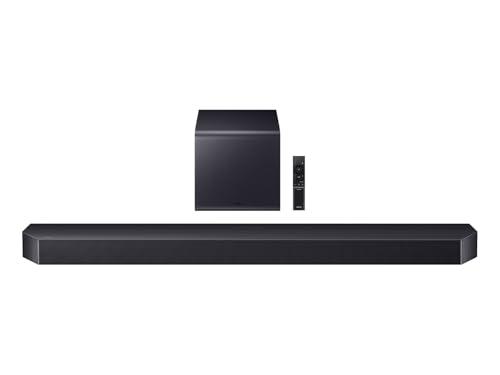
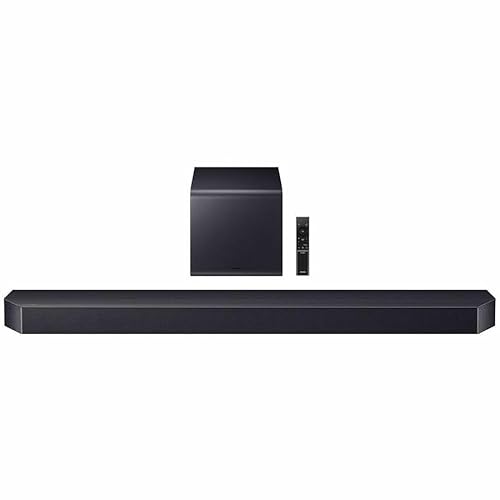

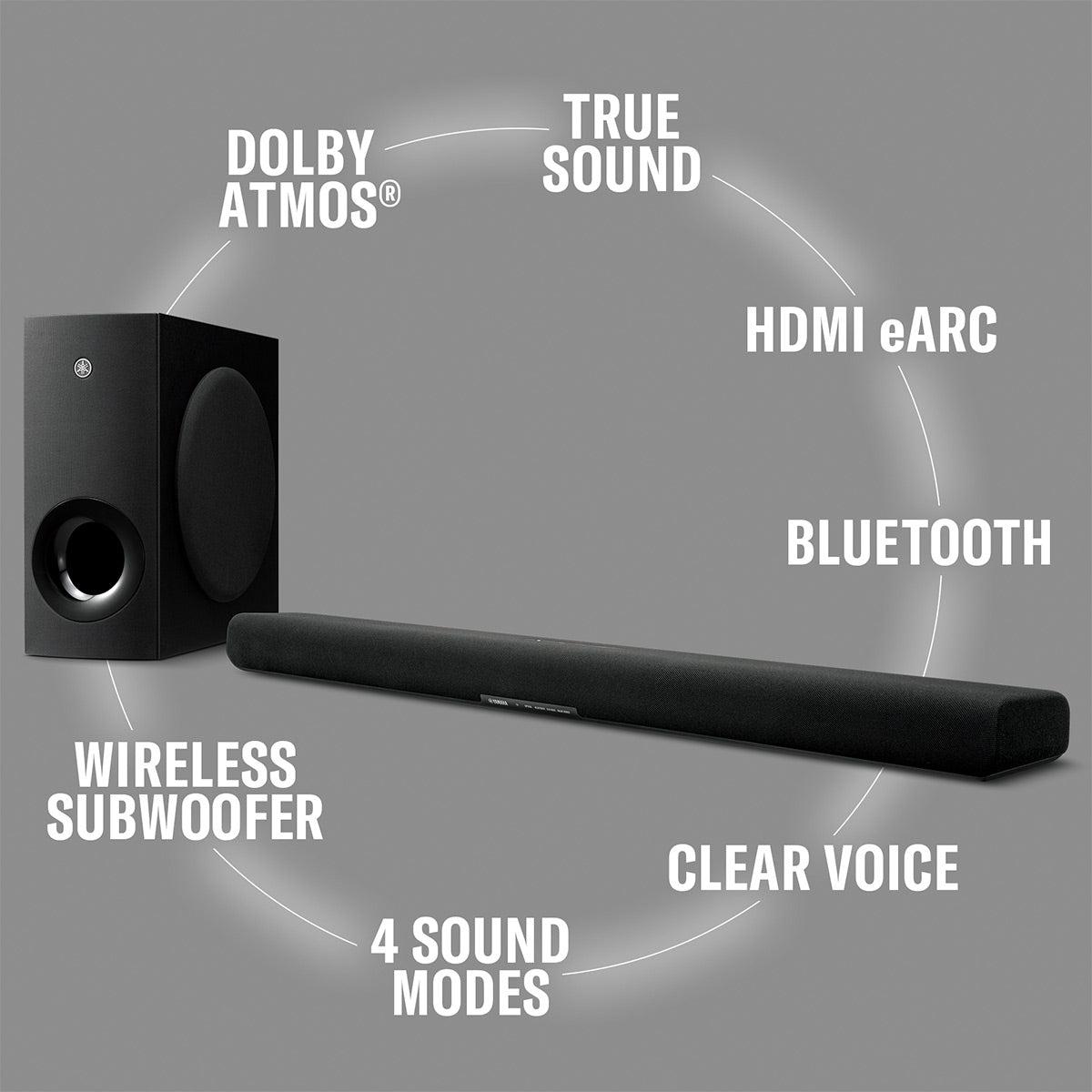
When your TV's built-in speakers make dialogue sound like it's coming from inside a tin can, you know it's time for an upgrade. The soundbar market has exploded with options, but two models stand out as representing completely different philosophies: Samsung's flagship HW-Q990F and Yamaha's value-focused SR-B40A.
At the time of writing, these soundbars sit at opposite ends of the price spectrum—the Samsung commanding premium pricing around $1,300, while the Yamaha delivers impressive performance in the $200-350 range. That's roughly a 4-6x price difference, which begs the question: what exactly are you getting for that extra money, and is it worth it?
Before diving into the comparison, it's helpful to understand what separates basic soundbars from premium ones. The most fundamental difference lies in channel configuration—essentially, how many separate audio streams the system can handle and where those sounds come from.
A 2.1 system like the Yamaha SR-B40A has two main channels (left and right) plus a subwoofer (the ".1") for bass. This creates stereo sound that's much wider and clearer than TV speakers. An 11.1.4 system like the Samsung HW-Q990F is far more complex: 11 main channels surrounding you, 1 subwoofer channel, and 4 height channels that bounce sound off your ceiling to create overhead effects.
The other crucial distinction is between physical and virtual surround sound. Physical surround uses actual speakers placed around your room—behind you, above you, to your sides. Virtual surround uses digital processing tricks to make sounds seem like they're coming from places where there aren't actually speakers. It's the difference between having a friend whisper in your ear versus hearing a recording of whispering through headphones.
Released in 2024 as Samsung's top-tier soundbar, the HW-Q990F represents the culmination of years of soundbar evolution. Samsung has been pushing the boundaries of what's possible with soundbar technology, and this model shows it.
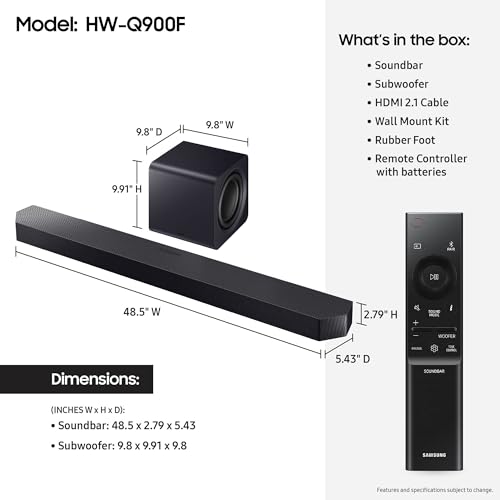
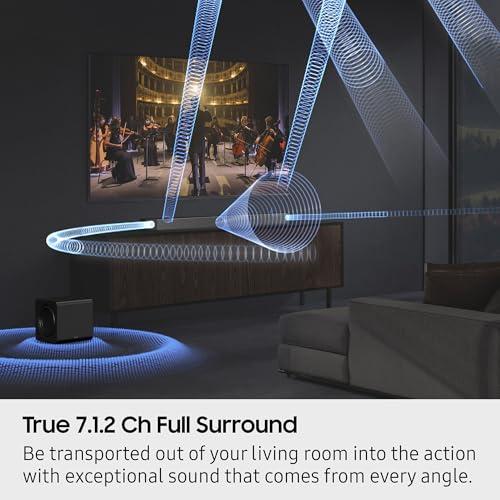
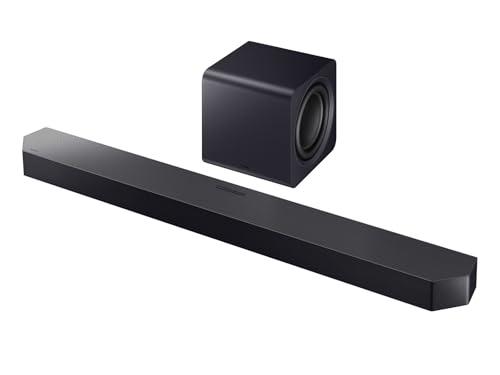
What immediately sets the Samsung apart is its sheer complexity. You're not just buying a soundbar—you're getting a complete home theater system disguised as one. The main soundbar houses 15 speakers, including front-firing drivers for dialogue, side-firing drivers for width, and up-firing drivers that bounce sound off your ceiling. Add the wireless subwoofer with its dual 8-inch woofers and two wireless rear speakers (each with their own up-firing drivers), and you've got 23 speakers working in concert.
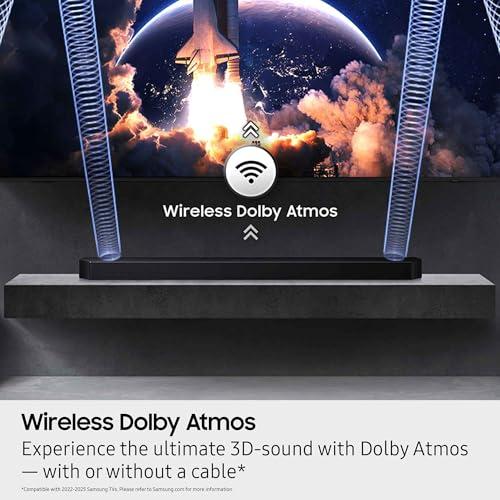
This physical speaker arrangement enables true Dolby Atmos processing. Dolby Atmos is an audio format that treats sounds as objects moving through three-dimensional space rather than being locked to specific channels. When a helicopter flies overhead in a movie, the Samsung can make it sound like it's actually above you because it has speakers that fire upward and bounce sound off your ceiling back to your ears.
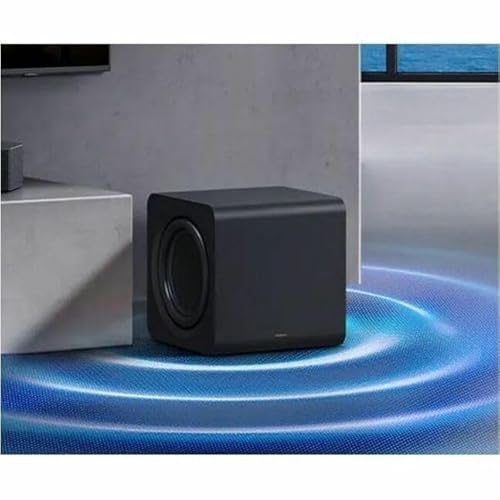
The subwoofer deserves special mention. Those dual 8-inch drivers work in opposition to each other—when one pushes out, the other pulls in. This force-canceling design minimizes vibration that could rattle your furniture while maximizing the actual sound waves you want to hear. Samsung also introduced AI-powered Dynamic Bass Control in recent years, which learns your room's acoustics and adjusts the bass response to prevent distortion and maintain clean, powerful low-end even at high volumes.
The Samsung HW-Q990F excels in several key areas that matter for home theater use. Dialogue clarity benefits from a dedicated center channel—a speaker positioned directly below your TV that's specifically designed to reproduce human speech. This center channel anchors dialogue to the screen, making conversations feel natural and easy to follow even when explosions and music are happening simultaneously.
Surround sound immersion is where the Samsung truly shines. Those rear speakers create genuine 360-degree audio coverage. In action movies, you can pinpoint exactly where sounds are coming from without looking at the screen. Bullets whiz past your head, footsteps approach from behind, and ambient sounds like rain or wind genuinely envelop you.
For gaming, this spatial accuracy provides a competitive advantage. In first-person shooters or battle royale games, you can hear enemy footsteps and locate threats by sound alone. The Samsung includes a Game Mode Pro that optimizes processing for lower latency and enhanced directional cues.
Music reproduction benefits from the system's power and driver diversity. With 756 watts of total output and speakers positioned throughout the room, the Samsung can recreate the soundstage of a live concert or the intimate detail of a studio recording. The seven-band graphic equalizer lets you fine-tune the sound to your preferences, and independent channel level adjustments mean you can balance the rear speakers, height effects, and subwoofer to your room's acoustics.
Yamaha released the SR-B40A in 2023 as part of their effort to bring serious audio engineering to the budget-conscious market. While Yamaha may not be as well-known for soundbars as Samsung, they've been making musical instruments and audio equipment for over a century—experience that shows in how they tune their products.
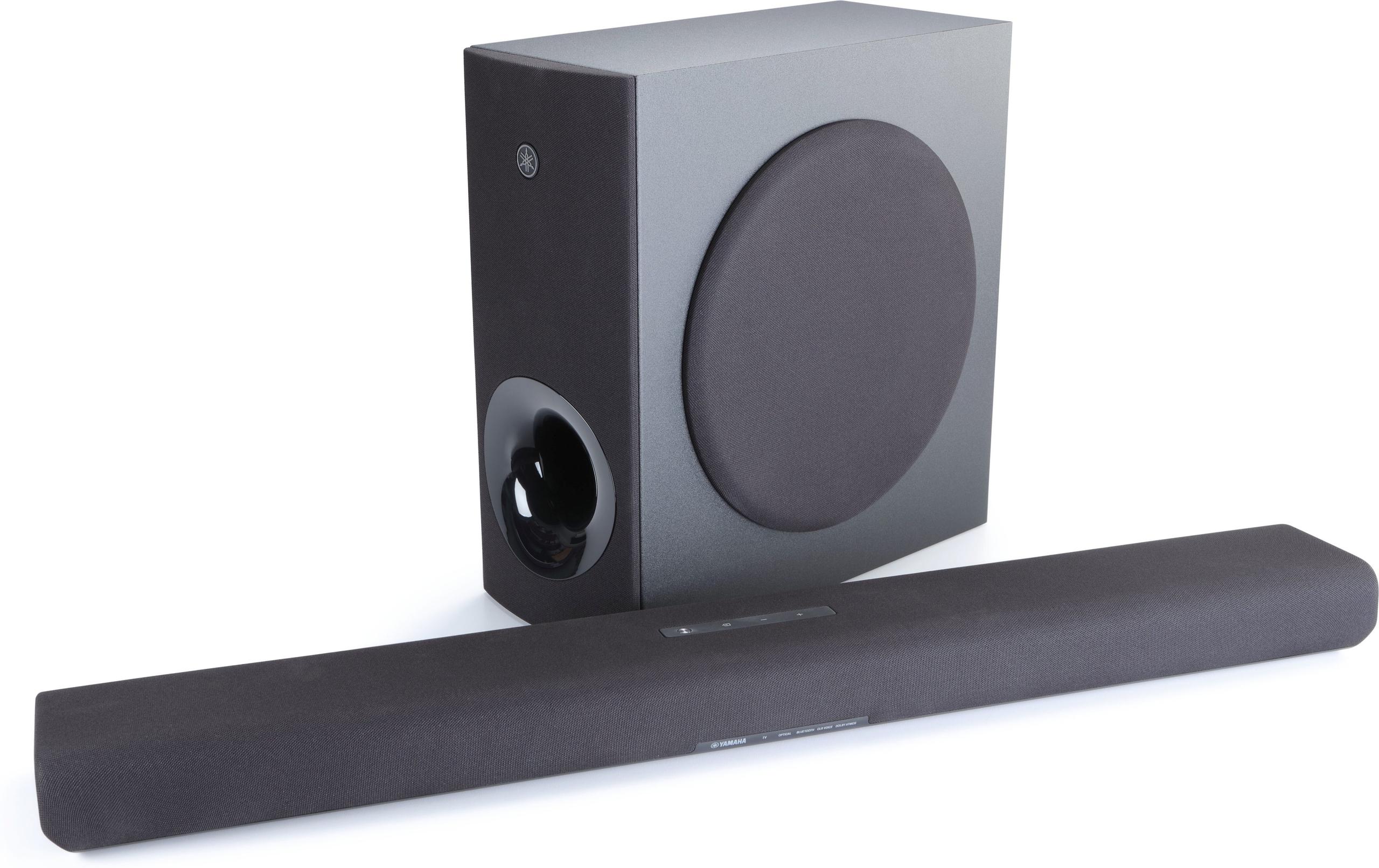
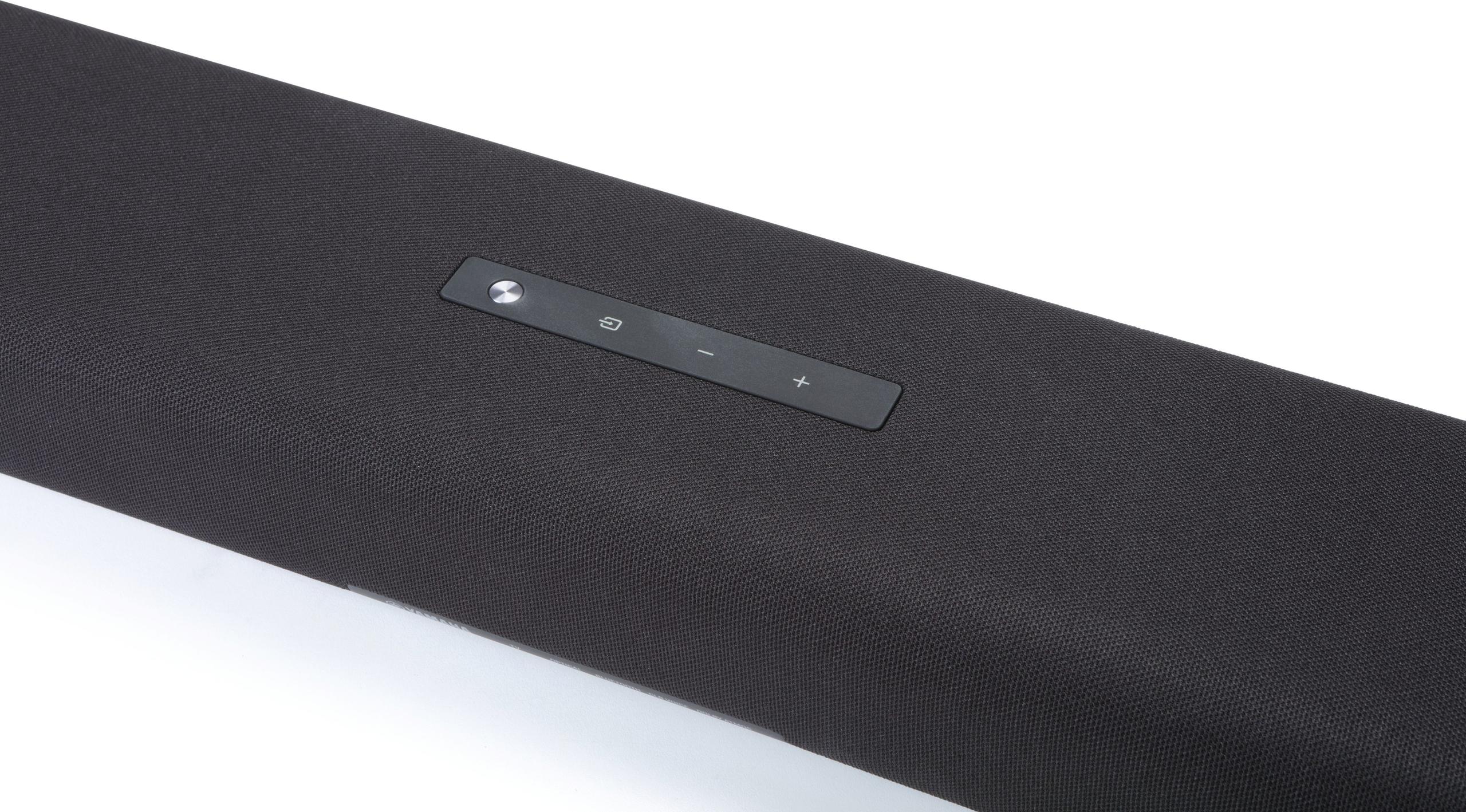
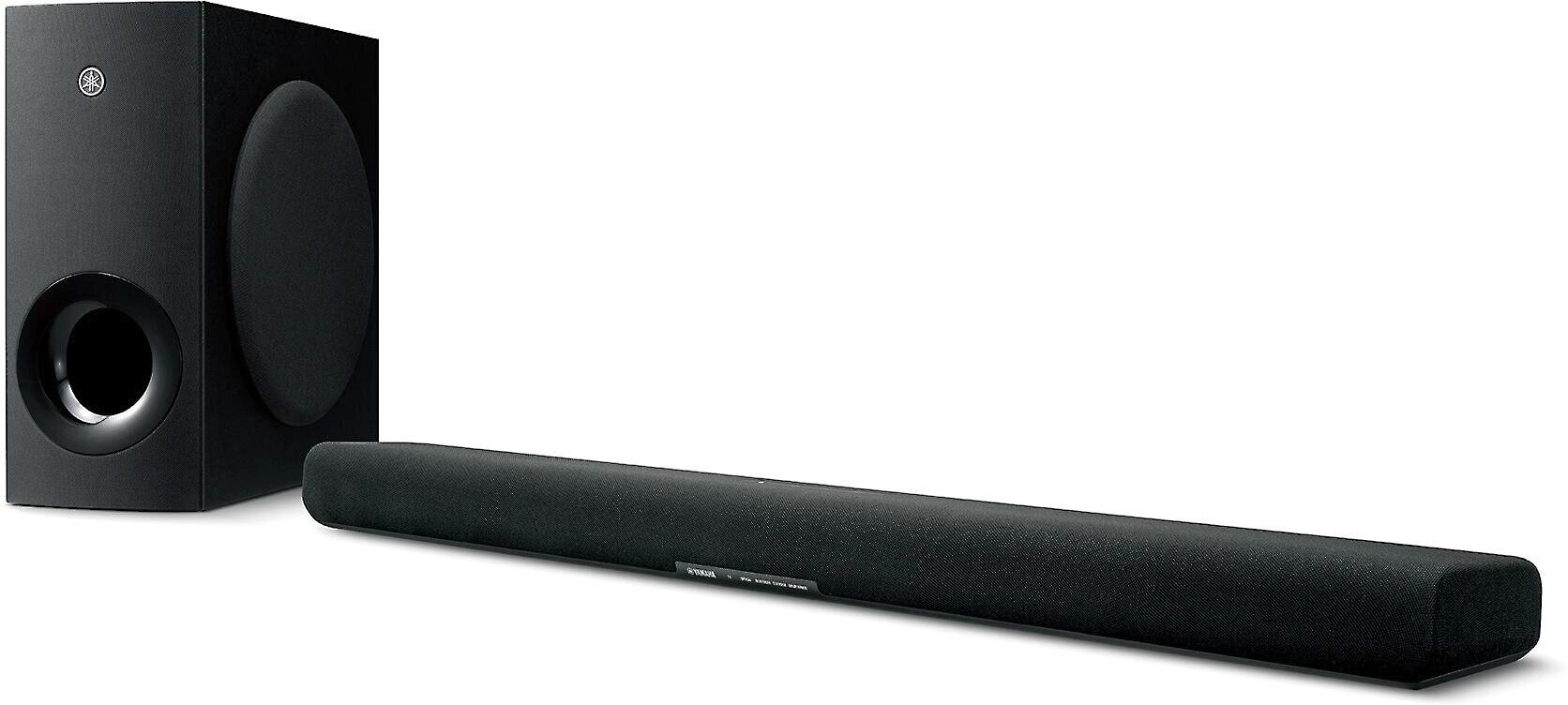
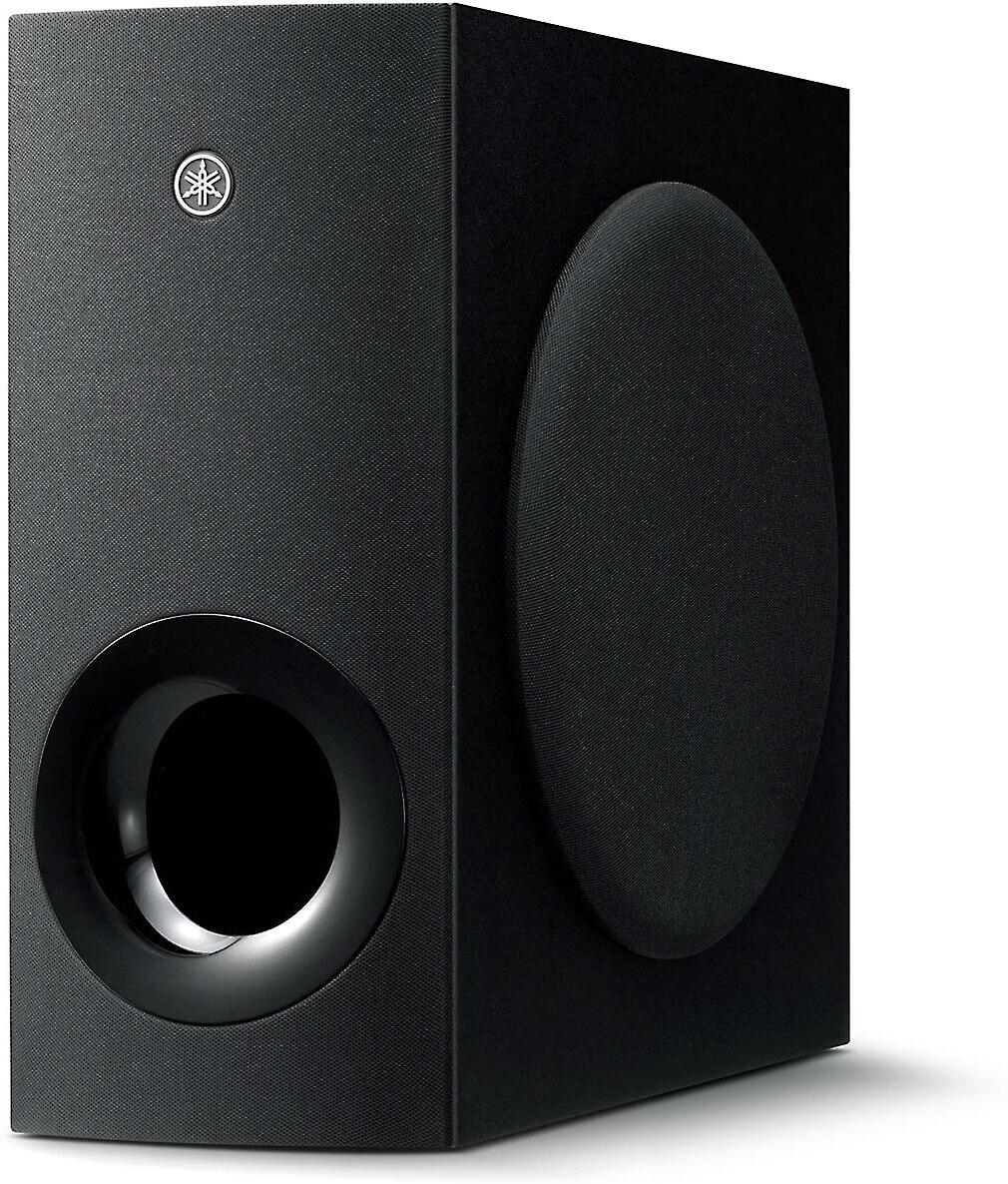
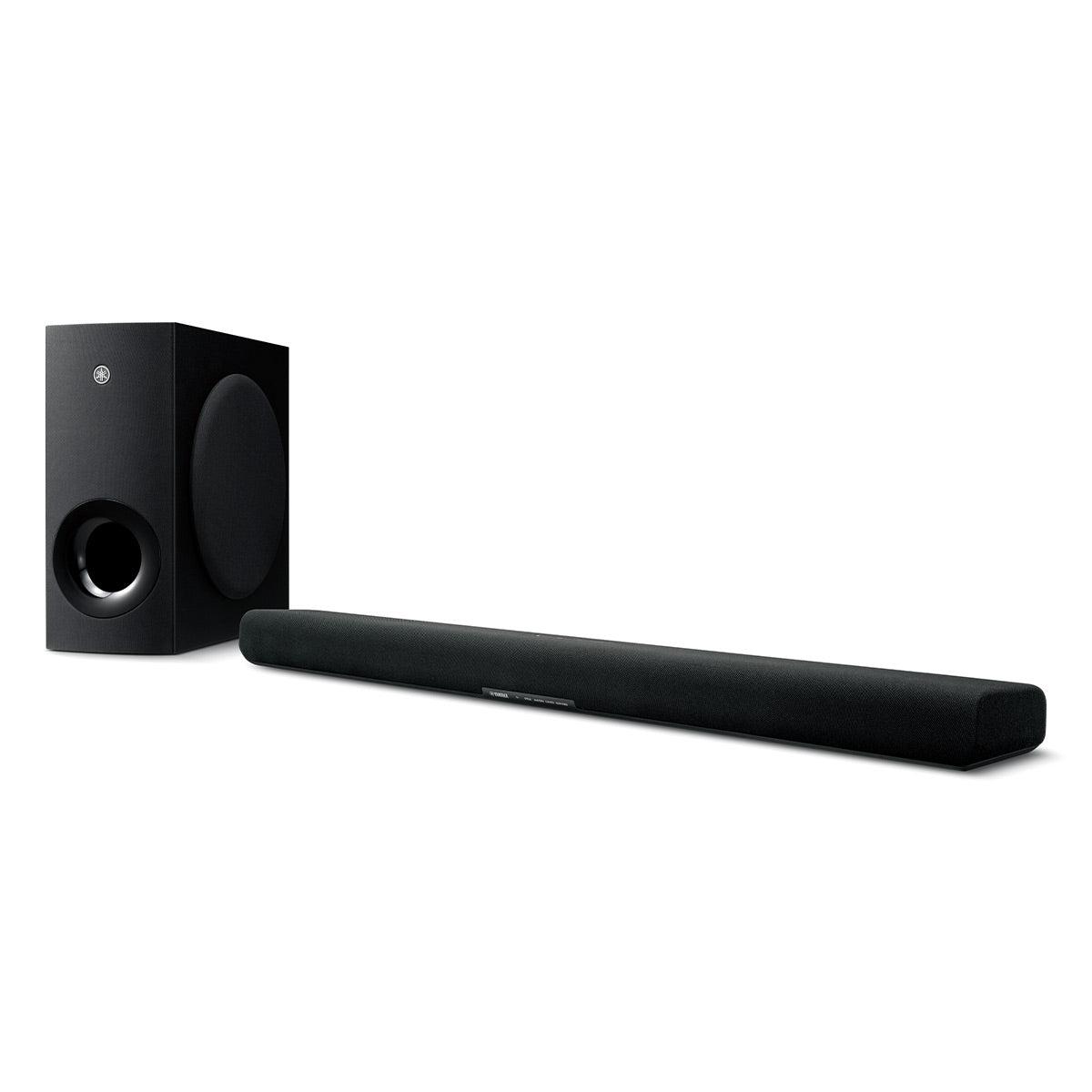
The Yamaha takes a fundamentally different approach. Instead of overwhelming you with speakers and features, it focuses on doing the basics exceptionally well. The 2.1 configuration uses four 1.8-inch drivers and two 1-inch tweeters in the main bar, supplemented by built-in 3-inch subwoofers and a separate wireless subwoofer with a 6.25-inch driver.
This might sound modest compared to the Samsung's 23-speaker array, but Yamaha's "True Sound" philosophy prioritizes accuracy over quantity. Every component is precisely tuned to work together, creating a cohesive soundstage that never feels disjointed or artificial.
The Yamaha includes virtual Dolby Atmos processing, which uses psychoacoustic tricks to simulate overhead and surround effects. While it can't match the genuine immersion of physical height speakers, the processing is sophisticated enough to create a noticeably wider and taller soundstage than basic stereo would provide.
Where the Yamaha SR-B40A truly impresses is in its musical reproduction. Yamaha's century-plus experience with musical instruments translates into natural, balanced sound that doesn't artificially enhance or color the audio. Jazz recordings sound spacious and detailed, rock music maintains its energy without becoming harsh, and classical music preserves its dynamic range.
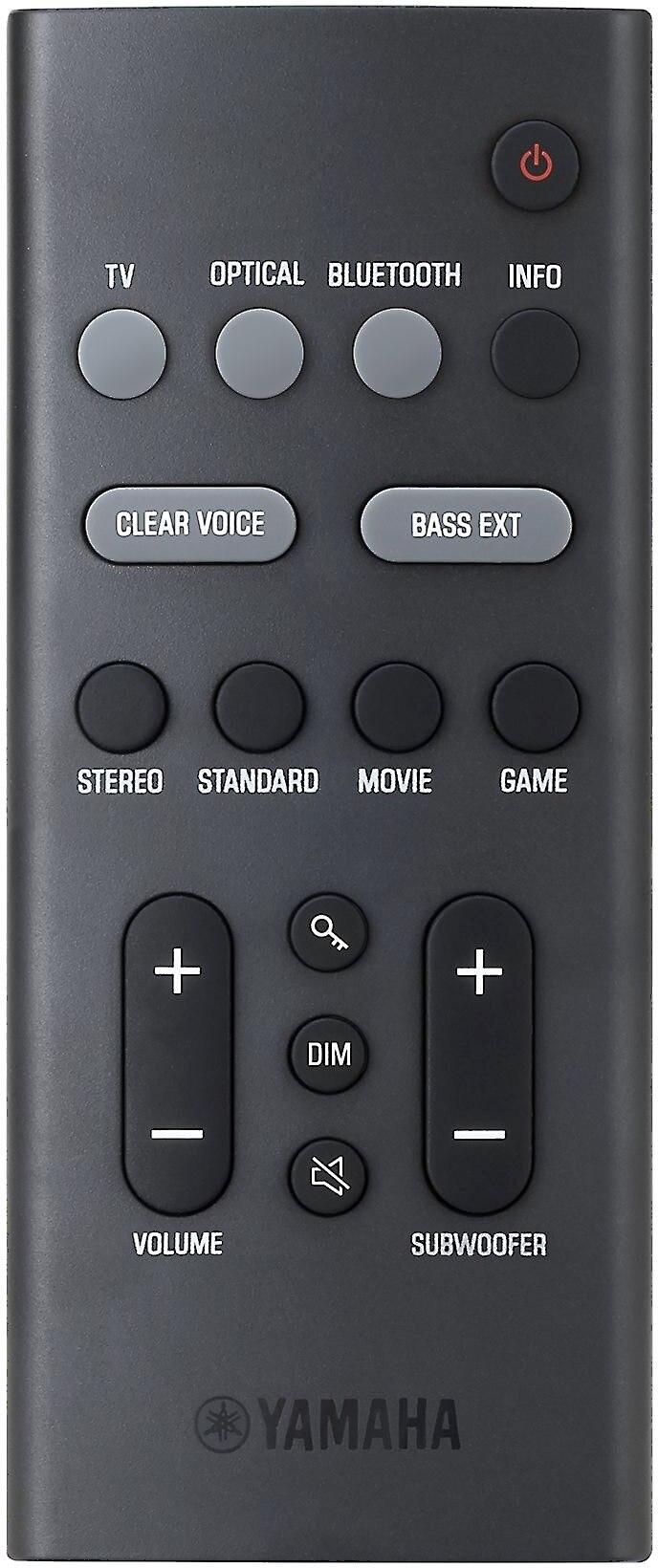
The Clear Voice technology deserves recognition for its effectiveness. Rather than simply boosting treble frequencies (which can make everything sound tinny), it specifically targets the frequency ranges where human speech occurs. This makes dialogue significantly easier to understand, even when background music or sound effects are present.
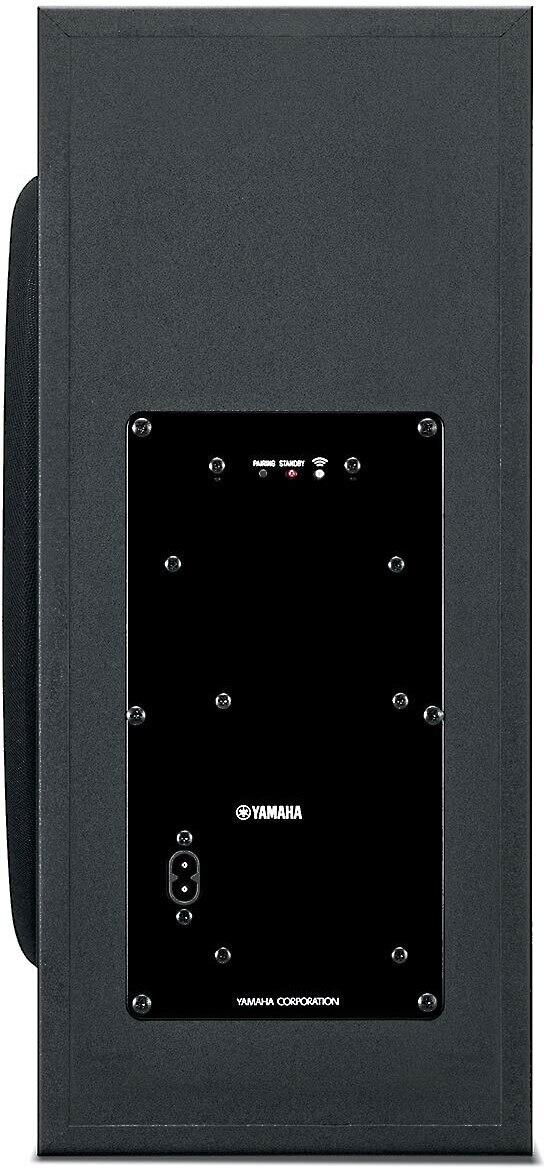
The wireless subwoofer, while smaller than the Samsung's dual-driver beast, integrates beautifully with the main soundbar. The bass is musical rather than boomy—it adds weight and foundation to music and movies without overwhelming the mix or rattling your neighbors' walls.
This is where the fundamental architectural difference becomes most apparent. The Samsung HW-Q990F creates genuine surround sound through physical speaker placement. When you're watching a movie and rain starts falling, it truly sounds like it's coming from above and around you. Footsteps move convincingly from left to right and front to back. The experience can be genuinely startling—in the best possible way.
The Yamaha SR-B40A can't match this level of immersion because all its sound comes from the front of your room. However, its virtual processing is more effective than you might expect. The soundstage extends well beyond the width of your TV, and there's a sense of height and depth that makes movies more engaging than standard TV speakers could ever provide.
For serious home theater use, the Samsung is the clear winner. For general TV watching and movie enjoyment, the Yamaha provides meaningful improvement at a fraction of the cost.
The difference in bass capability is substantial but serves different purposes. The Samsung's dual 8-inch subwoofer system can shake your room during action sequences, providing the kind of tactile bass that makes explosions feel visceral. The opposing driver configuration means this powerful bass stays clean and controlled even at high volumes.
The Yamaha's single 6.25-inch subwoofer takes a more measured approach. The bass is present and well-integrated but never overwhelming. This actually works to its advantage in smaller rooms or apartments where overpowering bass would be problematic. The bass extension feature lets you add more low-end when desired, giving you control over how much impact you want.
This category reveals each soundbar's design philosophy most clearly. The Yamaha SR-B40A approaches music with reverence for the original recording. Instruments sound natural, vocals are clear and properly positioned, and the overall balance feels organic. If you frequently stream music or listen to vinyl through your TV setup, the Yamaha will likely sound more "correct" to your ears.
The Samsung HW-Q990F brings more processing and enhancement to music playback. This can be spectacular with certain types of content—live concert recordings or surround-mixed albums benefit enormously from the full speaker array. However, some listeners might find the processing too aggressive for intimate acoustic recordings or classical music.
Gaming reveals interesting strengths in both systems. The Samsung provides significant competitive advantages in online gaming through its precise directional audio. You can literally hear enemies approaching from specific directions, giving you tactical information that can mean the difference between victory and defeat in competitive games.
The Yamaha excels in different gaming scenarios. Its lower processing latency means less delay between on-screen action and audio, which is crucial for rhythm games or any situation where timing matters. The clear dialogue enhancement also benefits story-driven games where following the narrative is important.
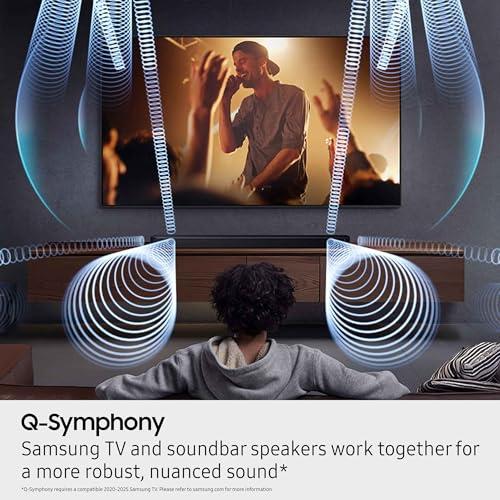
Modern soundbars are expected to integrate seamlessly with smart home ecosystems, and here the price difference becomes apparent. The Samsung HW-Q990F includes built-in Alexa, works with Google Assistant, supports AirPlay 2, Chromecast, Spotify Connect, and TIDAL Connect. The Q-Symphony feature allows it to work in concert with compatible Samsung TVs, using both the TV's speakers and the soundbar simultaneously for an even fuller sound.
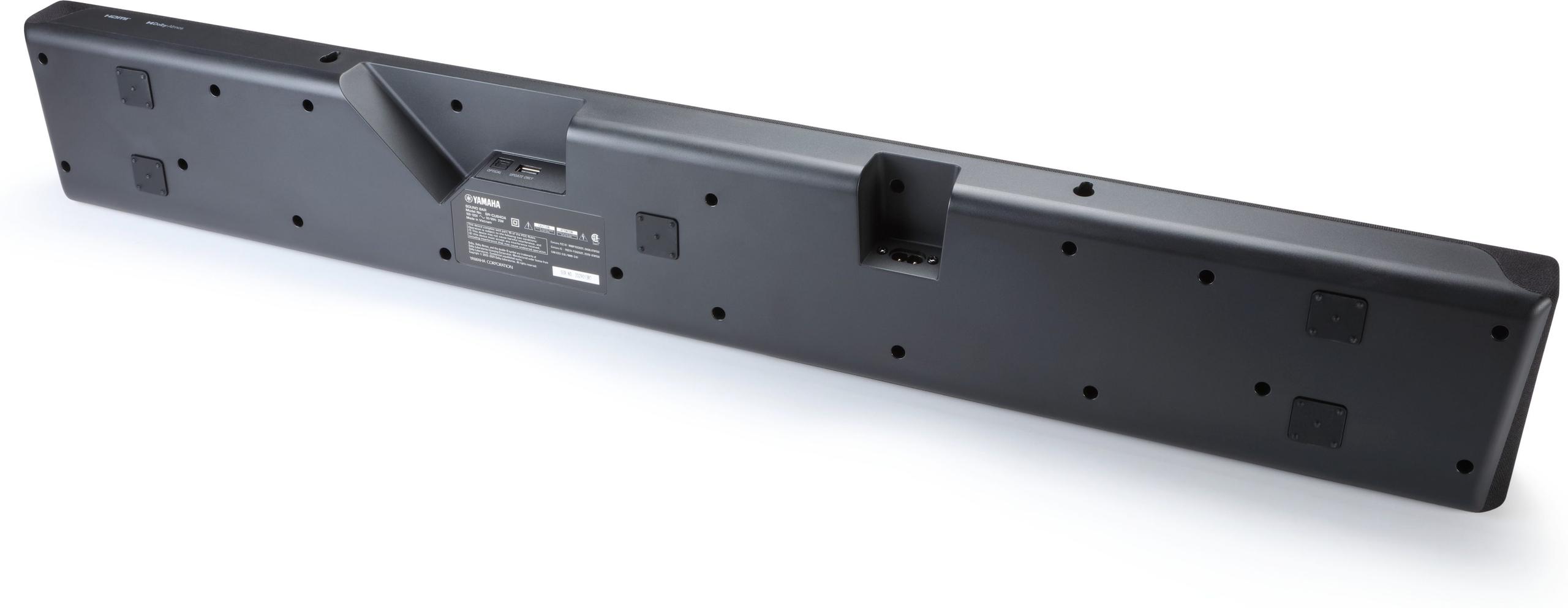
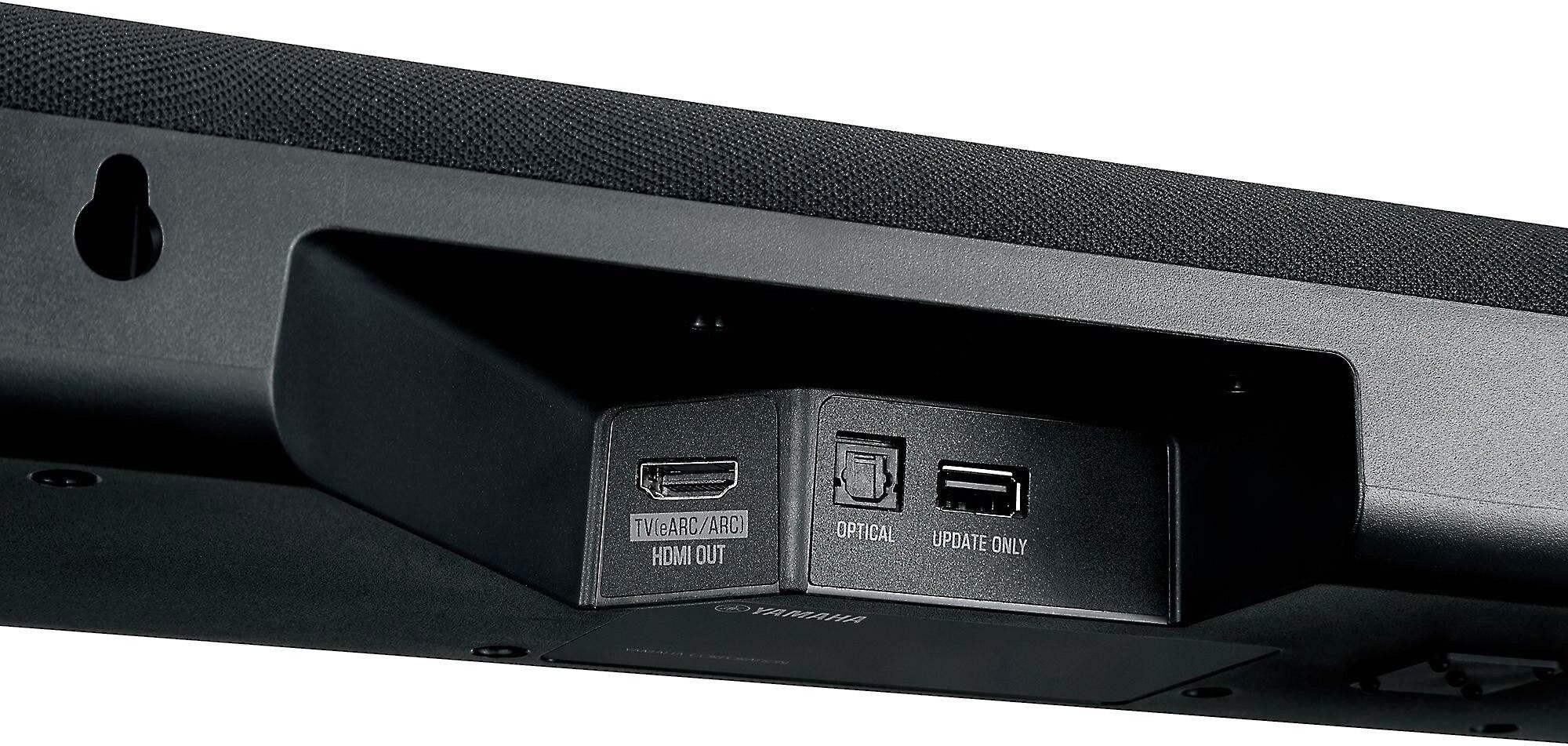
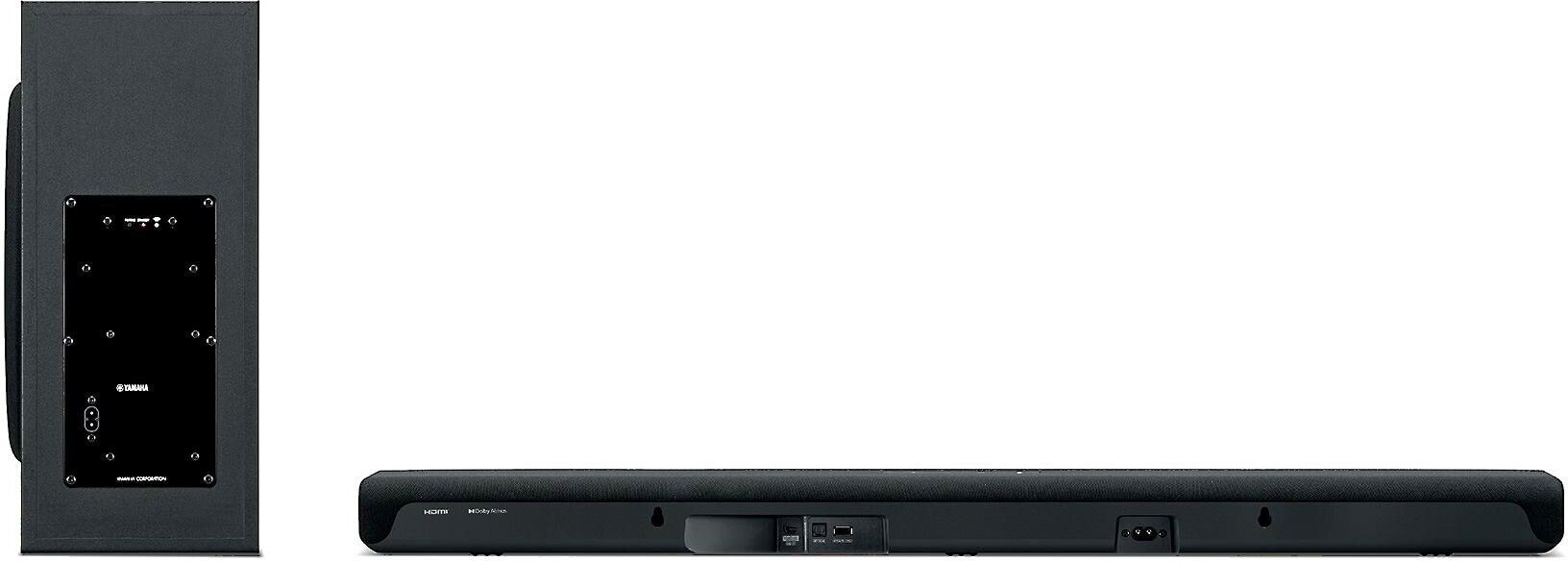
The Yamaha SR-B40A keeps things simpler with Bluetooth 5.1 connectivity, HDMI eARC, and a basic control app. This isn't necessarily a disadvantage—less complexity means fewer potential points of failure and easier day-to-day operation.
The Samsung HW-Q990F demands space and setup effort. You need room behind your seating area for the rear speakers, and the system works best when you can properly position all components and run the automatic room calibration. In the right environment with proper setup, it delivers an experience that rivals traditional home theater systems.
The Yamaha SR-B40A is designed for real-world constraints. It works beautifully in smaller rooms, apartments, or situations where you can't place speakers around the room. The front-focused design means everyone in the seating area gets a good experience, and setup is essentially plug-and-play.
The decision between these soundbars ultimately comes down to your priorities, space, and budget tolerance.
Choose the Samsung HW-Q990F if you're serious about home theater and have the space for it. This soundbar is for people who want to recreate the cinema experience at home, who have a dedicated entertainment room, and who consider audio quality a priority worth investing in. It's also the better choice if you're a serious gamer who wants every competitive advantage.
The Yamaha SR-B40A makes sense for virtually everyone else. It's perfect for apartments, smaller homes, or anyone who wants dramatically better audio than TV speakers without the complexity or cost of a premium system. It's also the smarter choice if you prioritize music listening or want something that just works without extensive setup.
At the time of writing, the value proposition of the Yamaha is particularly compelling. You're getting genuine Yamaha audio engineering, a wireless subwoofer, and meaningful performance improvements over TV speakers at a price that won't strain most budgets.
The Samsung, while expensive, delivers performance that justifies its premium pricing for the right user. If you have the budget and the appropriate space, it provides an experience that genuinely rivals much more expensive traditional home theater setups.
Both soundbars represent the best of their respective approaches—premium complexity versus focused simplicity. Your choice should depend on how you actually use your entertainment system and what level of audio performance truly matters to your daily enjoyment.
| Samsung Q-Series HW-Q990F | Yamaha SR-B40A |
|---|---|
| Channel Configuration - Determines surround sound capability and immersion level | |
| 11.1.4 true surround with 23 physical speakers | 2.1 stereo with wireless subwoofer |
| Dolby Atmos Implementation - Critical for overhead audio effects | |
| True Dolby Atmos with physical up-firing drivers | Virtual Dolby Atmos processing |
| Included Components - Affects setup complexity and room coverage | |
| Soundbar + wireless subwoofer + wireless rear speakers | Soundbar + wireless subwoofer |
| Total System Power - Impacts volume and room-filling capability | |
| 756W RMS across all components | 200W total (50W x 2 front, 100W subwoofer) |
| Subwoofer Configuration - Determines bass depth and impact | |
| Dual 8" force-canceling woofers, wireless | Single 6.25" driver, wireless |
| Rear Speakers - Essential for true surround sound experience | |
| Included wireless satellites with up-firing drivers | None (front-only audio) |
| Smart Features - Affects convenience and ecosystem integration | |
| Built-in Alexa, AirPlay 2, Q-Symphony, SmartThings | Basic app control, Bluetooth 5.1 |
| HDMI Connectivity - Important for modern gaming and 4K content | |
| 3x HDMI 2.1 with eARC (supports 4K/120Hz) | 1x HDMI eARC |
| Room Calibration - Optimizes sound for your specific space | |
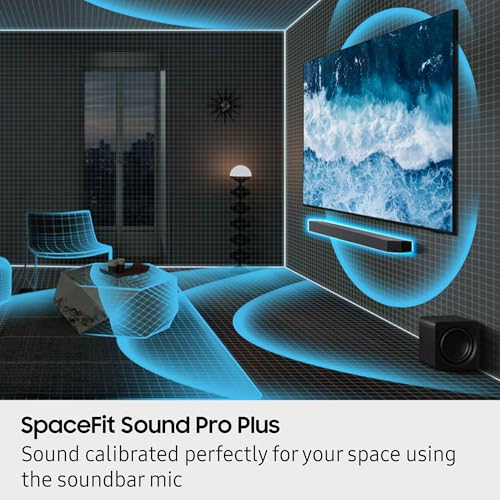
| SpaceFit Sound Pro Plus with automatic tuning | Manual tone controls via app |
| Ideal Room Size - Matches power and coverage to space | |
| Large rooms (300+ sq ft) with rear speaker placement | Small to medium rooms (up to 250 sq ft) |
| Setup Complexity - Time and effort required for optimal performance | |
| Moderate (rear placement + calibration required) | Minimal (plug-and-play operation) |
| Primary Strength - What each does exceptionally well | |
| Cinema-grade immersion and gaming audio | Musical accuracy and dialogue clarity |
For dedicated home theater use, the Samsung Q-Series HW-Q990F is significantly better due to its true 11.1.4 surround sound system with physical rear speakers and up-firing drivers. The Yamaha SR-B40A offers good audio improvement over TV speakers but cannot match the immersive cinema experience of the Samsung's complete surround system.
The primary difference is channel configuration and surround capability. The Samsung HW-Q990F features 11.1.4 channels with 23 physical speakers including wireless rear satellites, while the Yamaha SR-B40A uses a 2.1 stereo setup with virtual surround processing. This means the Samsung creates genuine 360-degree audio, while the Yamaha enhances front-facing sound.
Yes, but differently. The Samsung Q-Series HW-Q990F supports true Dolby Atmos with physical up-firing speakers that bounce sound off your ceiling for authentic overhead effects. The Yamaha SR-B40A uses virtual Dolby Atmos processing to simulate height effects through its front-facing drivers.
The Yamaha SR-B40A typically excels at music reproduction due to Yamaha's "True Sound" philosophy and century of audio engineering experience, providing natural, balanced sound. The Samsung HW-Q990F offers more power and processing but may sound overly enhanced for pure music listening compared to the Yamaha's accurate reproduction.
For true surround sound, yes. The Samsung Q-Series HW-Q990F includes wireless rear speakers that create genuine 360-degree audio coverage essential for immersive movie watching and gaming. The Yamaha SR-B40A has no rear speakers and relies on virtual processing, which improves the soundstage but cannot replicate authentic surround placement.
The Yamaha SR-B40A is much easier to set up with plug-and-play operation requiring minimal configuration. The Samsung HW-Q990F requires more effort including optimal rear speaker placement, room calibration, and system configuration to achieve its full potential performance.
The Samsung Q-Series HW-Q990F features dual 8-inch force-canceling woofers delivering powerful, room-shaking bass suitable for large spaces. The Yamaha SR-B40A uses a single 6.25-inch driver that provides well-integrated, musical bass perfect for smaller rooms without overwhelming the space.
The Samsung HW-Q990F offers superior gaming performance with its Game Mode Pro, precise directional audio from rear speakers, and 360-degree sound positioning that provides competitive advantages. The Yamaha SR-B40A has good gaming performance with lower latency processing but lacks the spatial audio benefits of the Samsung's surround system.
The Samsung Q-Series HW-Q990F is designed for medium to large rooms (300+ square feet) where its 756W power output and distributed speakers can properly fill the space. The Yamaha SR-B40A works excellently in small to medium rooms (up to 250 square feet) without overwhelming the space.
Yes, both soundbars work with any TV that has HDMI or optical outputs. However, the Samsung HW-Q990F offers additional features like Q-Symphony when paired with compatible Samsung TVs. The Yamaha SR-B40A provides universal compatibility with straightforward connection to any television brand.
The Yamaha SR-B40A offers exceptional value, providing significant audio improvement over TV speakers with a wireless subwoofer at a budget-friendly price point. The Samsung Q-Series HW-Q990F commands premium pricing but delivers flagship performance that justifies the cost for serious home theater enthusiasts who want the best possible soundbar experience.
The Samsung HW-Q990F includes comprehensive smart features like built-in Alexa, AirPlay 2, Chromecast, SmartThings integration, and Q-Symphony compatibility. The Yamaha SR-B40A focuses on core functionality with Bluetooth 5.1 connectivity, HDMI eARC, and basic app control, prioritizing simplicity over extensive smart home integration.
We've done our best to create useful and informative comparisons to help you decide what product to buy. Our research uses advanced automated methods to create this comparison and perfection is not possible - please contact us for corrections or questions. These are the sites we've researched in the creation of this article: rtings.com - crutchfield.com - sound-advice.online - samsung.com - soundandvision.com - samsung.com - whathifi.com - youtube.com - youtube.com - bestbuy.com - avsforum.com - content.syndigo.com - samsung.com - businessinsider.com - dolby.com - youtube.com - abcwarehouse.com - crutchfield.com - visions.ca - shop.usa.yamaha.com - bestbuy.com - bestbuy.com - usa.yamaha.com - my.yamaha.com - europe.yamaha.com - adorama.com - usa.yamaha.com - digitalhomecreations.com - europe.yamaha.com - sundownone.com

Privacy Policy
Terms and Conditions - Affiliate Policy
Home Security
© Copyright 2008-2026.
11816 Inwood Rd #1211, Dallas, TX 75244