



If you've ever watched a movie on a modern TV and struggled to hear dialogue over explosions, or found yourself constantly adjusting the volume, you're not alone. Today's ultra-thin televisions prioritize sleek design over audio quality, cramming tiny speakers into impossibly slim profiles. That's where soundbars come in—they're designed to solve this exact problem without turning your living room into a maze of speakers and wires.
But here's where things get interesting: not all soundbars are created equal. In fact, the difference between a budget soundbar and a flagship model can be as dramatic as comparing a bicycle to a sports car. Today, we're diving deep into two soundbars that perfectly illustrate this spectrum: the premium Samsung HW-Q990F and the budget-friendly LG S40T.
Before we jump into comparing these specific models, let's talk about what actually matters in a soundbar. The most important specification you'll see is the channel configuration—those numbers like "2.1" or "11.1.4" that might look like WiFi passwords at first glance.
Here's the breakdown: the first number represents main channels (left, right, center, surrounds), the second is dedicated subwoofers, and if there's a third number, that's height channels for overhead effects. A 2.1 system gives you stereo sound plus bass, while an 11.1.4 system creates a complete dome of sound around you. Think of it like the difference between listening to music through phone speakers versus being inside a concert hall.
The key considerations when shopping for soundbars include room size (a small apartment doesn't need theater-level power), your primary content (dialogue-heavy TV shows versus action movies), connectivity needs (gaming consoles, streaming devices), and of course, budget. At the time of writing, soundbars range from under $200 to over $1,500, and understanding where that money goes is crucial for making the right choice.
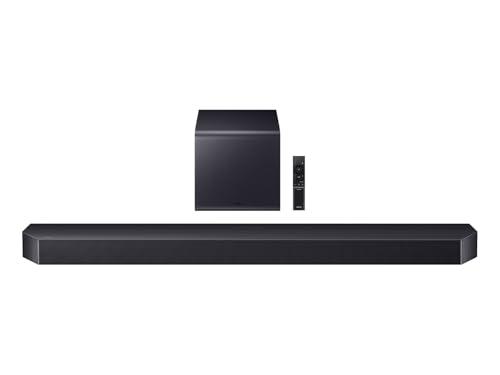
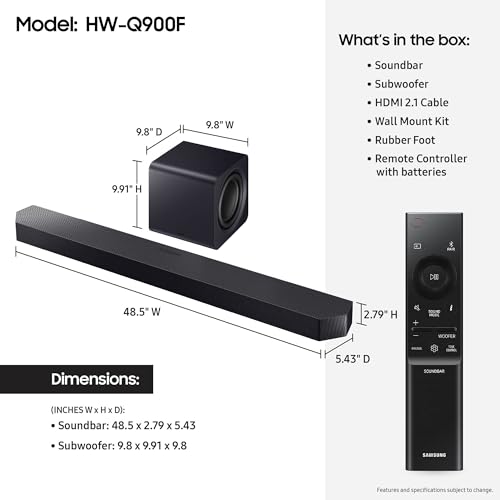
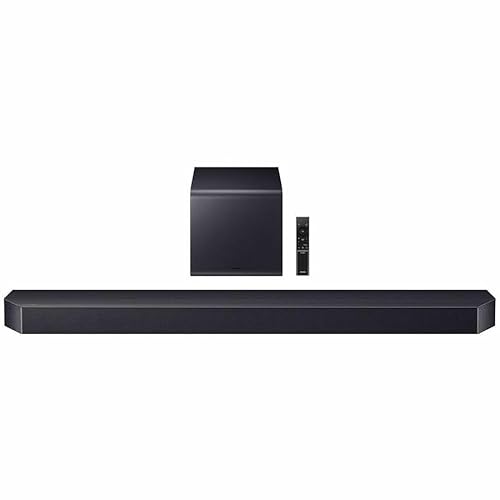
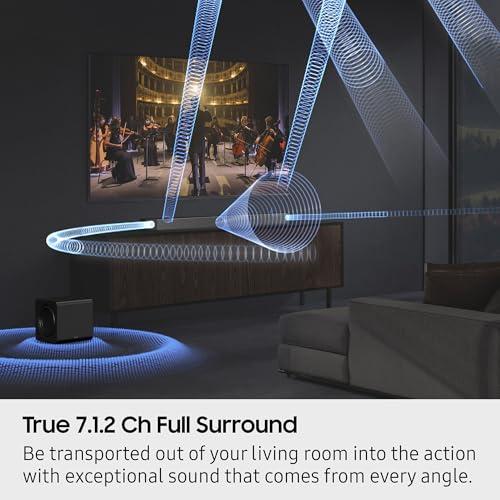
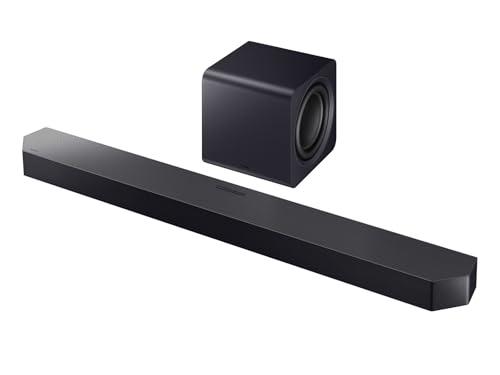
The Samsung HW-Q990F, released in 2025, represents Samsung's flagship approach to home audio. This isn't just a soundbar—it's a complete 11.1.4-channel system featuring 23 individual speakers spread across a main bar, wireless subwoofer, and dedicated rear speakers. At the time of writing, it commands a premium price that puts it in the same league as high-end AV receivers.
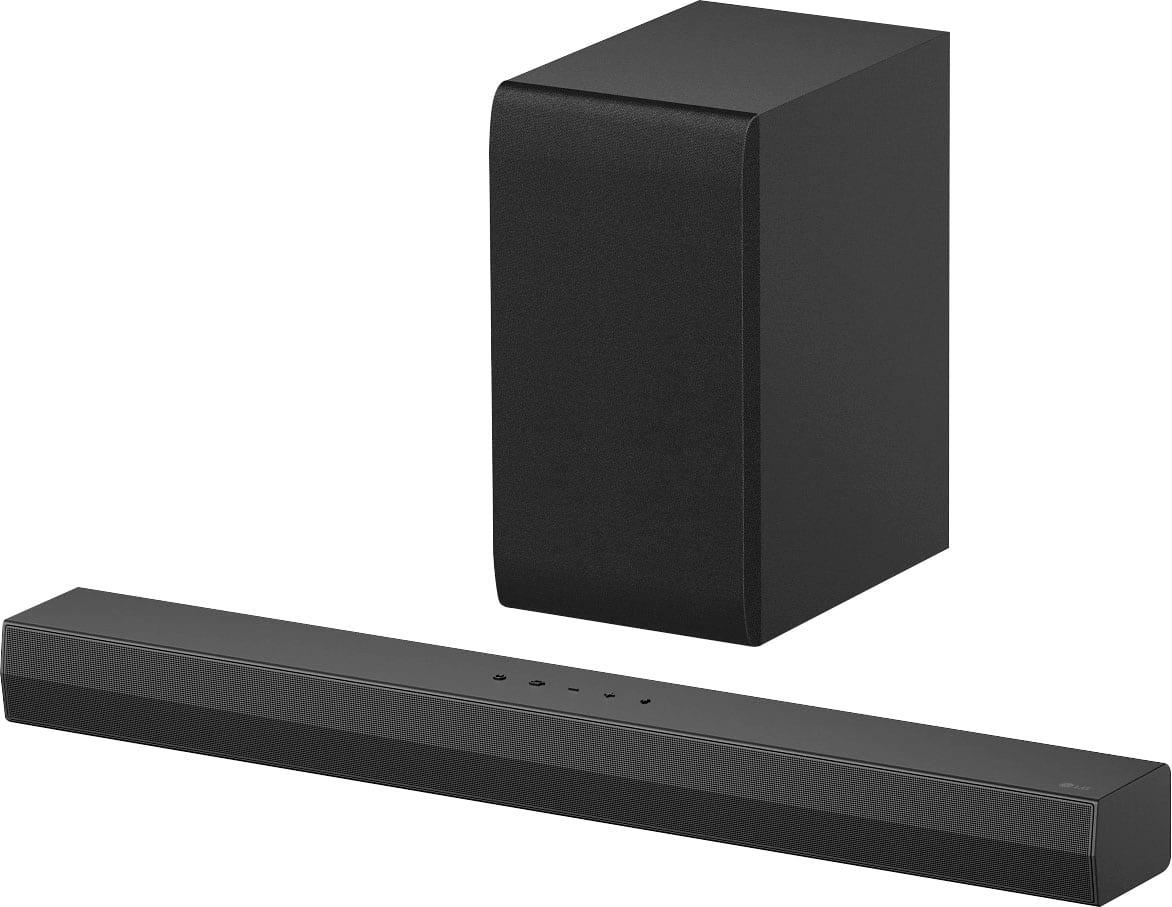
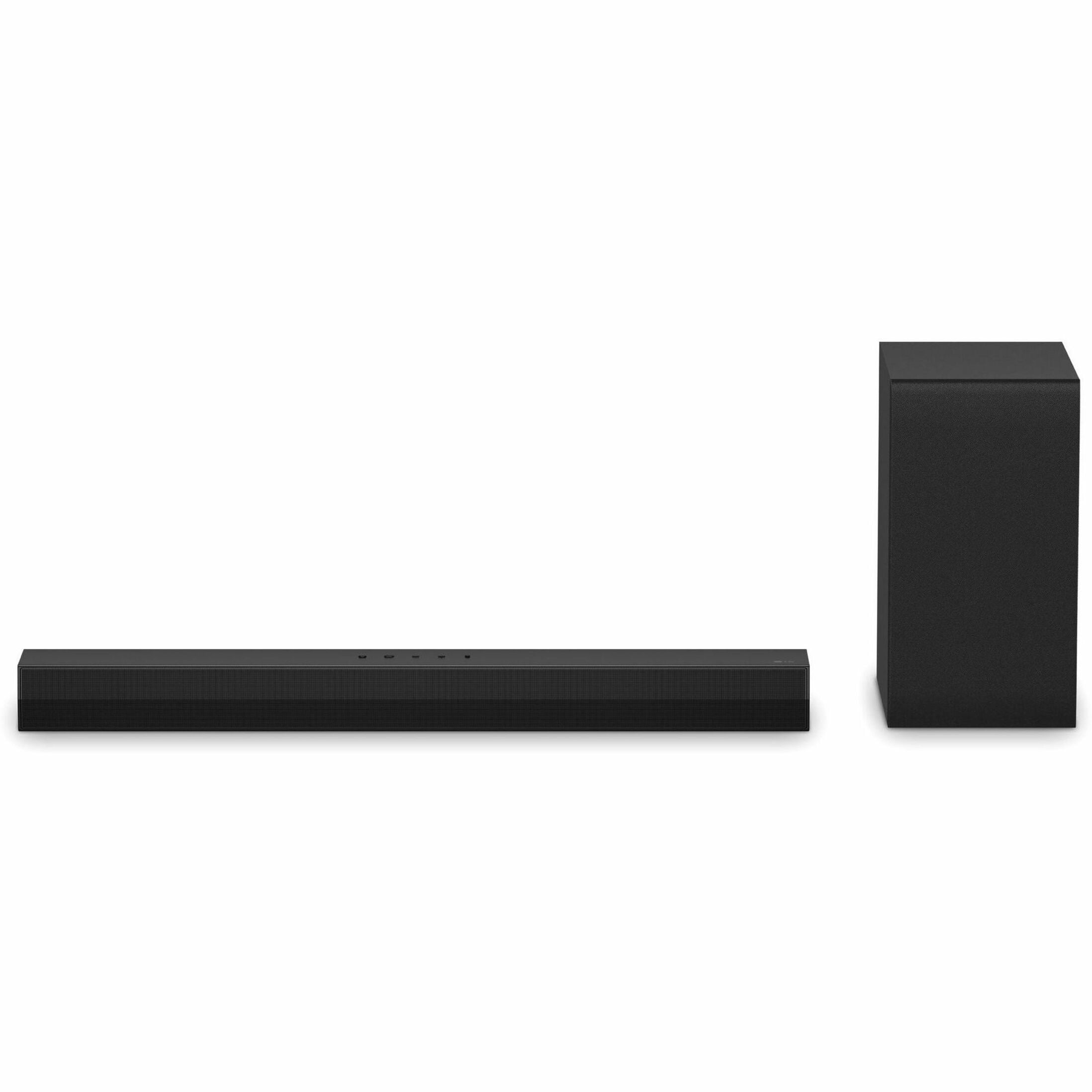
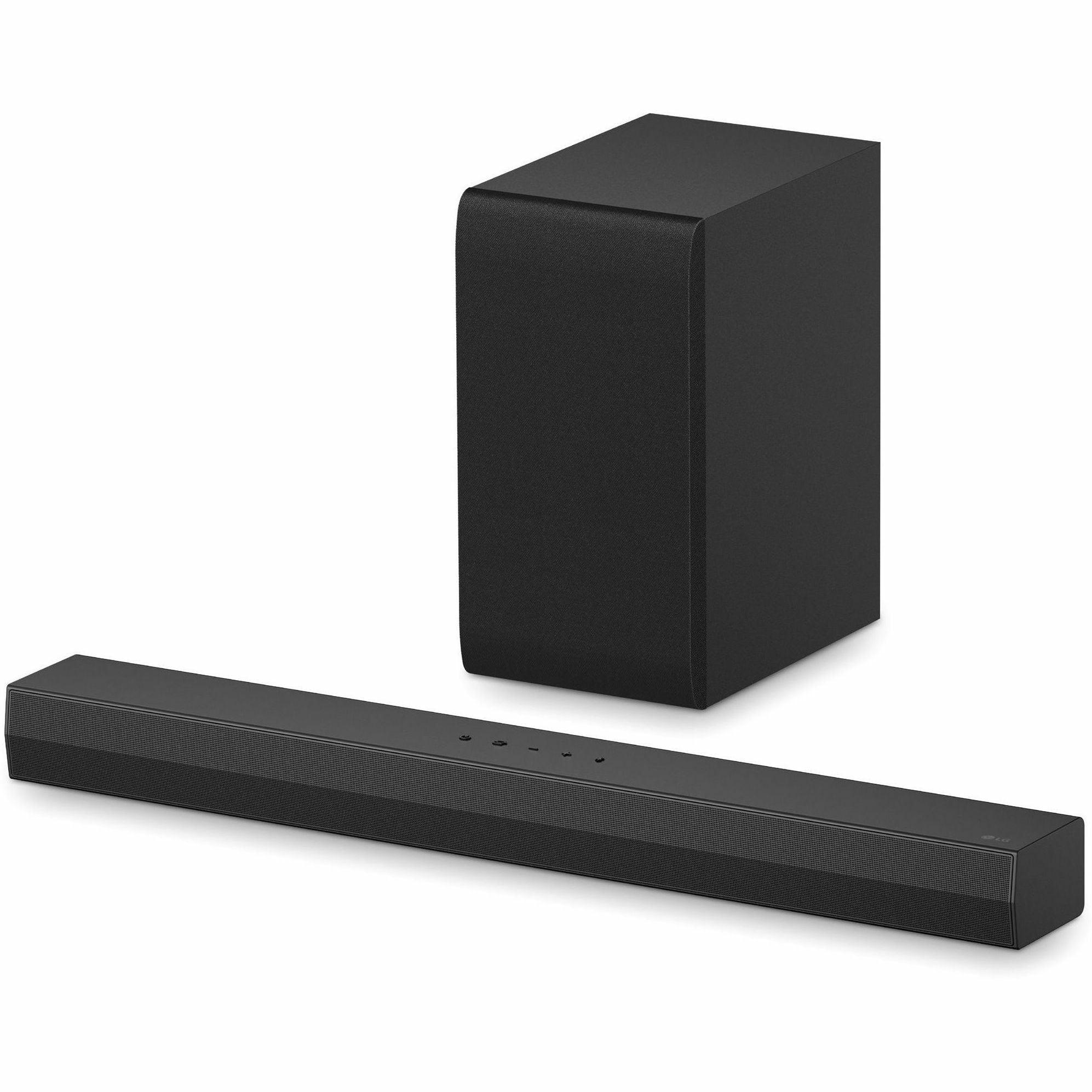
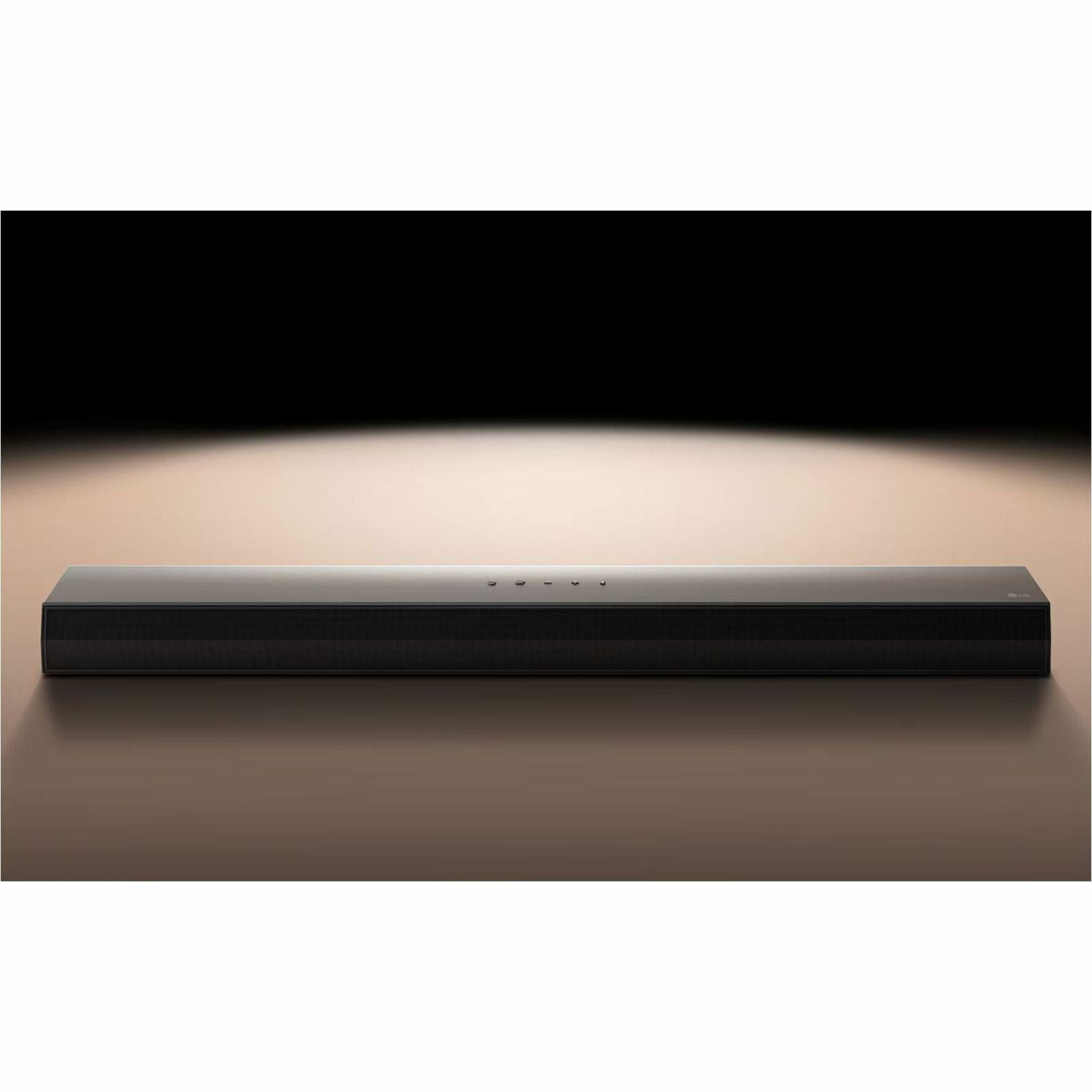
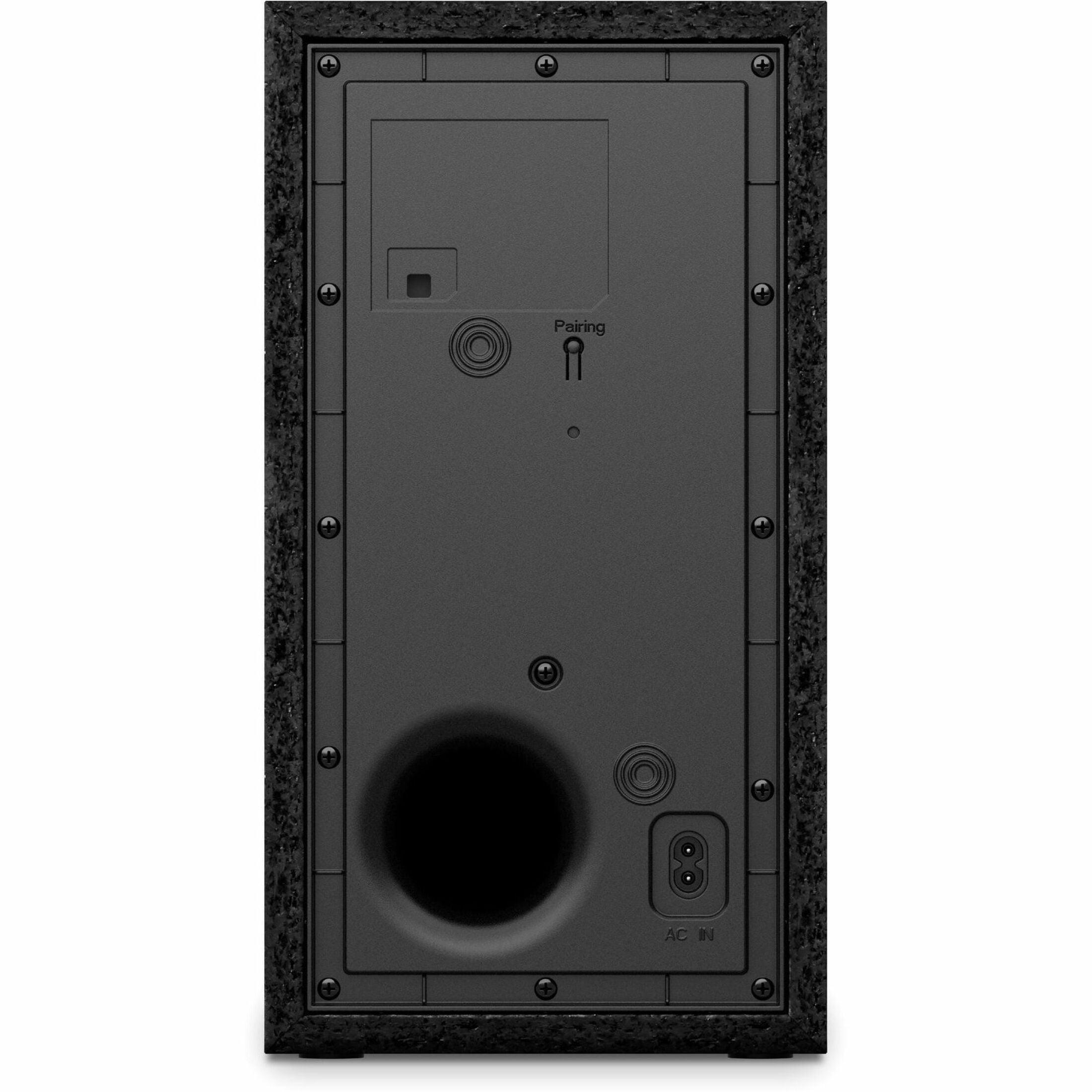
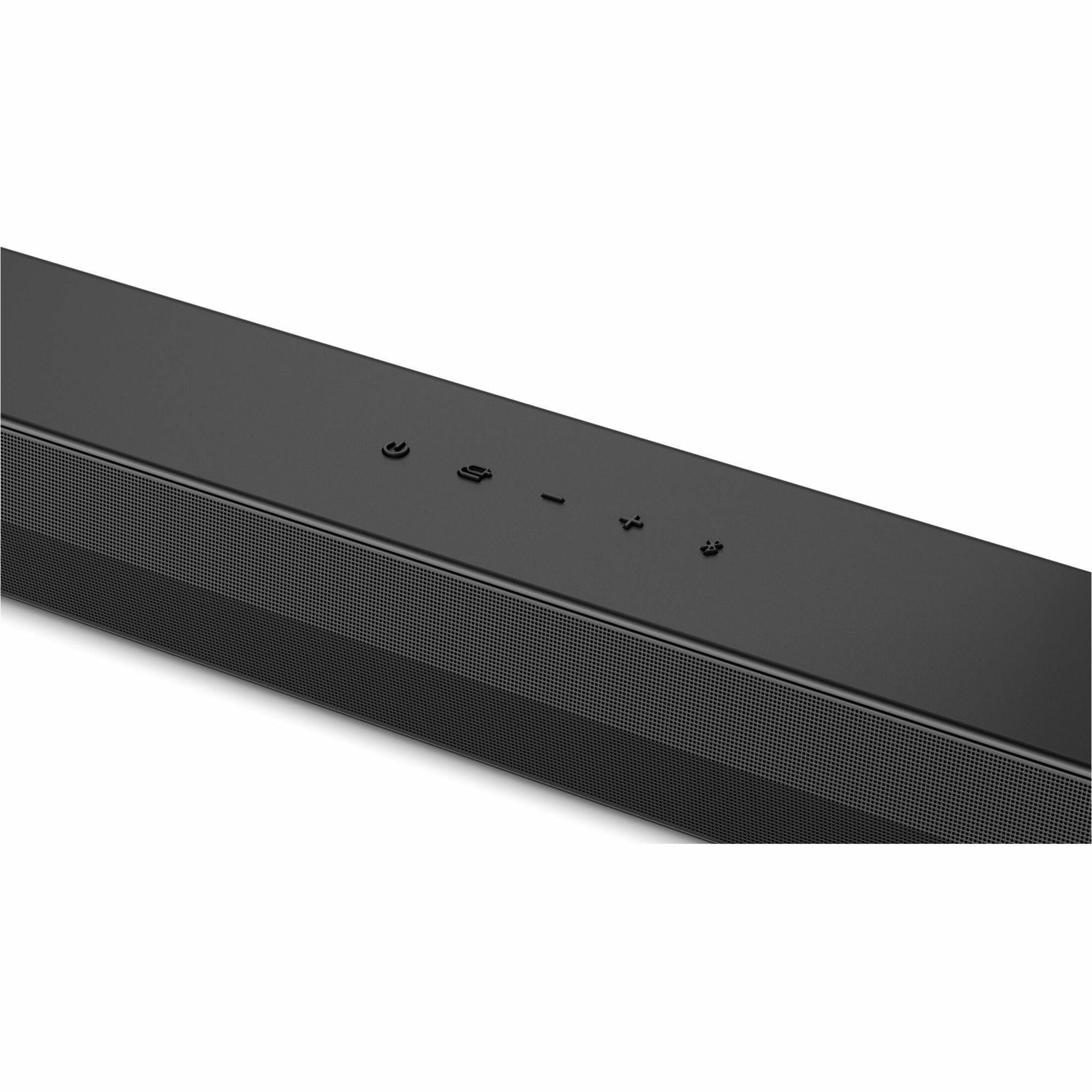
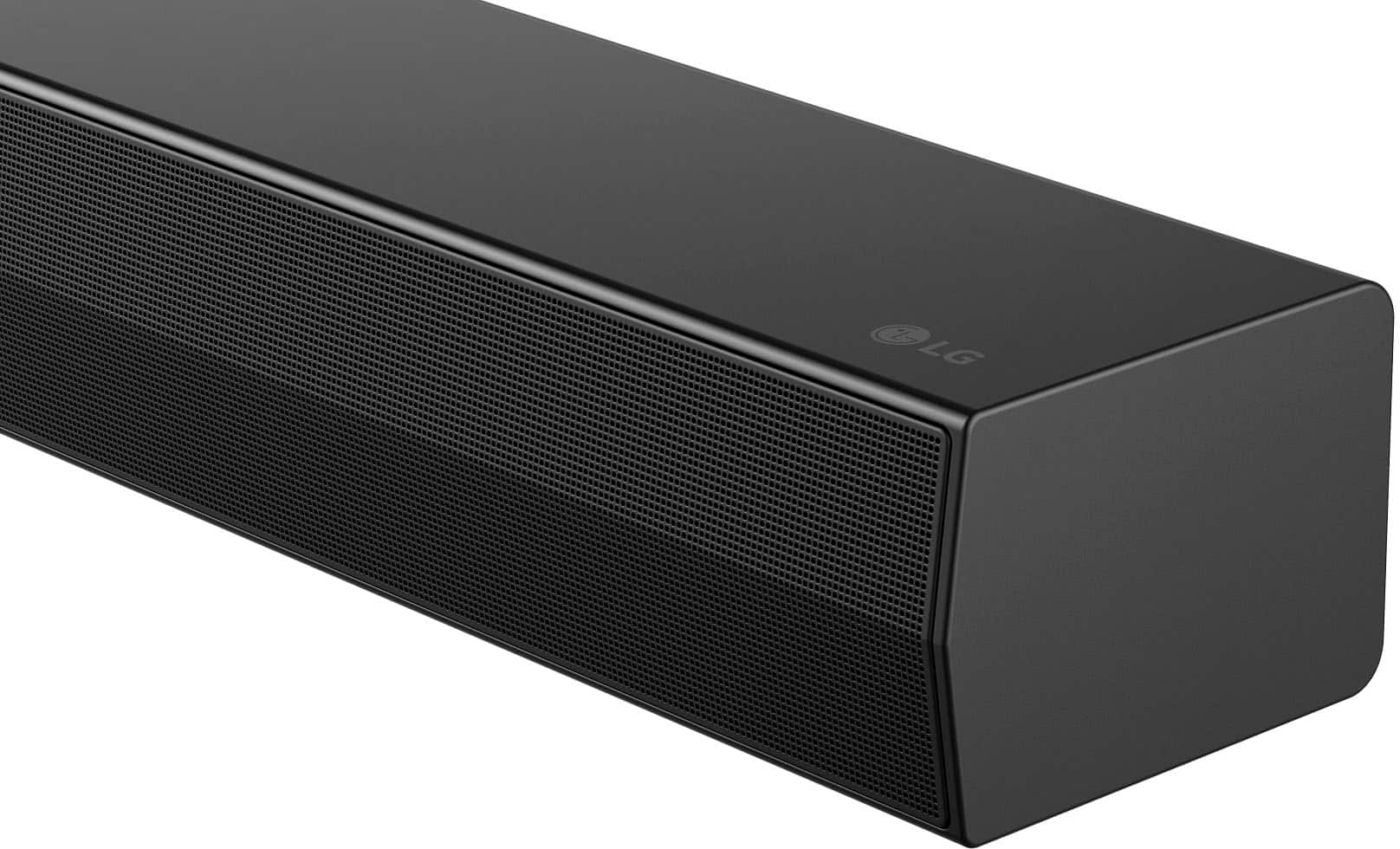
On the opposite end, the LG S40T, launched in 2024, takes a minimalist approach with its 2.1-channel configuration. It consists of just a slim soundbar and wireless subwoofer, targeting buyers who want meaningful audio improvement without the complexity or cost of premium systems. The price difference between these two is substantial—we're talking about an 8x multiplier that reflects fundamentally different approaches to solving the TV audio problem.
Let's start with the most important aspect: how these soundbars actually sound. This is where the differences become immediately apparent, and understanding why requires diving into some technical details.
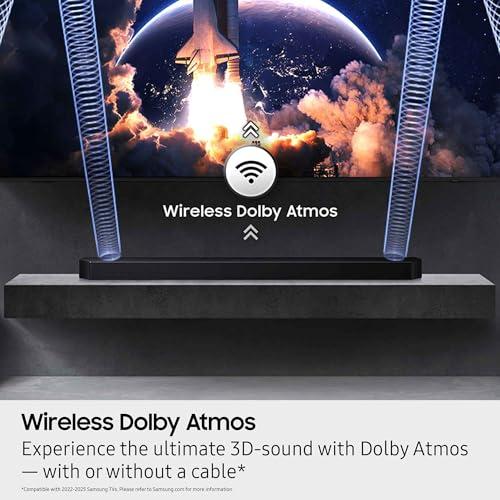
The Samsung HW-Q990F creates what audio engineers call "object-based surround sound." Instead of just playing predetermined left and right channels, it supports Dolby Atmos and DTS:X—formats that treat sounds as individual objects that can be precisely placed anywhere in three-dimensional space. When a helicopter flies overhead in a movie, the HW-Q990F's four up-firing drivers bounce sound off your ceiling to create the illusion that it's actually above you. The rear speakers, each containing three separate drivers (front, side, and up-firing), ensure that sounds move seamlessly around your room.
This is a fundamentally different experience from traditional stereo sound. Based on extensive professional reviews and user feedback, the Samsung HW-Q990F creates what many describe as a "bubble of sound" that envelops the listener. The discrete center channel—a dedicated speaker solely for dialogue—ensures voices remain clear and positioned correctly, even during complex action sequences.
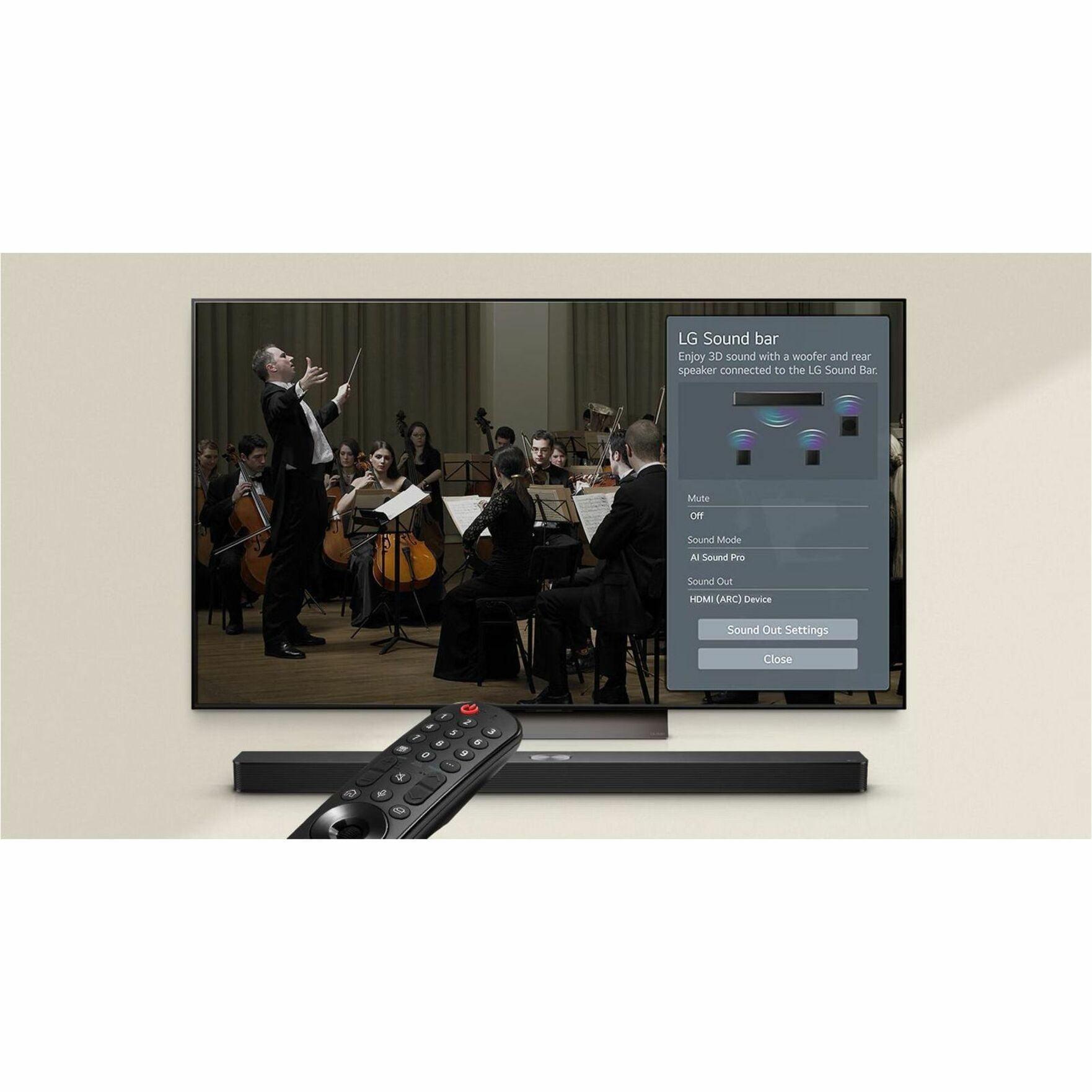
The LG S40T, by contrast, works with traditional stereo processing enhanced by its wireless subwoofer. While it supports basic Dolby Digital decoding, it can't create the spatial effects that make modern movies truly immersive. What it does offer is a significant step up from TV speakers, with clear dialogue and enhanced bass that makes movies more engaging. The AI Sound Pro feature analyzes incoming audio and categorizes it into effects, voices, and music, applying appropriate processing to each category.
From a practical standpoint, the Samsung creates a theater-like experience where you can pinpoint exactly where sounds are coming from, while the LG provides enhanced stereo audio that's noticeably better than your TV but doesn't attempt to recreate spatial effects.
Bass reproduction is where many soundbars struggle, but these two take vastly different approaches to solving the low-frequency challenge.
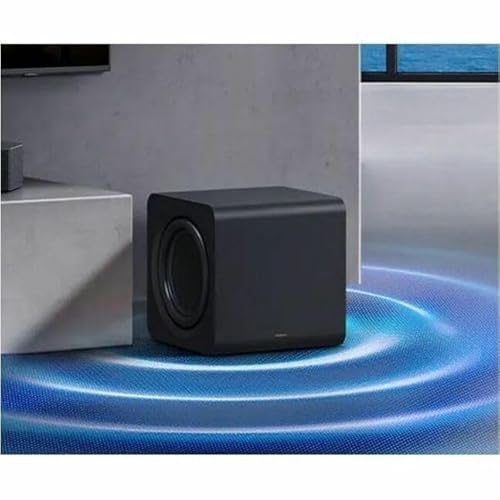
The Samsung HW-Q990F features a redesigned subwoofer with dual 8-inch drivers arranged in a force-canceling configuration. This engineering approach reduces vibration and cabinet resonance while delivering deeper, more controlled bass. The AI-powered Dynamic Bass Control system continuously analyzes the audio signal and adjusts output to minimize distortion—think of it as having a sound engineer constantly fine-tuning your audio.
Based on measurements and reviews, this subwoofer can reproduce frequencies down to approximately 27.5-32Hz, which covers the deep rumble of explosions and the lowest notes in music. The force-canceling design means you get clean bass even at high volumes, though some reviews note slight compression at maximum output levels that most users will never reach in typical home environments.
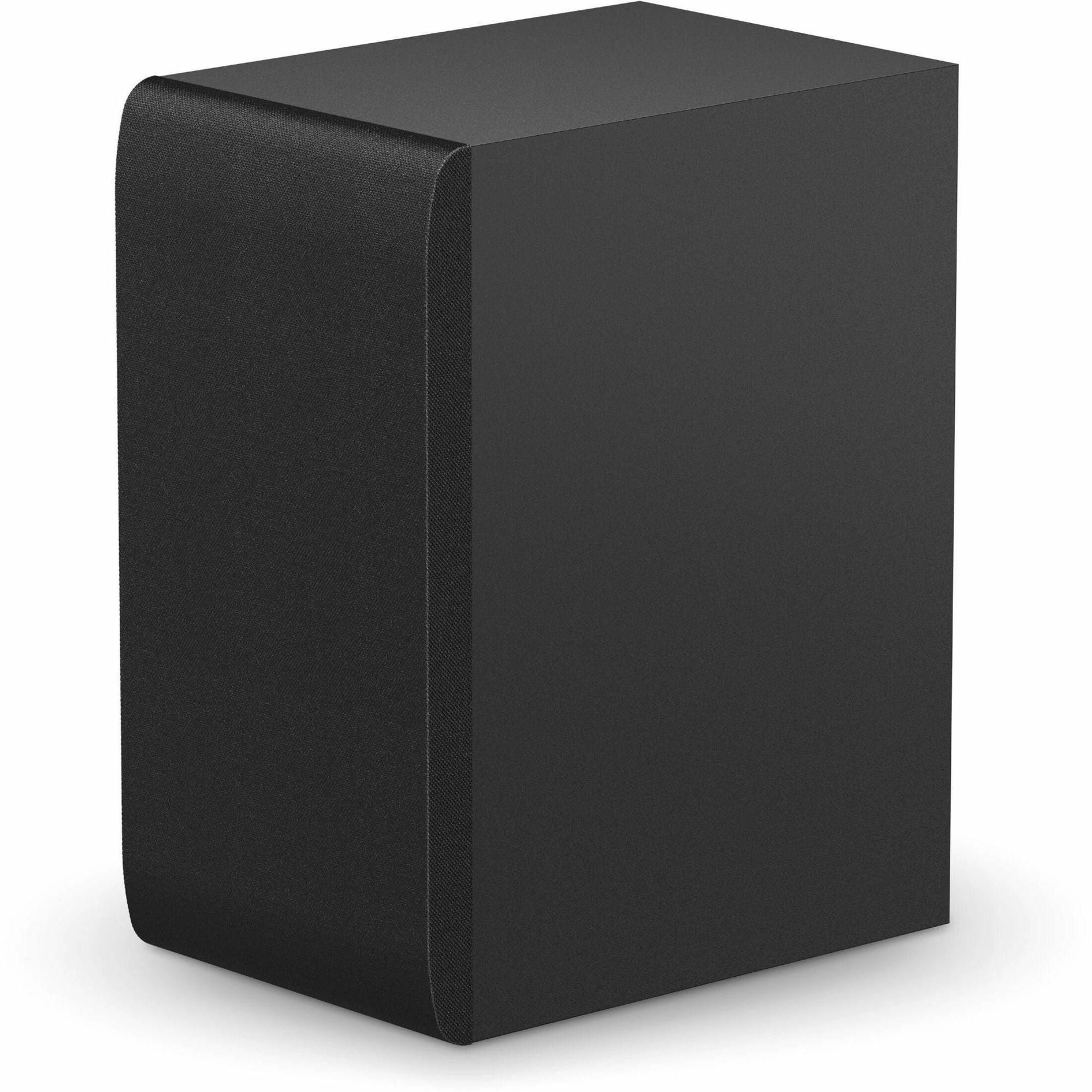
The LG S40T takes a more straightforward approach with a single-driver wireless subwoofer that handles the bulk of the system's 300-watt total output. While user reviews consistently praise its "booming" bass for the price point, it lacks the extension and refinement of premium alternatives. Bass performance is also highly dependent on subwoofer placement—something that matters less with the Samsung's more sophisticated design.
For practical listening, the Samsung provides the kind of deep, movie-theater bass that makes action scenes truly visceral, while the LG offers satisfying bass enhancement that improves music and movies without overwhelming smaller rooms.
Poor dialogue clarity is the number one complaint about TV audio, so this deserves special attention. The difference in approach between these soundbars is significant.
The Samsung HW-Q990F dedicates an entire speaker array to center channel reproduction, which is where most dialogue lives in movie soundtracks. Professional reviews consistently highlight the "exceptional accuracy" of voice reproduction, even in complex mixes where explosions and music compete for attention. The Active Voice Amplifier Pro takes this further by analyzing ambient noise in your room and dynamically boosting dialogue frequencies—incredibly useful if you're watching TV while someone's doing dishes in the kitchen.
The LG S40T handles dialogue through its front-firing drivers with Clear Voice Pro processing. While it can't match the precision of a dedicated center channel, user reviews indicate it provides clear, understandable dialogue that's a major improvement over TV speakers. The AI sound processing helps by identifying and enhancing voice frequencies.
In practice, the Samsung ensures you'll never miss dialogue even during the most chaotic action scenes, while the LG provides clear speech for typical TV viewing but might struggle during very dynamic movie scenes.
Modern gaming consoles and streaming devices have pushed soundbar connectivity requirements beyond basic audio reproduction. The Samsung HW-Q990F rises to meet these demands with three HDMI 2.1 inputs supporting 4K video at 120Hz refresh rates—essential for PlayStation 5 and Xbox Series X gaming. The eARC (enhanced Audio Return Channel) support enables lossless audio transmission from compatible TVs, while Game Pro mode optimizes audio processing for competitive gaming with enhanced directional cues.
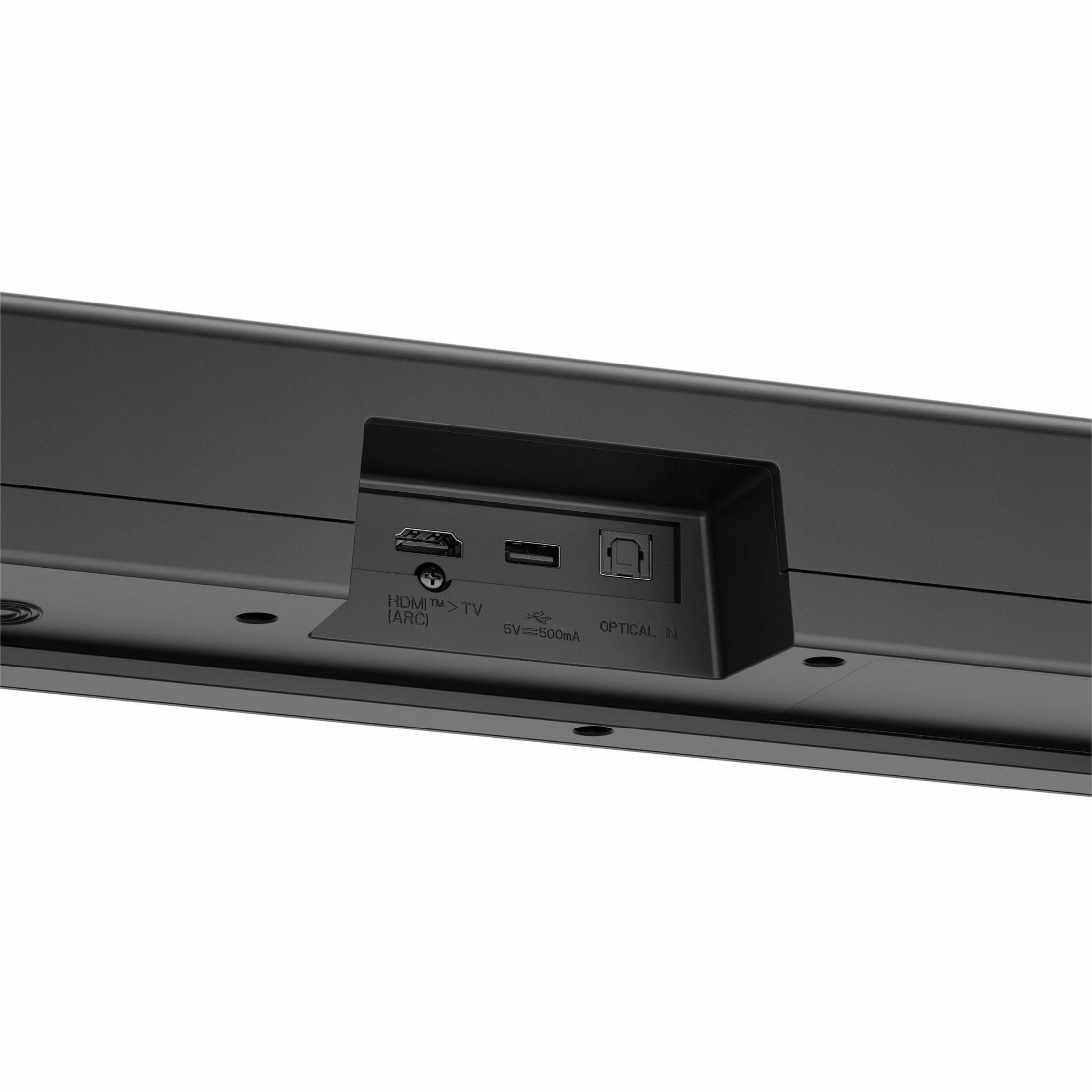
The LG S40T offers basic HDMI ARC connectivity alongside optical and USB inputs. While functional for most setups, it lacks the bandwidth and features needed for high-end gaming or future audio formats.
This connectivity difference becomes crucial as content evolves. The Samsung's support for emerging formats like Eclipsa Audio—an open-source 3D audio standard co-developed by Samsung and Google—provides future-proofing that budget alternatives simply can't match.
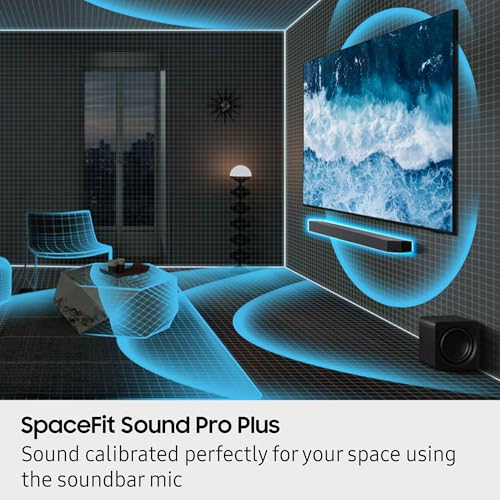
The Samsung HW-Q990F includes SpaceFit Sound Pro Plus, which uses built-in microphones to analyze your room's acoustics and automatically optimize the soundbar's output. This room correction technology adapts the audio to your specific space, accounting for furniture, wall materials, and room shape. The comprehensive 7-band graphic equalizer and independent channel level controls let you fine-tune the system to your preferences.
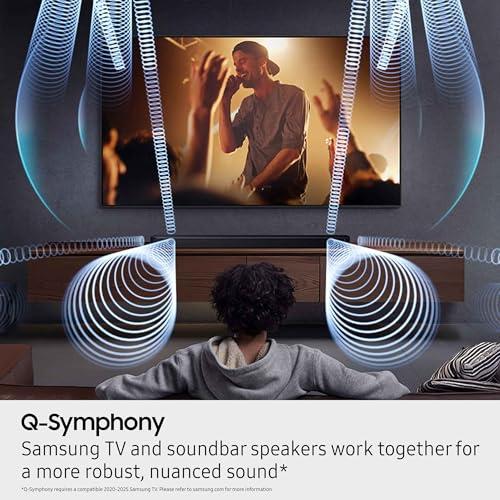
Smart features include built-in voice assistants (Bixby and Alexa), comprehensive streaming support (Spotify Connect, TIDAL Connect, Apple AirPlay 2, Google Cast), and integration with Samsung's SmartThings ecosystem. For Samsung TV owners, Q-Symphony synchronizes the TV's built-in speakers with the soundbar for an even fuller soundstage.
The LG S40T offers more basic smart functionality through the LG Soundbar app, providing 3-band EQ control and basic settings management. For LG TV owners, the standout feature is WOW Orchestra, which coordinates the TV's speakers with the soundbar—the TV handles dialogue while the soundbar manages main audio duties.
While soundbars are primarily designed for TV and movie audio, music performance shouldn't be overlooked. The Samsung HW-Q990F supports high-resolution audio formats up to 192kHz/24-bit, including FLAC, ALAC, and AIFF files. The wide stereo imaging and detailed instrument separation make it genuinely enjoyable for music listening, representing what reviews describe as a significant improvement over previous Samsung models.
The LG S40T handles music through standard Bluetooth connectivity with basic stereo reproduction. While adequate for casual listening, it lacks the refinement and detail retrieval of higher-end alternatives.
At the time of writing, the price difference between these soundbars is substantial—roughly 8x—which raises important questions about value and performance scaling.
The Samsung HW-Q990F commands its premium through flagship-level performance that rivals dedicated multi-speaker home theater systems. You're paying for true surround sound, premium materials, advanced processing, comprehensive connectivity, and future-proof features. For home theater enthusiasts, this represents excellent value compared to equivalent AV receiver and speaker combinations, which would cost significantly more and require much more complex setup.
The LG S40T delivers outstanding value at its price point by providing meaningful audio improvement over TV speakers with minimal complexity. While it can't match premium alternatives in any performance category, it successfully addresses the core problem of poor TV audio at a fraction of the cost.
Your decision between these soundbars should align with your specific needs, budget, and expectations.
Choose the Samsung HW-Q990F if you're building a dedicated home theater setup, frequently watch movies with immersive soundtracks, game on next-generation consoles, or simply want the best possible soundbar experience. The investment makes sense if you have a medium to large room that can benefit from the complete surround setup and if premium audio quality significantly enhances your entertainment enjoyment.
The LG S40T makes perfect sense for budget-conscious buyers, small apartments, or anyone primarily watching TV shows and casual content. It's also an excellent entry point if you're unsure whether a soundbar will meet your needs before potentially upgrading later.
Consider your primary use cases: if you're watching Netflix shows and YouTube videos, the LG provides excellent improvement at minimal cost. If you're watching 4K Blu-rays and playing AAA games, the Samsung's capabilities become genuinely transformational.
The bottom line is that both soundbars successfully solve the TV audio problem, but they do so at completely different performance levels and price points. The Samsung HW-Q990F represents the current pinnacle of soundbar technology, while the LG S40T offers smart compromises that deliver solid results without breaking the bank. Your choice should reflect how much audio quality matters to your overall entertainment experience and whether the premium features justify the significant price difference in your specific situation.
| Samsung Q-Series HW-Q990F Soundbar | LG S40T 2.1 Channel Soundbar |
|---|---|
| Channel Configuration - Determines surround sound capabilities and immersion level | |
| 11.1.4 channels with 23 total speakers across main bar, subwoofer, and wireless rear speakers | 2.1 channels with 3 total speakers (main bar + wireless subwoofer) |
| Audio Format Support - Higher formats provide more immersive cinema-quality sound | |
| Dolby Atmos, DTS:X, Dolby TrueHD, Eclipsa Audio (object-based 3D audio) | Dolby Digital, DTS Digital (basic surround decoding only) |
| Total System Power - More power fills larger rooms and delivers cleaner sound at high volumes | |
| 756W RMS with dedicated amplification for each channel | 300W RMS total system output |
| Subwoofer Design - Better bass design provides deeper, cleaner low frequencies | |
| Dual 8" force-canceling woofers with AI Dynamic Bass Control | Single wireless subwoofer with basic driver configuration |
| Included Components - More components create fuller surround sound experience | |
| Complete system: main bar + wireless subwoofer + wireless rear speakers | Basic system: main bar + wireless subwoofer only |
| HDMI Connectivity - HDMI 2.1 enables next-gen gaming and future-proof video features | |
| 3x HDMI 2.1 ports with 4K/120Hz pass-through and eARC | HDMI ARC (not eARC) with basic video pass-through |
| Room Calibration - Automatic tuning optimizes sound for your specific room acoustics | |
| SpaceFit Sound Pro Plus with microphone-based room analysis | Manual adjustments only through basic app controls |
| Voice Enhancement - Critical for clear dialogue in movies and TV shows | |
| Dedicated center channel with Active Voice Amplifier Pro | Clear Voice Pro processing through front drivers |
| Streaming Integration - More options provide better music listening experience | |
| Spotify Connect, TIDAL Connect, Apple AirPlay 2, Google Cast, Roon Ready | Bluetooth 5.3 connectivity with limited streaming integration |
| Gaming Features - Important for console gaming with spatial audio and low latency | |
| Game Pro mode with directional audio cues and HDMI 2.1 gaming support | Basic audio processing without gaming-specific optimizations |
| Smart Features - Voice control and app integration improve daily usability | |
| Built-in Bixby and Alexa, comprehensive SmartThings integration | LG Soundbar app with basic controls, WOW Orchestra for LG TVs |
| Audio Customization - More control lets you fine-tune sound to your preferences | |
| 7-band graphic EQ plus independent channel level adjustment | 3-band EQ (bass, treble, mid-range) through mobile app |
| Physical Design - Size and aesthetics matter for room integration | |
| Premium multi-component system requiring more space but delivering theater-like presence | Compact single-bar design ideal for smaller rooms and minimal setups |
The Samsung Q-Series HW-Q990F Soundbar is significantly better for movies and TV shows due to its 11.1.4-channel configuration with Dolby Atmos support, creating immersive surround sound with overhead effects. The LG S40T 2.1 Channel Soundbar provides improved audio over TV speakers but lacks true surround sound capabilities, making it suitable for basic viewing but not cinematic experiences.
The primary difference is channel configuration and audio complexity. The Samsung Q-Series HW-Q990F Soundbar offers a complete 11.1.4-channel home theater system with 23 speakers, wireless rear speakers, and advanced audio processing. The LG S40T 2.1 Channel Soundbar is a simple 2.1-channel system with just a main bar and subwoofer, focusing on basic audio improvement rather than surround sound.
The LG S40T 2.1 Channel Soundbar is ideal for small rooms due to its compact design and appropriate power output that won't overwhelm smaller spaces. The Samsung Q-Series HW-Q990F Soundbar is designed for medium to large rooms where its multiple components and powerful output can be fully utilized without overpowering the space.
Yes, the Samsung Q-Series HW-Q990F Soundbar fully supports Dolby Atmos with dedicated up-firing speakers that create overhead sound effects. The LG S40T 2.1 Channel Soundbar does not support Dolby Atmos, instead offering basic Dolby Digital decoding for standard surround sound processing.
The Samsung Q-Series HW-Q990F Soundbar delivers superior bass with dual 8-inch force-canceling woofers and AI-powered bass control, providing deeper and more controlled low frequencies. The LG S40T 2.1 Channel Soundbar offers satisfying bass enhancement for its category but cannot match the extension and refinement of the premium Samsung system.
No, only the Samsung Q-Series HW-Q990F Soundbar includes wireless rear speakers as part of the complete system. The LG S40T 2.1 Channel Soundbar consists of just the main soundbar and wireless subwoofer, with no rear speakers available as accessories.
The Samsung Q-Series HW-Q990F Soundbar is much better for gaming, featuring HDMI 2.1 connectivity with 4K/120Hz pass-through, Game Pro mode for enhanced directional audio, and low-latency processing ideal for competitive gaming. The LG S40T 2.1 Channel Soundbar offers basic HDMI ARC connectivity without gaming-specific features or high-refresh video support.
Both soundbars offer HDMI connectivity, but the Samsung Q-Series HW-Q990F Soundbar features three HDMI 2.1 ports with eARC support for lossless audio transmission. The LG S40T 2.1 Channel Soundbar provides HDMI ARC, optical, and USB connections, covering basic connectivity needs but without advanced HDMI 2.1 features.
The Samsung Q-Series HW-Q990F Soundbar provides superior dialogue clarity with a dedicated center channel and Active Voice Amplifier Pro technology that dynamically enhances speech. The LG S40T 2.1 Channel Soundbar offers Clear Voice Pro processing through its front drivers, providing adequate dialogue improvement but without the precision of a dedicated center speaker.
The Samsung Q-Series HW-Q990F Soundbar includes built-in Bixby and Amazon Alexa with support for Google Assistant integration. The LG S40T 2.1 Channel Soundbar has limited voice assistant integration, primarily controlled through the LG Soundbar mobile app rather than built-in voice recognition.
The LG S40T 2.1 Channel Soundbar is much easier to set up with just two components (main bar and subwoofer) and basic connection requirements. The Samsung Q-Series HW-Q990F Soundbar requires more complex setup with multiple wireless components, room calibration, and various connection options, though it includes automatic optimization features.
Value depends on your needs and budget. The LG S40T 2.1 Channel Soundbar offers excellent value for basic audio improvement at a budget-friendly price point. The Samsung Q-Series HW-Q990F Soundbar provides premium value for home theater enthusiasts seeking flagship performance, with features and audio quality that justify its higher cost for serious users.
We've done our best to create useful and informative comparisons to help you decide what product to buy. Our research uses advanced automated methods to create this comparison and perfection is not possible - please contact us for corrections or questions. These are the sites we've researched in the creation of this article: rtings.com - crutchfield.com - sound-advice.online - samsung.com - soundandvision.com - samsung.com - whathifi.com - youtube.com - youtube.com - bestbuy.com - avsforum.com - content.syndigo.com - samsung.com - businessinsider.com - dolby.com - youtube.com - abcwarehouse.com - bestbuy.com - bestbuy.com - rtings.com - pcrichard.com - lg.com - lg.com - lg.com - lg.com - microcenter.com - flanners.com - bestbuy.com - microcenter.com

Privacy Policy
Terms and Conditions - Affiliate Policy
Home Security
© Copyright 2008-2026.
11816 Inwood Rd #1211, Dallas, TX 75244