

If you've ever tried watching a movie on a modern TV and found yourself constantly adjusting the volume—cranking it up for whispered dialogue, then scrambling for the remote when explosions shake the house—you know why soundbars have become essential. Built-in TV speakers have gotten worse as TVs have gotten thinner, creating a massive opportunity for dedicated audio solutions.
But walking into the soundbar market can feel overwhelming. At the time of writing, you can spend anywhere from under $200 to over $1,500, and the performance differences are dramatic. Today we're comparing two products that represent opposite ends of this spectrum: the flagship Samsung HW-Q990F and the budget-friendly Polk Audio Signa S2.
Before diving into specifics, let's establish what makes soundbars tick. The numbers you'll see—like 2.1, 3.1, or 11.1.4—describe the speaker configuration. The first number represents main channels (left, right, center), the second is subwoofers, and the third (when present) indicates height channels for overhead effects.
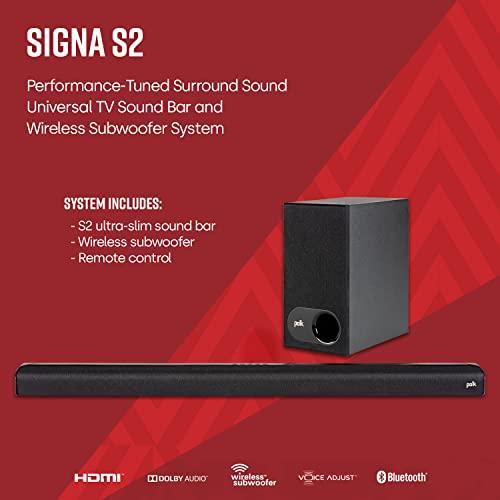
A 2.1 system like the Polk Audio Signa S2 has left and right channels plus a subwoofer for bass. An 11.1.4 system like the Samsung HW-Q990F has eleven main channels, one subwoofer channel, and four height channels—creating what's essentially a mini movie theater in your living room.
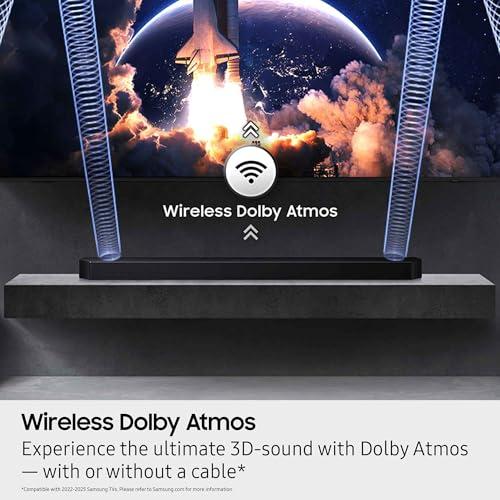
The key audio formats to understand are Dolby Digital (standard surround sound), DTS (another surround format), and the newer Dolby Atmos and DTS:X, which add overhead sound effects that seem to move through three-dimensional space around you.
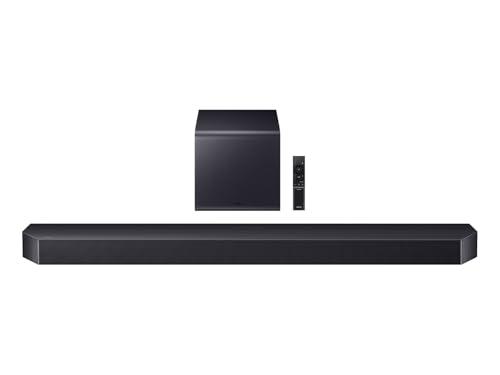
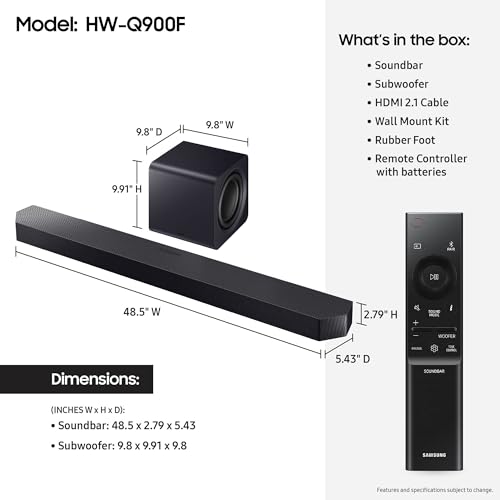
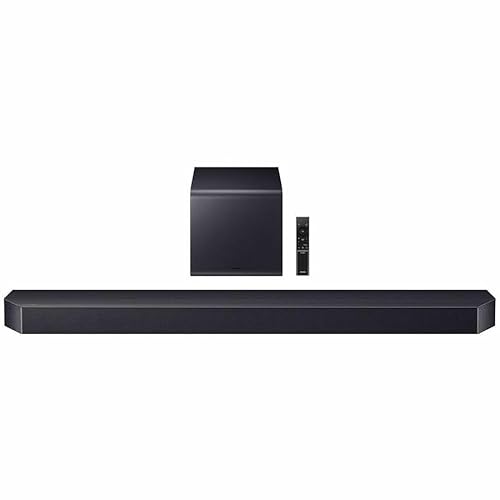
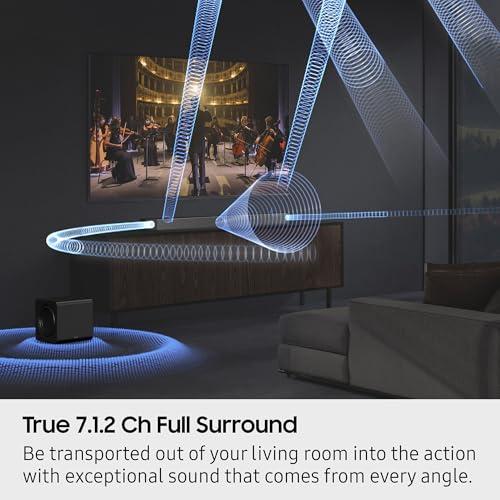
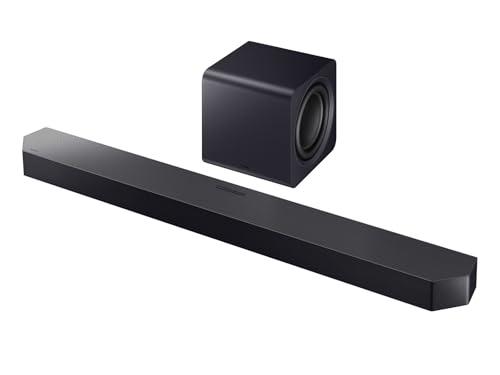
Released in 2024, the Samsung HW-Q990F represents Samsung's flagship soundbar technology. This isn't just a soundbar—it's a complete home theater system disguised as one. You get the main soundbar, a wireless subwoofer, and two wireless rear speakers, all working together to create an 11.1.4-channel surround experience with 23 individual drivers pushing 756 watts of power.
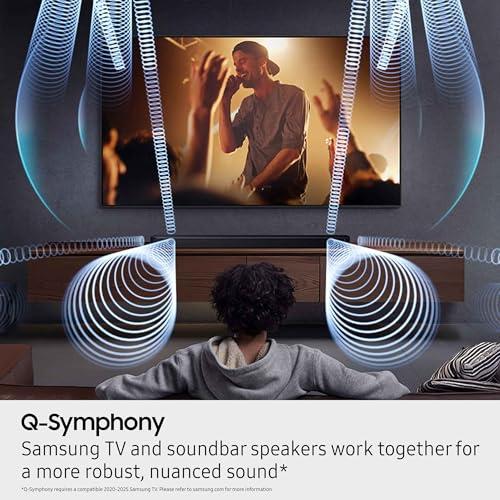
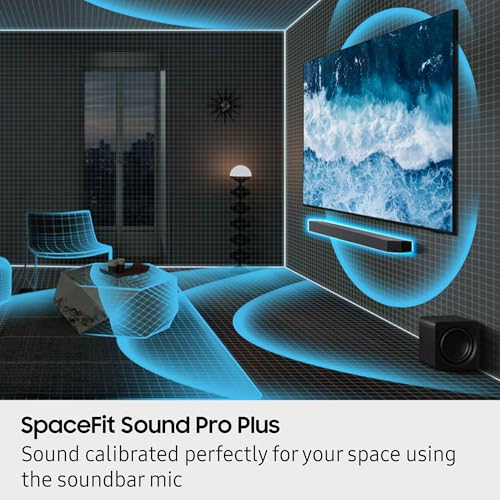
What makes this system special goes beyond raw numbers. Samsung has packed in technologies like SpaceFit Sound Pro Plus, which uses built-in microphones to analyze your room's acoustics and automatically adjust the sound. The Q-Symphony feature can synchronize with compatible Samsung TVs, essentially turning your TV's speakers into additional channels for an even fuller soundstage.
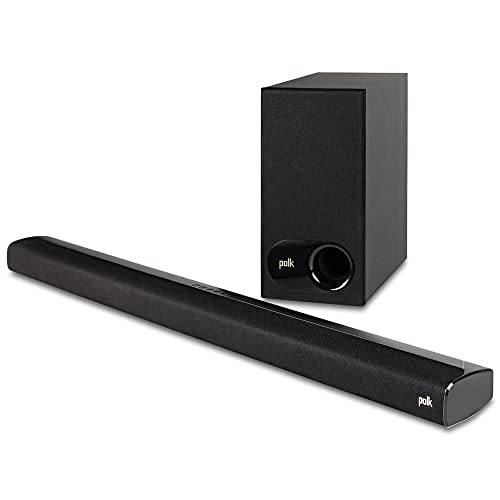
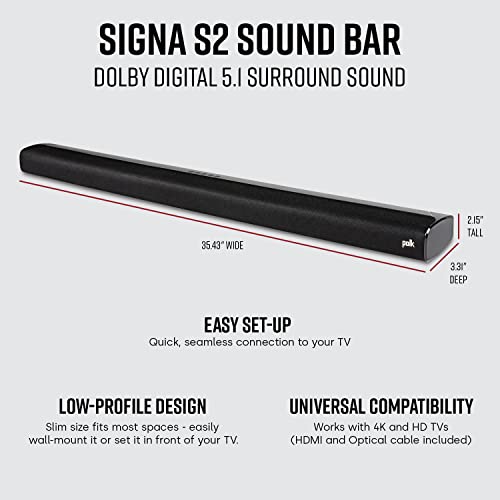
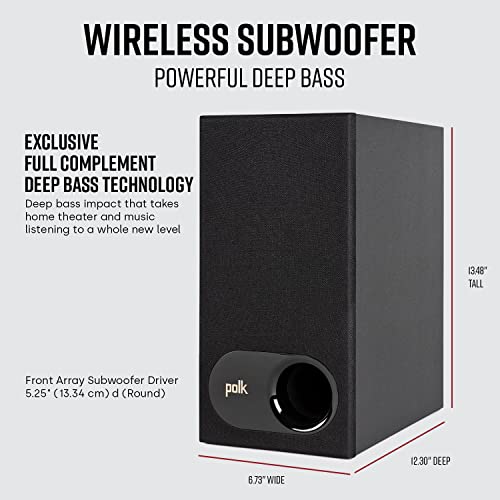
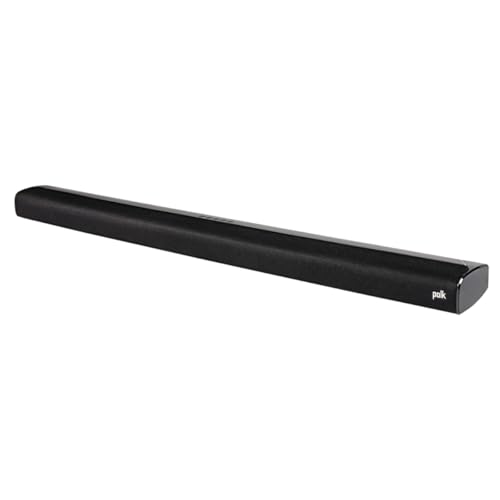
The Polk Audio Signa S2, available since 2019, takes a completely different approach. This 2.1 system focuses on doing the basics exceptionally well at an affordable price point. You get a slim soundbar with four drivers and a compact wireless subwoofer. While it can't create true surround sound, it includes Polk's VoiceAdjust technology for enhanced dialogue clarity—something that matters more than fancy surround effects for many viewers.
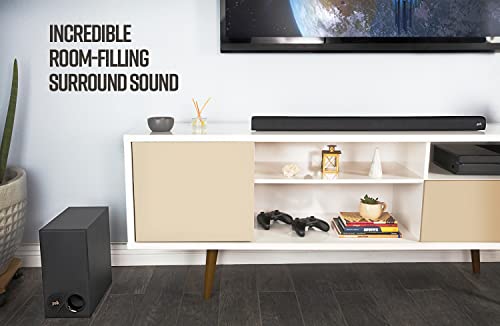
At just over 2 inches tall, the Signa S2 practically disappears in front of your TV, and its universal compatibility means it'll work with virtually any TV from the last decade.
This is where the fundamental difference between these systems becomes crystal clear. The Samsung HW-Q990F creates genuine surround sound using physical speakers placed around your room. The rear speakers each contain three drivers—one facing forward, one to the side, and one angled upward—creating seamless sound movement as effects pan from front to back and overhead.
When you're watching a helicopter scene in an action movie, you'll hear it start from the front soundbar, move through the space to your rear speakers, and the height channels will make it feel like it's actually flying overhead. This isn't marketing hyperbole—it's the difference between simulated and real surround sound.
The Polk Audio Signa S2, working with just left and right channels, relies on digital processing to create a "virtual" surround experience. It uses phase and timing tricks to make sounds seem wider than the physical soundbar, and while this certainly beats TV speakers, it can't replicate the immersion of physical surround speakers. You might get a sense of width, but effects won't truly move around you.
For home theater enthusiasts, this difference is decisive. True surround sound transforms movie watching from a passive experience into an immersive one where you feel inside the action rather than observing it.
Here's where things get interesting, because dialogue clarity often matters more than surround effects for day-to-day TV watching. Both systems excel here, but through different approaches.
The Samsung HW-Q990F includes a dedicated center channel—the speaker specifically responsible for dialogue in surround sound mixes. This gives voices a clear, focused position in the soundstage. Combined with Active Voice Amplifier Pro technology, which analyzes ambient noise and boosts vocal frequencies accordingly, dialogue remains intelligible even during complex action scenes or when background noise threatens to mask speech.
The Polk Audio Signa S2 achieves impressive dialogue performance despite lacking a center channel. Polk's VoiceAdjust technology lets you fine-tune voice levels to cut through music and sound effects. In our research of user reviews, many people specifically praise the Signa S2 for making TV dialogue more understandable, which suggests Polk has tuned this feature well.
Both systems include night modes that compress dynamic range—essentially reducing the difference between quiet dialogue and loud explosions—making late-night viewing more neighbor-friendly.
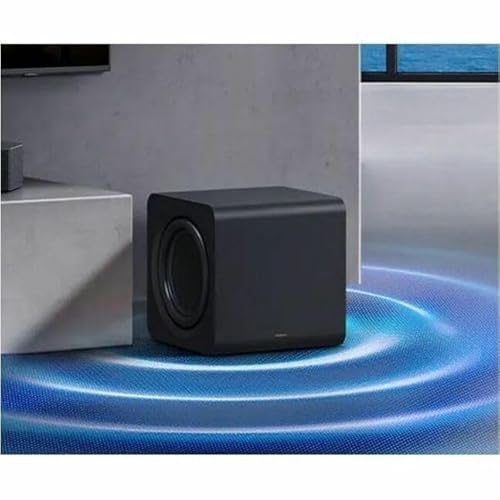
Bass reproduction reveals another significant performance gap. The Samsung HW-Q990F uses dual 8-inch force-canceling woofers in its subwoofer, extending down to approximately 30 Hz. These larger drivers move more air, creating deeper, more impactful low-frequency effects. The "force-canceling" design places the drivers in opposition, reducing cabinet vibration and creating cleaner bass reproduction.
The system also includes Dynamic Bass Control, which uses AI processing to analyze content and adjust bass response in real-time, preventing the muddy, boomy sound that plagues many soundbar systems when pushed hard.
The Polk Audio Signa S2 includes a 5.25-inch subwoofer driver that reaches down to 45 Hz—still a substantial improvement over TV speakers, but lacking the depth and authority of the Samsung system. The smaller driver and cabinet mean less air movement and reduced impact during action sequences or bass-heavy music.
However, for apartment dwellers or those in smaller rooms, the Signa S2's more modest bass output might actually be preferable. Massive bass can overwhelm small spaces and disturb neighbors, making the Polk's more restrained approach a feature rather than a limitation.
While soundbars primarily exist to improve TV audio, music performance has become increasingly important as streaming services and Bluetooth connectivity have made soundbars alternative music systems.
The Samsung HW-Q990F approaches music reproduction with audiophile-level seriousness. Its 23 drivers create genuine stereo separation and staging, meaning instruments and voices occupy specific positions in the soundscape rather than coming from a general "front" direction. The 7-band equalizer allows fine-tuning for different music genres, while multiple input options—including Wi-Fi streaming services like Spotify Connect and TIDAL Connect—support high-resolution audio formats.
Professional reviews consistently note the Q990F's musicality as a significant improvement over previous Samsung generations, with balanced frequency response and natural tonal characteristics that work well across genres.
The Polk Audio Signa S2 takes a more colored approach to music reproduction. User reviews describe its sound signature as V-shaped, meaning emphasized bass and treble with somewhat recessed midrange. This can make music sound exciting and punchy, particularly for pop, rock, and electronic genres, but may not suit acoustic music or vocal performances where midrange accuracy matters more.
For gamers, especially those with PlayStation 5 or Xbox Series X consoles, connectivity and latency become crucial considerations. The Samsung HW-Q990F includes HDMI 2.1 inputs supporting 4K video at 120 Hz refresh rates, ensuring your soundbar won't bottleneck your gaming setup's video performance.
Game Mode Pro optimizes audio processing for gaming, reducing latency and enhancing positional audio cues that help identify enemy locations or environmental details. The true surround sound capability provides competitive advantages in multiplayer games where audio positioning matters.
The Polk Audio Signa S2 offers basic gaming compatibility through its HDMI ARC and optical connections, but lacks the advanced gaming features and high-bandwidth connectivity of premium systems. For casual gaming, this suffices, but serious gamers will notice the limitations.
Modern premium soundbars include room correction technology that analyzes your space and adjusts output accordingly. The Samsung HW-Q990F's SpaceFit Sound Pro Plus uses multiple microphones to measure room acoustics, automatically optimizing frequency response and channel levels for your specific environment.
This technology addresses a major challenge with soundbars: rooms vary dramatically in size, shape, and furnishing, all of which affect sound reproduction. What sounds perfect in a showroom might sound boomy or thin in your living room without proper calibration.
The Signa S2 takes a simpler approach, relying on manual adjustment of bass levels and sound modes rather than automatic calibration. While this requires more user input, it keeps complexity and cost down while still allowing basic optimization.
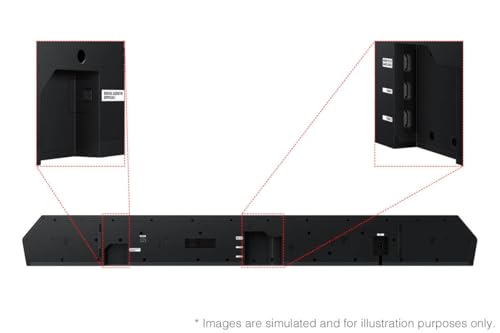
The connectivity differences between these systems reflect their market positioning and intended longevity. The Samsung HW-Q990F includes cutting-edge HDMI 2.1 with eARC (enhanced Audio Return Channel), supporting the highest-quality audio formats without compression. Wi-Fi connectivity enables firmware updates, streaming service integration, and smartphone app control with extensive customization options.
The Polk Audio Signa S2 covers the essential connectivity bases with HDMI ARC, optical digital, and 3.5mm analog inputs, plus Bluetooth for wireless music streaming. While not cutting-edge, these connections work with virtually any TV or source device manufactured in the last decade.
For most users, the Polk's connectivity suffices for current needs. However, the Samsung's advanced connectivity provides better future-proofing as content formats and source devices continue evolving.
At the time of writing, these products exist in completely different price categories, with the Samsung HW-Q990F costing roughly five times more than the Polk Audio Signa S2. This price difference isn't arbitrary—it reflects genuinely different performance capabilities and target markets.
The Samsung system competes with traditional AV receiver and separate speaker systems that would cost significantly more while requiring much more complex setup and configuration. Professional reviews consistently note that the Q990F delivers sound quality rivaling dedicated home theater systems costing thousands more, making it relatively good value within the premium market.
The Polk Audio Signa S2 represents exceptional value in the budget category, offering features and sound quality that compete with soundbars costing 50-100% more. Its dialogue enhancement technology alone provides substantial value for TV viewing, while the wireless subwoofer adds impact that dramatically improves the viewing experience over TV speakers.
You're serious about home theater performance and have the budget for premium audio. The Samsung system makes sense if you regularly watch movies, enjoy gaming, or listen to music through your TV setup. It's particularly compelling for Samsung TV owners who can take advantage of Q-Symphony integration.
The system works best in medium to large rooms where the surround speakers can be properly positioned and the powerful subwoofer won't overwhelm the space. If you value cutting-edge features, extensive customization, and want a system that won't need upgrading for years, the premium price becomes justified.
You want substantial improvement over TV speakers without breaking the budget or dealing with complex setup. The Signa S2 excels for dialogue-heavy viewing like news, talk shows, and dramas, making it perfect for primary TV watching rather than cinematic experiences.
It's ideal for apartments, smaller rooms, or secondary viewing areas where massive bass and surround effects aren't necessary or appropriate. The simple setup and operation appeal to users who want better sound without learning new technology or dealing with smartphone apps and network connectivity.
These soundbars succeed in their respective markets because they understand their target audiences. The Samsung HW-Q990F delivers flagship performance that genuinely competes with much more expensive separates systems, justifying its premium price for serious home theater enthusiasts. Meanwhile, the Polk Audio Signa S2 provides remarkable value by focusing on the fundamentals that matter most for everyday TV viewing.
The decision ultimately comes down to your priorities, budget, and room situation. If you want transformative home theater performance and can accommodate the premium price, the Samsung system delivers an experience that will fundamentally change how you consume entertainment. If you want solid improvement over TV speakers at an accessible price point, the Polk system provides excellent value without unnecessary complexity.
Both products represent smart engineering decisions that optimize performance for their intended markets. The key is honestly assessing your needs, budget, and expectations to choose the system that best matches your specific situation.
| Samsung HW-Q990F | Polk Audio Signa S2 |
|---|---|
| Channel Configuration - Determines surround sound capability | |
| 11.1.4 channels with physical rear speakers and height channels for true Dolby Atmos | 2.1 channels with virtual surround processing |
| Total Speaker Count - More drivers enable better sound separation | |
| 23 drivers across soundbar, subwoofer, and rear speakers | 4 drivers in soundbar plus subwoofer |
| Audio Format Support - Advanced formats create more immersive experiences | |
| Dolby Atmos, DTS:X, Dolby TrueHD, DTS-HD Master Audio | Dolby Digital, DTS virtual surround |
| Subwoofer Size - Larger drivers produce deeper, more impactful bass | |
| Dual 8-inch force-canceling woofers (extends to ~30Hz) | Single 5.25-inch driver (extends to 45Hz) |
| Room Calibration - Automatically optimizes sound for your specific space | |
| SpaceFit Sound Pro Plus with microphone-based room analysis | Manual bass adjustment and sound modes |
| Connectivity Options - More connections support advanced features and future devices | |
| HDMI 2.1 with eARC, optical, Wi-Fi, Bluetooth 5.3, streaming services | HDMI ARC, optical, 3.5mm aux, Bluetooth |
| Smart Features - Voice control and app integration add convenience | |
| Built-in Alexa/Bixby, Samsung SmartThings app, Q-Symphony TV integration | Basic remote control, three sound modes |
| Gaming Features - Important for console owners wanting optimal performance | |
| Game Mode Pro, 4K/120Hz passthrough, low latency processing | Basic compatibility through HDMI ARC |
| Voice Enhancement - Critical for clear dialogue in movies and TV | |
| Active Voice Amplifier Pro with dynamic adjustment | VoiceAdjust technology with manual control |
| Physical Design - Affects placement options and room aesthetics | |
| Full system with rear speakers requires room positioning | Ultra-slim 2.15" tall soundbar fits anywhere |
The Samsung HW-Q990F is significantly better for movies due to its true 11.1.4-channel surround sound with physical rear speakers and Dolby Atmos support. It creates an immersive theater-like experience where sound effects move around and above you. The Polk Audio Signa S2 is better suited for TV shows and dialogue-heavy content, offering excellent voice clarity through its VoiceAdjust technology, but it cannot match the cinematic immersion of the Samsung system.
The Samsung HW-Q990F delivers premium sound quality with 23 individual drivers, true surround sound, and deep bass from dual 8-inch subwoofer drivers. The Polk Audio Signa S2 provides solid sound improvement over TV speakers with clear dialogue and decent bass from its 5.25-inch subwoofer, but it's limited to stereo sound with virtual surround processing. The Samsung offers significantly more detailed, immersive, and powerful audio.
The Polk Audio Signa S2 is much easier to set up, taking less than 5 minutes with simple plug-and-play operation using the included cables. The Samsung HW-Q990F requires more time to position the rear speakers optimally around your room and may benefit from app-based calibration, though Samsung has made the process relatively straightforward with wireless connectivity and automatic room correction.
Yes, the rear speakers are essential for the Samsung HW-Q990F's performance. They create true surround sound by physically placing audio behind you, which cannot be replicated by the soundbar alone. Without them, you'd lose the immersive surround effects and overhead Dolby Atmos experience that justify the system's premium price. The Polk Audio Signa S2 doesn't include rear speakers but uses virtual processing instead.
The Polk Audio Signa S2 is better for small spaces due to its compact size, moderate bass output that won't overwhelm neighbors, and simple setup without requiring rear speaker placement. The Samsung HW-Q990F can be too powerful for small rooms and the rear speakers need proper positioning to work effectively, making it better suited for medium to large living spaces.
Yes, both the Samsung HW-Q990F and Polk Audio Signa S2 work with virtually any modern TV through HDMI ARC or optical connections. However, the Samsung system offers additional benefits when paired with Samsung TVs, including Q-Symphony integration that combines the TV and soundbar speakers for enhanced performance. The Polk is designed for universal compatibility with any TV brand.
The Samsung HW-Q990F is superior for music with its 23 drivers creating proper stereo separation, multiple streaming service integrations, and 7-band equalizer for customization. It reproduces music with better detail, imaging, and tonal balance. The Polk Audio Signa S2 can play music adequately through Bluetooth but has a more colored, V-shaped sound signature that emphasizes bass and treble over midrange accuracy.
The Samsung HW-Q990F produces significantly more and deeper bass with its dual 8-inch subwoofer drivers extending down to about 30Hz, creating impactful low-frequency effects for movies and music. The Polk Audio Signa S2 provides moderate bass through its 5.25-inch subwoofer reaching 45Hz, which is still a major improvement over TV speakers but less powerful than the Samsung system.
This depends on your budget and needs. The Polk Audio Signa S2 offers exceptional value in the budget category, providing substantial improvement over TV speakers at an affordable price point. The Samsung HW-Q990F represents good value in the premium segment, delivering performance that competes with much more expensive separate component systems, but costs significantly more upfront.
The Samsung HW-Q990F is excellent for gaming with Game Mode Pro, low latency processing, HDMI 2.1 support for 4K/120Hz gaming, and true surround sound for positional audio in competitive games. The Polk Audio Signa S2 works fine for casual gaming through its HDMI ARC connection but lacks gaming-specific features and the immersive surround effects that enhance the gaming experience.
Both excel at dialogue clarity but through different approaches. The Samsung HW-Q990F uses a dedicated center channel and Active Voice Amplifier Pro for precise, natural dialogue reproduction. The Polk Audio Signa S2 compensates for its lack of center channel with excellent VoiceAdjust technology that many users specifically praise for making TV dialogue more understandable. Both significantly improve voice clarity over TV speakers.
Choose the Samsung HW-Q990F if you want a true home theater experience with immersive surround sound, have a medium to large room, and can invest in premium audio quality. Select the Polk Audio Signa S2 if you're looking for an affordable upgrade over TV speakers, primarily watch dialogue-heavy content, live in a smaller space, or want simple plug-and-play operation without complexity.
We've done our best to create useful and informative comparisons to help you decide what product to buy. Our research uses advanced automated methods to create this comparison and perfection is not possible - please contact us for corrections or questions. These are the sites we've researched in the creation of this article: rtings.com - crutchfield.com - sound-advice.online - samsung.com - soundandvision.com - samsung.com - whathifi.com - youtube.com - youtube.com - bestbuy.com - avsforum.com - content.syndigo.com - samsung.com - businessinsider.com - dolby.com - youtube.com - abcwarehouse.com - rtings.com - youtube.com - bestbuy.com - rtings.com - consumerreports.org - rtings.com - youtube.com - hometechnologyreview.com - soundbars.com - youtube.com - manuals.plus - creativeaudio.net - parts-express.com - thomsunmusic.com - polkaudio.com - manuals.plus - polkaudio.com - polkaudio.com - polkaudio.com - bestbuy.com - youtube.com - youtube.com - polkaudio.com

Privacy Policy
Terms and Conditions - Affiliate Policy
Home Security
© Copyright 2008-2026.
11816 Inwood Rd #1211, Dallas, TX 75244