




















If you've ever watched a movie with flat, tinny TV audio and dreamed of that booming theater experience, you're probably considering a premium soundbar. The challenge is deciding between two very different approaches: a complete surround sound system or an elegant all-in-one solution that can grow over time.
At the time of writing, the Samsung HW-Q990F represents the "everything included" philosophy at a significantly higher price point, while the Sonos Arc offers a premium single-unit experience at roughly half the cost. Both launched in recent years—the Arc in 2020 and the Q990F in 2024—reflecting very different strategies for delivering immersive audio.
Before diving into specifics, it's worth understanding what separates premium soundbars from basic models. These aren't just louder TV speakers—they're sophisticated audio processors designed to create three-dimensional soundscapes using technologies like Dolby Atmos and DTS:X.
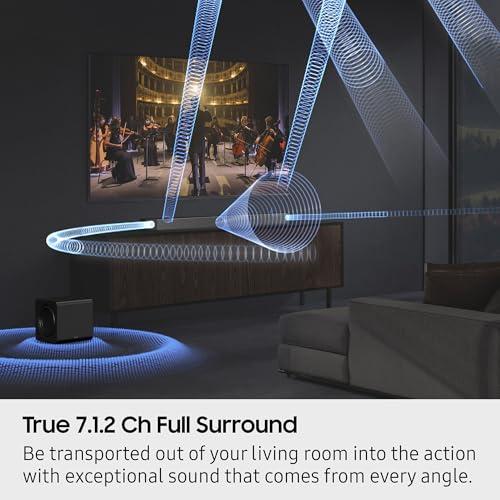
Dolby Atmos works by treating sounds as "objects" that can be placed anywhere in 3D space, rather than just left, right, and center channels. This means helicopters fly overhead, rain falls from above, and explosions seem to happen all around you. The magic happens through a combination of upward-firing speakers (that bounce sound off your ceiling) and psychoacoustic processing (fancy algorithms that trick your brain into hearing sounds where there aren't actually speakers).
The key difference between our two contenders is how they achieve this immersion. The Samsung HW-Q990F uses physical speakers placed around your room, while the Sonos Arc relies heavily on advanced audio processing and a single, precisely-engineered soundbar.
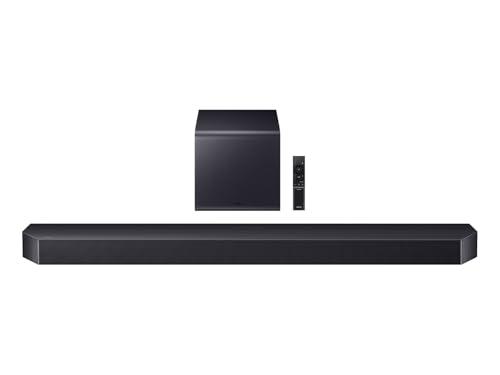
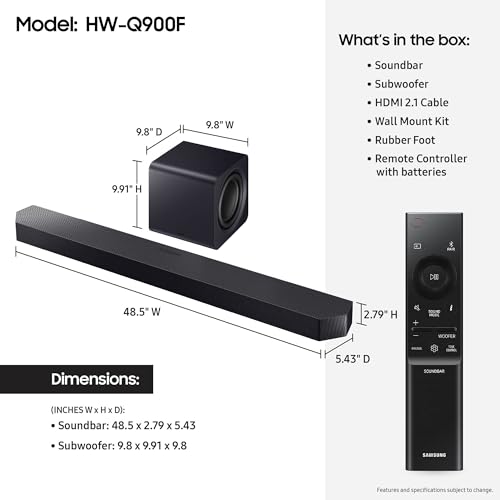
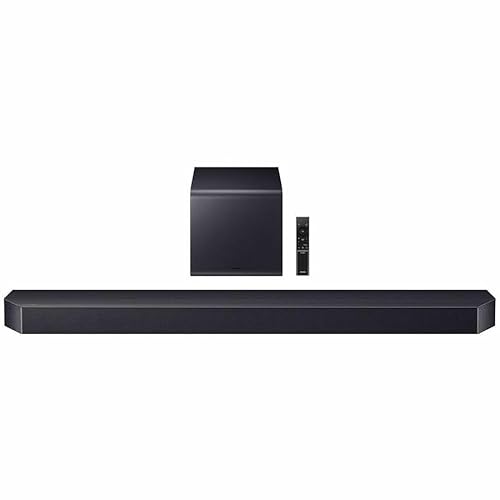
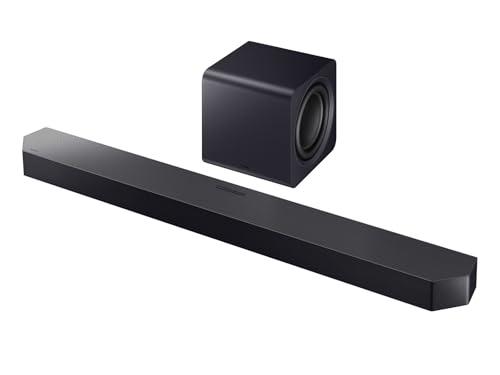
The Samsung HW-Q990F arrives as a complete 11.1.4-channel system—that's 11 main audio channels, 1 subwoofer channel, and 4 height channels for overhead effects. In practical terms, you get the main soundbar, wireless rear surround speakers, and a substantial subwoofer, all working together from day one.
This system includes 23 total speakers strategically placed around your room. The main soundbar houses 15 drivers, including dedicated tweeters for crisp highs, midrange drivers for vocals, and upward-firing speakers for height effects. The wireless rear speakers each contain three drivers—forward-firing, side-firing, and upward-angled—creating what audio engineers call a "seamless hemisphere of sound."
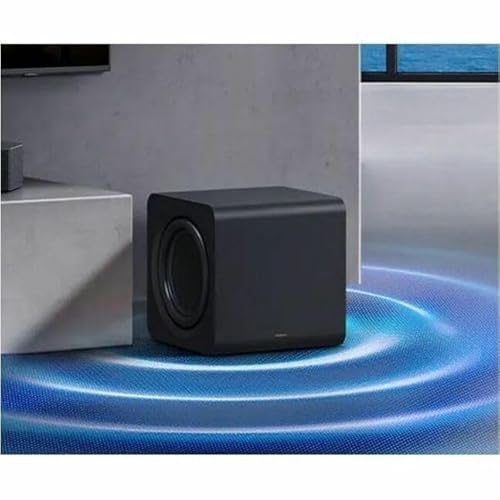
The subwoofer deserves special attention. Samsung redesigned it with dual 8-inch force-canceling woofers, which means two drivers face each other to minimize vibration and cabinet rattling while maximizing clean bass output. This isn't just about volume—it's about delivering the low-frequency effects that make explosions feel visceral without annoying your neighbors with unwanted buzzing.
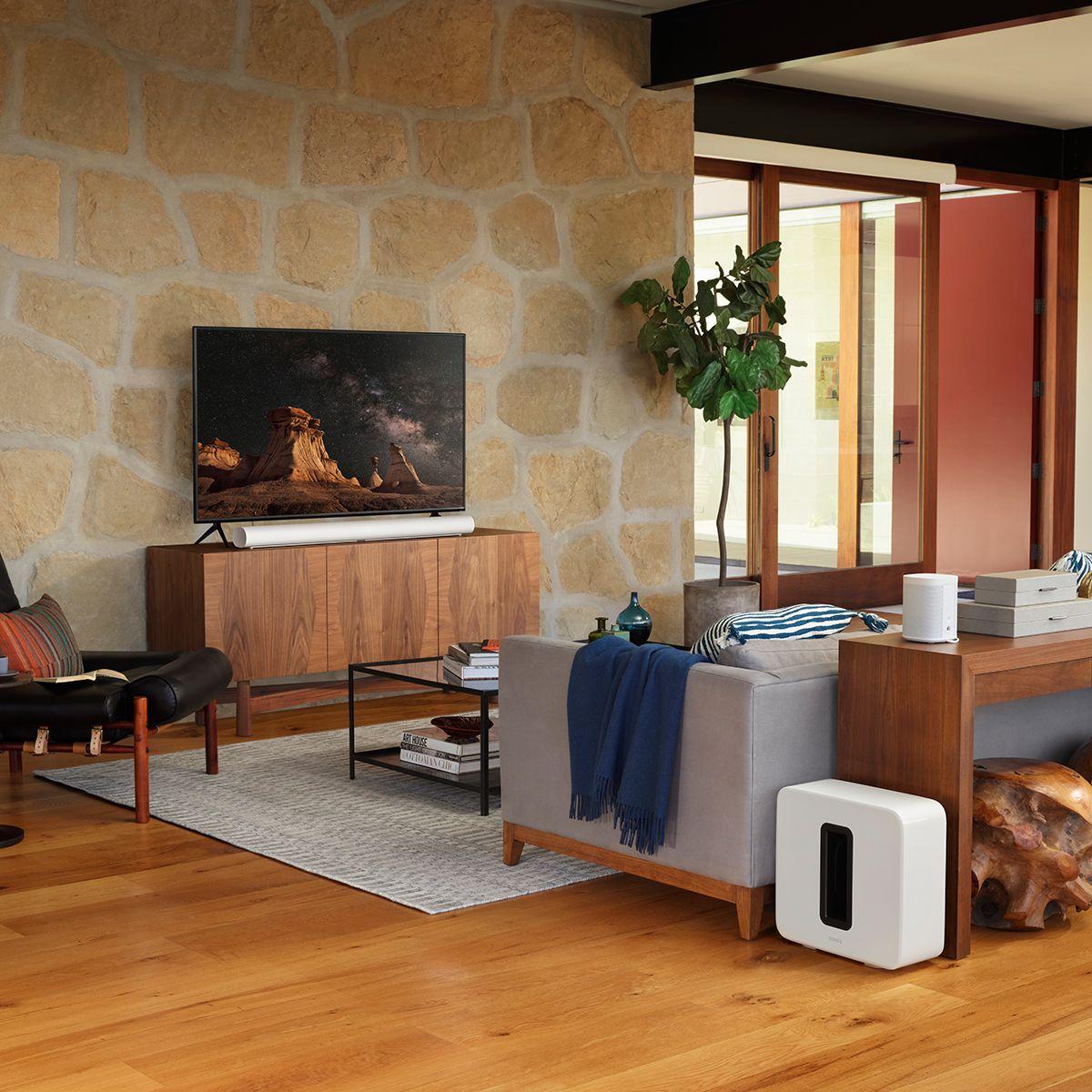
The Sonos Arc takes a completely different approach. This single 45-inch soundbar contains 11 carefully tuned drivers: three silk-dome tweeters for crystal-clear dialogue and eight elliptical woofers for midrange and bass. The magic happens through Sonos's proprietary audio processing, which analyzes incoming audio and uses psychoacoustic tricks to create the impression of surround sound.
The Arc's upward-firing speakers bounce sound off your ceiling to create height effects, while sophisticated digital signal processing creates virtual rear surround channels. It's remarkably effective—you'll hear sounds seeming to come from behind you despite having no rear speakers.
What makes this approach compelling is Trueplay technology, which uses your iPhone or iPad's microphone to measure your room's acoustics and automatically tune the soundbar's output. Think of it as having an audio engineer personally calibrate your system for your specific space.
Here's where the fundamental difference in approaches becomes most apparent. The Samsung HW-Q990F delivers true discrete surround sound—sounds actually emanate from speakers positioned around your listening area. When a character walks from the front of the screen to the back in a movie, you hear their footsteps move seamlessly from the main soundbar to the rear speakers.
Our research into expert reviews and user feedback consistently highlights this advantage. The physical placement of rear speakers eliminates the processing artifacts that even the best virtual surround systems exhibit. You're not relying on reflections or psychoacoustic trickery—the sound is genuinely coming from multiple directions.
The Sonos Arc, while impressive for a single unit, relies on your room's acoustics to create surround effects. In ideal conditions—a room with appropriate ceiling height and wall spacing—the results can be surprisingly convincing. However, rooms with high ceilings, irregular shapes, or excessive soft furnishings can diminish these effects.
That said, the Arc's processing sophistication shouldn't be underestimated. Sonos has invested heavily in audio engineering, and the soundstage width and imaging precision often surprise first-time listeners. It's just that physics ultimately favors actual surround speakers over virtual ones.
This comparison gets more nuanced when evaluating pure audio quality. The Samsung HW-Q990F delivers impressive power—756 watts RMS across all channels—with minimal compression until you reach extreme volume levels. The discrete center channel ensures dialogue remains intelligible even during complex action sequences, while the dedicated subwoofer provides bass extension down to 32Hz.
However, the Sonos Arc often edges ahead in terms of refinement and accuracy. Sonos has a reputation among audiophiles for careful driver selection and tuning, and this shows in the Arc's balanced frequency response and exceptional midrange clarity. Vocals sound natural and present, instrumental separation is excellent, and the overall tonal balance works well across different content types.
The difference becomes apparent when listening to music. While the Samsung HW-Q990F excels with movie soundtracks and explosive action sequences, the Sonos Arc often provides a more satisfying musical experience with better stereo imaging and more accurate timbre reproduction.
Bass performance represents perhaps the starkest difference between these systems. The Samsung HW-Q990F's dedicated subwoofer with dual 8-inch drivers simply moves more air than any soundbar-integrated solution can match. This isn't just about volume—it's about the physical sensation of low-frequency effects and the ability to reproduce the full range of movie and music content.
The Arc's eight integrated woofers perform admirably for a single-unit design, providing respectable bass output without overwhelming the midrange. However, it can't compete with a dedicated subwoofer for true deep bass extension or the tactile impact that makes action movies exciting.
Sonos addresses this limitation by offering the separate Sonos Sub as an optional upgrade, but this addition significantly changes the price equation and system complexity.
For gaming enthusiasts, the Samsung HW-Q990F provides distinct advantages through its dual HDMI 2.1 inputs. These support 4K video at 120Hz refresh rates—crucial for modern gaming consoles like the PlayStation 5 and Xbox Series X. The Game Pro mode optimizes audio processing for directional cues, which can provide competitive advantages in multiplayer games.
The Sonos Arc offers only a single HDMI eARC connection without video passthrough, requiring you to route multiple gaming devices through your TV or a separate HDMI switch. While it processes gaming audio excellently, it lacks the gaming-specific optimizations and multiple input convenience that serious gamers appreciate.
The smart speaker capabilities present an interesting reversal of the performance discussion. The Sonos Arc essentially functions as a premium smart speaker when your TV is off, with far-field microphones and advanced beamforming technology for accurate voice recognition. Both Amazon Alexa and Google Assistant work seamlessly, and the integration feels natural and responsive.
The Samsung HW-Q990F includes voice assistant support, but it feels more like an added feature than a core competency. The smart home integration isn't as sophisticated, and the overall voice control experience feels less refined.
For streaming music, both systems support major wireless protocols including Apple AirPlay 2, but Sonos's mature ecosystem and superior mobile app provide a more polished experience. The Sonos app aggregates multiple streaming services into a unified interface, while Samsung's approach requires jumping between different service apps.
At the time of writing, the pricing difference between these systems is substantial, but the comparison isn't entirely straightforward. The Samsung HW-Q990F costs significantly more but includes everything needed for complete surround sound—no additional purchases required.
To match the Samsung's configuration, you'd need to add Sonos's separate subwoofer and rear speaker pair to the Sonos Arc, which would increase the total investment by roughly 200-300% beyond the base Arc price. This makes the Samsung system look considerably more attractive from a pure performance-per-dollar perspective.
However, the modular nature of Sonos products offers flexibility. You can start with just the Arc and add components over time as budget allows or needs change. This gradual upgrade path appeals to users who prefer to spread costs over time or who want to evaluate their satisfaction with the base unit before committing to a complete system.
Your physical space significantly influences which approach works better. The Samsung HW-Q990F requires adequate room to accommodate rear speakers and a substantial subwoofer. While the rear speakers are wireless (except for power), you still need appropriate placement locations and AC outlets.
Rooms larger than 300 square feet particularly benefit from the Samsung's physical surround speakers. The rear channels provide genuine immersion that virtual processing simply cannot match in expansive spaces. However, in smaller rooms or apartments where speaker placement is constrained, the physical components might feel overwhelming or impractical.
The Sonos Arc excels in these space-constrained environments. Its single-unit design fits elegantly under wall-mounted TVs and doesn't require additional floor or shelf space. The virtual surround processing works particularly well in smaller, more controlled acoustic environments.
Technology moves quickly, and considering future compatibility matters for premium purchases. The Samsung HW-Q990F's multiple HDMI 2.1 inputs position it well for future gaming and video standards. Samsung also regularly updates the system's software, adding new features and streaming service support.
Sonos has an exceptional track record for long-term software support, with some products receiving feature updates for over a decade. The Sonos Arc integrates seamlessly with existing Sonos whole-home audio systems, making it attractive if you already own or plan to purchase other Sonos speakers.
The wireless ecosystem consideration extends beyond just the soundbar. If you're building a complete smart home audio system, Sonos's mature multi-room capabilities and extensive service integration provide compelling long-term value.
After extensive research into user experiences and expert evaluations, clear usage patterns emerge for each system.
Choose the Samsung HW-Q990F if you prioritize maximum immersion and have the space to accommodate it. Home theater enthusiasts who want the most convincing surround sound experience will appreciate the physical rear speakers and powerful subwoofer. Gamers with multiple consoles benefit from the dual HDMI 2.1 inputs and gaming-optimized processing.
The Samsung also makes sense for one-time buyers who prefer complete solutions over gradual upgrades. If you want to purchase everything once and enjoy maximum performance immediately, the all-inclusive approach delivers excellent value despite the higher upfront cost.
The Sonos Arc suits users who prioritize audio refinement, smart features, and flexibility. It's ideal for smaller spaces where rear speakers aren't practical, and the sophisticated processing often satisfies users who initially worry about the single-unit limitation.
Sonos makes particular sense if you already own or plan to purchase other Sonos products for whole-home audio. The ecosystem integration and superior streaming experience provide daily-use benefits beyond just movie watching.
Both systems deliver premium audio experiences, but through fundamentally different approaches. The Samsung HW-Q990F provides maximum immersion through brute-force physics—actual surround speakers and a powerful subwoofer create genuinely convincing home theater audio.
The Sonos Arc achieves impressive results through software sophistication and careful engineering, delivering a more elegant solution that excels at both movies and music while providing superior smart speaker functionality.
Your choice ultimately depends on whether you value maximum immersion or maximum flexibility, and whether your space can accommodate a complete surround system or benefits from a refined single-unit solution. Both represent excellent engineering approaches to the challenge of bringing theater-quality audio to your living room.
| Samsung Q-Series HW-Q990F | Sonos Arc |
|---|---|
| System Configuration - Determines immersion level and setup complexity | |
| Complete 11.1.4 system with wireless rear speakers and subwoofer included | Single 5.0.2 soundbar with virtual surround (expandable with separate Sub and surrounds) |
| Total Speakers - More drivers typically mean better sound separation | |
| 23 speakers across all components (15 in soundbar, 8 in surrounds/sub) | 11 speakers in main unit (3 tweeters, 8 elliptical woofers) |
| Bass Performance - Critical for movie impact and music fullness | |
| Dedicated dual 8" force-canceling subwoofer (32Hz extension) | Integrated woofers only (expandable with separate Sonos Sub) |
| Surround Sound Method - Affects realism of directional audio | |
| Physical rear speakers for true discrete surround | Virtual surround using psychoacoustic processing and room reflections |
| Gaming Connectivity - Important for console users | |
| Dual HDMI 2.1 inputs (4K/120Hz support) with Game Pro mode | Single HDMI eARC only (no video passthrough) |
| Smart Speaker Capabilities - Matters for voice control and music streaming | |
| Basic voice assistant support (Bixby/Alexa) | Full smart speaker with advanced far-field microphones (Alexa/Google) |
| Room Calibration - Optimizes sound for your specific space | |
| SpaceFit Sound Pro Plus (automatic continuous adjustment) | Trueplay tuning (requires iOS device for setup) |
| Streaming Ecosystem - Affects daily music listening experience | |
| Multiple service support but basic app integration | Industry-leading Sonos app with unified service control |
| Physical Footprint - Consider your room size and layout constraints | |
| Requires placement for soundbar, subwoofer, and two rear speakers | Single soundbar unit only (44.96" wide) |
| Expansion Options - Future upgrade flexibility | |
| Complete system out of the box (no expansion needed or available) | Modular system allows gradual component additions |
| Best For - Target user scenarios | |
| Large rooms, dedicated home theaters, gamers with multiple consoles | Smaller spaces, Sonos ecosystem users, audiophile-focused listening |
The Samsung Q-Series HW-Q990F is superior for dedicated home theater use. It includes physical rear surround speakers and a powerful subwoofer that create true 11.1.4-channel surround sound, delivering more convincing directional audio and deeper bass than the Sonos Arc's virtual surround processing. The Samsung system provides the immersive experience that makes movies feel cinematic.
The Samsung Q-Series HW-Q990F comes complete with wireless rear speakers and subwoofer included—no additional purchases needed. The Sonos Arc works as a standalone unit but requires separate purchases of the Sonos Sub and rear speakers to match the Samsung's full surround sound capabilities.
The Samsung Q-Series HW-Q990F has significantly better bass performance with its included dual 8-inch subwoofer that extends down to 32Hz. The Sonos Arc relies on integrated woofers that provide decent bass for a single unit but cannot match the depth and impact of a dedicated subwoofer.
The Samsung Q-Series HW-Q990F offers superior gaming connectivity with dual HDMI 2.1 inputs supporting 4K at 120Hz, plus a dedicated Game Pro mode. The Sonos Arc has only one HDMI eARC connection without video passthrough, requiring you to connect consoles directly to your TV.
The Sonos Arc excels at music streaming with its mature ecosystem, superior mobile app, and refined audio tuning that audiophiles appreciate. While the Samsung Q-Series HW-Q990F supports major streaming services, the Sonos provides a more elegant music-focused experience with better stereo imaging.
Both support voice assistants, but the Sonos Arc offers superior implementation with built-in far-field microphones and full smart speaker functionality. The Samsung Q-Series HW-Q990F includes basic voice assistant support but isn't as sophisticated for smart home control.
The Sonos Arc is ideal for smaller spaces as it's a single elegant unit that doesn't require placement of rear speakers or a large subwoofer. The Samsung Q-Series HW-Q990F needs adequate room for multiple components and works best in larger spaces where the rear speakers can be properly positioned.
Yes, both the Samsung Q-Series HW-Q990F and Sonos Arc can be wall-mounted. The Samsung includes mounting hardware, while the Sonos requires a separate wall mount. However, the Samsung's complete system still requires floor placement for the subwoofer and rear speakers.
The Samsung Q-Series HW-Q990F provides better value for complete surround sound since it includes all components needed for 11.1.4-channel audio. To match its capabilities, you'd need to purchase the Sonos Arc plus separate Sub and rear speakers, significantly increasing the total cost.
Both offer room calibration features. The Samsung Q-Series HW-Q990F uses SpaceFit Sound Pro Plus for continuous automatic adjustment, while the Sonos Arc features Trueplay tuning that requires an iOS device for initial room measurement and optimization.
The Sonos Arc is simpler to set up as a single unit with one HDMI connection and wireless streaming. The Samsung Q-Series HW-Q990F requires positioning multiple wireless components around your room and may need more time to optimize speaker placement, though setup is still straightforward.
The Samsung Q-Series HW-Q990F is a complete system that cannot be expanded further. The Sonos Arc offers modular expansion—you can start with just the soundbar and gradually add the Sonos Sub and rear speakers as budget allows, making it more flexible for future upgrades.
We've done our best to create useful and informative comparisons to help you decide what product to buy. Our research uses advanced automated methods to create this comparison and perfection is not possible - please contact us for corrections or questions. These are the sites we've researched in the creation of this article: rtings.com - crutchfield.com - sound-advice.online - samsung.com - soundandvision.com - samsung.com - whathifi.com - youtube.com - youtube.com - bestbuy.com - avsforum.com - content.syndigo.com - samsung.com - businessinsider.com - dolby.com - youtube.com - abcwarehouse.com - whathifi.com - soundandvision.com - en.community.sonos.com - cnet.com - worldwidestereo.com - abt.com - creativeaudio.net - target.com - sonos.com - worldwidestereo.com - businessinsider.com - en.community.sonos.com - youtube.com

Privacy Policy
Terms and Conditions - Affiliate Policy
Home Security
© Copyright 2008-2026.
11816 Inwood Rd #1211, Dallas, TX 75244