

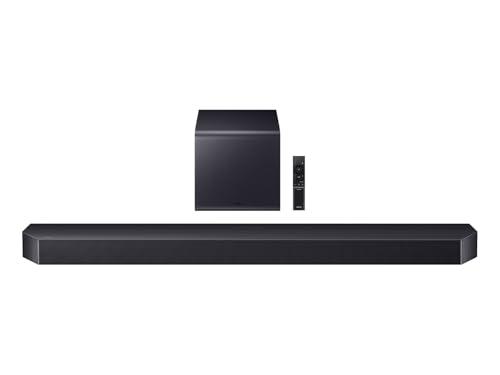
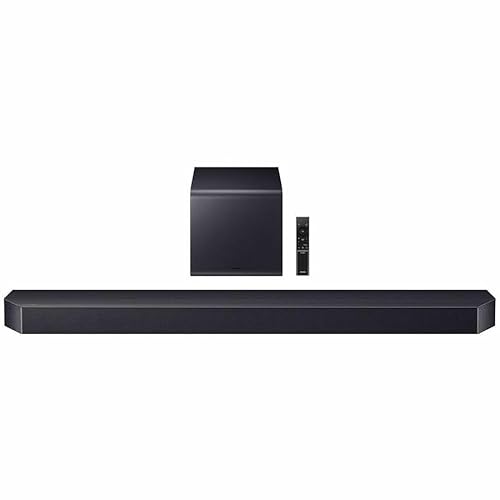




If you've ever tried watching an action movie on your TV's built-in speakers, you know the struggle. Explosions sound like popcorn popping, dialogue gets lost in the mix, and that epic Hans Zimmer score? It might as well be playing through a smartphone speaker. This is where soundbars come to the rescue, but choosing between a premium flagship and a budget-friendly option can feel overwhelming.
The soundbar market has exploded over the past few years, with manufacturers cramming increasingly sophisticated technology into sleek packages that fit under your TV. At the high end, you have systems like the Samsung HW-Q990F that attempt to replicate a full home theater setup. At the budget end, products like the JBL Bar 300 5.0 promise to deliver most of the benefits at a fraction of the cost. But which approach makes more sense for your situation?
Before diving into these specific models, it's worth understanding what separates different soundbar categories. The main differences come down to channel configuration (how many speakers and where they're positioned), total power output, and whether the system includes separate components like subwoofers and rear speakers.
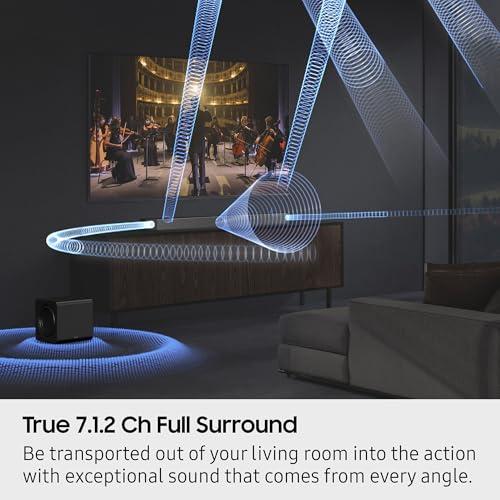
Channel configuration is described using numbers like 5.1 or 11.1.4. The first number represents main channels (left, center, right, and surround speakers), the second is dedicated subwoofer channels, and the third (when present) indicates height channels that bounce sound off your ceiling. More channels generally mean more precise sound placement and better surround effects.
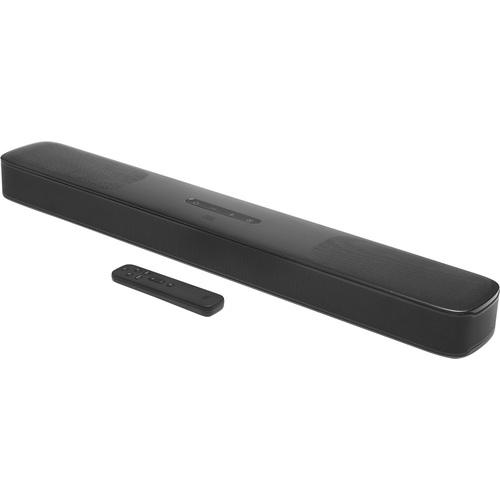
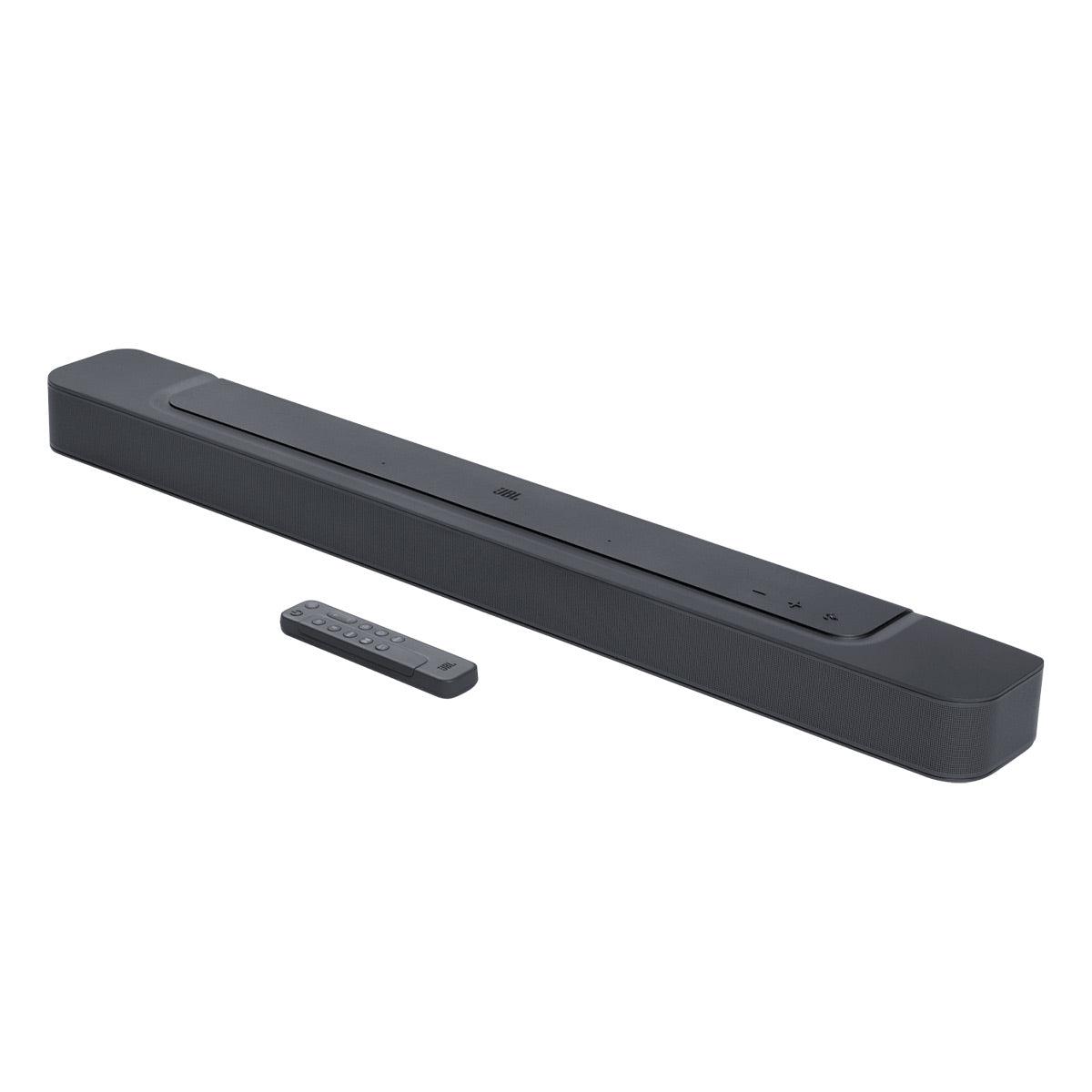
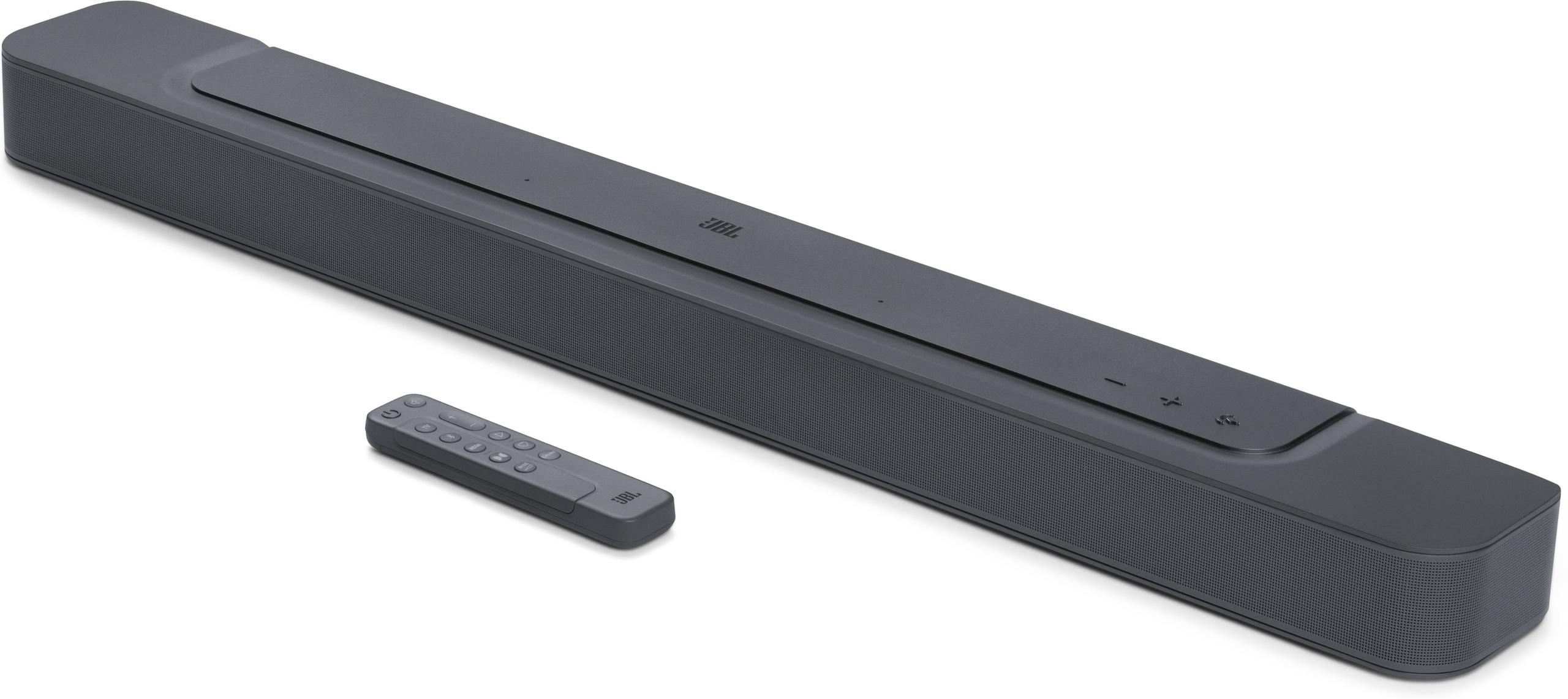
All-in-one soundbars like the JBL Bar 300 pack everything into a single bar that sits under your TV. They use clever digital processing to simulate surround sound effects, making them convenient but limited in how convincing that surround experience can be.
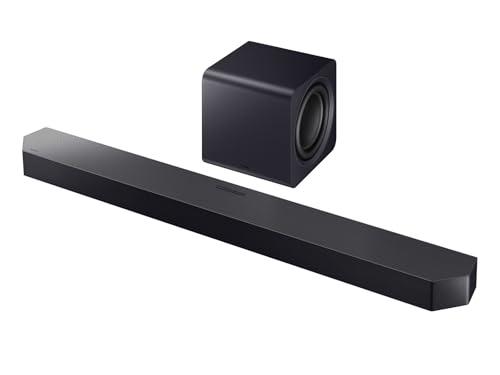
Multi-component systems like the Samsung HW-Q990F include separate wireless speakers and subwoofers positioned around your room. They create genuine surround sound by physically placing audio sources where your ears expect them to be, but require more setup and space.
The trade-off is classic: convenience versus performance. Single-bar systems are plug-and-play simple, while multi-component systems deliver dramatically better immersion but demand more from you in terms of setup and room arrangement.
The Samsung HW-Q990F represents Samsung's 2025 flagship soundbar, building on years of refinement in their Q-Series lineup. Samsung has been pushing the boundaries of what's possible in soundbar technology, and the 2025 models introduced several key improvements over previous generations. The subwoofer gained a second 8-inch driver in an opposing configuration, which helps cancel vibrations that can muddy bass response. They also enhanced their SpaceFit Sound Pro room calibration technology and improved the wireless transmission between components.
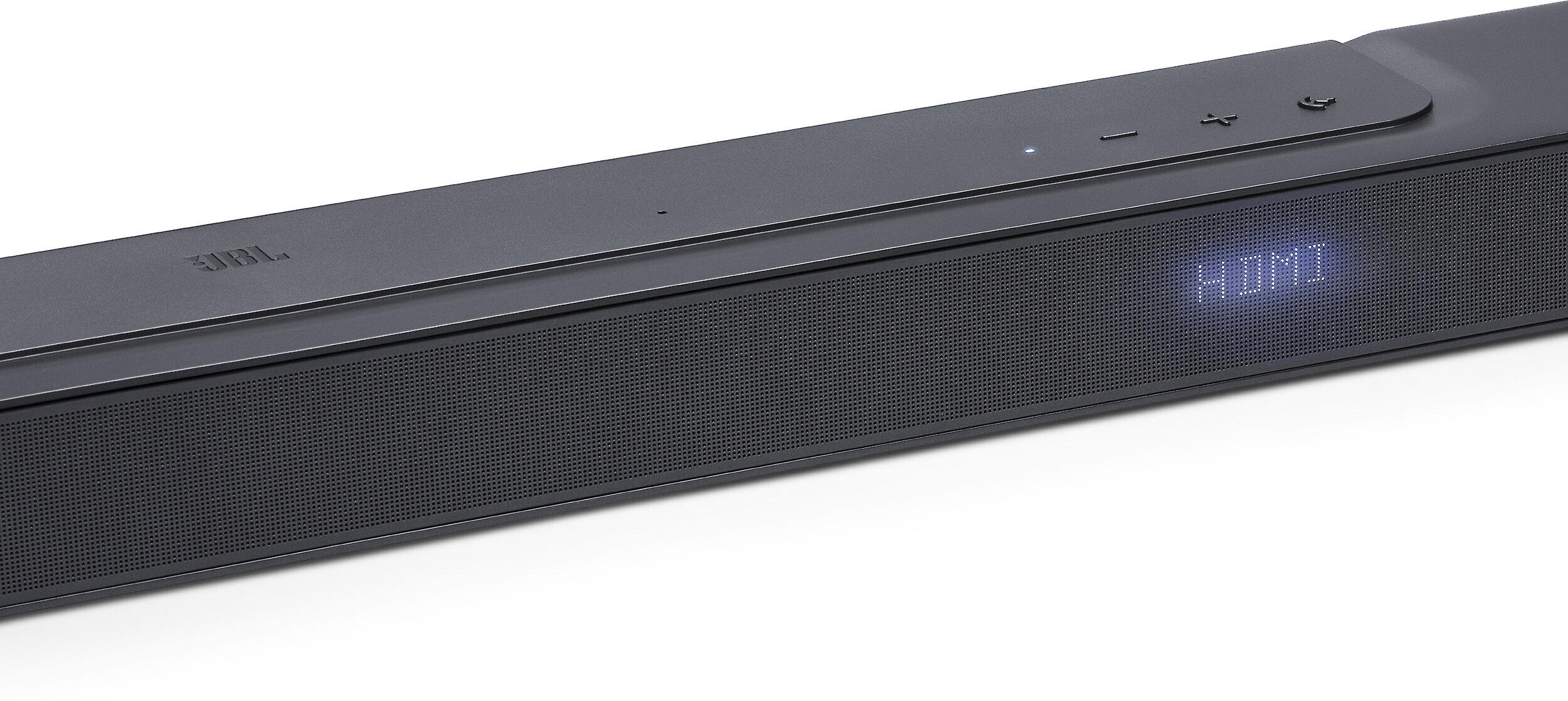
The JBL Bar 300 5.0 launched in 2024 as part of JBL's renewed focus on the budget soundbar market. JBL has been working to pack premium features like Dolby Atmos support and comprehensive streaming capabilities into increasingly affordable packages. The Bar 300 represents their current sweet spot for balancing features with cost, incorporating their MultiBeam virtual surround technology that's trickled down from more expensive models.
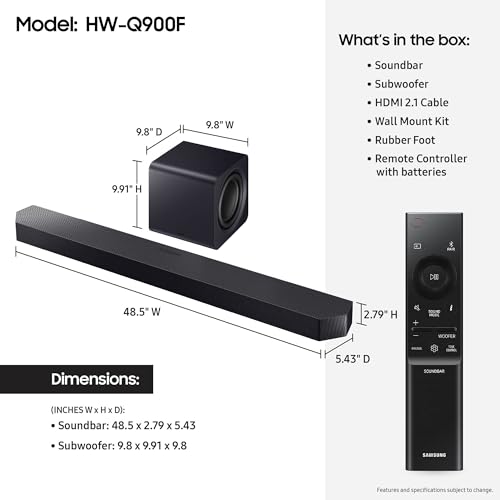
This is where the fundamental differences between these approaches become crystal clear. The Samsung HW-Q990F delivers true 11.1.4-channel surround sound through an impressive array of 23 discrete speakers. Let me break this down: the main soundbar houses 15 speakers including dedicated center, left, right, side-firing, and up-firing drivers. The wireless subwoofer contains dual 8-inch woofers, and the included rear speakers each pack three drivers—one facing forward, one to the side, and one angled upward.
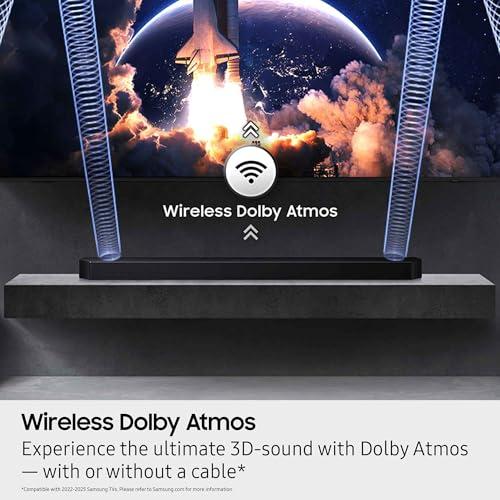
This physical speaker arrangement creates what audio engineers call "object-based surround sound." When you're watching a movie with Dolby Atmos encoding, sounds can be placed precisely in three-dimensional space around you. A helicopter flying overhead actually sounds like it's moving above your head because there are physical speakers bouncing sound off your ceiling from multiple locations.
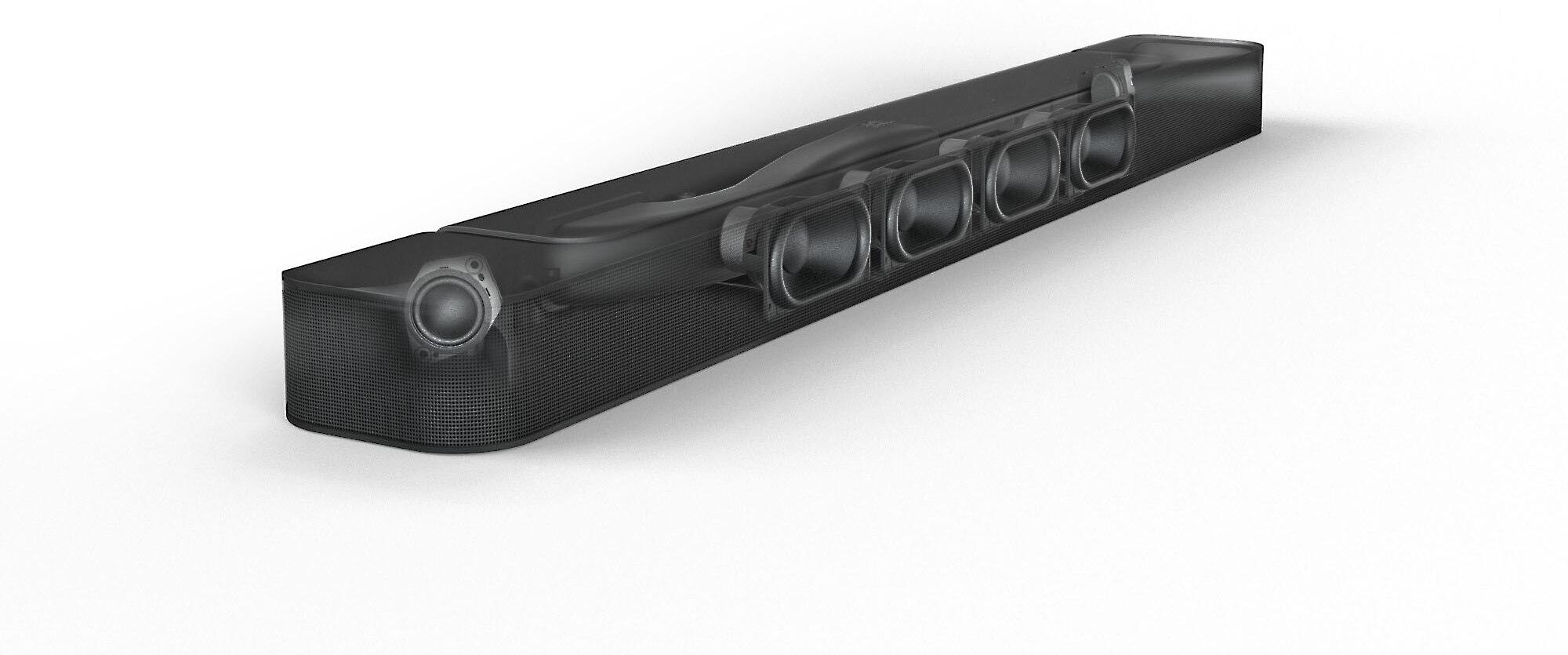
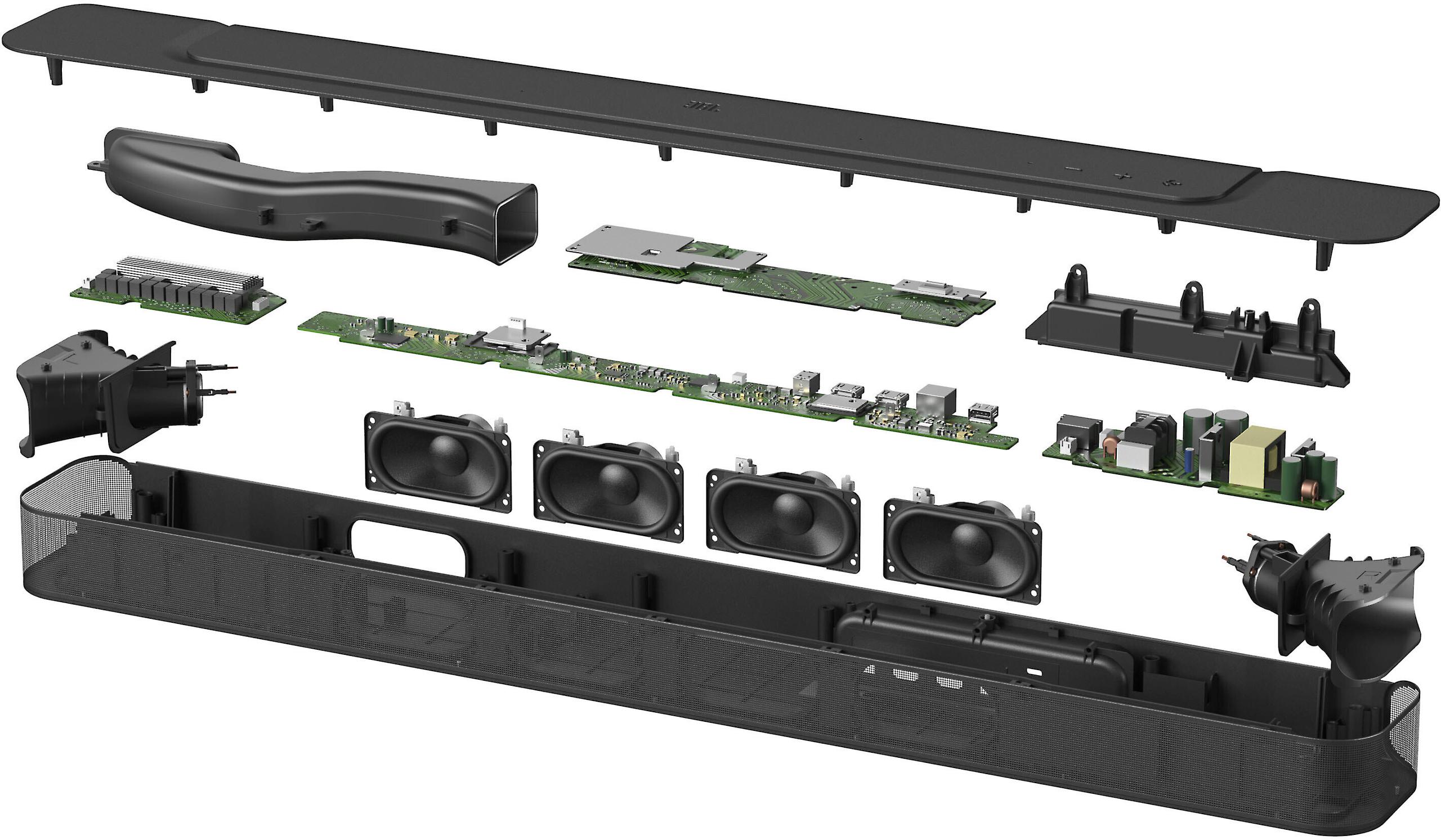
The JBL Bar 300 takes a completely different approach with its MultiBeam technology. This system uses sophisticated digital signal processing to manipulate how sound waves interact with your room and your brain's perception of directional audio. By precisely controlling the timing, phase, and frequency response of its six built-in drivers, it creates the illusion that sound is coming from locations where no speakers exist.
While MultiBeam is impressive technology, it's fighting against physics. The effectiveness varies dramatically based on your room's acoustics, furniture placement, and seating position. In an ideal setup—think a rectangular room with the soundbar centered and you sitting directly in front—it can create surprisingly convincing surround effects. But move off-axis, have an oddly shaped room, or lots of soft furnishings that absorb sound reflections, and the illusion breaks down.
From our research into expert reviews and user feedback, the Samsung HW-Q990F consistently delivers that "wow factor" immersion that makes you feel like you're inside the movie. The JBL Bar 300 impresses for what it achieves from a single bar, but it's more about clever tricks than genuine surround sound.
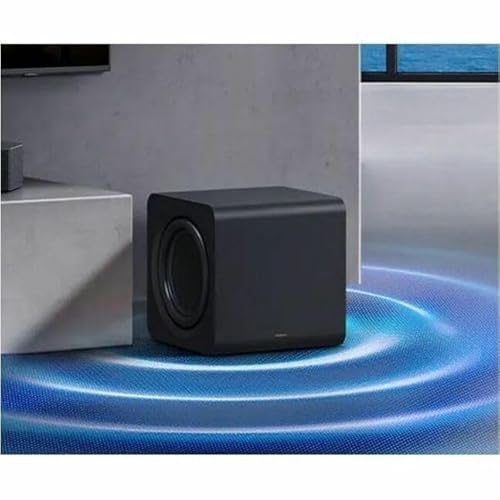
Bass response might be the most immediately noticeable difference between these systems. The Samsung HW-Q990F's dedicated subwoofer is a substantial piece of equipment featuring two 8-inch drivers in an opposing configuration. This design helps cancel vibrations that would otherwise rattle your cabinet or floor, allowing the subwoofer to produce clean, powerful bass without unwanted resonances.
More importantly, it can reproduce frequencies down to approximately 30Hz with authority. For context, this covers the fundamental frequencies of kick drums, movie explosions, and that rumbling thunder that makes action scenes visceral. The subwoofer's 300-watt amplifier provides enough headroom to handle dynamic peaks without compression—those sudden loud moments that separate good bass from great bass.
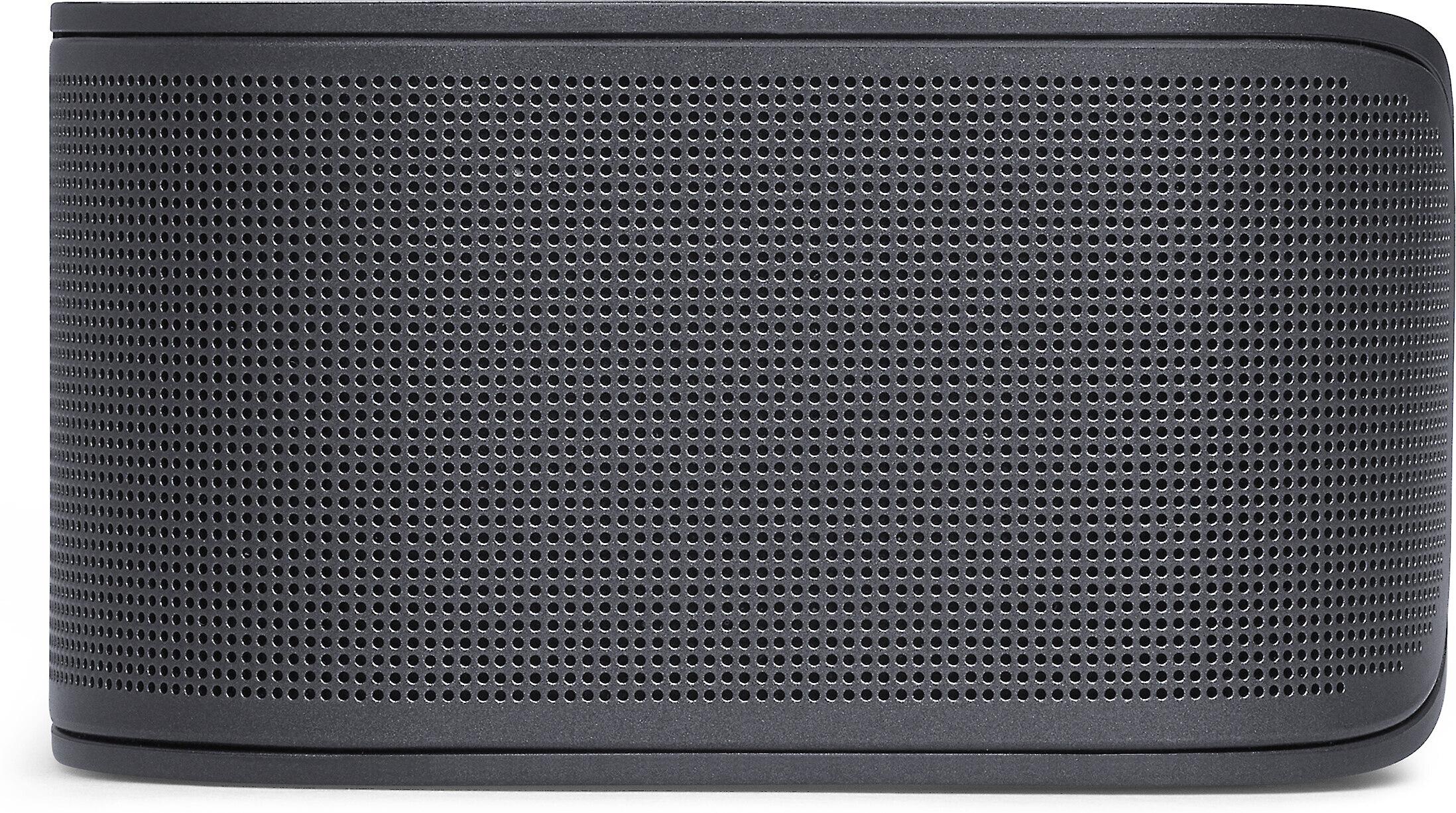
The JBL Bar 300 has no separate subwoofer, relying instead on small woofers built into the soundbar itself. While JBL has done impressive work maximizing bass output from this compact design, physics ultimately wins. The small drivers and limited cabinet volume mean it can't reproduce the lowest frequencies or provide the physical impact that makes explosions feel real rather than just loud.
This difference becomes most apparent with action movies and bass-heavy music genres. The Samsung HW-Q990F delivers that chest-thumping impact that you feel as much as hear, while the JBL Bar 300 provides respectable bass for its size but can't match the physical sensation of a dedicated subwoofer.
Interestingly, both systems excel at dialogue clarity, though they achieve it through different methods. The Samsung HW-Q990F uses a dedicated center channel—a speaker specifically designed to handle human voices. This center channel is physically separated from the left and right speakers, allowing dialogue to be reproduced independently without interference from music or sound effects.
Samsung enhances this with their Active Voice Amplifier Pro technology, which continuously analyzes ambient noise in your room and automatically boosts dialogue frequencies when it detects competing sounds. Running the dishwasher during a quiet movie scene? The system compensates by making voices more prominent in the mix.
The JBL Bar 300 achieves impressive dialogue clarity through its PureVoice technology, which uses advanced signal processing to isolate and enhance vocal frequencies. While it lacks a physically separate center channel, the algorithm does an admirable job of making dialogue stand out from background audio.
Based on our analysis of user reviews, both systems receive praise for dialogue clarity, with the Samsung HW-Q990F having a slight edge in complex audio scenes where multiple conversations or heavy sound effects compete with dialogue.
Power output tells only part of the story, but it's still crucial for understanding how these systems perform in different spaces. The Samsung HW-Q990F delivers 756 watts of total RMS power across all its components, while the JBL Bar 300 provides 260 watts from its single bar.
More important than raw numbers is how effectively each system fills different room sizes. The Samsung HW-Q990F's distributed speaker arrangement means it can maintain consistent sound quality whether you're sitting directly in front or off to the side. The rear speakers ensure that surround effects remain convincing throughout a larger seating area.
The JBL Bar 300 works best in smaller to medium-sized rooms, roughly 12 by 15 feet or smaller. In these spaces, its 260 watts provide adequate volume and its virtual surround effects can be quite convincing. Push it into a larger room or open-concept living space, and you'll notice the limitations—both in volume and in the breakdown of its surround sound illusion.
Both soundbars embrace the modern expectation of comprehensive streaming and smart home integration, though with different levels of sophistication.
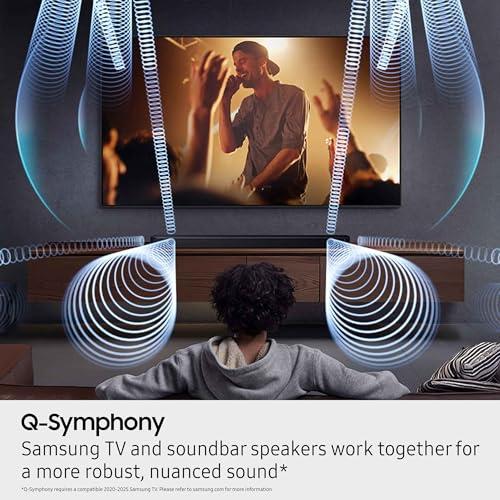
The Samsung HW-Q990F supports virtually every major streaming protocol: Spotify Connect, TIDAL Connect, Apple AirPlay 2, Google Cast, and even Roon Ready for audiophile streaming. It includes built-in voice assistants (Bixby and Amazon Alexa) and works with Google Assistant through external devices. For Samsung TV owners, the Q-Symphony feature allows the soundbar to work in tandem with the TV's speakers for an even fuller soundstage.
Gaming enthusiasts will appreciate the Samsung HW-Q990F's HDMI 2.1 support with 4K/120Hz passthrough, essential for PlayStation 5 and Xbox Series X owners who want to take full advantage of their console's capabilities without compromising audio quality.
The JBL Bar 300 covers the essentials with Wi-Fi, Bluetooth, AirPlay, Chromecast, and Alexa Multi-Room Music support. While it lacks the gaming-optimized connectivity of the Samsung, it includes HDMI eARC for simplified TV integration and supports most popular streaming services.
The day-to-day experience differs significantly between these approaches. The Samsung HW-Q990F requires more initial investment in setup time. You need to find optimal positions for the soundbar, subwoofer, and rear speakers, though all wireless audio connections simplify cable management. Each component still needs power, so you're looking for multiple outlets in strategic locations.
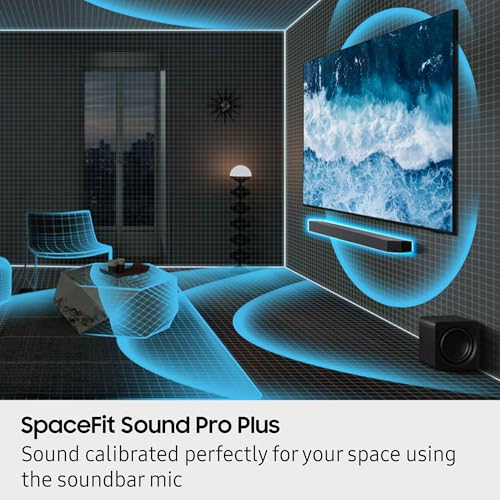
Samsung's SpaceFit Sound Pro technology helps by automatically calibrating the system to your room's acoustics using built-in microphones. This removes much of the guesswork from optimization, though some users still prefer manual fine-tuning using the comprehensive EQ controls.
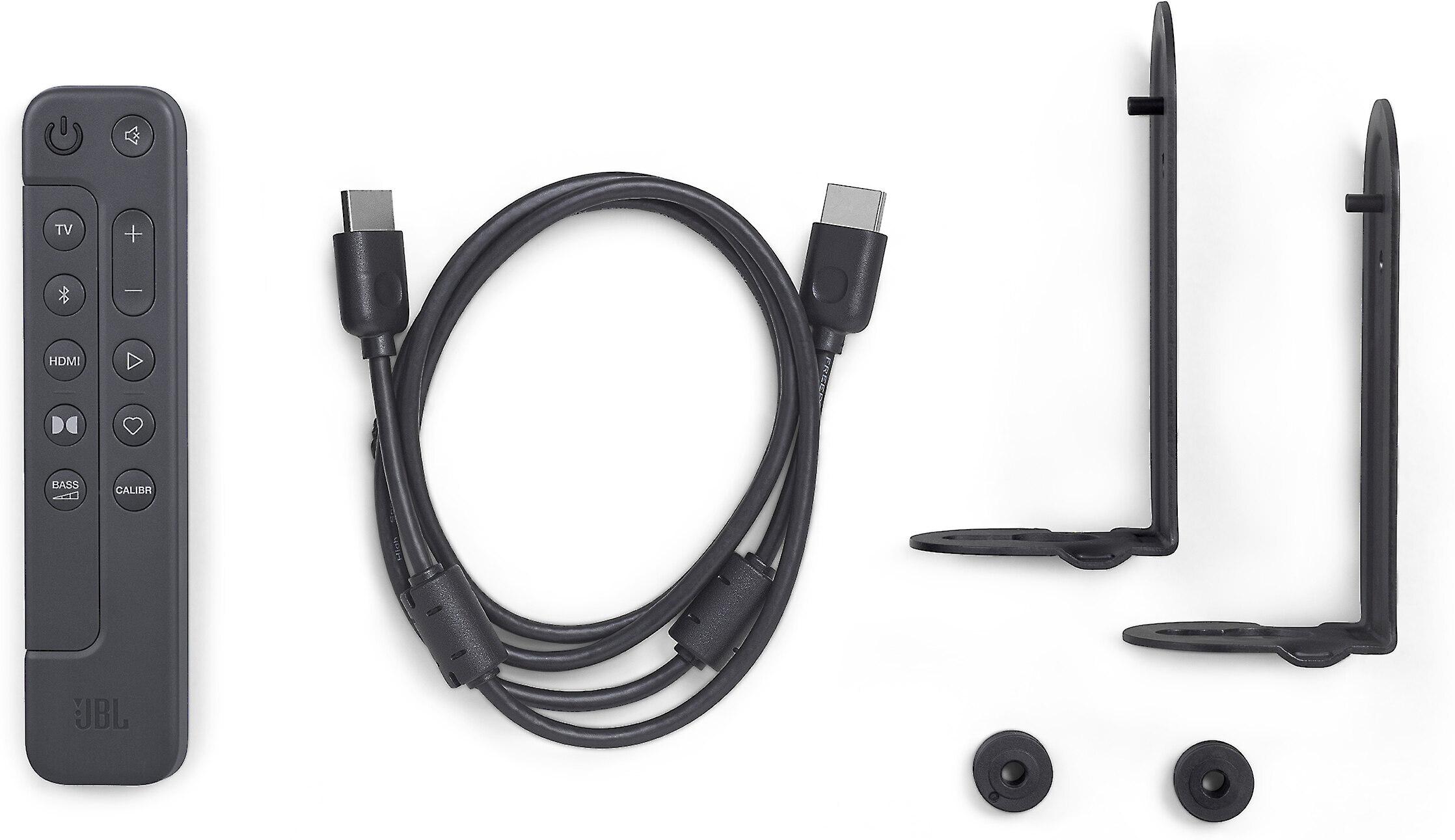
The JBL Bar 300 offers the plug-and-play experience that many users prefer. Connect the single HDMI cable, plug in power, and you're essentially done. The built-in calibration works well enough for most situations, though you have fewer options for customization if you want to fine-tune the sound signature.
For dedicated home theater setups, the differences become even more pronounced. The Samsung HW-Q990F creates an enveloping soundfield that enhances the cinematic experience dramatically. During action sequences, effects move seamlessly around the room, creating the spatial awareness that makes you duck when something flies overhead.
The system's dynamic range handling impresses with complex movie soundtracks. It can reproduce both the subtle environmental sounds that build tension and the explosive crescendos that punctuate action scenes without compression or distortion, assuming reasonable volume levels.
The JBL Bar 300 provides a solid home theater upgrade over TV speakers, but it can't replicate the immersive experience of discrete surround speakers. It works well for casual movie watching and particularly shines with dialogue-heavy content like dramas and comedies where bass impact and surround effects matter less.
At the time of writing, these products occupy vastly different market segments, with the Samsung HW-Q990F commanding premium pricing typical of flagship home theater systems, while the JBL Bar 300 frequently appears at promotional prices that make it one of the most affordable Dolby Atmos soundbars available.
The value equation depends entirely on your priorities and budget tolerance. The Samsung HW-Q990F costs roughly five times more than the JBL Bar 300 but delivers exponentially better performance in surround immersion, bass impact, and overall audio quality. For enthusiasts who prioritize home theater experience, the Samsung justifies its premium pricing.
The JBL Bar 300 represents extraordinary value for users seeking significant improvement over TV speakers without premium pricing or complex setup. At its typical street pricing, it offers Dolby Atmos support and comprehensive smart features that would have cost significantly more just a few years ago.
The Samsung HW-Q990F makes sense if you have a dedicated home theater space or large living room, regularly watch movies and play games, and want reference-quality audio that won't need upgrading for many years. It's particularly compelling for Samsung TV owners who can take advantage of Q-Symphony integration and for gamers who need 4K/120Hz passthrough.
The JBL Bar 300 suits apartment dwellers, casual TV watchers, and anyone who wants dramatic improvement over TV speakers without complexity or premium pricing. It's ideal for smaller rooms where its virtual surround effects work well and where its compact design won't overwhelm the space.
I'd recommend the Samsung for users who consider audio quality a priority and have both the budget and space to accommodate a multi-component system. Choose the JBL if you want the best possible sound improvement per dollar spent and value simplicity over ultimate performance.
The fundamental choice comes down to whether you want an incremental but significant upgrade to your TV audio experience, or whether you're looking to recreate something approaching a commercial cinema experience at home. Both approaches have merit, but they serve distinctly different needs and expectations.
| Samsung Q-Series HW-Q990F Soundbar | JBL Bar 300 5.0 Soundbar |
|---|---|
| Channel Configuration - Determines surround sound authenticity | |
| 11.1.4 channels with 23 discrete speakers across multiple components | 5.0 channels with 6 drivers in single soundbar using virtual surround |
| System Components - Affects setup complexity and performance | |
| Main soundbar + wireless subwoofer + wireless rear speakers | All-in-one soundbar design |
| Total Power Output - Controls volume capability and dynamic range | |
| 756W RMS across all components | 260W total from single unit |
| Bass Performance - Critical for movie impact and music enjoyment | |
| Dedicated wireless subwoofer with dual 8" opposing woofers, ~30Hz extension | Built-in woofers only, limited low-frequency response |
| Dolby Atmos Implementation - Affects overhead sound realism | |
| Physical up-firing speakers in soundbar and rear speakers | Virtual processing through MultiBeam technology |
| Room Size Optimization - Determines which spaces work best | |
| Medium to large rooms, open floor plans | Small to medium rooms up to ~200 sq ft |
| Gaming Features - Important for console owners | |
| HDMI 2.1 with 4K/120Hz passthrough, Game Pro mode | HDMI eARC with 4K/60Hz support |
| Voice Enhancement Technology - Ensures clear dialogue | |
| Active Voice Amplifier Pro with dedicated center channel | PureVoice processing without discrete center channel |
| Room Calibration - Optimizes sound for your space | |
| SpaceFit Sound Pro with automatic acoustic analysis | Basic calibration microphone |
| Smart Features - Streaming and voice control capabilities | |
| Spotify Connect, TIDAL Connect, AirPlay 2, Google Cast, Roon Ready, built-in Alexa/Bixby | Wi-Fi streaming, AirPlay, Chromecast, Alexa Multi-Room Music |
| Setup Complexity - Time and effort required | |
| Multiple wireless components need optimal placement and power outlets | Single cable connection, minimal setup required |
| Upgrade Path - Future expansion possibilities | |
| Complete flagship system, no upgrades needed | Limited expansion options, may want more bass over time |
The Samsung Q-Series HW-Q990F Soundbar is significantly better for large rooms due to its 756W total power output and discrete speaker placement. The separate wireless subwoofer and rear speakers maintain sound quality across larger spaces, while the JBL Bar 300 5.0 Soundbar works best in rooms under 200 square feet where its 260W output can adequately fill the space.
The Samsung Q-Series HW-Q990F Soundbar creates real surround sound using 23 physical speakers positioned around your room, including dedicated rear speakers with up-firing drivers. The JBL Bar 300 5.0 Soundbar uses virtual surround through MultiBeam technology, which processes audio to simulate surround effects from a single bar. Real surround sound provides more convincing immersion but requires more setup.
The Samsung Q-Series HW-Q990F Soundbar delivers superior bass with its dedicated wireless subwoofer featuring dual 8-inch opposing woofers that reach down to approximately 30Hz. The JBL Bar 300 5.0 Soundbar relies on built-in woofers without a separate subwoofer, providing decent bass for its size but cannot match the depth and impact of the Samsung system.
Both soundbars excel at dialogue clarity through different approaches. The Samsung Q-Series HW-Q990F Soundbar uses a dedicated center channel and Active Voice Amplifier Pro technology that automatically adjusts for ambient noise. The JBL Bar 300 5.0 Soundbar employs PureVoice processing to enhance vocal frequencies, delivering impressive dialogue clarity despite lacking a separate center channel.
The JBL Bar 300 5.0 Soundbar is much easier to set up as an all-in-one unit requiring only a single HDMI connection and power cable. The Samsung Q-Series HW-Q990F Soundbar requires positioning the main bar, wireless subwoofer, and rear speakers throughout your room, though all audio connections are wireless and it includes automatic room calibration.
The Samsung Q-Series HW-Q990F Soundbar fully supports 4K gaming with HDMI 2.1 ports offering 4K/120Hz passthrough, perfect for PlayStation 5 and Xbox Series X. The JBL Bar 300 5.0 Soundbar supports 4K passthrough but lacks 120Hz capability, which may limit next-generation gaming performance on the latest consoles.
Value depends on your priorities and budget. The JBL Bar 300 5.0 Soundbar offers exceptional value for budget-conscious buyers, providing Dolby Atmos and smart features at a fraction of premium pricing. The Samsung Q-Series HW-Q990F Soundbar justifies its premium cost with reference-quality performance, true surround sound, and comprehensive features for serious home theater enthusiasts.
The Samsung Q-Series HW-Q990F Soundbar includes comprehensive streaming support with Spotify Connect, TIDAL Connect, AirPlay 2, Google Cast, Roon Ready, and built-in Alexa/Bixby voice assistants. The JBL Bar 300 5.0 Soundbar offers Wi-Fi streaming, AirPlay, Chromecast, and Alexa Multi-Room Music support, covering most popular streaming services but with fewer premium audio options.
For movie watching, the Samsung Q-Series HW-Q990F Soundbar provides a cinematic experience with true 11.1.4-channel surround sound that places effects precisely in 3D space around you. The JBL Bar 300 5.0 Soundbar delivers solid movie performance with virtual Dolby Atmos processing, offering significant improvement over TV speakers but cannot match the immersive experience of the Samsung's physical surround speakers.
The JBL Bar 300 5.0 Soundbar is ideal for small apartments due to its compact single-bar design that doesn't require space for multiple components. The Samsung Q-Series HW-Q990F Soundbar may overwhelm smaller spaces and requires room for proper placement of its subwoofer and rear speakers, though it will provide superior audio quality if space permits.
The Samsung Q-Series HW-Q990F Soundbar comes as a complete flagship system that doesn't require additional speakers, as it already includes everything needed for reference-quality surround sound. The JBL Bar 300 5.0 Soundbar cannot be expanded with additional components, so users wanting more bass impact or true surround sound would need to upgrade to a different system entirely.
Both soundbars handle music well, with the Samsung Q-Series HW-Q990F Soundbar offering superior stereo imaging, dynamic range, and bass extension for critical music listening. The JBL Bar 300 5.0 Soundbar provides enjoyable music playback with balanced sound and good vocal clarity, making it suitable for casual listening, though the Samsung system delivers more detailed and spacious musical reproduction.
We've done our best to create useful and informative comparisons to help you decide what product to buy. Our research uses advanced automated methods to create this comparison and perfection is not possible - please contact us for corrections or questions. These are the sites we've researched in the creation of this article: rtings.com - crutchfield.com - sound-advice.online - samsung.com - soundandvision.com - samsung.com - whathifi.com - youtube.com - youtube.com - bestbuy.com - avsforum.com - content.syndigo.com - samsung.com - businessinsider.com - dolby.com - youtube.com - abcwarehouse.com - whathifi.com - safeandsoundhq.com - youtube.com - cnet.com - mm.jbl.com - jbl.com - bestbuy.com - support.jbl.com - dell.com - walmart.com

Privacy Policy
Terms and Conditions - Affiliate Policy
Home Security
© Copyright 2008-2026.
11816 Inwood Rd #1211, Dallas, TX 75244