

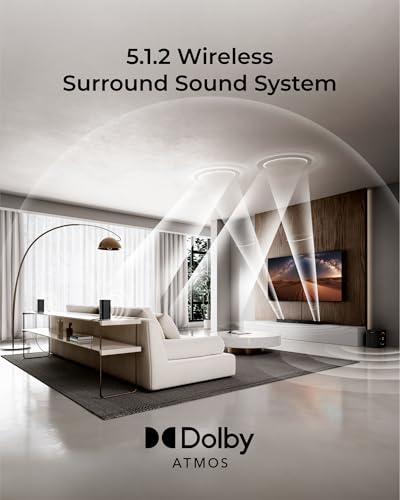
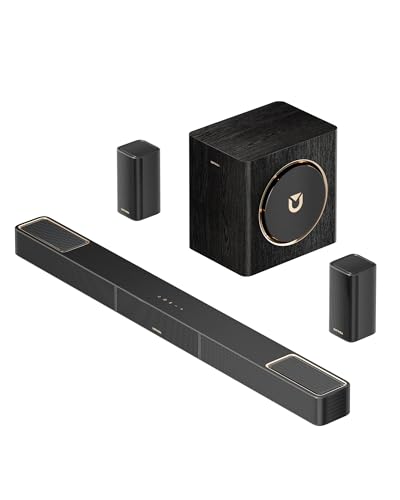





Shopping for a premium soundbar that can transform your living room into a home theater can feel overwhelming. The 5.1.2 Dolby Atmos category represents the sweet spot for many buyers—offering genuine surround sound with overhead effects without the complexity of a full receiver-based system. Two compelling options that frequently appear in buyers' searches are the ULTIMEA Skywave X40 and the Samsung HW-Q800D, but they take notably different approaches to delivering immersive audio.
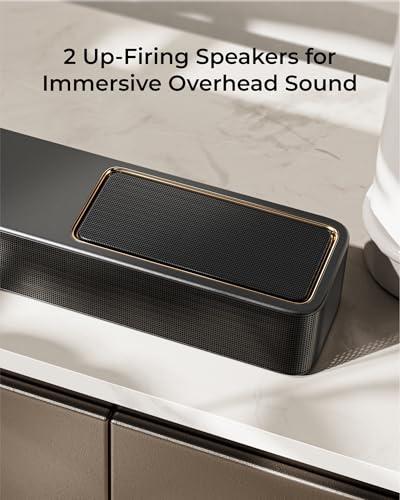
Before diving into the comparison, it's worth understanding what "5.1.2" actually means and why it matters. The numbers describe the speaker configuration: five main channels (front left and right, center, and rear left and right), one subwoofer channel (the ".1"), and two height channels (the ".2"). Those height channels are crucial—they're what enable Dolby Atmos, which adds a third dimension to sound by bouncing audio off your ceiling to create the sensation of helicopters flying overhead or rain falling around you.
The key considerations when evaluating any 5.1.2 system center around audio performance, setup convenience, smart features, and overall value. However, the devil is in the details—particularly how manufacturers implement those rear and height channels, which dramatically affects the listening experience.
The ULTIMEA Skywave X40, released in 2025, represents the newer wave of budget-focused brands challenging traditional audio companies with advanced technology at aggressive price points. At the time of writing, it typically costs significantly less than established brand alternatives while incorporating cutting-edge features like gallium nitride (GaN) amplification—a technology borrowed from high-end electronics that's more efficient and generates less heat than traditional amplifiers.
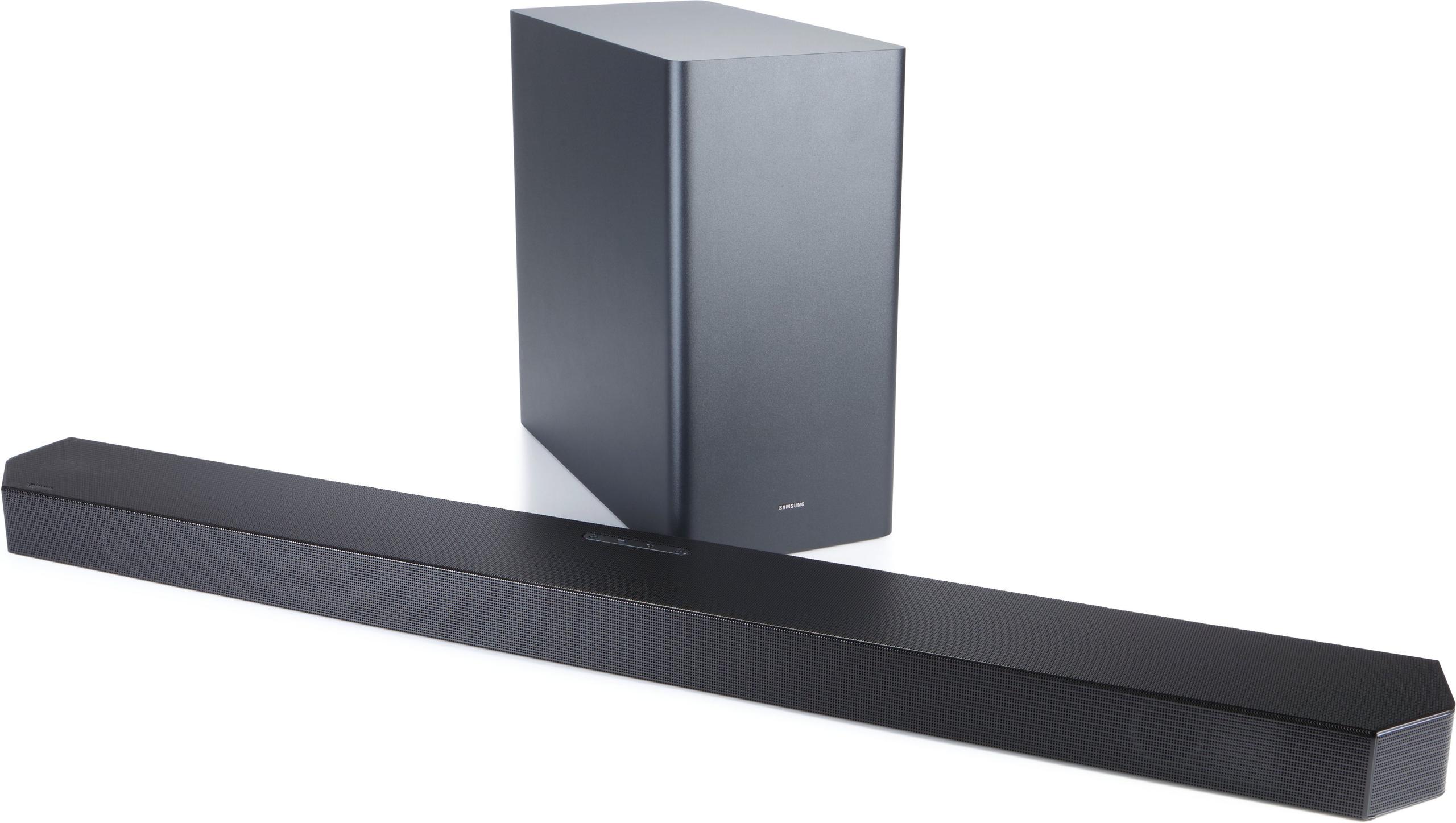
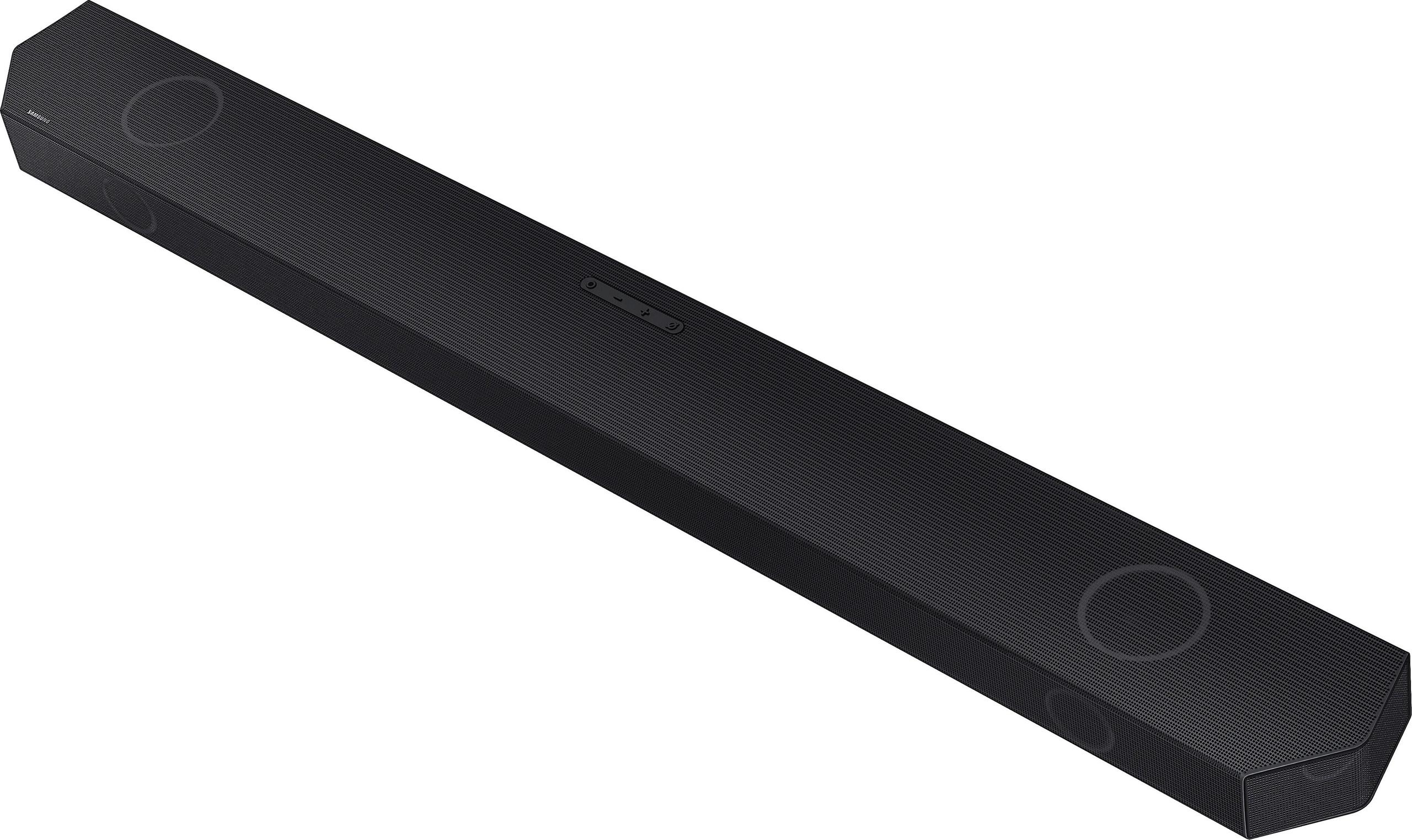
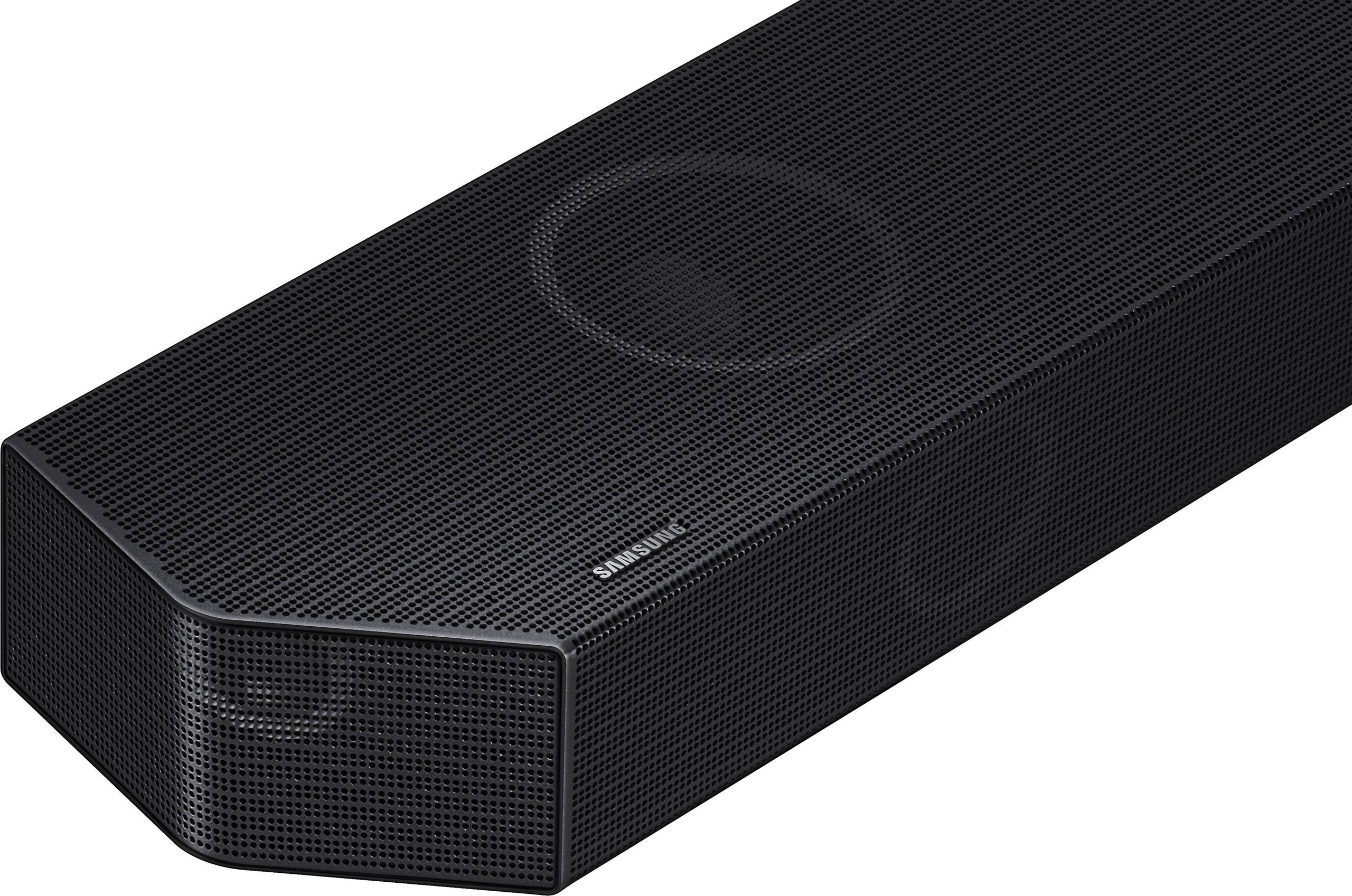
The Samsung HW-Q800D, part of Samsung's 2024 lineup, takes the established premium approach. Samsung leverages its TV manufacturing expertise to create tight integration between soundbar and display, while focusing on build quality and brand reputation. The company has been refining its soundbar technology for over a decade, and this shows in the polished user experience and sophisticated room optimization features.
The ULTIMEA Skywave X40 claims a hefty 530W peak power output, substantially higher than the Samsung HW-Q800D's 360W total output. However, peak power ratings can be misleading—they represent the maximum burst power rather than sustained output. What matters more is how cleanly and efficiently that power is delivered.
This is where the ULTIMEA's GaN amplifier becomes genuinely interesting. Traditional silicon-based amplifiers waste significant energy as heat, especially during high-volume passages. GaN technology operates at up to 98% efficiency compared to roughly 80-85% for conventional amplifiers. In practical terms, this means the ULTIMEA can deliver more sustained power without thermal limiting—the phenomenon where amplifiers reduce output to prevent overheating. For movie night marathons or extended gaming sessions, this translates to more consistent performance.
The Samsung HW-Q800D, while rated for lower total output, likely delivers more refined power management. Samsung's mature amplifier design and SpaceFit Sound Pro technology automatically analyze your room's acoustics and adjust output accordingly. This intelligent approach often results in better perceived loudness and clarity, even with less raw power.
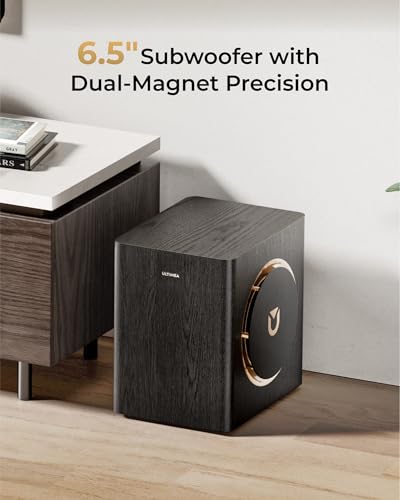
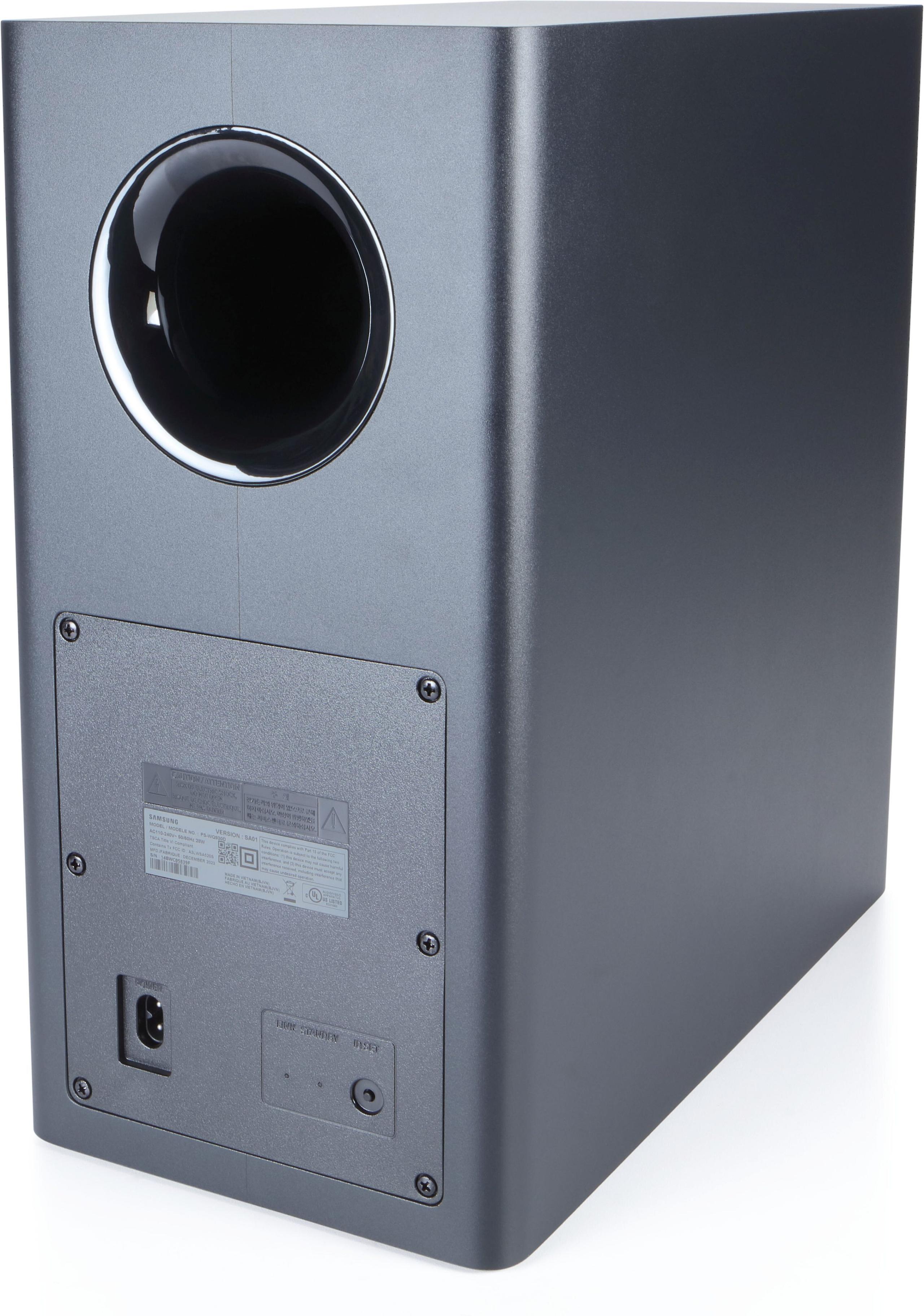
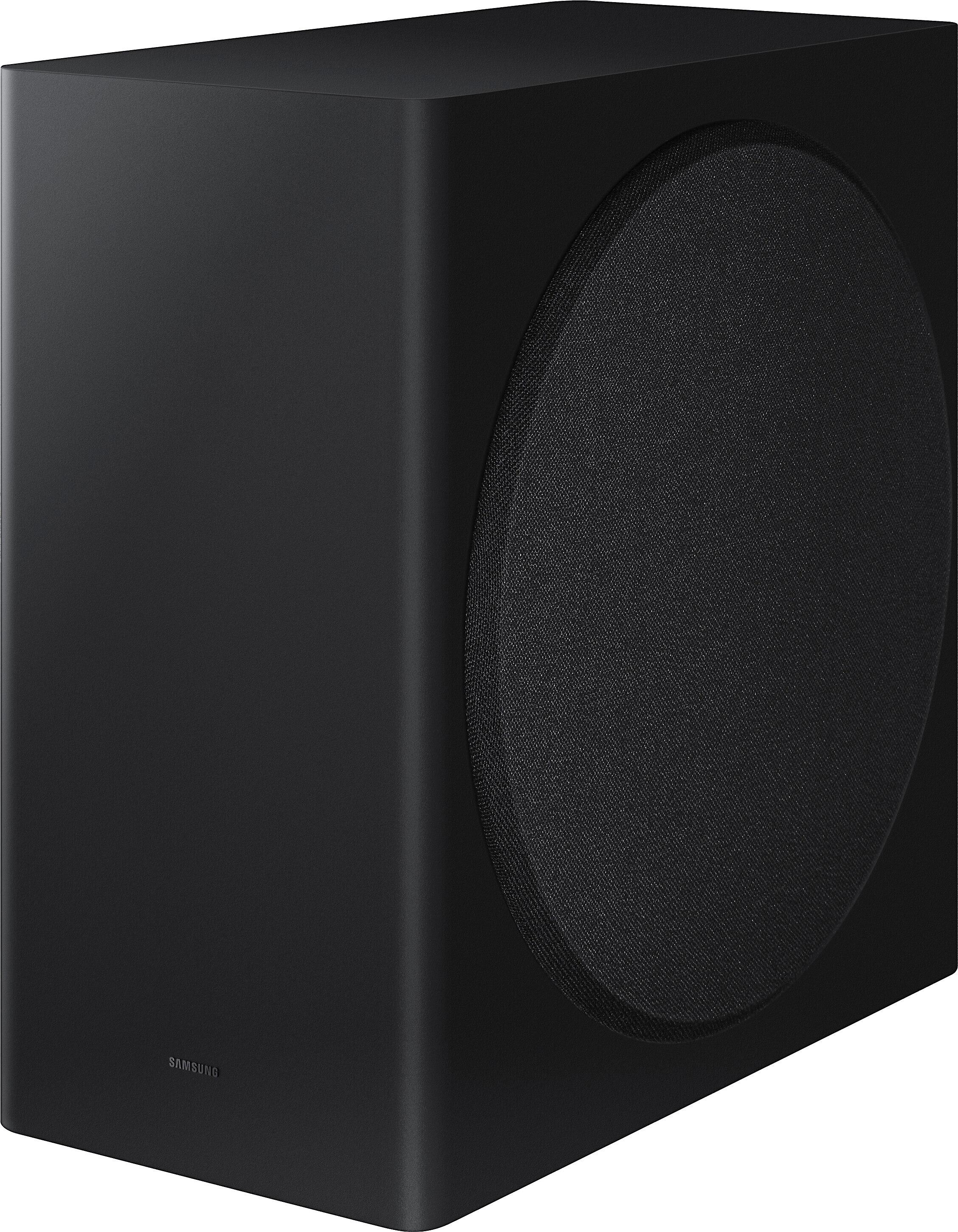
Bass response represents perhaps the most significant performance difference between these systems. The Samsung HW-Q800D features an 8-inch side-firing subwoofer, compared to the ULTIMEA Skywave X40's 6.5-inch unit. That 1.5-inch difference in driver diameter translates to substantially more air movement and deeper bass extension.
Larger subwoofer drivers can reproduce lower frequencies more efficiently and with greater authority. This becomes particularly noticeable during action movies with explosive special effects or music with deep synthesized bass lines. The Samsung's larger driver should deliver more of that chest-thumping impact that makes blockbuster movies feel visceral.
However, the ULTIMEA counters with its Gravus Ultra-Linear Bass Technology, which focuses on maintaining clean, distortion-free bass even at high volumes. The system extends down to 35Hz—quite respectable for a 6.5-inch driver—and maintains less than 1% total harmonic distortion. While it may not dig as deep as Samsung's larger subwoofer, it should remain composed and articulate even when pushed hard.
For most living rooms, both systems will provide satisfying bass. The Samsung wins for larger spaces or bass-heavy content, while the ULTIMEA offers cleaner performance in smaller to medium rooms where overwhelming bass can become problematic.
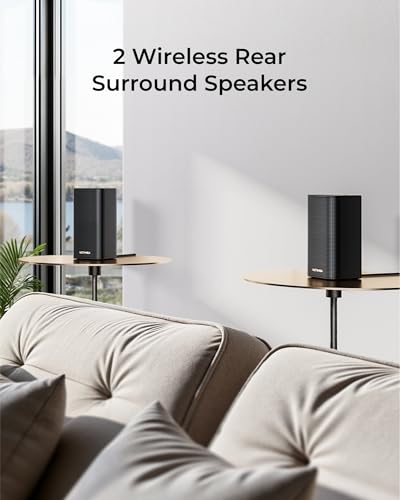
This represents the most fundamental difference between these systems and likely the deciding factor for serious home theater enthusiasts. The ULTIMEA Skywave X40 includes dedicated wireless rear speakers, creating a genuine 5.1.2 surround sound environment. The Samsung HW-Q800D relies on the soundbar alone, using advanced processing to simulate surround effects.
True surround sound requires discrete audio channels positioned around the listener. When a movie's sound engineer places a car chase behind you, dedicated rear speakers reproduce that effect precisely where intended. The ULTIMEA's wireless rear speakers can be positioned optimally in your room, creating authentic directional audio cues that enhance immersion dramatically.
The system's CineMesh True Wireless technology uses dual 5GHz transmission to maintain stable connections between all components with ultra-low latency under 20 milliseconds. This is crucial for gaming, where audio-visual synchronization affects performance, and for movies, where delayed surround effects break immersion.
The Samsung HW-Q800D takes a different approach, using sophisticated digital signal processing to create surround effects from the soundbar alone. The system bounces sound off walls and uses psychoacoustic principles to fool your brain into perceiving directional effects. Samsung's implementation is among the better virtual surround systems available, particularly when paired with their Q-Symphony technology that synchronizes the soundbar with compatible Samsung TV speakers.
However, virtual surround processing depends heavily on room acoustics. Rooms with hard surfaces, irregular shapes, or excessive furnishings may not provide ideal conditions for sound reflection. Dedicated rear speakers work regardless of room characteristics because they physically place sound sources behind the listener.
The ULTIMEA Skywave X40 incorporates NEURACORE neural-level processing, featuring a triple-core digital signal processor (DSP) and dual-core microcontroller unit (MCU) capable of 2,000 million instructions per second (MIPS). This processing power enables ultra-precise 24-bit/192kHz audio resolution—significantly higher than CD quality—with comprehensive real-time audio optimization.
This level of processing power allows for sophisticated features like dynamic range management, automatic EQ adjustment based on content type, and precise channel steering for Dolby Atmos effects. The system can analyze incoming audio signals and make thousands of adjustments per second to optimize clarity, spatial positioning, and frequency balance.
The Samsung HW-Q800D focuses its processing power on room optimization and Samsung ecosystem integration. SpaceFit Sound Pro uses built-in microphones to analyze room acoustics and automatically adjust the soundbar's output characteristics. This removes much of the guesswork from setup and ensures optimal performance regardless of placement constraints.
Samsung's Active Voice Amplifier (AVA) technology deserves particular mention for its effectiveness at enhancing dialogue clarity. The system continuously monitors audio content and boosts vocal frequencies during quiet passages while preventing dialogue from being overwhelmed during loud action sequences. This proves invaluable for movies with inconsistent audio mixing or for viewers who struggle with dialogue comprehension.
The ULTIMEA Skywave X40's fully wireless design offers significant practical advantages for most installations. All components arrive pre-paired from the factory, requiring only power connections for each unit. This eliminates the cable management challenges that traditionally plague surround sound installations, particularly for renters or anyone reluctant to run speaker wire across rooms.
The wireless rear speakers measure just 3.35 inches wide by 6.69 inches tall, making them easy to place on existing furniture or mount on walls without dominating room aesthetics. The main soundbar stretches 43.31 inches wide, appropriate for most TV sizes from 55 inches and up.
The Samsung HW-Q800D shines for users already invested in Samsung's ecosystem. Q-Symphony technology transforms compatible Samsung QLED TVs into additional speakers, effectively expanding the soundbar system using your existing TV's drivers. This creates a larger soundstage and can improve dialogue clarity by using the TV's speakers as a dedicated center channel while the soundbar handles music and effects.
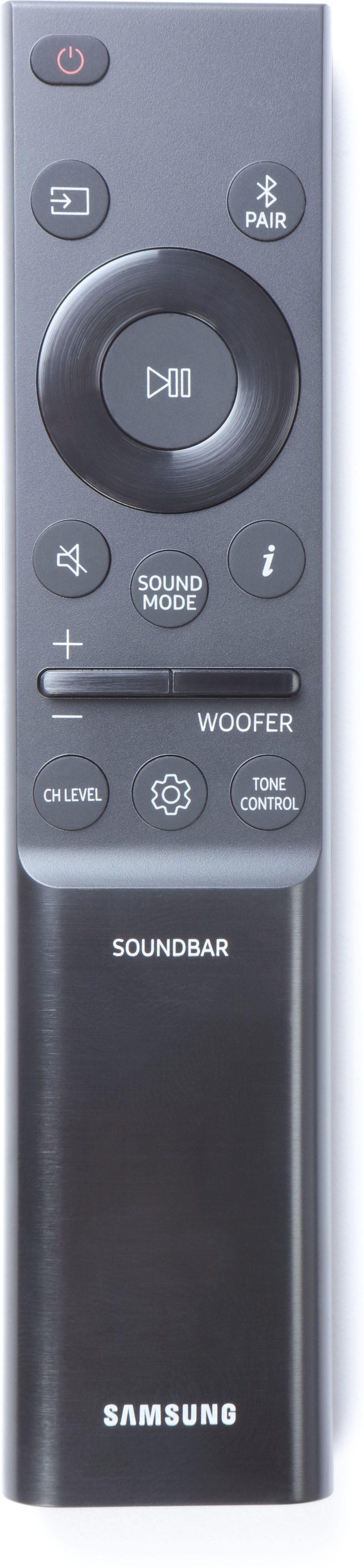
Samsung's SmartThings integration allows control through the same app that manages other Samsung smart home devices, creating a unified control experience for users with multiple Samsung products.
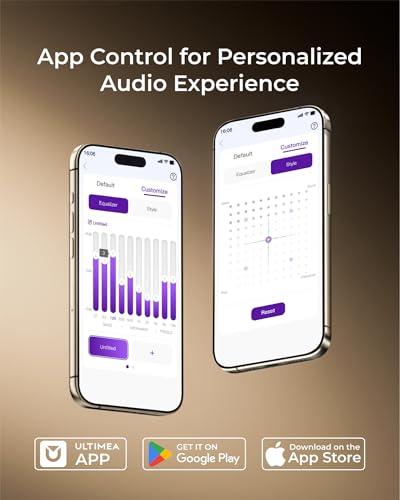
The ULTIMEA Skywave X40 provides exceptional customization depth through its companion app. The 10-band equalizer allows precise frequency adjustments across the entire audible spectrum, while 121 preset sound profiles cater to different content types and listening preferences. Users can adjust individual channel levels, modify surround sound intensity, and save custom configurations for different scenarios.
This level of control appeals to enthusiasts who enjoy fine-tuning their audio experience but may overwhelm users who prefer simpler operation. The system includes six primary listening modes (Standard, Cinema, Music, Voice, Game, and Night) that provide good starting points for different use cases.
The Samsung HW-Q800D prioritizes automated optimization over manual control. While it includes basic EQ adjustments and sound modes, the emphasis is on letting the system's intelligent features handle optimization. This approach works well for users who want excellent performance without extensive setup time.
For gaming enthusiasts, the ULTIMEA Skywave X40's sub-20-millisecond wireless latency becomes crucial. Audio delay can significantly impact competitive gaming performance and immersion in single-player experiences. The system's Game mode optimizes processing for directional audio cues, helping players identify enemy positions or environmental threats.
The dedicated rear speakers provide genuine positional audio that virtual surround processing cannot match. In games where audio positioning affects gameplay—such as first-person shooters or horror games—physical rear speakers deliver superior directional accuracy.
At the time of writing, these systems occupy different value positions despite similar capabilities on paper. The ULTIMEA Skywave X40 typically costs significantly less than established brand alternatives while incorporating premium technologies like GaN amplification and true wireless surround implementation. This aggressive pricing strategy reflects the company's goal of disrupting traditional audio market dynamics by offering advanced features at accessible price points.
The Samsung HW-Q800D commands a premium price that reflects brand reputation, refined engineering, and ecosystem integration benefits. Samsung's extensive research and development investments, established customer support infrastructure, and proven reliability justify higher pricing for users who value these factors.
You prioritize authentic surround sound immersion and want maximum feature density for your investment. The system excels for dedicated home theater rooms, gaming setups, or situations where you can optimally position rear speakers. Tech enthusiasts who appreciate advanced features like GaN amplification and comprehensive EQ control will find exceptional value. The wireless flexibility makes it ideal for renters or anyone avoiding permanent installation modifications.
You own Samsung TVs and want seamless ecosystem integration, or you prioritize bass performance above all else. The larger subwoofer delivers superior low-frequency impact for action movies and bass-heavy music. Users who prefer automated optimization over manual tweaking will appreciate SpaceFit Sound Pro's intelligent room correction. Samsung's established reputation provides confidence for buyers who prioritize brand reliability and customer support.
Both systems deliver compelling 5.1.2 Dolby Atmos performance, but their different approaches serve distinct user priorities. The ULTIMEA Skywave X40 offers exceptional value with genuine surround sound capabilities and premium technologies typically found in much more expensive systems. Its true wireless rear speakers create immersion that virtual processing cannot match.
The Samsung HW-Q800D provides superior bass performance and polished ecosystem integration at a premium price. While lacking discrete rear speakers limits its surround sound authenticity, the sophisticated processing and room optimization deliver excellent results for most listening environments.
For serious home theater applications where immersion matters most, the ULTIMEA's dedicated rear speakers provide a significant advantage despite its lower price. For simpler setups prioritizing bass impact and Samsung ecosystem benefits, the HW-Q800D offers refined performance with less complexity. Your choice ultimately depends on whether you value authentic surround positioning or prefer simplified setup with brand ecosystem benefits.
| ULTIMEA Skywave X40 5.1.2 Soundbar System | Samsung HW-Q800D 5.1.2 Channel Soundbar |
|---|---|
| Peak Power Output - Determines maximum volume and dynamic range | |
| 530W peak (higher headroom for large rooms) | 360W total (more conservative rating, refined delivery) |
| Surround Speaker Configuration - Critical for authentic surround sound | |
| True 5.1.2 with dedicated wireless rear speakers | Virtual surround from soundbar only (no physical rear speakers) |
| Subwoofer Size - Directly impacts bass depth and impact | |
| 6.5-inch wireless subwoofer (35Hz extension) | 8-inch side-firing subwoofer (deeper, more powerful bass) |
| Amplifier Technology - Affects efficiency and sustained performance | |
| GaN amplifier (98% efficiency, 50% less heat) | Traditional amplification (mature, reliable design) |
| Audio Processing - Enables advanced sound optimization | |
| NEURACORE triple-core DSP, 2,000 MIPS processing | SpaceFit Sound Pro with room analysis and AVA voice enhancement |
| Wireless Latency - Critical for gaming and video sync | |
| <20ms ultra-low latency CineMesh wireless | Standard wireless latency (exact specs not specified) |
| EQ Customization - Important for personalizing sound | |
| 10-band EQ with 121 preset profiles via app | Basic EQ with automatic Adaptive Sound optimization |
| TV Integration - Matters for Samsung TV owners | |
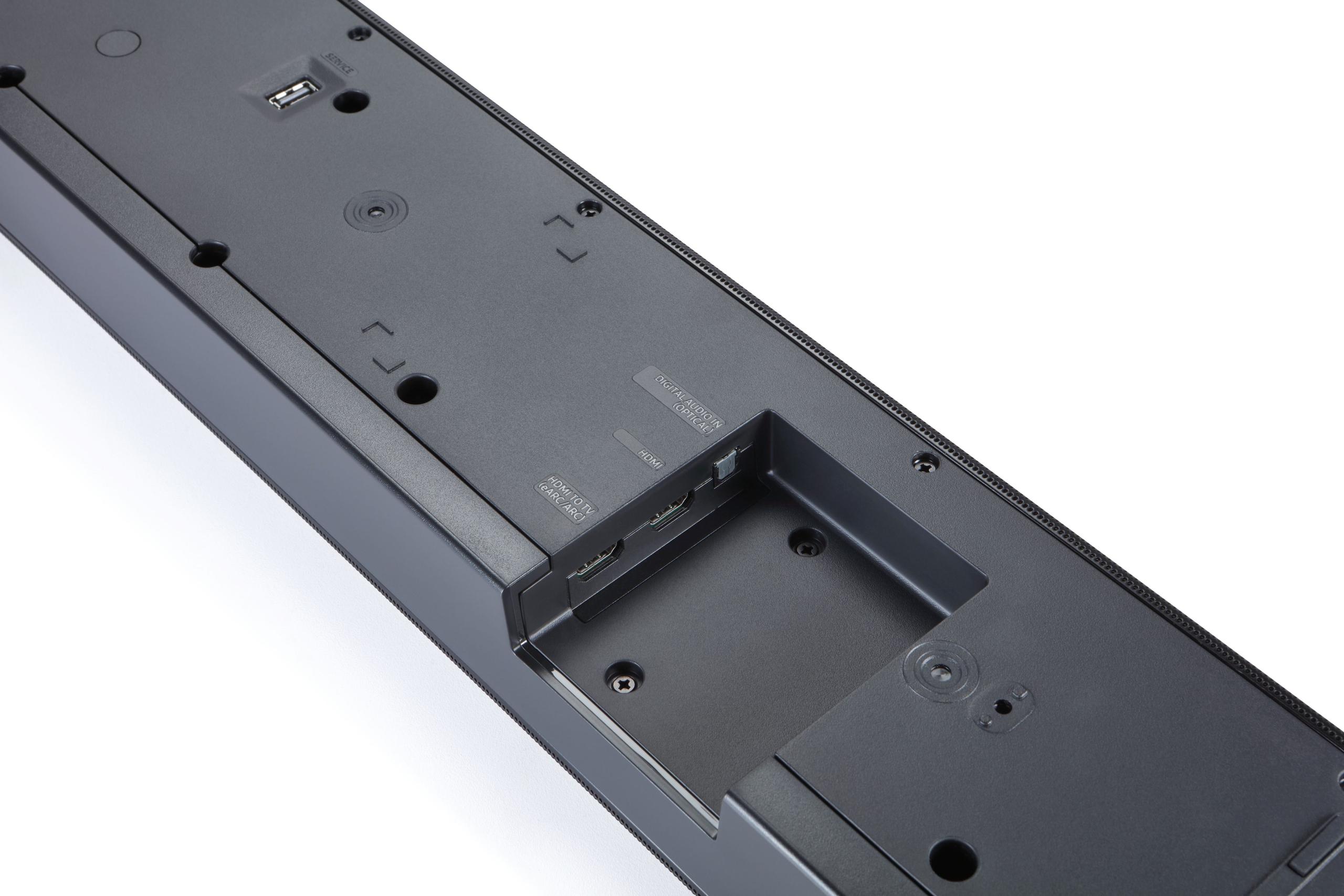
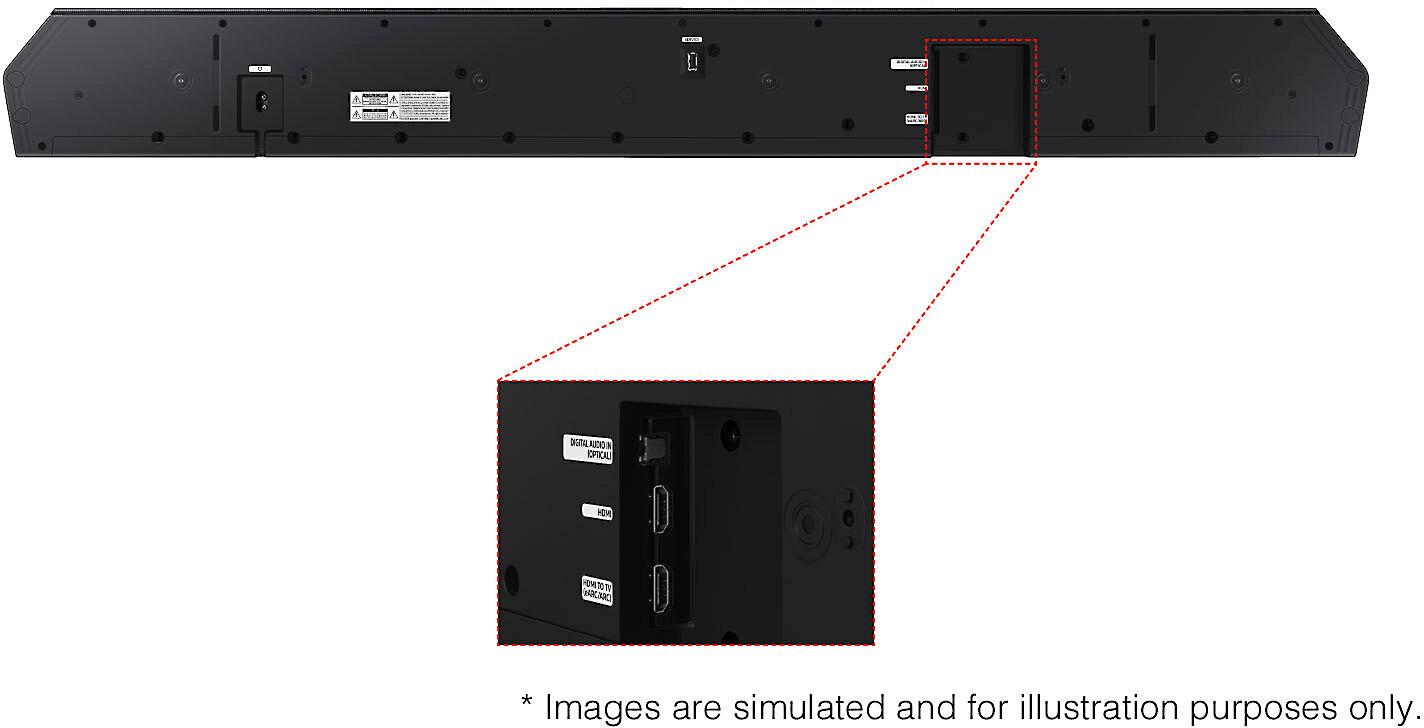
| Standard HDMI eARC and 4K HDR passthrough | Q-Symphony technology syncs with Samsung QLED TVs |
| Setup Complexity - Affects installation ease | |
| All components wireless (power cords only) | Soundbar + wireless subwoofer (simpler, fewer components) |
| Room Optimization - Helps achieve optimal sound automatically | |
| Manual placement and app-based tuning | Automatic SpaceFit Sound Pro room analysis |
| Distortion Levels - Indicates audio clarity at high volumes | |
| 98dB max SPL | Specs not specified (likely similar performance) |
| Bluetooth Version - Affects wireless streaming quality and range | |
| Bluetooth 5.4 with 15-meter range | Bluetooth 5.2 with standard range |
The ULTIMEA Skywave X40 delivers superior surround sound with dedicated wireless rear speakers that create authentic 5.1.2 positioning. The Samsung HW-Q800D relies on virtual surround processing from the soundbar alone, which sounds good but cannot match the immersion of physical rear speakers placed behind your listening position.
The Samsung HW-Q800D features a larger 8-inch subwoofer that produces deeper, more impactful bass compared to the ULTIMEA Skywave X40's 6.5-inch subwoofer. However, the ULTIMEA uses Gravus Ultra-Linear Bass Technology to maintain cleaner bass with less distortion, extending down to 35Hz.
Both systems offer easy setup, but differently. The ULTIMEA Skywave X40 requires positioning multiple wireless components (soundbar, subwoofer, and two rear speakers) but eliminates all speaker cables. The Samsung HW-Q800D has fewer components to place (just soundbar and subwoofer) but doesn't include rear speakers.
The ULTIMEA Skywave X40 excels for gaming with ultra-low wireless latency under 20ms and dedicated Game mode for directional audio. The physical rear speakers provide precise positional cues crucial for competitive gaming. The Samsung HW-Q800D offers good gaming performance but relies on virtual positioning rather than discrete rear channels.
The ULTIMEA Skywave X40 typically provides exceptional value by including true wireless surround speakers and premium features like GaN amplification at a competitive price point. The Samsung HW-Q800D costs more but offers superior bass performance, brand reputation, and Samsung ecosystem integration.
Yes, both systems offer smartphone control. The ULTIMEA Skywave X40 includes a comprehensive app with 10-band EQ and 121 preset sound profiles for extensive customization. The Samsung HW-Q800D integrates with Samsung SmartThings app and offers automatic room optimization through SpaceFit Sound Pro.
The ULTIMEA Skywave X40 delivers higher peak power output (530W) and maintains less than 1% distortion even at maximum volume levels above 98dB. The Samsung HW-Q800D produces 360W total output with refined power management that focuses on clean, controlled sound rather than maximum volume.
While the Samsung HW-Q800D works with any TV, Samsung QLED TV owners get additional benefits through Q-Symphony technology, which uses the TV's speakers alongside the soundbar for enhanced performance. The ULTIMEA Skywave X40 delivers full functionality regardless of your TV brand.
For movie enthusiasts, the ULTIMEA Skywave X40 provides more authentic surround sound immersion with physical rear speakers positioned around your seating area. The Samsung HW-Q800D offers excellent movie performance with superior bass impact and Active Voice Amplifier technology for clearer dialogue.
The ULTIMEA Skywave X40 uses CineMesh dual 5GHz wireless technology to connect all components with minimal interference and ultra-low latency. The Samsung HW-Q800D features wireless subwoofer connection and can connect wirelessly to compatible Samsung TVs, though it doesn't include wireless rear speakers.
The Samsung HW-Q800D requires less overall space with just a soundbar and subwoofer to position. The ULTIMEA Skywave X40 needs placement for four components total, including compact wireless rear speakers, but the wireless design provides flexible positioning options throughout your room.
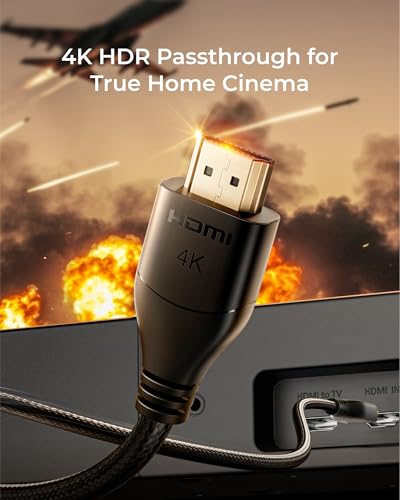
Both the ULTIMEA Skywave X40 and Samsung HW-Q800D support 4K HDR passthrough and Dolby Atmos processing. The ULTIMEA includes upfiring speakers and dedicated rear channels for true 5.1.2 Atmos, while the Samsung uses upfiring drivers and virtual processing to create height effects from the soundbar.
We've done our best to create useful and informative comparisons to help you decide what product to buy. Our research uses advanced automated methods to create this comparison and perfection is not possible - please contact us for corrections or questions. These are the sites we've researched in the creation of this article: bestbuy.com - shopabunda.com - youtube.com - youtube.com - youtube.com - youtube.com - ultimea.com - walmart.com - youtube.com - hometechnologyreview.com - community.ultimea.com - avsforum.com - youtube.com - youtube.com - youtube.com - bestbuy.com - hometechnologyreview.com - techradar.com - valueelectronics.com - samsung.com - rtings.com - samsung.com - crutchfield.com - samsung.com - samsung.com - samsung.com - shidirect.com

Privacy Policy
Terms and Conditions - Affiliate Policy
Home Security
© Copyright 2008-2026.
11816 Inwood Rd #1211, Dallas, TX 75244