





When your TV's built-in speakers leave you constantly reaching for the volume remote or asking "what did they just say?" during movie night, it's time to consider a soundbar upgrade. But with so many options flooding the market, picking the right one can feel overwhelming. Today we're diving deep into two very different approaches to better TV audio: the ULTIMEA Skywave X40 5.1.2 system and the Samsung HW-S700D 3.1 slim soundbar.
These represent fundamentally different philosophies in soundbar design. One prioritizes maximum audio performance and cinematic immersion, while the other focuses on space efficiency and seamless integration. Understanding which approach fits your lifestyle and space will save you from buyer's remorse down the road.
Before we compare these specific models, let's establish what makes a soundbar tick. The numbers you see—like 3.1 or 5.1.2—aren't random tech jargon. They represent the speaker configuration: the first number indicates main channels (left, center, right, and surround speakers), the second shows subwoofer presence, and the third (when present) represents height channels for overhead effects.
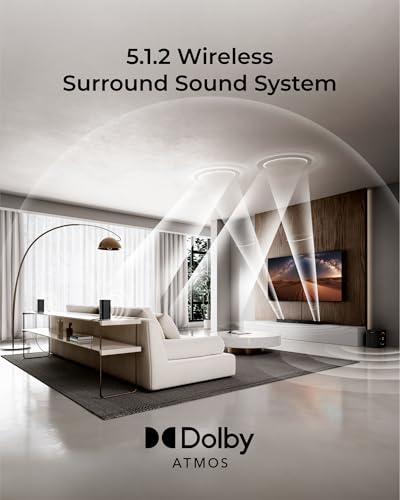
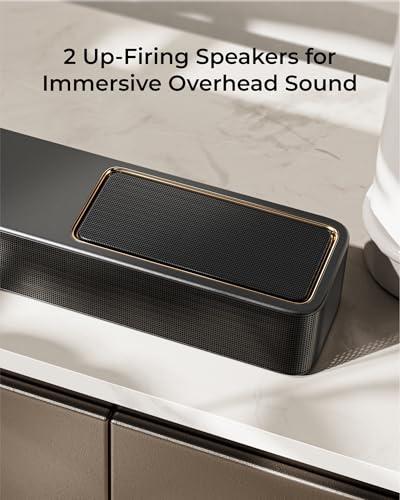
A 3.1 system gives you left, center, and right speakers plus a subwoofer—essentially a wide front soundstage with enhanced bass. Move up to 5.1.2, and you're adding dedicated rear surround speakers plus two upward-firing drivers that bounce sound off your ceiling to create overhead effects. It's the difference between watching a movie and feeling like you're inside it.
The soundbar category has exploded in recent years as manufacturers realized people wanted better audio without the complexity of traditional surround sound systems. Nobody wants to run speaker wires across their living room or drill holes in walls. Modern soundbars solve this by cramming multiple speakers into sleek packages, often with wireless subwoofers and increasingly sophisticated digital processing.
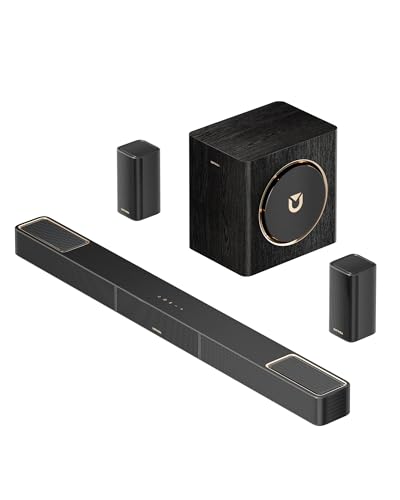
The ULTIMEA Skywave X40, released in 2025, represents the "go big or go home" philosophy. This isn't just a soundbar—it's a complete home theater audio system that happens to come in a soundbar package. With true 5.1.2 surround sound, wireless rear speakers, and enough power to rattle windows, it's designed for serious audio enthusiasts who want cinema-quality sound at home.
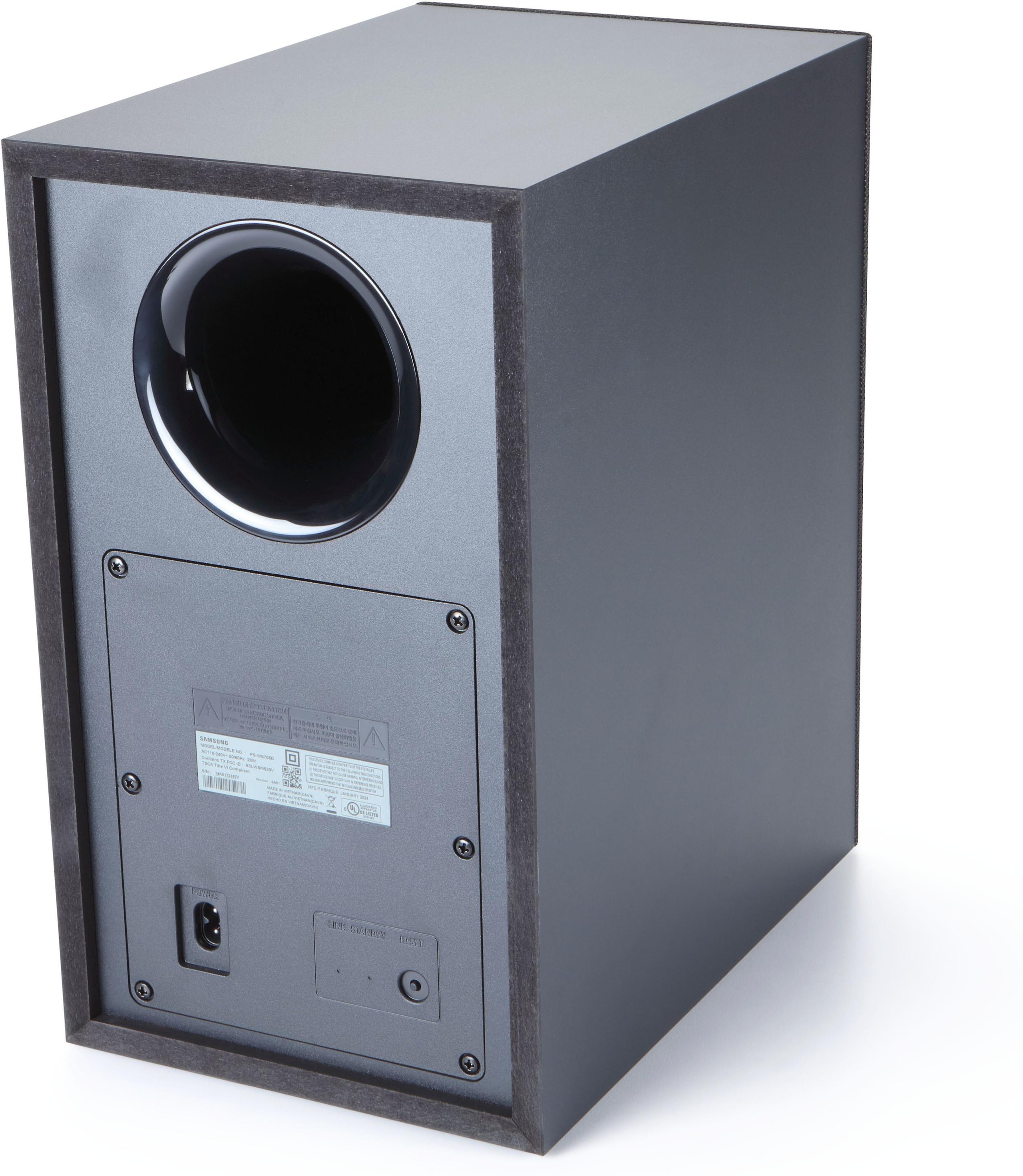
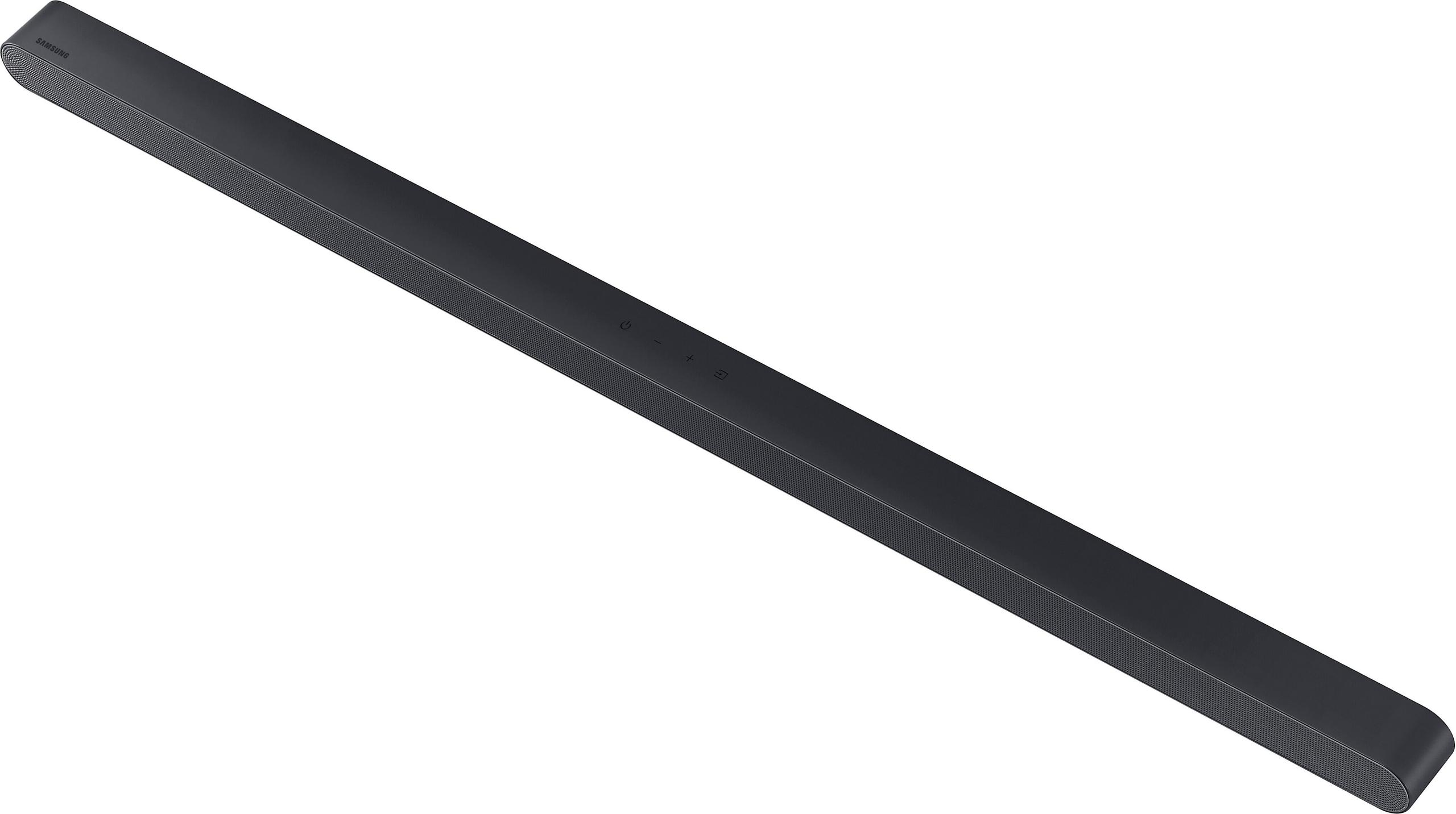
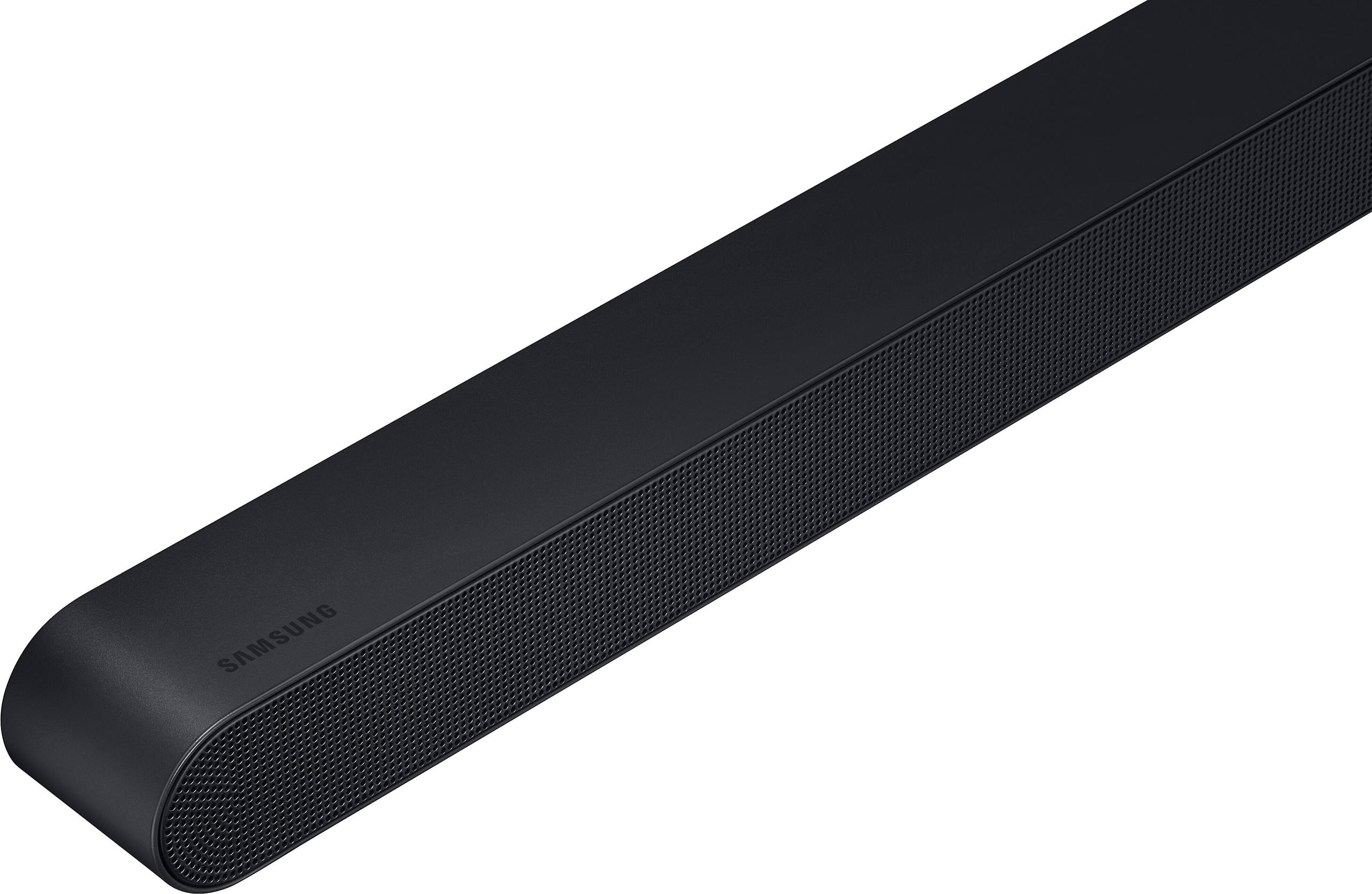
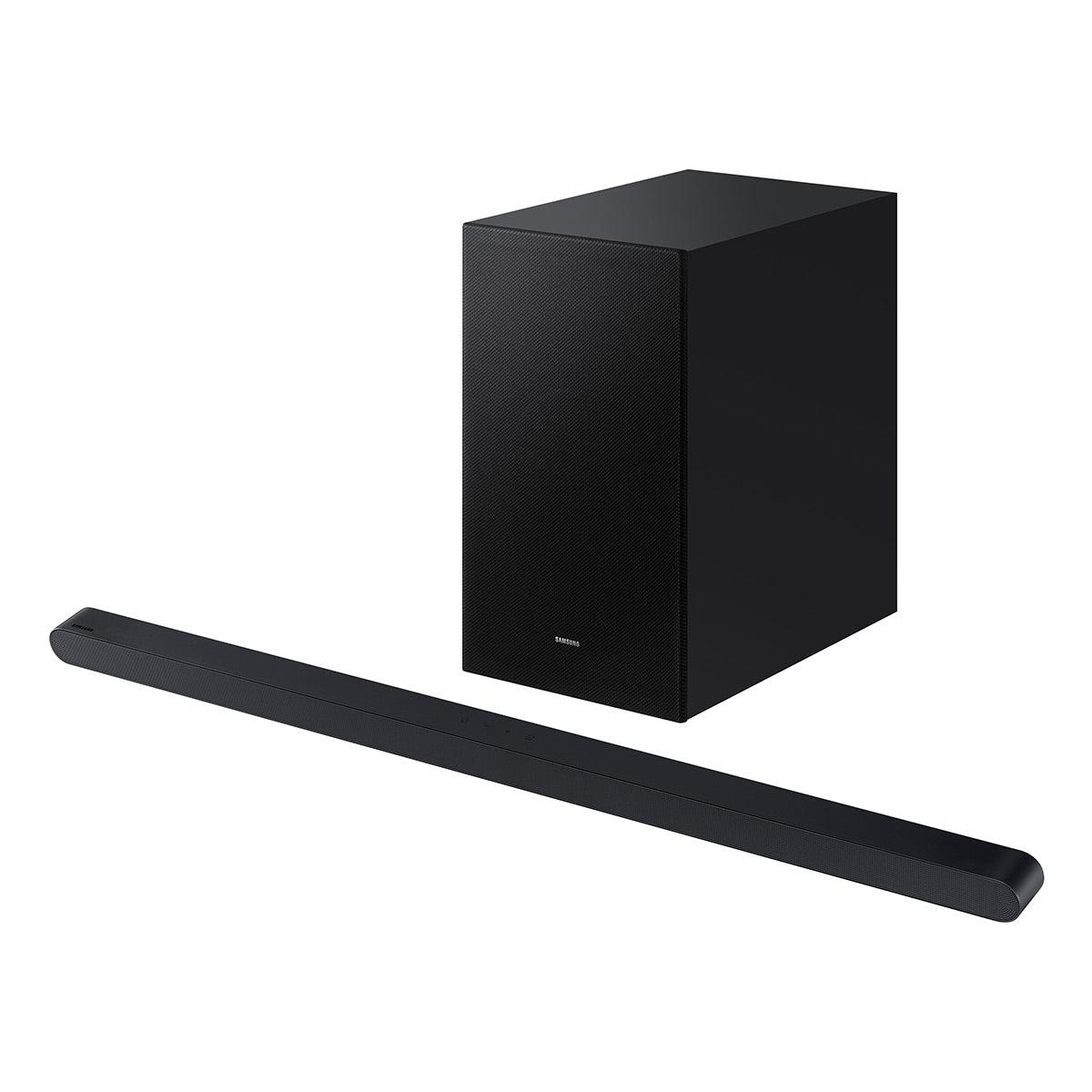
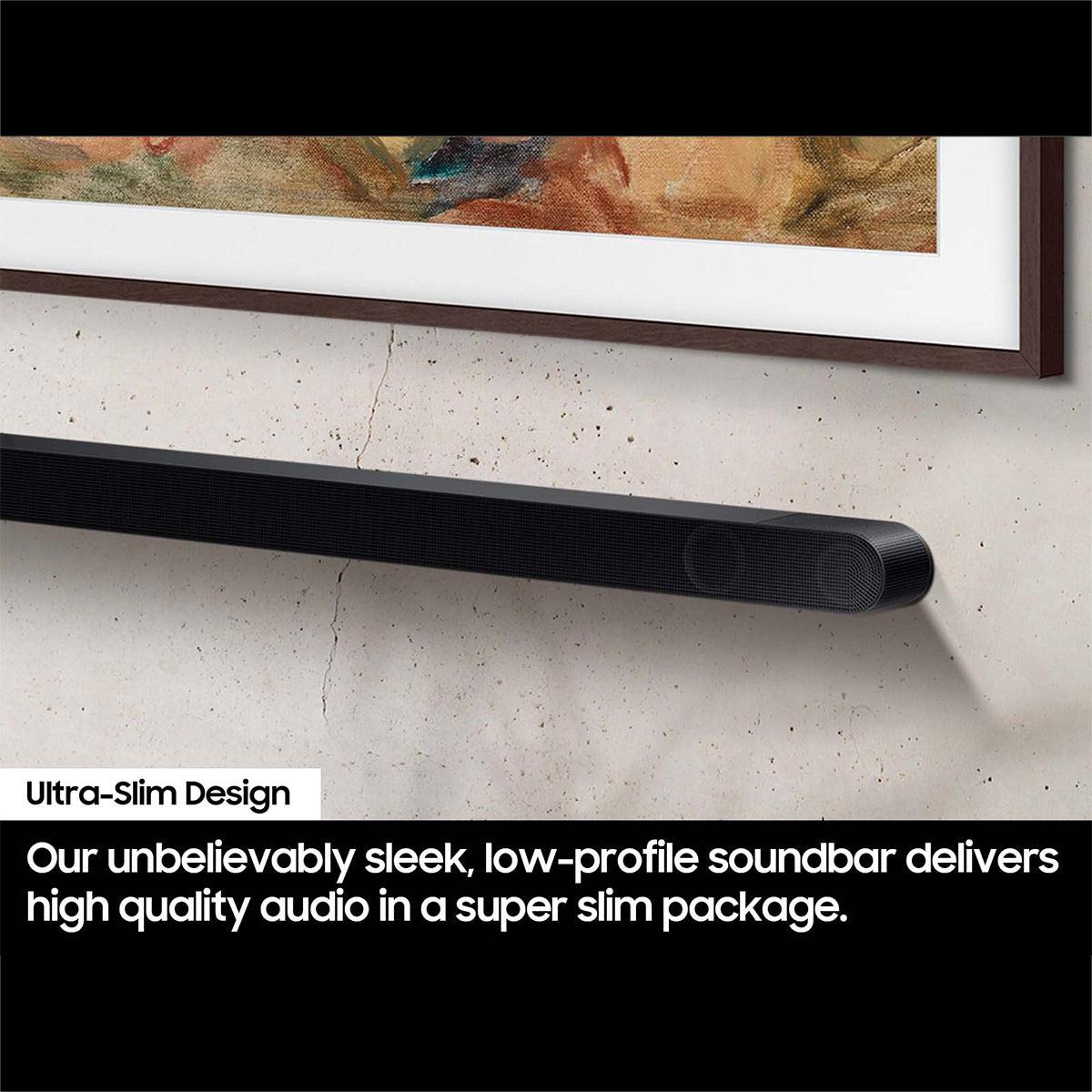
Meanwhile, the Samsung HW-S700D, launched in 2024, takes the opposite approach. Samsung recognized that many people live in apartments, condos, or homes where space is at a premium. This ultra-slim 3.1 system prioritizes aesthetic integration and automated features over raw performance, making it nearly invisible when wall-mounted while still delivering meaningful audio improvements.
The timing of these releases matters. The ULTIMEA Skywave X40 incorporates cutting-edge 2025 technology like GaN (Gallium Nitride) amplification—a semiconductor technology that's more efficient and generates less heat than traditional silicon amplifiers. The Samsung HW-S700D focuses on mature, proven technologies refined for reliability and ease of use.
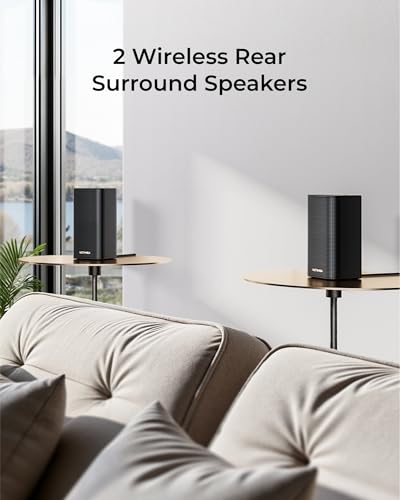
Here's where these two soundbars diverge most dramatically. The ULTIMEA Skywave X40's 5.1.2 configuration creates what audio engineers call a "three-dimensional soundfield." When you watch a movie with helicopters flying overhead, you actually hear them above you thanks to those upward-firing drivers. The dedicated wireless rear speakers place sounds behind you—footsteps creeping up in a thriller or ambient forest sounds in a nature documentary become genuinely immersive.
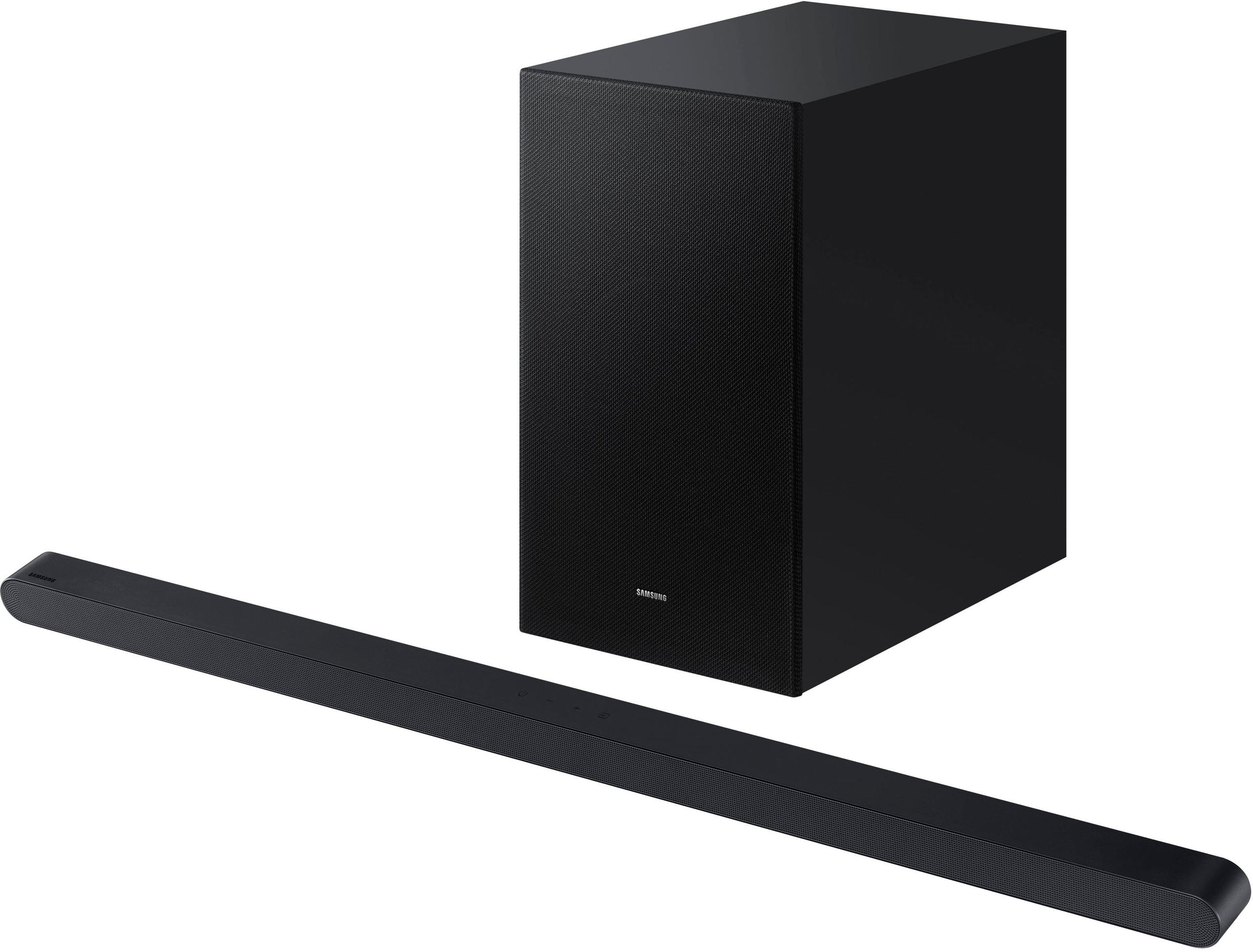
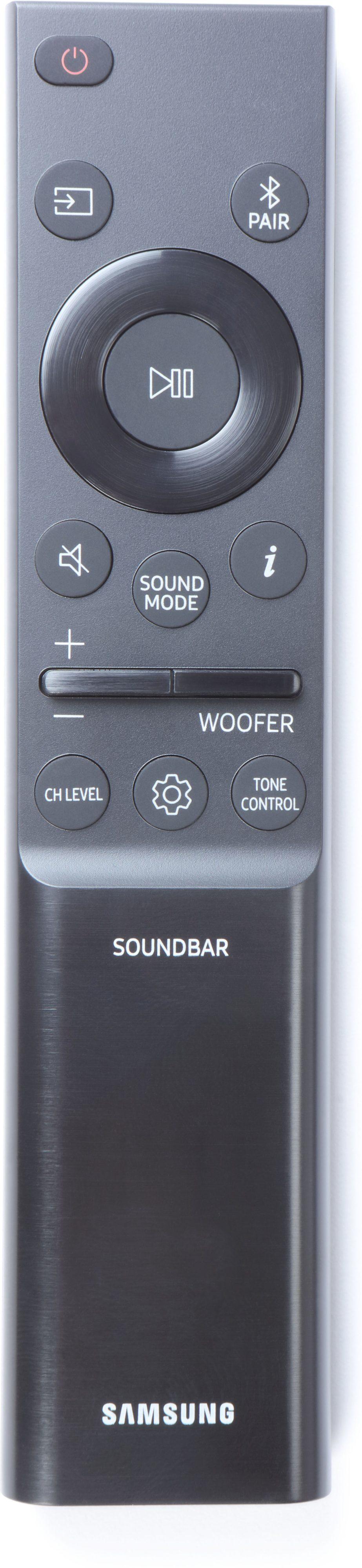
The Samsung HW-S700D's 3.1 setup focuses entirely on the front soundstage. While it won't put sounds behind or above you, it excels at what most people struggle with most: dialogue clarity. That dedicated center channel makes conversation in movies and TV shows much clearer than typical TV speakers. Samsung's Active Voice Amplifier technology even automatically adjusts dialogue levels during different scenes, so you're not constantly adjusting volume.
For home theater enthusiasts, this difference is significant. True surround sound transforms how you experience movies, making action sequences more exciting and atmospheric scenes more believable. But if you primarily watch TV shows, news, or sports, the Samsung's approach might be more practical.
The power difference between these systems is substantial. The ULTIMEA Skywave X40 delivers 530 watts of peak power compared to the Samsung's 160 watts (with 250-watt peak handling). In practical terms, this means the ULTIMEA can fill larger rooms with sound and maintain clarity at higher volumes.
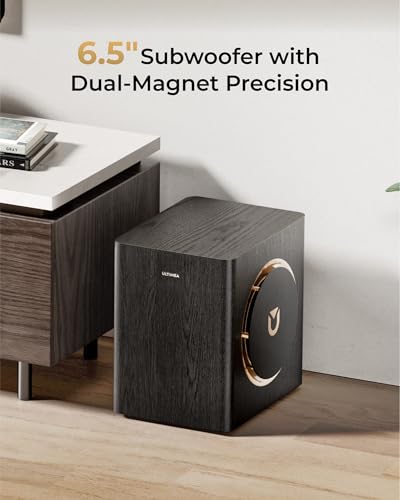
But raw wattage only tells part of the story. The ULTIMEA's 6.5-inch subwoofer uses dual-magnet design with something called Gravus Ultra-Linear Bass Technology. This isn't marketing fluff—dual-magnet drivers provide better control over the speaker cone, resulting in tighter, more accurate bass response. The frequency response extends down to 35Hz, which covers the rumble of explosions, thunder, and other low-frequency effects that make movies feel more realistic.
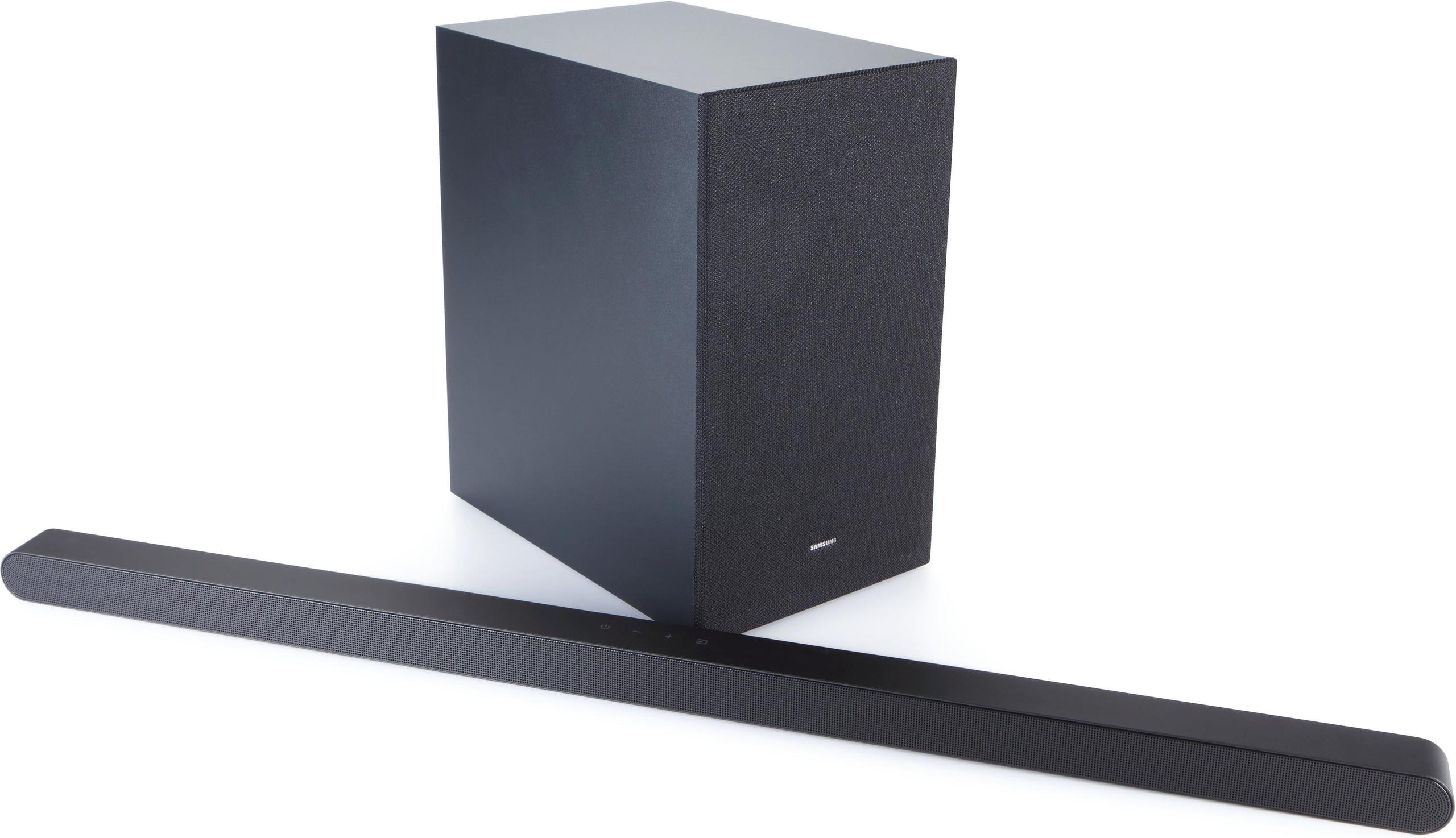
The Samsung's 6-inch subwoofer in a sealed enclosure takes a more conservative approach. Sealed enclosures typically produce tighter, more controlled bass but with less overall output and depth. For apartment dwellers or those who watch TV late at night, this restrained bass response might actually be preferable to avoid disturbing neighbors.
This is where modern soundbar technology gets interesting. The ULTIMEA Skywave X40 employs something called NEURACORE processing with 2,000 MIPS (Million Instructions Per Second) of processing power. This dedicated audio computer analyzes incoming sound in real-time, applying spatial processing, dynamic EQ, and channel steering to create the most immersive experience possible.
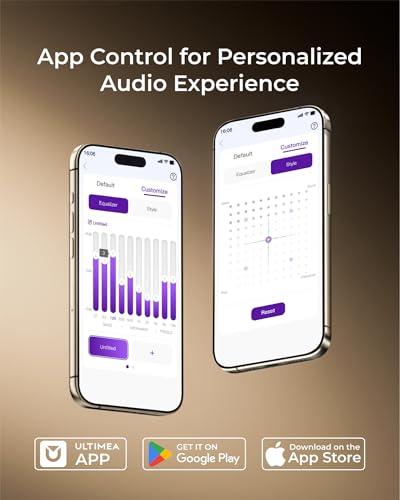
The customization options reflect this processing power: 121 preset sound profiles and a 10-band equalizer let you fine-tune audio for different content types. Whether you're watching dialogue-heavy dramas or bass-heavy action movies, there's likely a preset that optimizes the experience.
The Samsung HW-S700D takes the opposite approach with SpaceFit Sound Pro. Using the soundbar's built-in microphone, it analyzes your room's acoustics and automatically adjusts the sound accordingly. This happens without any input from you—plug it in, and it optimizes itself for your space. For many users, this automated approach eliminates guesswork and delivers good results without requiring audio expertise.
The connectivity differences reveal these products' different target audiences. The ULTIMEA Skywave X40 includes HDMI eARC (enhanced Audio Return Channel), which supports higher-quality audio formats and allows the soundbar to control your TV's volume. It also features 4K HDR passthrough, meaning you can connect gaming consoles or streaming devices directly to the soundbar without compromising video quality.
The wireless technology deserves special attention. ULTIMEA's CineMesh system uses dual 5GHz transmission to connect both the subwoofer and rear speakers wirelessly. This eliminates cable runs across your room while maintaining ultra-low latency under 20 milliseconds—crucial for gaming where audio sync matters.
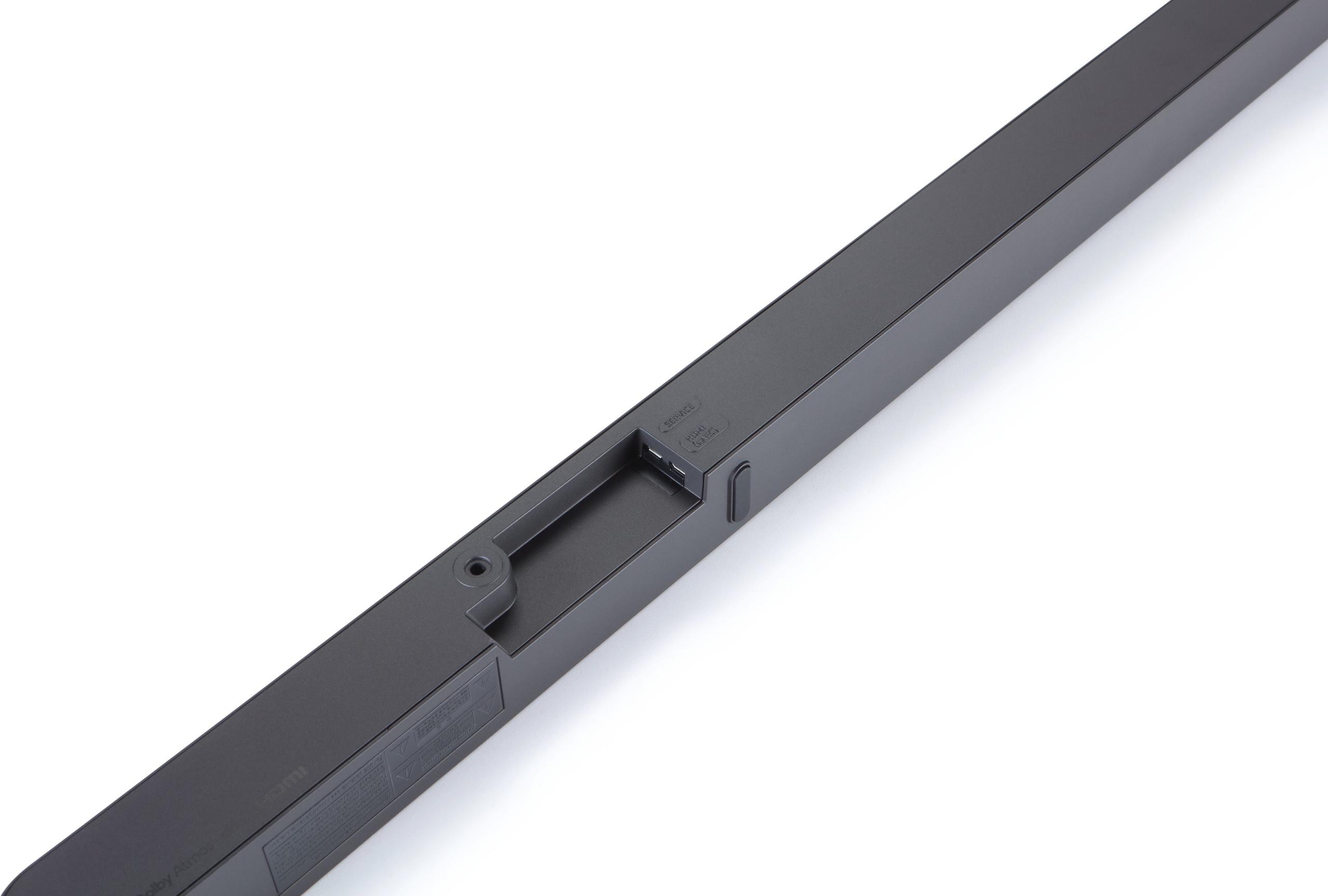
The Samsung HW-S700D uses standard HDMI ARC (not the enhanced version) and lacks video passthrough capability entirely. While this might seem like a limitation, it actually simplifies setup for many users. Everything connects directly to your TV, and the soundbar handles only audio duties.
Samsung's trump card is Q-Symphony technology, which works exclusively with compatible Samsung TVs from 2021-2023. When properly paired, your TV's speakers work in harmony with the soundbar, effectively expanding the system beyond 3.1 channels using your existing TV speakers as additional drivers.
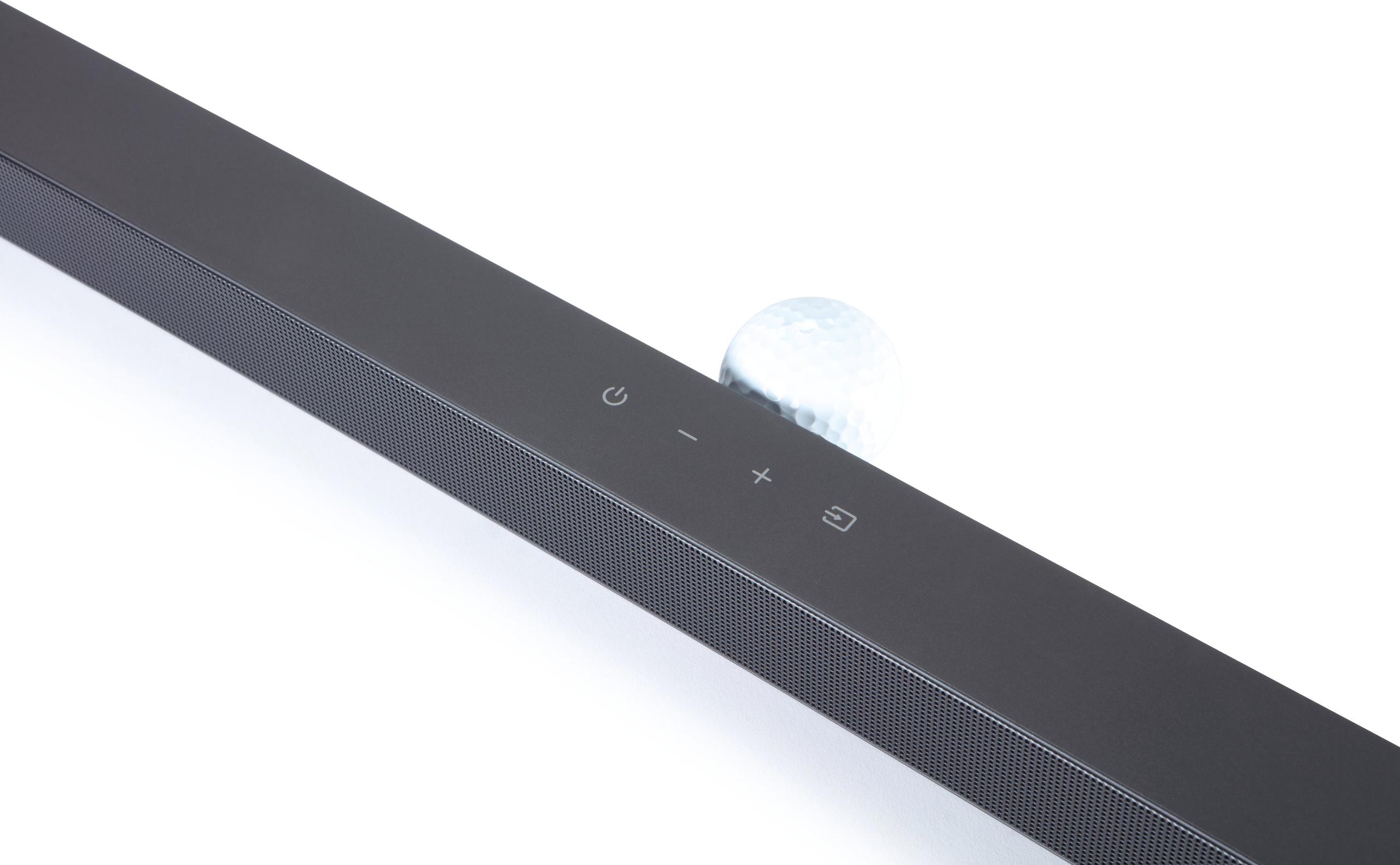
The physical differences between these soundbars reflect their different priorities. The Samsung HW-S700D measures just 1.4 inches tall and weighs only 2.2 pounds. When wall-mounted, it practically disappears, maintaining the clean aesthetic that modern home design values. This ultra-slim profile means it won't block your TV's infrared sensor or look bulky underneath wall-mounted displays.
The ULTIMEA Skywave X40 makes no apologies for its presence. While sleek with its metal grille and rose gold accents, it's designed to be seen and admired as a piece of audio equipment. More importantly, you need to plan placement for the wireless rear speakers, which requires considering room layout, power outlet locations, and optimal positioning for surround effects.
Installation complexity differs significantly. The Samsung is essentially plug-and-play: mount the soundbar, place the wireless subwoofer somewhere nearby, and you're done. The ULTIMEA requires more thought—positioning rear speakers for optimal surround effects, ensuring the wireless signal reaches all components, and potentially adjusting settings through the mobile app.
At the time of writing, these soundbars occupy different price tiers, reflecting their different approaches and target markets. The Samsung HW-S700D positions itself as an accessible upgrade that provides meaningful audio improvement without breaking the bank. For users primarily concerned with dialogue clarity and general TV audio enhancement, it delivers excellent value.
The ULTIMEA Skywave X40 commands a premium price but includes components that would cost significantly more if purchased separately: wireless rear speakers, a powerful subwoofer, advanced amplification, and sophisticated processing. When compared to traditional home theater systems offering similar performance, the pricing becomes more reasonable.
The value equation also includes longevity. The ULTIMEA's advanced connectivity and processing capabilities make it more future-proof as streaming services and gaming consoles adopt newer audio formats. The Samsung's simpler approach might require earlier replacement as your entertainment setup evolves.
Our research into professional reviews and user feedback reveals distinct usage patterns. ULTIMEA Skywave X40 owners consistently praise the immersive surround experience, particularly for movies and gaming. The wireless rear speakers receive specific mention for their effectiveness—users report genuine surprise at how much the surround channels enhance their viewing experience.
However, some users note the complexity. Setting up wireless rear speakers requires finding suitable locations with power outlets, and the mobile app, while comprehensive, can overwhelm users who just want simple volume control.
Samsung HW-S700D users appreciate the opposite qualities: simplicity and integration. The automatic room calibration receives positive feedback from users who don't want to manually adjust EQ settings. Samsung TV owners particularly value Q-Symphony integration, reporting noticeable improvements in dialogue clarity and overall soundstage width.
The main criticism involves limitations—users who later want rear surround speakers discover they must purchase additional components that require AC power connections, somewhat negating the "wireless" advantage.
For dedicated home theater use, the differences become more pronounced. The ULTIMEA Skywave X40 handles movie soundtracks with authority, providing the dynamic range and spatial effects that make action movies exciting and dramatic films emotionally engaging. The Dolby Atmos height effects work particularly well in rooms with standard 8-9 foot ceilings, creating convincing overhead sound placement.
Gaming performance deserves special mention. The ultra-low latency wireless transmission ensures audio sync remains perfect even during fast-paced gaming sessions. Directional audio cues—footsteps approaching from behind in first-person shooters or environmental audio in open-world games—become noticeably more precise with true surround speakers.
The Samsung HW-S700D serves casual movie watching well, particularly for genres heavy on dialogue like dramas, comedies, or documentaries. While it won't create the immersive soundfield that action movies deserve, it makes everything more listenable than TV speakers alone.
Based on our analysis, the decision largely comes down to priorities and lifestyle factors. Choose the ULTIMEA Skywave X40 if you're serious about audio quality, have adequate space for proper speaker placement, and want a system that will grow with increasingly sophisticated content. It's ideal for dedicated movie watchers, gamers, and anyone who values the full cinematic experience at home.
The Samsung HW-S700D makes more sense for users with space constraints, those who prioritize aesthetic integration, or anyone who wants meaningful audio improvement without complexity. It's particularly compelling for Samsung TV owners who can leverage Q-Symphony integration.
Consider room size too. The ULTIMEA's 530-watt output and full surround configuration work best in medium to large rooms where you can properly position all speakers. The Samsung's focused approach works well in smaller spaces where rear speakers might be impractical.
Budget considerations matter, but remember that audio equipment typically lasts many years. The ULTIMEA Skywave X40 represents a more significant upfront investment but includes everything needed for a complete surround sound experience. The Samsung HW-S700D offers an excellent entry point that can be expanded later, though additional components add to the total cost.
Ultimately, both soundbars succeed at their intended purposes. The ULTIMEA delivers true home theater audio performance in a modern, wireless package. The Samsung provides substantial audio improvement while maintaining the simplicity and aesthetic integration that many users prioritize. Understanding which philosophy matches your needs will lead you to the right choice for years of improved TV watching.
| ULTIMEA Skywave X40 5.1.2 Soundbar System | Samsung HW-S700D 3.1 Channel Slim Soundbar |
|---|---|
| Channel Configuration - Determines immersion level and surround sound capability | |
| 5.1.2 channels with wireless rear speakers and height effects | 3.1 channels focused on front soundstage and dialogue clarity |
| Total Power Output - Affects volume capability and bass impact | |
| 530W peak power for room-filling sound | 160W total (250W peak handling) suitable for smaller spaces |
| Subwoofer Design - Controls bass depth and room-shaking capability | |
| 6.5" dual-magnet wireless subwoofer extending to 35Hz | 6" sealed wireless subwoofer with controlled bass response |
| Rear Surround Speakers - Key for true cinematic immersion | |
| Two wireless rear speakers included for authentic surround effects | Not included (optional AC-powered speakers available separately) |
| Height/Overhead Effects - Creates three-dimensional audio experience | |
| Two up-firing drivers for Dolby Atmos overhead sound placement | No height channels (relies on compatible Samsung TV speakers via Q-Symphony) |
| HDMI Connectivity - Affects video quality and audio format support | |
| eARC with 4K HDR passthrough for gaming consoles and streaming devices | ARC only with no video passthrough capability |
| Wireless Technology - Determines setup complexity and cable management | |
| CineMesh dual 5GHz transmission (subwoofer + rear speakers) with <20ms latency | Wireless subwoofer only; rear speakers require AC power and cables |
| Audio Customization - Controls how much you can fine-tune the sound | |
| 10-band EQ with 121 preset sound profiles for extensive personalization | 7-band EQ with automatic SpaceFit Sound Pro room calibration |
| Physical Design - Impacts room aesthetics and installation requirements | |
| Substantial presence with rose gold accents, requires rear speaker placement planning | Ultra-slim 1.4" profile virtually disappears when wall-mounted |
| TV Integration - Special features when paired with specific TV brands | |
| Universal compatibility with smart TV features via app control | Q-Symphony technology enhances audio when paired with 2021-2023 Samsung TVs |
| Amplification Technology - Affects efficiency and audio quality | |
| Advanced GaN (Gallium Nitride) amplification with 98% efficiency and reduced heat | Traditional silicon amplification with standard efficiency |
| Setup Complexity - Determines installation time and technical requirements | |
| Multi-component wireless system requiring strategic speaker placement | Simple soundbar + wireless subwoofer with plug-and-play setup |
The ULTIMEA Skywave X40 is significantly better for movies and home theater use. Its 5.1.2 channel configuration with wireless rear speakers and overhead Dolby Atmos effects creates true cinematic surround sound. The Samsung HW-S700D focuses on dialogue clarity with its 3.1 setup but lacks the immersive surround experience that makes movies exciting.
The ULTIMEA Skywave X40 uses 5.1.2 channels, meaning five main speakers, one subwoofer, and two height speakers for overhead effects. This creates surround sound that places audio all around you. The Samsung HW-S700D uses 3.1 channels (left, center, right speakers plus subwoofer) which enhances front audio and dialogue but doesn't provide surround effects.
The Samsung HW-S700D is much easier to set up. You simply mount the soundbar and place the wireless subwoofer - that's it. The ULTIMEA Skywave X40 requires positioning wireless rear speakers around your room and ensuring good wireless signal coverage, making setup more complex but ultimately more rewarding.
Only the ULTIMEA Skywave X40 includes wireless rear speakers in the box for true 5.1.2 surround sound. The Samsung HW-S700D doesn't include rear speakers, though you can purchase optional rear speakers separately that require AC power connections.
The Samsung HW-S700D is ideal for small spaces with its ultra-slim 1.4-inch profile and focused 3.1 audio. The ULTIMEA Skywave X40 works better in medium to large rooms where you have space to properly position the rear speakers for optimal surround sound effects.
The ULTIMEA Skywave X40 delivers 530W peak power compared to the Samsung HW-S700D's 160W total power. This means the ULTIMEA can play much louder and fill larger rooms with sound, while the Samsung provides adequate volume for most normal listening situations.
The ULTIMEA Skywave X40 has significantly more powerful bass with its 6.5-inch dual-magnet subwoofer that extends down to 35Hz. The Samsung HW-S700D has a 6-inch subwoofer with more controlled, apartment-friendly bass that won't disturb neighbors as much.
Both soundbars work with any TV brand, but the Samsung HW-S700D offers special Q-Symphony technology that works exclusively with compatible 2021-2023 Samsung TVs to enhance the audio experience. The ULTIMEA Skywave X40 provides universal compatibility without brand-specific features.
The ULTIMEA Skywave X40 is superior for gaming with its ultra-low latency wireless transmission (under 20ms) and true surround sound that helps with directional audio cues. The Samsung HW-S700D works fine for casual gaming but lacks the immersive surround effects that enhance competitive gaming.
The ULTIMEA Skywave X40 features HDMI eARC with 4K HDR passthrough, allowing you to connect gaming consoles directly while maintaining video quality. The Samsung HW-S700D has HDMI ARC (not eARC) and no video passthrough, requiring all devices to connect to your TV first.
The ULTIMEA Skywave X40 provides extensive customization with 121 preset sound profiles and a 10-band equalizer for fine-tuning. The Samsung HW-S700D takes an automated approach with SpaceFit Sound Pro that automatically calibrates to your room, plus basic 7-band EQ adjustment.
The Samsung HW-S700D offers excellent value for users wanting significant audio improvement over TV speakers without complexity. The ULTIMEA Skywave X40 provides better value for serious audio enthusiasts since it includes wireless rear speakers and advanced features that would cost much more if purchased separately from other brands.
We've done our best to create useful and informative comparisons to help you decide what product to buy. Our research uses advanced automated methods to create this comparison and perfection is not possible - please contact us for corrections or questions. These are the sites we've researched in the creation of this article: bestbuy.com - shopabunda.com - youtube.com - youtube.com - youtube.com - youtube.com - ultimea.com - walmart.com - youtube.com - hometechnologyreview.com - community.ultimea.com - avsforum.com - youtube.com - youtube.com - youtube.com - bestbuy.com - hometechnologyreview.com - crutchfield.com - samsung.com - bestbuy.com - avsforum.com - walts.com - samsung.com - samsung.com - videoandaudiocenter.com - samsung.com - samsung.com - samsung.com - pcrichard.com

Privacy Policy
Terms and Conditions - Affiliate Policy
Home Security
© Copyright 2008-2026.
11816 Inwood Rd #1211, Dallas, TX 75244