


When your TV's built-in speakers just aren't cutting it anymore, you're probably looking at soundbars. But not all soundbars are created equal. The premium soundbar category—where both the ULTIMEA Skywave X40 and LG S80TR live—represents a significant step up from basic models. These systems don't just make dialogue clearer; they create genuine surround sound experiences with dedicated rear speakers and overhead effects that can transform your living room into a mini theater.
The jump from a basic soundbar to a premium system like the ULTIMEA Skywave X40 or LG S80TR is substantial. We're talking about the difference between slightly better TV audio and true cinematic immersion. Premium soundbars typically feature multiple channels (the numbers like 5.1.2 or 5.1.3), wireless subwoofers for deep bass, and separate rear speakers that create authentic surround sound.
The most important considerations when choosing between premium soundbars include channel configuration, power output, wireless technology reliability, and how much control you want over your audio experience. At the time of writing, both systems occupy similar price ranges in the premium segment, though they take notably different approaches to achieving great sound.
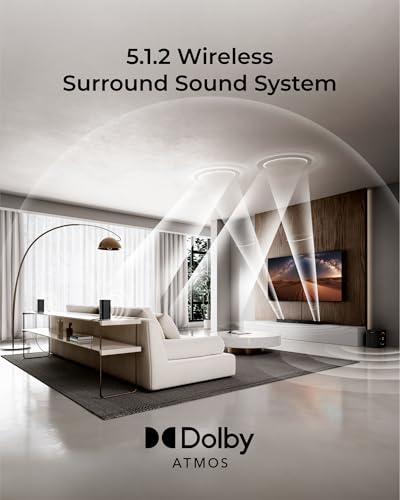
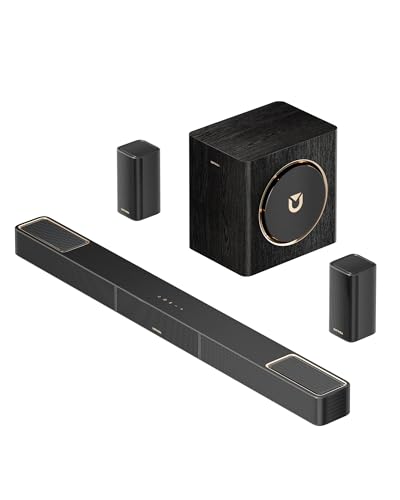
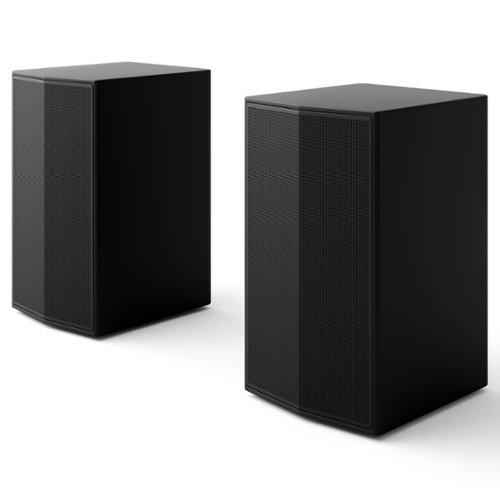
The ULTIMEA Skywave X40, released in 2025, represents the latest generation of wireless surround technology. It's a 5.1.2 system, meaning five main channels (front left, center, front right, and two rear speakers), one subwoofer, and two height channels for Dolby Atmos overhead effects. ULTIMEA has positioned this as their flagship entry into the premium market, packing advanced amplifier technology and extensive customization into a competitive package.
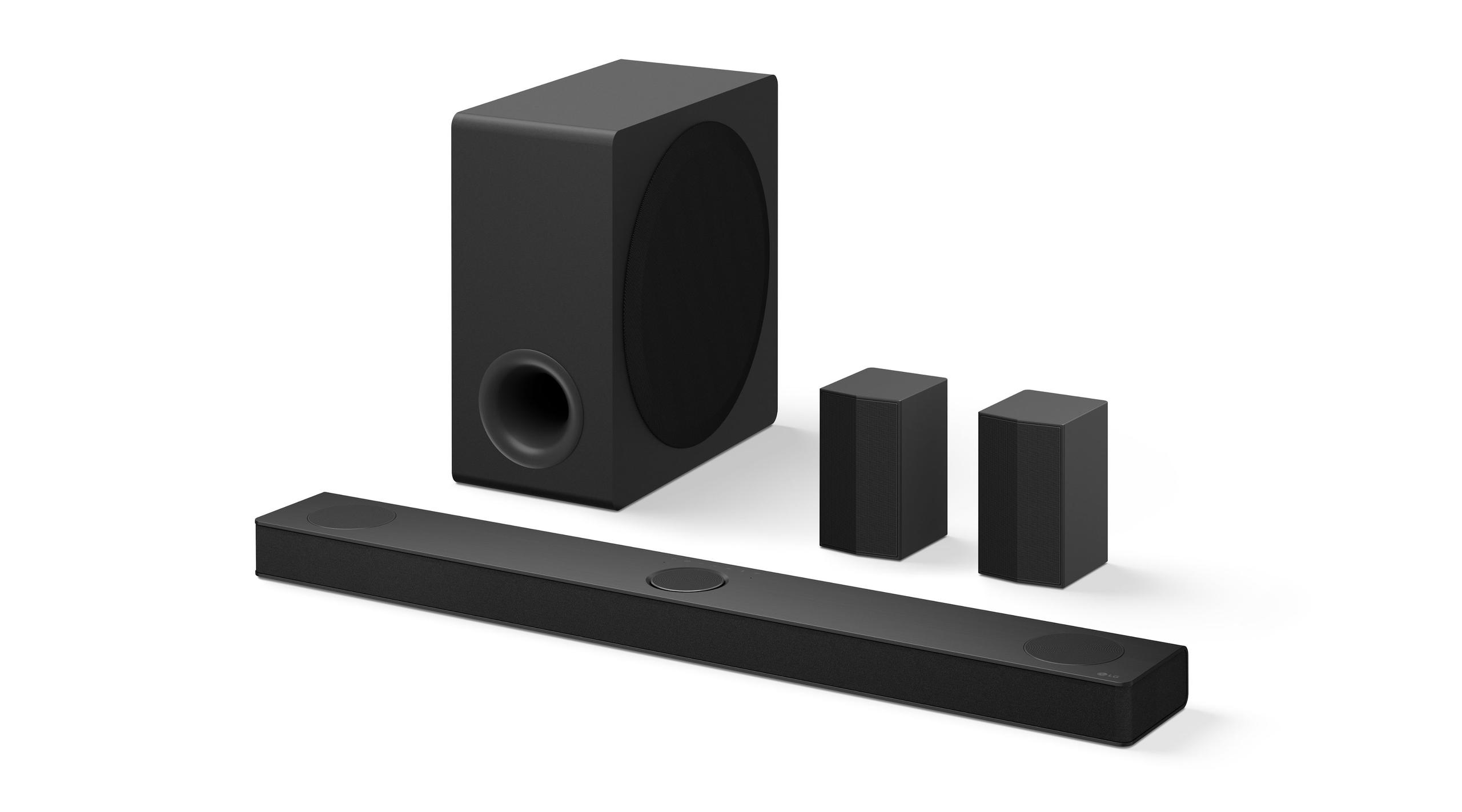
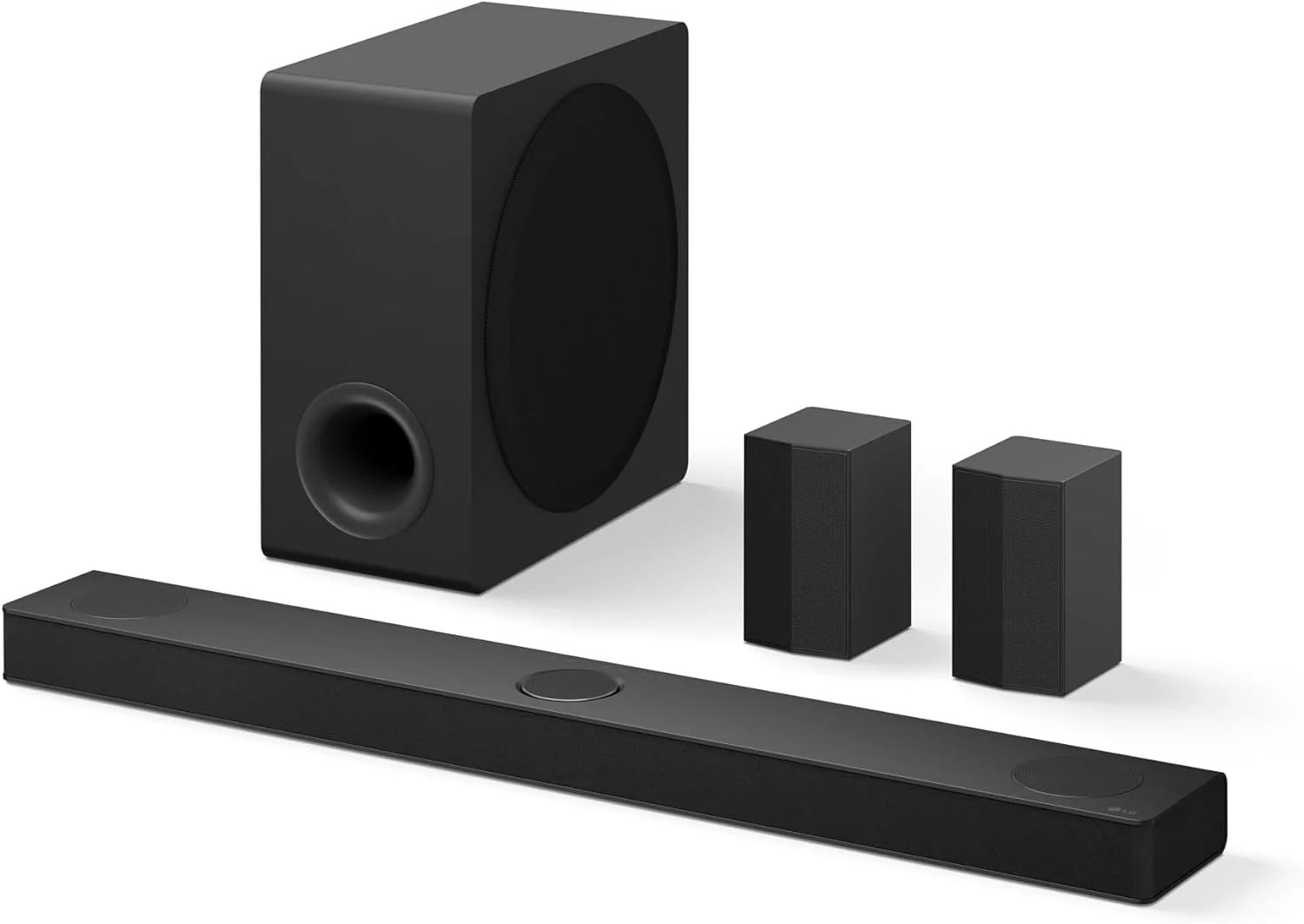
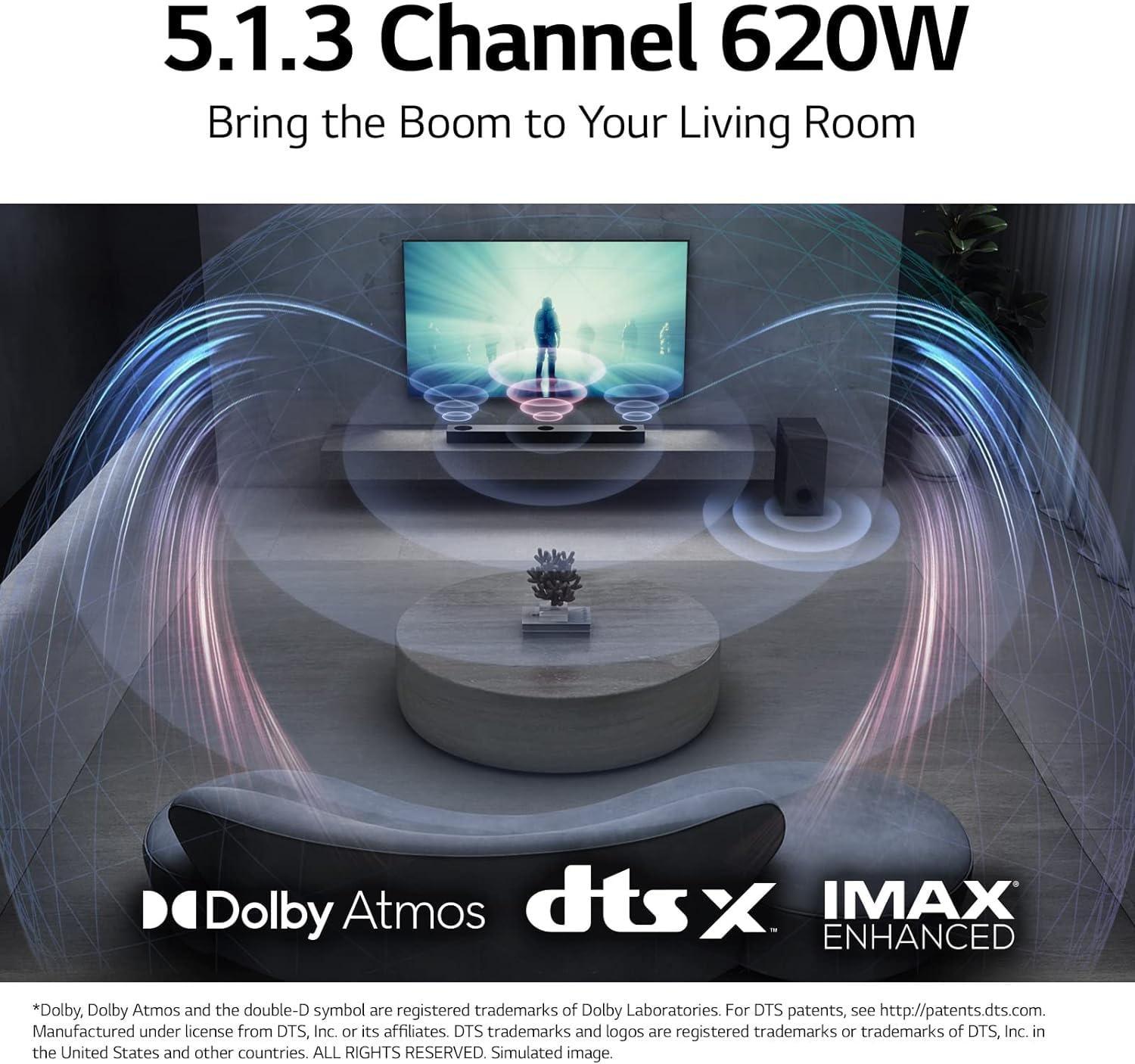
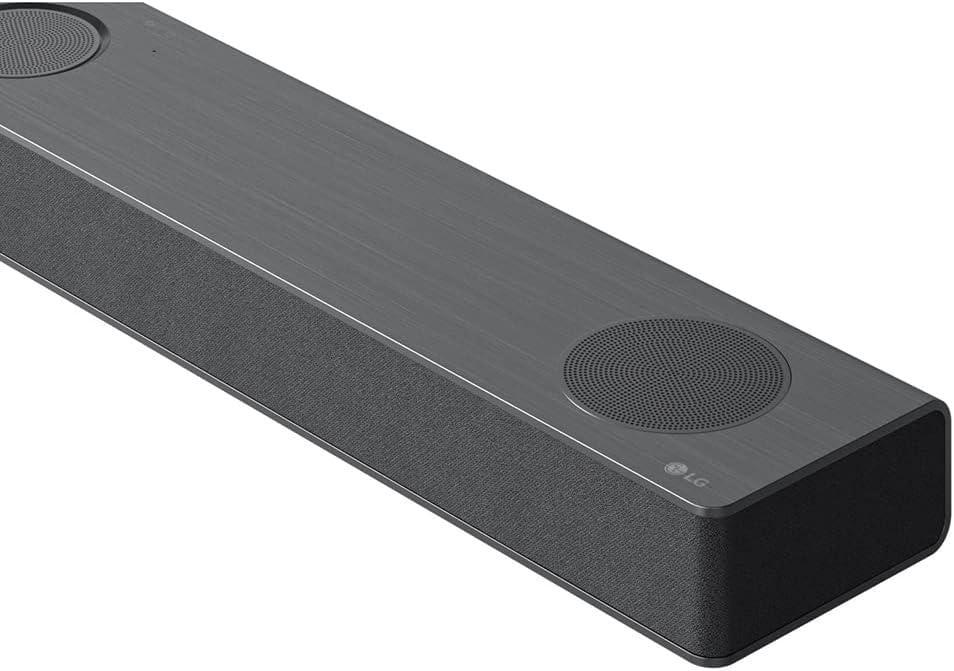
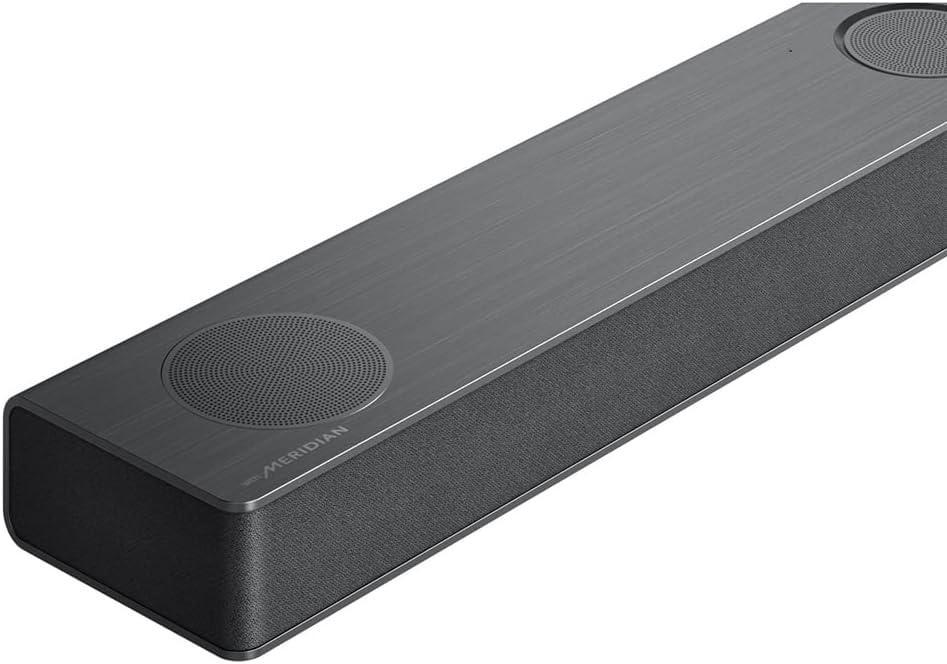
The LG S80TR, also released in 2024, takes a slightly different approach with its 5.1.3 configuration—adding an extra height channel for potentially more nuanced overhead positioning. LG has emphasized smart features and ecosystem integration, building on their reputation in the TV market to create a soundbar that pairs seamlessly with their displays.
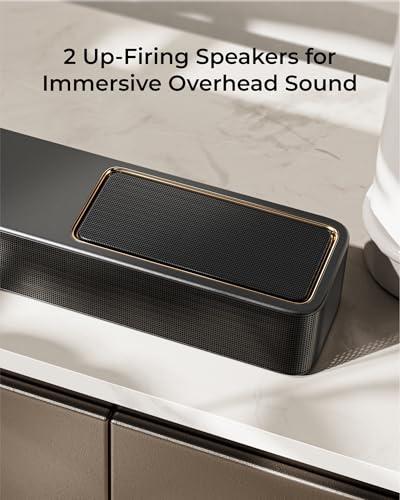
The difference between 5.1.2 and 5.1.3 might seem minor, but it reflects fundamentally different philosophies. The ULTIMEA Skywave X40 uses two up-firing drivers positioned in the main soundbar to bounce sound off your ceiling, creating the illusion that helicopters are flying overhead or rain is falling from above. This approach works well in rooms with standard 8-10 foot ceilings and provides solid Dolby Atmos effects without complexity.
The LG S80TR, with its 5.1.3 setup, adds a third height channel. In practice, this means more precise positioning of overhead effects and potentially better separation between different height elements in movie soundtracks. If you're watching a scene with both rain and aircraft, the extra channel theoretically allows for more distinct positioning of these elements in the audio field.
However, the real-world impact depends heavily on your room and content. In our research of user experiences, many listeners found the difference between 5.1.2 and 5.1.3 subtle unless they were specifically listening for it or had particularly good acoustics in their space.
This is where the ULTIMEA Skywave X40 shows its technical ambitions. The system delivers 530W of peak power through what ULTIMEA calls a GaN (Gallium Nitride) amplifier. This isn't just marketing speak—GaN amplifiers represent a genuine technological advancement over traditional silicon-based amplifiers.
Here's why this matters: Traditional amplifiers waste significant energy as heat, which limits how loud they can play before thermal protection kicks in. GaN amplifiers operate at up to 98% efficiency, generating 50% less heat while responding eight times faster to audio signals. In practical terms, this means the ULTIMEA system can maintain clean, undistorted sound even when you're pushing it to reference levels during action scenes.
The LG S80TR doesn't publish detailed power specifications, which is frustrating but not uncommon for established brands. Based on user feedback and the size of the system, it likely delivers comparable power levels, but without the advanced amplification technology that gives the ULTIMEA its edge in thermal management and efficiency.
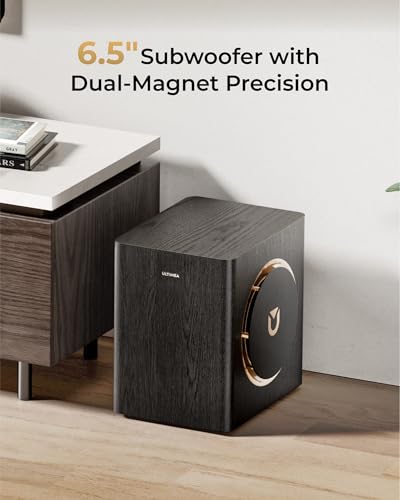
Both systems include wireless subwoofers, but they take different approaches. The ULTIMEA Skywave X40 features a 6.5-inch subwoofer with what they call "Gravus Ultra-Linear Bass Technology." This involves dual-magnet drivers designed to extend bass response down to 35Hz—low enough to reproduce the rumble of explosions and the deep notes in electronic music without distortion.
The frequency response specification (35Hz-20kHz) is particularly important because it tells us the ULTIMEA system can reproduce nearly the full range of human hearing. Frequencies below 40Hz are where you feel bass rather than just hear it, making action movies and music with deep electronic elements significantly more impactful.
The LG S80TR includes a wireless subwoofer but doesn't publish specific frequency response data. User reviews suggest capable bass performance, but without technical specifications, it's harder to predict how it will handle the deepest content.
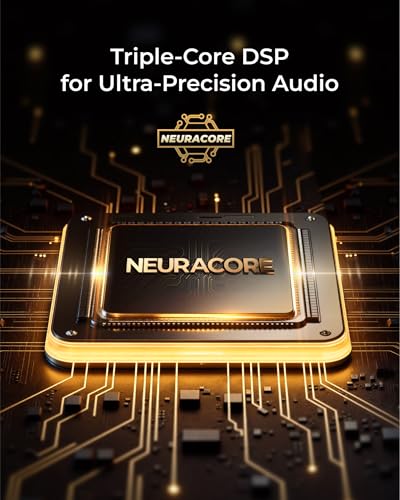
The ULTIMEA Skywave X40 features what the company calls NEURACORE processing—a triple-core DSP (Digital Signal Processor) paired with a dual-core MCU (Microcontroller Unit). These components work together to handle up to 2,000 MIPS (Million Instructions Per Second) of audio processing.
What does this actually do? The system analyzes incoming audio in real-time, optimizing channel balance, managing crossover frequencies between speakers, and applying sophisticated algorithms to enhance spatial positioning. The result is more precise sound placement and better integration between all the speakers in the system.
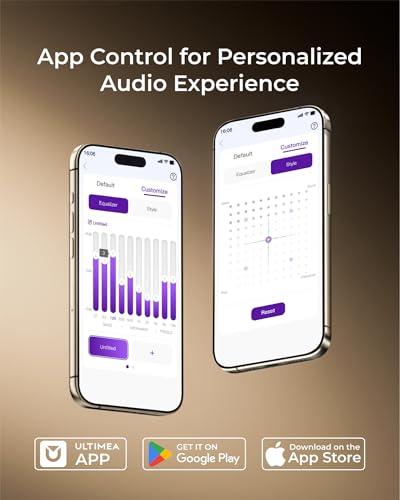
The extensive app control is where this processing power really shines. The ULTIMEA system offers a 10-band equalizer and 121 preset sound profiles, giving users granular control over their audio experience. This level of customization is rare in the soundbar world and appeals to listeners who want to fine-tune their system for different content types or room acoustics.
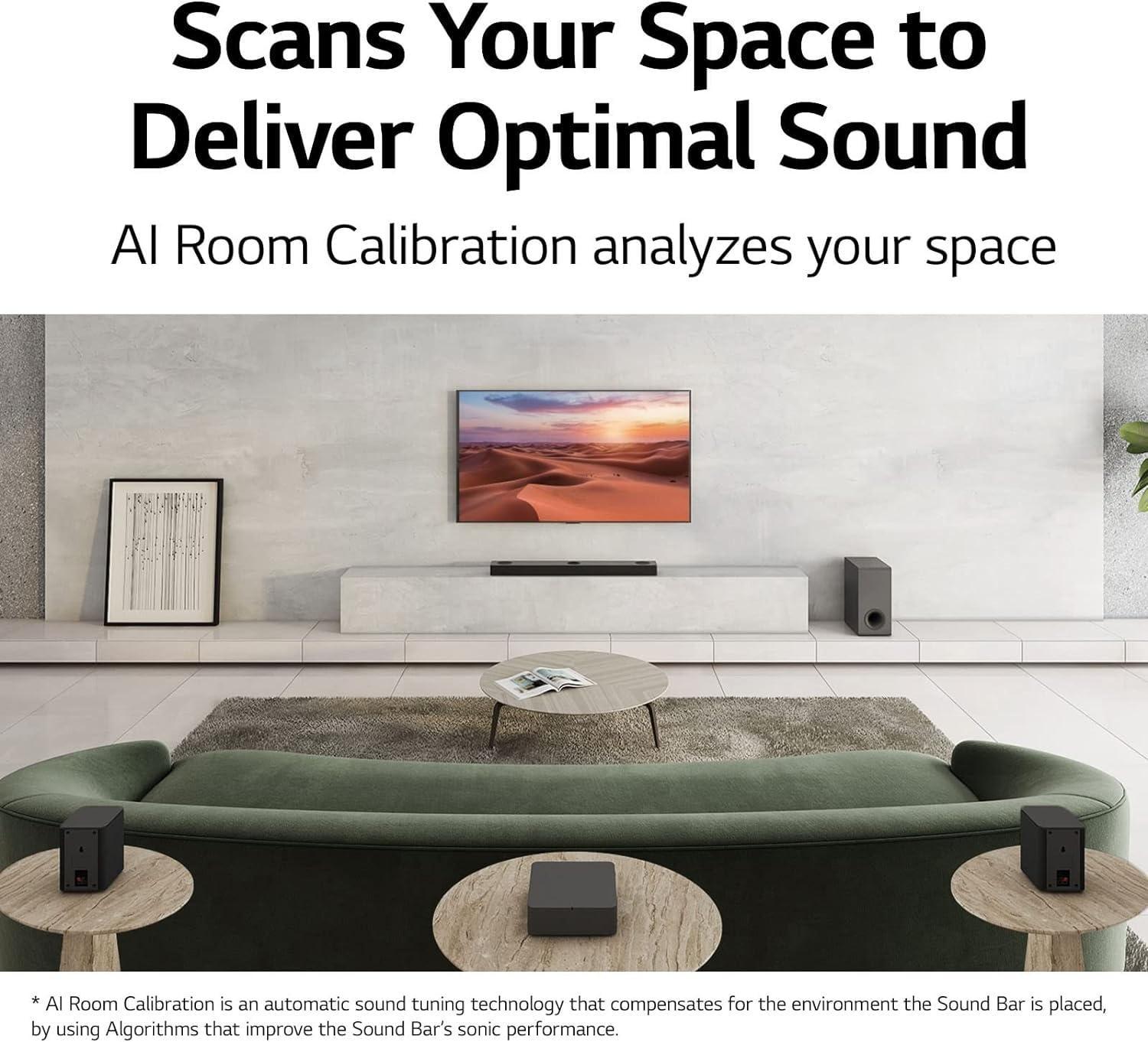
The LG S80TR takes a more automated approach with its AI Sound Pro and room calibration features. Instead of requiring manual adjustment, the system uses built-in microphones to measure your room's acoustics and automatically adjusts its output accordingly.
This AI room calibration is genuinely useful technology. Different rooms have different acoustic properties—hard surfaces create reflections while soft furnishings absorb sound. The LG system analyzes these characteristics and adjusts speaker timing, volume levels, and frequency response to optimize sound for your specific space.
For users who want great sound without diving into technical adjustments, this approach is appealing. However, it does limit the degree of personal customization available compared to the ULTIMEA's manual controls.
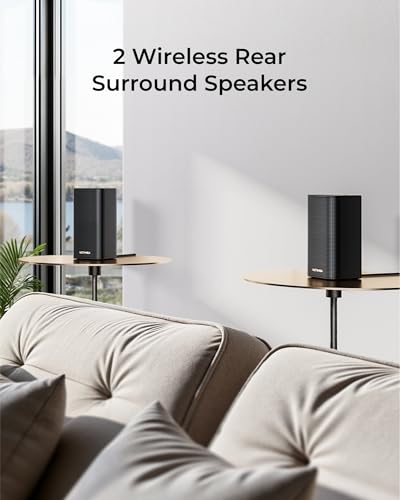
One of the biggest advantages of both systems is eliminating speaker wires, but they achieve this differently. The ULTIMEA Skywave X40 uses what they call CineMesh True Wireless technology, operating on dual 5GHz frequencies to minimize interference from Wi-Fi networks and other devices.
The <20ms latency specification is crucial here. Audio delay becomes noticeable around 40ms, causing lip-sync issues and destroying immersion. By keeping latency under 20ms, the ULTIMEA system ensures that explosions, gunshots, and dialogue remain perfectly synchronized with on-screen action.
The factory-paired setup is another practical advantage. All components connect automatically when powered on, eliminating the pairing process that can frustrate users with other wireless systems.
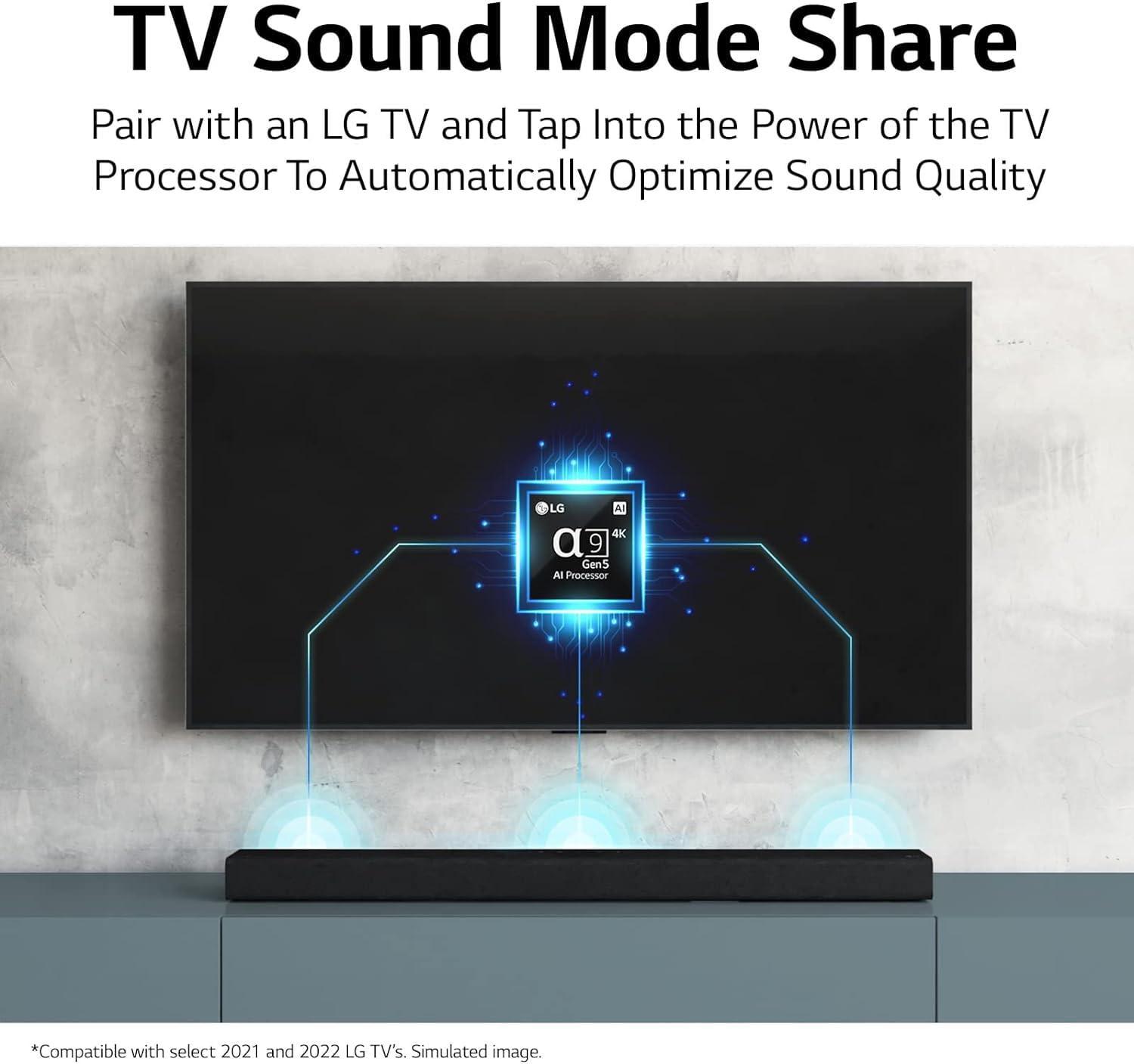
The LG S80TR also features wireless rear speakers, though specific technical details about the wireless implementation aren't as well documented. What LG does emphasize is integration with their broader ecosystem, including WOW Orchestra technology that can synchronize the soundbar with audio from compatible LG TVs.
This ecosystem approach has real benefits for LG TV owners. The soundbar can work in concert with the TV's built-in speakers for even more immersive sound, and the setup process is streamlined when both devices are from the same manufacturer.
Both systems support modern HDMI standards, but the LG S80TR has a slight edge for gamers. It includes VRR (Variable Refresh Rate) and ALLM (Auto Low Latency Mode) support, which are increasingly important for PlayStation 5 and Xbox Series X gaming.
VRR allows the display to match the console's frame rate dynamically, reducing screen tearing and stuttering. ALLM automatically switches the TV to its lowest latency mode when gaming content is detected. These features don't directly affect audio quality, but they're part of the complete gaming experience.
The ULTIMEA Skywave X40 supports 4K HDR passthrough and HDMI eARC, covering the essential bases for modern content but without the gaming-specific features.
The LG S80TR integrates with major smart platforms including Google Assistant, Alexa, Chromecast, and AirPlay 2. This makes it easy to stream music directly to the soundbar from various devices and services.
The ULTIMEA system focuses more on direct control through its comprehensive mobile app rather than voice assistant integration. The app provides access to all 121 sound presets and the 10-band equalizer, giving users detailed control over their audio experience.
Based on our analysis of user reviews and expert opinions, both systems deliver on their core promise of immersive surround sound, but with different strengths. The ULTIMEA Skywave X40 consistently receives praise for its easy setup process and powerful, clean sound. Users particularly appreciate the noticeable difference between sound modes and the ability to customize the experience through the app.
The LG S80TR earns strong reviews for its integration with LG TVs and the effectiveness of its AI room calibration. Users report that the automated setup process works well and that the system provides excellent dialogue clarity and immersive effects.
Both systems handle the core home theater use case effectively. Action movies benefit from the authentic surround effects and powerful bass, while dialogue-heavy content remains clear and intelligible. Music playback is competent on both, though the ULTIMEA's customization options give it an edge for listeners with specific preferences.
You're the type of person who likes to understand and control your technology. The ULTIMEA system rewards users who want to dive into settings and optimize their experience. The advanced amplification technology and extensive customization make it ideal for audio enthusiasts who appreciate technical innovation.
The system also makes sense if you prioritize maximum power efficiency and thermal performance, or if you're building a system around non-LG components where ecosystem integration isn't a factor.
You prefer technology that works intelligently in the background rather than requiring hands-on management. The LG system excels at automated optimization and seamless integration, especially if you already own or are planning to purchase an LG TV.
Gamers will particularly appreciate the VRR and ALLM support, and anyone who regularly uses voice assistants or casting features will find the LG's smart platform integration valuable.
Both the ULTIMEA Skywave X40 and LG S80TR represent solid choices in the premium soundbar category, but they serve different types of users. The ULTIMEA appeals to those who want cutting-edge amplification technology and granular control, while the LG focuses on intelligent automation and ecosystem integration.
At the time of writing, both systems offer competitive value in their price ranges. The ULTIMEA typically commands a lower price point while delivering documented high-performance specifications, making it an excellent choice for value-conscious buyers who don't want to sacrifice capability. The LG commands a premium but justifies it with additional features, more speakers, and the peace of mind that comes with an established brand.
Your decision should ultimately come down to whether you prefer hands-on customization or automated optimization, and how important ecosystem integration is to your overall setup. Either choice will deliver a dramatic improvement over basic TV audio and provide genuine home theater immersion that makes movies, games, and music significantly more engaging.
| ULTIMEA Skywave X40 | LG S80TR |
|---|---|
| Channel Configuration - More channels create better positional audio and immersion | |
| 5.1.2 (8 total speakers with 2 height channels) | 5.1.3 (11 total speakers with 3 height channels) |
| Peak Power Output - Determines maximum volume and dynamic range capability | |
| 530W with GaN amplifier technology | Not specified (likely similar range) |
| Bass Extension - Lower frequencies create more impactful movie experiences | |
| 35Hz with 6.5" dual-magnet subwoofer | Not specified |
| Wireless Technology - Affects setup flexibility and audio reliability | |
| CineMesh dual 5GHz with <20ms latency | Wireless rear speakers with AI calibration |
| Audio Processing - Advanced processing improves sound quality and customization | |
| NEURACORE triple-core DSP with 2,000 MIPS | AI Sound Pro with automatic room optimization |
| User Control Options - More control allows better customization for your preferences | |
| 10-band EQ with 121 preset profiles via app | Multiple sound modes with AI optimization |
| Gaming Features - Important for console gaming with modern TVs | |
| 4K HDR passthrough, HDMI eARC | VRR/ALLM support plus 4K HDR passthrough |
| Smart Platform Integration - Convenience for streaming and voice control | |
| Bluetooth 5.4, basic app control | Google Assistant, Alexa, Chromecast, AirPlay 2 |
| Setup Philosophy - Choose based on your preference for control vs automation | |
| Manual customization with detailed technical control | Automated AI calibration with ecosystem integration |
| Best For - Consider your primary use case and preferences | |
| Audio enthusiasts wanting maximum control and technical transparency | LG TV owners and users preferring automated smart features |
The LG S80TR has a slight technical advantage with its 5.1.3 channel configuration and 11 total speakers compared to the ULTIMEA Skywave X40's 5.1.2 setup with 8 speakers. However, the ULTIMEA Skywave X40 delivers 530W of documented power through advanced GaN amplifier technology, which can provide cleaner, more dynamic sound. For most users, both systems provide excellent surround sound, but the LG S80TR may offer slightly more precise overhead positioning.
Yes, both the ULTIMEA Skywave X40 and LG S80TR fully support Dolby Atmos with dedicated up-firing speakers for overhead sound effects. The ULTIMEA system uses 2 height channels while the LG S80TR features 3 height channels, potentially providing more nuanced overhead audio positioning in compatible content.
The ULTIMEA Skywave X40 offers simpler setup with factory-paired wireless components that connect automatically when powered on. The LG S80TR includes AI room calibration that automatically optimizes sound for your space, but may require more initial configuration. Both systems eliminate the need for speaker wire runs, making setup relatively straightforward compared to traditional surround systems.
Both the ULTIMEA Skywave X40 and LG S80TR include truly wireless rear speakers that only require power outlets. The ULTIMEA system uses CineMesh technology with dual 5GHz transmission and ultra-low latency under 20ms, while the LG S80TR also features wireless rear speakers with built-in room calibration capabilities.
The ULTIMEA Skywave X40 provides documented bass extension down to 35Hz through its 6.5-inch dual-magnet subwoofer with Gravus Ultra-Linear Bass Technology. The LG S80TR includes a wireless subwoofer but doesn't specify frequency response details. Based on specifications, the ULTIMEA Skywave X40 likely delivers deeper, more impactful bass for movies and music.
The LG S80TR has an advantage for gaming with VRR (Variable Refresh Rate) and ALLM (Auto Low Latency Mode) support, making it ideal for PlayStation 5 and Xbox Series X gaming. The ULTIMEA Skywave X40 supports 4K HDR passthrough and HDMI eARC but lacks gaming-specific features. Both systems provide immersive audio for games, but the LG S80TR offers better gaming integration.
The LG S80TR provides comprehensive smart platform integration including Google Assistant, Alexa, Chromecast, and AirPlay 2 for easy streaming and voice control. The ULTIMEA Skywave X40 focuses on advanced audio customization through its mobile app with 10-band EQ and 121 preset profiles. Choose the LG system for smart home integration or the ULTIMEA for detailed audio control.
The ULTIMEA Skywave X40 offers extensive manual customization with 121 preset sound profiles and a 10-band equalizer through its mobile app. The LG S80TR provides multiple sound modes (Cinema, Music, Game) and AI-powered automatic optimization based on your room's acoustics. The ULTIMEA system gives more granular control, while the LG emphasizes intelligent automation.
The ULTIMEA Skywave X40 delivers 530W of documented peak power, which should fill large spaces effectively. The LG S80TR has more total speakers (11 vs 8) but doesn't specify power output. Both systems include wireless subwoofers and rear speakers suitable for large rooms, though the ULTIMEA's documented power specifications provide more confidence for spacious home theaters.
Both the ULTIMEA Skywave X40 and LG S80TR work with any TV brand through HDMI, optical, or Bluetooth connections. However, the LG S80TR offers special integration features like WOW Orchestra when paired with compatible LG TVs, allowing the soundbar and TV speakers to work together for enhanced audio.
The ULTIMEA Skywave X40 typically offers competitive pricing with advanced technical features like GaN amplification and extensive customization options. The LG S80TR commands a premium but includes more speakers, gaming features, and comprehensive smart platform integration. The ULTIMEA provides better value for audio-focused users, while the LG justifies its higher cost with additional convenience features.
TV brand isn't crucial for either system, but LG TV owners get additional benefits with the LG S80TR including seamless setup, WOW Orchestra integration, and coordinated control. The ULTIMEA Skywave X40 works equally well with any TV brand and may actually offer more universal compatibility. Choose based on features and performance rather than TV brand, unless you specifically want the enhanced LG ecosystem integration.
We've done our best to create useful and informative comparisons to help you decide what product to buy. Our research uses advanced automated methods to create this comparison and perfection is not possible - please contact us for corrections or questions. These are the sites we've researched in the creation of this article: bestbuy.com - shopabunda.com - youtube.com - youtube.com - youtube.com - youtube.com - ultimea.com - walmart.com - youtube.com - hometechnologyreview.com - community.ultimea.com - avsforum.com - youtube.com - youtube.com - youtube.com - bestbuy.com - hometechnologyreview.com - bestbuy.com - billsmith.com - brandsmartusa.com - avsforum.com - youtube.com - lg.com - buydig.com - louisdoehomecenter.com - lg.com - videoandaudiocenter.com - mynavyexchange.com - walts.com - bestbuy.com

Privacy Policy
Terms and Conditions - Affiliate Policy
Home Security
© Copyright 2008-2026.
11816 Inwood Rd #1211, Dallas, TX 75244