

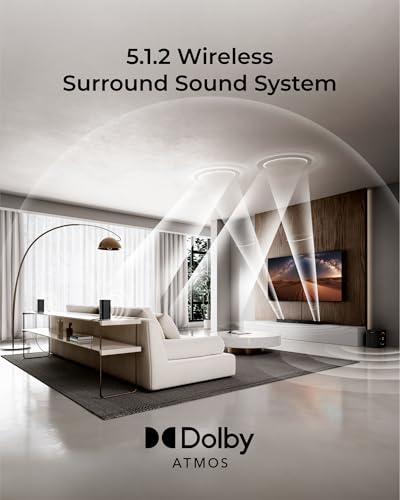



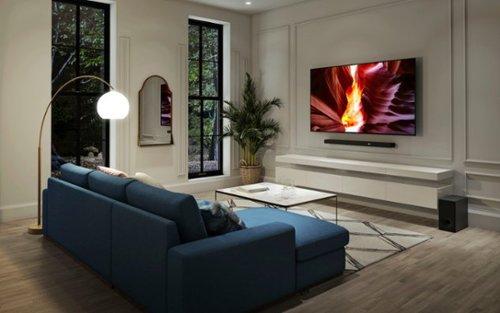
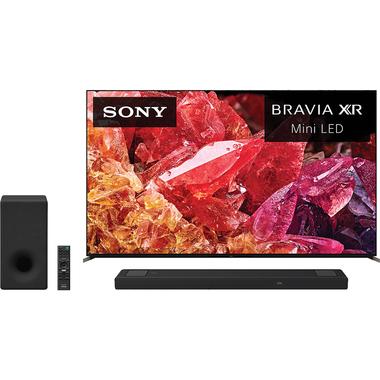
Setting up a home theater that actually sounds like a movie theater used to require running speaker wires across your living room and finding places to mount six or more separate speakers. Those days are largely behind us, thanks to advanced soundbar systems that can create convincing surround sound from just a few components. The 5.1.2 channel soundbar has emerged as the sweet spot for most home theater enthusiasts—offering genuine Dolby Atmos overhead effects without turning your living room into a speaker obstacle course.
Today we're comparing two compelling options in this category: the ULTIMEA Skywave X40, a newer wireless-focused system that launched in 2025, and Sony's established HT-A5000, which has been refining home theater audio since its 2021 release. Both promise immersive surround sound, but they take notably different approaches to achieving it.
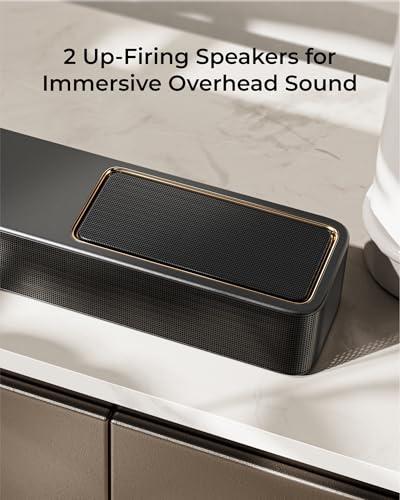
Before diving into specifics, it's worth understanding what those numbers actually mean. The "5.1.2" designation describes exactly how many audio channels the system can produce independently. The first number (5) represents your traditional surround sound channels: left, center, right, plus two rear speakers. The ".1" is your subwoofer channel for deep bass. That final "2" is what makes these systems special—it represents two height channels that fire sound upward to bounce off your ceiling, creating the illusion that helicopters, rain, or explosions are actually happening above your head.
This overhead effect is crucial for Dolby Atmos, the audio technology that's become the standard for premium movie soundtracks. Instead of just hearing sounds from around you, Dolby Atmos places specific audio elements at precise points in three-dimensional space. When implemented well, it's genuinely transformative—the difference between watching a movie and feeling like you're inside it.
The key considerations when choosing a 5.1.2 soundbar come down to how convincingly it creates these effects, how much power it can deliver for dynamic movie scenes, and whether the setup process will drive you to frustration or delight.
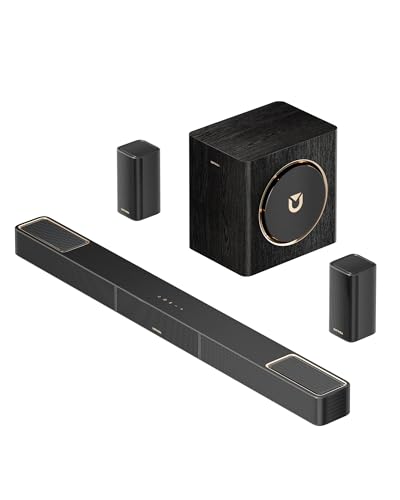
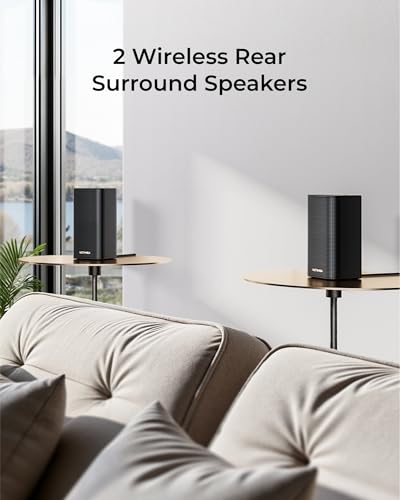
Released in 2025, the Skywave X40 represents ULTIMEA's push into premium home theater audio. The company has focused heavily on solving one of the biggest pain points with surround sound systems: cable management. Their solution is comprehensive—this system includes dedicated wireless rear speakers and a wireless subwoofer, meaning once you plug each component into power outlets, they communicate with each other through the air rather than through cables snaking across your floor.
This wireless approach uses what ULTIMEA calls CineMesh technology, which operates on dual 5GHz frequencies. Why does this matter? Most wireless audio systems struggle with latency—the delay between when something happens on screen and when you hear it. This creates the annoying lip-sync problems that make dialogue look like a badly dubbed foreign film. The Skywave X40 claims to keep this delay under 20 milliseconds, which is fast enough that your brain can't detect the difference.
The raw numbers here are impressive. The Skywave X40 delivers 530 watts of peak power across its eight total speakers. To put that in perspective, that's enough power to make your neighbors very aware of your movie nights. But peak power ratings can be misleading—what matters more is how cleanly the system can deliver that power across different frequencies.
This is where ULTIMEA's choice of GaN (Gallium Nitride) amplification becomes interesting. Traditional soundbar amplifiers use silicon-based components that generate significant heat and can introduce distortion when pushed hard. GaN amplifiers run at 98% efficiency compared to around 80-85% for silicon alternatives. Practically, this means less heat buildup, more reliable performance at high volumes, and cleaner sound reproduction. It's the same technology that's revolutionizing laptop chargers and electric vehicle systems—and it's relatively new to consumer audio.
The system's frequency response extends down to 35Hz, which captures the deep rumble of movie soundtracks that you feel as much as hear. Most soundbars struggle to reproduce frequencies below 50Hz convincingly, so this represents genuinely deep bass extension.
Perhaps most interesting is the Skywave X40's NEURACORE processing engine. This system uses what amounts to a small computer—featuring triple-core DSP (Digital Signal Processing) and dual-core MCU (Microcontroller Unit)—to handle up to 17 channels of audio processing in real-time. The 2,000 MIPS (Million Instructions Per Second) processing power allows the system to precisely steer audio elements to create convincing surround effects.
In practical terms, this processing power enables the system to analyze incoming audio streams and optimize them for the specific speaker configuration and room acoustics. When a helicopter flies from left to right in a movie, the system can smoothly transition that sound across multiple speakers while maintaining the illusion of movement.
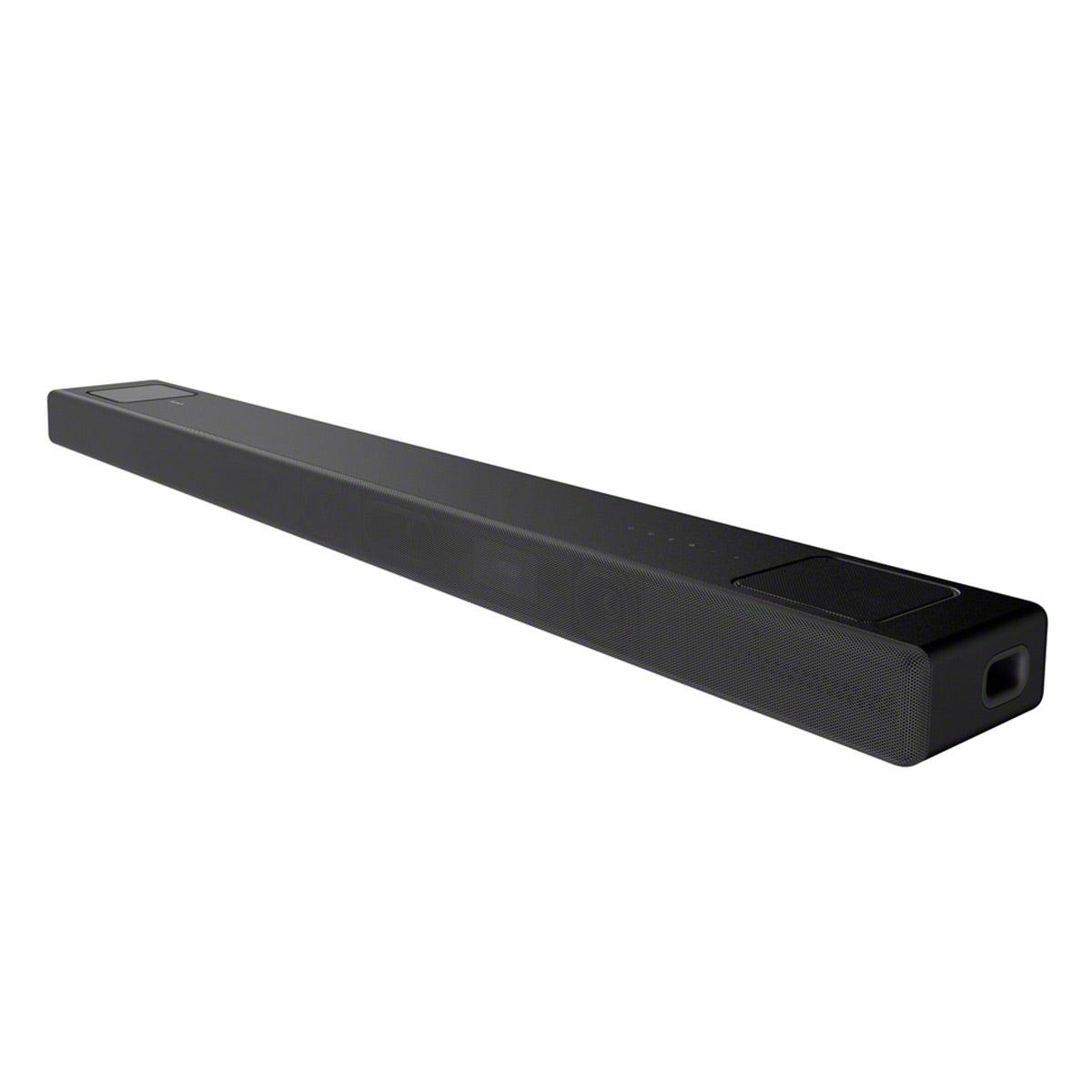
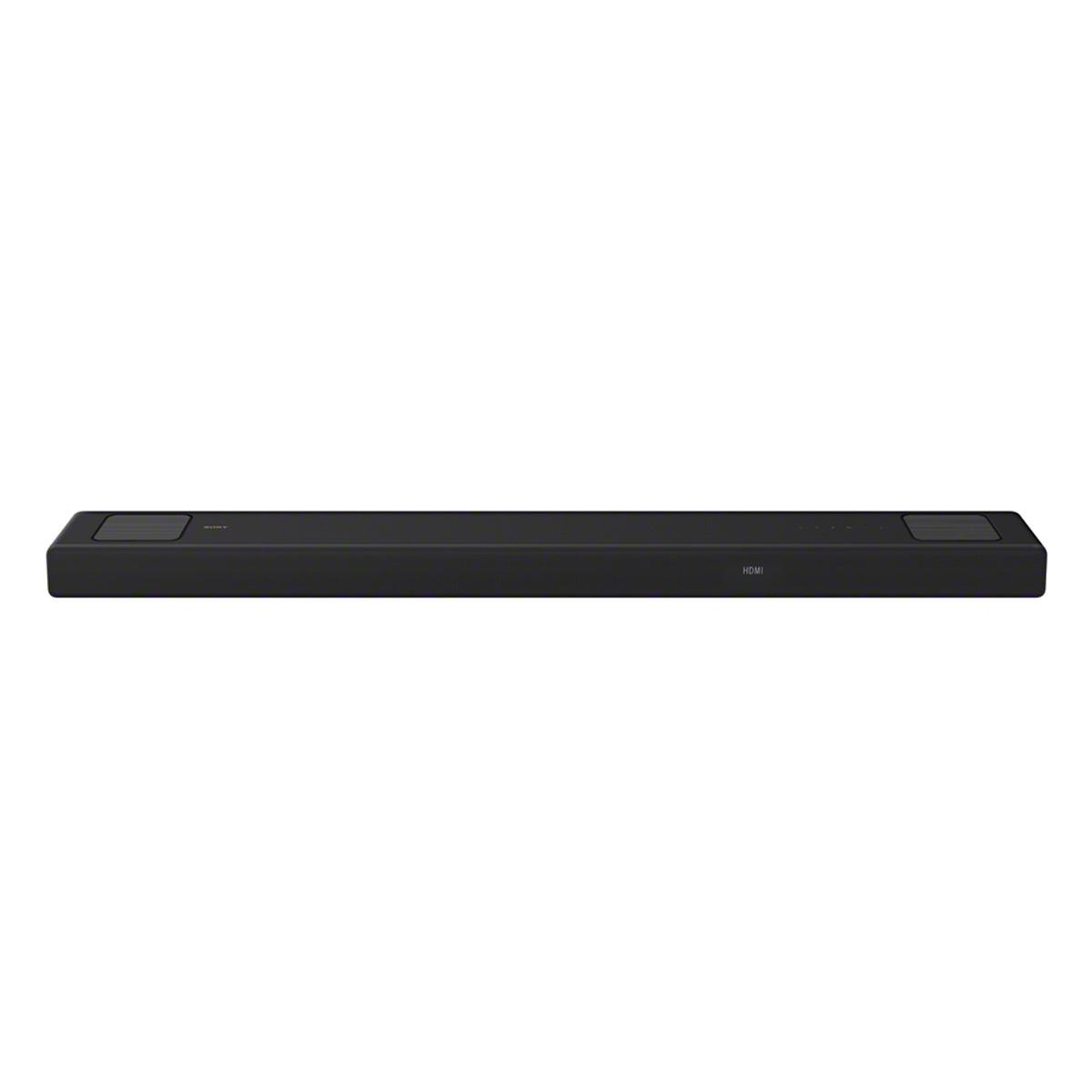
Sony's HT-A5000 represents a more traditional approach to premium soundbar design, but don't mistake traditional for outdated. Released in 2021, this system has benefited from several years of firmware updates and real-world optimization. Sony's approach focuses on sophisticated driver technology and virtual surround processing rather than raw wireless convenience.
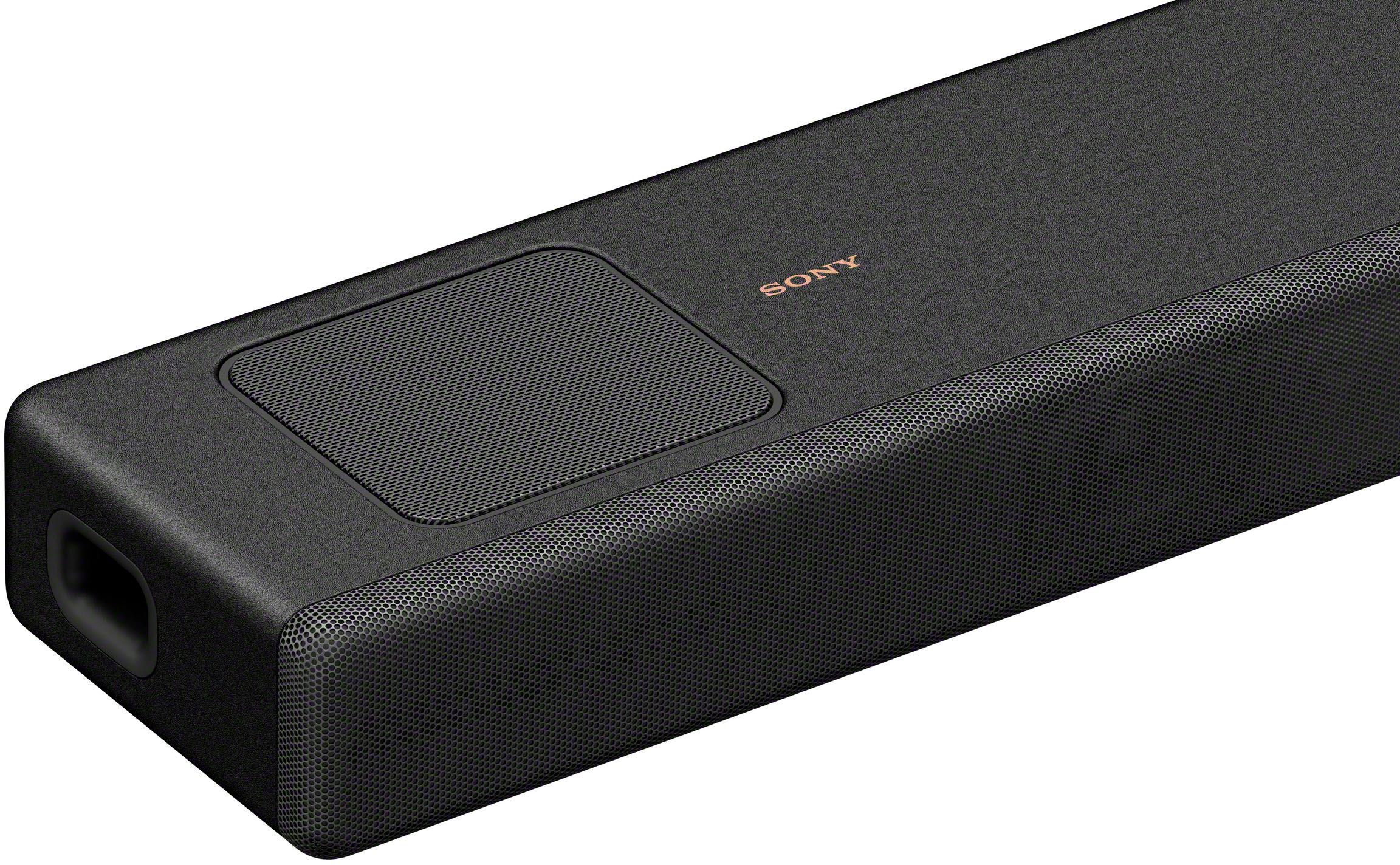
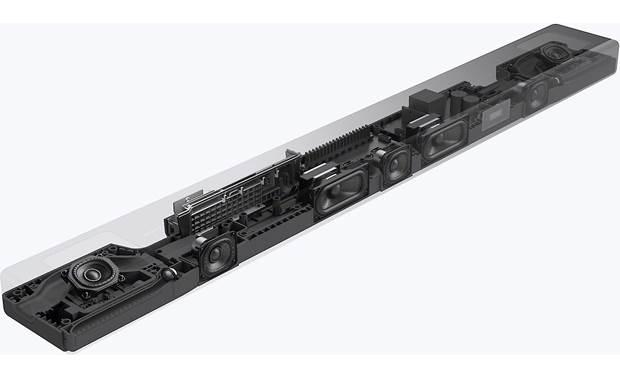
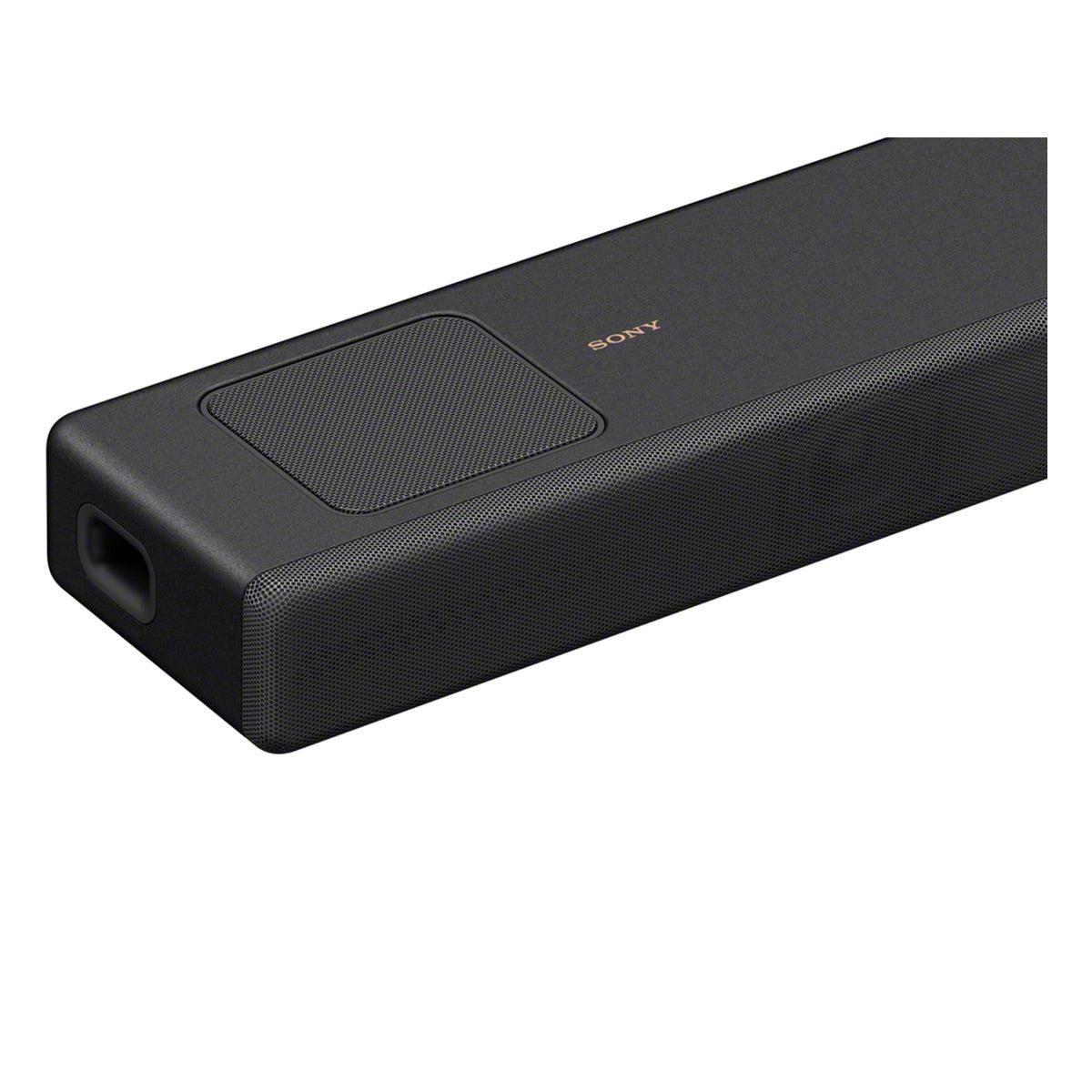
The HT-A5000's standout feature is its X-Balanced driver design. Traditional speaker drivers are circular, but Sony's design uses an oval shape that maximizes the surface area of the speaker diaphragm within the limited height constraints of a soundbar. This increased surface area allows each driver to move more air, producing both louder volume and cleaner sound with less distortion.
Where the Sony particularly excels is in its virtual surround processing. The system combines S-Force PRO Front Surround technology with Vertical Surround Engine processing to create phantom speakers—the illusion of sound coming from locations where no physical speakers exist. This might sound like marketing nonsense, but Sony's implementation is genuinely sophisticated.
The 360 Spatial Sound Mapping technology analyzes your room's acoustics and adjusts the audio processing to optimize surround effects for your specific space. Built-in microphones measure how sound reflects off your walls and ceiling, then the system adjusts its output to compensate for room limitations.
This approach has advantages and disadvantages compared to the ULTIMEA's hardware-based surround. Virtual processing can create surprisingly convincing effects even from a single soundbar, and it works in rooms where placing physical rear speakers would be impractical. However, it can't match the precision and impact of dedicated rear speakers positioned behind your listening area.
The Sony's 450-watt output is lower than the ULTIMEA, but Sony's focus on driver efficiency and processing sophistication means this power is used very effectively. In our research of user experiences, the HT-A5000 consistently receives praise for maintaining clean, undistorted sound even at very high volumes—something that separates good soundbars from great ones.
Sony's integration advantages become apparent when considering the broader home entertainment ecosystem. The HT-A5000 supports 8K and 4K/120fps video passthrough, ensuring compatibility with the latest gaming consoles and streaming devices. The system works seamlessly with Google Assistant, Amazon Alexa, and includes built-in Chromecast and AirPlay 2 support.
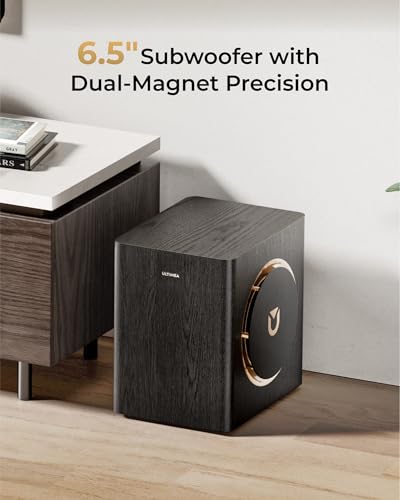
This is where the fundamental design differences between these systems become most apparent. The ULTIMEA Skywave X40's dedicated 6.5-inch wireless subwoofer simply has more capability for deep bass reproduction than the Sony's built-in subwoofer design.
In action movies and music with significant low-end content, dedicated subwoofers provide more impactful bass because they can use larger drivers and more powerful amplification dedicated specifically to low frequencies. The Skywave X40's 35Hz extension means you'll feel the rumble of explosions and the deep notes of movie soundtracks that many soundbars simply can't reproduce.
However, Sony's integrated approach has advantages for certain room situations. Built-in subwoofers eliminate the need to find appropriate placement for a separate component and avoid potential wireless connectivity issues that can occasionally affect wireless subwoofers.
Here's where personal preference and room configuration become crucial factors. The ULTIMEA system provides true discrete surround channels through its wireless rear speakers. When properly positioned behind your seating area, these create genuinely convincing surround effects that can rival traditional multi-speaker home theater setups.
The Sony system relies more heavily on psychoacoustic processing—essentially tricking your brain into hearing sounds from locations where no speakers exist. Sony's implementation is sophisticated and can work remarkably well, particularly in rooms where placing rear speakers isn't practical.
From our analysis of user feedback, the ULTIMEA approach provides more dramatic and obvious surround effects, while the Sony offers more subtle but often more natural-sounding spatial audio. The choice depends partly on whether you prefer "wow factor" surround effects or more refined, realistic soundstage presentation.
Both systems include dedicated voice optimization modes, but they take different approaches. The ULTIMEA includes a specific Voice EQ mode within its comprehensive app-based control system. The Sony uses its Voice Mode processing to enhance speech intelligibility.
Based on user feedback analysis, both systems perform well for dialogue clarity, though the Sony tends to receive slightly higher praise for natural vocal reproduction, likely due to its refined driver design and processing algorithms developed over Sony's decades of audio engineering experience.
This is an area where the technical specifications translate directly to user experience. The ULTIMEA's higher power output and GaN amplification technology provide clear advantages when you want to push volume levels for dramatic movie scenes.
The Sony, while lower in peak power, benefits from its X-Balanced driver design and refined amplification. User reports consistently indicate that the HT-A5000 maintains cleaner sound quality at high volumes, with less audible compression or distortion when pushed to its limits.
The ULTIMEA Skywave X40's wireless design creates a fundamentally different setup experience. Once you've positioned the components and plugged them into power outlets, the system handles connections automatically since everything is pre-paired at the factory. This eliminates the cable management challenges that often make traditional surround sound systems look messy or require professional installation.
However, this wireless convenience comes with trade-offs. You need power outlets near each component location, and optimal placement for surround speakers might not align with convenient power outlet locations in your room.
The Sony HT-A5000's integrated design means fewer components to position, but if you want rear surround speakers, you'll need to purchase them separately and manage additional connections.
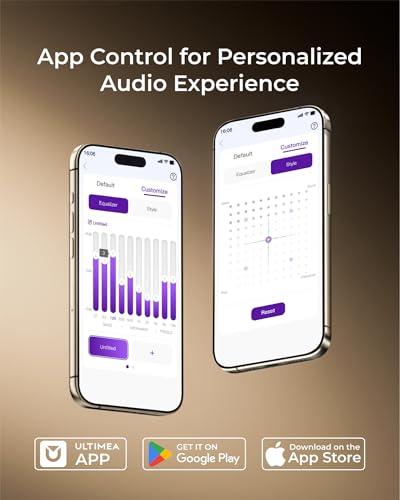
This is where the ULTIMEA shows its modern design priorities. The dedicated smartphone app provides extensive control options, including a 10-band equalizer and 121 preset sound profiles for different content types. This level of customization allows you to optimize the system for your specific room acoustics and personal preferences.
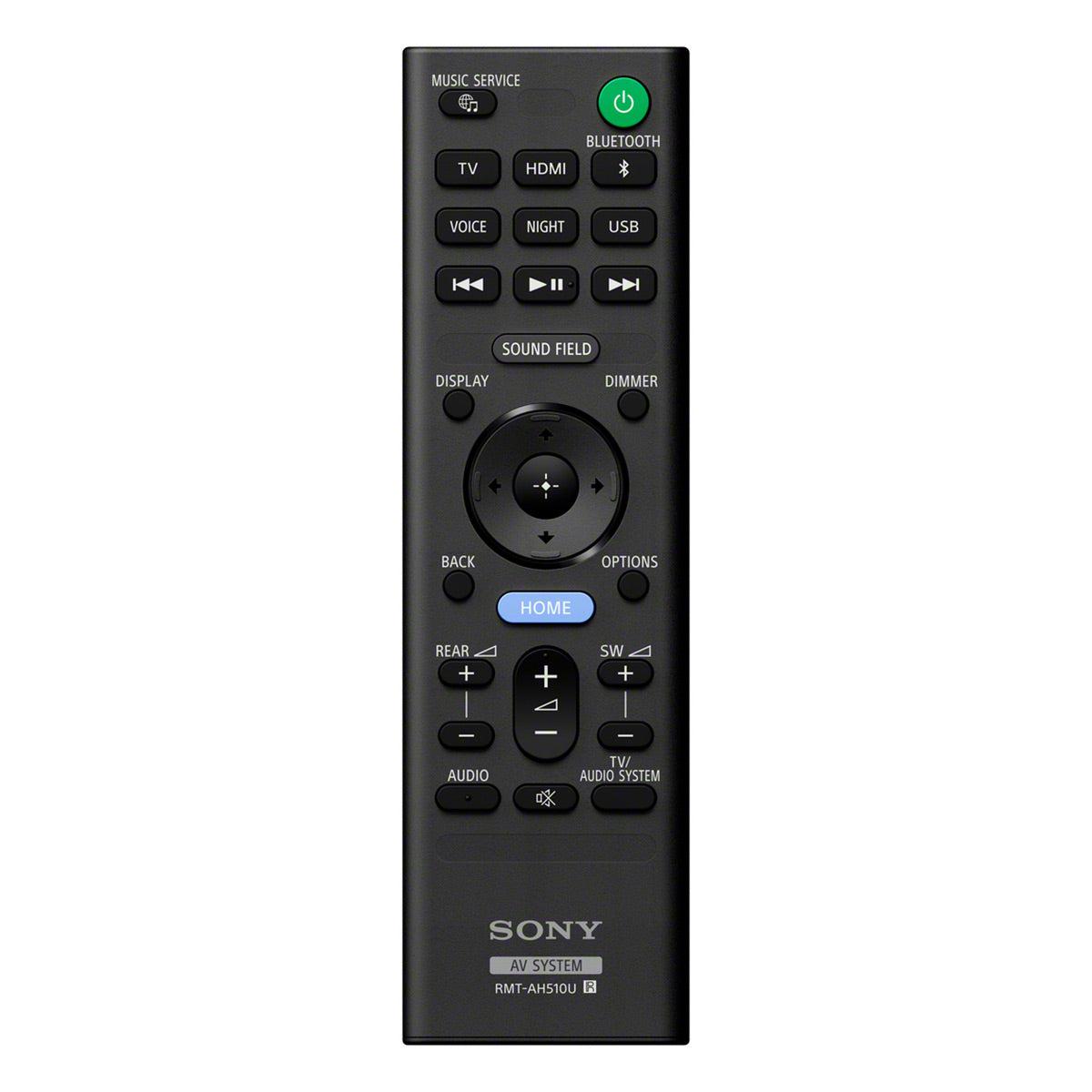
The Sony offers solid control options but focuses more on automated optimization through its Sound Field Optimization technology rather than manual user customization.
At the time of writing, both systems compete in the premium 5.1.2 soundbar market, though they're positioned slightly differently in terms of value proposition.
The ULTIMEA Skywave X40 offers superior raw specifications per dollar—higher power output, dedicated subwoofer, more total speakers, and cutting-edge amplification technology. For users who prioritize maximum performance metrics and modern features, it represents excellent value.
The Sony HT-A5000 commands a premium for Sony's brand reputation, refined engineering, and ecosystem integration. The value proposition here focuses on long-term reliability, sophisticated processing, and seamless integration with other Sony products.
Prioritize maximum performance and modern features. If you want the highest power output, deepest bass extension, and latest wireless technology, the Skywave X40 delivers superior specifications across most measurable metrics.
Value wireless convenience and setup flexibility. The completely wireless design makes this system ideal for renters, frequently rearranged rooms, or situations where running speaker cables isn't practical.
Enjoy customization and control. The extensive app-based controls and numerous EQ presets appeal to users who like to optimize their audio system for different content types.
Want true surround sound. If you have the space for dedicated rear speakers and want the most convincing surround effects possible, the hardware-based approach delivers more dramatic results than virtual processing.
Trust established audio engineering and brand reliability. Sony's decades of audio expertise and proven track record provide confidence for users who prioritize long-term reliability over cutting-edge specifications.
Prefer integrated design and simplicity. The single-bar design with built-in subwoofer reduces component count and simplifies setup, appealing to users who want excellent performance without complexity.
Use Sony ecosystem products. If you own Sony TVs, PlayStation consoles, or other Sony entertainment devices, the HT-A5000 integrates seamlessly with these products.
Need smart home integration. The comprehensive voice assistant support and streaming service integration work better for users heavily invested in smart home ecosystems.
Both the ULTIMEA Skywave X40 and Sony HT-A5000 can transform your living room into an impressive home theater, but they achieve this goal through notably different approaches.
The ULTIMEA represents the cutting-edge approach—maximum wireless convenience, latest amplification technology, and superior raw specifications. It's the choice for users who want the most powerful and technically advanced system available, with the flexibility to optimize performance through extensive customization options.
The Sony embodies the refined approach—proven engineering, sophisticated processing, and seamless integration. It's the choice for users who want established quality and reliability, with automated optimization that works excellently without requiring manual tweaking.
Neither choice is wrong, but your preference will likely depend on whether you're drawn to cutting-edge performance specifications or proven audio engineering excellence. Both will deliver immersive Dolby Atmos experiences that dramatically improve your movie watching and music listening compared to TV speakers, but they'll get you there through meaningfully different paths.
For most users, the decision ultimately comes down to whether wireless convenience and maximum power output (ULTIMEA) or brand reliability and refined processing (Sony) better matches your priorities and room situation.
| ULTIMEA Skywave X40 5.1.2 Soundbar System | Sony HT-A5000 5.1.2 Channel Home Theater Soundbar |
|---|---|
| Total Power Output - Determines maximum volume and dynamic range | |
| 530W peak power (excellent for large rooms) | 450W total power (sufficient for most spaces) |
| Amplifier Technology - Affects efficiency and sound quality | |
| GaN amplifier (98% efficiency, less heat, cleaner sound) | S-Master HX digital amplifier (proven Sony technology) |
| Subwoofer Design - Critical for bass impact and flexibility | |
| Dedicated 6.5" wireless subwoofer, 35Hz bass extension | Built-in subwoofer (space-saving but less powerful) |
| Surround Speaker Setup - Determines true vs virtual surround | |
| True wireless rear speakers included (authentic surround) | Virtual surround processing (optional rear speakers sold separately) |
| Wireless Technology - Affects setup convenience and reliability | |
| Dual 5GHz CineMesh, <20ms latency, completely wireless | Limited wireless (optional rear speakers available) |
| Audio Channels and Processing - Core surround sound capability | |
| 5.1.2 Dolby Atmos, NEURACORE processing with 2,000 MIPS | 5.1.2 Dolby Atmos/DTS:X, Vertical Surround Engine |
| Connectivity Options - Modern device compatibility | |
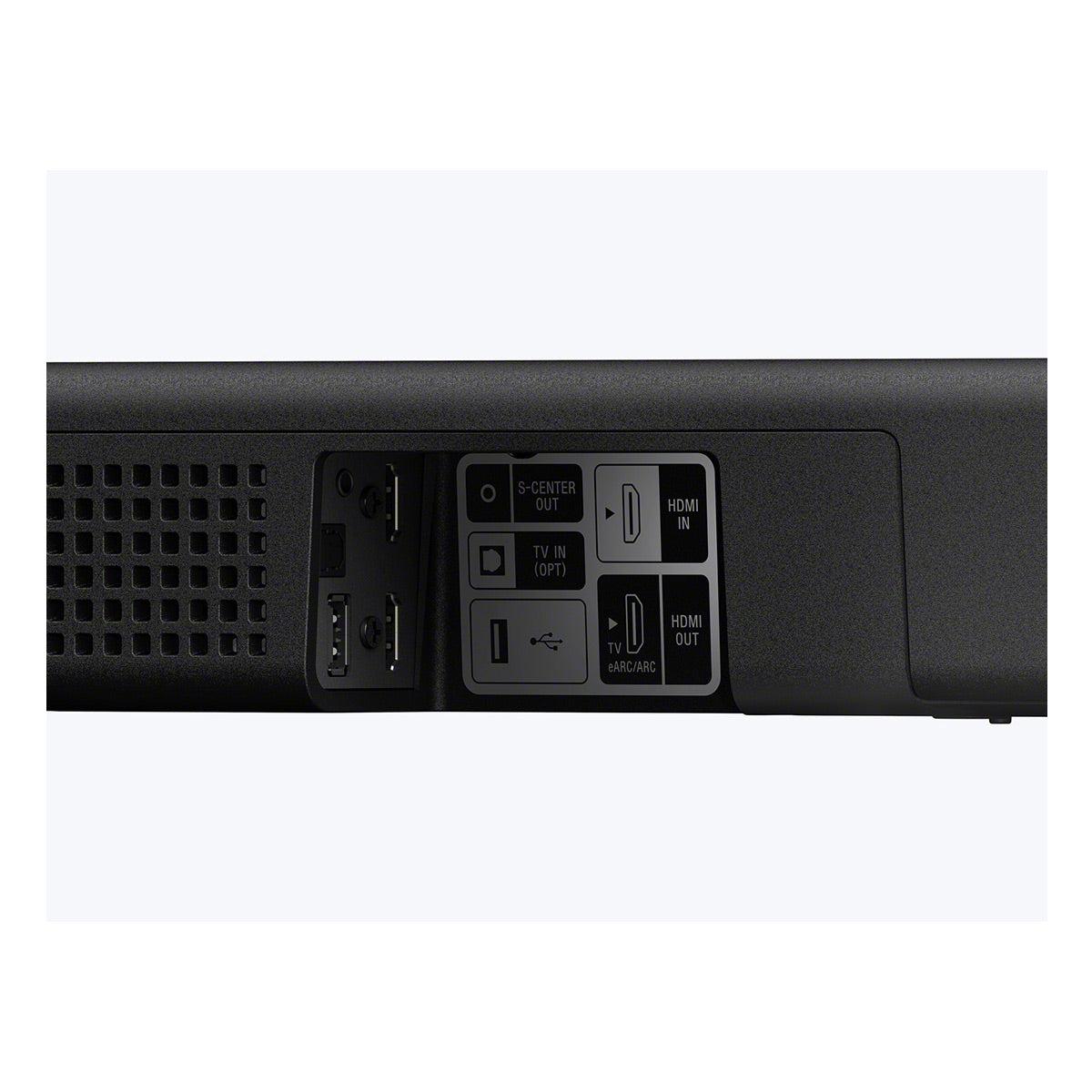
| HDMI eARC, Optical, USB, Bluetooth 5.4 | HDMI eARC, Optical, USB, Bluetooth 5.0, 8K passthrough |
| App Control and Customization - User experience and flexibility | |
| Comprehensive app with 10-band EQ, 121 sound presets | Basic app control, automatic Sound Field Optimization |
| Smart Home Integration - Voice control and streaming | |
| Limited smart features | Google Assistant, Alexa, Chromecast, AirPlay 2 |
| Total Speaker Count - Affects sound distribution and immersion | |
| 8 speakers across all components | Fewer speakers with X-Balanced driver design |
| Release Year and Technology Currency - Future-proofing consideration | |
| 2025 release with latest wireless and amplification tech | 2021 release with established, refined technology |
The ULTIMEA Skywave X40 delivers superior bass performance with its dedicated 6.5-inch wireless subwoofer that extends down to 35Hz. This provides deeper, more impactful low-end compared to the Sony HT-A5000's built-in subwoofer design. For movie explosions and music with heavy bass, the ULTIMEA Skywave X40 offers noticeably more powerful and room-filling bass response.
Yes, both the ULTIMEA Skywave X40 and Sony HT-A5000 support Dolby Atmos with 5.1.2 channel configurations. The ULTIMEA uses dedicated up-firing drivers and wireless rear speakers for hardware-based surround effects, while the Sony combines up-firing speakers with sophisticated virtual surround processing to create immersive overhead audio effects.
The ULTIMEA Skywave X40 offers the most convenient wireless setup since all components are pre-paired and connect automatically when powered on. You simply plug each component into power outlets without running any cables. The Sony HT-A5000 requires fewer components overall but may need additional cable connections if you add optional rear speakers later.
The ULTIMEA Skywave X40 provides 530W of peak power output, while the Sony HT-A5000 delivers 450W total power. The ULTIMEA offers approximately 18% more power, which translates to louder maximum volume and better dynamic range for action movies and large room applications.
The Sony HT-A5000 excels in smart home integration with built-in Google Assistant, Alexa compatibility, Chromecast, and AirPlay 2 support. The ULTIMEA Skywave X40 focuses more on audio performance and wireless convenience rather than extensive smart home features, though it does include Bluetooth 5.4 connectivity for device streaming.
The ULTIMEA Skywave X40 includes wireless rear speakers in the package, providing true 5.1.2 surround sound out of the box. The Sony HT-A5000 uses virtual surround processing by default, though you can purchase optional wireless rear speakers (SA-RS3S or SA-RS5) separately to enhance the surround experience.
Both the ULTIMEA Skywave X40 and Sony HT-A5000 include dedicated voice enhancement modes. The Sony tends to receive slightly higher praise for natural vocal reproduction due to its X-Balanced driver design and refined processing algorithms. The ULTIMEA offers extensive EQ customization through its app for personalized dialogue optimization.
The ULTIMEA Skywave X40 includes HDMI eARC, optical, USB, and Bluetooth 5.4 connectivity with 4K HDR passthrough. The Sony HT-A5000 offers similar connections plus 8K and 4K/120fps passthrough, making it better suited for next-generation gaming consoles and high-end streaming devices.
The ULTIMEA Skywave X40 is better suited for large rooms due to its higher 530W power output, dedicated wireless subwoofer, and true rear speaker placement that can fill larger spaces more effectively. The wireless design also makes it easier to position components optimally in bigger room layouts without cable management concerns.
The ULTIMEA Skywave X40 offers a more comprehensive app experience with 10-band EQ controls and 121 preset sound profiles for extensive customization. The Sony HT-A5000 provides basic app control but focuses more on automatic Sound Field Optimization rather than manual user adjustments, making it simpler but less customizable.
The Sony HT-A5000 benefits from Sony's established reputation in audio engineering with decades of experience and proven support networks. The ULTIMEA Skywave X40 represents newer technology with advanced features like GaN amplification, but lacks the long-term track record of Sony's audio products in terms of durability and service support.
The ULTIMEA Skywave X40 uses true discrete surround channels with physical wireless rear speakers positioned behind your seating area for authentic surround effects. The Sony HT-A5000 relies primarily on sophisticated virtual surround processing that creates phantom speakers through psychoacoustic techniques, though both approaches can deliver convincing Dolby Atmos experiences in appropriate room setups.
We've done our best to create useful and informative comparisons to help you decide what product to buy. Our research uses advanced automated methods to create this comparison and perfection is not possible - please contact us for corrections or questions. These are the sites we've researched in the creation of this article: bestbuy.com - shopabunda.com - youtube.com - youtube.com - youtube.com - youtube.com - ultimea.com - walmart.com - youtube.com - hometechnologyreview.com - community.ultimea.com - avsforum.com - youtube.com - youtube.com - youtube.com - bestbuy.com - hometechnologyreview.com - whathifi.com - electronics.sony.com - costco.com - sony.com - expertreviews.co.uk - crutchfield.com - audioadvice.com - sony.com - sony.com - bestbuy.com - videoandaudiocenter.com - community.sony.co.uk

Privacy Policy
Terms and Conditions - Affiliate Policy
Home Security
© Copyright 2008-2026.
11816 Inwood Rd #1211, Dallas, TX 75244