



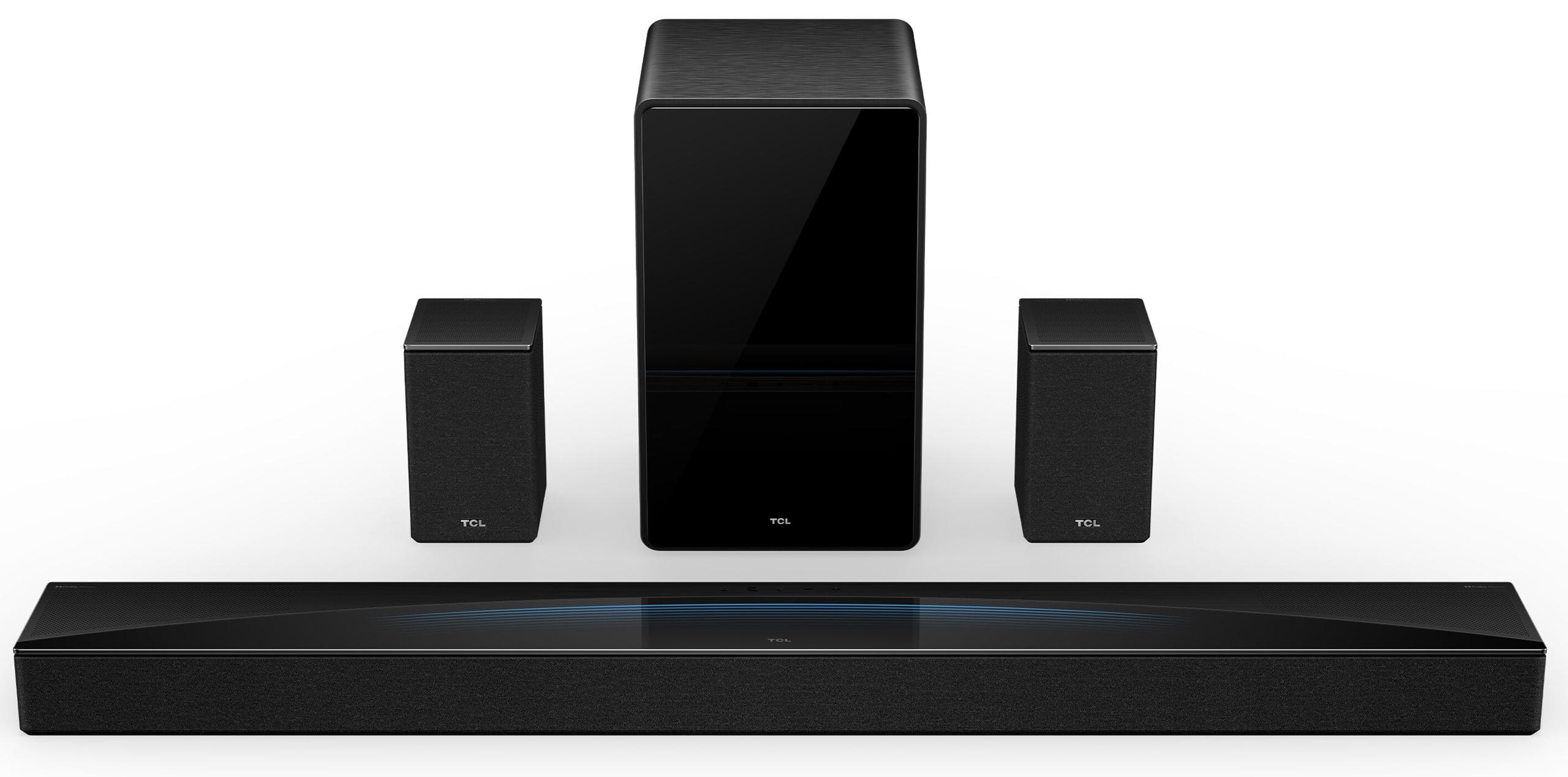
Setting up a proper home theater used to mean running speaker wires through walls, positioning multiple speakers around your room, and dealing with a complex receiver. Today's premium soundbars have changed that game entirely, packing impressive surround sound technology into sleek packages that require minimal setup while delivering genuinely immersive audio experiences.
The soundbar market has exploded with options, but two systems have caught our attention for delivering serious home theater performance at competitive price points: the ULTIMEA Skywave X40 and the TCL Q85H. Both promise true Dolby Atmos surround sound with wireless rear speakers, but they take distinctly different approaches to achieving that goal.
Before diving into specifics, it's worth understanding what separates a basic TV soundbar from a legitimate home theater system. The key factors that determine whether a soundbar can truly replace a traditional surround setup include channel configuration, wireless technology quality, processing power, and amplification efficiency.
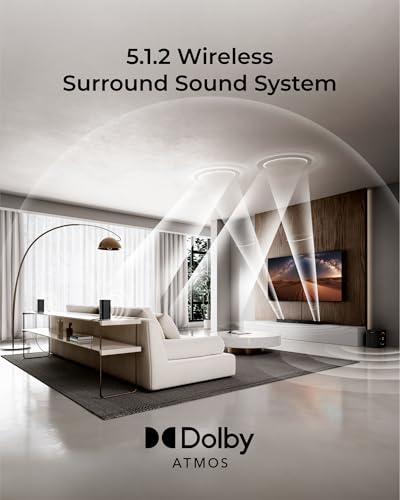
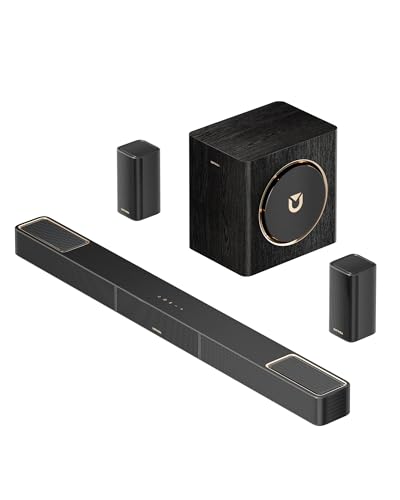
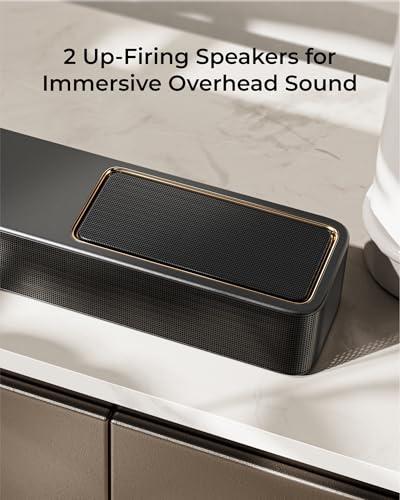
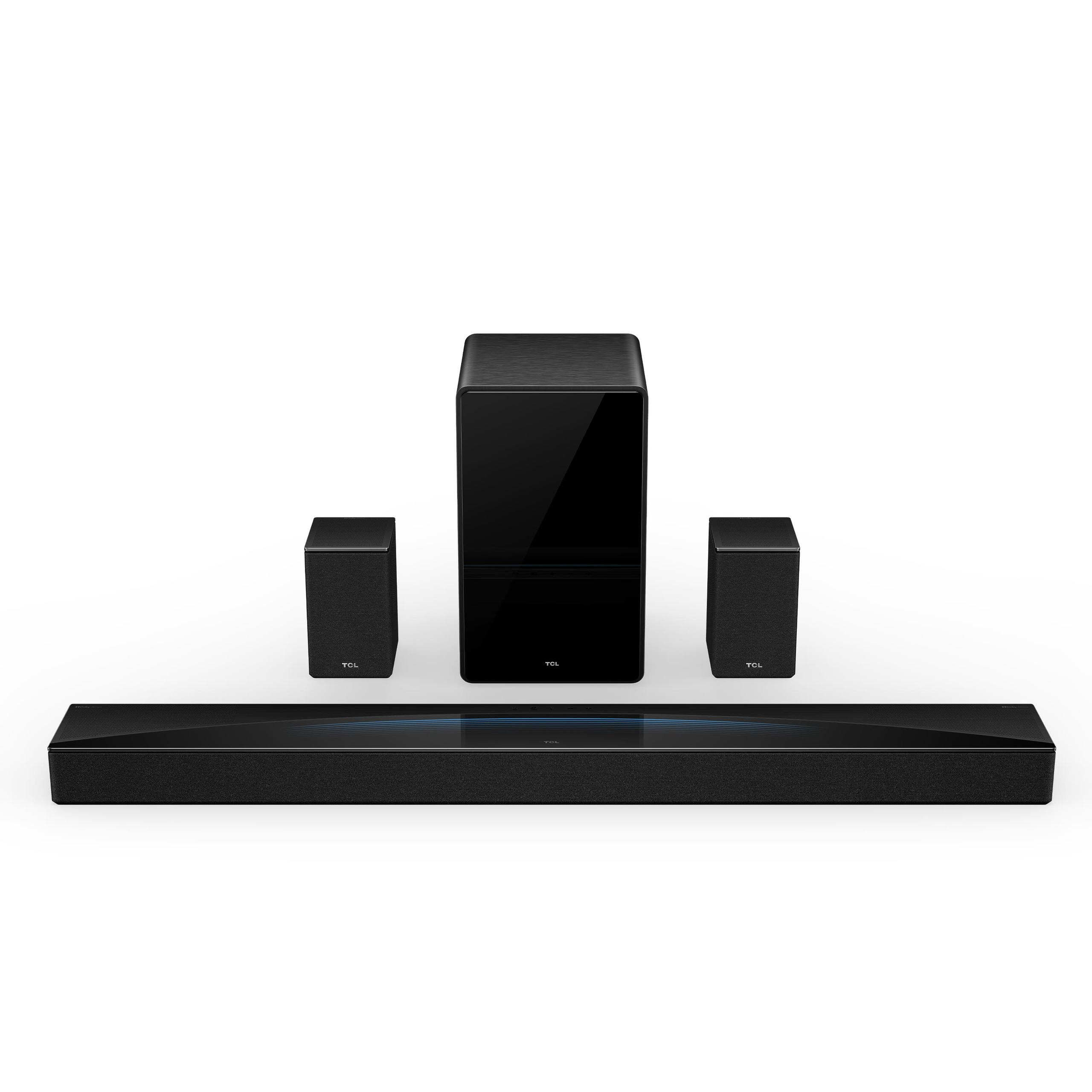
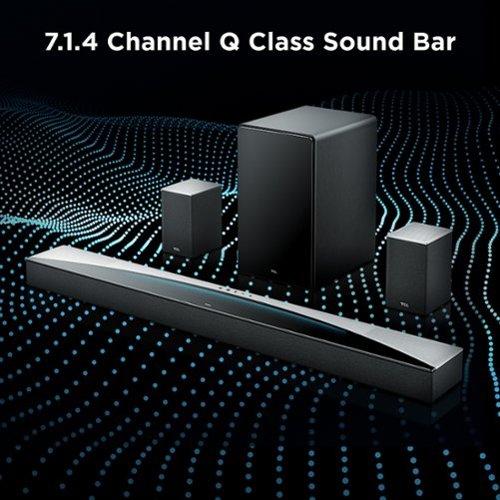
Channel configuration tells you how many distinct audio channels the system can reproduce. A 5.1.2 system like the ULTIMEA X40 has five main channels (left, right, center, and two surrounds), one subwoofer channel, and two height channels that bounce sound off your ceiling. The TCL Q85H ups this to 7.1.4—adding two more surround channels and two more height channels for even more precise audio placement.
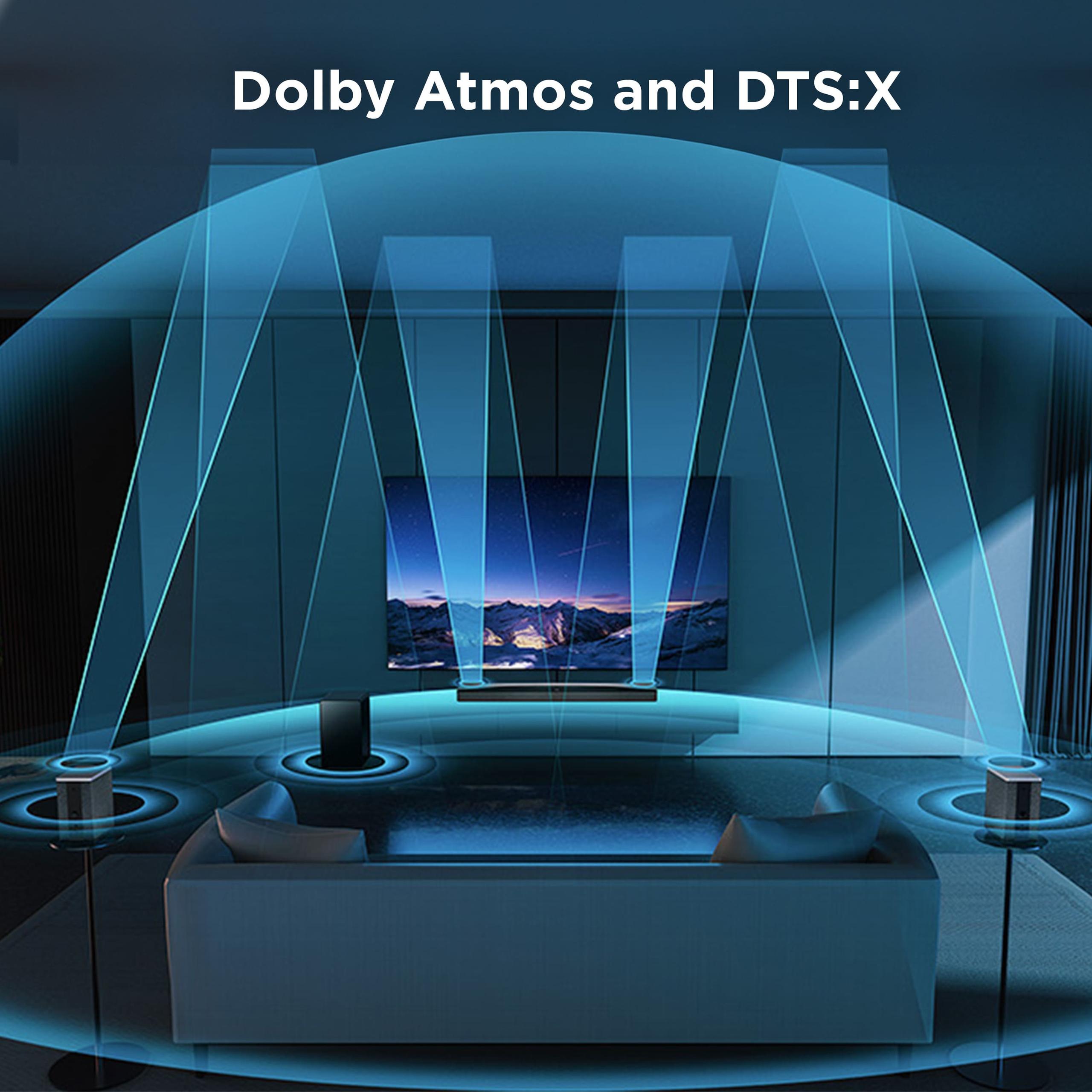
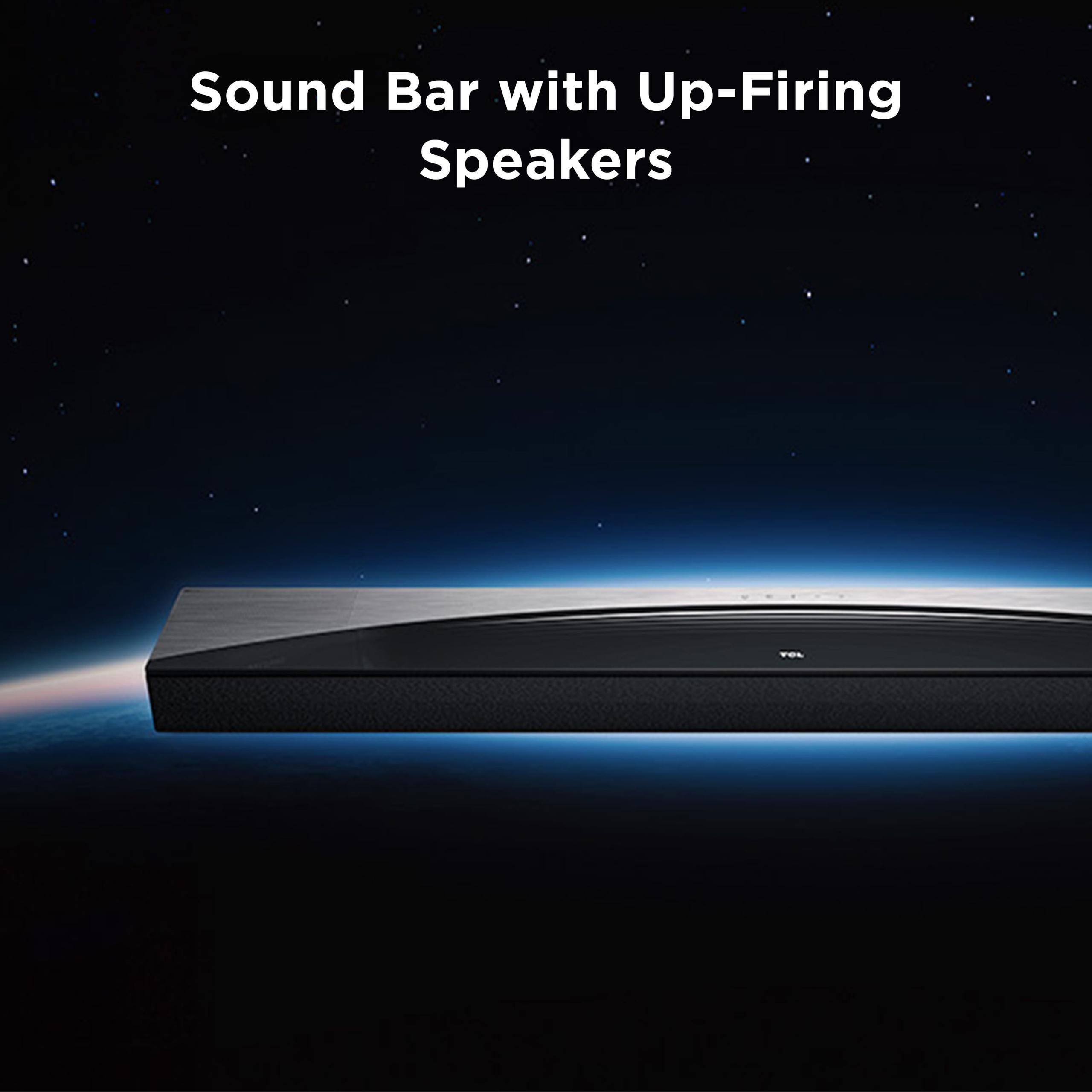
Dolby Atmos, which both systems support, represents a fundamental shift from traditional surround sound. Instead of just placing sounds around you horizontally, Atmos adds vertical dimension by using upward-firing speakers or ceiling-mounted drivers. This creates genuine three-dimensional audio where you might hear rain falling from above or helicopters passing overhead with startling realism.
The wireless technology quality matters more than many realize. Poor wireless implementation can introduce audio delay (called latency), causing lip-sync issues, or dropouts that break immersion. The processing power determines how well the system can handle complex audio tracks and apply real-time adjustments for your specific room.
Released in 2025, the ULTIMEA Skywave X40 represents the latest thinking in soundbar design, prioritizing cutting-edge wireless technology and advanced audio processing over raw speaker count. ULTIMEA has focused their engineering efforts on solving the core problems that have plagued wireless surround systems: latency, dropouts, and setup complexity.
The TCL Q85H, launched in 2024, takes a more traditional approach by maximizing channel count and total power output. TCL's strategy focuses on delivering the most comprehensive surround sound experience possible, with additional speakers to create more precise audio placement and higher total wattage for room-filling volume.
These different philosophies matter because they affect who each system serves best and how they perform in real-world scenarios.
The ULTIMEA X40 showcases several technologies that represent genuine advances over typical soundbar implementations. The most impressive is their CineMesh dual 5GHz wireless system, which addresses the biggest weakness of wireless surround systems: reliability and latency.
Most wireless soundbars use a single 2.4GHz or 5GHz connection that can suffer interference from WiFi networks, smartphones, and other devices. ULTIMEA's dual 5GHz approach uses two separate wireless channels to maintain rock-solid connections with the rear speakers and subwoofer. The sub-20 millisecond latency specification means audio and video stay perfectly synchronized, crucial for gaming and action movies where timing matters.
The X40's NEURACORE processing system deserves particular attention. This triple-core DSP (Digital Signal Processor) with 2,000 MIPS of processing power can handle complex audio calculations in real-time. What this means practically is better channel separation, more accurate Dolby Atmos positioning, and the ability to process high-resolution audio without compression or quality loss.
Perhaps most interesting is the GaN (Gallium Nitride) amplifier technology. Traditional soundbar amplifiers use silicon-based circuits that generate significant heat and can distort at high volumes. GaN amplifiers run 98% efficiently versus about 80% for silicon, generating less heat while providing cleaner, more responsive audio. The practical result is sound that stays clear and dynamic even when pushed to high volumes—something particularly important for action movie soundtracks.
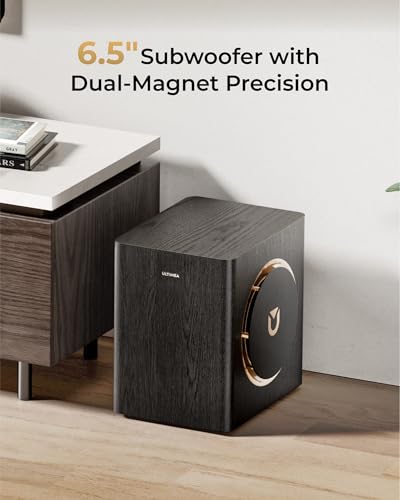
The X40's Gravus Ultra-Linear Bass technology in the 6.5-inch subwoofer extends response down to 35Hz with minimal distortion. While that might sound like marketing speak, 35Hz represents genuinely deep bass that you'll feel as much as hear—the kind that makes explosions rumble through your chest without becoming muddy or overwhelming the midrange frequencies where dialogue lives.
The TCL Q85H counters with brute force and comprehensive coverage. Its 7.1.4 channel configuration provides more audio placement points than the X40's 5.1.2 setup, which can create more convincing surround effects in larger rooms. Those additional side surround channels help with precise audio positioning, while the extra height channels improve overhead effects.
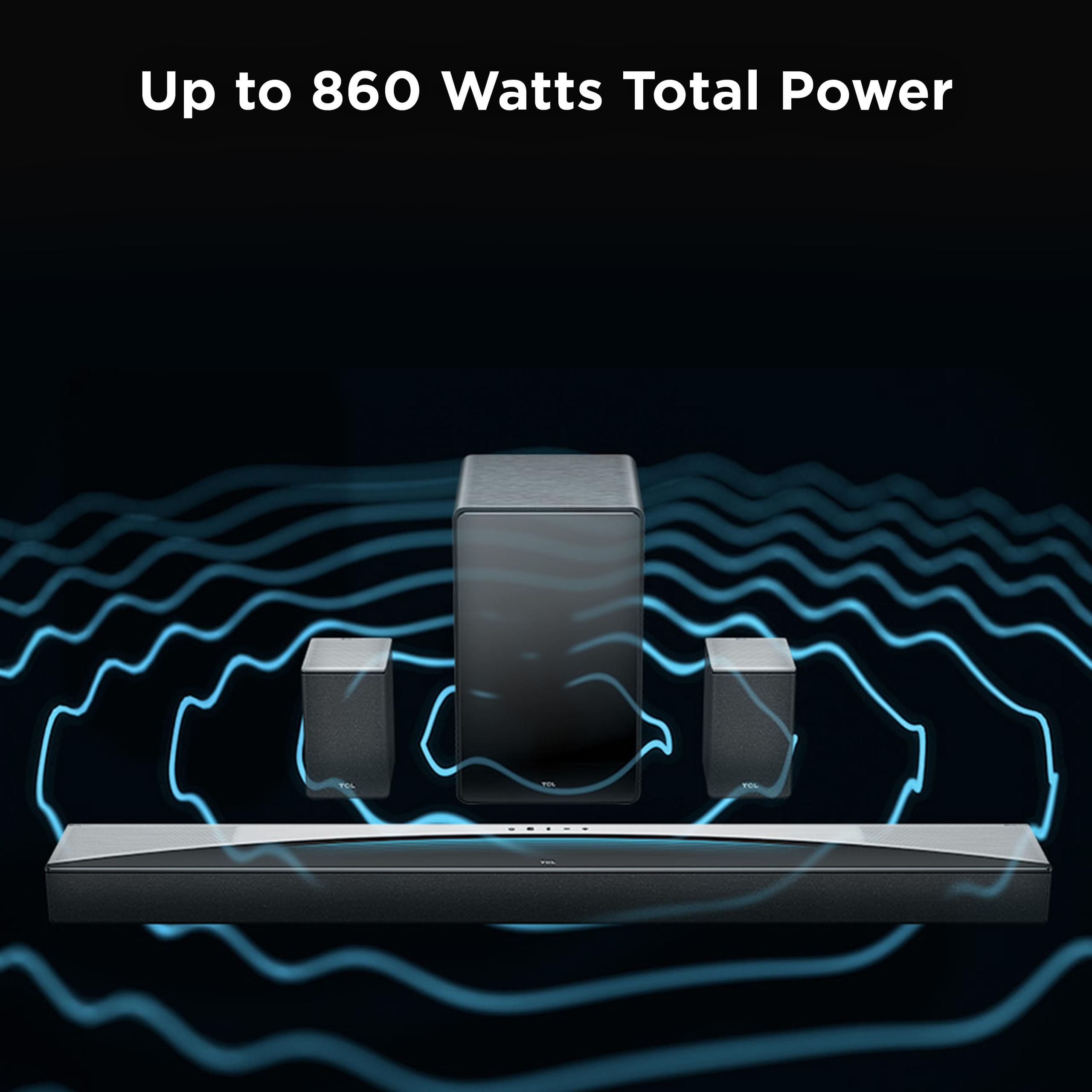
With 860W total power output versus the X40's 530W, the Q85H can potentially fill larger spaces with more authority. This matters if you have a big living room or open-concept space where the additional power helps maintain impact and clarity across greater distances.
The Q85H's AI Sonic room calibration system automatically adjusts the audio output based on your room's acoustics. While not as technically advanced as the X40's processing, this auto-calibration helps optimize performance without requiring manual adjustments or technical knowledge from users.
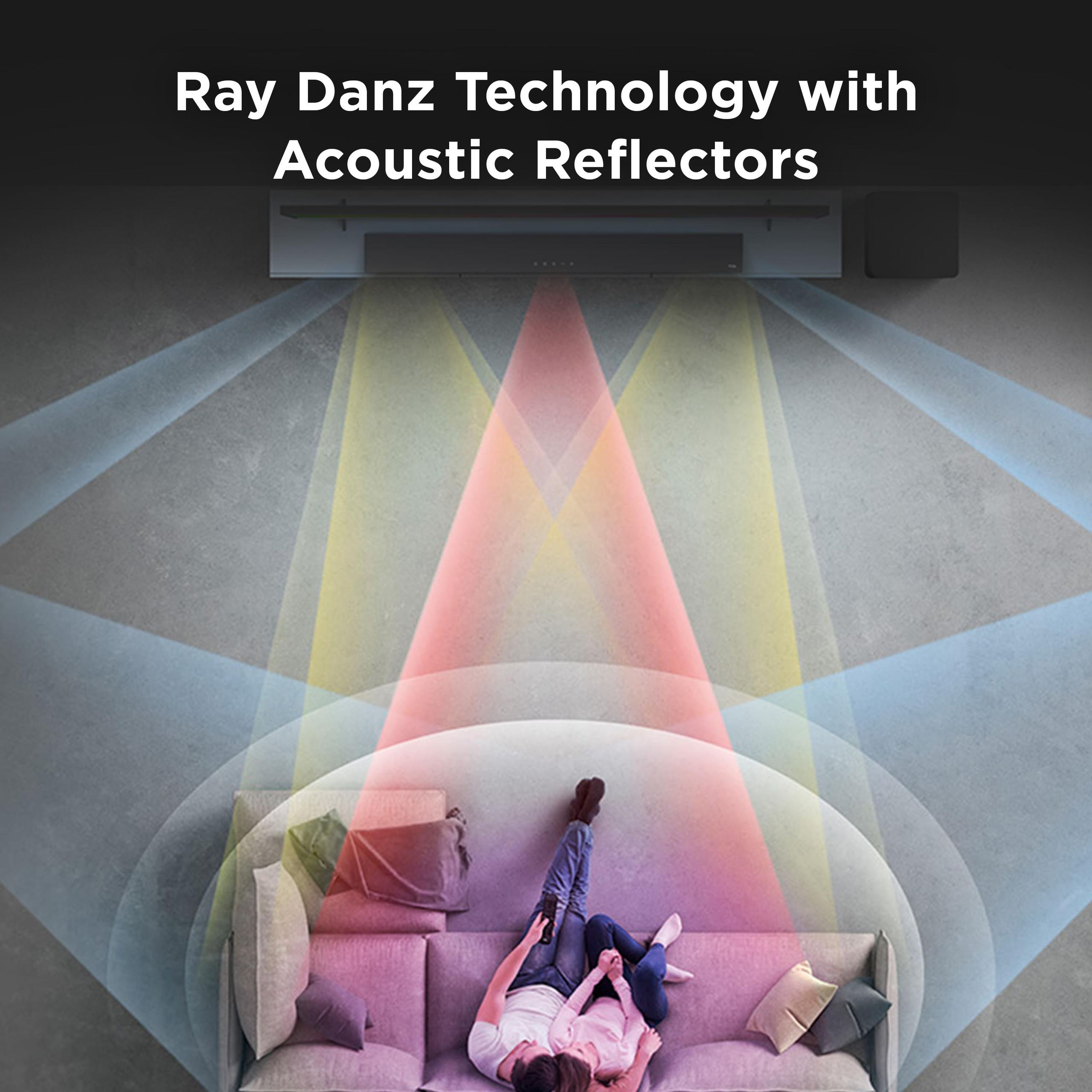
TCL's RayDanz technology with acoustic reflectors widens the soundstage beyond what typical soundbars achieve. Combined with the additional speakers, this can create a more expansive sense of space that makes movies feel more cinematic.
Based on our evaluation of user reviews and expert testing, several performance characteristics emerge as most critical for home theater use: dialogue clarity, bass impact, surround effect convincingness, and high-volume performance.
Dialogue Clarity: Both systems excel here, but for different reasons. The ULTIMEA X40 uses its advanced processing to maintain vocal clarity even during complex scenes, while the TCL Q85H benefits from dedicated center channel optimization and additional power reserves.
Bass Impact: This represents an interesting trade-off. The X40's Gravus technology and GaN amplification produce exceptionally clean, tight bass that integrates well with the main speakers. The Q85H's higher total power can potentially produce more raw bass output, but user reviews suggest the X40's bass quality is superior even if maximum quantity might favor the TCL.
Surround Convincingness: The Q85H's additional channels should theoretically provide better surround immersion, and in larger rooms, this advantage becomes apparent. However, the X40's superior wireless technology and processing seem to create more stable, convincing surround effects in typical living room scenarios.
High-Volume Performance: Here's where the X40's GaN amplifier technology shows its worth. User feedback consistently notes that the ULTIMEA maintains clarity and composure at high volumes where other systems might start to compress or distort. The Q85H can play louder due to more total power, but the X40 sounds better while doing it.
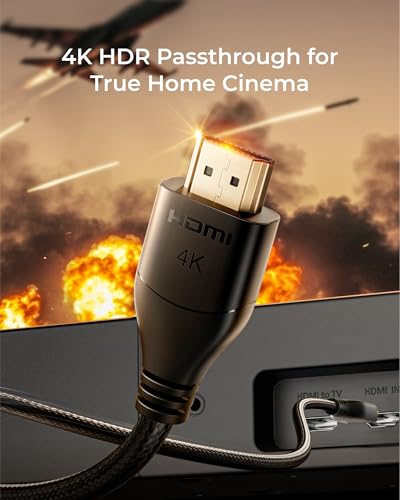
For gaming enthusiasts, the ULTIMEA X40 presents clear advantages. The sub-20ms wireless latency specification means audio stays perfectly synchronized with on-screen action—crucial for competitive gaming where audio cues matter. The Bluetooth 5.4 connectivity and 4K HDR pass-through ensure compatibility with modern gaming consoles without quality compromises.
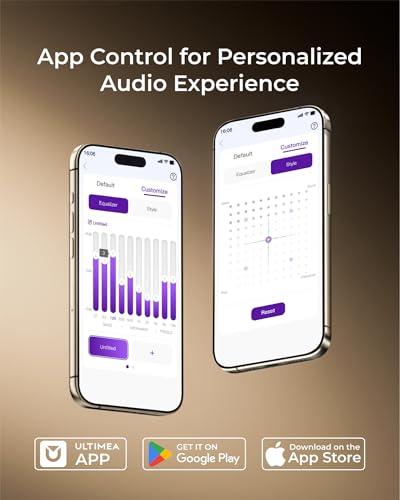
The X40's smartphone app provides extensive customization with 10-band EQ and 121 preset sound profiles. While this might seem excessive, different games benefit from different audio tuning—shooters might need enhanced positional accuracy while RPGs might benefit from more atmospheric processing.
The TCL Q85H offers solid gaming performance with HDMI 2.1 support including Variable Refresh Rate (VRR) and Auto Low Latency Mode (ALLM). However, its wireless system doesn't specify the same ultra-low latency performance as the X40, potentially making it less ideal for competitive gaming scenarios.
Room size significantly impacts which system performs better. In small to medium rooms (up to about 300 square feet), the ULTIMEA X40 often provides superior performance. Its focused 5.1.2 configuration ensures each channel receives adequate power, and the advanced wireless technology maintains stable connections without the complexity of additional speakers.
For larger rooms or open-concept spaces, the TCL Q85H makes more sense. The additional channels help maintain surround immersion across greater distances, while the higher total power output ensures adequate volume levels throughout the space.
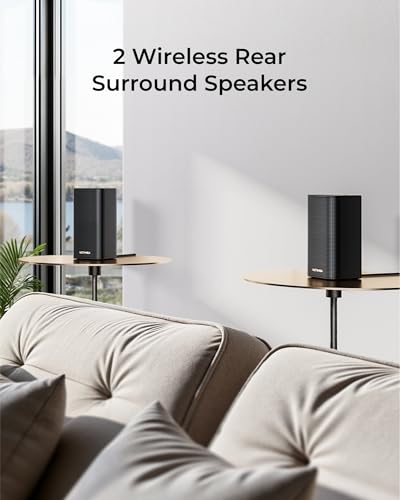
The X40's true wireless design (only requiring power outlets for each component) provides maximum placement flexibility. You can position the rear speakers and subwoofer wherever they work best in your room without worrying about wireless range or interference issues.
Setup complexity often determines whether users actually optimize their systems properly. The ULTIMEA X40 wins decisively here with factory-paired wireless components that connect automatically when powered on. The plug-and-play experience means most users will achieve optimal performance immediately.
The TCL Q85H requires more traditional setup procedures, including pairing wireless components and running room calibration. While not difficult, these extra steps mean some users might not fully optimize their systems.
The X40's smartphone app provides deep customization options for enthusiasts while remaining approachable for casual users. The Q85H integrates well with TCL and Roku TV remotes for streamlined control but offers less granular audio adjustment.
At current pricing levels, both systems compete in the premium mid-range segment but offer different value propositions. The ULTIMEA X40 typically commands a slight premium for its advanced technology, which seems justified given the wireless performance and processing advantages.
The TCL Q85H often prices competitively for the channel count and total power provided, making it attractive for users prioritizing maximum surround immersion over technical refinement.
Long-term value considerations favor the X40's more advanced technology stack. GaN amplifiers and advanced processing should remain relevant longer than traditional approaches, potentially providing better performance as content quality continues improving.
Choose the ULTIMEA Skywave X40 if you prioritize technical excellence, have a small to medium-sized room, value hassle-free setup, or are a gaming enthusiast who needs minimal latency. The advanced wireless technology and superior amplification make it ideal for users who want the best possible performance from a 5.1.2 configuration.
The X40 also suits users who appreciate extensive customization options and want future-proof technology that will remain relevant as audio standards evolve.
Choose the TCL Q85H if you have a larger room that can benefit from additional channels, want maximum total power output, or prefer traditional home theater approaches with proven room calibration technology. The 7.1.4 configuration provides more comprehensive surround immersion for serious movie enthusiasts.
The Q85H makes sense for users with TCL or Roku TVs who want seamless integration, or those who prioritize established brand support and service availability.
Both the ULTIMEA Skywave X40 and TCL Q85H represent excellent home theater solutions that can genuinely replace traditional surround sound systems for most users. The choice between them comes down to your priorities: technical innovation and efficiency versus maximum channel count and raw power.
The X40's advanced wireless technology, superior amplification, and processing power make it the more technically accomplished system that should age better over time. The Q85H's additional channels and higher power output provide more traditional home theater immersion that some users will prefer.
For most users in typical living rooms, the ULTIMEA X40 provides better overall value through superior technology implementation and easier optimization. However, the TCL Q85H remains the better choice for larger spaces or users who prioritize maximum surround channel count above technical refinement.
Both systems represent significant upgrades over basic soundbars and can deliver genuinely satisfying home theater experiences. Your specific room, usage patterns, and technical preferences should guide the final decision between these two capable systems.
| ULTIMEA Skywave X40 5.1.2 Soundbar System | TCL Q85H Q Class 7.1.4 Channel Sound Bar System |
|---|---|
| Channel Configuration - More channels provide better surround immersion but require more power | |
| 5.1.2 channels (7 total) - Focused power delivery | 7.1.4 channels (12 total) - Maximum surround precision |
| Total Power Output - Higher wattage fills larger rooms but quality matters more than quantity | |
| 530W peak power with GaN amplifier efficiency | 860W total power with traditional amplification |
| Wireless Technology - Critical for avoiding audio delays and dropouts during movies/gaming | |
| Dual 5GHz CineMesh with <20ms latency | Standard wireless with unspecified latency |
| Audio Processing - Advanced processing improves sound quality and spatial effects | |
| NEURACORE triple-core DSP with 2,000 MIPS processing power | AI Sonic room calibration with standard processing |
| Amplifier Technology - Affects sound quality at high volumes and long-term reliability | |
| GaN (Gallium Nitride) amplifier - 98% efficiency, minimal heat/distortion | Traditional silicon amplification |
| Subwoofer Specs - Deeper bass extension creates more impactful movie experiences | |
| 6.5" wireless, extends to 35Hz with Gravus Ultra-Linear Bass | 6.5" wireless subwoofer with Bass Boost technology |
| Connectivity Options - More modern connections future-proof your setup | |
| HDMI eARC, Optical, USB, Bluetooth 5.4, 4K HDR passthrough | HDMI 2.1 eARC with VRR/ALLM, Optical, Bluetooth 5.1 |
| Setup Complexity - Easier setup means you'll actually optimize the system properly | |
| Factory pre-paired, plug-and-play wireless | Traditional pairing and room calibration required |
| Customization Control - More options let you fine-tune for different content types | |
| 10-band EQ with 121 presets via ULTIMEA smartphone app | 6 standard EQ modes with TV remote integration |
| Physical Design - Aesthetics and build quality affect long-term satisfaction | |
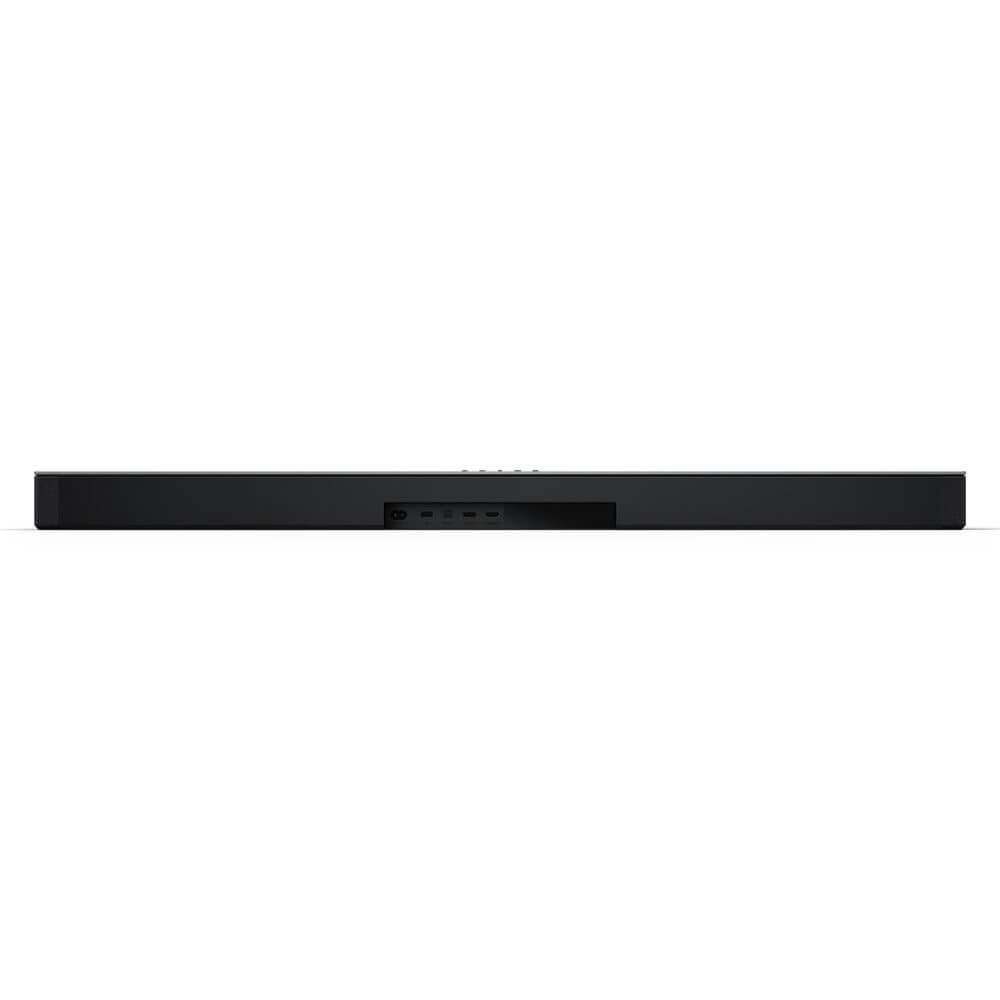
| Metal grille with rose gold accents, wood subwoofer | Contemporary design with acoustic reflectors |
| Best Room Size - Choose based on your actual listening space | |
| Small to medium rooms (up to 300 sq ft) | Medium to large rooms (300+ sq ft) |
| Gaming Performance - Low latency crucial for competitive gaming and action content | |
| Optimized for gaming with ultra-low wireless latency | Good gaming support but higher potential latency |
| Release Year - Newer models often include latest audio technologies | |
| 2025 model with cutting-edge wireless tech | 2024 model with proven, established technologies |
The ULTIMEA Skywave X40 is significantly better for gaming due to its ultra-low latency wireless technology (<20ms) that keeps audio perfectly synchronized with on-screen action. The X40 also features Bluetooth 5.4 and 4K HDR passthrough for modern gaming consoles. While the TCL Q85H supports gaming features like VRR and ALLM, its wireless system doesn't specify the same low-latency performance critical for competitive gaming.
The ULTIMEA X40's 5.1.2 configuration has 5 main channels, 1 subwoofer, and 2 height channels for overhead effects. The TCL Q85H's 7.1.4 setup adds 2 more side surround channels and 2 additional height channels for more precise audio placement. More channels can provide better surround immersion in larger rooms, but the X40 focuses its power more effectively across fewer channels for tighter, more impactful sound.
Both use 6.5-inch wireless subwoofers, but the ULTIMEA X40 delivers superior bass quality with its Gravus Ultra-Linear Bass technology extending down to 35Hz with minimal distortion. The TCL Q85H offers more raw bass power with its higher 860W total output, but the X40's GaN amplifier provides cleaner, tighter bass that integrates better with the main speakers.
The ULTIMEA Skywave X40 offers the easiest setup with factory pre-paired wireless components that connect automatically when powered on—truly plug-and-play. The TCL Q85H requires traditional wireless pairing procedures and room calibration setup, which adds complexity but allows for more customized optimization. Most users will achieve better results faster with the X40.
The ULTIMEA X40 excels in small to medium rooms (up to 300 sq ft) where its focused 5.1.2 channels receive adequate power and the advanced wireless technology maintains stable connections. The TCL Q85H performs better in larger spaces where its additional channels help maintain surround immersion across greater distances and the higher power output ensures adequate volume levels.
The ULTIMEA X40 features advanced dual 5GHz CineMesh wireless technology that uses two separate channels to prevent interference and dropouts, achieving sub-20ms latency. The TCL Q85H uses standard wireless connectivity for its rear speakers and subwoofer, which is reliable but doesn't match the X40's ultra-low latency performance or interference resistance.
The ULTIMEA X40 provides extensive customization through its smartphone app with 10-band EQ and 121 preset sound profiles for different content types. The TCL Q85H offers simpler control with 6 standard EQ modes (Movie, Music, Voice, Game, Sports) that integrate well with TV remotes. Audio enthusiasts will prefer the X40's granular control options.
The ULTIMEA X40 uses cutting-edge GaN (Gallium Nitride) amplifier technology that operates at 98% efficiency with 8x faster response than traditional silicon, resulting in cleaner sound with less heat and distortion. The TCL Q85H uses conventional silicon amplification, which is proven and reliable but less efficient and more prone to distortion at high volumes than the X40's advanced amplification.
Both excel for home theater use, but serve different preferences. The TCL Q85H provides more comprehensive surround immersion with its 7.1.4 channels, making it ideal for serious movie enthusiasts who want maximum spatial audio. The ULTIMEA X40 delivers superior audio quality and dialogue clarity through its advanced processing, making it better for users who prioritize sound refinement over channel count.
The ULTIMEA X40 offers HDMI eARC, Optical, USB, Bluetooth 5.4, and 4K HDR passthrough for modern device compatibility. The TCL Q85H features HDMI 2.1 eARC with VRR and ALLM support, Optical, and Bluetooth 5.1. Both provide comprehensive connectivity, but the Q85H has slightly more advanced HDMI features while the X40 offers newer Bluetooth technology.
The ULTIMEA X40 typically offers better long-term value through its advanced wireless technology, GaN amplification, and superior processing that should remain relevant longer. The TCL Q85H provides good value for users wanting maximum channel count and total power output. The X40 justifies any price premium through genuinely advanced technology, while the Q85H appeals to traditional home theater enthusiasts.
Both support Dolby Atmos with upward-firing speakers, but implement it differently. The ULTIMEA X40 uses its NEURACORE processing with 2,000 MIPS to create precise spatial positioning through its 5.1.2 configuration. The TCL Q85H leverages its additional 7.1.4 channels and RayDanz acoustic reflector technology for wider soundstage coverage. The X40 provides more accurate positioning, while the Q85H offers more expansive spatial coverage.
We've done our best to create useful and informative comparisons to help you decide what product to buy. Our research uses advanced automated methods to create this comparison and perfection is not possible - please contact us for corrections or questions. These are the sites we've researched in the creation of this article: bestbuy.com - shopabunda.com - youtube.com - youtube.com - youtube.com - youtube.com - ultimea.com - walmart.com - youtube.com - hometechnologyreview.com - community.ultimea.com - avsforum.com - youtube.com - youtube.com - youtube.com - bestbuy.com - hometechnologyreview.com - gamerant.com - bestbuy.com - tcl.com - bestbuy.com - tcl.com - tcl.com - nfm.com - tcl.com - electronicexpress.com - tcl.com - tcl.com - digitaltrends.com

Privacy Policy
Terms and Conditions - Affiliate Policy
Home Security
© Copyright 2008-2026.
11816 Inwood Rd #1211, Dallas, TX 75244