




Modern TVs have a dirty little secret: they sound terrible. In the race to create impossibly thin displays, manufacturers have essentially sacrificed audio quality entirely. Those paper-thin speakers tucked behind your gorgeous 4K screen? They're barely capable of producing intelligible dialogue, let alone the thunderous explosions and subtle atmospheric details that make movies truly immersive.
This is where soundbars come to the rescue, but not all soundbars are created equal. Today we're comparing two fundamentally different approaches to solving your TV's audio problems: the ULTIMEA Skywave X40 and the Bose TV Speaker. One promises to transform your living room into a full-scale home theater, while the other focuses on perfecting the essentials with elegant simplicity.
Before diving into specifics, it's worth understanding what soundbars actually do and why the differences between these two models matter so much. At their core, soundbars are designed to replace your TV's inadequate built-in speakers with dedicated drivers (individual speaker units), proper amplification (the electronic components that boost audio signals), and digital signal processing (computer chips that optimize sound quality).
The key considerations when choosing a soundbar come down to a few critical factors: how much space you have, how immersive you want your audio experience to be, how much complexity you're willing to manage, and what represents good value for your specific situation.
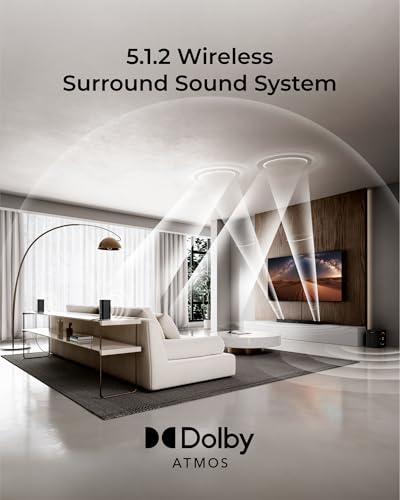
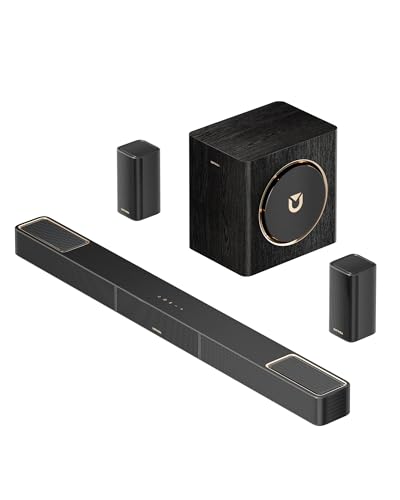
The ULTIMEA Skywave X40, released in 2025, represents the "go big or go home" approach to TV audio. This is a complete 5.1.2 surround sound system that includes a main soundbar, wireless subwoofer, and two wireless rear speakers. The "5.1.2" designation means five main channels (left, center, right, and two surrounds), one subwoofer channel, and two height channels for overhead effects—essentially surrounding you with eight separate speakers.
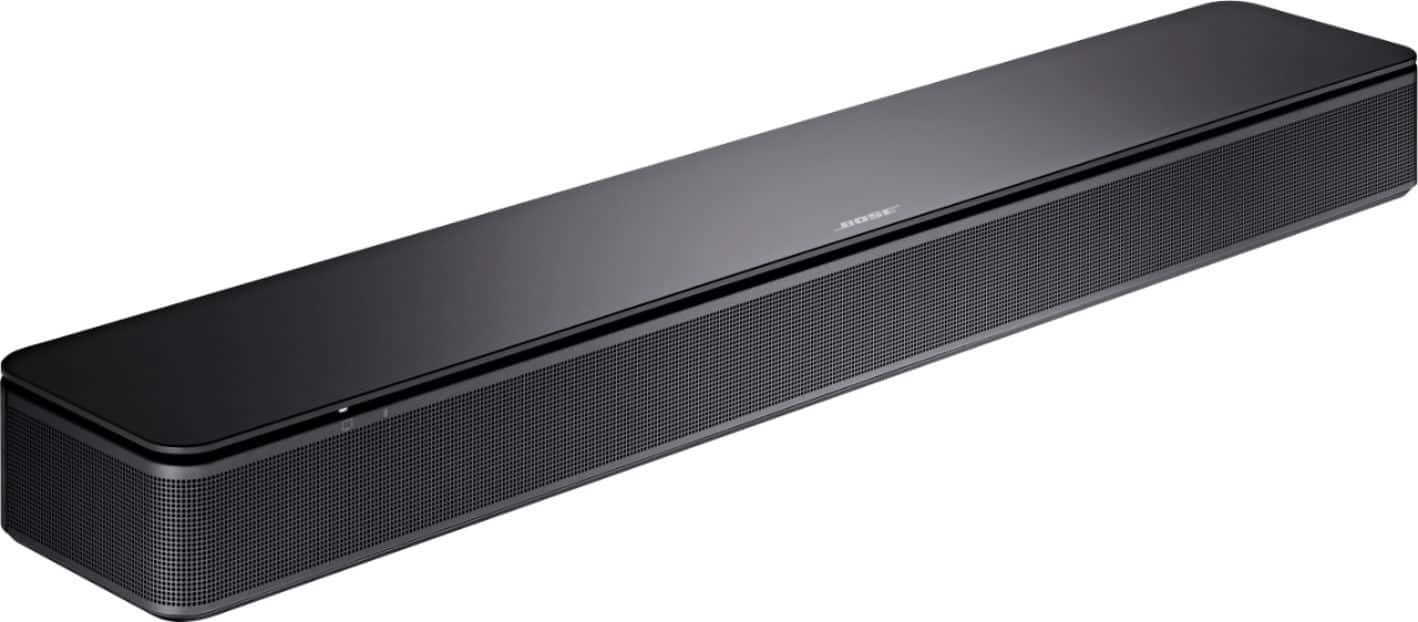
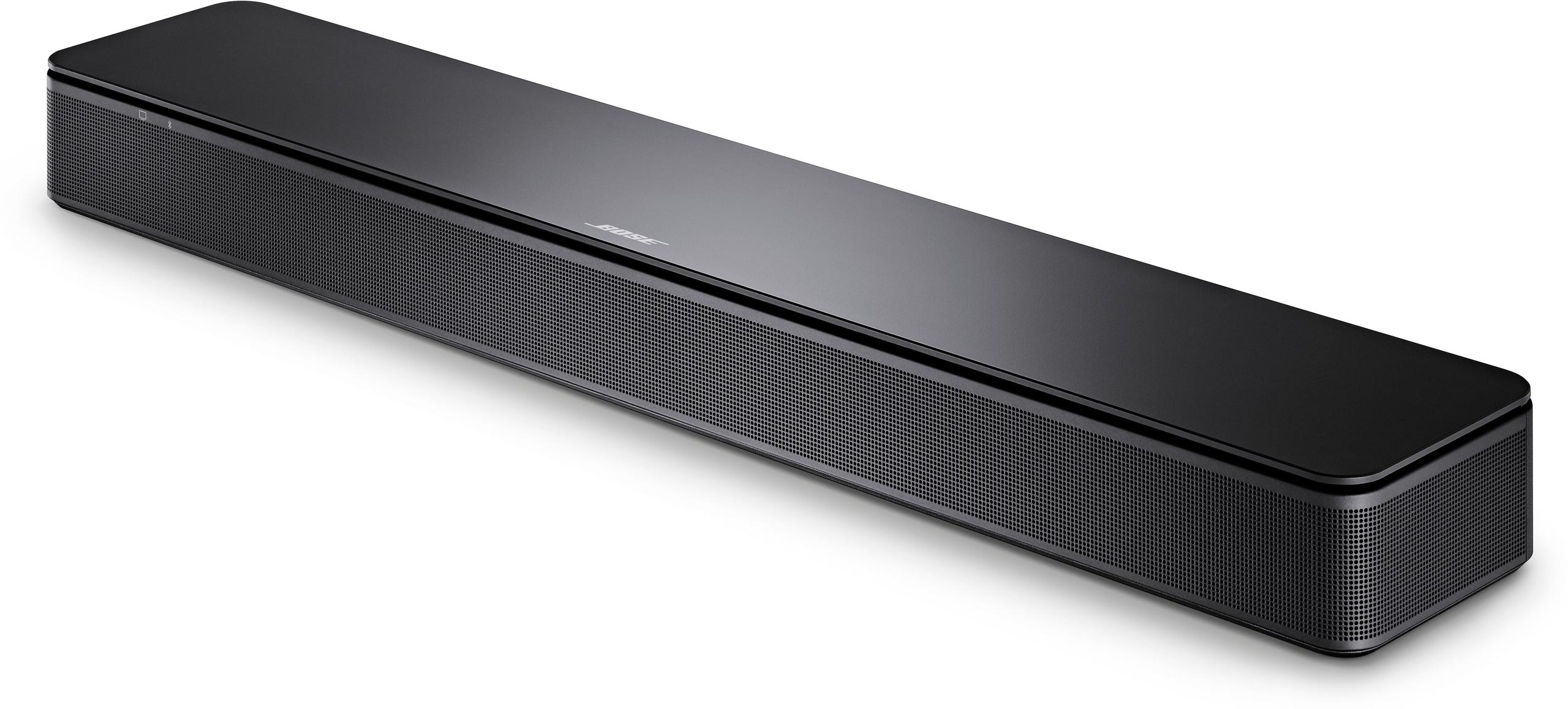
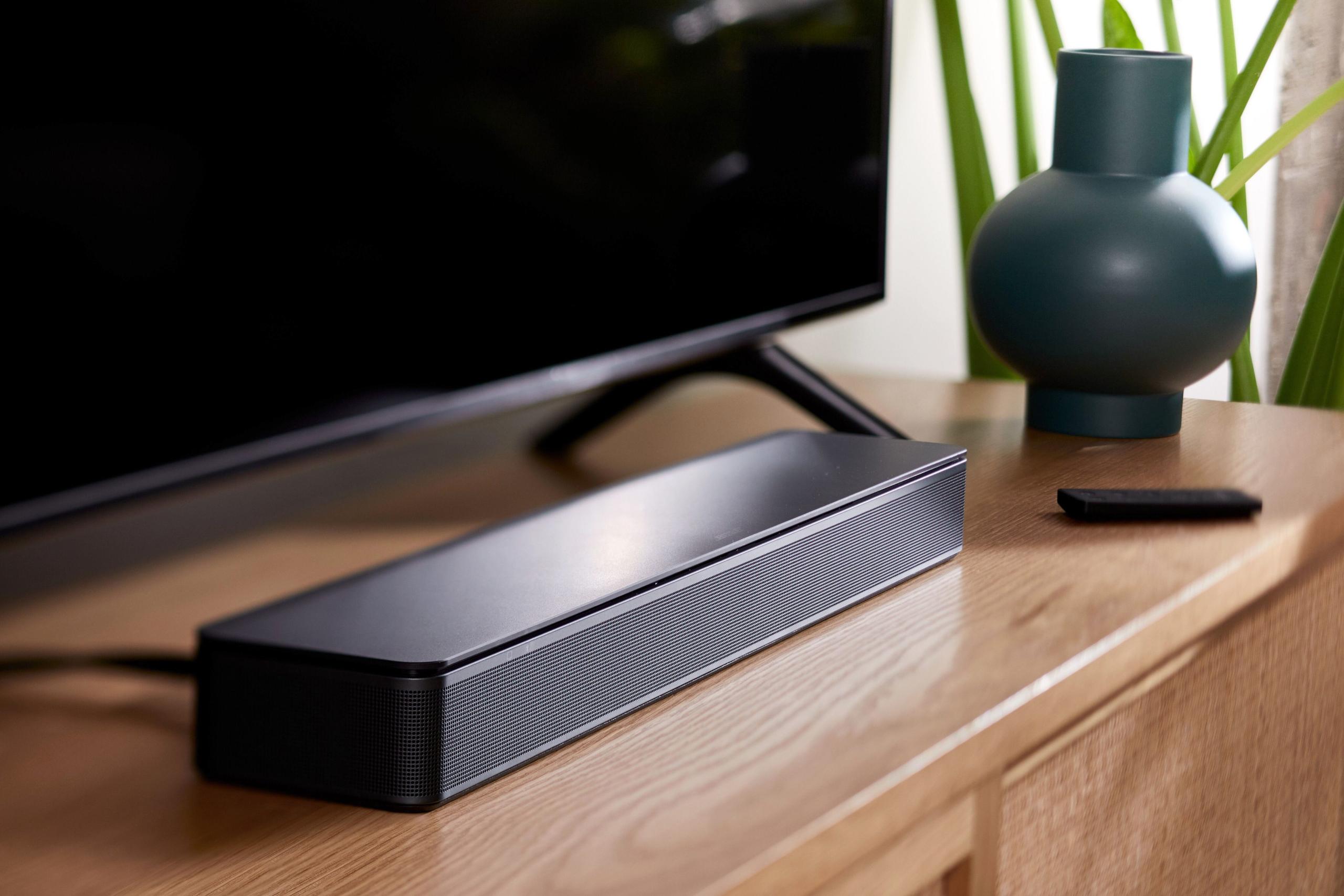
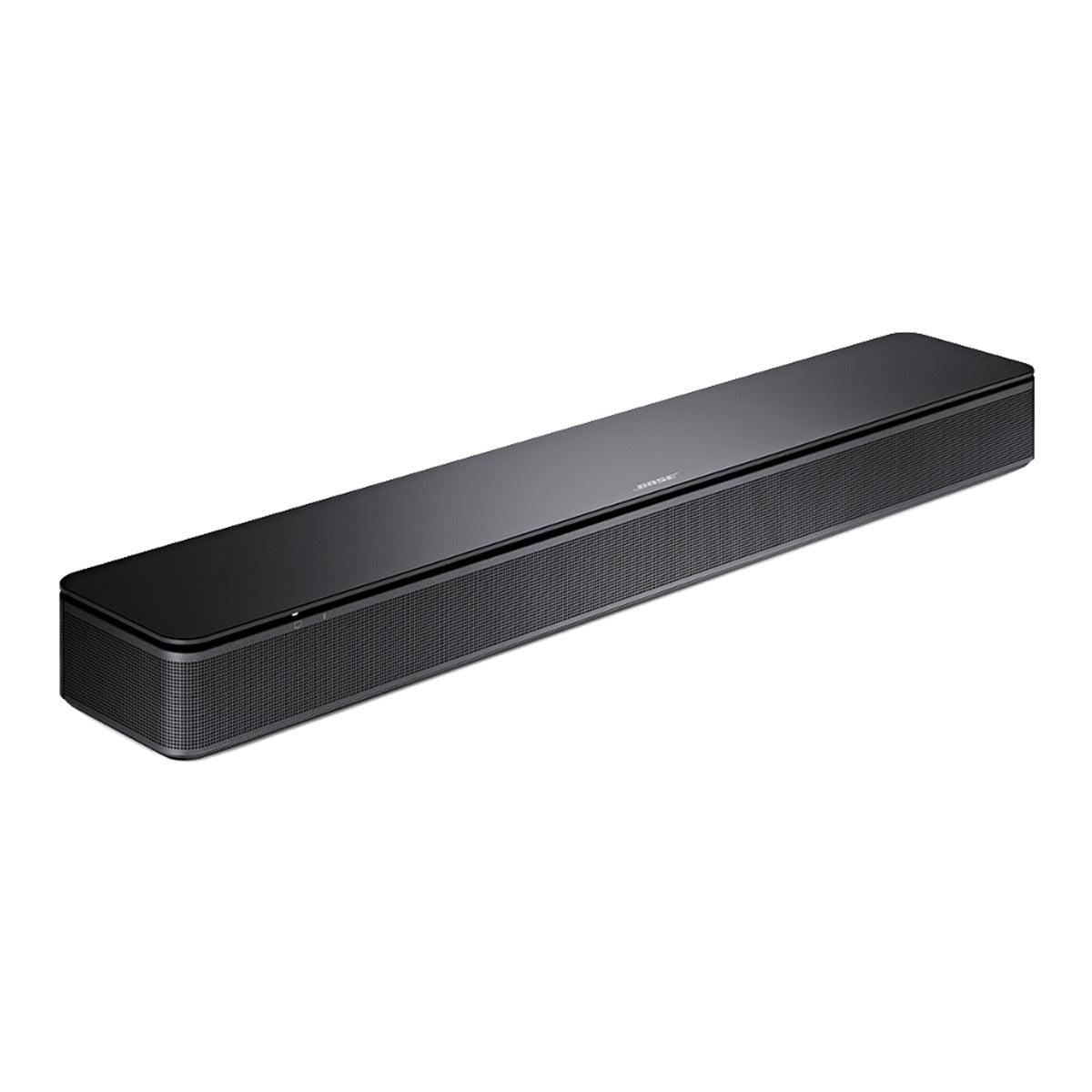
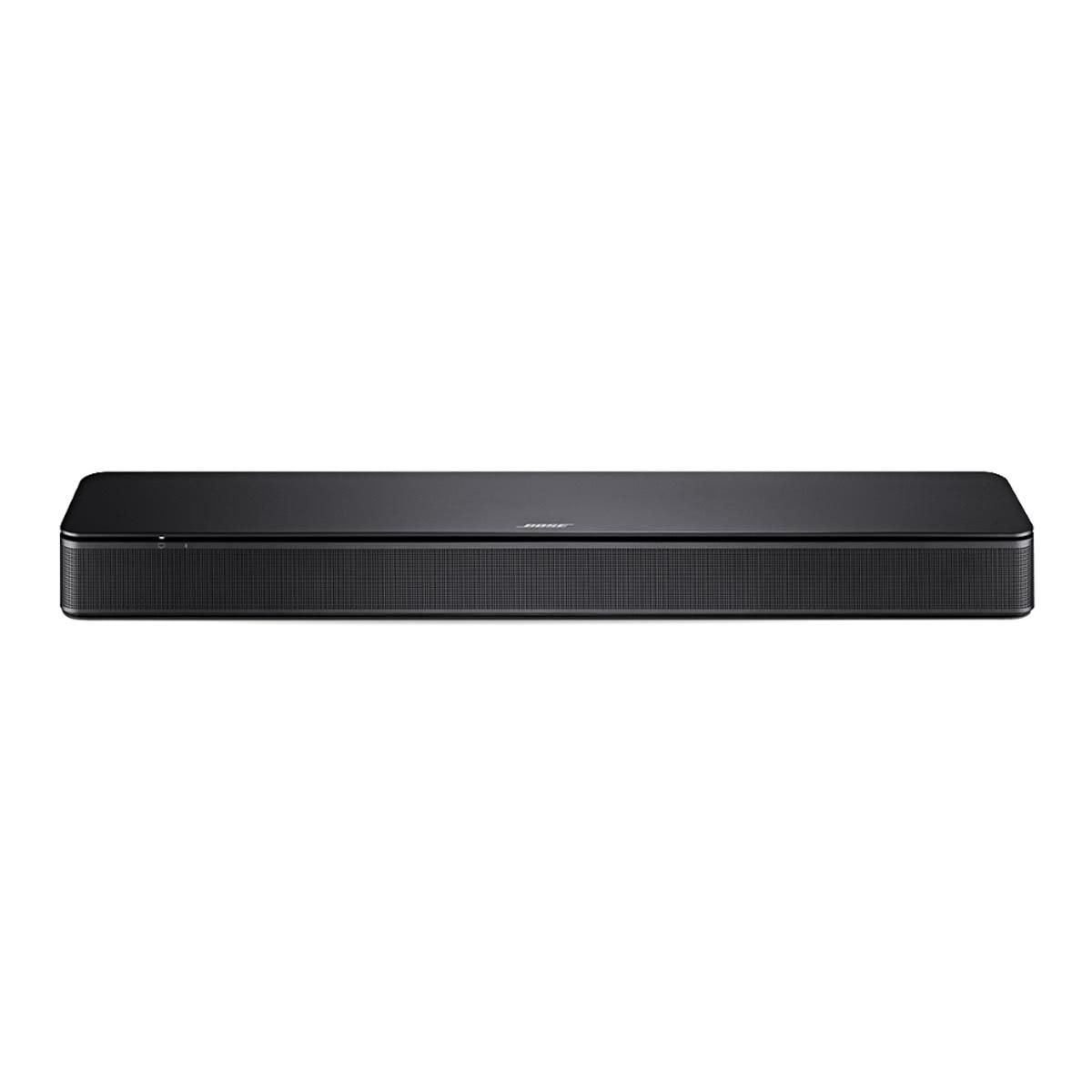
In contrast, the Bose TV Speaker, which has been available since 2020, takes the minimalist route. This compact soundbar focuses entirely on delivering exceptional stereo sound (two-channel audio) with enhanced dialogue clarity. It's designed for people who want better TV audio without the complexity of multiple components scattered around their room.
These aren't just different sizes of the same thing—they're completely different approaches to solving audio problems, and understanding this distinction is crucial to making the right choice.
Let's talk about raw audio performance, because this is where the differences become immediately apparent. The ULTIMEA Skywave X40 delivers 530 watts of peak power across its eight speakers. Peak power refers to the maximum amount of electrical energy the system can handle during brief, intense audio passages—think explosions or bass drops in music. This substantial power output means the system can fill even large rooms with authoritative sound without straining or distorting.
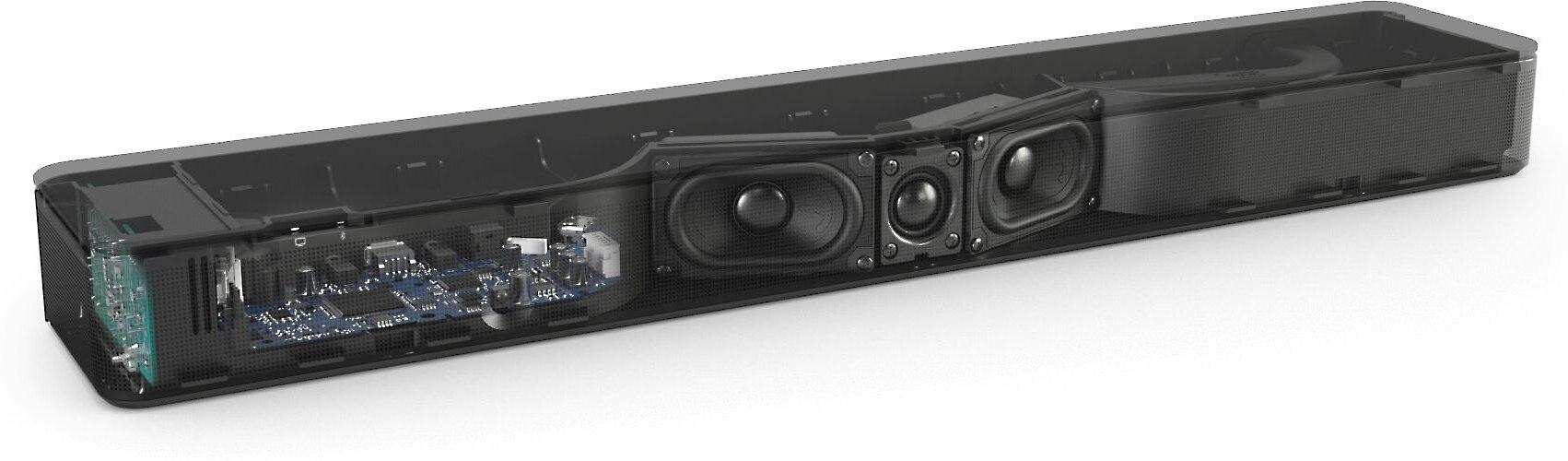
The Bose TV Speaker, by comparison, uses moderate power output focused on efficiency rather than raw muscle. Bose has always been masters of acoustic engineering—the science of making speakers sound bigger and more powerful than their physical size would suggest. Their approach here involves using precisely angled full-range drivers (speakers that handle multiple frequency ranges) combined with a dedicated center tweeter (a small speaker specialized for high frequencies and dialogue).
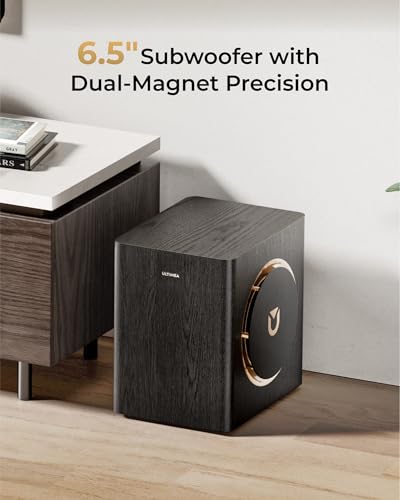
In practical terms, this power difference translates to dramatically different listening experiences. The Skywave X40 can create that chest-thumping, room-shaking experience you'd get in a commercial movie theater. Its 6.5-inch wireless subwoofer extends frequency response down to 35Hz—that's deep enough to reproduce the lowest notes in most movie soundtracks and music. For reference, the lowest note on a standard bass guitar is around 41Hz, so this system can reproduce fundamentals (the basic frequency of a sound) that you feel as much as hear.
The Bose TV Speaker takes a different approach entirely. Rather than trying to reproduce every frequency with equal emphasis, it focuses on the mid-range frequencies where dialogue lives, using specialized processing to ensure every word comes through clearly. This is particularly valuable for people who struggle to understand what actors are saying in movies—a common complaint with modern film audio mixing.
Here's where these products diverge most dramatically: spatial audio reproduction. The ULTIMEA Skywave X40 creates genuine surround sound using physically separated speakers placed around your room. This isn't some clever acoustic trick or digital processing—it's actual sound coming from behind and above you.
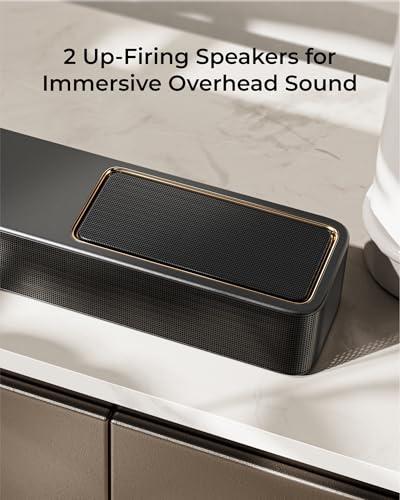
The system's 5.1.2 configuration includes two up-firing drivers built into the main soundbar. These speakers fire sound toward your ceiling, which then reflects down to create the impression of overhead audio—perfect for rain effects, helicopter flyovers, or the subtle atmospheric details that make movie scenes feel realistic. This is called Dolby Atmos, a surround sound technology that adds height information to traditional surround sound.
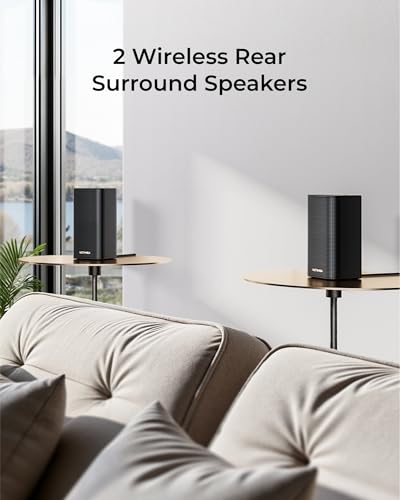
The wireless rear speakers connect using something ULTIMEA calls CineMesh True Wireless Technology, which uses dual 5GHz transmission bands. This is important because 5GHz offers much more bandwidth than traditional 2.4GHz wireless (the same frequency used by most WiFi networks and Bluetooth devices), resulting in higher quality audio transmission and less interference from other devices in your home. The sub-20ms latency means there's essentially no delay between what you see on screen and what you hear from the rear speakers.
The Bose TV Speaker, meanwhile, works entirely in stereo. It uses angled drivers to create a wider soundstage (the perceived width and depth of audio), but you won't get sounds coming from behind or above you. This isn't necessarily a limitation—many people prefer the simplicity and consistency of excellent stereo reproduction over the complexity and potential setup challenges of surround sound.
The ULTIMEA Skywave X40 incorporates some genuinely impressive technology that wasn't available when earlier soundbars were designed. Its NEURACORE audio engine uses a triple-core DSP (digital signal processor) combined with a dual-core MCU (microcontroller unit) to provide 2,000 MIPS of processing power. MIPS stands for "millions of instructions per second"—essentially, this system can perform two billion calculations every second to optimize your audio in real-time.
This processing power enables features like Gravus Ultra-Linear Bass Technology, which prevents the subwoofer from distorting even at high volumes. Distortion occurs when speakers are pushed beyond their physical limits, creating unpleasant buzzing or crackling sounds. The system's algorithms monitor the subwoofer's performance and automatically adjust the signal to maintain clean bass reproduction.
Perhaps most impressively, the Skywave X40 uses GaN (Gallium Nitride) amplification—the same advanced technology found in high-end audio equipment costing thousands of dollars. GaN amplifiers switch on and off much faster than traditional silicon-based amplifiers, resulting in up to 98% efficiency (meaning less energy is wasted as heat) and significantly reduced distortion. They also respond eight times faster than conventional amplifiers, preserving the subtle timing details that make audio sound natural and engaging.
The Bose TV Speaker takes a more traditional but refined approach. Rather than overwhelming you with processing power, it focuses on acoustic design and psychoacoustic engineering—the science of how humans perceive sound. Bose's Dialogue Mode analyzes the frequency content of whatever you're watching and automatically adjusts the processing to make speech more intelligible. This is particularly valuable for older listeners or anyone watching content with challenging audio mixing.
One area where these products differ significantly is in practical day-to-day use. The ULTIMEA Skywave X40 arrives as four separate components that need to be positioned around your room. While everything is pre-paired at the factory (meaning the components automatically connect to each other when powered on), you still need to find appropriate locations for the rear speakers and subwoofer, ensure each has access to power outlets, and potentially run the system's room calibration process.
The wireless nature of the system eliminates the need to run speaker wires across your room—a major advantage over traditional surround systems. However, "wireless" doesn't mean "power-free." Each component still needs to be plugged into an electrical outlet, which can be challenging depending on your room layout.
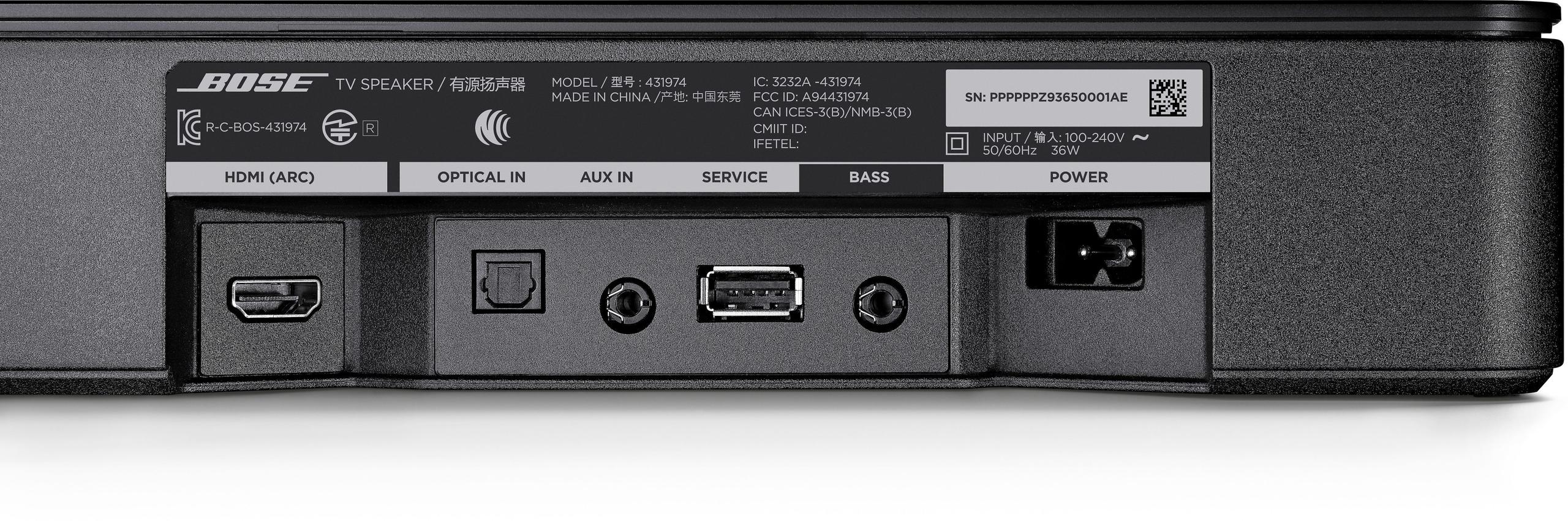
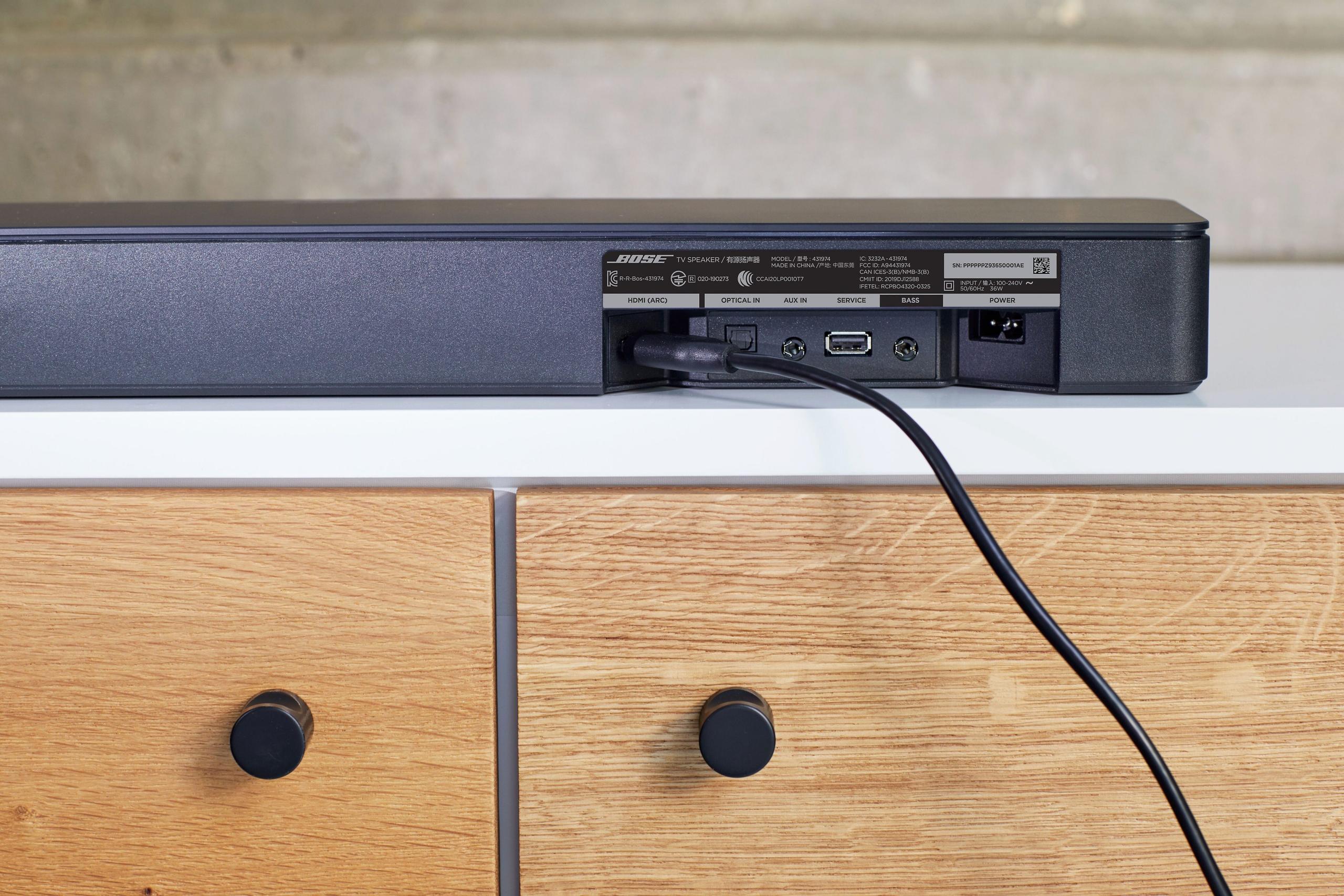
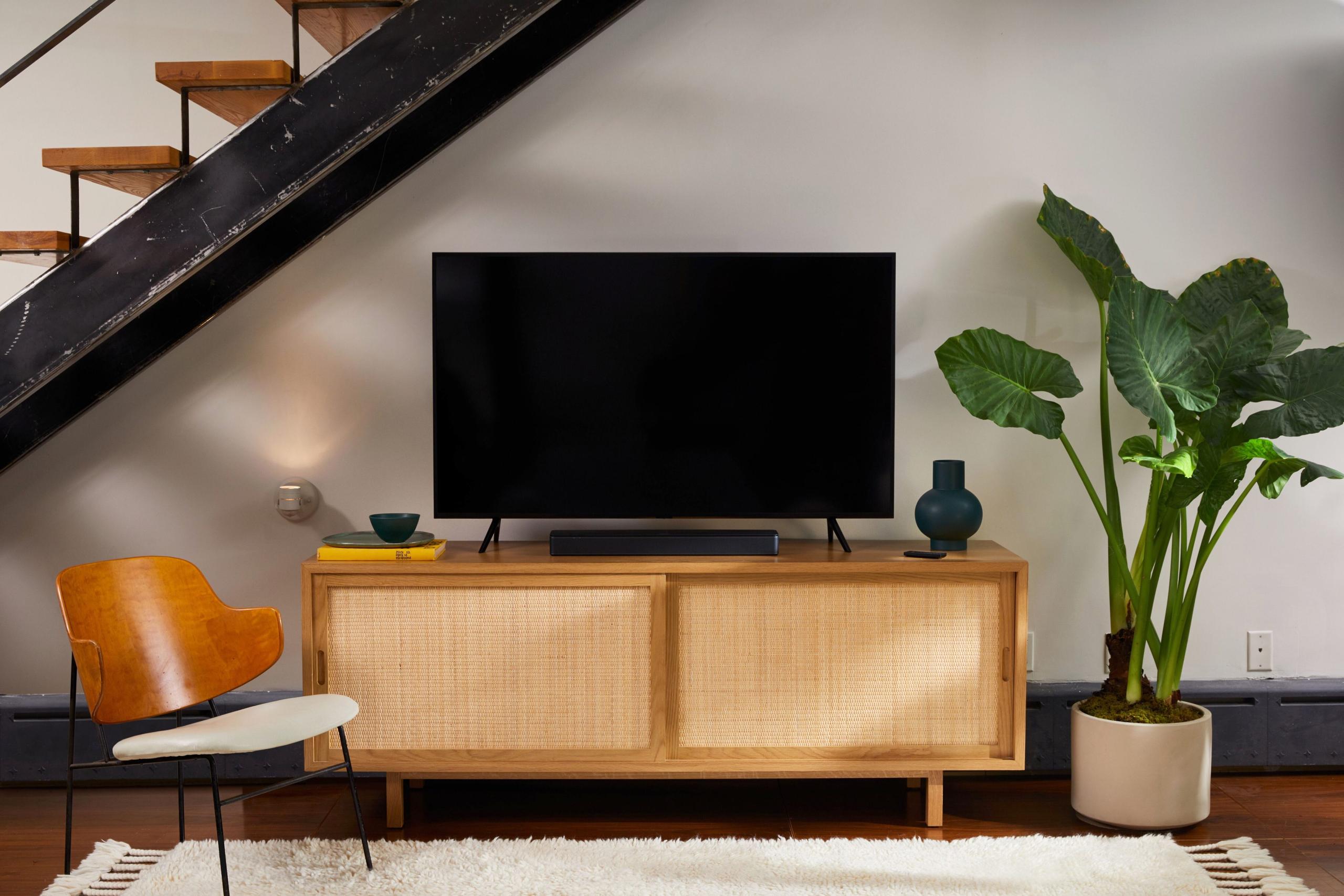
The Bose TV Speaker connects to your TV with a single cable (either optical digital or HDMI) and plugs into one power outlet. That's it. Setup takes literally minutes, and the compact design means it fits in front of most TVs without blocking the screen or looking obtrusive. For people living in apartments, condos, or smaller spaces, this simplicity is genuinely valuable.
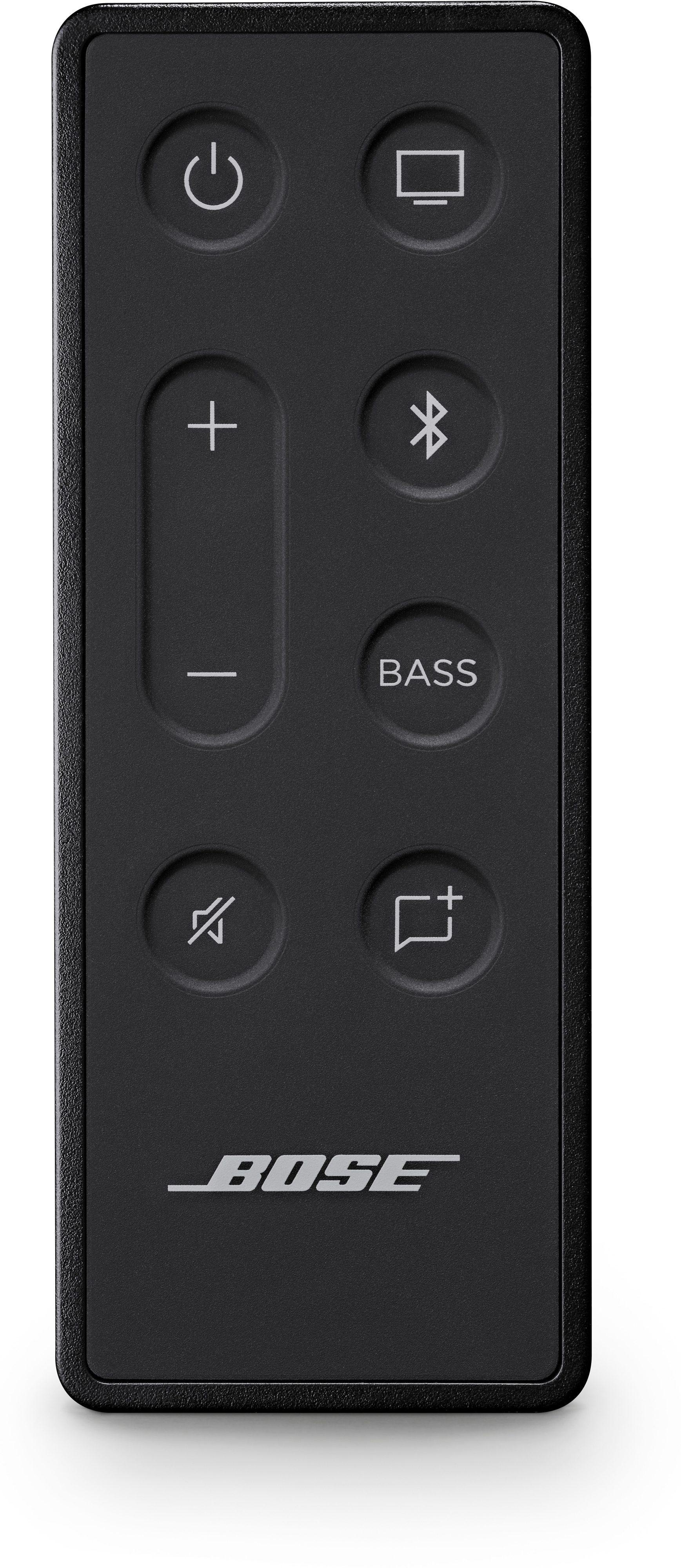
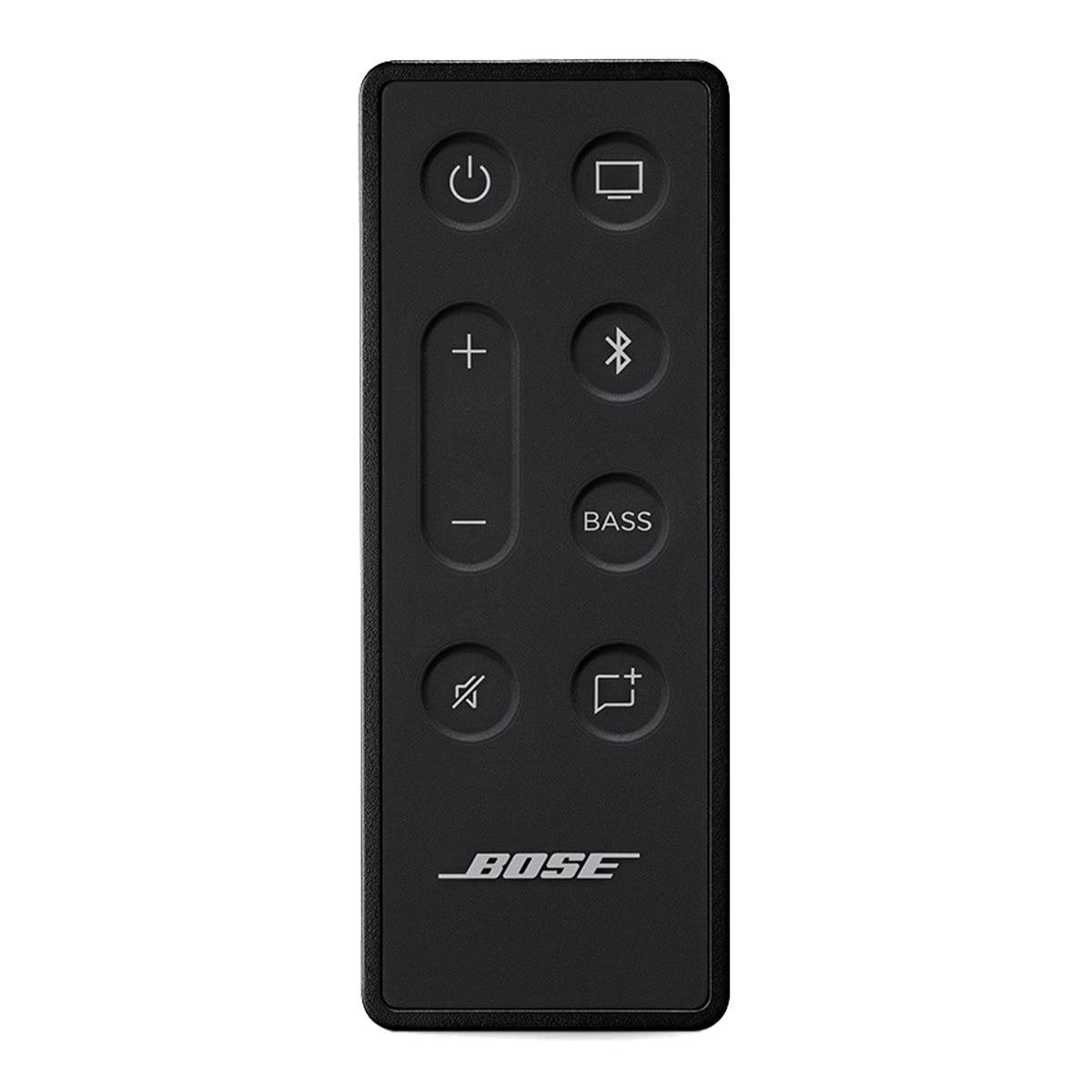
The Bose soundbar also includes HDMI-CEC support, which allows it to communicate with your TV through the HDMI connection. This means the soundbar automatically turns on when you turn on your TV, and you can control its volume using your existing TV remote. These might seem like small conveniences, but they eliminate the daily friction that can make complex audio systems feel cumbersome.
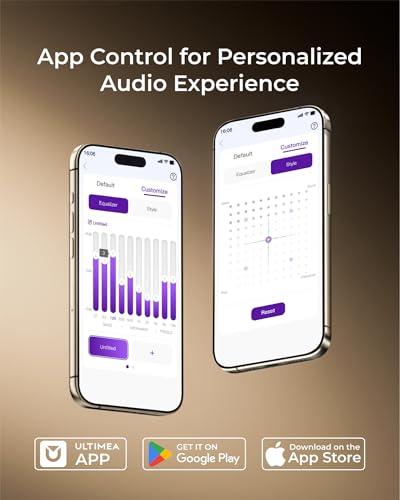
Modern soundbars increasingly rely on smartphone apps for advanced control, and this is where the ULTIMEA Skywave X40 really shines. The dedicated ULTIMEA app provides access to a 10-band equalizer (allowing you to boost or cut specific frequency ranges), 121 preset sound profiles optimized for different types of content, and six listening modes including Cinema, Music, Voice, Game, and Night modes.
This level of customization isn't just about having options—it's about optimizing performance for your specific room and listening preferences. Room acoustics have an enormous impact on sound quality, and the ability to fine-tune frequency response can make the difference between audio that sounds muddy and unclear versus audio that's perfectly balanced for your space.
The Bose TV Speaker keeps things much simpler, with basic controls accessible via the included remote. You can toggle Dialogue Mode, adjust bass levels, and switch between inputs, but there's no smartphone app or advanced customization. For many users, this is actually a feature rather than a limitation—it eliminates the learning curve and ongoing maintenance that can come with more complex systems.
At the time of this writing, the ULTIMEA Skywave X40 represents exceptional value in the surround soundbar category. Complete 5.1.2 systems from established brands like Samsung, Sony, or JBL typically cost significantly more while offering similar or sometimes fewer features. The inclusion of wireless rear speakers and a substantial subwoofer in the base price means you're getting a complete home theater audio system without additional purchases.
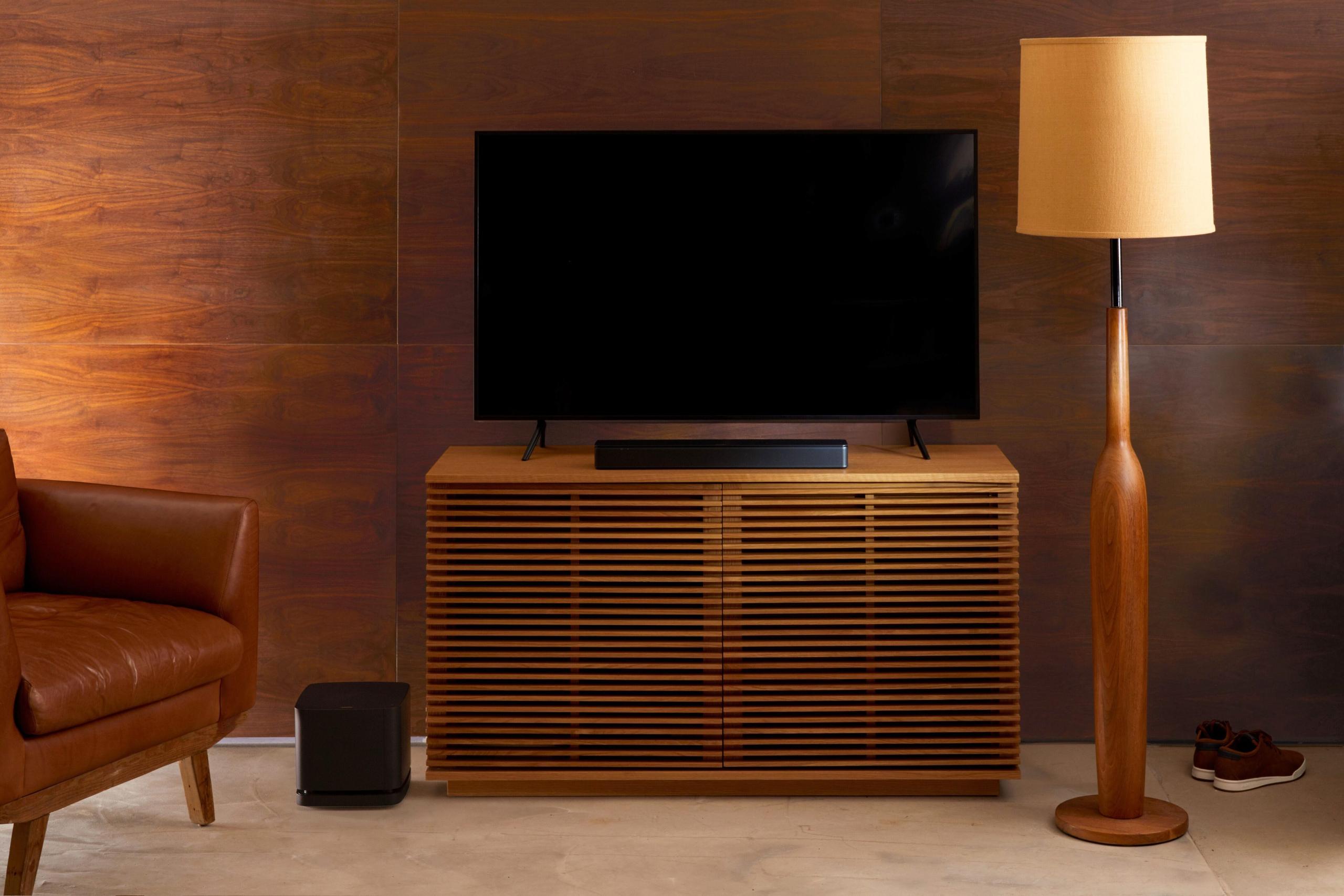
The Bose TV Speaker, while less expensive upfront, has a more complex value equation. The soundbar alone provides excellent stereo performance, but if you eventually want bass performance comparable to the Skywave X40, you'll need to add Bose's Bass Module 500 or 700, which significantly increases the total system cost. However, this modular approach does allow you to start simple and expand later if your needs change.
Based on extensive research into user experiences and professional reviews, these products excel in different scenarios. The ULTIMEA Skywave X40 truly shines during movie watching and gaming sessions. Users consistently praise its ability to create convincing surround effects—the sensation of helicopters flying overhead or footsteps approaching from behind. The low-latency wireless connection makes it particularly appealing for gaming, where audio-visual synchronization is crucial for competitive performance.
Music playback through the Skywave X40 receives mixed reviews, with some users noting that its home theater tuning isn't always ideal for stereo music reproduction. However, the extensive EQ options in the app allow most users to dial in settings that work well for their musical preferences.
The Bose TV Speaker excels with dialogue-heavy content like news programs, documentaries, and dramatic films. Users frequently mention that they can finally understand what actors are saying without constantly adjusting volume levels or turning on subtitles. Music reproduction is generally praised for its balanced, natural sound signature—typical of Bose's acoustic philosophy.
For dedicated home theater setups, the ULTIMEA Skywave X40 offers features that serious movie enthusiasts will appreciate. The 4K HDR passthrough capability means you can connect devices like Apple TV, gaming consoles, or Blu-ray players directly to the soundbar without compromising video quality. The system's support for Dolby Digital and advanced surround formats ensures compatibility with current and future content.
The HDMI eARC (enhanced Audio Return Channel) connection provides the highest quality audio path from your TV, supporting lossless audio formats that maintain perfect fidelity from source to speakers. This matters most when watching high-quality content from streaming services, physical media, or gaming.
The Bose TV Speaker includes HDMI ARC (the standard version) and is certified as "Roku TV Ready," meaning it integrates seamlessly with Roku TVs for automatic setup and unified remote control. While it doesn't support advanced surround formats, it handles standard Dolby Digital processing effectively for its stereo presentation.
After researching extensive user feedback and professional evaluations, clear usage patterns emerge for each product. The ULTIMEA Skywave X40 is ideal for users with medium to large living rooms who want a transformative audio experience. It's particularly compelling for movie enthusiasts, gamers, and anyone who entertains guests regularly. The wireless setup eliminates the cable management headaches of traditional surround systems while delivering genuinely impressive performance for the price point.
However, the Skywave X40 does require commitment to managing multiple components and may overwhelm users who simply want better TV dialogue. Some users report that the extensive customization options can feel daunting, and the system's room-filling power might be excessive for apartment living or late-night viewing.
The Bose TV Speaker excels for users who prioritize simplicity and dialogue clarity above all else. It's perfect for smaller spaces, older listeners who struggle with speech intelligibility, and anyone who wants immediate improvement without complexity. The compact design and single-connection setup make it ideal for bedrooms, apartments, or secondary viewing areas.
The modular upgrade path—adding a Bass Module later—provides flexibility for users whose needs might evolve. However, users seeking immersive surround effects or powerful bass will likely find the Bose speaker limiting without additional components.
Your choice between these soundbars ultimately comes down to your specific priorities and living situation. If you want to recreate the movie theater experience at home and have the space for multiple components, the ULTIMEA Skywave X40 delivers exceptional value and performance that rivals systems costing significantly more. Its advanced wireless technology, comprehensive feature set, and impressive power output make it a standout choice for serious home theater enthusiasts.
If you prefer elegant simplicity and primarily care about clear dialogue and balanced stereo sound, the Bose TV Speaker offers the refined performance and hassle-free operation that Bose is known for. While it won't transform your living room into a surround sound theater, it will make your TV sound significantly better without adding complexity to your daily routine.
Both products succeed at their intended purposes, but they're designed for fundamentally different users and use cases. The key is honestly assessing your priorities, available space, and long-term audio goals before making your decision.
| ULTIMEA Skywave X40 5.1.2 Soundbar System | Bose TV Speaker Soundbar |
|---|---|
| Audio Channels - Determines surround sound capability and immersion level | |
| 5.1.2 channels with true surround and height effects | 3.1 channels (stereo plus center tweeter) |
| Total Speakers - More speakers typically mean better sound separation | |
| 8 speakers (including wireless rear speakers and subwoofer) | 3 speakers (2 full-range drivers + 1 tweeter) |
| Peak Power Output - Higher wattage can fill larger rooms without distortion | |
| 530W (suitable for large living rooms) | Moderate power (ideal for small to medium rooms) |
| Subwoofer - Essential for deep bass in movies and music | |
| 6.5" wireless subwoofer included (35Hz frequency response) | No subwoofer (optional Bass Module sold separately) |
| Dolby Atmos Support - Creates overhead sound effects for movies | |
| Yes, with 2 up-firing drivers | No (stereo-only presentation) |
| Setup Complexity - Affects how quickly you can start enjoying better sound | |
| 4 components requiring power outlets around room | Single soundbar with one connection to TV |
| Wireless Technology - Eliminates cable runs but may affect reliability | |
| CineMesh dual 5GHz wireless for rear speakers (<20ms latency) | Bluetooth 4.2 for music streaming only |
| Smartphone App Control - Enables advanced customization | |
| Full app with 10-band EQ and 121 presets | No app (basic remote control only) |
| HDMI Features - Important for modern TV and device compatibility | |
| HDMI eARC with 4K HDR passthrough | HDMI ARC with CEC control |
| Dialogue Enhancement - Critical for understanding speech in movies | |
| Dedicated center channel plus Voice EQ mode | Specialized Dialogue Mode with center tweeter focus |
| Physical Footprint - Determines if it fits your space and TV setup | |
| 43.3" soundbar plus separate rear speakers and subwoofer | Compact 23.4" x 2.2" single unit (4.3 lbs) |
| Amplifier Technology - Affects sound quality and efficiency | |
| GaN (Gallium Nitride) amplifier (98% efficiency, low heat) | Traditional amplification optimized for dialogue clarity |
The ULTIMEA Skywave X40 is significantly better for home theater use. It provides true 5.1.2 surround sound with wireless rear speakers and Dolby Atmos height effects, creating an immersive movie experience. The Bose TV Speaker only offers enhanced stereo sound, which won't give you the surround effects that make action movies exciting.
The ULTIMEA Skywave X40 delivers 5.1.2 surround sound, meaning five main channels, one subwoofer, and two height channels for overhead effects. This creates sound from all directions around you. The Bose TV Speaker produces stereo sound with enhanced dialogue clarity, but all audio comes from the front soundbar only.
The ULTIMEA Skywave X40 includes a 6.5-inch wireless subwoofer that delivers deep bass down to 35Hz, perfect for movie explosions and music. The Bose TV Speaker has no built-in subwoofer and relies on small drivers for bass, though you can add a separate Bass Module for additional cost.
The ULTIMEA Skywave X40 includes 8 total speakers across the main bar, wireless subwoofer, and rear speakers. The Bose TV Speaker has 3 speakers built into the single soundbar unit - two full-range drivers and one center tweeter focused on dialogue clarity.
The Bose TV Speaker is much easier to set up with just one connection to your TV and one power cord. The ULTIMEA Skywave X40 requires positioning four separate components around your room and finding power outlets for each, though all components connect wirelessly to each other.
The Bose TV Speaker is ideal for small rooms, apartments, and bedrooms due to its compact size and focused stereo performance. The ULTIMEA Skywave X40 is designed for medium to large rooms where its 530W power output and surround speakers can shine without overwhelming the space.
Both excel at dialogue but use different approaches. The Bose TV Speaker has a specialized Dialogue Mode and center tweeter specifically designed for speech clarity. The ULTIMEA Skywave X40 uses a dedicated center channel and Voice EQ mode for clear dialogue reproduction within its surround sound setup.
The ULTIMEA Skywave X40 includes a comprehensive smartphone app with 10-band EQ, 121 preset profiles, and six listening modes for extensive customization. The Bose TV Speaker has no smartphone app and relies on the included remote for basic controls like volume and dialogue mode.
Only the ULTIMEA Skywave X40 supports Dolby Atmos with two up-firing drivers that bounce sound off your ceiling for overhead effects. The Bose TV Speaker does not support Dolby Atmos or any surround sound formats - it focuses on high-quality stereo reproduction.
The ULTIMEA Skywave X40 provides HDMI eARC, optical, Bluetooth 5.4, USB, and 4K HDR passthrough for comprehensive connectivity. The Bose TV Speaker offers HDMI ARC, optical, 3.5mm analog input, and Bluetooth 4.2, covering the essential connections most users need.
The ULTIMEA Skywave X40 offers exceptional value as a complete 5.1.2 system with wireless subwoofer and rear speakers included. The Bose TV Speaker costs less upfront but requires purchasing a separate Bass Module to match the bass performance of the complete ULTIMEA system.
The Bose TV Speaker requires minimal space at just 23.4 inches wide and fits in front of most TVs. The ULTIMEA Skywave X40 needs a 43.3-inch soundbar placement plus locations around your room for the wireless subwoofer and rear speakers, making the Bose option better for space-constrained setups.
We've done our best to create useful and informative comparisons to help you decide what product to buy. Our research uses advanced automated methods to create this comparison and perfection is not possible - please contact us for corrections or questions. These are the sites we've researched in the creation of this article: bestbuy.com - shopabunda.com - youtube.com - youtube.com - youtube.com - youtube.com - ultimea.com - walmart.com - youtube.com - hometechnologyreview.com - community.ultimea.com - avsforum.com - youtube.com - youtube.com - youtube.com - bestbuy.com - hometechnologyreview.com - bestbuy.com - projectorscreen.com - forums.audioholics.com - digitaltrends.com - abt.com - crutchfield.com - staples.com - bestbuy.com - pcrichard.com - visions.ca - bose.com - assets.bose.com

Privacy Policy
Terms and Conditions - Affiliate Policy
Home Security
© Copyright 2008-2026.
11816 Inwood Rd #1211, Dallas, TX 75244