





When you're shopping for a premium soundbar to transform your living room into a home theater, you're entering exciting territory. Both the ULTIMEA Skywave X40 and LG S70TR promise to deliver that cinematic audio experience that makes explosions rumble through your chest and dialogue crystal clear. But these two systems take notably different approaches to achieving great sound, and understanding those differences will help you make the right choice for your setup.
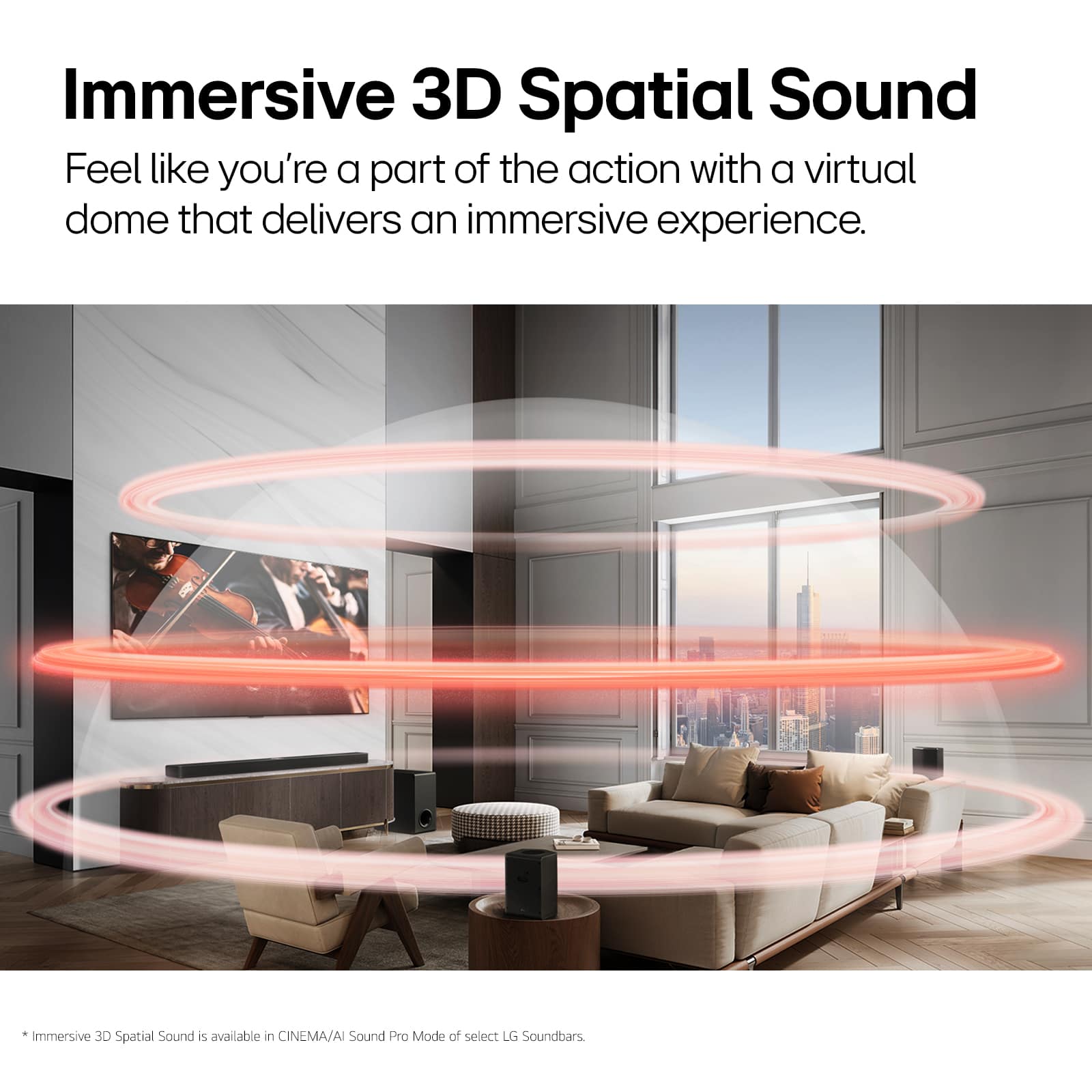
Premium soundbars in this category aren't just fancy speakers that sit under your TV. They're sophisticated audio systems designed to create what's called "spatial audio"—sound that seems to come from all around you, including overhead. Both the ULTIMEA Skywave X40 and LG S70TR support Dolby Atmos, which is the current gold standard for this immersive audio experience.
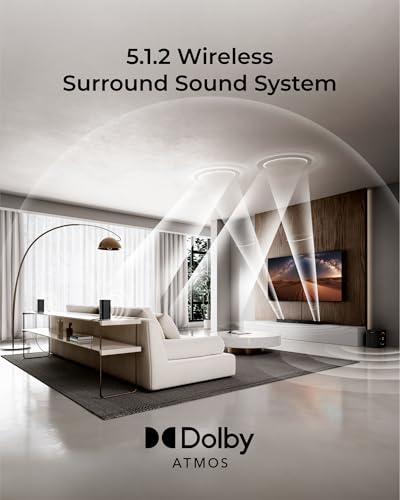
Think of Dolby Atmos like this: instead of just having sounds come from your left, right, and center, it adds a vertical dimension. Rain sounds like it's falling from above, helicopters fly overhead realistically, and action sequences feel like you're in the middle of them. The key difference between these two systems is how many "channels" they use to create this effect—the X40 uses a 5.1.2 setup while the S70TR uses 5.1.1.
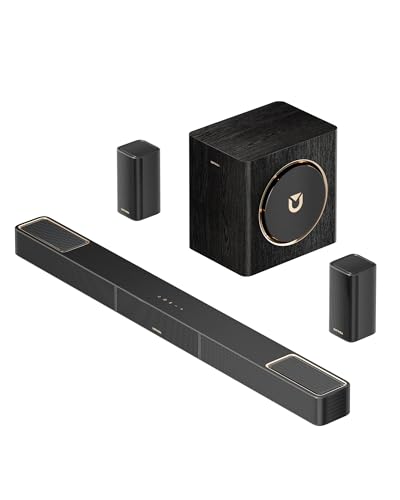
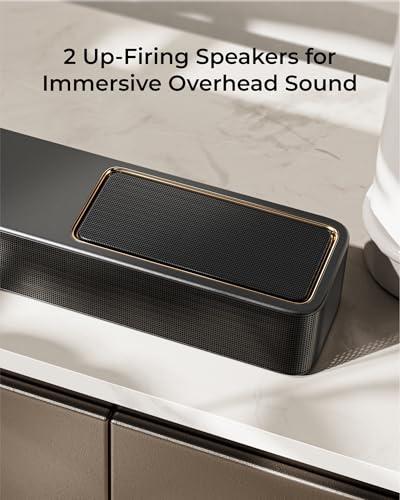
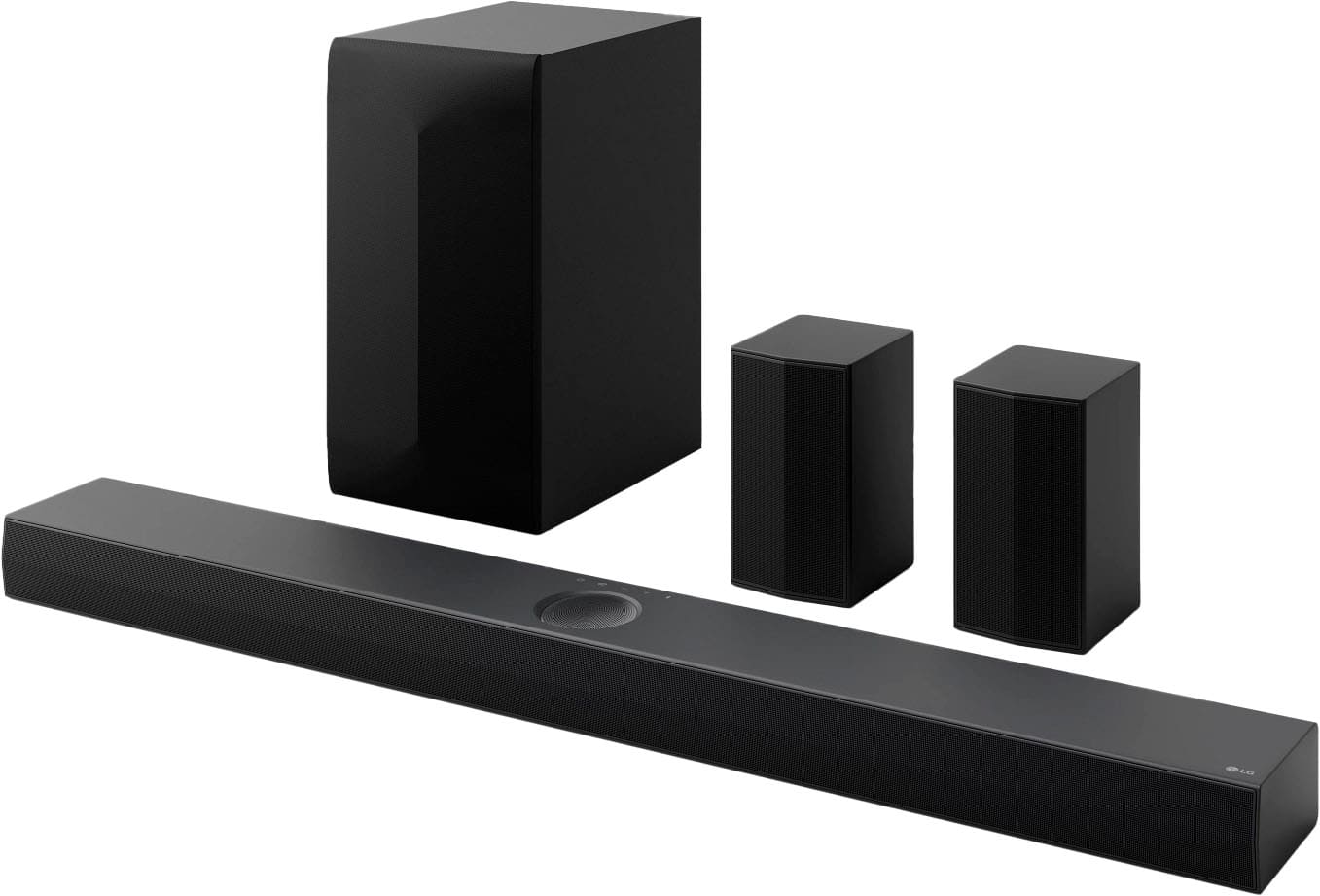
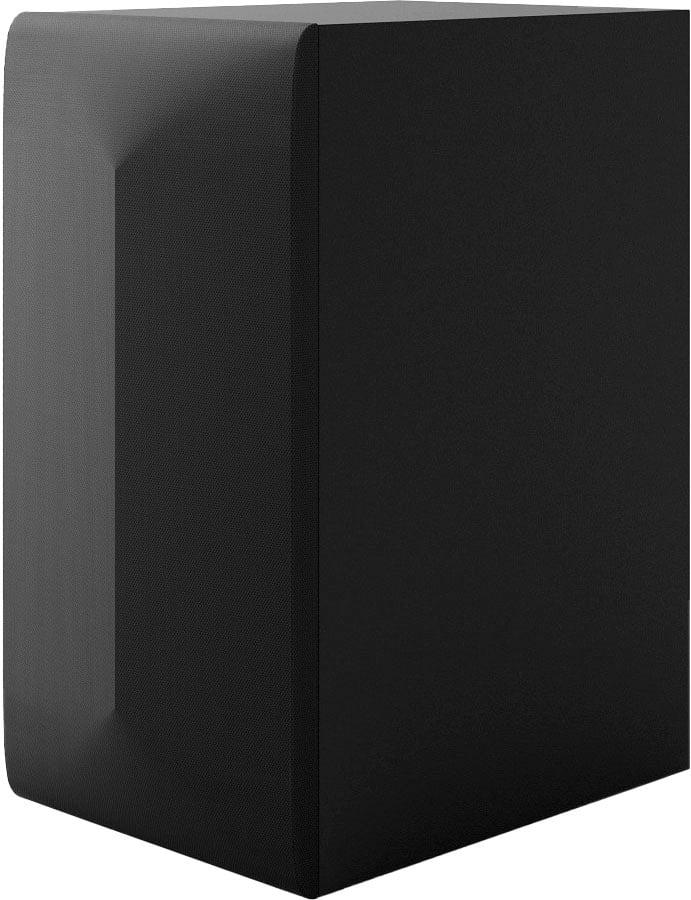
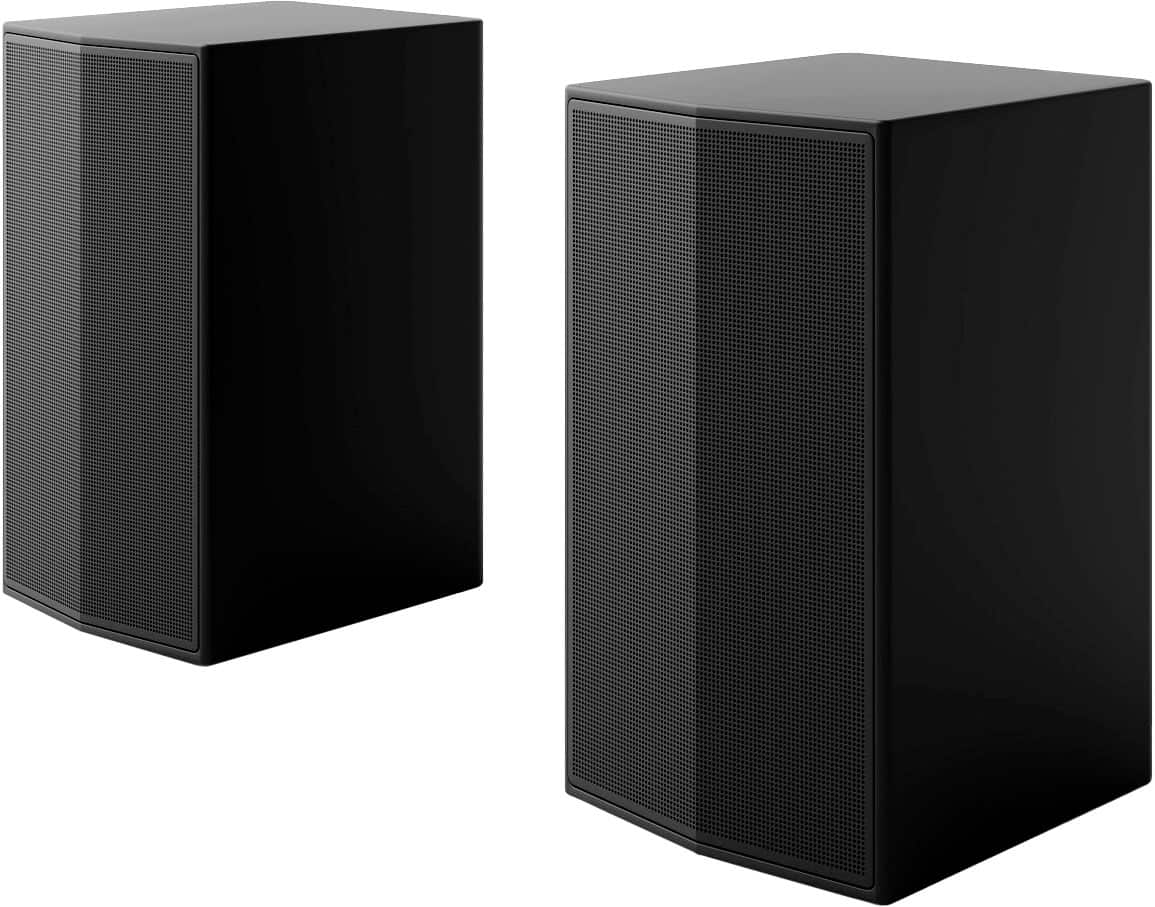
Those numbers aren't just marketing speak. The first number (5) represents the main surround speakers: front left, center, front right, and two rear speakers. The second number (1) is the subwoofer for deep bass. The final number is where things get interesting—it represents dedicated "height" speakers that fire sound upward to bounce off your ceiling, creating that overhead effect. More height channels generally mean more precise positioning of sounds above you.
The LG S70TR represents 2024's solid, proven approach to premium soundbars. LG refined their formula with reliable Bluetooth wireless connectivity, multiple audio format support, and integration features for LG TV owners. It's the kind of product that audio engineers perfected through years of customer feedback and technological iteration.
The ULTIMEA Skywave X40, released in 2025, takes a different path. It represents what happens when a company decides to leapfrog existing technology rather than incrementally improve it. ULTIMEA packed cutting-edge wireless technology, neural-level audio processing, and extensive smartphone app control into what they position as their "entry-level" X-series model—though calling it entry-level feels misleading given its advanced feature set.
The timing difference matters because soundbar technology has evolved rapidly. The shift from basic Bluetooth to advanced dual-band wireless systems, the integration of smartphone apps for detailed control, and the move toward more sophisticated audio processing have all accelerated in recent years.
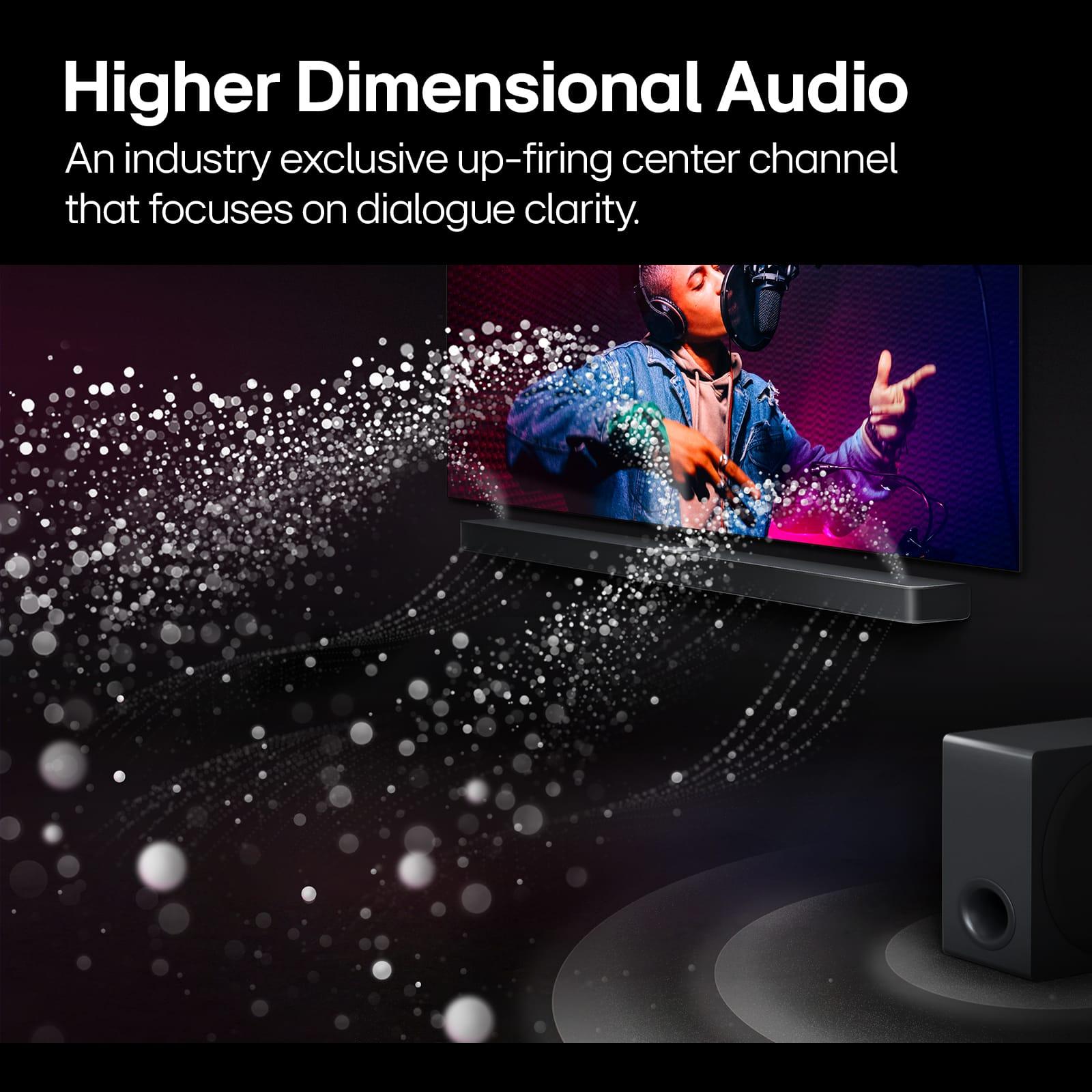
The ULTIMEA X40's 5.1.2 configuration provides two dedicated upward-firing speakers compared to the S70TR's single height channel. In practical terms, this means the X40 can more precisely position overhead sounds. When you're watching a Marvel movie and Iron Man flies from the front-left to the back-right above you, the X40's dual height channels can track that movement more accurately.
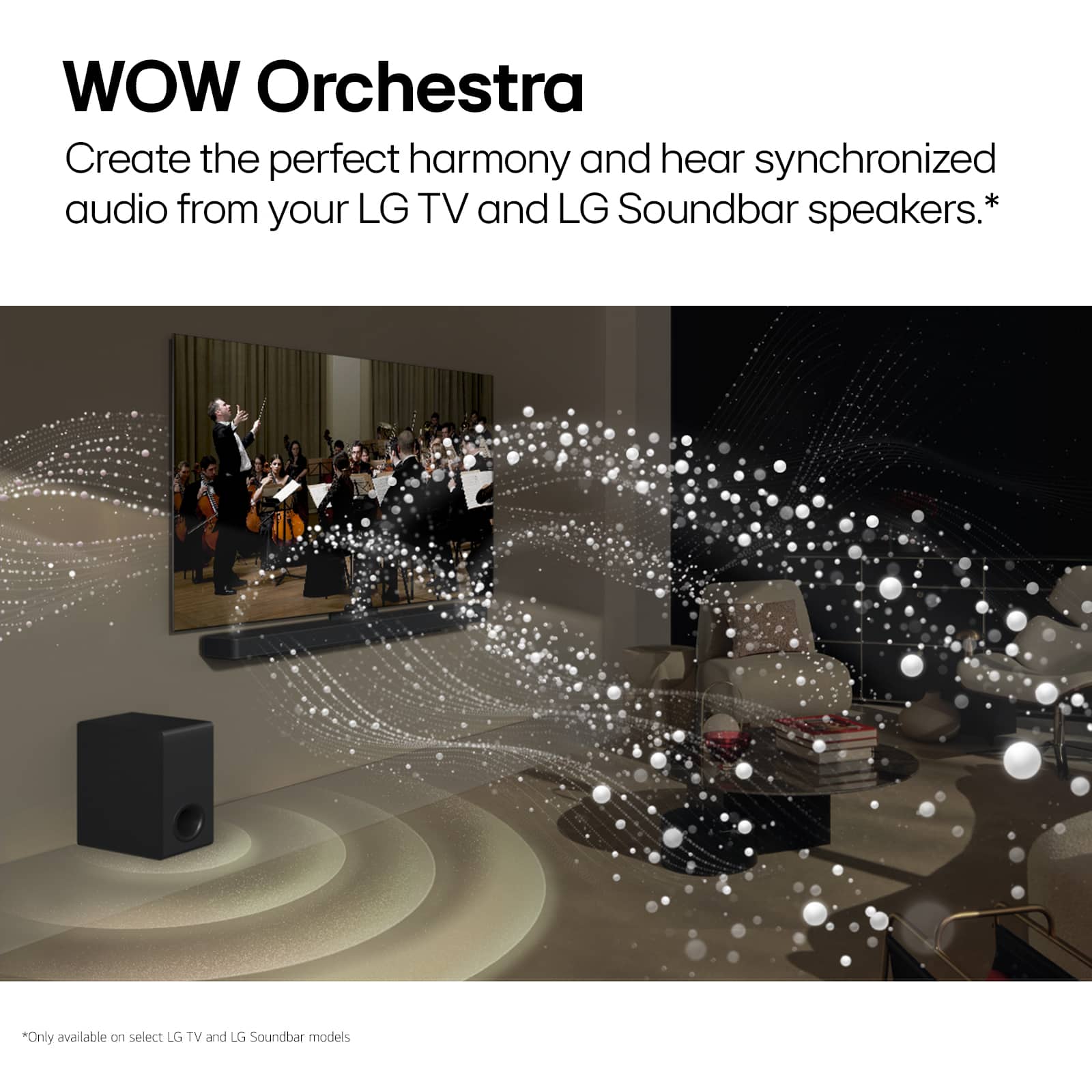
However, the LG S70TR compensates with its WOW Orchestra technology, which is genuinely clever. If you own an LG TV, the soundbar can coordinate with your TV's built-in speakers to create a larger sound field. Instead of your TV speakers going silent when the soundbar takes over, they work together. This can actually create a wider soundstage than systems with more channels but no TV integration.
The S70TR also supports both Dolby Atmos and DTS:X, while most soundbars only support one or the other. DTS:X is less common than Dolby Atmos, but when you encounter it on 4K Blu-rays or streaming content, having native support delivers better results than format conversion.
Raw power specifications can be misleading in audio equipment, but they tell part of the story. The ULTIMEA X40 claims 530W of peak power, while the S70TR specifies 500W RMS. Here's the important distinction: peak power measures short bursts of maximum output, while RMS (Root Mean Square) measures sustained power output. The S70TR's RMS specification is actually more conservative and potentially more honest about real-world performance.
Where the X40 gets interesting is its GaN (Gallium Nitride) amplifier technology. Traditional soundbar amplifiers use silicon components that generate significant heat and can distort sound at high volumes. GaN amplifiers run 40-50% cooler and respond eight times faster to audio signals. This means the X40 should maintain cleaner sound quality when you crank up action movie soundtracks, and it's less likely to trigger thermal protection that reduces volume during intense scenes.
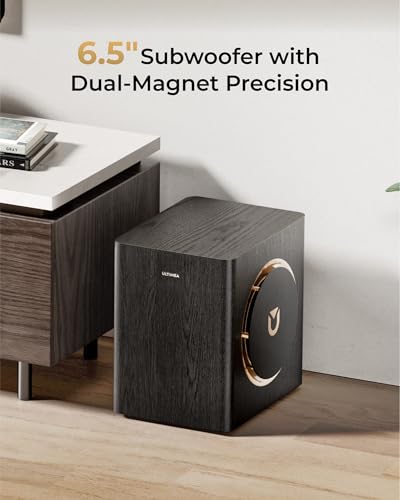
For bass performance, the specifications tell an interesting story. The X40 uses a 6.5-inch subwoofer that reaches down to 35Hz, while the S70TR has a larger 7-inch driver but doesn't specify its low-frequency extension. In subwoofer design, driver size isn't everything—the enclosure design, amplifier power, and digital signal processing matter enormously. The X40's Gravus Ultra-Linear Bass Technology focuses on maintaining clean, distortion-free bass even at high volumes, which often matters more than raw depth for typical living room setups.
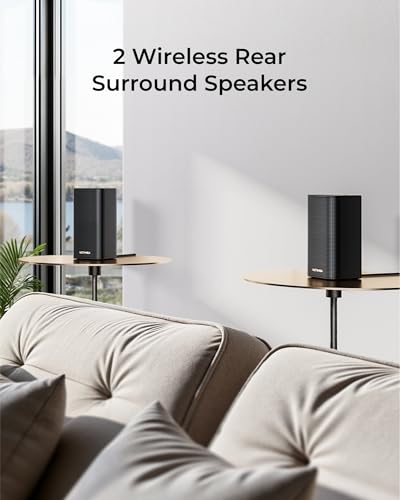
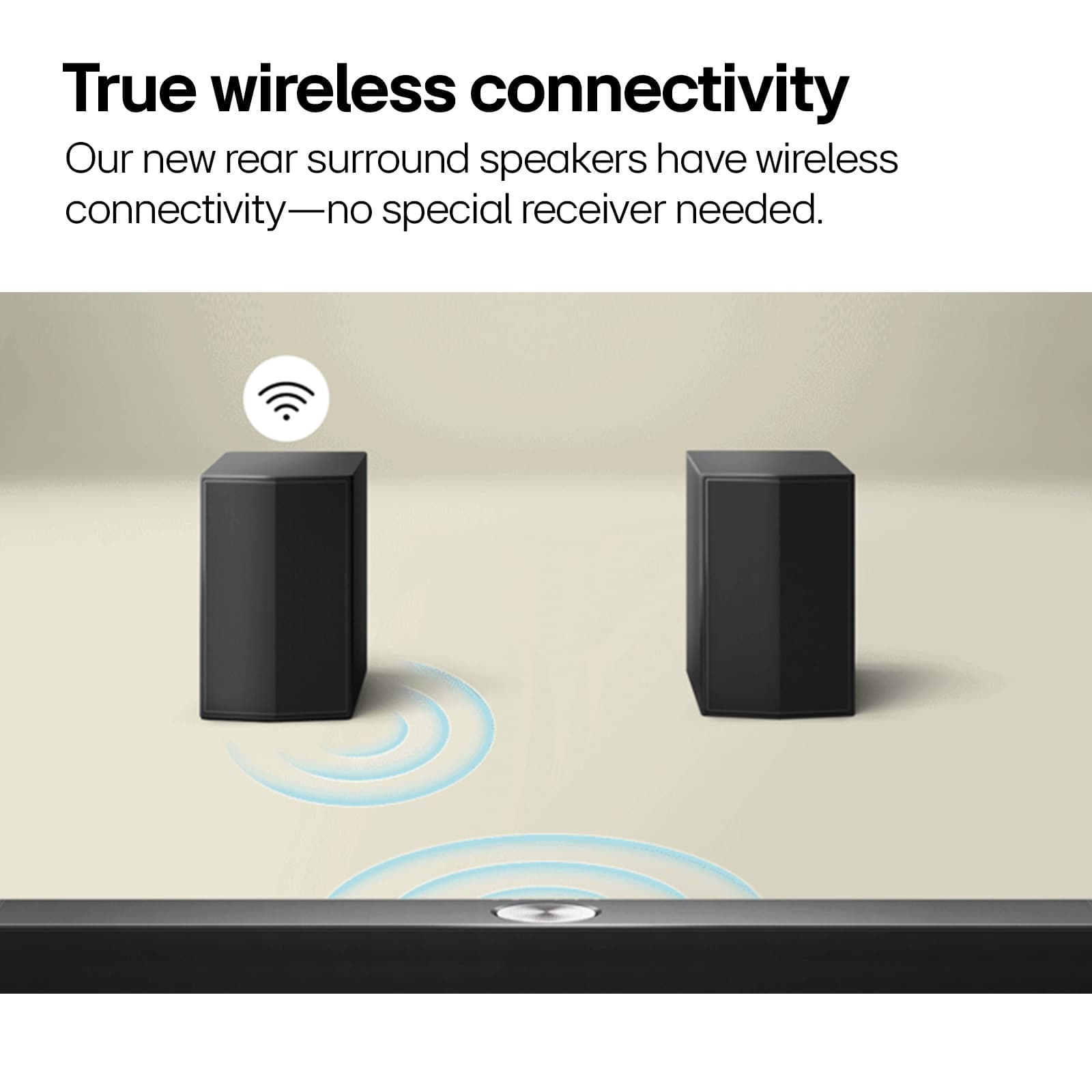
This is where the generational difference becomes most apparent. The ULTIMEA X40 uses what they call CineMesh dual 5GHz wireless technology for connecting its rear speakers and subwoofer. This isn't just marketing fluff—it's a fundamentally different approach than standard Bluetooth.
Traditional Bluetooth, which the S70TR uses, operates in the crowded 2.4GHz frequency band alongside your Wi-Fi, microwave, and dozens of other devices. This can cause dropouts, interference, and latency issues. The X40's dual 5GHz system operates in cleaner frequency space and uses two separate channels to ensure redundancy. The sub-20ms latency specification means audio-visual sync issues should be virtually eliminated.
For home theater use, this difference is significant. There's nothing more immersion-breaking than having rear channel sound effects arrive noticeably after the on-screen action. The X40's low-latency wireless should eliminate this problem, while the S70TR might occasionally exhibit sync issues depending on your wireless environment.
The trade-off is simplicity. The S70TR's Bluetooth connection is universally understood and supported, while the X40's proprietary wireless system is more advanced but potentially more complex if troubleshooting becomes necessary.
The ULTIMEA X40's NEURACORE neural-level processing represents a genuinely innovative approach to audio optimization. With 2,000 MIPS (Million Instructions Per Second) of computational power from its triple-core DSP and dual-core MCU, it can analyze and adjust audio in real-time with remarkable precision. Think of it like having a sound engineer continuously optimizing your audio based on what you're listening to, but making thousands of micro-adjustments every second.
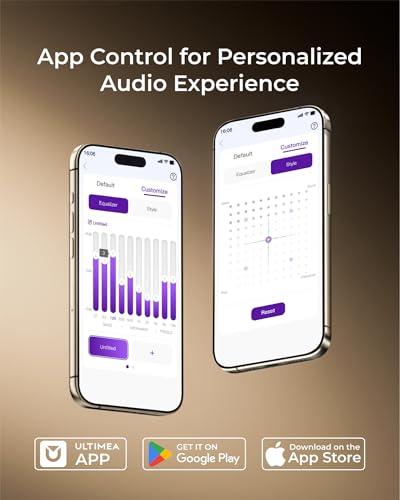
This processing power enables the X40's smartphone app to offer 121 preset sound profiles and a 10-band equalizer. That's not just marketing excess—different types of content benefit from different audio tuning. A dialogue-heavy drama needs different frequency emphasis than an action movie or a concert recording. Having granular control means you can fine-tune the system to your preferences and room acoustics.
The LG S70TR takes a more automated approach with AI Sound Pro, which analyzes incoming audio and automatically adjusts the sound balance. If it detects high vocal levels, it reduces bass to improve speech clarity. This approach requires less user intervention but offers less customization. For many users, this automatic optimization is preferable to manual tweaking, especially if they don't want to spend time learning audio adjustment techniques.
Both systems support HDMI eARC (enhanced Audio Return Channel), which is crucial for getting full-quality audio from your TV and streaming devices. They also both support 4K HDR passthrough, so you can connect game consoles or media players directly to the soundbar without compromising video quality.
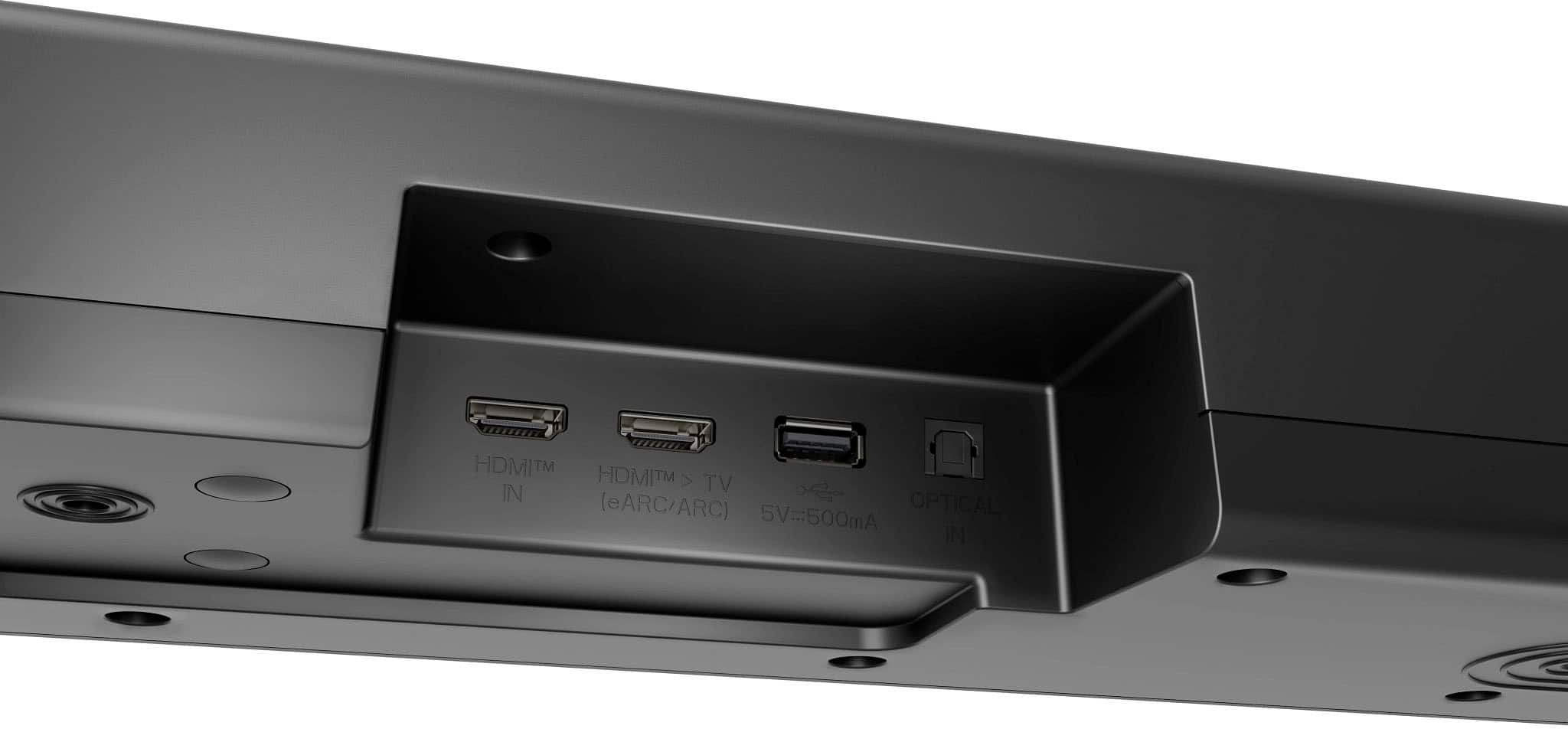
The LG S70TR includes optical and USB-A inputs, which might seem old-fashioned but remain important for connecting older devices, game consoles, or for playing music directly from USB drives. The X40 focuses on wireless connectivity, which is more elegant but potentially limiting if you have legacy devices.
For gaming, the S70TR specifically supports Variable Refresh Rate (VRR) and Auto Low Latency Mode (ALLM) with 120Hz passthrough. These features ensure smooth, responsive gaming with compatible consoles and PCs. The X40's low-latency wireless should provide similar gaming benefits, but the S70TR's explicit gaming feature support might appeal to serious gamers.
Based on extensive research into user and expert reviews, both systems deliver impressive audio quality that significantly outperforms basic TV speakers. However, their strengths show up in different scenarios.
The ULTIMEA X40 excels in dynamic, effects-heavy content like action movies and immersive gaming. Users consistently praise its precise surround sound positioning and the freedom that comes with truly wireless rear speakers. The extensive app customization appeals to audio enthusiasts who enjoy tweaking settings, but some users find the 121 presets overwhelming initially.
The LG S70TR shines with its reliability and ease of use. Users appreciate that it "just works" without extensive setup or tweaking. The AI Sound Pro feature receives positive feedback for automatically optimizing dialogue clarity, which is crucial since poorly balanced audio is one of the most common complaints about home entertainment systems. LG TV owners particularly value the WOW Orchestra integration, which creates a more immersive soundscape than the S70TR could achieve alone.
For home theater applications specifically, the X40's additional height channel and low-latency wireless provide a more technically superior surround sound experience. However, the S70TR's broader format support and automatic optimization make it more versatile for varied content types.
At the time of writing, both systems occupy similar price territories in the premium soundbar category, though exact pricing varies by retailer and current promotions. The value equation comes down to what you prioritize.
The ULTIMEA X40 represents cutting-edge technology at what the company positions as their entry-level pricing. You're getting 2025-era wireless technology, advanced audio processing, and extensive customization capabilities. For tech enthusiasts who want the latest features and don't mind being early adopters of ULTIMEA's newer technology, the value proposition is compelling.
The LG S70TR offers proven reliability from an established audio brand, broader compatibility with various devices and formats, and seamless integration if you're already in the LG ecosystem. The value here is in dependability and support—you're buying from a company with decades of audio engineering experience and established customer service networks.
The ULTIMEA Skywave X40 is the clear choice for technology enthusiasts who want maximum customization and cutting-edge features. If you enjoy tweaking audio settings, value the latest wireless technology, and want the most immersive possible surround sound experience, the X40's 5.1.2 configuration and advanced processing justify its position at the forefront of soundbar technology.
Choose the LG S70TR if you prioritize simplicity, brand reliability, and broader compatibility. If you own an LG TV, the WOW Orchestra integration alone makes this system particularly attractive. The automatic audio optimization means you'll get great sound without spending time learning complex audio adjustment techniques.
For most home theater setups, both systems will deliver dramatically better audio than TV speakers and provide genuine Dolby Atmos immersion. The X40 pushes boundaries with newer technology that may define the next generation of soundbars, while the S70TR represents the refined culmination of current-generation engineering. Your choice ultimately depends on whether you want to be on the cutting edge of audio technology or prefer the security of proven, established approaches to great sound.
| ULTIMEA Skywave X40 | LG S70TR |
|---|---|
| Channel Configuration - More channels create better surround sound positioning | |
| 5.1.2 (dual height channels for precise overhead effects) | 5.1.1 (single height channel, adequate for most rooms) |
| Total Power Output - Determines maximum volume and dynamic range | |
| 530W peak (with advanced GaN amplifier for cleaner sound) | 500W RMS (more conservative rating, proven reliability) |
| Subwoofer Size & Bass Extension - Critical for movie impact and music depth | |
| 6.5" wireless sub, extends to 35Hz with clean output | 7" wireless sub, bass extension not specified |
| Wireless Technology - Affects reliability and audio-video sync | |
| CineMesh dual 5GHz (<20ms latency, interference-resistant) | Standard Bluetooth 5.1 (proven but potentially higher latency) |
| Audio Format Support - Determines compatibility with different content | |
| Dolby Atmos only | Dolby Atmos + DTS:X + WOW Orchestra (broader format support) |
| Audio Processing & Customization - Controls sound optimization capabilities | |
| NEURACORE neural processing, 121 presets, 10-band EQ via app | AI Sound Pro auto-optimization, basic 3-band EQ |
| TV Integration Features - Important for seamless daily use | |
| Standard HDMI eARC and 4K passthrough | HDMI eARC + WOW Orchestra (uses LG TV speakers simultaneously) |
| Physical Connectivity Options - Matters for older devices and flexibility | |
| HDMI eARC, Bluetooth 5.4, USB (limited legacy support) | HDMI eARC, Optical, USB-A, Bluetooth 5.1 (extensive connectivity) |
| Gaming Features - Critical for console and PC gaming | |
| Ultra-low wireless latency (<20ms) | VRR/ALLM support with 120Hz passthrough |
| Setup Complexity - Affects user experience and satisfaction | |
| True wireless (power-only connections) but extensive app customization | Traditional setup with automatic optimization |
| Brand & Support Ecosystem - Important for long-term ownership | |
| Newer brand with cutting-edge tech focus | Established LG with proven support network |
| Release Generation - Indicates technology advancement level | |
| 2025 model with latest wireless and processing tech | 2024 model with proven, refined engineering |
The ULTIMEA Skywave X40 delivers superior surround sound with its 5.1.2 channel configuration, providing two dedicated height speakers for more precise overhead effects compared to the LG S70TR's 5.1.1 setup. However, the LG S70TR compensates with DTS:X format support and WOW Orchestra technology that integrates with LG TV speakers for a wider soundstage.
Both the ULTIMEA Skywave X40 and LG S70TR excel for home theater applications with full Dolby Atmos support and wireless subwoofers. The X40 provides more immersive overhead effects with dual height channels, while the S70TR offers broader format compatibility including DTS:X for 4K Blu-ray movies.
The LG S70TR is generally easier to set up with its straightforward Bluetooth connectivity and automatic AI Sound Pro optimization. The ULTIMEA Skywave X40 offers truly wireless rear speakers that only need power connections, but its extensive app customization options may require more initial setup time.
Yes, both the ULTIMEA Skywave X40 and LG S70TR work with all TV brands through HDMI eARC and optical connections. However, the LG S70TR provides additional WOW Orchestra features when paired with LG TVs, creating enhanced audio integration.
The ULTIMEA Skywave X40 features a 6.5-inch subwoofer with Gravus Ultra-Linear Bass Technology that extends to 35Hz for clean, powerful bass. The LG S70TR has a larger 7-inch subwoofer, but the X40's advanced bass processing may deliver cleaner low-frequency performance at high volumes.
Yes, both the ULTIMEA Skywave X40 and LG S70TR include truly wireless rear speakers that only require power connections. The X40 uses advanced CineMesh dual 5GHz wireless technology for lower latency, while the S70TR uses standard Bluetooth connectivity.
The ULTIMEA Skywave X40 excels for gaming with its ultra-low wireless latency under 20ms, ensuring perfect audio-video synchronization. The LG S70TR specifically supports gaming features like VRR and ALLM with 120Hz passthrough, making both systems excellent choices for console and PC gaming.
The ULTIMEA Skywave X40 offers extensive smartphone app control with 121 preset sound profiles and a 10-band equalizer for detailed customization. The LG S70TR also includes a smartphone app but with more basic controls, focusing on simplicity over extensive customization options.
The LG S70TR supports more audio formats including Dolby Atmos, DTS:X, and various legacy formats for broader compatibility. The ULTIMEA Skywave X40 focuses primarily on Dolby Atmos but processes it with advanced NEURACORE neural-level technology for enhanced spatial audio precision.
Both the ULTIMEA Skywave X40 and LG S70TR support 4K HDR passthrough via HDMI eARC, allowing you to connect gaming consoles and media players directly while maintaining full video quality. The S70TR specifically supports HDMI 2.1 features for next-generation gaming consoles.
The ULTIMEA Skywave X40 provides cutting-edge 2025 technology including advanced wireless connectivity and neural audio processing at competitive pricing. The LG S70TR offers proven reliability from an established brand with broader format support, making both systems excellent value propositions for different buyer priorities.
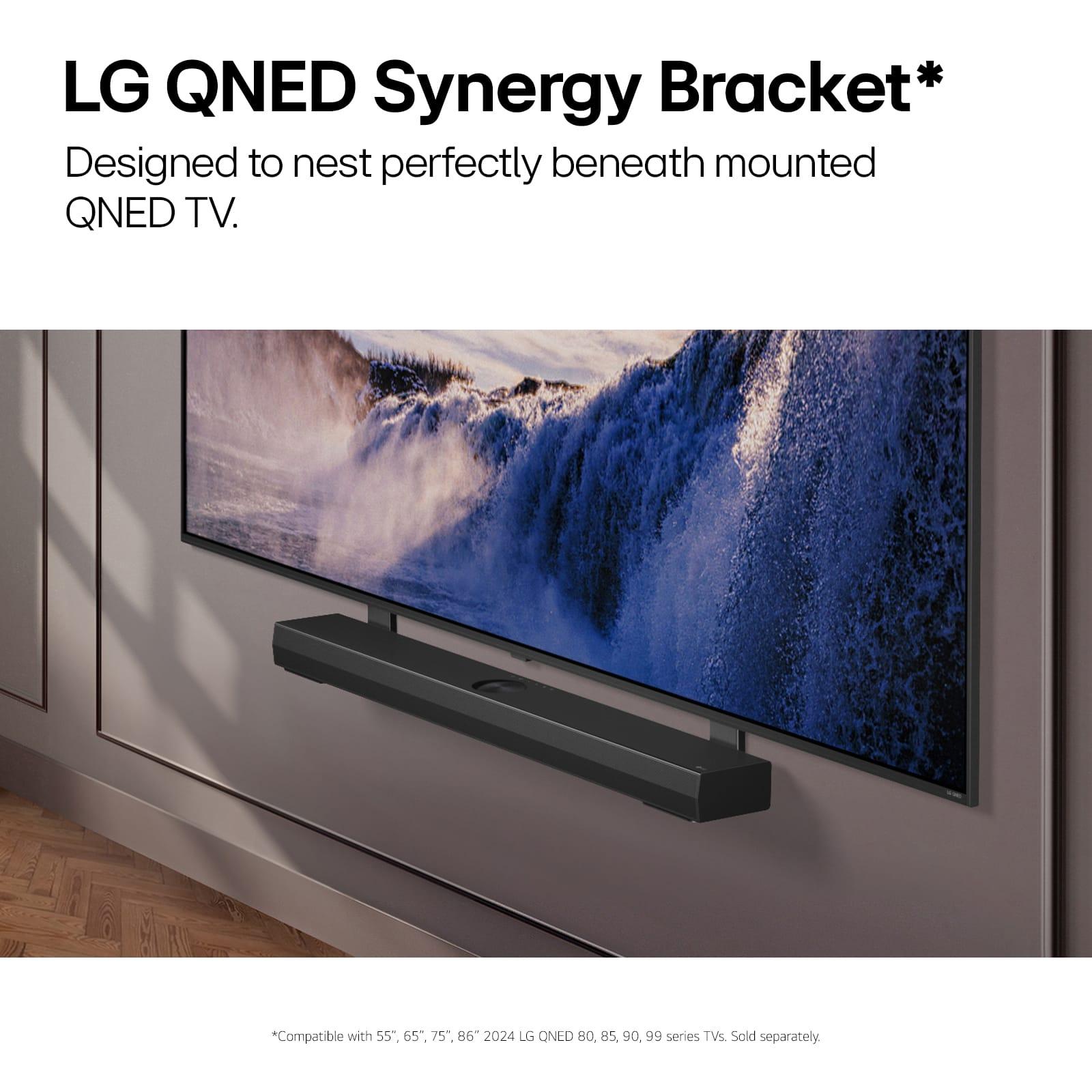
Yes, both the ULTIMEA Skywave X40 and LG S70TR include wall mounting hardware and brackets for easy installation. The wireless rear speakers on both systems provide placement flexibility since they only require power connections, allowing optimal positioning for your room layout.
We've done our best to create useful and informative comparisons to help you decide what product to buy. Our research uses advanced automated methods to create this comparison and perfection is not possible - please contact us for corrections or questions. These are the sites we've researched in the creation of this article: bestbuy.com - shopabunda.com - youtube.com - youtube.com - youtube.com - youtube.com - ultimea.com - walmart.com - youtube.com - hometechnologyreview.com - community.ultimea.com - avsforum.com - youtube.com - youtube.com - youtube.com - bestbuy.com - hometechnologyreview.com - bestbuy.com - mynavyexchange.com - rixaudiovideoappliance.com - rtings.com - youtube.com - bestbuy.com - howards.siteontimedev.com - bestbuy.com - appliancestogousa.us

Privacy Policy
Terms and Conditions - Affiliate Policy
Home Security
© Copyright 2008-2026.
11816 Inwood Rd #1211, Dallas, TX 75244