





Upgrading your TV's audio doesn't have to mean dealing with a mess of wires and speakers scattered around your living room. Modern soundbars have evolved into sophisticated audio systems that can transform your viewing experience, but they take two very different approaches to achieving immersive sound. The ULTIMEA Skywave X40 and Sennheiser AMBEO Plus represent these competing philosophies perfectly—one uses real speakers placed around your room, while the other creates virtual surround sound from a single bar using advanced audio processing.
Understanding these fundamental differences is crucial because your choice will affect everything from how your system sounds to how much space it takes up in your room. Let's dive deep into what makes each approach work and help you figure out which one fits your situation better.
Before we get into the specifics, it's worth understanding what we're dealing with here. Traditional home theater systems use multiple speakers placed around your room—front left and right, center channel, rear surrounds, and a subwoofer. This setup creates authentic directional sound because different audio elements actually come from different physical locations.
Soundbars initially started as simple TV audio upgrades, but they've evolved into two distinct categories. The first approach, exemplified by the ULTIMEA Skywave X40, maintains the traditional multi-speaker setup but makes it wireless and easier to install. The second approach, seen in the Sennheiser AMBEO Plus, uses psychoacoustic processing—basically tricking your brain into thinking sounds are coming from directions where there aren't actually any speakers.
Both systems launched in 2022, representing the current state of soundbar technology. Since then, we've seen improvements in wireless connectivity, processing power, and virtualization algorithms, but these two models showcase mature, well-developed approaches that remain highly relevant.
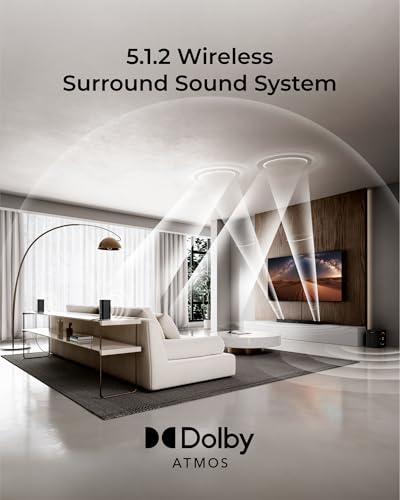
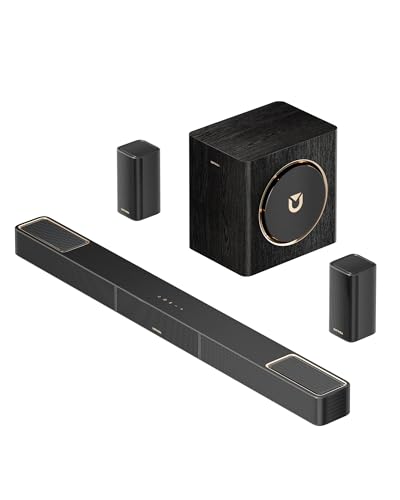
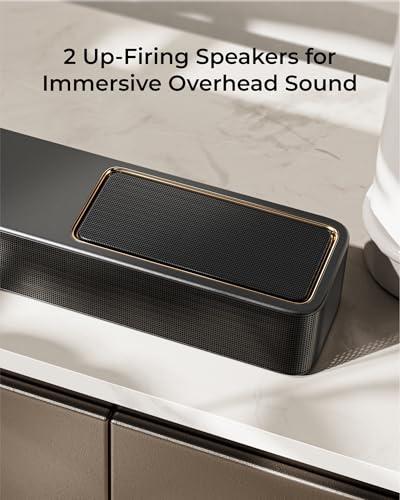
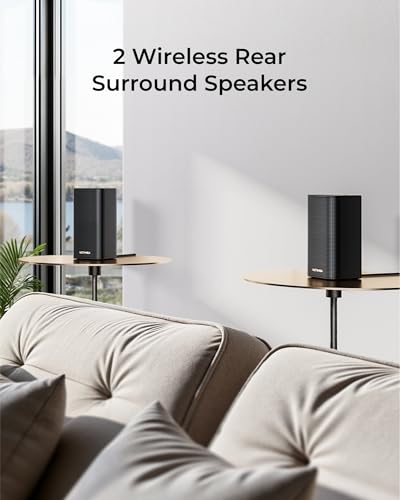
The most fundamental difference between these systems lies in how they create surround sound. The ULTIMEA X40 delivers what audio enthusiasts call "true surround sound" through its 5.1.2 configuration. This means five main speakers (front left, center, front right, and two rear surrounds), one subwoofer, and two height channels for Dolby Atmos effects that seem to come from overhead.
What makes this setup special is that when a helicopter flies from your front-left to rear-right in a movie, you hear it moving through actual speakers positioned in those locations. Your brain doesn't have to interpret or fill in any gaps—the sound genuinely travels through your physical space. The X40's CineMesh wireless technology uses dual 5GHz transmission to connect these speakers without cables, solving the biggest installation headache of traditional surround systems.
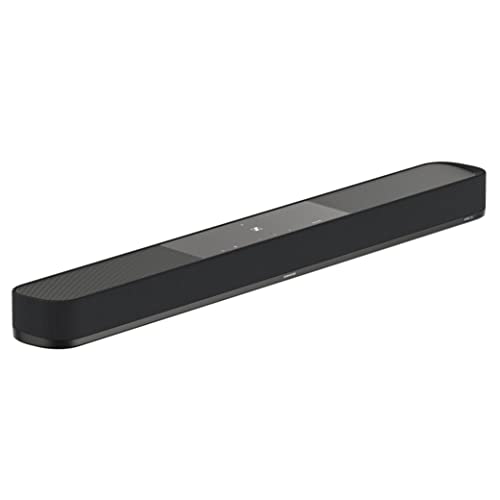
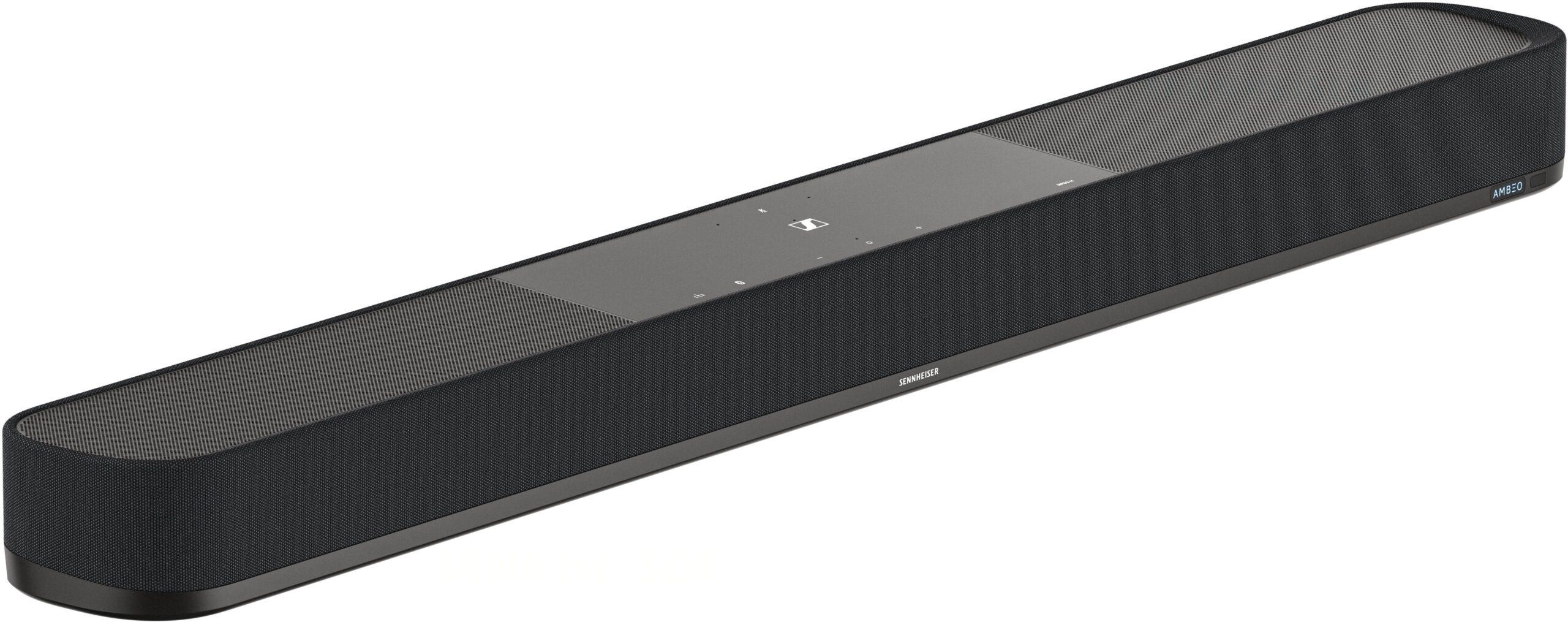
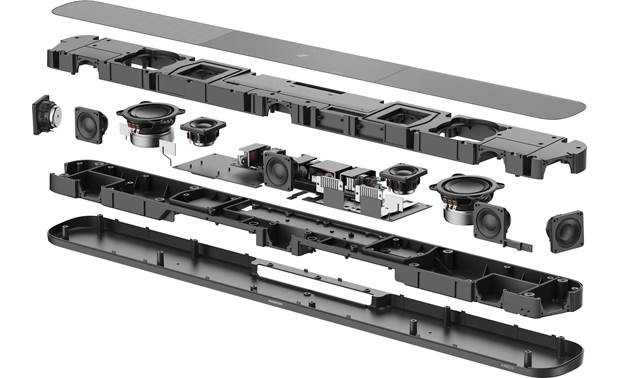
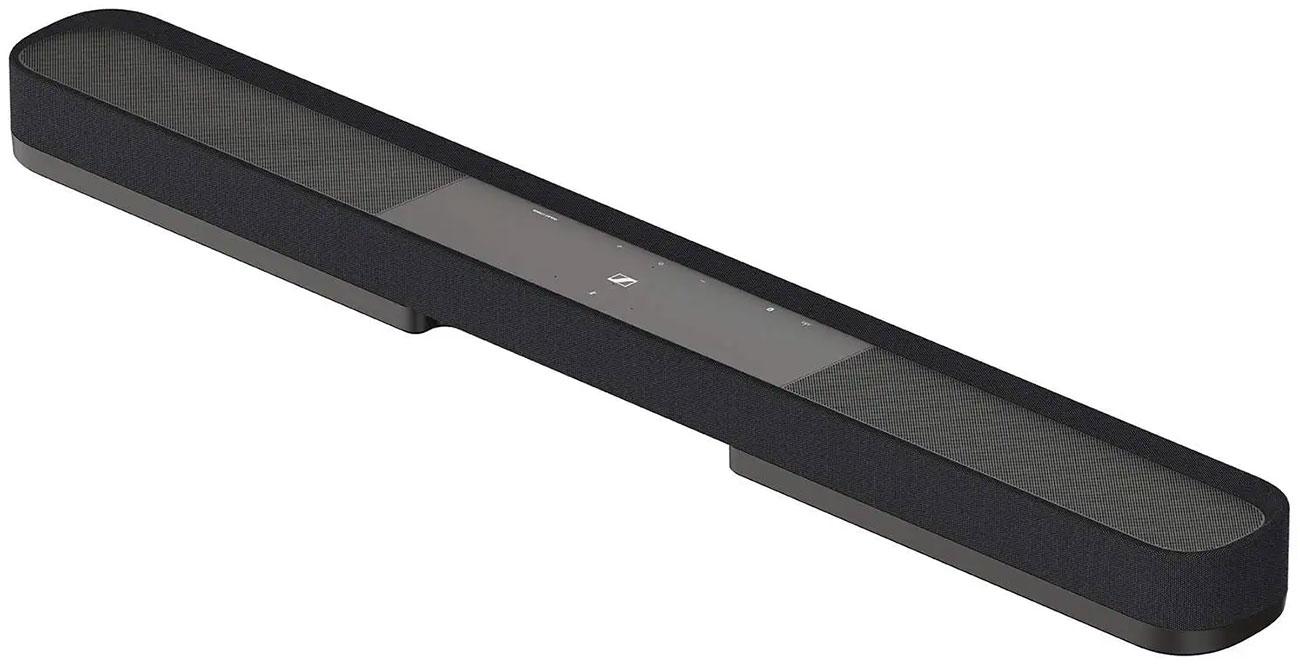
The AMBEO Plus, meanwhile, takes the virtualization route with its 7.1.4 virtual surround capability. Inside its single enclosure are nine carefully positioned speakers that fire sound in different directions. The AMBEO virtualization technology, developed with the Fraunhofer Institute, uses advanced algorithms to manipulate how these sounds reach your ears, creating the illusion of a much larger speaker array.
Think of it like audio holography—the soundbar calculates how sounds would reflect off your room's walls and surfaces, then pre-processes the audio to recreate those reflections artificially. When it works well, your brain perceives sounds coming from behind you even though all the speakers are in front of you.
From our research into user experiences and professional reviews, the differences are significant in practice. The X40 provides more precise sound localization—you can point to exactly where specific sounds are coming from during action scenes. The AMBEO Plus creates an impressive sense of spaciousness and envelopment, but the directional effects are less precise and can vary depending on your room's acoustics and seating position.
Raw power output tells an important story about each system's capabilities. The ULTIMEA X40 delivers 530W peak power through its GaN (Gallium Nitride) amplifier technology. GaN amplifiers are newer semiconductor technology that runs much more efficiently than traditional silicon amplifiers—we're talking about 98% efficiency versus around 70-80% for conventional designs. This means less energy wasted as heat, more stable performance at high volumes, and faster response times.
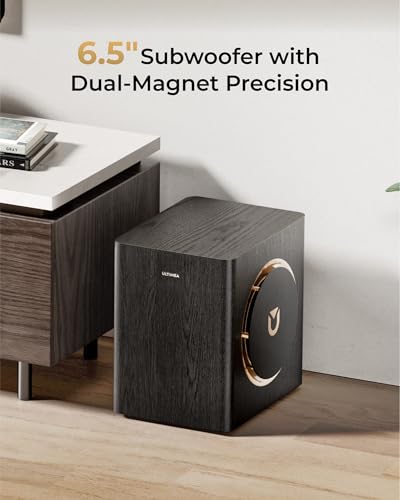
The dedicated 6.5-inch wireless subwoofer is where the X40 really flexes its muscles. With dual-magnet design and Gravus Ultra-Linear Bass Technology, it extends down to 35Hz—deep enough to deliver the chest-thumping impact of explosions and the rumble of thunder without the distortion that often plagues smaller, integrated subwoofers.
The Sennheiser AMBEO Plus takes a more integrated approach with 400W total power and dual built-in 4-inch subwoofers extending to 38Hz. While 3Hz might not sound like much difference, it's actually quite significant in bass response. Those lowest frequencies are what you feel as much as hear—they're what make action scenes visceral rather than just loud.
Based on consensus from reviews and user feedback, the power difference is immediately noticeable. The X40 can fill larger rooms with authoritative sound and maintains its composure at higher volumes. The AMBEO Plus delivers impressive output for a single-unit design, but it can't match the physical presence of a dedicated subwoofer, especially in larger spaces.
The dynamic range—the difference between the quietest and loudest sounds—also favors the X40. With less than 1% distortion and dedicated amplification for each speaker element, it can deliver those subtle atmospheric details alongside explosive sound effects without compression or strain.
Here's where things get interesting from a technology perspective. The ULTIMEA X40 uses what it calls NEURACORE neural-level processing, built around triple-core DSP (Digital Signal Processing) and dual-core MCU (Microcontroller Unit) architecture delivering 2,000 MIPS (Million Instructions Per Second) of processing power. This computational muscle handles the complex task of managing 5.1.2 channels of audio with 24-bit/192kHz precision.
The Sennheiser AMBEO Plus counters with a quad-core 1.8GHz processor specifically optimized for its virtualization algorithms. The key difference is focus—the X40's processing power goes toward precise channel management and audio enhancement, while the AMBEO's processing creates those virtual speaker positions through psychoacoustic modeling.
Where the AMBEO Plus pulls ahead is room calibration. Its automated self-calibration system uses far-field microphones to analyze your room's acoustics, measuring how sound reflects off walls, furniture, and other surfaces. It then adjusts its output to compensate for acoustic problems and optimize the virtual surround experience for your specific environment.
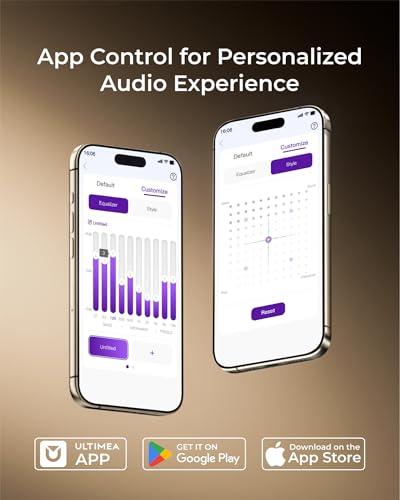
The X40 relies more on manual tuning through its app, which offers 10-band EQ control and 121 preset sound profiles. This gives you more direct control but requires more effort to optimize. Some users prefer this hands-on approach, while others want the set-and-forget convenience of automatic calibration.
Professional reviewers consistently praise the AMBEO's room correction capabilities, noting how it adapts to different spaces and maintains consistent performance across various room types. The X40's manual approach can achieve excellent results but demands more user involvement and acoustic knowledge.
Both systems handle the basics well—HDMI eARC for high-quality audio from your TV, 4K HDR passthrough for video signals, and optical inputs for older devices. However, their approaches to wireless connectivity and smart features differ significantly.
The X40 focuses on rock-solid wireless performance between its components. Its dual 5GHz CineMesh technology maintains ultra-low latency under 20 milliseconds between the main soundbar and its wireless rear speakers. For gaming, this is crucial—any delay between visual action and audio response breaks immersion and can affect competitive performance.
The AMBEO Plus takes a broader approach to connectivity with built-in support for Apple AirPlay 2, Spotify Connect, TIDAL Connect, and Chromecast. It also integrates with Amazon Alexa and Google Assistant for voice control. If you're heavily invested in streaming services or smart home ecosystems, these features add real daily-use value.
From a practical standpoint, the AMBEO Plus works better as a whole-home audio component. You can easily stream music from your phone, voice-control playback, and integrate it with other smart devices. The X40 is more focused on home theater performance, though it does include Bluetooth 5.4 for basic wireless streaming.
Installation experiences vary dramatically between these approaches. The X40 requires power outlets for four separate components—the main soundbar, subwoofer, and two rear speakers. However, since everything is pre-paired at the factory, setup involves plugging things in and powering them on. The wireless connection happens automatically.
The challenge with the X40 isn't technical complexity—it's physical placement. You need to position the rear speakers behind your seating area, which means considering furniture placement, power outlet locations, and aesthetic integration. The 14.5kg total system weight across multiple components can also complicate wall mounting if you prefer that installation method.
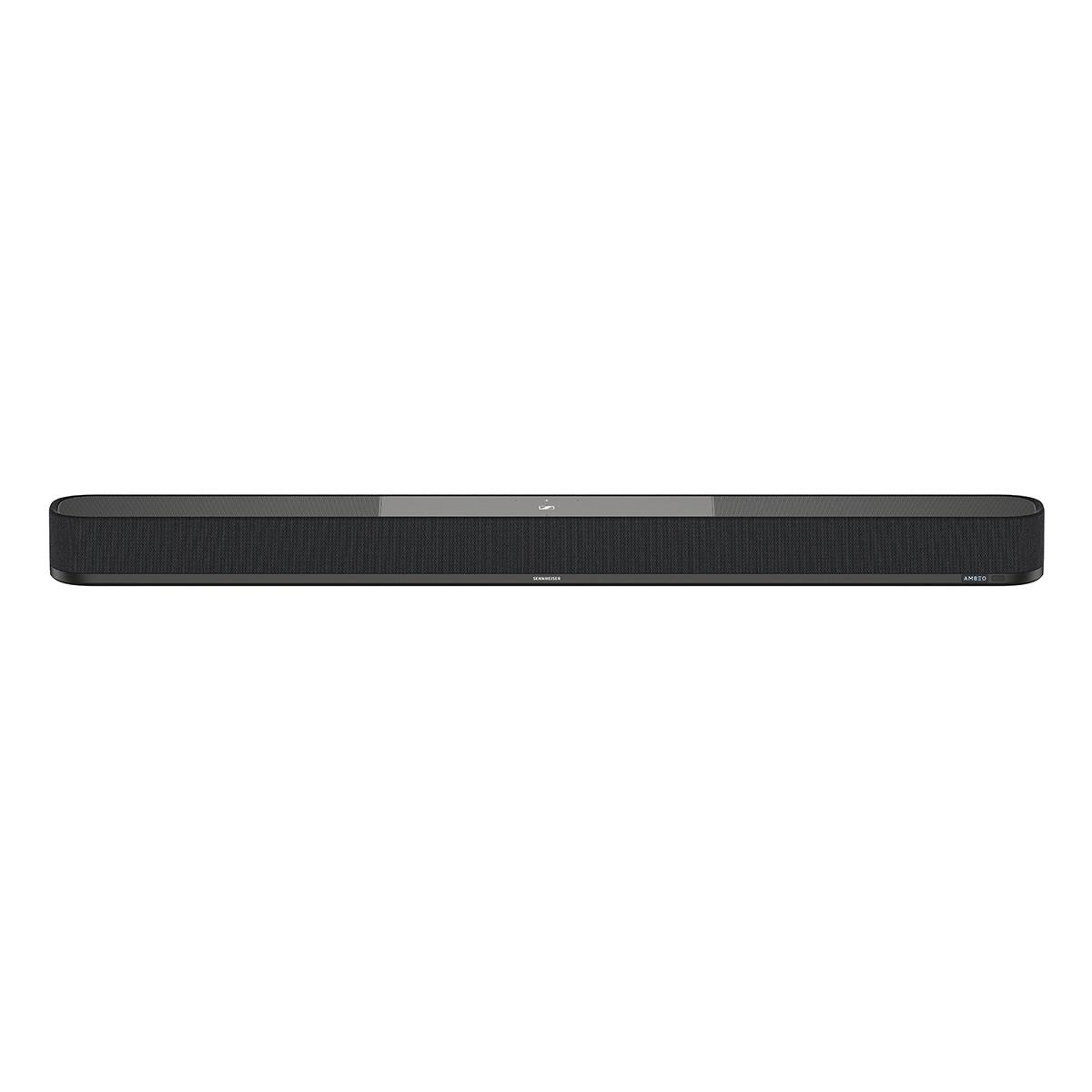
The AMBEO Plus offers the classic single-bar convenience. One HDMI connection, one power cord, and you're essentially done. The soundbar itself measures 43.31 inches wide, so it fits under most TVs without overwhelming smaller spaces. The room calibration process requires careful microphone positioning and takes several minutes, but it's a one-time setup.
User reviews consistently highlight different priorities here. Home theater enthusiasts prefer the X40's authentic surround experience despite the more complex setup. Users prioritizing simplicity and aesthetics gravitate toward the AMBEO Plus, accepting the trade-offs in surround accuracy for convenience.
While both systems excel with movies and TV, their music performance reveals different design philosophies. The AMBEO Plus benefits from Sennheiser's audio engineering heritage, delivering a more neutral, balanced sound profile that works well across different music genres. Its room correction also helps with stereo imaging and tonal balance.
The X40 approaches music with more of a home theater mindset—it's dynamic and impactful, but can sound slightly aggressive with acoustic music or jazz recordings. However, for rock, electronic, or pop music, many users prefer its energetic presentation and powerful bass response.
The streaming integration also matters for music listening. The AMBEO Plus makes it effortless to stream from your phone or voice-request specific songs. The X40 requires more manual input switching and lacks the smart features that make music streaming seamless.
Gaming represents an interesting use case where the systems' different strengths come into play. The X40's ultra-low wireless latency and precise directional audio give it advantages in competitive gaming, where hearing enemy footsteps from specific directions can mean the difference between victory and defeat.
The physical surround speakers also excel with immersive single-player games. Racing games, flight simulators, and open-world adventures benefit from the authentic spatial positioning that the X40 provides.
The AMBEO Plus still delivers good gaming audio with its low-latency processing, but the virtual surround effects are less precise for competitive advantages. However, its single-unit design works better in gaming setups where multiple components might interfere with controller connectivity or create desk clutter.
At the time of writing, these systems occupy different value segments, though both offer compelling propositions within their categories. The ULTIMEA X40 delivers true 5.1.2 surround sound at a price point that traditionally bought much simpler soundbar solutions. It competes with systems costing significantly more from established home theater brands.
The Sennheiser AMBEO Plus commands a premium price that reflects its sophisticated virtualization technology and brand heritage. However, compared to installing a traditional 7.1.4 speaker system with the same channel count, it represents reasonable value for the convenience and space-saving benefits.
The value equation comes down to priorities. If authentic surround sound is your primary goal and you don't mind the additional complexity, the X40 delivers exceptional performance per dollar. If you value sophisticated processing, convenience features, and premium brand engineering, the AMBEO Plus justifies its higher cost.
After extensive research into professional reviews, user experiences, and technical specifications, clear use cases emerge for each system.
Choose the ULTIMEA X40 if you're serious about home theater performance and don't mind a more complex setup. It's ideal for dedicated movie watchers, gamers who prioritize audio positioning, and anyone with a larger room that can benefit from its powerful output. The authentic surround sound experience justifies the additional components for users who understand the difference.
The Sennheiser AMBEO Plus suits users who want sophisticated audio enhancement without installation complexity. It's perfect for apartments, smaller rooms, or situations where aesthetics and convenience outweigh ultimate performance. The extensive streaming features and room optimization make it a better choice for mixed music and movie listening.
Both systems represent mature, well-executed approaches to different user needs. The X40 prioritizes authentic audio performance, while the AMBEO Plus emphasizes convenience and integration. Neither approach is inherently better—they serve different priorities and lifestyles.
Your choice ultimately depends on whether you value the precision of real surround sound placement or the convenience of sophisticated single-bar virtualization. Both will dramatically improve your TV's audio, but they'll do it in fundamentally different ways that reflect your personal priorities and living situation.
| ULTIMEA Skywave X40 5.1.2 Soundbar System | Sennheiser AMBEO Soundbar Plus Home Theater System |
|---|---|
| Channel Configuration - Determines surround sound authenticity | |
| True 5.1.2 with physical rear speakers | Virtual 7.1.4 from single soundbar |
| Total Power Output - Affects room-filling capability and dynamic range | |
| 530W peak power with GaN amplification | 400W with Class D amplifiers |
| Subwoofer Design - Critical for bass impact and extension | |
| Dedicated 6.5" wireless subwoofer (35Hz extension) | Dual built-in 4" woofers (38Hz extension) |
| Setup Complexity - Impacts installation and aesthetics | |
| 4 wireless components requiring power outlets | Single soundbar with HDMI and power |
| Room Calibration - Optimizes sound for your specific space | |
| Manual 10-band EQ with 121 presets | Automated microphone-based room correction |
| Streaming Features - Convenience for music and smart home integration | |
| Bluetooth 5.4 only | Apple AirPlay 2, Spotify Connect, TIDAL Connect, Chromecast, voice control |
| Wireless Latency - Essential for gaming and lip-sync accuracy | |
| Standard processing latency (not specified) | |
| Physical Footprint - Space requirements in your room | |
| Multiple components need placement around room | Single 43.31" soundbar only |
| Dolby Atmos Implementation - Height effects quality | |
| Dedicated up-firing drivers in main bar | Virtual height processing through 9 speakers |
| Value Proposition - Performance per dollar at time of writing | |
| Exceptional true surround sound at accessible price | Premium virtualization technology with convenience features |
The ULTIMEA Skywave X40 is better for dedicated home theater use because it provides true 5.1.2 surround sound with physical rear speakers. This creates authentic directional audio where sounds genuinely move around your room, making action movies and gaming more immersive. The Sennheiser AMBEO Plus uses virtual surround from a single bar, which is impressive but can't match the precise sound localization of real speakers positioned around your seating area.
Real surround sound, like in the ULTIMEA X40, uses actual speakers placed around your room to create directional audio. Virtual surround sound, used by the Sennheiser AMBEO Plus, processes audio through a single soundbar to trick your brain into perceiving sounds from different directions. Real surround provides more accurate positioning but requires multiple components, while virtual surround offers convenience in a single unit but with less precise directional effects.
The ULTIMEA Skywave X40 delivers superior bass with its dedicated 6.5-inch wireless subwoofer that extends down to 35Hz. The Sennheiser AMBEO Plus has dual built-in 4-inch woofers reaching 38Hz. The larger dedicated subwoofer in the X40 provides deeper, more impactful bass that you can feel during explosive movie scenes, while the AMBEO's integrated approach offers good bass but can't match the physical presence of a separate subwoofer.
The Sennheiser AMBEO Plus is much easier to install, requiring only one HDMI connection and power cord. The ULTIMEA X40 needs power outlets for four separate wireless components (soundbar, subwoofer, and two rear speakers). However, the X40 components are pre-paired and connect automatically when powered on, so while it requires more physical setup, it's not technically complex.
For authentic surround sound, physical rear speakers like those in the ULTIMEA X40 make a significant difference. They create genuine directional audio where sounds actually come from behind you. The Sennheiser AMBEO Plus can simulate rear effects through virtualization, which works well but isn't as precise. If you want the most convincing surround experience and don't mind the extra components, the X40's real rear speakers are worth it.
The Sennheiser AMBEO Plus is better for music due to its neutral sound profile, extensive streaming options (AirPlay 2, Spotify Connect, TIDAL Connect), and room calibration that optimizes stereo imaging. The ULTIMEA X40 delivers dynamic, impactful music playback but is more cinema-focused and lacks the smart streaming features that make music listening convenient.
Room calibration is very important for optimal performance. The Sennheiser AMBEO Plus offers automated calibration using microphones to analyze your room and adjust sound accordingly. The ULTIMEA X40 requires manual tuning through its app with 10-band EQ and presets. Automatic calibration in the AMBEO Plus provides better results with less effort, while manual tuning gives more control but requires more user involvement.
The ULTIMEA X40 is superior for gaming due to its ultra-low wireless latency (<20ms) and precise directional audio from physical rear speakers. This helps with competitive gaming where hearing enemy positions accurately matters. The Sennheiser AMBEO Plus provides good gaming audio but can't match the positioning accuracy of real surround speakers, making the X40 the better choice for serious gamers.
The ULTIMEA X40 delivers 530W peak power through efficient GaN amplification, while the Sennheiser AMBEO Plus provides 400W total power. The X40's higher power output and dedicated amplification for each component results in better dynamic range and the ability to fill larger rooms with clear, undistorted sound at high volumes.
The Sennheiser AMBEO Plus wins for connectivity with Apple AirPlay 2, Spotify Connect, TIDAL Connect, Chromecast built-in, and voice control through Alexa and Google Assistant. The ULTIMEA X40 focuses on essential connections like HDMI eARC, optical, and Bluetooth 5.4. If streaming convenience and smart home integration matter to you, the AMBEO Plus is the clear choice.
The Sennheiser AMBEO Plus requires minimal space with just a 43.31-inch single soundbar. The ULTIMEA X40 needs placement space for multiple components around your room - the main soundbar, subwoofer, and two rear speakers. If you have limited space or prefer a clean aesthetic, the AMBEO Plus is more practical, but if you can accommodate multiple components, the X40 delivers superior surround performance.
The ULTIMEA X40 offers exceptional value by delivering true 5.1.2 surround sound with physical components at a price point that traditionally bought much simpler soundbars. The Sennheiser AMBEO Plus commands a premium for its sophisticated virtualization technology and convenience features. The X40 provides better performance per dollar for home theater enthusiasts, while the AMBEO Plus justifies its higher cost through convenience and premium engineering.
We've done our best to create useful and informative comparisons to help you decide what product to buy. Our research uses advanced automated methods to create this comparison and perfection is not possible - please contact us for corrections or questions. These are the sites we've researched in the creation of this article: bestbuy.com - shopabunda.com - youtube.com - youtube.com - youtube.com - youtube.com - ultimea.com - walmart.com - youtube.com - hometechnologyreview.com - community.ultimea.com - avsforum.com - youtube.com - youtube.com - youtube.com - bestbuy.com - hometechnologyreview.com - techradar.com - pocket-lint.com - moon-audio.com - stereonet.com - rtings.com - abt.com - projectorscreen.com - youtube.com - videoandaudiocenter.com - crutchfield.com - sennheiser-hearing.com - newsroom.sennheiser.com

Privacy Policy
Terms and Conditions - Affiliate Policy
Home Security
© Copyright 2008-2026.
11816 Inwood Rd #1211, Dallas, TX 75244