










When your TV's built-in speakers sound like they're trapped inside a shoebox, it's time to consider a soundbar upgrade. But the soundbar market has evolved dramatically over the past few years, creating two distinct paths: complete home theater replacement systems and smart-enabled audio enhancers. The ULTIMEA Skywave X40 and Polk Audio React represent these different philosophies perfectly, making your choice more about understanding what you actually need than simply comparing specifications.
Today's soundbar market spans from $100 virtual surround processors to $2000+ home theater replacement systems. The key distinction isn't just price—it's architectural approach. True multi-channel systems like the ULTIMEA Skywave X40 use discrete speakers positioned around your room to create authentic surround sound, while virtual systems like the Polk Audio React use digital signal processing to simulate that experience through a single bar.
This fundamental difference affects everything: setup complexity, audio performance, room requirements, and long-term satisfaction. Virtual surround works surprisingly well for casual viewing, but it can't replicate the sensation of hearing a helicopter pass overhead or feeling bass that seems to come from everywhere at once.
Smart integration has become another major dividing line. Some soundbars, particularly the Polk React, integrate deeply with voice assistants, functioning essentially as oversized smart speakers that happen to enhance your TV. Others focus purely on audio performance, assuming you already have smart home control handled elsewhere.
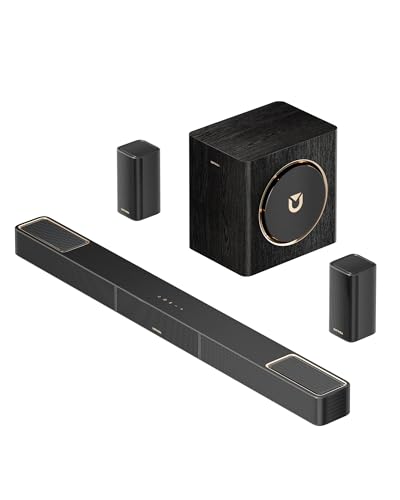
Released in 2024, the ULTIMEA Skywave X40 represents the current generation of wireless surround systems that aim to eliminate the traditional barriers to home theater setup. Where previous generations required running speaker wire across rooms or dealing with complex receiver configurations, modern systems like this use advanced wireless technology to deliver true surround sound with minimal installation complexity.
The "5.1.2" designation tells the whole story: five main channels (left, center, right, plus two rear surrounds), one subwoofer channel, and two height channels created by up-firing drivers. This isn't virtual processing—it's discrete audio channels positioned around your listening space to create authentic three-dimensional sound.
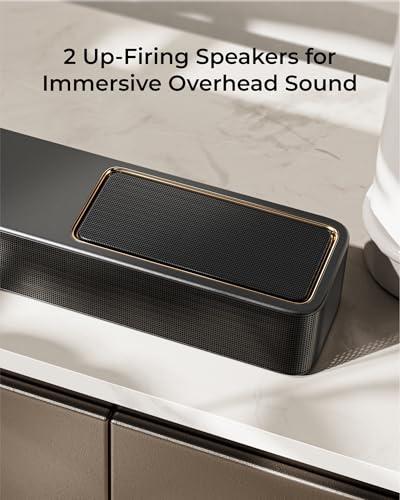
Dolby Atmos, the height channel technology, works by bouncing sound off your ceiling to create overhead effects. When properly implemented, you'll genuinely hear rain falling from above or aircraft passing overhead, not just louder sound from the front. The Skywave X40 includes two up-firing drivers built into the main soundbar specifically for this purpose.
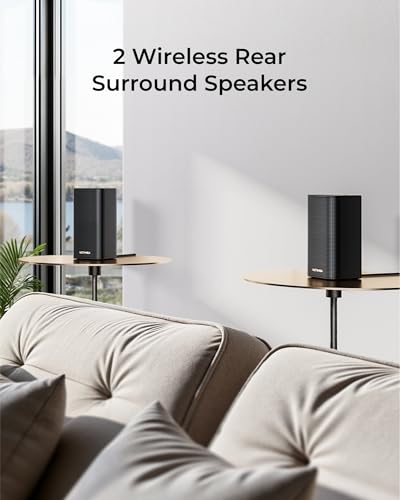
What makes this system particularly impressive is its wireless implementation. The rear speakers and 6.5-inch subwoofer connect via what ULTIMEA calls CineMesh technology—essentially dual 5GHz wireless transmission that maintains audio synchronization across all components. This matters because audio delay (latency) kills immersion. The system achieves under 20ms latency, which is imperceptible to human hearing.
The 530W peak power rating deserves context. Peak power represents maximum instantaneous output during loud dynamic passages—explosions, musical crescendos, or sound effects. While marketing teams love big peak numbers, what matters more is how cleanly a system reproduces both quiet dialogue and dynamic peaks without distortion.
The Skywave X40 uses a GaN (Gallium Nitride) amplifier, which represents a significant technological advancement over traditional silicon-based amplifiers. GaN amplifiers operate at up to 98% efficiency compared to roughly 80% for conventional designs, meaning less energy converts to heat and more goes toward clean audio output. They also respond about eight times faster to dynamic changes, improving clarity during rapid transitions between quiet and loud passages.
The NEURACORE processing engine handles the complex task of managing 5.1.2 channels with up to 2,000 MIPS (Million Instructions Per Second) of computing power. This processing manages channel separation, applies dynamic range correction, and ensures that each speaker receives precisely the right audio information at the right time. Without adequate processing power, multi-channel systems can sound muddled or lose the spatial precision that makes surround sound effective.
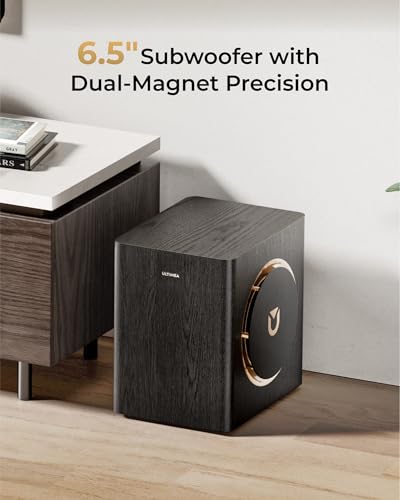
The integrated 6.5-inch subwoofer extends down to 35Hz, which covers the fundamental frequencies of most movie sound effects and music. For context, the deepest note on a standard piano is about 27Hz, while most male voices bottom out around 80Hz. That 35Hz extension means you'll feel explosions and musical bass lines rather than just hearing them.
ULTIMEA's Gravus Ultra-Linear Bass Technology maintains clean output even at high volumes, addressing a common problem where smaller subwoofers distort when pushed hard. The combination of efficient amplification and advanced processing allows this relatively compact system to fill larger rooms without losing clarity or dynamic range.
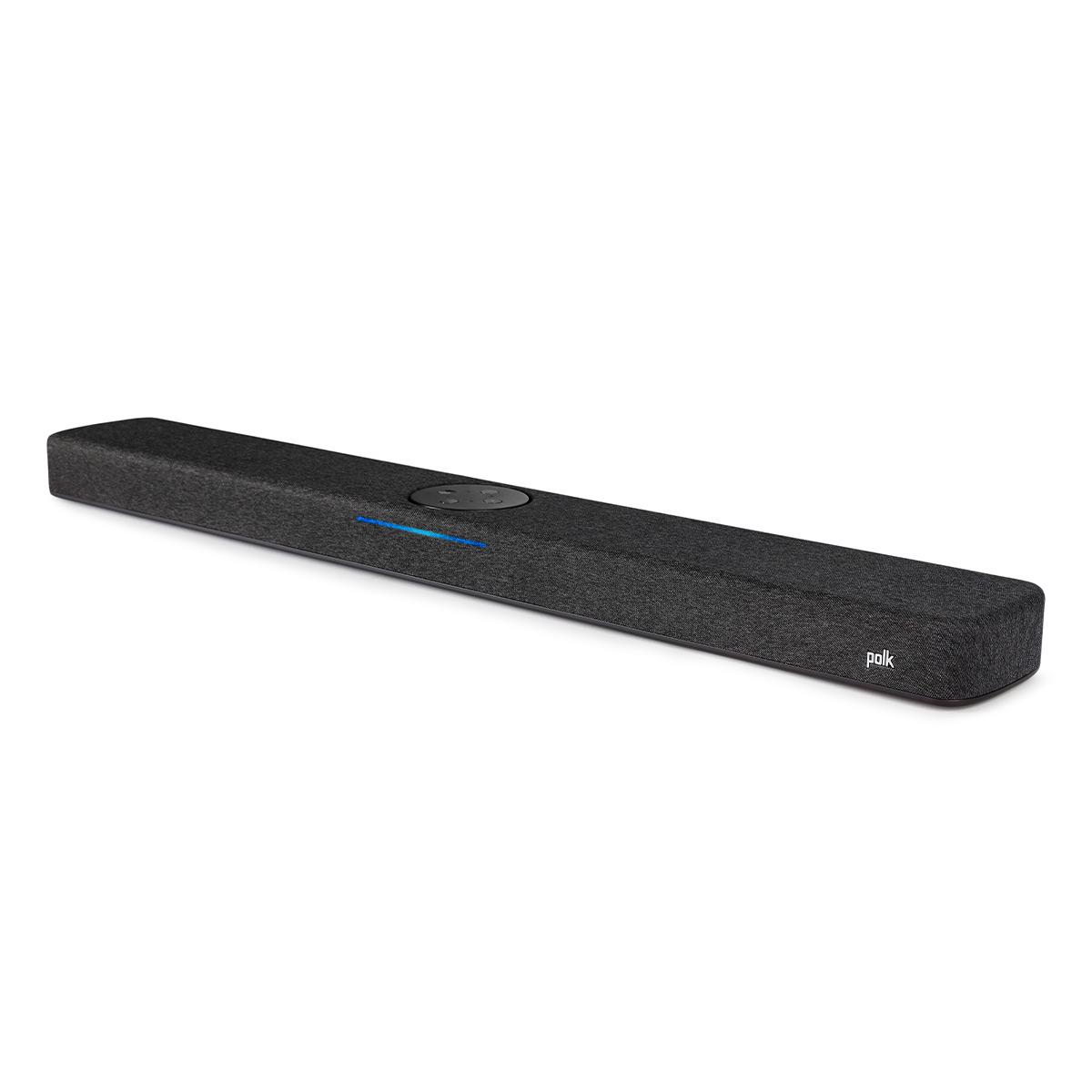
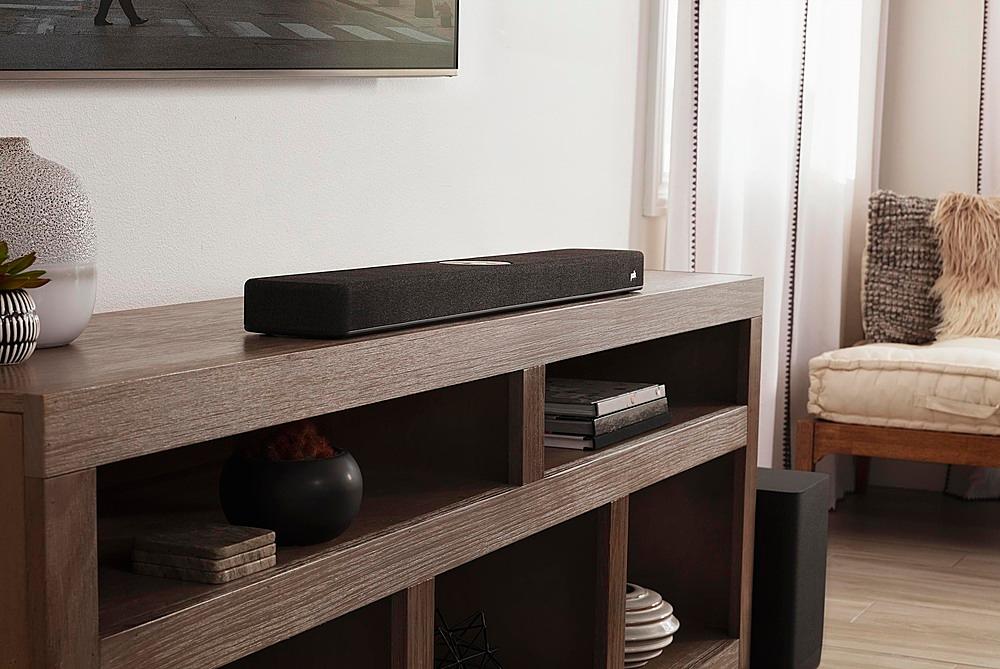
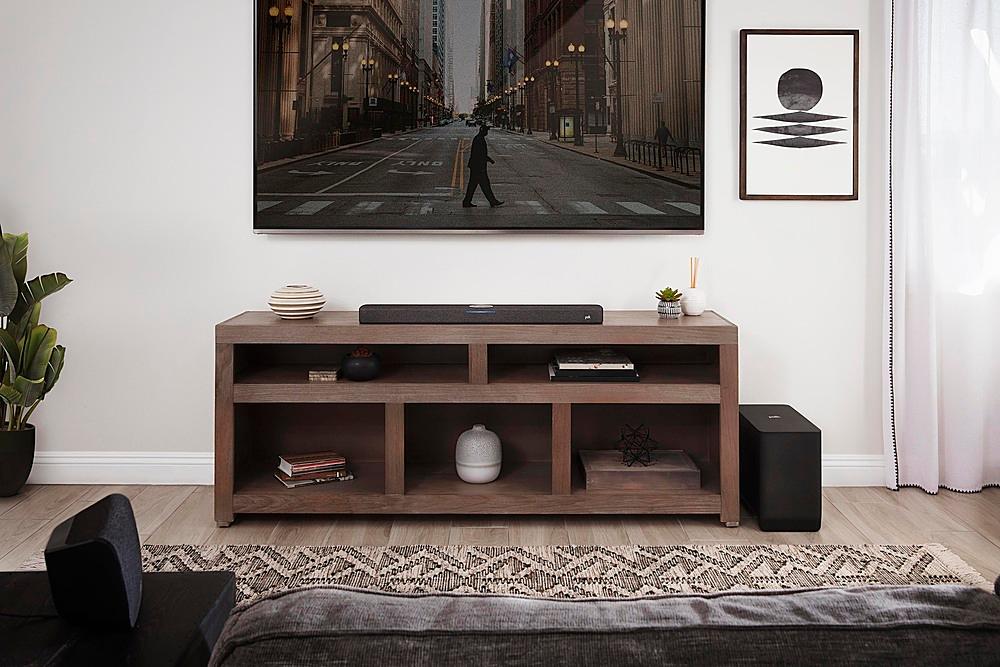
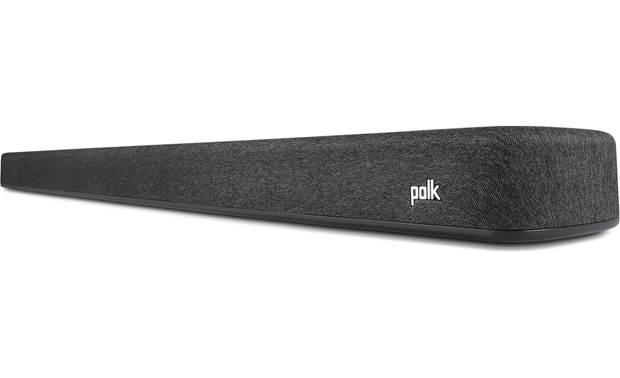
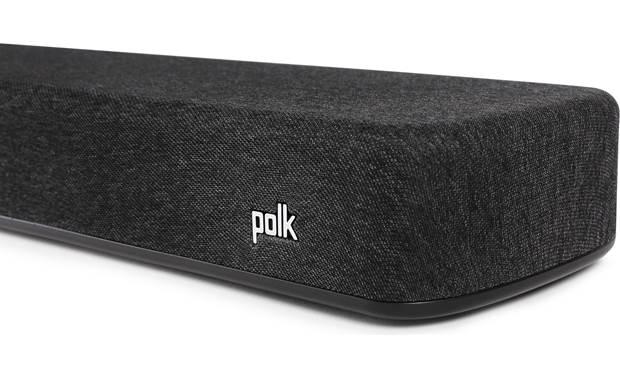
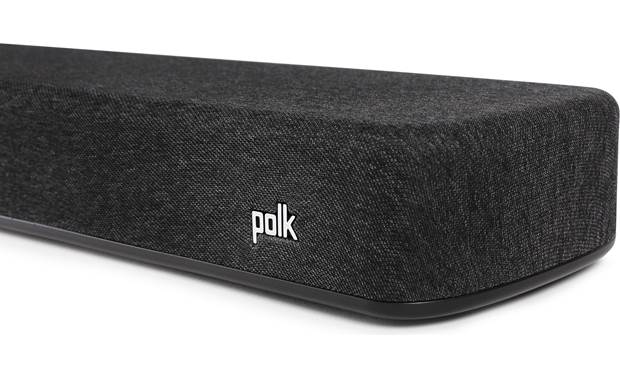
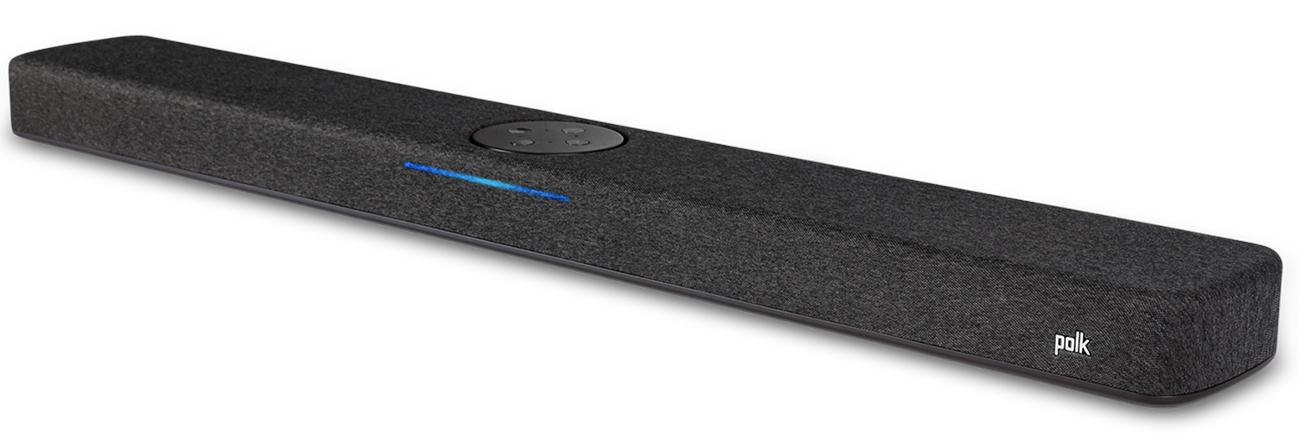
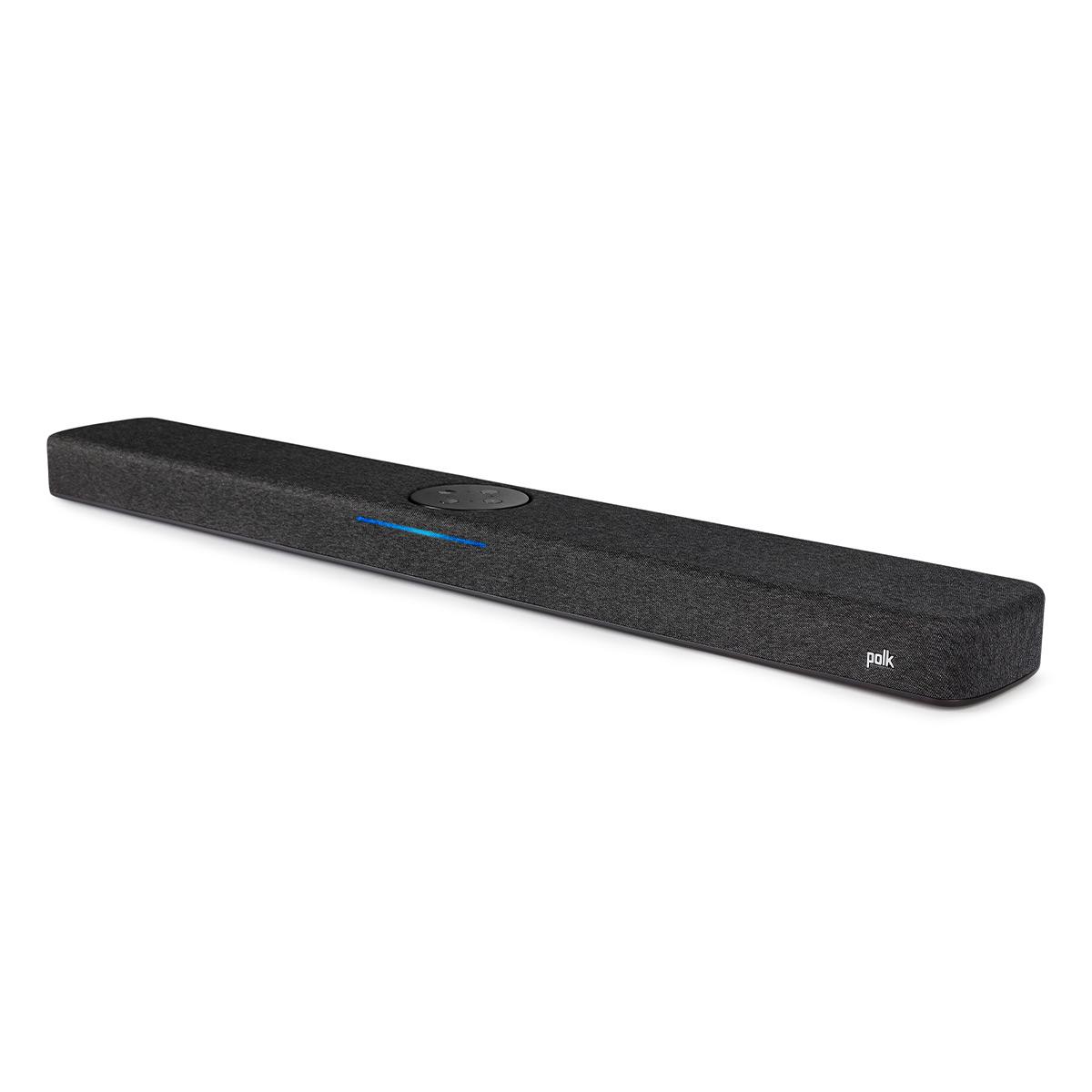
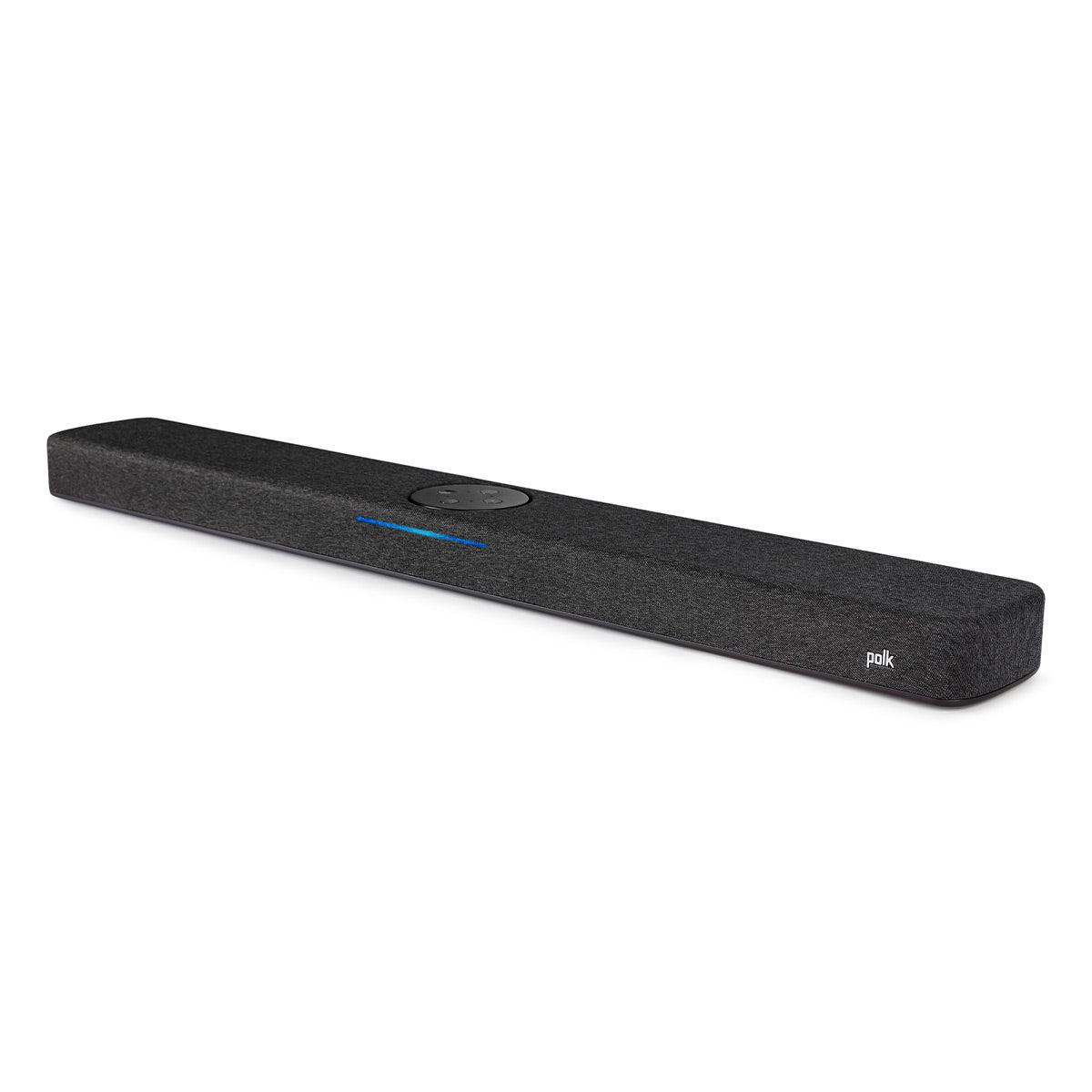
The Polk Audio React, released in 2021, takes a fundamentally different approach by prioritizing smart home integration over pure audio performance. Polk, a respected audio company with decades of speaker design experience, recognized that many users want their soundbar to function as a control hub for their connected home ecosystem.
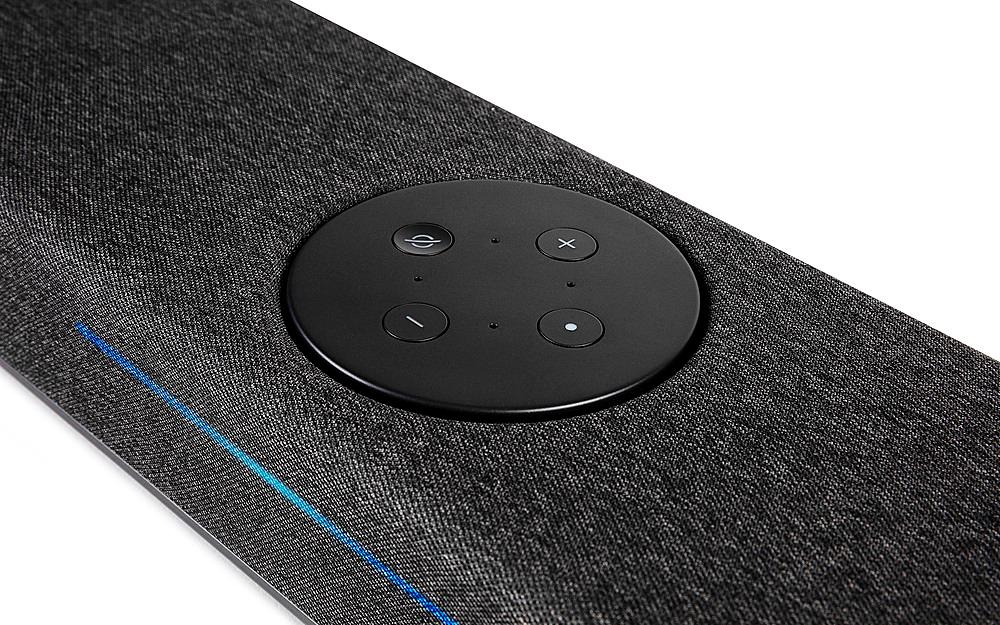
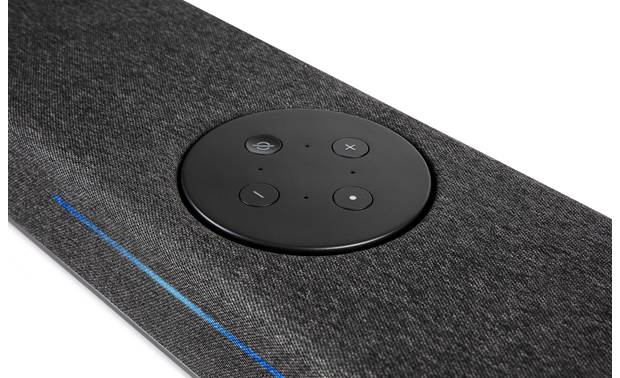
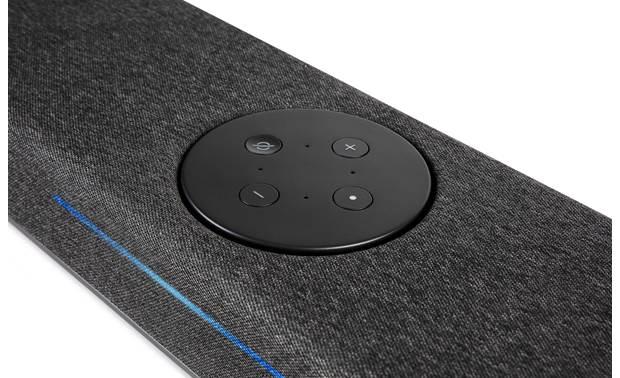
The React includes four far-field microphones and complete Alexa integration, essentially functioning as an Echo device that happens to dramatically improve your TV's audio. This isn't just voice control for the soundbar itself—it's full Alexa functionality including smart home control, music streaming, calling, and messaging.
The practical implications are significant. You can adjust volume, change inputs, control lighting, set timers, check weather, and stream music without reaching for a remote. For households already invested in the Alexa ecosystem, this integration eliminates device redundancy and creates a more streamlined experience.
However, this smart focus comes with trade-offs. The processing power dedicated to Alexa functionality isn't available for advanced audio processing, and the physical design must accommodate microphones and smart features that don't directly contribute to sound quality.
The React uses a 2-channel configuration with virtual surround processing through Dolby Digital and DTS decoding. Virtual surround analyzes stereo or multi-channel audio and uses psychoacoustic principles to create the illusion of surround sound through precise timing and frequency manipulation.
This approach works well for dialogue-heavy content and casual viewing, but it can't replicate the physical sensation of discrete surround channels. The soundstage remains anchored to the front of the room, even though processing can create some sense of width and depth.
Polk's VoiceAdjust technology specifically addresses dialogue clarity, a common complaint about modern TV audio mixing. This feature analyzes incoming audio and selectively boosts the frequency ranges where human speech occurs without affecting music or sound effects. It's particularly useful for movies and shows where dialogue gets buried under background music or sound effects.
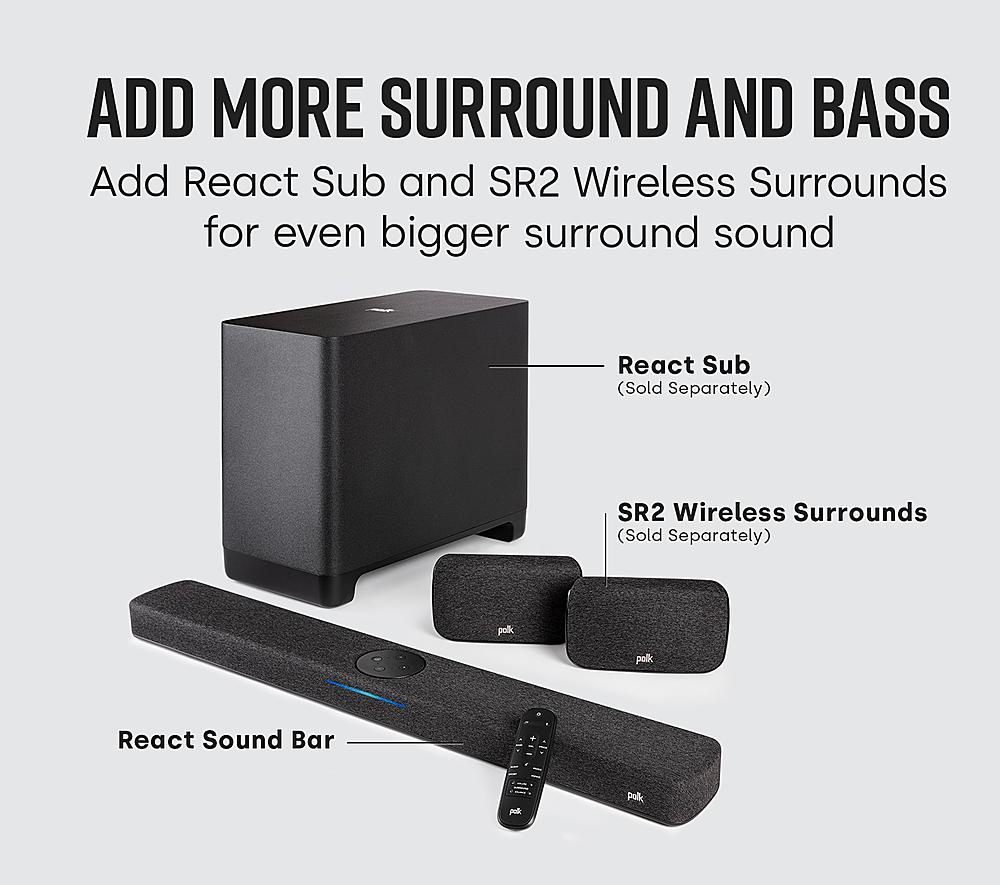
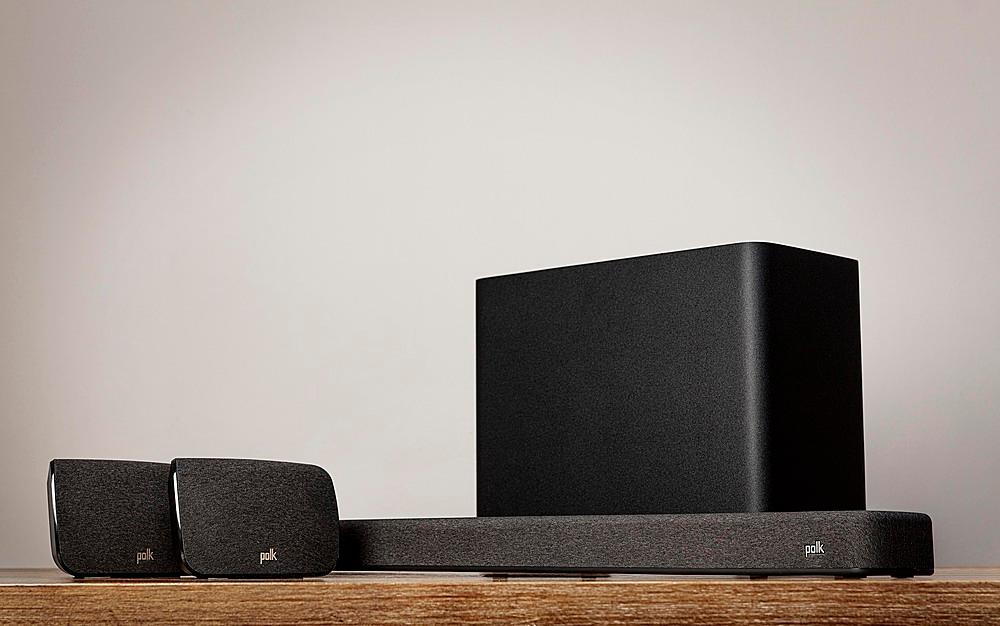
The React's modular design allows gradual system building. You can start with just the soundbar, then add the optional React Sub subwoofer and SR2 wireless rear speakers as budget and needs dictate. This approach spreads the cost over time and lets you evaluate whether you actually need full surround sound.
However, this flexibility comes with higher total system cost. At the time of writing, adding both the subwoofer and rear speakers nearly triples the system price, bringing the total close to complete systems like the Skywave X40 while still not achieving true height channels for Dolby Atmos.
For home theater applications, the performance gap between these systems is substantial. The ULTIMEA Skywave X40 creates genuine spatial audio where sounds appear to come from specific locations around and above your listening position. During action sequences, you'll track bullets whizzing past your ear or hear helicopters circling overhead with convincing realism.
The Polk React provides enhanced audio compared to TV speakers, but the experience remains fundamentally front-anchored. Virtual surround processing can create some sense of spaciousness, but it can't replicate the physical sensation of discrete rear channels or overhead effects.
This difference becomes most apparent during complex audio passages—battle scenes, musical performances, or atmospheric content where spatial audio enhances immersion. The Skywave X40's true surround architecture excels in these scenarios, while the React performs better with dialogue-heavy content where clarity matters more than spatial effects.
Dynamic range—the difference between the quietest and loudest sounds a system can reproduce—significantly impacts the emotional impact of movies and music. The Skywave X40's 530W power rating and advanced processing allow it to handle sudden dynamic swings without compression or distortion.
Large orchestral pieces, for example, can transition from barely audible string passages to full crescendos involving the entire ensemble. Systems without adequate power or processing tend to compress these dynamics, making everything sound more uniform and less engaging.
The React's lower power output limits its ability to reproduce wide dynamic ranges, particularly in larger rooms. While it handles normal viewing levels well, it may compress dynamics during demanding passages or lack the authority needed for true cinematic impact.
Bass reproduction affects not just explosive sound effects but also musical fullness and emotional impact. The Skywave X40's 6.5-inch subwoofer with 35Hz extension provides substantial low-end support that you'll feel physically, particularly during movie sound effects and music with significant bass content.
The React's passive radiators can produce some bass extension, but without a dedicated subwoofer, it lacks the output and extension needed for convincing low-frequency reproduction. Adding the optional React Sub addresses this limitation but increases the total system investment significantly.
Room acoustics play a crucial role in soundbar performance, but they affect these systems differently. The Skywave X40's true surround architecture works best in rooms where rear speakers can be positioned appropriately and where ceiling height allows effective up-firing driver performance.
Smaller rooms or apartments with furniture constraints might not fully utilize the Skywave X40's capabilities, potentially making the investment less worthwhile. The system's 530W output also might be excessive for small spaces where lower volumes are necessary.
The React's single-bar design works well in constrained spaces where rear speaker placement is impractical. Its virtual surround processing adapts reasonably well to different room configurations, though larger rooms will expose its power and extension limitations.
At the time of writing, these systems occupy different price tiers that reflect their different approaches. The Polk React offers a lower entry point for users wanting basic TV audio enhancement with smart features, while the ULTIMEA Skywave X40 represents a more substantial investment in complete home theater audio.
However, the value calculation becomes complex when considering expansion costs. The React's modular approach initially seems economical, but achieving comparable surround performance requires additional purchases that can double or triple the total investment.
The Skywave X40 includes everything needed for complete surround sound in the initial purchase, making its cost predictable and often more economical than a fully expanded modular system. This complete-system approach also ensures optimal component matching and integration.
Both systems reflect current technology trends, but they approach future-proofing differently. The Skywave X40 focuses on audio performance technologies that typically remain relevant longer—true multi-channel architecture, advanced processing, and high-quality amplification don't become obsolete quickly.
The React's smart integration represents both an advantage and a potential limitation. While current Alexa compatibility provides immediate functionality, smart home platforms evolve rapidly, and features that seem essential today might become obsolete within a few years.
For dedicated movie watching and gaming where audio immersion matters significantly, the ULTIMEA Skywave X40 provides substantially better performance. Its true 5.1.2 configuration, substantial power output, and advanced processing create genuinely immersive experiences that enhance dramatic content.
The investment makes particular sense if you watch action movies, play games with spatial audio, or listen to music where soundstage and dynamics matter. The complete system approach also eliminates future upgrade decisions—you get maximum performance immediately.
Heavy Alexa users who prioritize voice control and smart home integration should seriously consider the Polk React. Its deep integration eliminates device redundancy and creates a more streamlined smart home experience.
This choice makes most sense if you primarily watch dialogue-heavy content like news, talk shows, or dramas where spatial effects matter less than clarity. The modular expansion capability also suits users who want to start simple and potentially upgrade gradually.
Smaller living spaces present unique challenges for both systems. The React's compact design and virtual surround processing often work better in constrained spaces where rear speaker placement is impractical or where neighbor consideration limits volume levels.
However, the Skywave X40's wireless rear speakers can sometimes be positioned creatively in smaller spaces, and its superior bass extension might be particularly appreciated where external subwoofer placement is difficult.
While the React offers a lower initial investment, users planning eventual surround sound upgrades should carefully consider total costs. The Skywave X40 often provides better value when compared to a fully expanded React system.
The complete system approach also eliminates the risk of incremental purchases that never quite achieve satisfying performance levels—a common issue with modular soundbar systems.
These represent genuinely different approaches to TV audio enhancement rather than direct competitors. The ULTIMEA Skywave X40 delivers superior home theater performance through true surround sound architecture, advanced processing, and substantial power output. It's the clear choice for users prioritizing audio immersion and cinematic experience.
The Polk Audio React excels as a smart home integration point that happens to significantly improve TV audio. Its strength lies in convenience, voice control, and gradual expandability rather than maximum audio performance.
Your choice should reflect your primary use case: choose the Skywave X40 for the best movie and gaming audio experience, or the React for smart home integration with solid audio enhancement. Both systems deliver meaningful improvements over TV speakers, but they serve different user priorities and room configurations.
The Skywave X40 represents the current state of wireless home theater technology, while the React demonstrates how smart features can enhance the traditional soundbar concept. Neither approach is inherently superior—they're simply optimized for different user needs and preferences.
| ULTIMEA Skywave X40 5.1.2 Soundbar System | Polk Audio React Sound Bar with Alexa Built-In |
|---|---|
| Channel Configuration - Determines immersive audio capability | |
| True 5.1.2 Dolby Atmos with discrete surround and height channels | 2.1 virtual surround with Dolby Digital/DTS processing |
| What's Included - Total cost to get full surround experience | |
| Complete system: soundbar, wireless subwoofer, 2 rear speakers | Soundbar only; subwoofer and rear speakers sold separately |
| Peak Power Output - Room-filling capability and dynamic range | |
| 530W system power with GaN amplifier technology | Unspecified power output, estimated under 100W total |
| Bass Extension - Low-end impact for movies and music | |
| 6.5" wireless subwoofer included, extends to 35Hz | Passive radiators only; optional React Sub extends to ~40Hz |
| Wireless Technology - Setup convenience and reliability | |
| Dual 5GHz CineMesh with <20ms latency for all components | Bluetooth 4.2 for music; optional wireless expansion components |
| Smart Features - Voice control and home automation | |
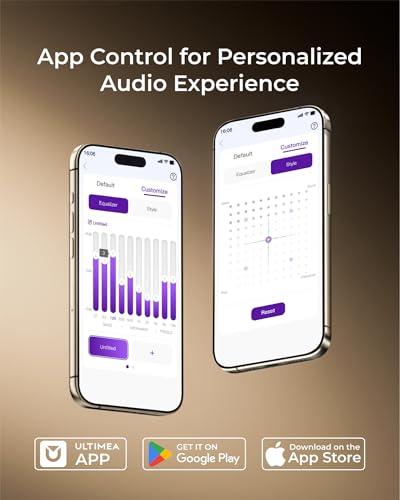
| Skywave X40 app with 10-band EQ, 121 presets | Built-in Amazon Alexa with far-field microphones |
| Connectivity Options - Compatibility with modern devices | |
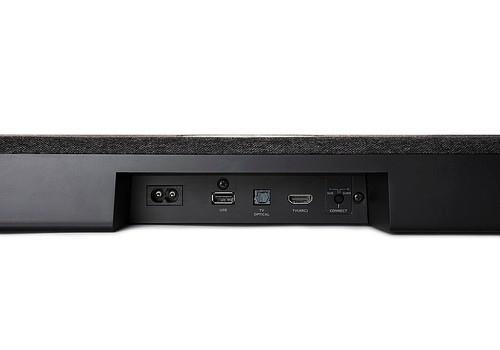
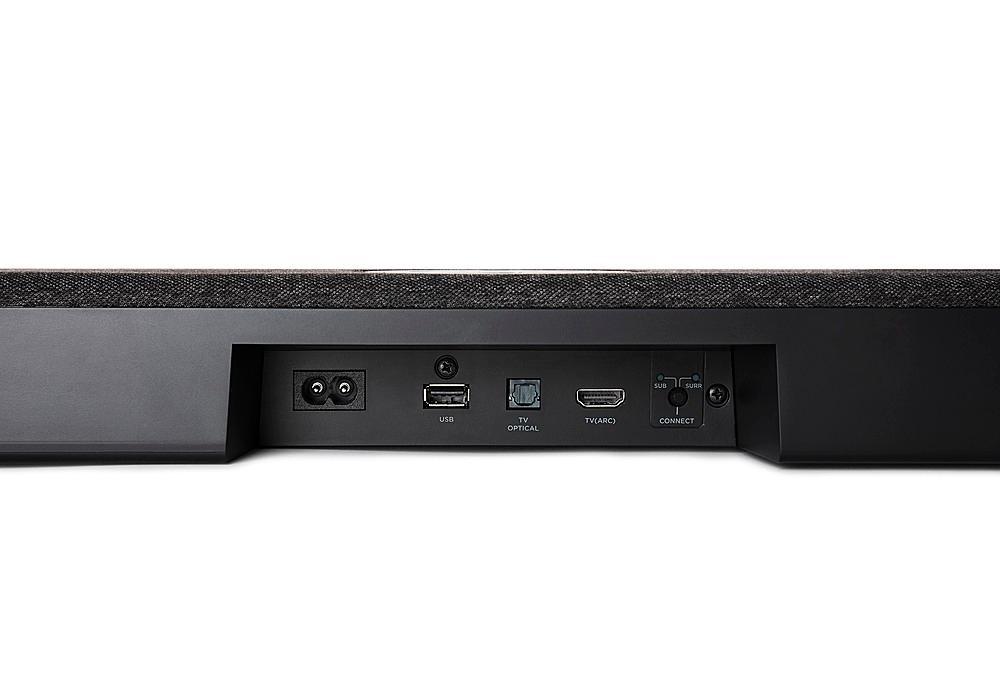
| HDMI eARC, optical, USB, Bluetooth 5.4, 4K HDR passthrough | HDMI ARC, optical, USB, Bluetooth 4.2 |
| Audio Processing - Sound quality and enhancement features | |
| NEURACORE engine (2,000 MIPS), Gravus Ultra-Linear Bass | Polk VoiceAdjust technology for dialogue clarity |
| Physical Design - Space requirements and aesthetics | |
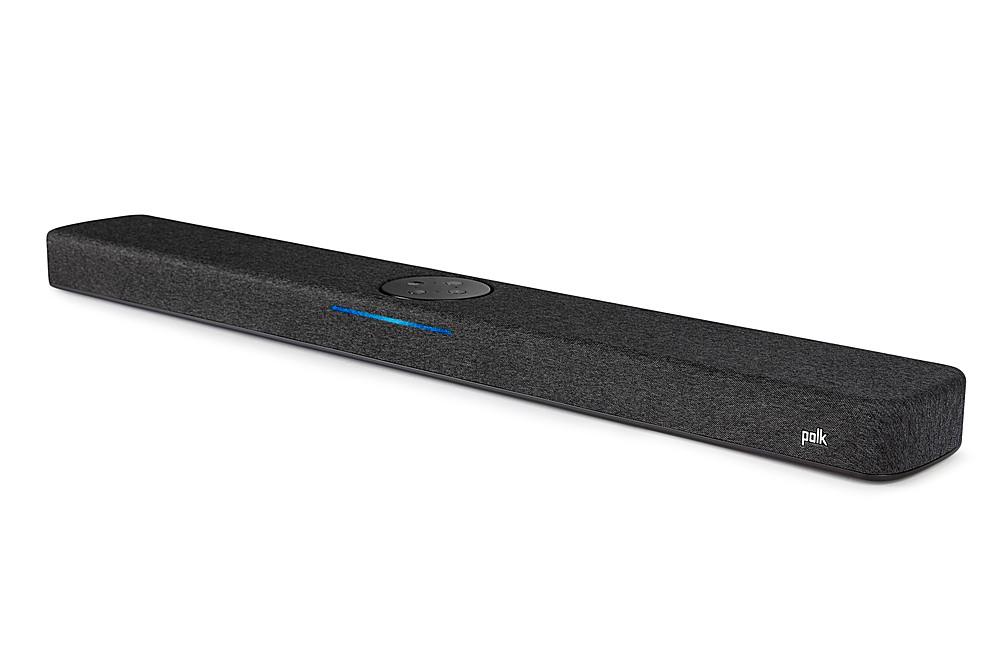
| 43.3" soundbar with wireless rear speakers requiring placement | Compact 34" soundbar with optional modular expansion |
| Expansion Capability - Future upgrade potential | |
| Fixed configuration with no official expansion options | Modular system allows gradual component additions |
| Best Use Case - Ideal buyer profile | |
| Home theater enthusiasts wanting complete immersive audio | Smart home users prioritizing voice control and flexibility |
The ULTIMEA Skywave X40 is significantly better for movies due to its true 5.1.2 Dolby Atmos surround sound with discrete rear speakers and height channels. This creates authentic overhead effects and surround imaging that makes action scenes feel immersive. The Polk React uses virtual surround processing which enhances TV audio but can't match the spatial realism of true multi-channel systems.
The ULTIMEA Skywave X40 includes everything needed for complete surround sound: the main bar, wireless subwoofer, and two rear speakers. The Polk React is just the soundbar itself - you'll need to purchase the optional React Sub subwoofer and SR2 rear speakers separately to achieve comparable surround performance.
The Polk React has built-in Amazon Alexa with far-field microphones, functioning as a full Echo device that controls smart home devices, streams music, and handles voice commands. The ULTIMEA Skywave X40 focuses on audio performance and uses a smartphone app for control rather than voice integration.
The ULTIMEA Skywave X40 includes a 6.5-inch wireless subwoofer that extends down to 35Hz for deep, room-shaking bass. The Polk React relies on passive radiators for bass, which provides some low-end enhancement but requires the optional React Sub subwoofer for meaningful bass impact comparable to the Skywave X40.
Both are relatively easy, but differently. The ULTIMEA Skywave X40 components are pre-paired wirelessly - you just plug them in and they connect automatically. The Polk React is simpler initially since it's one device, but adding optional components later requires additional setup steps and wireless pairing.
The ULTIMEA Skywave X40 delivers 530W peak power across its multi-channel system, suitable for filling large rooms with dynamic sound. The Polk React doesn't specify power output but is designed for smaller to medium rooms with more modest power requirements focused on dialogue clarity.
The Polk React works better in small spaces due to its compact single-bar design and virtual surround that doesn't require rear speaker placement. The ULTIMEA Skywave X40 needs space for wireless rear speakers and may provide more power than small rooms require.
Both soundbars connect to virtually any TV. The ULTIMEA Skywave X40 offers HDMI eARC and optical connections with 4K HDR passthrough. The Polk React provides HDMI ARC and optical inputs. Both include the necessary cables for most TV connections.
This depends on your needs. The ULTIMEA Skywave X40 provides complete surround sound in one purchase, often offering better value than buying the Polk React and adding optional components later. However, the React costs less upfront if you only want basic audio enhancement with smart features.
The ULTIMEA Skywave X40 provides true 5.1.2 Dolby Atmos with dedicated up-firing speakers for authentic overhead effects. The Polk React supports Dolby Digital decoding but doesn't offer Dolby Atmos height channels - it uses virtual processing to simulate surround effects.
The ULTIMEA Skywave X40 excels for music with its true multi-channel setup, substantial power output, and deep bass extension creating a wide soundstage. The Polk React handles music well and offers convenient voice control for streaming services, but lacks the spatial imaging and dynamic range of the Skywave X40.
The ULTIMEA Skywave X40 uses proprietary dual 5GHz wireless for connecting all components with ultra-low latency. The Polk React uses Bluetooth 4.2 for music streaming and offers wireless expansion options, but the Skywave X40 provides more advanced wireless technology for maintaining audio synchronization across multiple speakers.
We've done our best to create useful and informative comparisons to help you decide what product to buy. Our research uses advanced automated methods to create this comparison and perfection is not possible - please contact us for corrections or questions. These are the sites we've researched in the creation of this article: bestbuy.com - shopabunda.com - youtube.com - youtube.com - youtube.com - youtube.com - ultimea.com - walmart.com - youtube.com - hometechnologyreview.com - community.ultimea.com - avsforum.com - youtube.com - youtube.com - youtube.com - bestbuy.com - hometechnologyreview.com - techradar.com - crutchfield.com - popsci.com - youtube.com - tomsguide.com - bestbuy.com - polkaudio.com - crutchfield.com - forum.polkaudio.com - soundunited.com - youtube.com

Privacy Policy
Terms and Conditions - Affiliate Policy
Home Security
© Copyright 2008-2026.
11816 Inwood Rd #1211, Dallas, TX 75244