










If you've been struggling with your TV's weak built-in speakers, you're probably considering a soundbar upgrade. But the soundbar market has evolved dramatically in recent years, with options ranging from simple audio bars to complex multi-speaker systems that rival traditional home theater setups. Two standout options represent very different approaches: the ULTIMEA Skywave X40 complete wireless surround system and the Sony BRAVIA Theater Bar 9 premium single-unit soundbar.
Understanding which approach works better for your situation requires diving into what makes each system unique, how they perform in real-world scenarios, and most importantly, which delivers better value for your specific needs.
Today's premium soundbars have moved far beyond simple stereo sound enhancement. The best systems now support Dolby Atmos, a surround sound format that adds height channels to create three-dimensional audio. Instead of just hearing sounds from left and right, you experience audio coming from above, behind, and all around you—like rain falling overhead or helicopters flying past.
The critical decision point comes down to two fundamentally different approaches. Some manufacturers, like ULTIMEA with the Skywave X40, create complete systems with physical speakers placed around your room. Others, like Sony with the Theater Bar 9, pack everything into a single sophisticated unit that uses advanced processing to simulate surround sound through clever audio manipulation.
Both approaches have merit, but they excel in different scenarios. Physical surround speakers provide authentic directional audio—when something explodes behind you in a movie, the sound actually comes from behind you. Virtual surround systems use psychoacoustic tricks, bouncing sound off walls and ceilings to fool your brain into perceiving sounds from different directions.
The key performance metrics that matter most include channel configuration (how many distinct audio channels the system handles), power output (how loud and dynamic the sound can get), frequency response (particularly bass extension), and spatial accuracy (how convincingly the system creates immersive surround effects).
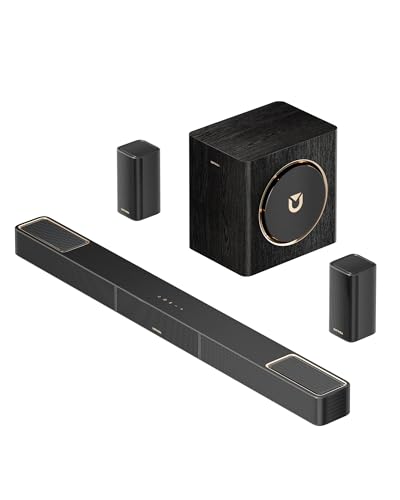
Released in 2024, the ULTIMEA Skywave X40 represents what we consider the most practical approach to authentic home theater audio. Rather than compromising with virtual effects, ULTIMEA built a complete 5.1.2 system that includes a main soundbar, wireless subwoofer, and two wireless rear speakers.
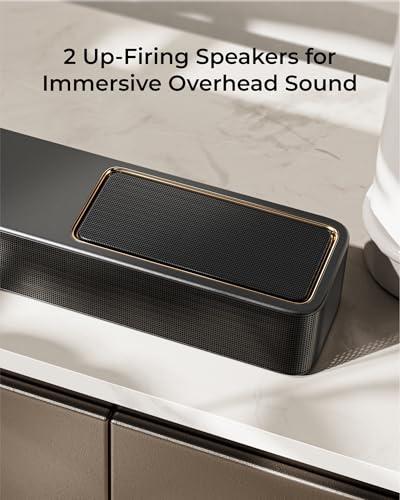
The "5.1.2" designation tells you exactly what you're getting: five main channels (left, center, right, left surround, right surround), one subwoofer channel for deep bass, and two height channels for Dolby Atmos overhead effects. This configuration matches what you'd find in a commercial movie theater, scaled appropriately for home use.
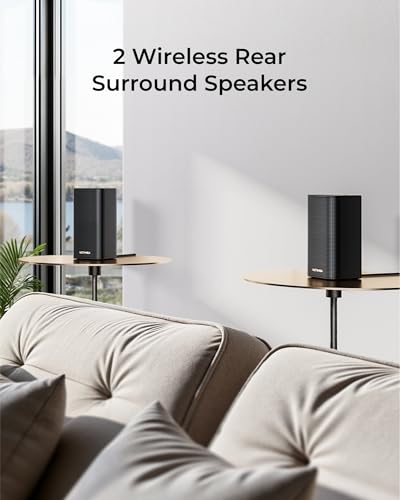
What makes the Skywave X40 particularly impressive is its wireless implementation. The rear speakers and subwoofer connect to the main bar using dual 5GHz wireless transmission—the same frequency band used by high-end routers. This CineMesh technology maintains extremely low latency (under 20 milliseconds), meaning there's no noticeable delay between the front and rear speakers. You get all the benefits of a wired surround system without running cables across your room.
The heart of the system showcases some genuinely advanced technology. ULTIMEA equipped the Skywave X40 with a GaN (Gallium Nitride) amplifier, which represents a significant leap forward from traditional silicon-based amplification. GaN amplifiers operate at up to 98% efficiency compared to roughly 70% for conventional designs. This means they generate far less heat, respond eight times faster to dynamic audio changes, and deliver cleaner sound with less distortion even at high volumes.
This technological advancement matters in practical terms. When a movie scene shifts from quiet dialogue to explosive action, the GaN amplifier responds instantly without the compression or distortion that plague many soundbars when pushed hard. The system's 530W peak power output becomes more meaningful when it's delivered through such efficient amplification.
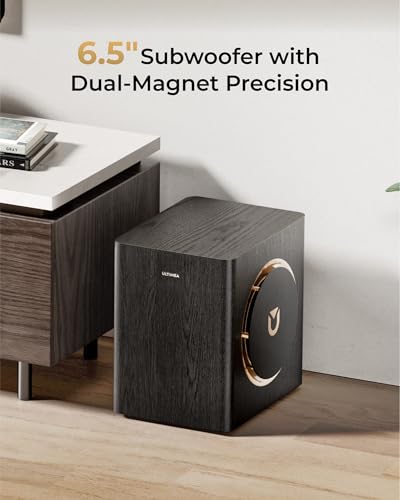
The bass performance deserves special attention. The included 6.5-inch wireless subwoofer uses what ULTIMEA calls Gravus Ultra-Linear Bass Technology, extending frequency response down to 35Hz. For context, most male voices bottom out around 85Hz, while movie sound effects and electronic music often reach well below 40Hz. Having clean, powerful bass extension to 35Hz means you experience the full impact of movie soundtracks and bass-heavy music as intended.
Processing power comes from ULTIMEA's NEURACORE audio engine, featuring a triple-core DSP (Digital Signal Processor) and dual-core MCU (Microcontroller Unit). This combination handles up to 2,000 MIPS (Million Instructions Per Second) of audio processing, enabling 24-bit/192kHz audio resolution with less than 0.5% distortion. These specifications matter because they determine how accurately the system can reproduce complex, dynamic audio without introducing artifacts or compression.
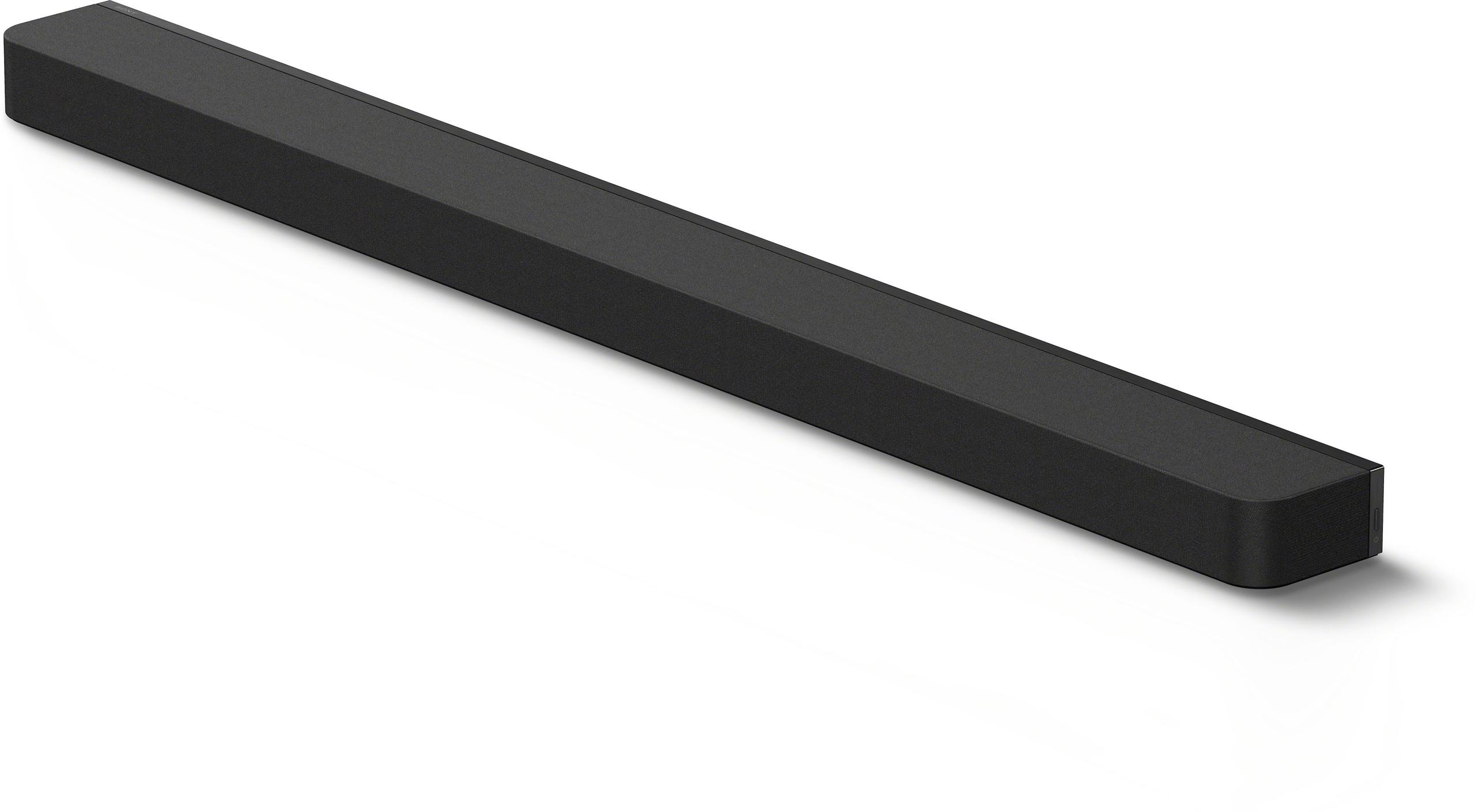
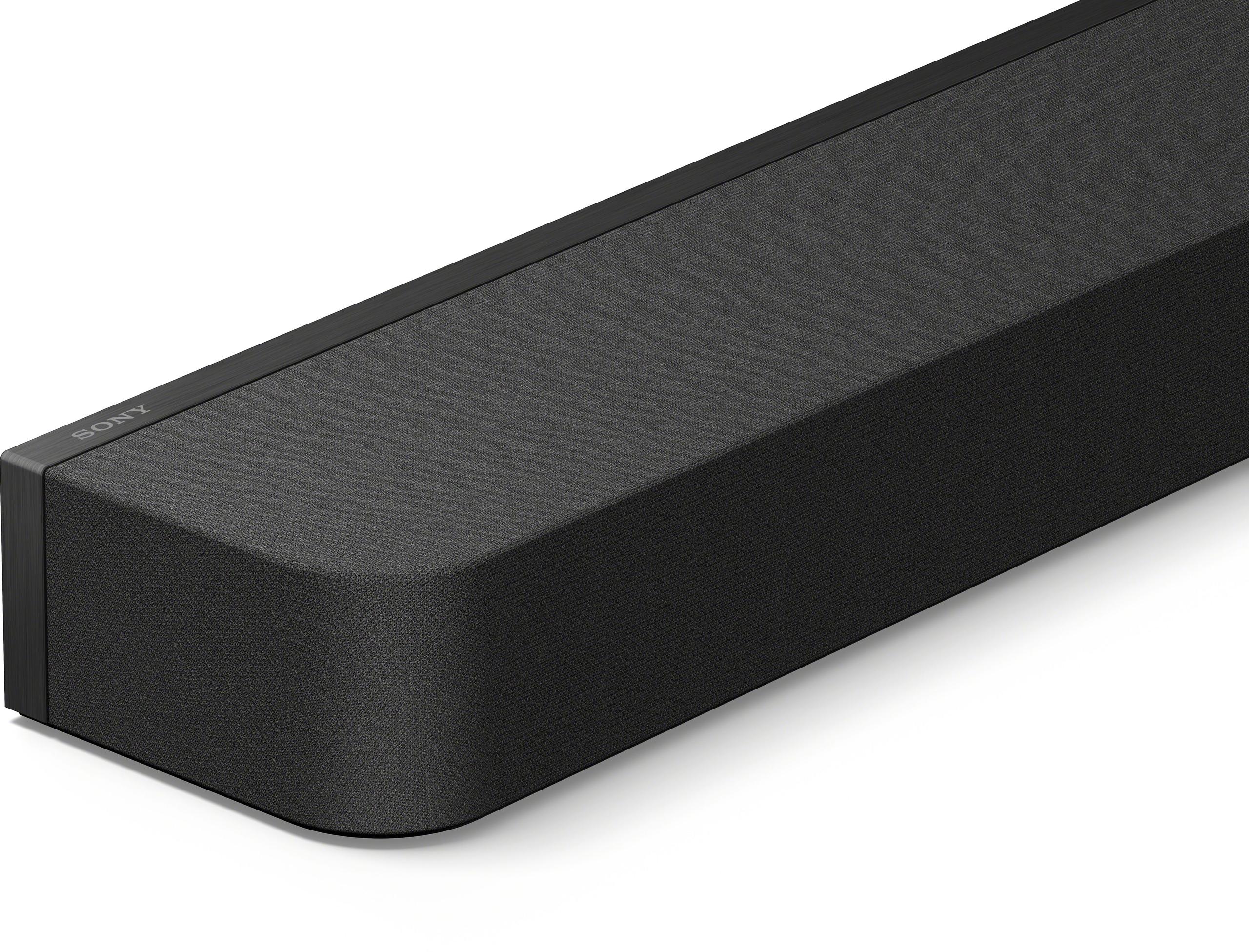
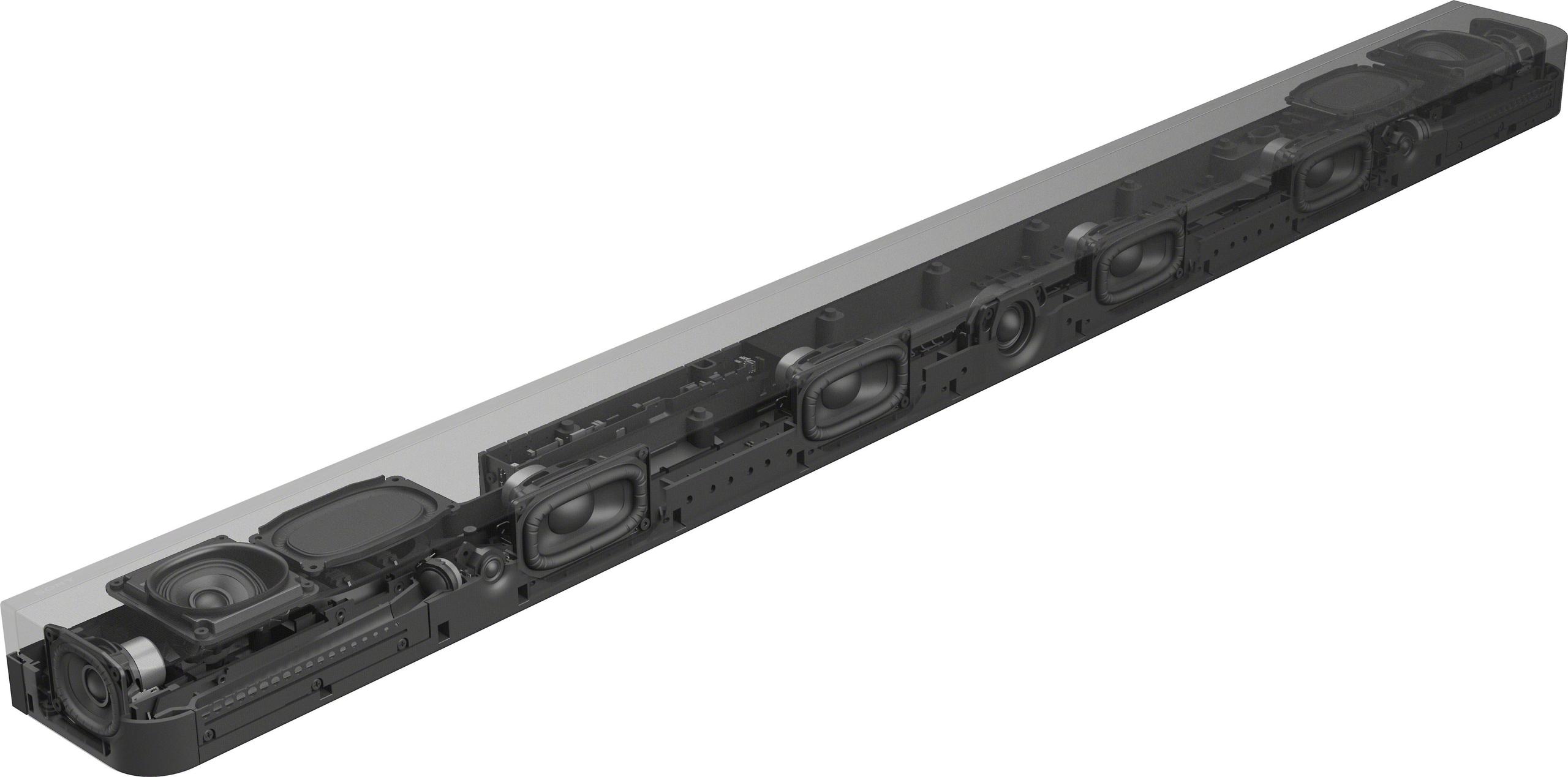
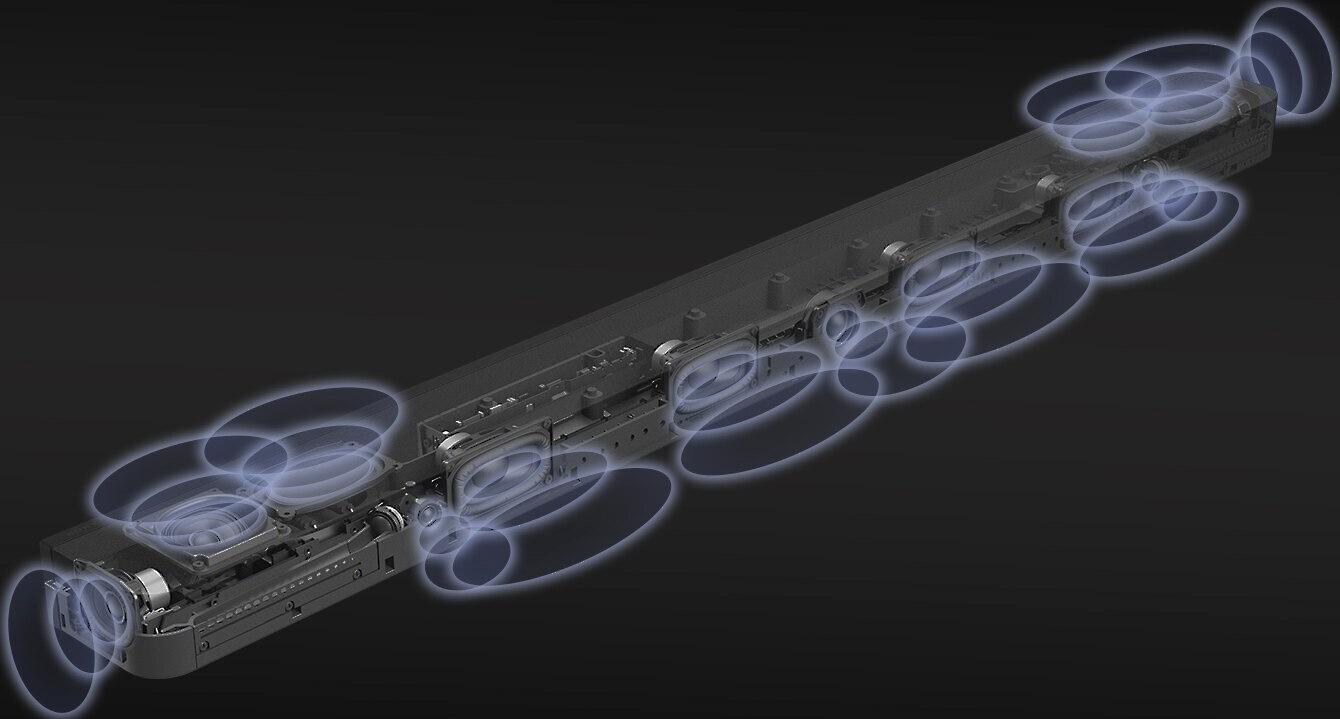
Sony's BRAVIA Theater Bar 9, also launched in 2024, represents the pinnacle of single-unit soundbar design. Rather than distributing speakers around your room, Sony packed 13 individual drivers into a single 51-inch bar and developed sophisticated processing to create immersive surround effects.
The system's 7.0.2 configuration means seven main channels, zero dedicated subwoofer (bass comes from the soundbar itself), and two height channels. Sony achieves this through their proprietary 360 Spatial Sound Mapping technology, which uses advanced algorithms to create "phantom speakers"—sounds that appear to come from locations where no physical speakers exist.
This approach has genuine merit. Sony's engineers can precisely control the timing, phase, and frequency response of all 13 drivers working in perfect coordination. The Theater Bar 9 analyzes your room's acoustics and adjusts its output accordingly, using Sound Field Optimization to compensate for different room shapes and furnishings.
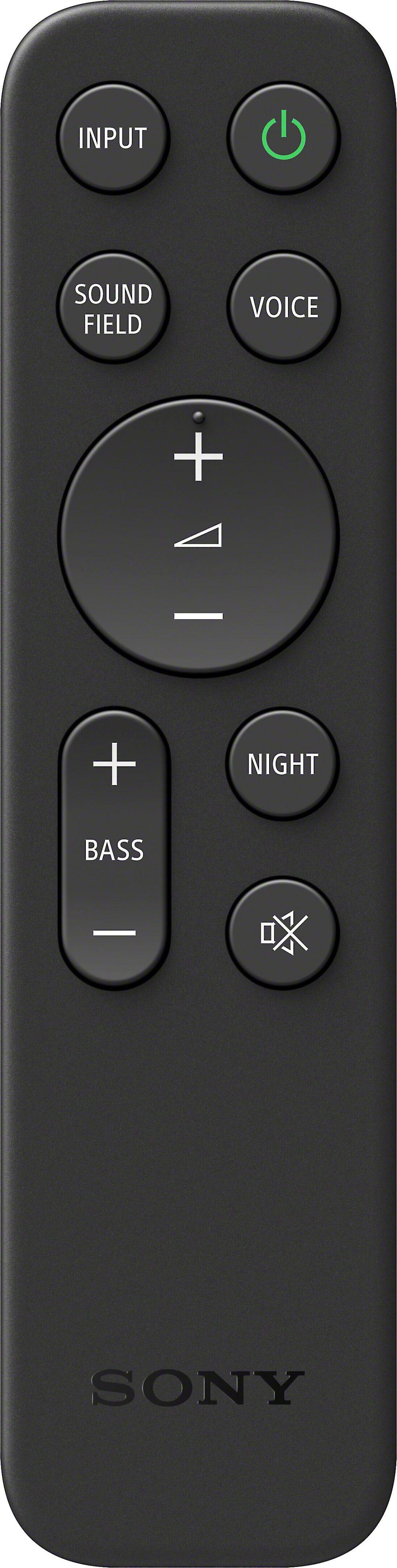
What makes Sony's implementation particularly clever is how it integrates with BRAVIA TVs through Acoustic Centre Sync. This feature actually uses your TV's speakers as a center channel, creating an effect where dialogue appears to come directly from actors' mouths on screen. It's an elegant solution that demonstrates Sony's advantage in controlling both the display and audio components of your entertainment system.
The Theater Bar 9 also incorporates AI-powered Voice Zoom 3 technology, which uses machine learning to identify and enhance dialogue clarity. This addresses one of the most common complaints about modern movie soundtracks—that explosive action scenes are loud and clear while dialogue gets buried in the mix.
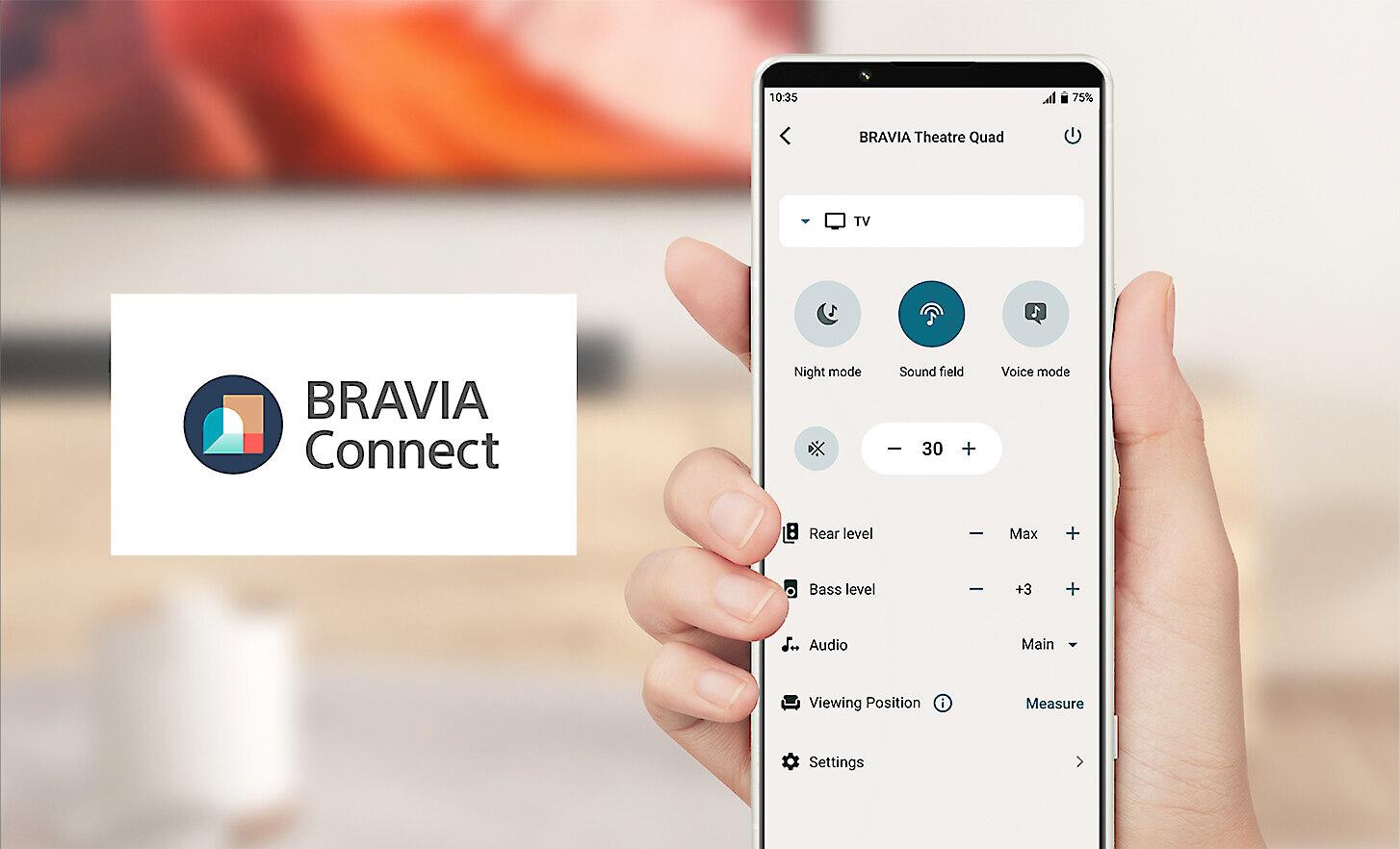
Sony's wireless capabilities focus on streaming rather than speaker connectivity. The system supports Spotify Connect, Apple AirPlay 2, and Bluetooth 5.2 for music playback, plus Wi-Fi connectivity for firmware updates and advanced features.
The fundamental difference between these approaches becomes most apparent when you consider how surround sound actually works. The ULTIMEA Skywave X40 places physical speakers behind your listening position, so when a movie soundtrack pans audio from front to rear, you hear actual sound movement through space. This creates what audio engineers call "true surround imaging"—effects that convincingly place sounds at specific locations around you.
The Sony Theater Bar 9 relies on psychoacoustic processing to create similar effects. Sony's algorithms are sophisticated, analyzing how sound reflects off your room's surfaces to create the impression of surround audio. In ideal room conditions with appropriate wall and ceiling surfaces for reflection, this can be surprisingly effective.
However, our research into user experiences reveals that physical surround speakers consistently provide more convincing spatial effects. The Skywave X40's approach works regardless of your room's acoustic properties, while virtual surround systems like the Theater Bar 9 can struggle in rooms with irregular layouts, high ceilings, or excessive soft furnishings that absorb rather than reflect sound.
This represents perhaps the most significant performance difference between the systems. The ULTIMEA Skywave X40 includes a dedicated 6.5-inch subwoofer that can reproduce frequencies down to 35Hz with substantial output levels. This translates to visceral bass impact in movie explosions, the full weight of orchestral music, and proper reproduction of electronic music that relies on deep bass frequencies.
The Sony Theater Bar 9, constrained by its single-unit design, cannot match this low-frequency performance. While Sony's engineering is impressive—they've managed to extract reasonable bass from the soundbar's built-in drivers—physics ultimately limits what's possible from smaller drivers in a slim enclosure.
Our analysis of professional reviews consistently notes this limitation with the Theater Bar 9. Several reviewers specifically mentioned the lack of impactful bass and recommended adding Sony's optional wireless subwoofer, which significantly increases the total system cost.
The Skywave X40's 530W peak power output, delivered through its advanced GaN amplification, provides substantial headroom for dynamic audio content. This matters most during movie scenes that shift rapidly between quiet dialogue and explosive action—the system maintains clarity and composure even when pushed to high volumes.
While Sony doesn't publish comparable peak power specifications for the Theater Bar 9, the single-unit design inherently limits how much power can be safely dissipated without thermal issues. User reviews suggest the Sony system performs well at moderate volumes but can exhibit compression when pushed hard.
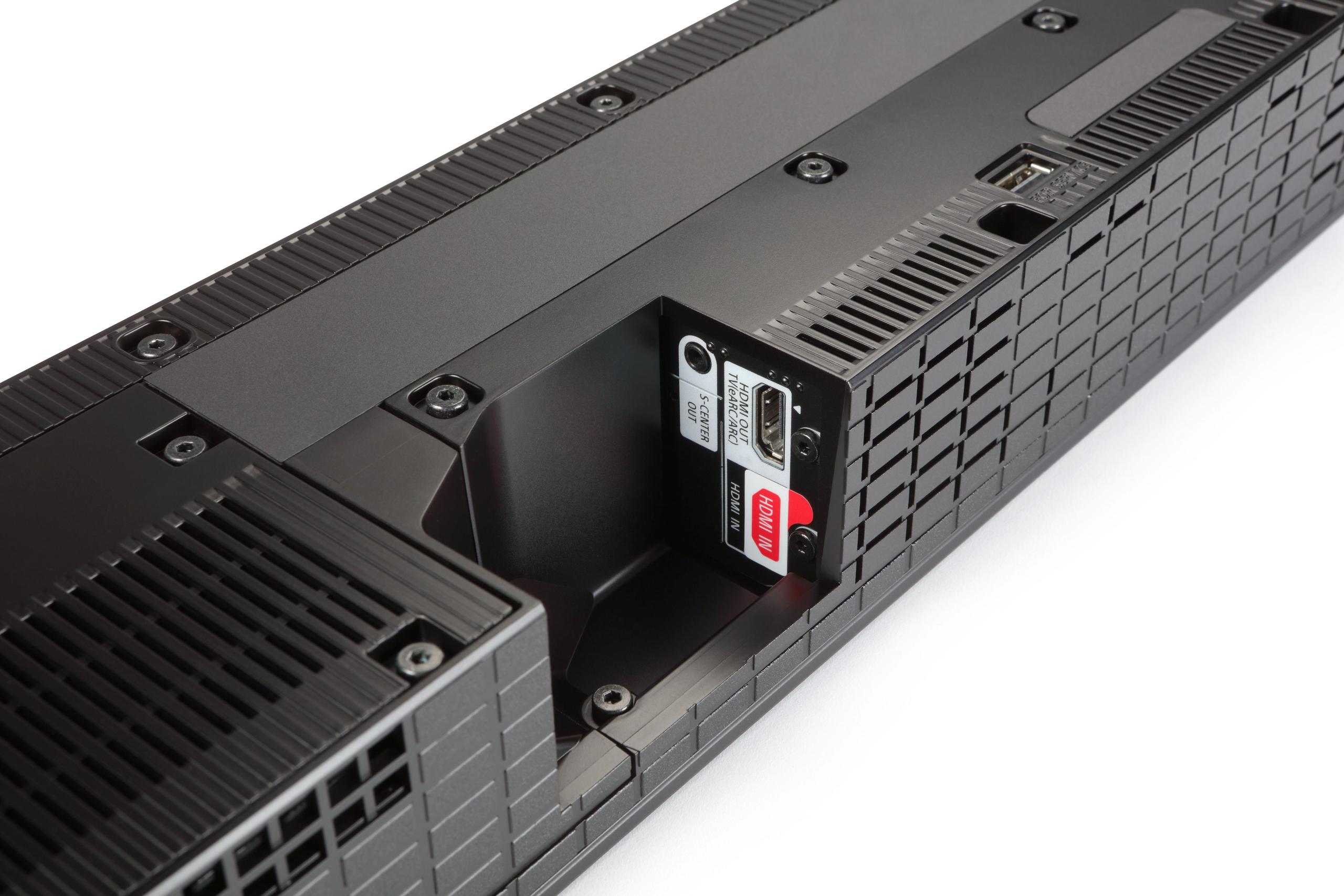
The Sony Theater Bar 9 offers unquestionably simpler installation. Place the single unit below your TV, connect one HDMI cable, and you're essentially done. The system's Sound Field Optimization automatically calibrates audio for your room, requiring no manual adjustment.
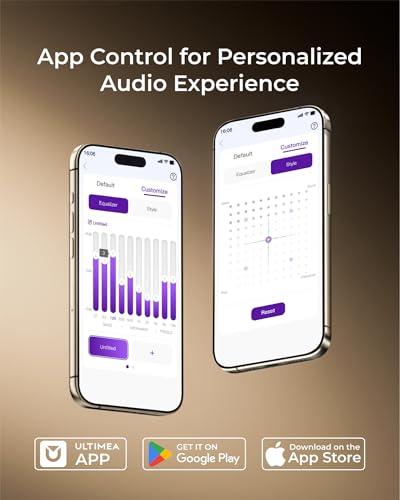
The ULTIMEA Skywave X40 requires more thoughtful placement. You'll need to position the rear speakers appropriately (typically 2-3 feet behind your main seating area), find a good location for the subwoofer (often near a wall for bass reinforcement), and use the companion app to fine-tune settings. However, all components are factory-paired and connect automatically when powered on, so the wireless setup remains straightforward.
At the time of writing, the pricing difference between these systems is substantial. The ULTIMEA Skywave X40 typically retails for significantly less than half the price of the Sony Theater Bar 9, despite including more physical components and arguably delivering superior performance in key areas like bass response and surround imaging.
This price differential reflects different market strategies. Sony positions the Theater Bar 9 as a premium lifestyle product, emphasizing design aesthetics, brand prestige, and seamless integration with BRAVIA TVs. ULTIMEA focuses on delivering maximum audio performance per dollar, accepting that their multi-component system won't appeal to users prioritizing minimalist aesthetics.
The value equation becomes more complex when you consider expandability. The Theater Bar 9 can be enhanced with Sony's optional wireless subwoofer and rear speakers, but these additions cost substantial amounts individually. The Skywave X40 provides equivalent components in the base package.
Both systems represent 2024 technology, incorporating recent advances in wireless transmission, digital signal processing, and amplifier design. The ULTIMEA Skywave X40's GaN amplification and dual 5GHz wireless transmission represent particularly forward-thinking technology choices that should remain current for years to come.
Sony's approach focuses more on software and processing improvements, with regular firmware updates that can potentially enhance performance over time. The company's integration with broader Sony ecosystem products (TVs, gaming consoles, streaming devices) provides additional value for users invested in Sony hardware.
Looking ahead, both approaches will likely continue evolving. Physical surround systems like the Skywave X40 may incorporate more sophisticated room correction and wireless technologies, while single-unit systems like the Theater Bar 9 will benefit from improved processing algorithms and more powerful built-in components.
The decision between these systems ultimately depends on your priorities, room layout, and usage patterns.
Choose the ULTIMEA Skywave X40 if you want the most authentic home theater experience at an exceptional value. This system excels when you have space to properly position rear speakers and value genuine surround sound over design simplicity. It's particularly compelling for movie enthusiasts, gamers, and music listeners who appreciate powerful, accurate bass response. The system's extensive customization options through the companion app also appeal to users who enjoy fine-tuning their audio setup.
The Sony Theater Bar 9 makes more sense if you prioritize design aesthetics, own Sony BRAVIA TV hardware, and prefer automated optimization over manual adjustment. It's the better choice for users with space constraints who cannot accommodate multiple components, and those willing to pay a premium for brand reputation and sophisticated virtual surround processing.
For most users seeking home theater-quality audio, our research suggests the ULTIMEA Skywave X40 delivers superior performance at exceptional value. The authentic surround sound experience, powerful bass response, and advanced amplification technology provide genuine home theater immersion that's difficult to achieve with virtual processing alone.
However, the Sony Theater Bar 9 remains compelling for specific use cases, particularly when seamless TV integration and single-unit simplicity outweigh pure audio performance considerations. Sony's brand reputation, customer support, and ongoing firmware development also provide long-term value that shouldn't be overlooked.
Both systems represent significant upgrades over basic TV audio, but they achieve their goals through fundamentally different approaches. Understanding which philosophy aligns with your priorities, space constraints, and performance expectations will guide you to the right choice for your home entertainment setup.
| ULTIMEA Skywave X40 5.1.2 Soundbar System | Sony BRAVIA Theater Bar 9 Soundbar |
|---|---|
| Channel Configuration - Determines authenticity of surround sound experience | |
| True 5.1.2 with physical rear speakers and subwoofer | Virtual 7.0.2 from single unit using phantom imaging |
| Bass Performance - Critical for movie impact and music enjoyment | |
| Dedicated 6.5-inch wireless subwoofer, extends to 35Hz | Built-in drivers only, no dedicated subwoofer (optional add-on available) |
| Total System Components - Affects setup complexity and room requirements | |
| 4 components: soundbar, subwoofer, 2 wireless rear speakers | Single soundbar unit only |
| Peak Power Output - Determines maximum volume and dynamic range | |
| 530W with GaN amplifier technology | Not specified, likely lower due to single-unit design |
| Amplification Technology - Impacts sound quality and efficiency | |
| GaN (Gallium Nitride) amplifier, 98% efficiency, 8x faster response | S-Master HX Digital Amplifier |
| Wireless Technology - Affects reliability of multi-component systems | |
| Dual 5GHz CineMesh for rear speakers/subwoofer, <20ms latency | Single unit design eliminates wireless between speakers |
| Room Optimization - How system adapts to your space | |
| Manual 10-band EQ with 121 presets via app | Automatic Sound Field Optimization with room calibration |
| TV Integration - Convenience and control features | |
| Universal HDMI eARC compatibility with any TV brand | Deep BRAVIA TV integration, Acoustic Centre Sync uses TV as center speaker |
| Physical Dimensions - Space requirements and aesthetics | |
| 43.3" soundbar plus separate subwoofer and rear speakers to position | Single 51.25" soundbar, minimalist design |
| Streaming Capabilities - Music playback options | |
| Bluetooth 5.4 for wireless music streaming | Bluetooth 5.2, Wi-Fi, Spotify Connect, Apple AirPlay 2 |
| Setup Complexity - Installation effort required | |
| Requires positioning multiple components, factory pre-paired | Simple single-unit installation with automatic calibration |
| Expandability Options - Future upgrade potential | |
| Complete system included, no additional components needed | Optional wireless subwoofer and rear speakers available separately |
| Value Proposition - Performance per dollar spent | |
| Complete 5.1.2 system at budget-friendly price point | Premium pricing for single-unit convenience and Sony brand |
The ULTIMEA Skywave X40 is better for authentic home theater experiences because it includes physical rear speakers and a dedicated subwoofer, creating true 5.1.2 surround sound. The Sony BRAVIA Theater Bar 9 uses virtual surround technology from a single unit, which can't match the directional accuracy of physical speakers placed around your room.
The key difference is that the ULTIMEA Skywave X40 is a complete multi-component system with separate wireless rear speakers and subwoofer, while the Sony BRAVIA Theater Bar 9 packs everything into a single soundbar unit. This means the ULTIMEA provides authentic surround sound, while the Sony creates virtual surround effects through advanced processing.
The ULTIMEA Skywave X40 has significantly better bass performance due to its included 6.5-inch wireless subwoofer that extends down to 35Hz. The Sony BRAVIA Theater Bar 9 relies only on built-in drivers for bass and would require purchasing an optional subwoofer separately to match the ULTIMEA's low-frequency performance.
The Sony BRAVIA Theater Bar 9 is much easier to set up since it's just one unit to place and connect. The ULTIMEA Skywave X40 requires positioning multiple components around your room, though all pieces are pre-paired and connect wirelessly once powered on.
Yes, both the ULTIMEA Skywave X40 and Sony BRAVIA Theater Bar 9 support Dolby Atmos for height effects. However, the ULTIMEA achieves this through physical up-firing speakers and rear channels, while the Sony uses virtual processing to simulate overhead effects.
The ULTIMEA Skywave X40 offers exceptional value, providing a complete 5.1.2 system with subwoofer and rear speakers at a fraction of the cost of the Sony BRAVIA Theater Bar 9. The Sony is premium-priced for its single-unit convenience and brand reputation.
No, the Sony BRAVIA Theater Bar 9 works with any TV that has HDMI connectivity. However, it offers special integration features like Acoustic Centre Sync only when paired with Sony BRAVIA TVs. The ULTIMEA Skywave X40 works universally with all TV brands through HDMI eARC.
The Sony BRAVIA Theater Bar 9 is better for small spaces since it's a single unit that doesn't require placing additional speakers around the room. The ULTIMEA Skywave X40 needs space for rear speakers and a subwoofer, making it better suited for larger rooms where you can properly position all components.
The ULTIMEA Skywave X40 uses dual 5GHz wireless technology to connect its rear speakers and subwoofer with ultra-low latency. The Sony BRAVIA Theater Bar 9 doesn't need wireless between speakers but offers more streaming options like Spotify Connect and AirPlay 2 for music playback.
The ULTIMEA Skywave X40 typically gets louder and handles dynamic scenes better due to its 530W peak power output and advanced GaN amplifier technology. The Sony BRAVIA Theater Bar 9 performs well at moderate volumes but may compress during very loud, dynamic movie scenes.
The ULTIMEA Skywave X40 comes complete with all components included, so no expansion is needed or available. The Sony BRAVIA Theater Bar 9 can be expanded with optional wireless subwoofer and rear speakers, but these additions cost significantly more than the complete ULTIMEA system.
For music, the ULTIMEA Skywave X40 generally performs better due to its dedicated subwoofer providing full bass response and physical speakers creating accurate stereo imaging. The Sony BRAVIA Theater Bar 9 offers good music performance and more streaming options, but lacks the bass depth and spatial accuracy of the ULTIMEA system.
We've done our best to create useful and informative comparisons to help you decide what product to buy. Our research uses advanced automated methods to create this comparison and perfection is not possible - please contact us for corrections or questions. These are the sites we've researched in the creation of this article: bestbuy.com - shopabunda.com - youtube.com - youtube.com - youtube.com - youtube.com - ultimea.com - walmart.com - youtube.com - hometechnologyreview.com - community.ultimea.com - avsforum.com - youtube.com - youtube.com - youtube.com - bestbuy.com - hometechnologyreview.com - rtings.com - residentialsystems.com - rtings.com - bestbuy.com - valueelectronics.com - sony.com - sony.co.uk - sony.co.uk - rtings.com - sony.co.in - sony.com - pocket-lint.com - sony.com - crutchfield.com

Privacy Policy
Terms and Conditions - Affiliate Policy
Home Security
© Copyright 2008-2026.
11816 Inwood Rd #1211, Dallas, TX 75244