







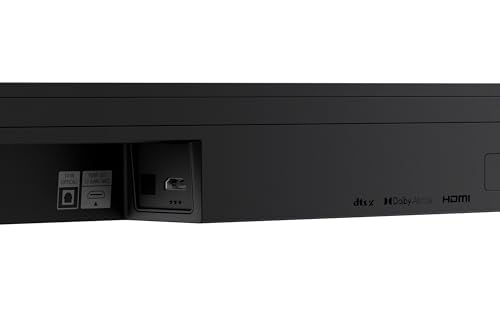
Choosing a soundbar in 2024 means navigating an increasingly sophisticated market where the difference between "good enough" and "truly immersive" has never been clearer. After diving deep into user feedback, professional reviews, and technical specifications, two systems stand out in their respective approaches: the ULTIMEA Skywave X40 delivering true wireless surround sound at an aggressive price point, and the Sony BRAVIA Theater Bar 6 focusing on integration and audio refinement.
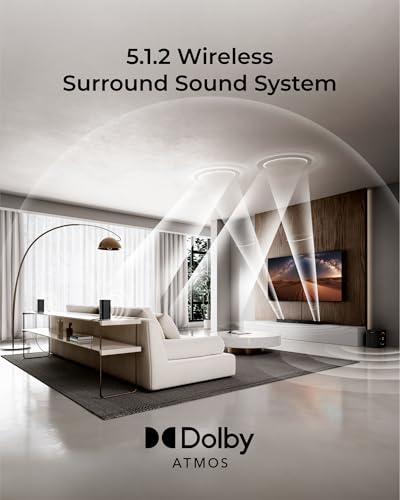
Before comparing specific models, it's worth understanding what separates a great soundbar from the mediocre options flooding the market. The most crucial factor is channel configuration—those numbers like 3.1 or 5.1.2 aren't marketing fluff. The first number represents left, center, and right channels across the front. The second indicates subwoofer presence (the ".1"). The final number, when present, shows height channels for Dolby Atmos effects.
Here's where it gets interesting: not all channels are created equal. Some soundbars achieve their channel count through digital signal processing (fancy audio algorithms that simulate surround sound), while others use actual physical speakers. This distinction matters enormously for the listening experience, particularly in larger rooms or for content with complex audio mixes.
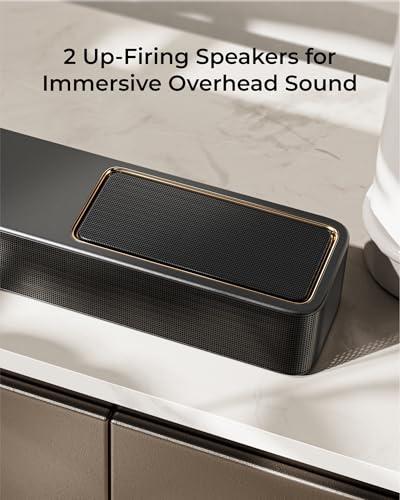
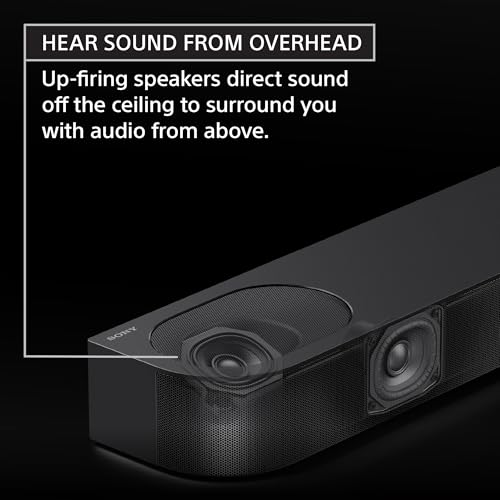
Dolby Atmos deserves special mention because it represents a fundamental shift from traditional surround sound. Instead of fixed channels, Atmos treats sounds as objects that can be precisely positioned in 3D space. Rain falls from above, helicopters circle overhead, and explosions seem to originate from specific locations. However, the effectiveness depends heavily on implementation—whether through up-firing speakers that bounce sound off your ceiling, or through sophisticated processing that tricks your brain into hearing height.
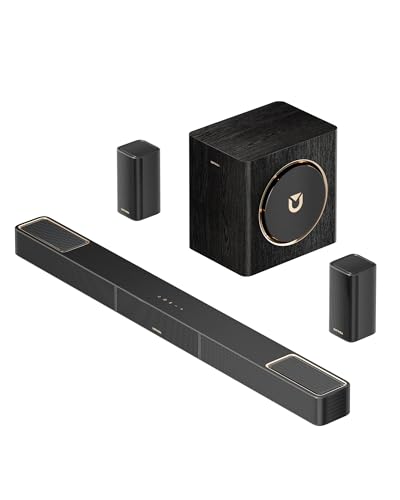
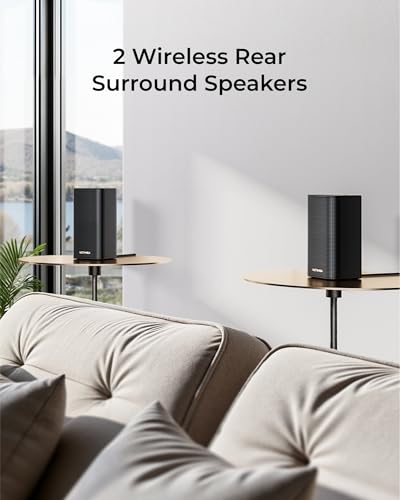
Released in 2024, the ULTIMEA Skywave X40 represents what happens when a newer brand decides to challenge established players with superior hardware at disruptive pricing. This 5.1.2 system includes physical rear speakers—something typically reserved for much more expensive systems—delivered entirely through wireless technology.
The technical foundation centers on CineMesh wireless transmission, using dual 5GHz bands to maintain stable connections between the main bar, subwoofer, and rear speakers. This isn't your typical Bluetooth setup that cuts out during phone calls. Instead, it's a dedicated mesh network designed specifically for low-latency audio, achieving under 20 milliseconds of delay—imperceptible to human ears.
What's particularly impressive is the NEURACORE audio processing engine. With 2,000 MIPS (Million Instructions Per Second) of processing power split between a triple-core DSP and dual-core MCU, this system can handle complex audio calculations in real-time. This processing power enables features like precise channel steering, where sounds seamlessly move between speakers as objects travel across the screen.
The GaN (Gallium Nitride) amplifier represents another technical advancement. Unlike traditional silicon-based amplifiers, GaN technology operates at 98% efficiency while generating 50% less heat. In practical terms, this means cleaner sound at high volumes without the thermal throttling that causes many soundbars to compress dynamics when pushed hard.
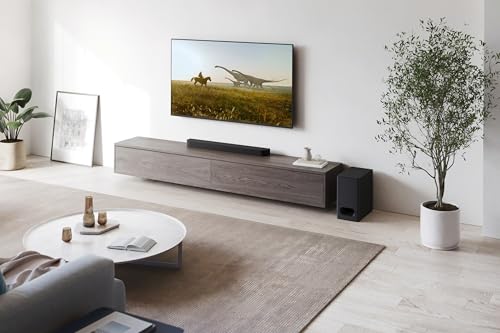
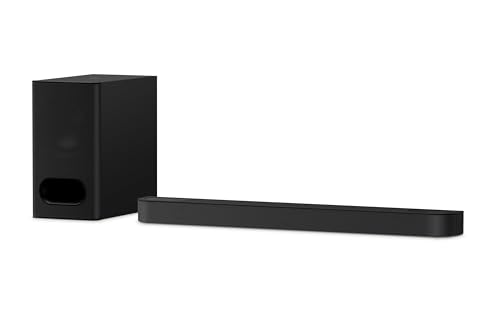
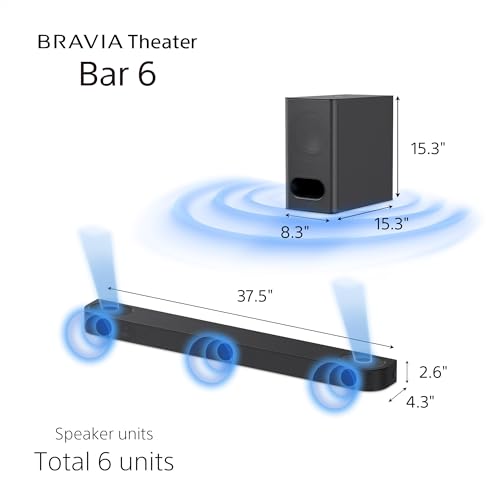
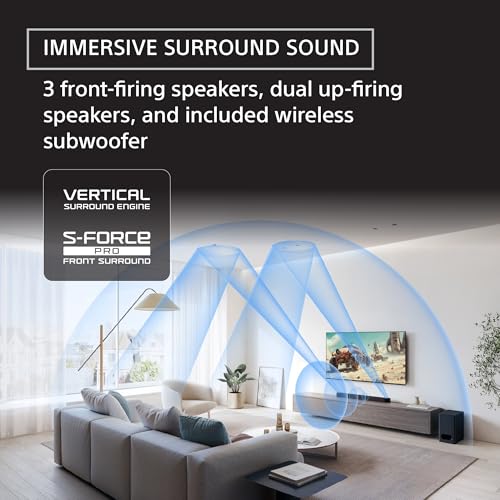
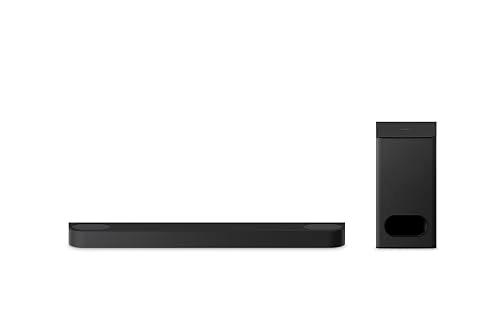
Sony's offering, also from 2024, takes a fundamentally different approach. Rather than maximizing channel count, the Theater Bar 6 focuses on optimization, integration, and audio refinement. Its 3.1.2 configuration relies on S-Force PRO Front Surround technology to create virtual surround effects from just the main bar and subwoofer.
The X-Balanced speaker units showcase Sony's engineering philosophy. These rectangular drivers maximize surface area within the same physical constraints, theoretically improving both power handling and frequency response. Combined with Sony's Clear Voice algorithms, dialogue reproduction becomes exceptionally clear—crucial for modern content where dynamic range often buries speech under effects.
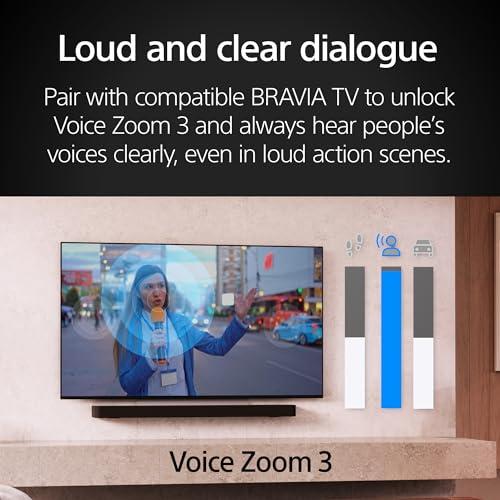
Sony's Voice Zoom 3.0 technology, available when paired with compatible BRAVIA TVs, represents true ecosystem thinking. The TV's acoustic surface speakers work in conjunction with the soundbar to isolate and enhance dialogue frequencies using AI processing. It's the kind of feature that demonstrates why some users prefer staying within a single manufacturer's ecosystem.
The most significant performance difference lies in surround sound delivery. Our research into user experiences reveals a clear pattern: the ULTIMEA X40's physical rear speakers create genuinely convincing surround effects that virtual processing simply cannot match.
When watching action sequences, explosions seem to originate from behind and travel forward past your head. Ambient effects like crowd noise or environmental sounds create a true sense of being within the scene. This isn't subtle—it's immediately apparent to anyone familiar with real surround sound systems.
The Sony Theater Bar 6's virtual surround, while sophisticated, faces the fundamental limitation of physics. S-Force PRO processing does widen the soundstage considerably compared to basic soundbars, creating better separation and a more expansive presentation. However, effects that should come from behind are merely suggested rather than precisely located.
Room acoustics play a crucial role here. The Sony's approach works better in acoustically challenging spaces where rear speaker placement would be problematic. Conversely, the ULTIMEA system shines in rooms where proper speaker positioning is possible.
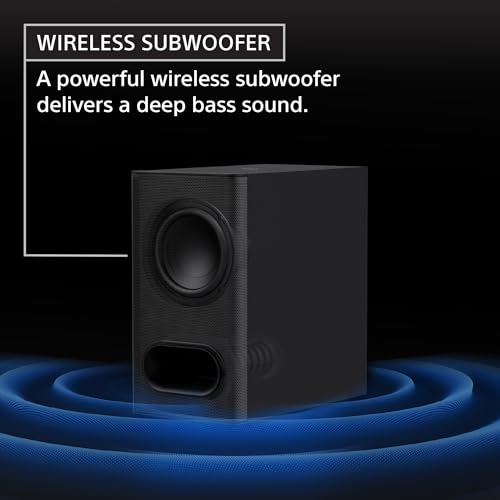
Both systems approach bass reproduction differently, with interesting trade-offs. The Sony Theater Bar 6's 6-inch subwoofer consistently receives praise for sheer impact. Professional reviewers note that default settings often overpower other frequencies, requiring adjustment to -3 or -4 on the subwoofer level for balance. However, when properly calibrated, it delivers room-shaking low-end that adds genuine excitement to action content.
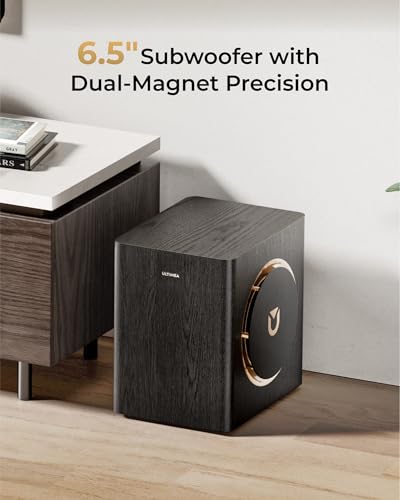
The ULTIMEA X40's Gravus Ultra-Linear Bass Technology with dual-magnet design takes a more measured approach. Extending cleanly to 35Hz, it provides the foundation needed for movie soundtracks without overwhelming dialogue or effects. The wireless subwoofer's precision-oriented tuning means it integrates more seamlessly with the main channels out of the box.
For smaller rooms or apartment living, the Sony's adjustable but powerful bass gives you options. For larger spaces where you want full-range dynamics without constant tweaking, the ULTIMEA's balanced approach proves more practical.
Both systems use up-firing drivers to create height effects, but execution varies significantly. The ULTIMEA X40's combination of physical rear channels plus up-firing drivers creates a more convincing three-dimensional soundscape. Height effects benefit from having accurate horizontal positioning as a reference point.
The Sony Theater Bar 6's Atmos implementation works well for overhead effects like helicopters or rain, but the overall 3D impression suffers somewhat from the lack of discrete rear channels. The up-firing drivers perform their job competently, but the overall spatial impression remains more "wide" than "surrounding."
Ceiling height and material significantly impact both systems' height effects. Standard 8-9 foot ceilings with hard surfaces work best. Vaulted, textured, or unusually high ceilings reduce effectiveness for both approaches.
The ULTIMEA X40 offers impressive setup simplicity despite its complexity. All components arrive pre-paired from the factory, requiring only power connections to begin operation. The CineMesh wireless technology handles the rest automatically. However, optimal performance requires thoughtful speaker placement—rear speakers need positioning behind the listening area, and the subwoofer benefits from corner placement for maximum impact.
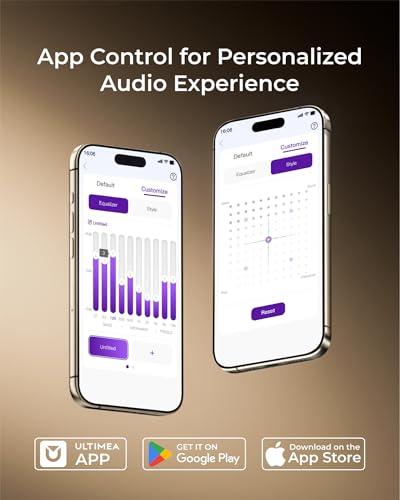
The accompanying app provides extensive customization through a 10-band EQ and 121 preset sound profiles. This level of control appeals to enthusiasts but might overwhelm casual users. The sheer number of options means finding optimal settings requires patience and experimentation.
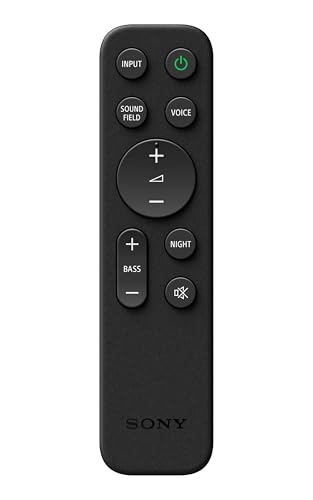
Sony's approach prioritizes simplicity with its single bar plus subwoofer configuration. The Theater Bar 6 integrates seamlessly with Sony TVs through BRAVIA SYNC, enabling control through the TV remote and access to settings via the TV's menu system. The BRAVIA Connect app offers necessary adjustments without overwhelming users with options.
Both systems handle modern connectivity requirements competently, but with different strengths. The ULTIMEA X40 includes 4K HDR passthrough via HDMI eARC, optical input, and Bluetooth 5.4 with extended range. The system maintains stable connections across its wireless mesh network even in crowded RF environments.
The Sony Theater Bar 6 focuses on integration over connectivity breadth. HDMI eARC and optical inputs cover most needs, while Bluetooth handles wireless streaming. The real advantage lies in ecosystem integration—Sony TV owners gain features like automatic input switching, unified volume control, and coordinated power management.
At the time of writing, these systems occupy different value segments despite overlapping price ranges. The ULTIMEA X40 delivers significantly more hardware for the money—physical rear speakers, wireless subwoofer, advanced processing, and comprehensive app control typically cost considerably more from established brands.
Sony commands a premium for the Theater Bar 6 based on brand reputation, build quality, and integration features. Users pay more for engineering refinement and ecosystem compatibility rather than raw channel count or feature lists.
The value equation depends heavily on your priorities. If authentic surround sound matters most, the ULTIMEA delivers dramatically more immersion per dollar spent. If integration, simplicity, and brand trust matter more, Sony's premium feels justified.
Room size and layout support it. The X40 truly shines in medium to large rooms where its 530W power output and discrete speakers can create an enveloping experience. If you have space for proper rear speaker placement and enjoy the setup process, this system delivers theater-like immersion at a fraction of traditional costs.
Content preferences favor surround mixing. Action movies, gaming, and live concert recordings benefit enormously from true surround positioning. The physical rear speakers make explosions, crowd noise, and environmental effects convincingly three-dimensional in ways that virtual processing cannot match.
Flexibility and future-proofing matter. The comprehensive app control, extensive connectivity options, and true wireless operation provide room for growth and customization as your needs evolve.
Simplicity and integration are priorities. The Theater Bar 6 excels for users who want significantly better TV audio without complexity. Setup is straightforward, operation is intuitive, and integration with Sony TVs approaches seamless.
Bass impact matters more than surround positioning. If you primarily watch dialogue-heavy content or prefer impactful low-end over surround immersion, Sony's powerful subwoofer and excellent voice enhancement provide immediate satisfaction.
Brand trust and support matter. Sony's reputation for long-term support, consistent firmware updates, and reliable customer service justifies the premium for users who prioritize peace of mind over raw specifications.
These systems represent two valid but distinct approaches to home theater audio. The ULTIMEA Skywave X40 offers genuine surround immersion and exceptional value for performance-focused users willing to invest in proper setup. The Sony BRAVIA Theater Bar 6 provides refinement, integration, and simplicity for users prioritizing ease of use and brand reliability.
Your room, content preferences, and tolerance for complexity should guide the decision. For true surround sound enthusiasts with appropriate space, the ULTIMEA delivers an experience typically reserved for much more expensive systems. For users seeking meaningful audio improvement without complexity, Sony's approach offers polish and integration that justifies its premium positioning.
Either choice represents a significant upgrade over built-in TV audio, but they'll satisfy different users in distinctly different ways.
| ULTIMEA Skywave X40 | Sony BRAVIA Theater Bar 6 |
|---|---|
| Channel Configuration - Determines surround sound authenticity and immersion | |
| True 5.1.2 with physical rear speakers and up-firing drivers | 3.1.2 with virtualized surround and up-firing drivers |
| Total Power Output - Affects maximum volume and dynamic range | |
| 530W peak (ideal for larger rooms 300+ sq ft) | 350W total (optimized for small-medium rooms) |
| Surround Speaker Setup - Physical vs virtual makes the biggest difference in immersion | |
| 2 wireless rear speakers for authentic positioning | S-Force PRO virtual surround from main bar only |
| Subwoofer Design - Low-end impact and integration | |
| 6.5" wireless with dual-magnet, extends to 35Hz | 6" wireless front-ported, powerful but may need adjustment |
| Audio Processing Technology - Advanced features and sound optimization | |
| NEURACORE with 2,000 MIPS triple-core DSP | Clear Voice algorithms and Voice Zoom 3.0 (with Sony TVs) |
| Amplification Technology - Efficiency and clean sound at high volumes | |
| GaN (Gallium Nitride) 98% efficiency, low heat | Traditional amplification with X-Balanced drivers |
| Wireless Technology - Stability and latency for multi-speaker systems | |
| CineMesh dual 5GHz mesh, <20ms latency | Standard wireless subwoofer connection |
| Setup Complexity - Time and effort required for optimal performance | |
| Multiple components need positioning but pre-paired | Single bar + subwoofer, very simple setup |
| TV Integration - Seamless control and feature access | |
| Standard HDMI eARC and app control | BRAVIA SYNC integration, unified Sony TV control |
| Customization Options - Sound tuning and personalization | |
| 10-band EQ, 121 presets, extensive app control | Basic sound modes, limited but effective adjustments |
| Connectivity Features - Modern device compatibility | |
| HDMI eARC, optical, USB, Bluetooth 5.4, 4K HDR passthrough | HDMI eARC, optical, Bluetooth (no passthrough) |
| Dolby Atmos Implementation - Height effect realism | |
| 2 up-firing + true surround creates convincing 3D space | 2 up-firing with virtual surround, good but less immersive |
| Value Proposition - Performance per dollar at time of writing | |
| Exceptional value for true surround sound features | Premium pricing for brand reliability and integration |
The ULTIMEA Skywave X40 delivers superior surround sound with true 5.1.2 channels including physical wireless rear speakers that create authentic directional audio. The Sony BRAVIA Theater Bar 6 uses 3.1.2 channels with virtual surround processing, which sounds wider than basic soundbars but can't match the immersion of discrete rear speakers.
The key difference is surround sound delivery: the ULTIMEA Skywave X40 includes actual wireless rear speakers for genuine 360-degree audio, while the Sony BRAVIA Theater Bar 6 focuses on a simpler single-bar design with virtualized surround effects and superior TV integration features.
For dedicated home theater use, the ULTIMEA Skywave X40 excels with its physical rear speakers creating convincing surround effects during action scenes and atmospheric content. The Sony BRAVIA Theater Bar 6 works well for casual movie watching but lacks the immersive positioning that makes explosions and ambient sounds feel truly three-dimensional.
The Sony BRAVIA Theater Bar 6 delivers more impactful, room-shaking bass that may require adjustment to avoid overpowering other frequencies. The ULTIMEA Skywave X40 provides more balanced bass integration with its dual-magnet subwoofer design, extending cleanly to 35Hz without overwhelming dialogue or effects.
The Sony BRAVIA Theater Bar 6 offers simpler setup with just a soundbar and wireless subwoofer, plus seamless integration with Sony TVs through BRAVIA SYNC. The ULTIMEA Skywave X40 requires positioning multiple wireless components but comes pre-paired from the factory for relatively easy installation.
Both the ULTIMEA Skywave X40 and Sony BRAVIA Theater Bar 6 support Dolby Atmos through up-firing speakers. The ULTIMEA provides more convincing 3D effects because its physical rear speakers create better spatial reference points, while the Sony relies entirely on ceiling reflections and virtual processing for height effects.
The ULTIMEA Skywave X40 delivers exceptional value by including wireless rear speakers and advanced processing typically found in much more expensive systems. The Sony BRAVIA Theater Bar 6 commands a premium for brand reliability, build quality, and superior TV integration rather than raw hardware features.
The ULTIMEA Skywave X40 offers more comprehensive connectivity with HDMI eARC, optical, USB, Bluetooth 5.4, and 4K HDR passthrough capabilities. The Sony BRAVIA Theater Bar 6 covers essential connections like HDMI eARC and optical but focuses more on seamless integration with Sony TV ecosystems.
The Sony BRAVIA Theater Bar 6 works well in smaller spaces where its 350W output provides adequate volume and virtual surround effects are less noticeable. The ULTIMEA Skywave X40 truly shines in medium to large rooms where its 530W power and physical rear speakers can create proper surround immersion.
Yes, both systems offer smartphone control. The ULTIMEA Skywave X40 includes a comprehensive app with 10-band EQ and 121 sound presets for extensive customization. The Sony BRAVIA Theater Bar 6 uses the BRAVIA Connect app for basic settings and works seamlessly with Sony TV remote controls.
The Sony BRAVIA Theater Bar 6 excels at dialogue clarity with its dedicated center channel, Clear Voice algorithms, and Voice Zoom 3.0 technology when paired with Sony TVs. While the ULTIMEA Skywave X40 also provides clear dialogue, Sony's specialized voice enhancement features give it the edge for speech-heavy content.
Without a Sony TV, the ULTIMEA Skywave X40 becomes more attractive because you won't benefit from the Sony BRAVIA Theater Bar 6's specialized integration features. The ULTIMEA offers superior surround sound hardware and more features for non-Sony TV owners, while the Sony's main advantages require staying within Sony's ecosystem.
We've done our best to create useful and informative comparisons to help you decide what product to buy. Our research uses advanced automated methods to create this comparison and perfection is not possible - please contact us for corrections or questions. These are the sites we've researched in the creation of this article: bestbuy.com - shopabunda.com - youtube.com - youtube.com - youtube.com - youtube.com - ultimea.com - walmart.com - youtube.com - hometechnologyreview.com - community.ultimea.com - avsforum.com - youtube.com - youtube.com - youtube.com - bestbuy.com - hometechnologyreview.com - rtings.com - bestbuy.com - whathifi.com - youtube.com - youtube.com - sony.com - galaxus.at - helpguide.sony.net - audioadvice.com - electronics.sony.com - youtube.com - youtube.com - electronics.sony.com - helpguide.sony.net - whatgear.net - consumerreports.org

Privacy Policy
Terms and Conditions - Affiliate Policy
Home Security
© Copyright 2008-2026.
11816 Inwood Rd #1211, Dallas, TX 75244