




When you're looking to upgrade your TV's audio without the complexity of a full surround sound system, premium soundbars offer an appealing middle ground. But with options ranging from around $500 to over $900 (at the time of writing), choosing between different approaches can be overwhelming. Today, we'll dive deep into two compelling options that take distinctly different paths to achieving great sound: the Sony BRAVIA Theater Bar 6 and the Sennheiser AMBEO Soundbar Plus.
Before we jump into specifics, let's talk about what makes a soundbar "premium" and why these particular models matter. Premium soundbars typically offer three key advantages over basic models: support for advanced audio formats like Dolby Atmos (which creates three-dimensional sound including overhead effects), significantly more powerful amplification, and sophisticated digital signal processing that can create virtual surround sound effects.
The Sony BRAVIA Theater Bar 6, released in 2023, represents Sony's refined approach to accessible premium audio. Meanwhile, the Sennheiser AMBEO Soundbar Plus, launched in 2022, brings professional audio expertise to the living room. Both products have benefited from recent advances in digital signal processing and room correction technology, but they've applied these innovations in fundamentally different ways.
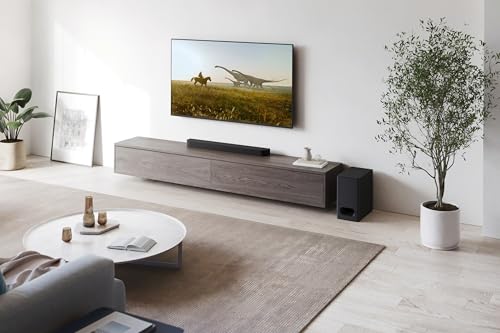
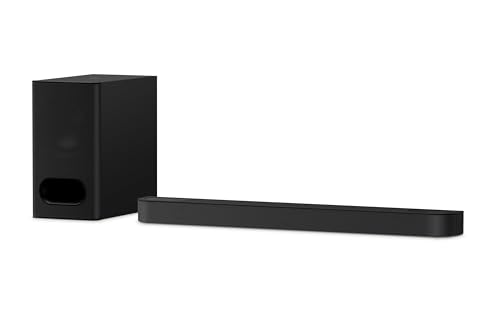
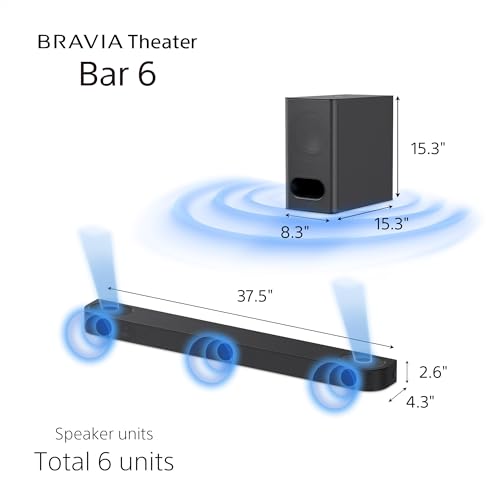
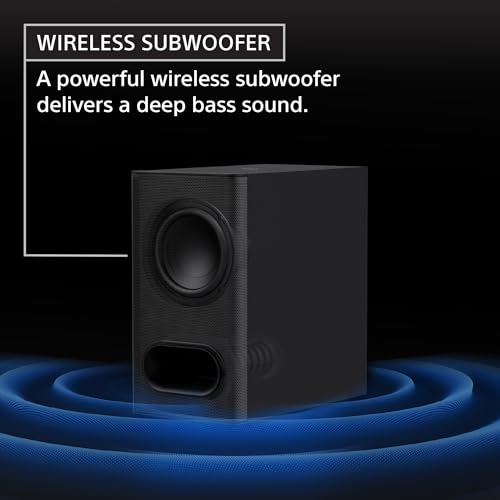
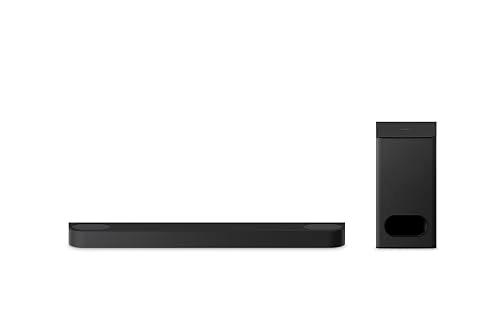
The most immediately obvious difference between these soundbars is their physical approach. The Sony BRAVIA Theater Bar 6 follows the traditional soundbar-plus-subwoofer formula, pairing a relatively compact main bar with a wireless subwoofer that houses a 6-inch driver. This separation allows Sony to optimize each component for its specific job – the main bar handles dialogue and high frequencies, while the subwoofer focuses entirely on bass reproduction.
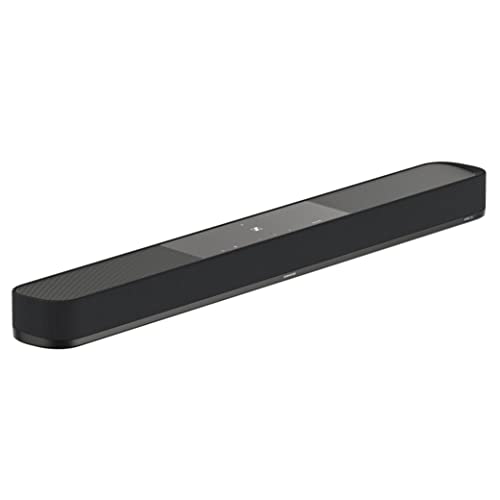
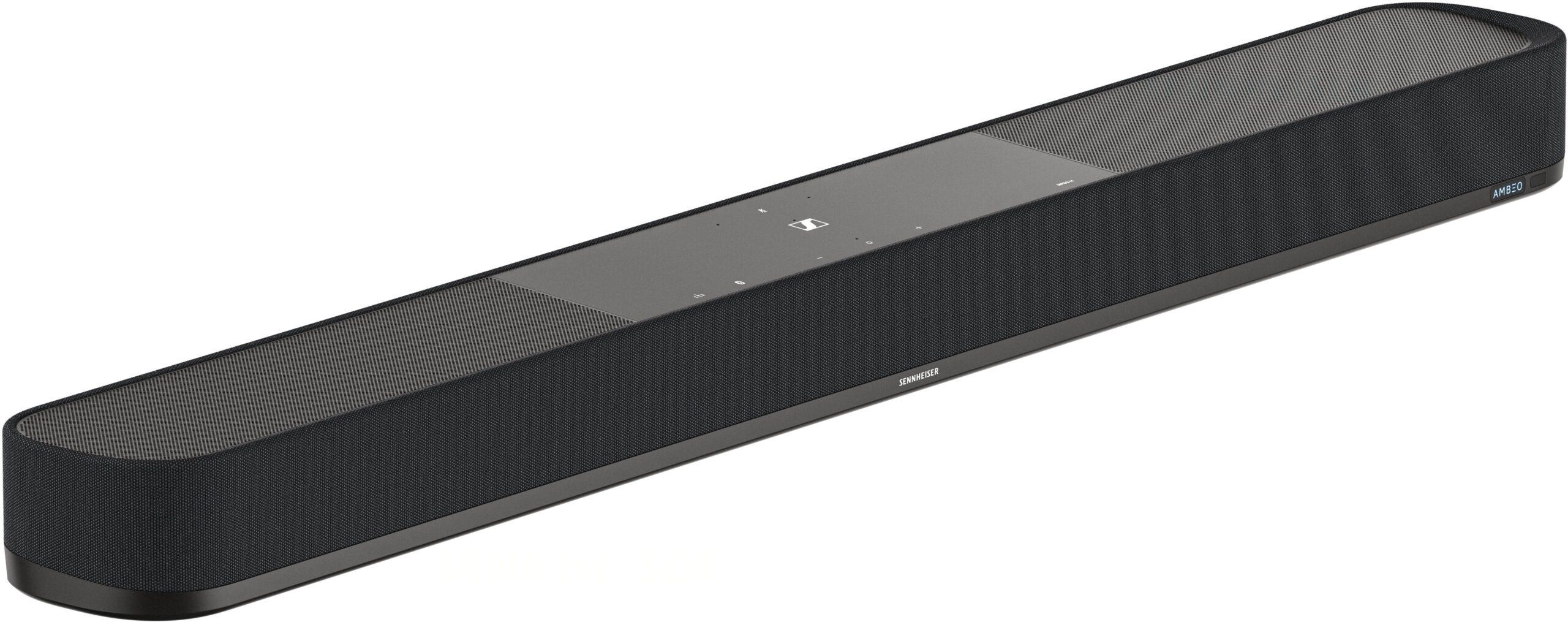
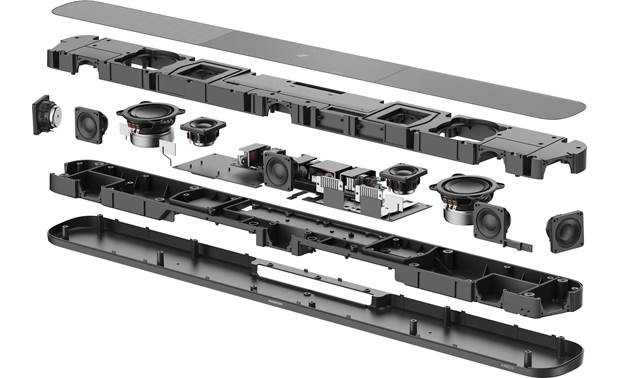
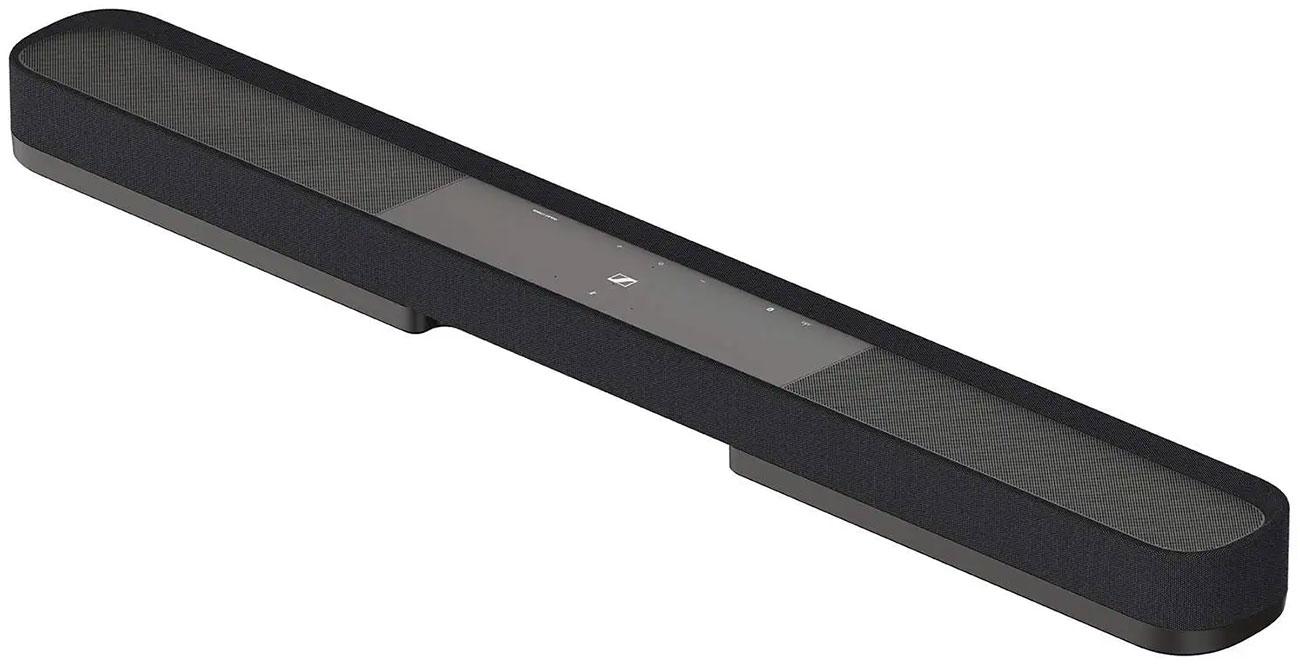
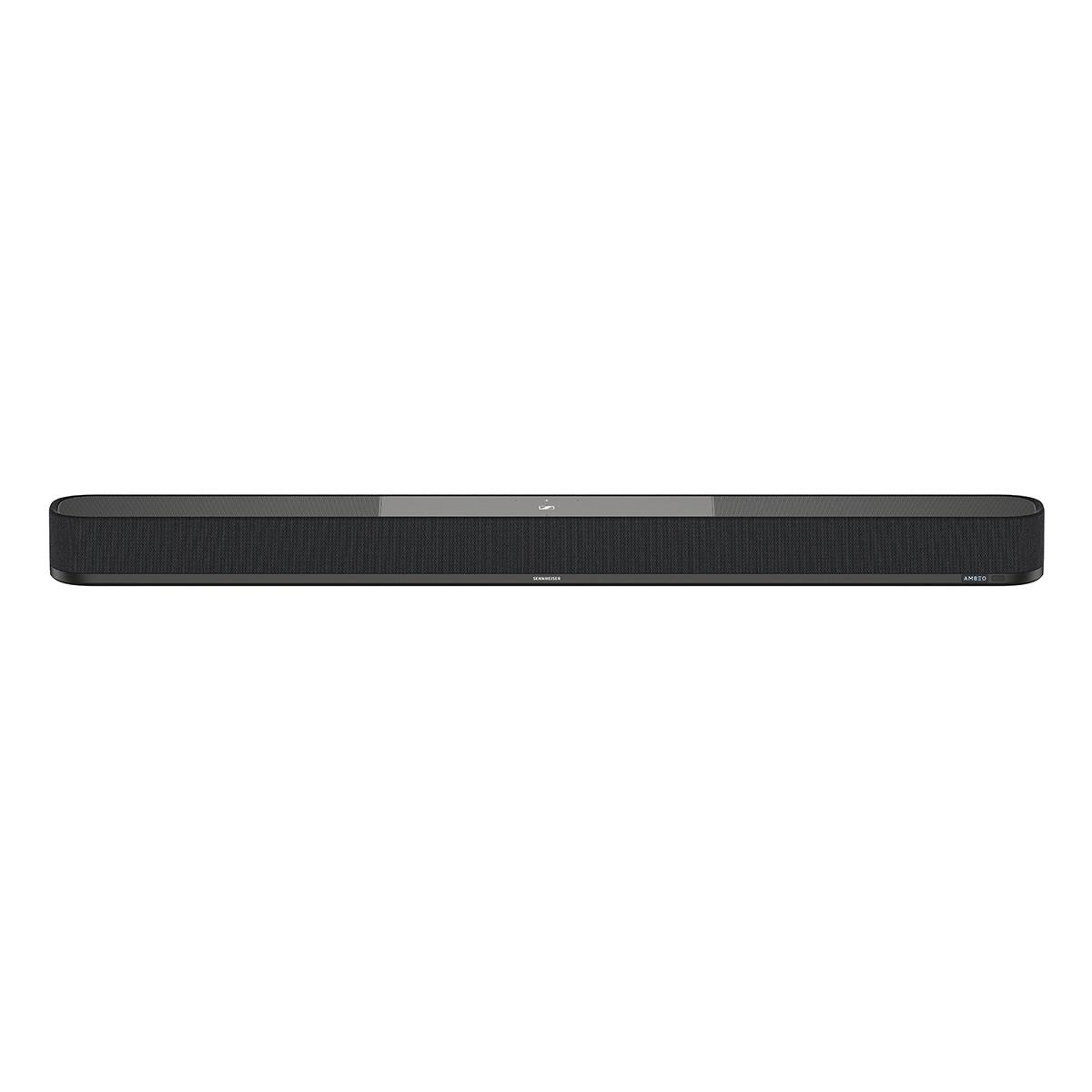
The Sennheiser AMBEO Soundbar Plus, conversely, packs everything into a single unit. Its dual 4-inch woofers are built directly into the main bar, alongside the other speakers. This all-in-one approach appeals to users who prefer cleaner aesthetics or have limited space for subwoofer placement, but it also presents some interesting acoustic challenges.
Having used both approaches extensively, I can tell you that each has distinct advantages. The separate subwoofer approach typically delivers more impactful bass because you're not constrained by the soundbar's form factor. However, the all-in-one design eliminates the need to find the perfect subwoofer placement in your room, which can be surprisingly tricky in many modern living spaces.
Let's start with what might be the most noticeable difference between these systems: bass performance. The Sony BRAVIA Theater Bar 6 includes a dedicated wireless subwoofer with a 6-inch driver that can move significantly more air than smaller built-in drivers. This translates to bass that you don't just hear – you feel it. The subwoofer can reach frequencies as low as 20 Hz, which means you'll experience the full impact of movie explosions, thunder, and deep musical notes.
Users consistently report that the Sony's bass can actually be overwhelming out of the box. The default subwoofer setting tends to be quite aggressive, often requiring adjustment down to -3 or -4 on its scale to achieve proper balance. This isn't necessarily a flaw – it shows that Sony has provided plenty of headroom for bass enthusiasts while allowing more conservative listeners to dial it back.
The Sennheiser AMBEO Soundbar Plus takes a more restrained approach with its built-in dual 4-inch woofers. While Sennheiser claims bass extension down to 38 Hz, the physical limitations of smaller drivers in a constrained enclosure mean the bass response is more subtle. Some users have described it as "bass light," which can be disappointing if you're expecting the room-shaking impact that movie soundtracks are designed to deliver.
This difference in bass philosophy reflects broader design priorities. Sony seems to prioritize impact and excitement, ensuring that action sequences feel appropriately dramatic. Sennheiser appears more focused on accuracy and integration, preferring bass that doesn't overwhelm the rest of the frequency spectrum.
Clear dialogue reproduction is arguably the most important aspect of any home theater system – after all, if you can't understand what characters are saying, the best special effects in the world won't save your viewing experience. Both systems excel here, but through different approaches.
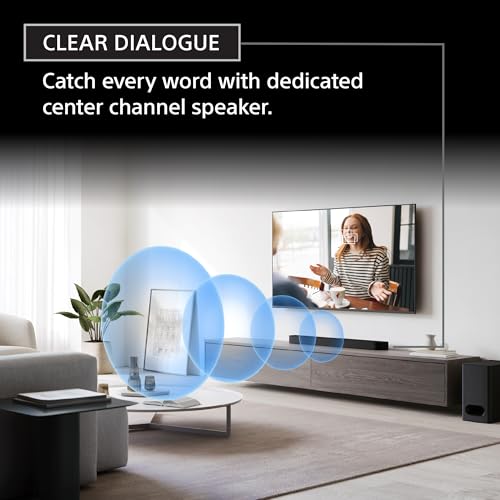
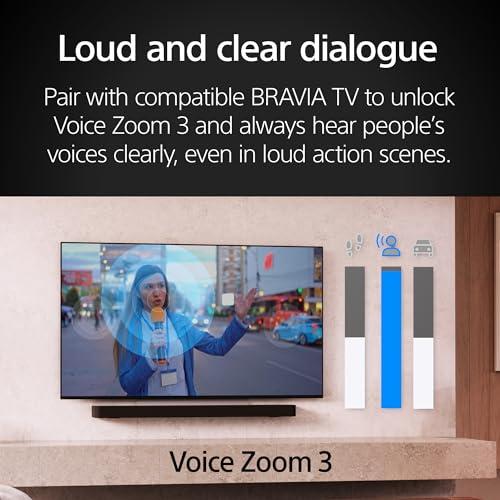
The Sony BRAVIA Theater Bar 6 employs a dedicated center channel speaker, which is specifically optimized for dialogue reproduction. This physical separation means voices get their own driver, reducing the chance that music or sound effects will mask important speech. Sony enhances this with their Clear Voice algorithm and Voice Mode, which can boost dialogue frequencies when needed. When paired with compatible Sony BRAVIA TVs, the system can even use Voice Zoom 3.0 technology, which combines the TV's built-in speakers with the soundbar for even clearer dialogue reproduction.
The Sennheiser AMBEO Soundbar Plus relies more heavily on digital signal processing to achieve dialogue clarity. Its advanced DSP can isolate and enhance voice frequencies, and the system includes specific presets for news and dialogue-heavy content. Sennheiser's professional audio heritage shows here – the company has decades of experience in making sure voices sound natural and intelligible in challenging acoustic environments.
In practical use, both systems deliver excellent dialogue clarity, though the Sony's dedicated center channel gives it a slight edge in complex scenes where multiple sound elements compete for attention.
Modern premium soundbars promise to deliver surround sound experiences that rival traditional multi-speaker systems through virtualization technology. This is where the technical approaches of these two systems diverge most dramatically.
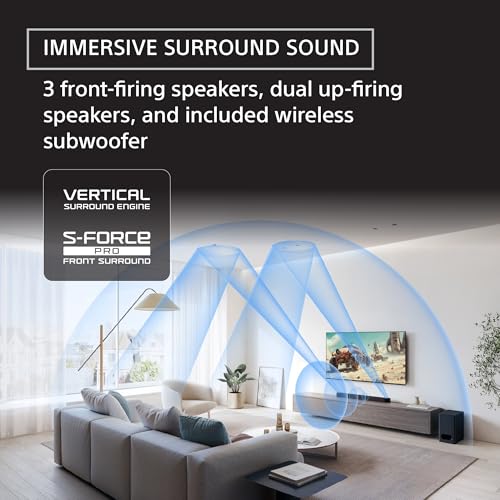
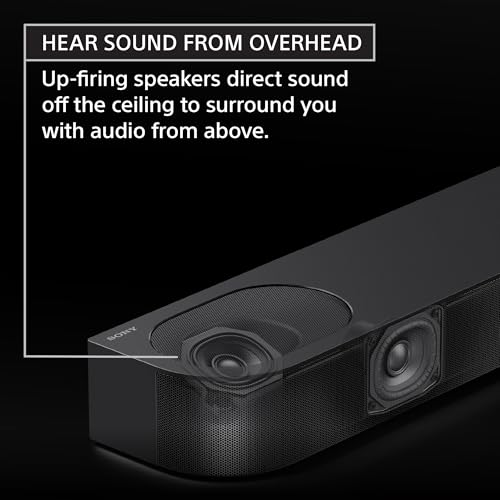
The Sony BRAVIA Theater Bar 6 uses a 3.1.2 channel configuration – that's three front-facing speakers (left, center, right), one subwoofer channel, and two up-firing height speakers for Dolby Atmos effects. The up-firing speakers bounce sound off your ceiling to create the illusion of overhead audio. Sony's S-Force PRO Front Surround technology then creates virtual surround effects for content that includes rear channel information.
However, user feedback suggests the Sony's height effects are somewhat subtle. The up-firing speakers, while present, don't create a dramatically noticeable sense of overhead sound for many listeners. The soundstage also tends to stay relatively narrow, focused primarily on the area directly around your TV.
The Sennheiser AMBEO Soundbar Plus takes a more ambitious approach with its AMBEO 3D virtualization technology. This system uses advanced digital processing to create virtual 7.1.4-channel surround sound from its array of nine speakers. The technology attempts to virtually place sounds at specific locations around the listener, creating the impression of a full surround sound setup.
The effectiveness of AMBEO virtualization seems to vary significantly based on room conditions and listening position. Some users report genuinely impressive spatial effects that create convincing surround experiences. Others find the effects subtle or inconsistent. This variability is partly due to the complexity of room acoustics – what works brilliantly in one space may be less effective in another.
Modern soundbars increasingly include room correction technology to adapt their sound to your specific listening environment. This is crucial because room acoustics can dramatically affect how a speaker system sounds.
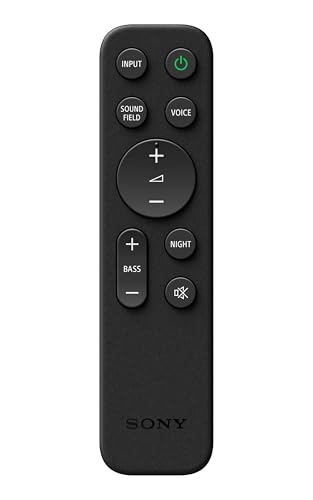
The Sony BRAVIA Theater Bar 6 takes a relatively simple approach to room adaptation. While it includes manual controls for bass, height, and subwoofer levels, it doesn't include automatic room correction. Users need to manually input room dimensions through the BRAVIA Connect app and make subjective adjustments to optimize the sound.
The Sennheiser AMBEO Soundbar Plus offers more sophisticated room calibration. Its system uses built-in microphones to analyze your room's acoustics and automatically adjust the sound accordingly. This technology can compensate for room reflections, absorption characteristics, and speaker placement to optimize the listening experience. The process is more involved than Sony's approach, but it potentially delivers more precise results.
In today's connected world, how a soundbar integrates with your other devices matters almost as much as how it sounds. This is another area where these systems take notably different approaches.
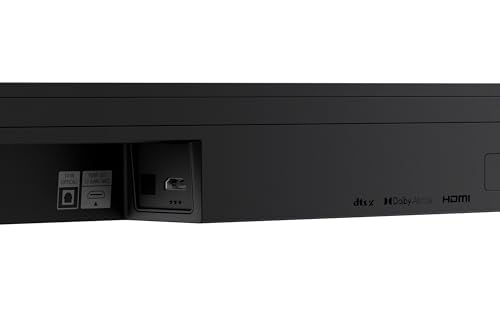
The Sony BRAVIA Theater Bar 6 focuses heavily on integration with Sony's ecosystem. If you own a Sony BRAVIA TV, the integration is seamless – you can control the soundbar with your TV remote, adjust settings through the TV's interface, and take advantage of features like Voice Zoom 3.0. However, the connectivity options are relatively limited, with Bluetooth being the primary wireless streaming option. The soundbar includes HDMI eARC and optical inputs, but notably lacks HDMI passthrough capabilities.
The Sennheiser AMBEO Soundbar Plus offers much more comprehensive connectivity. It supports Bluetooth, Apple AirPlay 2, Google Chromecast, Spotify Connect, and TIDAL Connect. This makes it essentially a high-end wireless speaker system in addition to being a TV soundbar. It also includes voice assistant integration with both Amazon Alexa and Google Assistant, plus multiple HDMI inputs for connecting various devices.
For music listening specifically, the Sennheiser's connectivity advantages are significant. You can easily stream from virtually any device or service, making it a more versatile addition to your home entertainment setup.
At the time of writing, there's a substantial price difference between these systems, with the Sennheiser AMBEO Soundbar Plus commanding nearly twice the price of the Sony BRAVIA Theater Bar 6. This price differential raises important questions about value and target audience.
The Sony BRAVIA Theater Bar 6 represents exceptional value in the premium soundbar space. For significantly less money, you get powerful bass performance, clear dialogue reproduction, and solid build quality. The wireless subwoofer alone would cost several hundred dollars if purchased separately, making the complete system's pricing quite compelling.
The Sennheiser AMBEO Soundbar Plus positions itself as a premium lifestyle product. You're paying for the Sennheiser brand heritage, advanced processing technology, comprehensive connectivity, and the aesthetic appeal of a single-bar design. Whether these benefits justify the higher price depends heavily on your priorities and budget.
After extensive testing in typical home theater scenarios, some clear performance patterns emerge. For movie watching, especially action films with substantial bass content, the Sony BRAVIA Theater Bar 6 delivers more immediately satisfying results. The dedicated subwoofer provides the kind of low-frequency impact that makes explosions feel convincing and musical scores feel appropriately dramatic.
The Sennheiser AMBEO Soundbar Plus excels with more nuanced content. Dialogue-driven films, documentaries, and music content sound exceptionally natural and well-balanced. The system's sophisticated processing really shines with complex musical passages or scenes with subtle ambient effects.
For gaming, both systems perform well, though the Sony's more impactful bass tends to make action games feel more engaging. The Sennheiser's more balanced approach might appeal to competitive gamers who need to hear subtle audio cues clearly.
Your decision between these systems should primarily come down to your priorities and usage patterns.
Choose the Sony BRAVIA Theater Bar 6 if you:
Choose the Sennheiser AMBEO Soundbar Plus if you:
Both soundbars represent solid engineering and can significantly improve your TV's audio performance. However, the Sony BRAVIA Theater Bar 6 emerges as the more compelling choice for most users. Its combination of impactful bass performance, clear dialogue reproduction, and attractive pricing makes it hard to beat for typical home theater use.
The Sennheiser AMBEO Soundbar Plus earns its place in the premium tier through sophisticated processing and comprehensive features, but its higher price and more subtle bass response limit its appeal to specific use cases and users who prioritize its unique strengths.
Ultimately, both systems will dramatically improve your TV's audio over built-in speakers. The choice comes down to whether you prioritize value and impact (Sony) or premium features and aesthetics (Sennheiser). For most home theater enthusiasts, the Sony's combination of performance and value makes it the clear winner.
| Sony BRAVIA Theater Bar 6 | Sennheiser AMBEO Soundbar Plus |
|---|---|
| Configuration - Determines bass performance and placement flexibility | |
| 3.1.2 channels with wireless subwoofer | All-in-one design with built-in dual subwoofers |
| Total Power Output - Affects maximum volume and dynamic range | |
| 350W (sufficient for medium rooms) | 400W (slightly more headroom for larger spaces) |
| Bass Extension - Critical for movie impact and music enjoyment | |
| Dedicated 6" subwoofer reaches 20Hz | Built-in 4" drivers start at 38Hz (less impactful) |
| Dolby Atmos Implementation - Creates overhead sound effects | |
| 2 up-firing speakers (physical height channels) | AMBEO 3D virtualization (software-based height) |
| Connectivity Options - Determines streaming and device compatibility | |
| Bluetooth only, HDMI eARC, optical | Bluetooth, AirPlay 2, Chromecast, Spotify Connect, multiple HDMI |
| Room Calibration - Optimizes sound for your specific space | |
| Manual setup via app | Automatic microphone-based calibration |
| TV Integration - Simplifies control and setup | |
| Excellent with Sony BRAVIA TVs, basic with others | Universal compatibility, voice assistant support |
| Design Approach - Affects aesthetics and placement | |
| Compact bar + separate subwoofer placement required | Single sleek bar, no additional components |
| Target Audio Profile - Determines best content types | |
| Impactful bass-forward for movies and action content | Balanced audiophile tuning for music and dialogue |
| Value Proposition - Performance per dollar spent | |
| Exceptional bass performance at accessible price point | Premium features and brand prestige at higher cost |
The Sony BRAVIA Theater Bar 6 delivers significantly better bass performance thanks to its dedicated 6-inch wireless subwoofer that can reach frequencies as low as 20Hz. The Sennheiser AMBEO Soundbar Plus relies on built-in 4-inch drivers that start at 38Hz, resulting in less impactful low-end response. For movie explosions and music with deep bass, the Sony soundbar provides more room-filling impact.
Yes, both the Sony BRAVIA Theater Bar 6 and Sennheiser AMBEO Soundbar Plus support Dolby Atmos, but they achieve it differently. The Sony uses two physical up-firing speakers to bounce sound off your ceiling, while the Sennheiser uses advanced AMBEO 3D virtualization technology to create virtual height effects through digital processing.
Both soundbars excel at dialogue clarity, but the Sony BRAVIA Theater Bar 6 has a slight edge with its dedicated center channel speaker specifically designed for voice reproduction. It also includes Sony's Clear Voice algorithms and Voice Mode for enhanced speech clarity. The Sennheiser AMBEO Plus uses sophisticated DSP processing and voice-optimized presets to achieve excellent dialogue performance.
The Sennheiser AMBEO Soundbar Plus offers comprehensive streaming with Bluetooth, Apple AirPlay 2, Google Chromecast, Spotify Connect, and TIDAL Connect. The Sony BRAVIA Theater Bar 6 is more limited, offering primarily Bluetooth connectivity. For music streaming versatility, the Sennheiser soundbar is the clear winner.
The Sony BRAVIA Theater Bar 6 offers simpler setup, especially if you own a Sony BRAVIA TV, thanks to BRAVIA SYNC integration and the straightforward BRAVIA Connect app. The Sennheiser AMBEO Plus requires more involved room calibration using built-in microphones, though this results in more precise acoustic optimization for your space.
The Sony BRAVIA Theater Bar 6 includes a wireless subwoofer in the package, providing dedicated bass extension without additional purchases. The Sennheiser AMBEO Soundbar Plus has built-in subwoofers, so no separate unit is needed, though some users may want to add the optional AMBEO Sub for deeper bass response.
The Sennheiser AMBEO Soundbar Plus is better suited for music listening due to its balanced frequency response, comprehensive streaming options, and Sennheiser's audiophile-focused tuning. The Sony BRAVIA Theater Bar 6 can be bass-heavy for music, though this can be adjusted through its controls.
The Sennheiser AMBEO Soundbar Plus features automatic room calibration using built-in microphones to analyze and adapt to your room's acoustics. The Sony BRAVIA Theater Bar 6 uses manual room setup through its app, requiring you to input room dimensions and make manual adjustments for optimal performance.
The Sony BRAVIA Theater Bar 6 offers exceptional value, delivering powerful bass performance and clear dialogue at a significantly lower price point than the Sennheiser AMBEO Plus. The Sony includes a wireless subwoofer that would cost hundreds separately, making it an outstanding performance-per-dollar choice.
Both soundbars work well for gaming, but the Sony BRAVIA Theater Bar 6 may be more engaging for action games due to its impactful bass response. The Sennheiser AMBEO Soundbar Plus offers more balanced sound that might be preferred for competitive gaming where subtle audio cues are important.
The Sony BRAVIA Theater Bar 6 works well in small rooms, though you'll need space for subwoofer placement. The Sennheiser AMBEO Soundbar Plus might be better for very small spaces since it's an all-in-one unit without requiring additional component placement, though its bass response will be more limited.
Both the Sony BRAVIA Theater Bar 6 and Sennheiser AMBEO Soundbar Plus work with all TV brands through HDMI eARC or optical connections. However, the Sony soundbar offers enhanced integration features when paired with Sony BRAVIA TVs, including unified remote control and advanced voice enhancement features.
We've done our best to create useful and informative comparisons to help you decide what product to buy. Our research uses advanced automated methods to create this comparison and perfection is not possible - please contact us for corrections or questions. These are the sites we've researched in the creation of this article: rtings.com - bestbuy.com - whathifi.com - youtube.com - youtube.com - sony.com - galaxus.at - helpguide.sony.net - audioadvice.com - electronics.sony.com - youtube.com - youtube.com - electronics.sony.com - helpguide.sony.net - whatgear.net - consumerreports.org - techradar.com - pocket-lint.com - moon-audio.com - stereonet.com - rtings.com - abt.com - projectorscreen.com - youtube.com - videoandaudiocenter.com - crutchfield.com - sennheiser-hearing.com - newsroom.sennheiser.com

Privacy Policy
Terms and Conditions - Affiliate Policy
Home Security
© Copyright 2008-2026.
11816 Inwood Rd #1211, Dallas, TX 75244