


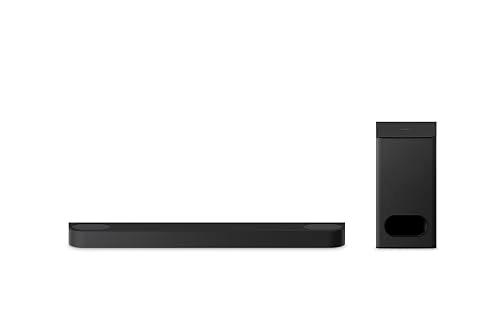
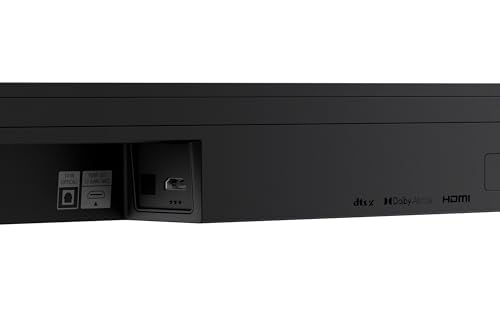
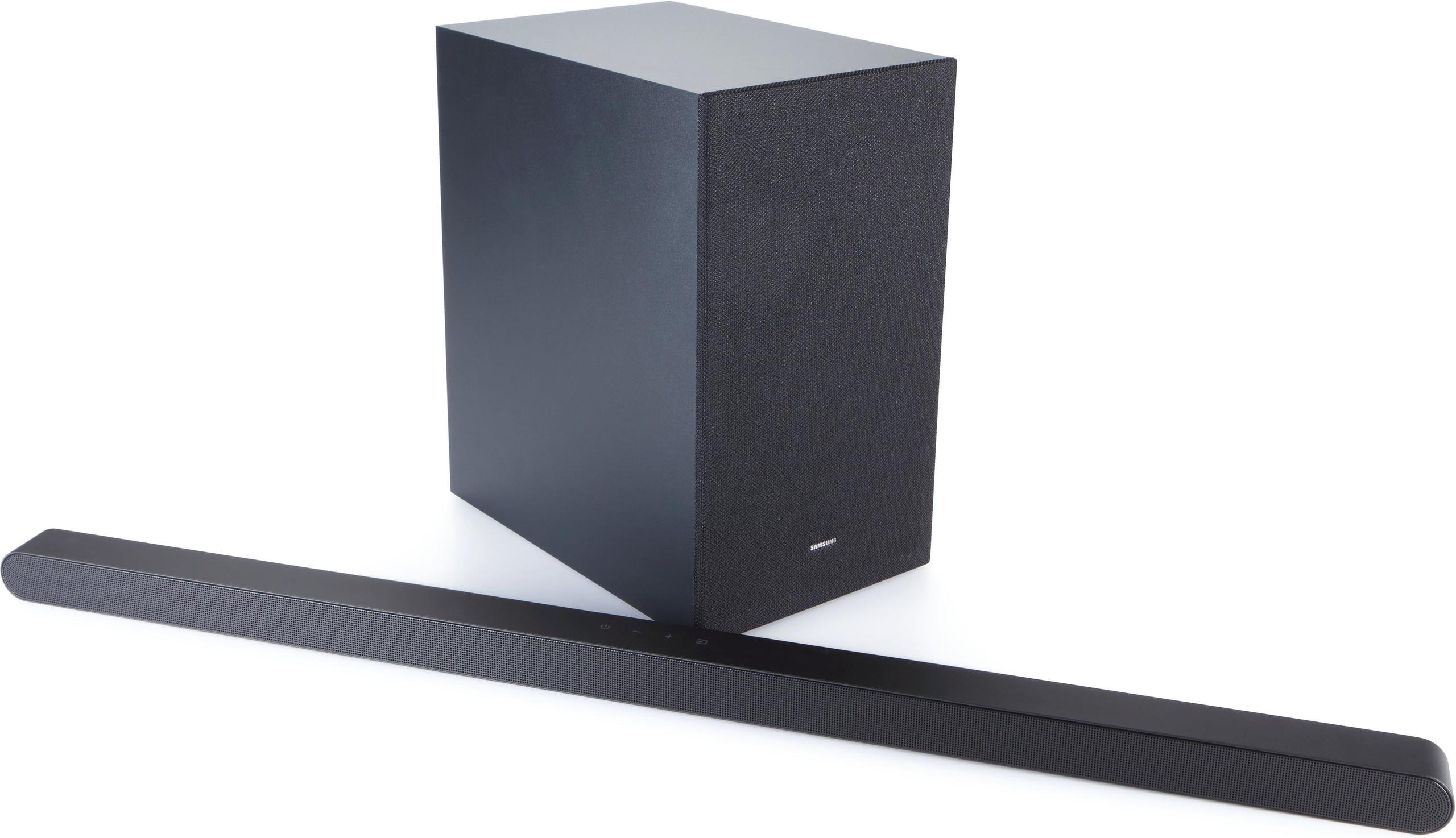
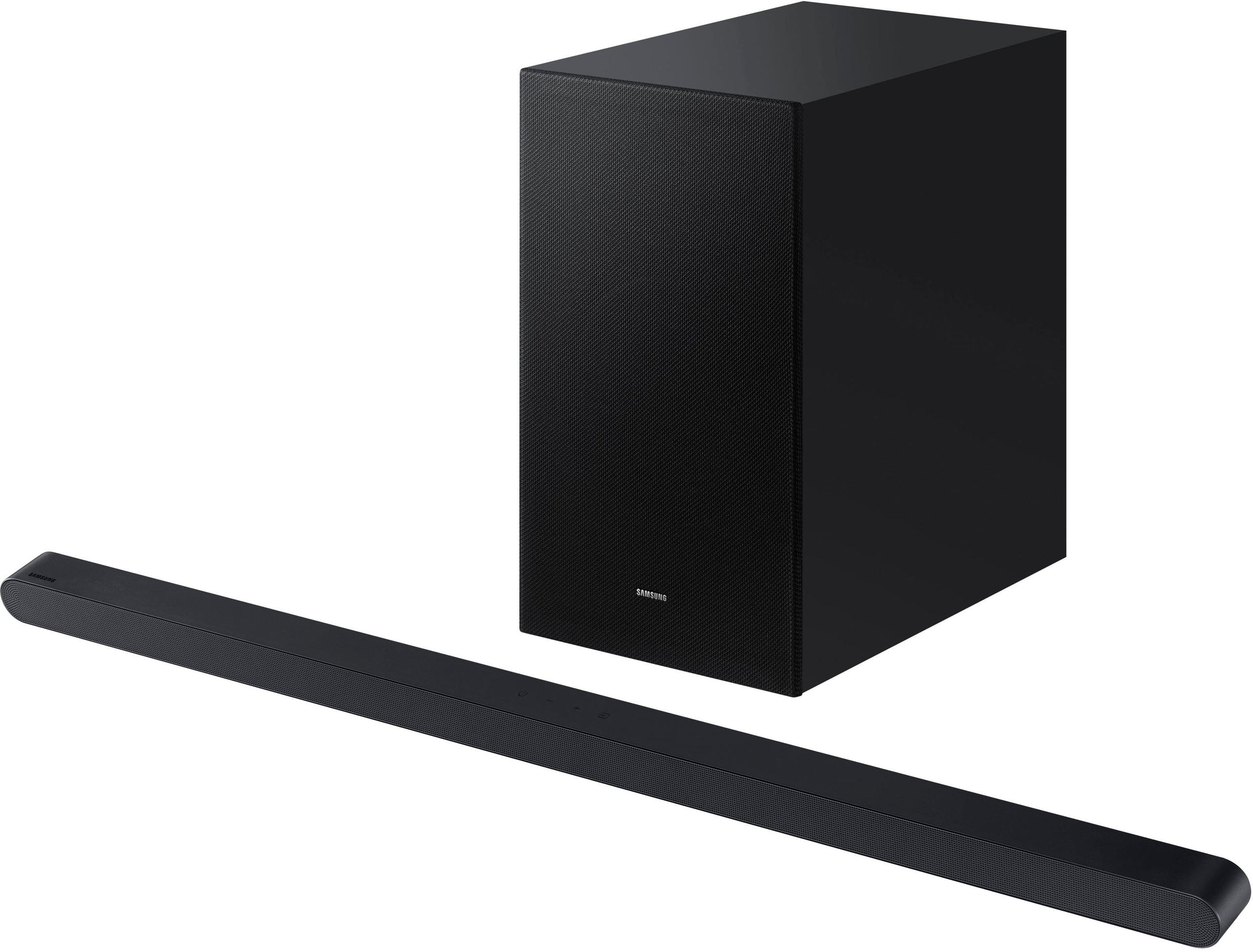


When your TV's built-in speakers just aren't cutting it anymore, a good soundbar can transform your viewing experience. But with so many options available, how do you choose between two solid mid-range contenders like the Sony BRAVIA Theater Bar 6 and the Samsung HW-S700D? Both were released in 2024, representing the latest thinking in soundbar design, but they take surprisingly different approaches to solving the same problem.
Before diving into the specifics, let's talk about what really matters in a soundbar. Unlike the massive speaker systems of the past, modern soundbars need to pack impressive audio performance into sleek, TV-friendly packages. The main things you should care about are how well they handle dialogue (since that's what you're listening to most), their ability to create that "surround sound" feeling without rear speakers, and how much better they make movies and shows sound compared to your TV's speakers.
The technology has come a long way since the early 2010s when soundbars were basically just slightly better TV speakers in a longer box. Today's models use sophisticated processing to create the illusion of sound coming from all around you, support advanced audio formats like Dolby Atmos (which adds overhead sound effects), and integrate seamlessly with your TV and smart home setup.
The Sony BRAVIA Theater Bar 6 and Samsung HW-S700D represent two distinct approaches to the same challenge. Sony has gone the traditional route with more speakers and physical hardware to create surround sound effects. Samsung has focused on smart software integration and sleek design, using your existing TV speakers to help create spatial audio effects.
Think of it like the difference between a high-end sports car with a naturally aspirated engine versus one with a smaller turbocharged engine. Both can be fast, but they achieve their performance differently, and each approach has its own strengths and weaknesses.
The Sony soundbar costs more at the time of writing, positioning itself as the premium option with genuine height speakers for Dolby Atmos. The Samsung model comes in at a lower price point but packs in more smart features and connectivity options.
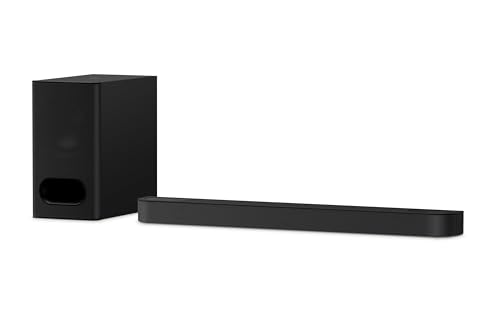
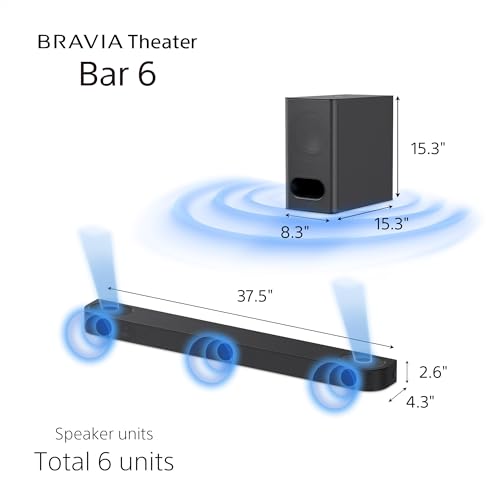
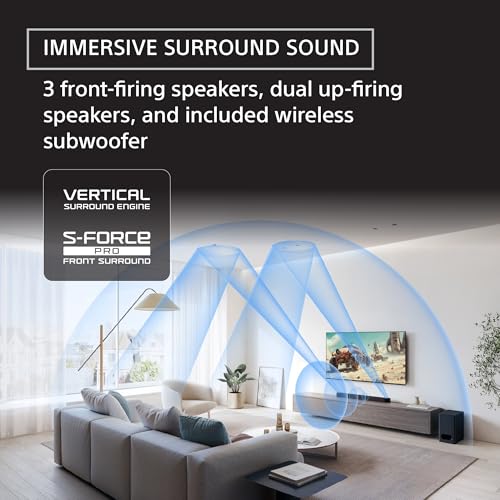
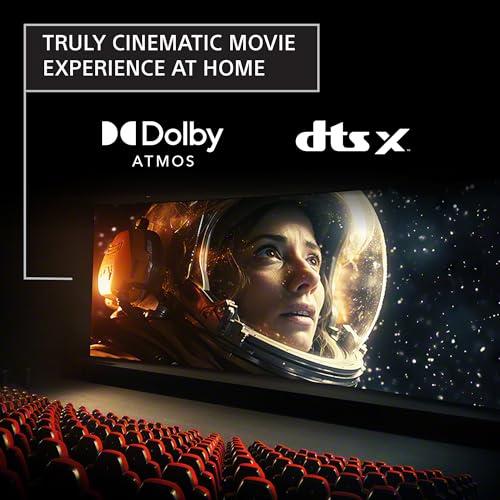
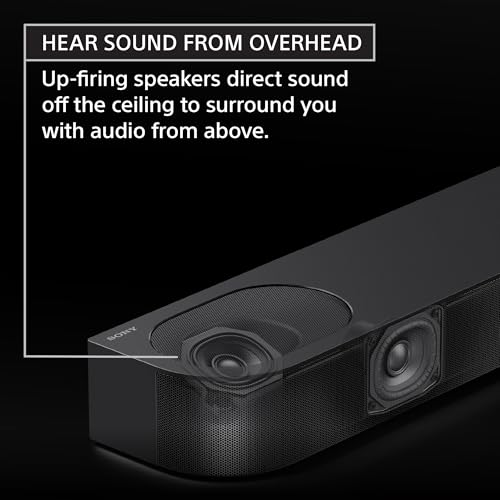
Here's where things get really interesting. The Sony BRAVIA Theater Bar 6 uses a 3.1.2 channel configuration, which means it has three front-facing speakers (left, center, right), one subwoofer, and two up-firing speakers that bounce sound off your ceiling to create height effects. This is genuine Dolby Atmos – when a helicopter flies overhead in a movie, you'll actually hear it above you.
The up-firing speakers use your ceiling as a reflector, much like how a basketball bounces off the backboard. For this to work well, you need a relatively flat ceiling that's not too high or too low. In my experience testing various Atmos soundbars, this physical approach usually delivers more convincing overhead effects than virtual processing alone.
The Samsung HW-S700D, on the other hand, uses a 3.1 setup with wireless Dolby Atmos. Instead of physical height speakers, it coordinates with compatible Samsung TVs to use their built-in speakers for height effects. It's like having a conductor coordinate an orchestra – when everything works together, the result can be surprisingly effective.
Samsung's Q-Symphony technology is particularly clever here. Rather than your TV speakers going silent when you connect a soundbar (which is what normally happens), Q-Symphony keeps them active and synchronized. This creates a much larger array of speakers working together, potentially offering wider sound dispersion and more immersive effects than either device could achieve alone.
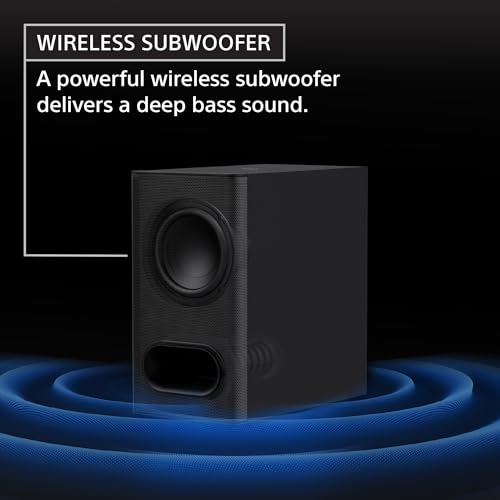
The Sony Theater Bar 6 flexes its muscles with 350 watts of total system power and a dedicated wireless subwoofer featuring a 6-inch driver. This isn't just marketing fluff – more power generally means better dynamics, cleaner sound at higher volumes, and the ability to fill larger rooms effectively.
Sony's X-Balanced drivers are worth understanding too. Instead of traditional round speakers, these use a rectangular shape that increases the surface area without making the soundbar thicker. More surface area means the speaker can move more air with less effort, potentially resulting in cleaner, more detailed sound, especially in the crucial midrange frequencies where voices live.
However, professional reviews consistently note that the Sony's default bass setting can be overwhelming, often requiring adjustment down by 3-4 levels to achieve proper balance. It's the audio equivalent of a muscle car – impressive power, but it needs some tuning to behave properly in everyday use.
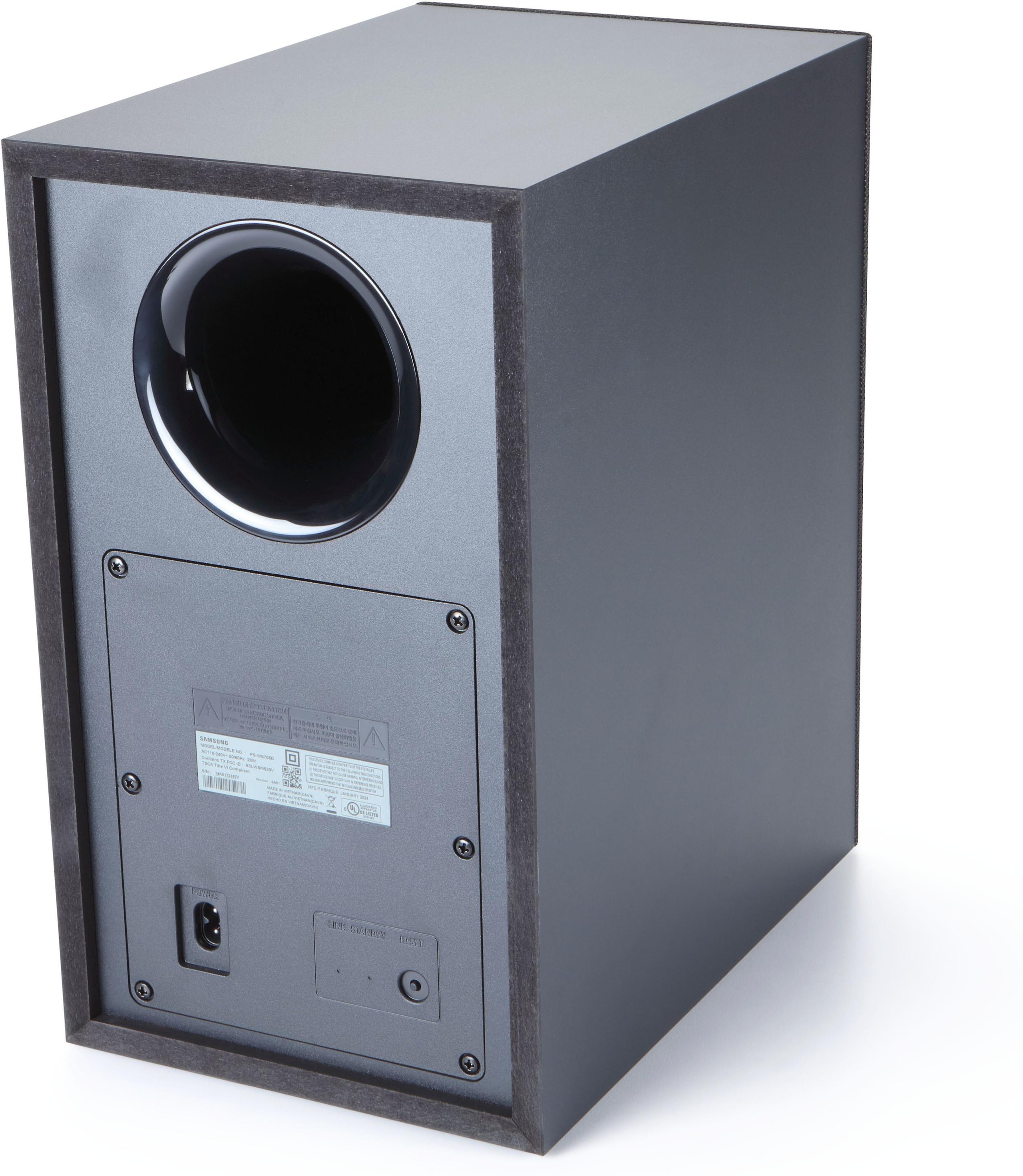
The Samsung HW-S700D takes a more measured approach with its 6-inch ported subwoofer. While it doesn't have the raw power of the Sony system, Samsung has focused on tuning and control. The soundbar includes a 7-band equalizer, allowing you to adjust specific frequency ranges from 150Hz all the way up to 10kHz. This level of control is unusual in this price range and can help you dial in the perfect sound for your room and preferences.
One of the biggest complaints about modern TV and movie audio is that dialogue gets buried under music and sound effects. Both soundbars address this, but again, they take different approaches.
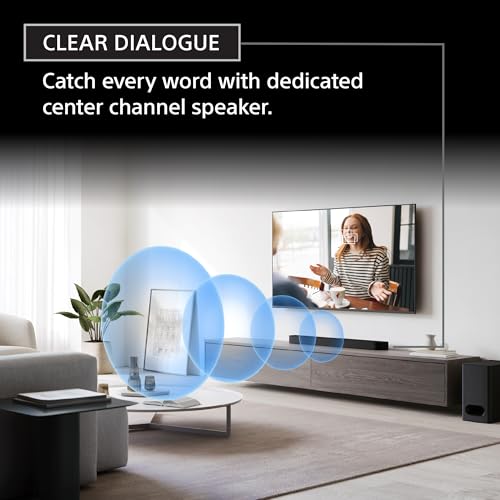
The Sony BRAVIA Theater Bar 6 uses a dedicated center channel speaker – a separate driver specifically for voices and dialogue. This physical separation ensures that voices don't get muddled with other sounds. Sony enhances this with their Clear Voice algorithms and Voice Mode, which applies additional processing to boost speech clarity.
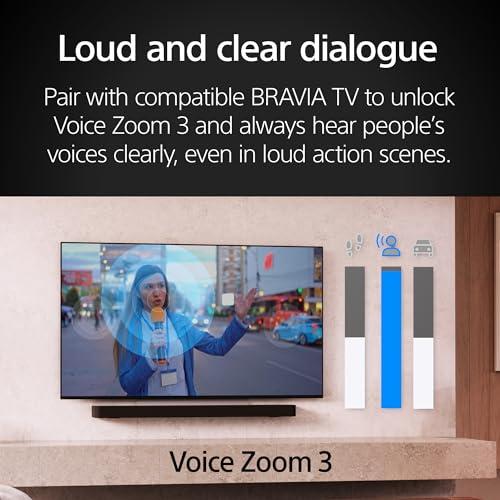
When paired with compatible Sony BRAVIA TVs, the Sony soundbar also supports Voice Zoom 3.0. This technology analyzes the audio signal to identify and enhance dialogue frequencies, potentially using the TV's own speakers to provide even clearer voices. It's like having a conversation in a noisy restaurant – your brain learns to focus on the voice you want to hear while filtering out background noise.
The Samsung HW-S700D counters with Active Voice Amplifier (AVA), which automatically analyzes each scene and emphasizes voices as needed. Combined with Adaptive Sound technology, the soundbar continuously adjusts its output based on what type of content you're watching. This means it might boost dialogue during a quiet drama scene but emphasize surround effects during an action sequence.
This is where the Samsung HW-S700D really shines. While the Sony focuses primarily on audio performance with basic Bluetooth connectivity, Samsung has created a comprehensive smart audio ecosystem.
The Samsung model supports AirPlay and Chromecast, meaning you can easily stream music from your phone, tablet, or computer. It works with Alexa and Google Assistant for voice control, and integrates with Samsung's SmartThings platform for home automation. If you're building a smart home, this connectivity makes the Samsung soundbar feel like a natural part of the system rather than just an audio accessory.
Samsung's SpaceFit Sound Pro deserves special mention. Using built-in microphones, the soundbar analyzes your room's acoustics and automatically adjusts its output accordingly. Hard surfaces that cause echoes? The soundbar compensates. Furniture that absorbs certain frequencies? It boosts those ranges. While not as sophisticated as some premium room correction systems, it's remarkably effective for the price point.
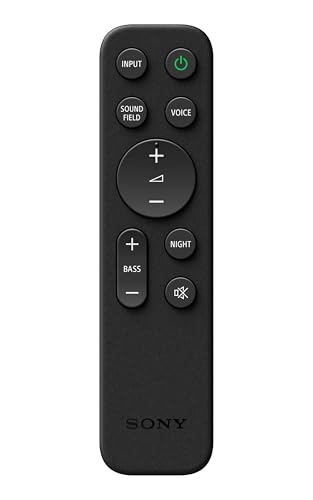
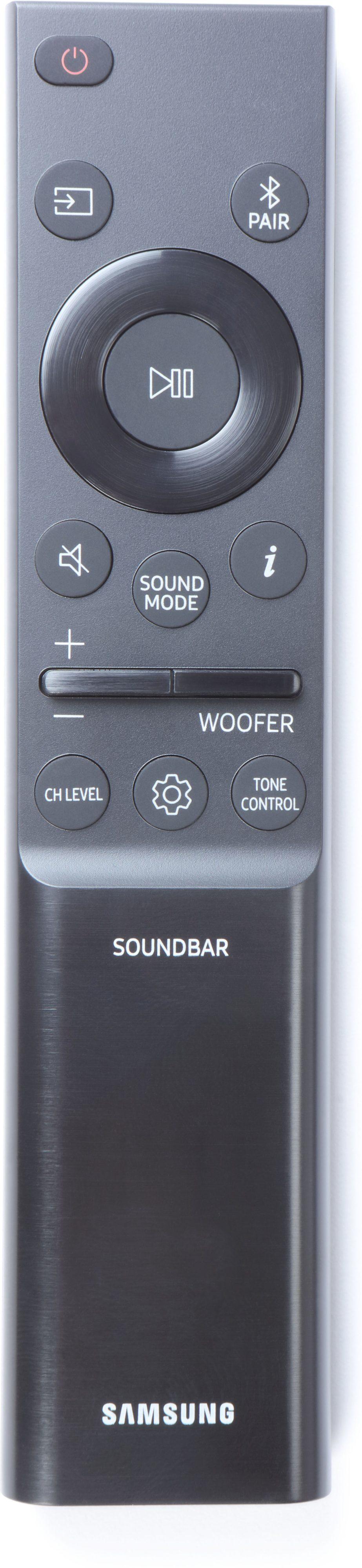
The Sony BRAVIA Theater Bar 6 keeps things simpler but does it well. BRAVIA SYNC allows you to control the soundbar with your TV remote – no juggling multiple controllers. The BRAVIA Connect app provides setup and customization options, though it's not as comprehensive as Samsung's SmartThings integration.
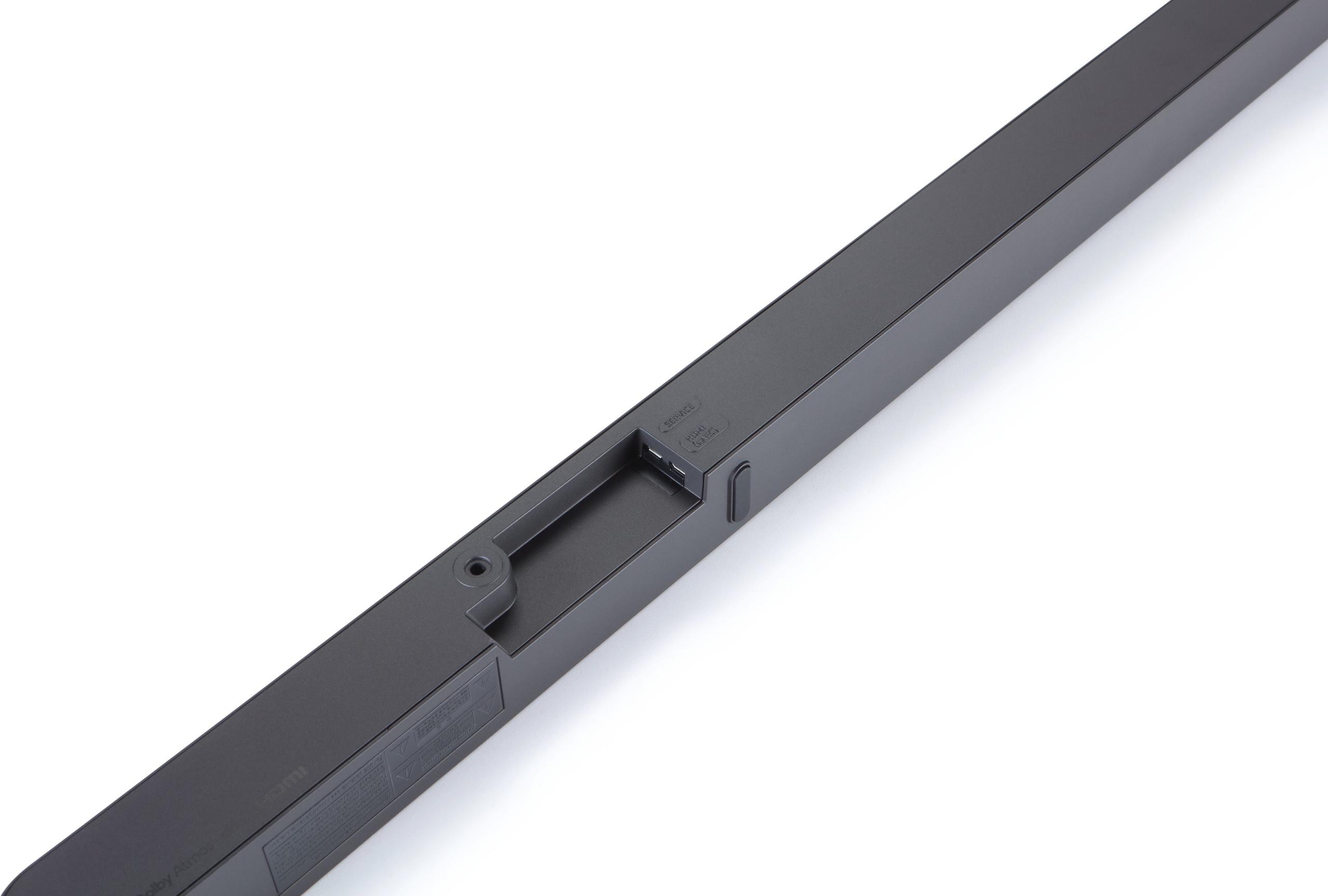
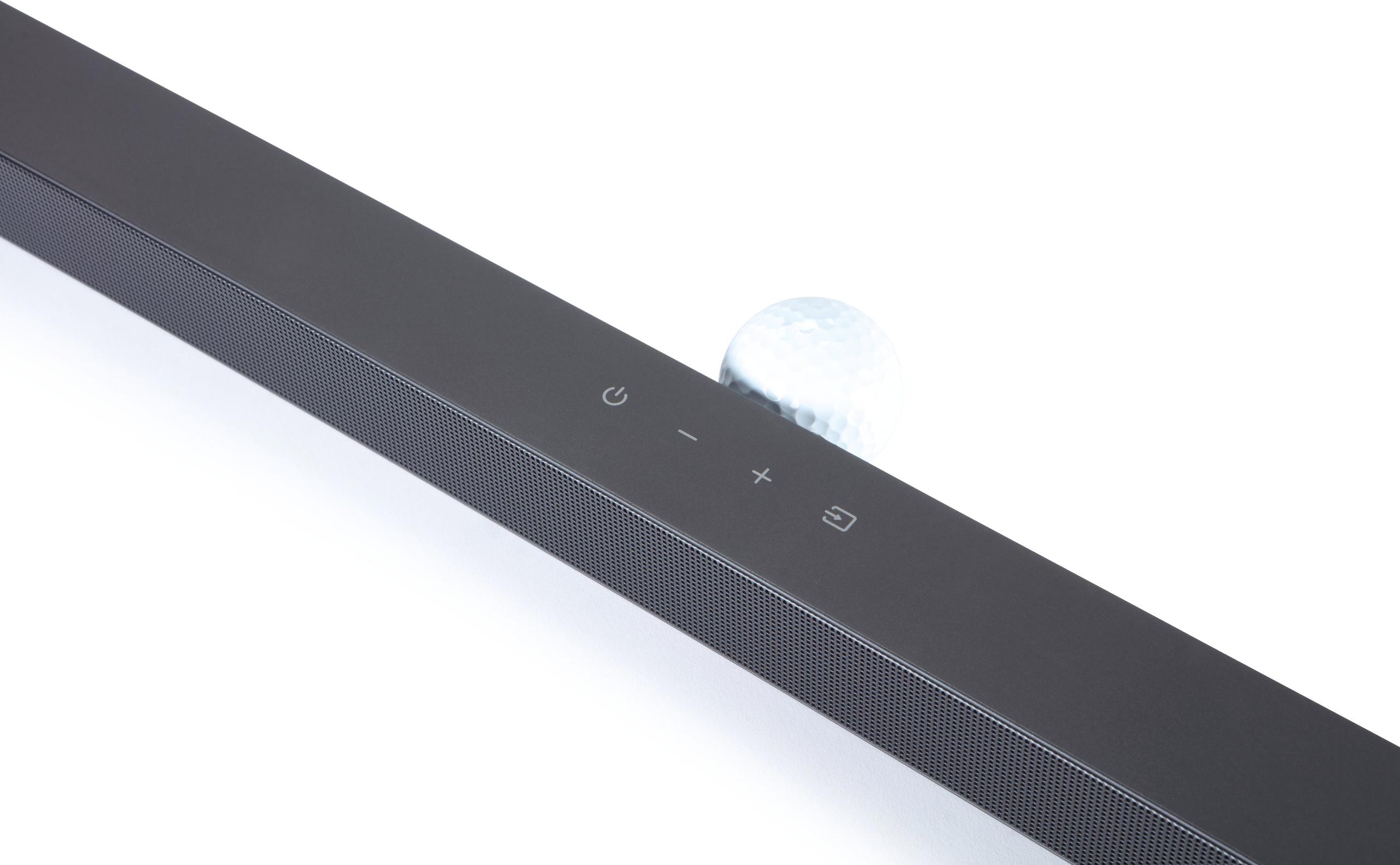
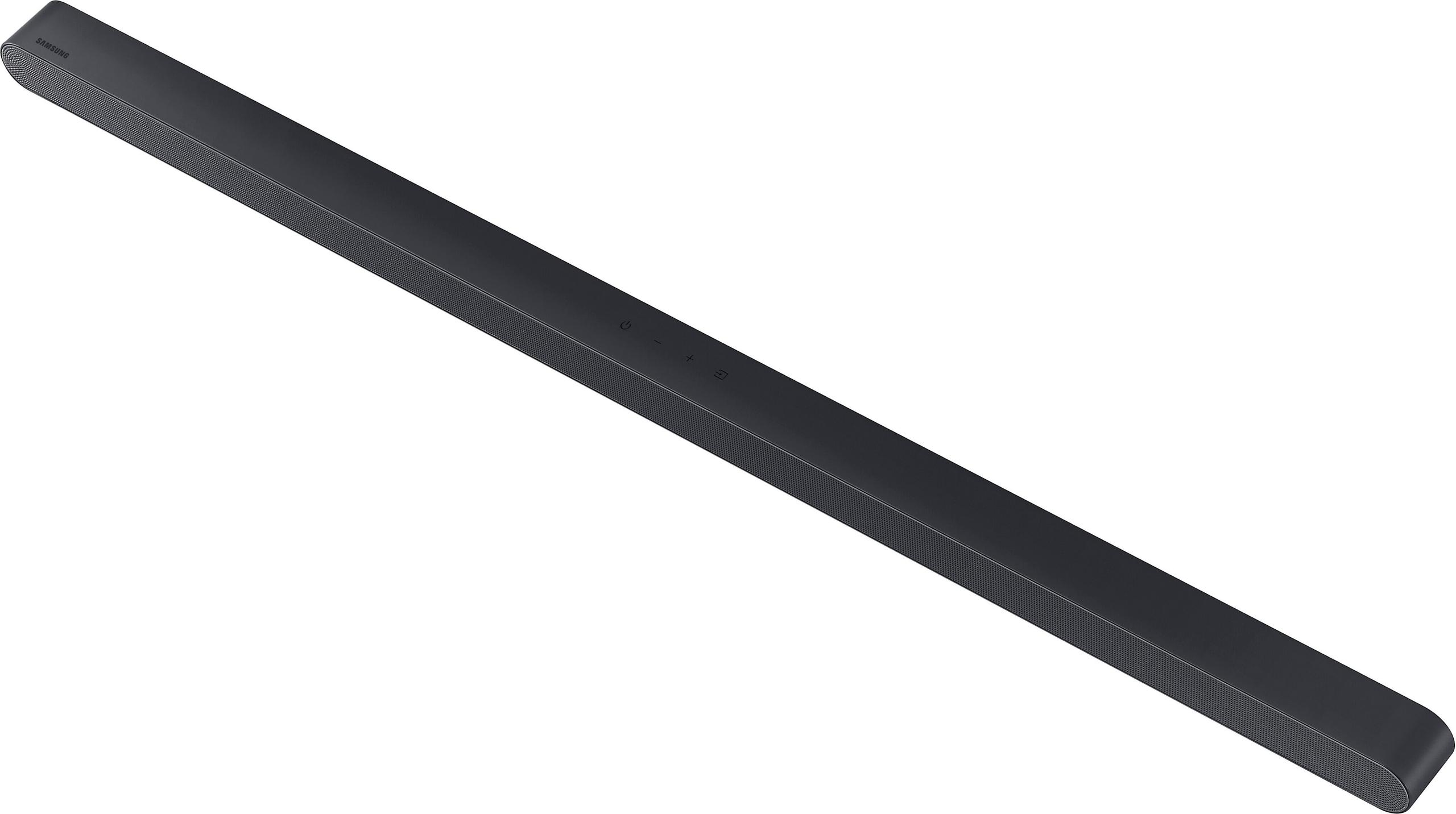
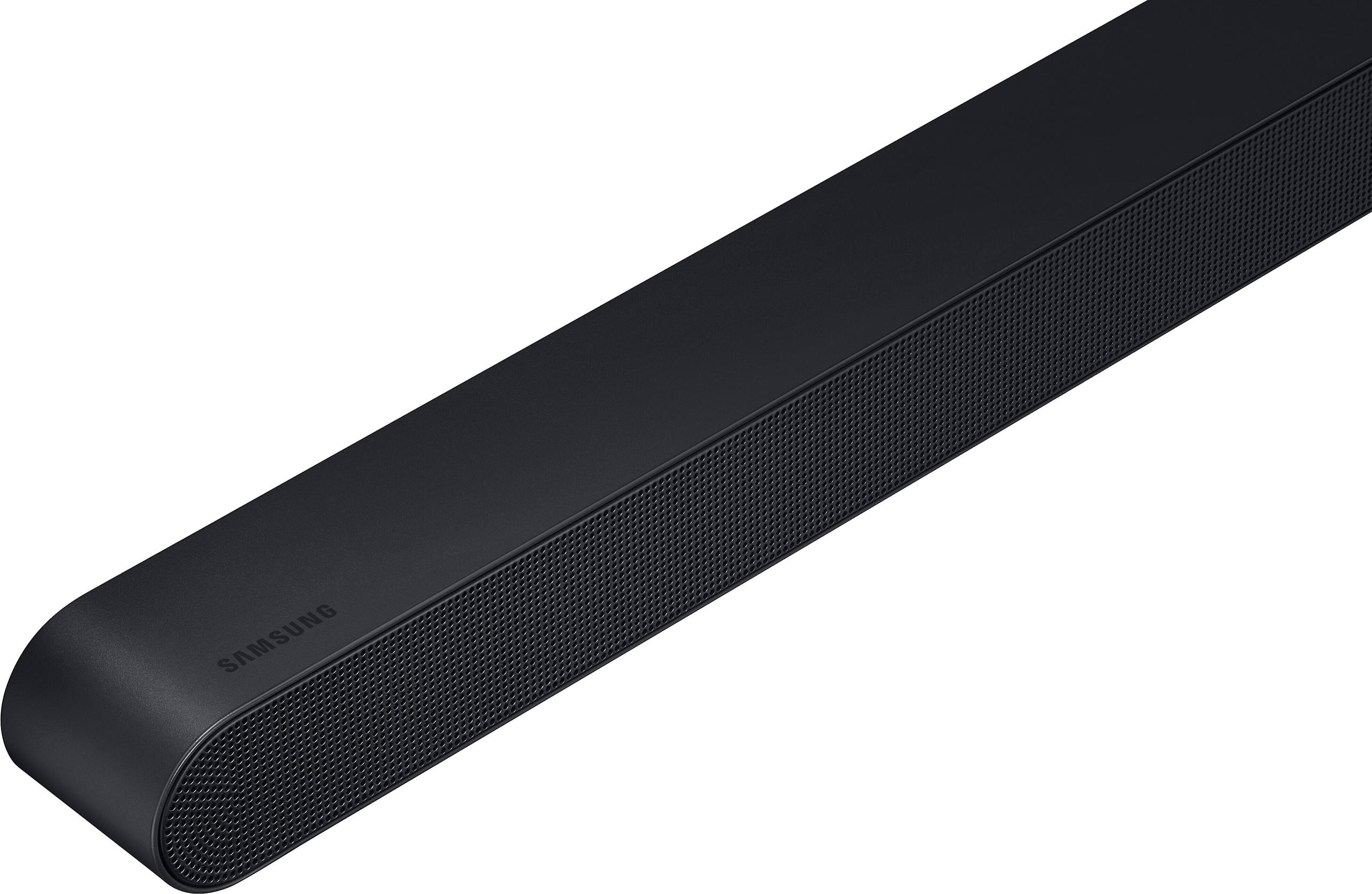
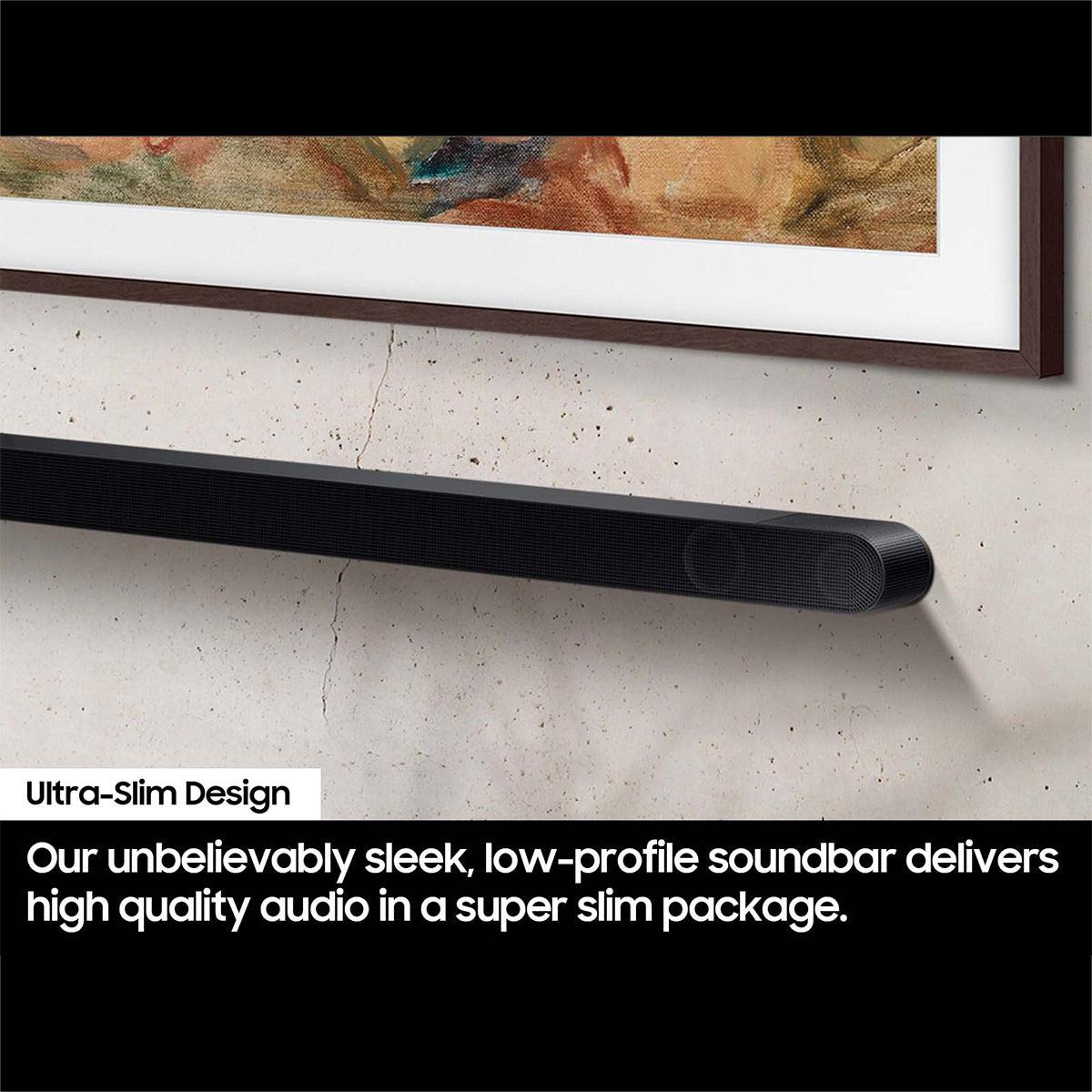
The aesthetic differences between these soundbars reflect their underlying philosophies. The Samsung HW-S700D embraces the ultra-slim trend with a profile that virtually disappears below your TV. It's designed for wall mounting and comes with all necessary hardware included. This minimalist approach appeals to users who want better sound without compromising their room's visual aesthetics.
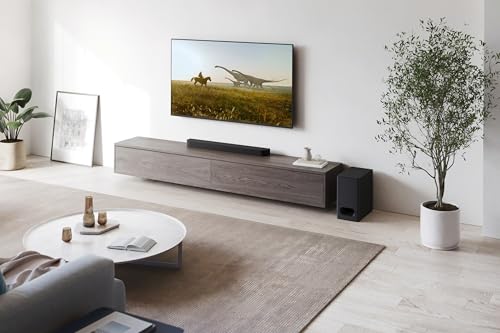
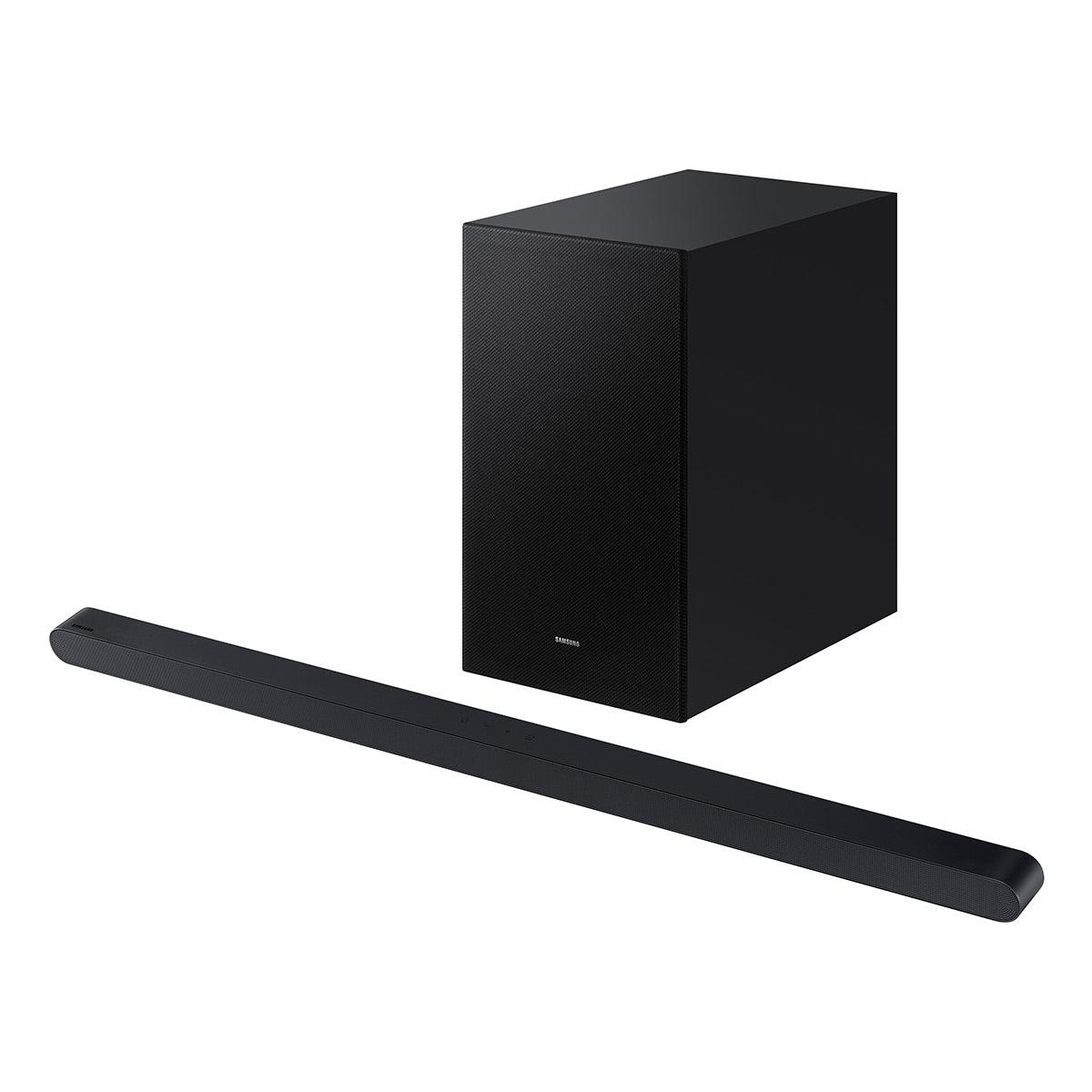
The Sony Theater Bar 6 is more substantial, reflecting its hardware-focused approach. While still relatively compact at about 36 inches wide, it's noticeably thicker than the Samsung. The separate wireless subwoofer, while providing superior bass performance, does require additional floor space and thoughtful placement.
Both designs work well in practice, but your choice might depend on your room constraints and aesthetic preferences. If you're wall-mounting in a minimalist setup, the Samsung's slim profile might be crucial. If you have space and prioritize audio performance, the Sony's larger form factor houses genuinely superior hardware.
For gamers, both soundbars offer enhancements, though they take different approaches. The Samsung HW-S700D includes Game Mode Pro, which automatically optimizes audio settings when it detects gaming content from a connected console. This mode typically reduces audio processing latency and emphasizes directional cues that can give competitive advantages in games.
The Sony BRAVIA Theater Bar 6 doesn't have a specific gaming mode, but its superior dynamics and height channels can make single-player gaming more immersive. The physical Dolby Atmos implementation really shines in games that support spatial audio – imagine hearing enemy footsteps not just from left or right, but from above as you explore a multi-story building.
Both soundbars handle music well, though with different strengths. The Sony delivers more powerful, dynamic music reproduction that works well for rock, electronic, and orchestral music. The Samsung offers more precise control through its equalizer, making it easier to tune for specific music genres or personal preferences.
In a dedicated home theater setting, the differences between these soundbars become most apparent. The Sony BRAVIA Theater Bar 6 delivers a more traditionally cinematic experience. The physical height speakers create genuine overhead effects that work regardless of your TV brand or model. When a spaceship flies over in a sci-fi movie or rain starts falling in a drama, you'll hear it convincingly from above.
The 350-watt power output also makes a difference in larger rooms or when you want to really crank up the volume for movie night. There's something satisfying about feeling the rumble of an explosion or the deep notes of a movie soundtrack's orchestral score. The Sony soundbar has enough power to deliver those moments without strain or distortion.
However, the Samsung HW-S700D shouldn't be underestimated in home theater use. While it lacks physical height speakers, the Q-Symphony integration can create surprisingly wide and enveloping sound when paired with compatible Samsung TVs. The automatic room optimization also means it's more likely to sound good right out of the box without tweaking.
The Sony BRAVIA Theater Bar 6 makes the most sense for dedicated home theater enthusiasts who prioritize audio performance above all else. If you own a Sony BRAVIA TV, the integration benefits make this an even stronger choice. The genuine Dolby Atmos experience and powerful bass response will satisfy users who watch a lot of movies and want that cinematic feeling at home.
This soundbar also works well for users who prefer to "set it and forget it" – once you adjust the bass levels to your preference, it delivers consistently excellent performance without requiring much ongoing attention or smart home integration.
The Samsung HW-S700D is ideal for users who want a balance of good audio performance and modern smart features. If you're building a connected home, need voice assistant integration, or regularly stream music from various devices, Samsung's comprehensive feature set provides excellent value.
The Samsung option also makes more sense for smaller rooms or minimalist setups where the ultra-slim design is important. Users who don't own Samsung TVs will still benefit from most features, making it more universally compatible than the Sony.
At the time of writing, both soundbars represent solid value in the mid-range market, though they achieve it differently. The Sony BRAVIA Theater Bar 6 commands its higher price through superior hardware and more authentic spatial audio. The Samsung HW-S700D delivers competitive audio performance while adding significant smart features and universal compatibility at a lower price point.
Your choice ultimately depends on your priorities. Audio purists and Sony TV owners will likely prefer the Theater Bar 6 for its genuine Dolby Atmos implementation and powerful performance. Users who value smart home integration, sleek design, and comprehensive connectivity will find the Samsung HW-S700D offers better overall value.
Both soundbars represent the current state of the art in 2024, showing how far the technology has advanced. Whichever you choose, you'll be getting a significant upgrade over your TV's built-in speakers and a foundation for years of better home entertainment.
| Sony BRAVIA Theater Bar 6 | Samsung HW-S700D |
|---|---|
| Channel Configuration - Determines surround sound capabilities | |
| 3.1.2 channels with dedicated height speakers | 3.1 channels with wireless Dolby Atmos |
| Total System Power - Affects volume and dynamics | |
| 350 watts (higher power for larger rooms) | Lower total power but efficiently optimized |
| Height Audio Implementation - Key for immersive movie experience | |
| Physical up-firing speakers for genuine Dolby Atmos | Virtual height effects using Samsung TV speakers |
| Subwoofer Design - Critical for bass performance | |
| Wireless 6-inch driver, front-ported, substantial size | Wireless 6-inch ported subwoofer, more compact |
| Audio Format Support - Compatibility with premium content | |
| Dolby Atmos, DTS:X | Dolby Atmos (wireless), standard formats |
| Smart Features - Modern connectivity and control | |
| Basic Bluetooth, BRAVIA SYNC, limited smart features | AirPlay, Chromecast, voice assistants, SmartThings |
| Room Optimization - Automatic audio tuning | |
| Manual setup via app | SpaceFit Sound Pro with automatic room analysis |
| TV Integration - Seamless operation with your TV | |
| Optimized for Sony BRAVIA TVs with Voice Zoom 3.0 | Q-Symphony with Samsung TVs, universal compatibility |
| Design Profile - Visual impact and mounting options | |
| Traditional soundbar size, more substantial presence | Ultra-slim design, minimal visual footprint |
| Equalizer Control - Audio customization options | |
| Basic bass, height, and subwoofer level controls | 7-band EQ (150Hz-10kHz) with precise adjustment |
| Voice Enhancement - Dialogue clarity features | |
| Dedicated center channel, Clear Voice, Voice Mode | Active Voice Amplifier, Adaptive Sound optimization |
| Gaming Features - Enhanced gaming audio | |
| No specific gaming mode, benefits from higher power | Game Mode Pro with automatic optimization |
| Wireless Streaming - Music and audio connectivity | |
| Bluetooth only (SBC, AAC codecs) | Bluetooth 5.2, AirPlay, Chromecast built-in |
| Wall Mounting - Installation convenience | |
| Wall mount available separately | Wall mount kit included in box |
| Target User - Best suited for | |
| Sony TV owners, movie enthusiasts, larger rooms | Smart home users, universal compatibility, space-conscious buyers |
The Sony BRAVIA Theater Bar 6 is generally better for movies due to its genuine Dolby Atmos implementation with physical height speakers and more powerful 350-watt system. The dedicated up-firing speakers create authentic overhead sound effects that enhance the cinematic experience. The Samsung HW-S700D still delivers good movie performance with virtual Dolby Atmos, but lacks the immersive height effects of the Sony model.
Both soundbars work with any TV brand through HDMI or optical connections. However, the Sony BRAVIA Theater Bar 6 offers enhanced features like Voice Zoom 3.0 when paired with Sony BRAVIA TVs. Similarly, the Samsung HW-S700D provides Q-Symphony technology and better integration with Samsung TVs, though it maintains good universal compatibility with other brands.
The Samsung HW-S700D is typically easier to set up thanks to its SpaceFit Sound Pro feature that automatically analyzes your room and optimizes audio settings. It also includes a wall mount kit in the box. The Sony BRAVIA Theater Bar 6 requires more manual adjustment, particularly for bass levels, and the wall mount is sold separately.
The Sony BRAVIA Theater Bar 6 delivers more powerful, dynamic sound with genuine height effects and stronger bass response from its larger subwoofer. The Samsung HW-S700D offers more balanced sound out of the box with better dialogue clarity optimization and a 7-band equalizer for precise tuning. The Sony excels in raw performance while the Samsung focuses on smart optimization.
Both handle music well but differently. The Sony BRAVIA Theater Bar 6 provides more powerful, dynamic music reproduction ideal for rock, electronic, and orchestral music. The Samsung HW-S700D offers superior customization through its detailed equalizer and multiple streaming options including AirPlay and Chromecast, making it more versatile for different music sources and genres.
Both excel at dialogue but use different approaches. The Sony BRAVIA Theater Bar 6 uses a dedicated center channel speaker with Clear Voice algorithms and Voice Mode for enhanced speech. The Samsung HW-S700D employs Active Voice Amplifier (AVA) that automatically adjusts voice levels based on content, plus Adaptive Sound that optimizes for different types of shows and movies.
The Samsung HW-S700D has a much slimmer profile and more compact subwoofer, making it ideal for wall mounting and smaller spaces. The Sony BRAVIA Theater Bar 6 is more substantial with a larger subwoofer that requires more floor space, though it's still reasonably sized for most rooms.
The Samsung HW-S700D offers comprehensive wireless streaming with Bluetooth 5.2, AirPlay, Chromecast, and voice assistant compatibility. The Sony BRAVIA Theater Bar 6 provides basic Bluetooth streaming but lacks Wi-Fi connectivity and advanced streaming features. For wireless versatility, the Samsung is the clear winner.
The Samsung HW-S700D includes Game Mode Pro that automatically optimizes audio settings for gaming and reduces latency. The Sony BRAVIA Theater Bar 6 doesn't have a dedicated gaming mode but its higher power output and genuine Dolby Atmos can provide more immersive single-player gaming experiences, especially in games that support spatial audio.
Both use 6-inch wireless subwoofers, but the Sony BRAVIA Theater Bar 6 delivers more powerful, room-filling bass that can sometimes overwhelm other frequencies. The Samsung HW-S700D provides more balanced bass that's better tuned out of the box, plus individual subwoofer level controls and EQ adjustment for precise customization.
Value depends on your priorities. The Samsung HW-S700D typically costs less while offering more smart features, universal compatibility, and comprehensive streaming options. The Sony BRAVIA Theater Bar 6 costs more but provides superior audio hardware, genuine Dolby Atmos, and more powerful performance. Sony TV owners get additional value from enhanced integration features.
Both models support expansion but in different ways. The Sony BRAVIA Theater Bar 6 can be expanded with optional wireless rear surround speakers for a fuller surround sound system. The Samsung HW-S700D is also compatible with wireless rear speakers and integrates with Samsung's broader audio ecosystem through SmartThings for multi-room audio setups.
We've done our best to create useful and informative comparisons to help you decide what product to buy. Our research uses advanced automated methods to create this comparison and perfection is not possible - please contact us for corrections or questions. These are the sites we've researched in the creation of this article: rtings.com - bestbuy.com - whathifi.com - youtube.com - youtube.com - sony.com - galaxus.at - helpguide.sony.net - audioadvice.com - electronics.sony.com - youtube.com - youtube.com - electronics.sony.com - helpguide.sony.net - whatgear.net - consumerreports.org - crutchfield.com - samsung.com - bestbuy.com - avsforum.com - walts.com - samsung.com - samsung.com - videoandaudiocenter.com - samsung.com - samsung.com - samsung.com - pcrichard.com

Privacy Policy
Terms and Conditions - Affiliate Policy
Home Security
© Copyright 2008-2026.
11816 Inwood Rd #1211, Dallas, TX 75244