









If you've been struggling to hear dialogue in your favorite shows or feeling like your TV's audio lacks any real punch, you're not alone. Modern TVs have gotten incredibly thin, which is great for aesthetics but terrible for sound quality. That's where soundbars come in – they're designed to transform your TV's weak audio into something that actually does justice to what you're watching.
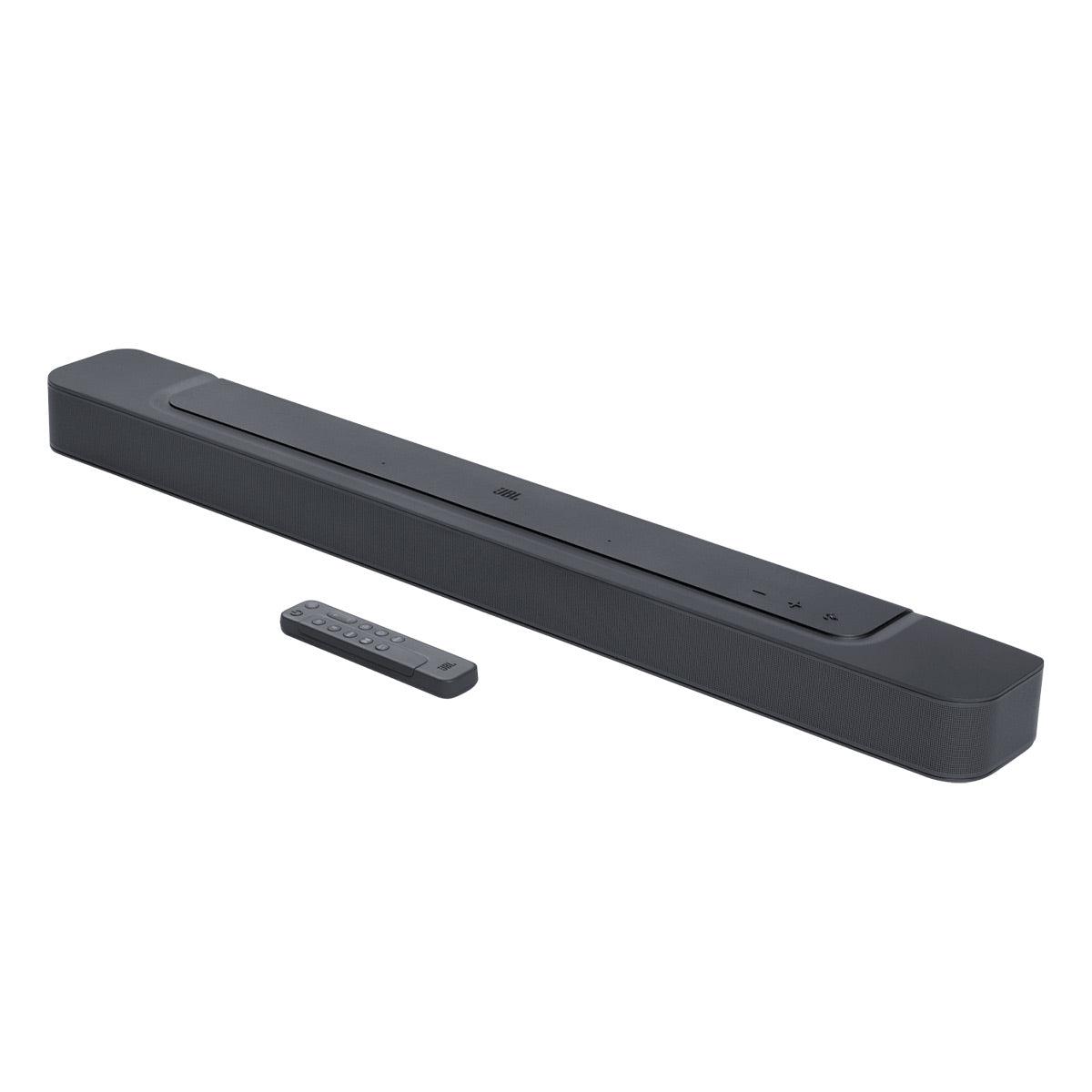
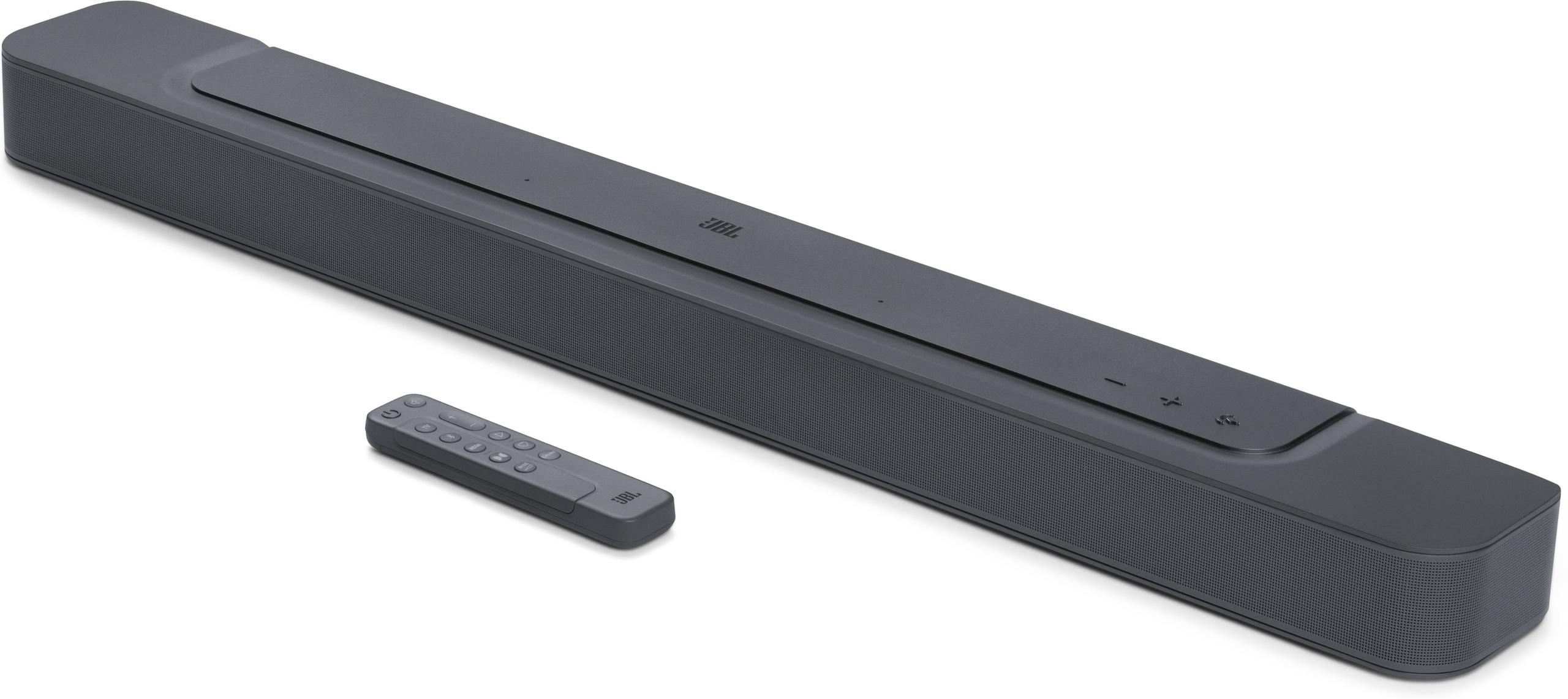
Today, I'm comparing two soundbars that take very different approaches to solving this problem: the Sony BRAVIA Theater Bar 6 and the JBL Bar 300. Both launched in 2024, representing the latest thinking in soundbar design, but they couldn't be more different in their philosophy.
Before diving into the specifics, let's talk about what actually matters when choosing a soundbar. The most important factors are audio performance (how good it sounds), value (what you get for your money), integration with your existing setup, and whether it fits your space and usage patterns.
Audio performance breaks down into several key areas. Dialogue clarity is probably the most important – if you can't understand what people are saying, nothing else matters. Bass response determines whether explosions feel impactful and music has that satisfying low-end thump. Surround sound capabilities create that immersive feeling where sounds seem to come from all around you, not just from the front of the room.
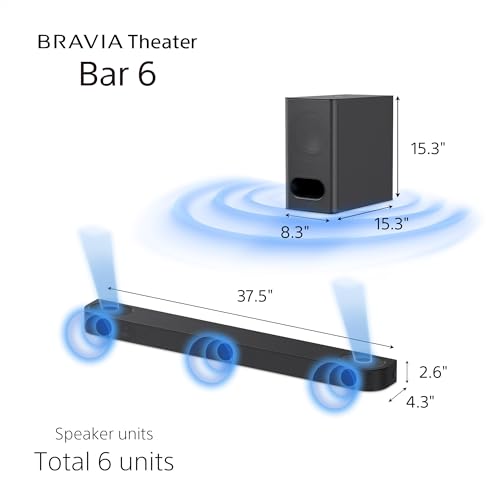
The channel configuration tells you how many discrete audio channels a soundbar can reproduce. A 3.1.2 system, like the Sony BRAVIA Theater Bar 6, has three front channels (left, center, right), one subwoofer channel (the ".1"), and two height channels (the ".2") for overhead effects. The JBL Bar 300 uses a 5.0 configuration – five main channels with no separate subwoofer.
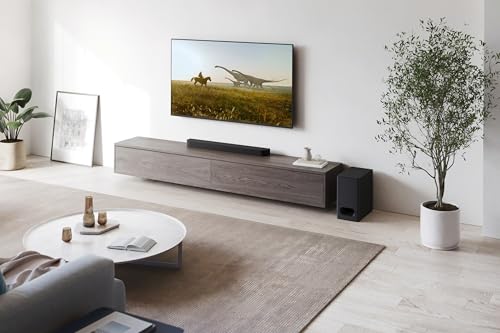
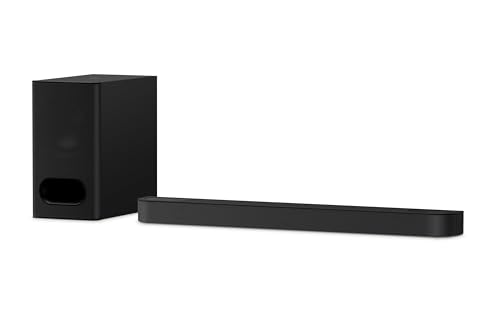
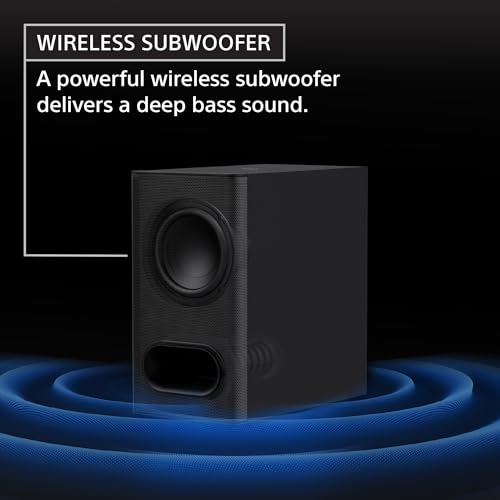
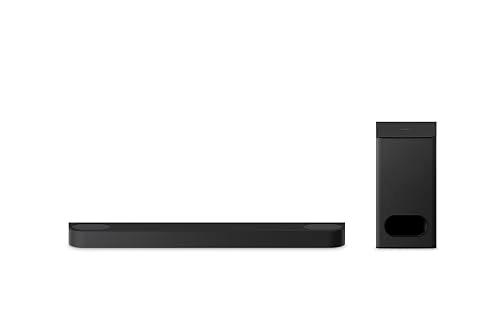
The fundamental difference between these soundbars lies in their design philosophy. The Sony BRAVIA Theater Bar 6 follows the traditional approach of pairing a main soundbar with a separate wireless subwoofer. This allows each component to be optimized for its specific role – the main bar handles dialogue and mid-range sounds, while the subwoofer focuses entirely on bass.
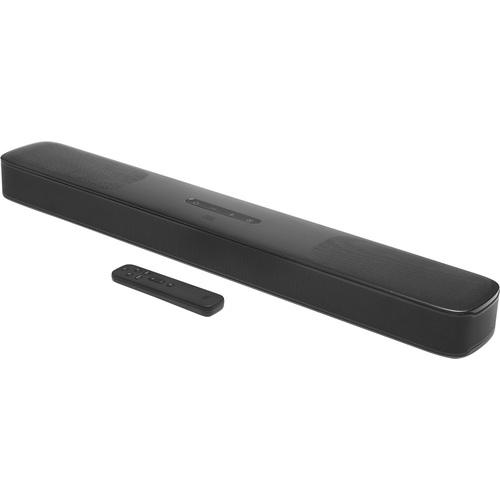
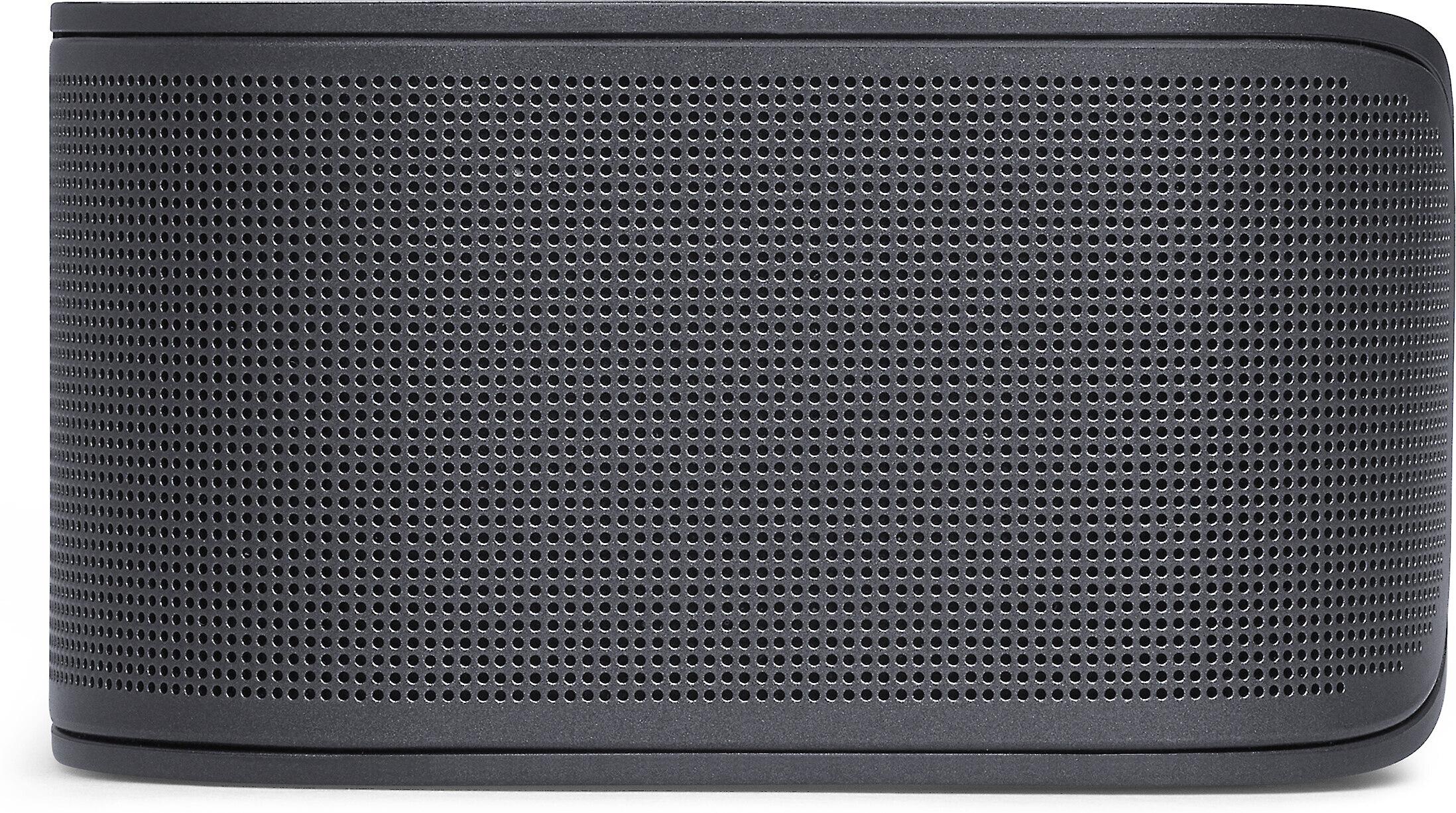
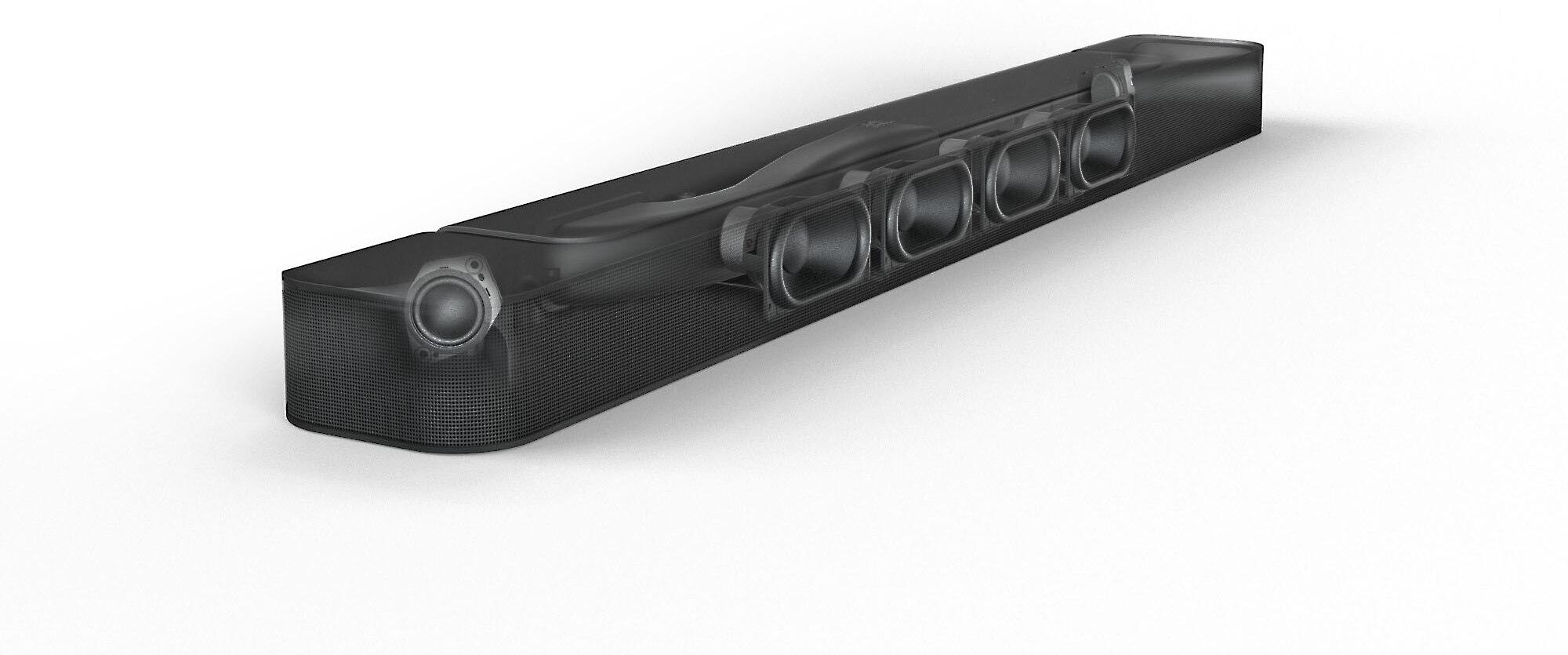
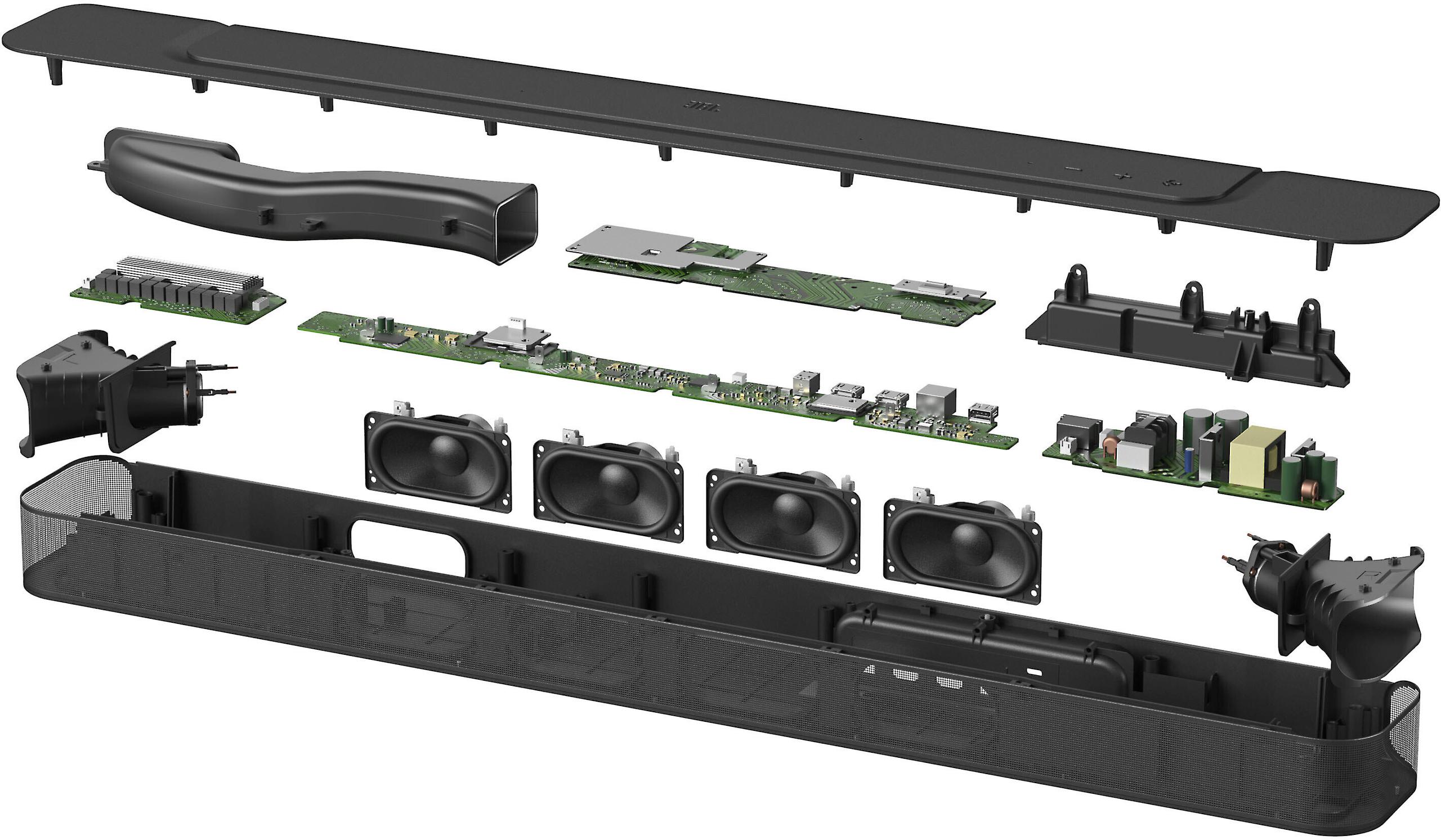
The JBL Bar 300, on the other hand, packs everything into a single unit. It uses clever engineering with a built-in bass port (essentially a tuned opening that helps boost low frequencies) to generate bass without needing a separate subwoofer. This approach prioritizes simplicity and space-saving over absolute performance.
This is where the design philosophies create the biggest performance gap. The Sony BRAVIA Theater Bar 6 includes a dedicated wireless subwoofer with a 6-inch driver that can reproduce frequencies as low as 20Hz – that's the kind of deep bass you feel in your chest during action scenes.
Professional reviews consistently highlight how this subwoofer can fill a room with impactful bass, though many note that the default settings can be overwhelming. The bass is so prominent that it can actually overpower the midrange and treble if you don't dial it back a few notches. Once properly calibrated, though, it delivers the kind of room-shaking low-end that makes movies genuinely exciting.
The JBL Bar 300 takes a different approach with its built-in bass port system. While it can't match the depth and impact of a dedicated subwoofer, it does provide surprisingly adequate bass for an all-in-one design. The trade-off is that you lose that visceral, room-filling bass impact that makes action movies feel cinematic.
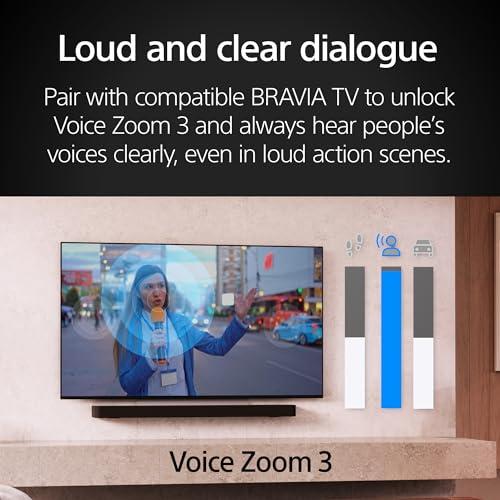
Both soundbars excel at dialogue reproduction, but through different methods. The Sony BRAVIA Theater Bar 6 uses a dedicated center channel speaker – essentially a speaker designed specifically for dialogue. This is combined with Sony's Clear Voice algorithms and something called Voice Zoom 3.0 when paired with compatible Sony TVs.
Voice Zoom 3.0 is particularly clever – it actually uses your TV's built-in speakers in conjunction with the soundbar to create even better dialogue clarity. The system analyzes the audio and uses AI to isolate and boost speech frequencies while reducing background noise.
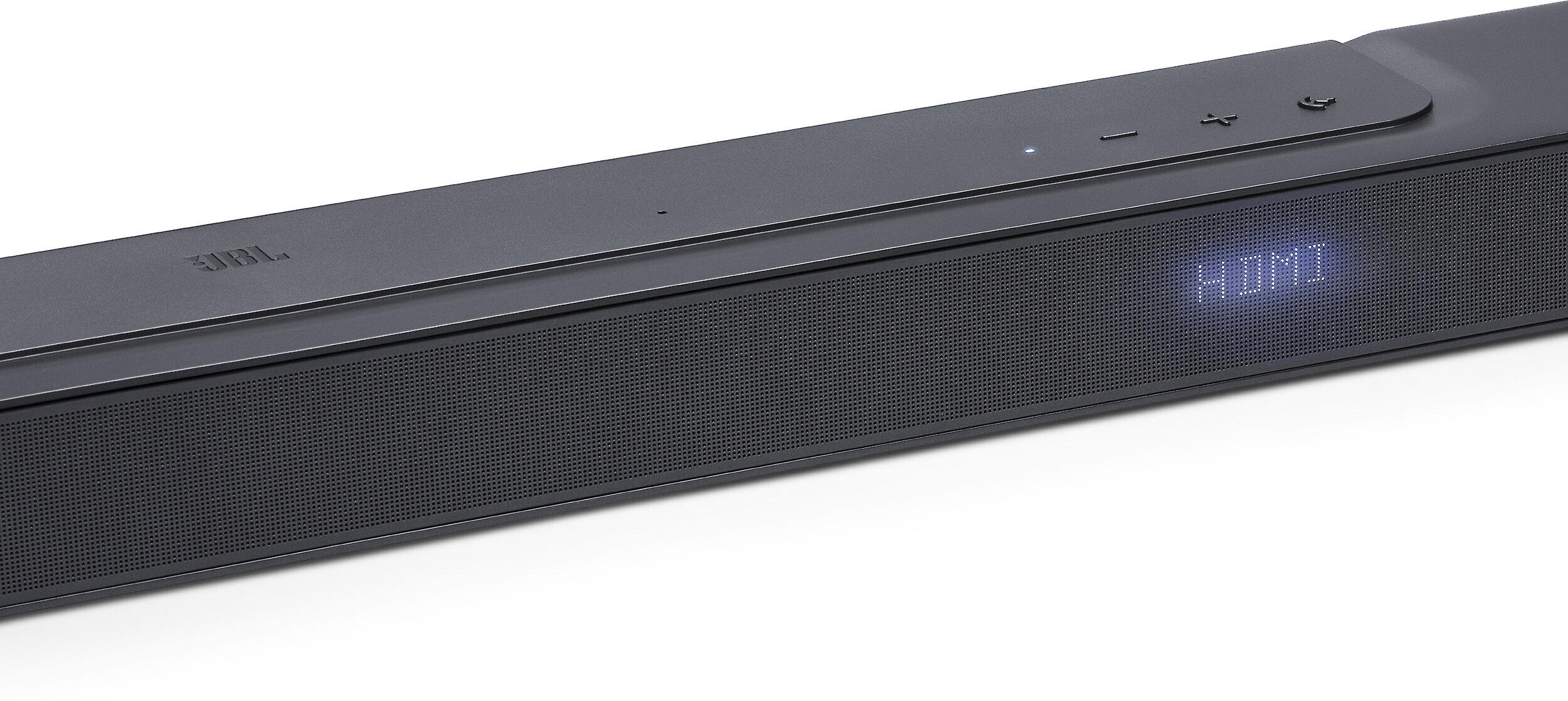
The JBL Bar 300 relies on PureVoice technology, which is an algorithmic approach that processes audio to enhance voice clarity across its driver array. Reviews consistently praise the dialogue clarity, noting that conversations come through crisp and well-enunciated, even during complex audio scenes.
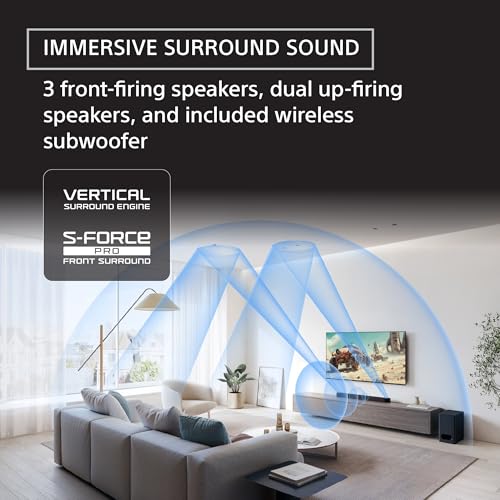
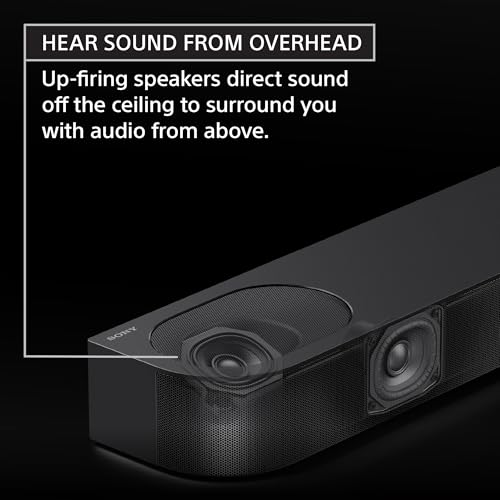
Here's where the channel configurations really matter. The Sony BRAVIA Theater Bar 6 includes dedicated up-firing speakers – these are speakers that fire sound upward to bounce off your ceiling and create the illusion of overhead effects. When you're watching a movie with Dolby Atmos (a surround sound format that includes height information), these up-firing speakers can create convincing overhead effects like helicopters flying overhead or rain falling from above.
The system also uses Sony's S-Force PRO Front Surround technology, which is a fancy name for digital signal processing that creates virtual surround effects. It takes the audio and processes it to make sounds seem like they're coming from beside and behind you, even though all the speakers are in front.
The JBL Bar 300 uses MultiBeam technology, which employs carefully angled drivers and digital processing to create a wide soundstage and virtual surround effects. While it can create good stereo separation and a sense of width, it can't match the discrete height channels that the Sony's up-firing speakers provide.
The numbers tell part of the story here. The Sony BRAVIA Theater Bar 6 outputs a total of 350 watts, while the JBL Bar 300 puts out 260 watts. But raw power isn't everything – it's how that power is distributed and used that matters.
The Sony system uses proprietary X-Balanced drivers, which are rectangular instead of the traditional circular shape. This design increases the surface area of each driver, theoretically allowing for more air movement and clearer sound, especially in the mid and high frequencies. It's one of those engineering details that might seem minor but can contribute to overall sound quality.
The power advantage of the Sony BRAVIA Theater Bar 6 becomes most apparent during dynamic scenes with wide volume swings – like quiet dialogue followed by explosions. The extra headroom means the system can handle these transitions without strain or distortion.
This is where the JBL Bar 300 really shines. It includes built-in Wi-Fi with support for AirPlay, Chromecast built-in, and Alexa Multi-Room Music. This means you can stream music directly to the soundbar from your phone, tablet, or voice commands without needing any other devices. It supports over 300 online music streaming services and can receive automatic software updates to add new features.
The voice assistant integration is particularly well-implemented. You can use Alexa, Google Assistant, or Siri to control playback, adjust volume, or even ask for information while music is playing.
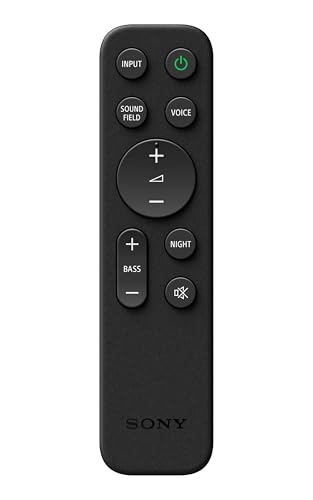
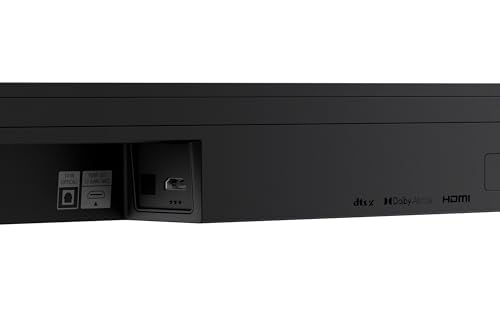
The Sony BRAVIA Theater Bar 6 takes a more focused approach to connectivity. It includes Bluetooth for wireless streaming and excellent integration with Sony BRAVIA TVs through BRAVIA SYNC. This allows you to control the soundbar with your TV remote and access soundbar settings directly from your TV's menu system.
The BRAVIA Connect app deserves special mention – it's genuinely useful for setup and customization. You can adjust the subwoofer level, modify height and bass settings, and even input your room dimensions for manual calibration.
The JBL Bar 300 wins points for simplicity. It's a single unit that you place under or in front of your TV, plug in, and you're essentially done. The automatic calibration feature uses built-in microphones to analyze your room and optimize the sound accordingly.
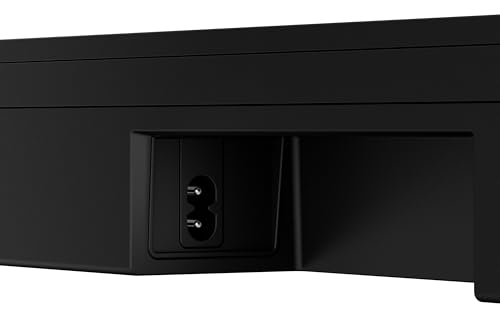
The Sony BRAVIA Theater Bar 6 requires a bit more thought due to the wireless subwoofer. You'll need to find a good spot for the subwoofer – ideally somewhere that provides good bass distribution without overwhelming your seating area. The good news is that it's wireless, so you have flexibility in placement.
Both soundbars are reasonably compact for modern TV setups, but the Sony system obviously requires more space consideration due to the additional component.
At the time of writing, the JBL Bar 300 typically costs significantly less than the Sony BRAVIA Theater Bar 6 – we're talking about a price difference that could fund several streaming subscriptions for a year. This makes the value equation quite interesting.
The JBL Bar 300 delivers strong performance for its price point, with Dolby Atmos support, comprehensive streaming features, and respectable audio quality in a simple package. You're getting a lot of functionality per dollar spent.
The Sony BRAVIA Theater Bar 6 commands a premium but delivers that premium primarily through superior bass performance, discrete channel separation, and excellent integration with Sony's ecosystem. Whether that premium is worth it depends on your priorities and budget.
For dedicated home theater use, the Sony BRAVIA Theater Bar 6 has clear advantages. The combination of powerful bass, discrete channels, and height effects creates a more cinematic experience. When you're watching action movies or immersive content with Dolby Atmos soundtracks, the difference is noticeable.
The dedicated center channel makes a real difference during dialogue-heavy content like dramas or documentaries. Combined with the subwoofer's impact during action sequences, it creates the kind of dynamic range that makes movies feel more engaging.
The JBL Bar 300 still provides a significant upgrade over TV speakers and handles most content well, but it can't match the scale and impact of a system with a dedicated subwoofer during big cinematic moments.
The Sony BRAVIA Theater Bar 6 makes sense if you're serious about movie watching and have the budget for the premium. It's particularly compelling if you own a Sony BRAVIA TV, as the integration benefits are genuine and useful. You should also have space for proper subwoofer placement and neighbors who won't mind the occasional bass-heavy action sequence.
The JBL Bar 300 is ideal for users who want a significant audio upgrade without complexity or a large budget commitment. It's perfect for apartments or smaller spaces where a subwoofer might be problematic. The extensive streaming features also make it great for music listening, not just TV and movie enhancement.
If you're primarily focused on dialogue clarity and general TV watching rather than cinematic experiences, the JBL Bar 300 will likely meet your needs while saving you money for other priorities.
Both soundbars represent solid entries in the 2024 market, but they serve different needs. The Sony BRAVIA Theater Bar 6 is the choice for those who want maximum audio impact and don't mind paying for it. The JBL Bar 300 offers excellent value and convenience for users who want great sound without the complexity or cost of a premium system.
In my experience, the decision often comes down to how you use your system. If you're a movie enthusiast who values that cinematic bass impact, the Sony system's advantages justify its premium. If you're looking for an all-around audio upgrade that handles TV, music, and streaming with equal competence, the JBL delivers impressive value and versatility.
Either choice will dramatically improve your audio experience compared to TV speakers – it's really about matching the right tool to your specific needs and budget.
| Sony BRAVIA Theater Bar 6 Soundbar | JBL Bar 300 5.0 Soundbar |
|---|---|
| Channel Configuration - Determines surround sound capabilities and audio separation | |
| 3.1.2 channels with dedicated subwoofer and height speakers | 5.0 channels all-in-one design (no separate subwoofer) |
| Total Power Output - Higher wattage generally means louder, more dynamic sound | |
| 350W (significant headroom for action scenes) | 260W (adequate for most rooms and content) |
| Bass Performance - Critical for movie impact and music enjoyment | |
| Dedicated 6-inch wireless subwoofer reaches 20Hz | Built-in bass port system (no separate subwoofer required) |
| Driver Technology - Affects sound clarity and efficiency | |
| X-Balanced rectangular drivers for increased surface area | Standard racetrack and tweeter driver array |
| Dolby Atmos Support - Creates overhead sound effects for immersive experience | |
| Hardware up-firing speakers for true height effects | Virtual height processing through MultiBeam technology |
| Voice Enhancement - Essential for clear dialogue during complex scenes | |
| Dedicated center channel + Clear Voice + Voice Zoom 3.0 | PureVoice algorithmic dialogue enhancement |
| Streaming Capabilities - Determines versatility beyond TV audio | |
| Bluetooth only, focused on TV integration | Built-in Wi-Fi with AirPlay, Chromecast, 300+ streaming services |
| TV Integration - Affects ease of use and setup convenience | |
| Exceptional BRAVIA SYNC integration with Sony TVs | Universal HDMI eARC compatibility with any TV brand |
| Voice Assistant Support - Modern convenience for hands-free control | |
| Compatible when paired with external devices | Built-in Alexa, Google Assistant, and Siri support |
| Physical Setup Requirements - Impacts placement flexibility and room aesthetics | |
| Main bar + separate subwoofer placement needed | Single soundbar unit, no additional components |
| Room Calibration - Ensures optimal sound for your specific space | |
| Manual setup through BRAVIA Connect app | Automatic calibration with built-in microphones |
| Best Use Case - Who should prioritize each option | |
| Home theater enthusiasts with Sony TVs wanting maximum impact | Streamlined upgrade seekers valuing convenience and streaming features |
The Sony BRAVIA Theater Bar 6 delivers significantly better bass performance with its dedicated 6-inch wireless subwoofer that reaches down to 20Hz. The JBL Bar 300 uses a built-in bass port system without a separate subwoofer, providing adequate bass for most content but lacking the deep, room-filling impact of the Sony system.
Yes, both the Sony BRAVIA Theater Bar 6 and JBL Bar 300 support Dolby Atmos. However, the Sony uses dedicated up-firing speakers for true height effects, while the JBL relies on virtual processing through MultiBeam technology to simulate overhead sounds.
The JBL Bar 300 is much easier to install as it's a single unit with automatic room calibration. The Sony BRAVIA Theater Bar 6 requires positioning both the main bar and wireless subwoofer, plus manual calibration through the BRAVIA Connect app.
The JBL Bar 300 offers superior streaming with built-in Wi-Fi, AirPlay, Chromecast, and access to over 300 streaming services. The Sony BRAVIA Theater Bar 6 only supports Bluetooth streaming but focuses on excellent integration with Sony BRAVIA TVs.
Both excel at dialogue clarity but use different approaches. The Sony BRAVIA Theater Bar 6 has a dedicated center channel speaker plus Clear Voice technology, while the JBL Bar 300 uses PureVoice algorithmic processing to enhance speech across its driver array.
While the Sony BRAVIA Theater Bar 6 works with any TV, you'll get the best experience with Sony BRAVIA TVs through BRAVIA SYNC integration and Voice Zoom 3.0 technology. The JBL Bar 300 provides universal compatibility with any TV brand.
The JBL Bar 300 requires less space as it's a single soundbar unit with no additional components. The Sony BRAVIA Theater Bar 6 needs placement for both the main bar and wireless subwoofer, though the subwoofer's wireless connection provides placement flexibility.
The JBL Bar 300 has built-in voice assistant support for Alexa, Google Assistant, and Siri. The Sony BRAVIA Theater Bar 6 can work with voice assistants when connected to compatible external devices or Sony TVs.
The JBL Bar 300 typically offers better value with its lower price point, comprehensive streaming features, and solid audio performance in a simple package. The Sony BRAVIA Theater Bar 6 commands a premium but delivers superior bass and more discrete audio channels for serious home theater use.
Both soundbars significantly improve movie and TV audio over built-in TV speakers. The Sony BRAVIA Theater Bar 6 excels for cinematic content with its powerful subwoofer and height channels, while the JBL Bar 300 provides excellent dialogue clarity and general audio enhancement.
The Sony BRAVIA Theater Bar 6 outputs 350 watts compared to the JBL Bar 300's 260 watts, providing more dynamic range and headroom for action scenes and high-volume listening without distortion.
The Sony BRAVIA Theater Bar 6 can be expanded with optional wireless rear surround speakers for a more complete surround sound setup. The JBL Bar 300 is designed as a complete all-in-one solution without expansion options, but its streaming capabilities can be enhanced through software updates.
We've done our best to create useful and informative comparisons to help you decide what product to buy. Our research uses advanced automated methods to create this comparison and perfection is not possible - please contact us for corrections or questions. These are the sites we've researched in the creation of this article: rtings.com - bestbuy.com - whathifi.com - youtube.com - youtube.com - sony.com - galaxus.at - helpguide.sony.net - audioadvice.com - electronics.sony.com - youtube.com - youtube.com - electronics.sony.com - helpguide.sony.net - whatgear.net - consumerreports.org - whathifi.com - safeandsoundhq.com - youtube.com - cnet.com - mm.jbl.com - jbl.com - bestbuy.com - support.jbl.com - dell.com - walmart.com

Privacy Policy
Terms and Conditions - Affiliate Policy
Home Security
© Copyright 2008-2026.
11816 Inwood Rd #1211, Dallas, TX 75244