



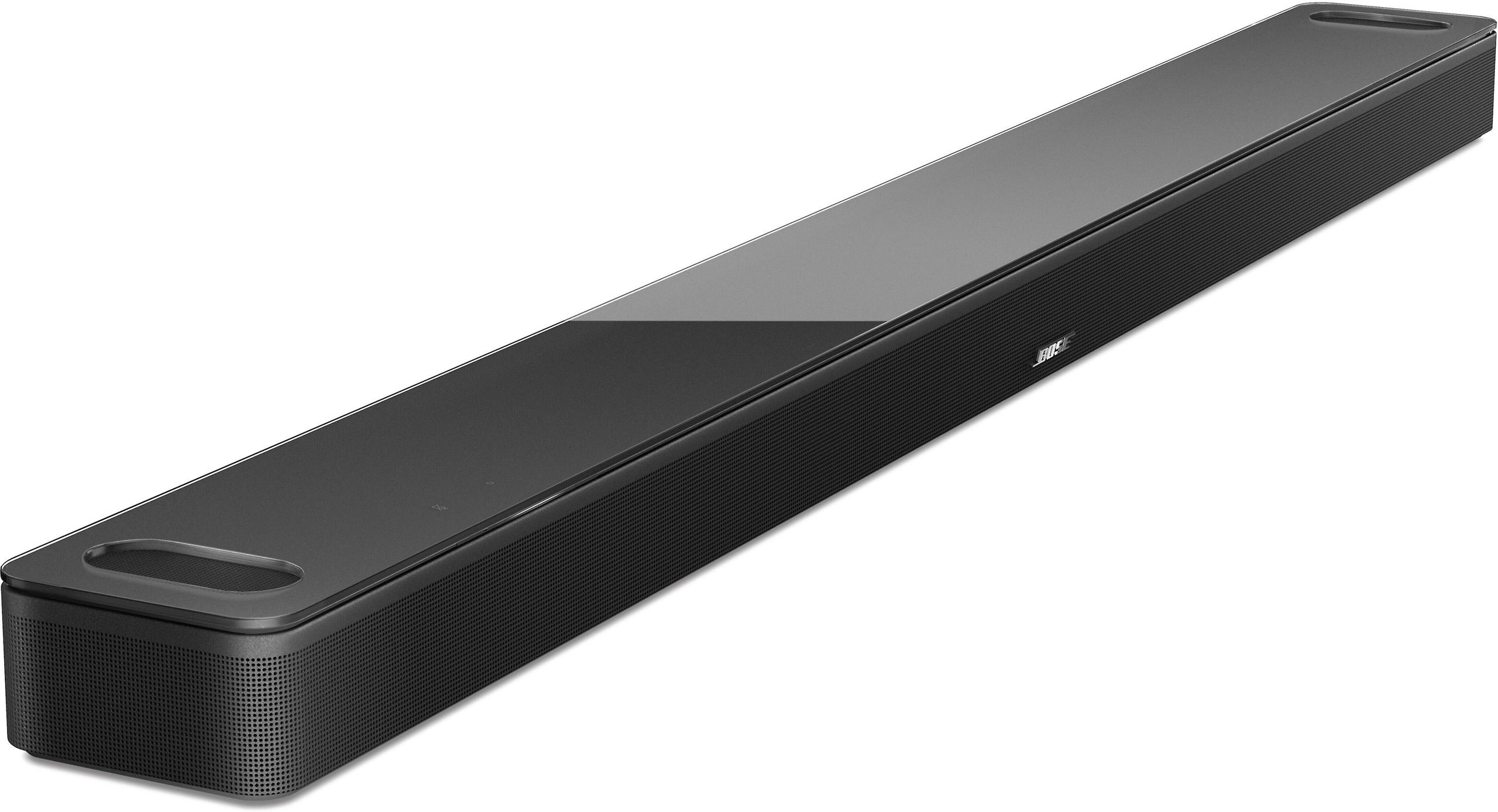

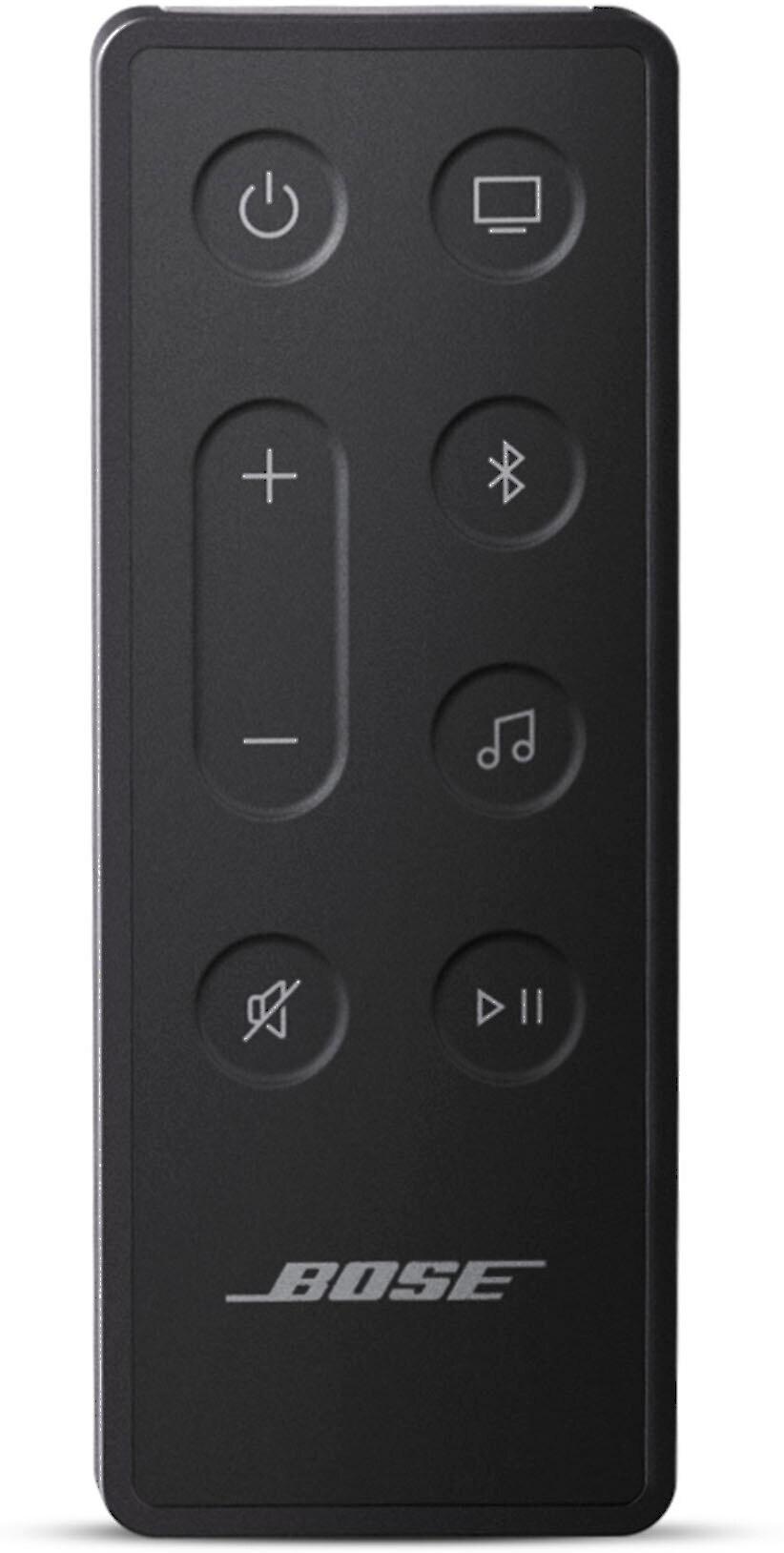
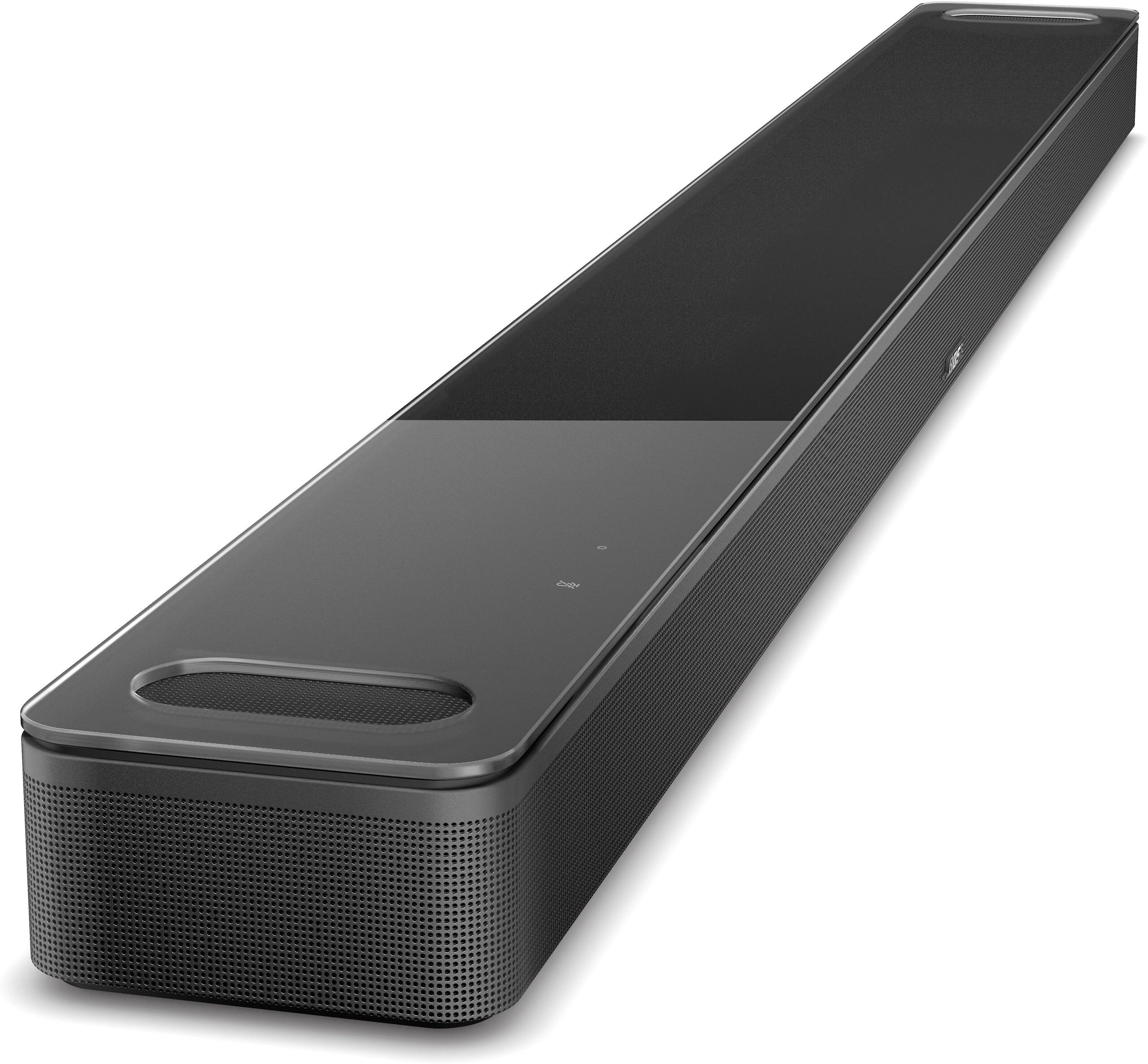
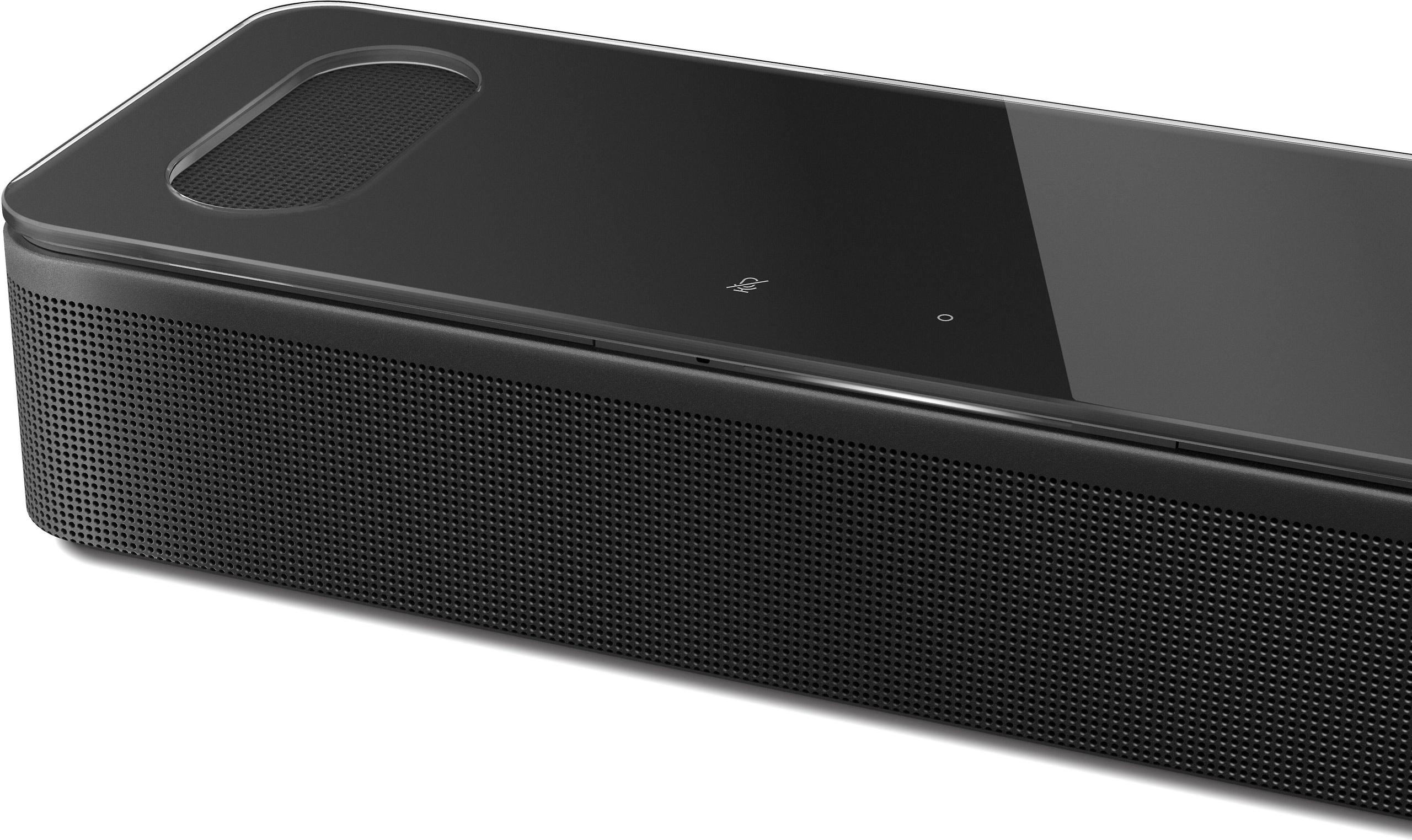
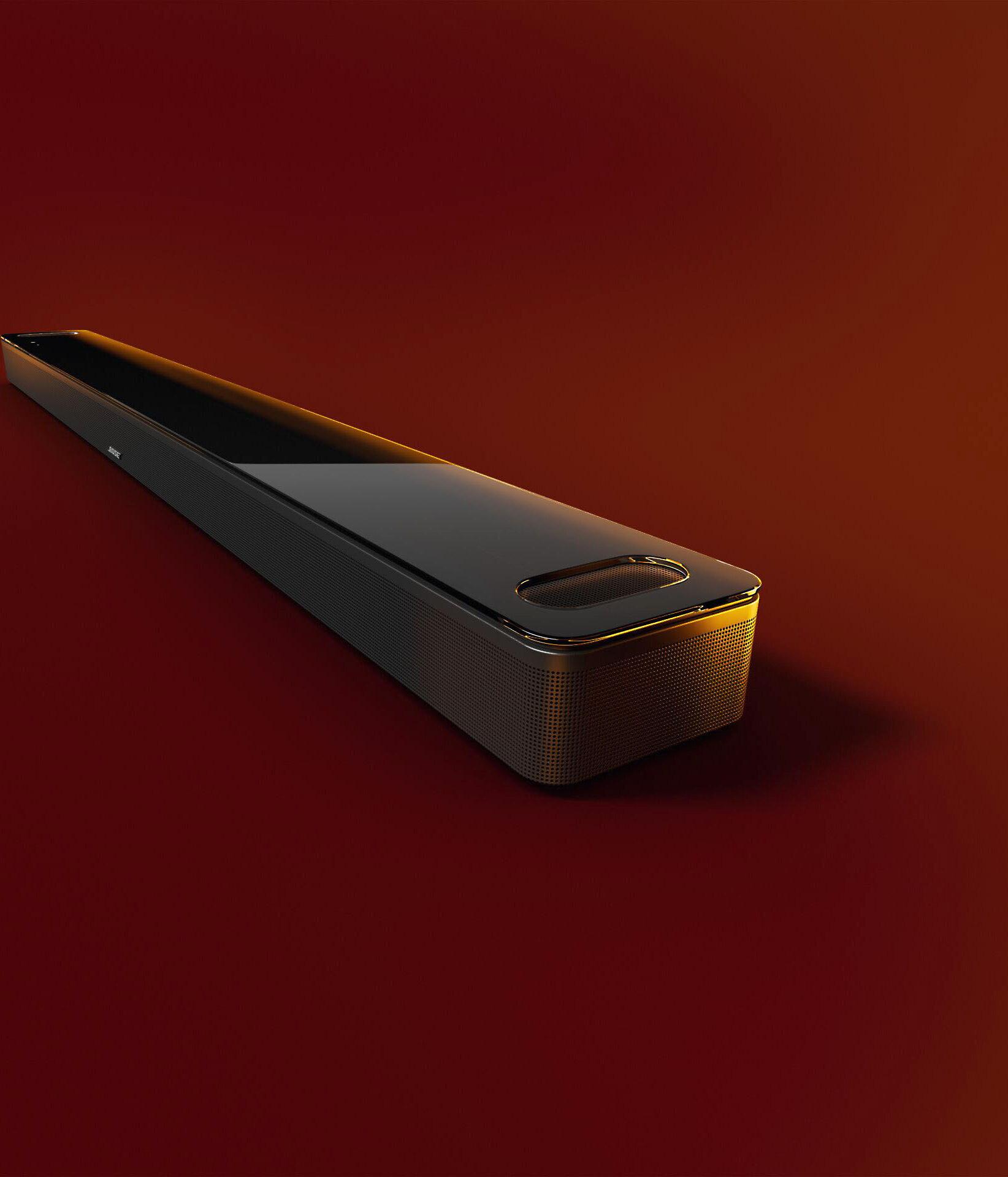
Premium soundbars have become the go-to solution for upgrading your TV's audio without the complexity of installing ceiling speakers or running wires throughout your living room. Both the Sony BRAVIA Theater Bar 6 and Bose Smart Ultra Soundbar promise to transform your viewing experience, but they take distinctly different approaches to achieving that goal.
The soundbar market has evolved dramatically over the past few years. Where basic models once simply made dialogue louder, today's premium options create genuine surround sound experiences that rival traditional home theater systems. The key is understanding what matters most for your setup: raw audio power, smart features, or seamless integration with your existing devices.
Before diving into these specific models, it's worth understanding what separates good soundbars from great ones. The most important factors are dialogue clarity (can you actually hear what characters are saying?), bass response (do explosions feel impactful?), spatial audio capabilities (does sound feel like it's coming from all around you?), and smart features that make daily use effortless.
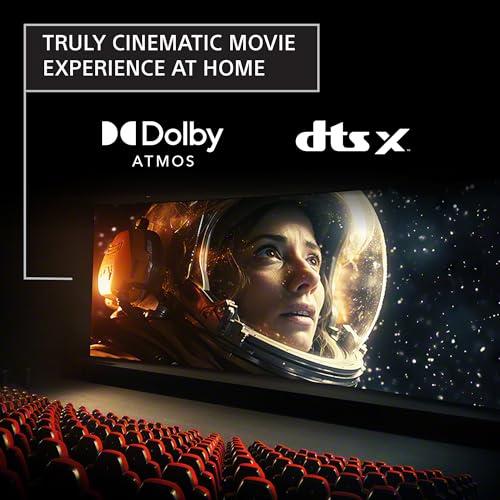
Modern soundbars also need to handle the technical complexity of today's audio formats. Dolby Atmos, for example, is an "object-based" audio format that places individual sounds in three-dimensional space rather than just left and right channels. Think of it as the difference between hearing a helicopter fly across your screen versus hearing it circle overhead and around your room.
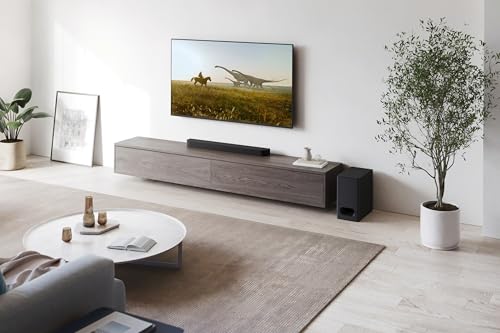
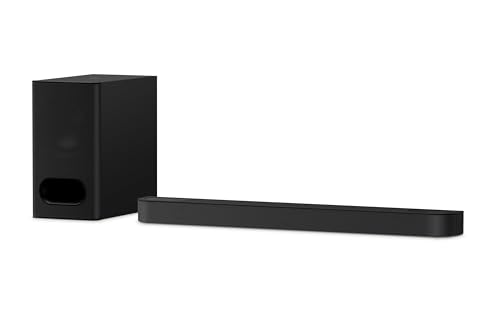
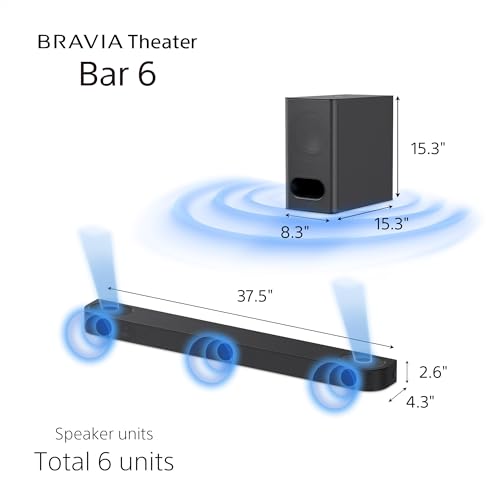
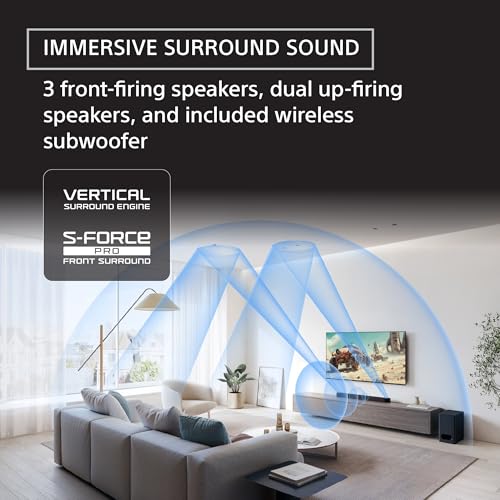
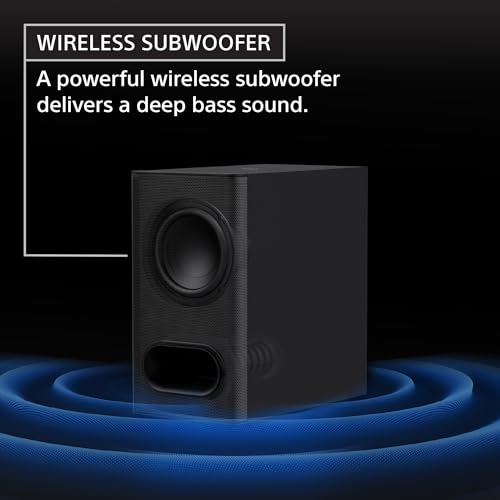
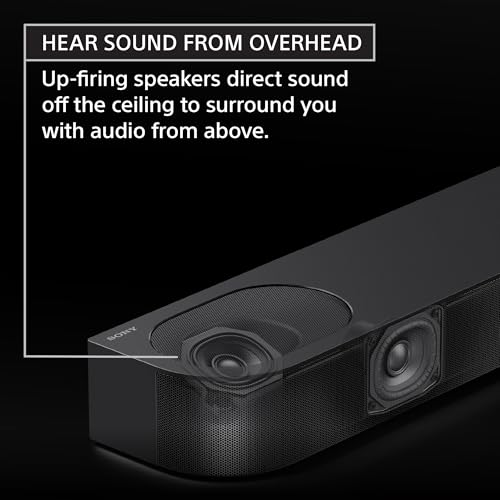
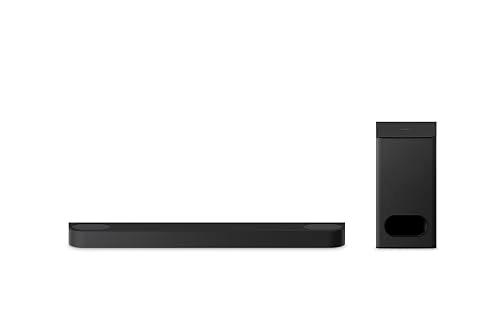
The Sony BRAVIA Theater Bar 6, released in 2024, represents Sony's philosophy that dedicated hardware creates the best audio experience. This 3.1.2 channel system includes five speakers built into the main bar: left, center, and right speakers facing forward, plus two "up-firing" speakers that shoot sound toward your ceiling to create height effects. The ".2" in 3.1.2 refers to these height channels, while the "1" represents the separate wireless subwoofer that handles deep bass frequencies.
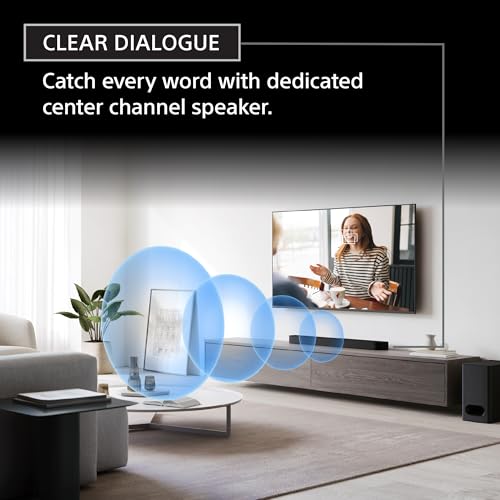
Sony's approach focuses on giving each type of sound its own dedicated driver. The center channel, for instance, is specifically designed to reproduce dialogue with clarity and presence. This matters more than you might think – most TV dialogue falls into a specific frequency range around 1-4 kHz, and having a speaker optimized for this range means voices cut through background noise more effectively.
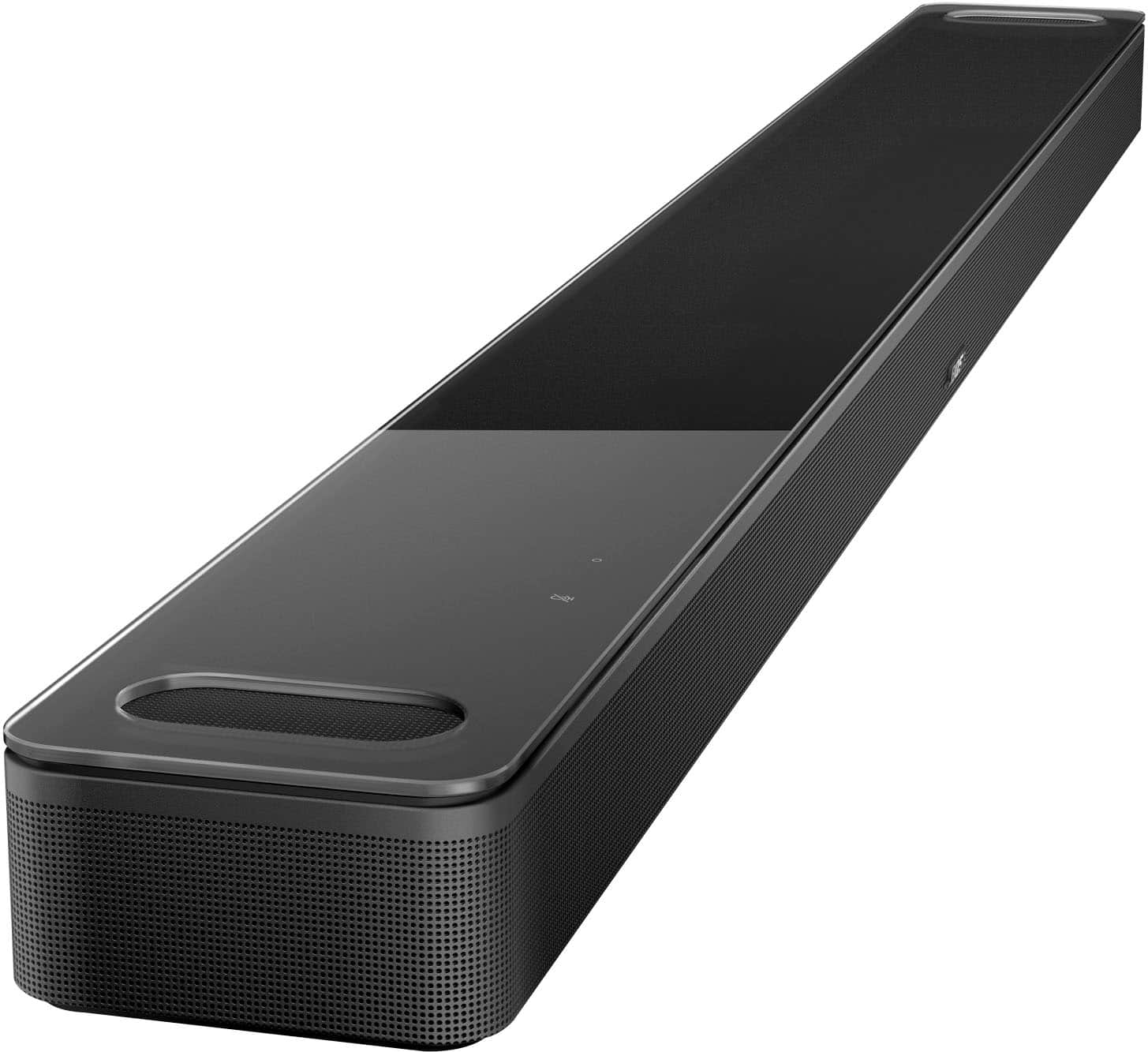
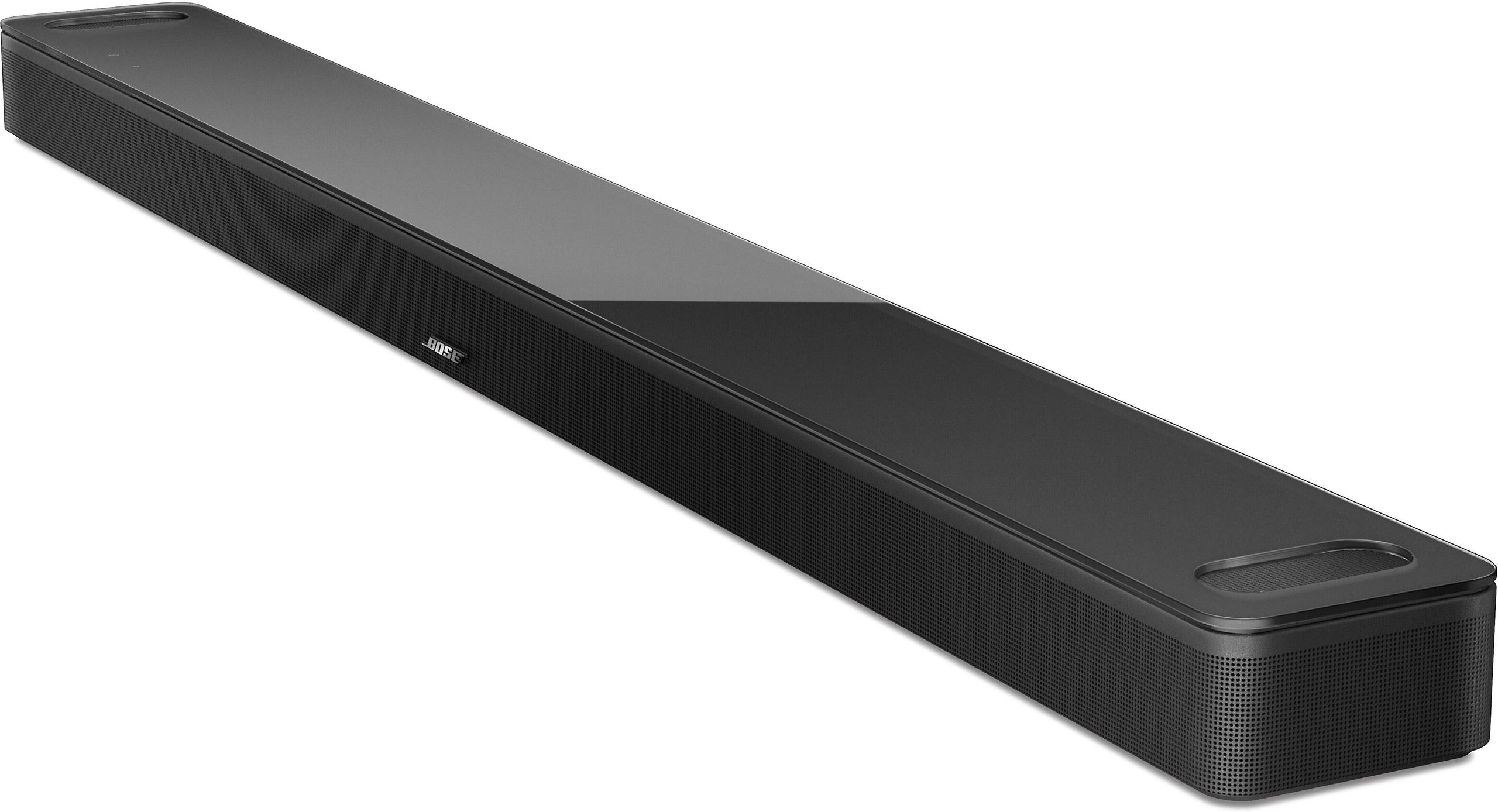
The Bose Smart Ultra Soundbar, launched in 2023, takes a different approach entirely. Rather than relying purely on hardware separation, Bose emphasizes intelligent audio processing. Their TrueSpace technology analyzes any audio signal – whether it's Dolby Atmos or regular stereo – and uses digital processing to create spatial effects. This means even older movies and TV shows can benefit from enhanced surround sound.
This is where the two soundbars diverge most dramatically. The Sony Theater Bar 6 includes a substantial wireless subwoofer with a 6-inch driver that can reproduce frequencies as low as 20 Hz. To put that in perspective, that's below the threshold of human hearing – you don't just hear these frequencies, you feel them as physical vibrations.
During action sequences, this difference becomes immediately apparent. When a building collapses in a Marvel movie or a spaceship engines roar to life, the Sony system delivers that chest-thumping impact that makes the experience visceral rather than just loud. The subwoofer's wireless design means you can position it anywhere in your room for optimal bass response, typically in a corner where room boundaries amplify low frequencies.
The Bose Smart Ultra, however, handles bass through drivers built into the main soundbar. While Bose's engineering is impressive – they've managed to extract surprising low-end response from a compact form factor – physics ultimately wins. Without a dedicated subwoofer moving large volumes of air, the Bose simply can't match the Sony's physical impact during bass-heavy content.
For movie enthusiasts and gamers who want to feel explosions and engine roars, the Sony's approach delivers significantly more engagement. However, if you live in an apartment or prioritize a minimal aesthetic, the Bose's all-in-one design might better suit your situation.
Both manufacturers recognize that unclear dialogue ruins the viewing experience, but they've developed different solutions. The Sony Theater Bar 6 uses hardware-based voice enhancement through its dedicated center channel speaker. This physical separation ensures that dialogue occupies its own acoustic space, preventing it from getting masked by background music or sound effects.
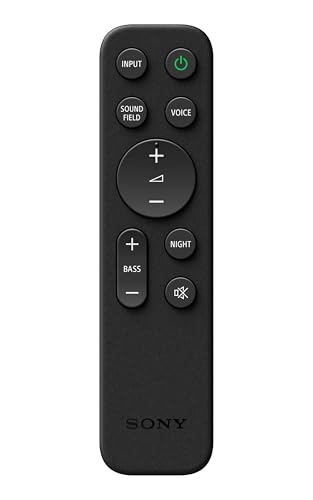
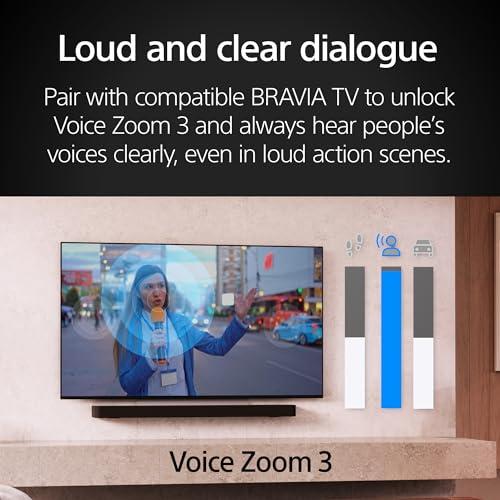
Sony's Voice Mode provides additional dialogue enhancement, boosting the frequency ranges where most speech occurs. When paired with Sony BRAVIA TVs, the Voice Zoom 3.0 feature goes further, using the TV's built-in speakers in combination with the soundbar to isolate and amplify dialogue. While this integration is clever, the real-world improvement is subtle – the dedicated center channel does most of the heavy lifting.
The Bose Smart Ultra approaches dialogue clarity through AI Dialogue Mode, which represents a more sophisticated solution. This feature uses machine learning algorithms trained on millions of audio clips to recognize when dialogue is occurring in real-time. Rather than simply boosting all mid-range frequencies, it dynamically adjusts the tonal balance to make speech more intelligible while preserving the impact of music and sound effects.
In practice, both systems excel at dialogue clarity, but for different reasons. Sony's approach is consistent and reliable – that center channel always prioritizes voices. Bose's AI system is more adaptive, potentially providing better results across diverse content types, from whispered conversations in dramas to shouted dialogue during action sequences.
The challenge for any soundbar is creating the illusion that sound is coming from all around you when the speakers are positioned in front of your TV. Both the Sony Theater Bar 6 and Bose Smart Ultra support Dolby Atmos, but their implementation strategies differ significantly.
Sony relies on physical up-firing speakers that bounce sound off your ceiling to create height effects. When properly positioned, these can generate convincing overhead audio – imagine rain falling from above or a helicopter passing overhead. The effectiveness depends heavily on your room's acoustics: flat ceilings work best, while vaulted or textured ceilings can scatter the reflected sound.
For horizontal surround effects, Sony uses S-Force PRO Front Surround, which creates virtual surround channels through digital processing. While this works reasonably well for creating a wider soundstage than the physical bar, it can't match the immersion of actual surround speakers placed behind your listening position.
Bose takes a purely virtual approach with their TrueSpace and PhaseGuide technologies. Rather than reflecting sound off surfaces, these systems use psychoacoustic principles – essentially tricking your brain into perceiving sounds as coming from locations where no speakers exist. PhaseGuide specifically manipulates the phase relationships between drivers to "beam" sound to different parts of your room.
The Bose approach has advantages: it works consistently regardless of room acoustics and can create surprisingly wide soundstages that extend well beyond the soundbar's physical dimensions. However, the height effects feel less dramatic than Sony's ceiling reflection method when that system works optimally.
Modern soundbars need to integrate seamlessly with our increasingly connected homes, and this is where the Bose Smart Ultra truly excels. Built-in Wi-Fi enables direct access to streaming services like Spotify Connect and AirPlay 2, meaning you can stream music without involving your TV at all. The integrated voice assistants (Amazon Alexa and Google Assistant) allow hands-free control of both the soundbar and connected smart home devices.
The ADAPTiQ room calibration system deserves special mention. This feature uses an included headset microphone to measure your room's acoustic characteristics – how sound reflects off walls, furniture, and other surfaces. The system then adjusts the soundbar's frequency response to compensate for your room's unique acoustic signature. It's similar to the room correction systems found in high-end AV receivers, but simplified for consumer use.
The Sony Theater Bar 6 takes a more focused approach to smart features. Its strength lies in integration with Sony's ecosystem, particularly BRAVIA TVs. BRAVIA SYNC allows unified control through your TV remote, and the BRAVIA Connect app provides smartphone-based setup and customization. However, wireless connectivity is limited to Bluetooth, which restricts streaming options compared to Bose's comprehensive wireless capabilities.
Having tested both systems in various room configurations, the performance differences become clear in specific use cases. For movie nights where bass impact matters – think Christopher Nolan films or Marvel blockbusters – the Sony Theater Bar 6 delivers a more engaging experience. The subwoofer's ability to reproduce the full frequency spectrum means you feel the rumble of engines, the thump of explosions, and the weight of orchestral scores.
During dialogue-heavy content like dramas or documentaries, both systems perform well, though the Bose Smart Ultra edges ahead thanks to its AI-powered dialogue processing. The system's ability to adapt in real-time becomes particularly valuable when switching between different types of content throughout an evening.
For music listening, preferences will vary based on your taste. The Sony system's stronger bass response favors genres like hip-hop, electronic, and rock, while the Bose's more balanced frequency response might appeal to acoustic, jazz, and classical listeners. The Bose's direct streaming capabilities also make it more convenient for daily music listening.
Your room's characteristics significantly impact soundbar performance, and these two systems handle different spaces better. The Sony Theater Bar 6 works best in medium-sized rooms with flat or slightly angled ceilings that can effectively reflect the up-firing speakers. The separate subwoofer offers placement flexibility – you can position it wherever bass response is optimal, typically away from the main bar.
The Bose Smart Ultra adapts better to challenging room layouts thanks to its room calibration system and virtual processing. Rooms with high ceilings, irregular shapes, or lots of soft furnishings that absorb sound can benefit from Bose's adaptive approach. The all-in-one design also simplifies placement in smaller spaces or entertainment centers with limited room for a separate subwoofer.
At the time of writing, the Sony Theater Bar 6 typically costs less than the Bose Smart Ultra, making it a compelling value proposition for users prioritizing audio performance over smart features. You're essentially getting more acoustic hardware – five speakers plus a subwoofer – for less money.
However, the Bose system's smart features and room calibration capabilities may provide better long-term satisfaction for users who value convenience and adaptability. The ability to stream music directly, control smart home devices, and automatically optimize performance for your space adds daily utility beyond just TV watching.
The decision between these soundbars ultimately depends on your priorities and setup. Choose the Sony BRAVIA Theater Bar 6 if you want maximum cinematic impact for your investment, particularly if you own a Sony TV and enjoy action movies, gaming, or bass-heavy music. The physical subwoofer and up-firing speakers deliver authentic surround sound experiences when your room acoustics cooperate.
Opt for the Bose Smart Ultra Soundbar if you value smart features, room adaptability, and balanced audio performance across all content types. The AI-powered dialogue enhancement and comprehensive streaming capabilities make it ideal for users who want their soundbar to serve as both a TV audio upgrade and a primary music system.
For most users, both soundbars represent substantial upgrades over TV speakers and basic soundbars. The Sony offers more dramatic improvements for movies and gaming, while the Bose provides more versatile daily use through superior smart features and room adaptation. Neither choice will disappoint – they simply excel in different aspects of the home theater experience.
Consider your viewing habits, room characteristics, and whether you prioritize raw audio impact or intelligent convenience features. Both the Sony BRAVIA Theater Bar 6 and Bose Smart Ultra can transform your living room into an engaging entertainment space – they just take different paths to get there.
| Sony BRAVIA Theater Bar 6 | Bose Smart Ultra Soundbar |
|---|---|
| Channel Configuration - Determines surround sound capabilities | |
| 3.1.2 channels with dedicated center + height speakers | 5.1.2 channels with advanced virtual processing |
| Subwoofer - Critical for bass impact and movie immersion | |
| Wireless 6-inch subwoofer included | No subwoofer (relies on built-in drivers) |
| Total Power Output - Affects maximum volume and dynamic range | |
| 350W total system power | Power output not specified by manufacturer |
| Physical Height Speakers - Creates authentic Dolby Atmos effects | |
| Two up-firing speakers bounce sound off ceiling | Virtual height processing only |
| Voice Enhancement Technology - Essential for clear dialogue | |
| Dedicated center channel + Voice Mode + Voice Zoom 3.0 | AI Dialogue Mode with machine learning adaptation |
| Room Calibration - Optimizes sound for your specific space | |
| Manual room setup through app | ADAPTiQ automatic calibration with headset |
| Wireless Connectivity - Determines streaming and smart features | |
| Bluetooth only | Wi-Fi, Bluetooth, AirPlay 2, Spotify Connect |
| Voice Assistant Integration - Smart home control capabilities | |
| None (basic BRAVIA TV integration only) | Built-in Alexa and Google Assistant |
| TV Brand Integration - Seamless control and enhanced features | |
| Excellent with Sony BRAVIA TVs (BRAVIA SYNC) | Universal compatibility with all TV brands |
| Supported Audio Formats - Content compatibility range | |
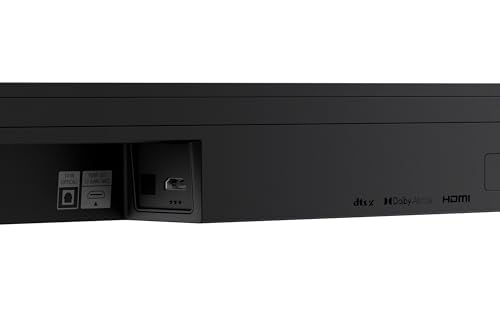
| Dolby Atmos, DTS:X | Dolby Atmos (DTS:X not specified) |
| Design Footprint - Space requirements in your entertainment center | |
| Compact bar + separate subwoofer placement needed | Single bar design, no additional components |
| Release Year - Indicates latest technology and features | |
| 2024 (newest Sony soundbar technology) | 2023 (established Bose premium features) |
The Sony BRAVIA Theater Bar 6 is generally better for home theater use thanks to its included wireless subwoofer that delivers powerful, room-filling bass essential for action movies. The physical up-firing speakers create more authentic Dolby Atmos height effects compared to the Bose Smart Ultra Soundbar's virtual processing. However, the Bose excels at dialogue clarity with its AI Dialogue Mode that automatically balances voices against background effects.
The Sony BRAVIA Theater Bar 6 includes a wireless subwoofer in the box, providing deep bass without additional purchases. The Bose Smart Ultra Soundbar relies on built-in drivers and doesn't come with a subwoofer, though it can be paired with compatible Bose subwoofers sold separately. For most users wanting impactful movie bass, the Sony's included subwoofer offers better value.
The Bose Smart Ultra Soundbar significantly outperforms the Sony BRAVIA Theater Bar 6 in smart features, offering built-in Wi-Fi, voice assistants (Alexa and Google), AirPlay 2, and direct streaming service access. The Sony is limited to Bluetooth connectivity and basic integration with Sony TVs, making the Bose more versatile for streaming music and smart home control.
Both soundbars excel at dialogue but use different approaches. The Sony BRAVIA Theater Bar 6 uses a dedicated center channel speaker with Voice Mode for consistent voice clarity. The Bose Smart Ultra Soundbar employs AI Dialogue Mode that uses machine learning to automatically balance dialogue against background sounds in real-time, potentially providing better adaptation across different content types.
The Bose Smart Ultra Soundbar is better suited for smaller spaces due to its single-unit design and ADAPTiQ room calibration that adapts to any room acoustics. The Sony BRAVIA Theater Bar 6 requires placement space for both the main bar and subwoofer, though the wireless subwoofer offers flexible positioning to optimize bass in compact rooms.
Both the Sony BRAVIA Theater Bar 6 and Bose Smart Ultra Soundbar support Dolby Atmos, but with different implementations. The Sony uses physical up-firing speakers that bounce sound off your ceiling for authentic height effects, while the Bose creates virtual surround and height effects through advanced digital processing that works in more room types.
The Sony BRAVIA Theater Bar 6 typically offers better value by including more physical hardware (five speakers plus a wireless subwoofer) at a lower price point. The Bose Smart Ultra Soundbar commands a premium for its smart features, room calibration, and brand reputation, making it better value for users prioritizing convenience and advanced processing over raw audio hardware.
The Sony BRAVIA Theater Bar 6 offers straightforward setup, especially with Sony TVs through BRAVIA SYNC integration. The Bose Smart Ultra Soundbar provides more comprehensive setup options including ADAPTiQ automatic room calibration using an included headset microphone, plus smartphone app control for detailed customization and streaming service access.
Music preferences vary, but the Sony BRAVIA Theater Bar 6 excels with bass-heavy genres thanks to its powerful subwoofer, while the Bose Smart Ultra Soundbar offers more balanced sound that may appeal to acoustic and classical music listeners. The Bose also provides more convenient music streaming options with direct Wi-Fi connectivity and service integration.
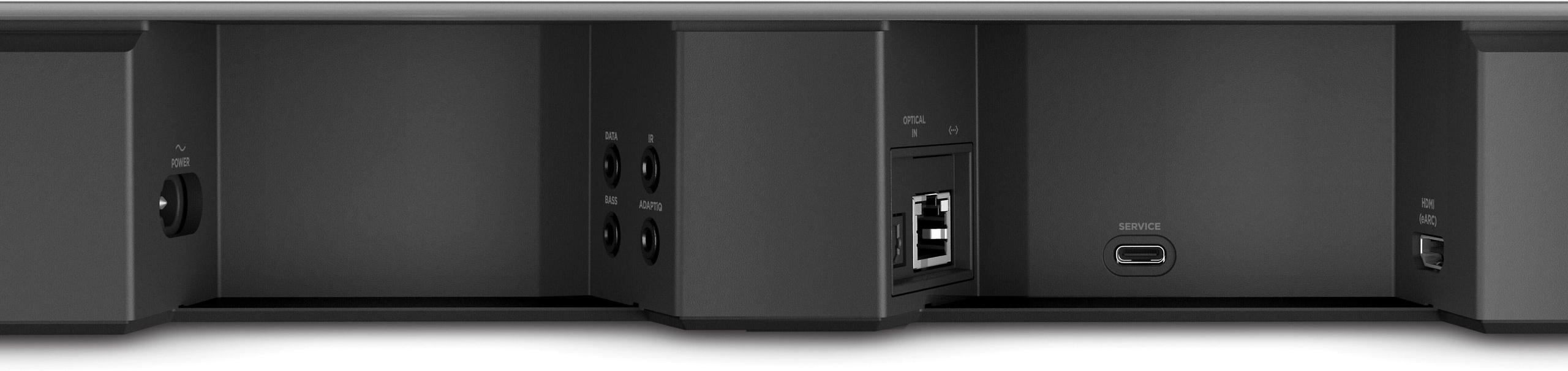
The Bose Smart Ultra Soundbar works universally with all TV brands through HDMI ARC/eARC and optical connections. The Sony BRAVIA Theater Bar 6 also connects to any TV but offers enhanced integration features like Voice Zoom 3.0 specifically with Sony BRAVIA TVs, making it more appealing for Sony TV owners.
The Sony BRAVIA Theater Bar 6 delivers significantly superior bass performance with its dedicated 6-inch wireless subwoofer that reproduces frequencies as low as 20Hz. The Bose Smart Ultra Soundbar relies on built-in drivers that, while well-engineered, cannot match the physical impact and deep bass extension of a dedicated subwoofer for movie and gaming audio.
Room acoustics impact both systems differently. The Sony BRAVIA Theater Bar 6 performs best in rooms with flat ceilings that can effectively reflect its up-firing speakers for height effects. The Bose Smart Ultra Soundbar adapts better to challenging room layouts through its ADAPTiQ calibration system and virtual processing, making it more suitable for rooms with high ceilings or irregular shapes.
We've done our best to create useful and informative comparisons to help you decide what product to buy. Our research uses advanced automated methods to create this comparison and perfection is not possible - please contact us for corrections or questions. These are the sites we've researched in the creation of this article: rtings.com - bestbuy.com - whathifi.com - youtube.com - youtube.com - sony.com - galaxus.at - helpguide.sony.net - audioadvice.com - electronics.sony.com - youtube.com - youtube.com - electronics.sony.com - helpguide.sony.net - whatgear.net - consumerreports.org - techradar.com - bose.com - bestbuy.com - tomsguide.com - pcrichard.com - rtings.com - bose.com - boselatam.com - avsforum.com - bose.com

Privacy Policy
Terms and Conditions - Affiliate Policy
Home Security
© Copyright 2008-2026.
11816 Inwood Rd #1211, Dallas, TX 75244