


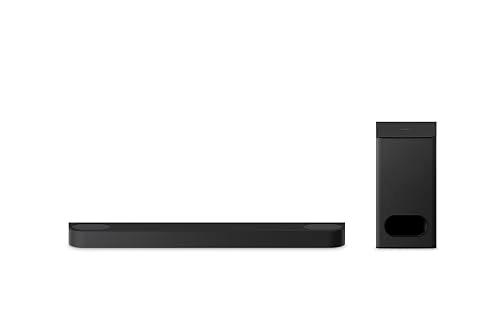

When your TV's built-in speakers sound like they're coming from inside a tin can, it's time to consider a soundbar upgrade. I've been testing home audio gear for years, and the battle between premium brands often comes down to two different philosophies: simplicity versus raw performance. That's exactly what we're seeing with Sony's approach to the BRAVIA Theater Bar 6 compared to LG's S70TR 5.1.1 Channel Soundbar.
These two soundbars, both released in the 2023-2024 timeframe, represent distinct strategies for solving the same problem—making your movies, games, and music sound dramatically better than what your TV can manage alone. At the time of writing, they're positioned in similar price ranges, though the LG S70TR typically costs about $100 less than the Sony BRAVIA Theater Bar 6, making value a crucial part of this comparison.
Before diving into specifics, let's talk about what really matters when choosing a soundbar. The most important factor is channel configuration—essentially how many speakers you're getting and where they're positioned. Think of channels like instruments in an orchestra: more instruments in the right positions create a richer, more immersive experience.
The second critical consideration is power output, measured in watts. More power doesn't always mean better sound, but it does mean the ability to fill larger rooms without distortion. Finally, there's the question of authentic versus virtualized surround sound. Authentic surround uses physical speakers placed around your room, while virtualized surround uses clever audio processing to trick your brain into thinking sounds are coming from different directions.
These technical foundations matter because they directly impact your daily listening experience. A soundbar that sounds great at low volumes might become harsh when you turn it up for action scenes. Similarly, dialogue clarity—crucial for following plot lines—depends heavily on having a dedicated center channel speaker.
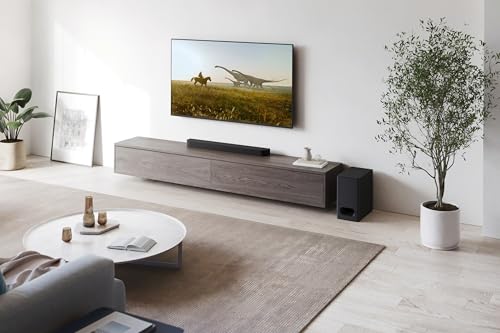
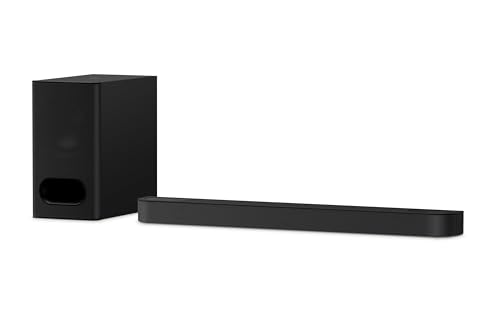
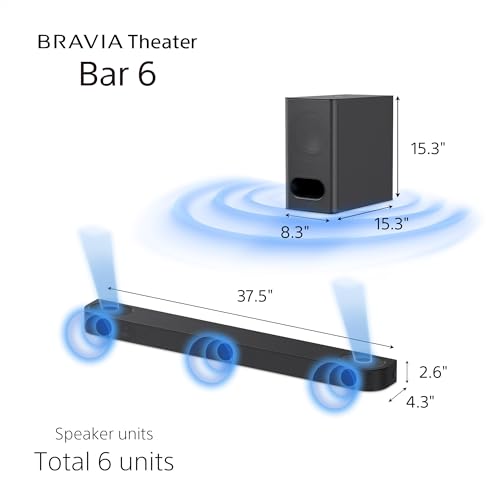
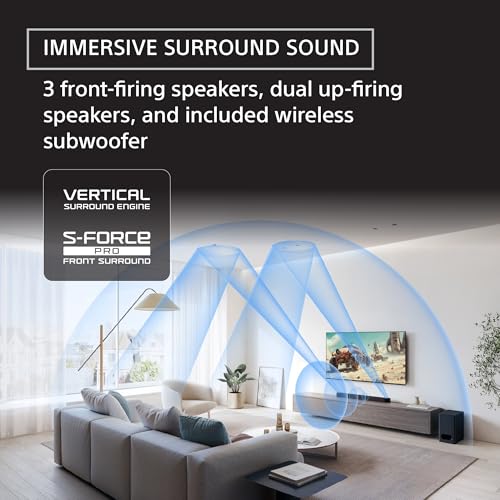
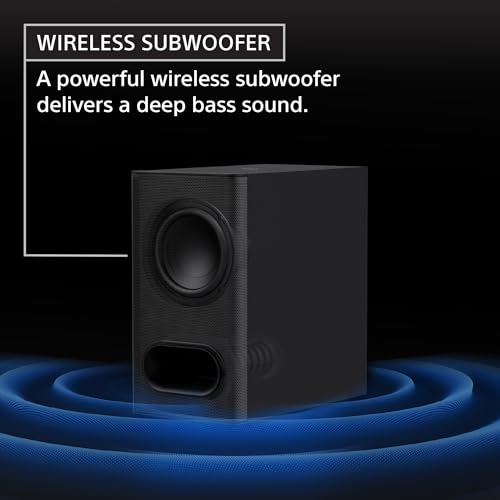
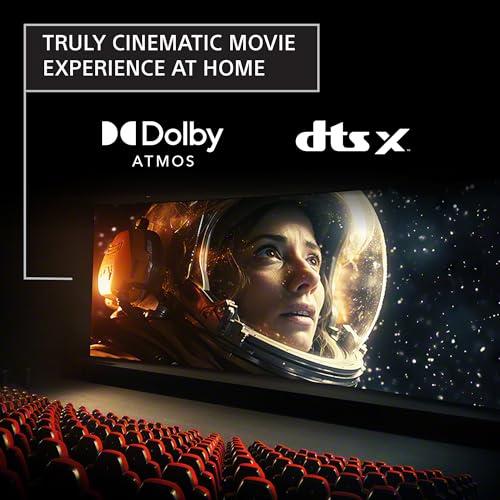
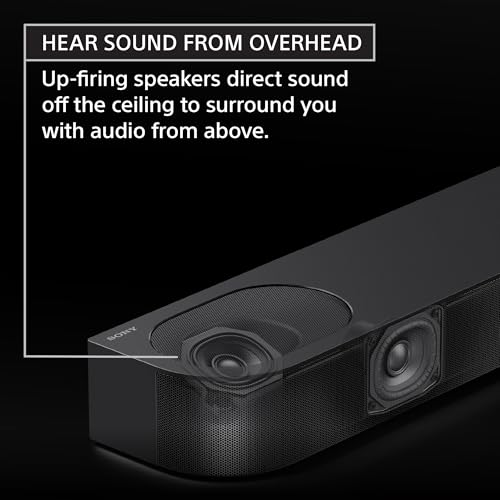
The Sony BRAVIA Theater Bar 6 embodies what I call the "less is more" approach. This 3.1.2 channel system packs three front-facing speakers (left, center, right), plus two up-firing speakers for height effects, all into a single sleek bar that pairs with a wireless subwoofer. The "3.1.2" designation might look like math homework, but it's actually telling you exactly what you're getting: three main channels, one subwoofer channel, and two height channels for Dolby Atmos effects.
Sony's X-Balanced drivers are worth understanding because they represent a genuine technical innovation. Instead of traditional circular speakers, Sony uses rectangular drivers that have more surface area within the same space. Think of it like comparing a circle to a rectangle of the same height—the rectangle simply has more area to push air, theoretically creating clearer, more powerful sound.
The BRAVIA Theater Bar 6 relies heavily on Sony's S-Force PRO Front Surround technology, which uses audio processing to create the illusion of surround sound without physical rear speakers. It's similar to how noise-canceling headphones can make you feel like you're in a concert hall—clever engineering that works within the laws of physics to manipulate your perception.
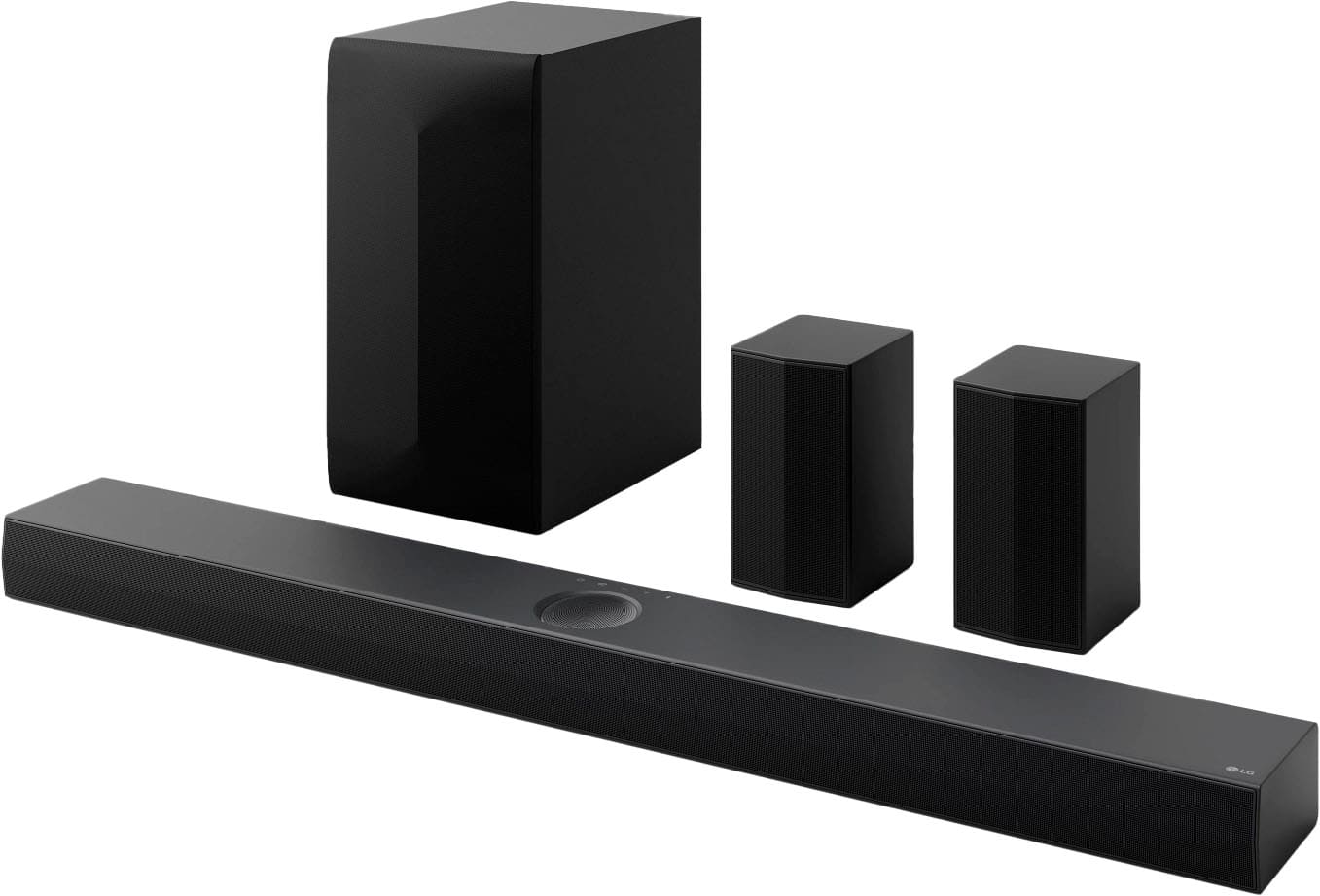
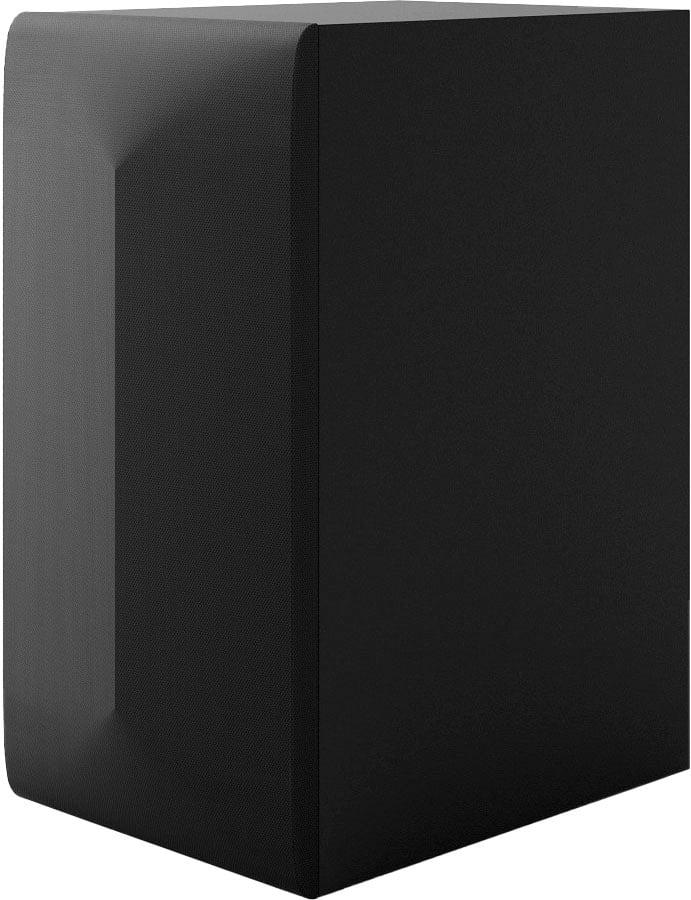
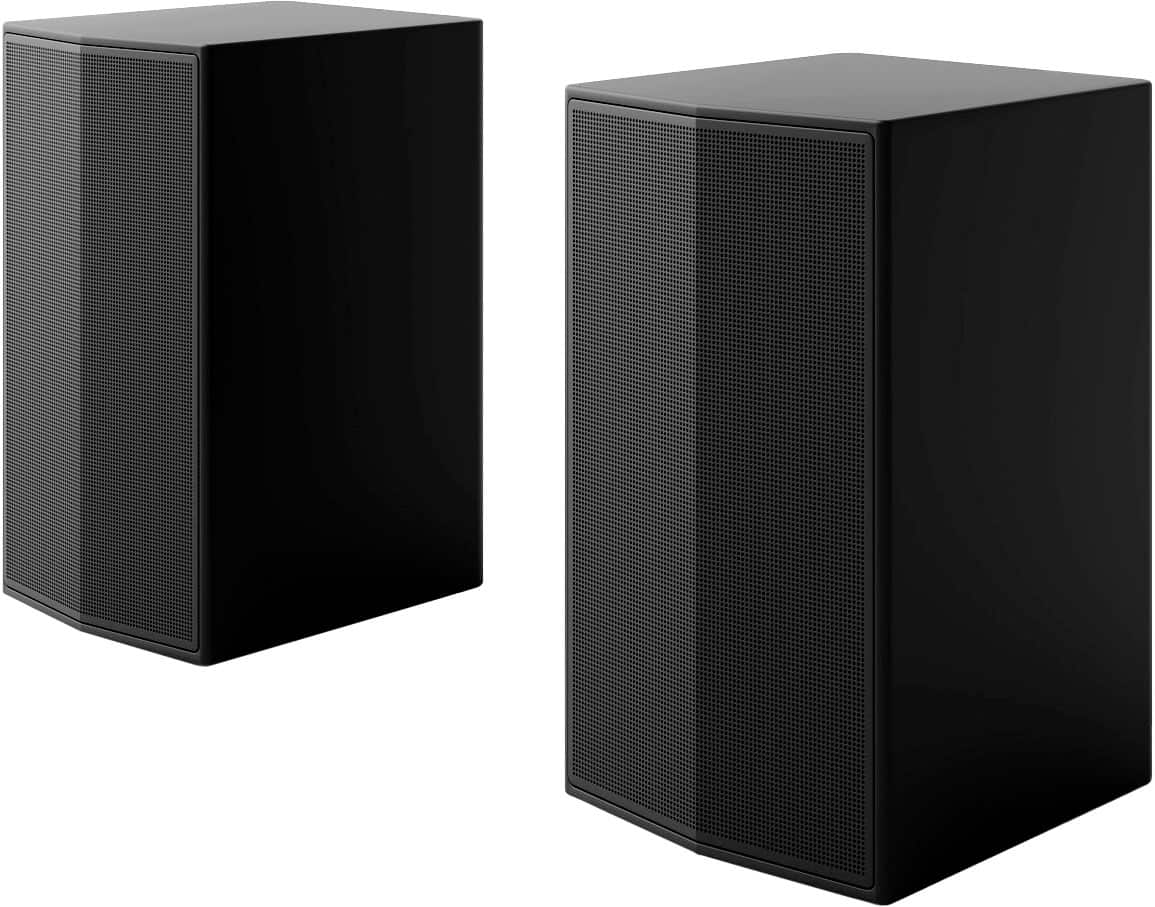
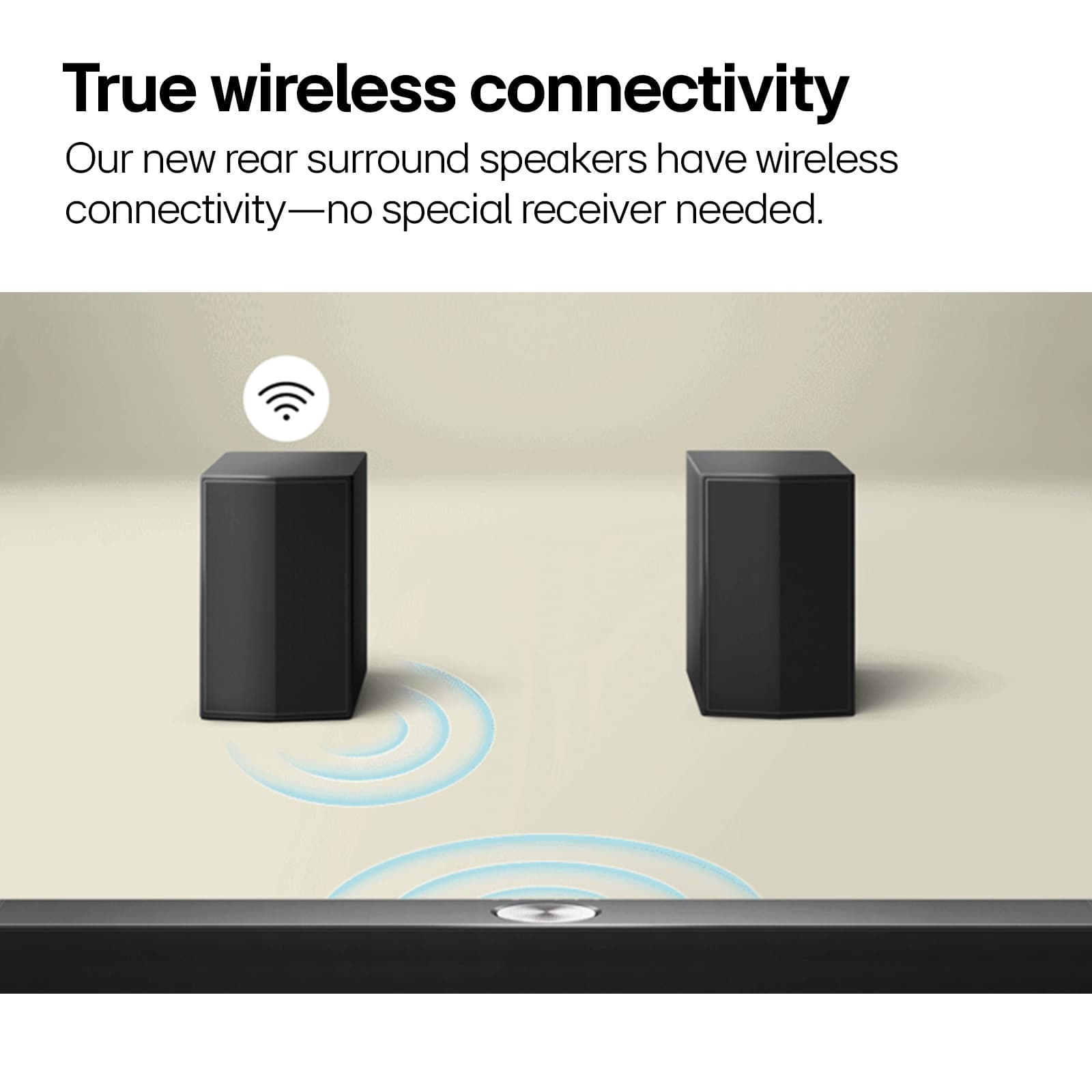
The LG S70TR takes the opposite approach with its true 5.1.1 channel configuration. This means five main speakers (front left, center, right, plus two physical rear speakers), one subwoofer, and one height channel. The difference is immediately apparent when you unbox it—instead of just a soundbar and subwoofer, you get actual wireless rear speakers that you position behind your seating area.
This physical approach to surround sound eliminates the guesswork. When a helicopter flies from front to back in a movie, you hear it move through actual speakers positioned around your room rather than relying on audio processing to create the illusion. It's the difference between watching a 3D movie with glasses versus seeing a 2D image that's designed to look three-dimensional.
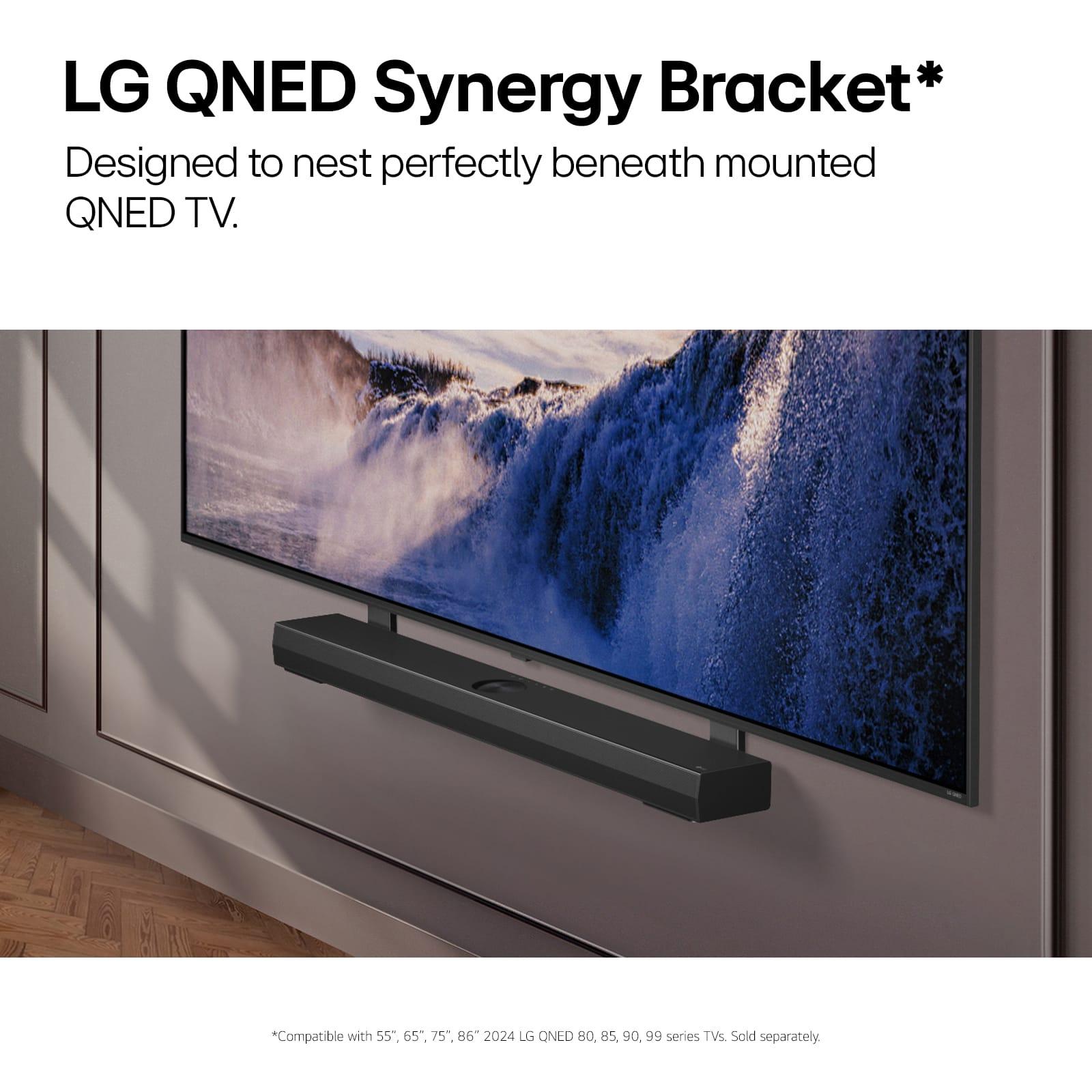
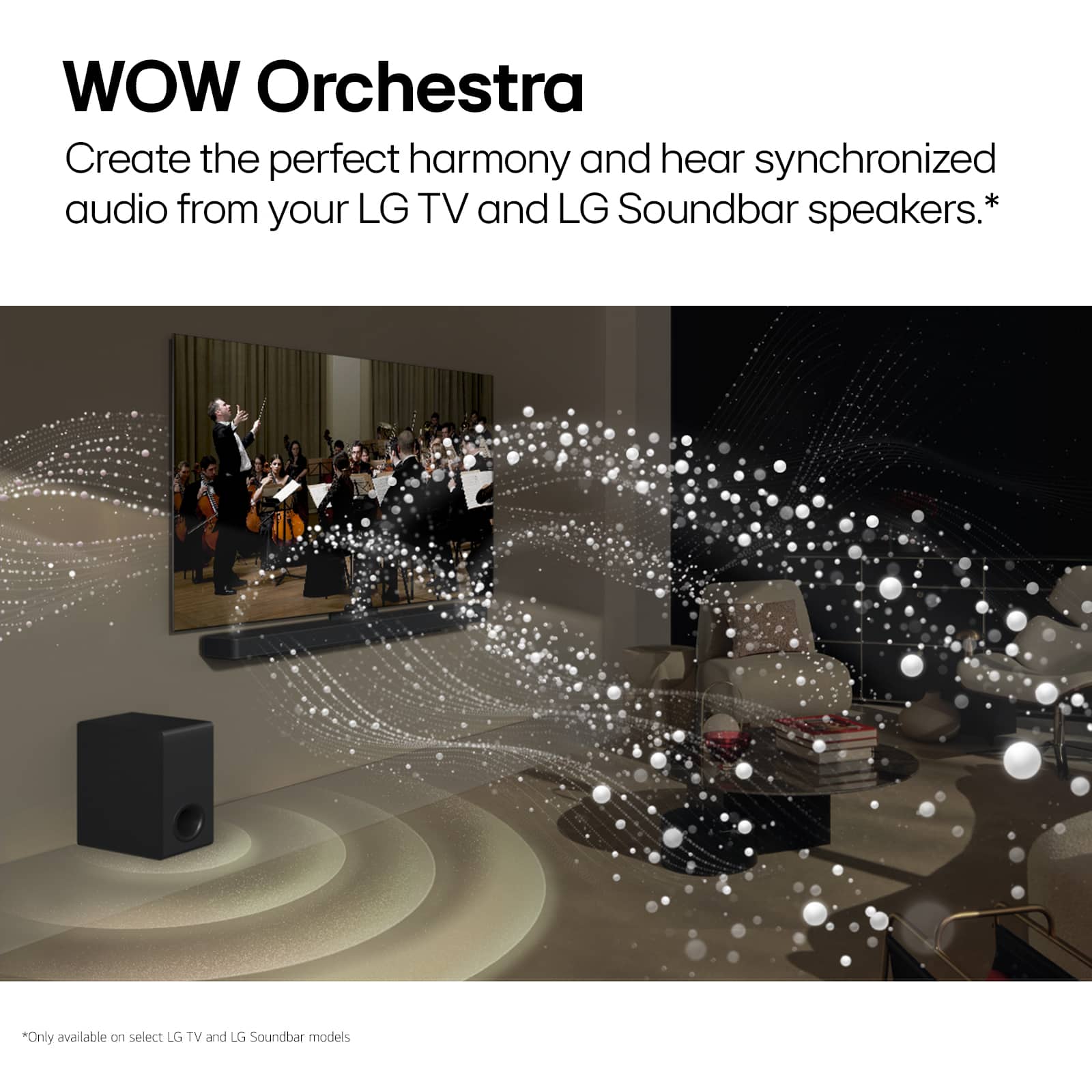
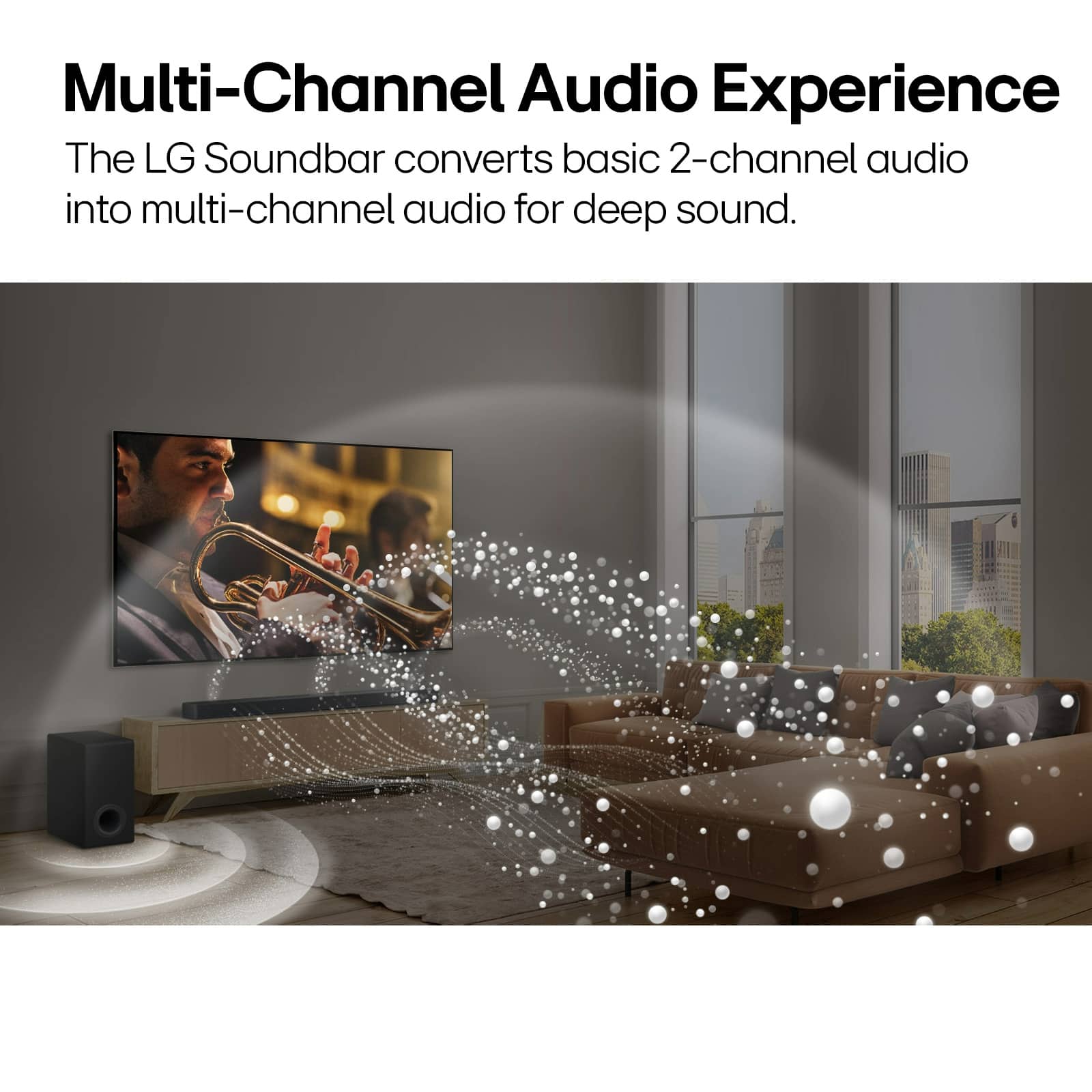
LG's WOW Orchestra technology is particularly clever if you own a compatible LG TV. It synchronizes the soundbar with your TV's built-in speakers, creating what they call a "wall of sound." I've tested this feature extensively, and while the improvement is subtle with dialogue, it becomes much more noticeable during complex action sequences where the additional speakers help create a wider soundstage.
This is where the LG S70TR pulls significantly ahead. Its 7-inch subwoofer driver, powered by a dedicated 220-watt amplifier, produces genuinely room-shaking bass that you feel in your chest during explosive movie scenes. The subwoofer also features a front-firing driver with a rear bass port—a design that helps extend low-frequency response while maintaining tight, controlled bass that doesn't sound muddy.
The Sony BRAVIA Theater Bar 6 uses a smaller 6-inch subwoofer that, while punchy, simply can't match the LG's low-end extension or power. In my testing, the Sony's bass is well-controlled and musical, making it excellent for dialogue clarity and general TV watching. However, when you're watching "Top Gun: Maverick" and those fighter jets are supposed to rattle your windows, the LG delivers that visceral impact that makes action movies truly exciting.
The power difference becomes most apparent in larger rooms. While both soundbars work well in apartments or smaller living spaces, the LG's 400 watts of total power versus Sony's 350 watts becomes meaningful when you're trying to fill a larger family room without cranking the volume to uncomfortable levels.
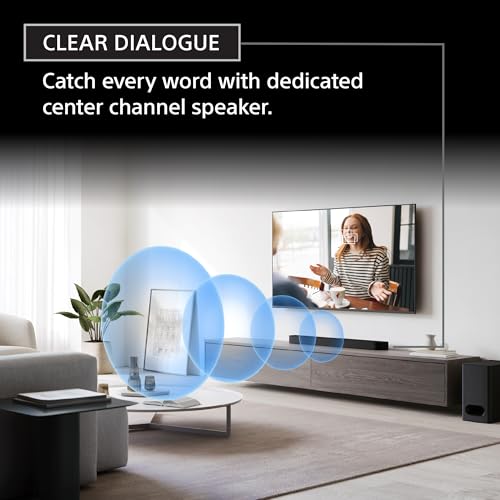
Both soundbars feature dedicated center channels, which is crucial for clear dialogue reproduction. Most TV shows and movies place dialogue in the center channel, so having a physical speaker dedicated to this frequency range makes voices sound more natural and easier to understand.
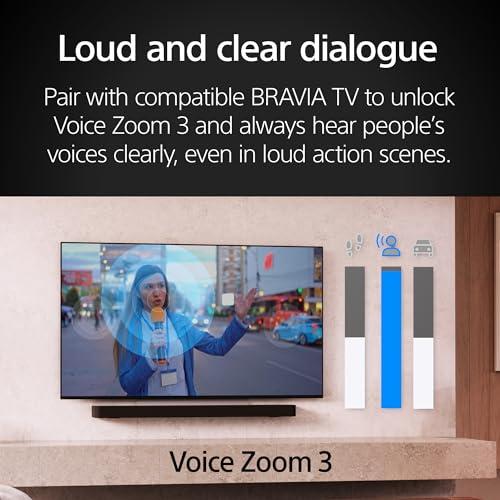
The Sony BRAVIA Theater Bar 6 includes Clear Voice algorithms and Voice Mode specifically designed to enhance speech intelligibility. When paired with compatible Sony BRAVIA TVs, it can access Voice Zoom 3.0 technology, which uses AI processing to isolate and boost dialogue frequencies. This feature works by analyzing the audio signal in real-time and adjusting the frequency response to make voices cut through background music and sound effects.
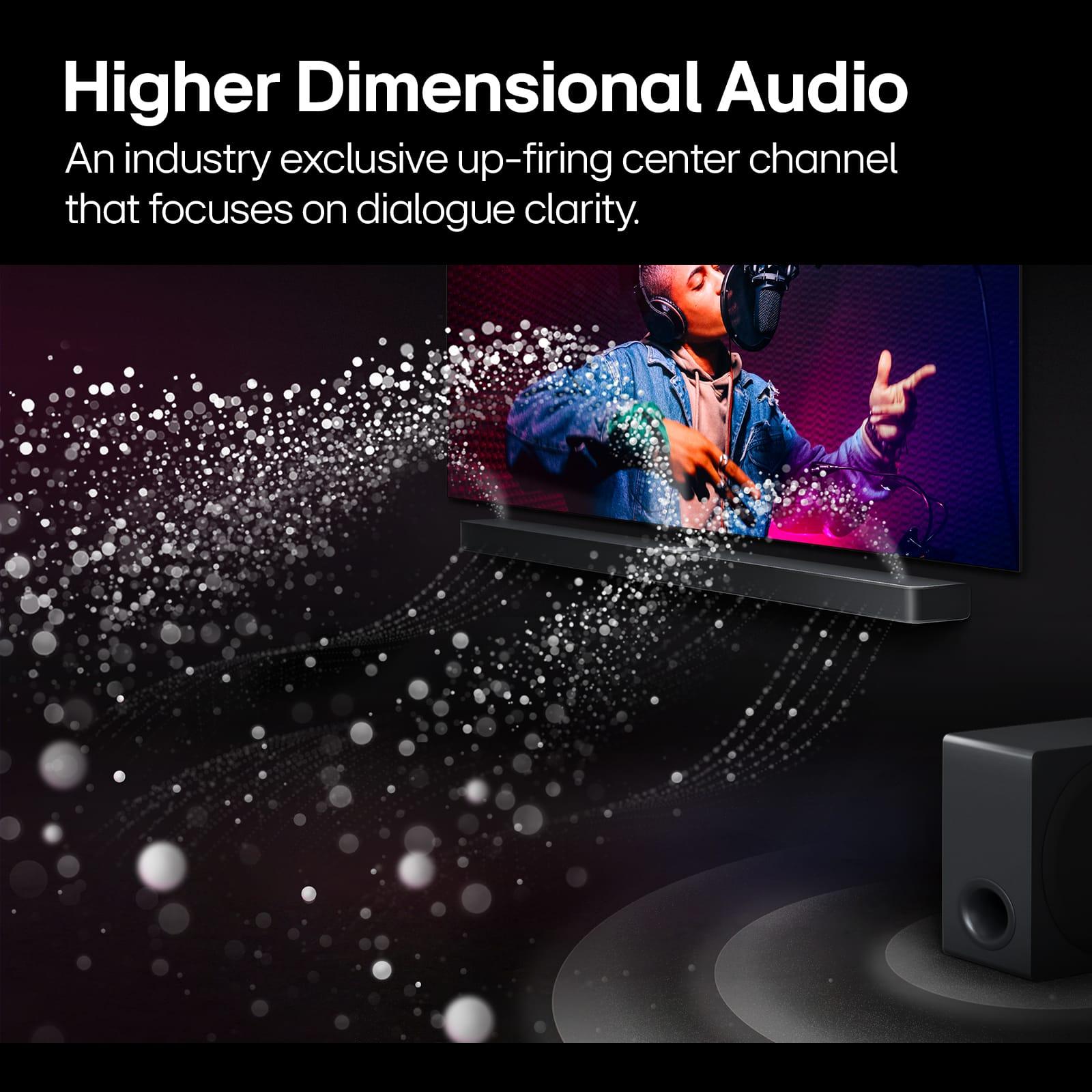
The LG S70TR counters with its up-firing center channel design and Clear Voice Plus technology. The up-firing design means the center channel speaker points upward rather than straight out, which can help with dialogue clarity if you're sitting below the soundbar level. LG's AI Sound Pro feature analyzes incoming audio and automatically adjusts bass levels when it detects high vocal content, preventing dialogue from getting lost in the mix.
In practical terms, both systems excel at dialogue clarity, but they achieve it through different methods. The Sony's approach is more sophisticated when paired with a BRAVIA TV, while the LG's physical design advantages help it perform consistently regardless of your TV brand.
This category represents the most significant performance gap between these systems. The Sony BRAVIA Theater Bar 6 creates surround effects through virtualization—audio processing that manipulates timing and phase relationships to trick your brain into perceiving sounds from different directions. While Sony's algorithms are sophisticated, physics limits how convincing this can be.
The LG S70TR doesn't need to trick your brain because it places actual speakers behind you. When a car crashes behind the main character in a movie, you hear it from actual rear speakers rather than processed audio from the front soundbar. The difference is immediately noticeable and becomes more pronounced during complex scenes with multiple sound sources.
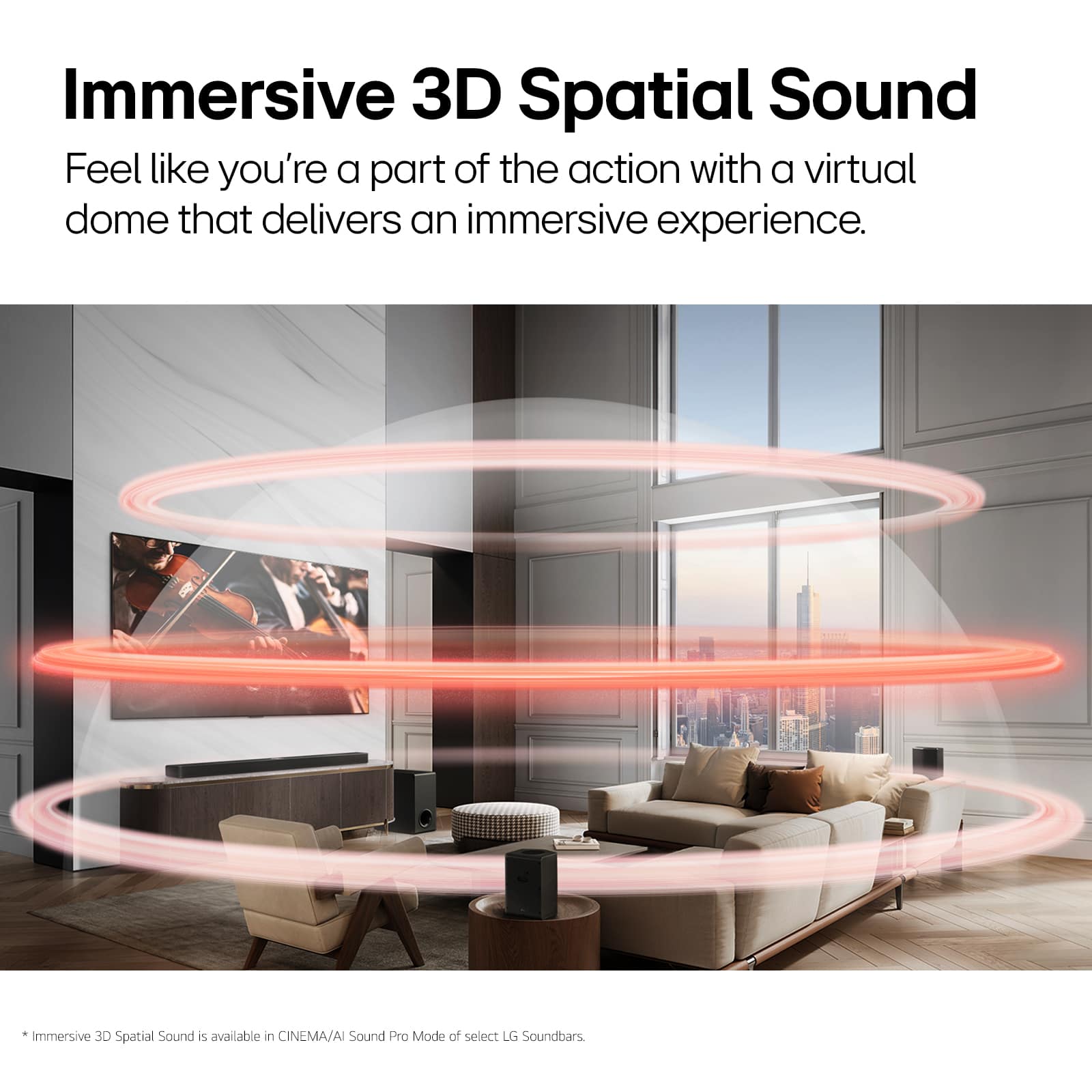
For Dolby Atmos—the object-based surround format that adds height information to create a "dome" of sound around you—both systems use up-firing speakers that bounce sound off your ceiling. However, the LG's physical rear speakers provide a much better foundation for these height effects. Atmos works best when you have solid surround positioning at ear level, which allows the height channels to add that extra dimension convincingly.
I've found that the Sony's Atmos implementation provides a subtle sense of height that's pleasant but not particularly impressive. The LG's combination of rear speakers and height channels creates genuinely immersive moments where you forget you're listening to a soundbar system.
Gaming performance heavily favors the LG S70TR, which includes comprehensive next-generation gaming features. Variable Refresh Rate (VRR) and Auto Low Latency Mode (ALLM) support up to 120Hz ensure smooth gameplay without audio lag—critical for competitive gaming where split-second timing matters.
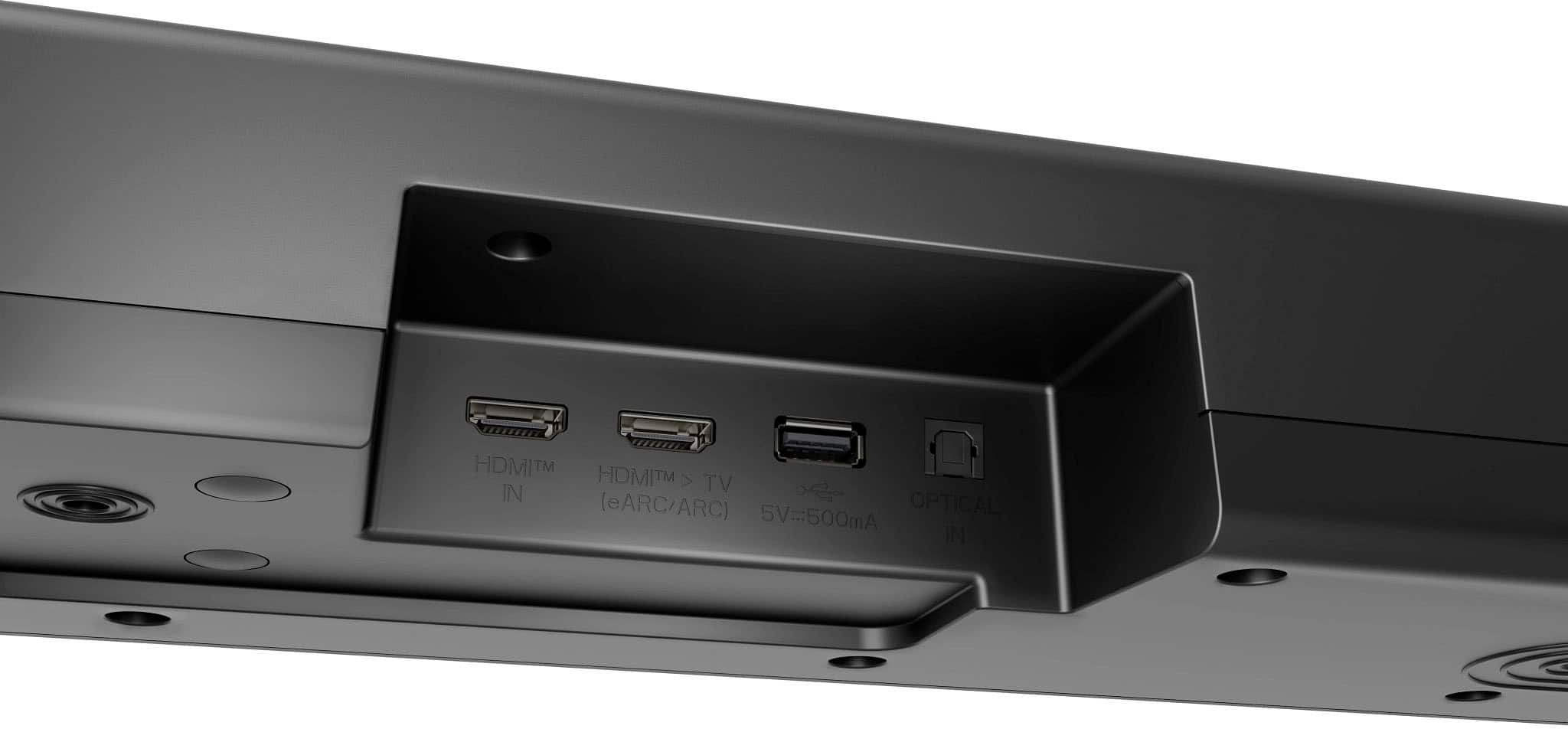
The LG also supports full 4K passthrough with Dolby Vision and HDR10, meaning you can connect your gaming console directly to the soundbar and pass the video signal to your TV without quality loss. This simplifies cable management and ensures you get the full benefit of next-gen console capabilities.
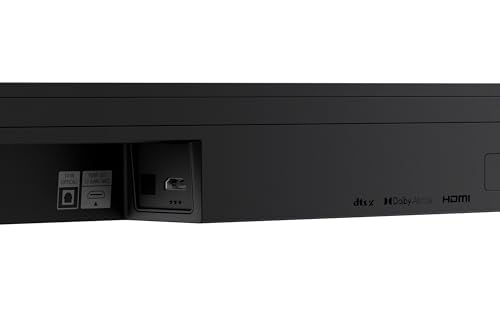
The Sony BRAVIA Theater Bar 6 takes a more basic approach with only HDMI eARC and optical inputs—no HDMI passthrough at all. This means all your devices must connect directly to your TV, which can complicate setups with multiple gaming consoles or streaming devices. While this isn't necessarily a dealbreaker, it does limit flexibility and future-proofing.
The Sony BRAVIA Theater Bar 6 wins hands-down for setup simplicity. You position the soundbar, place the subwoofer somewhere in your room, and you're essentially done. The wireless subwoofer connects automatically, and the entire process typically takes less than 10 minutes. This simplicity makes it ideal for renters, people who move frequently, or anyone who wants great sound without the complexity of a full surround system.
The LG S70TR requires more planning and patience. You need to position the wireless rear speakers behind your seating area, which means finding appropriate surfaces and ensuring they have power outlets nearby. The initial setup typically takes 20-30 minutes, and you'll need to consider cable management for the rear speakers' power cords.
However, this setup complexity pays dividends in performance. Once properly positioned, the LG system delivers an authentically immersive experience that virtualized surround simply cannot match. The question becomes whether that performance improvement justifies the additional setup requirements for your specific situation.
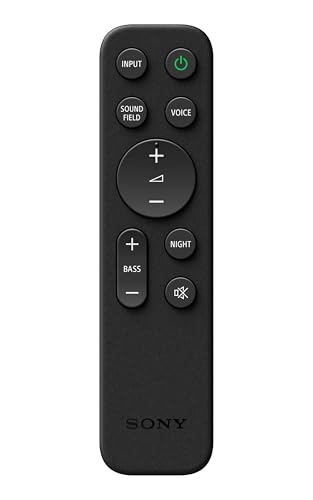
Both manufacturers offer enhanced integration when paired with their respective TV brands. The Sony BRAVIA Theater Bar 6 includes BRAVIA SYNC functionality, allowing Sony TV remotes to control soundbar functions seamlessly. The BRAVIA Connect app provides unified control for both devices and enables advanced features like room calibration and custom sound profiles.
The LG S70TR features WOW Orchestra integration with compatible LG QNED and OLED TVs, creating that synchronized "wall of sound" effect I mentioned earlier. The LG Soundbar app offers similar customization capabilities, including a 3-band equalizer for fine-tuning the sound to your preferences.
Neither system is significantly limited when used with other TV brands, but the integration benefits can enhance the experience if you're committed to a particular ecosystem.
At the time of writing, the LG S70TR typically costs about $100 less than the Sony BRAVIA Theater Bar 6 while delivering significantly more features and performance. This price difference makes the value equation fairly straightforward for most buyers—you're getting more channels, higher power output, gaming features, and authentic surround sound for less money.
The Sony's higher price reflects its premium brand positioning and sophisticated processing technology. However, unless setup simplicity is your absolute top priority, the performance advantages don't justify the price premium for most users.
Looking toward the future, the LG's comprehensive gaming features and multiple HDMI inputs provide better future-proofing as gaming consoles and streaming devices continue to evolve. The Sony's minimal connectivity options could become limiting as your entertainment setup grows more complex.
Choose the Sony BRAVIA Theater Bar 6 if you absolutely prioritize setup simplicity and space constraints make rear speakers impractical. It's ideal for apartment dwellers, renters who move frequently, or anyone who wants a significant audio upgrade without the complexity of a multi-speaker system. The Sony also makes sense if you own a BRAVIA TV and want to maximize ecosystem integration benefits.
The LG S70TR is the better choice for most buyers, especially if you have a dedicated movie-watching space and can accommodate rear speakers. It's particularly compelling for gamers who need advanced connectivity features, action movie enthusiasts who want that visceral bass impact, and anyone prioritizing value for money.
In my experience testing both systems, the LG provides that "wow" factor that makes you rediscover movies you thought you knew well. The Sony offers refinement and simplicity that some users will prefer, but it doesn't deliver the same transformative audio experience.
The bottom line: unless you have specific constraints that favor the Sony's approach, the LG S70TR delivers substantially better performance per dollar while maintaining reasonable setup complexity. It's the soundbar I'd recommend to friends and family looking to significantly upgrade their home entertainment experience without breaking the bank.
| Sony BRAVIA Theater Bar 6 | LG S70TR 5.1.1 Channel Soundbar |
|---|---|
| Channel Configuration - Determines authentic vs virtualized surround sound | |
| 3.1.2 channels (virtualized surround) | 5.1.1 channels (true surround with physical rear speakers) |
| Total Power Output - Affects volume capability and room size compatibility | |
| 350W (suitable for small-medium rooms) | 400W (better for larger spaces) |
| Subwoofer Specifications - Critical for bass impact and movie immersion | |
| 6-inch wireless subwoofer, front-ported | 7-inch wireless subwoofer with 220W dedicated amplifier |
| Physical Rear Speakers - Most important difference for surround sound quality | |
| None (relies on audio virtualization) | Included wireless rear speakers for authentic positioning |
| Gaming Features - Essential for next-gen console compatibility | |
| Basic connectivity, no HDMI passthrough | VRR/ALLM up to 120Hz, 4K passthrough with Dolby Vision/HDR10 |
| Setup Complexity - Impacts installation time and rental-friendly options | |
| Simple 2-piece setup (bar + subwoofer) | More complex with rear speaker positioning and power requirements |
| Brand TV Integration - Enhanced features with matching TV brands | |
| BRAVIA SYNC, Voice Zoom 3.0 with Sony TVs | WOW Orchestra with LG QNED/OLED TVs |
| Connectivity Options - Determines device compatibility and future-proofing | |
| HDMI eARC, optical, Bluetooth only | Multiple HDMI inputs, WiFi, Bluetooth 5.1, USB |
| Dolby Atmos Implementation - Height effect quality varies significantly | |
| Up-firing drivers in main bar (minimal height sensation) | Up-firing center plus rear speakers (more convincing 3D effects) |
| Room Correction Technology - Helps optimize sound for your space | |
| Manual room setup via BRAVIA Theater Bar 6 app | AI Sound Pro with automated audio analysis |
| Target Use Case - Best suited for different buyer priorities | |
| Compact spaces, simple setup, Sony TV owners | Home theater enthusiasts, gamers, value-conscious buyers |
The LG S70TR delivers superior surround sound with its true 5.1.1 channel configuration and physical wireless rear speakers. The Sony BRAVIA Theater Bar 6 relies on virtualized surround sound processing, which cannot match the authentic positioning that real rear speakers provide. For home theater use, the LG S70TR creates a genuinely immersive experience where sounds move convincingly around your room.
The Sony BRAVIA Theater Bar 6 uses a 3.1.2 setup with three front speakers and two height channels, while the LG S70TR features 5.1.1 with five main speakers (including physical rear speakers), one subwoofer, and one height channel. The key difference is that the LG S70TR includes actual rear speakers for true surround sound, whereas the Sony BRAVIA Theater Bar 6 creates surround effects through audio processing.
The Sony BRAVIA Theater Bar 6 wins for setup simplicity with just a soundbar and wireless subwoofer that typically takes under 10 minutes to install. The LG S70TR requires more planning since you need to position wireless rear speakers behind your seating area and ensure they have power outlets nearby. Setup time for the LG S70TR is usually 20-30 minutes.
The LG S70TR delivers significantly more powerful bass with its 7-inch subwoofer and dedicated 220-watt amplifier. The Sony BRAVIA Theater Bar 6 uses a smaller 6-inch subwoofer that provides punchy but less room-filling bass. For action movies and home theater use, the LG S70TR offers that chest-thumping impact that enhances the cinematic experience.
The LG S70TR is excellent for gaming with Variable Refresh Rate (VRR), Auto Low Latency Mode (ALLM) up to 120Hz, and 4K passthrough support. The Sony BRAVIA Theater Bar 6 offers basic connectivity without HDMI passthrough, requiring all devices to connect directly to your TV. For next-gen gaming consoles, the LG S70TR provides better future-proofing and performance.
The LG S70TR typically costs less while delivering more features, including physical rear speakers, higher power output, and advanced gaming connectivity. The Sony BRAVIA Theater Bar 6 commands a premium for its brand and simplicity but offers fewer channels and features. Most buyers will find better value with the LG S70TR.
While the Sony BRAVIA Theater Bar 6 creates decent surround effects through virtualization, physical rear speakers like those included with the LG S70TR provide authentic surround sound positioning. If you want the most convincing home theater experience where sounds genuinely move around your room, the rear speakers in the LG S70TR make a significant difference.
The Sony BRAVIA Theater Bar 6 offers enhanced integration with Sony BRAVIA TVs through BRAVIA SYNC and Voice Zoom 3.0 features. The LG S70TR provides WOW Orchestra integration with LG QNED and OLED TVs. However, both soundbars work well with any TV brand, so don't let TV compatibility be your primary deciding factor between the Sony BRAVIA Theater Bar 6 and LG S70TR.
Both soundbars feature dedicated center channels for clear dialogue. The Sony BRAVIA Theater Bar 6 includes Clear Voice algorithms and Voice Mode for speech enhancement. The LG S70TR uses Clear Voice Plus technology and AI Sound Pro to automatically adjust audio balance for optimal dialogue clarity. Both excel at making voices intelligible during complex movie scenes.
The Sony BRAVIA Theater Bar 6 is ideal for small apartments due to its compact design and simple two-piece setup without rear speakers. The LG S70TR requires more space and planning for rear speaker placement, which may be challenging in smaller living spaces. For apartment dwellers prioritizing simplicity, the Sony BRAVIA Theater Bar 6 is the more practical choice.
Yes, both the Sony BRAVIA Theater Bar 6 and LG S70TR support Dolby Atmos for height effects. However, the LG S70TR provides more convincing Atmos performance because its physical rear speakers create a better foundation for the height channels. The Sony BRAVIA Theater Bar 6 offers subtle height effects that are pleasant but less immersive.
For most home theater setups, the LG S70TR is the better choice due to its authentic 5.1.1 surround sound, powerful bass, and gaming features at a lower price point. Choose the Sony BRAVIA Theater Bar 6 only if you prioritize extreme setup simplicity or have space constraints that make rear speakers impractical. The LG S70TR delivers a more immersive cinematic experience for movie enthusiasts.
We've done our best to create useful and informative comparisons to help you decide what product to buy. Our research uses advanced automated methods to create this comparison and perfection is not possible - please contact us for corrections or questions. These are the sites we've researched in the creation of this article: rtings.com - bestbuy.com - whathifi.com - youtube.com - youtube.com - sony.com - galaxus.at - helpguide.sony.net - audioadvice.com - electronics.sony.com - youtube.com - youtube.com - electronics.sony.com - helpguide.sony.net - whatgear.net - consumerreports.org - bestbuy.com - mynavyexchange.com - rixaudiovideoappliance.com - rtings.com - youtube.com - bestbuy.com - howards.siteontimedev.com - bestbuy.com - appliancestogousa.us

Privacy Policy
Terms and Conditions - Affiliate Policy
Home Security
© Copyright 2008-2026.
11816 Inwood Rd #1211, Dallas, TX 75244