


If you've been using your TV's built-in speakers, you're missing out on what movies and shows are supposed to sound like. TV manufacturers prioritize thin designs over audio quality, leaving dialogue muddy and action scenes flat. That's where soundbars come in – they're designed to dramatically improve your audio experience without requiring a complex speaker setup throughout your room.
The soundbar market has evolved significantly, especially in recent years. What used to be simple stereo speakers in a long bar have become sophisticated audio systems capable of creating immersive surround sound experiences. Today, we're comparing two very different approaches to home theater audio: the Sony BRAVIA Theater Bar 6 and the TCL Q85H Q Class 7.1.4 Channel Sound Bar System.
Before diving into specifics, let's talk about what really matters when choosing a soundbar. The most important factors include sound quality (obviously), but also how well the system creates an immersive experience, how it fits your space, and whether you're getting good value for your money.
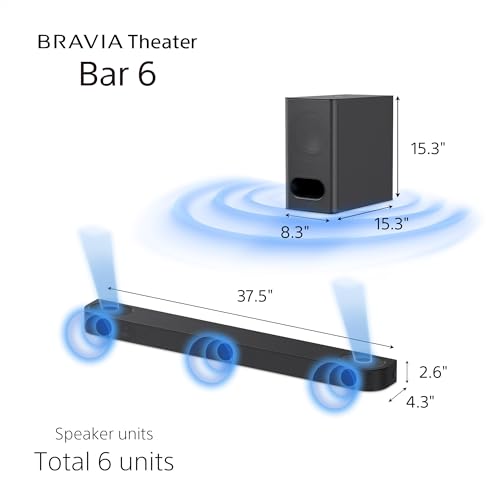
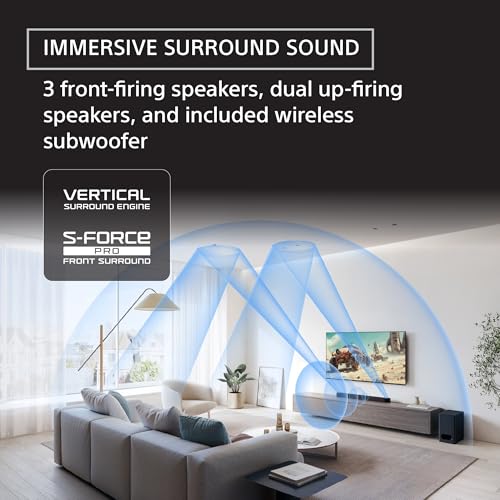
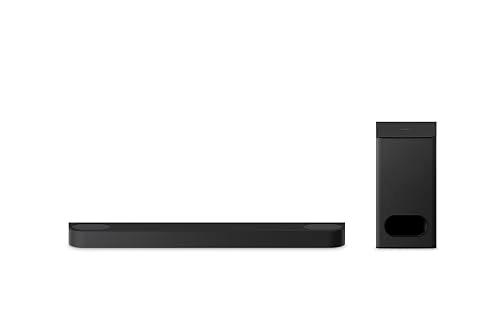
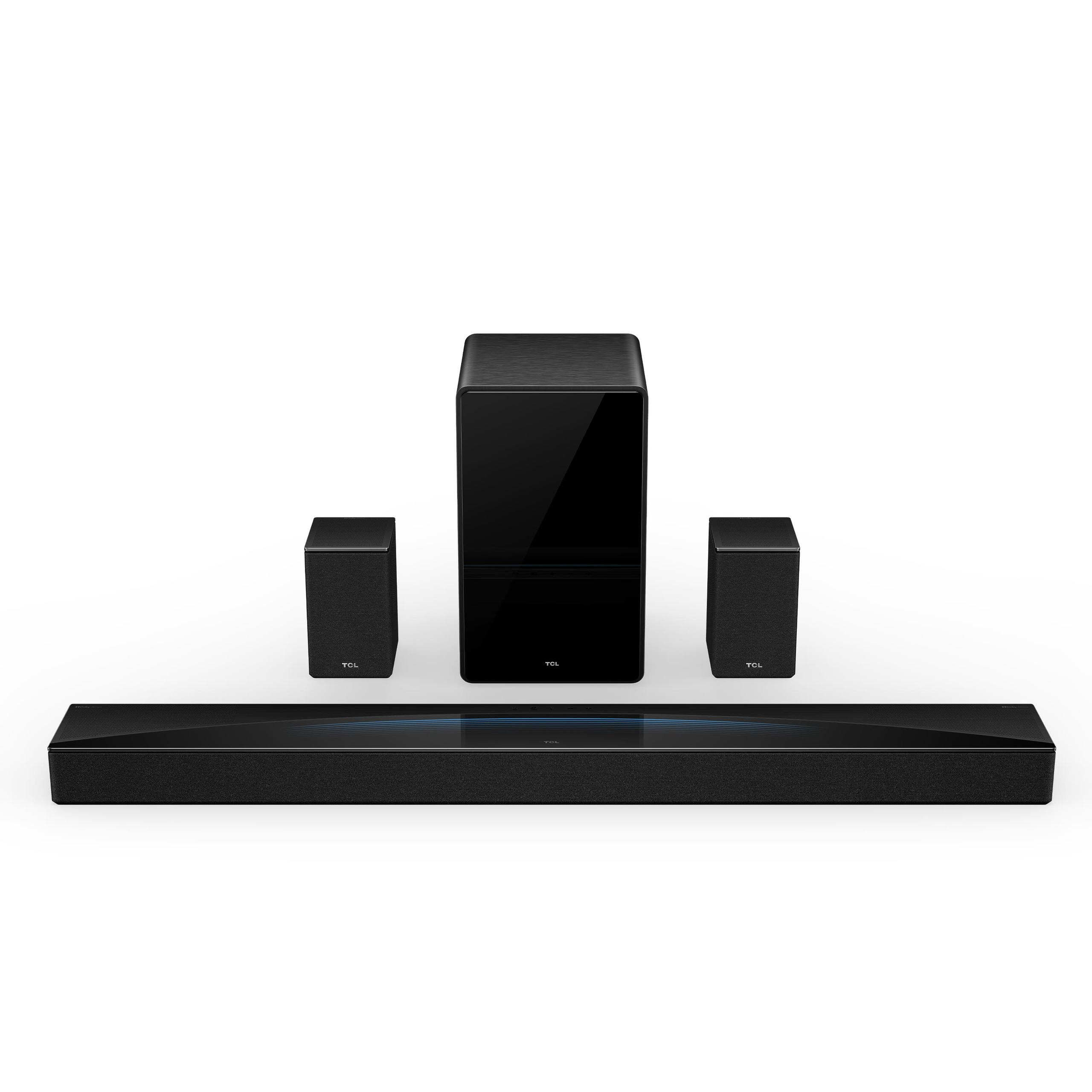
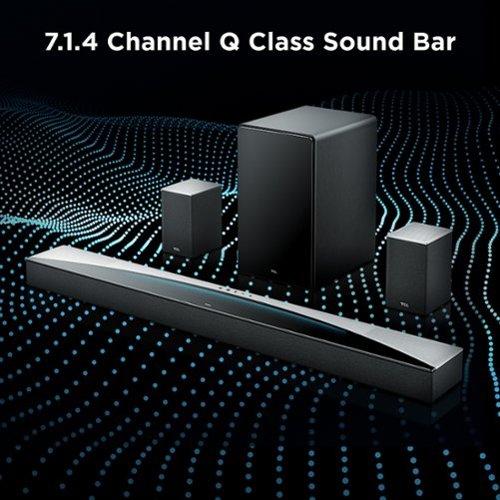
Channel configuration is crucial – this refers to how many speakers the system has and where they're placed. A "3.1.2" system like the Sony BRAVIA Theater Bar 6 has three front speakers (left, center, right), one subwoofer (the ".1"), and two height speakers (the ".2") that fire upward. The TCL Q85H's "7.1.4" setup is much more complex, with seven main speakers, one subwoofer, and four height speakers.
Room compatibility varies dramatically between systems. Some soundbars work well in apartments or smaller spaces, while others need more room to breathe and perform properly. This is where the physical differences between our two contenders become really important.
The Sony BRAVIA Theater Bar 6 and TCL Q85H represent fundamentally different philosophies. Sony released their Theater Bar 6 in 2024 as part of their refresh of the BRAVIA audio lineup, focusing on premium integration with their TVs and compact convenience. TCL also launched the Q85H in 2024 as their flagship soundbar, emphasizing maximum features at an aggressive price point.
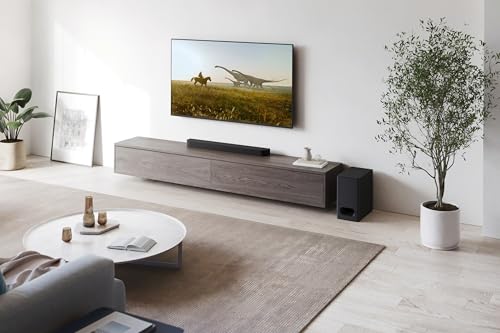
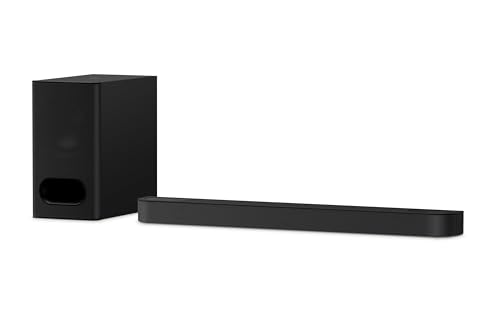
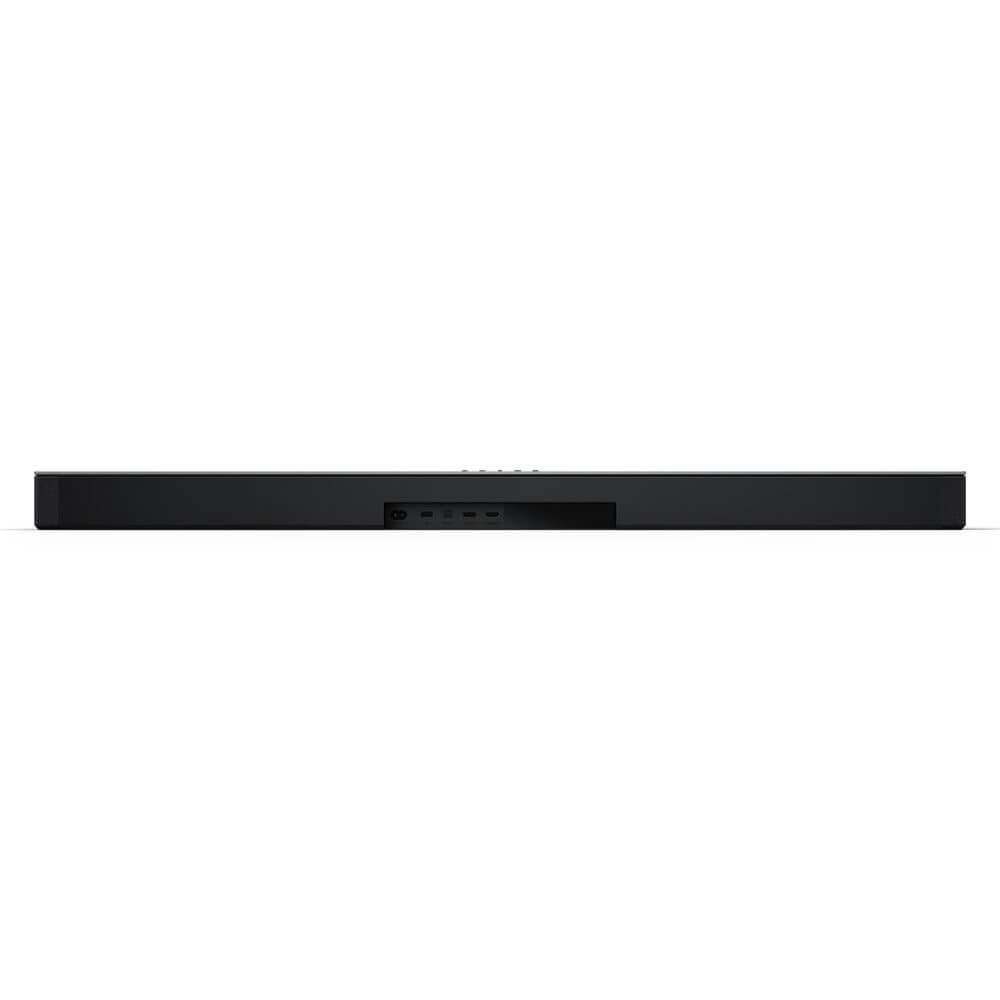
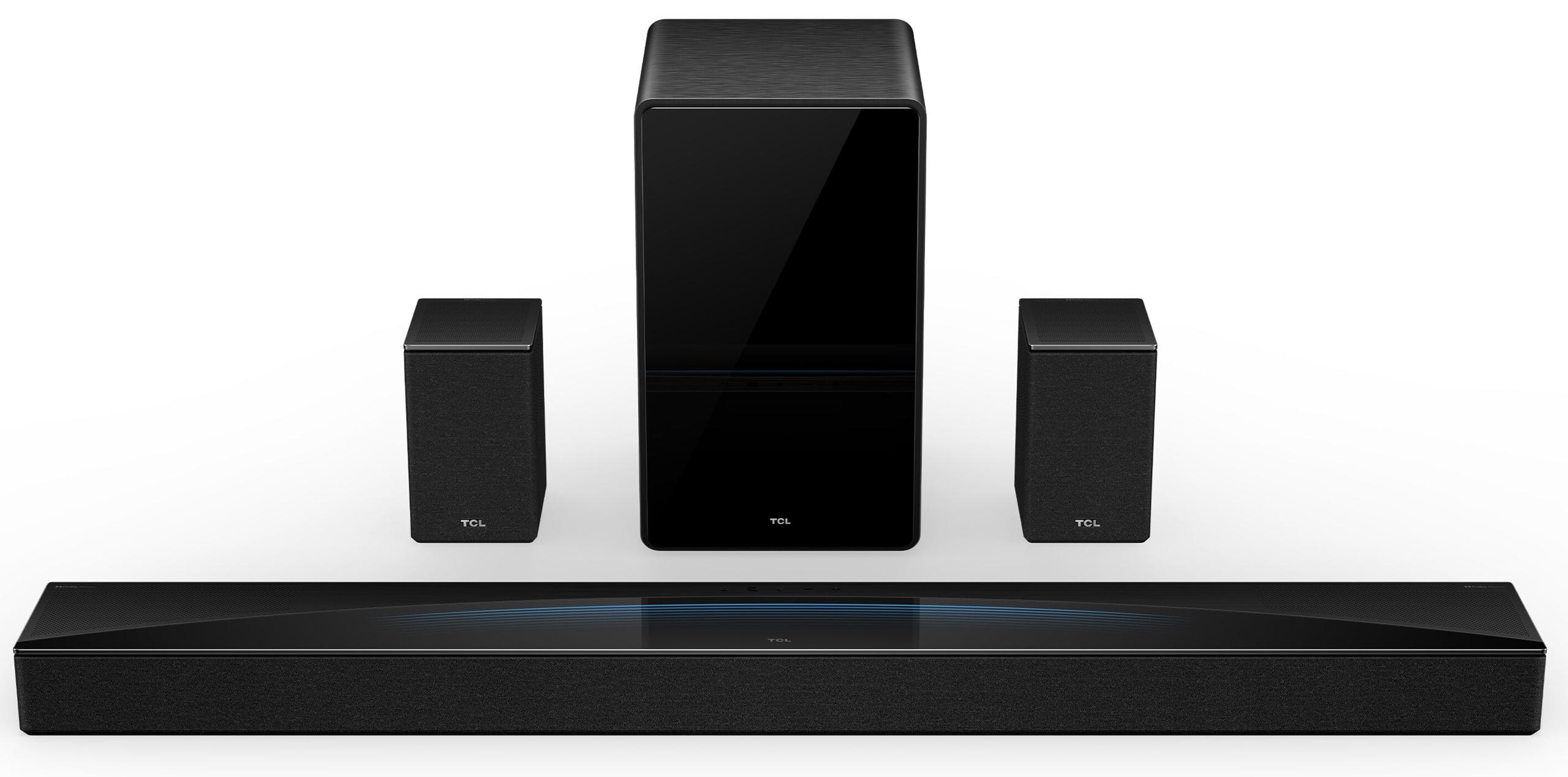
The most obvious difference is physical setup. The Sony system consists of just two pieces: a sleek soundbar and a wireless subwoofer. You can have it running in minutes with minimal cable management. The TCL Q85H, however, includes the main soundbar, a wireless subwoofer, and two additional wireless satellite speakers that need to be positioned behind your seating area.
This setup difference cascades into everything else about how these systems work and sound.
The Sony BRAVIA Theater Bar 6 delivers what I'd call "refined" audio. Sony's engineers clearly prioritized balance and dialogue clarity over sheer power. The system uses their proprietary X-Balanced speaker drivers – these are rectangular instead of the typical circular design, which increases the surface area and theoretically improves sound dispersion.
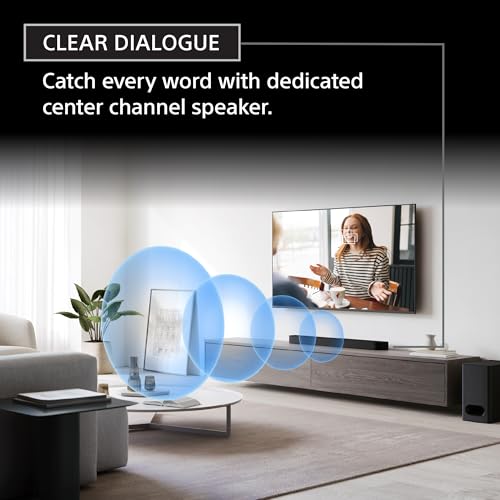
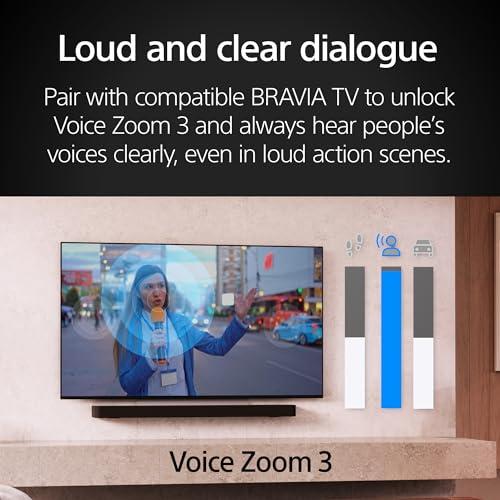
In practice, this means the Sony soundbar excels at making dialogue crisp and intelligible. The dedicated center channel (that middle speaker specifically handling voices) combined with Sony's Clear Voice processing makes it exceptionally easy to follow conversations even during complex action sequences. If you've ever had to constantly adjust volume because explosions drown out dialogue, you'll appreciate this focus.
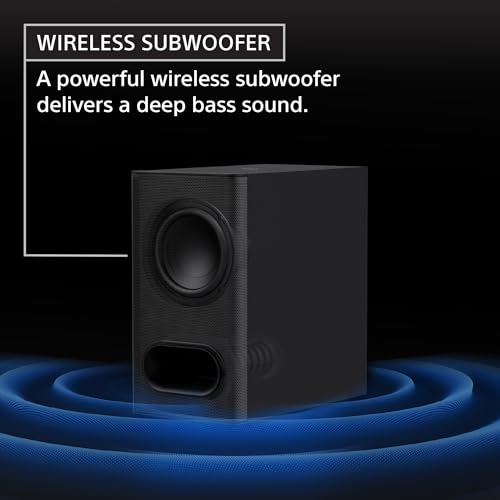
The bass response from Sony's wireless subwoofer is punchy and room-filling, though it can be overwhelming at default settings. Most users find they need to dial down the subwoofer level to -3 or -4 to achieve proper balance. Once adjusted, the low-end complements rather than dominates the audio mix.
However, the Sony's compact design limits its soundstage width. When listening to music or watching movies, the audio doesn't extend much beyond the physical width of the soundbar itself. This isn't necessarily a problem for smaller rooms, but it can feel constrained in larger spaces.
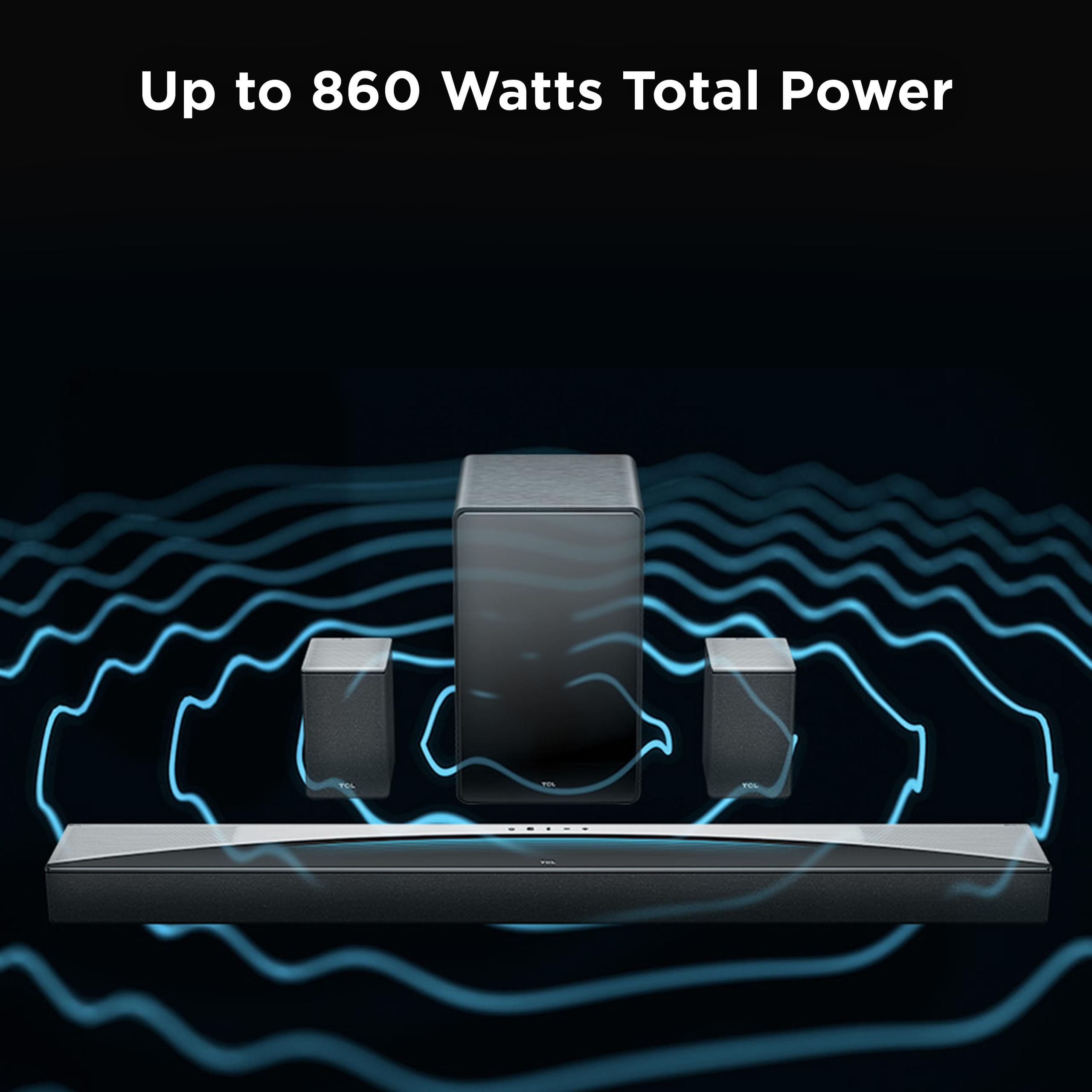
The TCL Q85H takes a dramatically different approach, prioritizing impact and immersion over subtlety. With 860 watts of total power compared to Sony's 350 watts, the TCL can get significantly louder without compression. This isn't just about volume – it's about dynamic range, the difference between the quietest whispers and the loudest explosions.
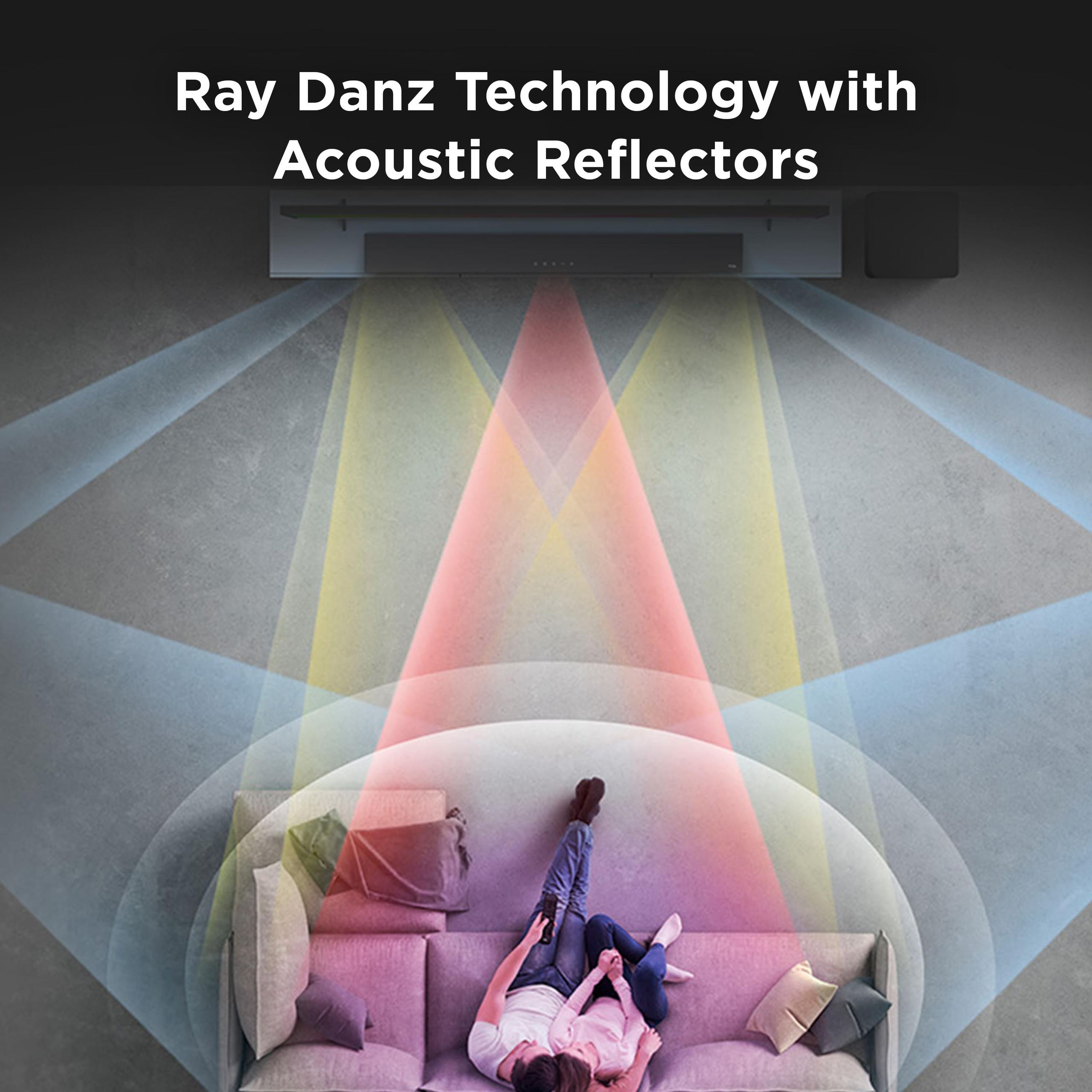
TCL's Ray Danz technology uses side-firing drivers and acoustic reflectors to create a wider soundstage than traditional forward-firing designs. In larger rooms, this creates a more enveloping experience where sound seems to come from beyond the physical boundaries of the soundbar.
The bass response is more powerful but less precise than the Sony. Where Sony's subwoofer delivers tight, controlled low-end, the TCL's approach is more about impact and room-shaking presence. For action movies and gaming, this can be more exciting, but music lovers might find it less refined.
This is where the fundamental design differences become most apparent, and honestly, it's the most important consideration for most buyers.
The Sony BRAVIA Theater Bar 6 relies heavily on psychoacoustic processing – basically, digital tricks that try to fool your brain into hearing surround sound from speakers that are all in front of you. Sony calls this S-Force PRO Front Surround, and while it's cleverly implemented, it has inherent limitations.
Without physical rear speakers, the Sony system can't create convincing surround effects. Sounds that should come from behind you are processed and redirected, but your brain knows something isn't quite right. For casual TV viewing, this isn't a deal-breaker, but for movie enthusiasts, it's noticeable.
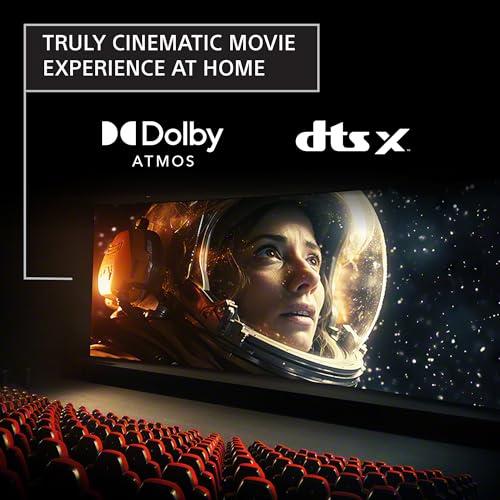
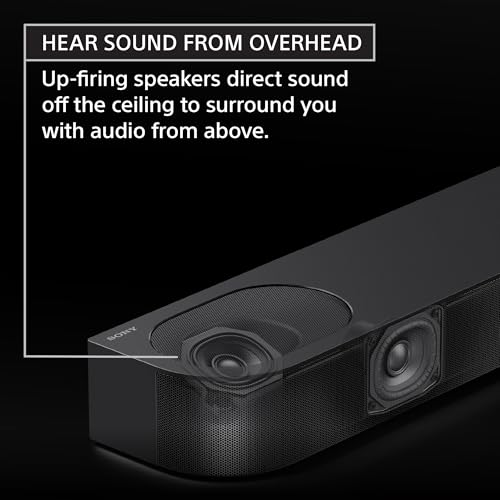
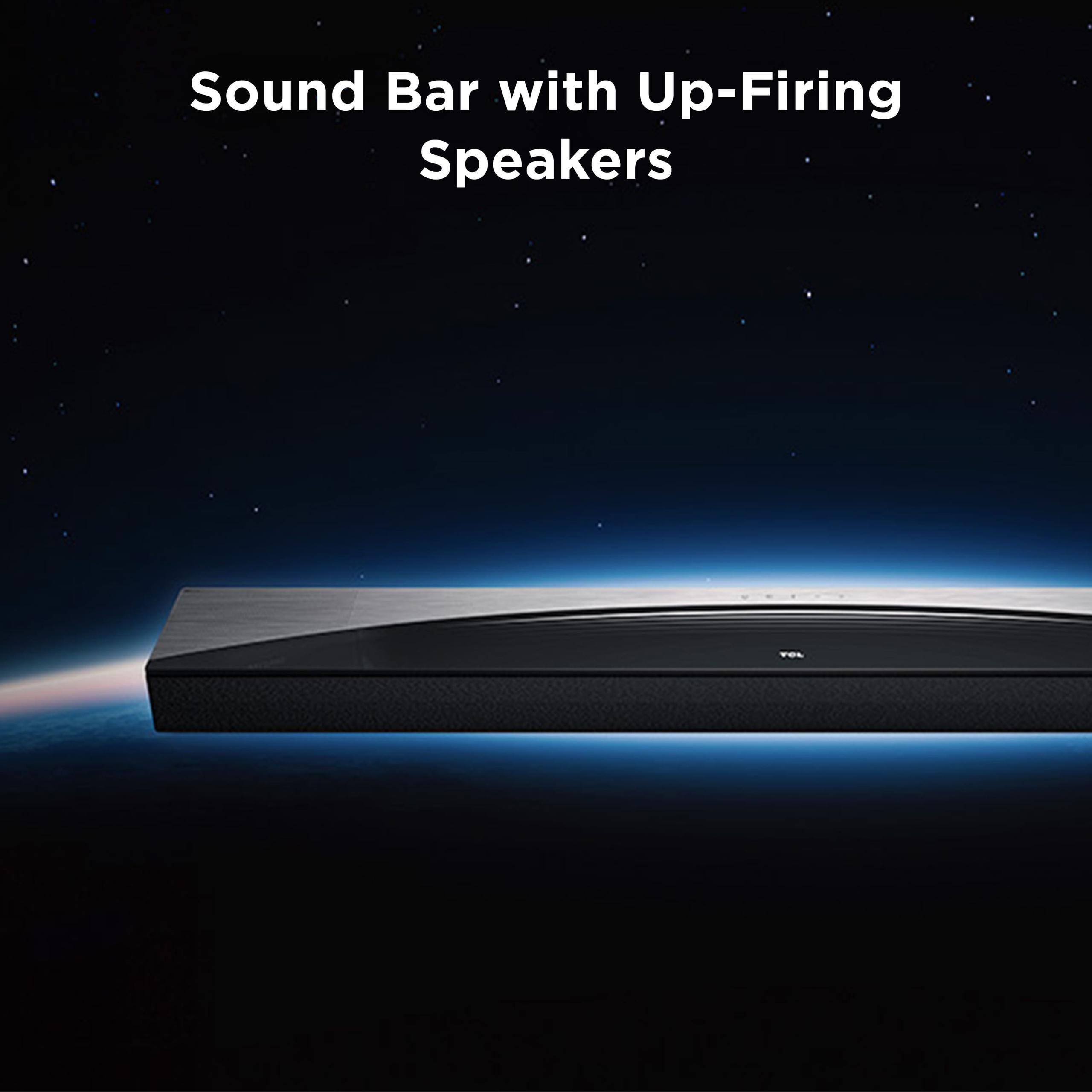
The height effects from Dolby Atmos content are similarly constrained. The two up-firing speakers bounce sound off your ceiling to create the illusion of overhead audio, but the effect is subtle at best. In rooms with high or non-reflective ceilings, you might barely notice any height dimension at all.
The TCL Q85H includes actual wireless satellite speakers that you position behind your seating area. This isn't virtualization – it's real discrete surround sound. When a helicopter flies overhead in a movie, you'll hear it move from front to back to overhead in a way that virtual processing simply cannot replicate.
The satellite speakers connect wirelessly to a hub (which also acts as an amplifier), so you don't need to run cables across your room. However, they do need power outlets near where you place them, which can limit positioning options.
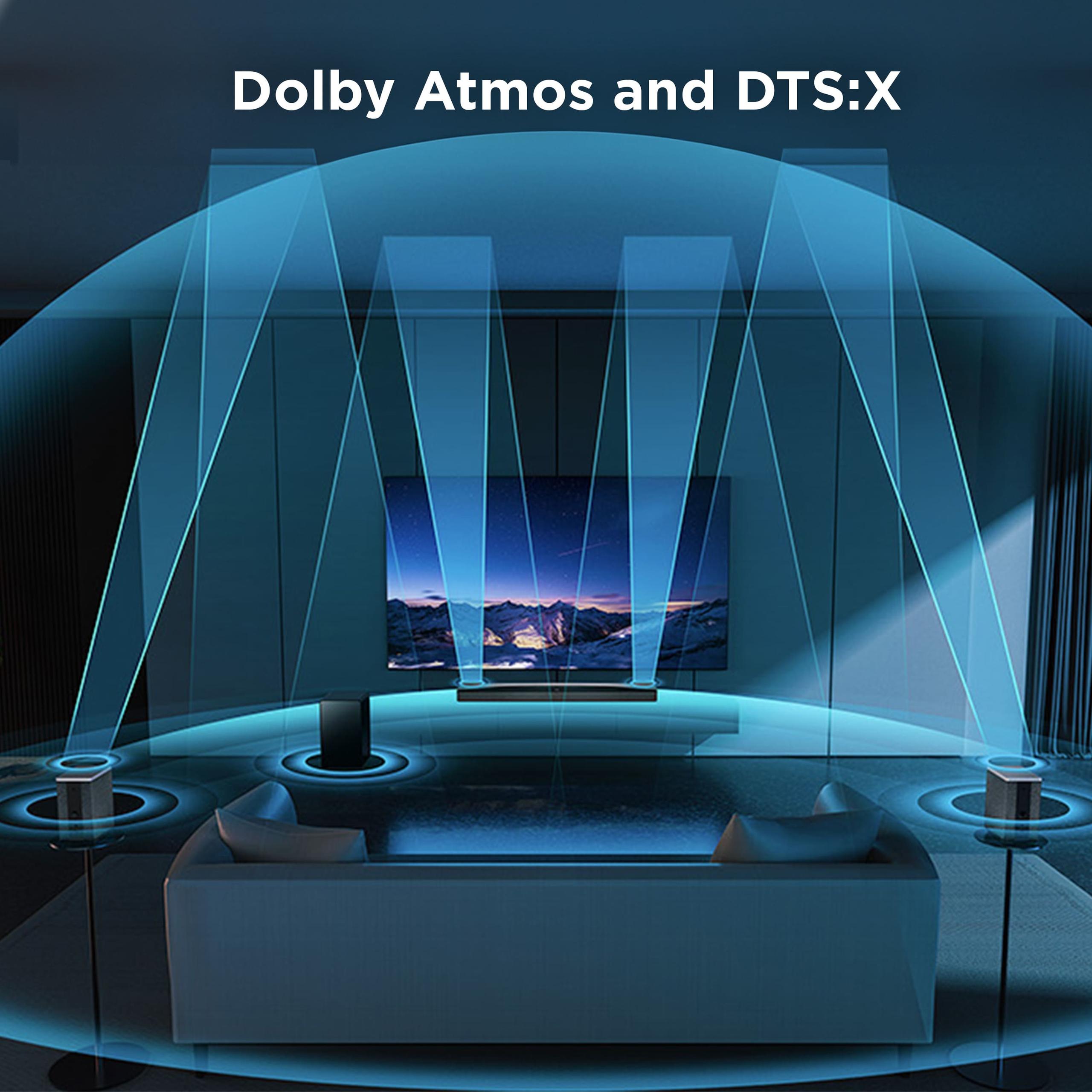
For Dolby Atmos content, the TCL's 7.1.4 configuration with dedicated up-firing drivers creates a much more convincing three-dimensional soundscape. Objects can be placed and moved throughout the audio space with precision that the Sony system simply cannot match.
Both systems were released in 2024, but they approach modern connectivity differently, which affects their gaming capabilities.
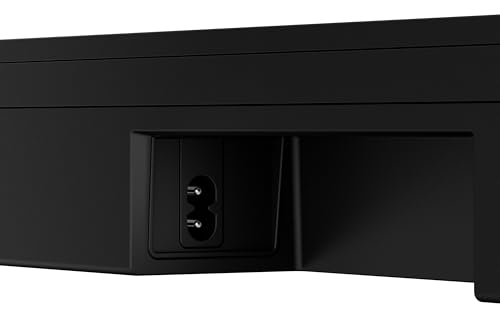
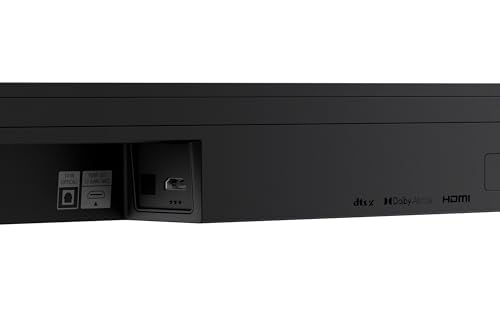
The Sony BRAVIA Theater Bar 6 keeps things simple with HDMI eARC (Enhanced Audio Return Channel – a high-bandwidth connection that carries advanced audio formats from your TV back to the soundbar) and optical input. Notably, it lacks HDMI passthrough, meaning all your devices need to connect directly to your TV. For most users, this isn't a problem, but it can complicate setups with multiple gaming consoles or streaming devices.
The TCL Q85H includes HDMI passthrough but uses HDMI 2.0 rather than the newer 2.1 standard. This means it can't pass 4K video at 120Hz refresh rates – a limitation that affects PlayStation 5 and Xbox Series X gaming. However, it does support Dolby Vision passthrough for enhanced HDR video.
For wireless audio, the Sony is limited to Bluetooth, while the TCL adds Apple AirPlay 2 for streaming from iOS devices.
Modern soundbars include room correction features that adjust audio based on your specific space, though the implementations vary significantly.
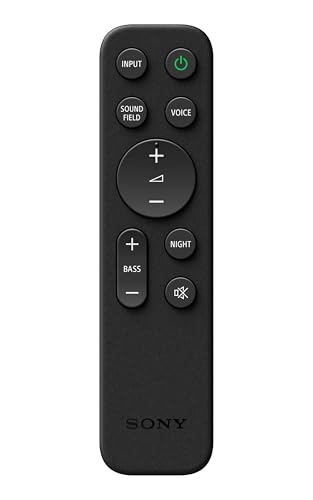
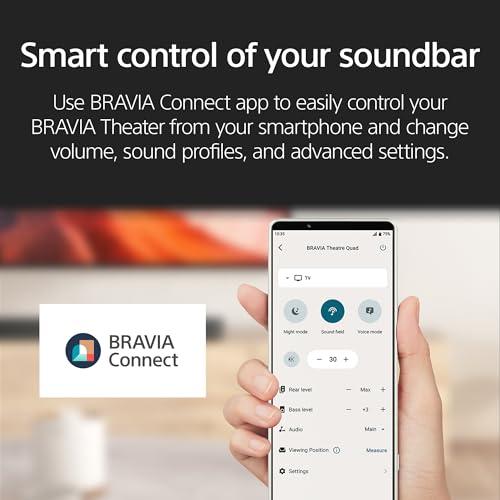
The Sony BRAVIA Theater Bar 6 requires manual room correction – you input your room dimensions and listening distance through the BRAVIA Connect app. It's not as convenient as automatic systems, but it allows for precise customization if you take the time to measure properly.
Where Sony really shines is TV integration, particularly with their own BRAVIA TVs. BRAVIA SYNC allows you to control the soundbar with your TV remote, and settings appear in your TV's quick menu. The Voice Zoom 3.0 feature can even coordinate with compatible BRAVIA TV speakers to enhance dialogue clarity, though the improvement is subtle.
The TCL Q85H features AI Sonic automatic room calibration using your smartphone's microphone. The process is quick – just a few bursts of test tones – but it's somewhat basic compared to premium systems. The TCL Home Connect app provides control and customization, though it's not as polished as Sony's offering.
At the time of writing, these systems are priced differently enough to appeal to distinct audiences, with the Sony positioned as a premium compact solution while the TCL emphasizes features-per-dollar value.
The Sony BRAVIA Theater Bar 6 commands a premium partly due to brand reputation, but primarily because of its specialized integration features and refined tuning. If you own a Sony TV and prioritize simplicity and dialogue clarity, the price premium may be justified.
The TCL Q85H offers significantly more hardware – 15 total speakers versus Sony's 5 – at a lower price point. From a pure specifications standpoint, it's exceptional value. However, more speakers don't automatically equal better sound if the tuning isn't optimal.
You're looking for premium compact audio with minimal setup complexity. The Sony system is ideal for smaller to medium-sized rooms where space is at a premium. If you own a Sony BRAVIA TV, the integration benefits make it particularly appealing.
This system excels for dialogue-heavy content – news, talk shows, drama series – where voice clarity matters most. It's also perfect for apartments or shared living situations where you want better audio without overwhelming bass that might disturb neighbors.
The Sony is your best bet if you prioritize brand reputation and refined engineering over maximum features. It's a system that does fewer things but does them very well.
You want true surround sound immersion and have the space to accommodate satellite speakers. The TCL system is designed for larger rooms where its more powerful output and wider soundstage can be fully appreciated.
This system is ideal for movie enthusiasts and gamers (despite the HDMI 2.0 limitation) who prioritize spatial audio and immersive experiences. If you frequently watch action movies or play games where environmental audio matters, the discrete surround channels make a significant difference.
The TCL Q85H is also the clear choice for budget-conscious buyers who want flagship features without flagship pricing. You're getting substantially more audio hardware and processing power for your money.
Both the Sony BRAVIA Theater Bar 6 and TCL Q85H represent solid engineering approaches to different problems. Sony focuses on refinement and integration – delivering premium audio quality in a compact, easy-to-use package that works exceptionally well within their ecosystem.
TCL prioritizes maximum performance and features, offering true surround sound capabilities typically found in much more expensive systems. The trade-off is increased complexity and a less refined overall experience.
Your choice should depend primarily on your room size, setup tolerance, and whether you value convenience or maximum immersion more. In smaller spaces or for users who prioritize simplicity, the Sony delivers exceptional performance with minimal hassle. For larger rooms and users willing to manage a more complex setup, the TCL Q85H provides significantly more immersive audio at an impressive value.
Either system will dramatically improve your TV audio experience – the question is which approach better matches your specific needs and preferences.
| Sony BRAVIA Theater Bar 6 | TCL Q85H Q Class 7.1.4 Channel Sound Bar System |
|---|---|
| Channel Configuration - Determines surround sound realism and immersion | |
| 3.1.2 channels (5 speakers total + subwoofer) | 7.1.4 channels (15 speakers total + subwoofer) |
| Physical Setup - Affects room requirements and installation complexity | |
| Single soundbar + wireless subwoofer (minimal footprint) | Soundbar + wireless subwoofer + 2 wireless satellite speakers |
| Surround Sound Method - Real vs virtual surround significantly impacts movie experience | |
| Virtual surround processing (S-Force PRO Front Surround) | True discrete surround with physical rear speakers |
| Total Power Output - Determines maximum volume and dynamic range | |
| 350W (suitable for small-medium rooms) | 860W (handles large rooms with authority) |
| Dolby Atmos Performance - Critical for modern movie and gaming audio | |
| Limited height effects, relies on ceiling reflection | Proper 7.1.4 Atmos with dedicated up-firing drivers |
| Dialogue Clarity - Essential for TV shows, news, and movie comprehension | |
| Excellent with dedicated center channel and Clear Voice processing | Good center channel performance with voice enhancement modes |
| TV Integration - Simplifies daily use and reduces remote clutter | |
| Exceptional Sony BRAVIA TV integration with unified control | Good TCL/Roku TV integration, standard for other brands |
| Room Calibration - Optimizes sound for your specific space | |
| Manual setup via BRAVIA Connect app (requires measurements) | AI Sonic automatic calibration using smartphone microphone |
| HDMI Connectivity - Affects gaming and device connection flexibility | |
| HDMI eARC only, no passthrough (all devices connect to TV) | HDMI 2.0 with eARC and passthrough (no 4K 120Hz gaming support) |
| Wireless Streaming - Determines music playback options from mobile devices | |
| Bluetooth only | Bluetooth 5.1 + Apple AirPlay 2 |
| Subwoofer Design - Impacts bass performance and placement flexibility | |
| 6-inch wireless subwoofer with tight, controlled bass | 6.5-inch wireless subwoofer with powerful, room-filling bass |
| Best Room Size - Where each system performs optimally | |
| Small to medium rooms, apartments | Medium to large rooms with space for satellite placement |
| Primary Strength - What each system does exceptionally well | |
| Compact convenience with refined Sony ecosystem integration | Maximum surround immersion and features at aggressive pricing |
The Sony BRAVIA Theater Bar 6 is better suited for small rooms due to its compact 3.1.2 channel design that doesn't require additional satellite speakers. The TCL Q85H needs space for wireless rear speakers, making it less practical in cramped spaces.
Yes, rear speakers make a significant difference. The TCL Q85H includes wireless satellite speakers for true surround sound, while the Sony BRAVIA Theater Bar 6 relies on virtual processing that can't match the immersion of physical rear channels.
The Sony BRAVIA Theater Bar 6 excels at dialogue clarity with its dedicated center channel and Clear Voice processing technology. While the TCL Q85H also provides good voice reproduction, Sony's focus on dialogue enhancement gives it the edge.
The Sony BRAVIA Theater Bar 6 has 3.1.2 channels (5 total speakers), while the TCL Q85H features 7.1.4 channels (15 total speakers). More channels typically mean better surround sound immersion and more precise audio positioning.
The Sony BRAVIA Theater Bar 6 is much easier to set up with just a soundbar and wireless subwoofer. The TCL Q85H requires positioning and powering additional satellite speakers, making installation more complex.
Both work for gaming, but with limitations. The Sony BRAVIA Theater Bar 6 lacks HDMI passthrough, while the TCL Q85H uses HDMI 2.0 which can't handle 4K 120Hz gaming from modern consoles.
The TCL Q85H delivers significantly higher volume levels with its 860W output compared to the Sony BRAVIA Theater Bar 6's 350W. The TCL can fill larger rooms with minimal compression at high volumes.
The TCL Q85H provides much better Dolby Atmos performance with its true 7.1.4 configuration and dedicated height channels. The Sony BRAVIA Theater Bar 6 offers limited height effects that depend heavily on room acoustics.
The TCL Q85H offers exceptional value with 15 speakers, true surround sound, and powerful output at a competitive price point. The Sony BRAVIA Theater Bar 6 costs more but provides premium build quality and excellent TV integration.
Yes, both work with any TV that has HDMI ARC or optical output. However, the Sony BRAVIA Theater Bar 6 offers superior integration features when paired with Sony BRAVIA TVs, including unified remote control and enhanced dialogue features.
The Sony BRAVIA Theater Bar 6 provides more balanced and refined music reproduction with its precision-tuned drivers. The TCL Q85H emphasizes impact and power, which can overwhelm subtle musical details.
The Sony BRAVIA Theater Bar 6 is ideal for small to medium rooms where its compact design and 350W output provide adequate performance. The TCL Q85H is designed for medium to large rooms where its 860W power and satellite speakers can be fully utilized.
We've done our best to create useful and informative comparisons to help you decide what product to buy. Our research uses advanced automated methods to create this comparison and perfection is not possible - please contact us for corrections or questions. These are the sites we've researched in the creation of this article: rtings.com - bestbuy.com - whathifi.com - youtube.com - youtube.com - sony.com - galaxus.at - helpguide.sony.net - audioadvice.com - electronics.sony.com - youtube.com - youtube.com - electronics.sony.com - helpguide.sony.net - whatgear.net - consumerreports.org - gamerant.com - bestbuy.com - tcl.com - bestbuy.com - tcl.com - tcl.com - nfm.com - tcl.com - electronicexpress.com - tcl.com - tcl.com - digitaltrends.com

Privacy Policy
Terms and Conditions - Affiliate Policy
Home Security
© Copyright 2008-2026.
11816 Inwood Rd #1211, Dallas, TX 75244